

Mid-Size Buildings, In-Unit Racks Audio Video | Home Theater Installations Serving Cape Canaveral, FL
The largest group of Cape Canaveral homes sits in buildings of twenty to forty-nine units, and the median home is valued at 3,900 — small enough that the rack and the coverage plan stay inside the home.
Transforming Everyday Experiences with Cutting-Edge AV Solutions
From homes to vehicles, discover the pinnacle of smart technology, audio-visual enhancements, and security innovations designed to elevate your lifestyle.
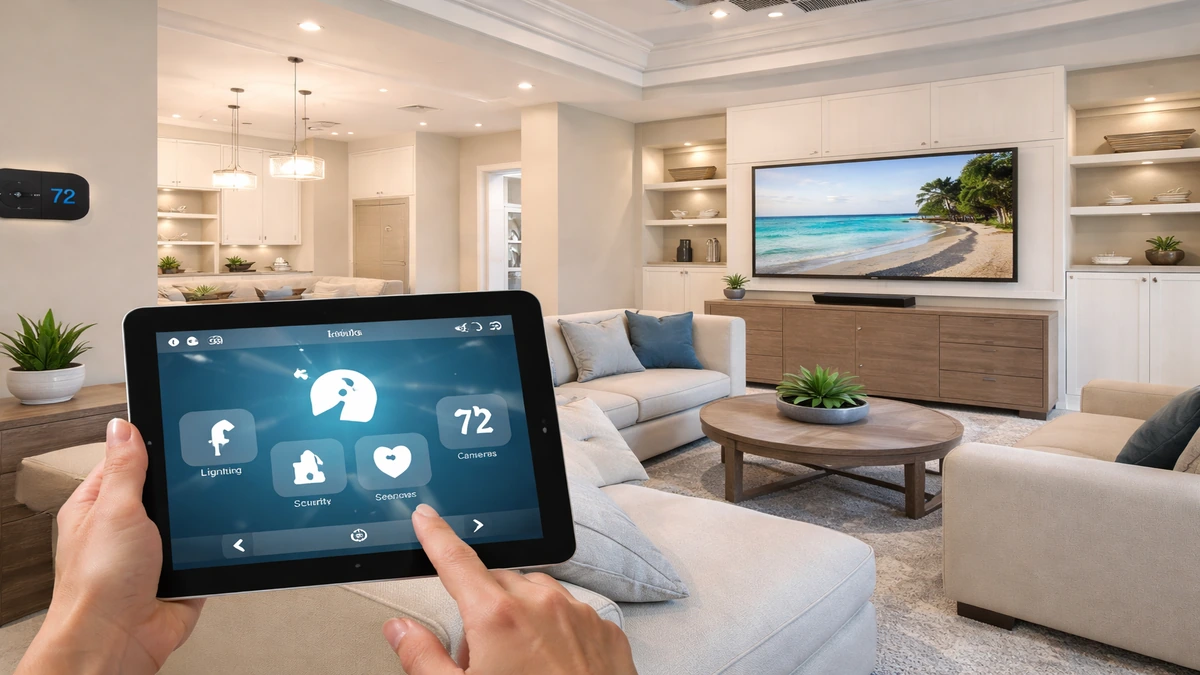
Smart Home Automation Installation
Integrated control for lighting, climate, security, and entertainment.
4 minutes
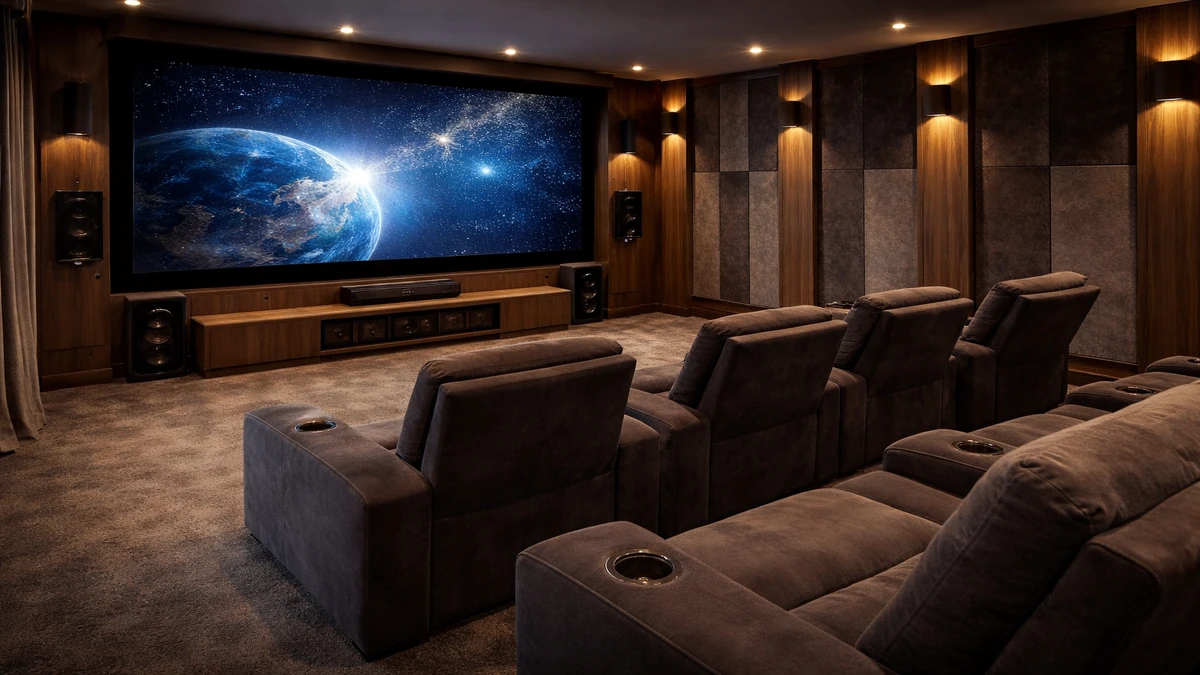
Home Theater Installation
Custom theater rooms designed for immersive picture, sound, and comfort.
4 minutes
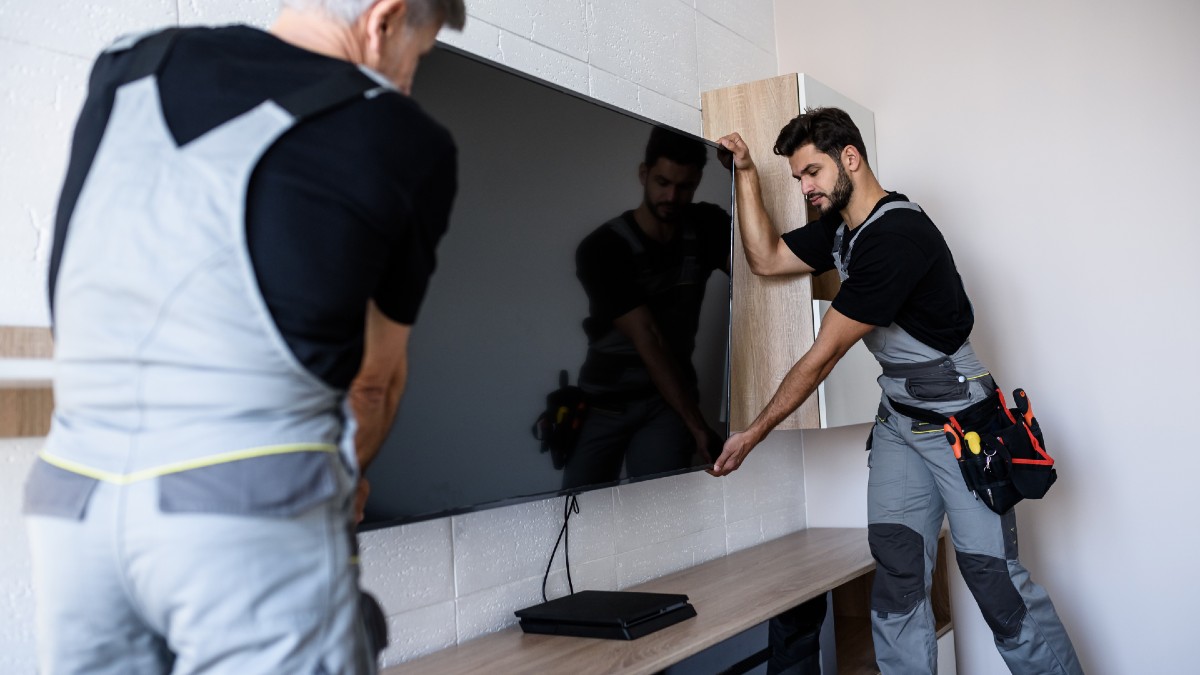
TV Wall Mounting
Professional TV mounting for cleaner layouts and better viewing angles.
5 minutes
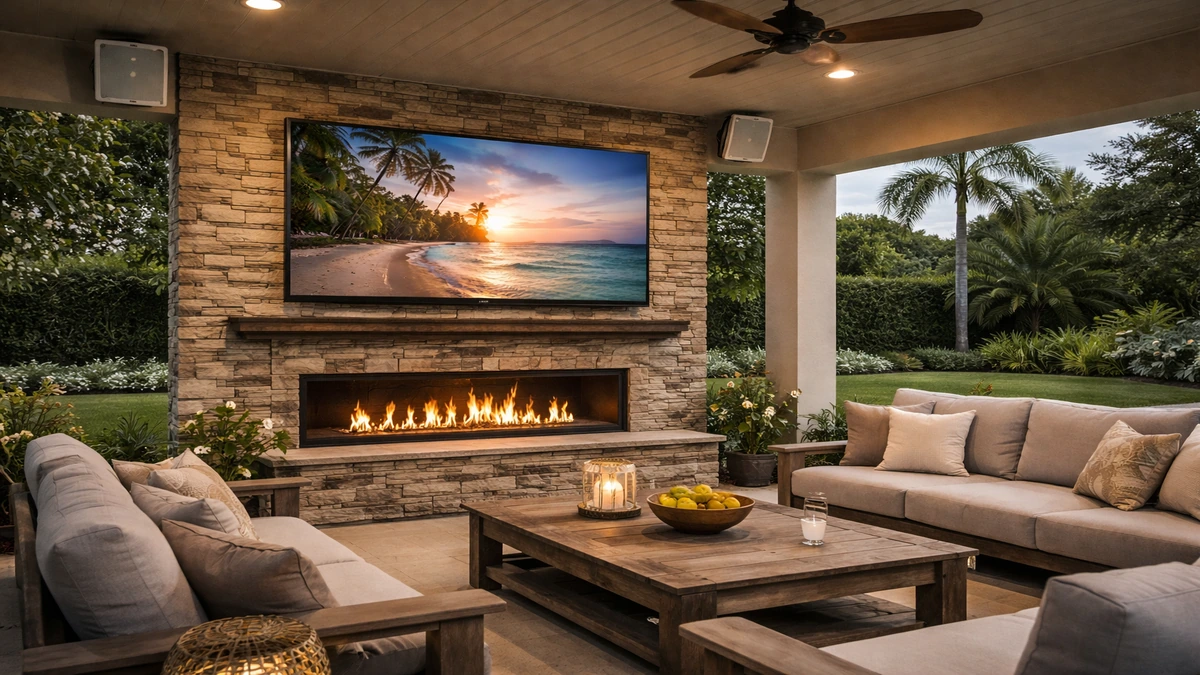
Outdoor TV Installation
Weather-aware outdoor TV setups built for patios, lanais, and pool areas.
5 minutes
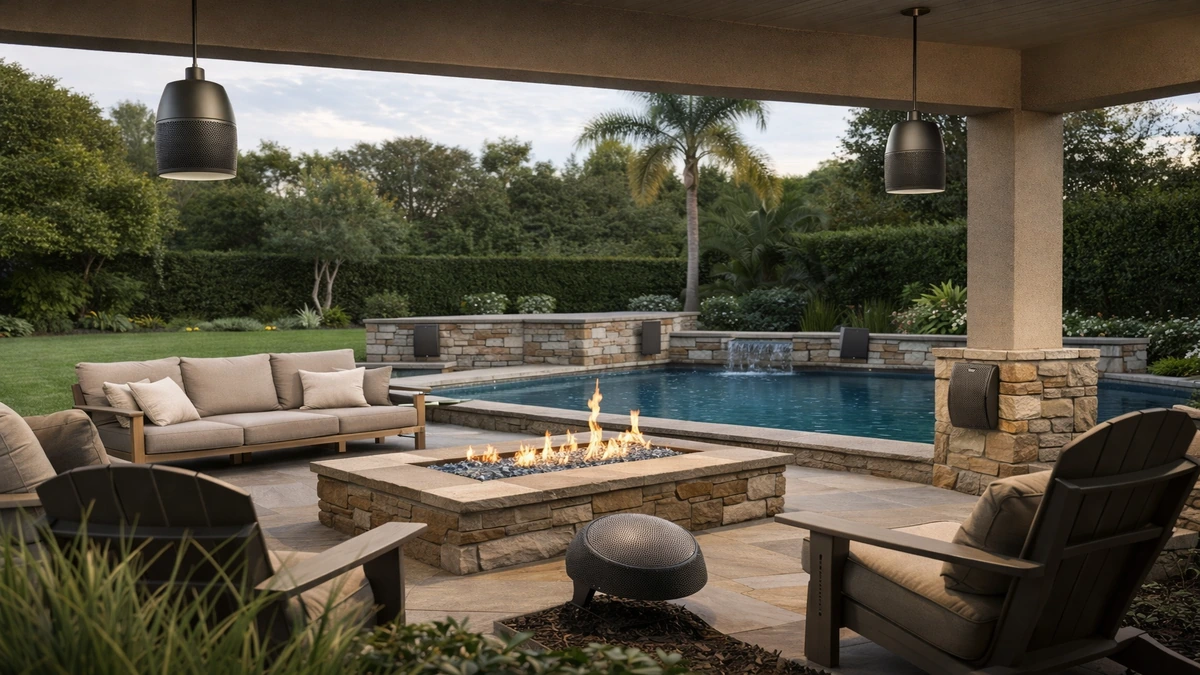
Outdoor Audio Installation
Outdoor speaker systems planned for clear sound and reliable coverage.
4 minutes
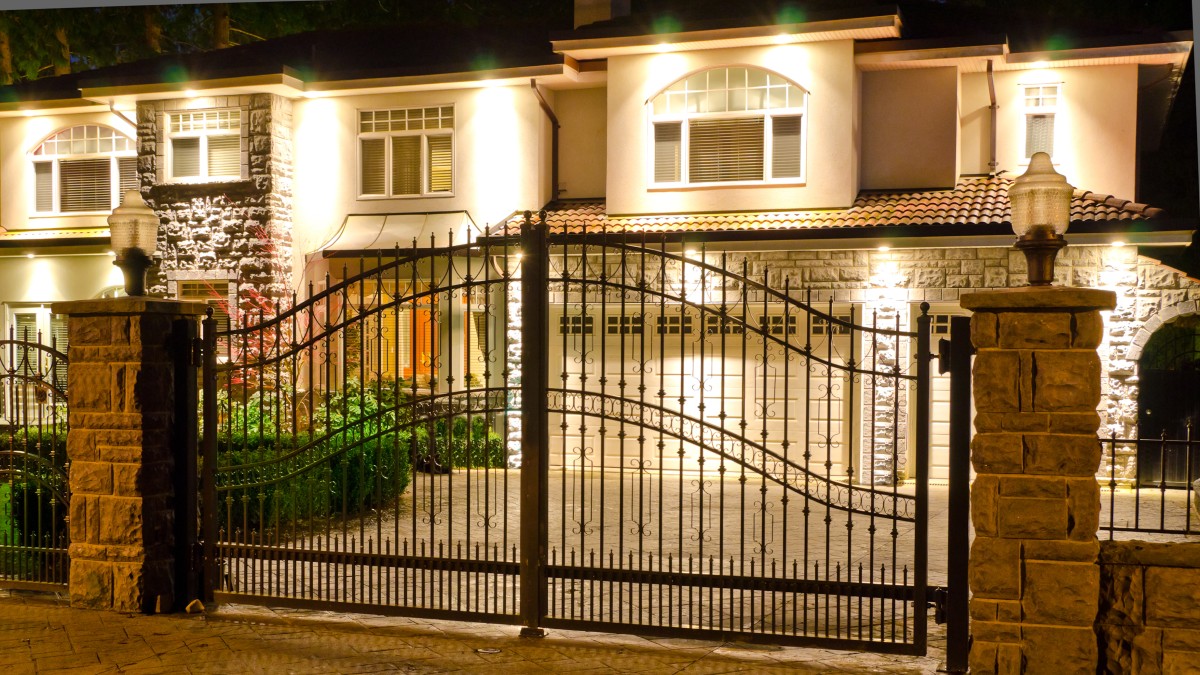
Automatic Gates
Secure, convenient gate automation with access control and entry integration.
4 minutes
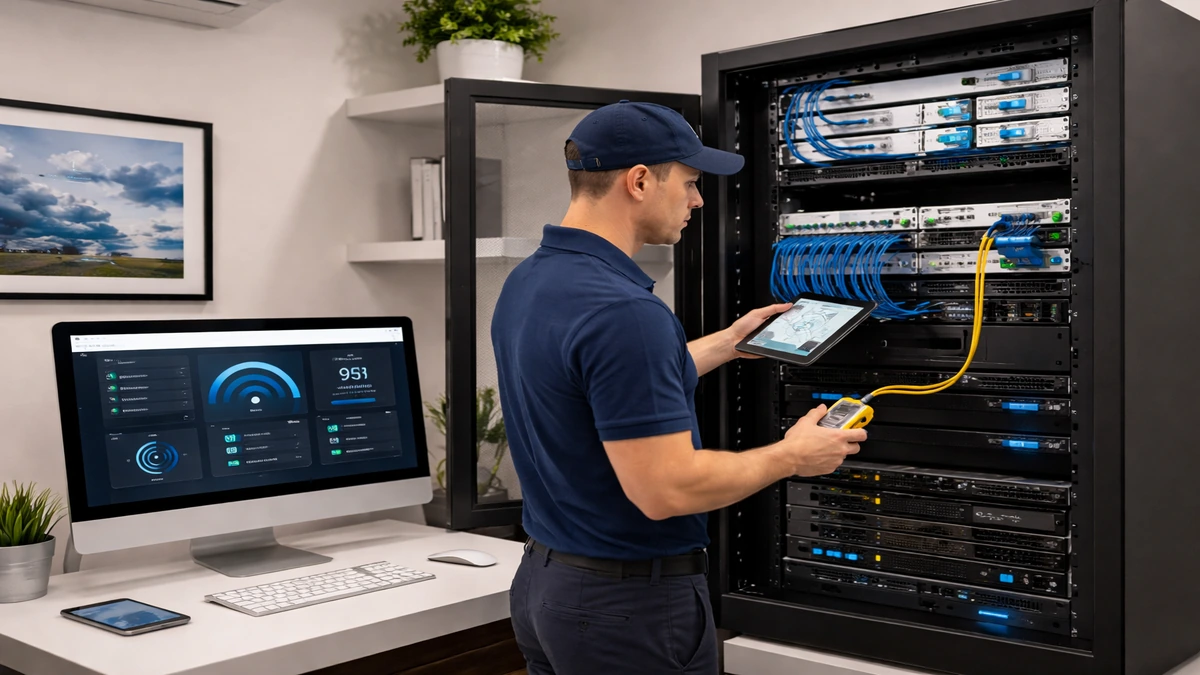
Home Network Installation
Stronger Wi-Fi, better coverage, and dependable connectivity throughout the property.
4 minutes
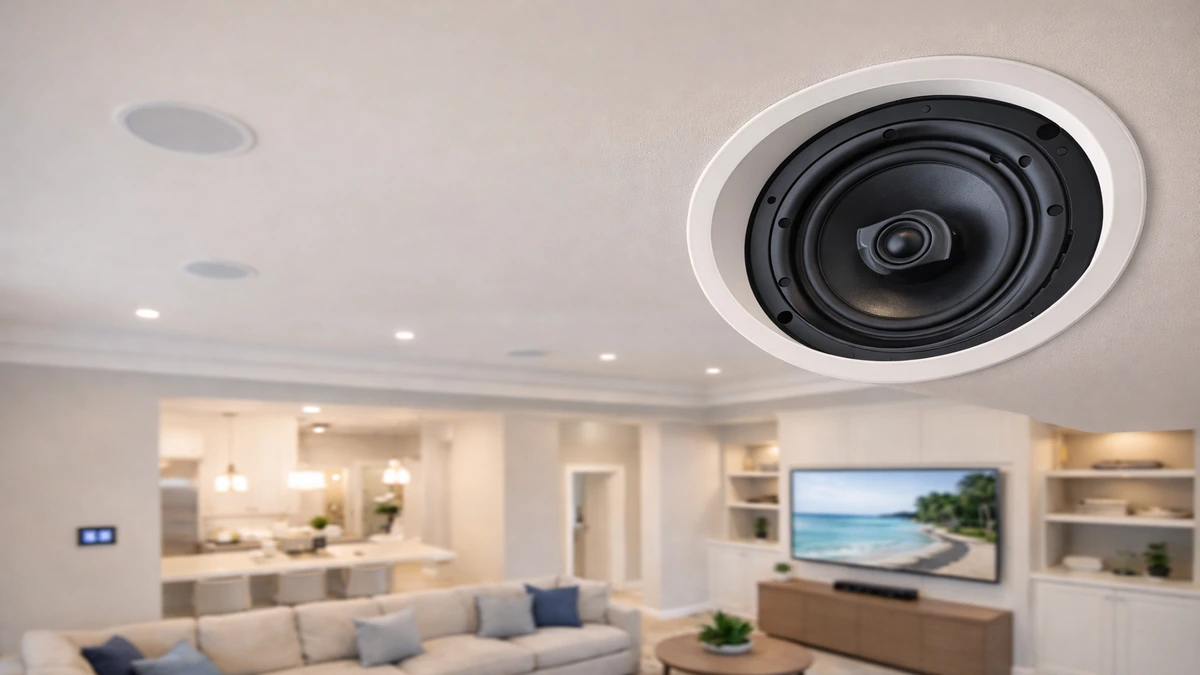
Ceiling Speaker Installation
Clean in-ceiling audio solutions for music, TV, and multi-room sound.
4 minutes
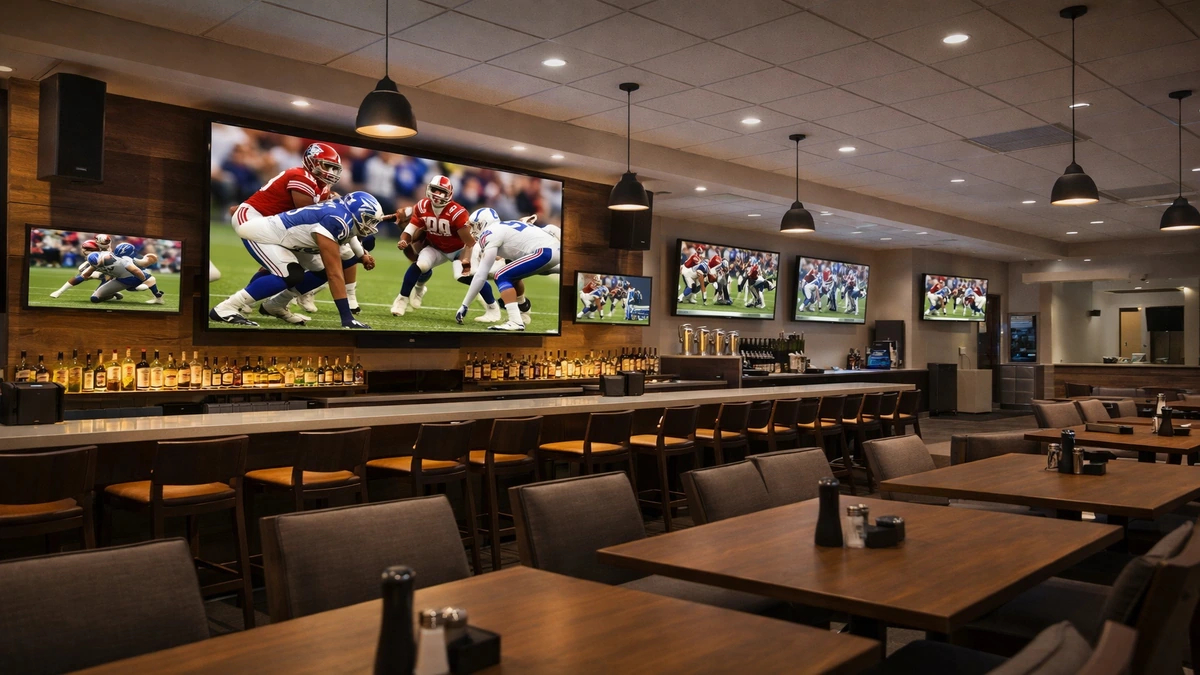
Commercial AV Installation
Professional audio, video, and control systems for business environments.
4 minutes
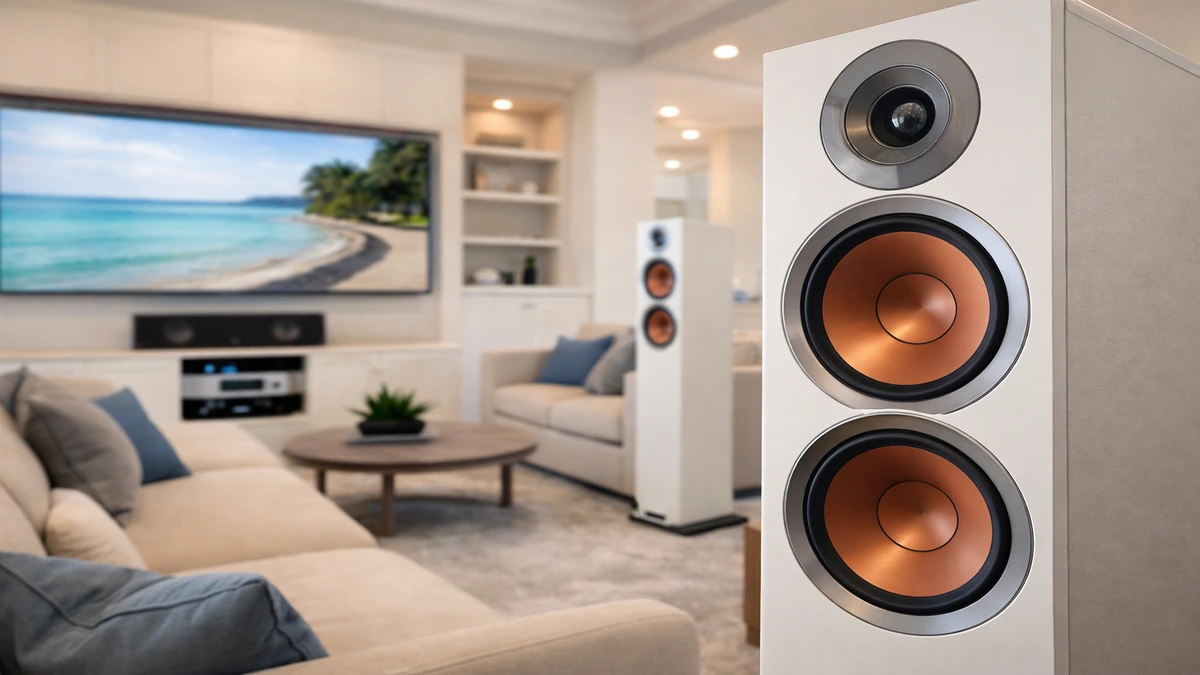
Home Audio Installation
Whole-home and room-based audio systems tailored to how you listen.
4 minutes
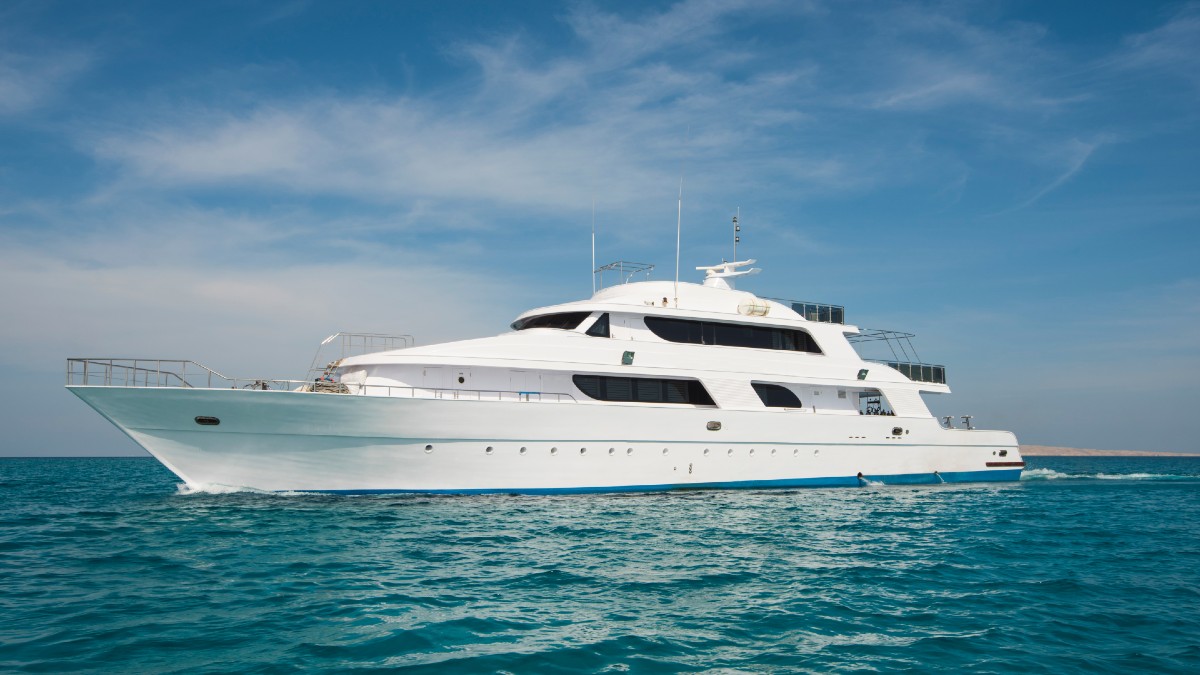
Marine Audio & Electronics Installation
Boat audio, displays, and electronics installed for performance on the water.
4 minutes
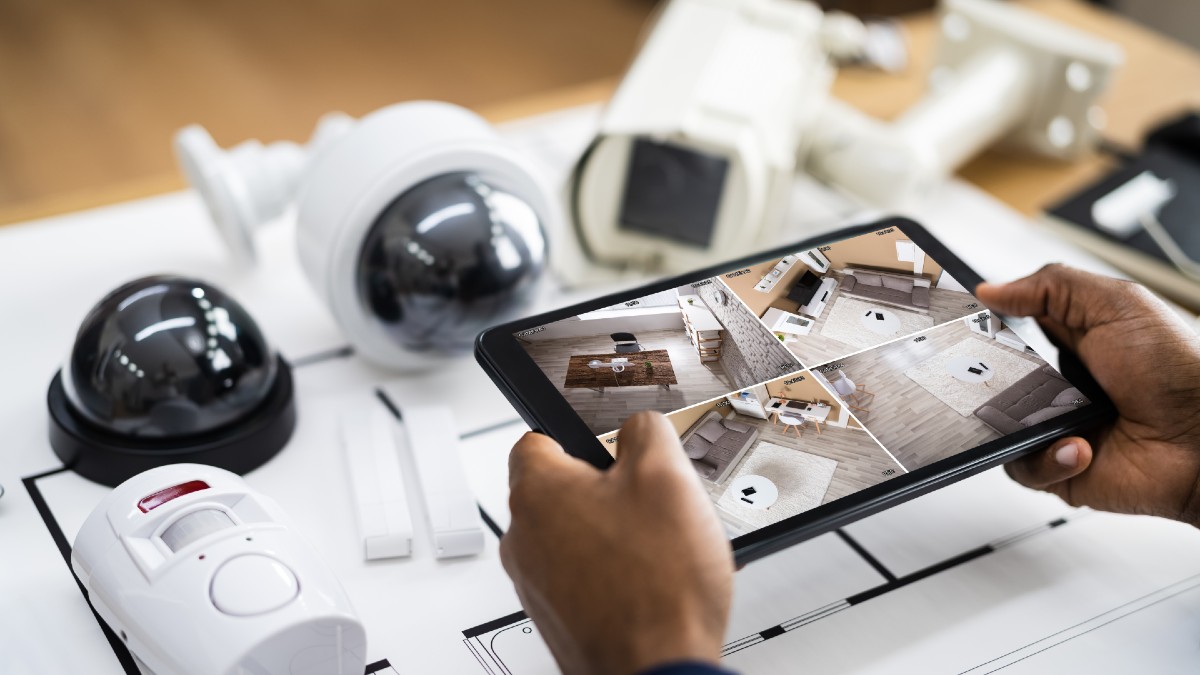
Security Camera Installation
Smart camera systems for visibility, alerts, recording, and remote monitoring.
4 minutes
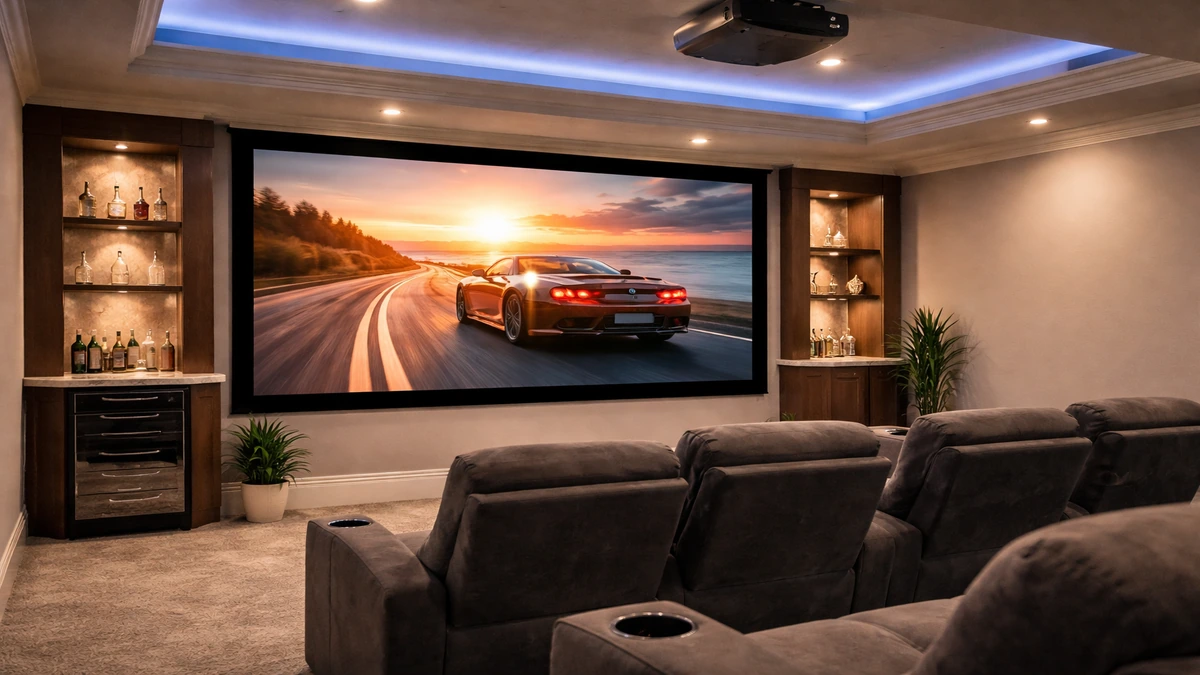
Projector Screen Installation
Projectors and screens configured for sharp viewing and balanced room performance.
4 minutes
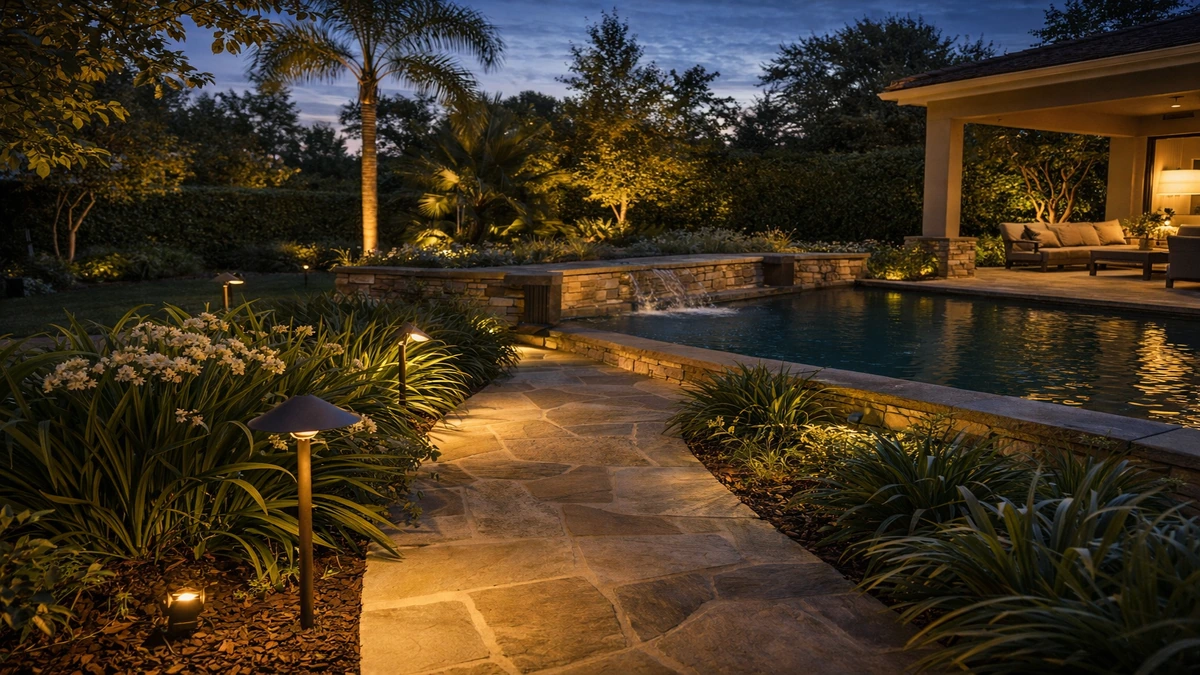
Outdoor Lighting Installation
Exterior lighting that improves curb appeal, ambiance, and nighttime usability.
4 minutes
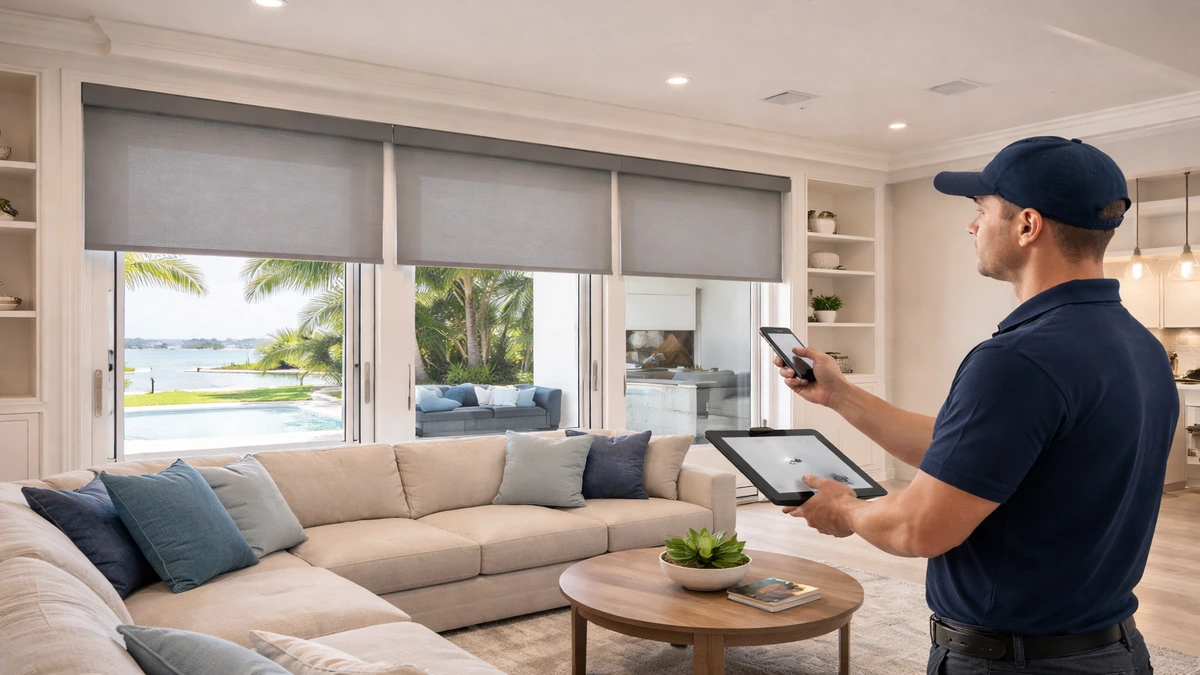
Motorized Blinds Installation
Automated shading for privacy, glare control, and everyday convenience.
4 minutes
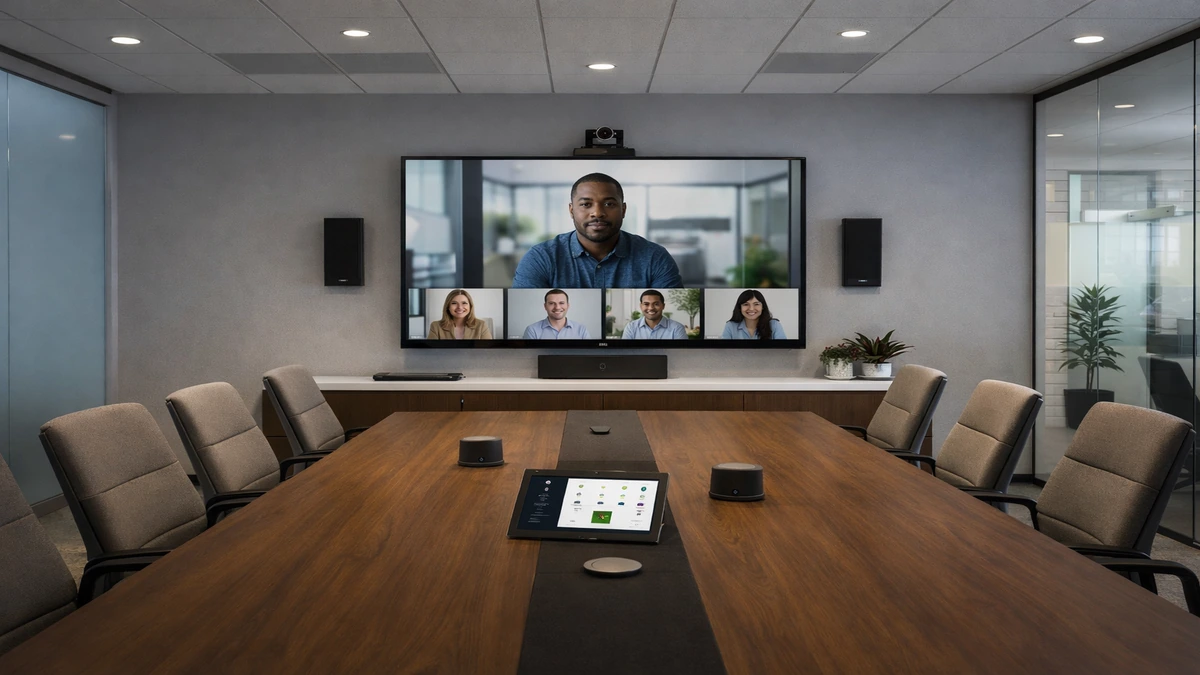
Conference Room AV Installation
Meeting room technology for clearer presentations, calls, and collaboration.
4 minutes
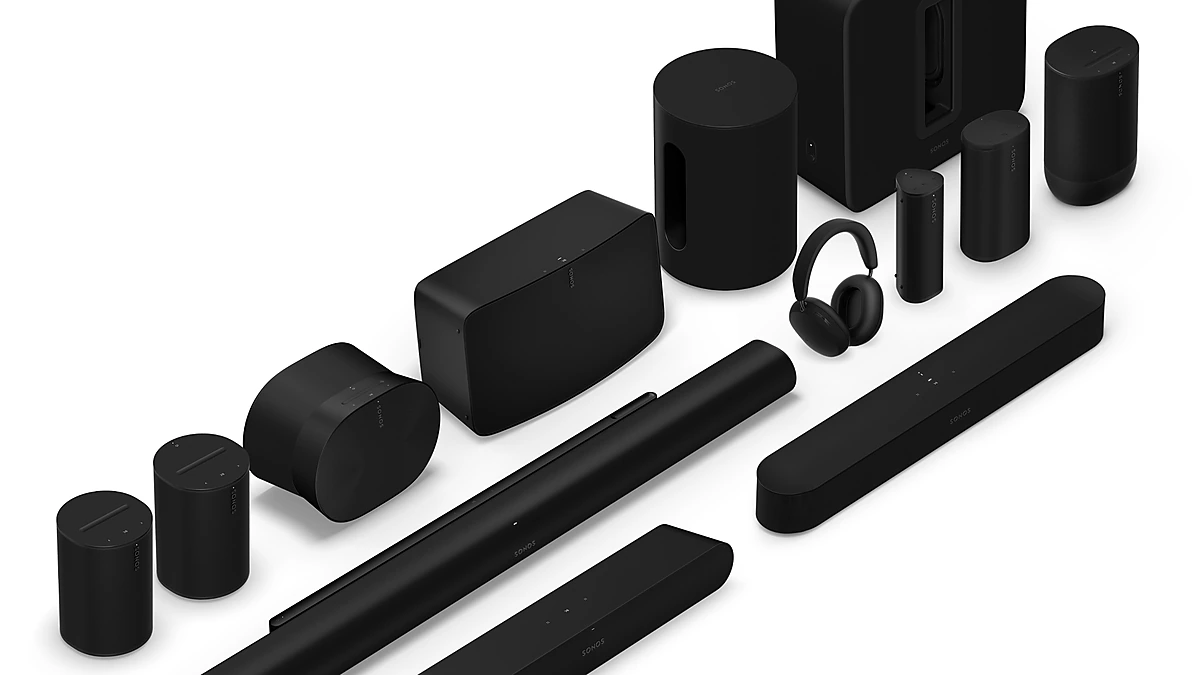
Sonos Installation
Sonos system design, setup, and tuning for simple multi-room audio.
4 minutes
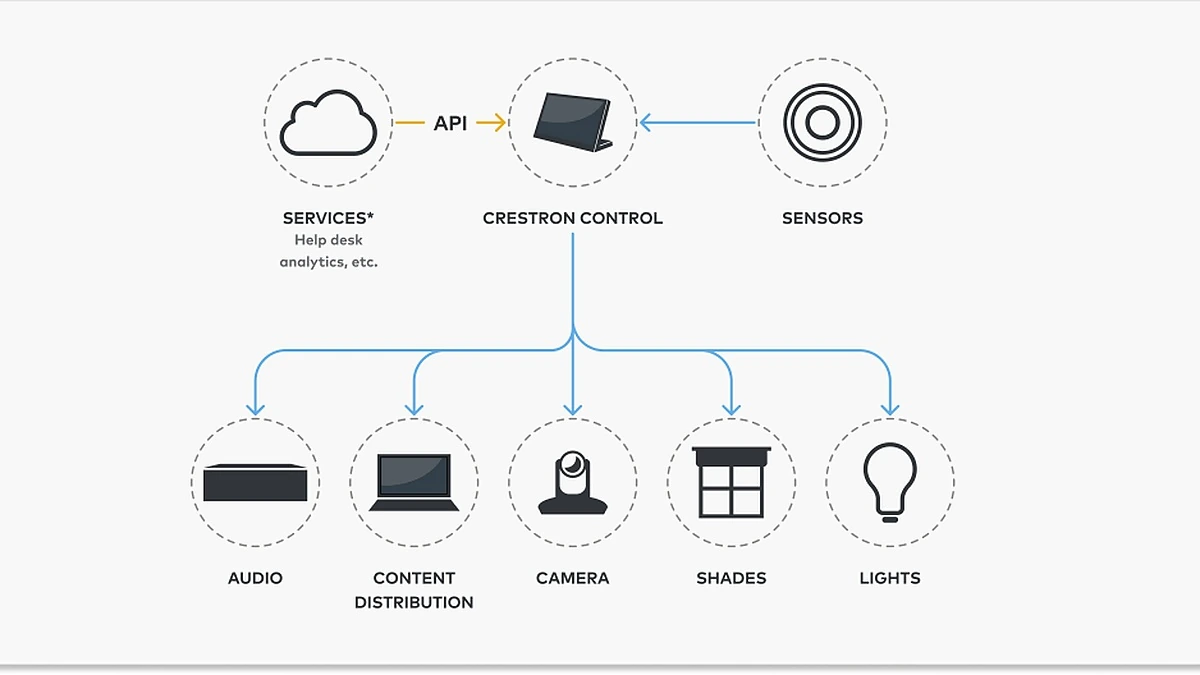
Crestron Installer
Advanced Crestron control integration for high-performance smart home environments.
4 minutes
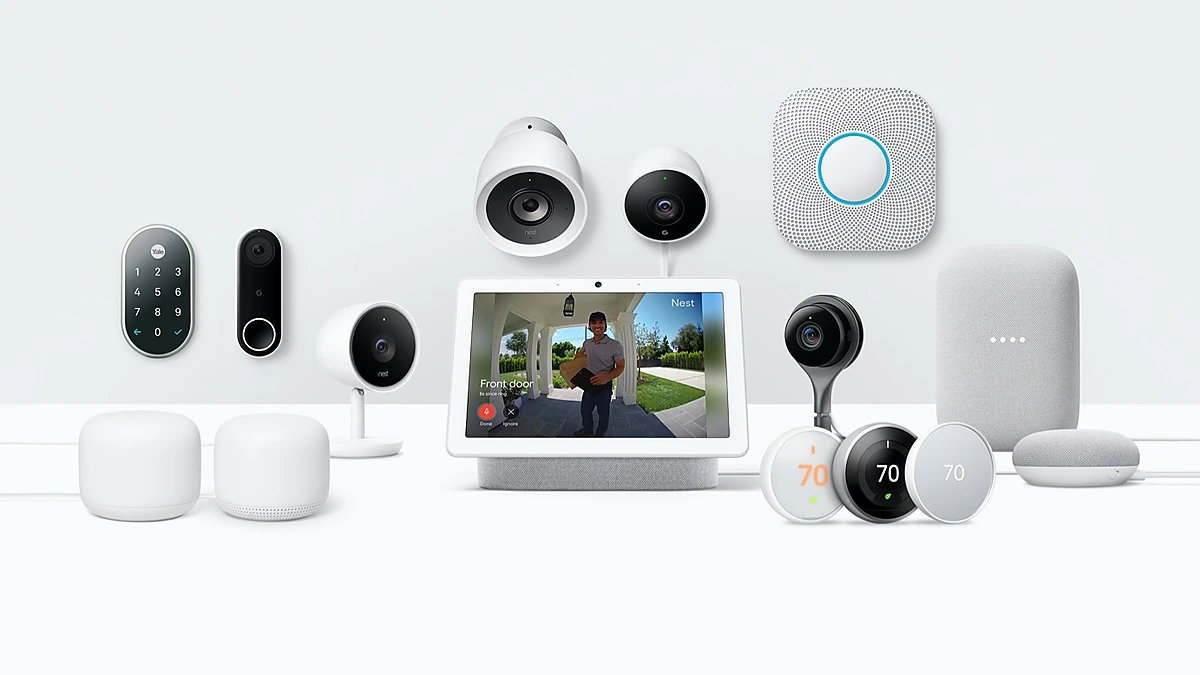
Nest Installer
Nest thermostat and smart home setup for comfort and remote control.
4 minutes
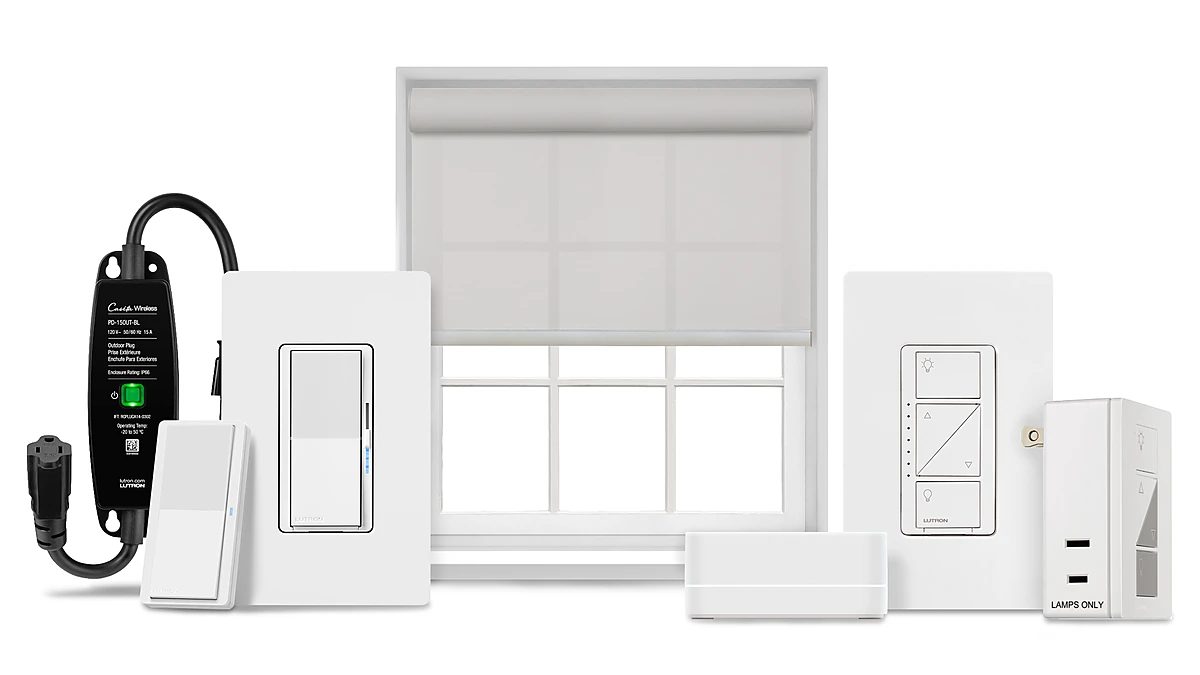
Lutron Installer
Lutron lighting and shading integration for smoother control and scene setting.
4 minutes
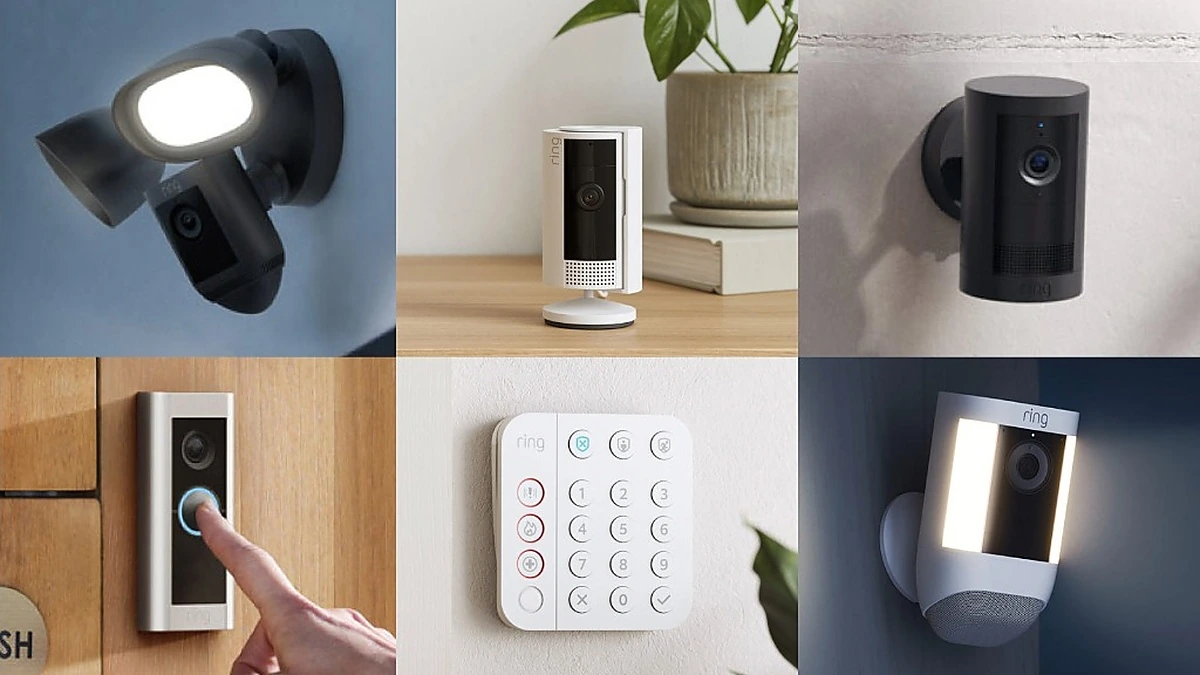
Ring Installation
Ring doorbells and cameras installed for better awareness and entry visibility.
5 minutes
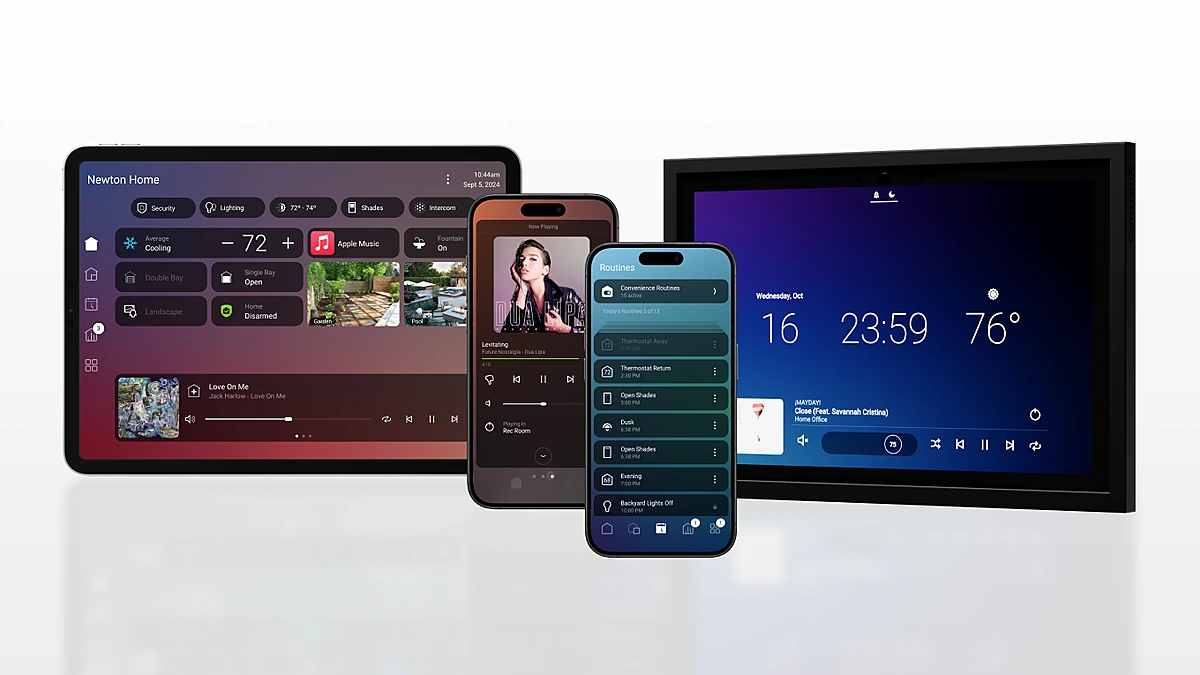
Control4 Installer
Control4 automation setup for unified entertainment, comfort, and home control.
4 minutes

Car & Truck Audio / Electronics Custom Upgrades
Custom mobile audio and electronics upgrades for better sound and functionality.
3 minutes

Cape Canaveral is built from small and mid-sized buildings
Cape Canaveral has 8,885 homes, and how they are spread across building sizes is what a project here has to be planned around. The largest single group, 1,966 homes, sits in buildings of twenty to forty-nine units, with another 1,728 in buildings of ten to nineteen. Only 735 homes in the entire city are in a building of fifty units or more, and fewer than one in five is single-family. This is a city of modest buildings, and that changes the work before anything is specified.
In a building of that size the vertical distance is short, so getting a cable between levels is seldom the obstacle. The horizontal part of the run is. A building in this range usually spreads sideways rather than upward, and network coverage across that kind of plan is limited by how far a signal travels and what it passes through on the way, which no amount of extra throughput repairs. A wired path planned into the route, with wireless serving only what it genuinely cannot reach, is what holds up over time.
In a smaller building, the equipment lives with you
Wherever the building has no space to lend, the rack ends up inside the home — and the storage space that looks available is often the one with no air moving through it. It wants a circuit, moving air, and enough clearance to work at rather than around. Warm, still air is hard on the components nobody ever looks at, and a rack that cannot be reached turns an ordinary service call into an afternoon of dismantling. Claiming that space early is much easier than finding it late.
The person using the system is often not the person who chose it
Cape Canaveral keeps 1,994 homes for seasonal, recreational or occasional use — two in every three that stand empty — and 2,305 of its 5,907 occupied homes are rented. Taken together those describe housing where the system in front of somebody on any given evening was frequently commissioned by someone else — a guest, a tenant, a manager letting in a contractor.
So the control layer is where a design here quietly succeeds or fails. Scenes on a keypad that a stranger can use without being taught beat a remembered sequence every time, and anything that needs explaining will eventually be worked around instead. Mounting deserves the same thought — brackets that can be undone without plaster repair afterwards, and terminations tidy enough for the next person to follow. Remote access and monitoring earn their place too, so a fault reports itself rather than waiting to be discovered.
None of that is settled by an equipment list. In a city with this range of building sizes the first useful question is which structure the address actually sits in and what it will allow, and the answer varies more from street to street here than the housing type alone suggests. Establish that, agree the concealment standard, give the equipment somewhere it can live and be serviced, and leave the visible hardware until everything it depends on is settled.