

Every Building Type, Many Rules Audio Video | Home Theater Installations Serving Broward County, FL
One county, but not one jurisdiction: Broward holds 863,128 homes, 48.7% of them houses, and a permitting map that changes from one city boundary to the next.
Enhancing Your Experience with Customized Audio-Video and Security Solutions
Explore our range of services designed for homes, cars, trucks, boats, and more, offering everything from high-quality sound systems to advanced security solutions.
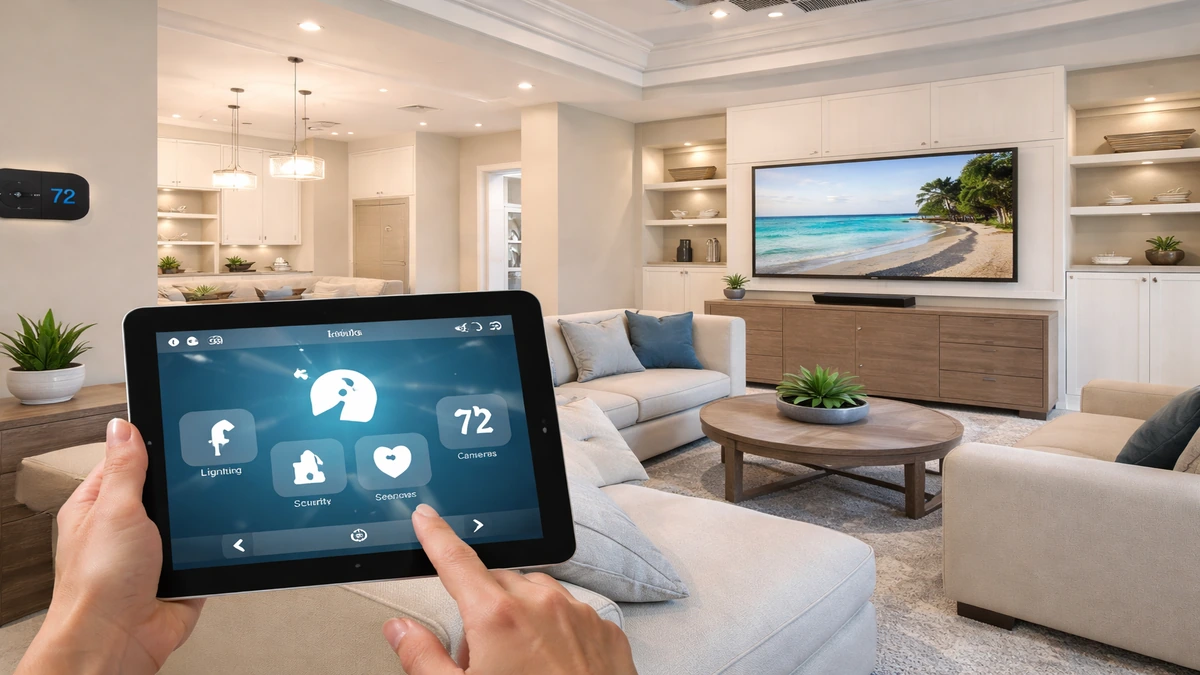
Smart Home Automation Installation
Integrated control for lighting, climate, security, and entertainment.
4 minutes
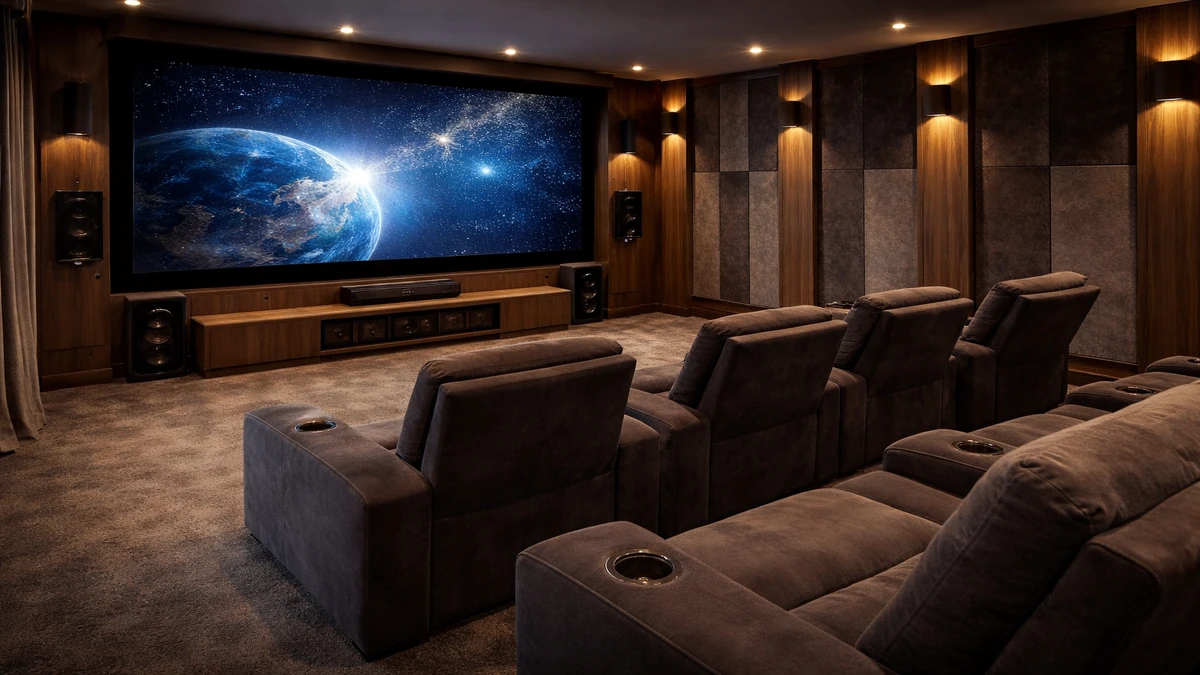
Home Theater Installation
Custom theater rooms designed for immersive picture, sound, and comfort.
4 minutes
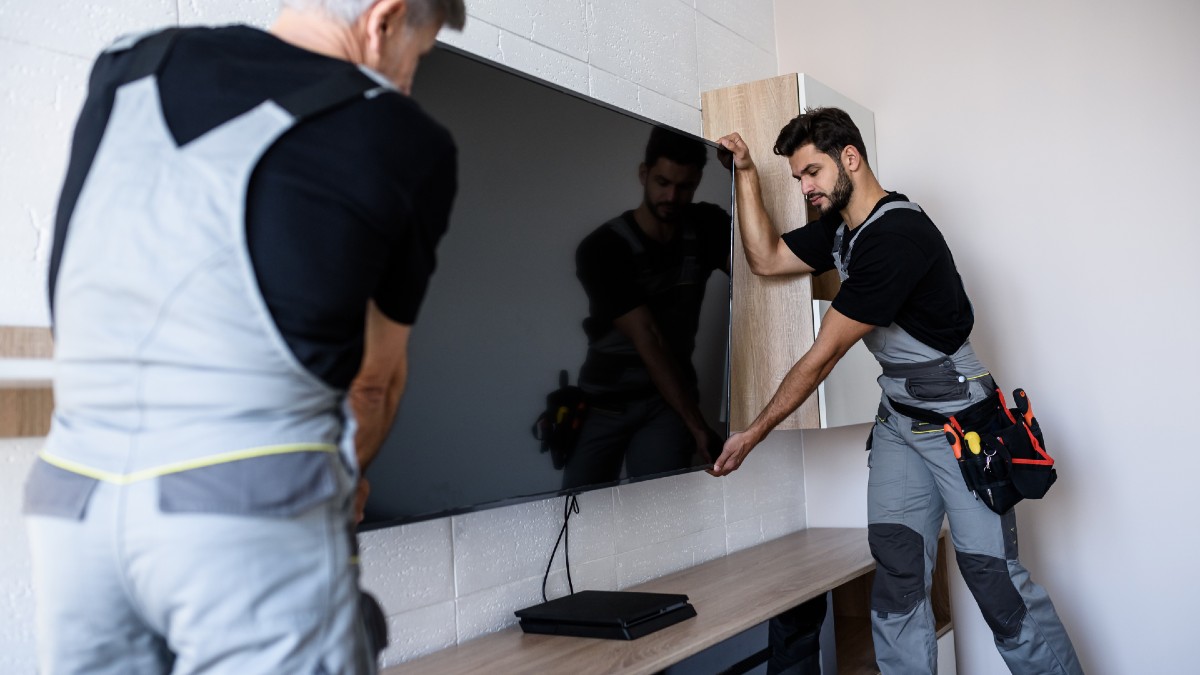
TV Wall Mounting
Professional TV mounting for cleaner layouts and better viewing angles.
5 minutes
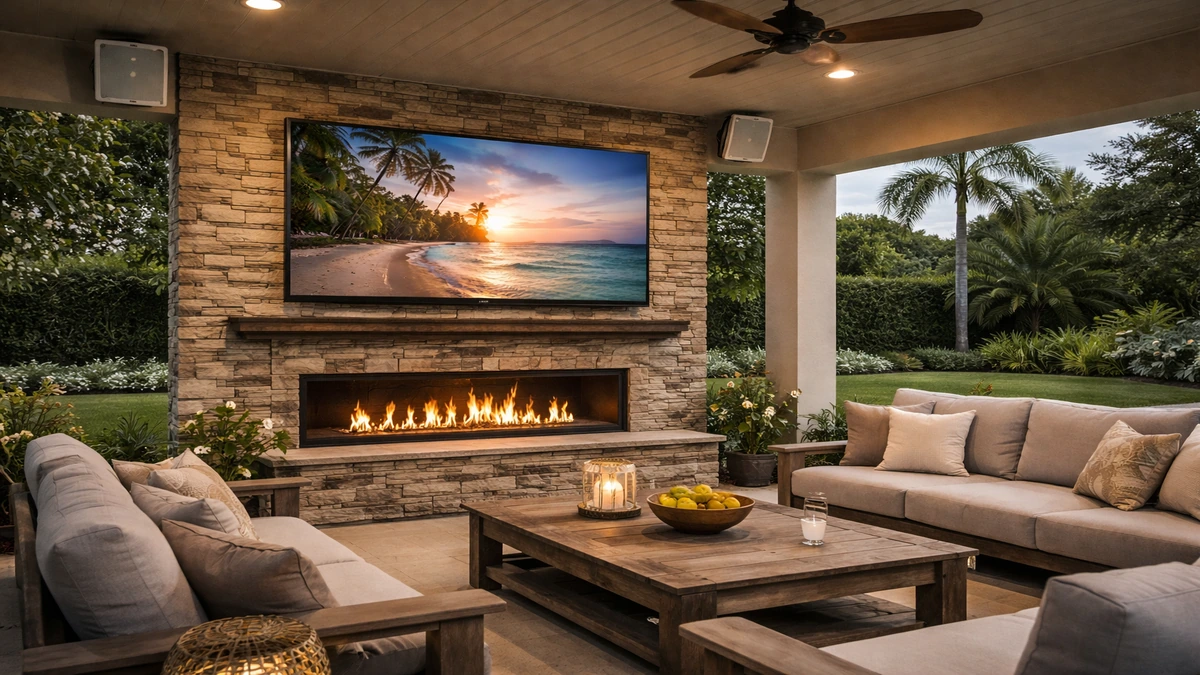
Outdoor TV Installation
Weather-aware outdoor TV setups built for patios, lanais, and pool areas.
5 minutes
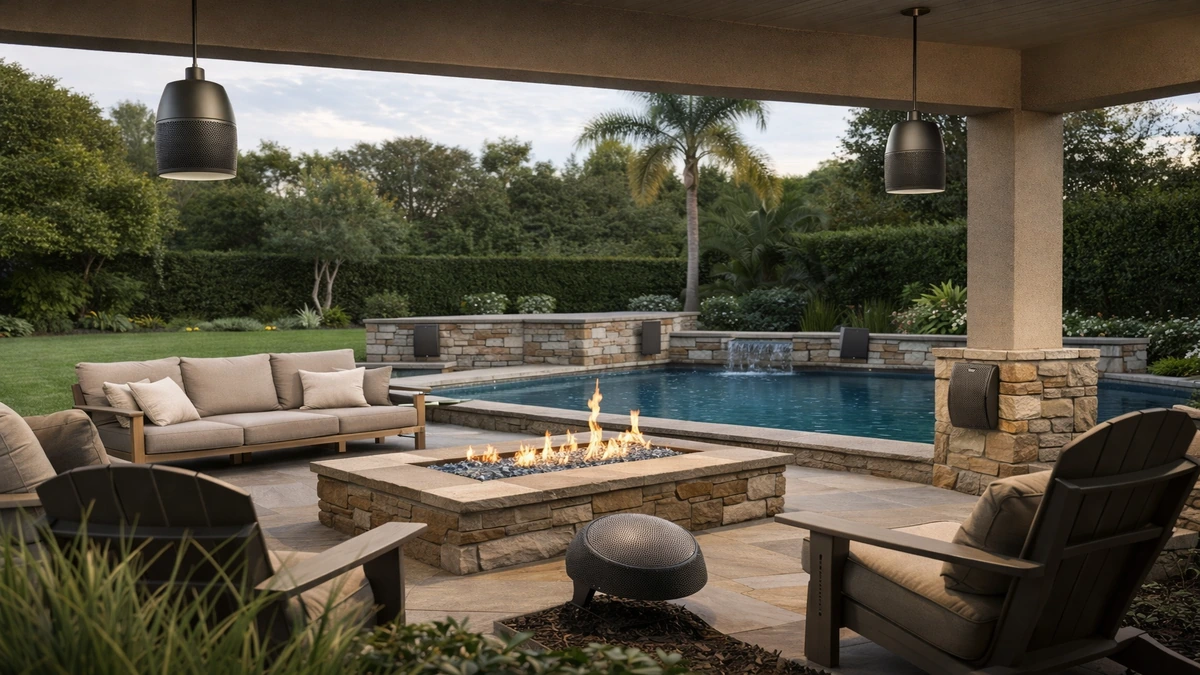
Outdoor Audio Installation
Outdoor speaker systems planned for clear sound and reliable coverage.
4 minutes
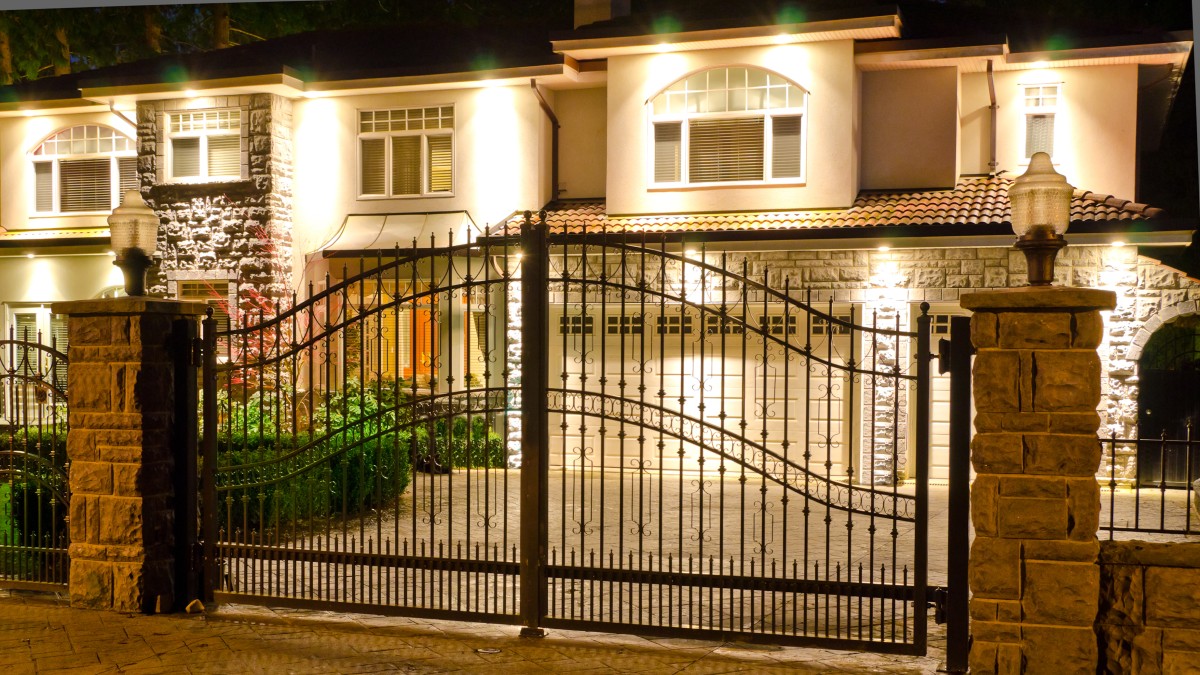
Automatic Gates
Secure, convenient gate automation with access control and entry integration.
4 minutes
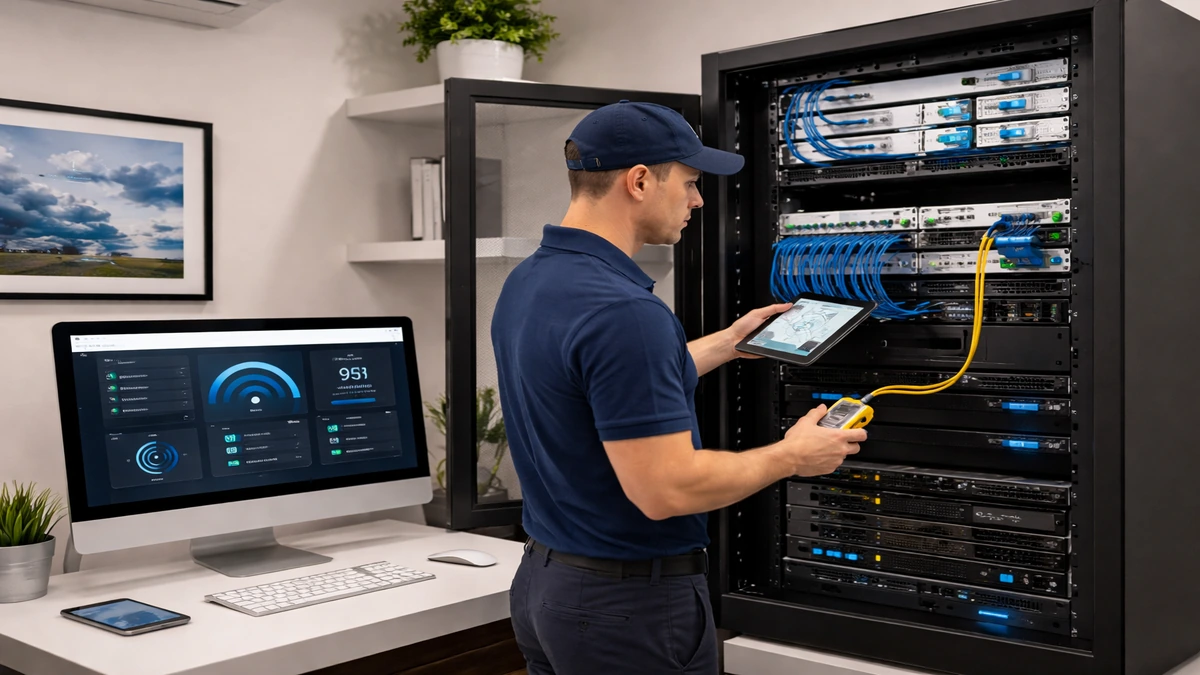
Home Network Installation
Stronger Wi-Fi, better coverage, and dependable connectivity throughout the property.
4 minutes
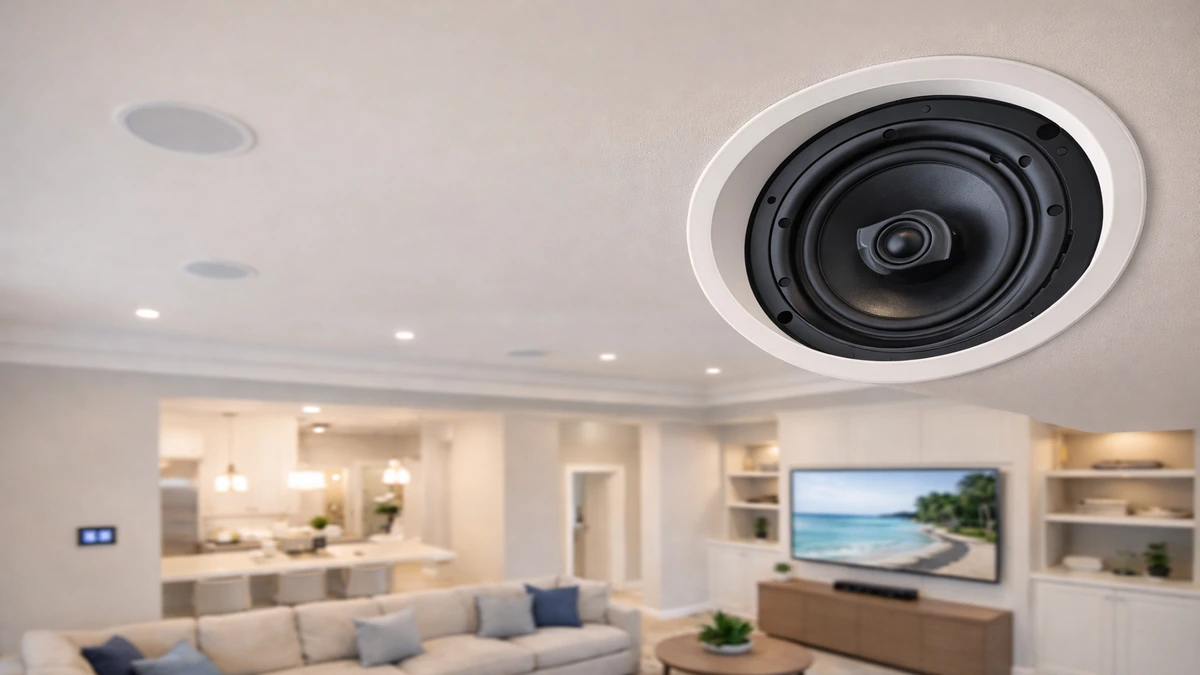
Ceiling Speaker Installation
Clean in-ceiling audio solutions for music, TV, and multi-room sound.
4 minutes
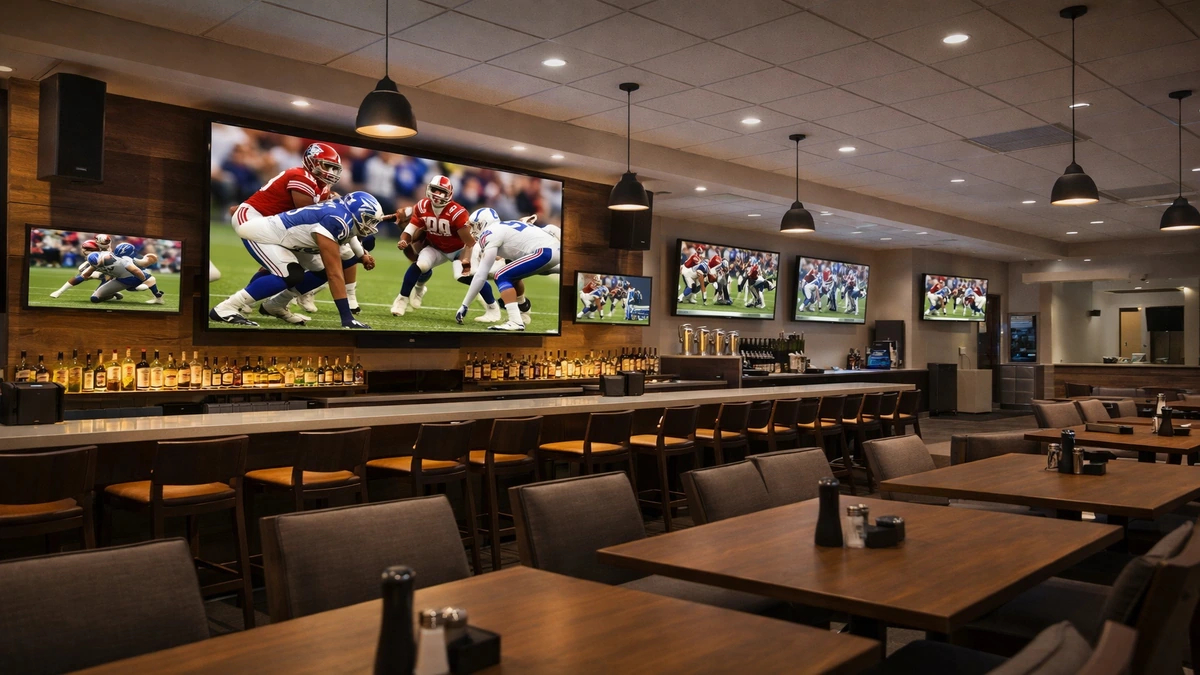
Commercial AV Installation
Professional audio, video, and control systems for business environments.
4 minutes
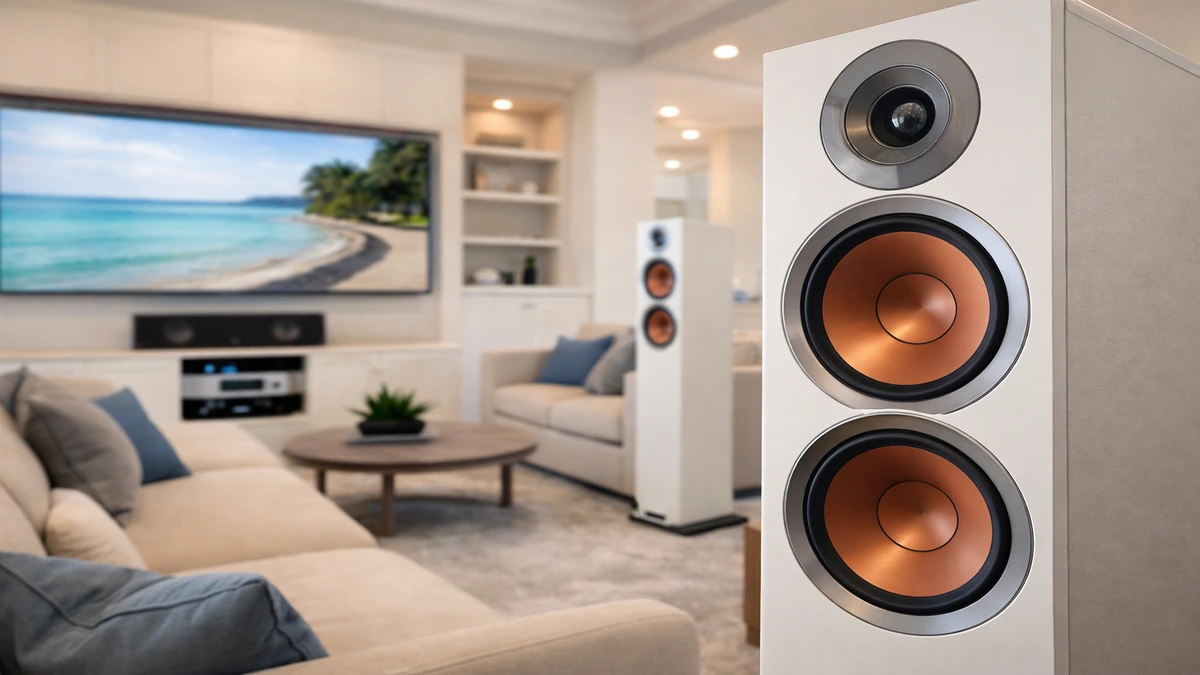
Home Audio Installation
Whole-home and room-based audio systems tailored to how you listen.
4 minutes

Marine Audio & Electronics Installation
Boat audio, displays, and electronics installed for performance on the water.
4 minutes
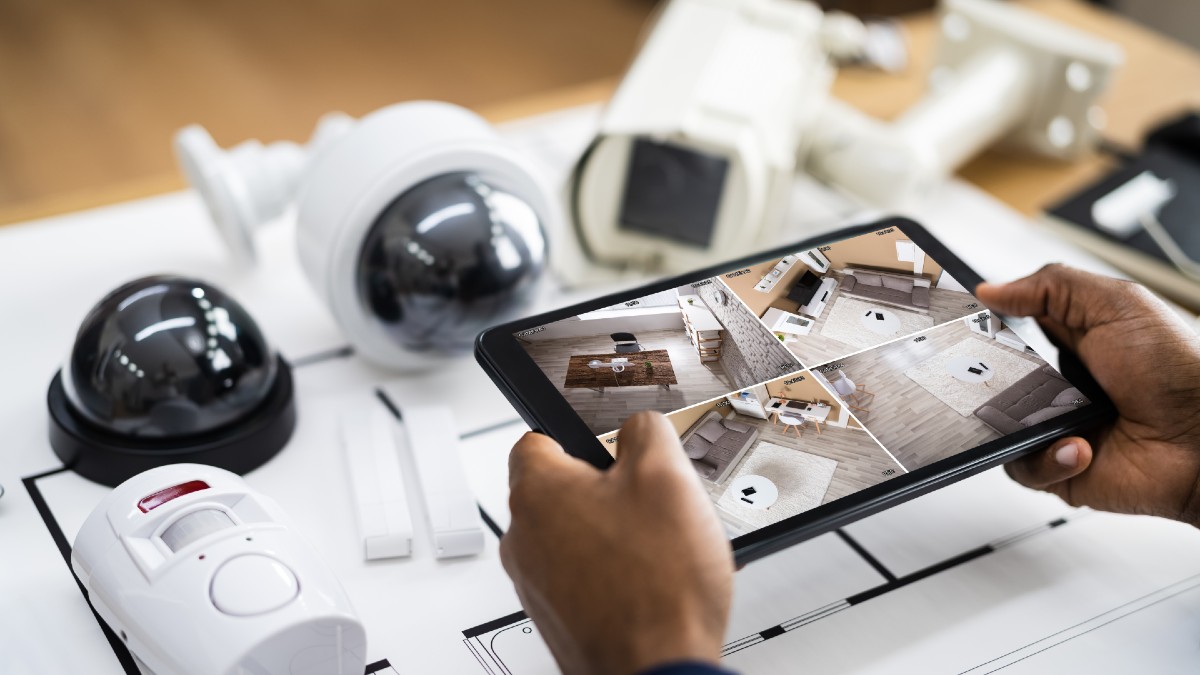
Security Camera Installation
Smart camera systems for visibility, alerts, recording, and remote monitoring.
4 minutes
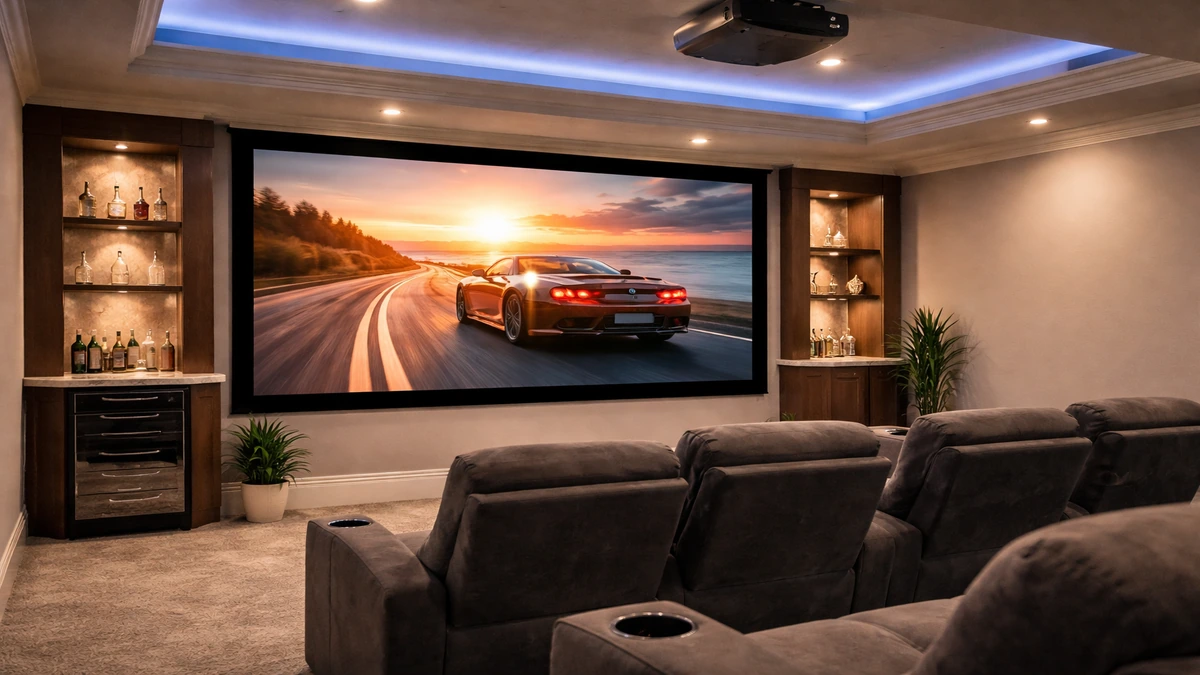
Projector Screen Installation
Projectors and screens configured for sharp viewing and balanced room performance.
4 minutes
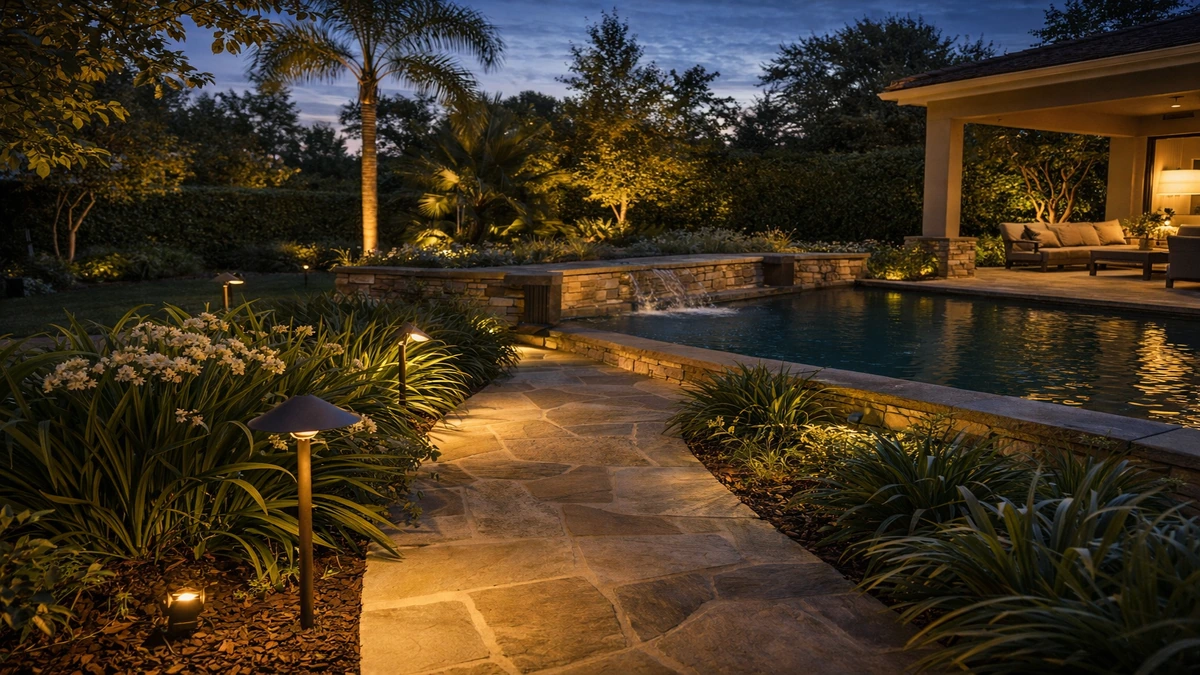
Outdoor Lighting Installation
Exterior lighting that improves curb appeal, ambiance, and nighttime usability.
4 minutes
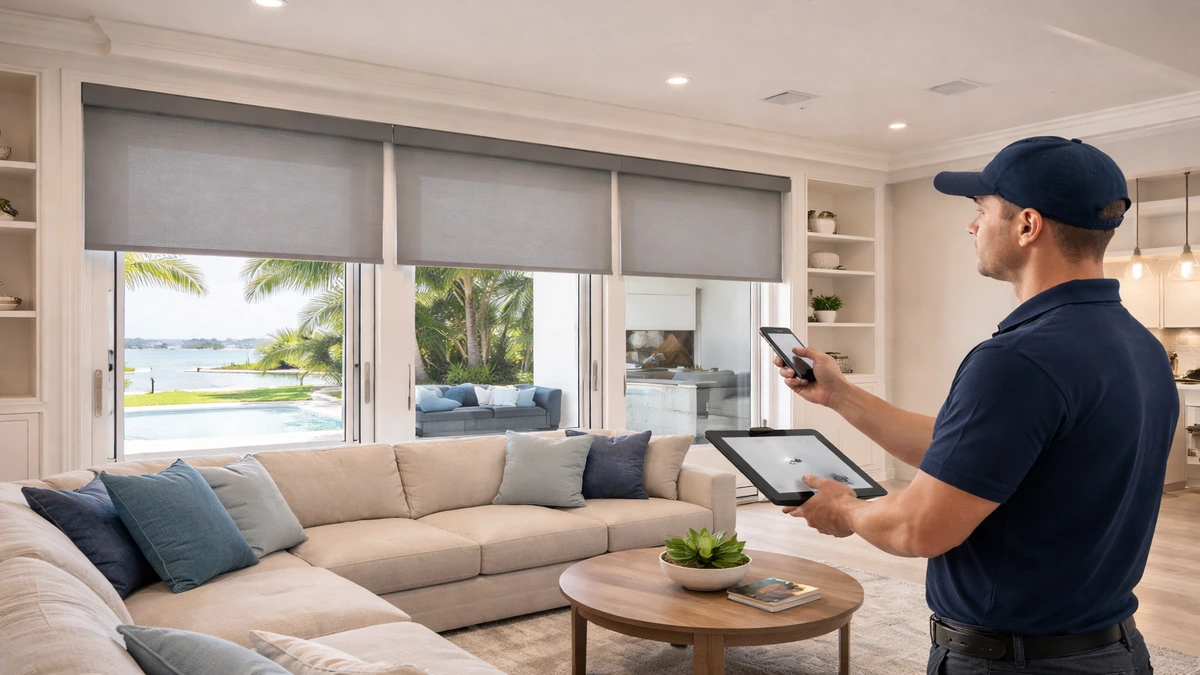
Motorized Blinds Installation
Automated shading for privacy, glare control, and everyday convenience.
4 minutes
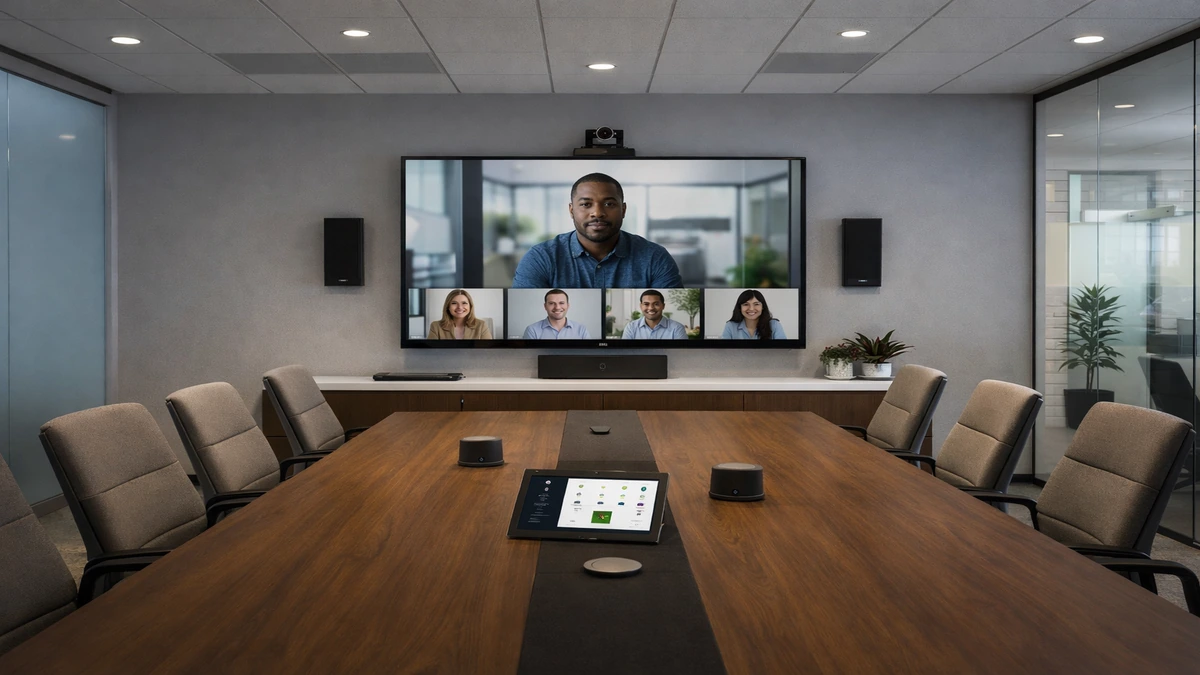
Conference Room AV Installation
Meeting room technology for clearer presentations, calls, and collaboration.
4 minutes
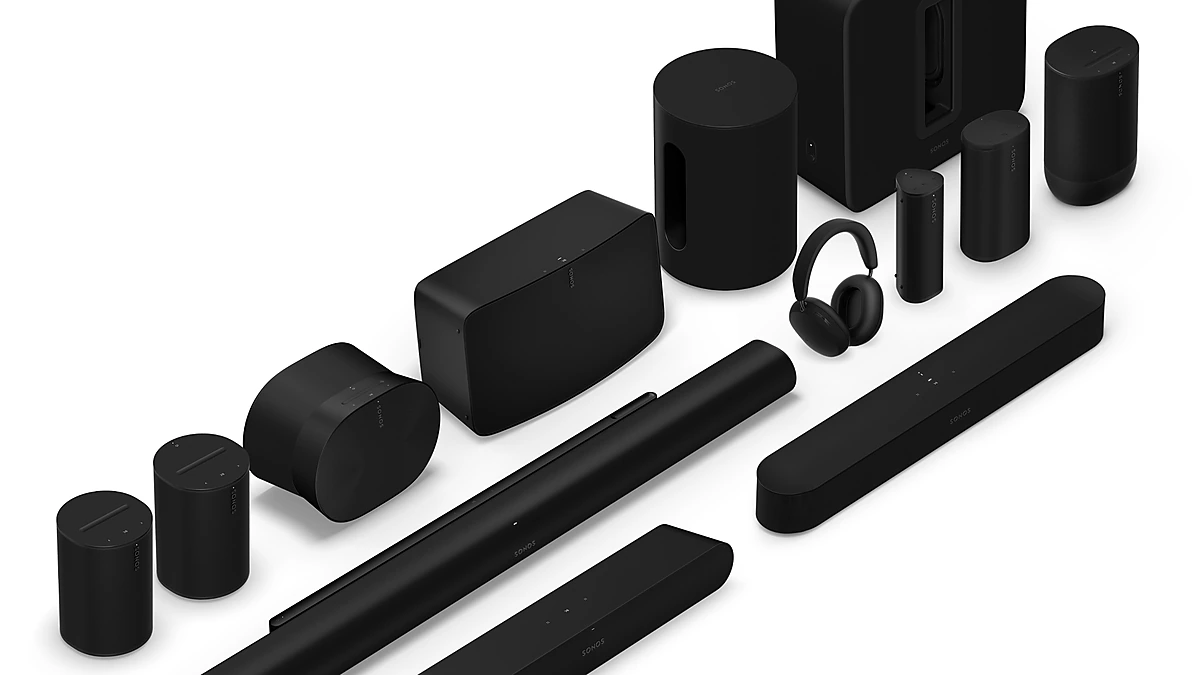
Sonos Installation
Sonos system design, setup, and tuning for simple multi-room audio.
4 minutes
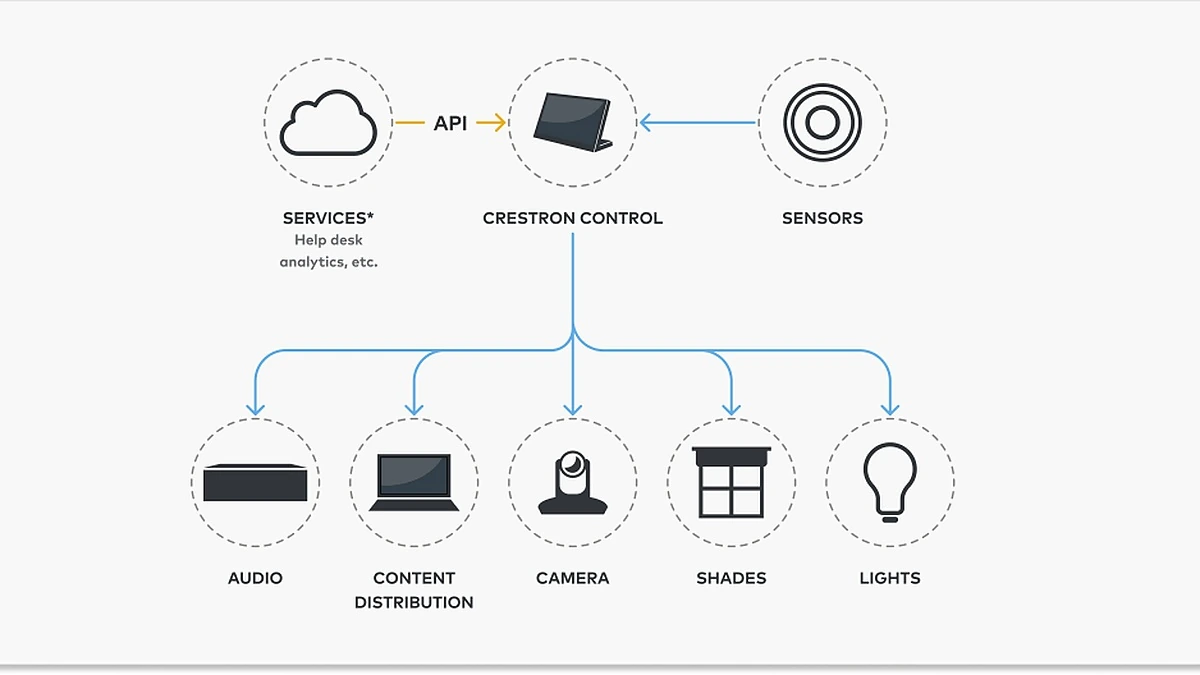
Crestron Installer
Advanced Crestron control integration for high-performance smart home environments.
4 minutes
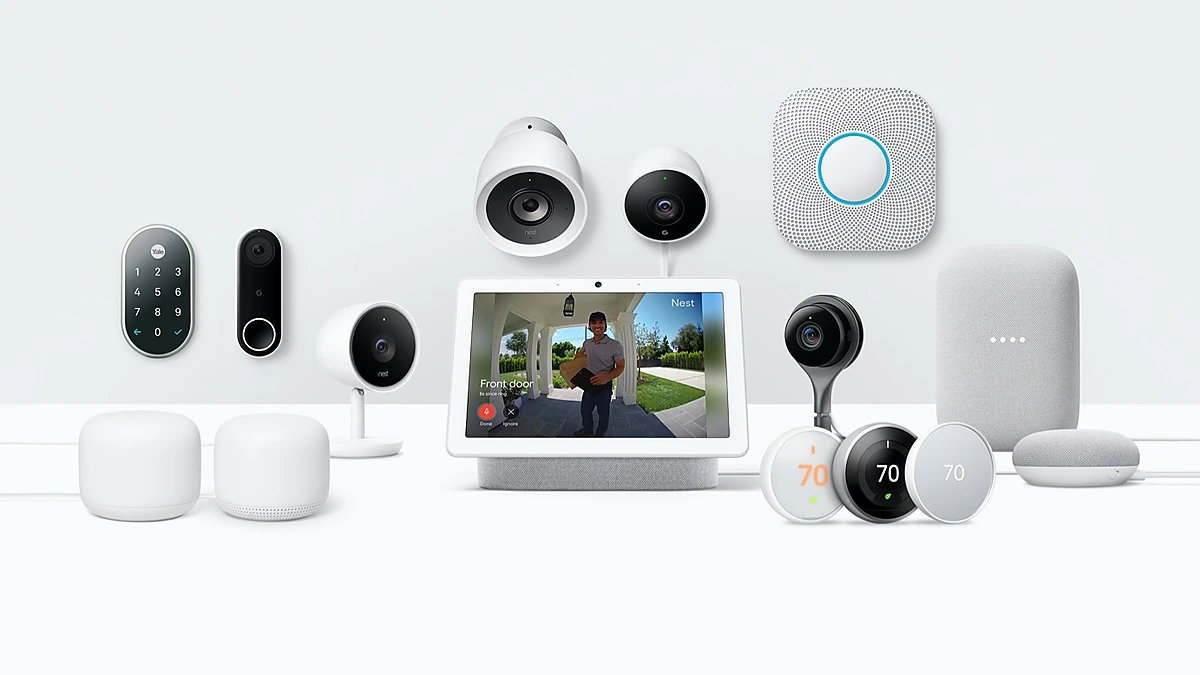
Nest Installer
Nest thermostat and smart home setup for comfort and remote control.
4 minutes
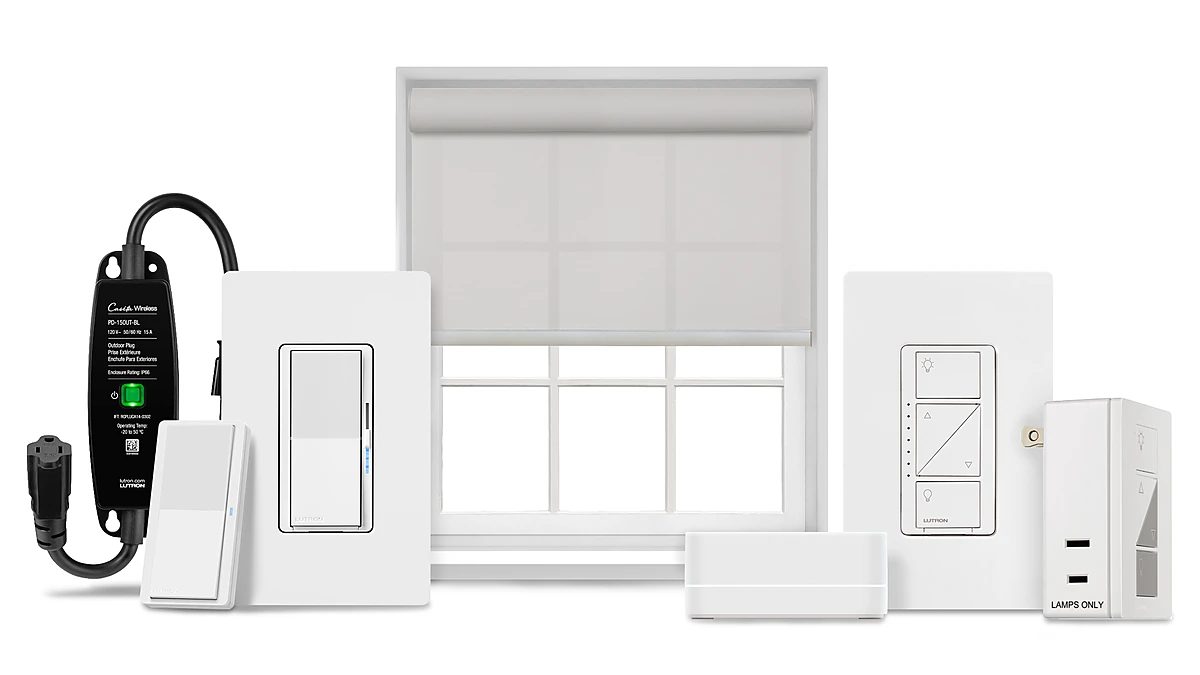
Lutron Installer
Lutron lighting and shading integration for smoother control and scene setting.
4 minutes
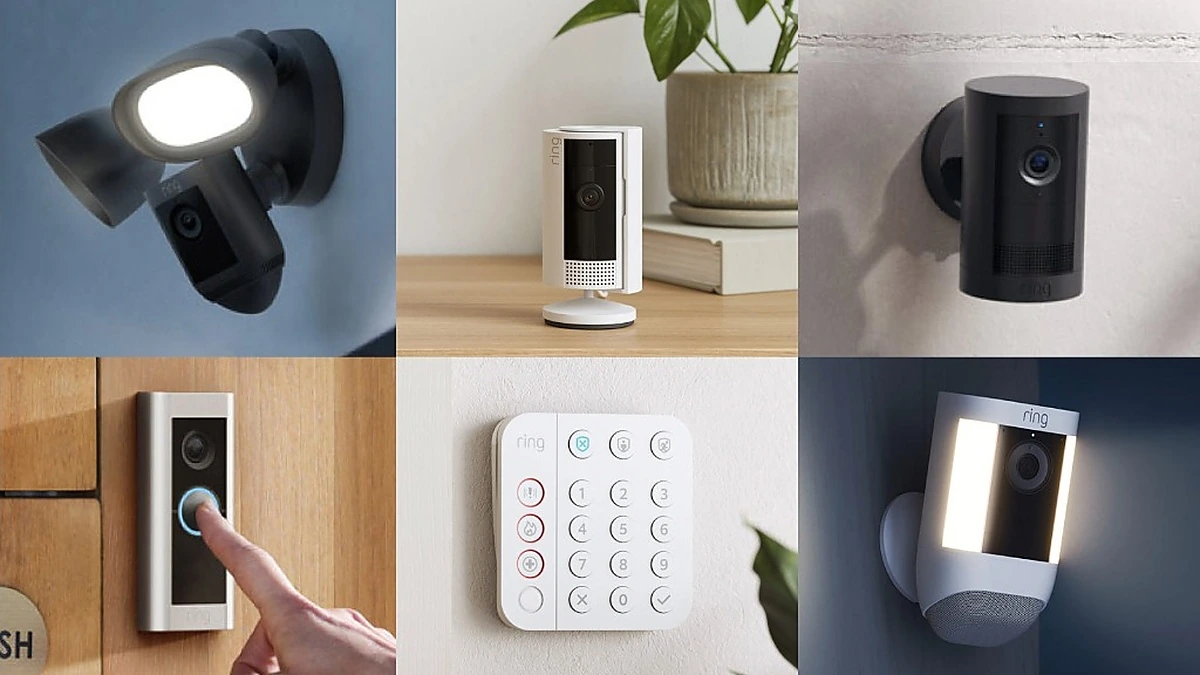
Ring Installation
Ring doorbells and cameras installed for better awareness and entry visibility.
5 minutes
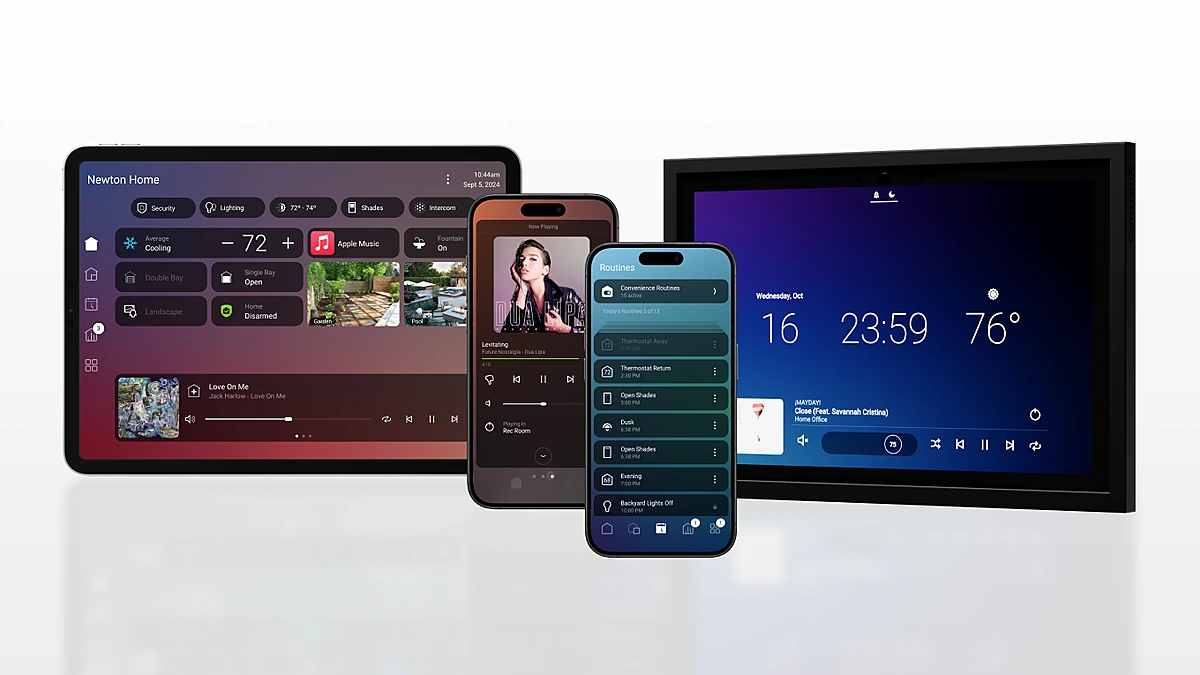
Control4 Installer
Control4 automation setup for unified entertainment, comfort, and home control.
4 minutes

Car & Truck Audio / Electronics Custom Upgrades
Custom mobile audio and electronics upgrades for better sound and functionality.
3 minutes

One county, thirty-odd rulebooks
Broward is the largest market on this site by a wide margin: 863,128 homes, against roughly 41,000 in a substantial city like Sunrise. But the number that matters when you are planning a project is not the size of the county. It is that the county is not one jurisdiction. Where your property sits inside it changes who reviews your plans, what they ask for, and how long that takes.
The county's own building department is explicit about its scope. It states that it regulates construction in unincorporated Broward County and in cities it contracts with — an arrangement covering a substantial number of municipalities, though the county does not publish the list at that page. Everywhere else, the city runs its own building department with its own submittal requirements, its own queue and its own interpretations. Two houses four miles apart can face genuinely different processes.
For a whole-home system that is not a footnote. Most of the work in an audio-visual project needs no permit at all, but the parts that do — new circuits, structured cabling through fire-rated assemblies, exterior penetrations, gate and access hardware — are exactly the parts that sit on the critical path. Establishing which authority applies to your address, early, is the cheapest scheduling decision available.
The housing is genuinely mixed, and that decides the method
Broward does not have a single dominant housing type. Just under half its homes — 419,926 of them — are detached or attached houses, while 246,167 sit in buildings of twenty units or more, and a further 152,000 in small and mid-sized multifamily. That spread is unusual, and it means a countywide answer to any practical question is almost always wrong. How cable reaches a second floor, who has to approve an exterior penetration, whether an equipment rack can live in a garage: each has a different answer depending on which of those buildings you are standing in.
The stock is also middle-aged rather than old or new. The largest group of homes here went up between 1970 and 1979, and the median home dates from that decade. Houses and buildings of that period were finished long before anyone expected them to carry streaming video, whole-home audio, cameras and control on shared infrastructure, so nearly every project is a retrofit. What varies is how difficult the retrofit is, and that is a question about the building rather than the county.
Most people here own, and a meaningful share are away
Of the 749,372 occupied homes in Broward, 474,052 are lived in by their owners. That is a settled, long-horizon market, and it changes which questions are worth asking about a system. Not what looks best at handover, but what still serves in ten years: whether it extends without reopening finished walls, whether someone who did not install it can service it, and whether the infrastructure will carry what the house is asked to do later.
At the same time, 57% of the homes standing empty at any point are held for seasonal, recreational or occasional use. Across a county this size that is a large number of properties that spend part of the year unattended. If yours is one, the system needs to be reachable remotely, to report a fault rather than store it up, and to be usable by someone arriving without an explanation — a manager, a guest, or you after five months away.
Where a countywide view actually helps
The useful thing about planning at county scale is not that the advice generalises. It is that the sequence does. Survey what the building physically allows. Confirm which authority reviews the work that needs reviewing. Agree the finish standard — what may be surface-run and what has to disappear — before anything is opened. Size the infrastructure for what the property will be asked to do in five years, because cable and conduit outlast every device connected to them. Choose the visible equipment last.
That order holds in a Fort Lauderdale tower and a Weston cul-de-sac alike, even though almost nothing else about those two projects is the same. It is also the order that makes a larger project affordable: the expensive surprises in this work are nearly always structural or procedural, and both are discoverable on paper before anyone quotes a display.
If you are weighing a whole-home system anywhere in Broward, start with the address rather than the equipment list. What the building allows and who signs it off will shape the design more than any product decision you make afterwards.
The county contains markets that behave nothing alike
One statistic makes the point better than any description. Broward contains 148,397 homes in buildings of fifty units or more and, at the same time, 22,551 mobile homes. Those two populations are in the same county, under the same building code, and share almost nothing else. A coastal tower and an inland park home differ in structure, in access, in who approves the work and in what the finished result should look like. Any advice general enough to cover both is too general to be worth acting on.
That is the honest limit of a county page, and it is worth stating rather than writing around. What a page at this level can usefully do is set the sequence, name the questions that decide a project, and tell you what to establish about your own address before anyone quotes for anything. The specifics belong to the property, and they are found by looking at it.