

Owners in Buildings They Share Audio Video | Home Theater Installations Serving Martin County, FL
Owners here plan for the long term inside buildings they share: Martin County holds 82,297 homes, 80.1% owner-occupied, and only 62.3% of them single-family.
Transform Your Environment with Advanced Technology Solutions
Explore a comprehensive suite of tech upgrades for homes, cars, trucks, boats, and more, ensuring superior audio/video quality, security, and convenience.
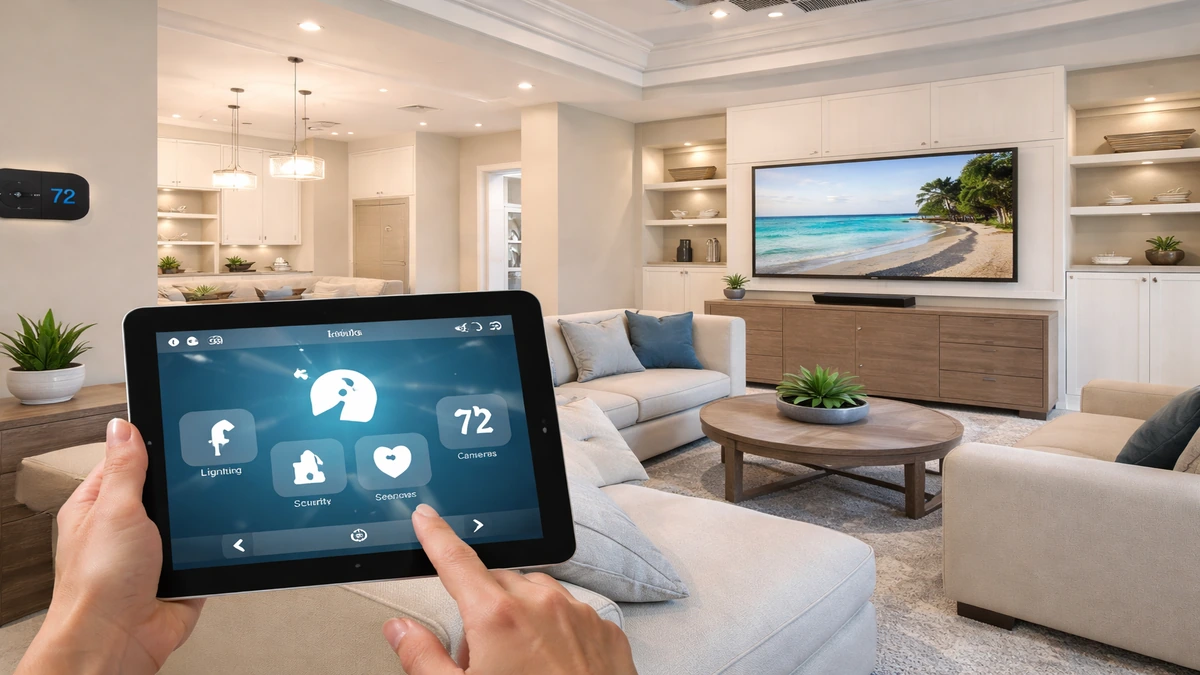
Smart Home Automation Installation
Integrated control for lighting, climate, security, and entertainment.
4 minutes
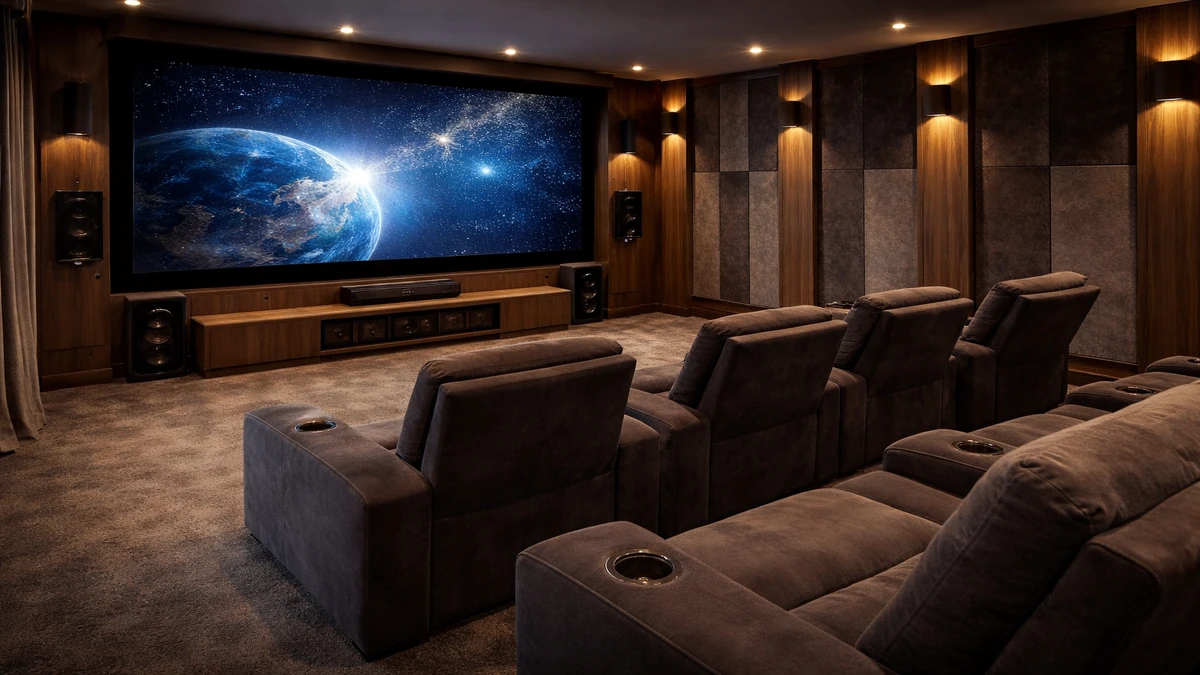
Home Theater Installation
Custom theater rooms designed for immersive picture, sound, and comfort.
4 minutes
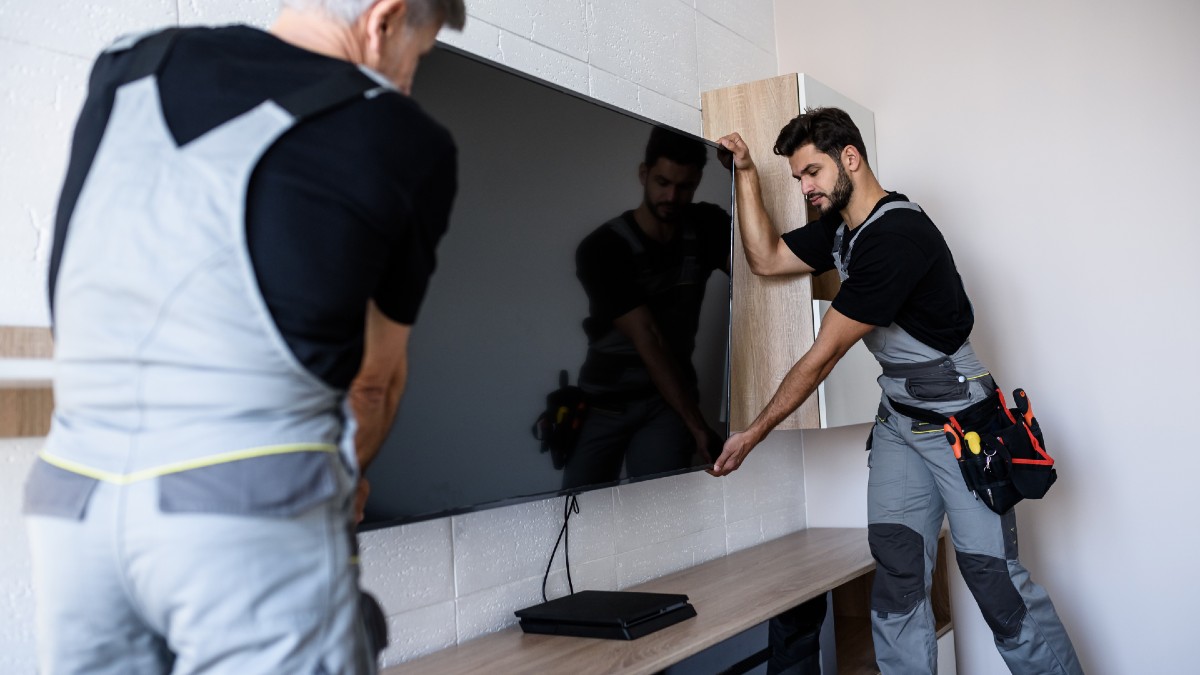
TV Wall Mounting
Professional TV mounting for cleaner layouts and better viewing angles.
5 minutes
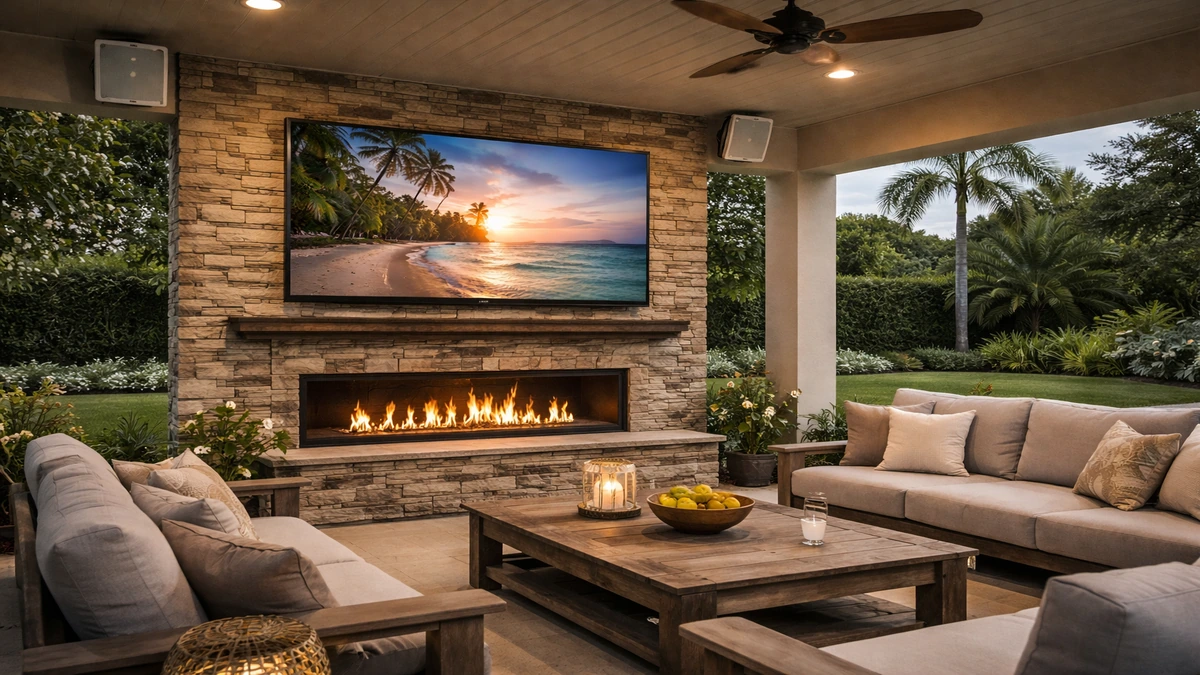
Outdoor TV Installation
Weather-aware outdoor TV setups built for patios, lanais, and pool areas.
5 minutes
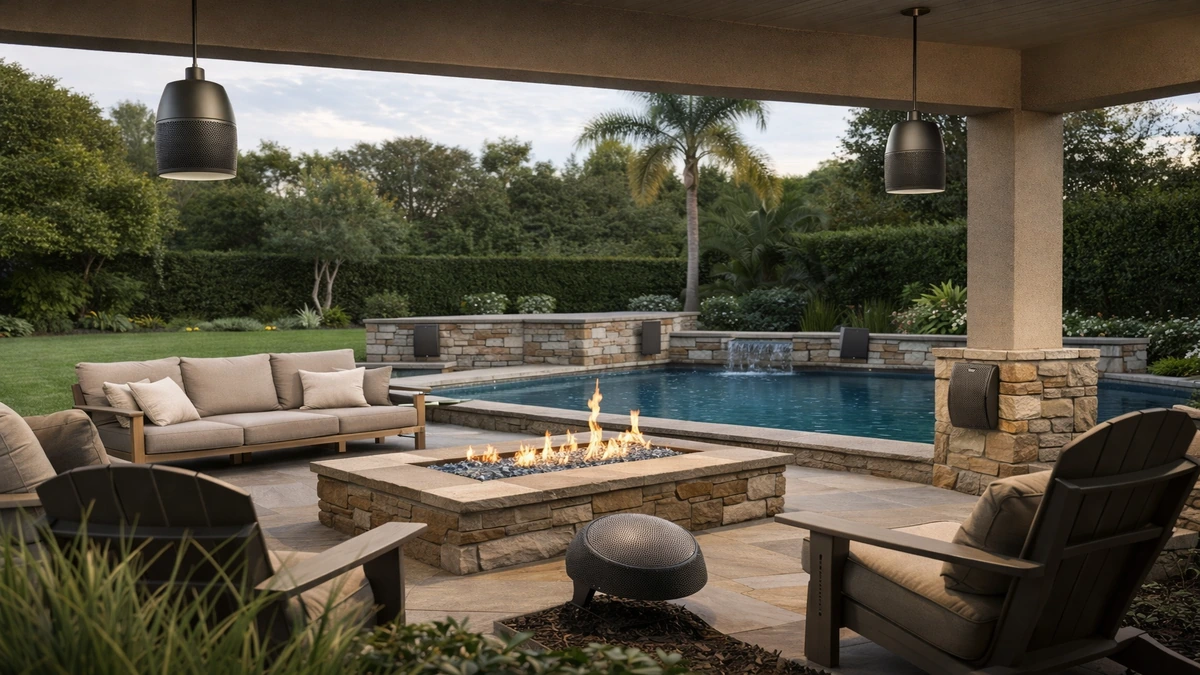
Outdoor Audio Installation
Outdoor speaker systems planned for clear sound and reliable coverage.
4 minutes
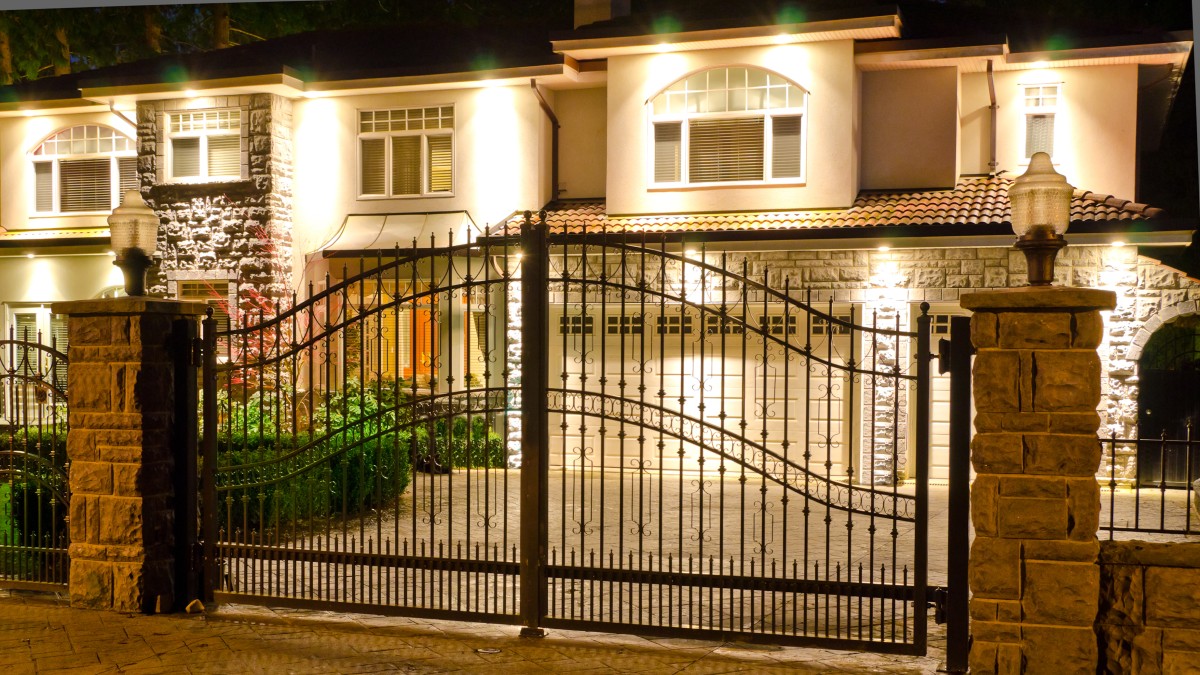
Automatic Gates
Secure, convenient gate automation with access control and entry integration.
4 minutes
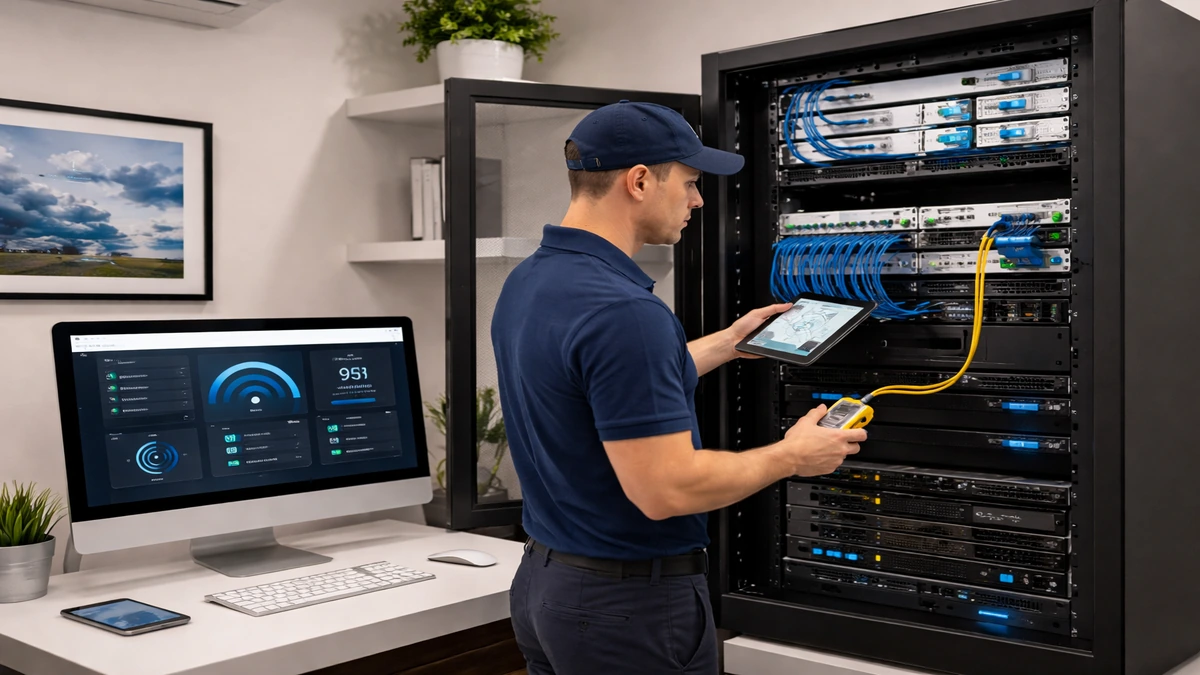
Home Network Installation
Stronger Wi-Fi, better coverage, and dependable connectivity throughout the property.
4 minutes
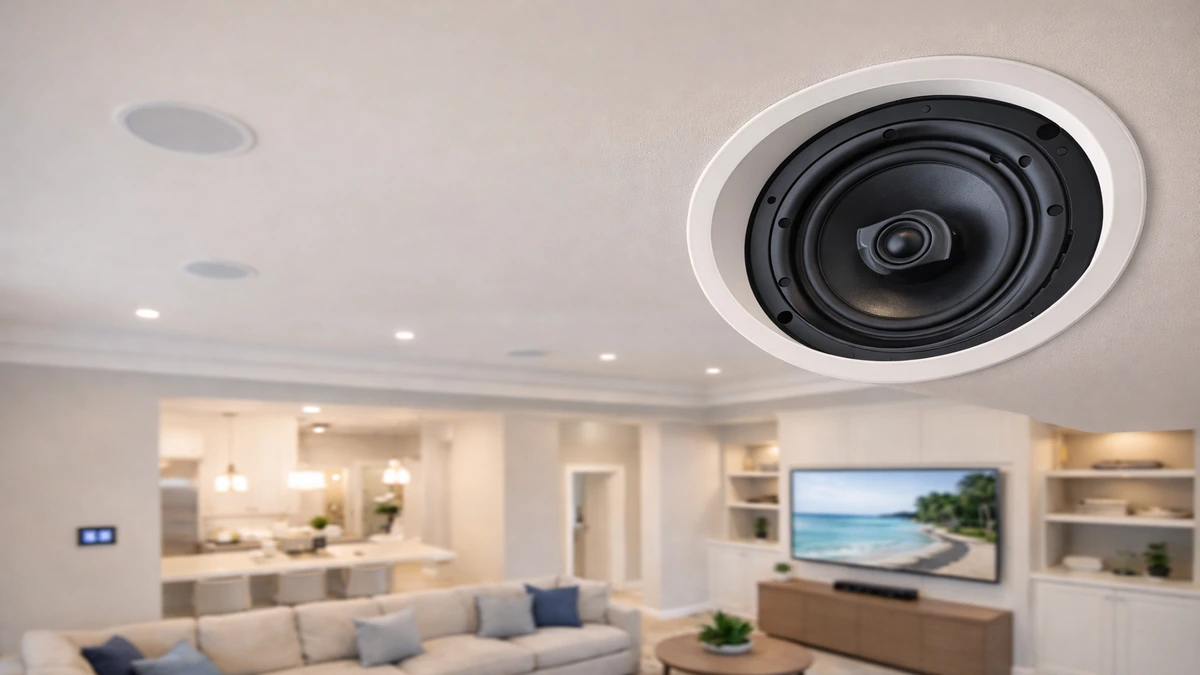
Ceiling Speaker Installation
Clean in-ceiling audio solutions for music, TV, and multi-room sound.
4 minutes
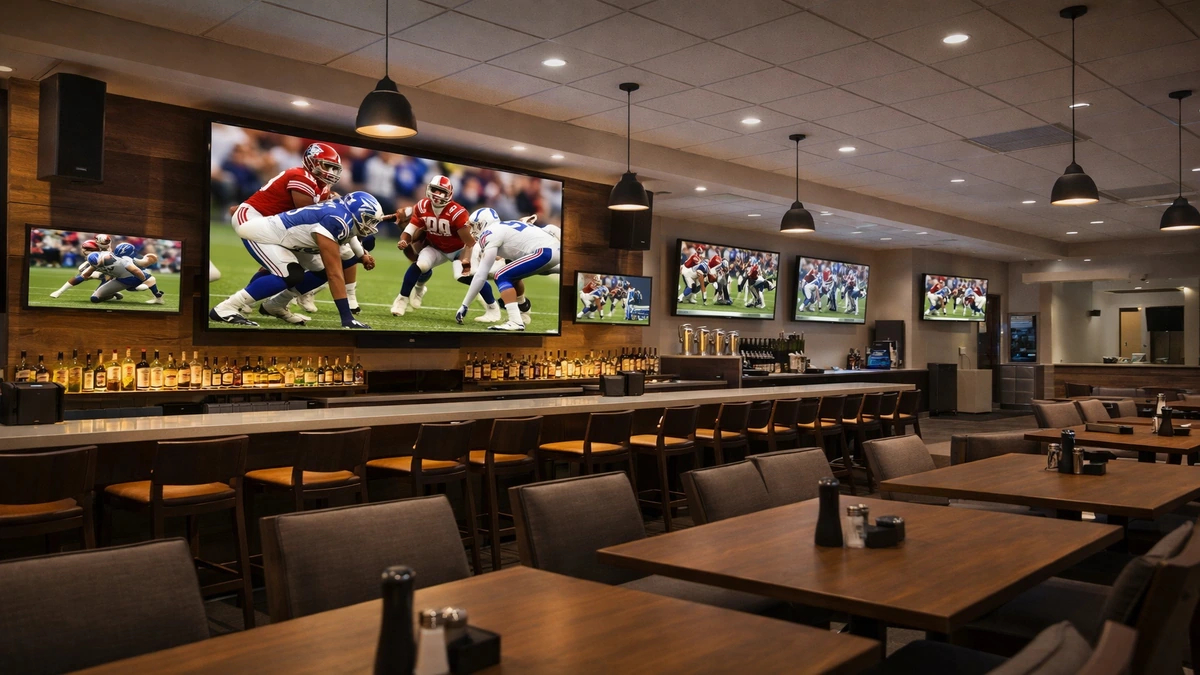
Commercial AV Installation
Professional audio, video, and control systems for business environments.
4 minutes
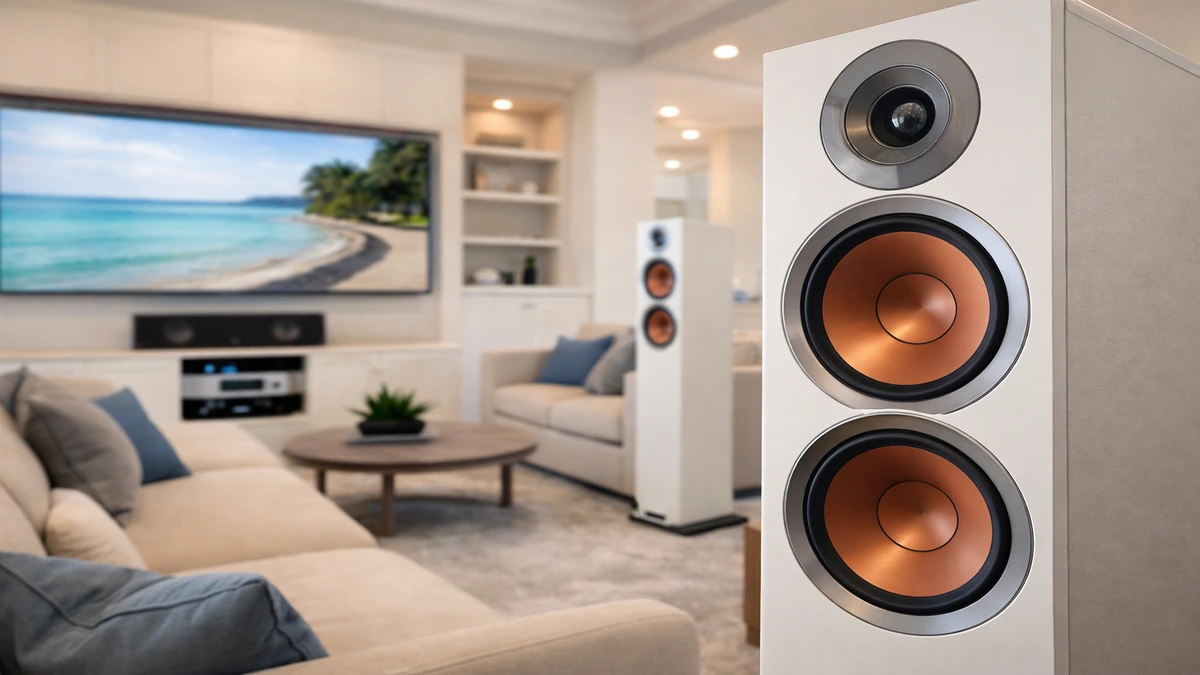
Home Audio Installation
Whole-home and room-based audio systems tailored to how you listen.
4 minutes

Marine Audio & Electronics Installation
Boat audio, displays, and electronics installed for performance on the water.
4 minutes
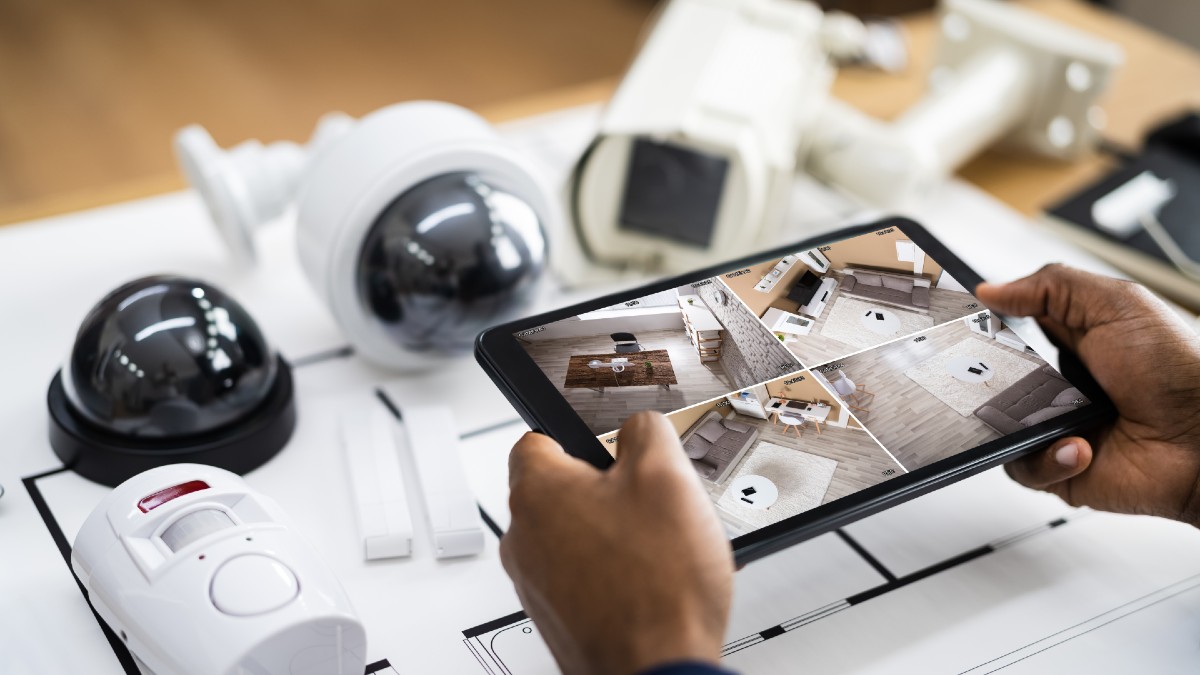
Security Camera Installation
Smart camera systems for visibility, alerts, recording, and remote monitoring.
4 minutes
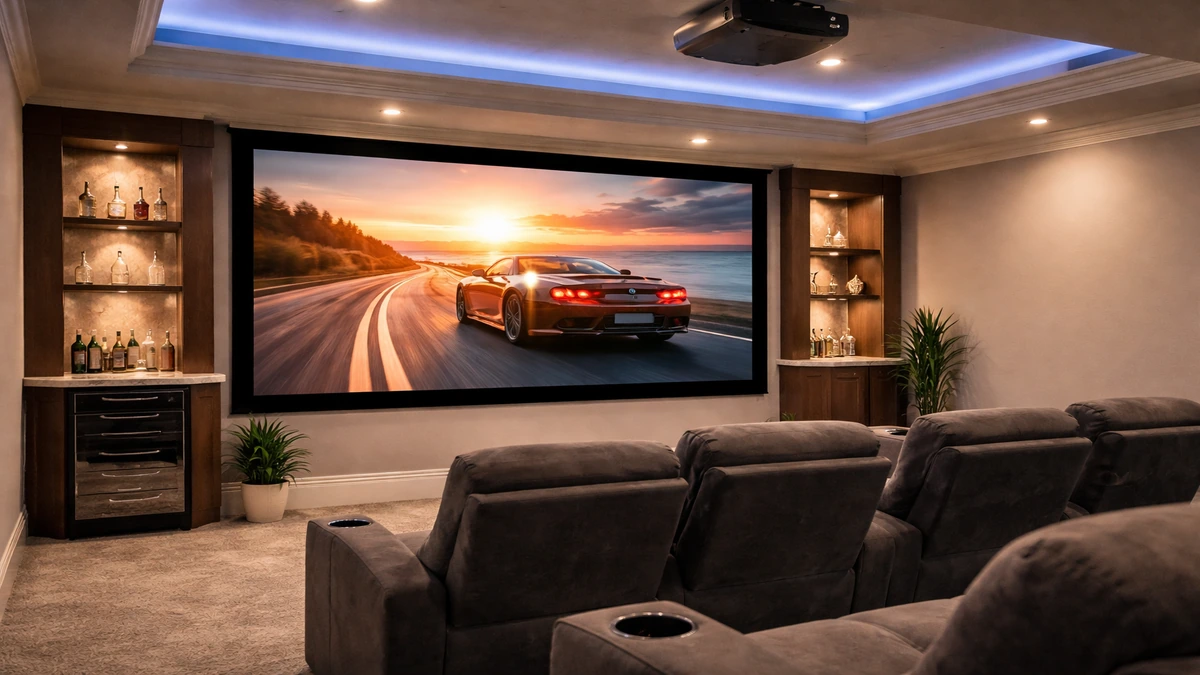
Projector Screen Installation
Projectors and screens configured for sharp viewing and balanced room performance.
4 minutes
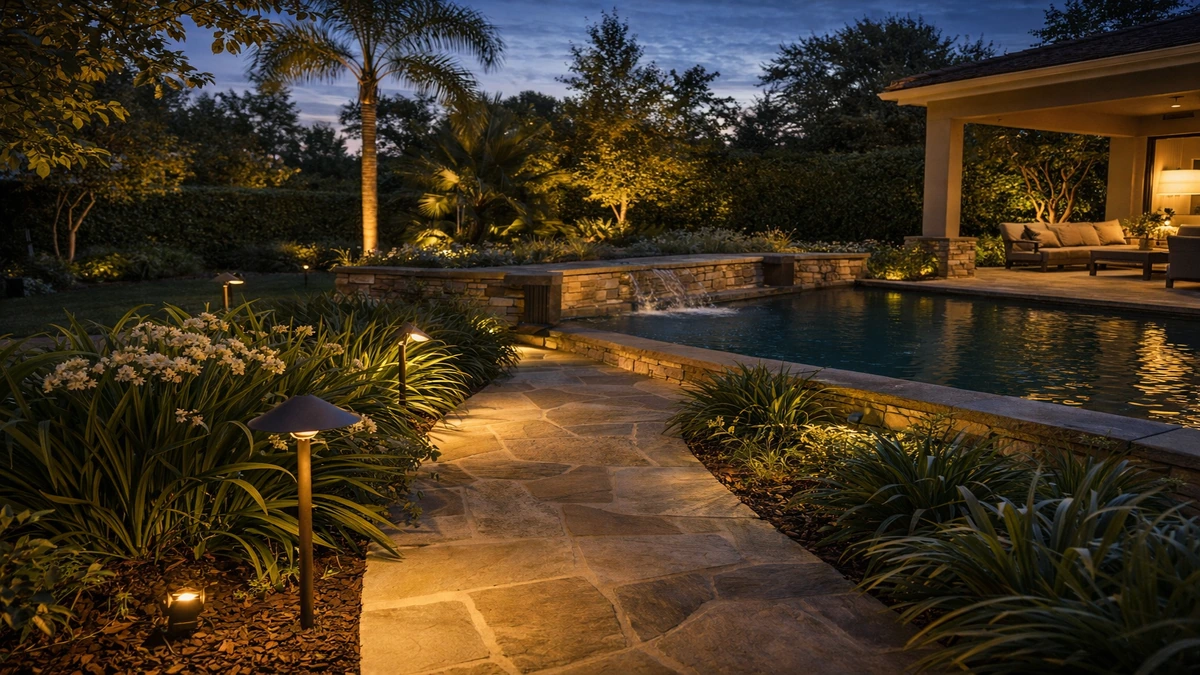
Outdoor Lighting Installation
Exterior lighting that improves curb appeal, ambiance, and nighttime usability.
4 minutes
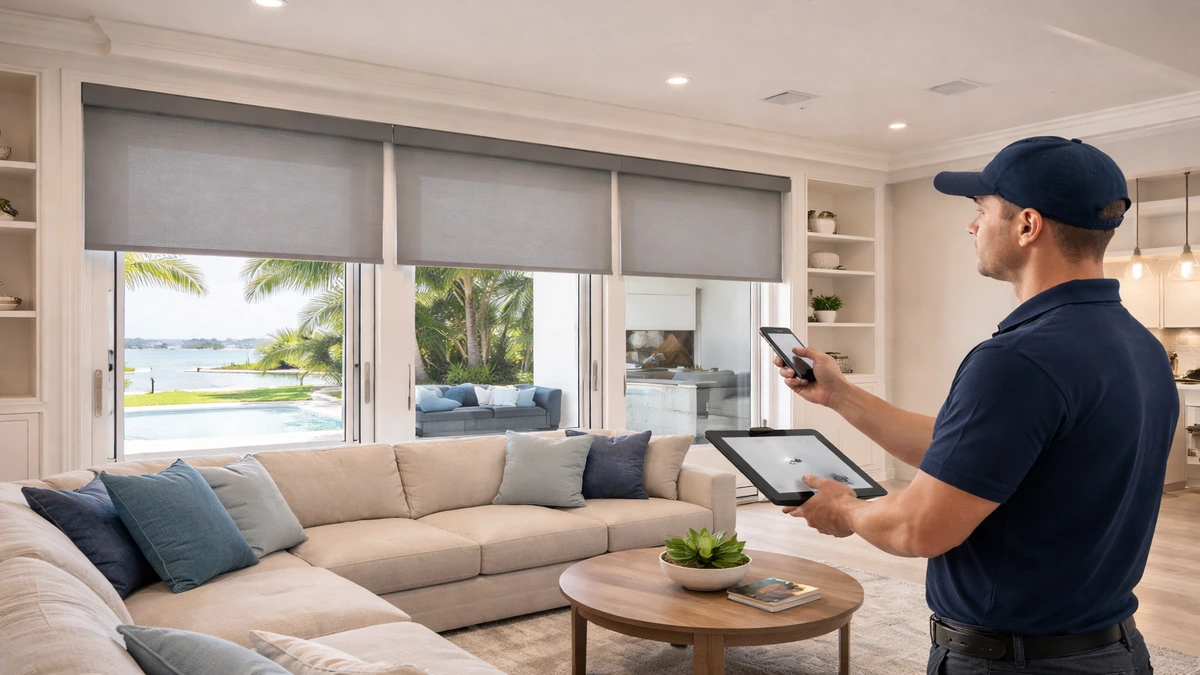
Motorized Blinds Installation
Automated shading for privacy, glare control, and everyday convenience.
4 minutes
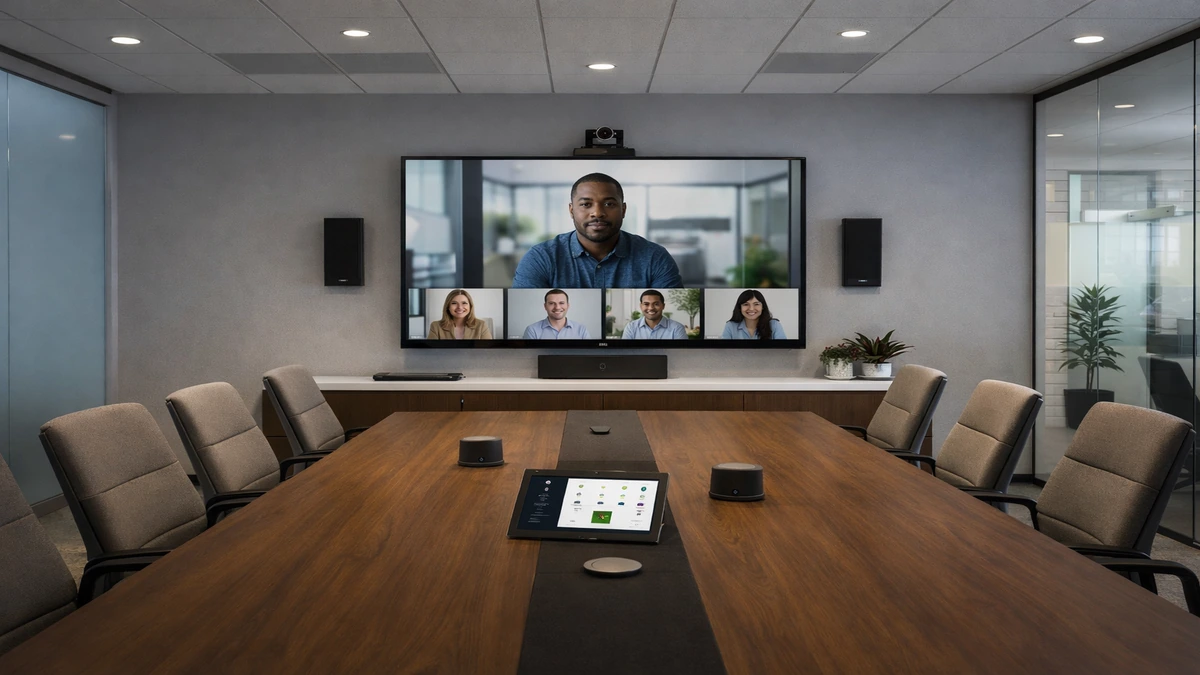
Conference Room AV Installation
Meeting room technology for clearer presentations, calls, and collaboration.
4 minutes
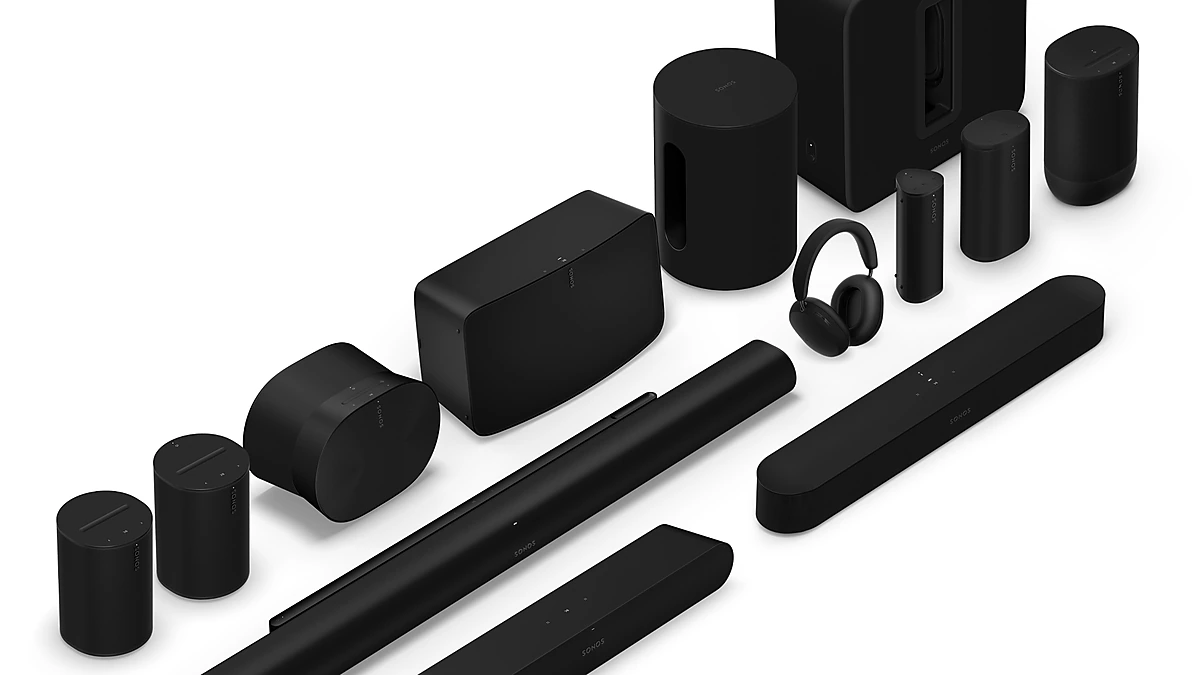
Sonos Installation
Sonos system design, setup, and tuning for simple multi-room audio.
4 minutes
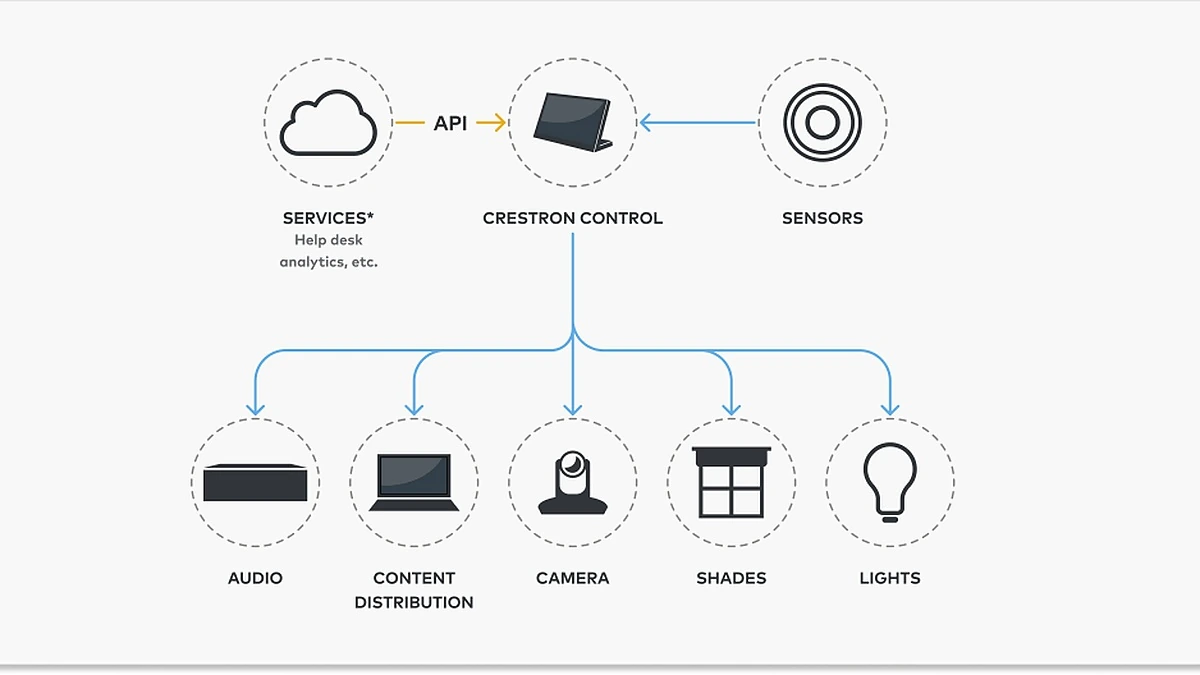
Crestron Installer
Advanced Crestron control integration for high-performance smart home environments.
4 minutes
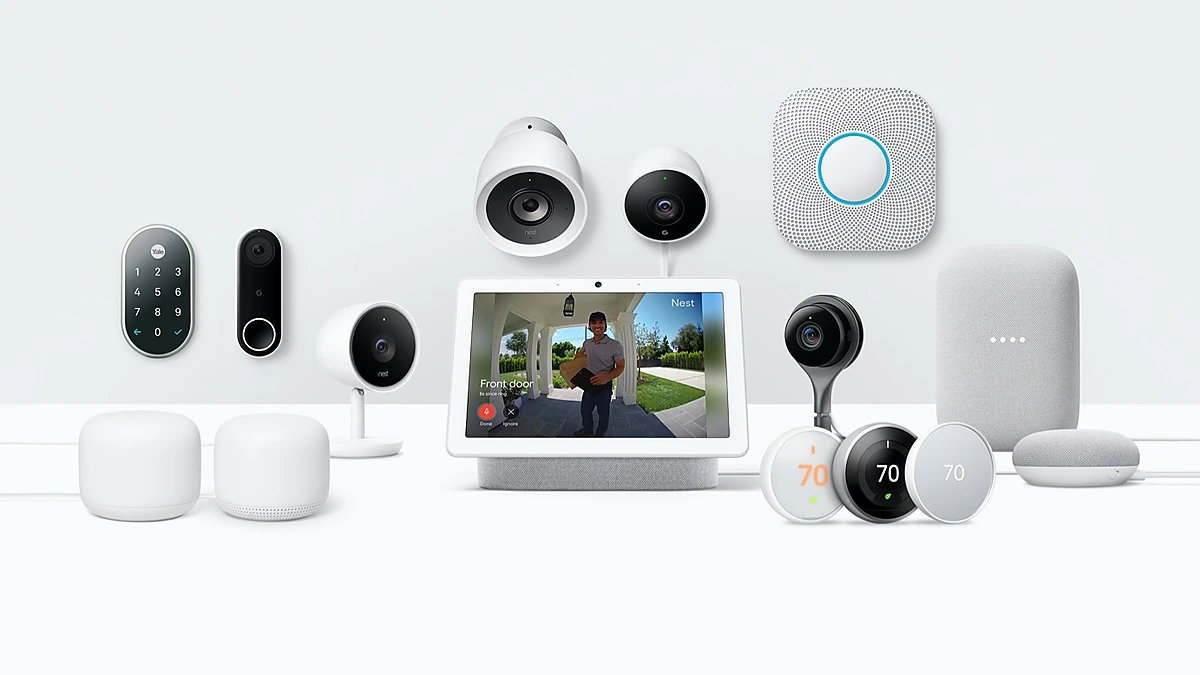
Nest Installer
Nest thermostat and smart home setup for comfort and remote control.
4 minutes
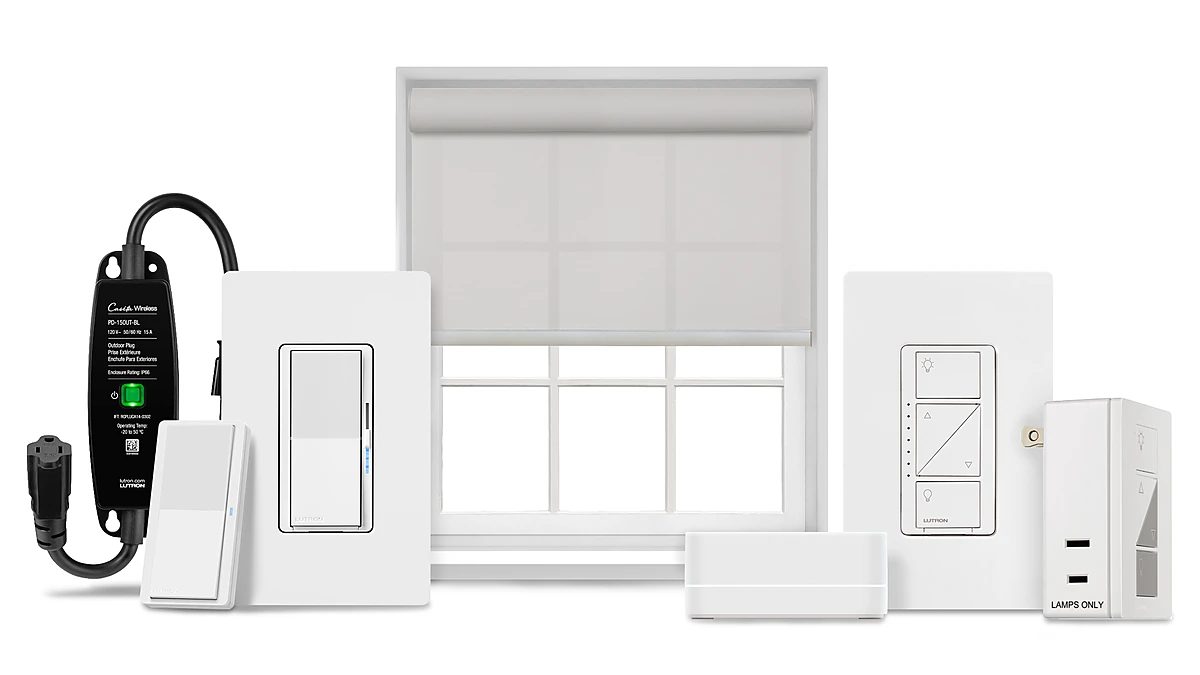
Lutron Installer
Lutron lighting and shading integration for smoother control and scene setting.
4 minutes
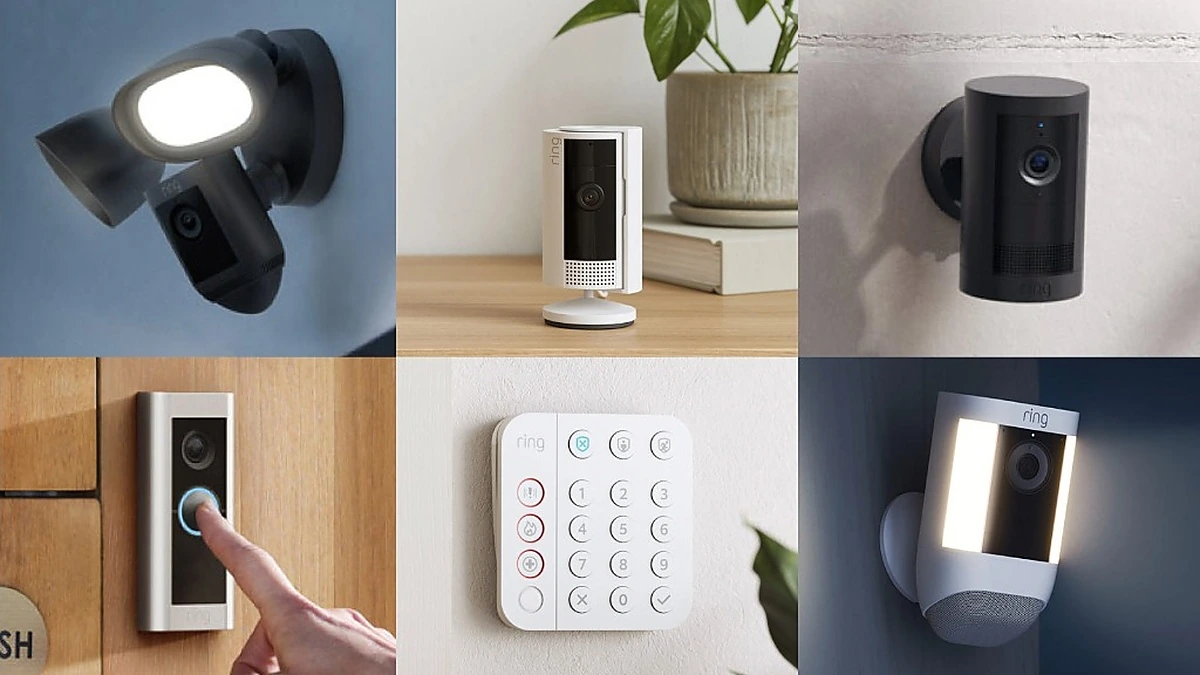
Ring Installation
Ring doorbells and cameras installed for better awareness and entry visibility.
5 minutes
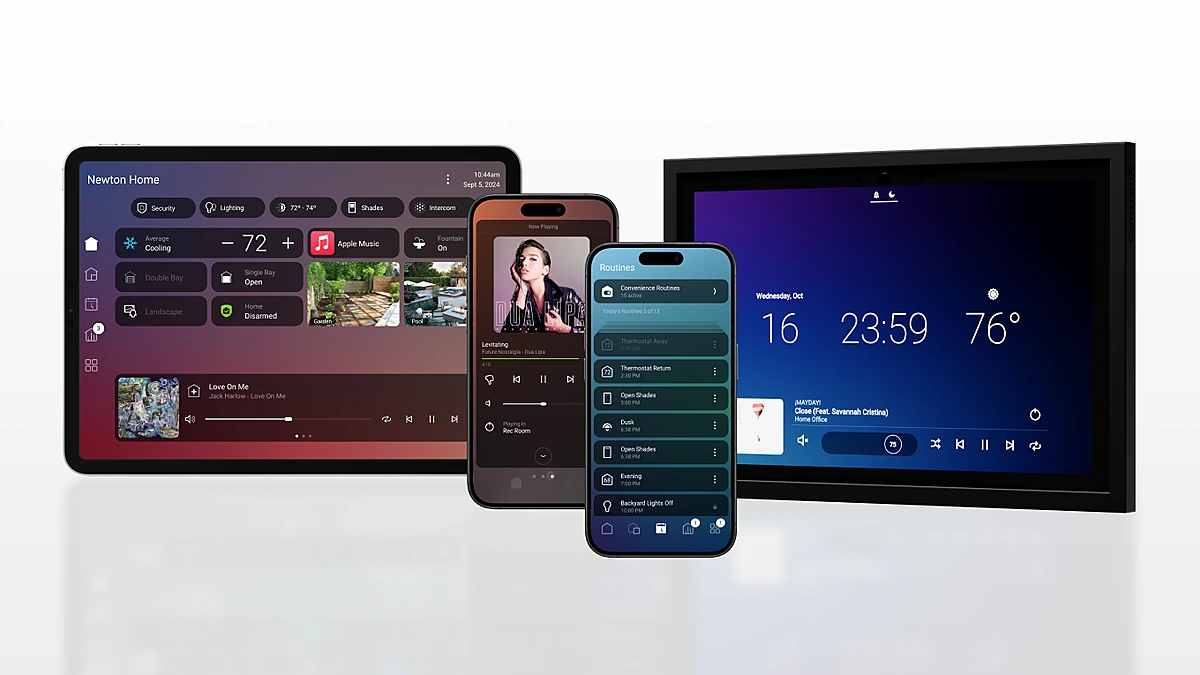
Control4 Installer
Control4 automation setup for unified entertainment, comfort, and home control.
4 minutes

Car & Truck Audio / Electronics Custom Upgrades
Custom mobile audio and electronics upgrades for better sound and functionality.
3 minutes

Four in five households here own, and a good deal of what they own is not a house
Martin County counts 82,297 homes, of which 67,820 are occupied, and owners hold 54,328 of those. That is a settled market by any measure, and settled markets ask a particular question of a system. Not how it presents on the day it is switched on, but how much of the property it can still reach in year ten without anybody reopening a wall.
The second number complicates that usefully. A little under two thirds of the county's housing is a house. The rest is small and mid-sized multifamily — 6,343 homes in buildings of ten to nineteen units, 5,704 in buildings of five to nine, and several thousand more in duplexes and blocks of three or four. So a large share of the people here planning for the long term are planning inside a structure whose fabric they do not solely control.
Those two facts pull against one another, and naming the tension early is most of what planning buys you. A long horizon wants routes that can be added to: spare capacity in the walls, a rack with room to grow, a control layer holding more zones than this year's plan uses. A shared structure wants the opposite instinct, because riser and chase access is a permission before it is a measurement. Which of the two you are in sets the ceiling on everything after it.
The first phase decides what the fifth one costs
In a home that will not change hands for twenty years, the interesting decision is not which rooms are in scope. It is which rooms are not, and whether the design quietly forecloses them. A control system has a number of zones it was ever meant to hold. A route has a number of pairs pulled through it. A rack has a depth, a circuit and a volume of air. Each of those is settled in the first fortnight of a project, and none of them announces itself as a limit until the day somebody asks for one more room.
The rack is the clearest case, because it is the part most often treated as storage rather than as equipment. It wants a circuit of its own, somewhere for its heat to go, and clearance enough that a person can reach the back of it without emptying the room around them. A cupboard chosen at the end of a project, because nothing else was using it, tends to fail all three tests at once, and every later addition gets dearer for it.
Serviceability is the same argument pointed at people rather than at hardware. Across a long ownership somebody other than the original installer will open the system — a different trade, a replacement device, a fault at an awkward hour. Labelling both ends of a run, naming things so the names still make sense to a stranger, and leaving behind a plan of where the cabling went costs almost nothing during the work and cannot be reconstructed afterwards without opening the walls again.
The stock is eighties, and it did not come with anywhere to put this
One decade holds more Martin housing than any other. 23,709 homes date from the nineteen-eighties, and so does the county's median home. Housing finished then had no reason to anticipate a rack, a structured cabling plan or a network carrying video, control and cameras together, so on most addresses here the low-voltage infrastructure is something a project brings rather than something it inherits. The useful consequence is that it can be sized properly, once, instead of negotiated with whatever a previous decade left behind.
It also puts the low-voltage plan at the centre of a specification rather than at the edge of it. Where a property inherits nothing, the drawing that matters is the one showing where the cabling runs, what terminates where, which circuit feeds the equipment and how many spare pairs sit in each route. Everything visible hangs off that document. It is also the part of a large project most often described in a single sentence when it deserves a page of its own.
One thing this page will not tell you
Martin County has a building department, and its published page names it without stating which addresses it covers. That gap has a practical edge, because a county contains municipalities and some of them review their own work. Rather than assume, settle who holds authority over your particular address before a date is promised. Very little of an audio-visual system is reviewable at all — but the little that is has a way of standing in front of everything else.