

Seven Decades, No Typical Address Audio Video | Home Theater Installations Serving Miami-Dade County, FL
No single decade or tenure defines Miami-Dade County — 1,085,414 homes, 461,243 of them rented, and a build stock spread almost evenly across seven decades.
Premier Audio and Video Integration for Vehicles, Homes, and Boats
Discover the pinnacle of home entertainment, vehicle audio quality, and marine A/V systems tailored for superior performance and convenience in any setting.
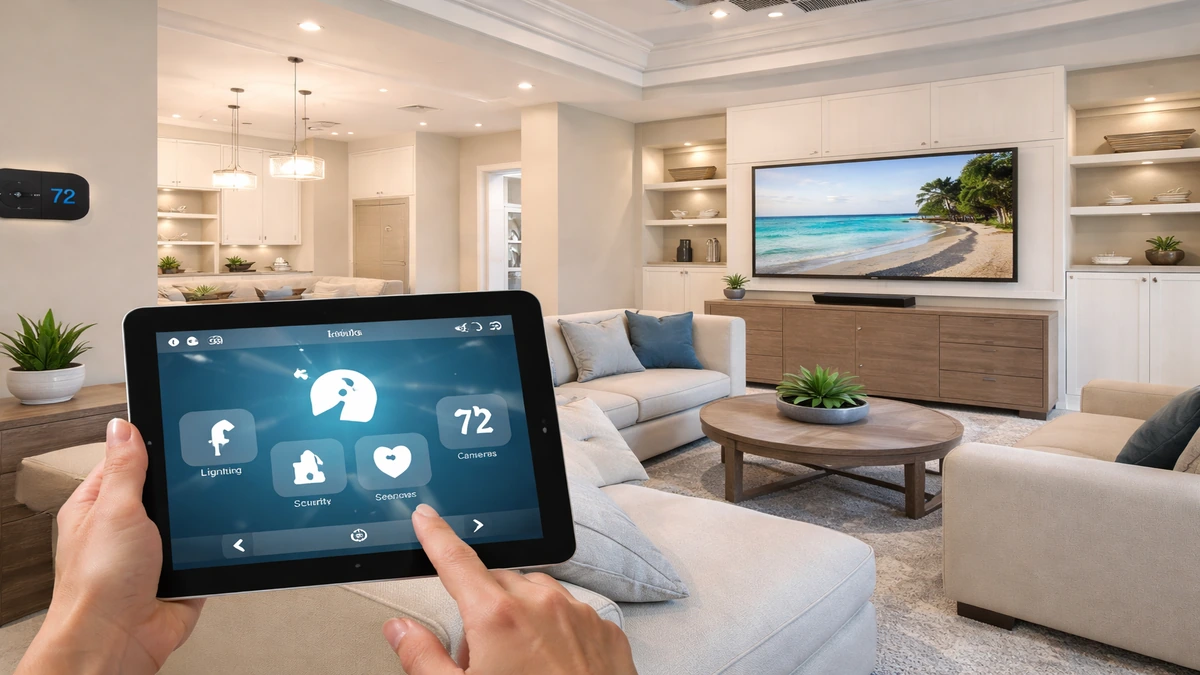
Smart Home Automation Installation
Integrated control for lighting, climate, security, and entertainment.
4 minutes
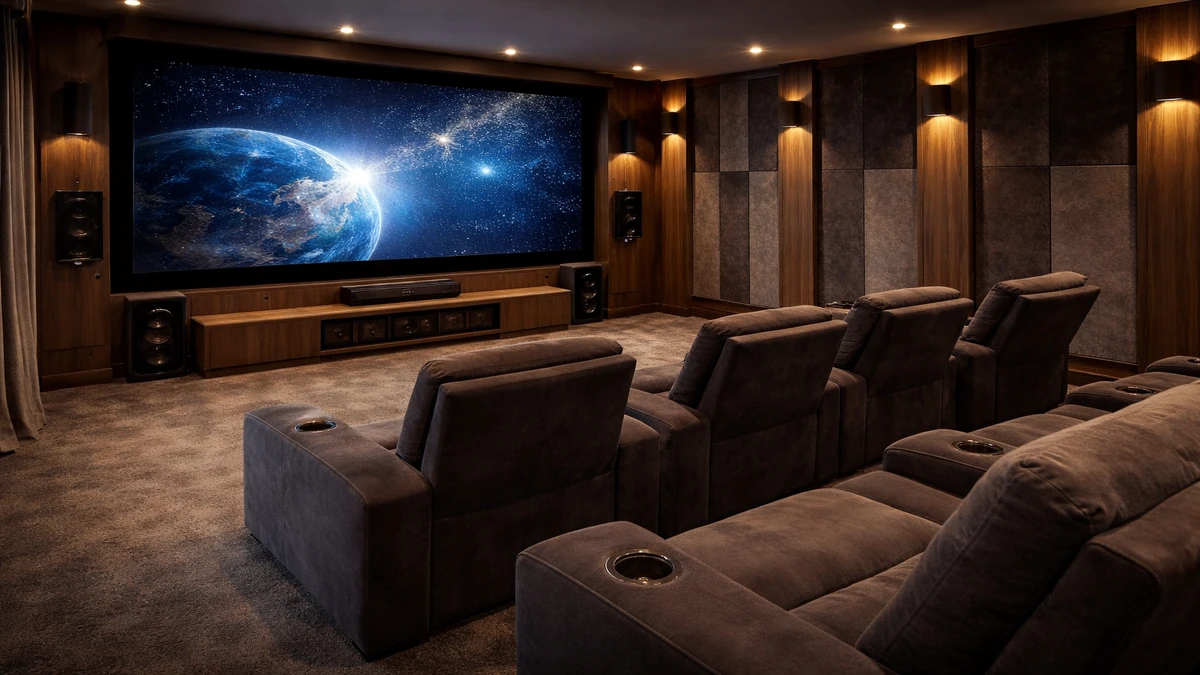
Home Theater Installation
Custom theater rooms designed for immersive picture, sound, and comfort.
4 minutes
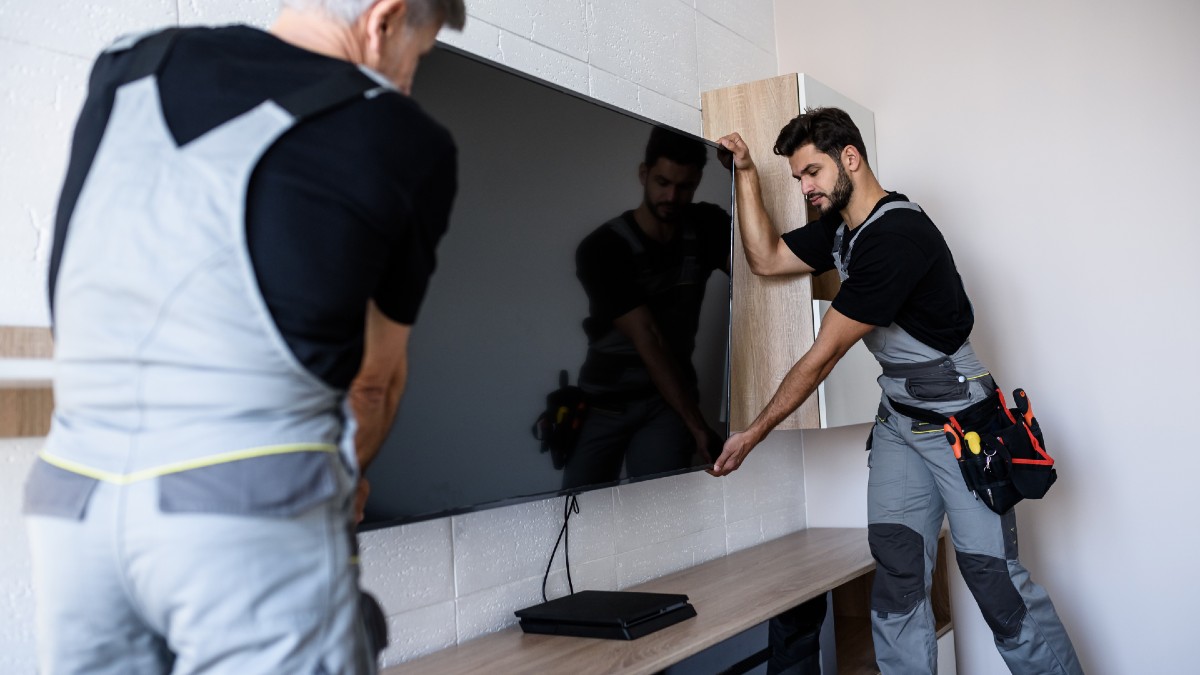
TV Wall Mounting
Professional TV mounting for cleaner layouts and better viewing angles.
5 minutes
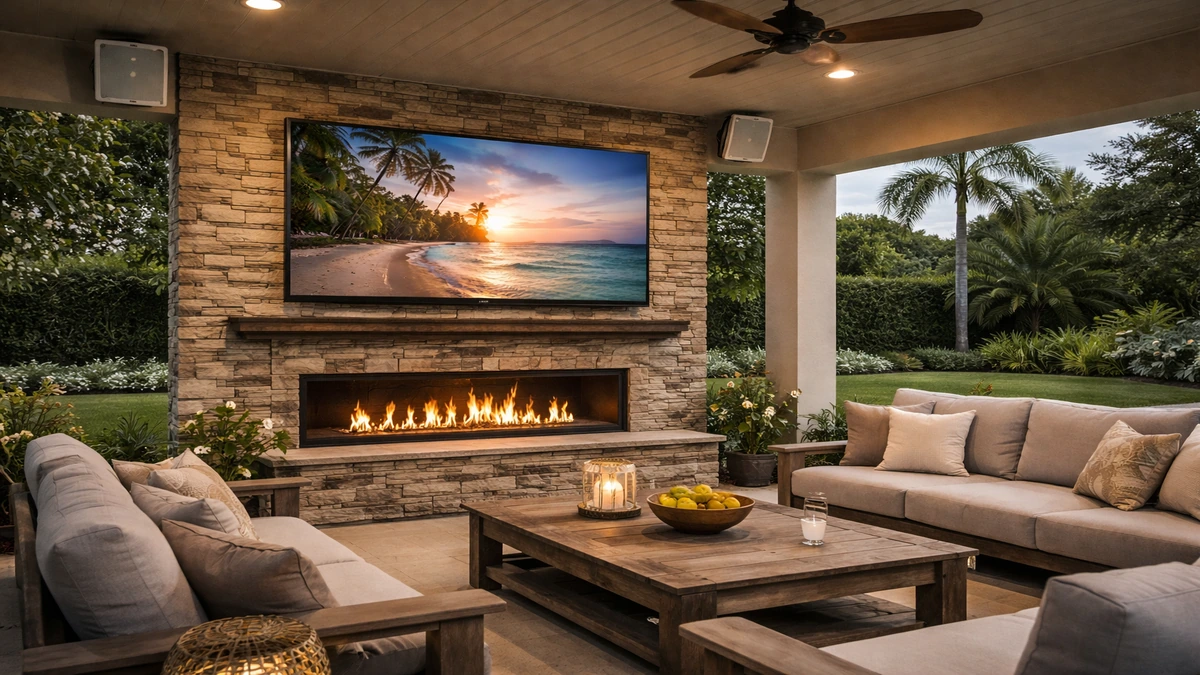
Outdoor TV Installation
Weather-aware outdoor TV setups built for patios, lanais, and pool areas.
5 minutes
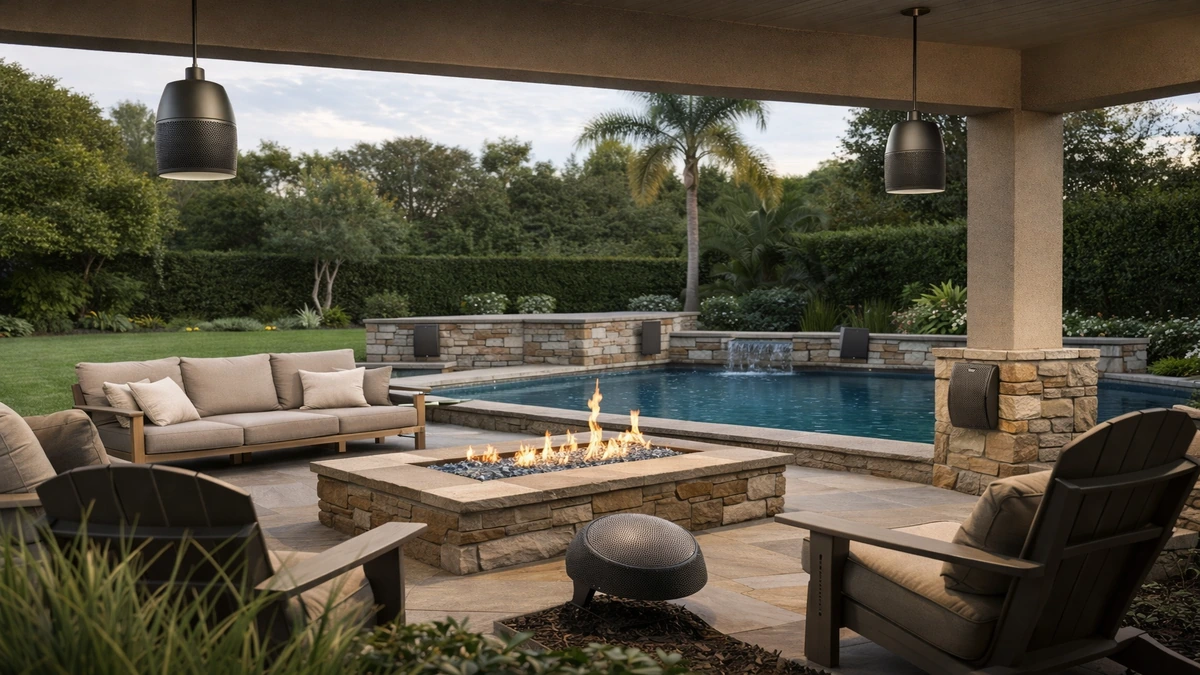
Outdoor Audio Installation
Outdoor speaker systems planned for clear sound and reliable coverage.
4 minutes
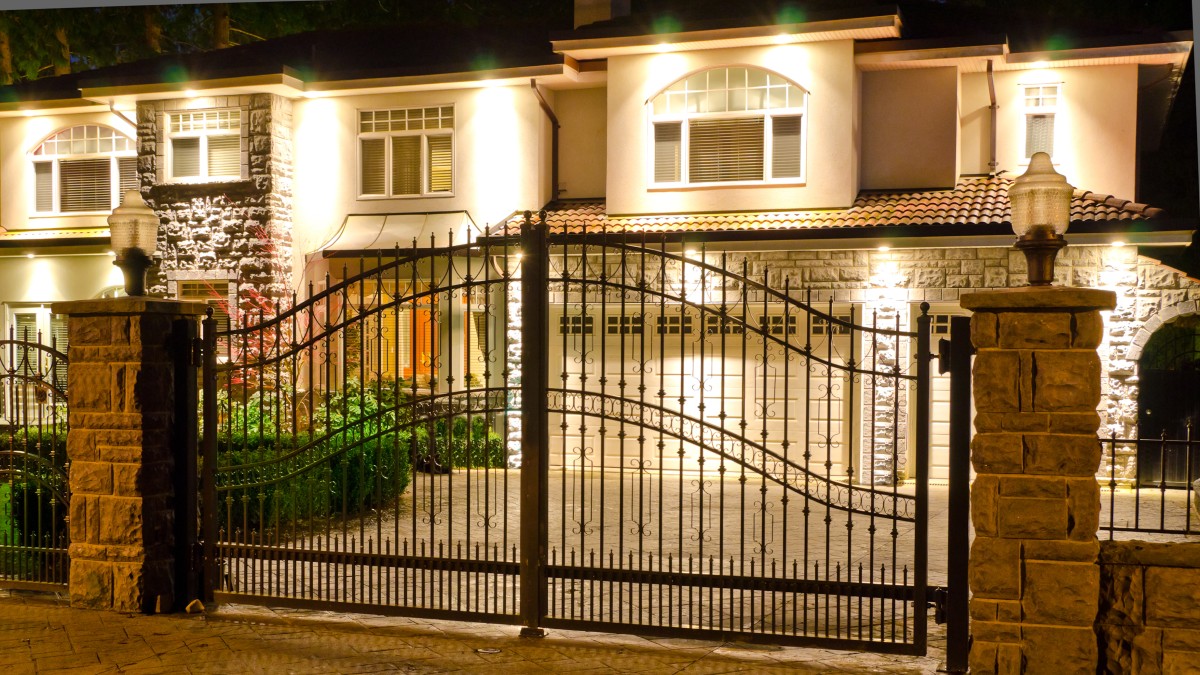
Automatic Gates
Secure, convenient gate automation with access control and entry integration.
4 minutes
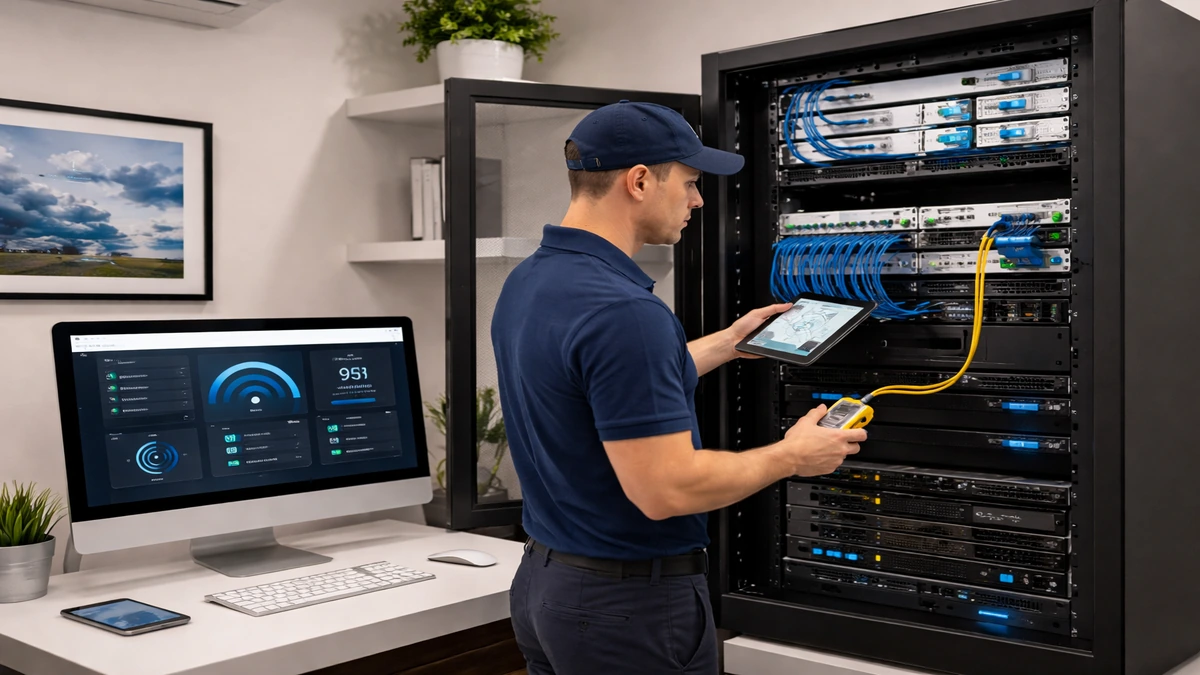
Home Network Installation
Stronger Wi-Fi, better coverage, and dependable connectivity throughout the property.
4 minutes
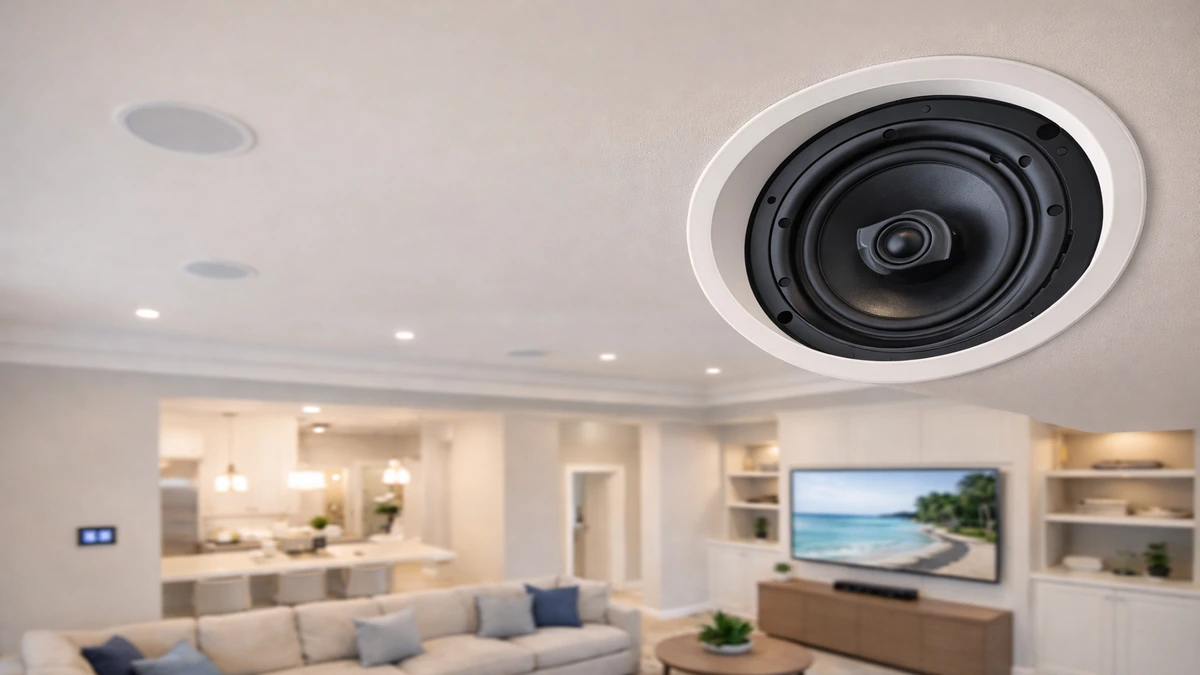
Ceiling Speaker Installation
Clean in-ceiling audio solutions for music, TV, and multi-room sound.
4 minutes
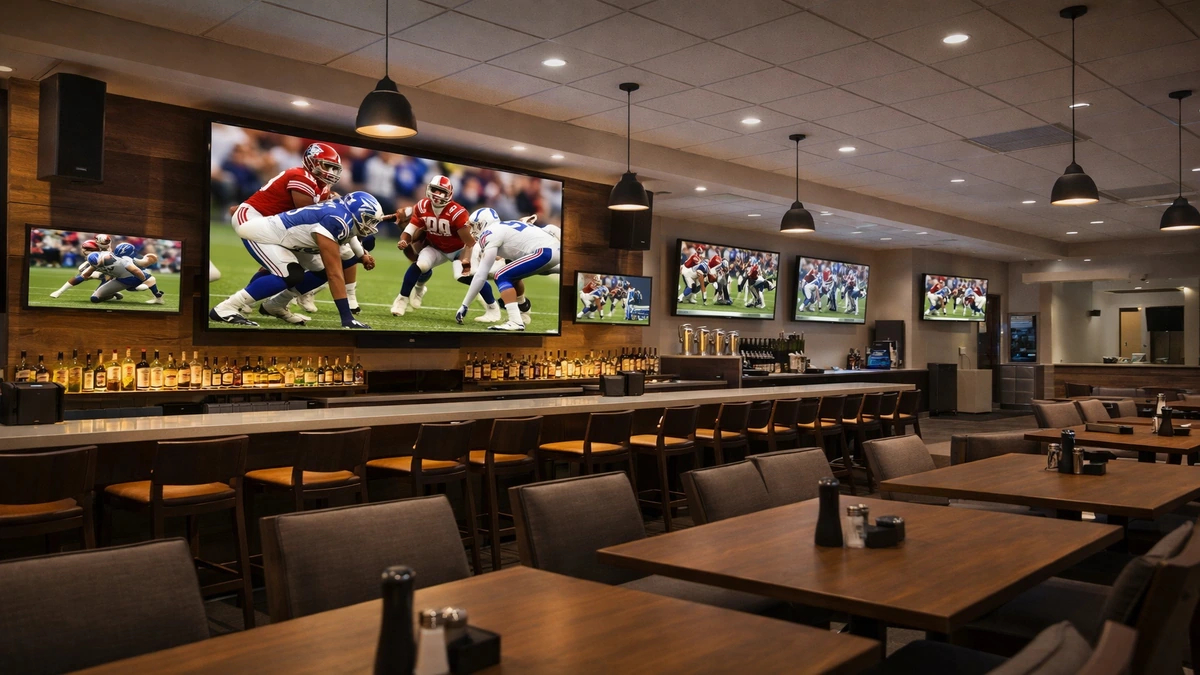
Commercial AV Installation
Professional audio, video, and control systems for business environments.
4 minutes
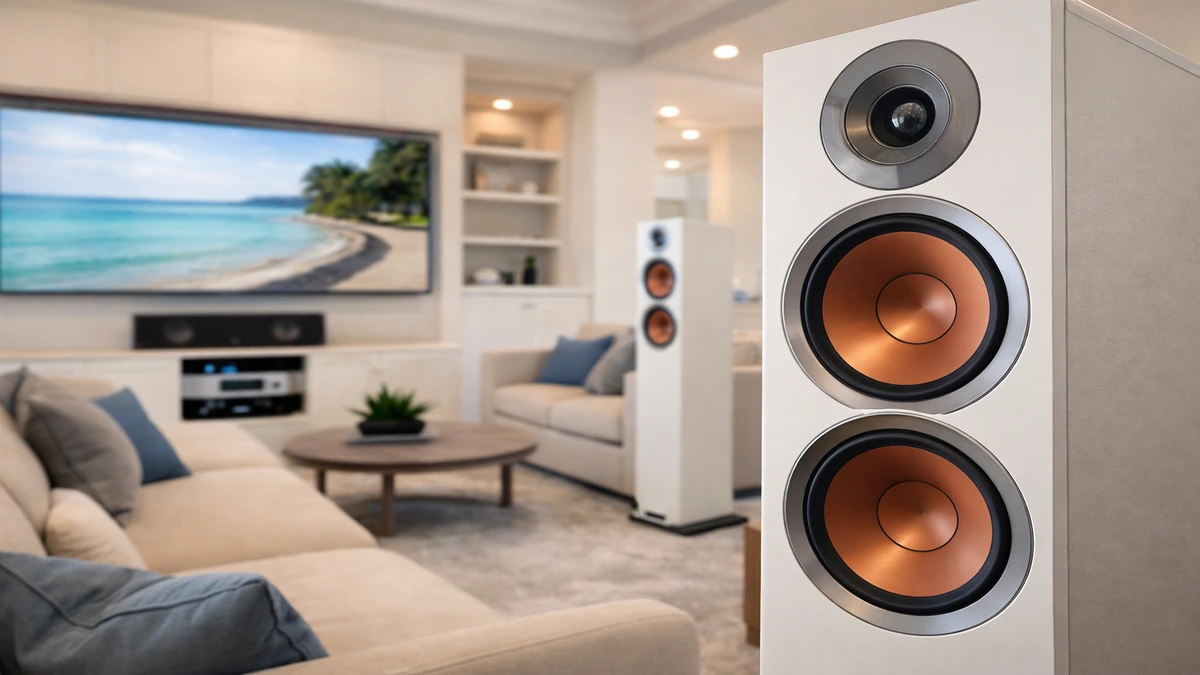
Home Audio Installation
Whole-home and room-based audio systems tailored to how you listen.
4 minutes

Marine Audio & Electronics Installation
Boat audio, displays, and electronics installed for performance on the water.
4 minutes
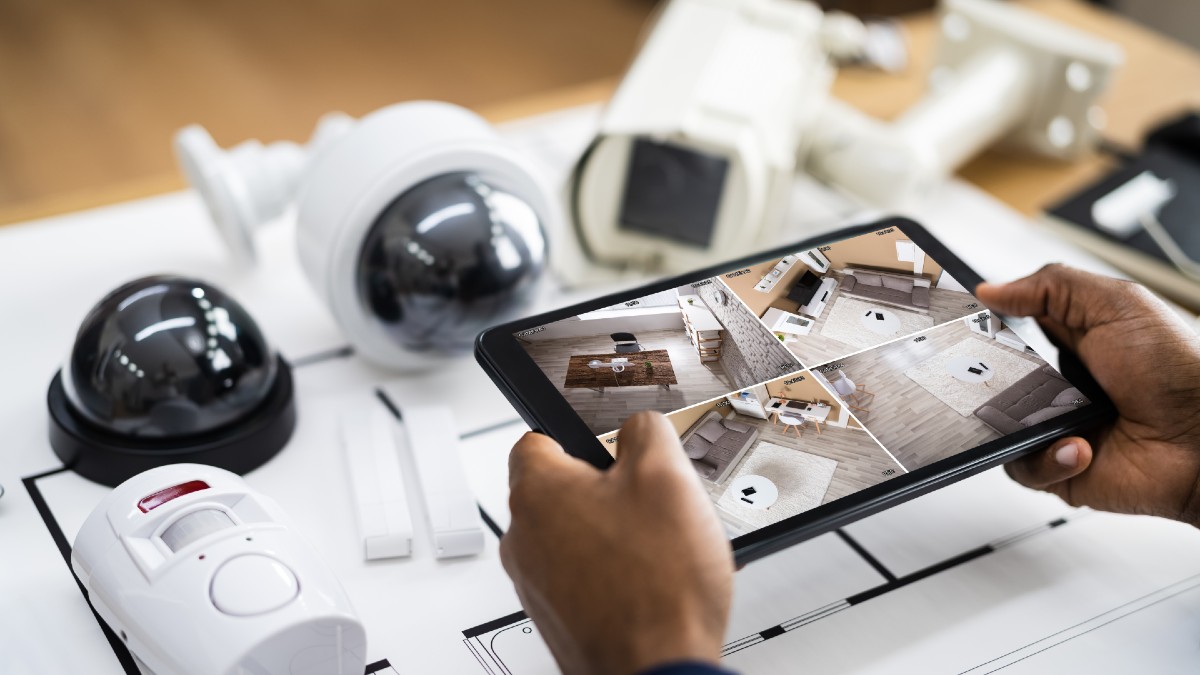
Security Camera Installation
Smart camera systems for visibility, alerts, recording, and remote monitoring.
4 minutes
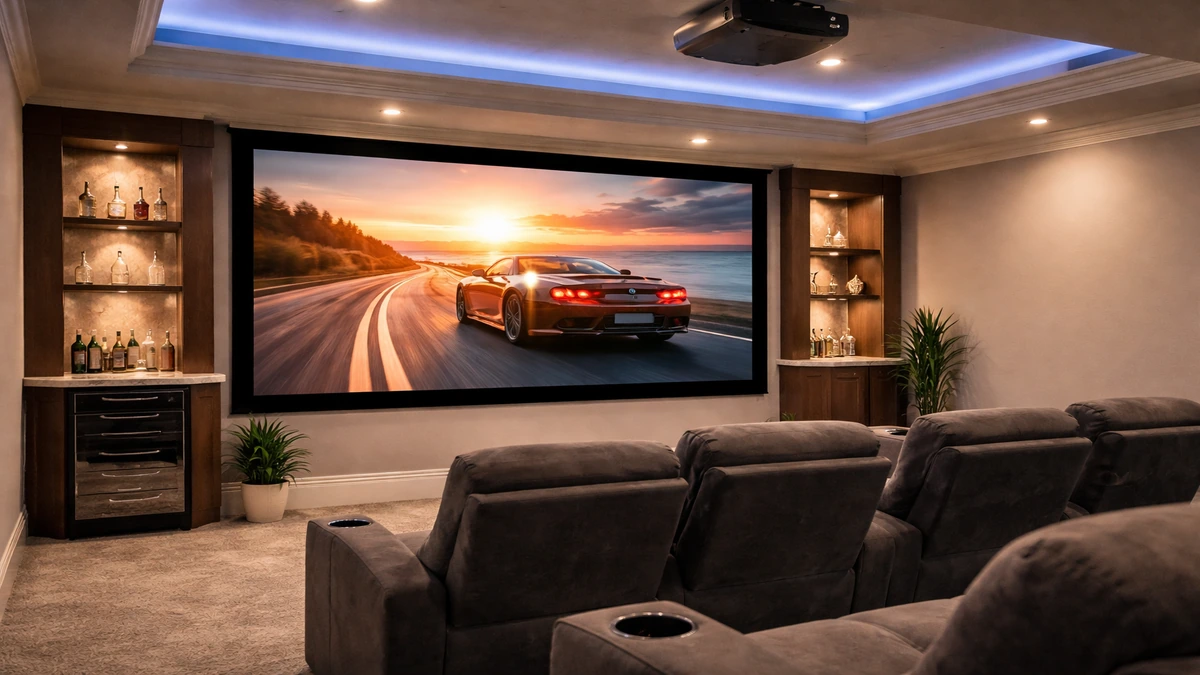
Projector Screen Installation
Projectors and screens configured for sharp viewing and balanced room performance.
4 minutes
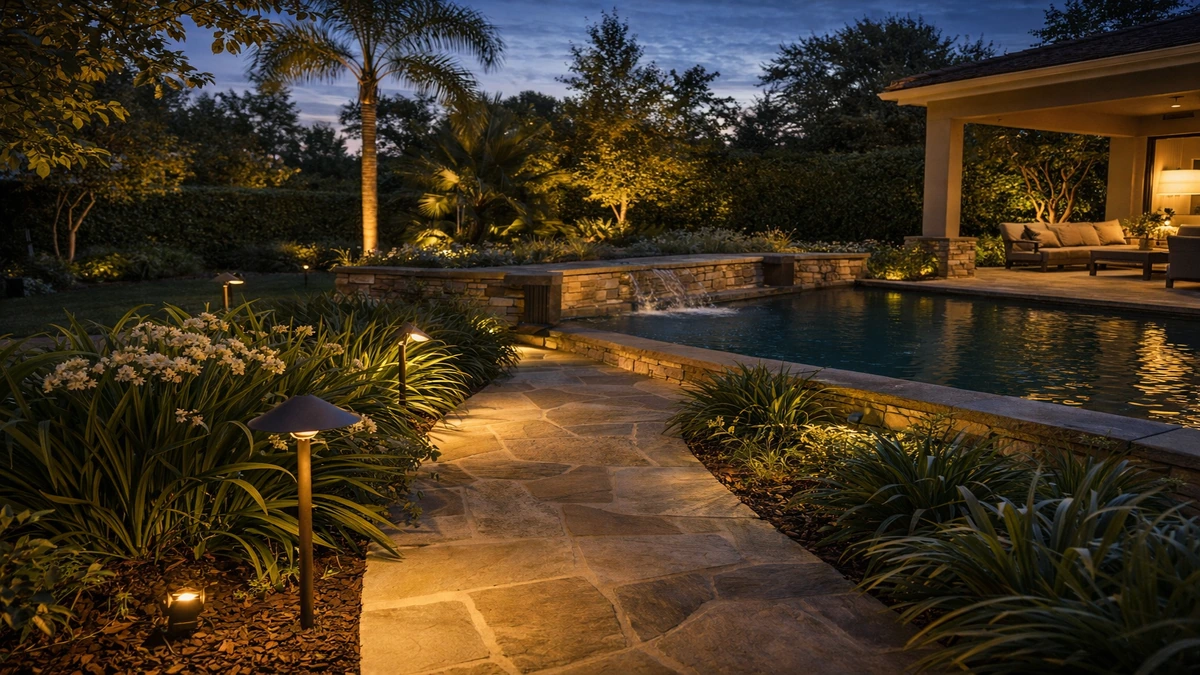
Outdoor Lighting Installation
Exterior lighting that improves curb appeal, ambiance, and nighttime usability.
4 minutes
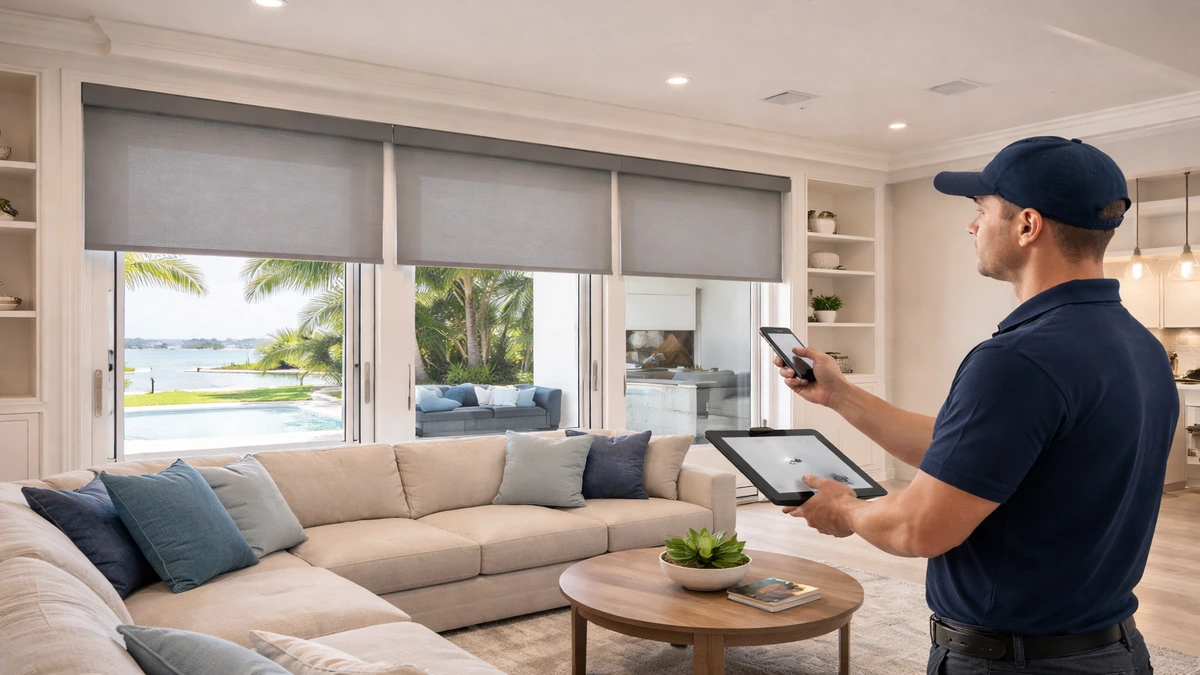
Motorized Blinds Installation
Automated shading for privacy, glare control, and everyday convenience.
4 minutes
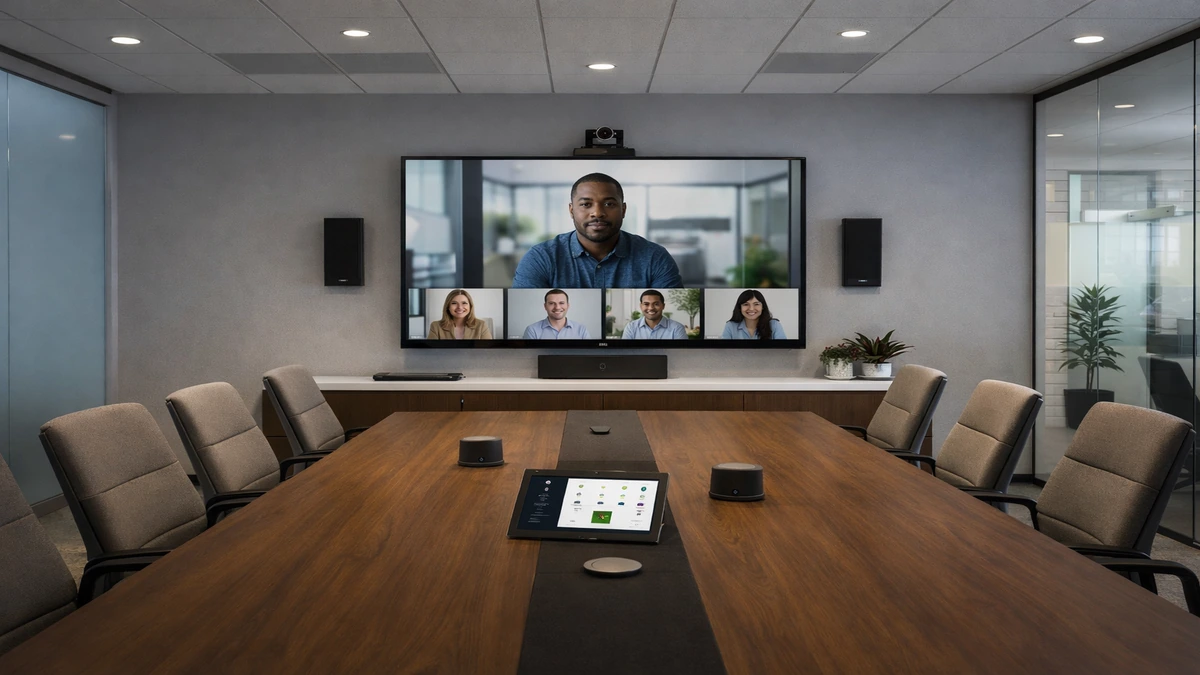
Conference Room AV Installation
Meeting room technology for clearer presentations, calls, and collaboration.
4 minutes
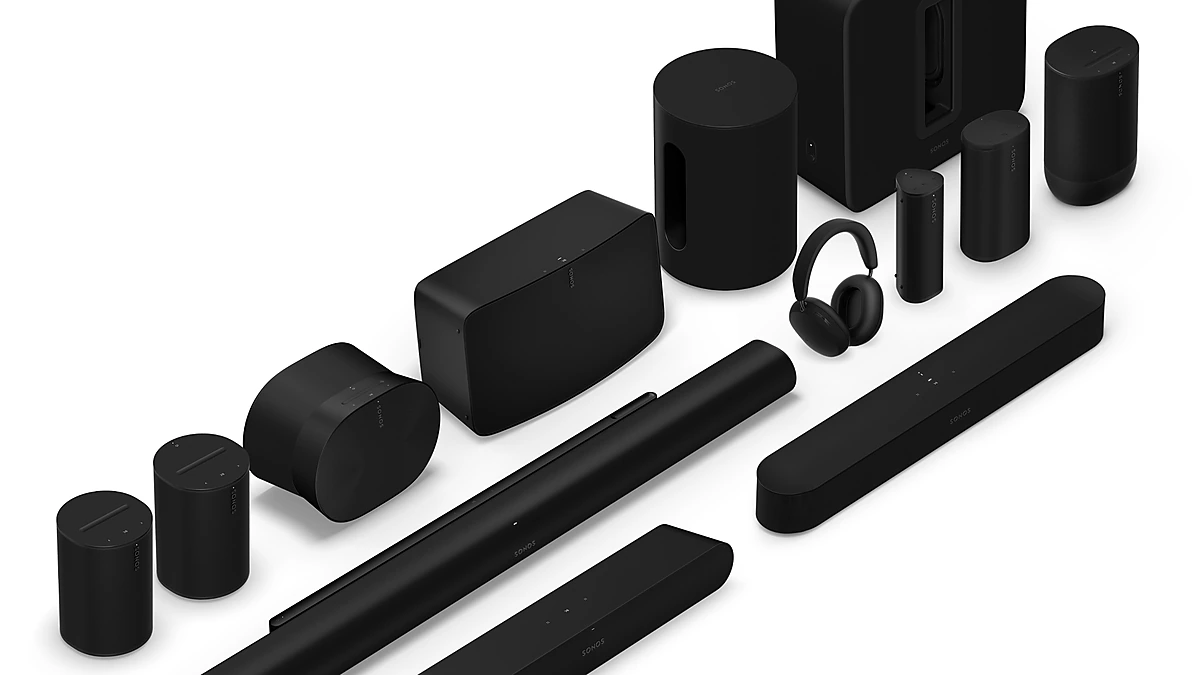
Sonos Installation
Sonos system design, setup, and tuning for simple multi-room audio.
4 minutes
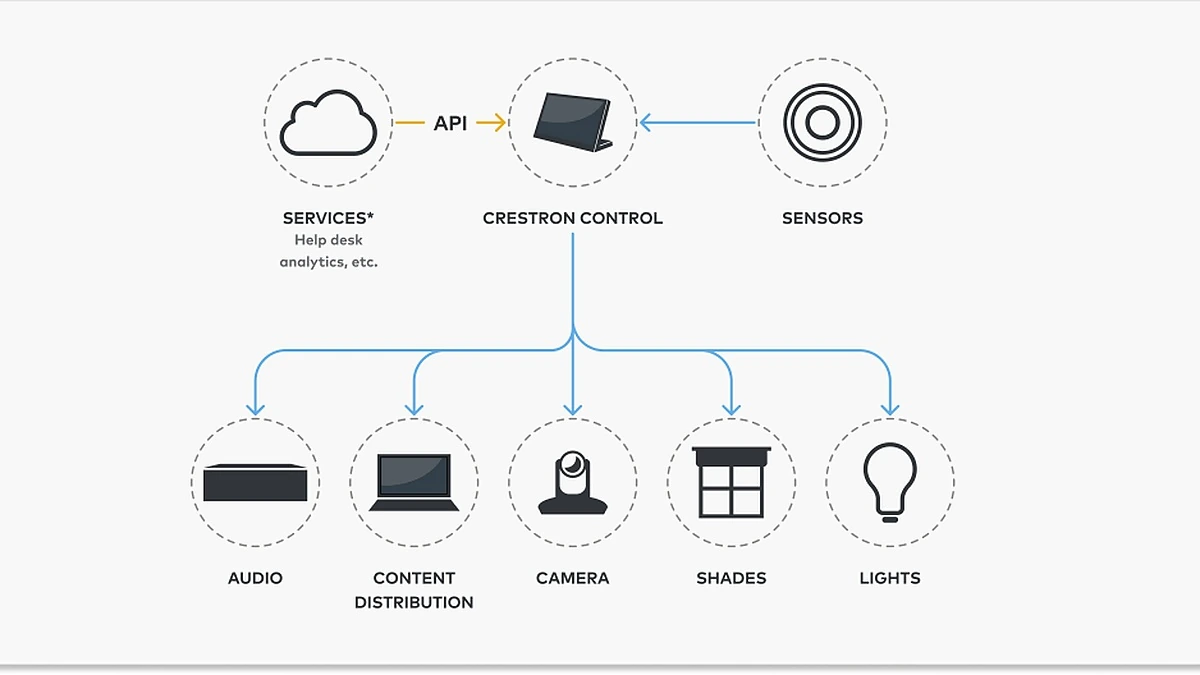
Crestron Installer
Advanced Crestron control integration for high-performance smart home environments.
4 minutes
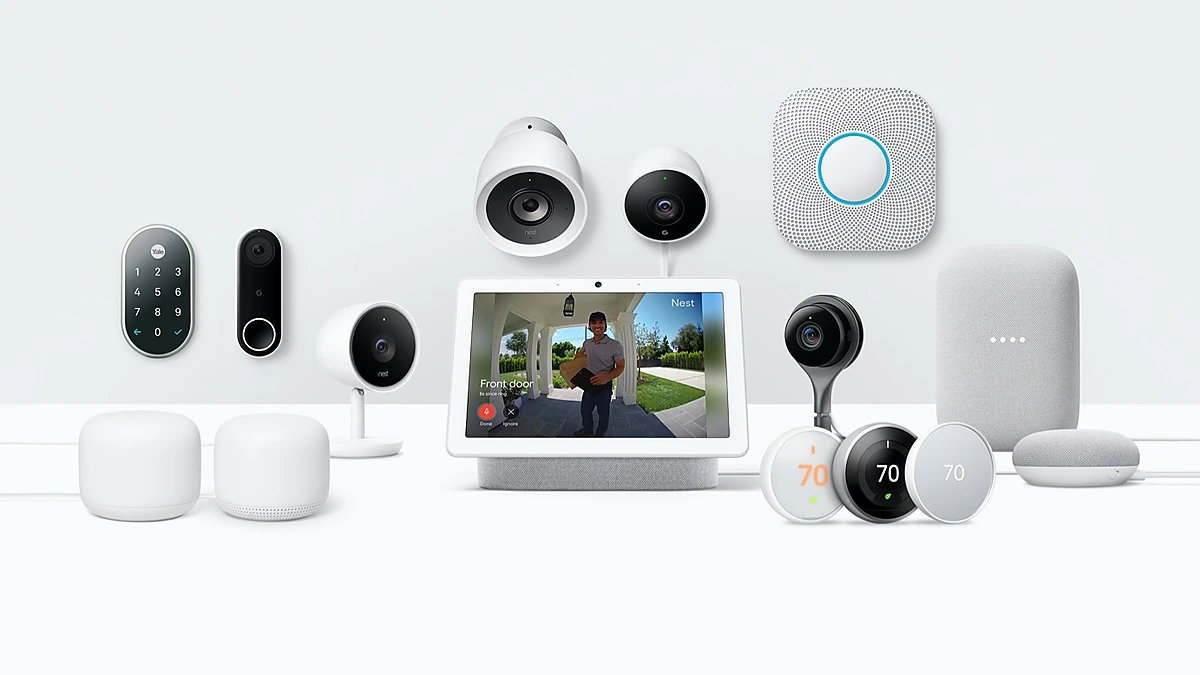
Nest Installer
Nest thermostat and smart home setup for comfort and remote control.
4 minutes
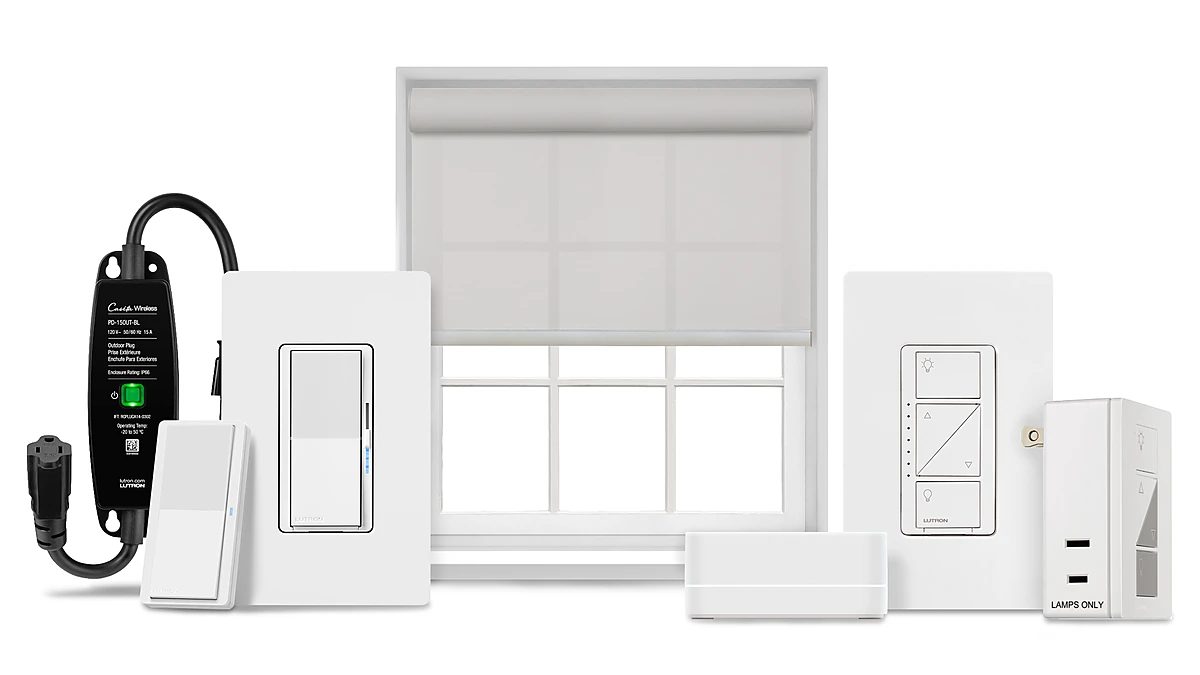
Lutron Installer
Lutron lighting and shading integration for smoother control and scene setting.
4 minutes
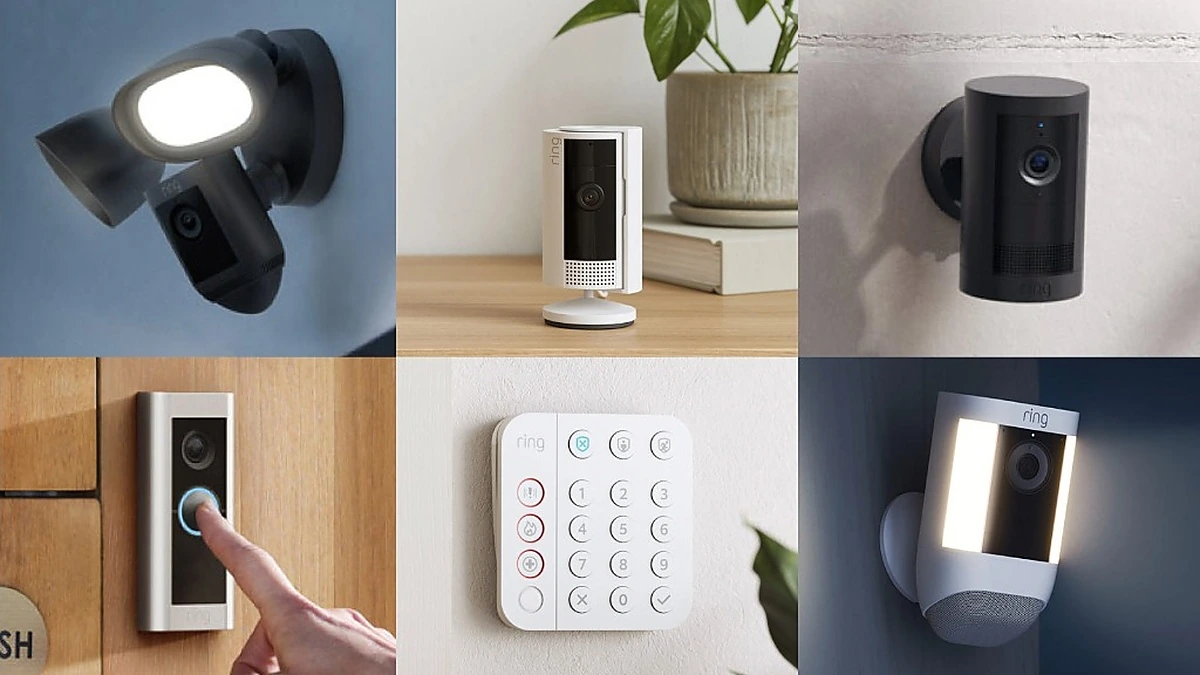
Ring Installation
Ring doorbells and cameras installed for better awareness and entry visibility.
5 minutes
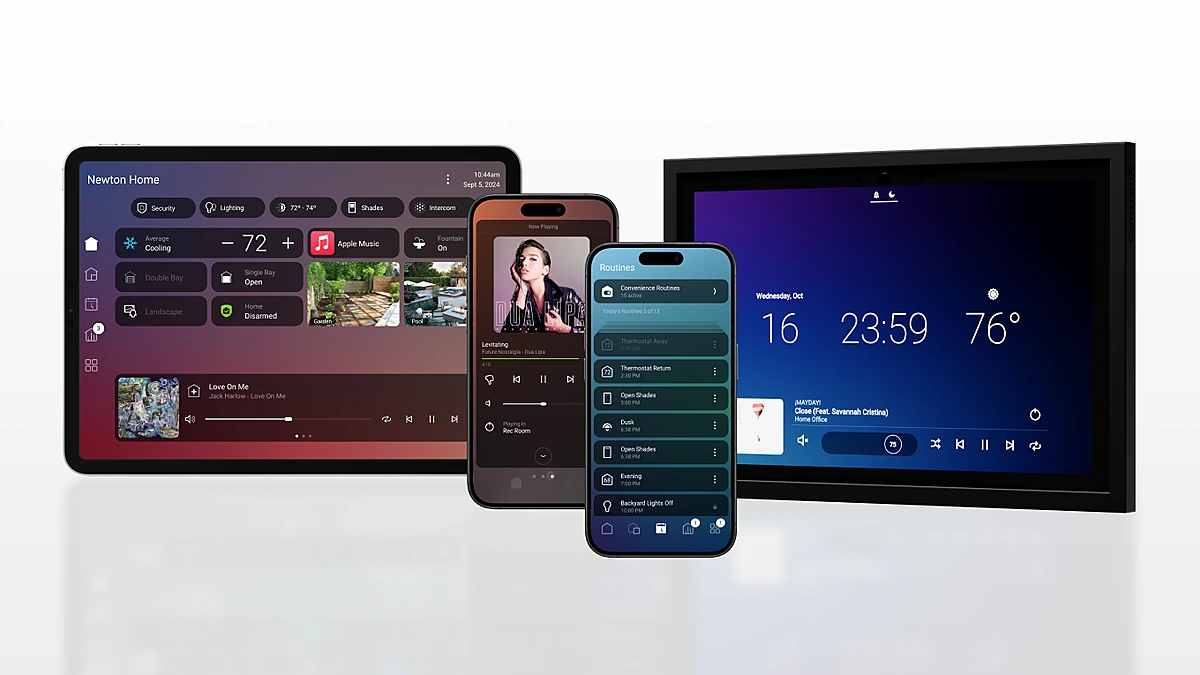
Control4 Installer
Control4 automation setup for unified entertainment, comfort, and home control.
4 minutes

Car & Truck Audio / Electronics Custom Upgrades
Custom mobile audio and electronics upgrades for better sound and functionality.
3 minutes

Close to half the households here are renting the home the system goes into
Miami-Dade has 1,085,414 homes, an order of magnitude more than any other area on this site with the same property profile. The figure that changes a design, though, is a different one. Of the 964,805 homes that are occupied, 461,243 are rented. Close to half the housing in the county is lived in by somebody other than its owner, and that is far enough from the usual pattern to be worth planning around rather than noting. In a great many of these properties, the person operating a system day to day is not the person who commissioned it.
What that decides is how the system has to behave at the moment it changes hands. Control needs to be operable without a lesson: a keypad that reads as itself, scenes that do the obvious thing when pressed, nothing that depends on remembering an order. Mounting should be reversible, so a display can come down and the wall be made good without a trade visit. And the work needs a written record of what runs where, because whoever opens the rack in five years was not standing in the room while it was built.
It is also the strongest argument available for treating a property as one system rather than four. Where a home is built up a room at a time, each addition arrives with its own control, its own app and its own assumption about what the network is for, and whoever inherits it has to learn all of them. Planning the whole thing once, even where it gets installed in stages, is what makes it possible to hand over a system instead of a collection. That is a decision taken at the beginning of a project or not at all.
No single decade built more than a sixth of the county
The building stock is unusually spread out in age. The largest decade is the 1970s at 186,387 homes, and that is barely a sixth of everything standing. The 1950s account for 143,699, the 2000s for 138,035 and the 1990s for 128,404. There is no dominant era here and therefore no default construction to design against, which is a more useful thing to know than any one of those numbers on its own.
That matters because so much of this work is settled by what sits above a ceiling and behind a finished wall. In a market built to one pattern, what one property allows usually holds in the next, and a design can be drawn with real confidence before anybody climbs into an attic. Here it cannot. In-ceiling placement, the route a cable can take between levels, whether a rack can sit somewhere with power, ventilation and service access — each of those is answered by the building in front of you, and the answer from the one next door is not evidence.
Who reviews the work is a question about your address
The county's building department is the Department of Regulatory and Economic Resources, and its published forms notice is scoped precisely: the current forms took effect for any project located within unincorporated Miami-Dade County. That scoping is the useful part. It tells you the county's own process is written around unincorporated territory. It does not tell you who reviews a project anywhere else, and this page will not guess on your behalf. Establish the authority for your specific address before you book anything that depends on the answer.
Pair that with the other address question, because the two are answered in the same week and usually on the same visit. What the building physically allows — where a cable can run, where equipment can live, what has to be opened to get from one to the other — and who signs off the parts that need signing off. Both are cheap to settle on paper. Both are expensive to discover once a room is already apart.
Half the county lives in a house, a third in a building of twenty homes or more
Some 531,728 homes here are houses, detached or attached, and 267,749 sit in buildings of fifty units or more. Those are not two versions of one project. In the first, the survey is about attic clearance, joist direction and whether the crawlspace gets you under the room you actually need to reach, and in-ceiling placement follows from what is found rather than from what was drawn. In the second, nothing moves between levels except through a riser or a chase that already exists, and what may be opened is not yours alone to decide.
The one part that carries across both is the network, and it is usually specified last and complained about first. Streaming, control, cameras and door entry all share it, and in either building type the weak point shows up as coverage rather than raw speed — the far room that drops, the camera that keeps reconnecting. The answer is the same in a house and in a tower: a wired backbone wherever the structure allows one, and wireless carrying only the rooms it must.
Which brings the page back to where it started. Cable, conduit, rack position and the backbone underneath them outlast every device plugged into them, and in a county where so many homes change occupant rather than owner, they outlast the arrangement as well. Spend the planning there. The visible equipment is the easiest thing to change afterwards and the least useful thing to decide first.