

Not A Spectrum, A Switch Audio Video | Home Theater Installations Serving Palm Beach County, FL
Palm Beach County counts 713,855 homes, 69.9% of them owner-occupied and 135,880 in buildings of twenty units or more — a house majority with a stacked minority big enough to plan for.
Master Your Environment: Audio, Video, and Security Solutions
Explore a range of services from superior car audio systems, sophisticated home entertainment solutions, to advanced security with CCTV and smart doorbells, all designed for convenience and efficiency.
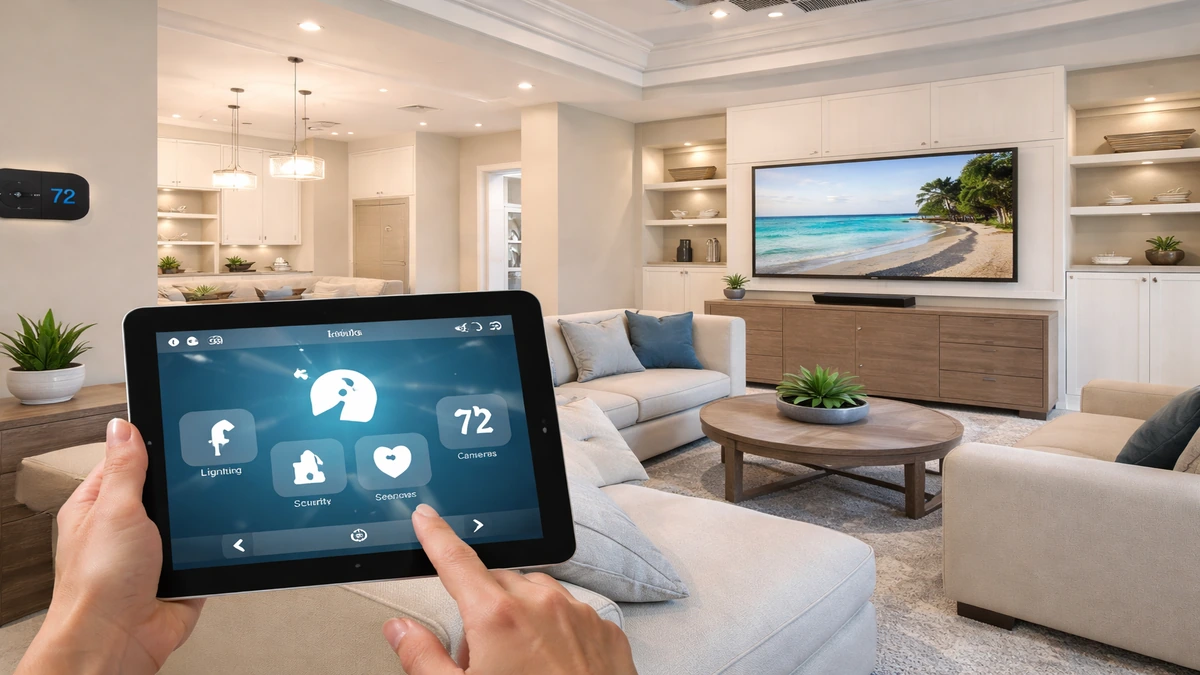
Smart Home Automation Installation
Integrated control for lighting, climate, security, and entertainment.
4 minutes
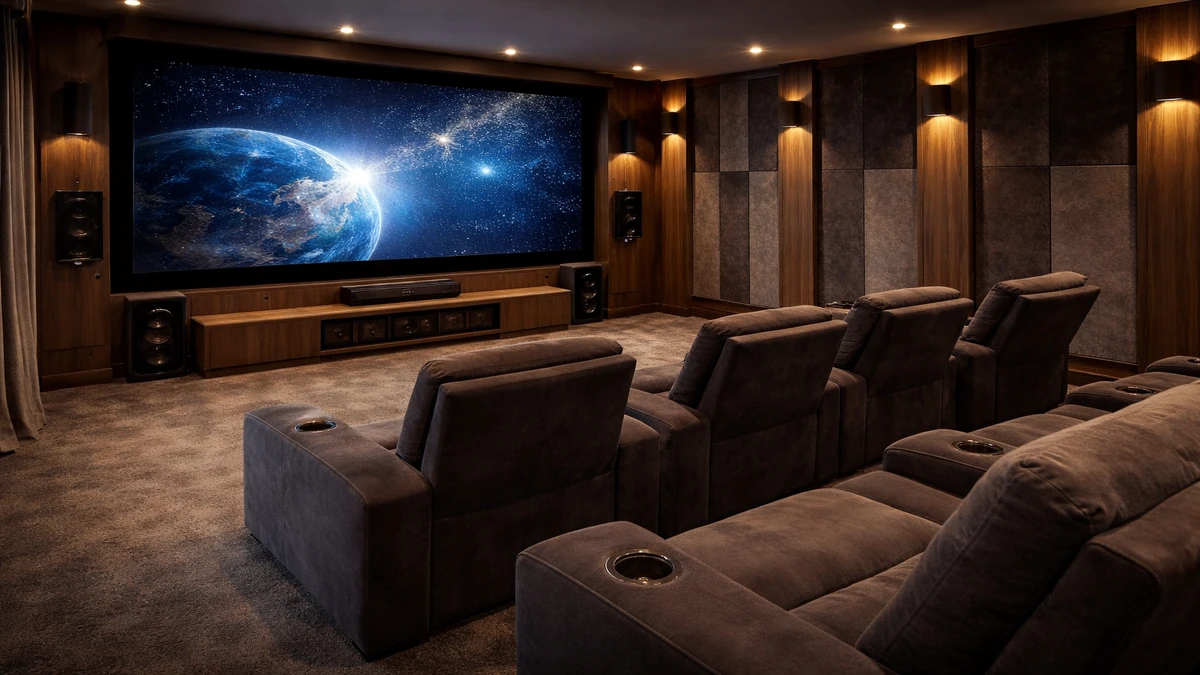
Home Theater Installation
Custom theater rooms designed for immersive picture, sound, and comfort.
4 minutes
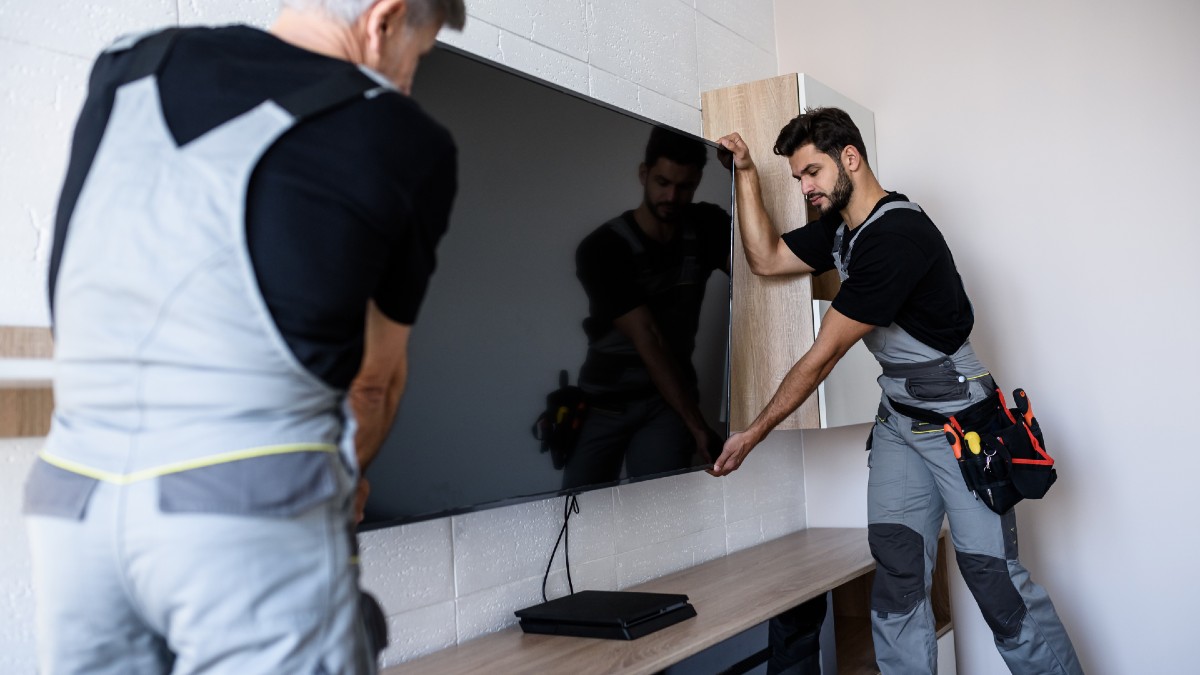
TV Wall Mounting
Professional TV mounting for cleaner layouts and better viewing angles.
5 minutes
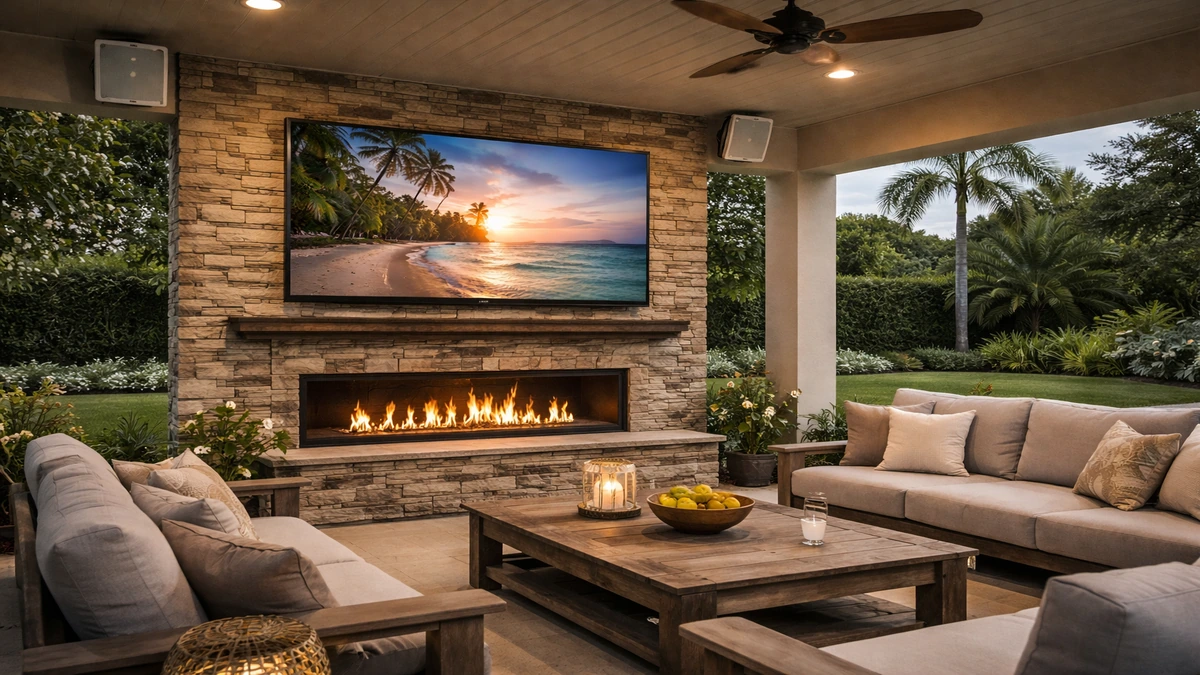
Outdoor TV Installation
Weather-aware outdoor TV setups built for patios, lanais, and pool areas.
5 minutes
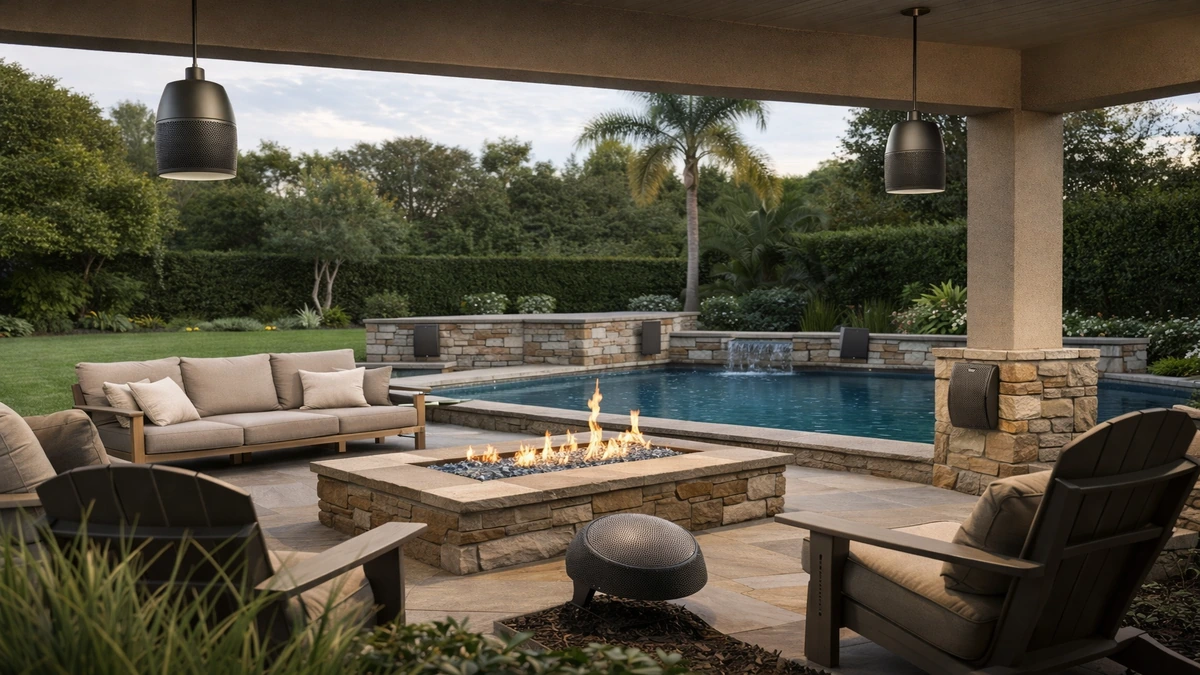
Outdoor Audio Installation
Outdoor speaker systems planned for clear sound and reliable coverage.
4 minutes
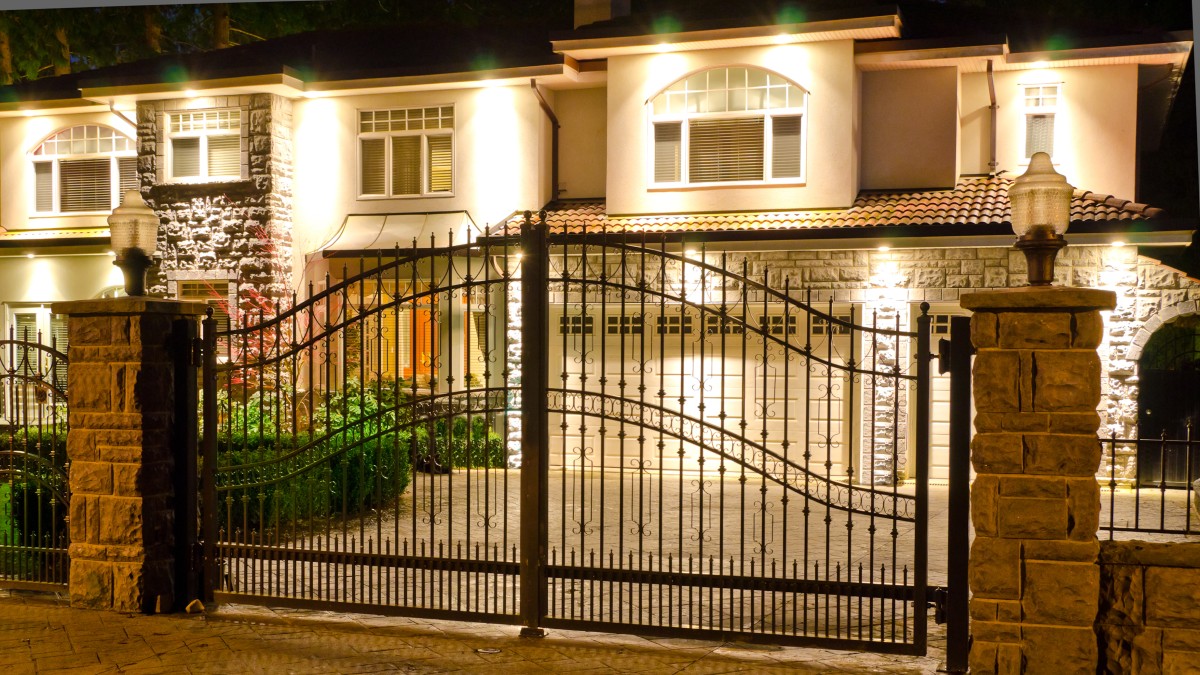
Automatic Gates
Secure, convenient gate automation with access control and entry integration.
4 minutes
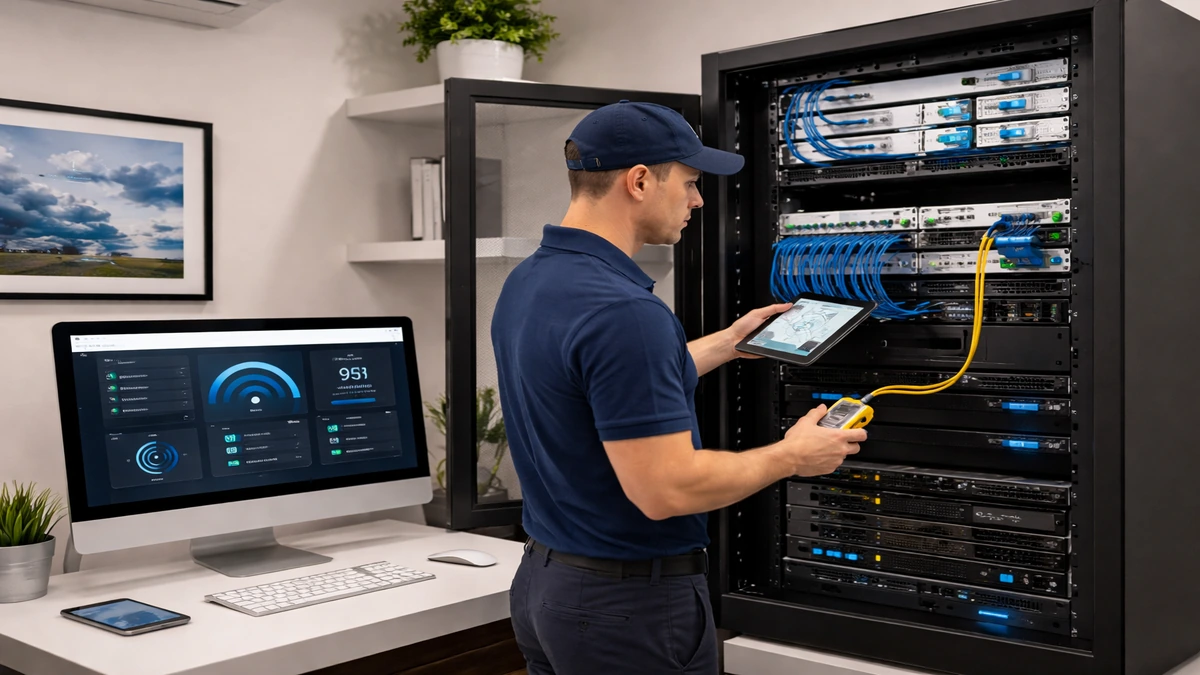
Home Network Installation
Stronger Wi-Fi, better coverage, and dependable connectivity throughout the property.
4 minutes
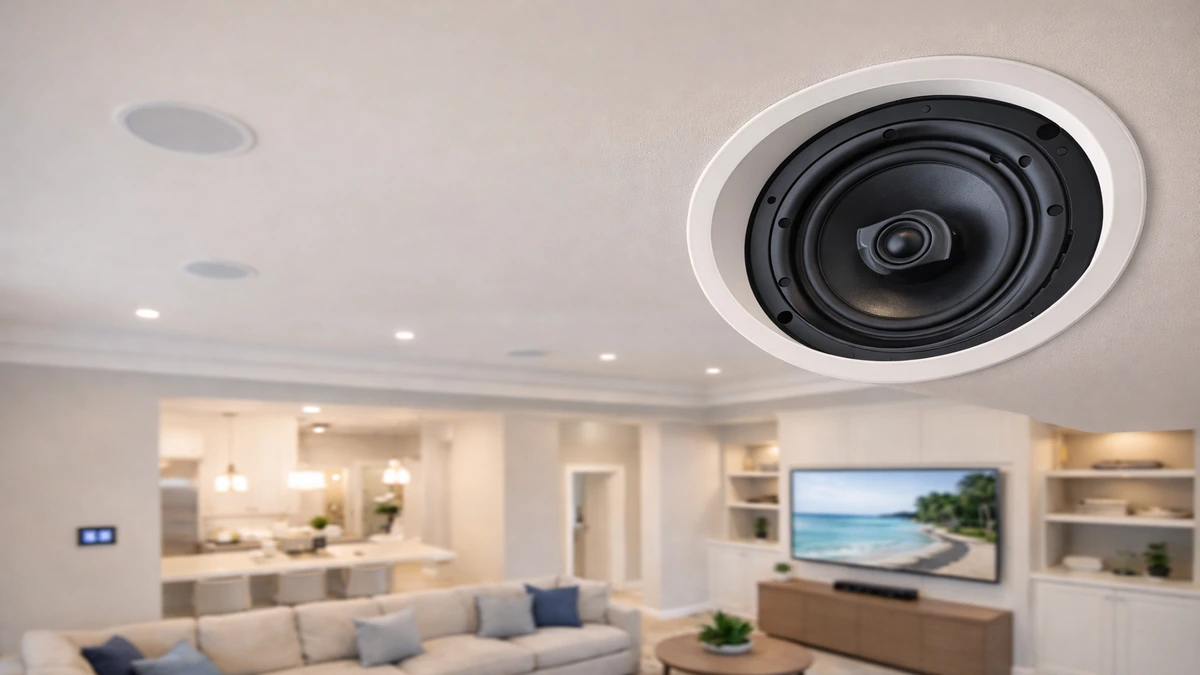
Ceiling Speaker Installation
Clean in-ceiling audio solutions for music, TV, and multi-room sound.
4 minutes
Commercial AV Installation
Professional audio, video, and control systems for business environments.
4 minutes
Home Audio Installation
Whole-home and room-based audio systems tailored to how you listen.
4 minutes

Marine Audio & Electronics Installation
Boat audio, displays, and electronics installed for performance on the water.
4 minutes
Security Camera Installation
Smart camera systems for visibility, alerts, recording, and remote monitoring.
4 minutes
Projector Screen Installation
Projectors and screens configured for sharp viewing and balanced room performance.
4 minutes
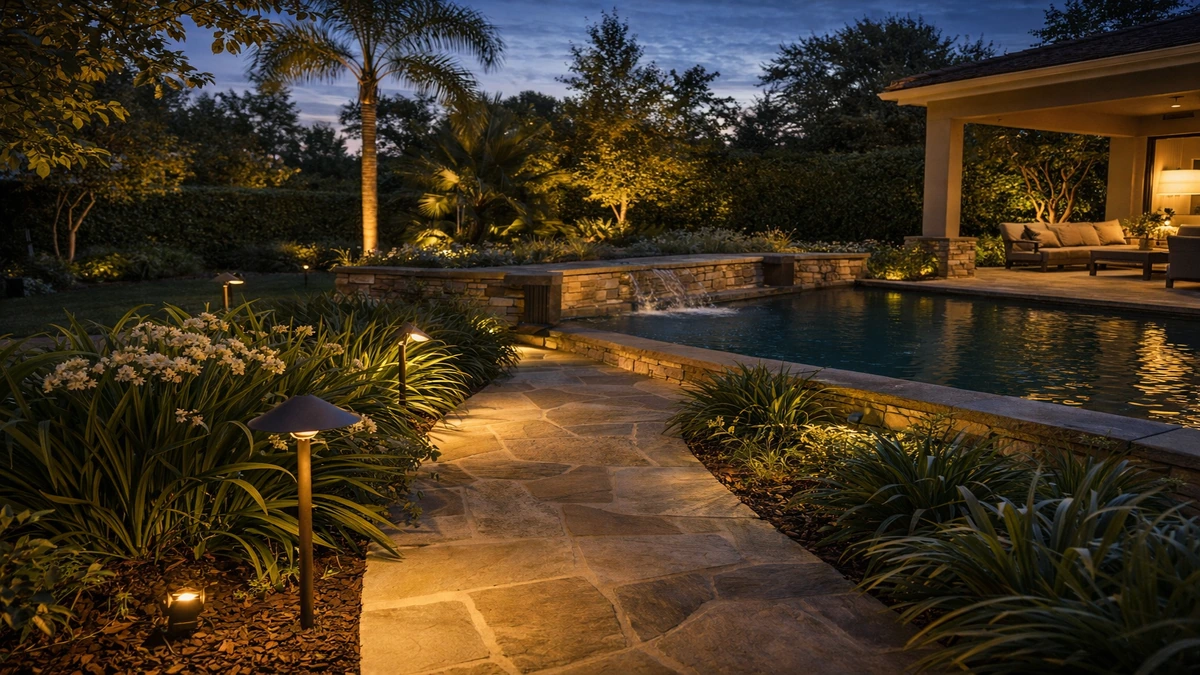
Outdoor Lighting Installation
Exterior lighting that improves curb appeal, ambiance, and nighttime usability.
4 minutes
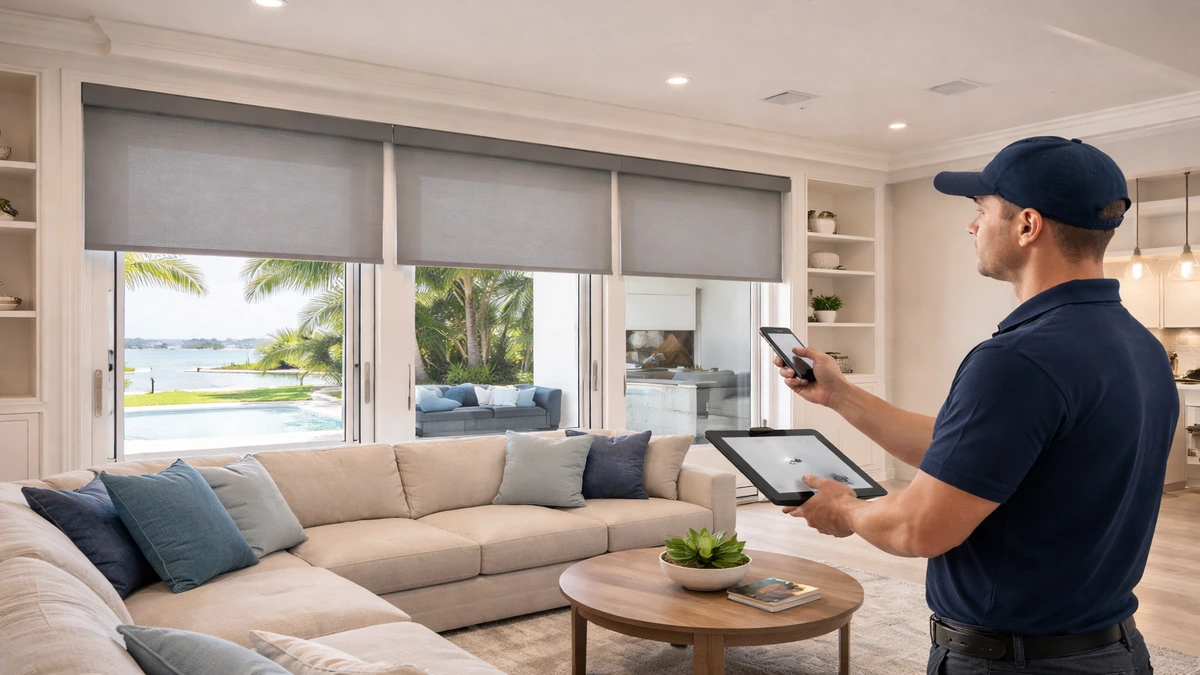
Motorized Blinds Installation
Automated shading for privacy, glare control, and everyday convenience.
4 minutes
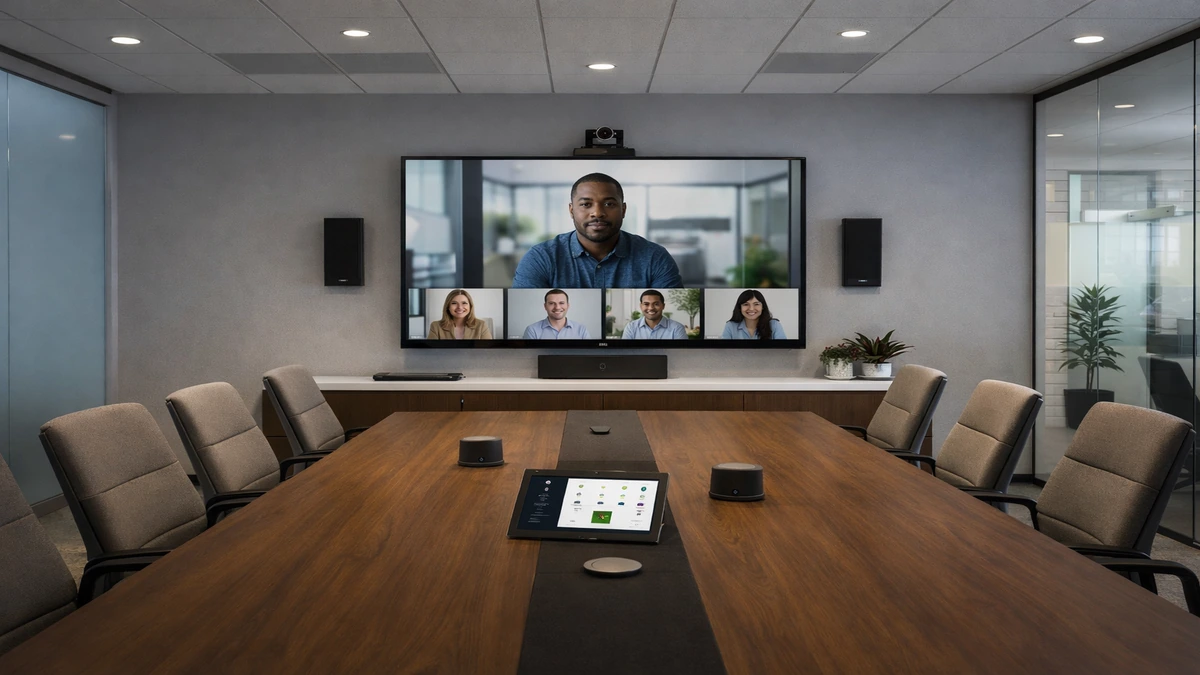
Conference Room AV Installation
Meeting room technology for clearer presentations, calls, and collaboration.
4 minutes
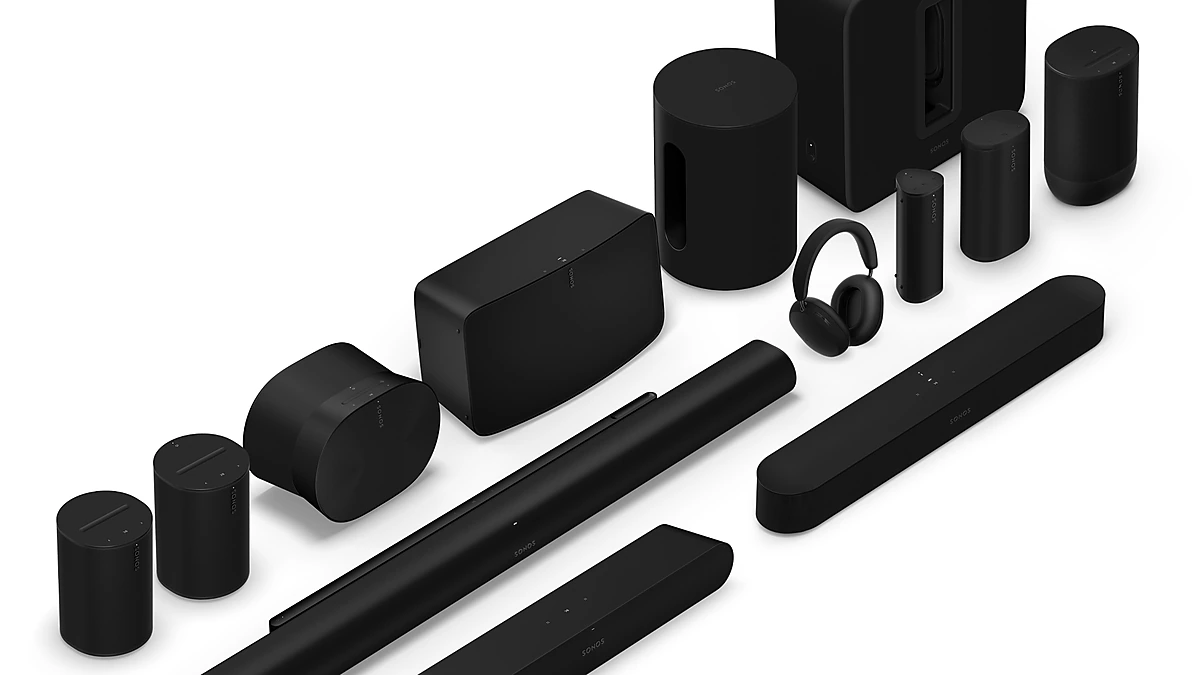
Sonos Installation
Sonos system design, setup, and tuning for simple multi-room audio.
4 minutes
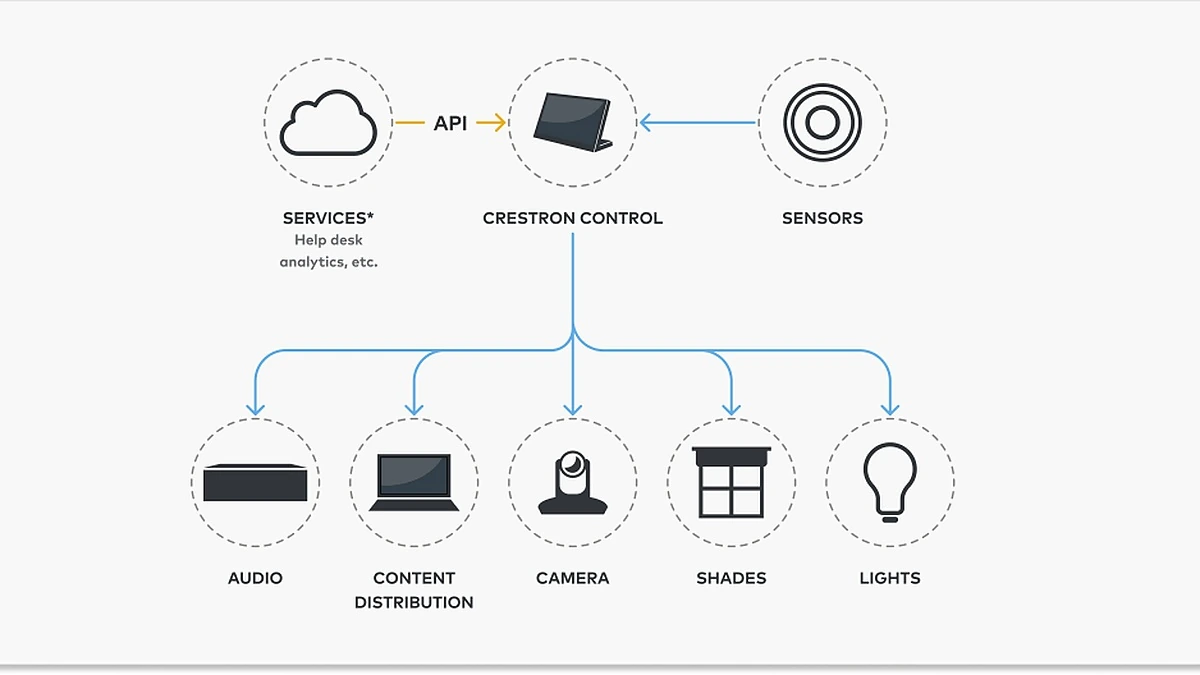
Crestron Installer
Advanced Crestron control integration for high-performance smart home environments.
4 minutes
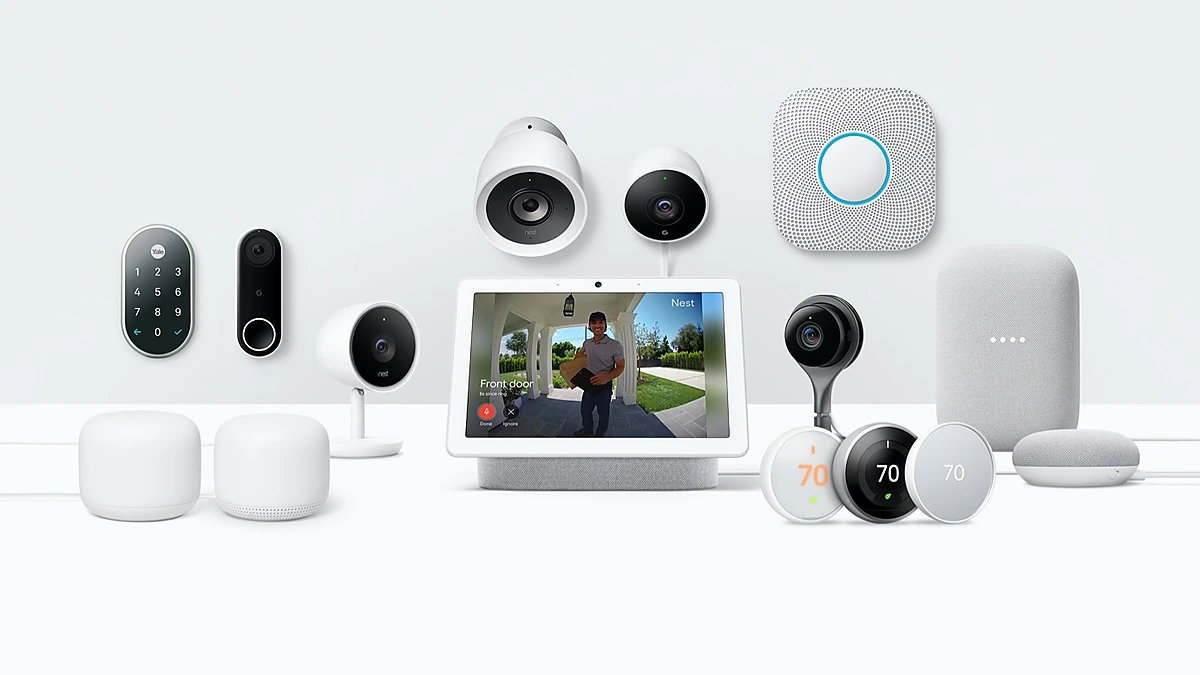
Nest Installer
Nest thermostat and smart home setup for comfort and remote control.
4 minutes
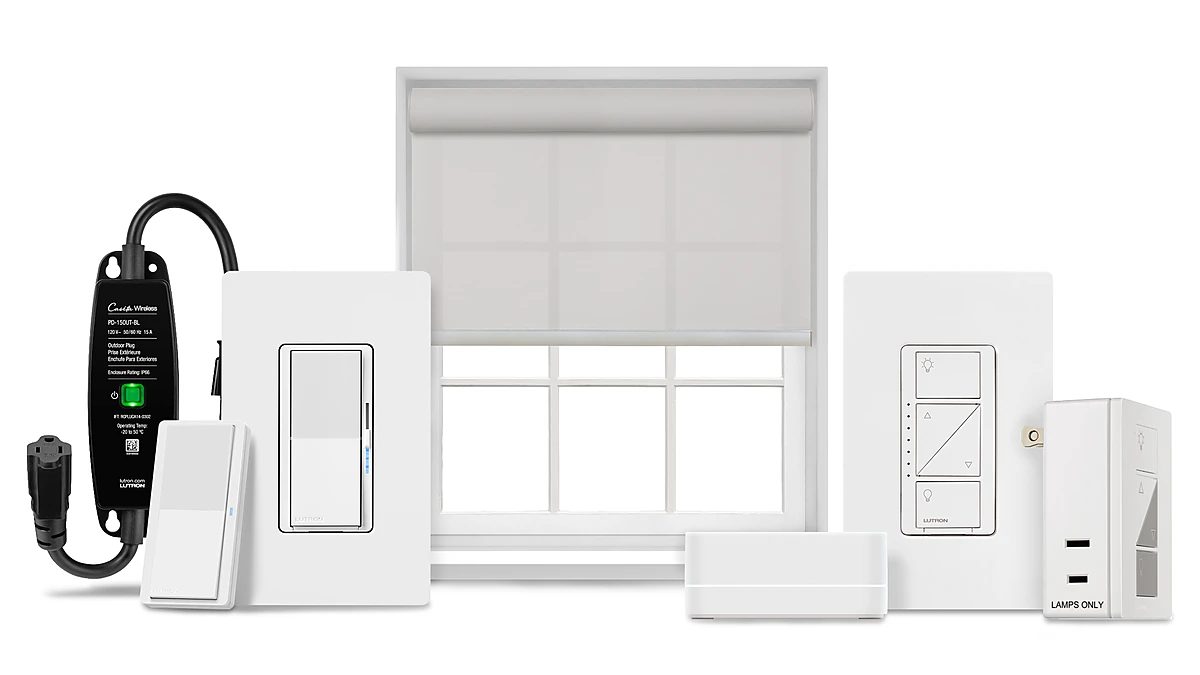
Lutron Installer
Lutron lighting and shading integration for smoother control and scene setting.
4 minutes
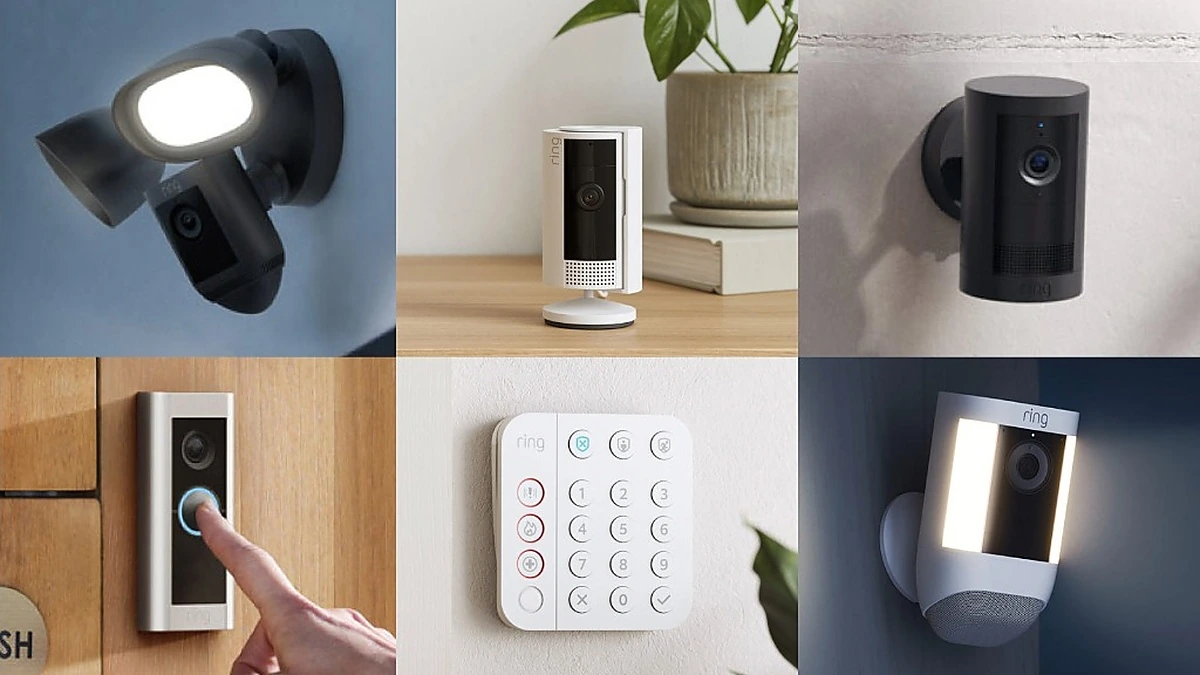
Ring Installation
Ring doorbells and cameras installed for better awareness and entry visibility.
5 minutes
Control4 Installer
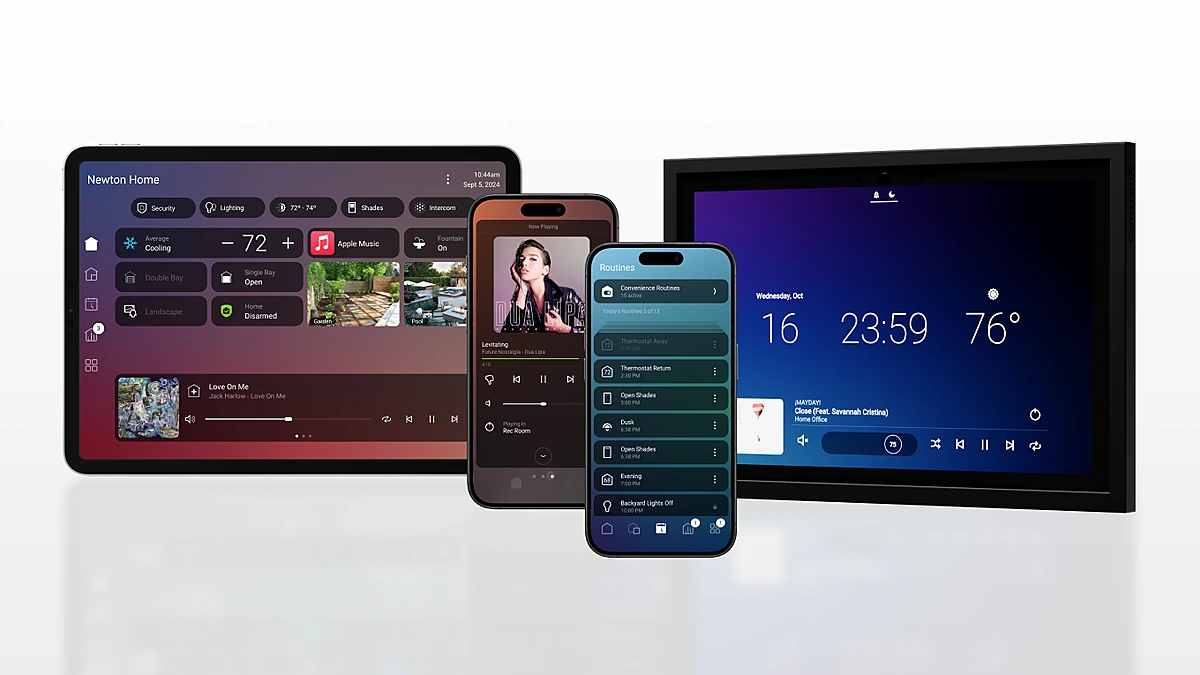
Control4 automation setup for unified entertainment, comfort, and home control.
4 minutes

Car & Truck Audio / Electronics Custom Upgrades
Custom mobile audio and electronics upgrades for better sound and functionality.
3 minutes

Most of Palm Beach County is houses — and then there is the mid-rise
Palm Beach County holds 713,855 homes, and most of them are houses — 326,284 detached and another 80,882 attached. That majority is the county's centre of gravity, and it is why the typical project here is planned inside a single property line, with an attic, a garage and an exterior wall all belonging to the person paying for the work. But it is not the whole county, and the exception is big enough to be a market in its own right: roughly one home in five sits in a building of twenty units or more.
Of those, 62,106 are in the twenty-to-forty-nine band, and mid-rise is its own problem rather than a smaller version of a tower. The risers are short, which tempts people into a house-shaped plan; the routes still pass through structure that belongs to everybody, which is the part that decides the schedule. Coverage behaves differently too — a long floor plate fails at the end of a corridor before it fails through a wall, so a wired backbone matters more here than an extra access point ever will. And the rack goes where the building permits, not where the drawing would prefer — a decision worth taking with the routes rather than after them.
That split is not a spectrum, it is a switch. A house and a shared building are two different jobs that happen to occupy one county, and very little carries between them: who has to agree to a route, whether a wall can be opened at all, what a finished cable run is permitted to look like. The county-wide figure — 57% houses — sits between two real populations and describes neither of them accurately. Establishing which one your address belongs to is the first decision, and everything downstream of it changes with the answer.
In a building you share, the design has to be agreed with the structure before it is agreed with you, and that ordering is the whole reason the survey comes first. One room can absorb a blocked route. A system spanning several rooms — a theater at one end, distributed audio through the middle, a network holding all of it together — cannot: a single refused path moves the layout, the rack, and sometimes the room. It costs almost nothing to discover that on a drawing and a great deal to discover it once the walls are closed.
Seven in ten of these homes are lived in by their owners
Of the 597,053 occupied homes in the county, 417,121 are lived in by their owners. That is a settled pattern, and it moves the interesting questions past the handover date. What a system does on the day it is commissioned is the easy part; what it still does after two rounds of replacement hardware, a change of connection standard and a room nobody has built yet is the part worth designing for. Owners who intend to stay live with the decisions taken in the first week of a project for years afterwards.
In practice that argues for zones rather than a fixed layout — a design that accepts another room later without reopening a finished one. It argues for network headroom, because everything added afterwards, from a camera to a second source to a control point by the door, lands on the same infrastructure. And it argues for a rack somebody can actually reach: serviceability is a design decision taken early or not at all, and a cupboard that only works while the equipment is new is a maintenance bill with a delay on it.
A large part of the county spends part of the year empty
Across Palm Beach County, 73,296 homes are held for seasonal, recreational or occasional use — 62.7% of everything standing vacant. At that scale a part-year house is not an edge case to accommodate; it is a normal condition to design for. The test of a system in one of them is not how it performs with an audience. It is whether it can be reached from elsewhere, whether it says something when a device stops, and whether the person who opens the house can run it without a walkthrough.
That is where keypads earn their keep. A named button that does one obvious thing survives a five-month gap and a change of housekeeper; anything that depends on knowing the system does not. Keep the scenes few and name them for what they are for rather than what they contain, and let the complicated part live in the rack where nobody has to negotiate with it. Simplicity of that kind is an outcome of the design rather than a feature of a product, and it is settled when the system is planned.
One thing to establish about your own address
Palm Beach County's Planning, Zoning and Building department runs a permit centre, and it is precise about its reach: it states that the centre processes permit applications for building construction in the unincorporated area of the county. A great many addresses on this map are not in that area, and this page does not assume which yours is. Most audio-visual work needs no permit at all, but the parts that might are the ones that add power or open up the outside of a building, and those are rarely the parts a schedule can be rearranged around. Confirm who reviews construction at your address before anything is booked that depends on the answer.
Most of the systems worth building in this county are not bought to be finished. They are bought to be lived with, added to, handed to somebody who did not choose them, and left running while nobody is home — often all four. That is a brief about the building and the years ahead of it rather than a list of equipment, and it is why the first conversation is about routes, structure and headroom instead of about a display.