

Building Fabric Others Will Open Audio Video | Home Theater Installations Serving Brevard County, FL
Across Brevard County the wiring is a larger share of the job than the house suggests — 294,461 homes, seven in ten of them houses, at a median value of 4,400.
Revolutionizing Comfort and Security with Advanced AV Technologies
Explore our comprehensive suite of AV solutions, including smart home systems, high-quality audio enhancements for vehicles, and innovative security features to optimize your daily living and entertainment experiences.
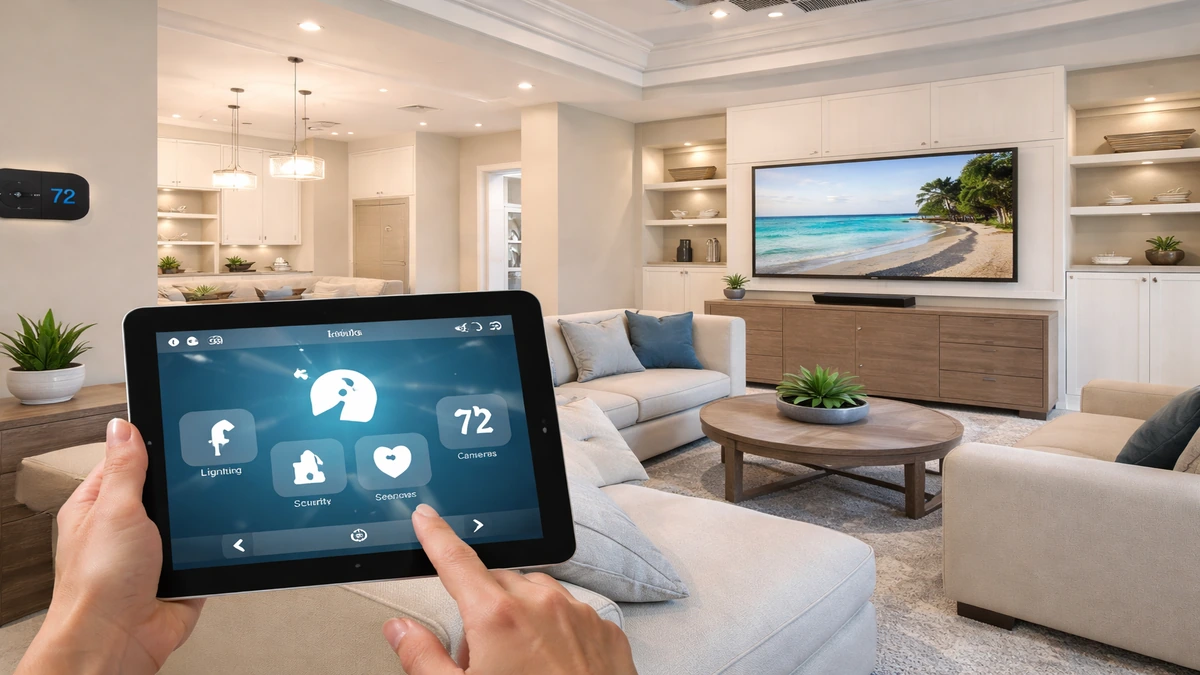
Smart Home Automation Installation
Integrated control for lighting, climate, security, and entertainment.
4 minutes
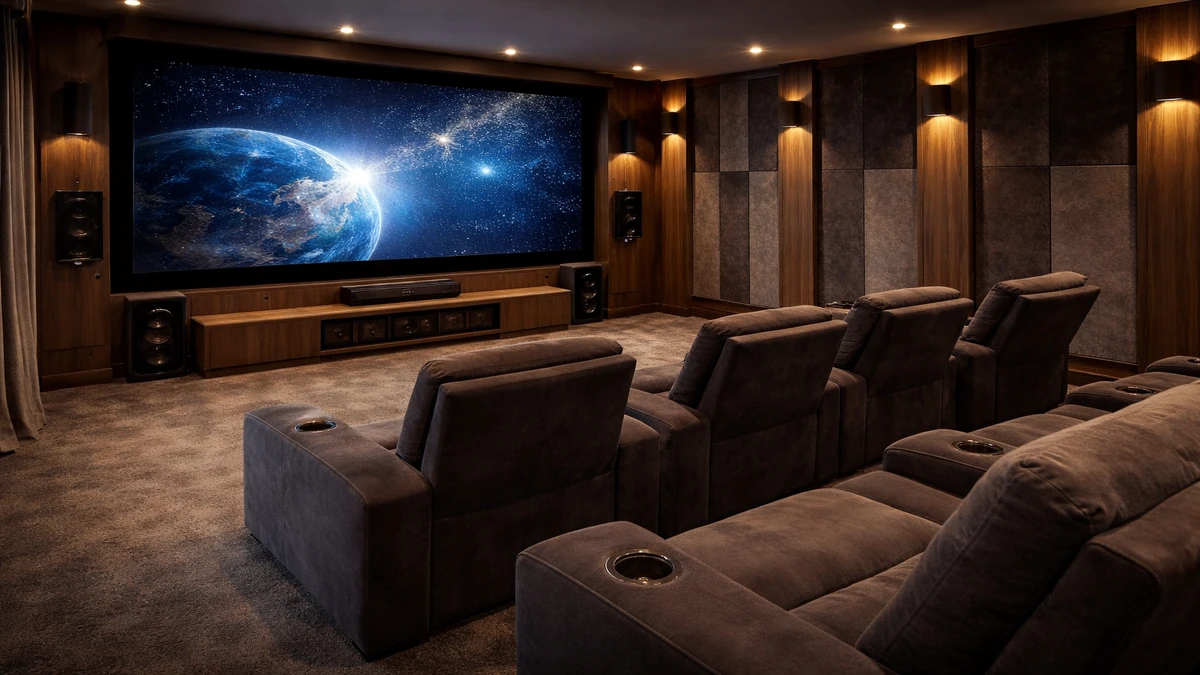
Home Theater Installation
Custom theater rooms designed for immersive picture, sound, and comfort.
4 minutes
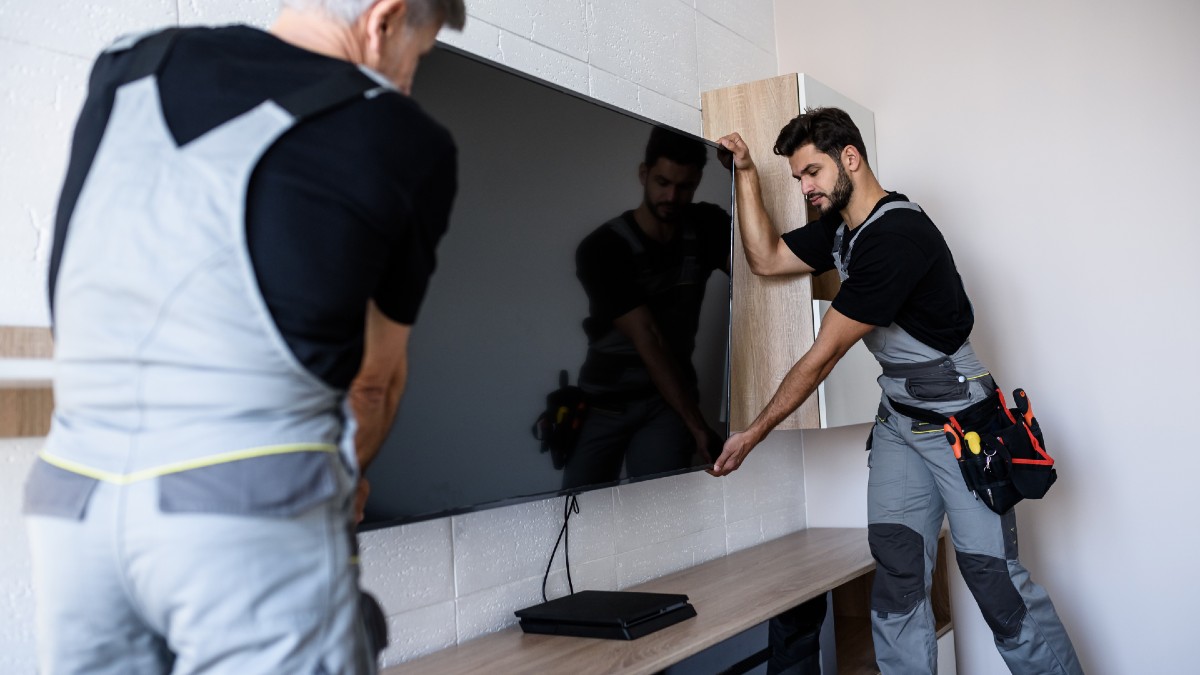
TV Wall Mounting
Professional TV mounting for cleaner layouts and better viewing angles.
5 minutes
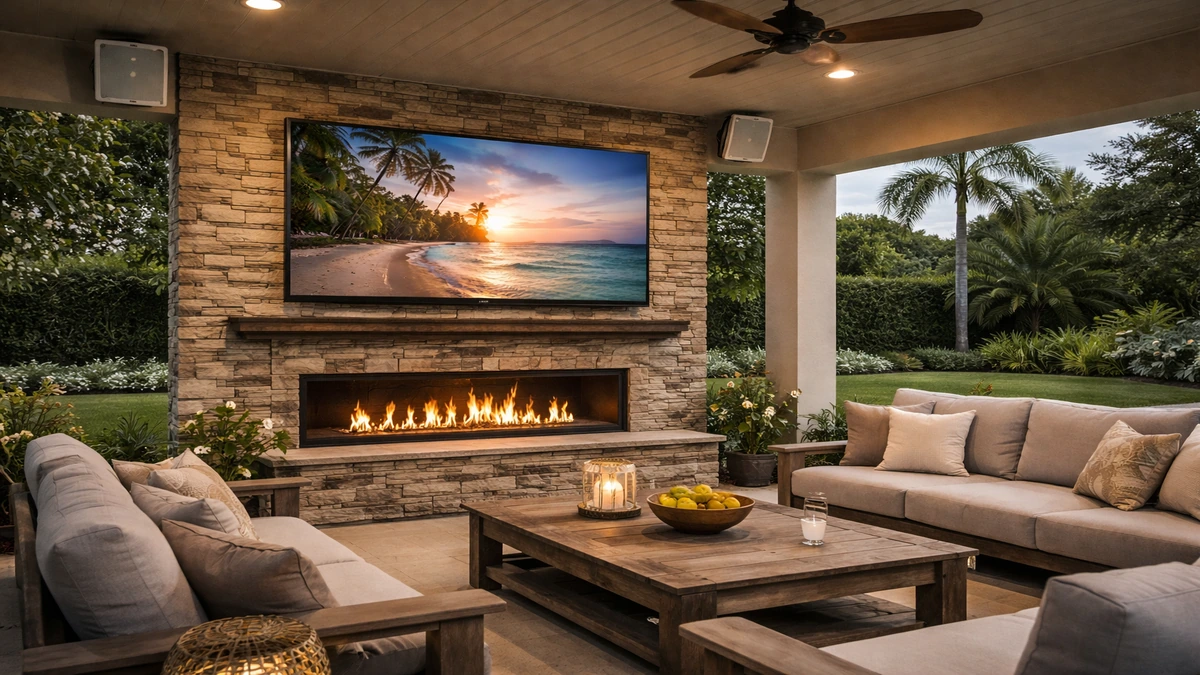
Outdoor TV Installation
Weather-aware outdoor TV setups built for patios, lanais, and pool areas.
5 minutes
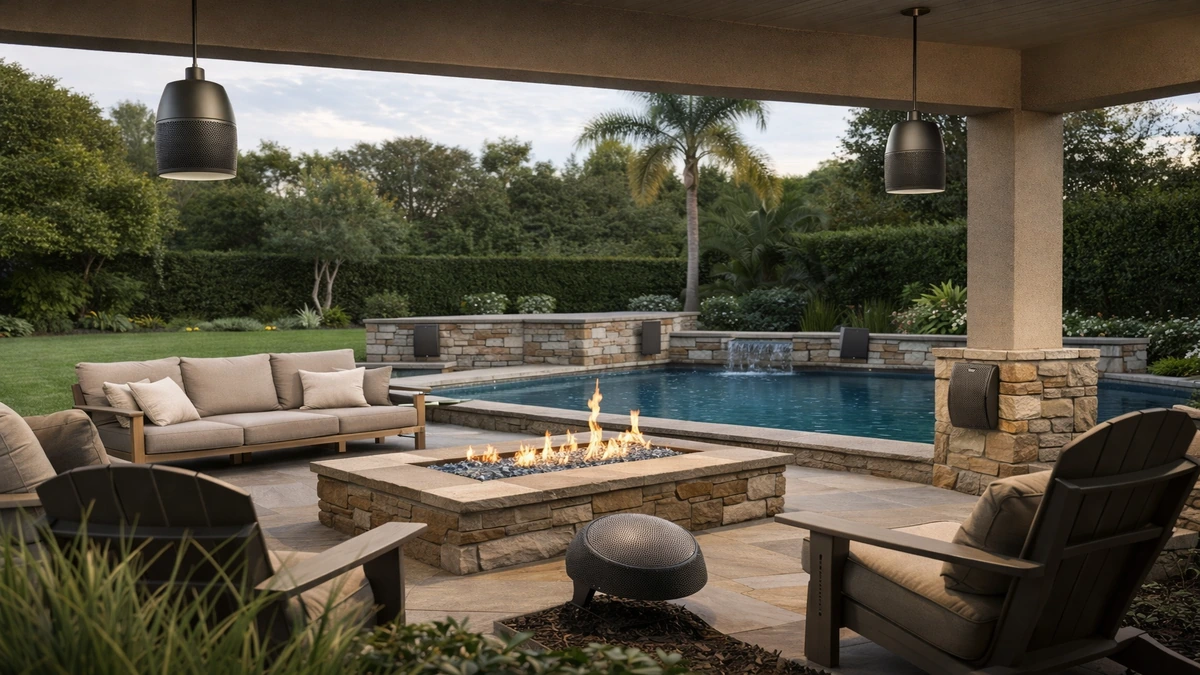
Outdoor Audio Installation
Outdoor speaker systems planned for clear sound and reliable coverage.
4 minutes
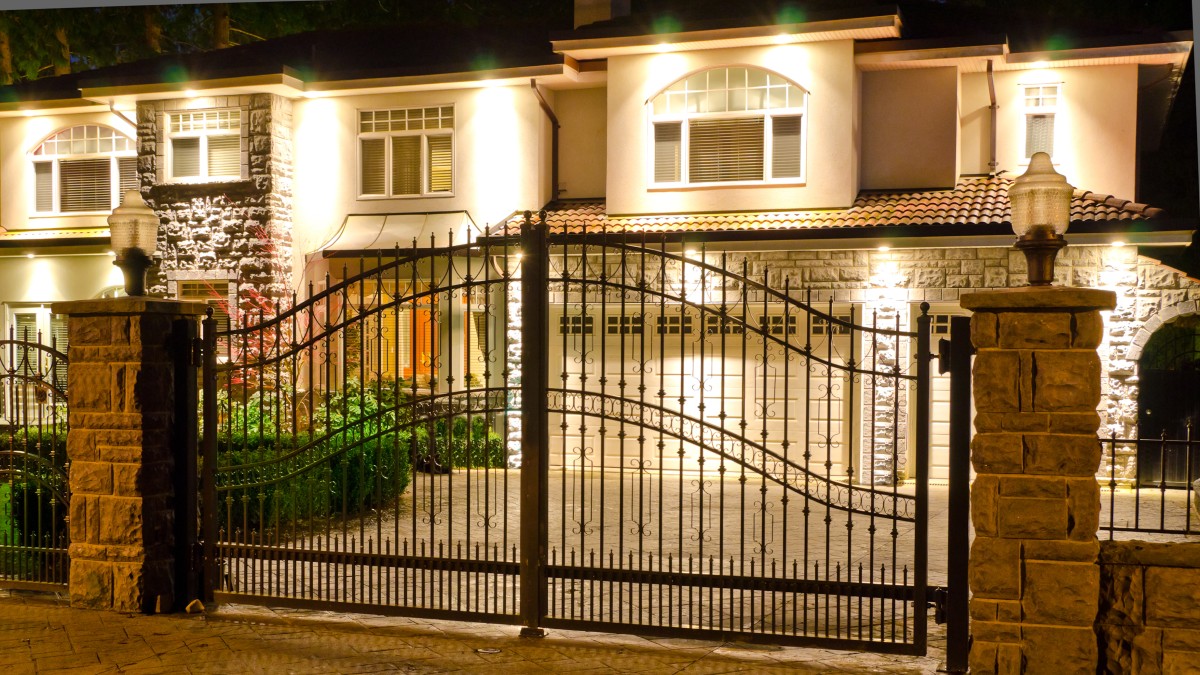
Automatic Gates
Secure, convenient gate automation with access control and entry integration.
4 minutes
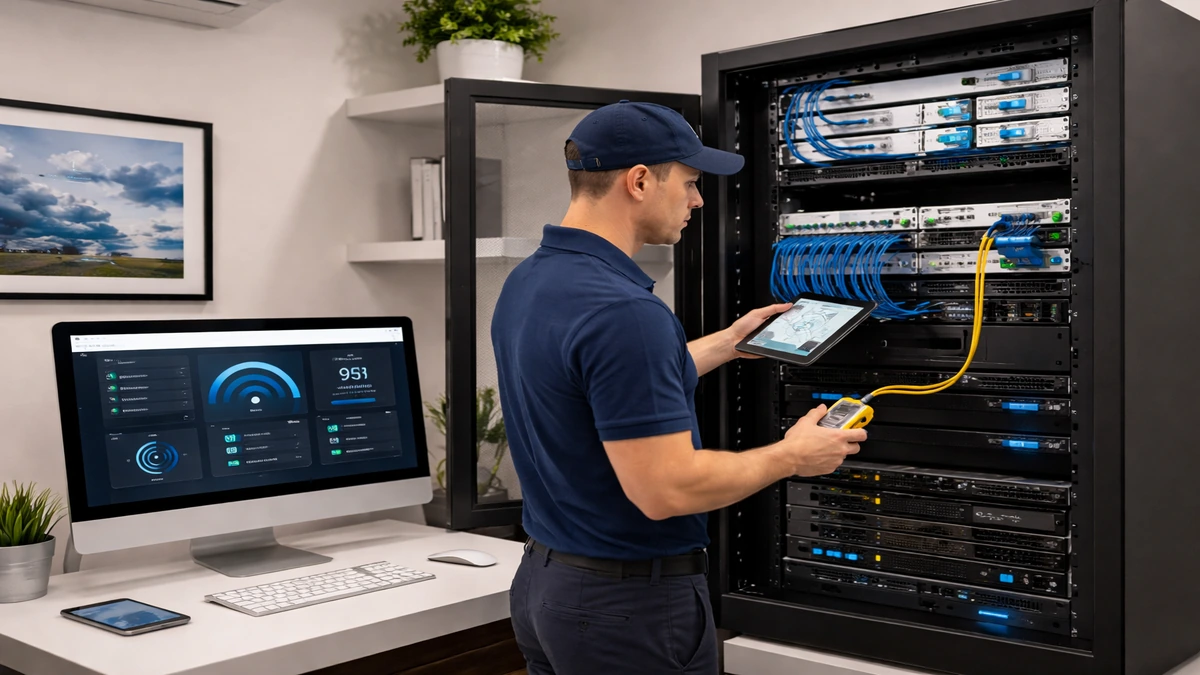
Home Network Installation
Stronger Wi-Fi, better coverage, and dependable connectivity throughout the property.
4 minutes
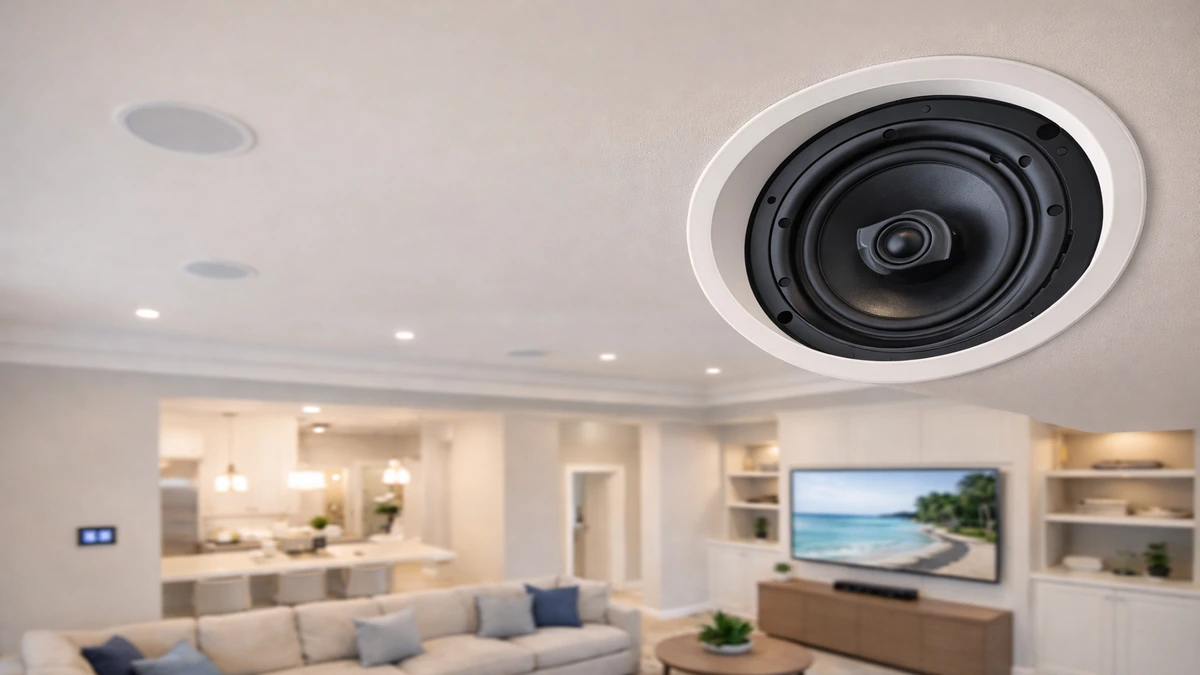
Ceiling Speaker Installation
Clean in-ceiling audio solutions for music, TV, and multi-room sound.
4 minutes
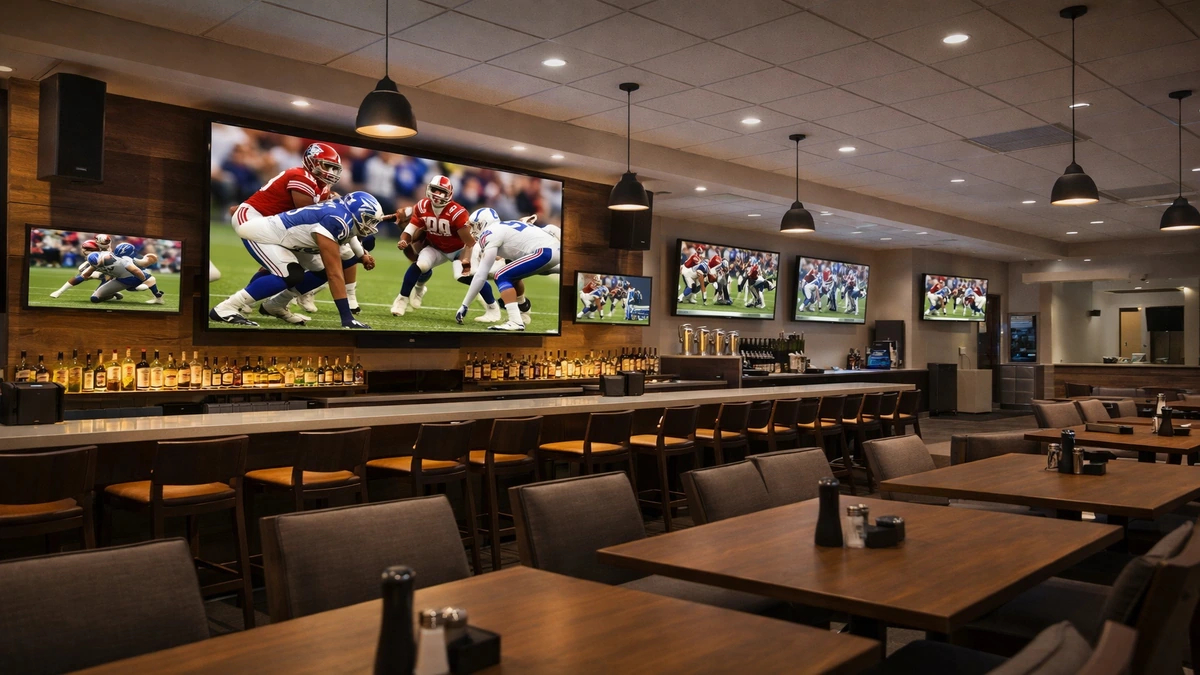
Commercial AV Installation
Professional audio, video, and control systems for business environments.
4 minutes
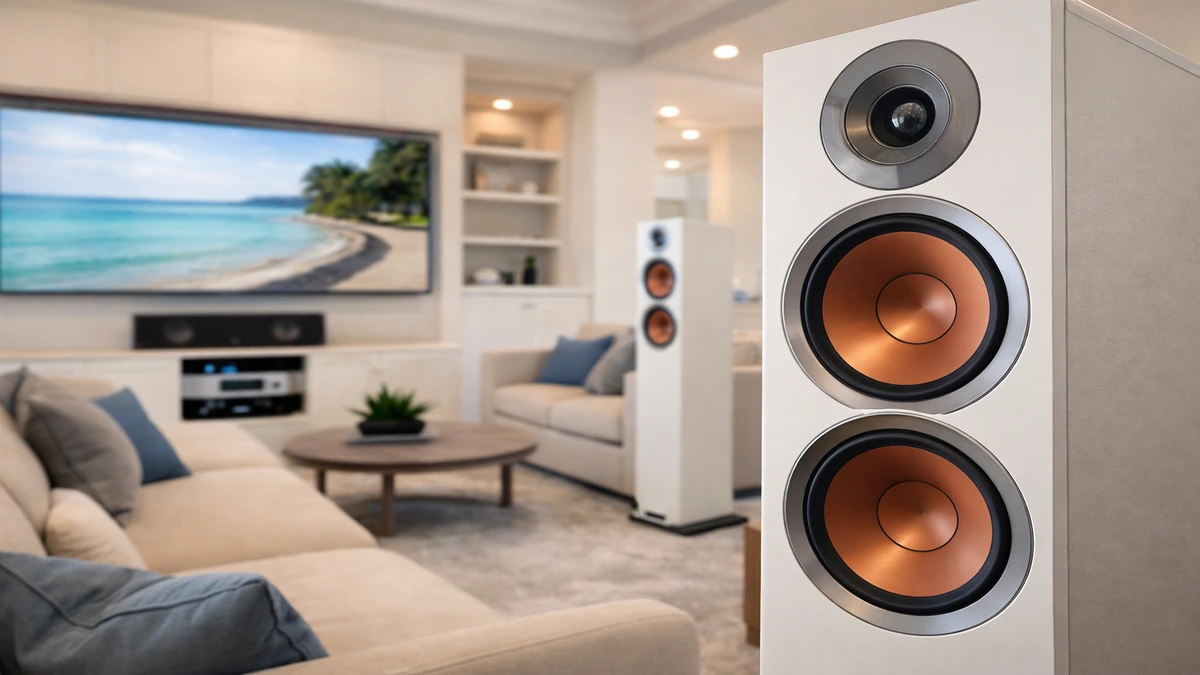
Home Audio Installation
Whole-home and room-based audio systems tailored to how you listen.
4 minutes

Marine Audio & Electronics Installation
Boat audio, displays, and electronics installed for performance on the water.
4 minutes
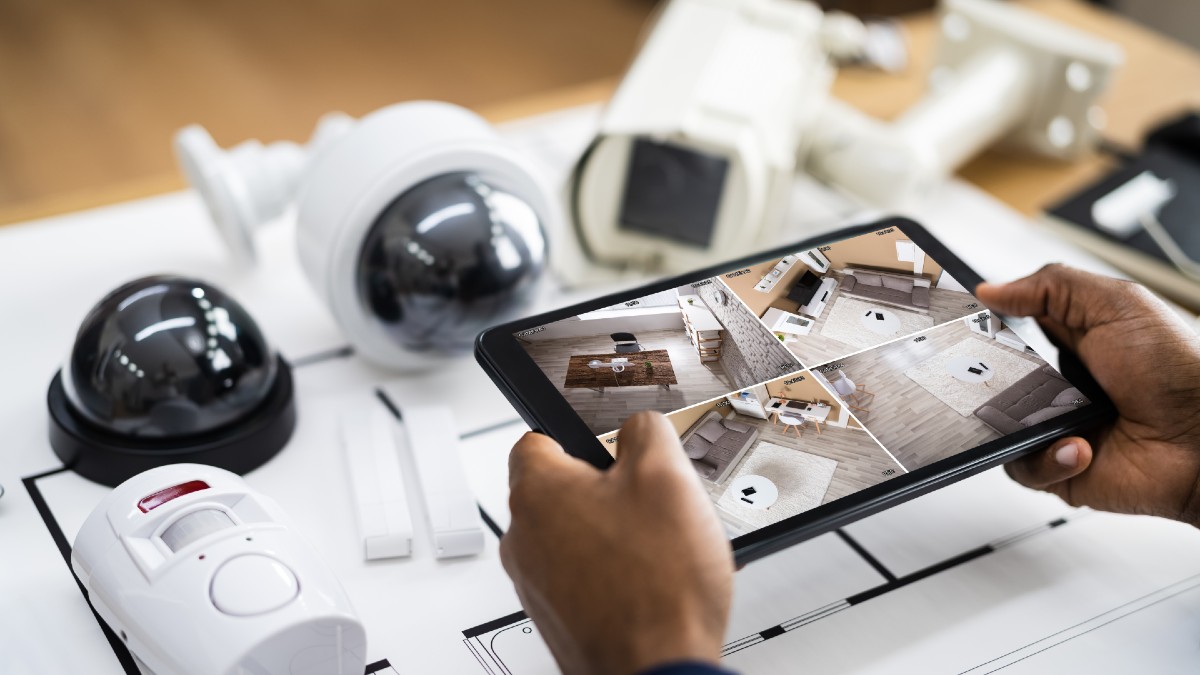
Security Camera Installation
Smart camera systems for visibility, alerts, recording, and remote monitoring.
4 minutes
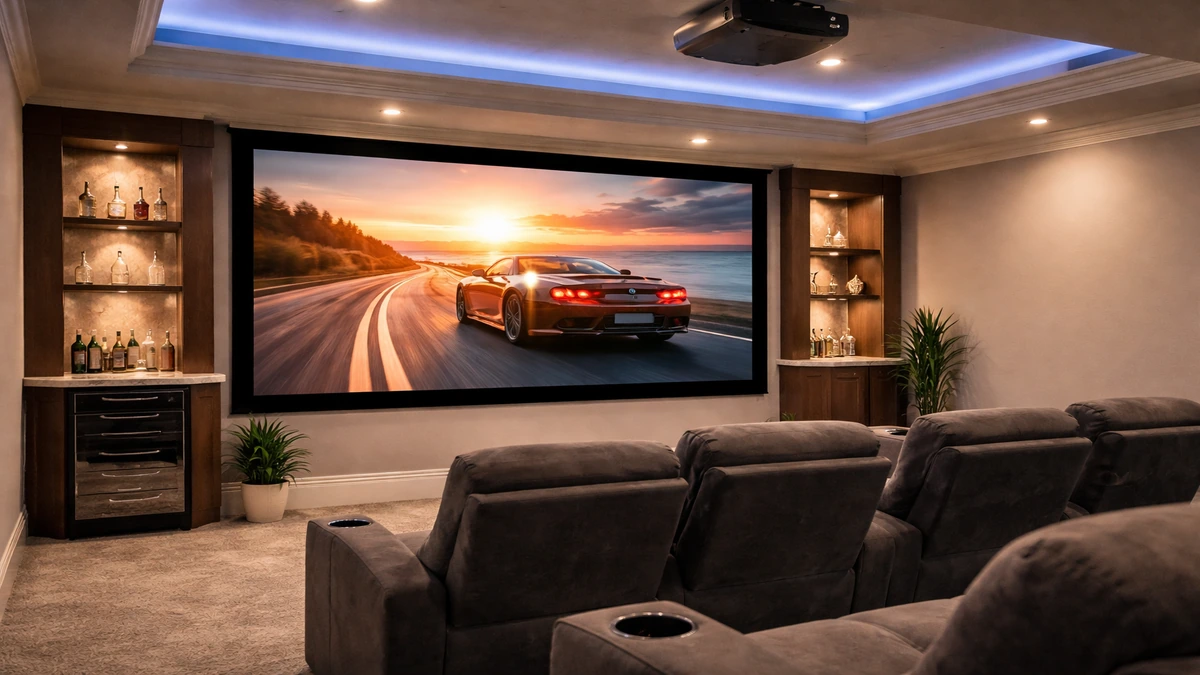
Projector Screen Installation
Projectors and screens configured for sharp viewing and balanced room performance.
4 minutes
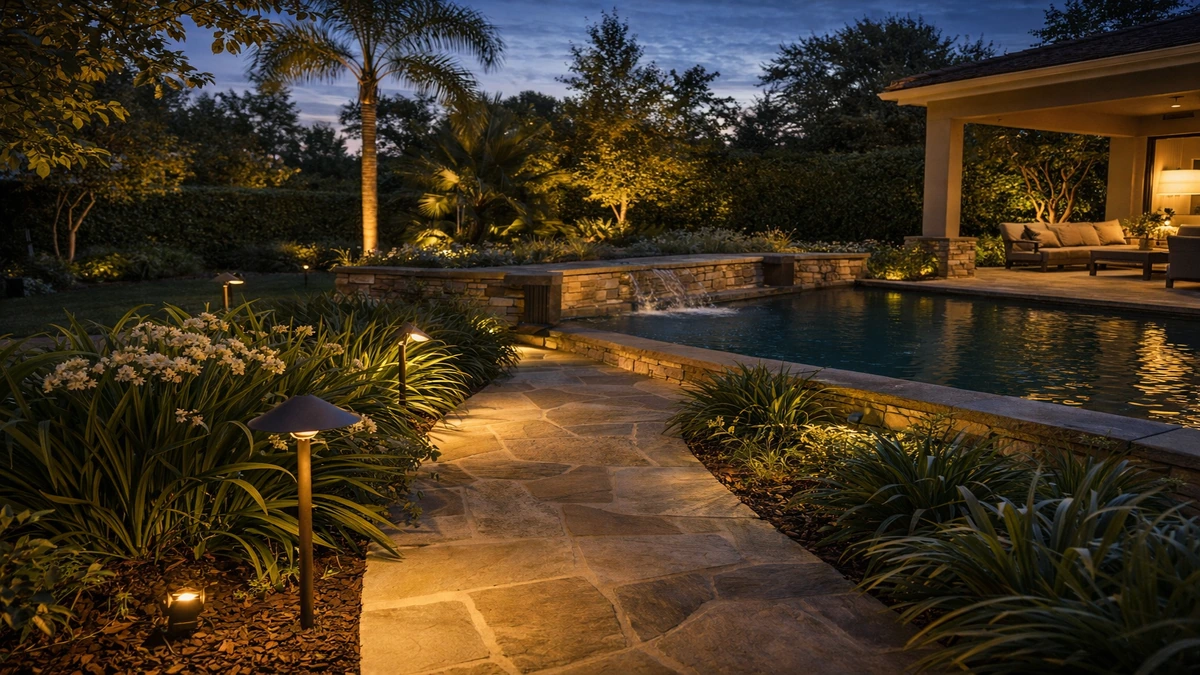
Outdoor Lighting Installation
Exterior lighting that improves curb appeal, ambiance, and nighttime usability.
4 minutes
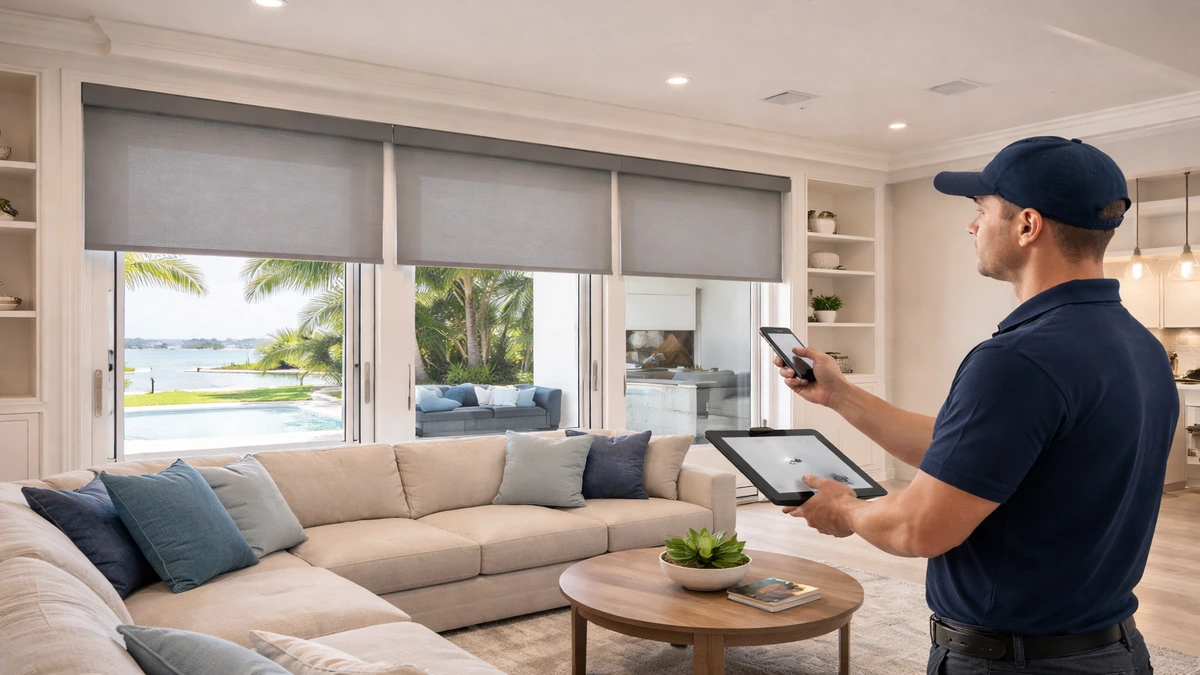
Motorized Blinds Installation
Automated shading for privacy, glare control, and everyday convenience.
4 minutes
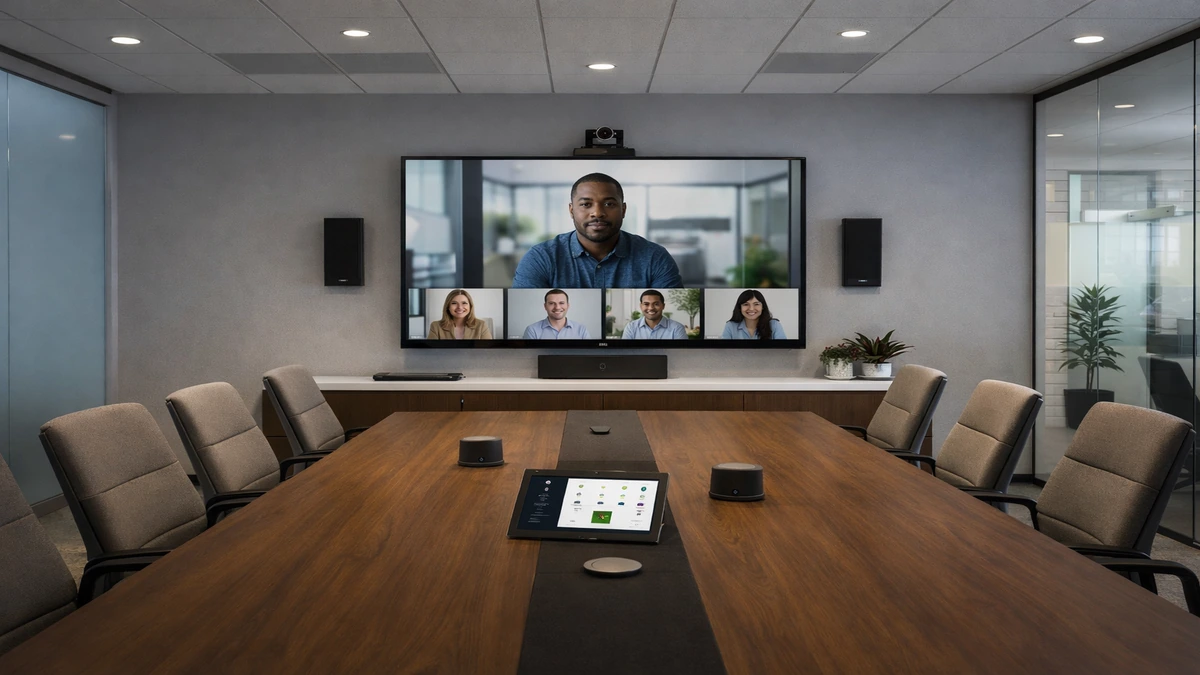
Conference Room AV Installation
Meeting room technology for clearer presentations, calls, and collaboration.
4 minutes
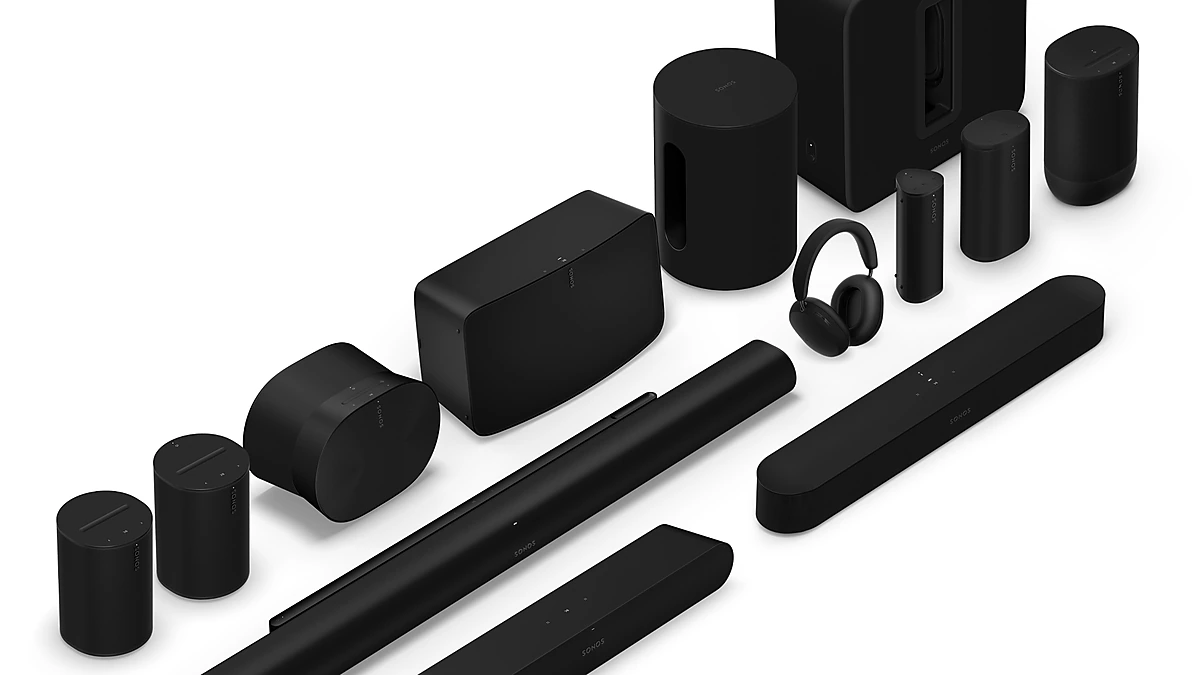
Sonos Installation
Sonos system design, setup, and tuning for simple multi-room audio.
4 minutes
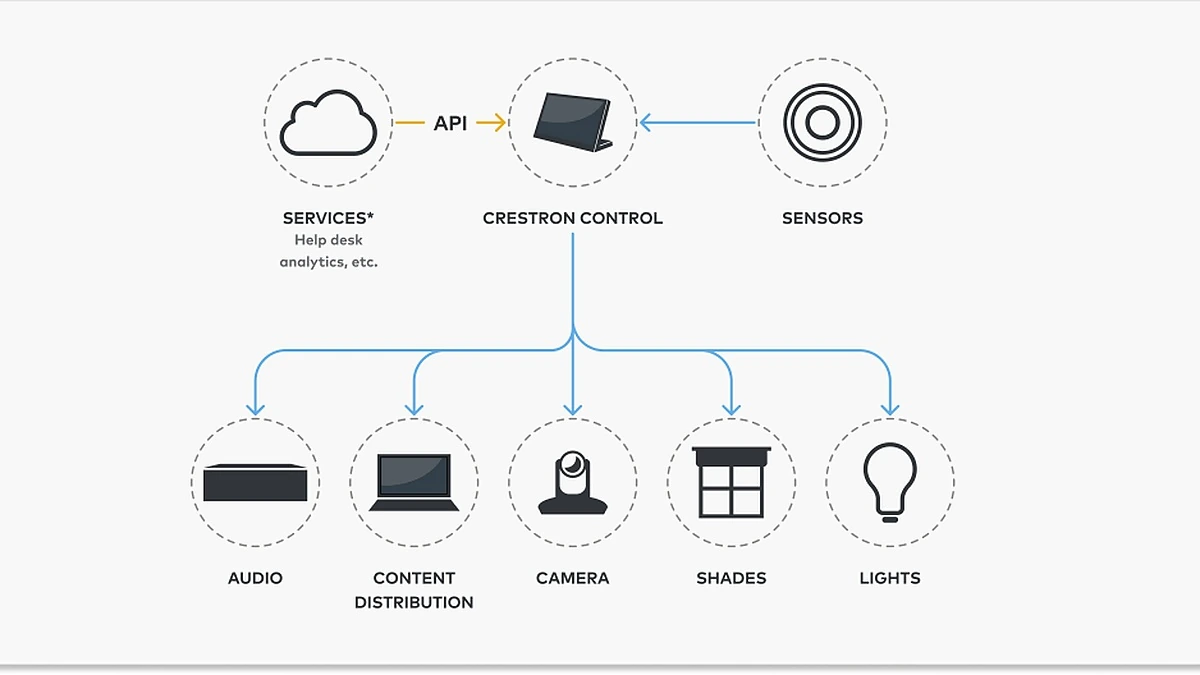
Crestron Installer
Advanced Crestron control integration for high-performance smart home environments.
4 minutes
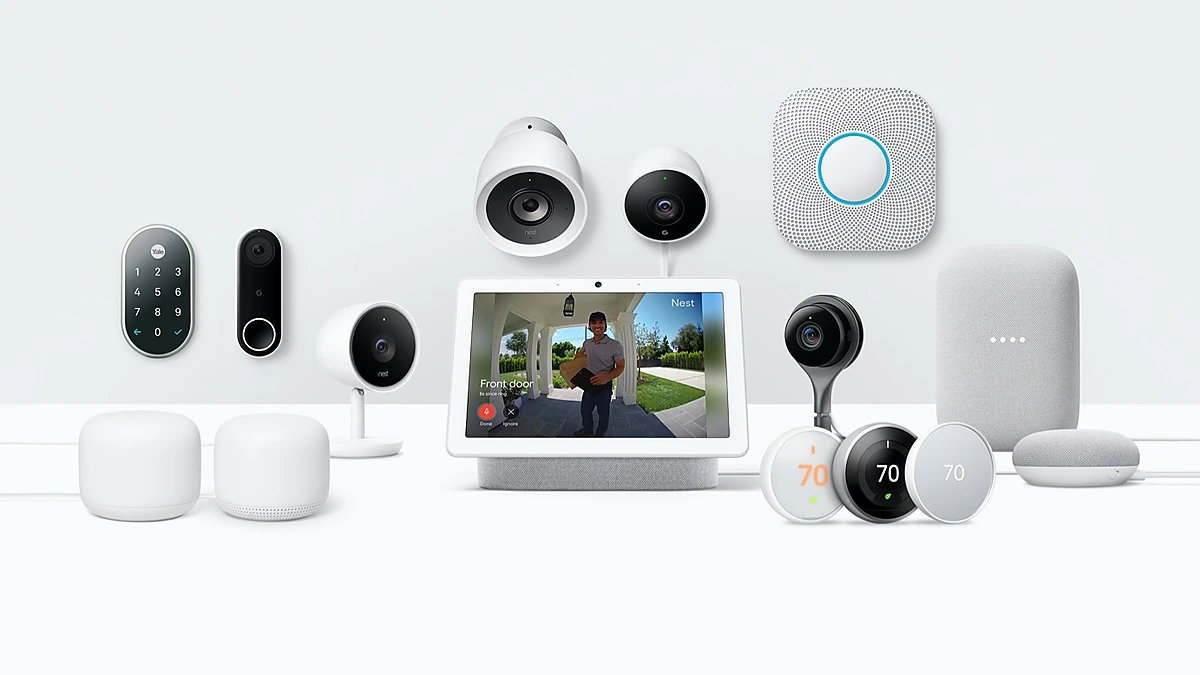
Nest Installer
Nest thermostat and smart home setup for comfort and remote control.
4 minutes
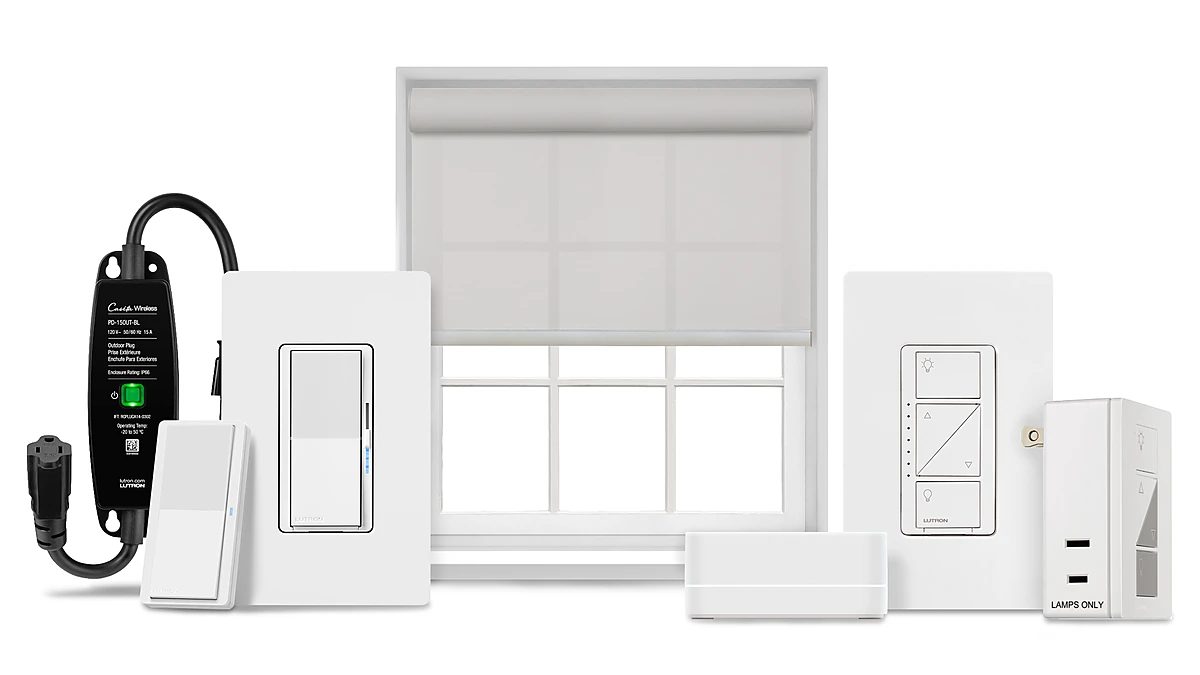
Lutron Installer
Lutron lighting and shading integration for smoother control and scene setting.
4 minutes
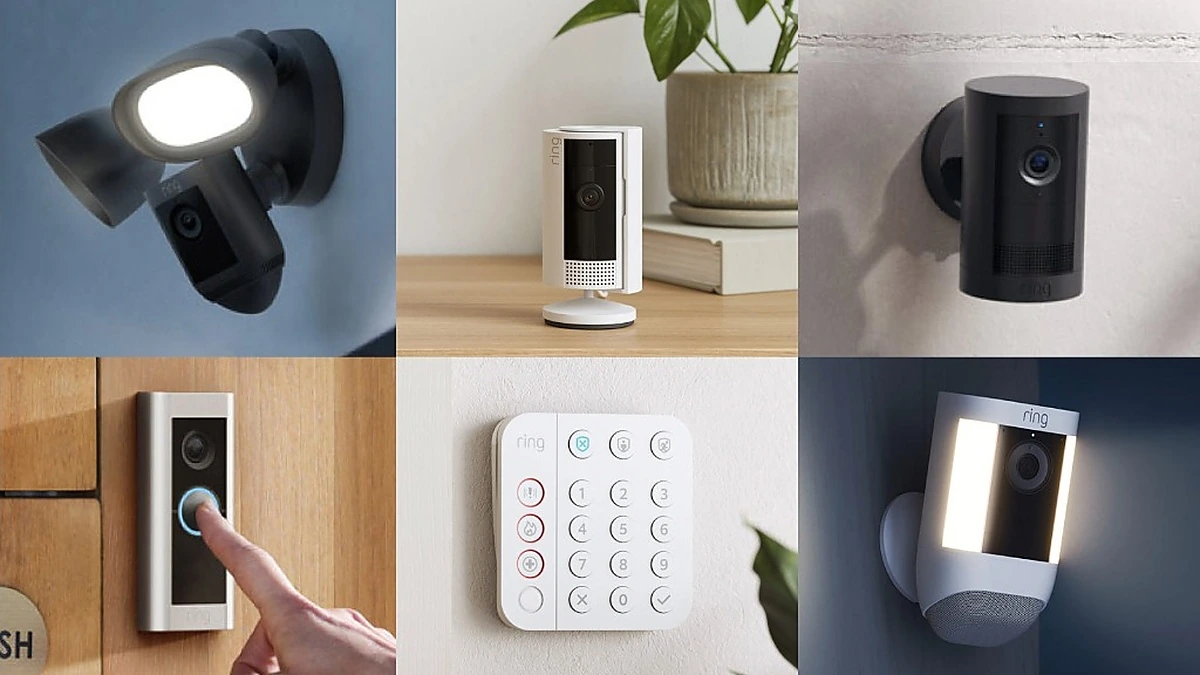
Ring Installation
Ring doorbells and cameras installed for better awareness and entry visibility.
5 minutes
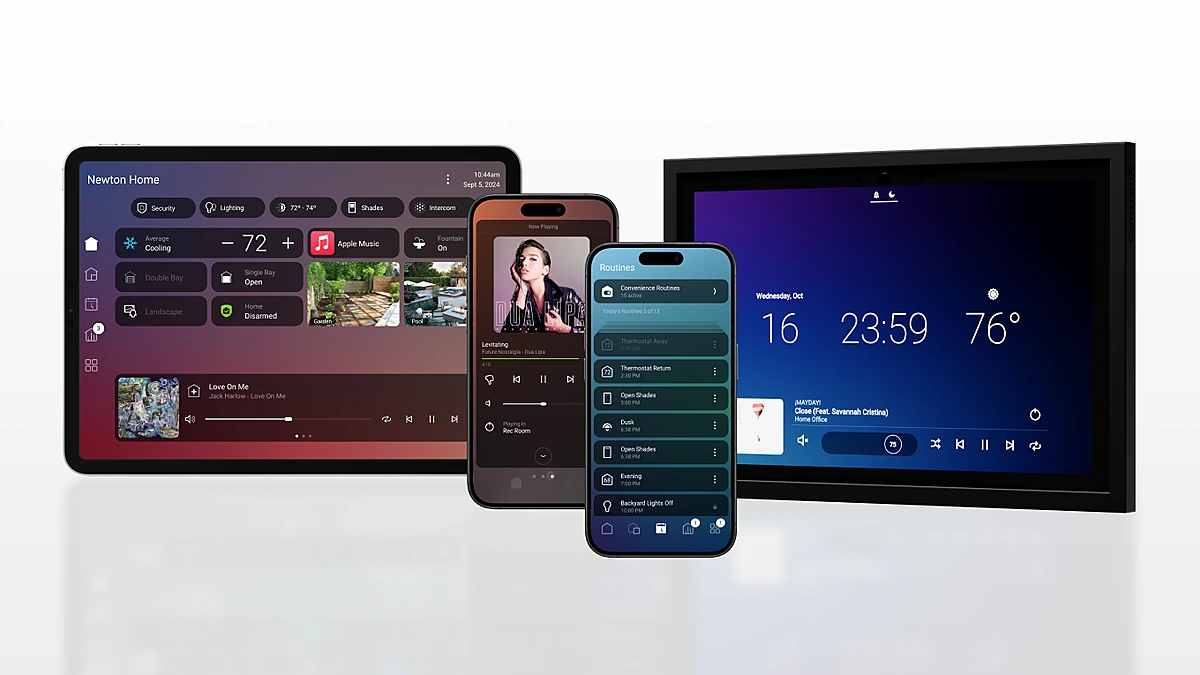
Control4 Installer
Control4 automation setup for unified entertainment, comfort, and home control.
4 minutes

Car & Truck Audio / Electronics Custom Upgrades
Custom mobile audio and electronics upgrades for better sound and functionality.
3 minutes

In Brevard the wiring is a larger share of the job than the house suggests
Brevard County holds 294,461 homes and the median one is valued at $304,400. That second figure is worth pausing on, because it changes the proportions of a whole-home project rather than its method. The materials and the labour that go into the part nobody ever sees — the cable, the circuit, the space the equipment occupies, and the work of getting a run from one to the other — do not become cheaper because the house did. In a county priced like this they account for more of the project than they would in a dearer market. That is an argument for specifying them exactly rather than carrying them as a round number somebody hopes will cover it.
Specifying exactly means writing it down early. Which runs are structural and have to sit in the fabric rather than on it. What the equipment position needs in power and in air, and how much clearance somebody will want behind it in three years. How many rooms the cabling is being sized for, as against how many are being done this year. None of that is interesting to look at, and all of it prices better written down than assumed.
Seven homes in ten across the county are houses — 194,058 detached and 13,315 attached. In a house the route belongs to you, which removes the negotiation but not the work. A cable still has to arrive somewhere it can be terminated cleanly, and it still has to be findable by whoever opens that ceiling next. Those are two separate requirements, and usually only the first one gets designed.
The county's building department publishes exactly where its authority stops
Brevard County Planning and Development states that building permits are issued for new construction, alterations, additions and changes to properties within unincorporated areas of Brevard County. There is an edge in that sentence worth noticing. If your address sits inside a municipality it is not describing your project, and which department reviews the work is a thing to settle at the outset rather than discover partway through. Only a small part of an audio-visual installation is ever reviewable in the first place: new circuits, penetrations through an exterior wall, anything crossing a fire-rated assembly.
The same department publishes something less obvious and rather more useful. Under Florida's expedited permitting statute the county says that in a declared emergency it will process permits requiring no technical review — roof repairs, reroofing, electrical repairs, service changes, the replacement of a single window or door — within three business days. Read that list again as an inventory of the parts of a building most likely to be opened up by somebody who is not you.
Design for the trades who arrive after you have gone
Roofs, exterior walls, windows and the service panel are precisely where an audio-visual system puts the things it cannot easily move: concealed cable out to a speaker, a camera drop under an overhang, an antenna feed, the circuit that supplies the equipment. Somebody will work on that fabric eventually and they will not be looking for your cable. Route so a run can be worked around rather than through. Mark both ends of anything that disappears into a structure. And leave behind something that says where it went, because the person who will need that information is not likely to be the person who installed it.
The reverse case deserves planning too. Where a run genuinely has to cross that fabric, and some of them do, it is better to make the crossing once, deliberately, at a point chosen for it, than four times because four rooms were each designed on their own. Penetrations are cheap to make and expensive to make well. How many of them a house ends up with is a design decision rather than a consequence.
Ownership here is settled, which changes what a first phase is for
Brevard counts 251,889 occupied homes, and owners live in 193,755 of them. Settled ownership turns a whole-home system into a long conversation rather than a single transaction, and the useful consequence lands on the first phase rather than the last. Whoever specifies the opening two rooms is very likely to be the person specifying the fifth, so the control layer and the cabling want sizing for the house as it will eventually be, while the visible equipment can arrive whenever it suits.
The distinction worth holding on to is between what is additive and what is structural. A display, a source, another pair of speakers in a room that is already served — additive, and cheap to revisit whenever you like. A route, a circuit, the position the equipment lives in, the number of zones the control system was ever designed to hold — structural, and each of those is a small building job to change. Naming which is which, before anything at all is bought, is most of the planning.
None of that is advice about a place, which is the honest limit of a page written at county scale. It is advice about the order in which a project stops being reversible. Specify the infrastructure instead of estimating it, establish which department reviews the reviewable part, and decide where the runs sit relative to the fabric other people will one day open. What is left after that is a shopping conversation, and it is a much shorter one than it looks from the outside.