

Inspections On A Fixed Cycle Audio Video | Home Theater Installations Serving Indian River County, FL
The buildings here come with a calendar nobody on your project set — 85,093 homes across Indian River County, 71.0% of them single-family, and a building division that names its own limits.
Revolutionize Your Space with Advanced Audio/Video and Automation Systems
From homes to vehicles and marine setups, explore custom audio systems, professional installations, and automated solutions to enhance your comfort, security, and entertainment.
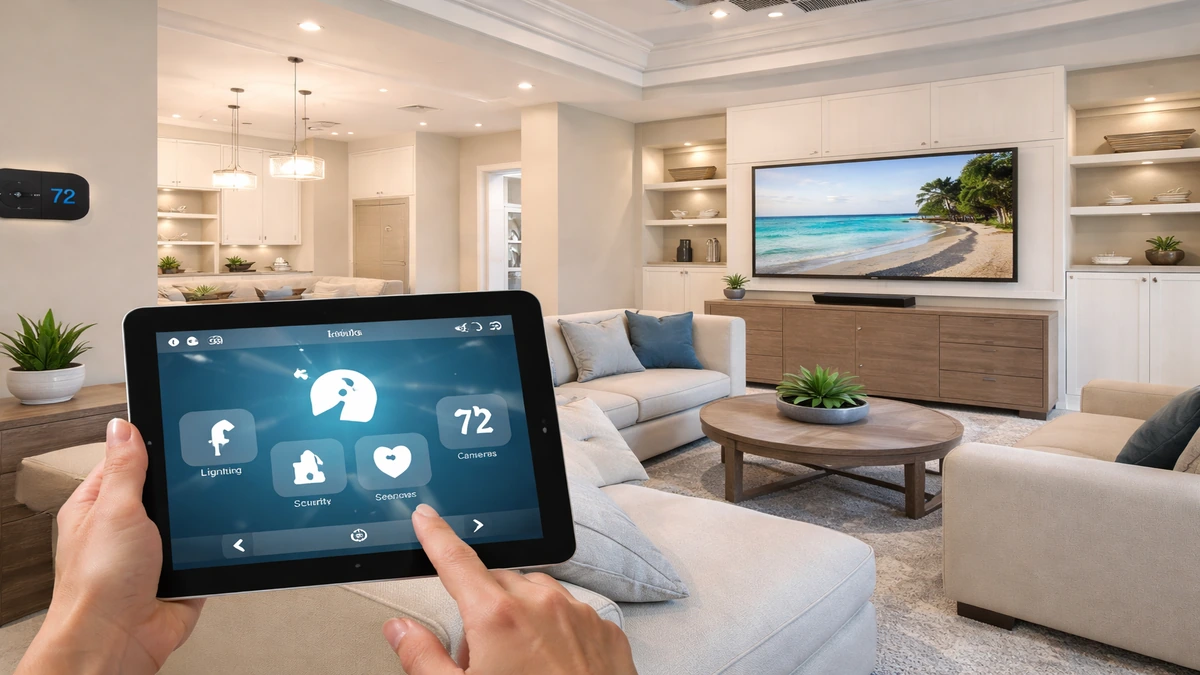
Smart Home Automation Installation
Integrated control for lighting, climate, security, and entertainment.
4 minutes
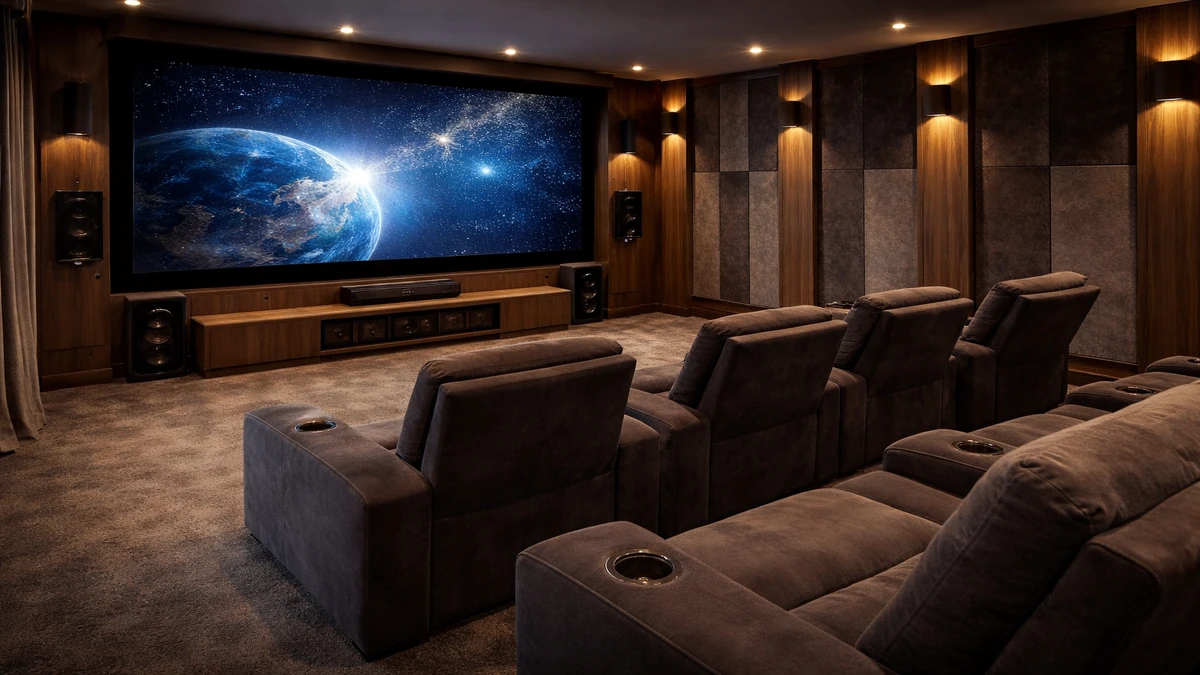
Home Theater Installation
Custom theater rooms designed for immersive picture, sound, and comfort.
4 minutes
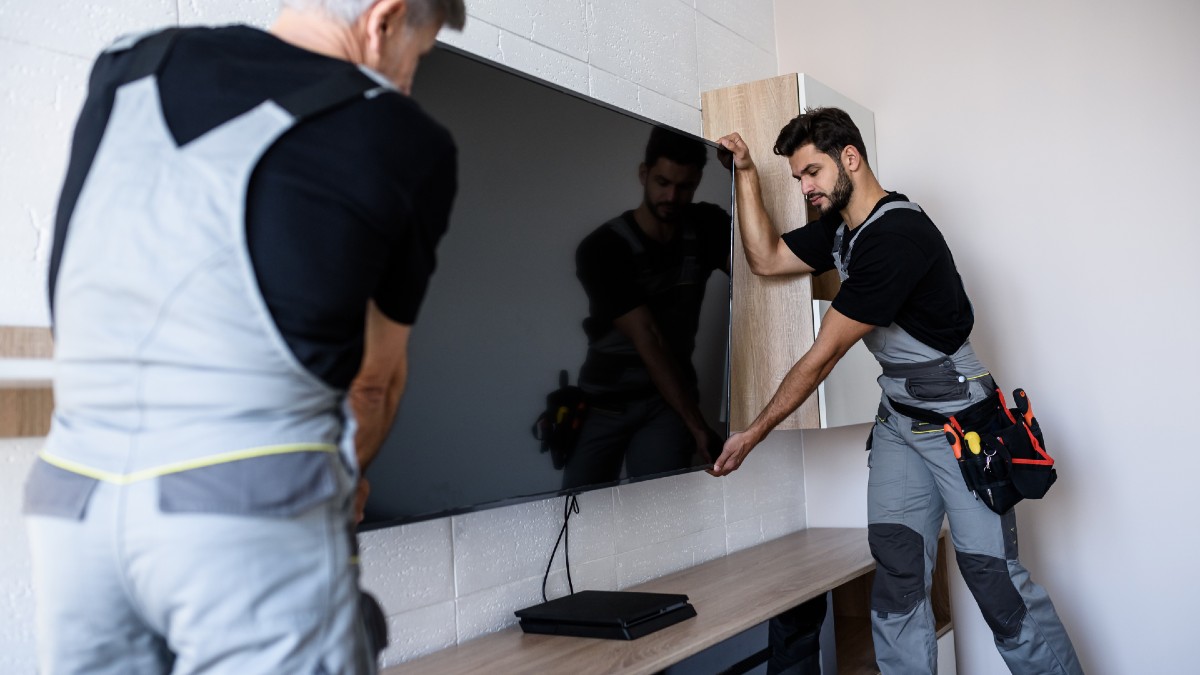
TV Wall Mounting
Professional TV mounting for cleaner layouts and better viewing angles.
5 minutes
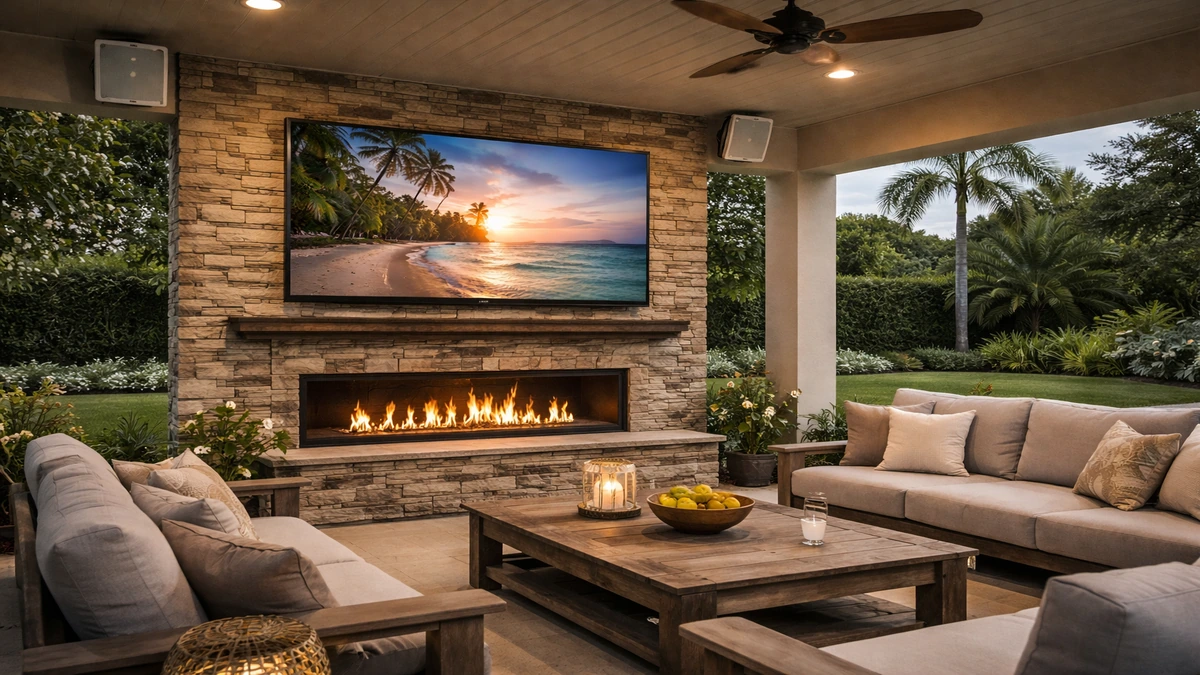
Outdoor TV Installation
Weather-aware outdoor TV setups built for patios, lanais, and pool areas.
5 minutes
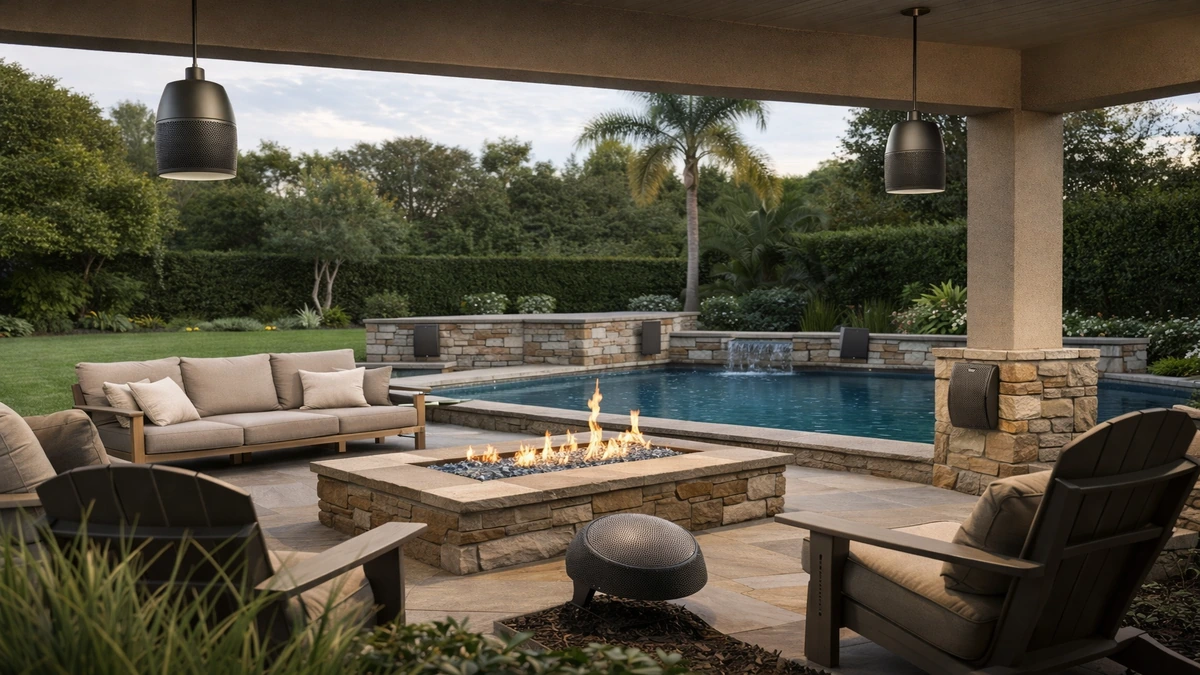
Outdoor Audio Installation
Outdoor speaker systems planned for clear sound and reliable coverage.
4 minutes
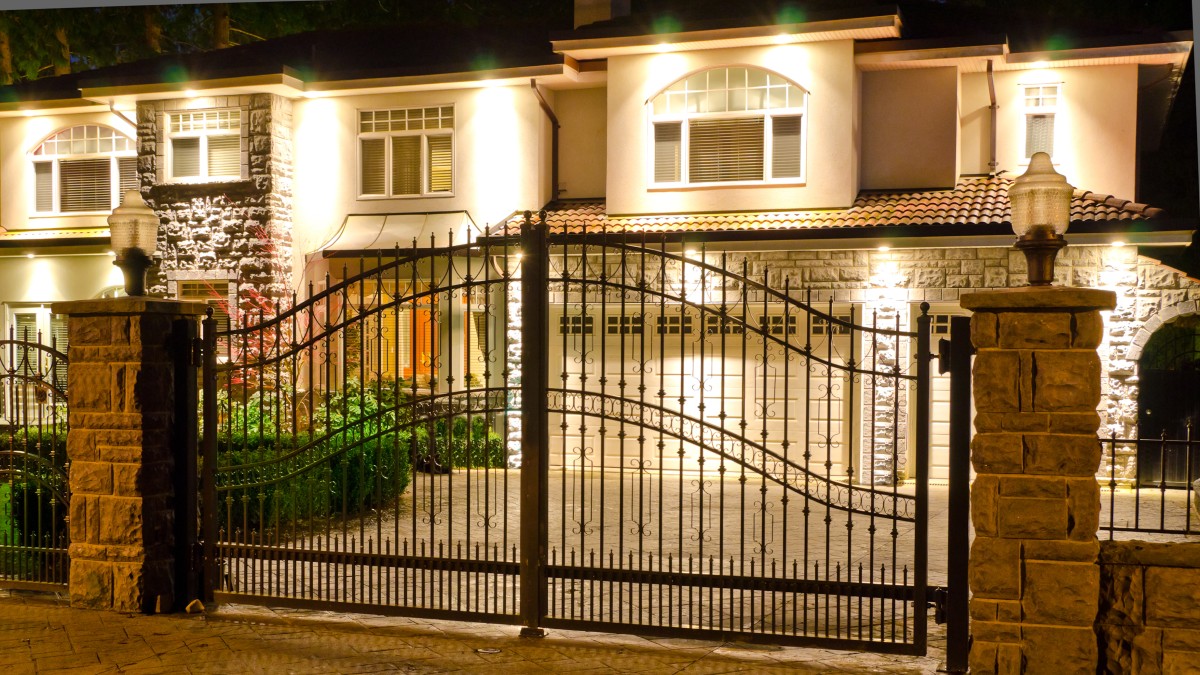
Automatic Gates
Secure, convenient gate automation with access control and entry integration.
4 minutes
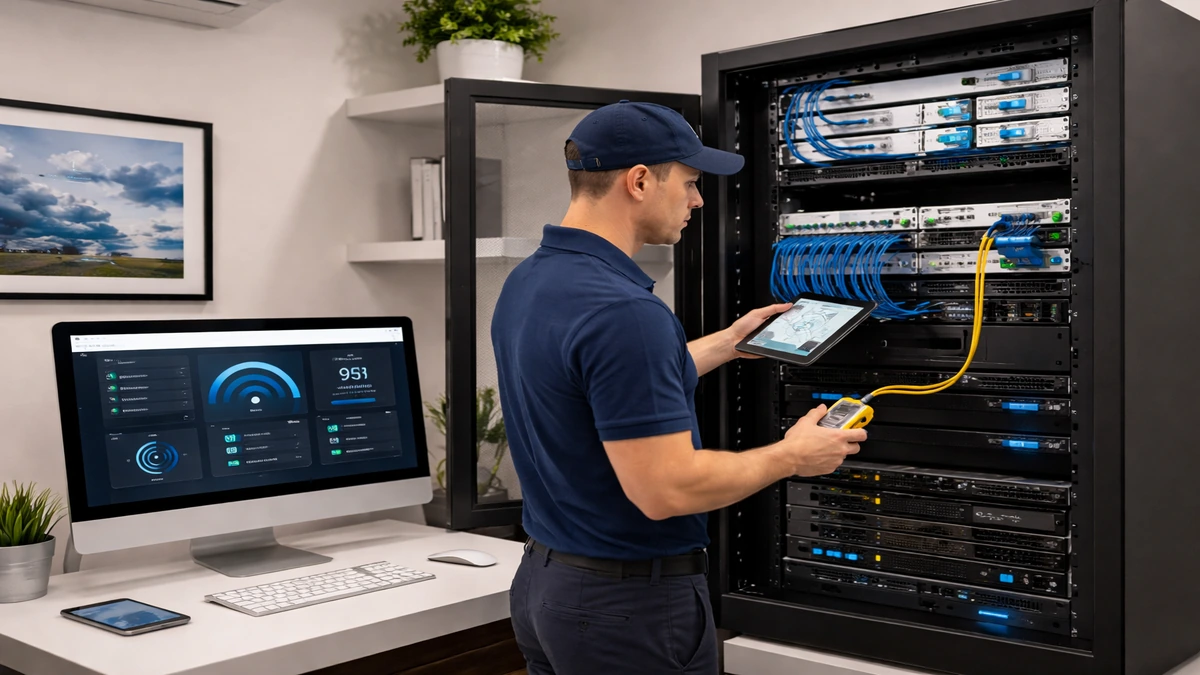
Home Network Installation
Stronger Wi-Fi, better coverage, and dependable connectivity throughout the property.
4 minutes
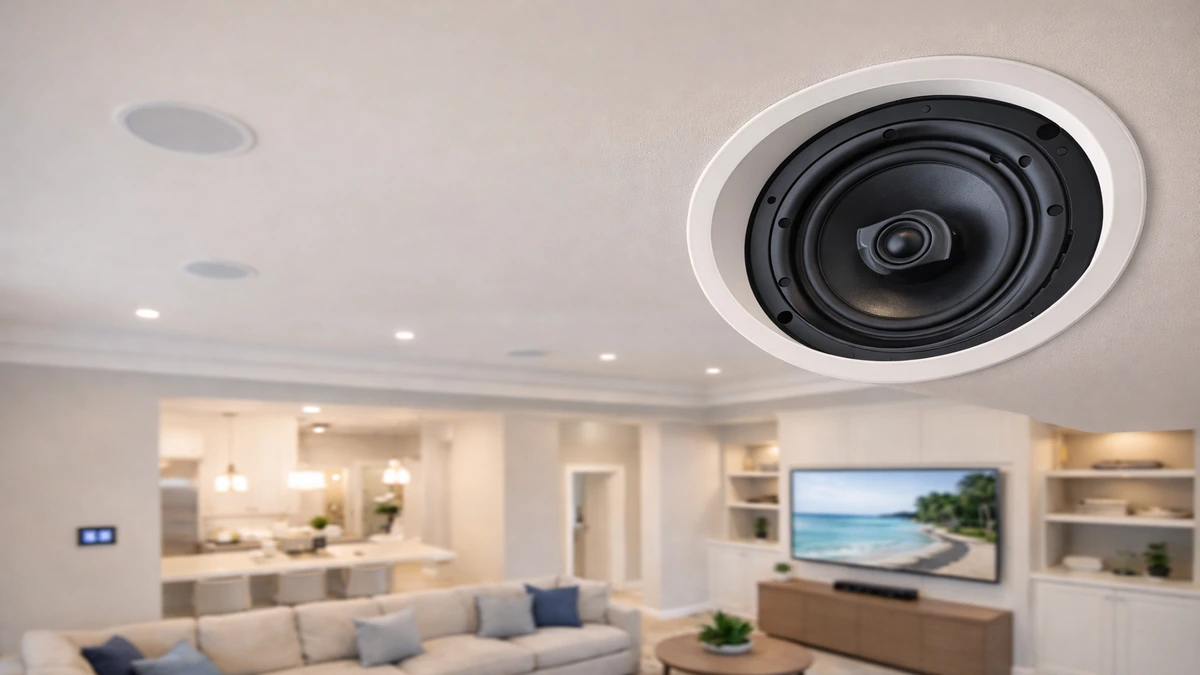
Ceiling Speaker Installation
Clean in-ceiling audio solutions for music, TV, and multi-room sound.
4 minutes
Commercial AV Installation
Professional audio, video, and control systems for business environments.
4 minutes
Home Audio Installation
Whole-home and room-based audio systems tailored to how you listen.
4 minutes

Marine Audio & Electronics Installation
Boat audio, displays, and electronics installed for performance on the water.
4 minutes
Security Camera Installation
Smart camera systems for visibility, alerts, recording, and remote monitoring.
4 minutes
Projector Screen Installation
Projectors and screens configured for sharp viewing and balanced room performance.
4 minutes
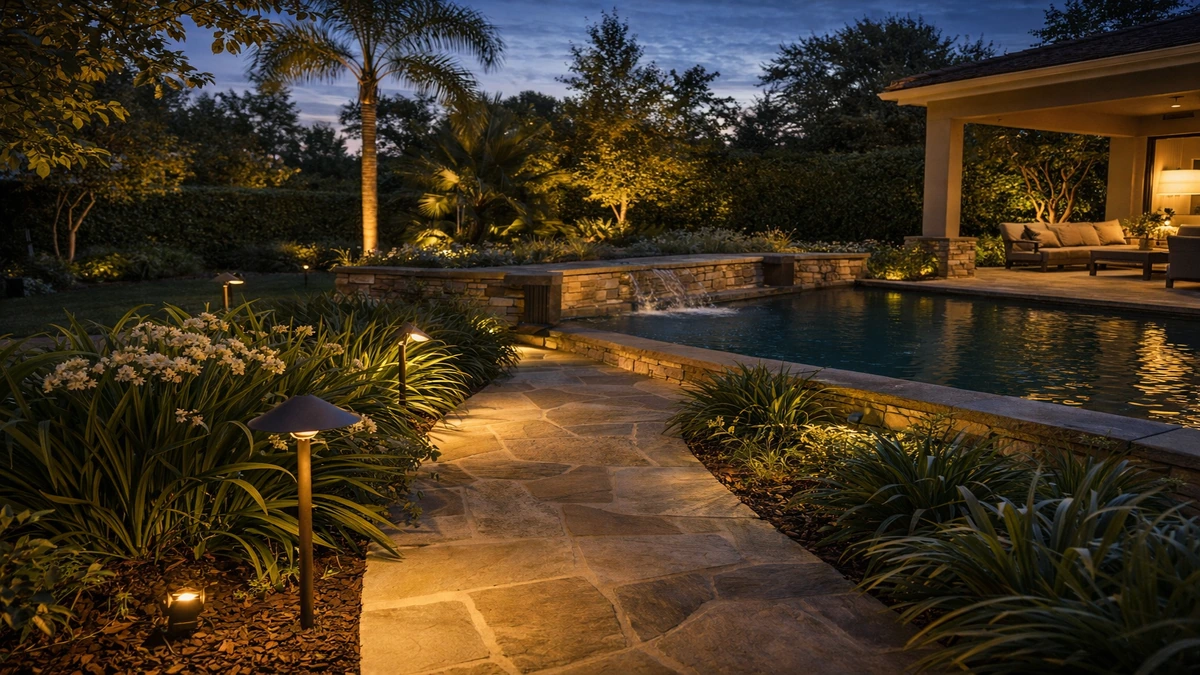
Outdoor Lighting Installation
Exterior lighting that improves curb appeal, ambiance, and nighttime usability.
4 minutes
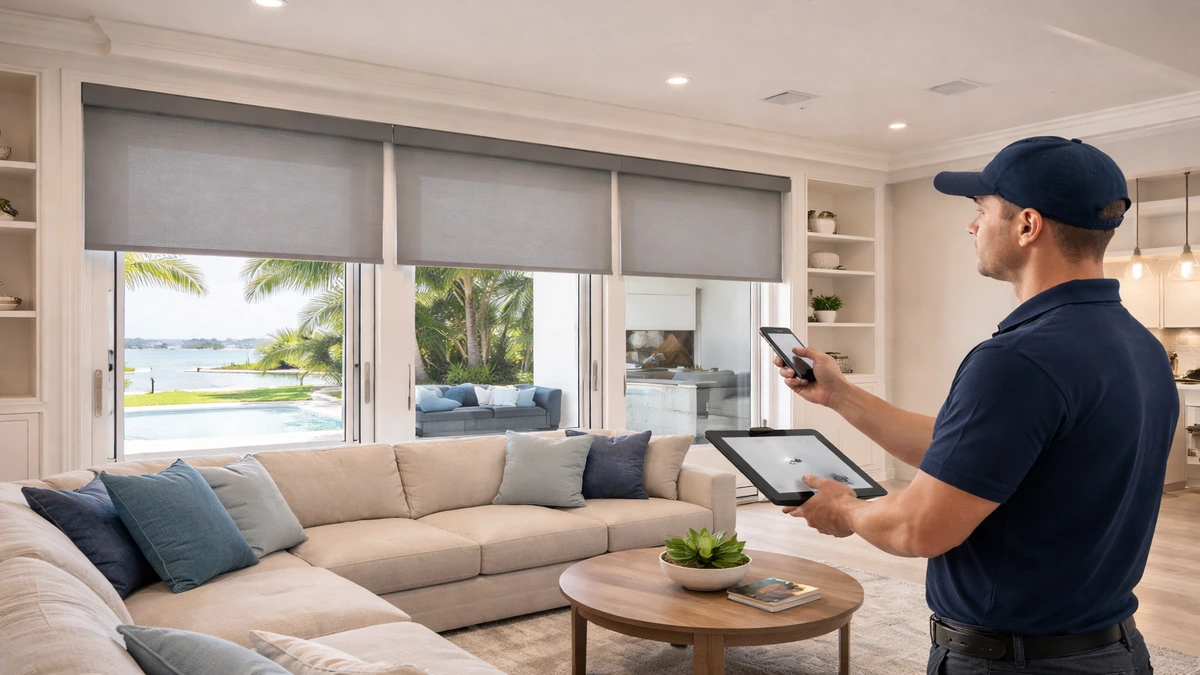
Motorized Blinds Installation
Automated shading for privacy, glare control, and everyday convenience.
4 minutes
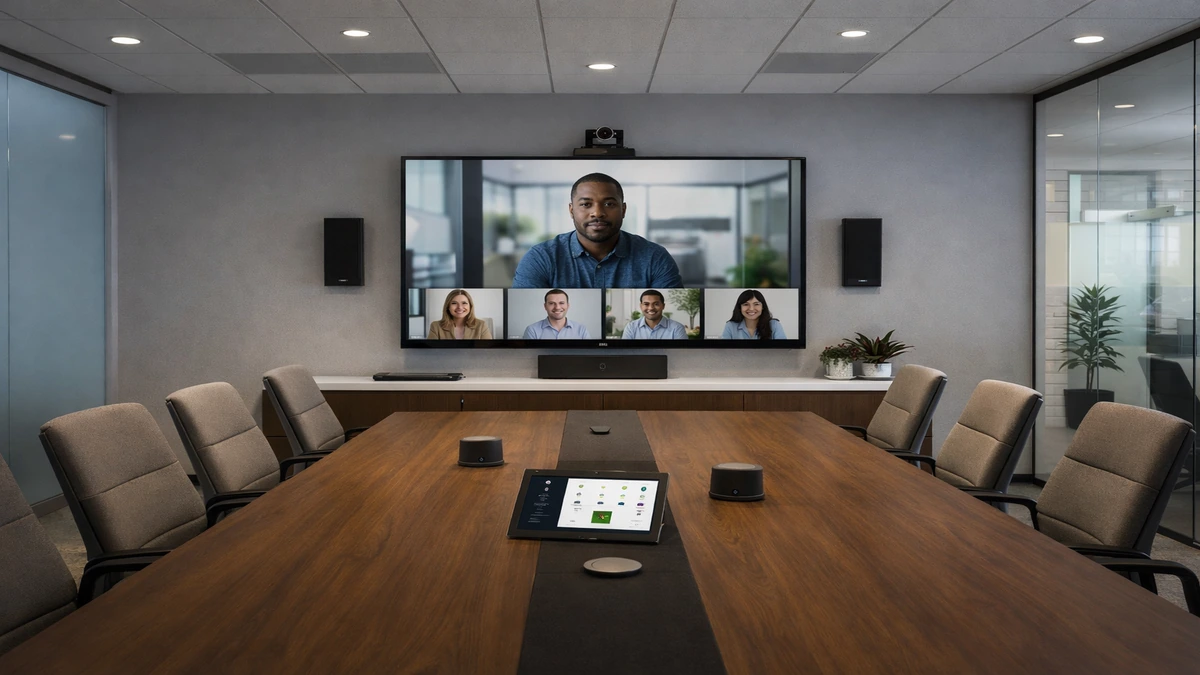
Conference Room AV Installation
Meeting room technology for clearer presentations, calls, and collaboration.
4 minutes
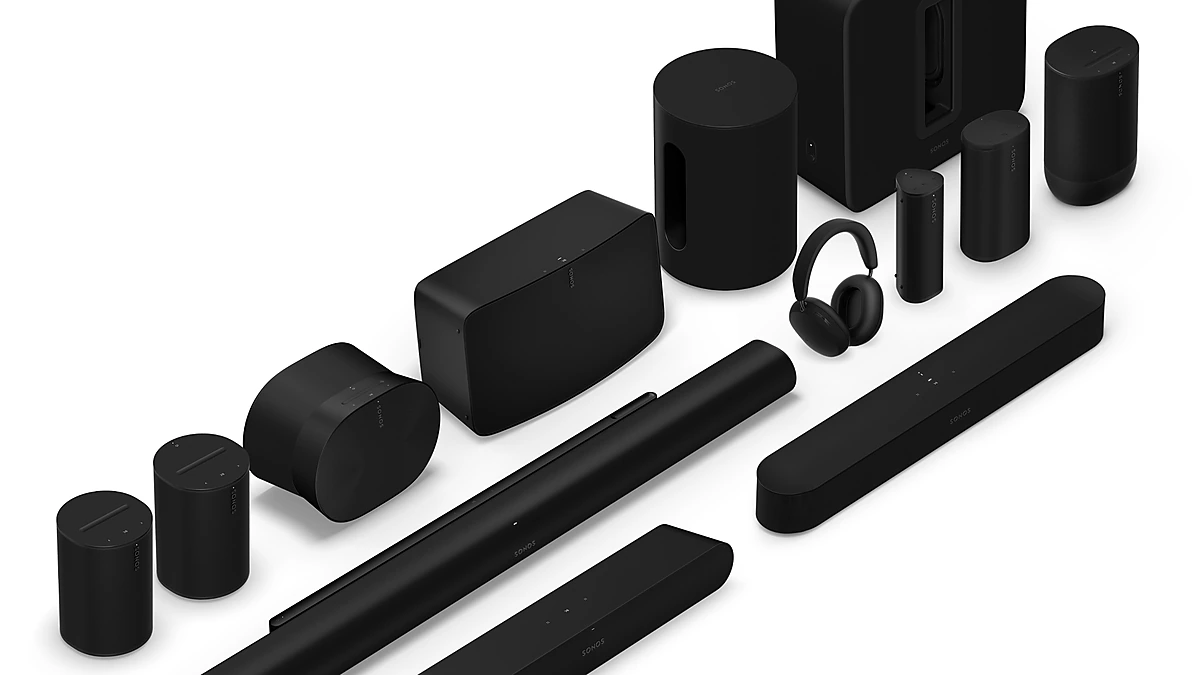
Sonos Installation
Sonos system design, setup, and tuning for simple multi-room audio.
4 minutes
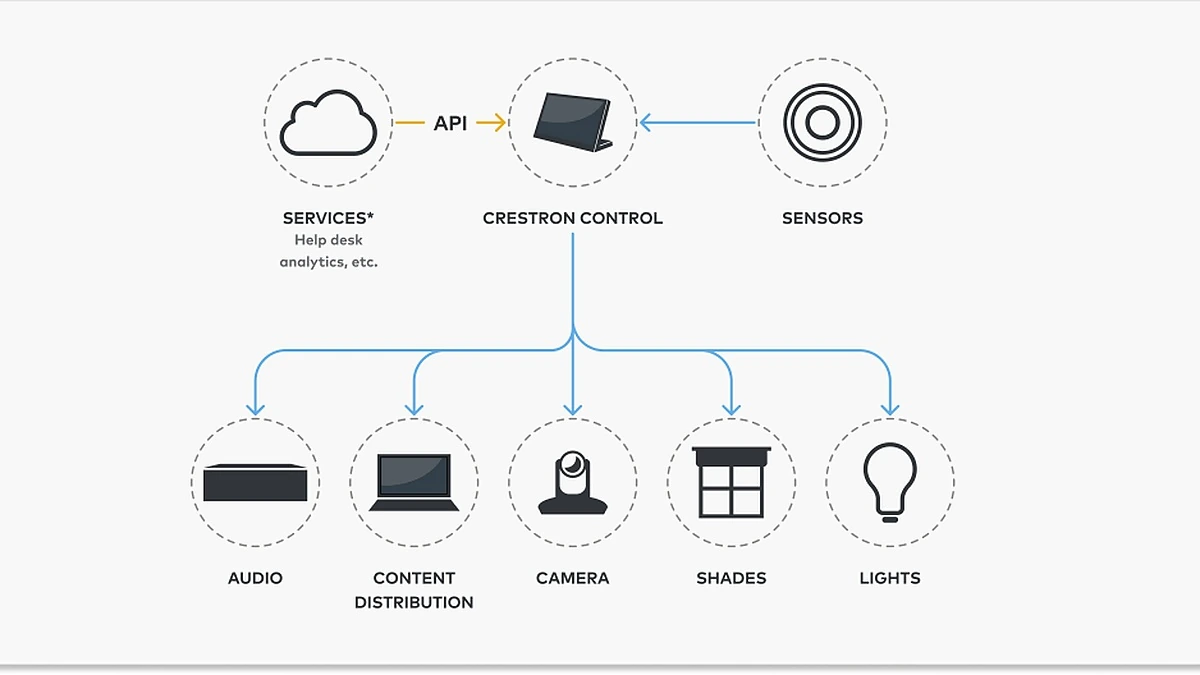
Crestron Installer
Advanced Crestron control integration for high-performance smart home environments.
4 minutes
Nest Installer
Nest thermostat and smart home setup for comfort and remote control.
4 minutes
Lutron Installer
Lutron lighting and shading integration for smoother control and scene setting.
4 minutes
Ring Installation
Ring doorbells and cameras installed for better awareness and entry visibility.
5 minutes
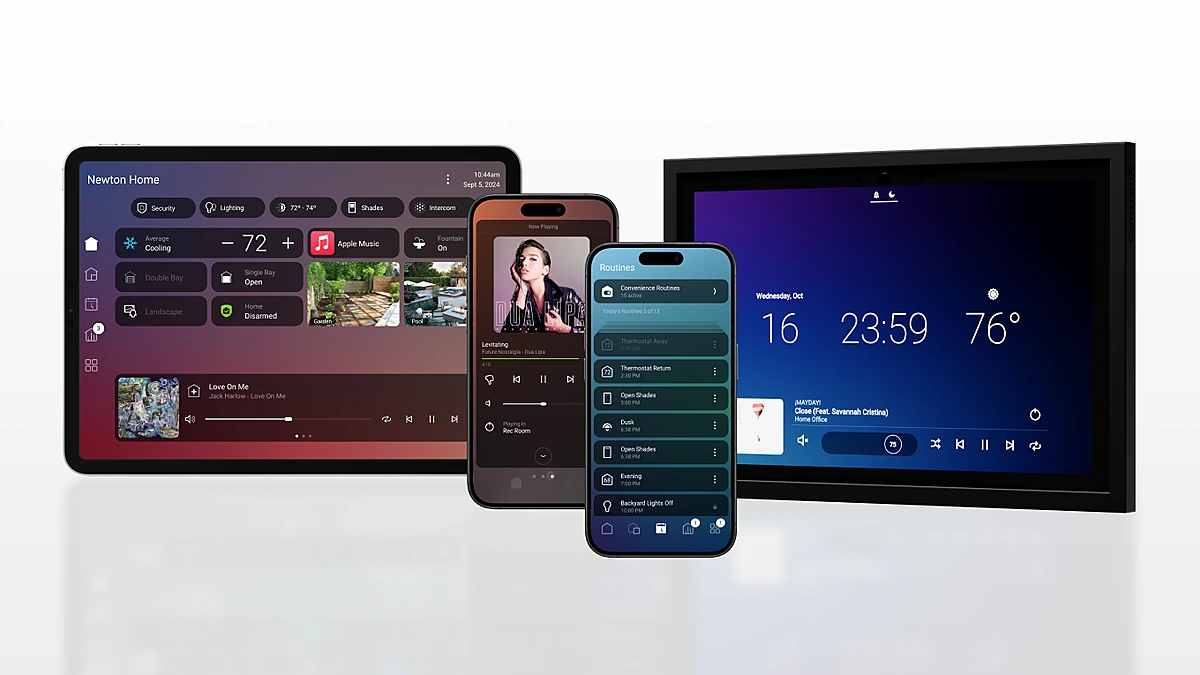
Control4 Installer
Control4 automation setup for unified entertainment, comfort, and home control.
4 minutes

Car & Truck Audio / Electronics Custom Upgrades
Custom mobile audio and electronics upgrades for better sound and functionality.
3 minutes

The buildings here come with a calendar nobody on your project set
The Indian River County Building Division publishes something most building departments leave you to find elsewhere. It records that the State now requires condominium and residential cooperative association buildings of three storeys or more to have structural inspections — Milestone Inspections — once they reach thirty years of age, and every ten years after that. If your home sits in a building like that, the fabric around it has a review cycle of its own, on dates nobody working on your system chose. That is not a permitting question. It is a scheduling fact, and scheduling facts belong at the front of a large project rather than in the middle of one.
A recurring inspection is a different thing to plan against than an unexpected repair, because you can find out when it falls. If the structure of a building will be examined, and in some cases opened, on a date that already exists in somebody's diary, then the parts of a system that live inside that structure — a run concealed in a ceiling, a penetration out to a terrace, the circuit feeding the equipment — are worth placing in relation to it rather than meeting the overlap on site.
The rule reaches a class of building rather than the county at large, so the first thing worth establishing is whether it reaches yours. The county's stacked stock runs to 5,975 homes in buildings of ten to nineteen units, 3,697 at twenty to forty-nine, and 2,101 at fifty or more. Whichever of those stand three storeys or more and are governed by an association fall inside the rule; the rest do not. It is one of the few questions here that changes what a design may do rather than what it costs.
One building division, and it names only part of the county
The same division is unusually plain about its own boundary. It states that it has jurisdiction within and serves the unincorporated county and the City of Vero Beach. That sentence is narrower than it first reads: it names one municipality and says nothing whatever about the others inside the county, so if your address sits in one of those, neither the sentence nor this page can tell you who reviews your work. Only a narrow slice of an audio-visual installation is reviewable at all. The short list that is — a dedicated circuit, a penetration through an exterior wall, powered gate hardware — settles in one conversation, and is worth having that conversation before any date is promised.
Away from that stock, this is a county of houses
The picture inverts once you leave those buildings. Indian River counts 56,241 detached houses, and owners occupy 54,497 of its 68,696 occupied homes. In a house you own there is no cycle to work around and nobody to ask. What is left is whatever the structure physically gives you: the clearance above a ceiling, the direction the framing runs, whether a crawlspace can be reached at all, and whether anywhere sensible exists for a rack to live. Those are not smaller questions. They are answered with a torch rather than a letter.
So the survey decides the design here, and in that order. In-ceiling speaker placement is settled by what already occupies the ceiling — framing, ducting, whatever lighting arrived after the house did — more often than by where the ideal listening position would put it. The rack is the same argument in another form. Power, airflow and a way in from behind are what make a space suitable for it, and a house rarely volunteers one. It is designed in, or it is improvised.
Most of what stands empty here is empty on purpose
Indian River holds 10,005 homes for seasonal, recreational or occasional use, three fifths of every vacant home in the county. Set that beside the inspection cycle and a particular situation appears: stretches when the property is unoccupied and other people are working on the building it sits in. What the system is worth then has little to do with how much it can do. It has to answer from wherever you happen to be, and it has to raise its hand when something stops responding rather than waiting to be found.
A larger project here therefore carries one step most places do not. Establish what class of building yours is and what that puts on its calendar. Confirm who reviews the reviewable part, because the division's own sentence answers that for two areas and for no others. Then read the structure, settle how much of the cabling has to be invisible and where tidy will do, and put the equipment schedule at the end of the process rather than the start. Getting that order right costs nothing. Reopening a finished ceiling to correct it does.