

Two Building Waves, One County Audio Video | Home Theater Installations Serving St. Lucie County, FL
St. Lucie was built in two waves twenty years apart — 154,930 homes, 73.6% of them single-family, and a permitting map that stops at each city line.
Revolutionize Your Environment with Cutting-Edge Audio and Security Solutions
Explore a range of specialized services designed to enhance comfort and security in homes, cars, trucks, and boats with top-tier audio systems, smart home automation, and robust security solutions.
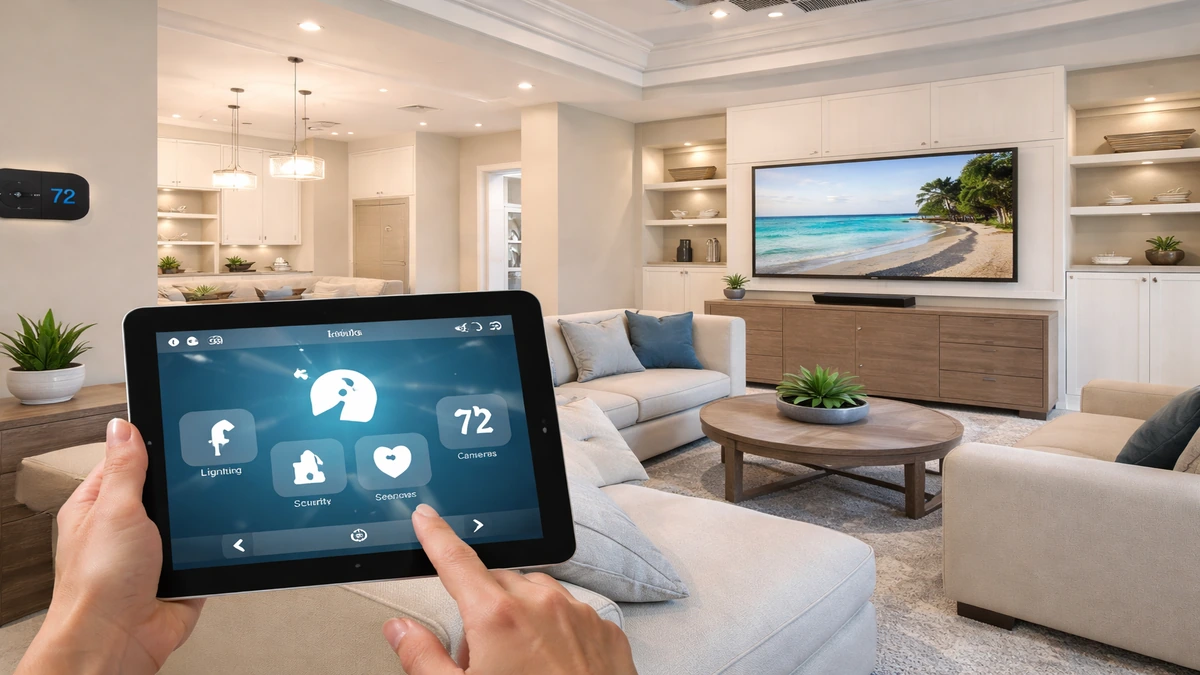
Smart Home Automation Installation
Integrated control for lighting, climate, security, and entertainment.
4 minutes
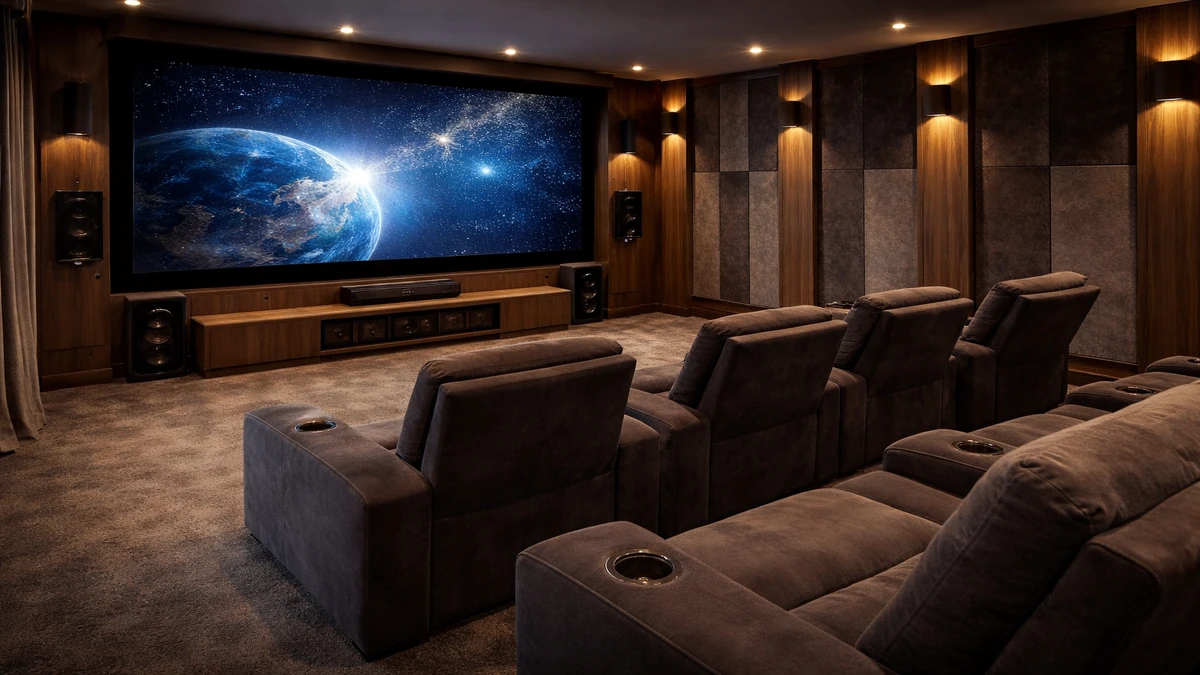
Home Theater Installation
Custom theater rooms designed for immersive picture, sound, and comfort.
4 minutes
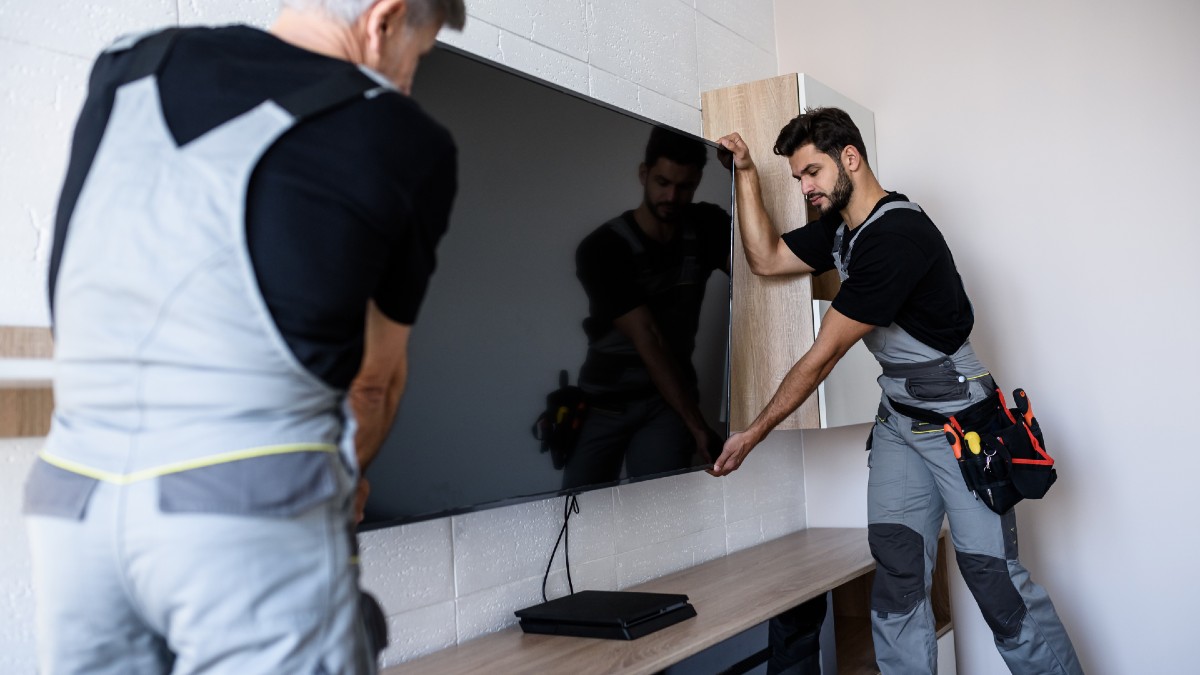
TV Wall Mounting
Professional TV mounting for cleaner layouts and better viewing angles.
5 minutes
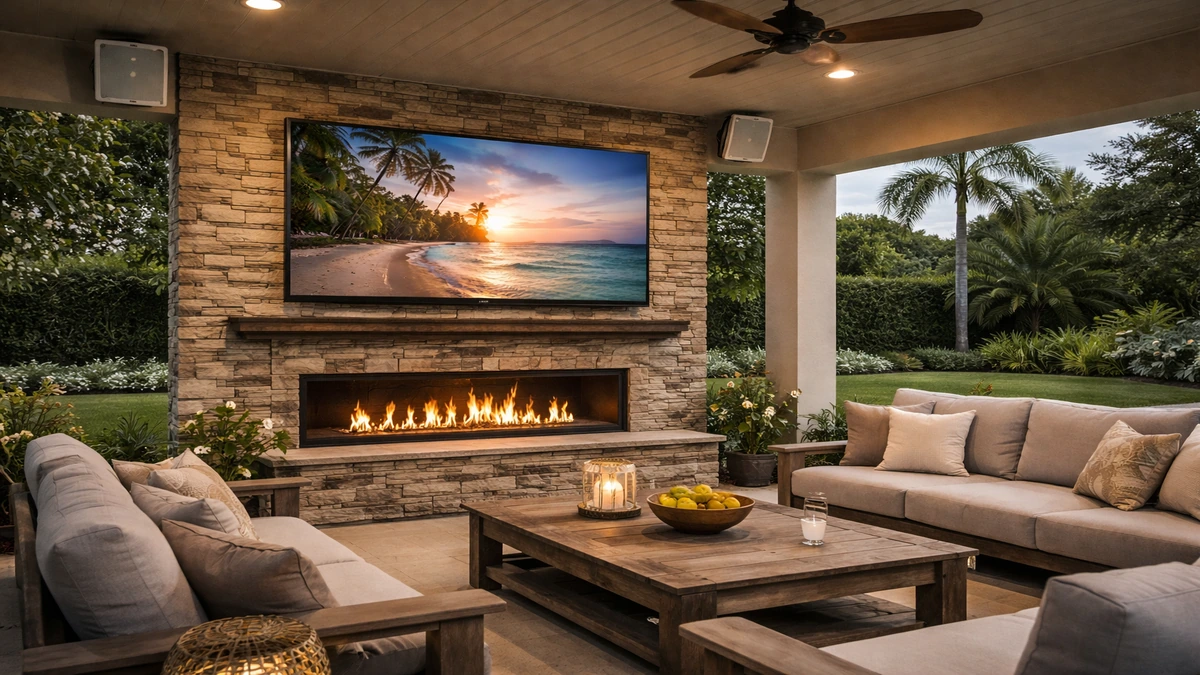
Outdoor TV Installation
Weather-aware outdoor TV setups built for patios, lanais, and pool areas.
5 minutes
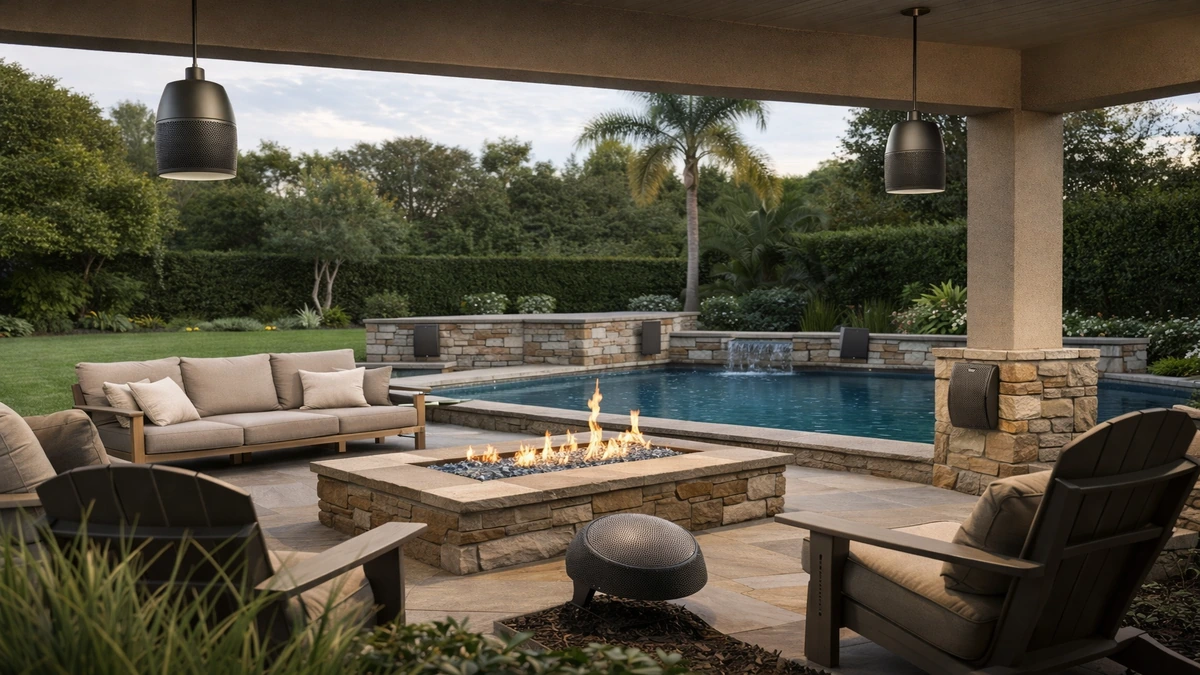
Outdoor Audio Installation
Outdoor speaker systems planned for clear sound and reliable coverage.
4 minutes
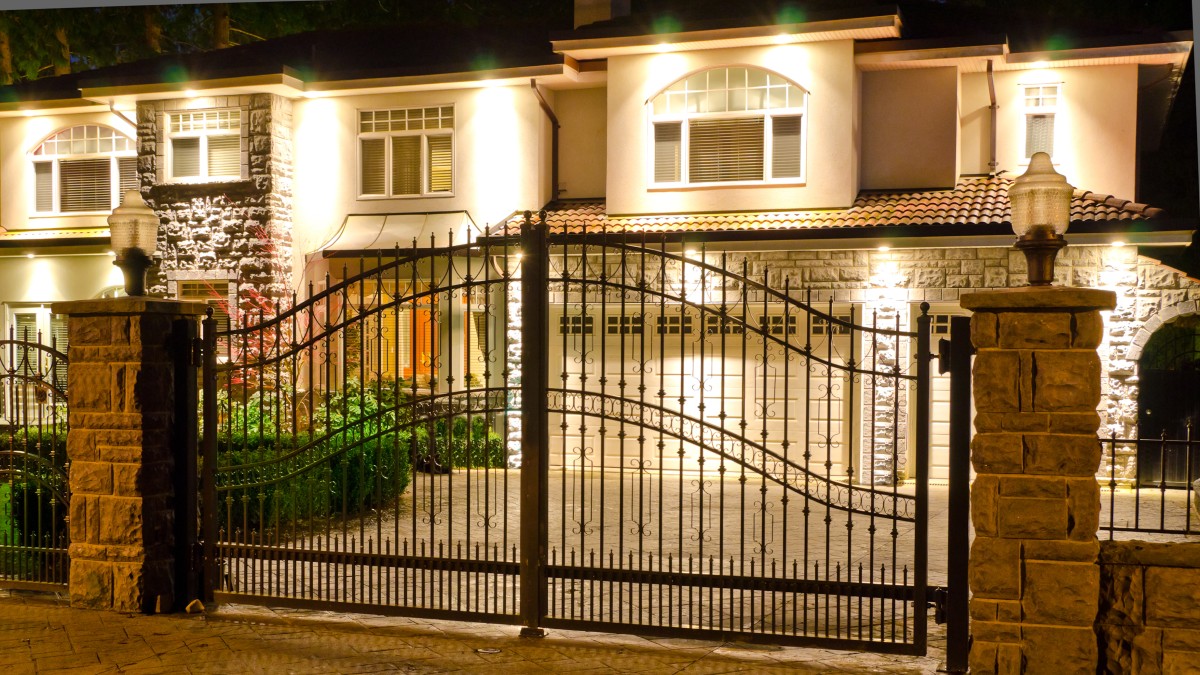
Automatic Gates
Secure, convenient gate automation with access control and entry integration.
4 minutes
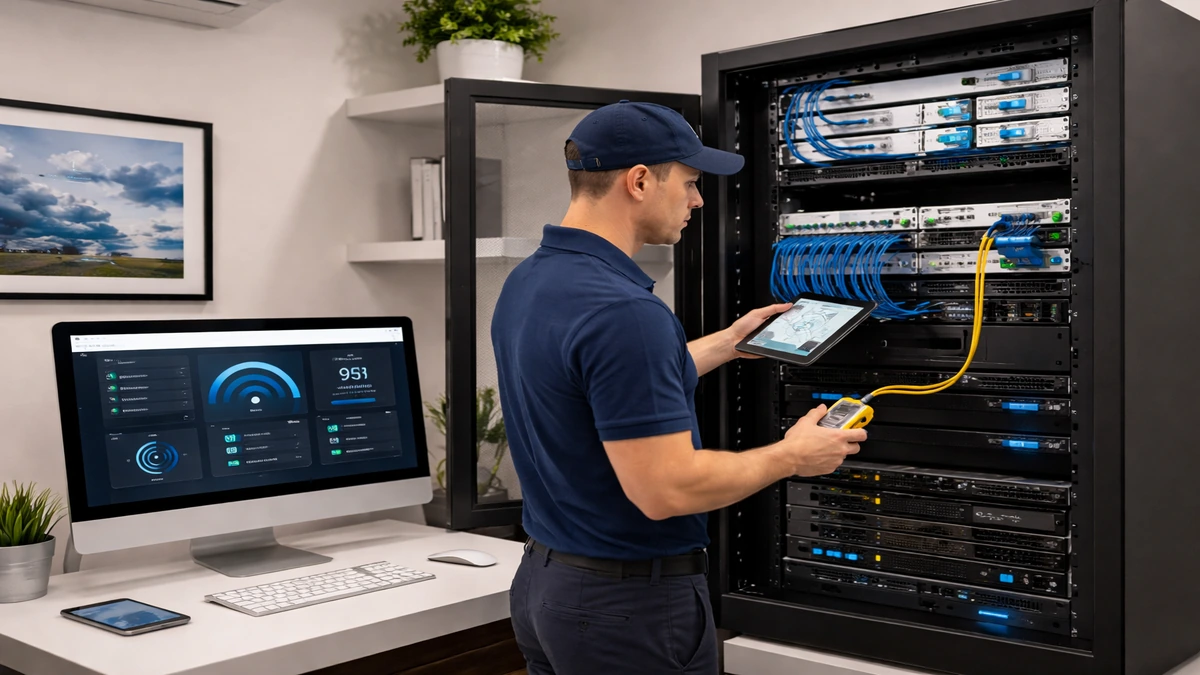
Home Network Installation
Stronger Wi-Fi, better coverage, and dependable connectivity throughout the property.
4 minutes
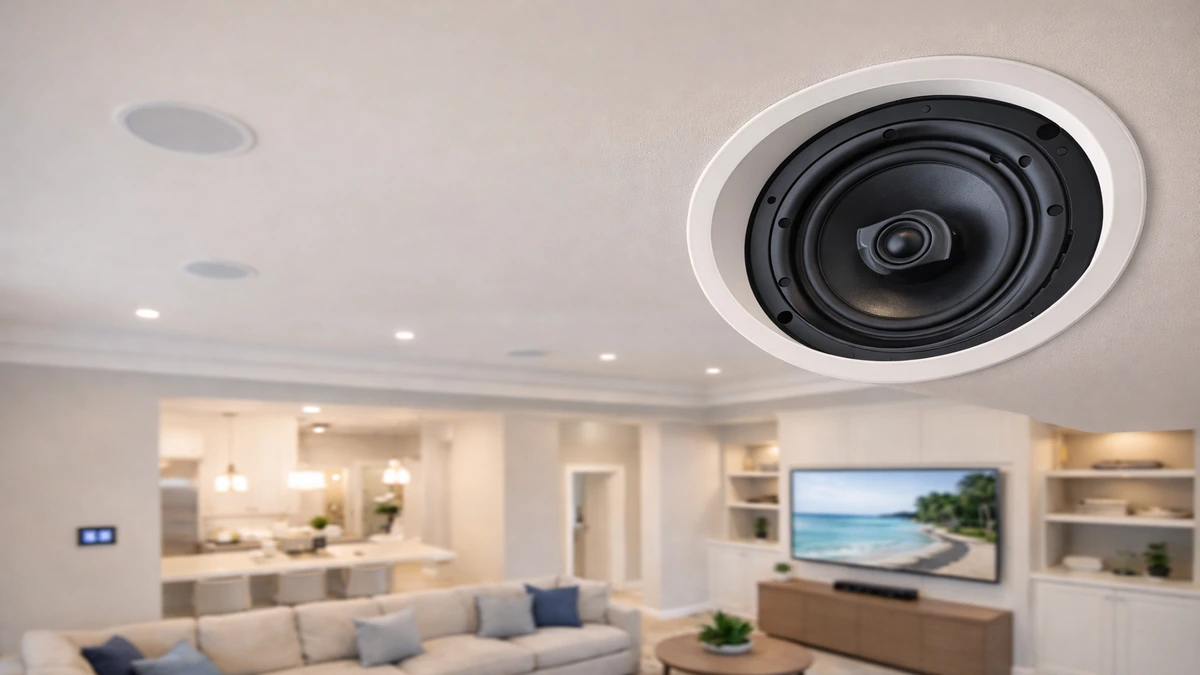
Ceiling Speaker Installation
Clean in-ceiling audio solutions for music, TV, and multi-room sound.
4 minutes
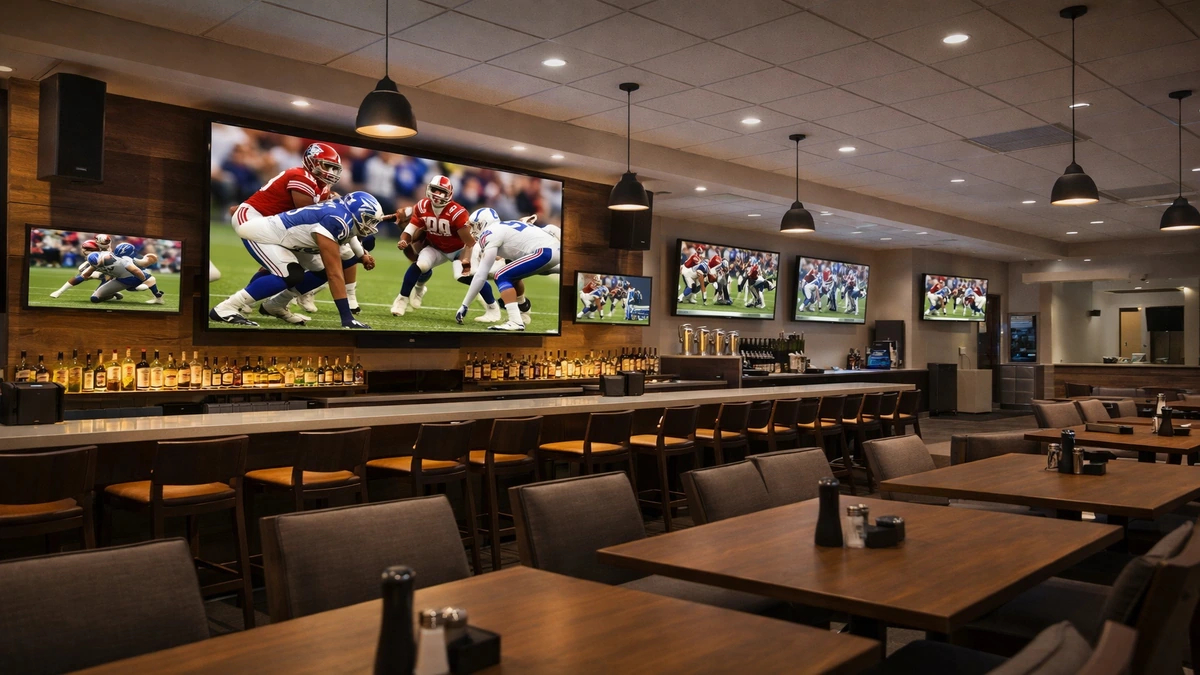
Commercial AV Installation
Professional audio, video, and control systems for business environments.
4 minutes
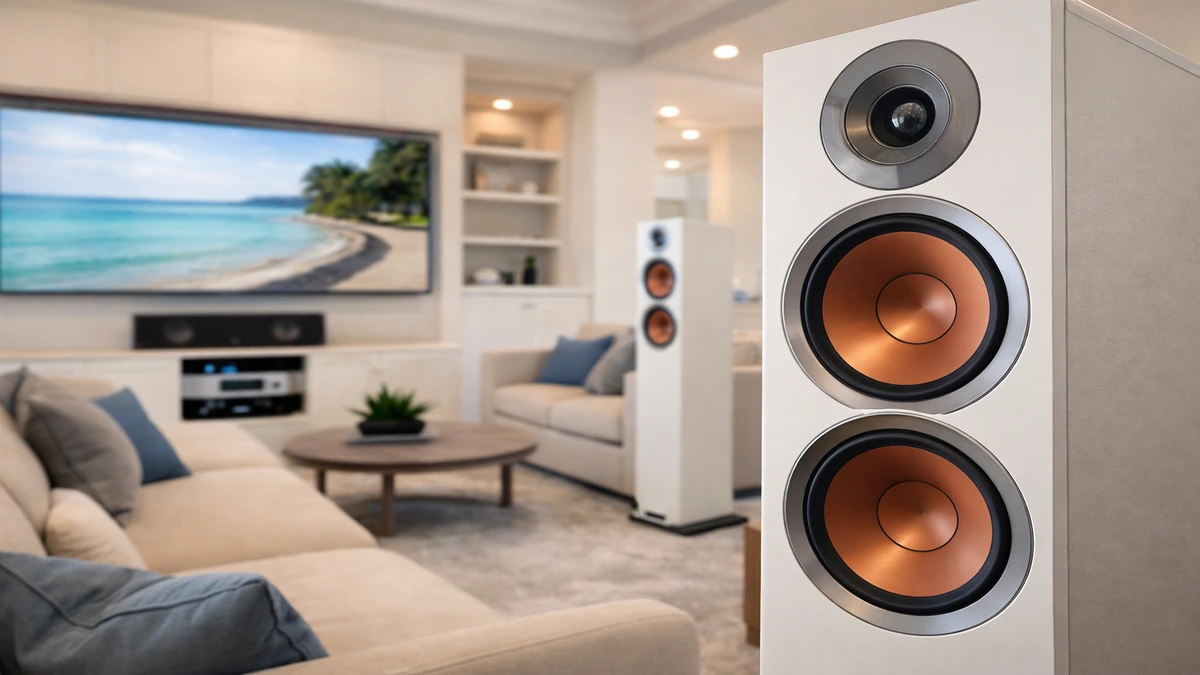
Home Audio Installation
Whole-home and room-based audio systems tailored to how you listen.
4 minutes

Marine Audio & Electronics Installation
Boat audio, displays, and electronics installed for performance on the water.
4 minutes
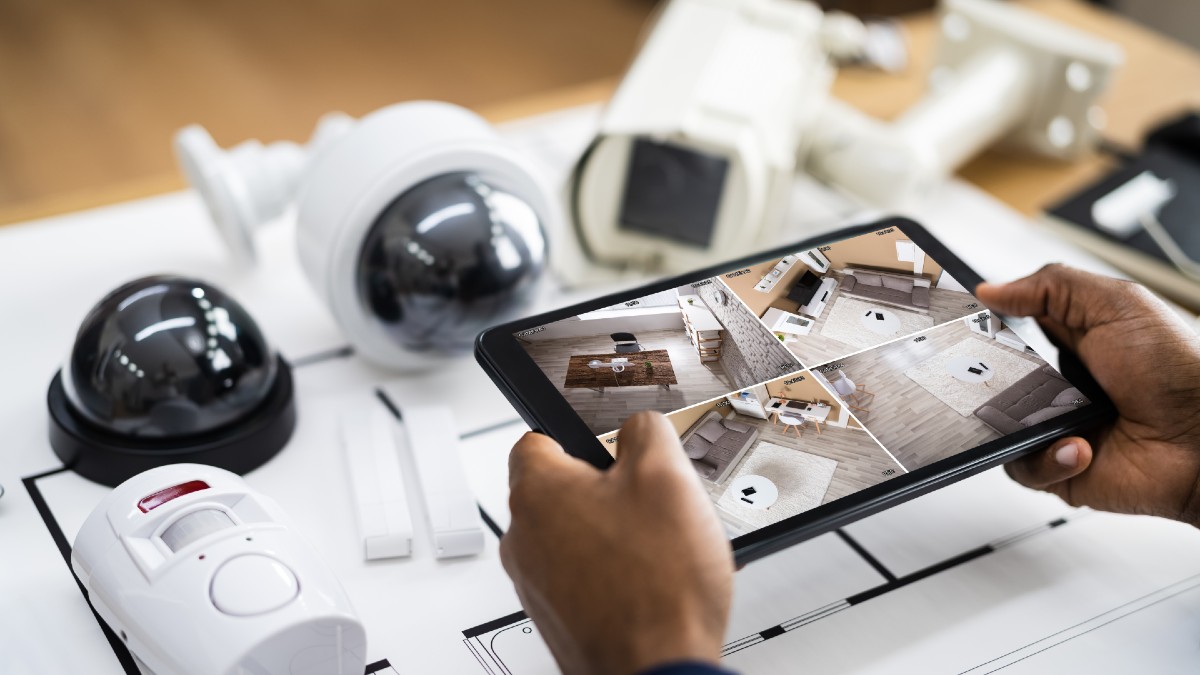
Security Camera Installation
Smart camera systems for visibility, alerts, recording, and remote monitoring.
4 minutes
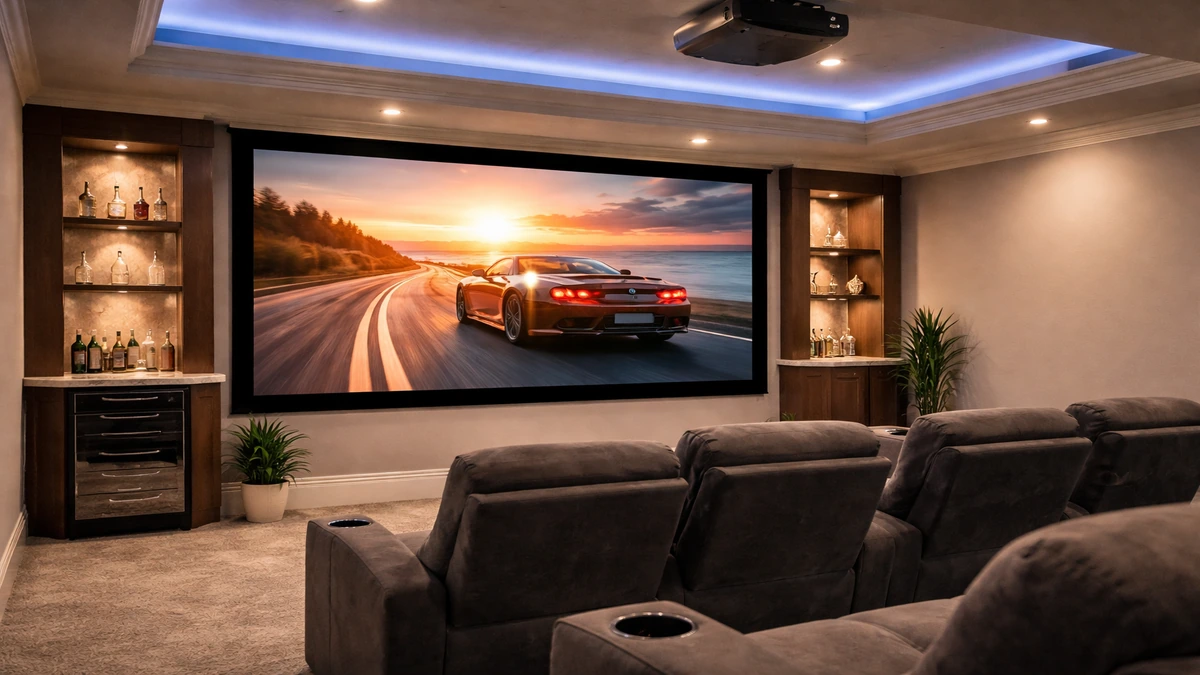
Projector Screen Installation
Projectors and screens configured for sharp viewing and balanced room performance.
4 minutes
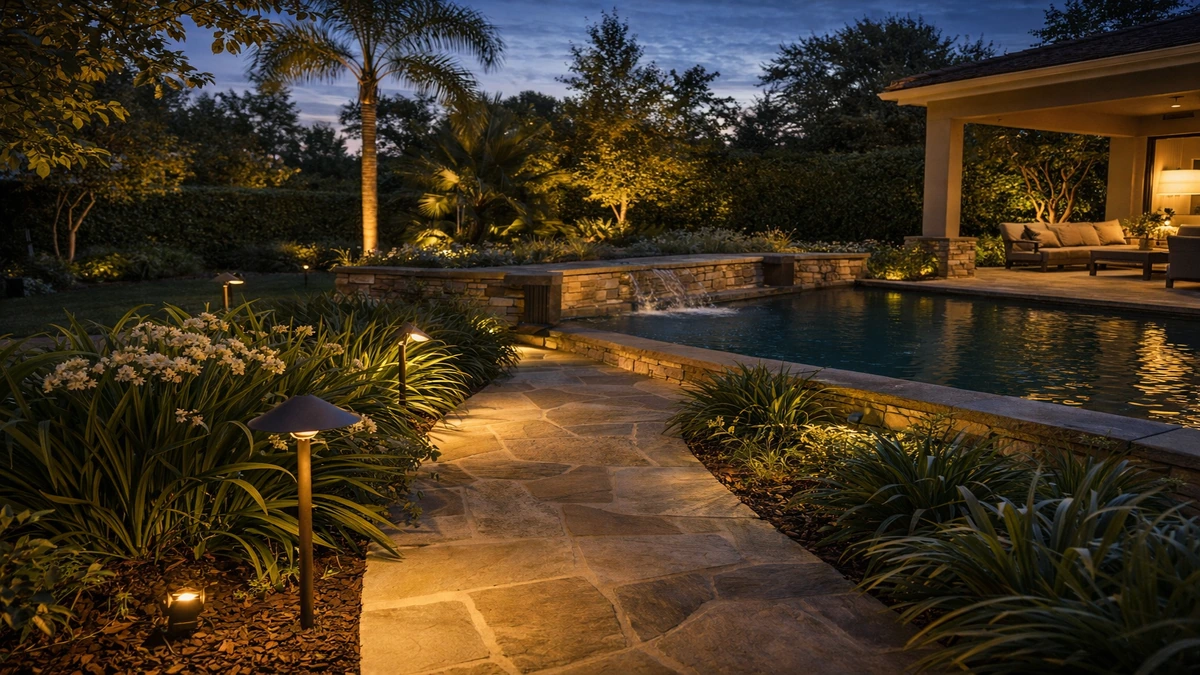
Outdoor Lighting Installation
Exterior lighting that improves curb appeal, ambiance, and nighttime usability.
4 minutes
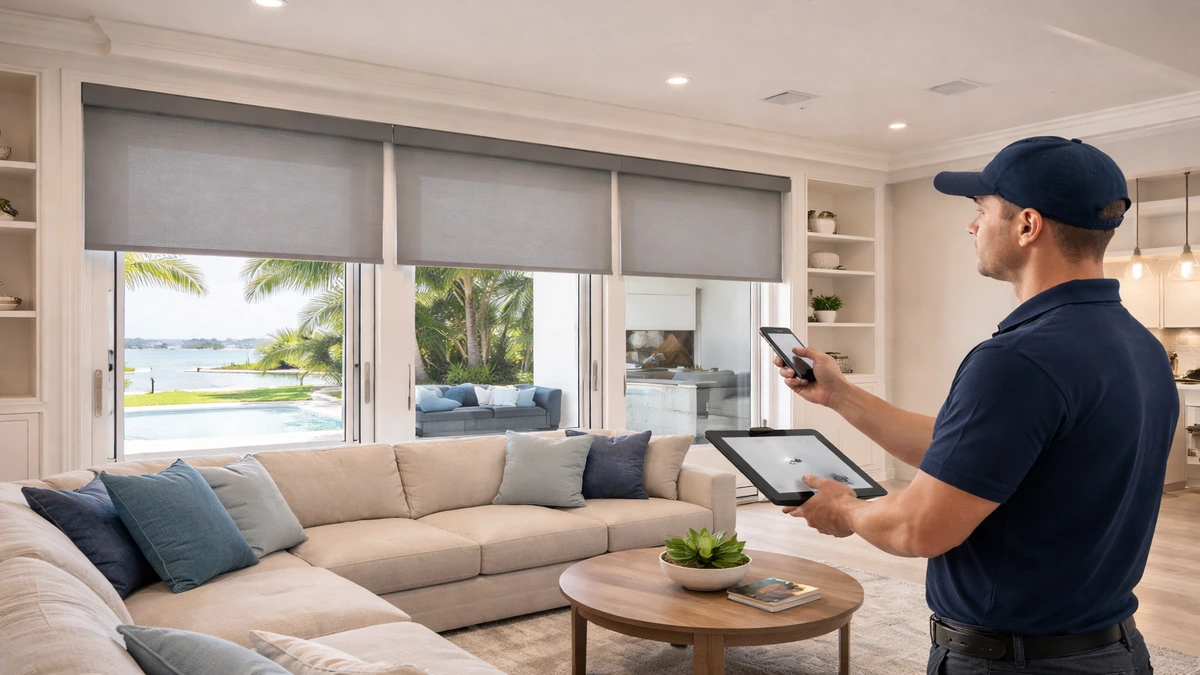
Motorized Blinds Installation
Automated shading for privacy, glare control, and everyday convenience.
4 minutes
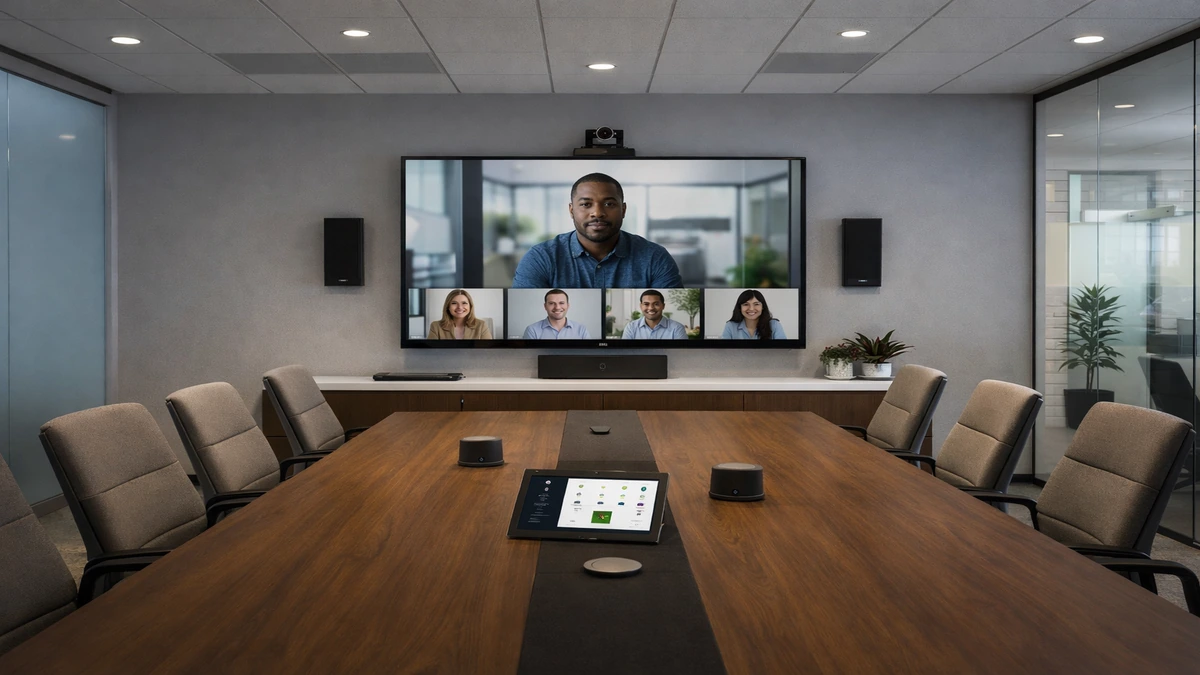
Conference Room AV Installation
Meeting room technology for clearer presentations, calls, and collaboration.
4 minutes

Sonos Installation
Sonos system design, setup, and tuning for simple multi-room audio.
4 minutes
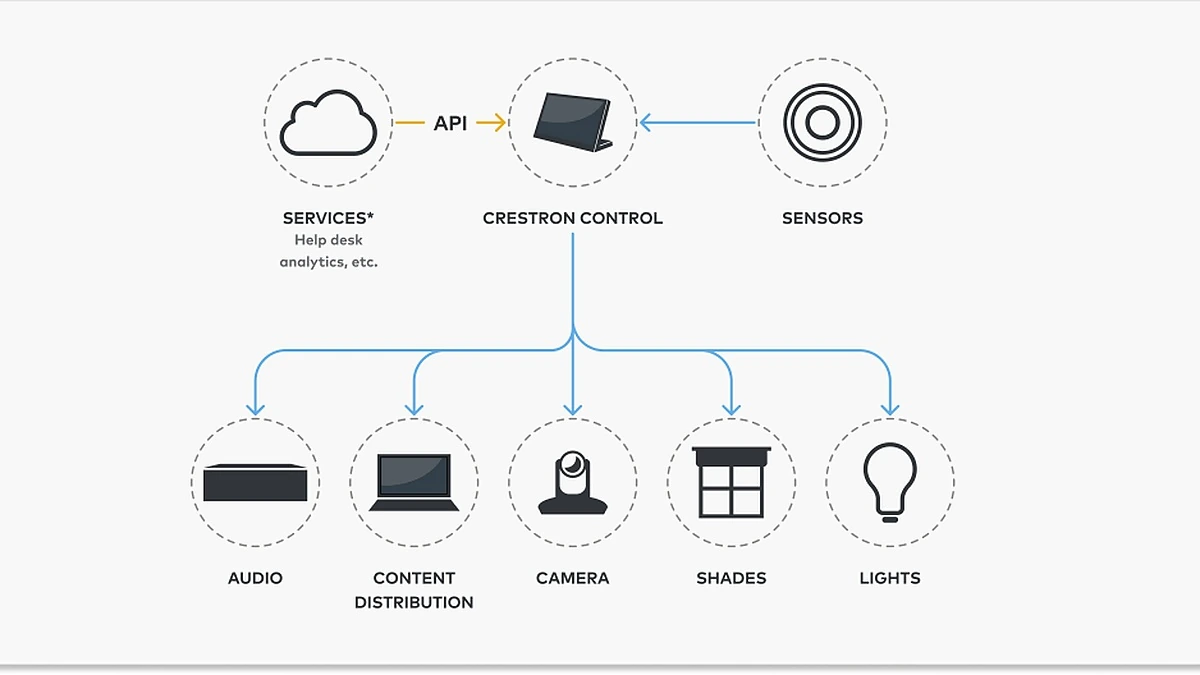
Crestron Installer
Advanced Crestron control integration for high-performance smart home environments.
4 minutes
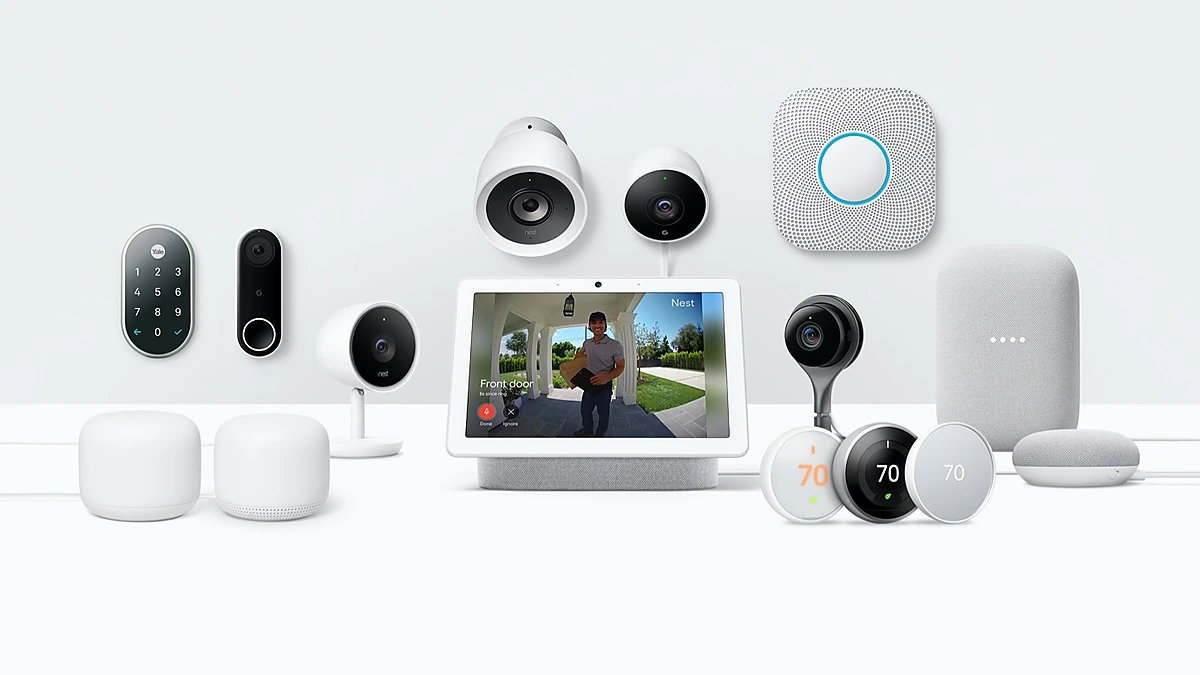
Nest Installer
Nest thermostat and smart home setup for comfort and remote control.
4 minutes
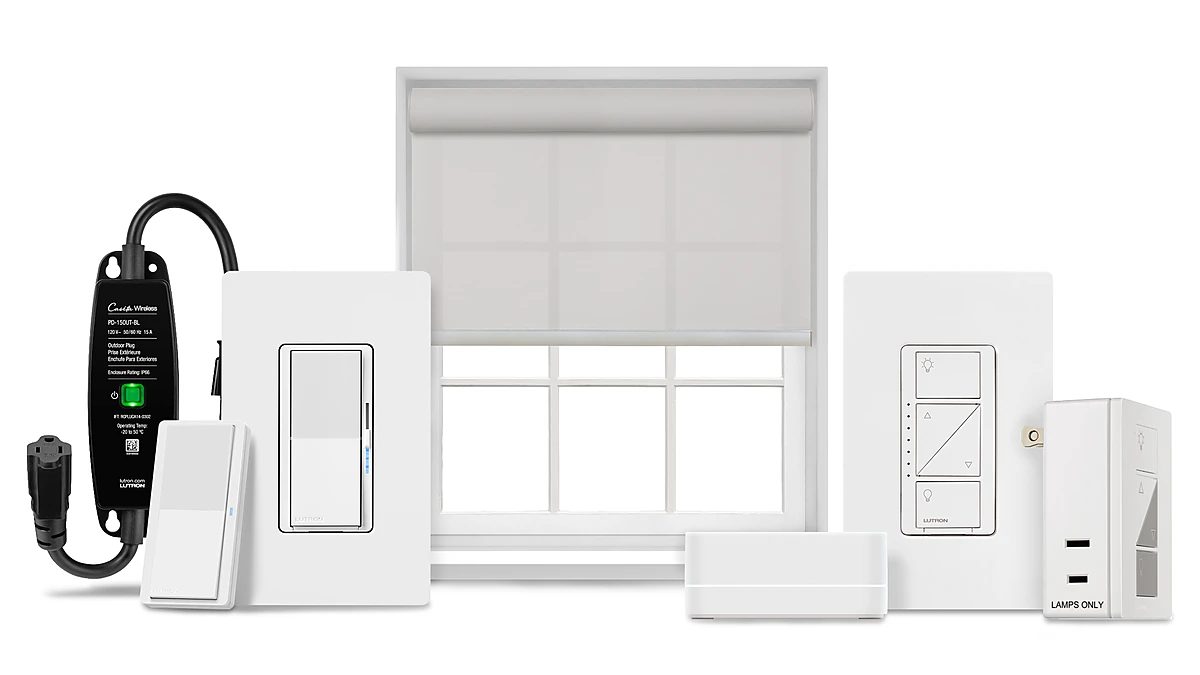
Lutron Installer
Lutron lighting and shading integration for smoother control and scene setting.
4 minutes
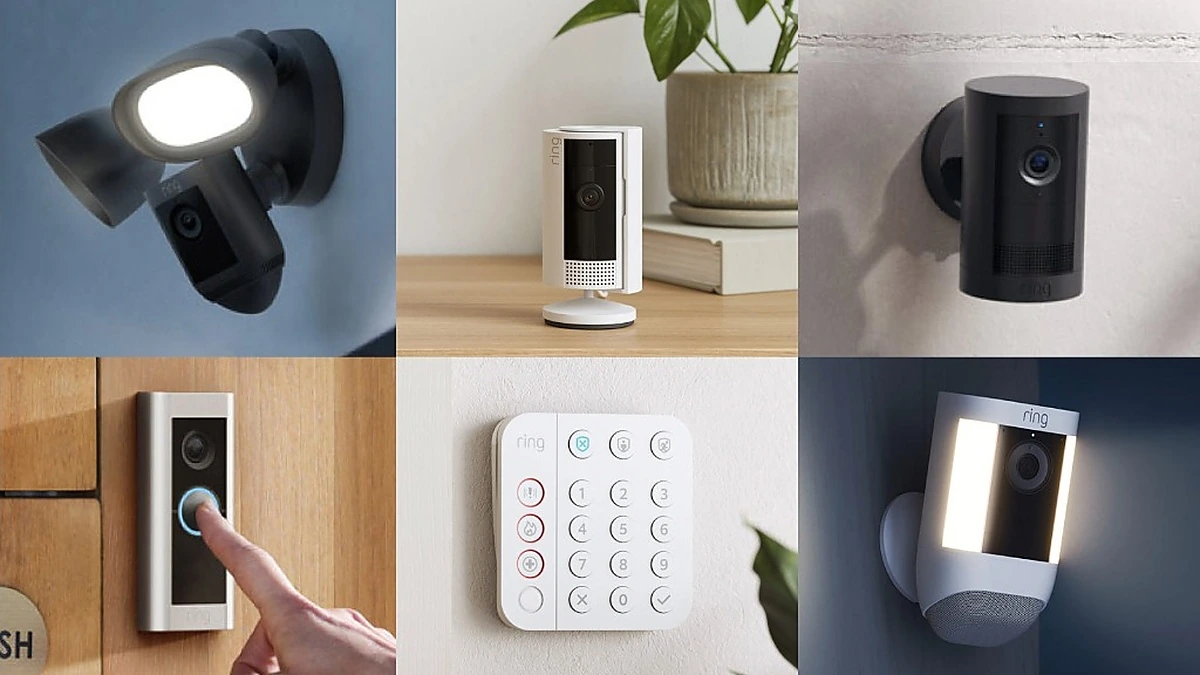
Ring Installation
Ring doorbells and cameras installed for better awareness and entry visibility.
5 minutes
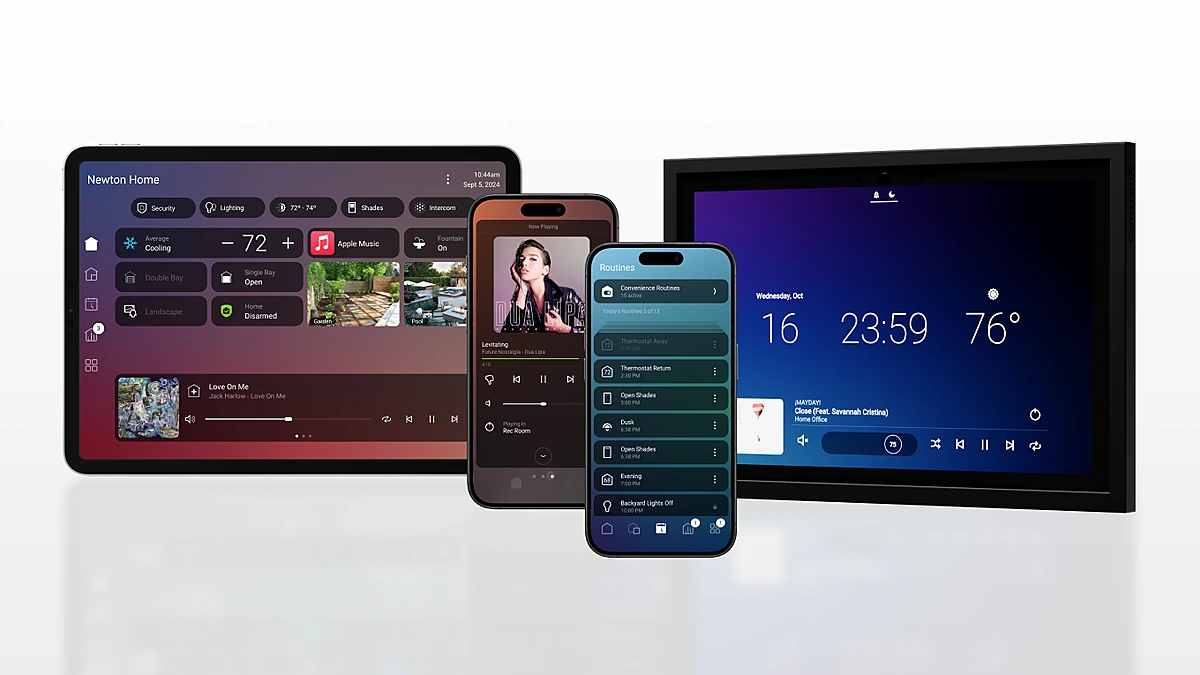
Control4 Installer
Control4 automation setup for unified entertainment, comfort, and home control.
4 minutes

Car & Truck Audio / Electronics Custom Upgrades
Custom mobile audio and electronics upgrades for better sound and functionality.
3 minutes

St. Lucie was built in two waves, and they do not survey alike
Planning a whole-home system in St. Lucie County starts with a question about the building rather than the equipment, and here the answer is unusually consistent. Of 154,930 homes, 109,588 are detached and another 4,501 are attached houses. Buildings of twenty units or more hold barely seven percent of the county. So for most addresses the routes a system needs — across a ceiling, down inside a wall, into whatever space is going to hold a rack — are yours to survey and yours to open. Access is rarely the constraint here. Condition is.
Age is where the county stops being uniform. The largest single group of homes went up between 2000 and 2009, but almost as many — 35,967 — date from the 1980s, and the median home in the county was finished in the 1990s. Those two populations stand twenty years apart and they do not present the same job. Attic clearance, how a ceiling is framed, whether any low-voltage path was ever provided, how far a cable has to travel to cross a room: none of that reads the same in the earlier wave as in the later one, and a design copied straight from one to the other tends to get redrawn on site.
None of it is visible on a floor plan, which is why the survey is the first genuine piece of work on a project rather than a courtesy before it. The order that holds up is the one a theater build uses: assess the room, agree what it actually has to do, set the display and speaker layout, then plan the infrastructure that carries them. Run it backwards and you buy equipment the house then has to be altered to accept, which is both the expensive way round and the hardest to undo.
Who reviews the work depends on which side of a city line you are on
There is one county-level fact worth establishing before anything is booked. The St. Lucie County Building and Code Regulation Division states that its building permitting jurisdiction covers unincorporated St. Lucie County — on its own account 418 square miles with an estimated population of 76,600 in 2020 — and that the City of Fort Pierce, the City of Port St. Lucie and the Town of St. Lucie Village have their own permitting requirements and issue permits to their residents. Most of an audio-visual project needs no permit at all. The parts that can — a dedicated circuit, an exterior penetration, powered gate and entry hardware — are the parts everything else waits on.
Which makes confirming the authority for your own address the cheapest scheduling decision on the table. Ask before the design is fixed, not when a crew is standing in the drive. The permit-bearing items in this work are usually buried inside a much larger scope, so they are easy to overlook right up until they are the only thing holding the job up.
Fifteen thousand homes here are used part of the year
St. Lucie holds 15,504 homes for seasonal, recreational or occasional use, two thirds of everything standing empty in the county at any one time. If yours is one of them, remote control stops being a convenience and becomes the way the house is operated at all. A keypad by the door carrying two named scenes — arriving, leaving — gets used by a visiting relative or a cleaner who was never shown the system; a richer interface does not. And monitoring earns its place by telling you in July that a device has dropped off the network, instead of leaving that to be found on the drive up in November.
A house that stands closed also raises the stakes on where the equipment lives. A rack wants power, ventilation and enough clearance that somebody can work on it without dismantling the room around it, and in a property shut up for months the ventilation is not a detail to settle later. That space is easy to claim on a drawing and awkward to find afterwards, once every cupboard already belongs to something.
The county holds two very different sets of owners
Of 131,640 occupied homes, 102,225 are lived in by their owners and 29,415 are rented. A settled population and a substantial rented one, side by side, and the two are not commissioning the same system. That is the honest limit of a page written at county level: it cannot tell you which of those your street is. What it can tell you is that the answer belongs at the start of a project, because it changes what goes into the walls rather than what goes on them.
The other thing decided early and judged late is the finish. Where a ceiling speaker sits relative to the lights already up there. Whether a screen was placed against the seating or against the wall that happened to be free. Whether the cable feeding it disappears or merely runs tidily. Those are layout decisions, they are settled before anything is opened, and a year on they are most of what makes a system feel intentional rather than assembled.
So the useful shape of a county-level answer is a set of questions rather than a specification. Which of the two build waves your house belongs to. Whether the county or your own city reviews the work that needs reviewing. How much of the year the house will be running without you. Take those in that order and the rest of a large project — theater, distributed audio, whole-home control, however much of it arrives at once — becomes a set of choices you can actually make.