

Changing Hands, One Backbone Audio Video | Home Theater Installations Serving Indialantic, FL
Whole-home AV, network and control planning for Indialantic, where owners hold 1,114 of 1,475 occupied homes, 183 homes are held seasonally, and only 210 date from 1990 or later.
Enhancing Every Experience: Customized Comfort and Superior Sound Solutions
From Smart Homes to Luxurious Voyages: Experience Ultimate Comfort, Control, and Entertainment Across All Aspects of Your Life
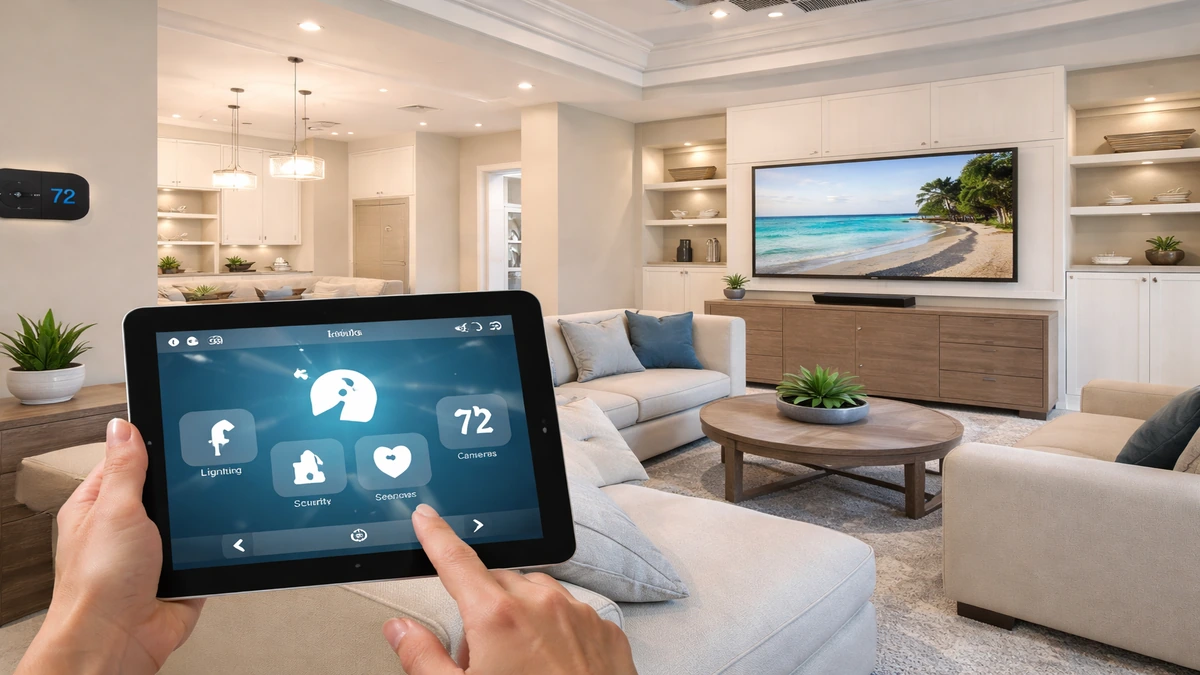
Smart Home Automation Installation
Integrated control for lighting, climate, security, and entertainment.
4 minutes
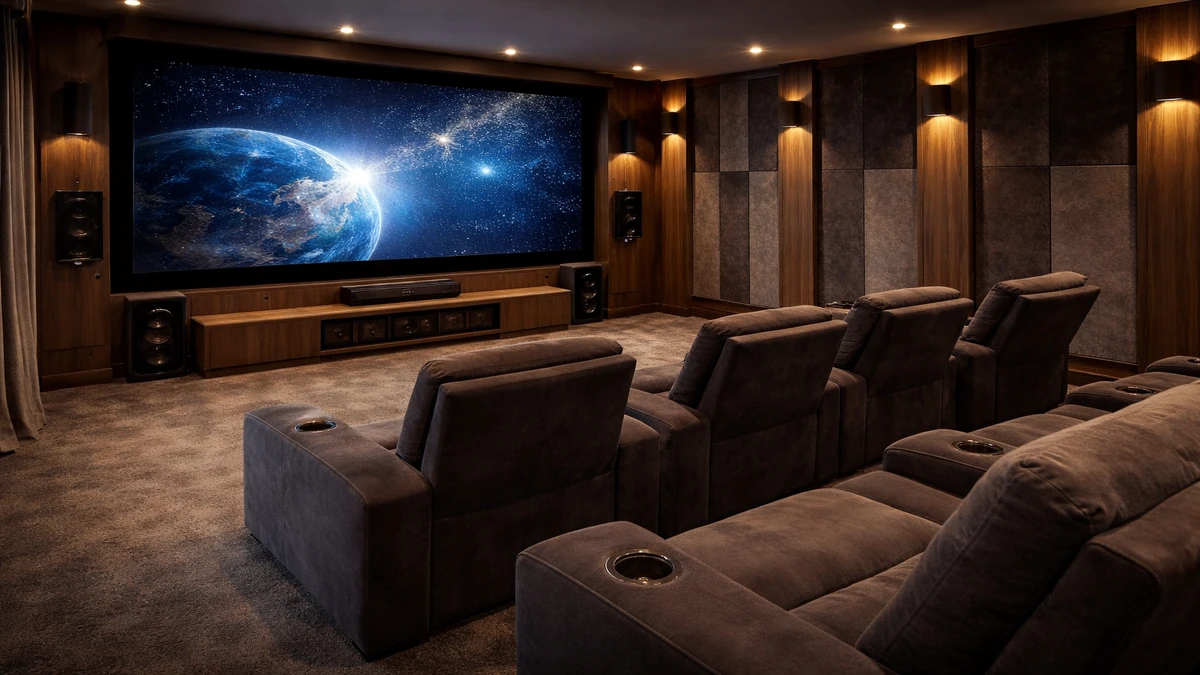
Home Theater Installation
Custom theater rooms designed for immersive picture, sound, and comfort.
4 minutes
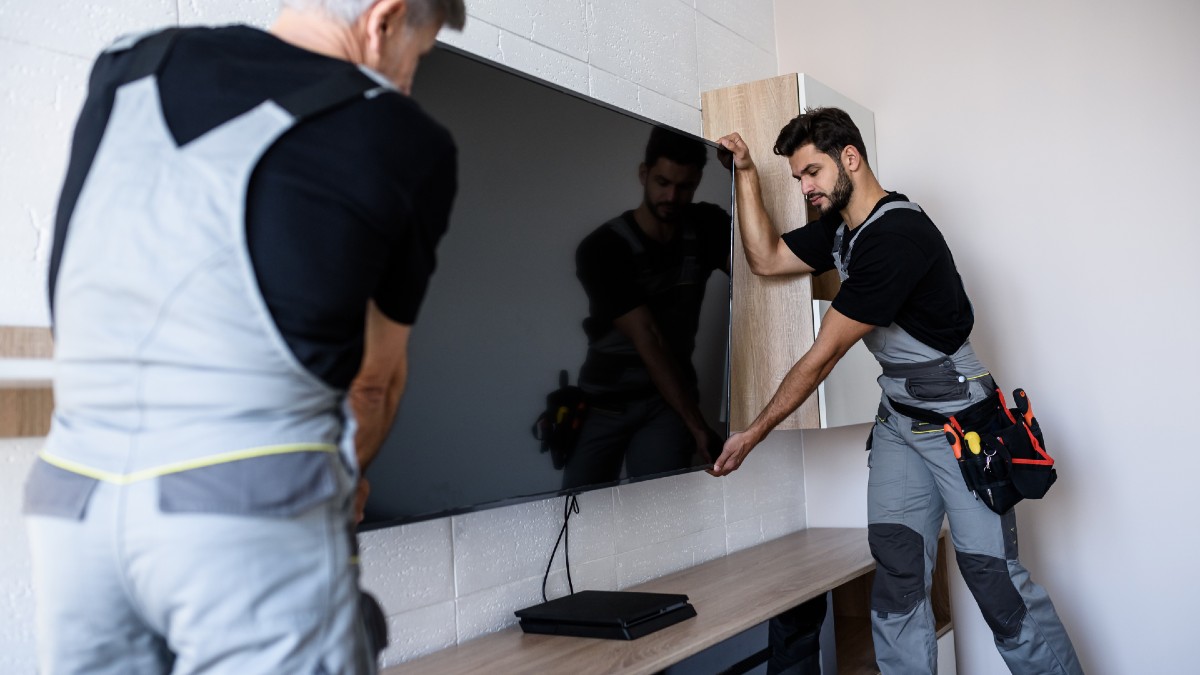
TV Wall Mounting
Professional TV mounting for cleaner layouts and better viewing angles.
5 minutes
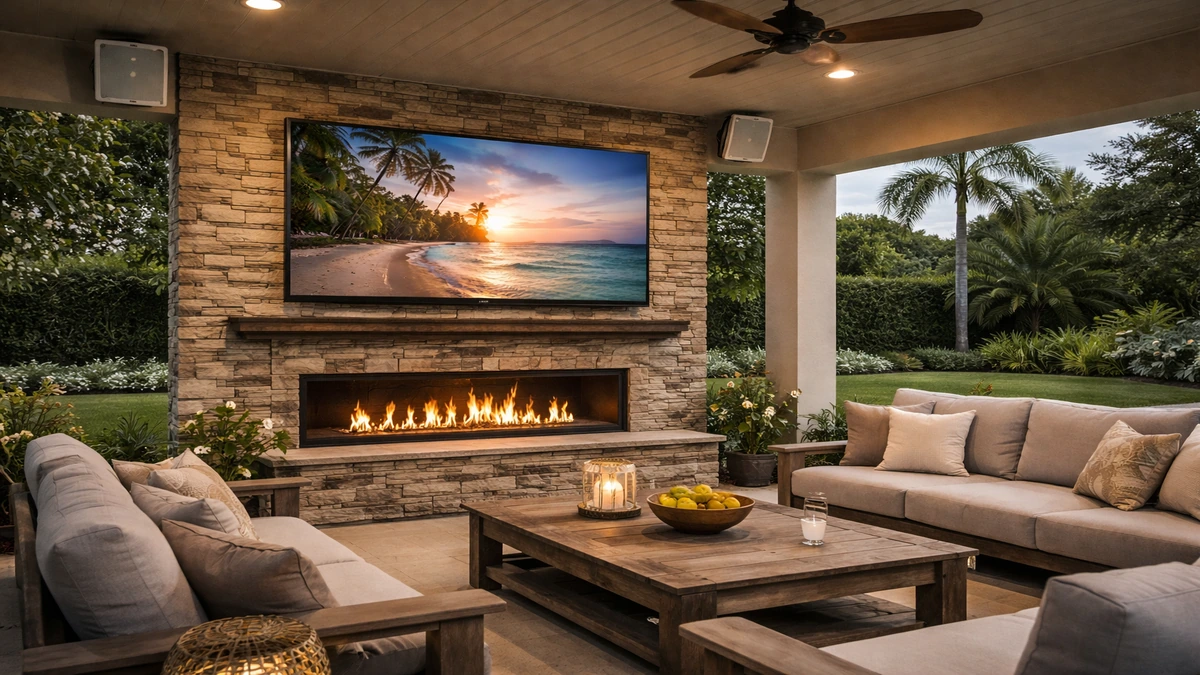
Outdoor TV Installation
Weather-aware outdoor TV setups built for patios, lanais, and pool areas.
5 minutes
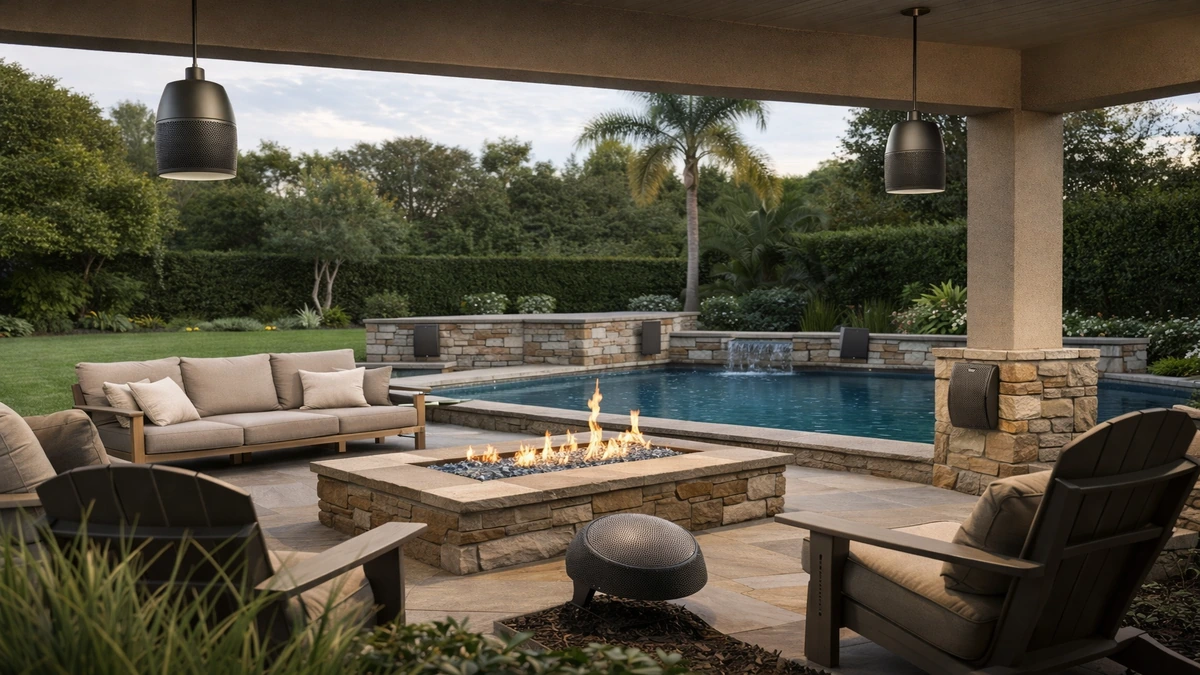
Outdoor Audio Installation
Outdoor speaker systems planned for clear sound and reliable coverage.
4 minutes
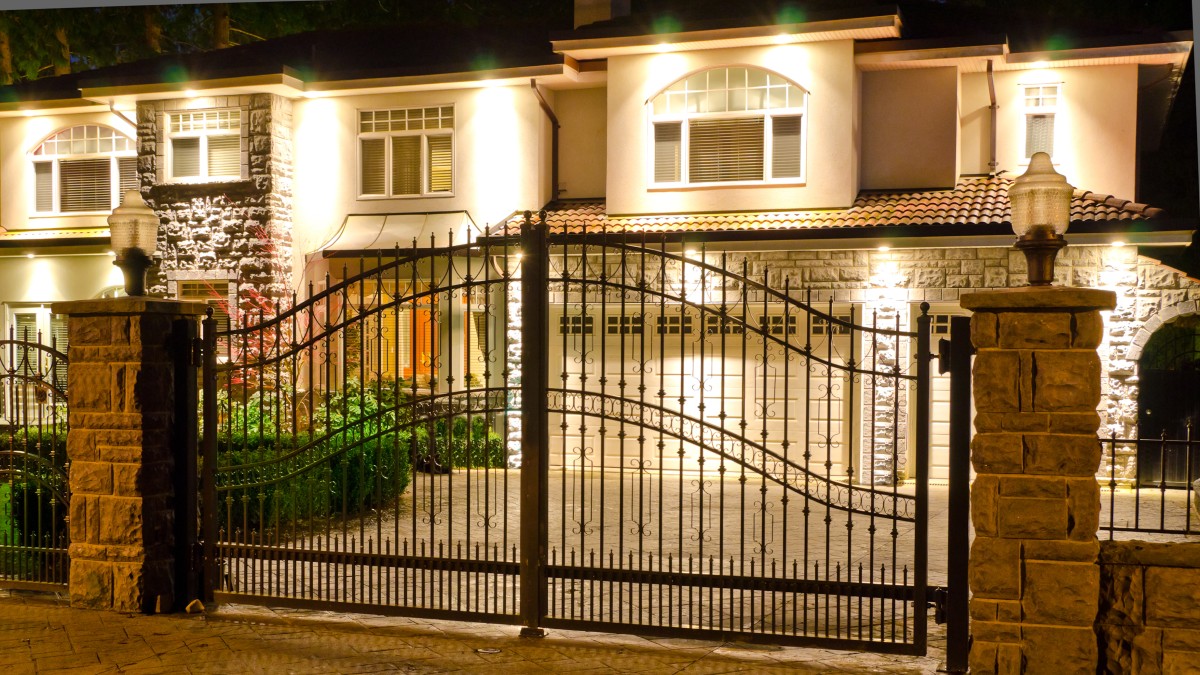
Automatic Gates
Secure, convenient gate automation with access control and entry integration.
4 minutes
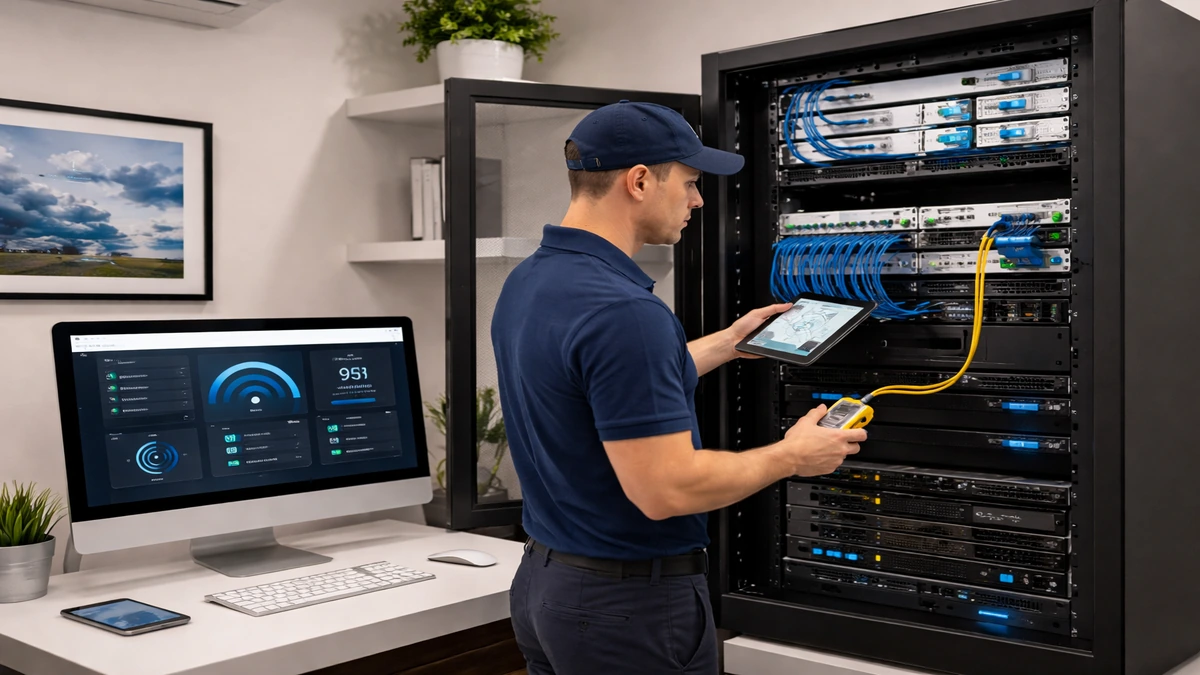
Home Network Installation
Stronger Wi-Fi, better coverage, and dependable connectivity throughout the property.
4 minutes
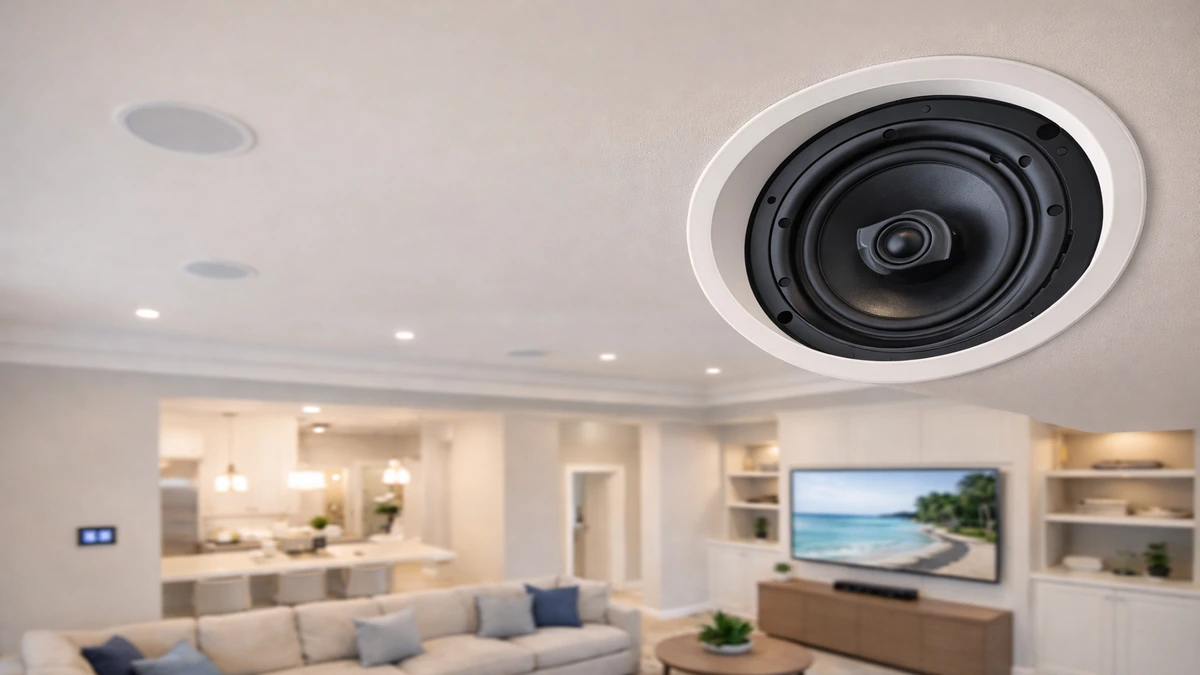
Ceiling Speaker Installation
Clean in-ceiling audio solutions for music, TV, and multi-room sound.
4 minutes
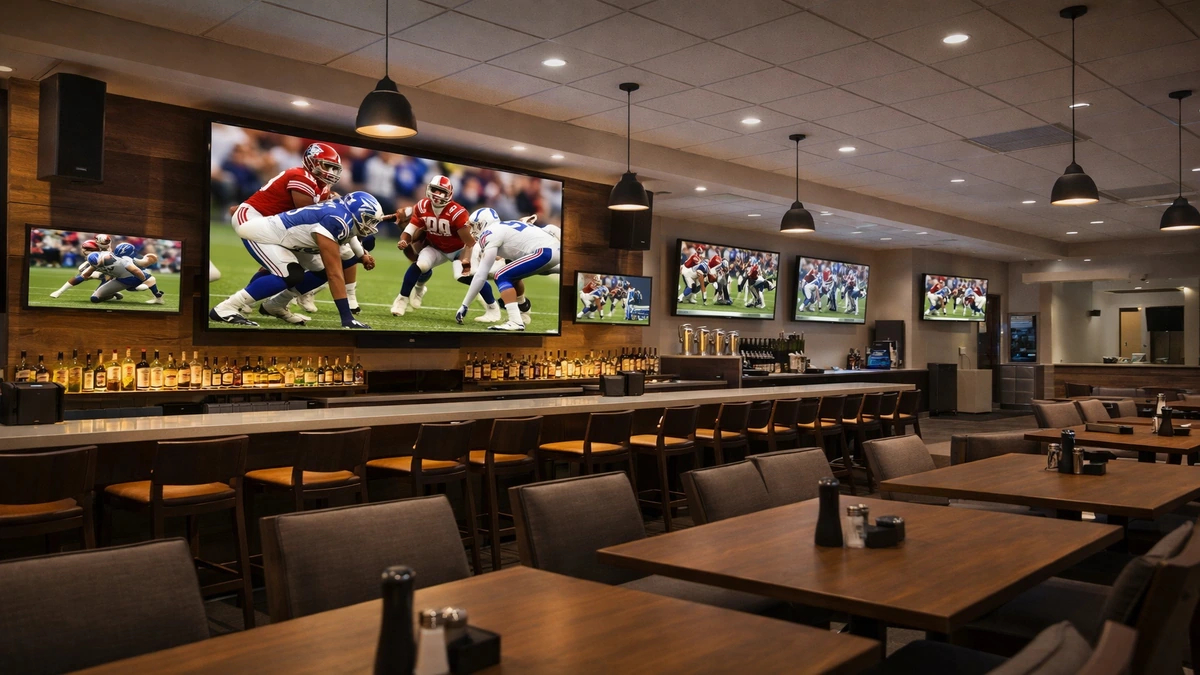
Commercial AV Installation
Professional audio, video, and control systems for business environments.
4 minutes
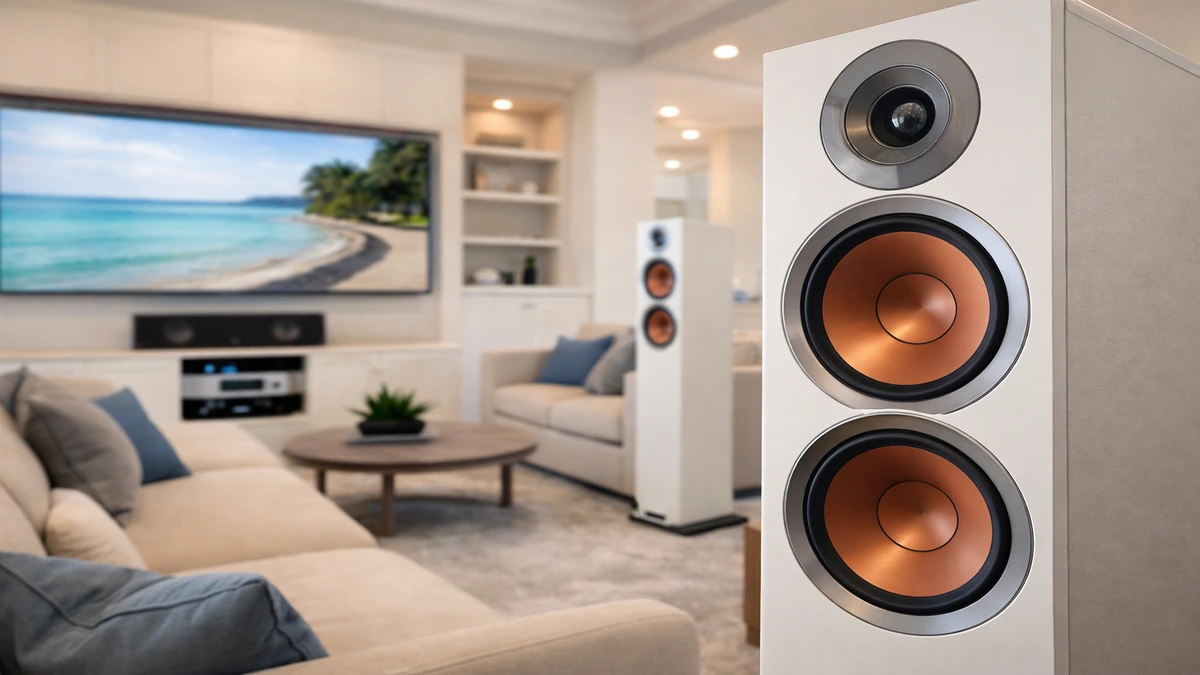
Home Audio Installation
Whole-home and room-based audio systems tailored to how you listen.
4 minutes

Marine Audio & Electronics Installation
Boat audio, displays, and electronics installed for performance on the water.
4 minutes
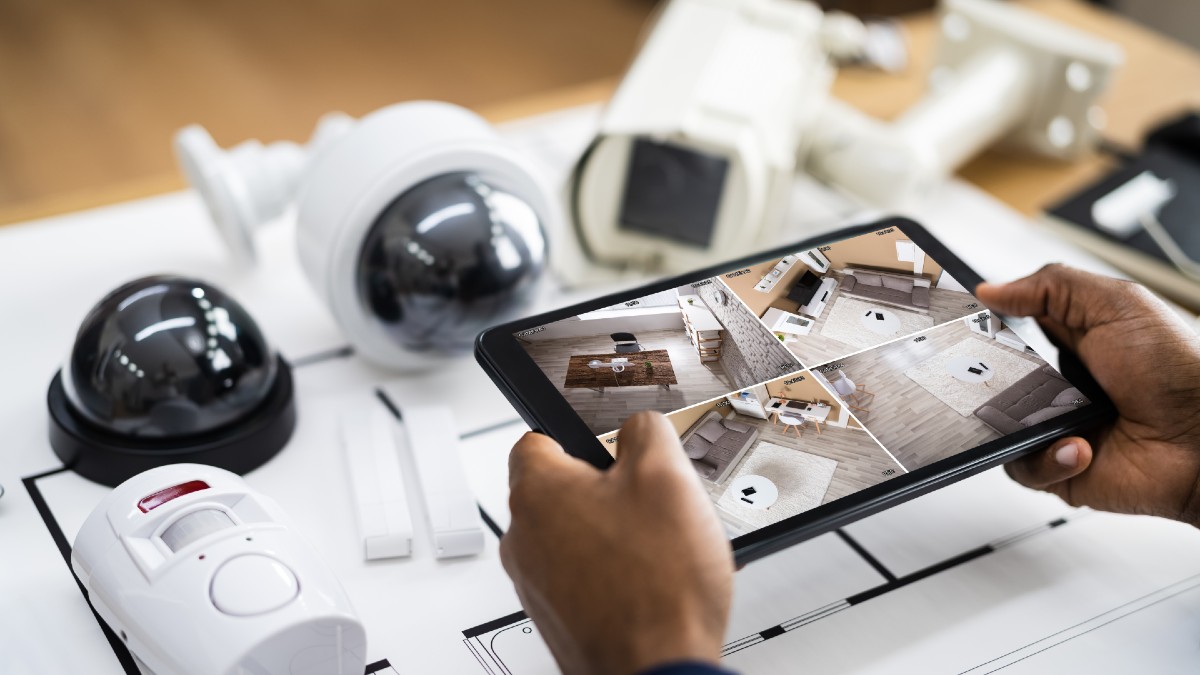
Security Camera Installation
Smart camera systems for visibility, alerts, recording, and remote monitoring.
4 minutes
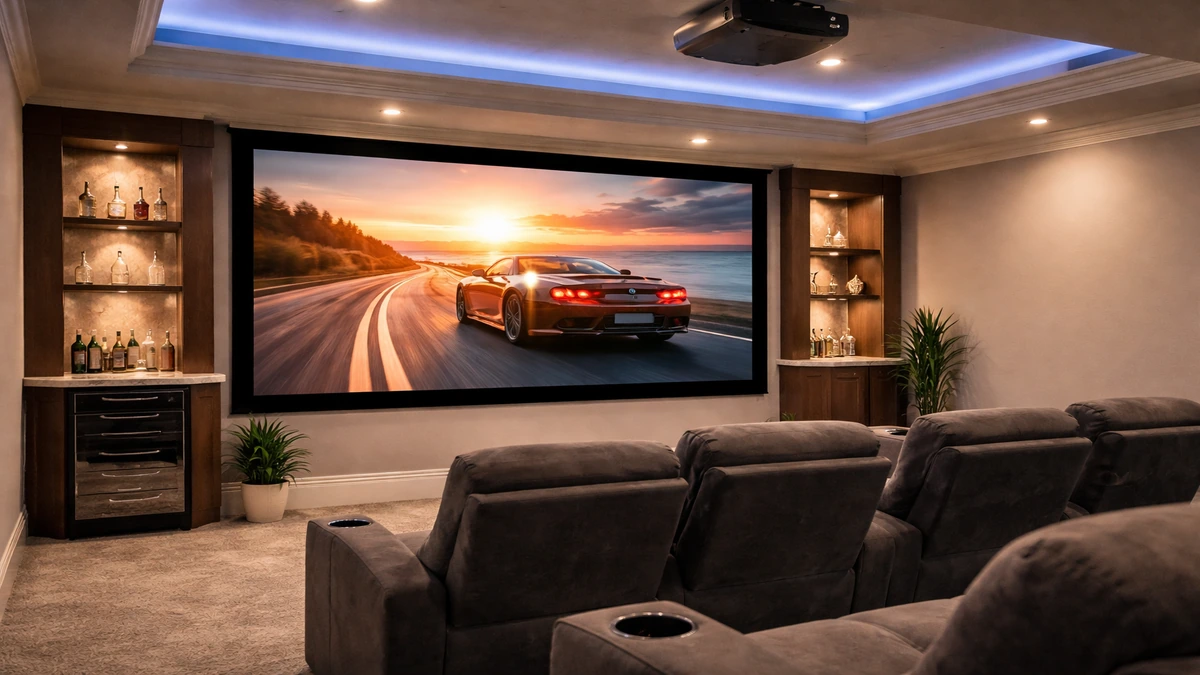
Projector Screen Installation
Projectors and screens configured for sharp viewing and balanced room performance.
4 minutes
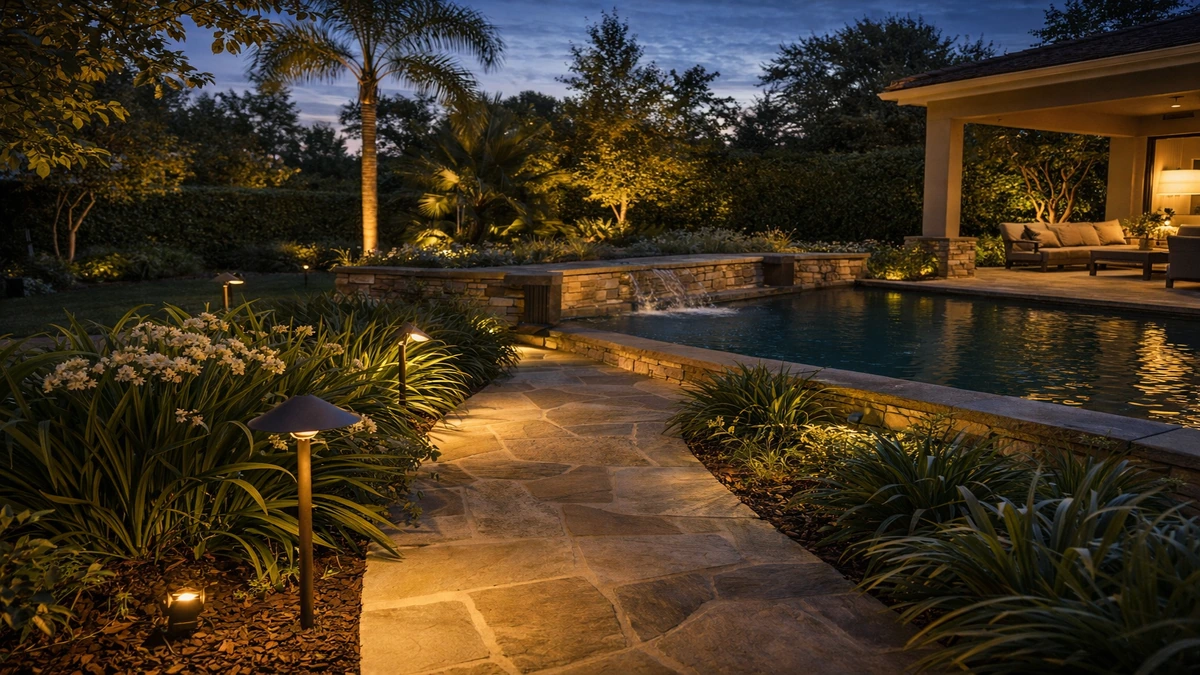
Outdoor Lighting Installation
Exterior lighting that improves curb appeal, ambiance, and nighttime usability.
4 minutes
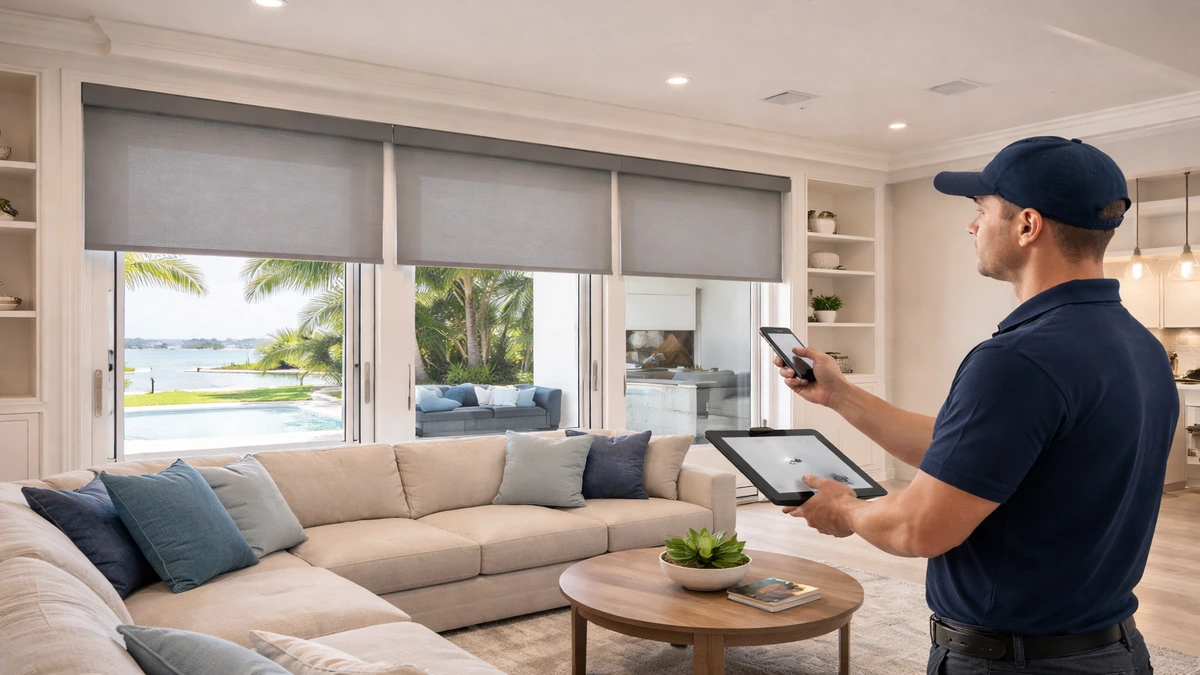
Motorized Blinds Installation
Automated shading for privacy, glare control, and everyday convenience.
4 minutes
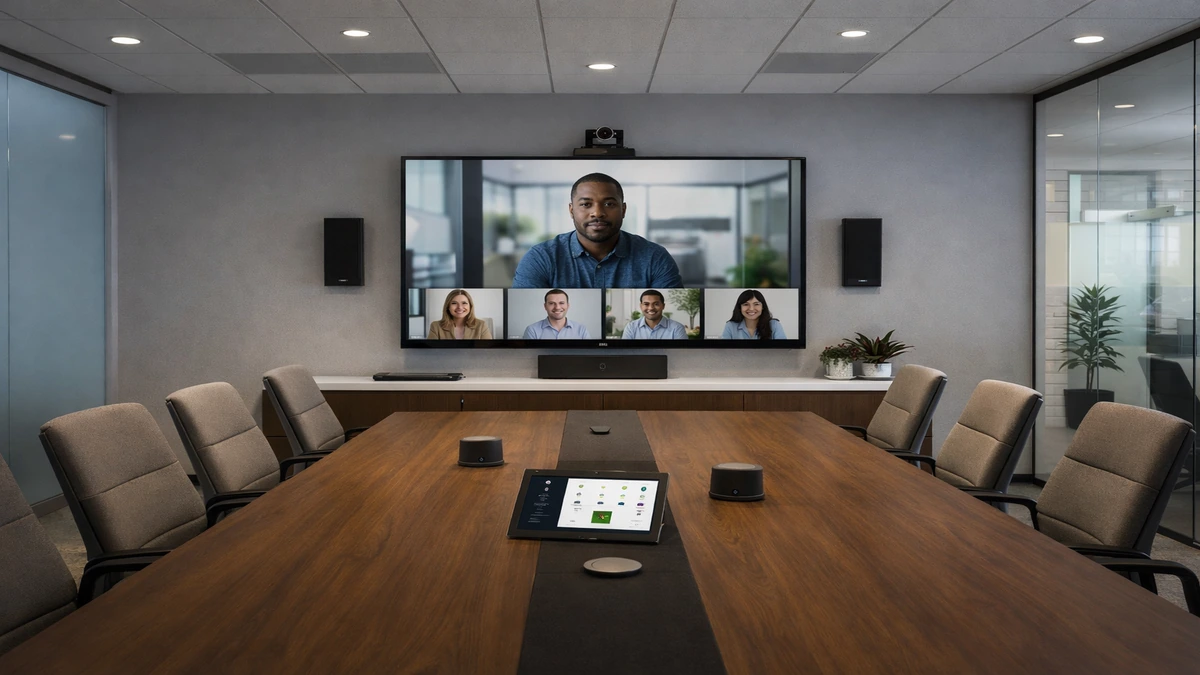
Conference Room AV Installation
Meeting room technology for clearer presentations, calls, and collaboration.
4 minutes
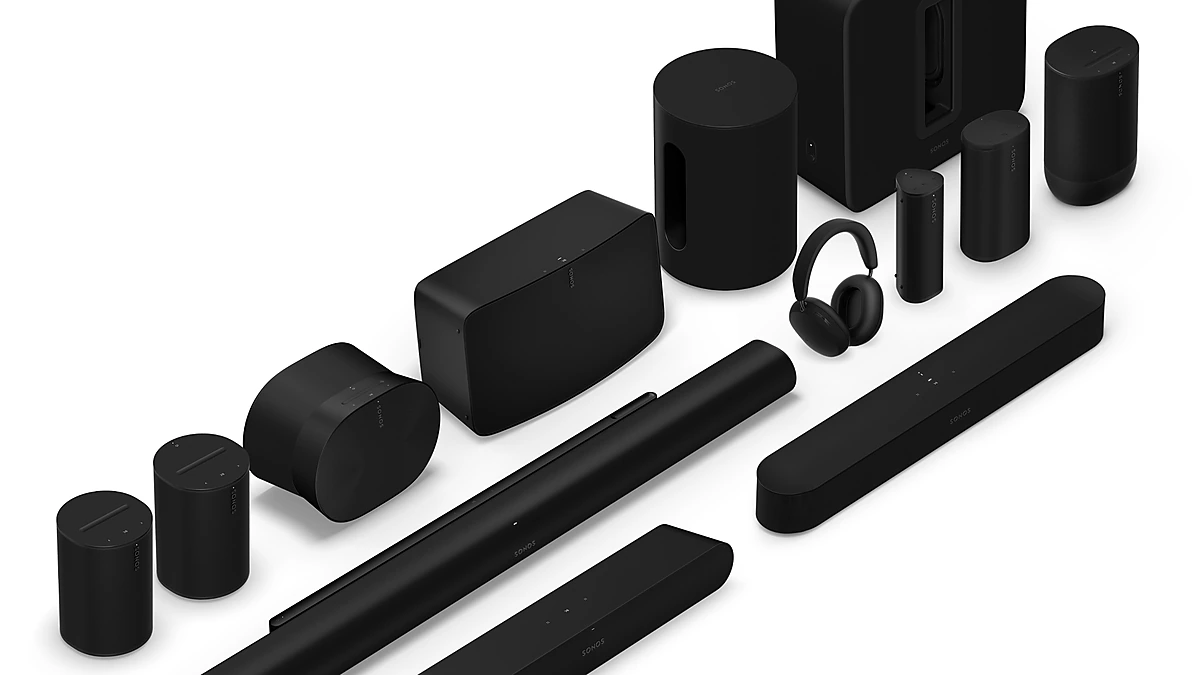
Sonos Installation
Sonos system design, setup, and tuning for simple multi-room audio.
4 minutes
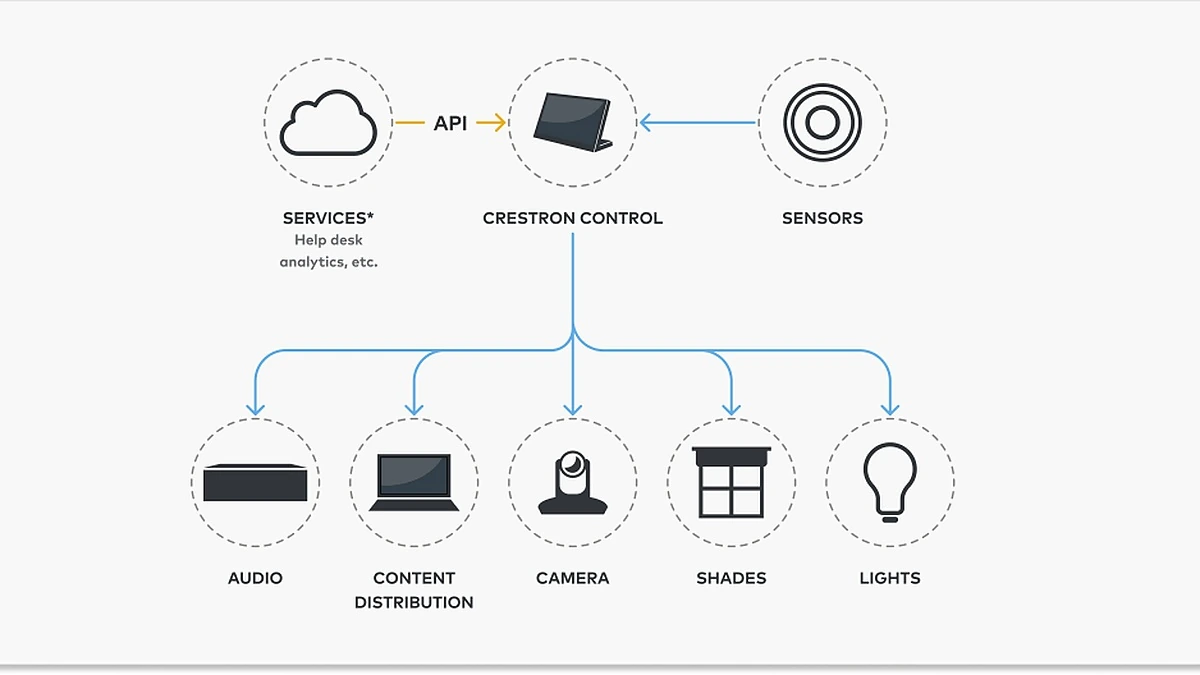
Crestron Installer
Advanced Crestron control integration for high-performance smart home environments.
4 minutes
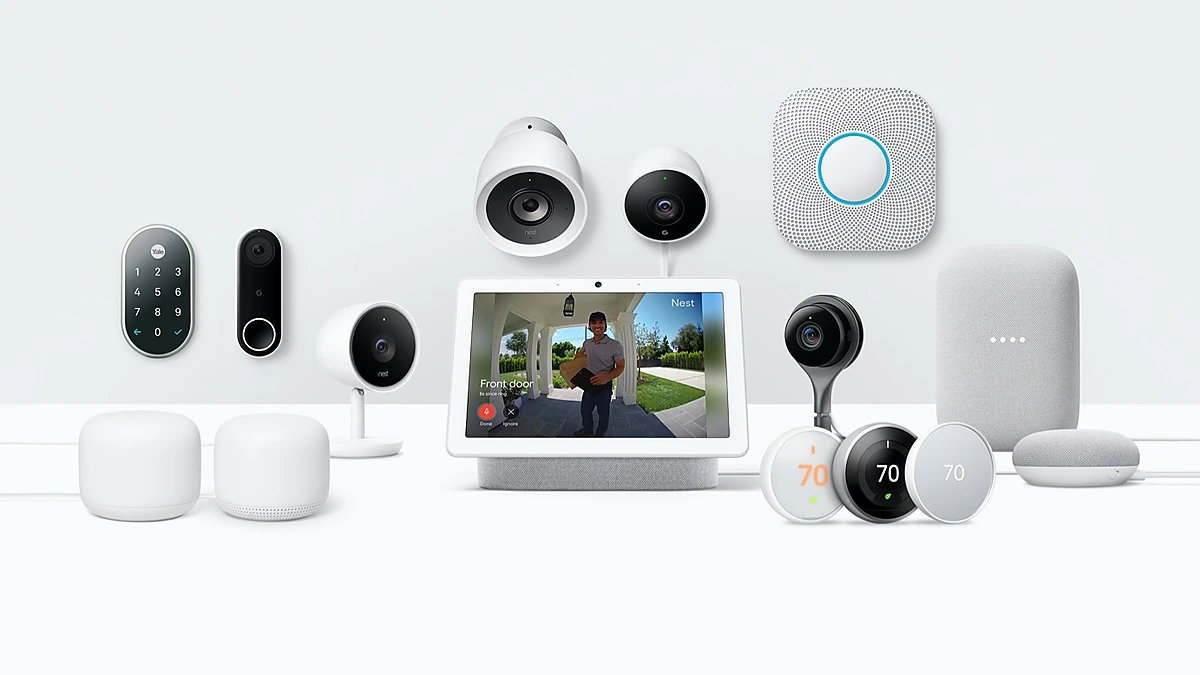
Nest Installer
Nest thermostat and smart home setup for comfort and remote control.
4 minutes
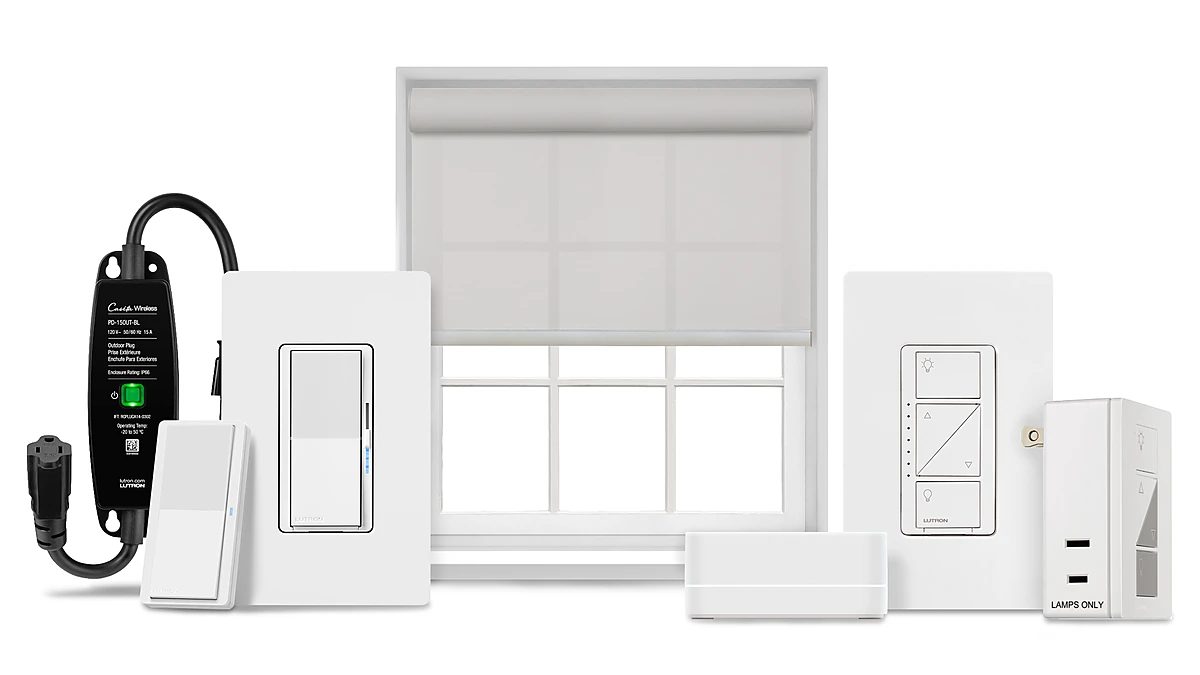
Lutron Installer
Lutron lighting and shading integration for smoother control and scene setting.
4 minutes
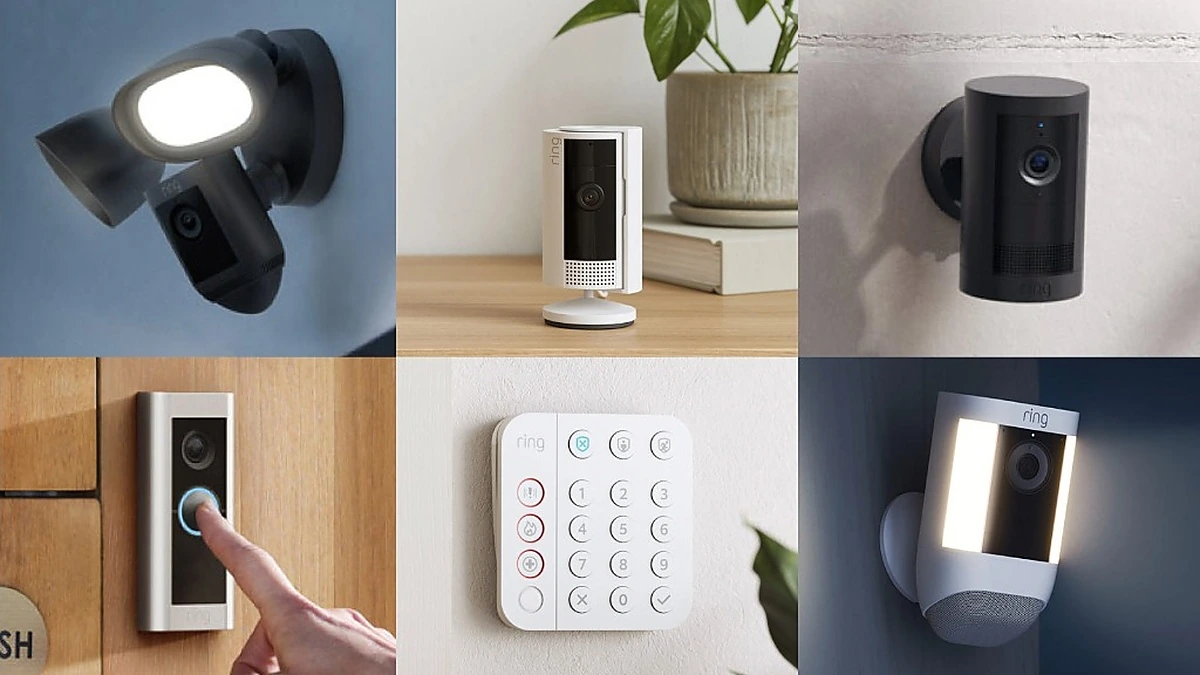
Ring Installation
Ring doorbells and cameras installed for better awareness and entry visibility.
5 minutes
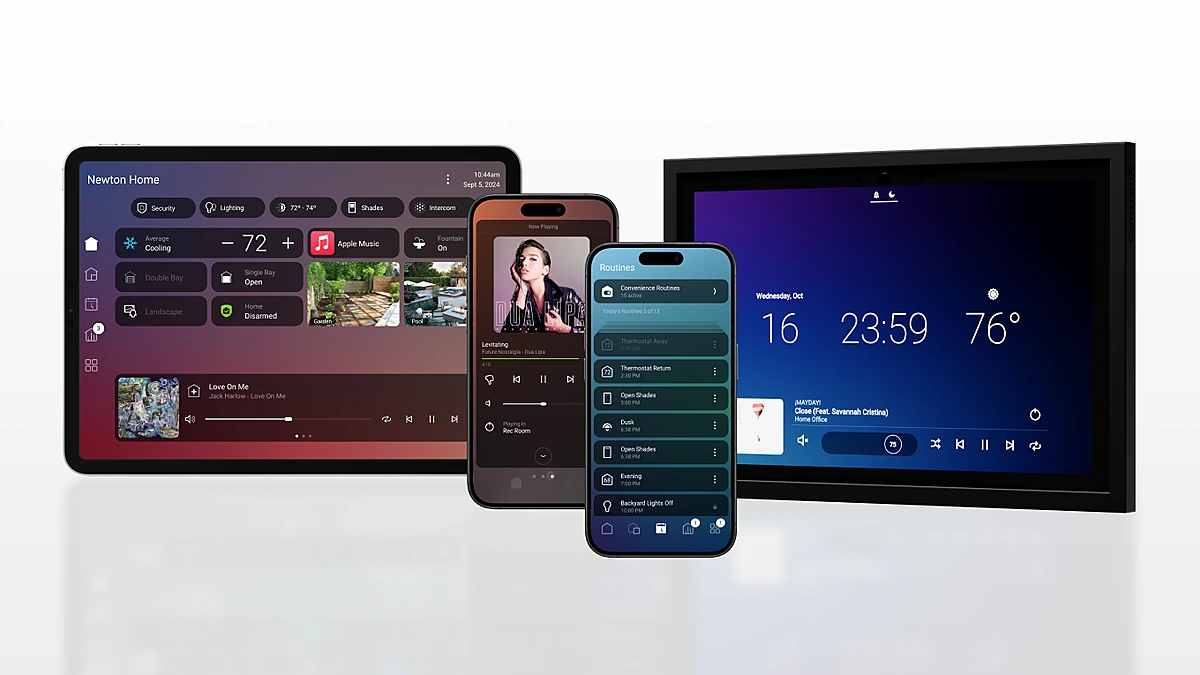
Control4 Installer
Control4 automation setup for unified entertainment, comfort, and home control.
4 minutes

Car & Truck Audio / Electronics Custom Upgrades
Custom mobile audio and electronics upgrades for better sound and functionality.
3 minutes
One occupied home in four here is rented, and the network is the part that notices
Owners live in 1,114 of the 1,475 occupied homes in Indialantic, which leaves close to one in four of them rented, and a further 183 homes are held for seasonal, recreational or occasional use. Neither figure is remarkable on its own. Together they describe housing where the household in residence turns over more readily than anything built into the fabric does, and the layer of an audio-visual system that feels that first is not the equipment at all. It is the network underneath it.
That is worth designing around, because the network is the one layer an arriving household will replace without hesitating. A router comes out of a box. A mesh kit gets plugged in where the old one sat. An account changes hands, a password changes with it, and something in another room quietly stops answering. Where the control system, the cameras and the audio all hang off whatever consumer hardware is in the cupboard this year, every change of occupant becomes a service call.
Put the durable half of the network into the building, not into a box
The answer is structural rather than clever. Cabling in the walls, a switch that stays where it was installed, and wired paths already run to the places coverage will eventually want an access point. With that in place the swappable part of the system is genuinely small, and it is meant to be small: a modem and a service can change every few years without anything else in the house noticing. Structured cabling is dull to specify, and it is the reason a system survives its second household.
Where those paths can go is the second question, and here it is an old-fabric one. Only 210 of the town's 1,746 homes were finished in 1990 or later, and better than half of everything standing went up in the fifties and sixties. Nothing from that period was finished with low-voltage distribution in mind, so every route is one somebody makes. The survey that finds those routes is the same survey that decides where an access point can be fed and where a wall plate can honestly land.
Names and positions outlast the people who chose them
Two small decisions carry surprising weight in housing like this. The first is naming: zones, access points and devices called after the rooms they serve rather than after their model numbers still make sense to somebody who was not present when they went in. The second is physical position. A switch tucked behind a door a future household will want to use is a switch that gets unplugged, and whatever depended on it will be blamed for what was really a furniture decision.
None of that argues for more equipment. It argues for an order. Settle the routes and the network while walls are open and while a drawing is still cheap to change, then let the visible hardware follow. In housing where the occupants change more readily than the building does, the part worth over-building is precisely the part nobody arriving later will ever be tempted to replace.