

Lived-In Houses, Retrofit Access Audio Video | Home Theater Installations Serving Indian Harbour Beach, FL
Whole-home AV, in-ceiling audio and control planning for Indian Harbour Beach, where 78.3% of homes are owner-occupied and only 35.4% of vacant homes are held for seasonal use.
Enhancing Modern Lifestyles: From Home to Voyage
Discover Integrated Solutions for Smarter Living, Travel, and Security
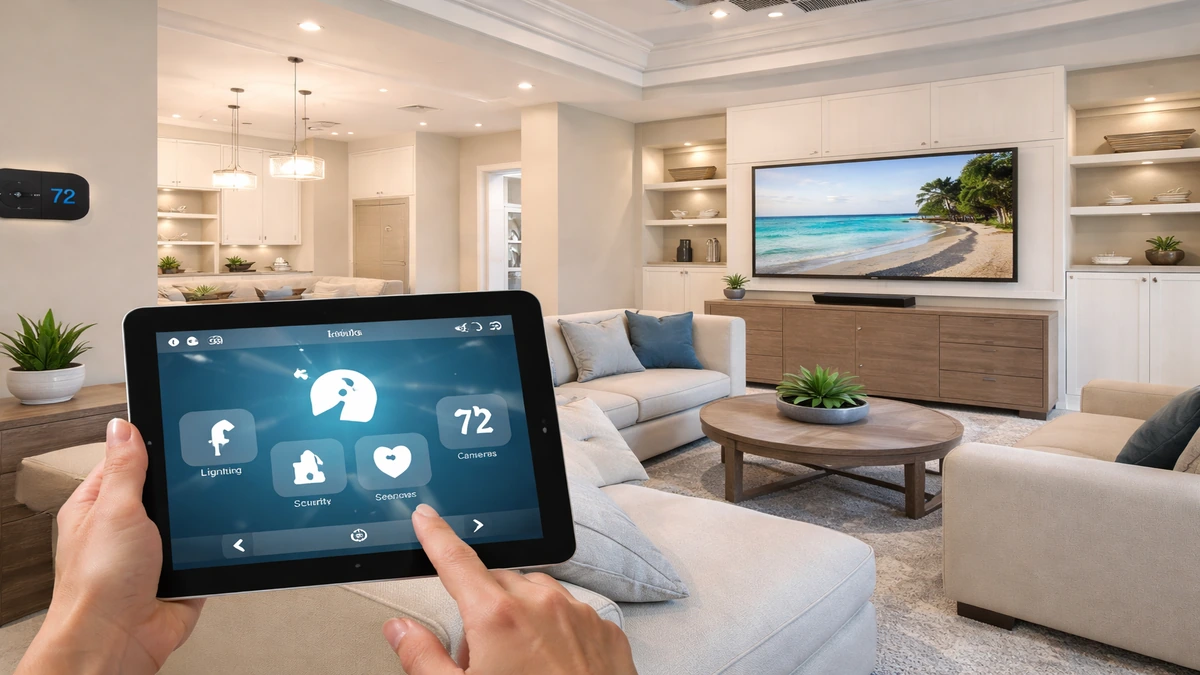
Smart Home Automation Installation
Integrated control for lighting, climate, security, and entertainment.
4 minutes
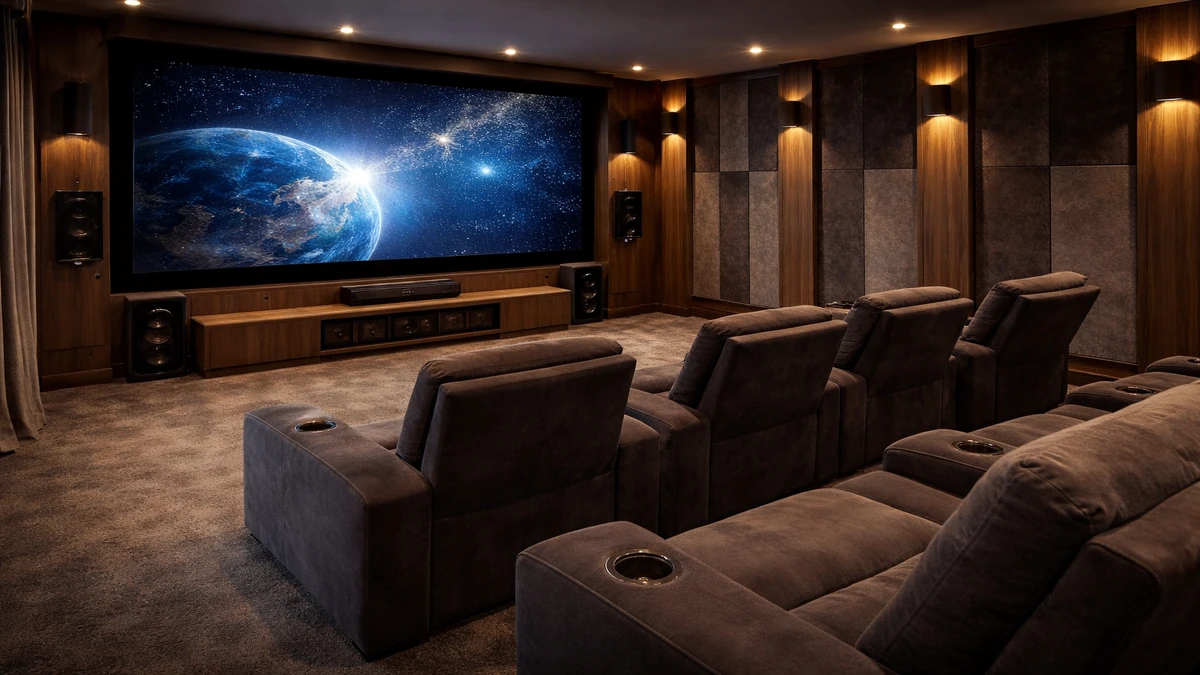
Home Theater Installation
Custom theater rooms designed for immersive picture, sound, and comfort.
4 minutes
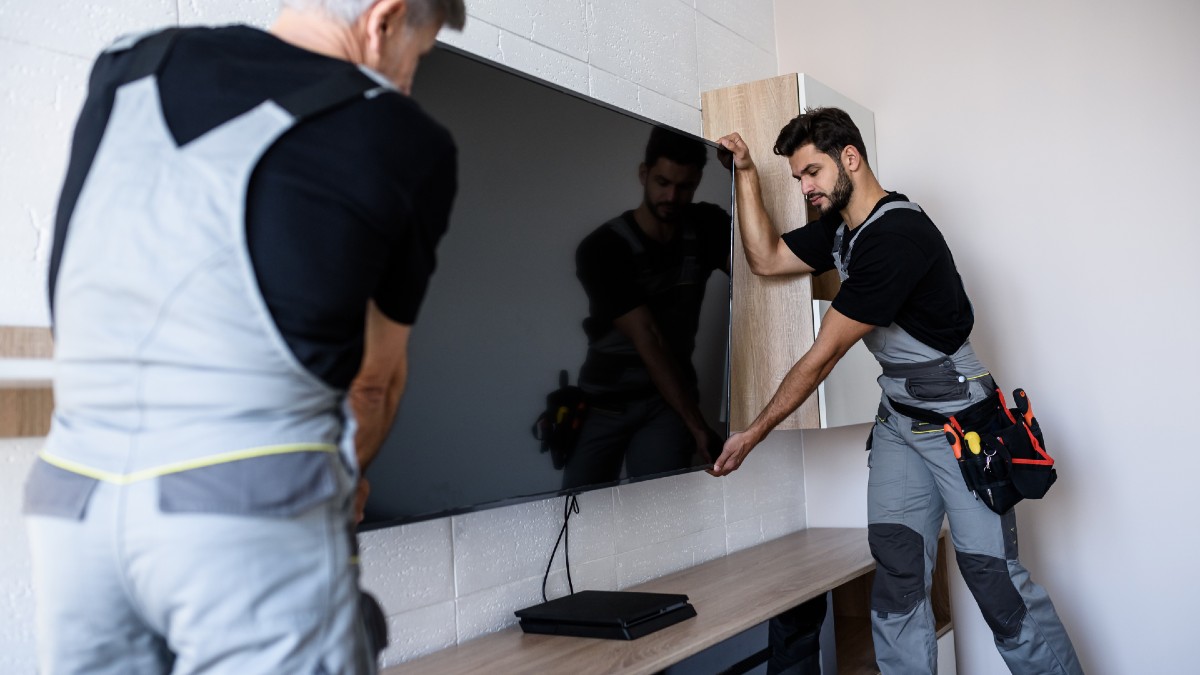
TV Wall Mounting
Professional TV mounting for cleaner layouts and better viewing angles.
5 minutes
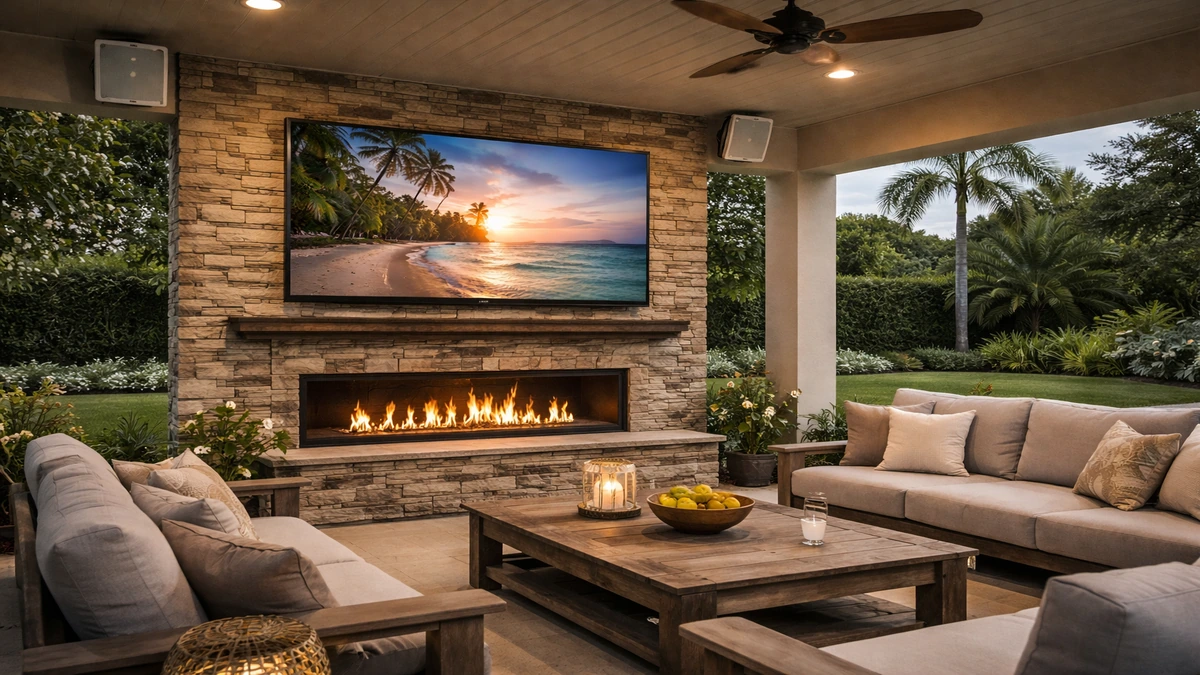
Outdoor TV Installation
Weather-aware outdoor TV setups built for patios, lanais, and pool areas.
5 minutes
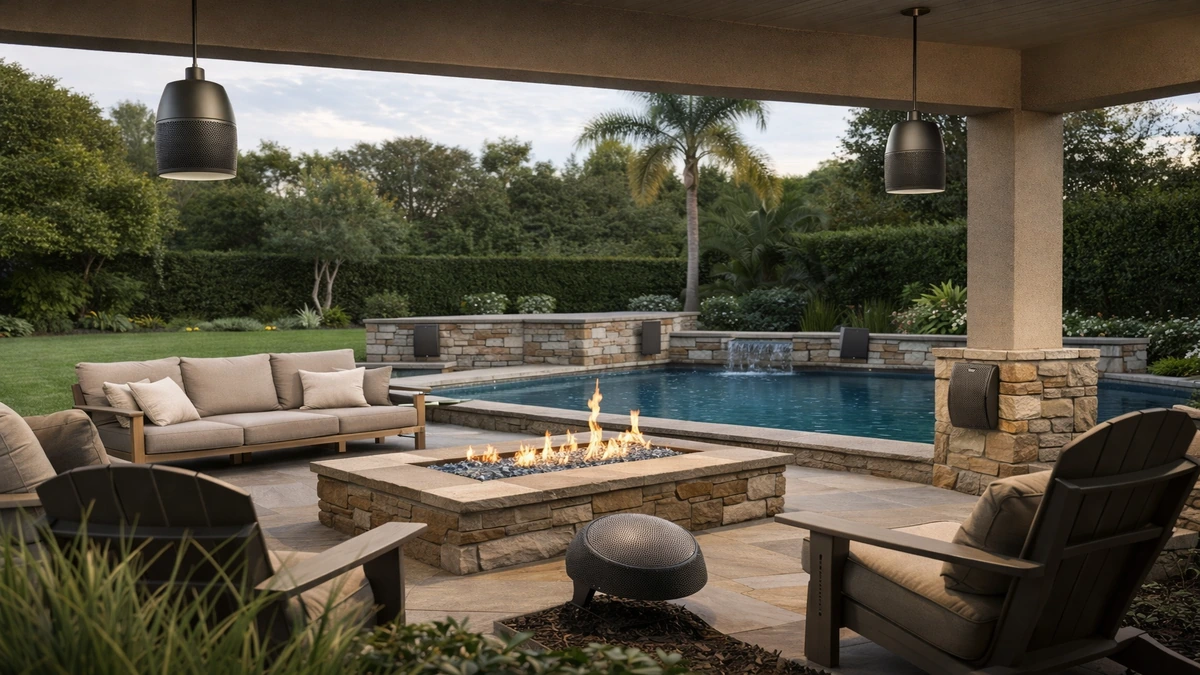
Outdoor Audio Installation
Outdoor speaker systems planned for clear sound and reliable coverage.
4 minutes
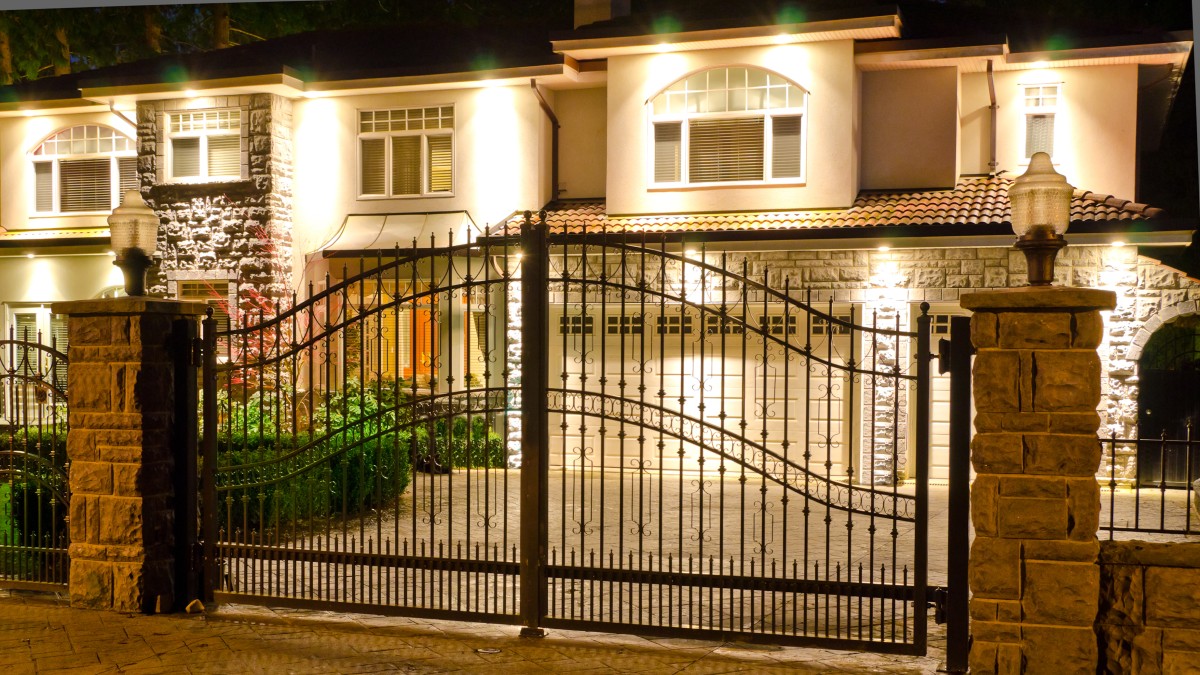
Automatic Gates
Secure, convenient gate automation with access control and entry integration.
4 minutes
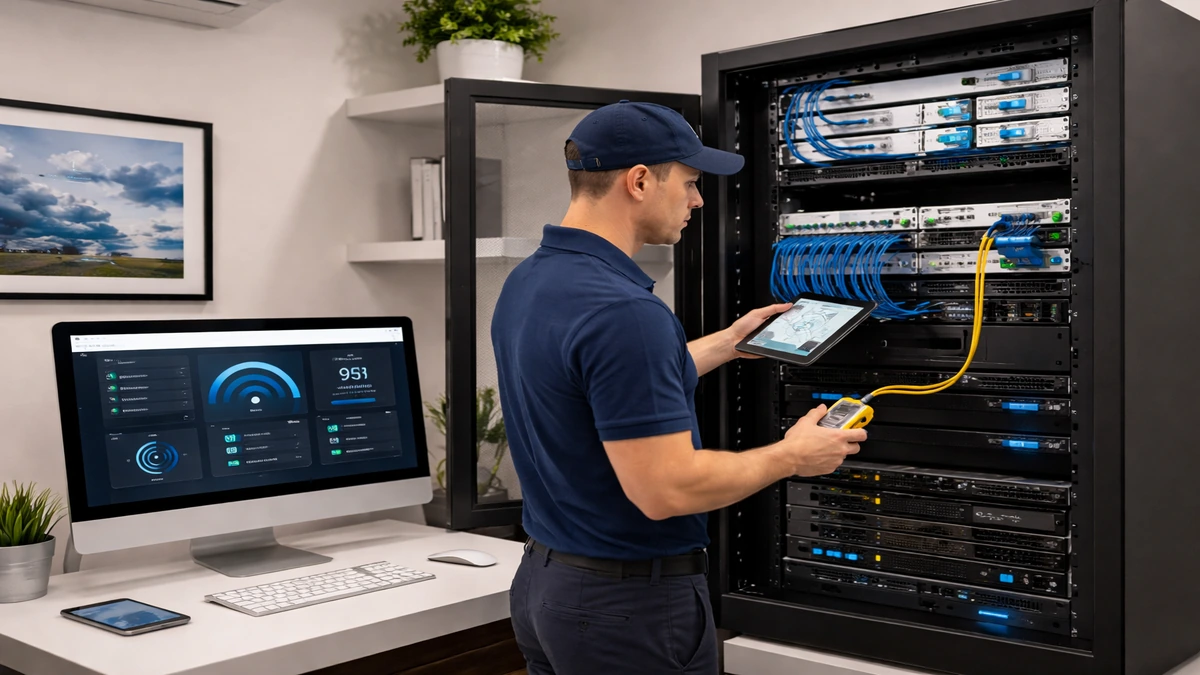
Home Network Installation
Stronger Wi-Fi, better coverage, and dependable connectivity throughout the property.
4 minutes
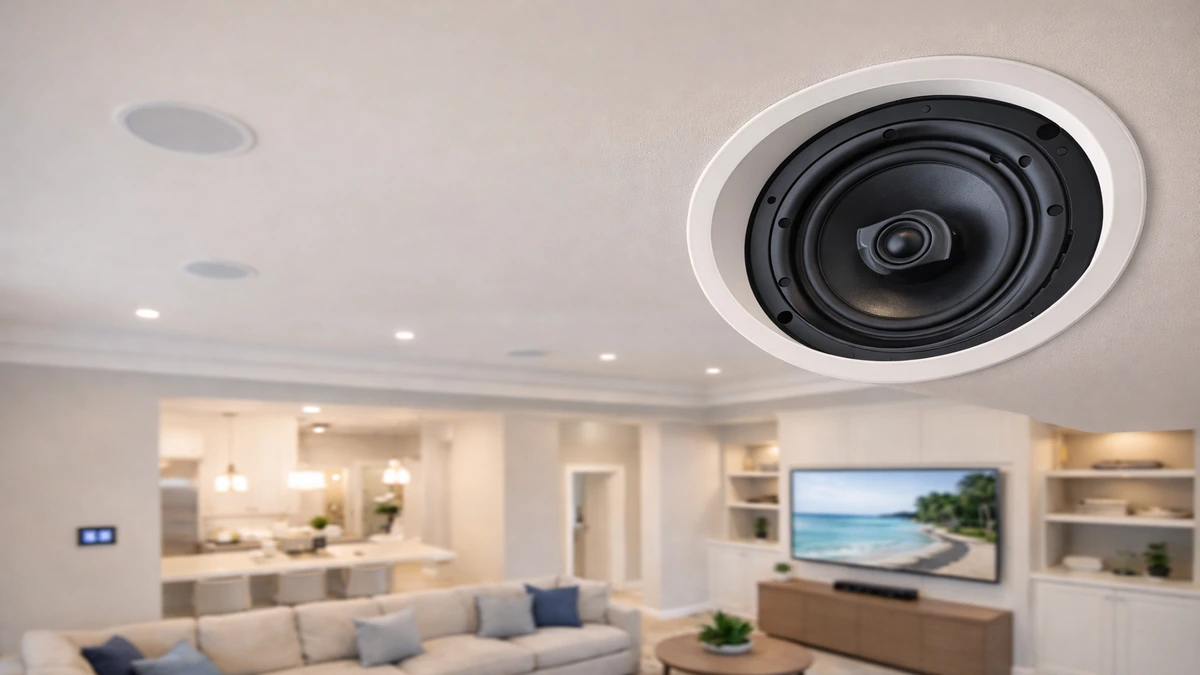
Ceiling Speaker Installation
Clean in-ceiling audio solutions for music, TV, and multi-room sound.
4 minutes
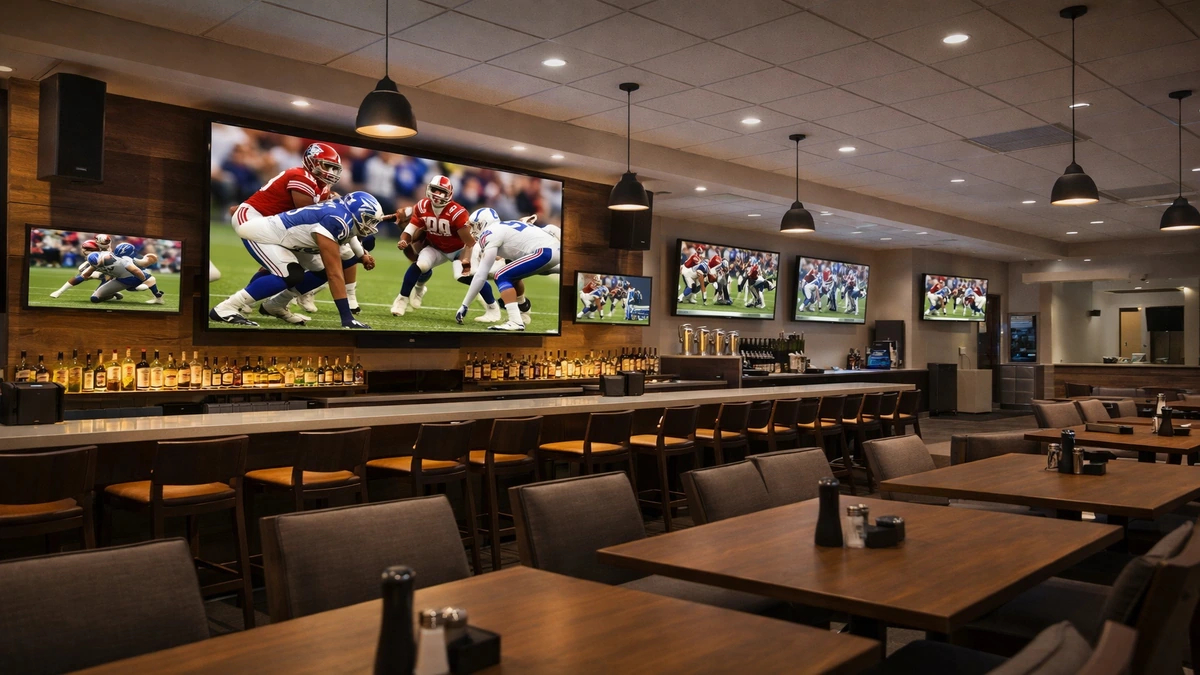
Commercial AV Installation
Professional audio, video, and control systems for business environments.
4 minutes
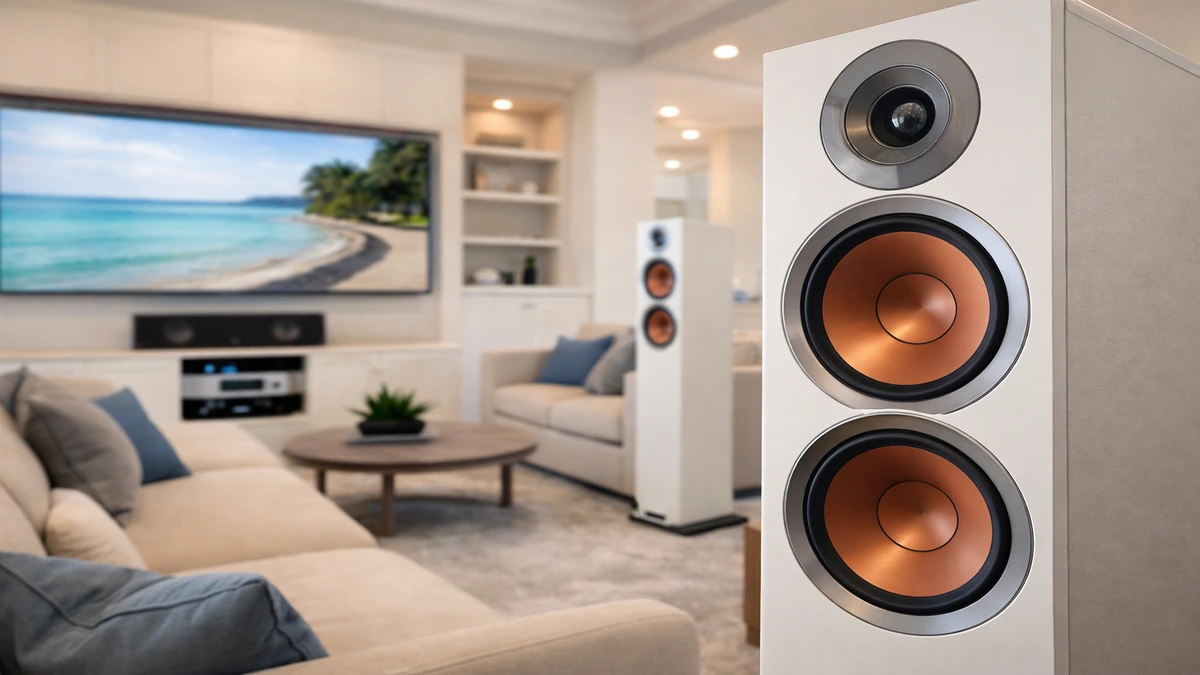
Home Audio Installation
Whole-home and room-based audio systems tailored to how you listen.
4 minutes

Marine Audio & Electronics Installation
Boat audio, displays, and electronics installed for performance on the water.
4 minutes
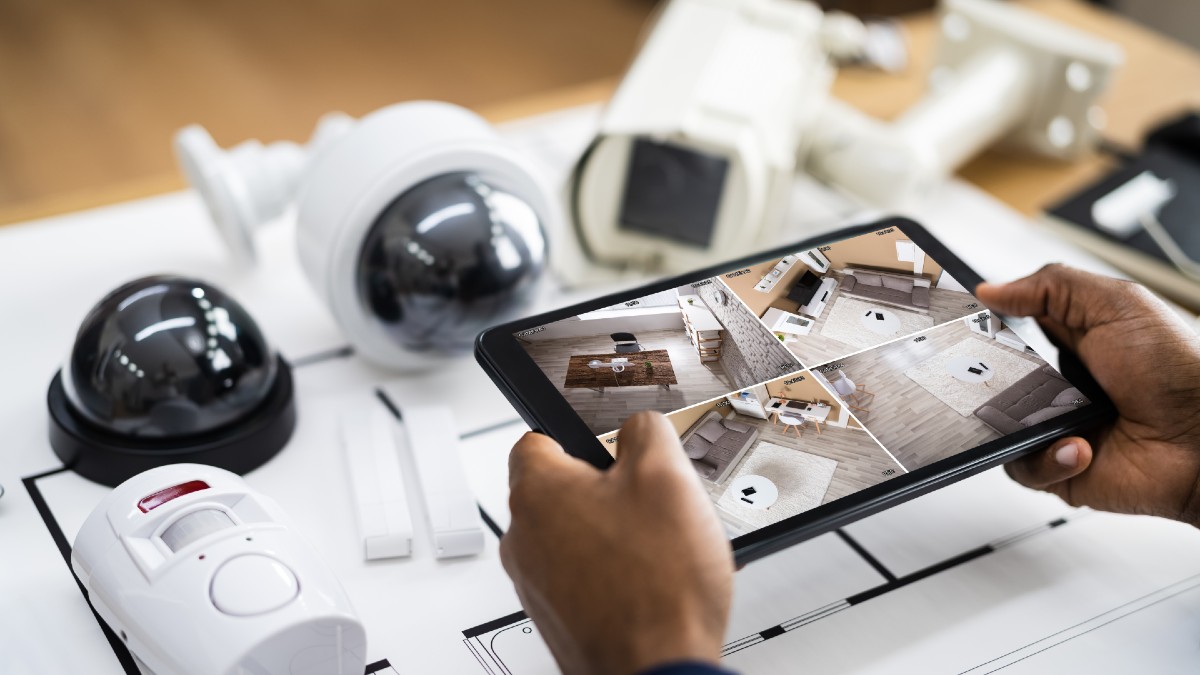
Security Camera Installation
Smart camera systems for visibility, alerts, recording, and remote monitoring.
4 minutes
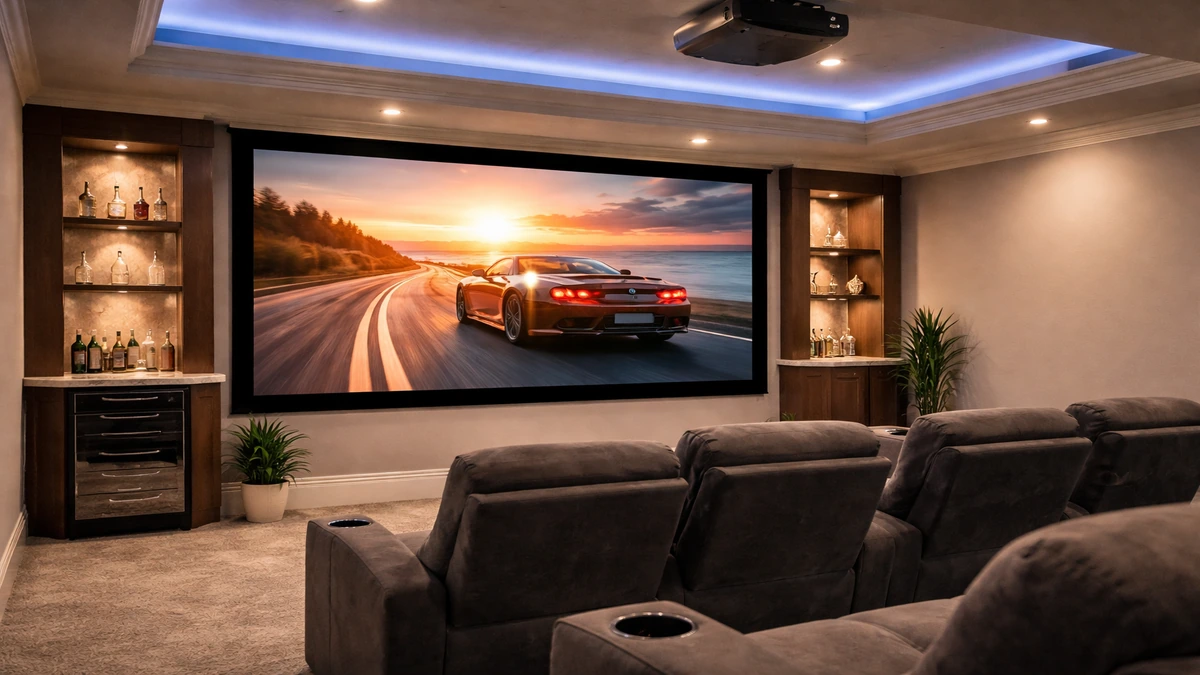
Projector Screen Installation
Projectors and screens configured for sharp viewing and balanced room performance.
4 minutes
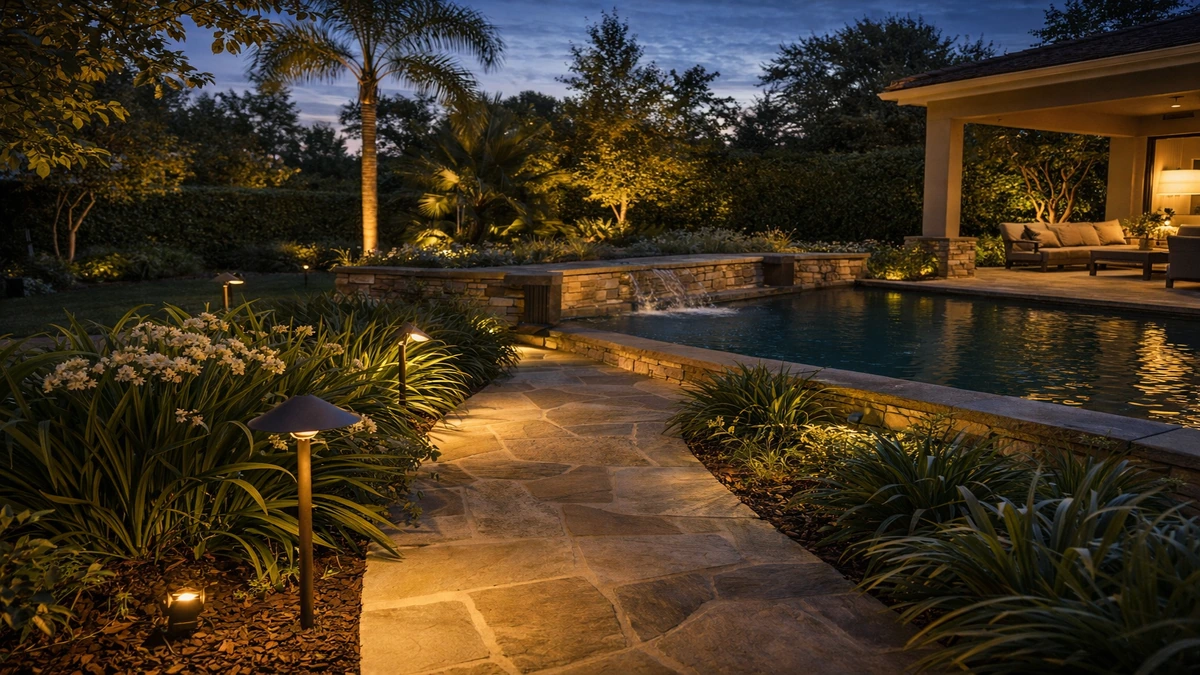
Outdoor Lighting Installation
Exterior lighting that improves curb appeal, ambiance, and nighttime usability.
4 minutes
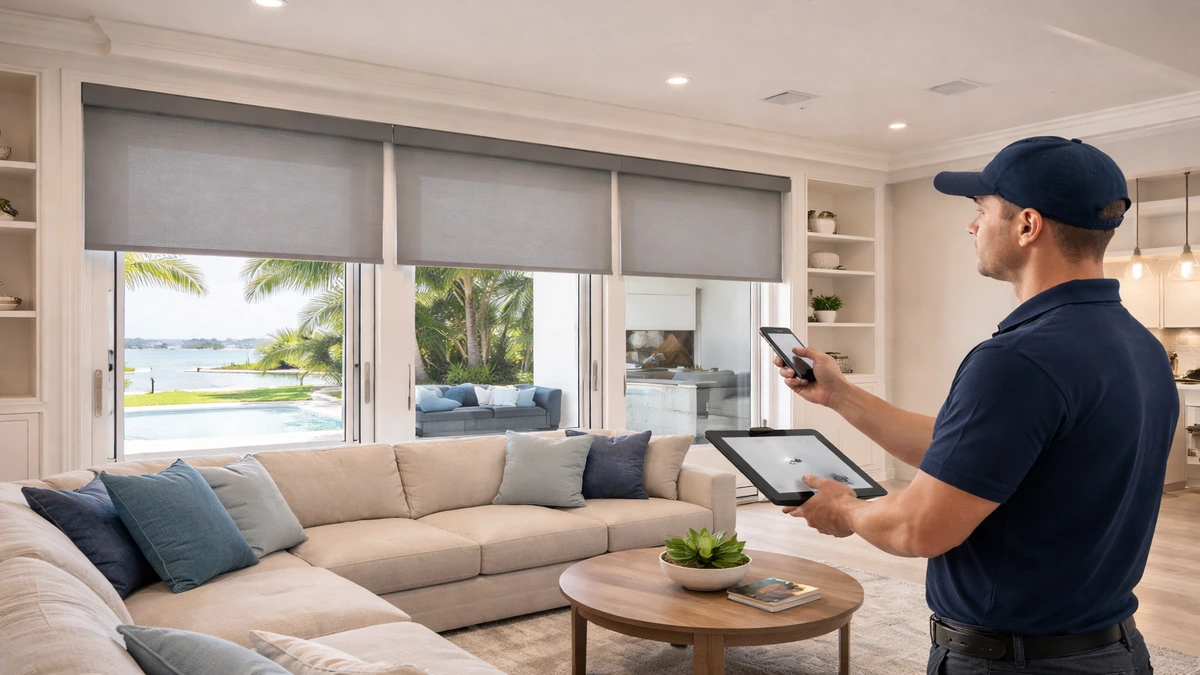
Motorized Blinds Installation
Automated shading for privacy, glare control, and everyday convenience.
4 minutes
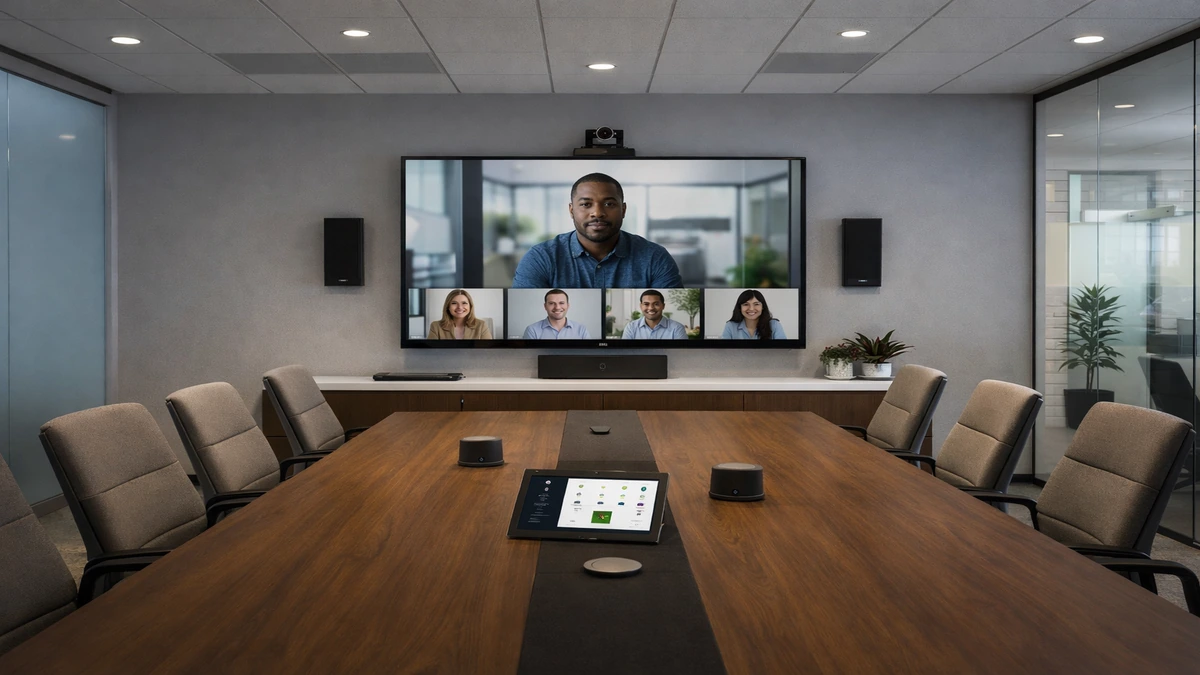
Conference Room AV Installation
Meeting room technology for clearer presentations, calls, and collaboration.
4 minutes
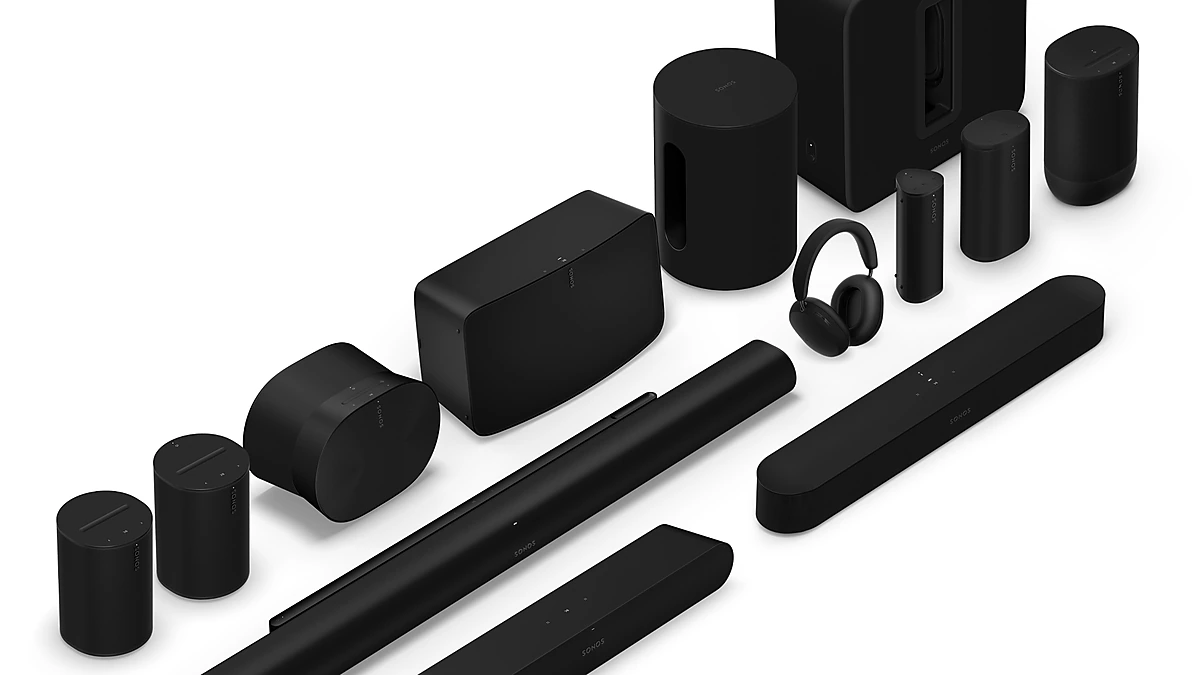
Sonos Installation
Sonos system design, setup, and tuning for simple multi-room audio.
4 minutes
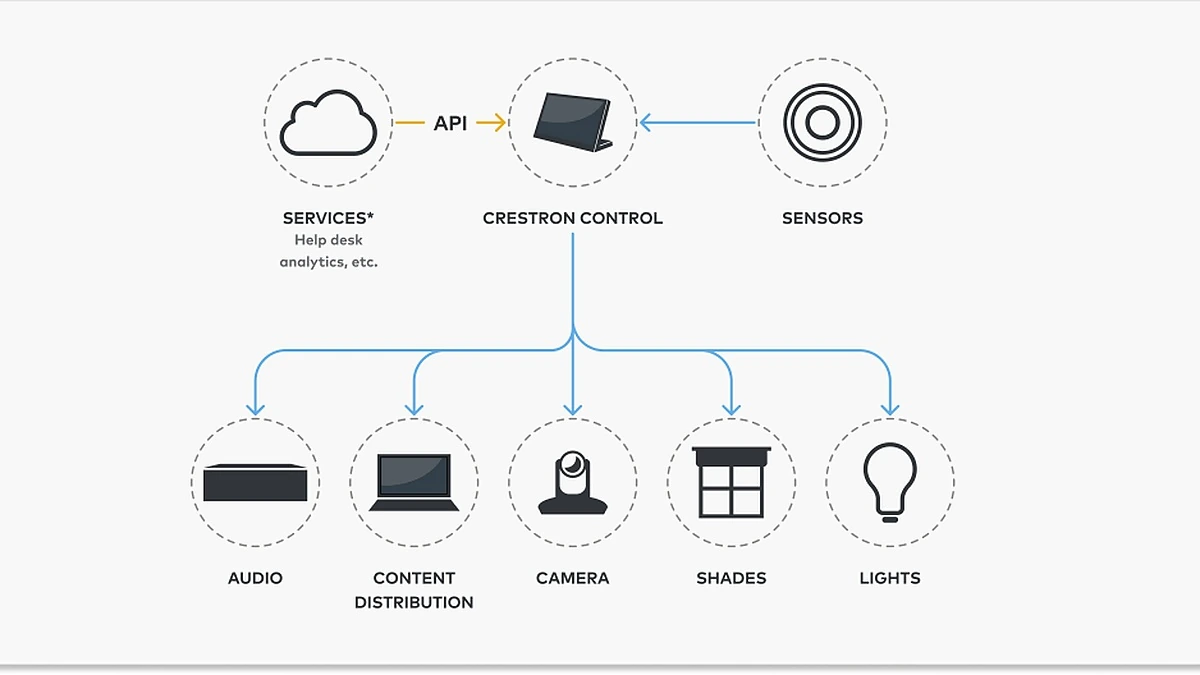
Crestron Installer
Advanced Crestron control integration for high-performance smart home environments.
4 minutes
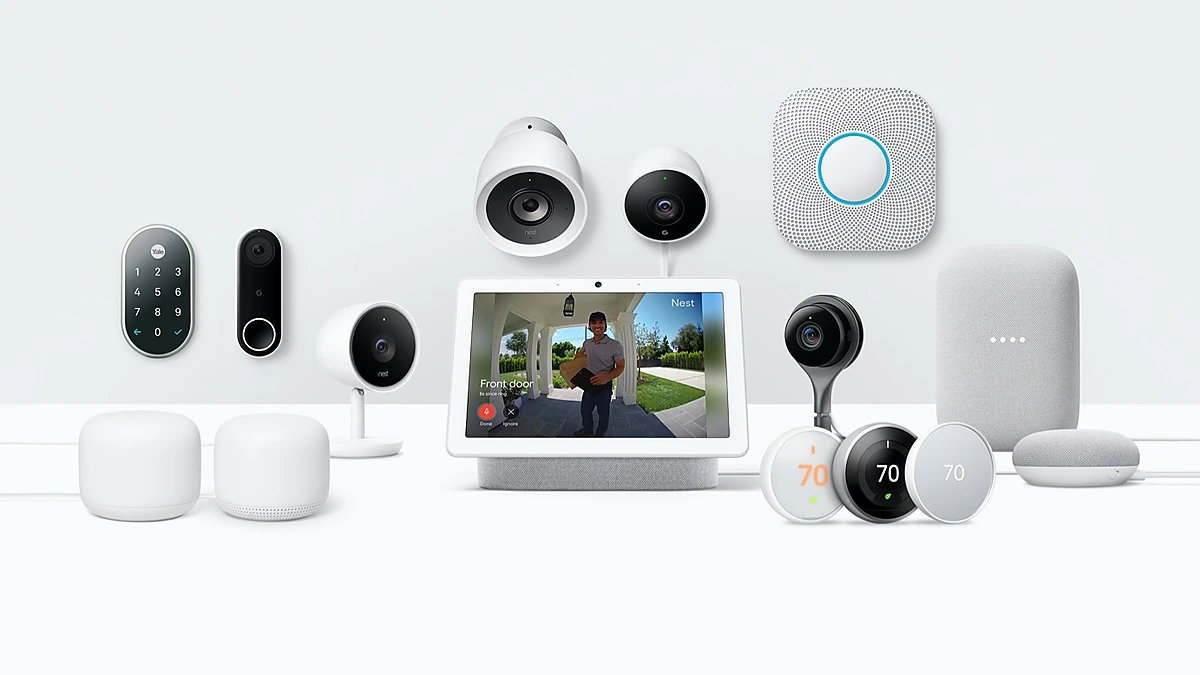
Nest Installer
Nest thermostat and smart home setup for comfort and remote control.
4 minutes
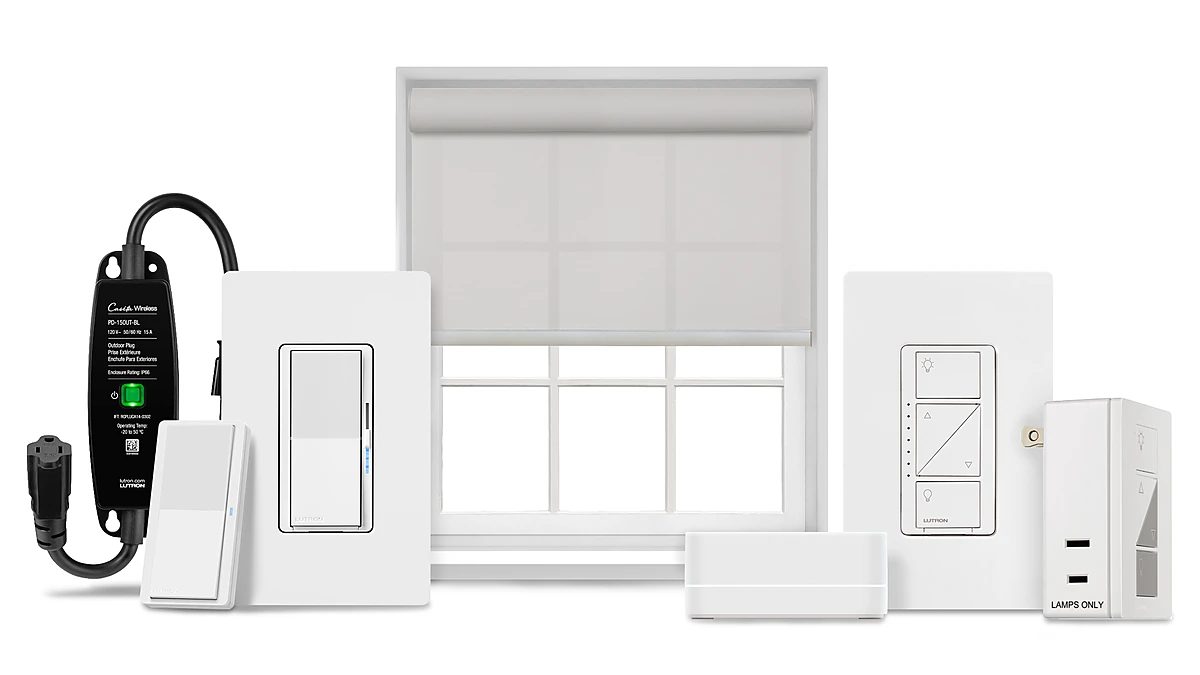
Lutron Installer
Lutron lighting and shading integration for smoother control and scene setting.
4 minutes
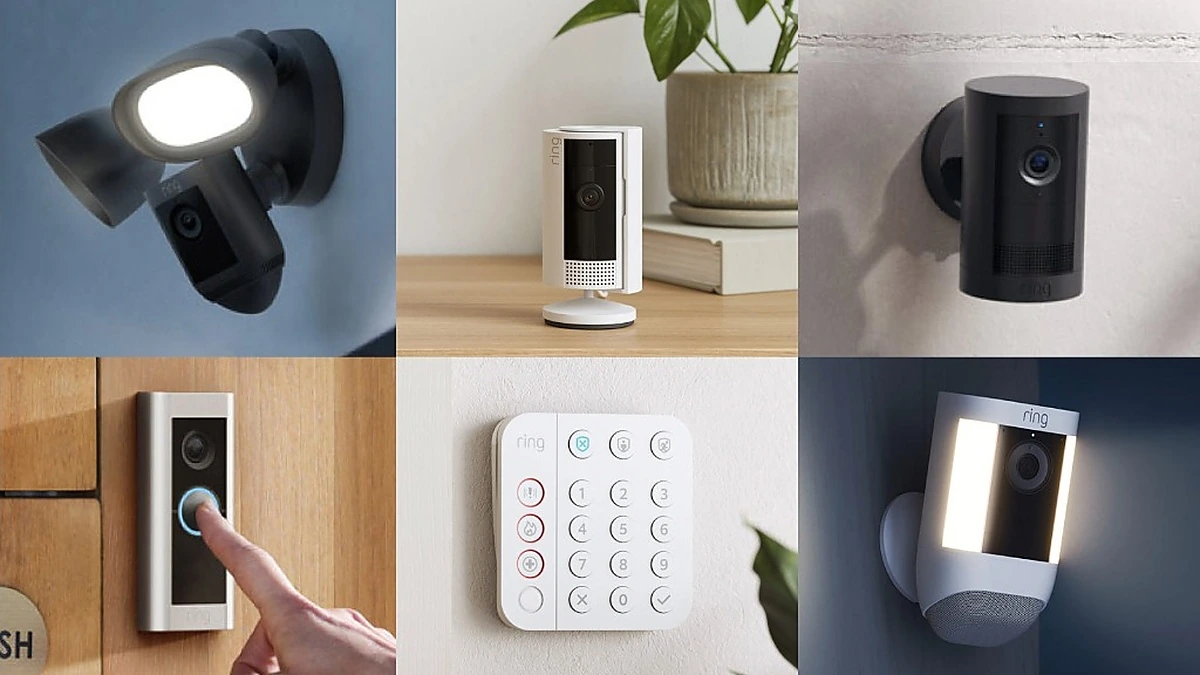
Ring Installation
Ring doorbells and cameras installed for better awareness and entry visibility.
5 minutes
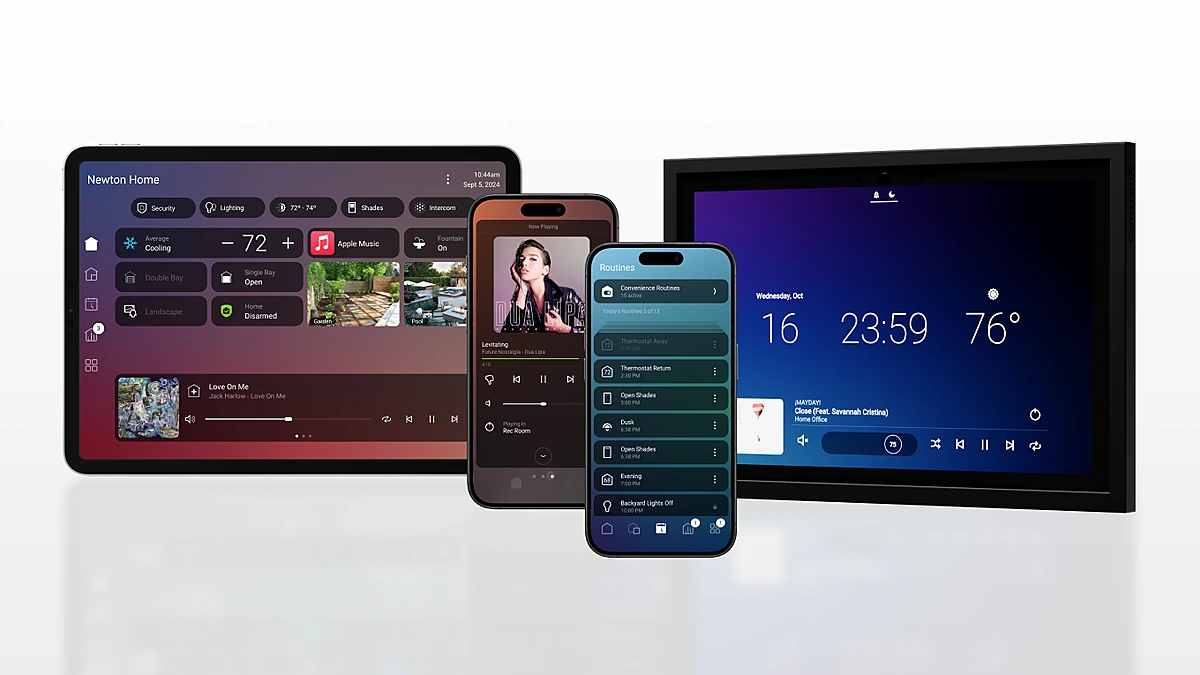
Control4 Installer
Control4 automation setup for unified entertainment, comfort, and home control.
4 minutes

Car & Truck Audio / Electronics Custom Upgrades
Custom mobile audio and electronics upgrades for better sound and functionality.
3 minutes

Most of these homes are in use every week of the year
Indian Harbour Beach has 4,730 homes, and just 340 of them are held for seasonal, recreational or occasional use — a little over a third of everything standing empty. Most of this housing, in other words, is in continuous occupation. For anyone planning a whole-home system that is the most useful fact on the page, because it decides how the work reaches the house long before it decides anything about the equipment.
A retrofit into an occupied house is a different programme from a retrofit into an empty one, and the difference is not politeness. It is sequencing. Every ceiling that gets opened has to be closed again before the room is needed. Every route has to be reachable without clearing the rooms around it. The order the rooms are taken in decides whether the work reads as a project with an end or as an occupation without one, and that order is settled at survey rather than on the first morning.
The roof space decides where the speakers can go
The largest single group of homes here went up between 1960 and 1969, and the median residence dates from the decade after. Nothing finished in those years was built around low-voltage distribution, so in-ceiling placement, screen positions and the run between them are settled by what the roof space and the wall cavities will actually give up. A layout drawn before anybody has been into the attic is a layout that gets argued with later, and usually at the point where changing it costs the most.
The town is not uniform about this, which is worth saying rather than smoothing over. More than eleven hundred of these homes were finished after 1990, and those are a different proposition from the sixties stock — later construction, and worth checking for whatever low-voltage provision was built in rather than assuming there is none. The method is decided by the address, not by the town, and the only way to know which one you have is to look.
Owners hold close to four homes in five
Of the 3,769 occupied homes here, 2,952 are lived in by their owners. Put that alongside the low seasonal share and the picture is of settled housing: the same people, in the same rooms, for a long time. A system built for that is judged on an ordinary Wednesday rather than on the evening it was demonstrated, and the things that decide an ordinary Wednesday are unglamorous — whether the control behaves the same way in every room, whether coverage holds up at the far end of the house, and whether anything at all has to be explained to a visitor.
So the order here suits a house somebody is living in. Get into the roof space before anything is placed. Agree which ceilings may be opened and in what sequence. Settle the finish standard before the first cut instead of after it, and choose the visible equipment last, when everything it depends on is already in the wall. Done that way the disruption is finite and predictable, which in an occupied house is most of what people mean when they say the work went well.