

Seventies Rooms, Never Theaters Audio Video | Home Theater Installations Serving Melbourne Beach, FL
Home theater, seating and room-tuning planning for Melbourne Beach, where the median home is valued at 4,400, 1,267 of 1,801 homes are detached, and the largest group dates from the 1970s.
Next-Level A/V and Security Solutions for Your Lifestyle
From Home to Road, Enhance Your Audio-Visual Experiences and Security with Our Integrated Technologies
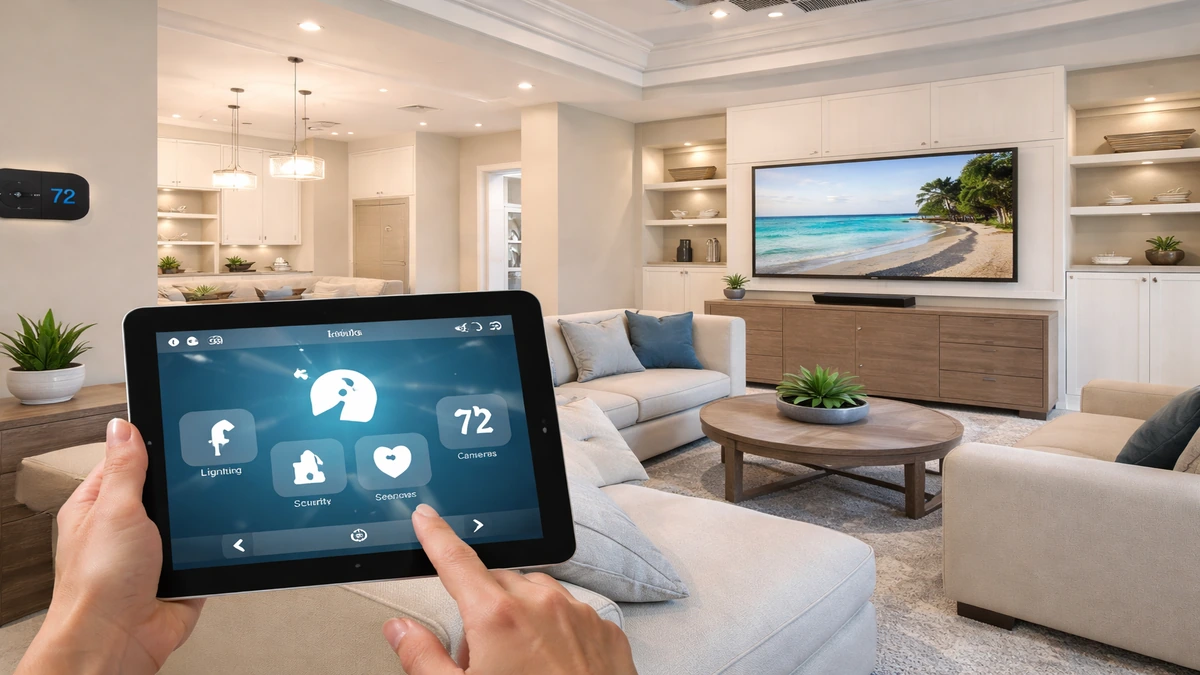
Smart Home Automation Installation
Integrated control for lighting, climate, security, and entertainment.
4 minutes
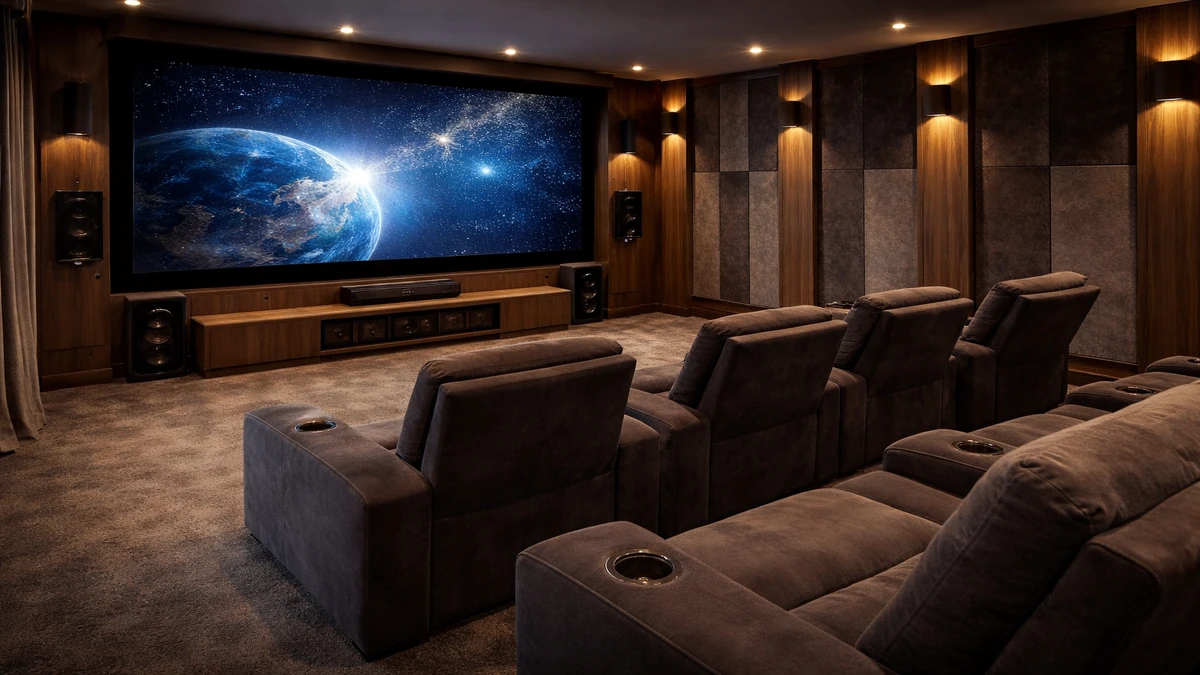
Home Theater Installation
Custom theater rooms designed for immersive picture, sound, and comfort.
4 minutes
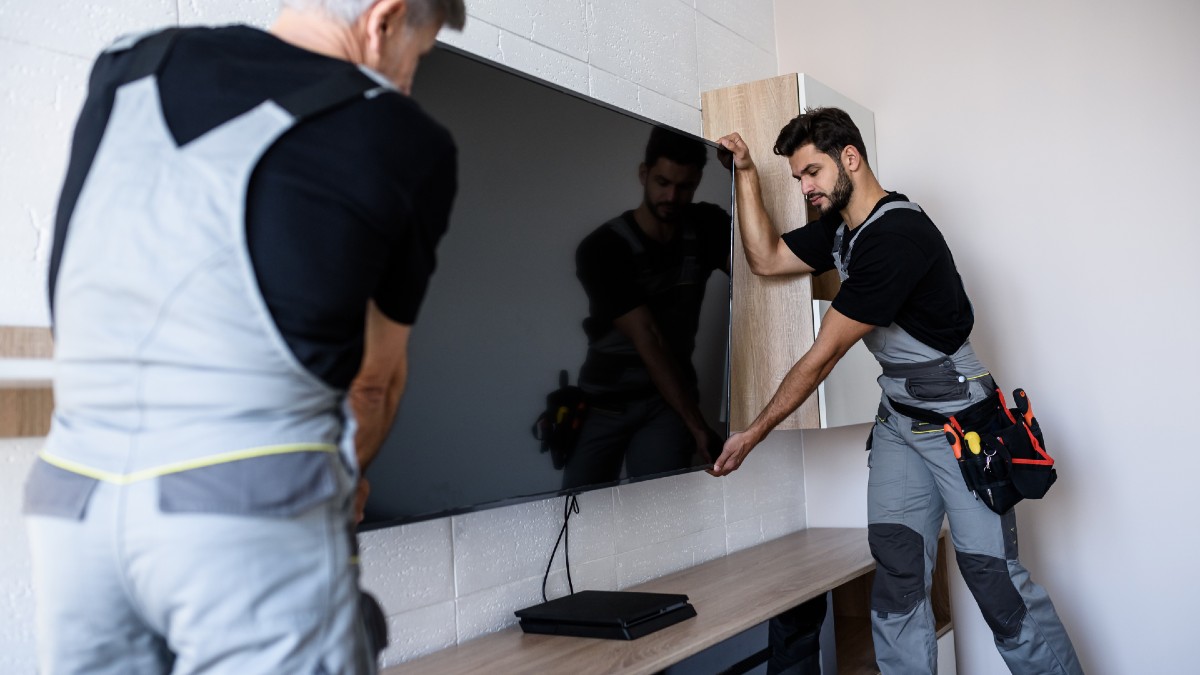
TV Wall Mounting
Professional TV mounting for cleaner layouts and better viewing angles.
5 minutes
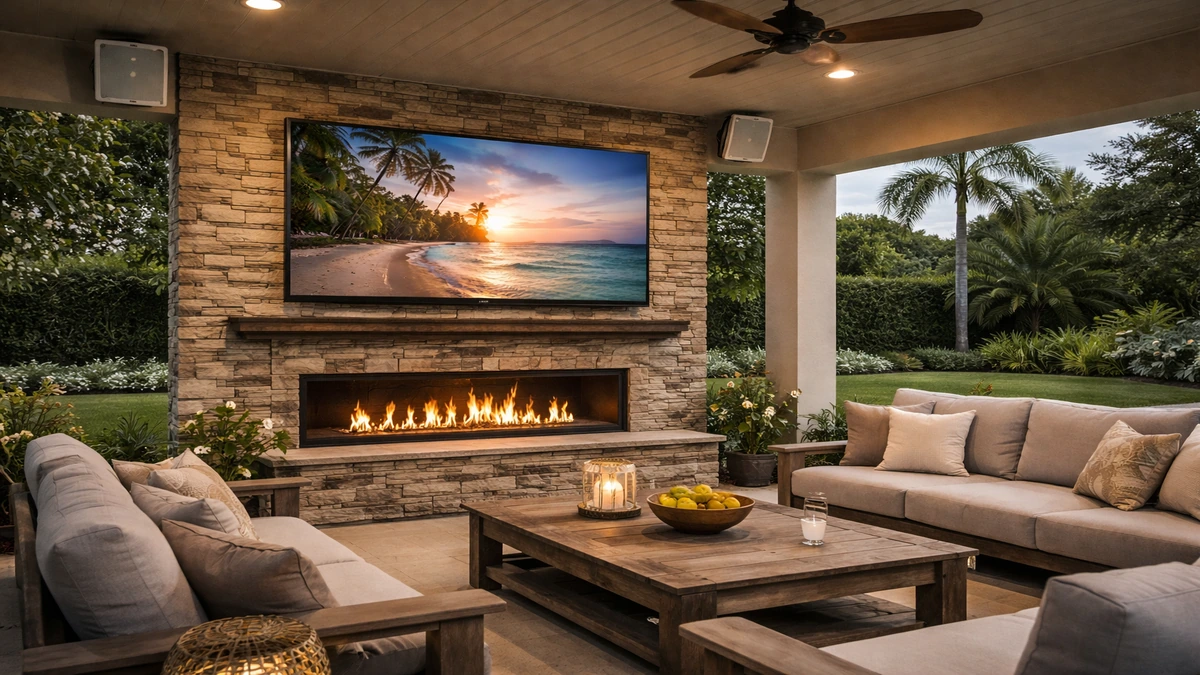
Outdoor TV Installation
Weather-aware outdoor TV setups built for patios, lanais, and pool areas.
5 minutes
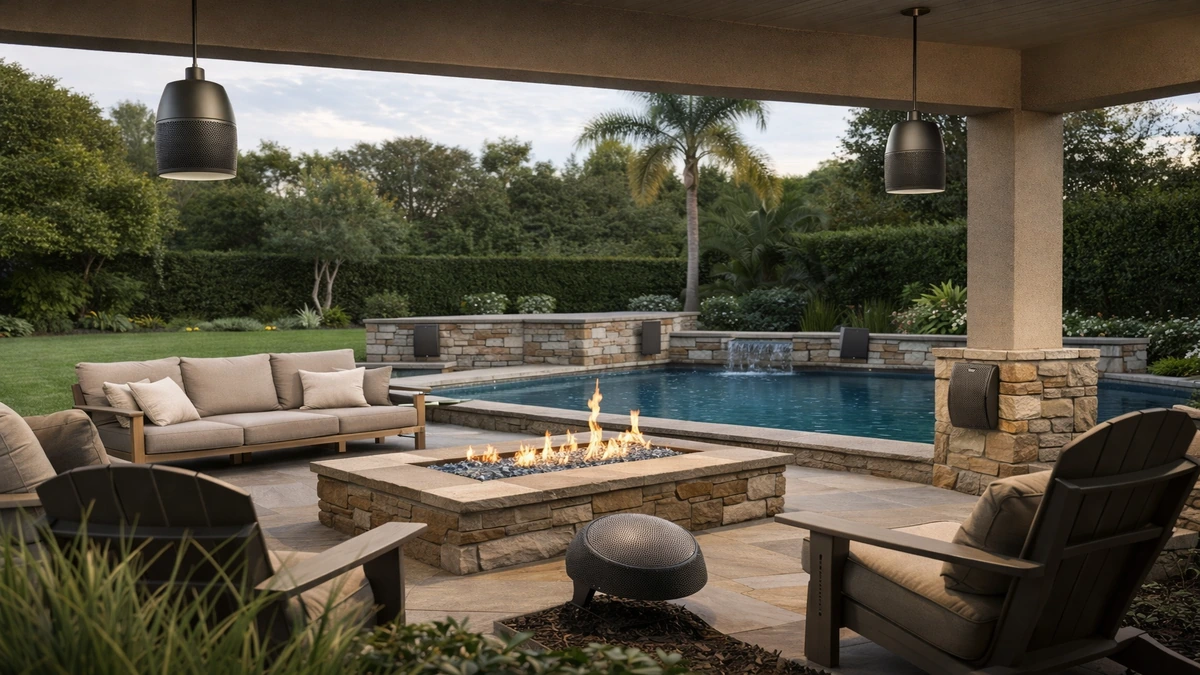
Outdoor Audio Installation
Outdoor speaker systems planned for clear sound and reliable coverage.
4 minutes
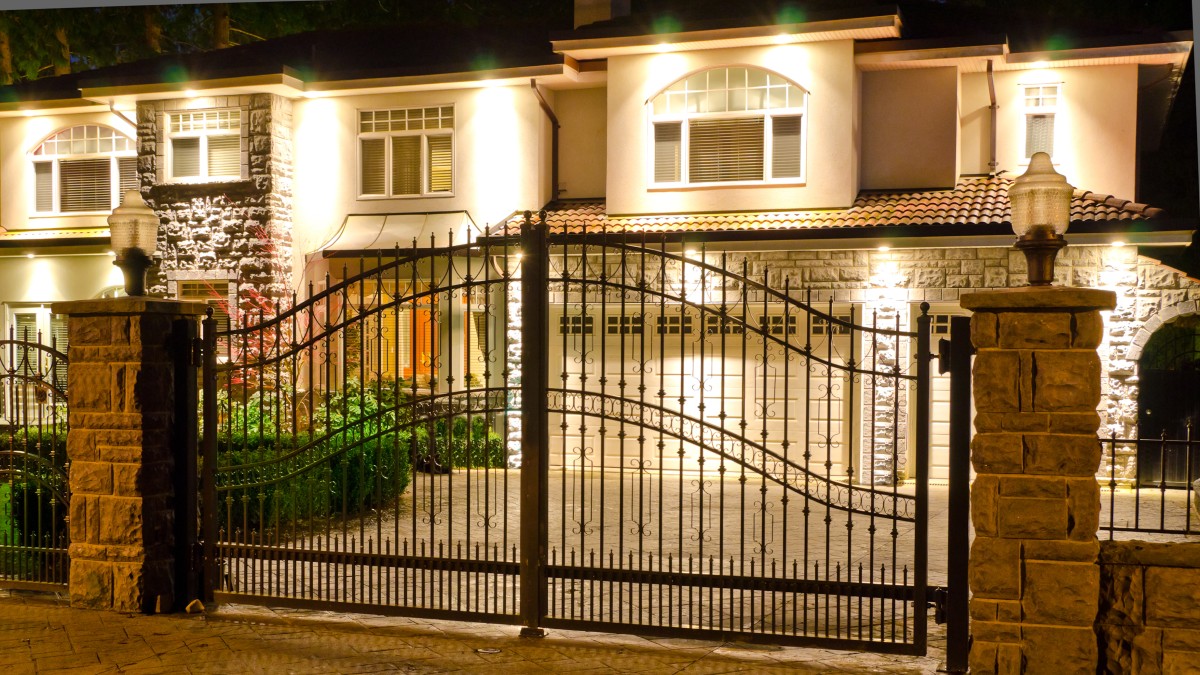
Automatic Gates
Secure, convenient gate automation with access control and entry integration.
4 minutes

Home Network Installation
Stronger Wi-Fi, better coverage, and dependable connectivity throughout the property.
4 minutes
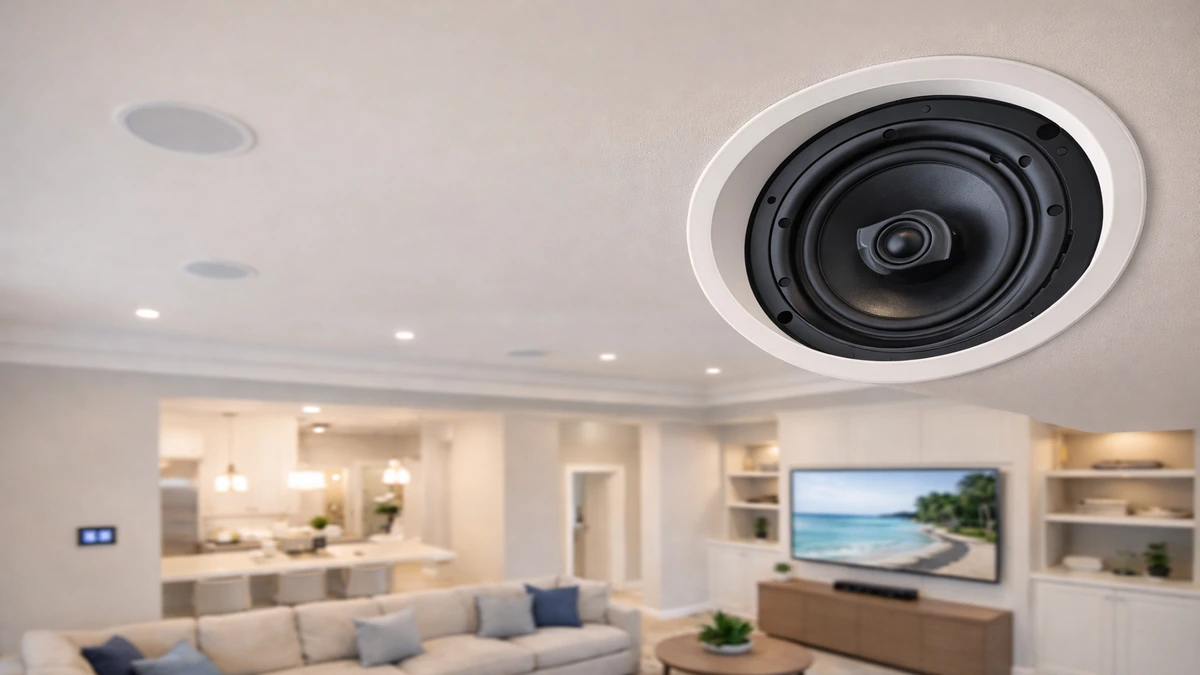
Ceiling Speaker Installation
Clean in-ceiling audio solutions for music, TV, and multi-room sound.
4 minutes
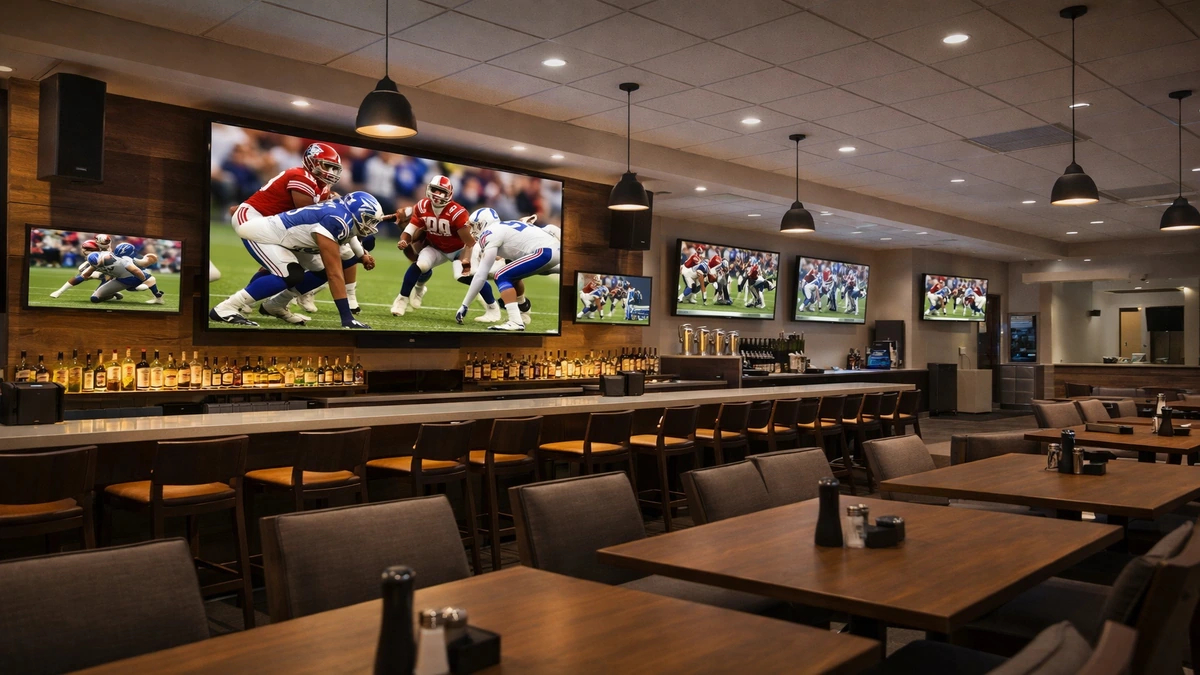
Commercial AV Installation
Professional audio, video, and control systems for business environments.
4 minutes
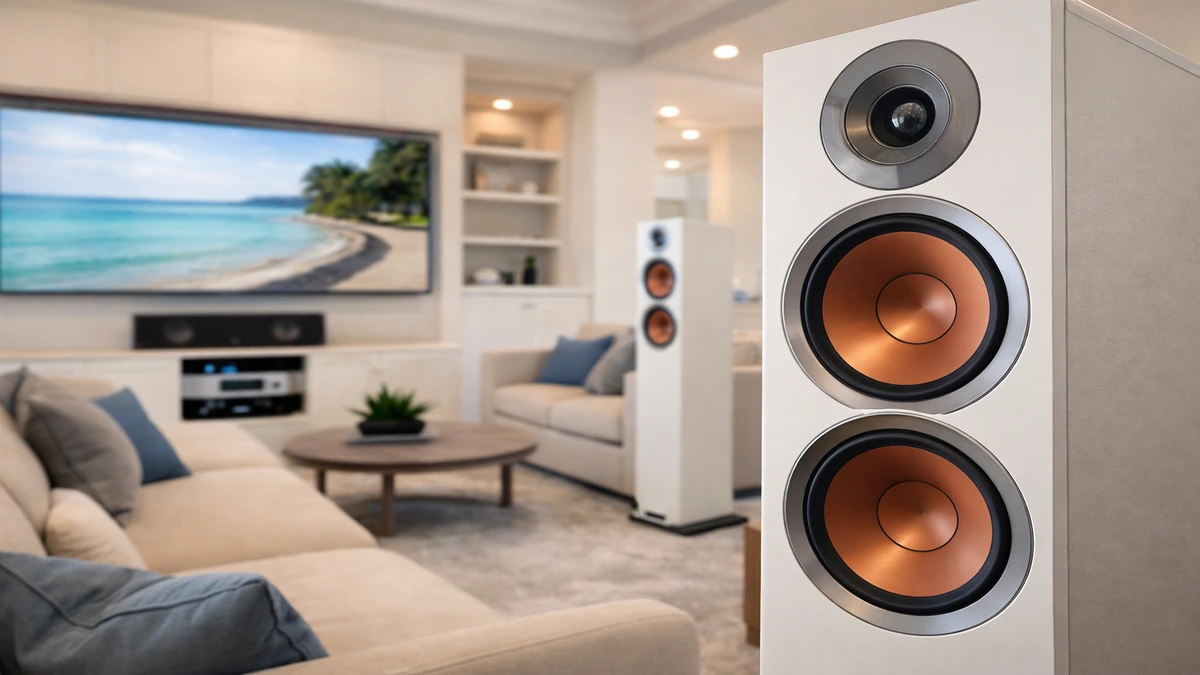
Home Audio Installation
Whole-home and room-based audio systems tailored to how you listen.
4 minutes

Marine Audio & Electronics Installation
Boat audio, displays, and electronics installed for performance on the water.
4 minutes
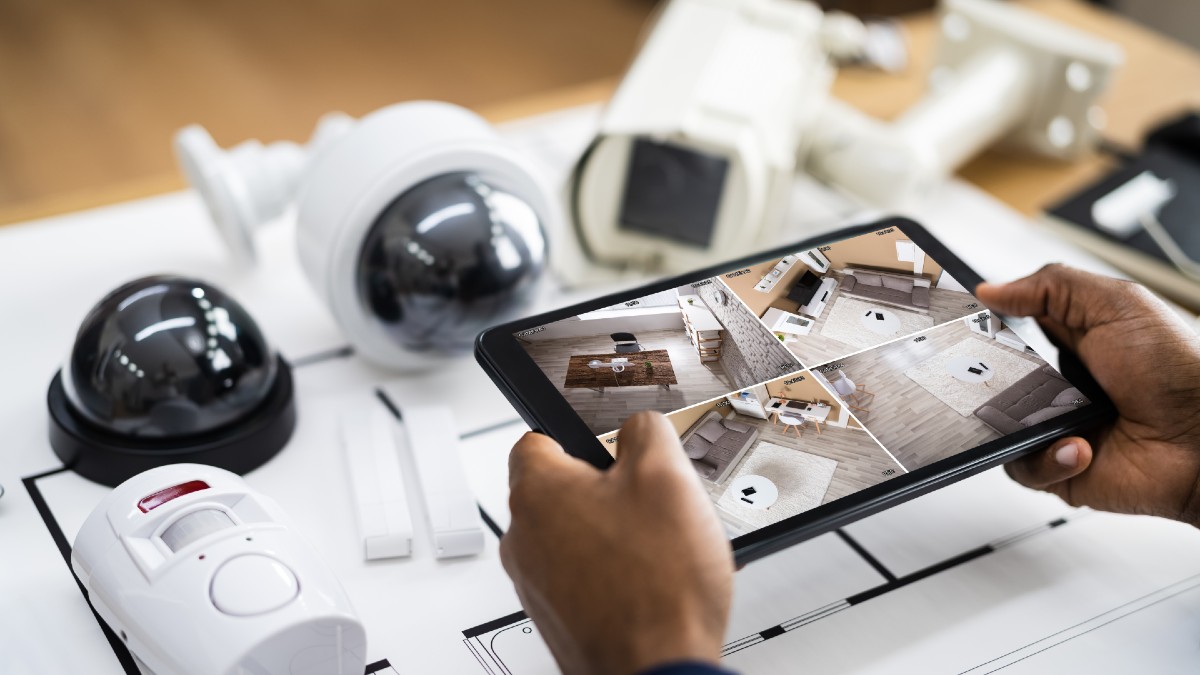
Security Camera Installation
Smart camera systems for visibility, alerts, recording, and remote monitoring.
4 minutes
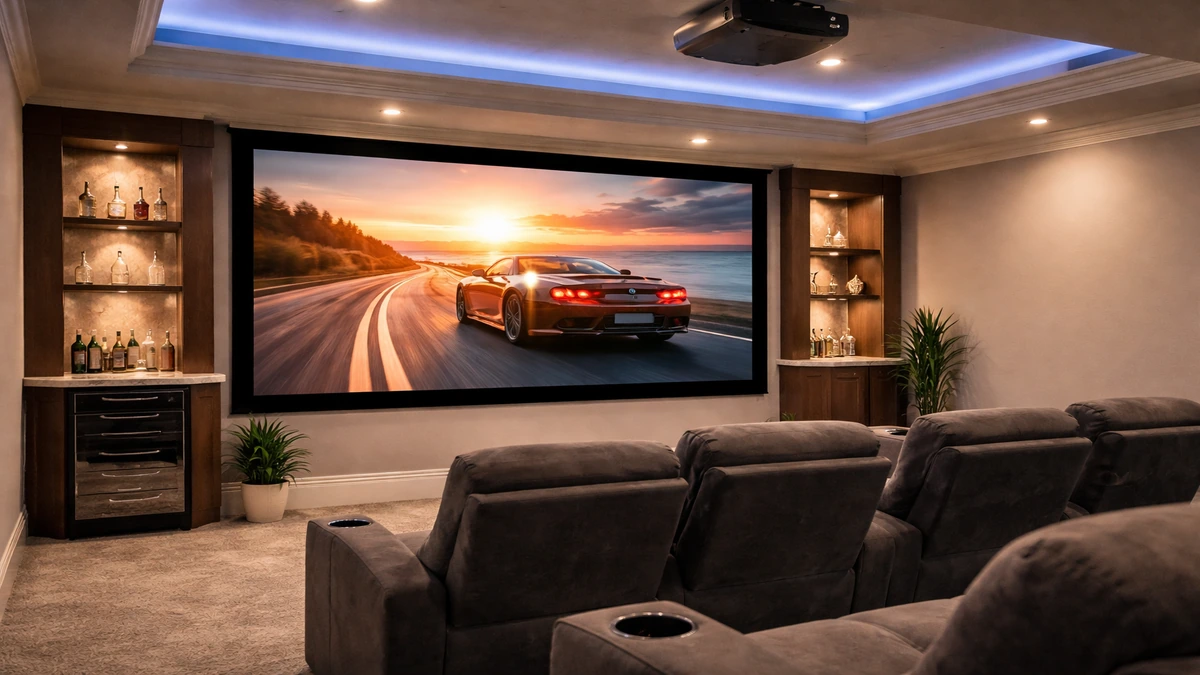
Projector Screen Installation
Projectors and screens configured for sharp viewing and balanced room performance.
4 minutes
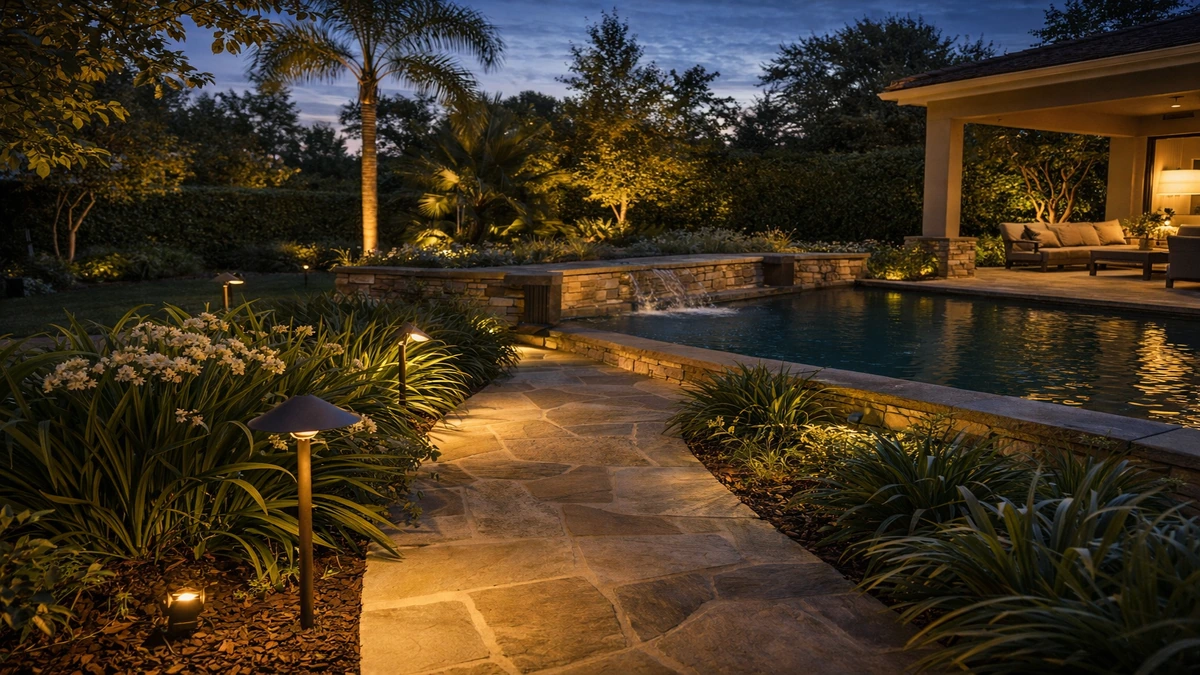
Outdoor Lighting Installation
Exterior lighting that improves curb appeal, ambiance, and nighttime usability.
4 minutes
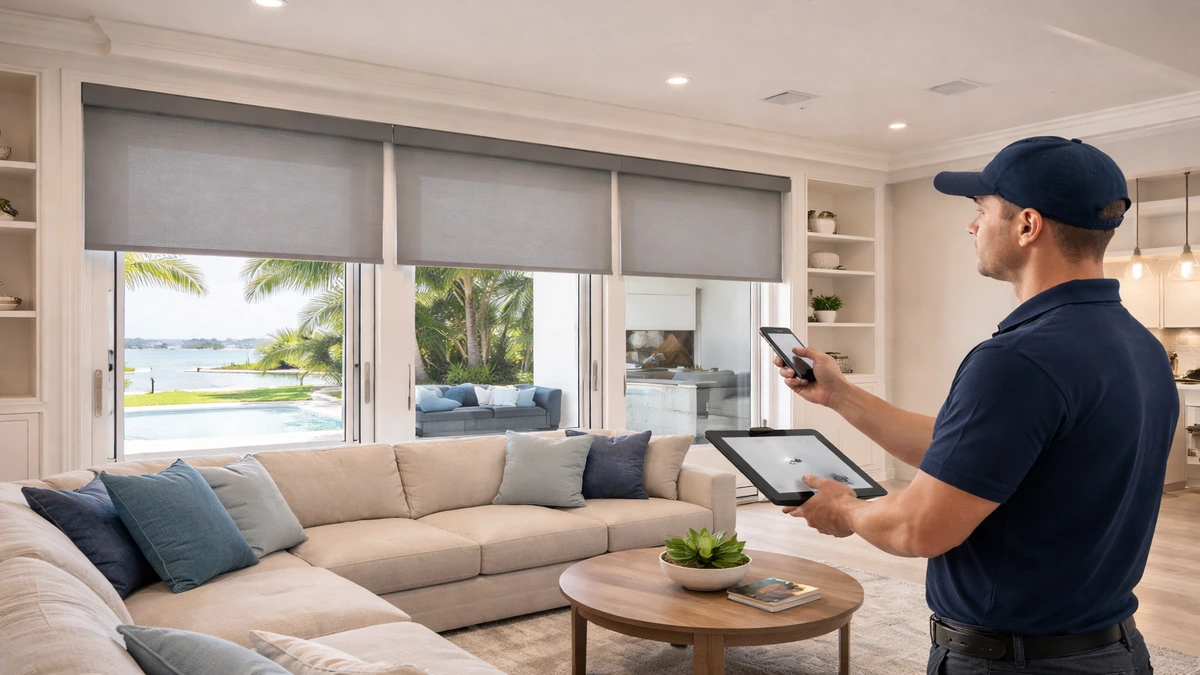
Motorized Blinds Installation
Automated shading for privacy, glare control, and everyday convenience.
4 minutes
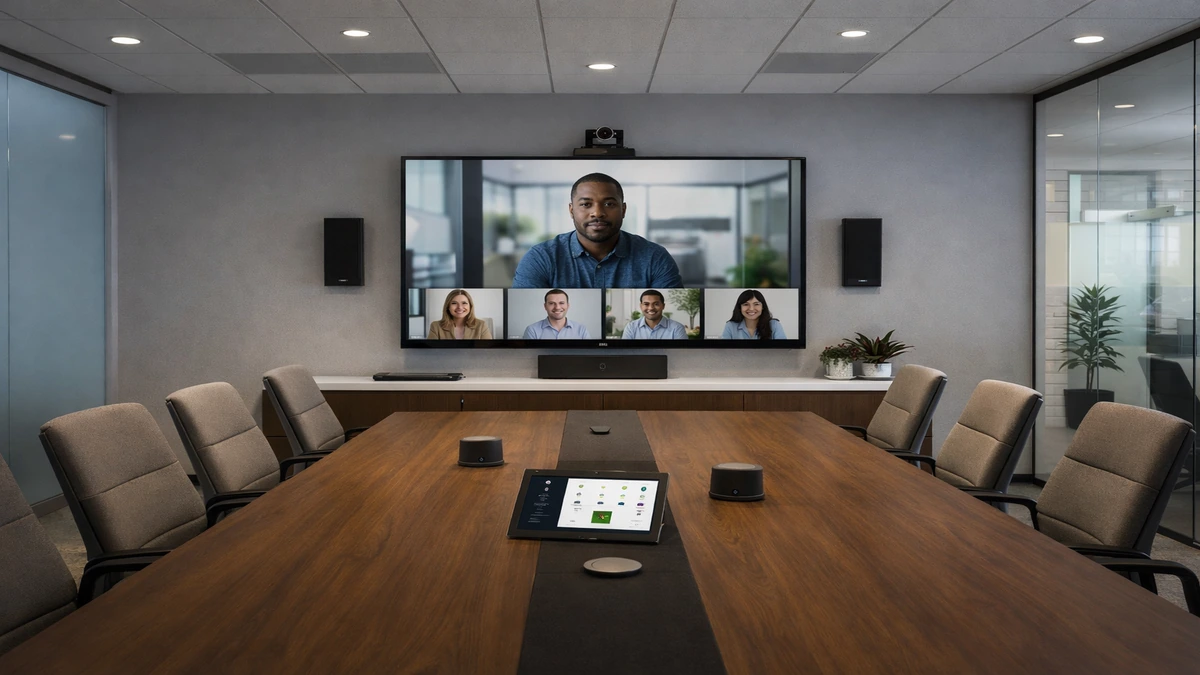
Conference Room AV Installation
Meeting room technology for clearer presentations, calls, and collaboration.
4 minutes
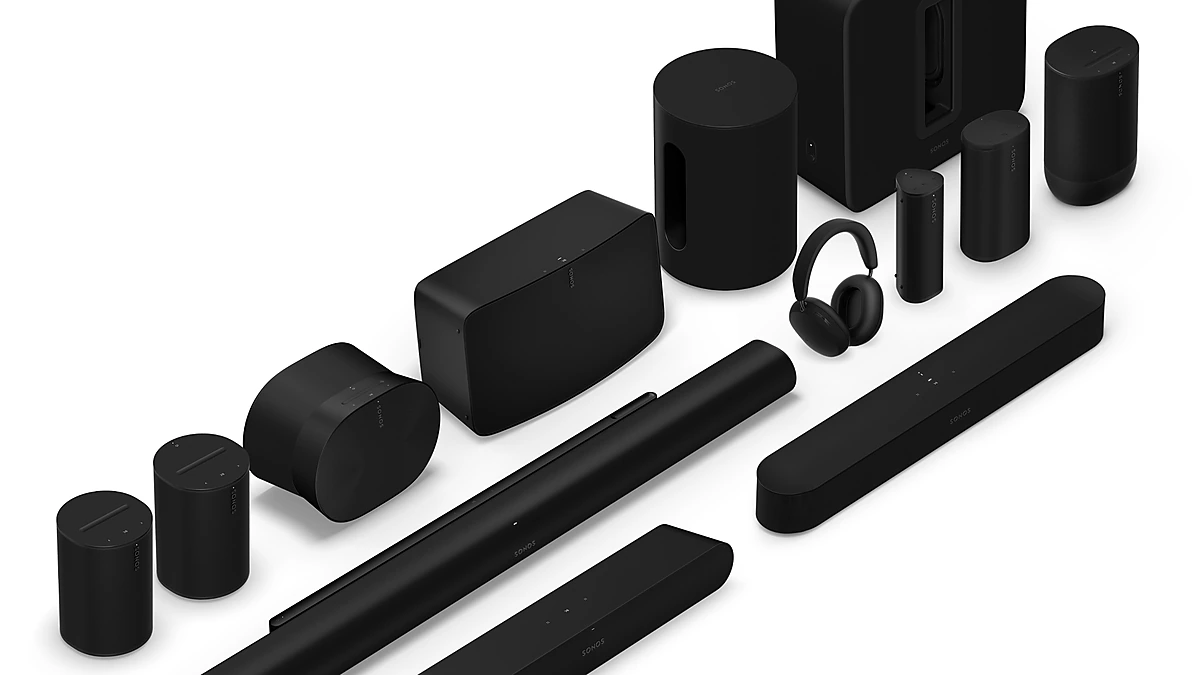
Sonos Installation
Sonos system design, setup, and tuning for simple multi-room audio.
4 minutes
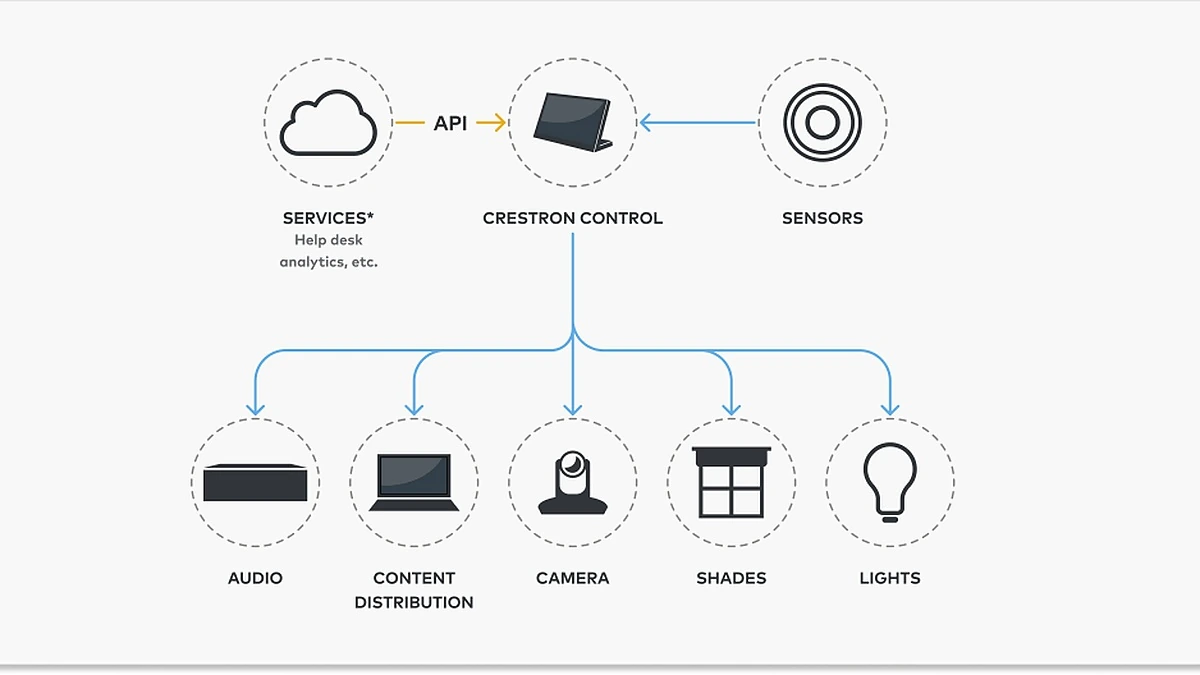
Crestron Installer
Advanced Crestron control integration for high-performance smart home environments.
4 minutes
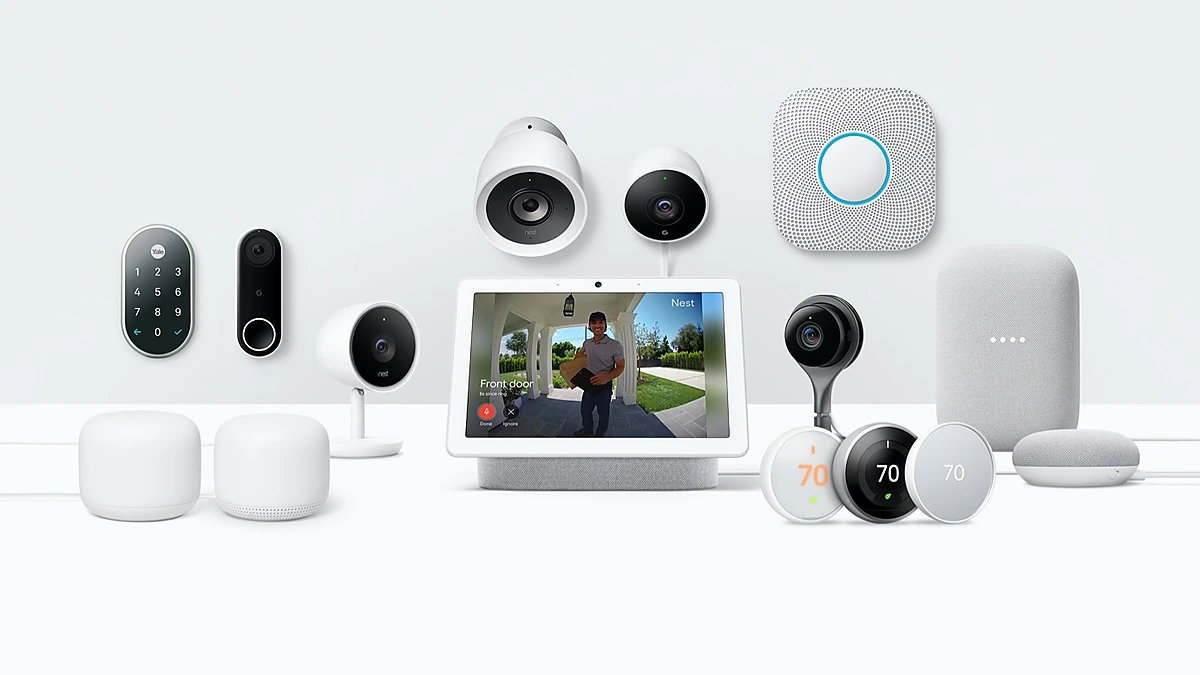
Nest Installer
Nest thermostat and smart home setup for comfort and remote control.
4 minutes
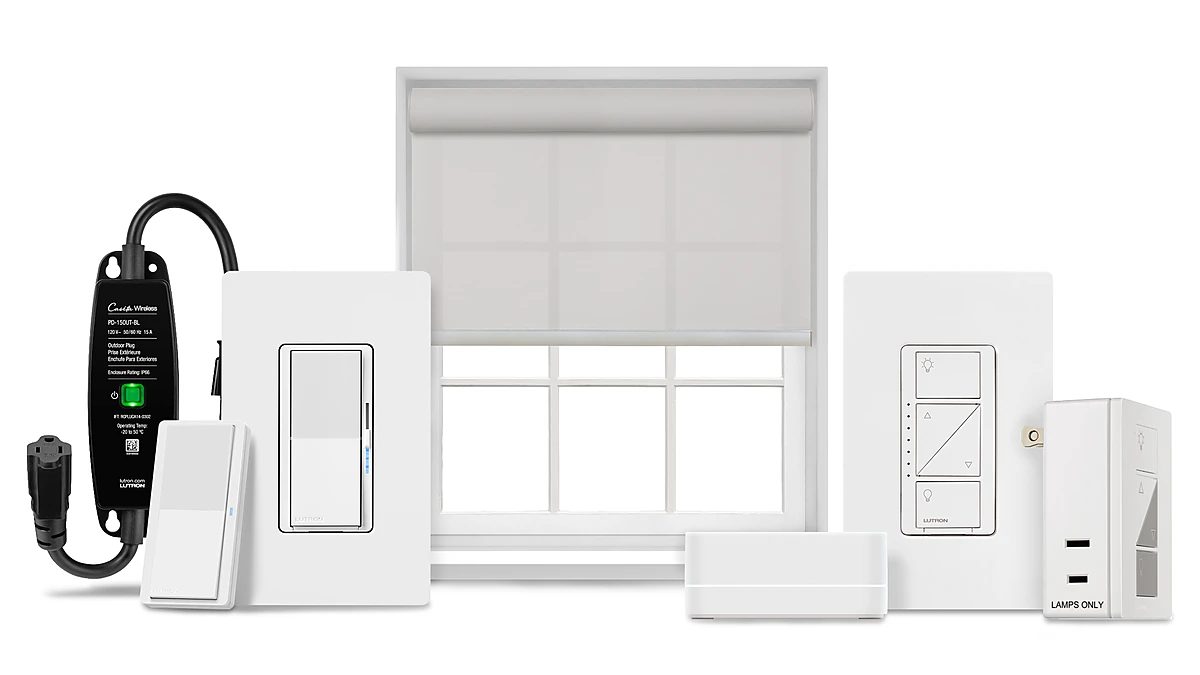
Lutron Installer
Lutron lighting and shading integration for smoother control and scene setting.
4 minutes
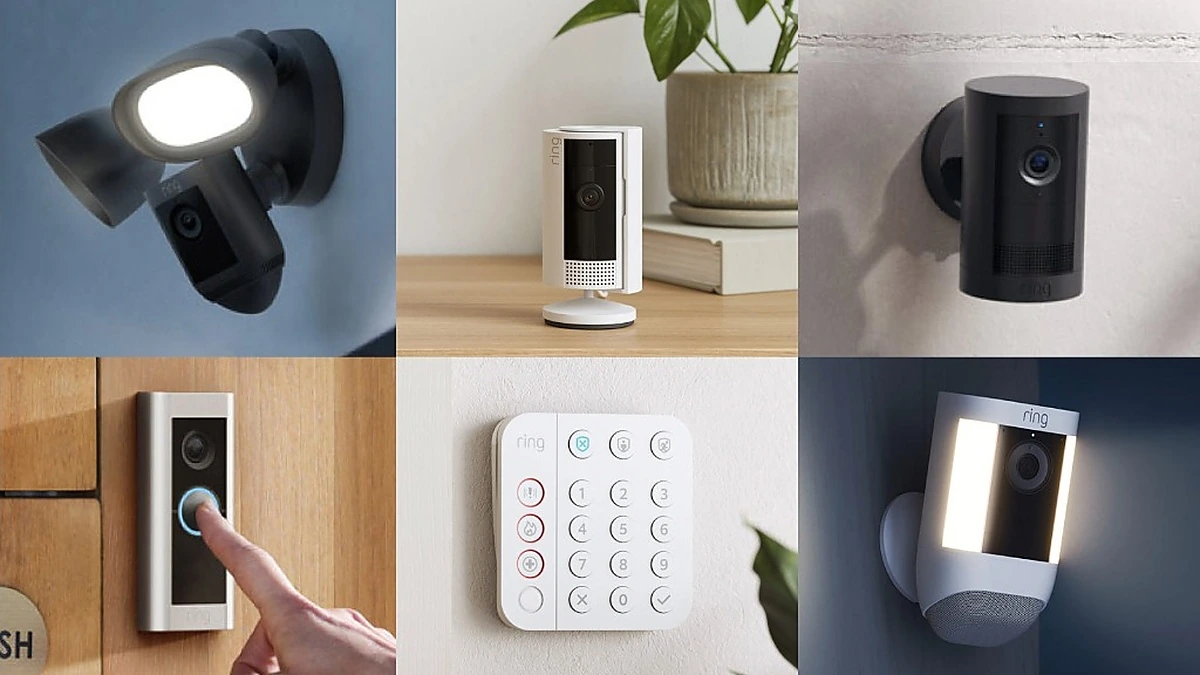
Ring Installation
Ring doorbells and cameras installed for better awareness and entry visibility.
5 minutes
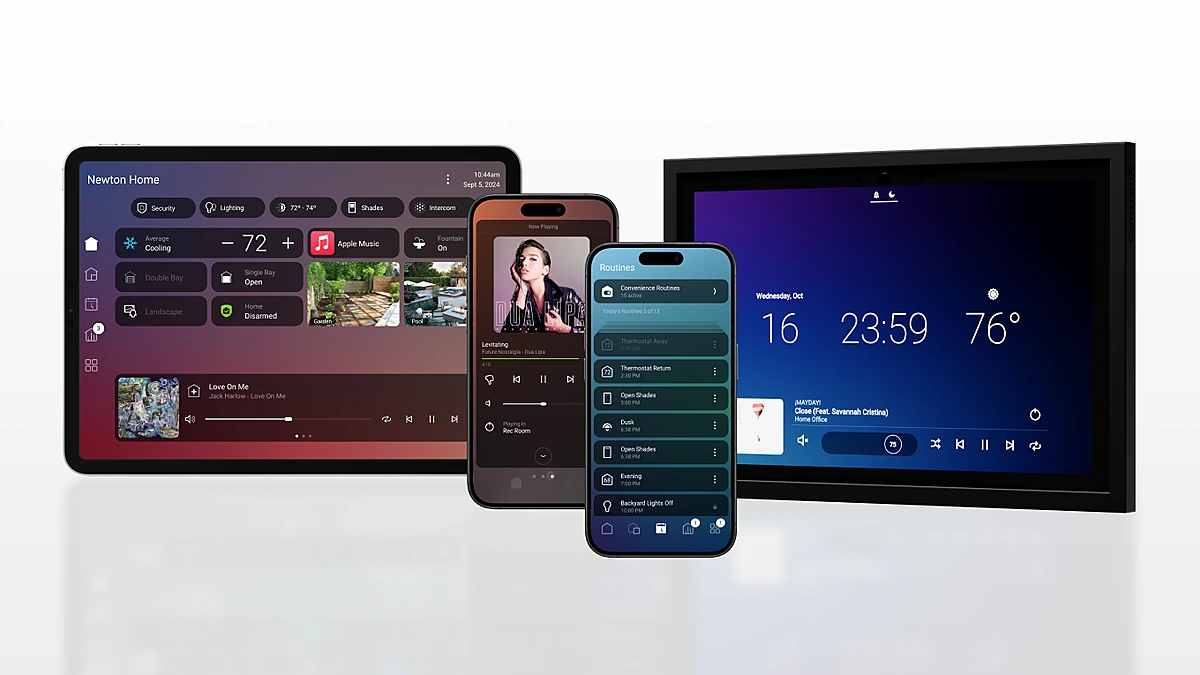
Control4 Installer
Control4 automation setup for unified entertainment, comfort, and home control.
4 minutes

Car & Truck Audio / Electronics Custom Upgrades
Custom mobile audio and electronics upgrades for better sound and functionality.
3 minutes
The money here goes into a room that was never drawn to be one
The median home in Melbourne Beach is valued at $634,400, and 1,267 of the town's 1,801 homes stand on their own. At that kind of money a proposal stops being a comparison of equipment lists. What separates a good room from an expensive one is the room itself: where people sit, what the picture has to compete with, and whether anybody measured the space before deciding what to put into it.
Seating is the decision everything else hangs from, and it is the one most often taken last. Screen height and viewing distance follow from where the seats are. So does the point at which a sightline breaks — the end of a sofa, a chair angled at a window, a route people walk through on their way somewhere else. Speakers are aimed at seats rather than at furniture, so their positions come off the same drawing.
The bottom octave is settled by the room, not by the box
Low frequencies are the part of a system a room argues with hardest. A subwoofer put where it happened to fit will be strong in one seat and thin in the next, and spending more on it does not change that, because the room is what decides. How many there are, where they sit relative to the seats, and what the surfaces between them do is a physical question. It is answerable while a layout is still on paper and expensive once the furniture has arrived.
Two thirds of these houses were finished before 1980
More homes here date from the nineteen-seventies than from any other decade, and most of the town was standing before 1980. A room in a house of that age was drawn as a living room and nothing more. Its ceiling height, its openings and the hard surfaces along one side were settled for other reasons entirely. Read those constraints early, because the ones that cannot be moved decide where the things that can move are allowed to go.
It follows that the finished room needs reading with instruments rather than assuming from a specification. Measuring what the space actually does — with a picture on the screen and sound in the air — and correcting for it is part of installing the system, not an appointment made later. A room read on a drawing and a room read with a meter are not the same room, and the gap between them is what people hear every evening afterwards without being able to name it.
A room done to that standard is rarely the last of it, either. Whole-house audio, control that reaches it, the network underneath both — those tend to follow in the years afterwards, and whether they land cleanly depends on whether the cabling was sized for the house or only for the room.
None of that makes the equipment unimportant. It makes it last. Settle the seats, then what the structure will actually give up, then the positions, then the routes reaching them. A hardware schedule chosen at that point is a short conversation, because everything it works through is already known. Chosen first, it is a set of constraints the room never agreed to.