

No Decade Built A Quarter Audio Video | Home Theater Installations Serving Melbourne, FL
No decade built even a quarter of Melbourne, where 63.1% of homes are single-family, the housing spans every decade since the 1940s, and three in five homes are owner-occupied.
Premium Smart Home, Vehicle & Marine Audio-Video Solutions in Melbourne, FL
Expert Integration of Smart Homes, Advanced Car Stereos, Rugged Truck Systems, Luxurious Boat AV, Simplified Remote Controls, Professional TV Mounting, and Secure CCTV Installations for Melbourne Residents.
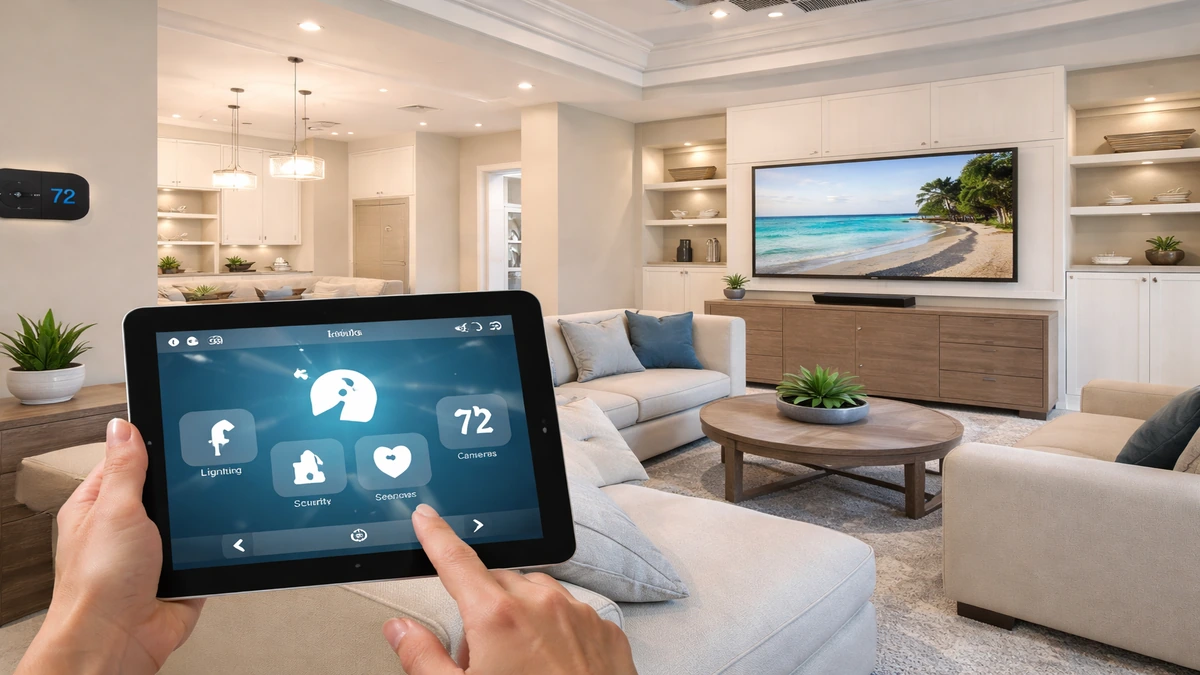
Smart Home Automation Installation
Integrated control for lighting, climate, security, and entertainment.
4 minutes
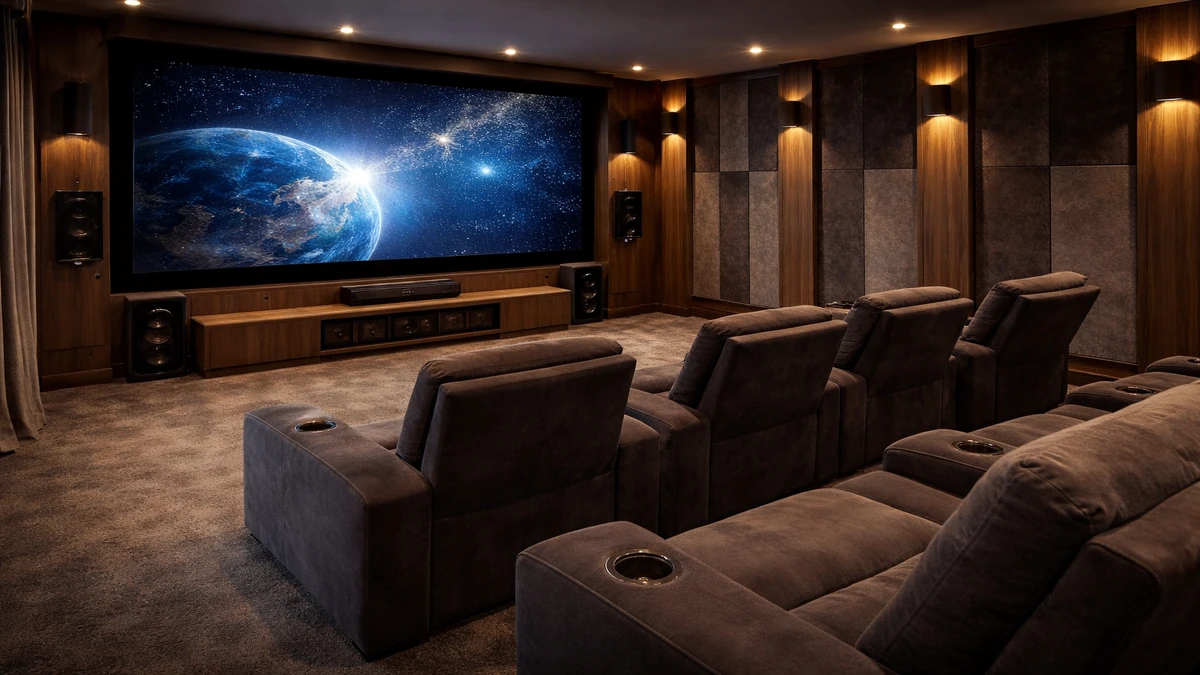
Home Theater Installation
Custom theater rooms designed for immersive picture, sound, and comfort.
4 minutes
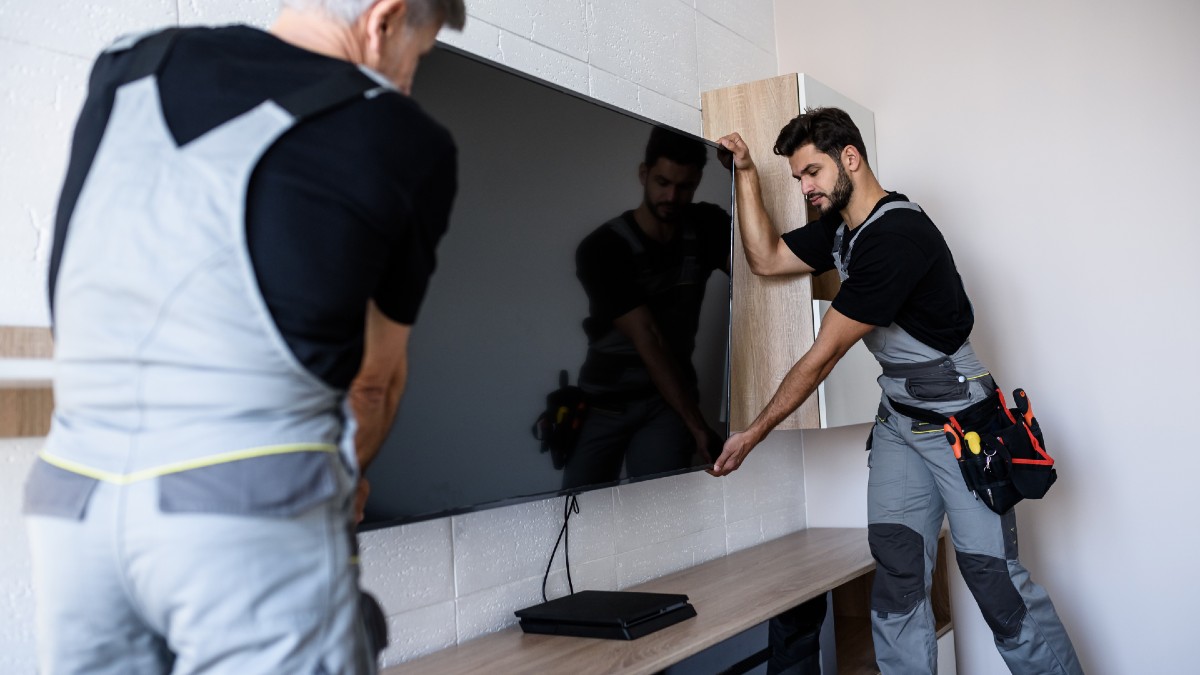
TV Wall Mounting
Professional TV mounting for cleaner layouts and better viewing angles.
5 minutes
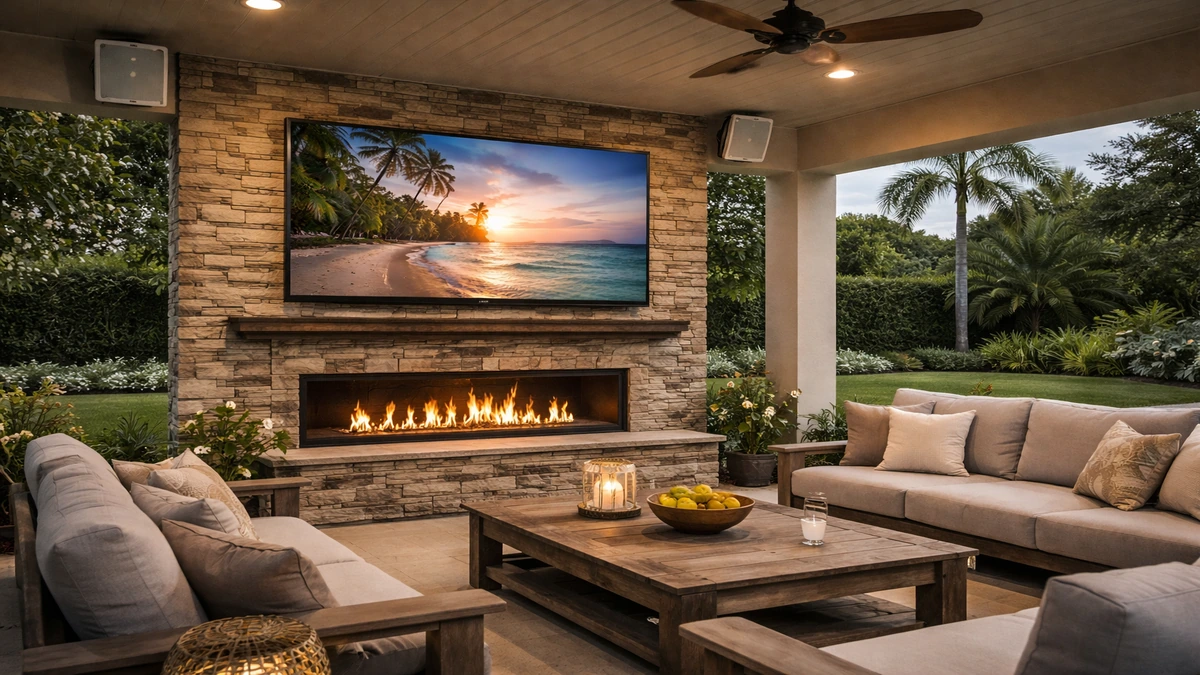
Outdoor TV Installation
Weather-aware outdoor TV setups built for patios, lanais, and pool areas.
5 minutes
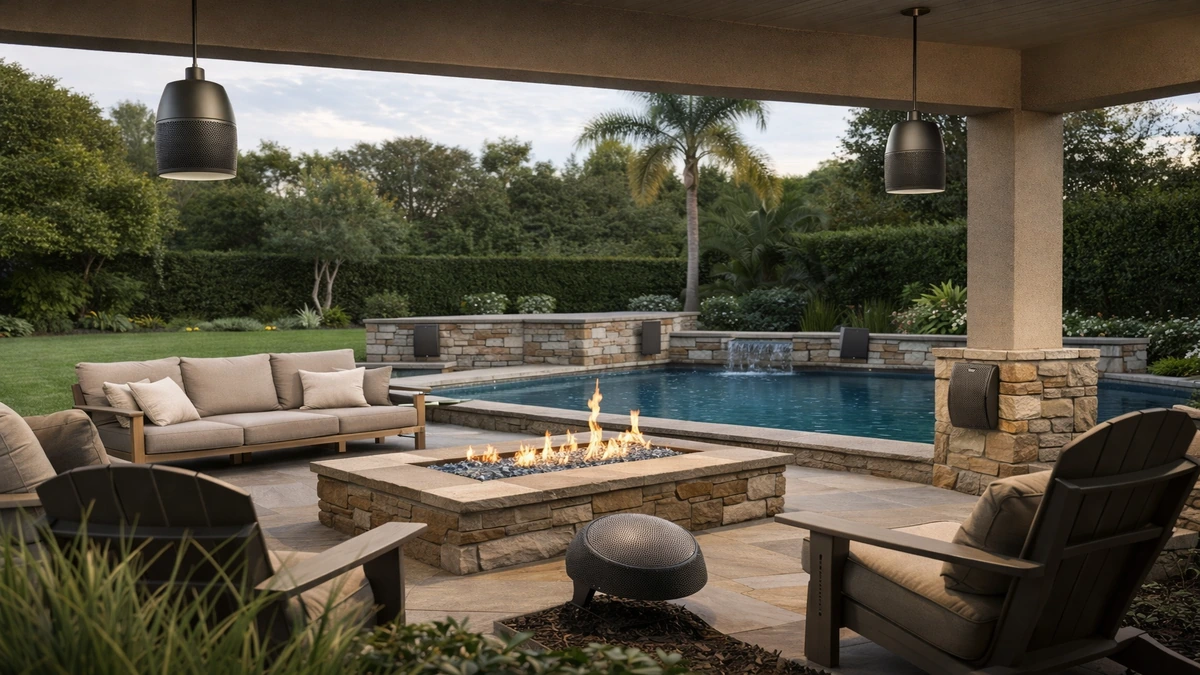
Outdoor Audio Installation
Outdoor speaker systems planned for clear sound and reliable coverage.
4 minutes
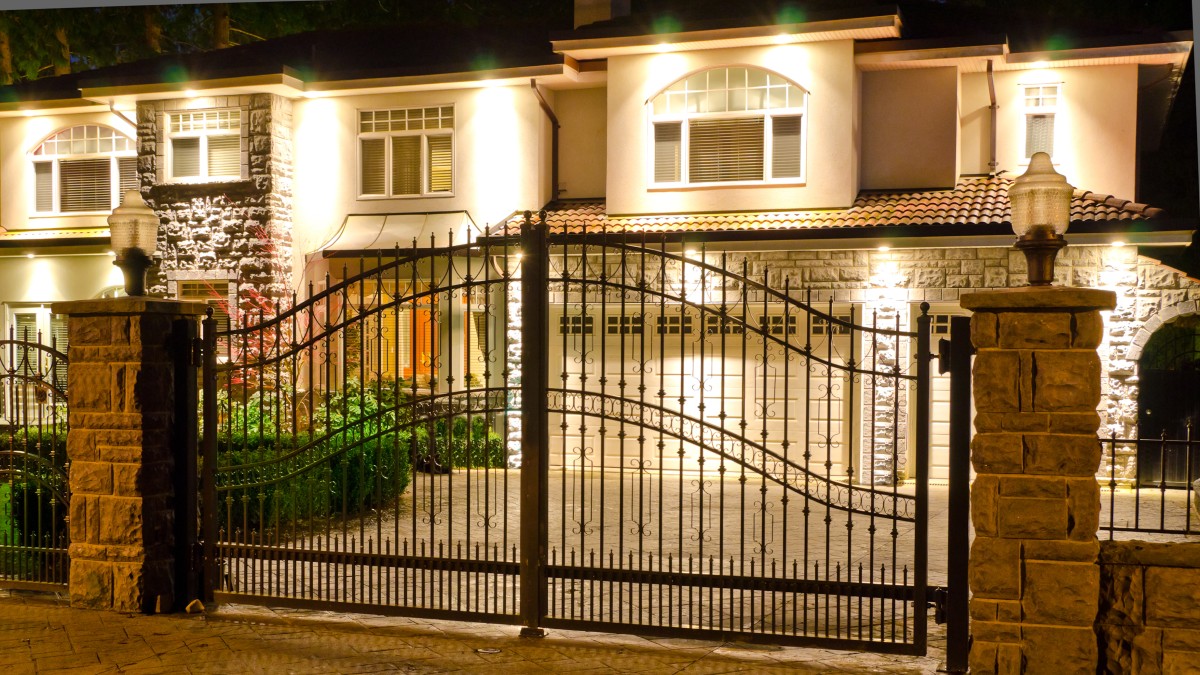
Automatic Gates
Secure, convenient gate automation with access control and entry integration.
4 minutes
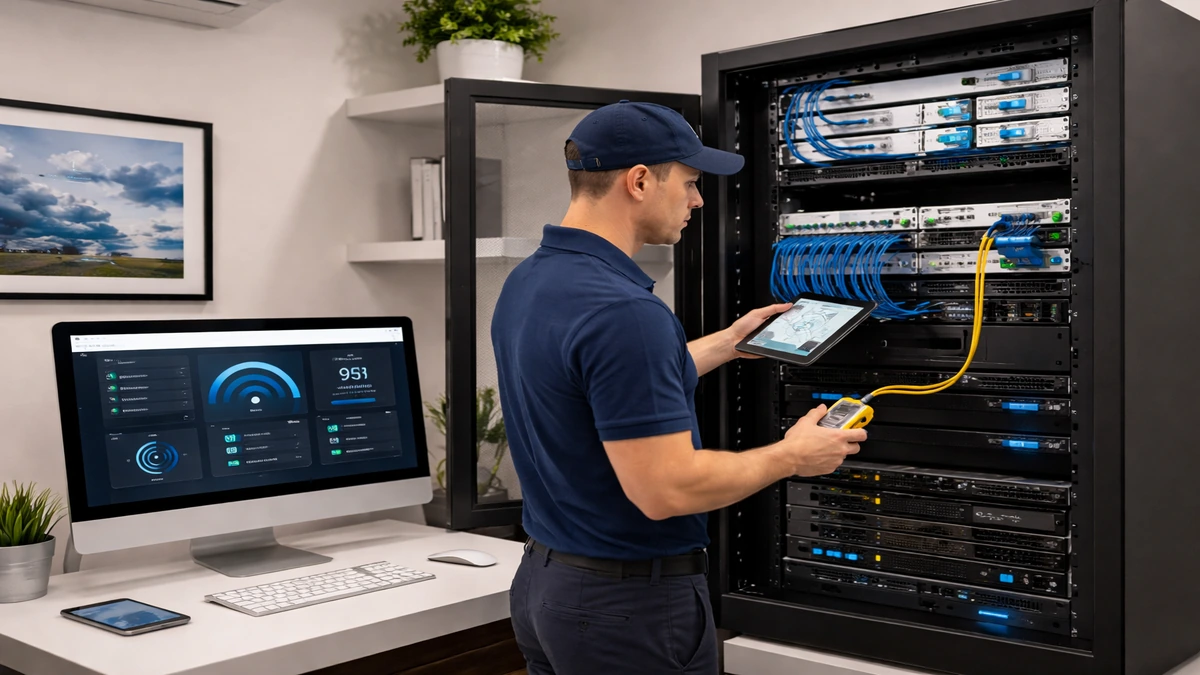
Home Network Installation
Stronger Wi-Fi, better coverage, and dependable connectivity throughout the property.
4 minutes
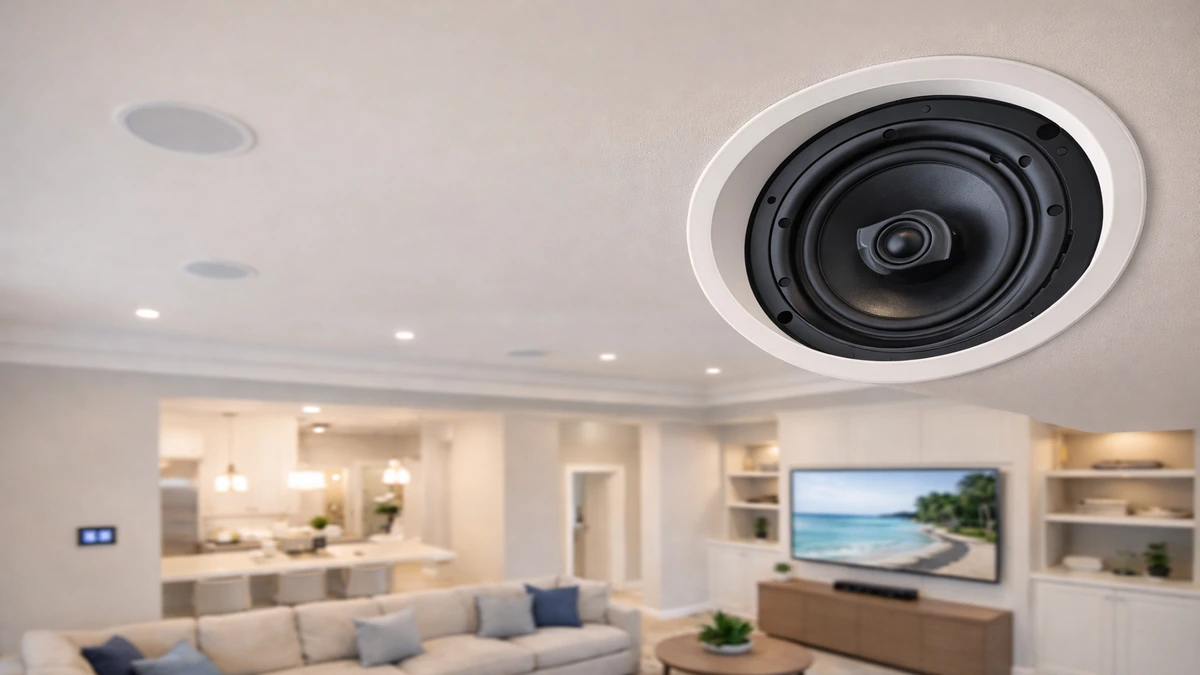
Ceiling Speaker Installation
Clean in-ceiling audio solutions for music, TV, and multi-room sound.
4 minutes
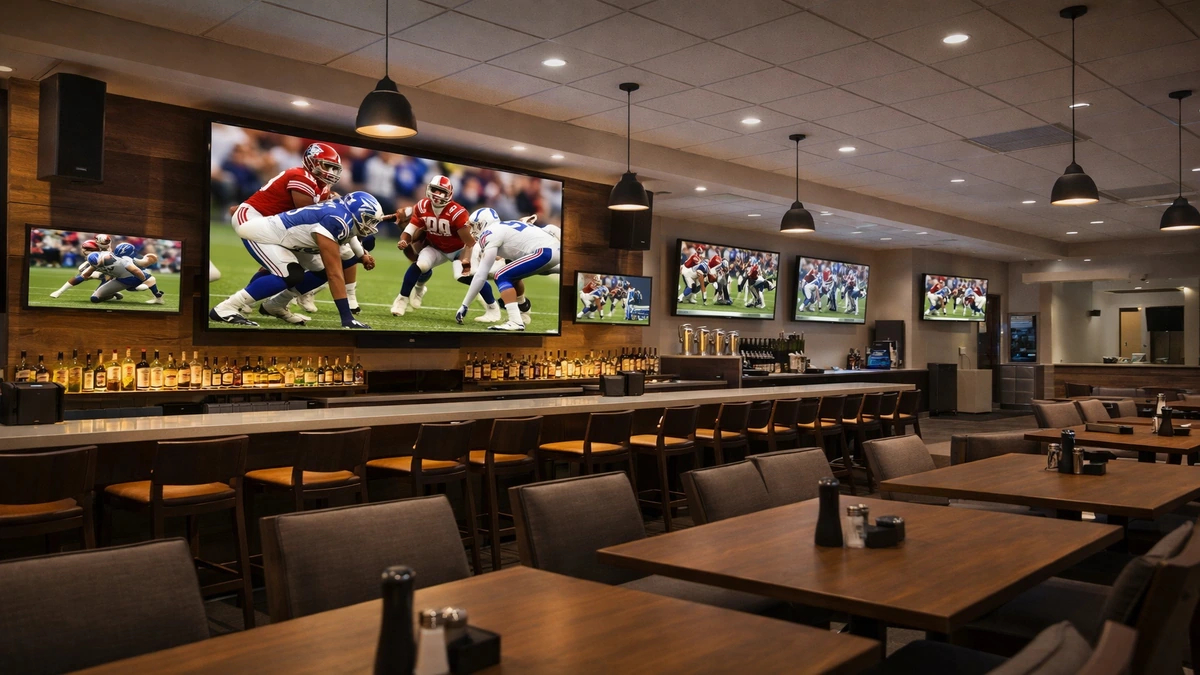
Commercial AV Installation
Professional audio, video, and control systems for business environments.
4 minutes
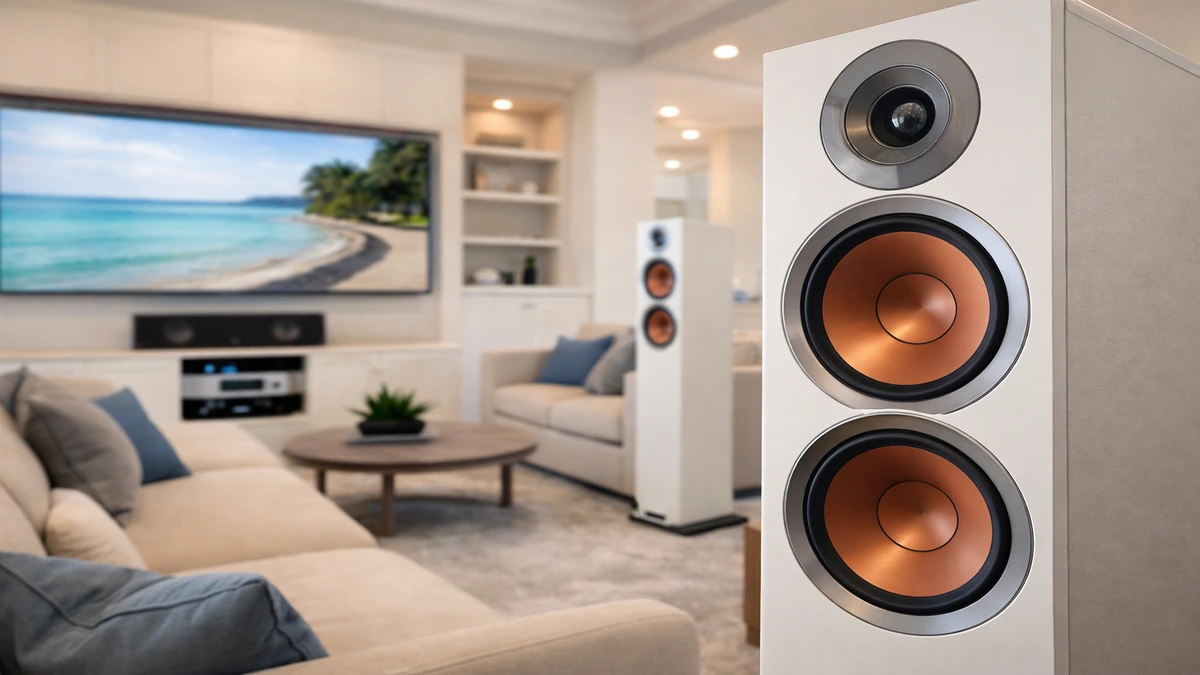
Home Audio Installation
Whole-home and room-based audio systems tailored to how you listen.
4 minutes

Marine Audio & Electronics Installation
Boat audio, displays, and electronics installed for performance on the water.
4 minutes
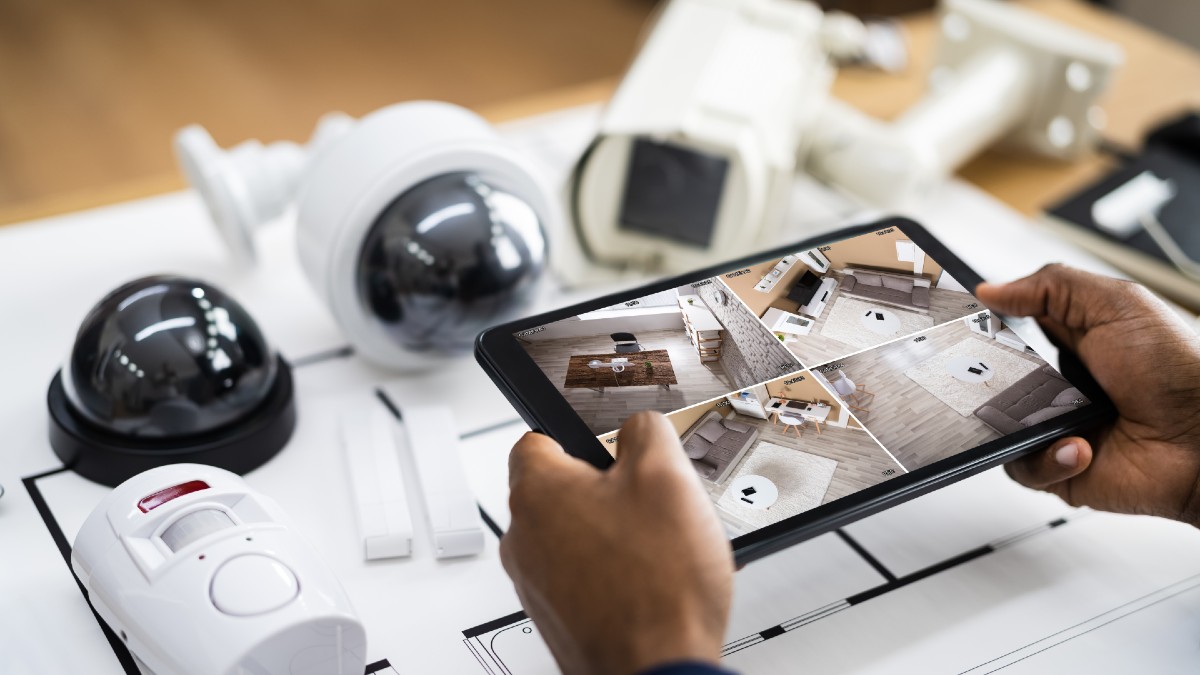
Security Camera Installation
Smart camera systems for visibility, alerts, recording, and remote monitoring.
4 minutes
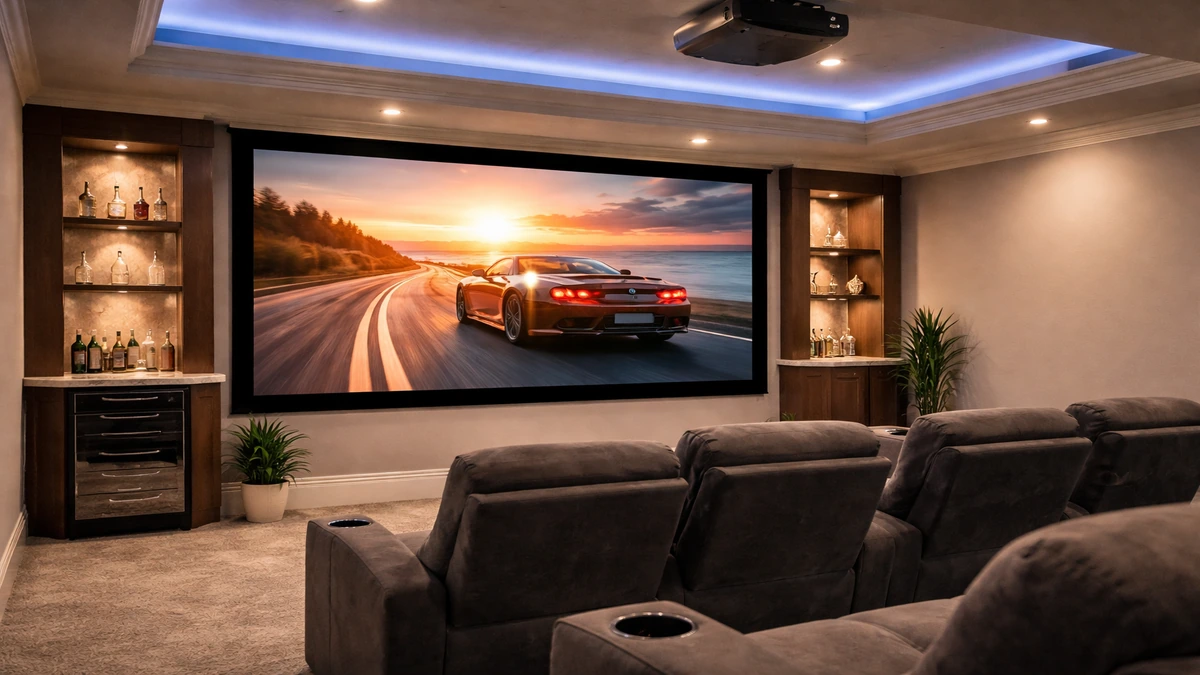
Projector Screen Installation
Projectors and screens configured for sharp viewing and balanced room performance.
4 minutes
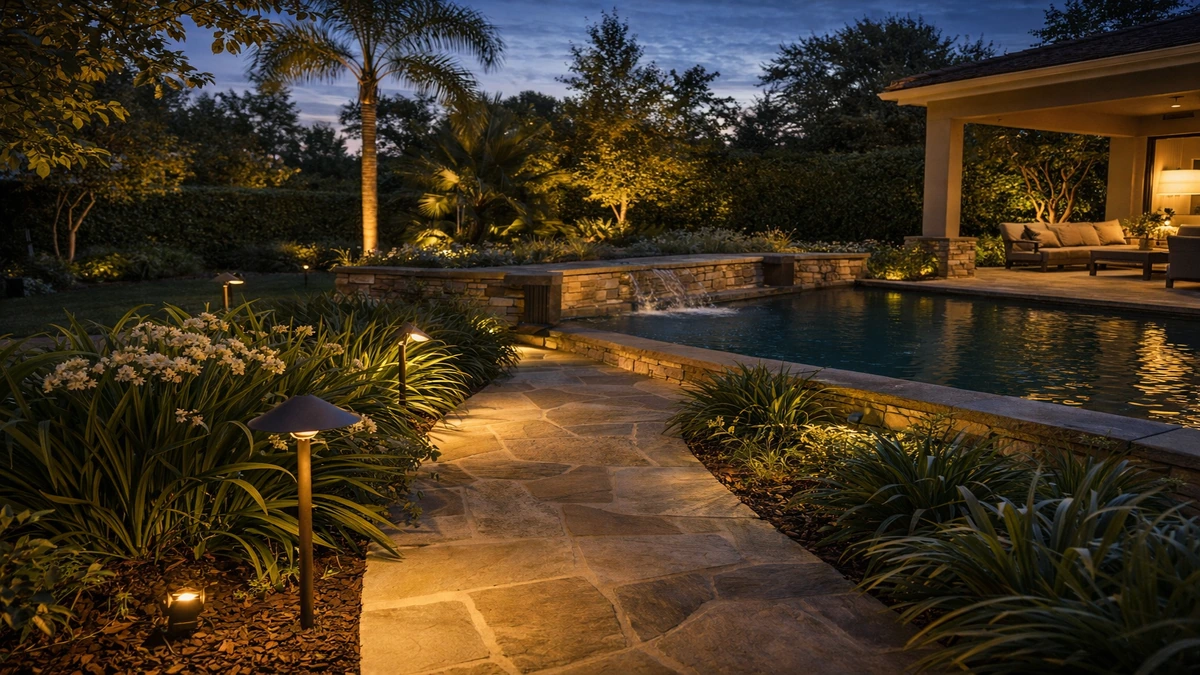
Outdoor Lighting Installation
Exterior lighting that improves curb appeal, ambiance, and nighttime usability.
4 minutes
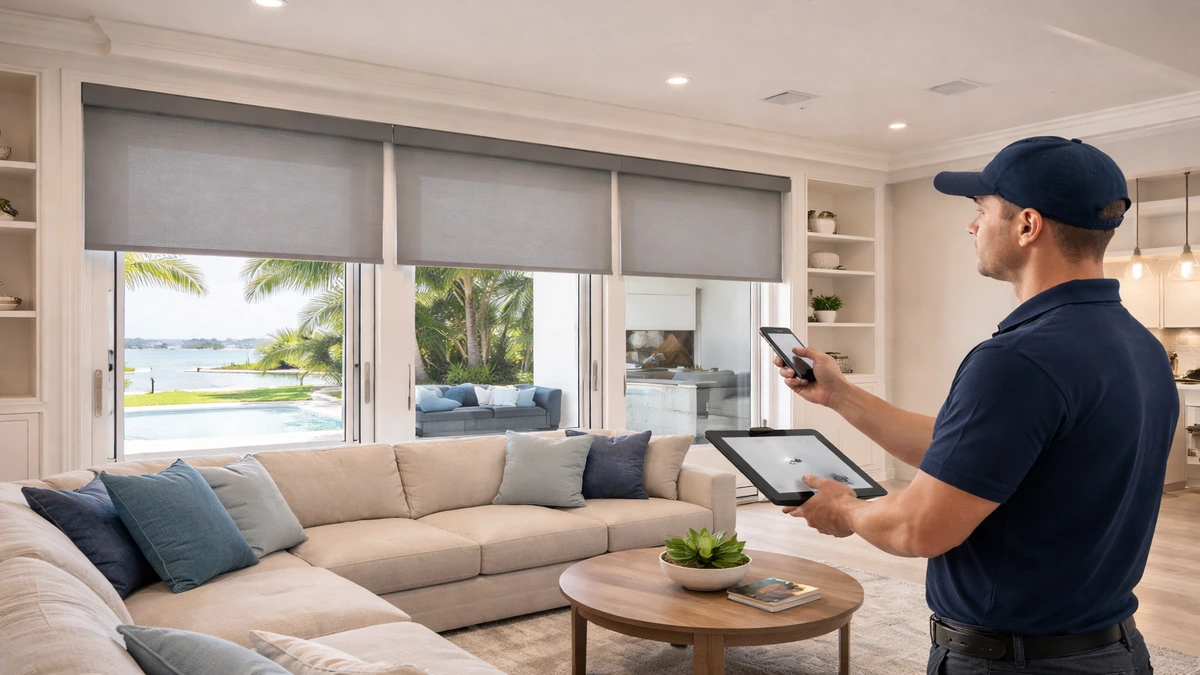
Motorized Blinds Installation
Automated shading for privacy, glare control, and everyday convenience.
4 minutes
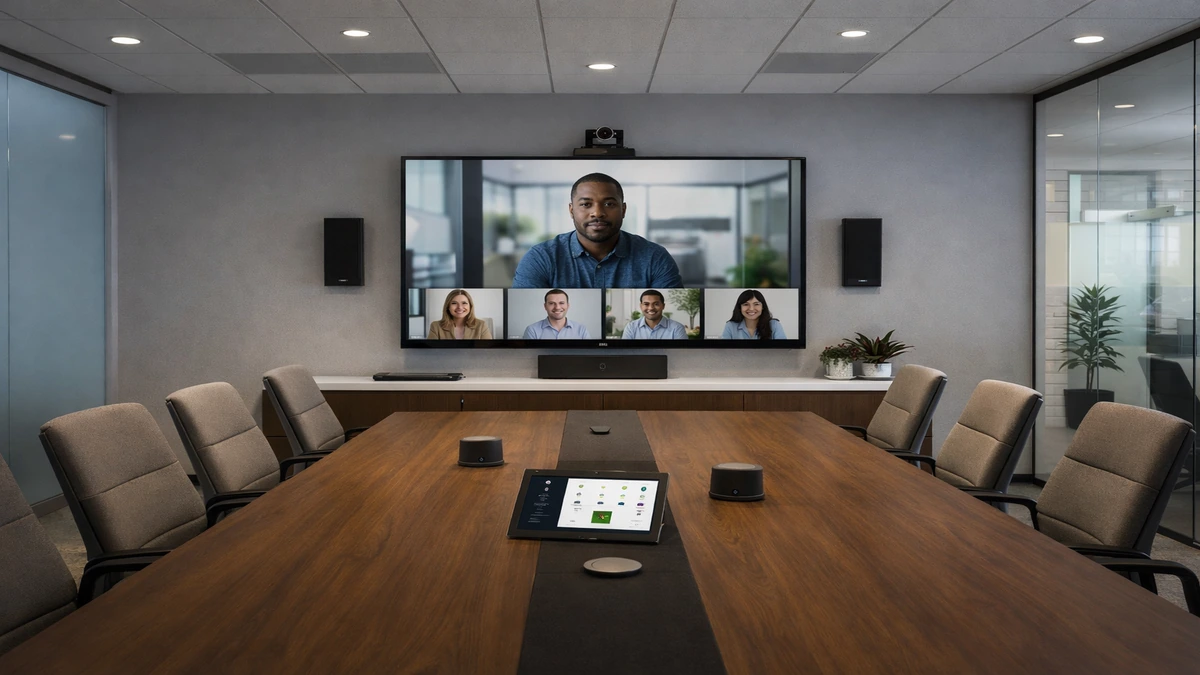
Conference Room AV Installation
Meeting room technology for clearer presentations, calls, and collaboration.
4 minutes
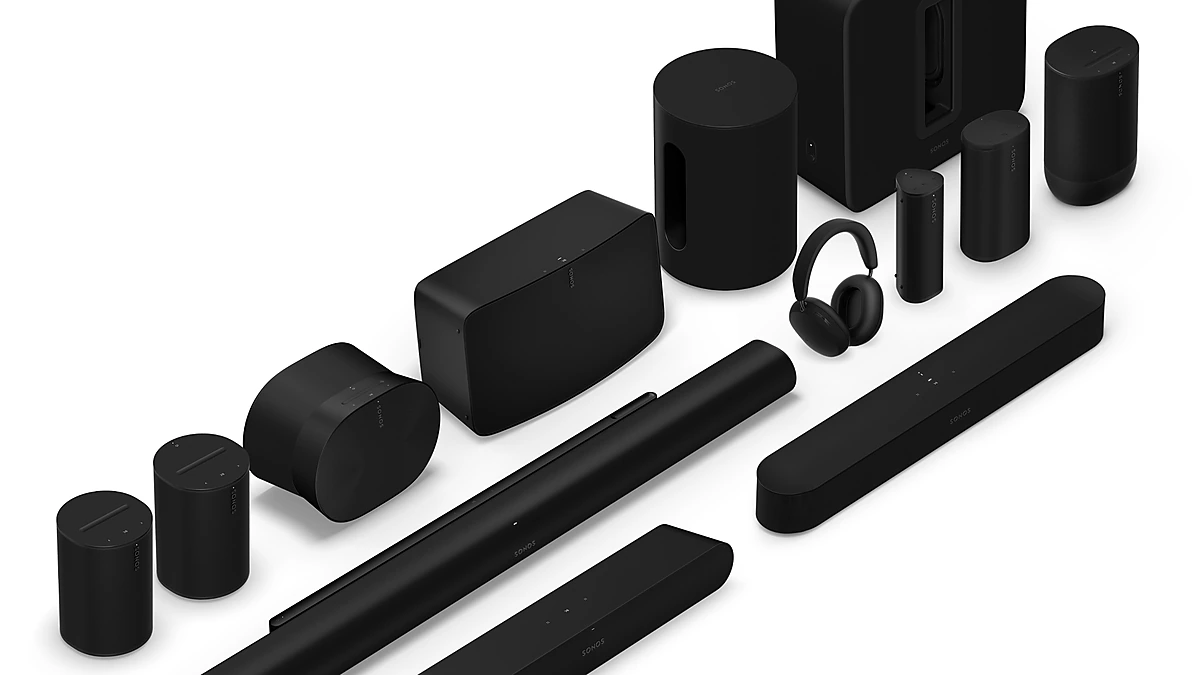
Sonos Installation
Sonos system design, setup, and tuning for simple multi-room audio.
4 minutes
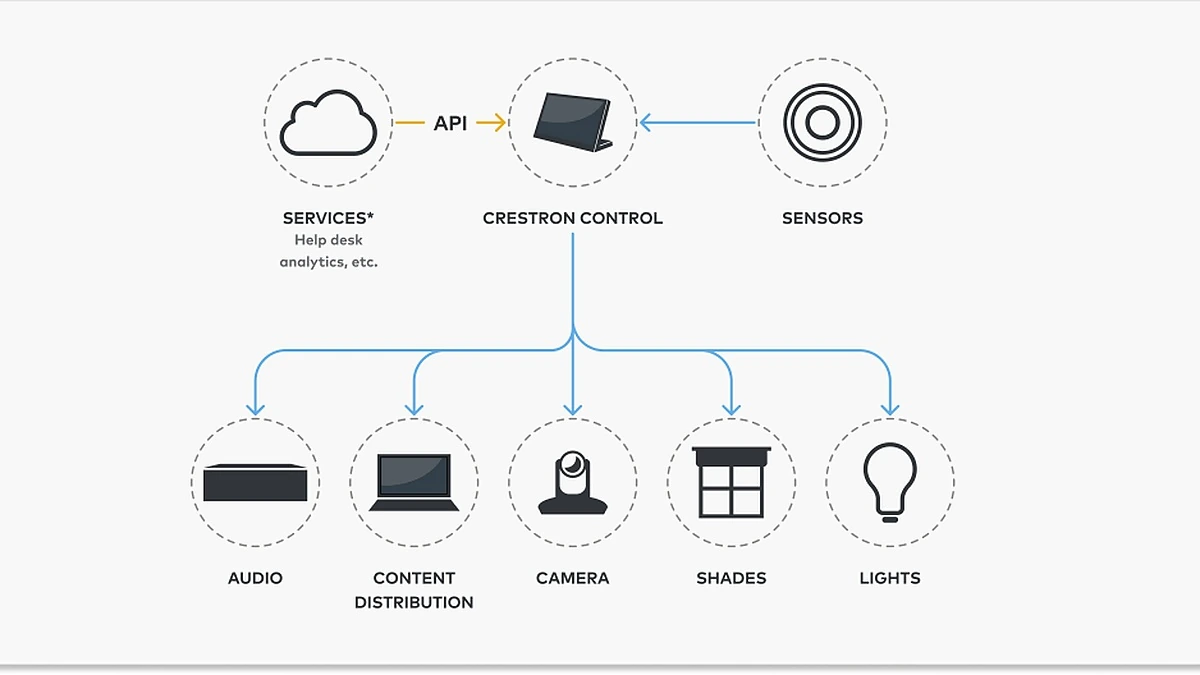
Crestron Installer
Advanced Crestron control integration for high-performance smart home environments.
4 minutes
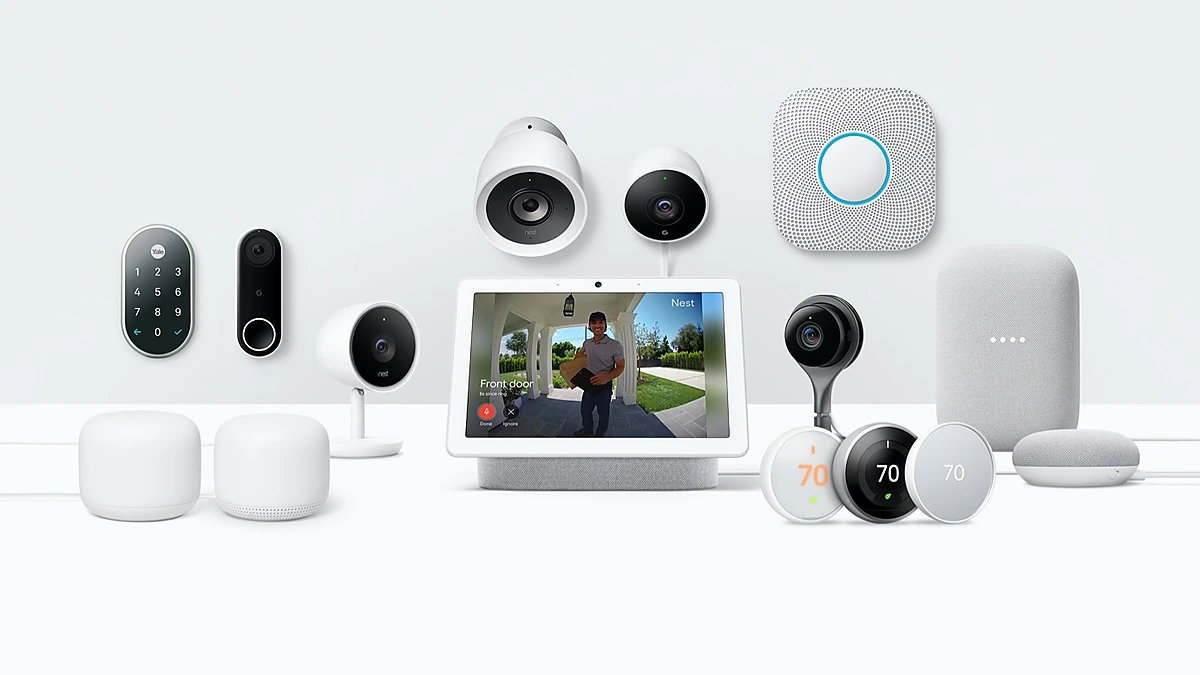
Nest Installer
Nest thermostat and smart home setup for comfort and remote control.
4 minutes
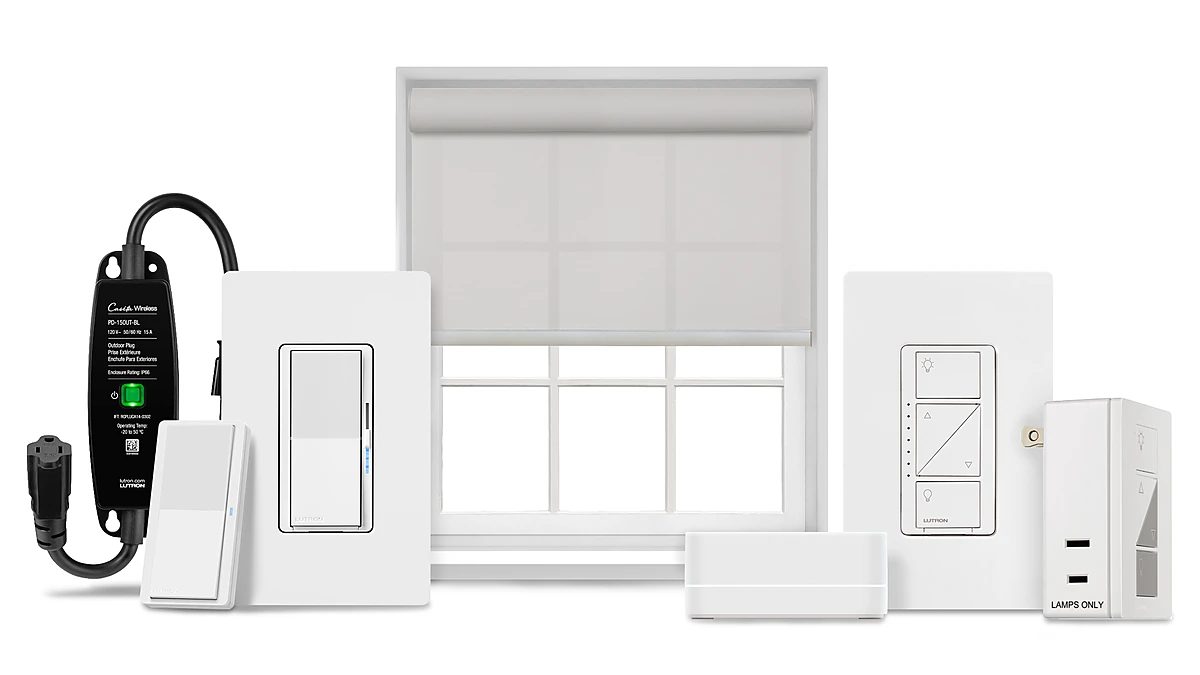
Lutron Installer
Lutron lighting and shading integration for smoother control and scene setting.
4 minutes
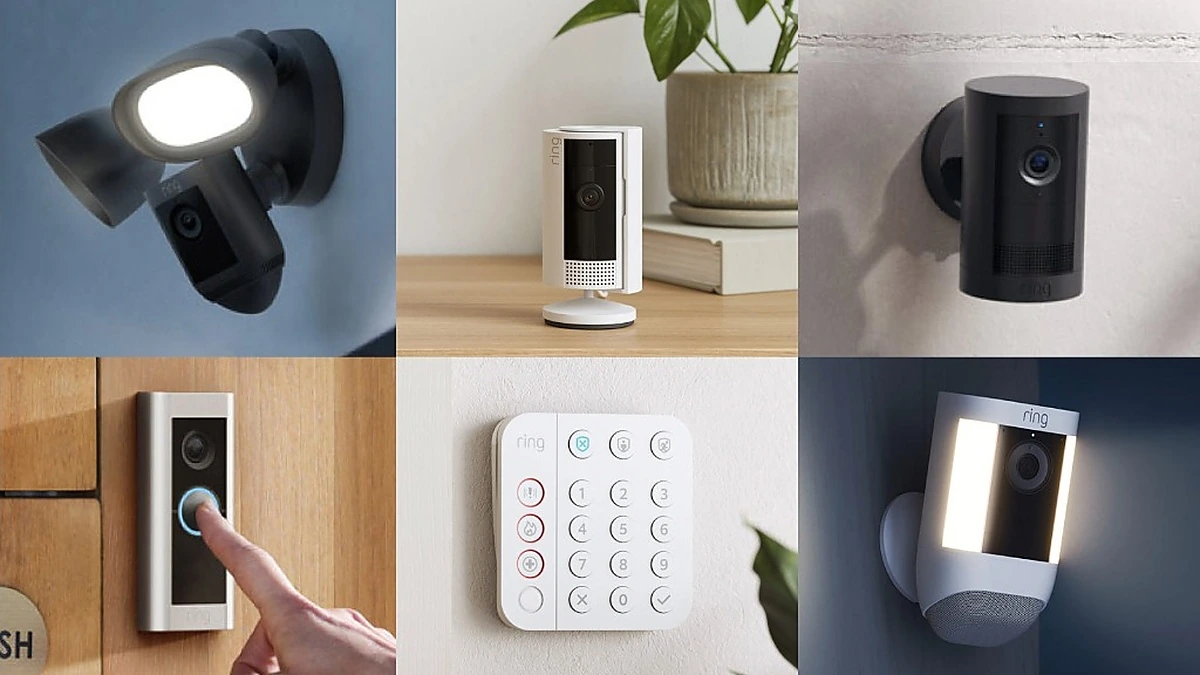
Ring Installation
Ring doorbells and cameras installed for better awareness and entry visibility.
5 minutes
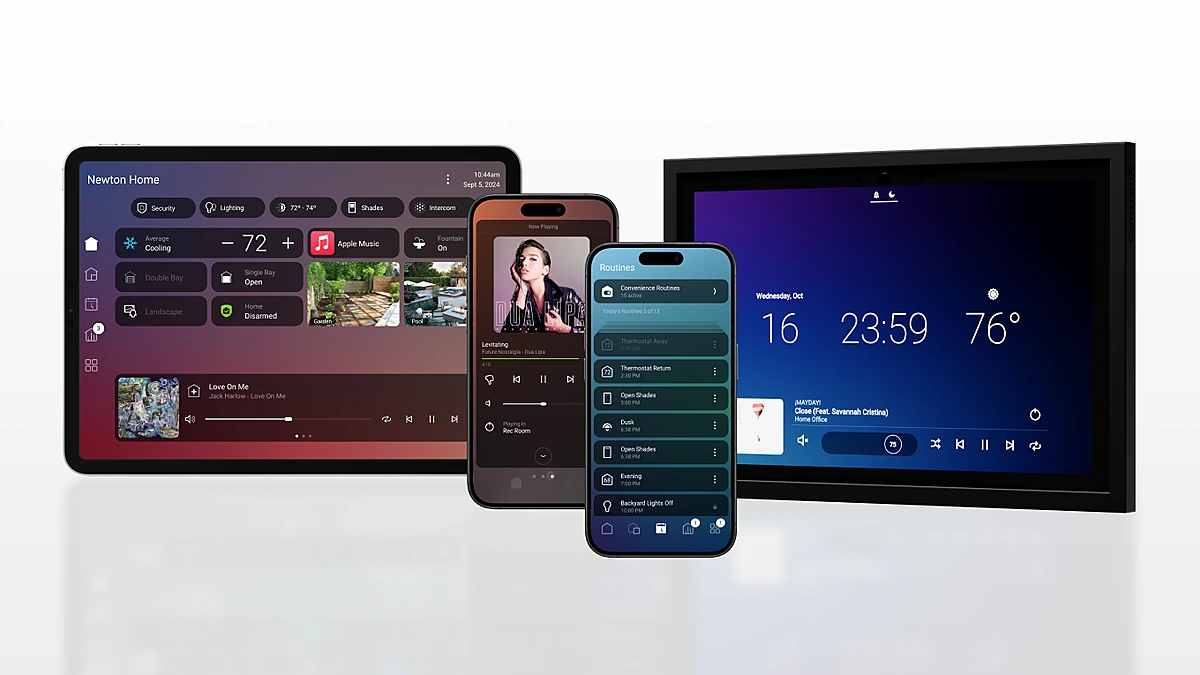
Control4 Installer
Control4 automation setup for unified entertainment, comfort, and home control.
4 minutes

Car & Truck Audio / Electronics Custom Upgrades
Custom mobile audio and electronics upgrades for better sound and functionality.
3 minutes

No decade built even a quarter of Melbourne
Melbourne has 40,709 homes, and the largest single group of them, 9,619, went up between 1980 and 1989. That is the modal decade and it is still under a quarter of the city. That absence of a dominant decade is the fact worth carrying into a whole-home project here. The housing was not put up in one push, so what a survey learns at one address carries no particular authority at the next.
The spread is wide at both ends. Some 5,033 of these homes were standing before 1960, and another 8,923 have been finished since the year 2000. That is three genuinely different starting positions inside one city, and which of them you are in decides the first week of a project rather than the last.
The three are worth naming, because a survey looks for different things in each. In the oldest houses there is usually nothing structured to build on, and the design starts from voids and chases provided for something else entirely. In the middle band there is often a cable or two, rarely worth keeping, sitting in a path that usually is. In the newest homes there may be some deliberate provision, and the question becomes whether it was ever sized for what a house is now asked to carry.
In a detached house the roof space is where the design gets decided
Nearly two homes in three here are single-family, 23,370 of them detached and 2,308 attached. Where that describes your property, nothing standing between the equipment and the far room belongs to anybody else, so in-ceiling speaker placement and the route that feeds it are decisions rather than requests. What almost none of that housing came with is structured pre-wire, so the work is a retrofit into finished ceilings whichever decade the house came out of.
Which is why the attic earns an early visit. Clearance over the rooms that matter, the direction the trusses run, whether insulation is deep enough to swallow a back box, and whether a duct sits exactly where the layout wanted a pair — those settle in-ceiling placement far more reliably than any product sheet. Fixing the layout first and discovering the roof second is a reliable way to lose a schedule.
A quarter of these homes are in small buildings, and that changes who answers
Melbourne is not only a house city. Some 10,087 homes here sit in buildings of two to nineteen units, more than three times the number in anything of twenty units or more. In a building that size the survey asks all the same questions — which void carries the run, what may be opened, where the equipment can live — but you are not always the person who answers them, and establishing who does belongs at the start of a design rather than the middle.
That is also where the finish standard stops being a preference and becomes the lever. What disappears into the fabric and what may run behind a skirting is a design-stage choice in any building, but in a small block it is often the only choice left once the routes are known. Hiding cable inside a wall that is already finished is where this work gets expensive, so that decision belongs in the budget conversation and not in the snagging one.
Two households in five do not own the home they are in
Of the 35,954 occupied homes in Melbourne, 21,667 are owner-occupied and 14,287 are rented. Two households in five here do not own the home a system would go into, and that puts one plain requirement on the control layer: the person standing in the room may not be the person who specified any of it. One obvious way to do each thing, on a keypad or a screen that sits where anybody would look for it, beats a clever arrangement that has to be explained to work.
Melbourne keeps only 1,481 of its homes for seasonal, recreational or occasional use — fewer than a third of everything standing vacant here. The great majority of this housing has somebody in it every day of the year, so nobody here is asking a system to run a house from several states away. They are asking it to work on an ordinary Tuesday evening, for people who never read the handover notes, and that is the standard worth designing to.
So the order is the same at every address even though the answers are not. Establish what is already in the fabric and how much of it is worth reusing, agree what has to be concealed, size the cabling and network for what the home will carry in five years, and leave the visible equipment until the routes are settled. In a city assembled decade by decade, the sequence is the one thing that survives the move from one address to the next.