
One Route, Fewer Openings Audio Video | Home Theater Installations Serving Palm Bay, FL
One planned route beats a dozen improvised ones in Palm Bay, where 40,514 of 48,826 homes are detached houses and the median home is valued at 8,000.
Transform Your Palm Bay, FL Spaces with Smart Home, Vehicle, and Security Solutions
Experience cleaner control, stronger entertainment, better security, and practical audio/video upgrades for Palm Bay homes, vehicles, and boats.
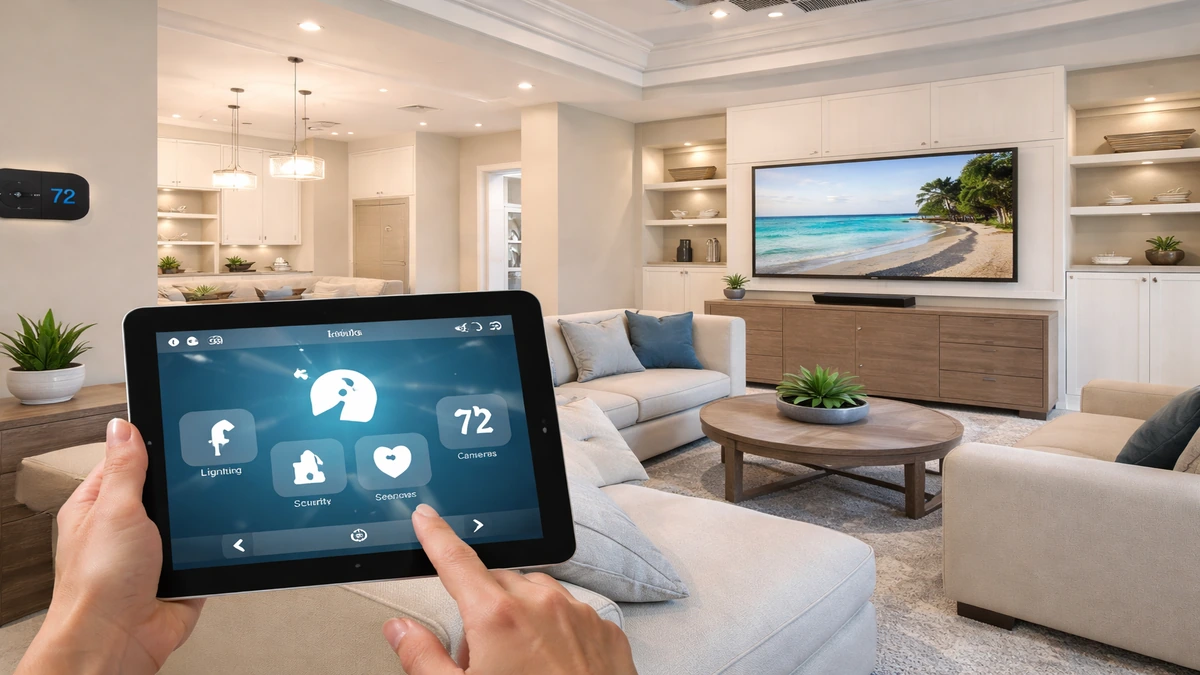
Smart Home Automation Installation
Integrated control for lighting, climate, security, and entertainment.
4 minutes
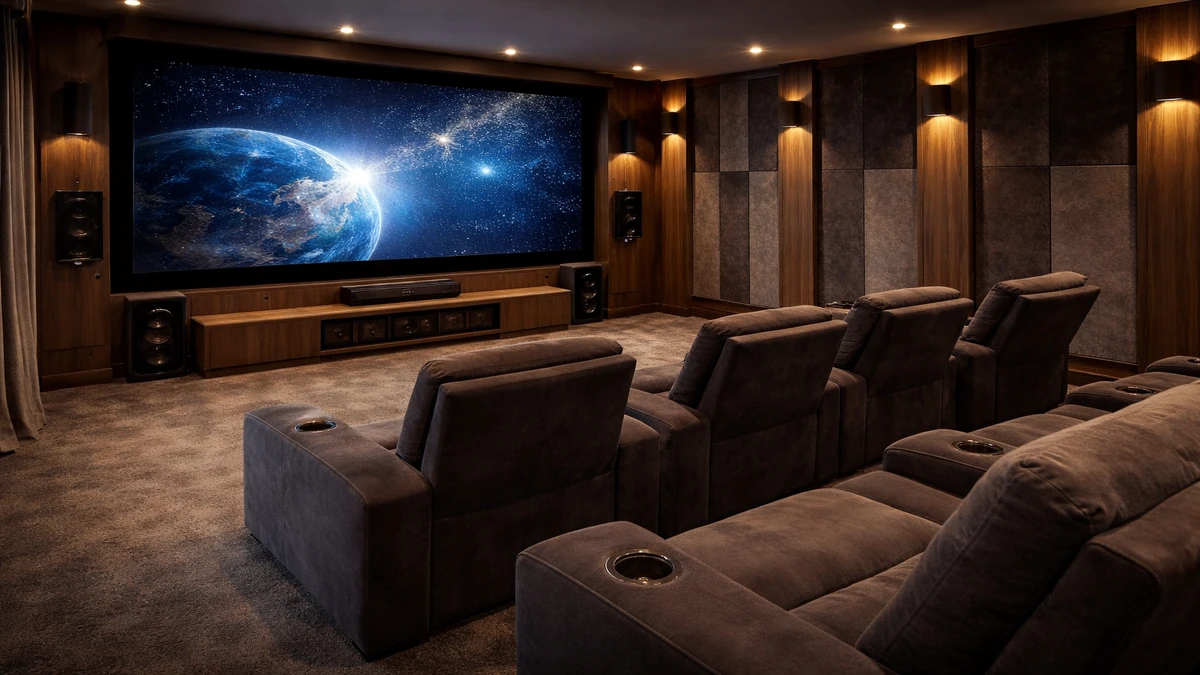
Home Theater Installation
Custom theater rooms designed for immersive picture, sound, and comfort.
4 minutes
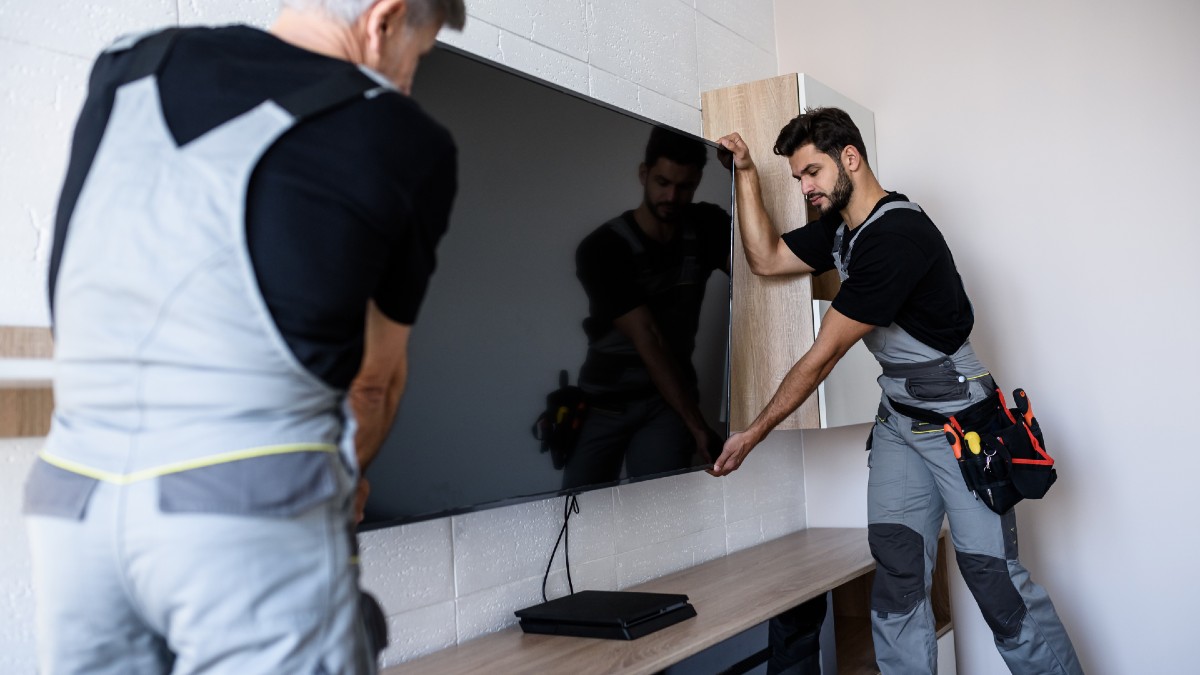
TV Wall Mounting
Professional TV mounting for cleaner layouts and better viewing angles.
5 minutes
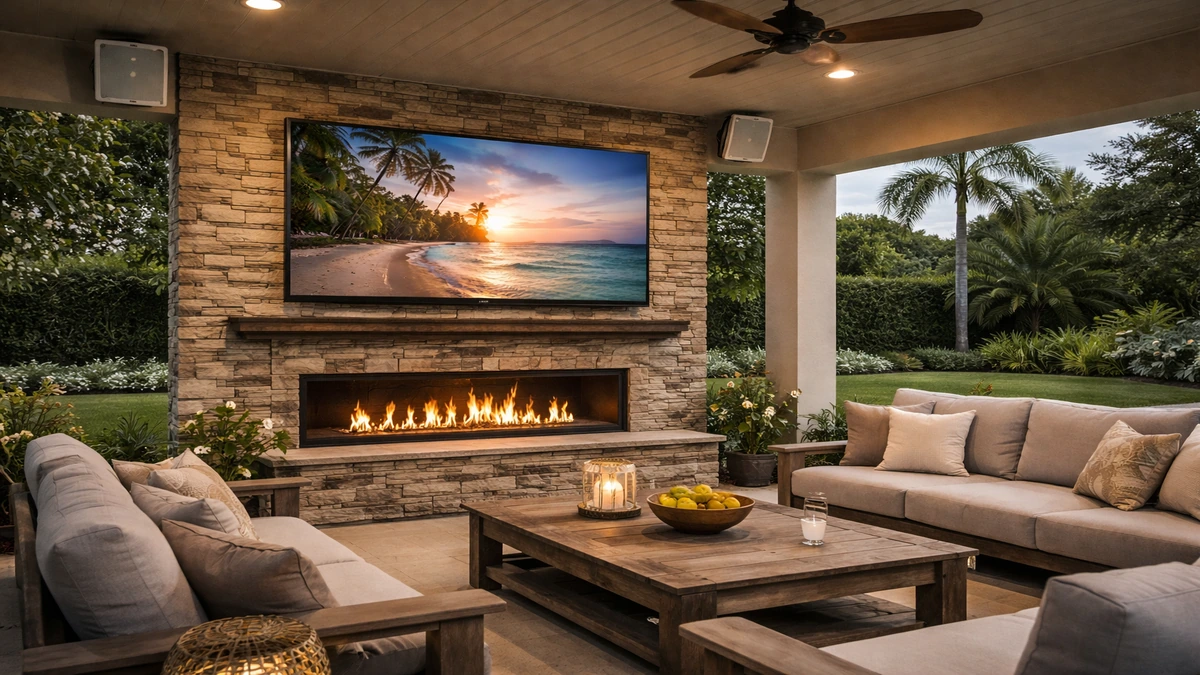
Outdoor TV Installation
Weather-aware outdoor TV setups built for patios, lanais, and pool areas.
5 minutes
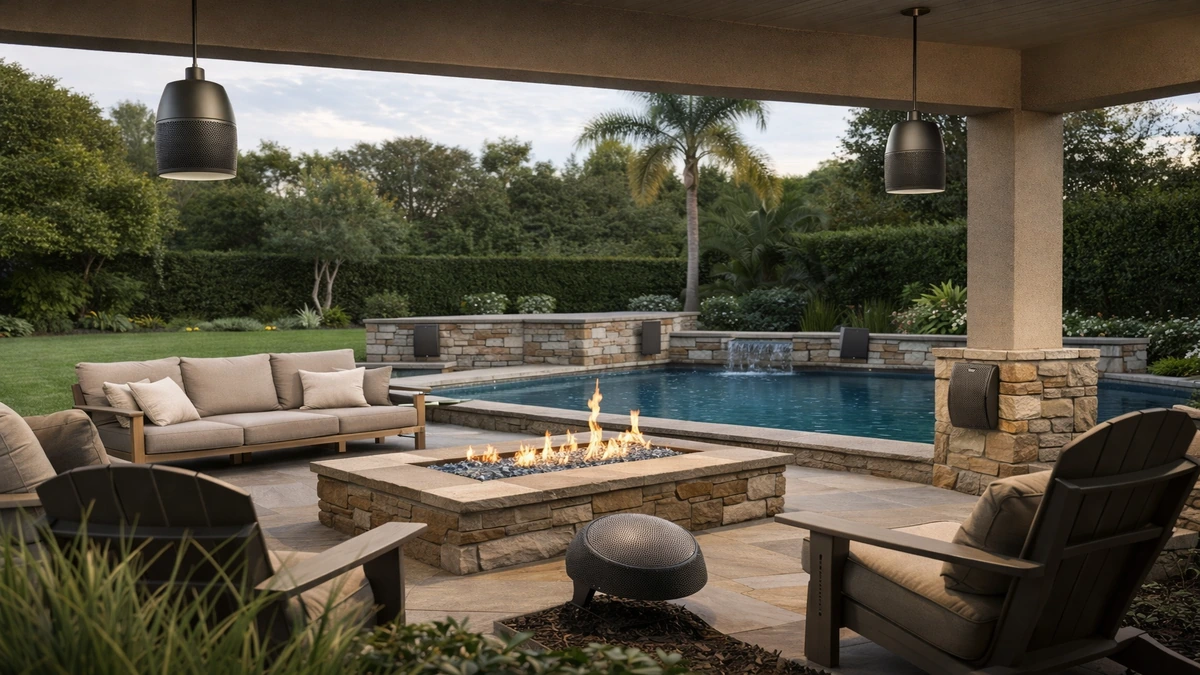
Outdoor Audio Installation
Outdoor speaker systems planned for clear sound and reliable coverage.
4 minutes
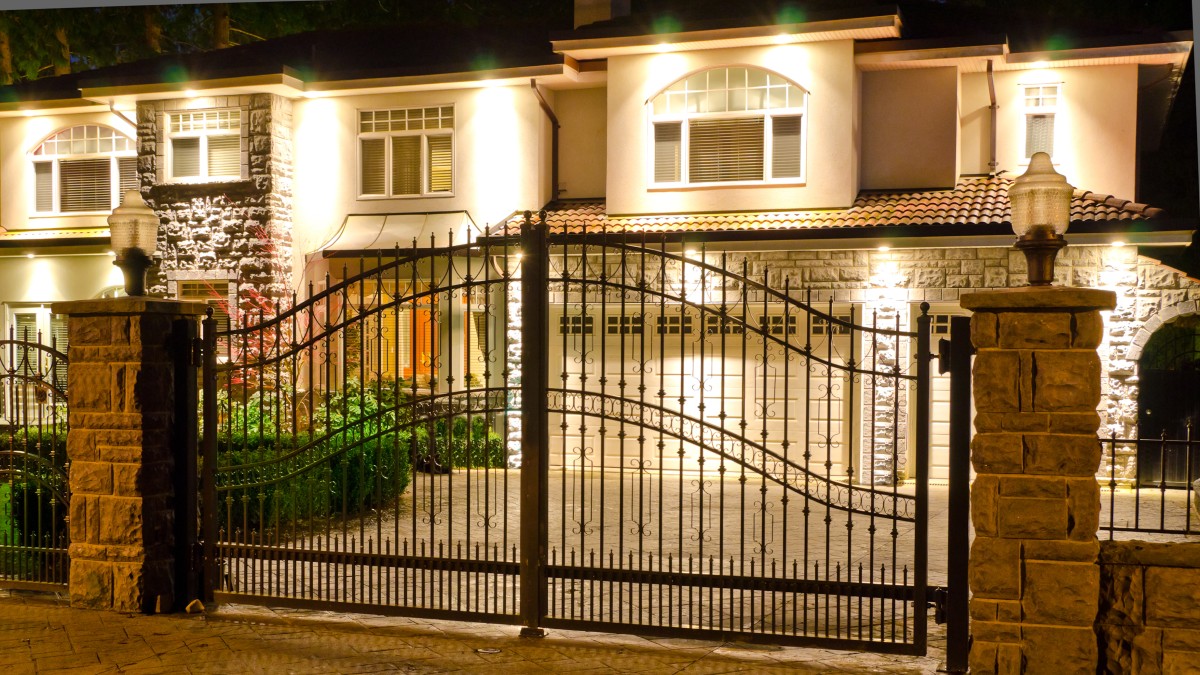
Automatic Gates
Secure, convenient gate automation with access control and entry integration.
4 minutes
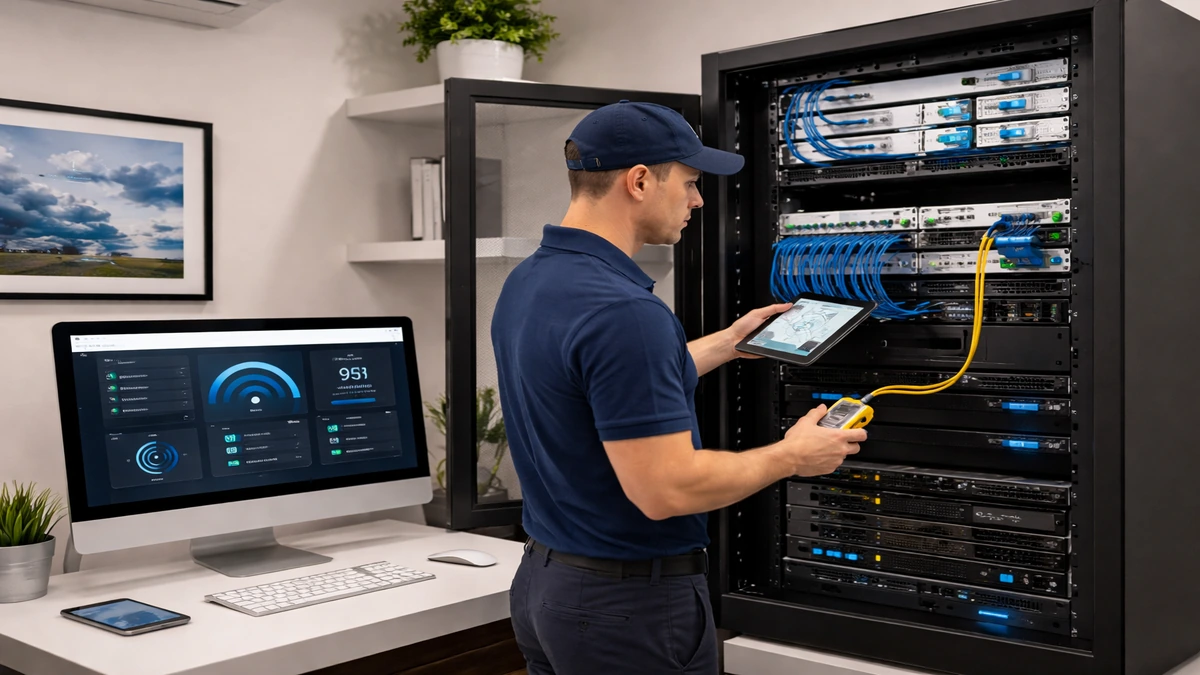
Home Network Installation
Stronger Wi-Fi, better coverage, and dependable connectivity throughout the property.
4 minutes
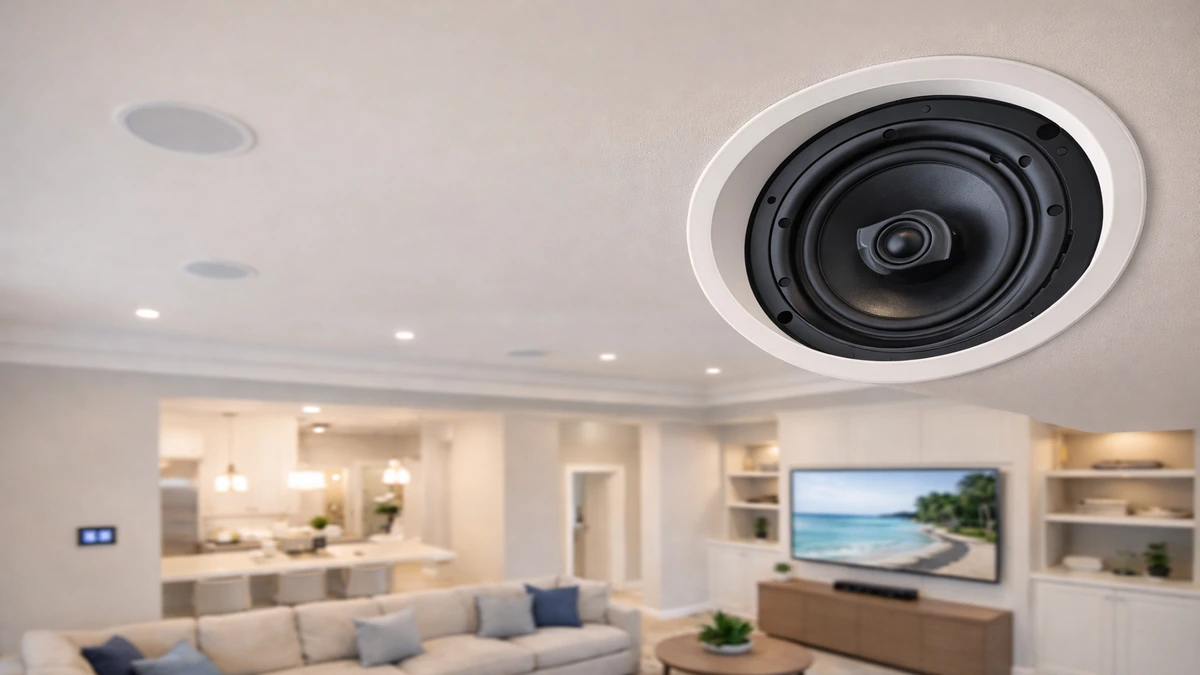
Ceiling Speaker Installation
Clean in-ceiling audio solutions for music, TV, and multi-room sound.
4 minutes
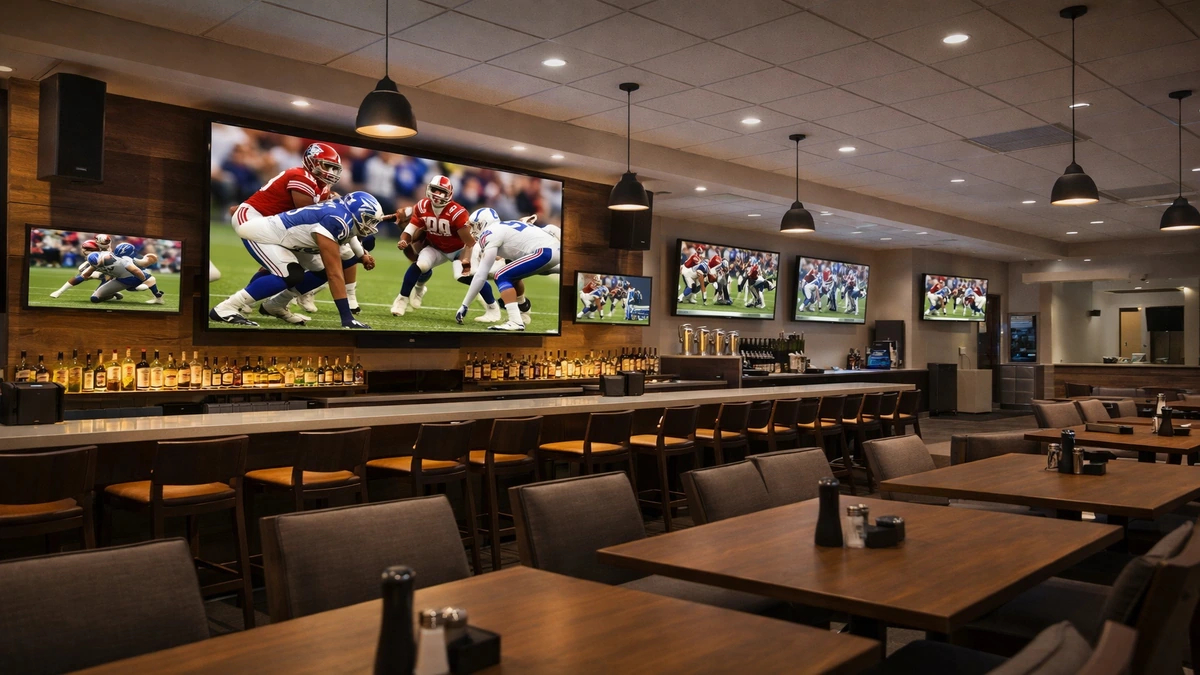
Commercial AV Installation
Professional audio, video, and control systems for business environments.
4 minutes
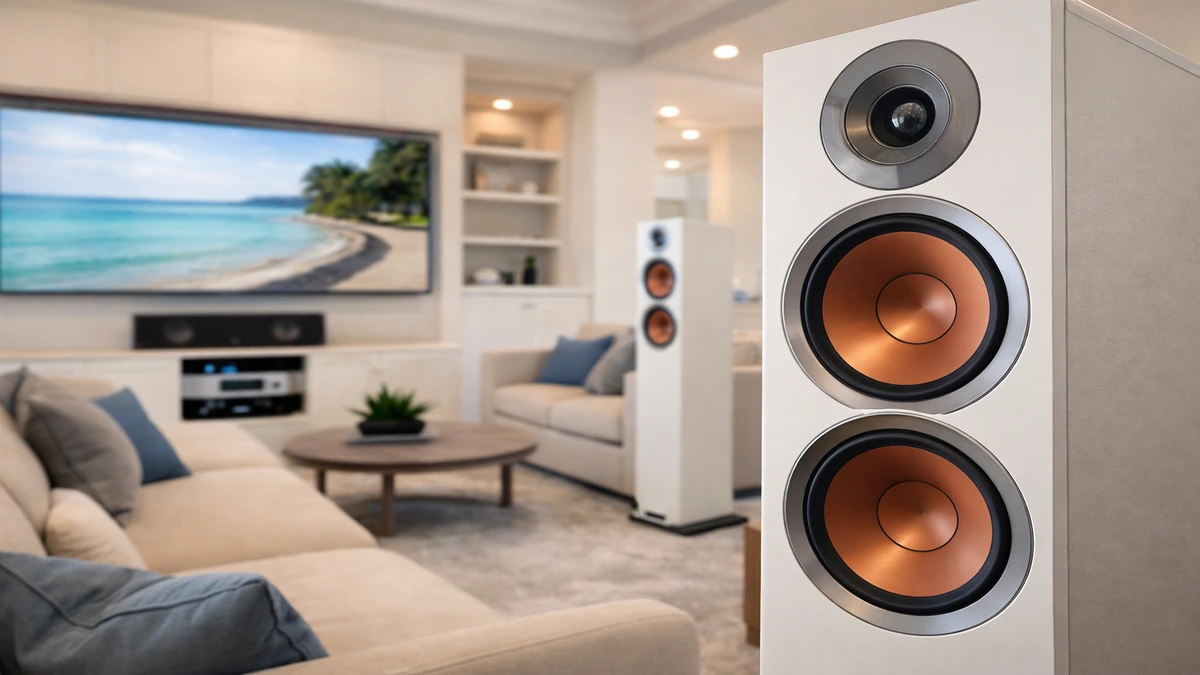
Home Audio Installation
Whole-home and room-based audio systems tailored to how you listen.
4 minutes

Marine Audio & Electronics Installation
Boat audio, displays, and electronics installed for performance on the water.
4 minutes
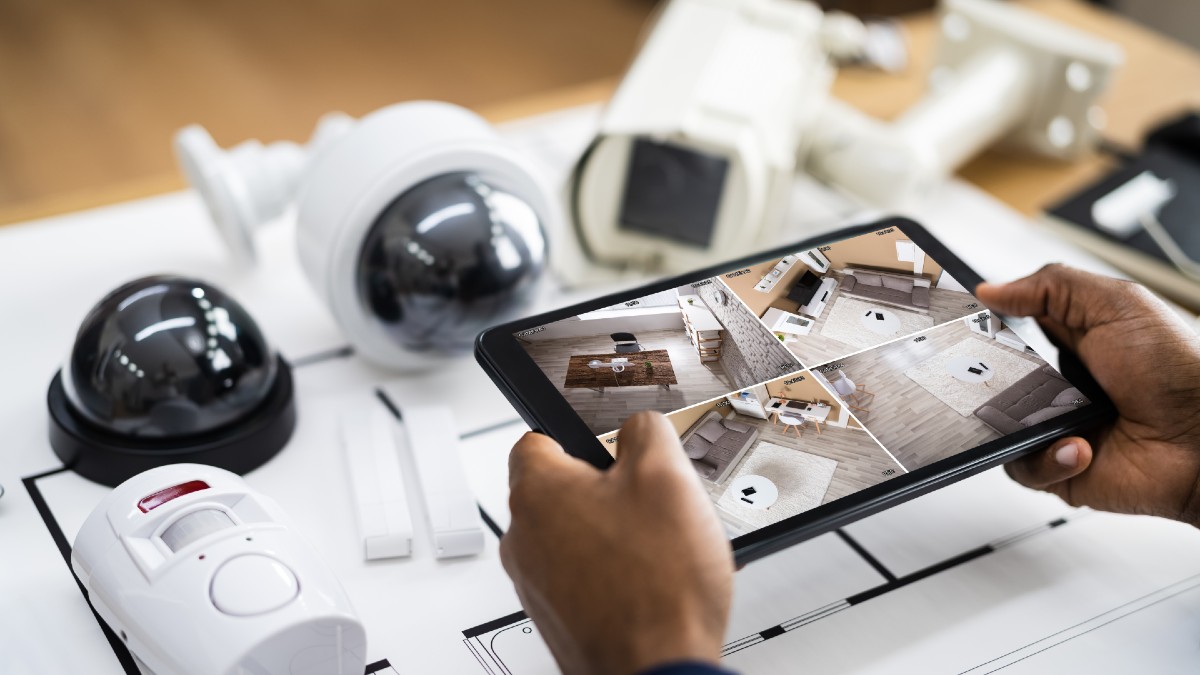
Security Camera Installation
Smart camera systems for visibility, alerts, recording, and remote monitoring.
4 minutes
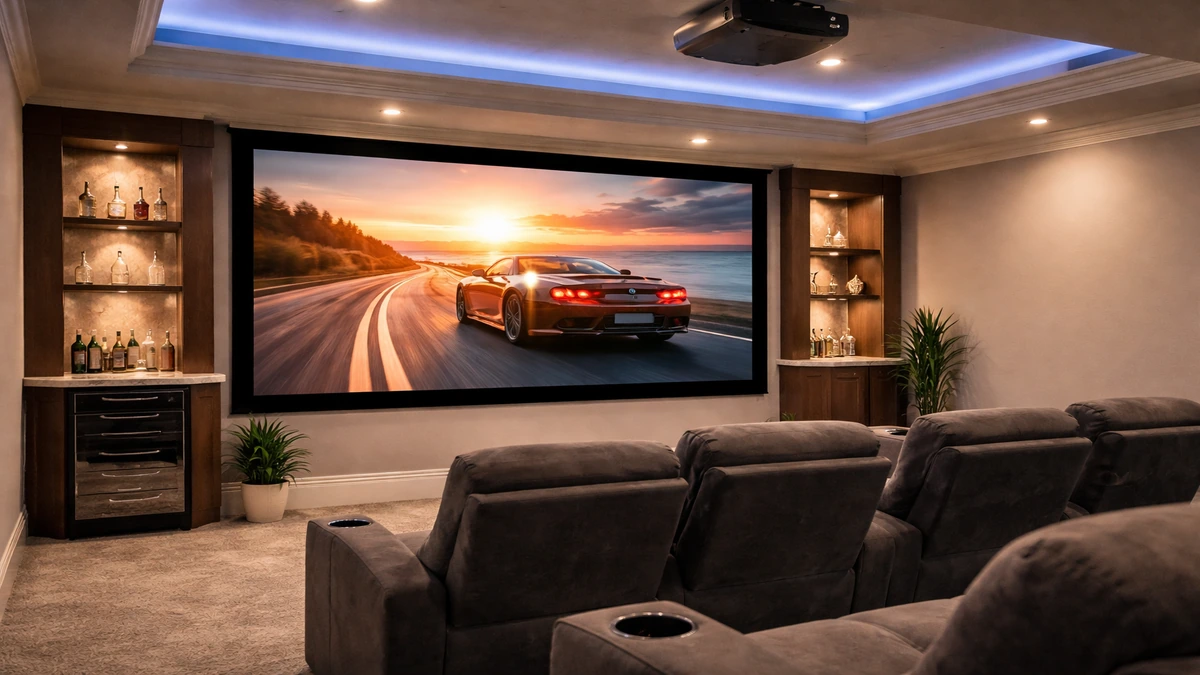
Projector Screen Installation
Projectors and screens configured for sharp viewing and balanced room performance.
4 minutes
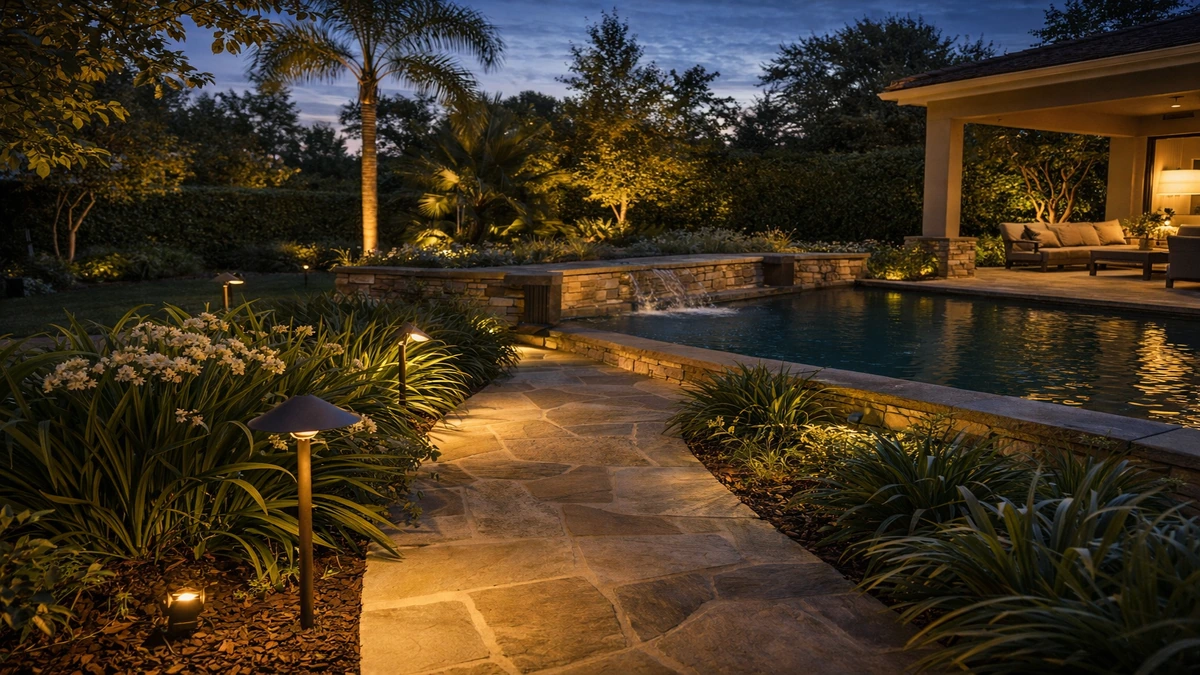
Outdoor Lighting Installation
Exterior lighting that improves curb appeal, ambiance, and nighttime usability.
4 minutes
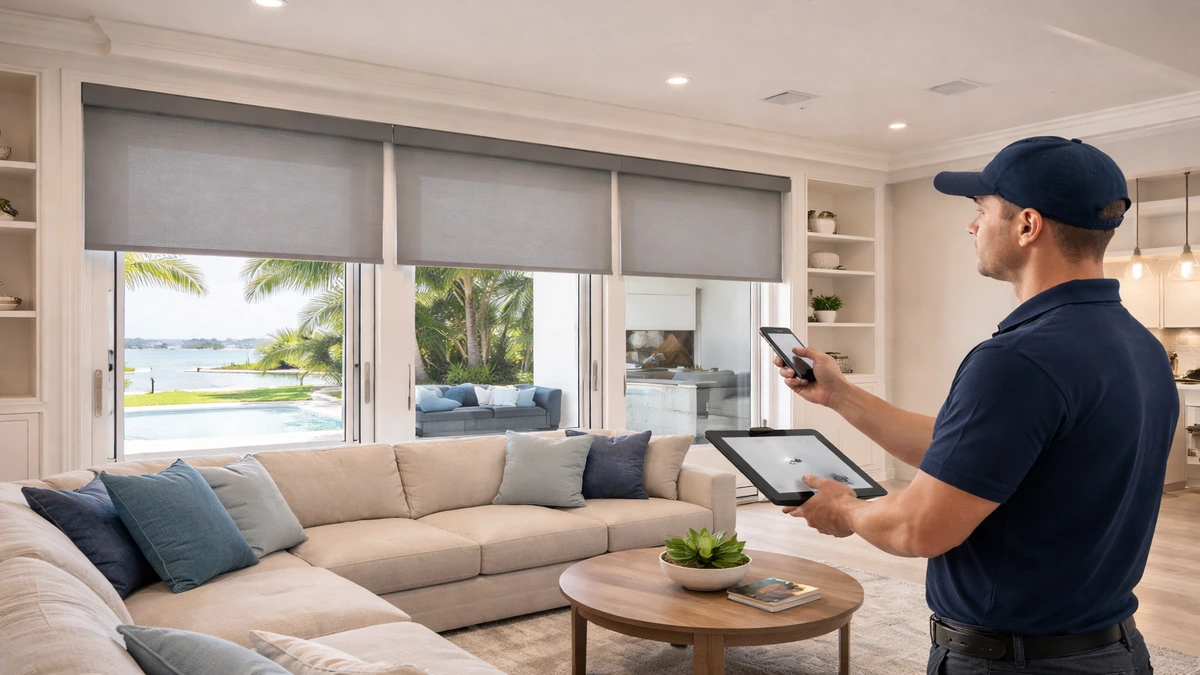
Motorized Blinds Installation
Automated shading for privacy, glare control, and everyday convenience.
4 minutes
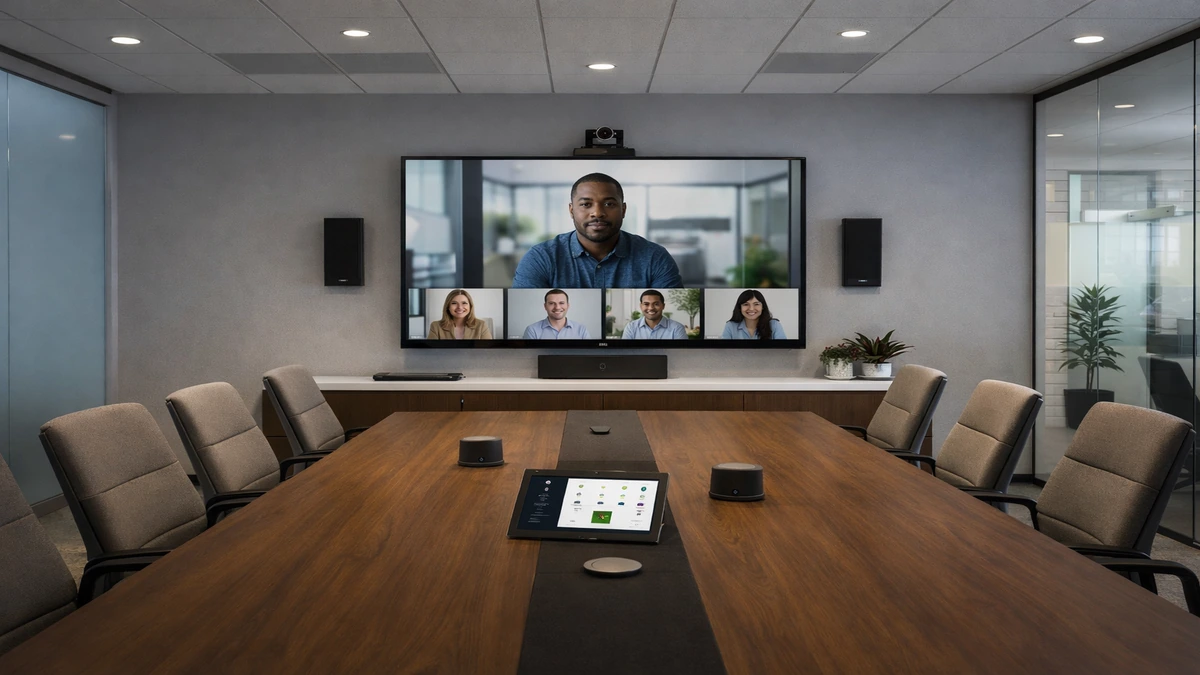
Conference Room AV Installation
Meeting room technology for clearer presentations, calls, and collaboration.
4 minutes
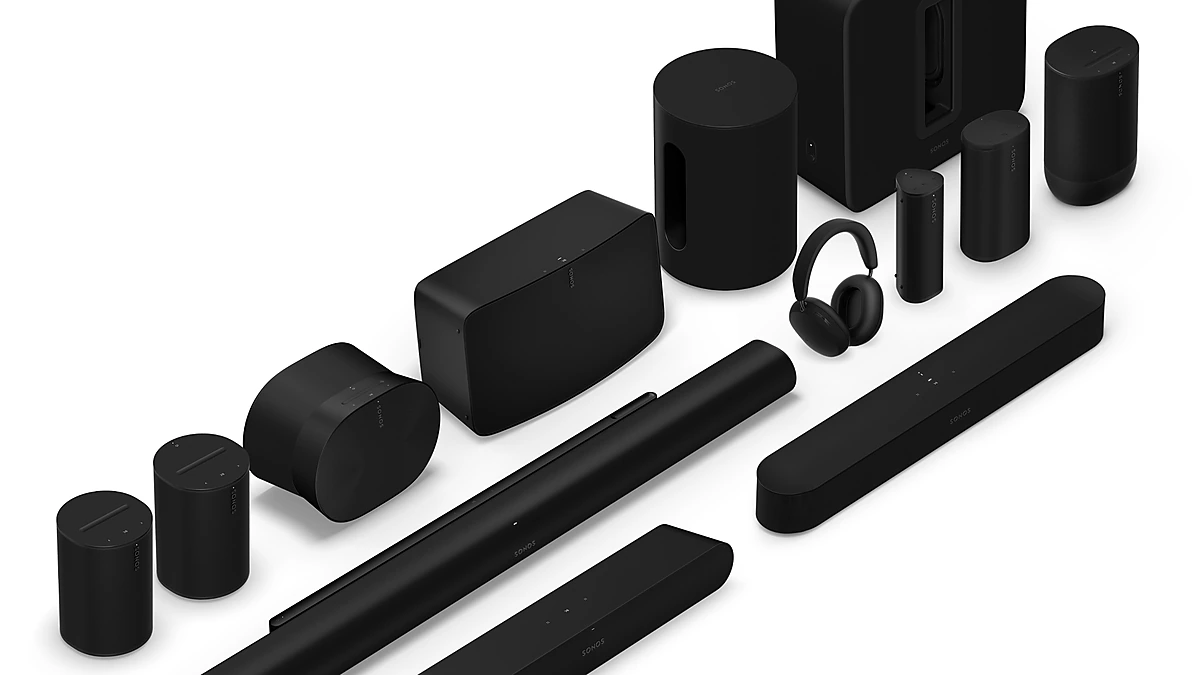
Sonos Installation
Sonos system design, setup, and tuning for simple multi-room audio.
4 minutes
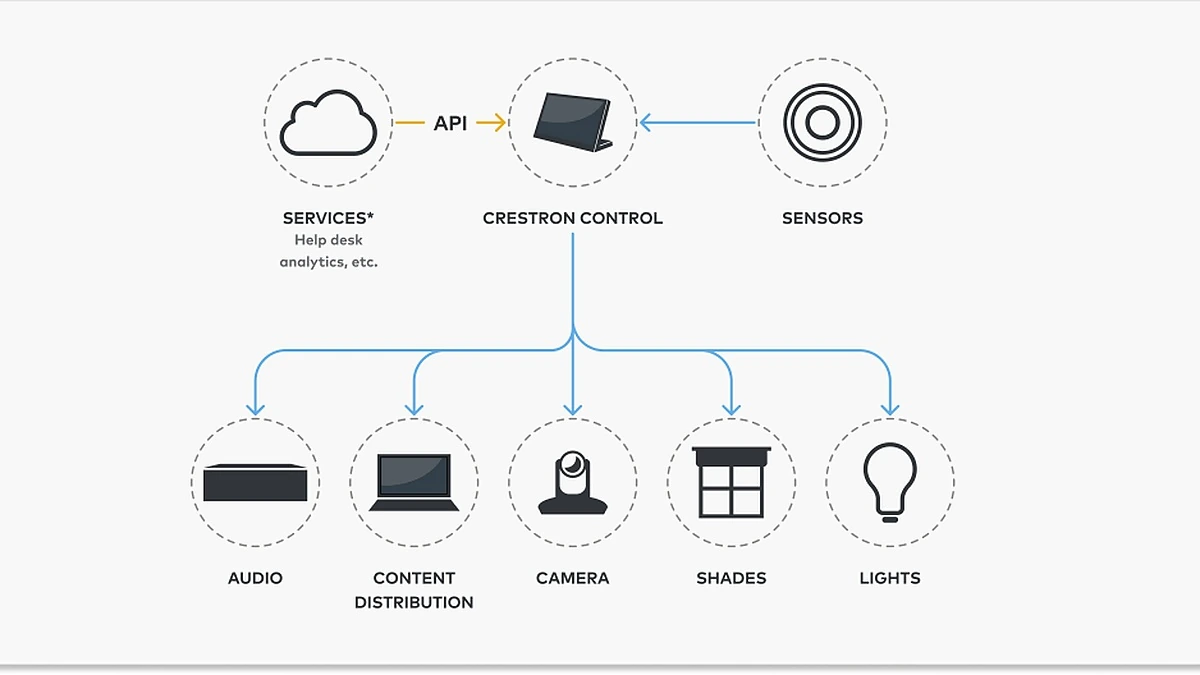
Crestron Installer
Advanced Crestron control integration for high-performance smart home environments.
4 minutes
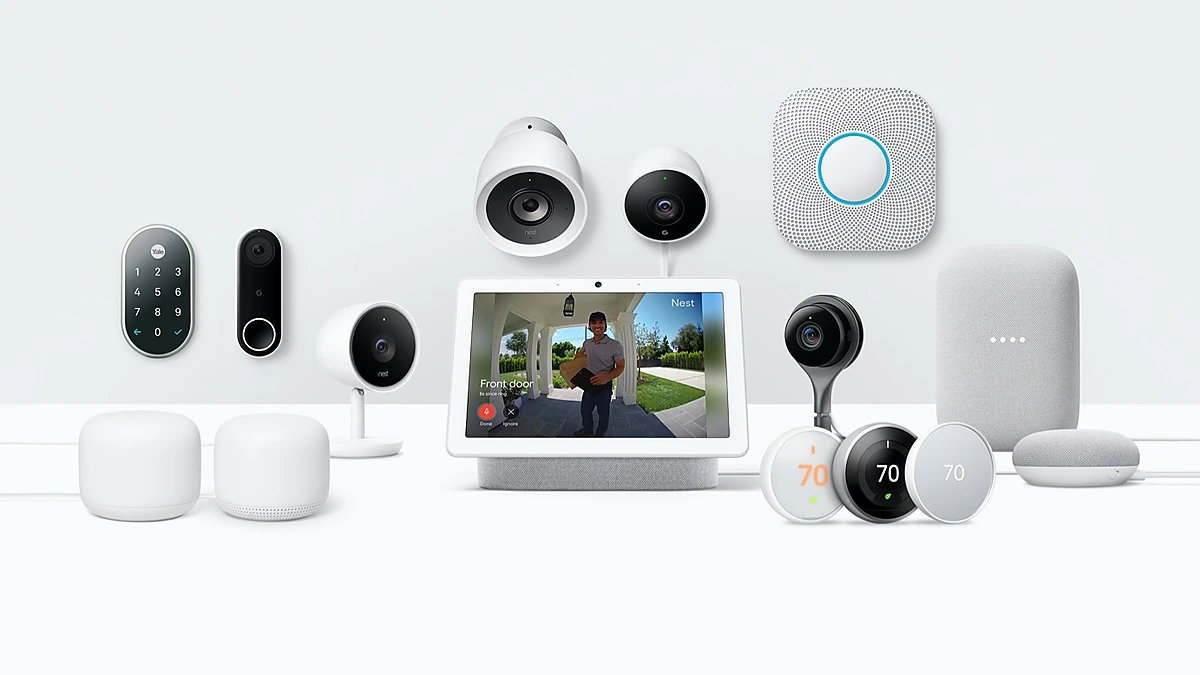
Nest Installer
Nest thermostat and smart home setup for comfort and remote control.
4 minutes
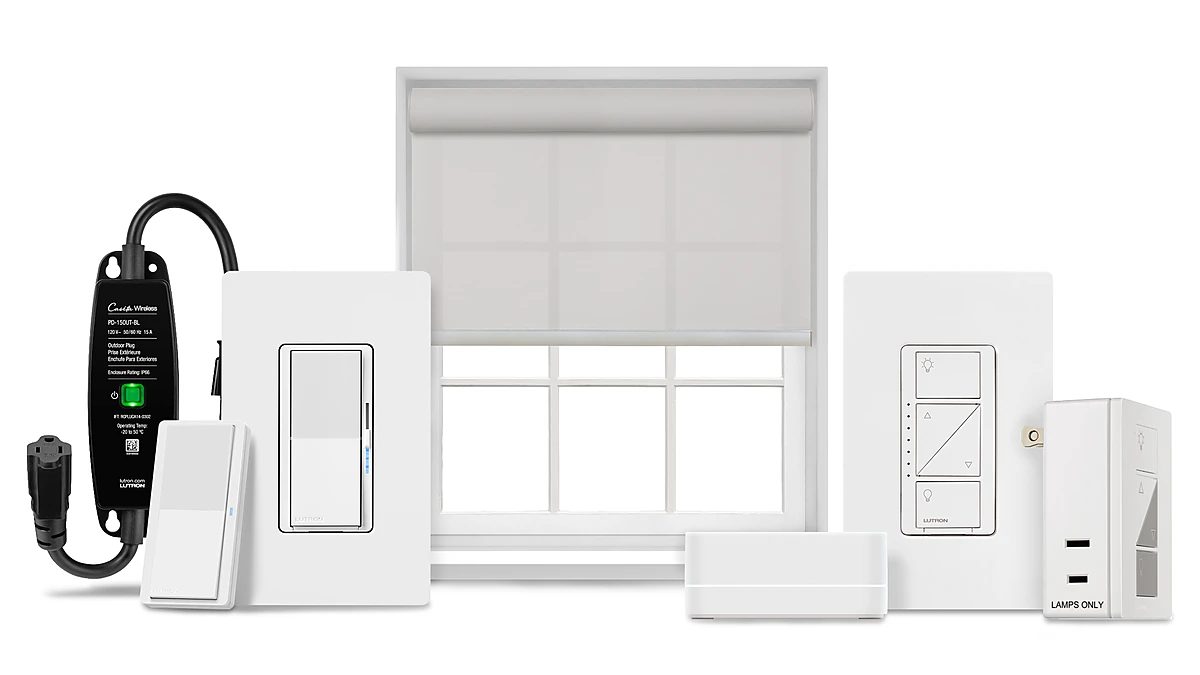
Lutron Installer
Lutron lighting and shading integration for smoother control and scene setting.
4 minutes
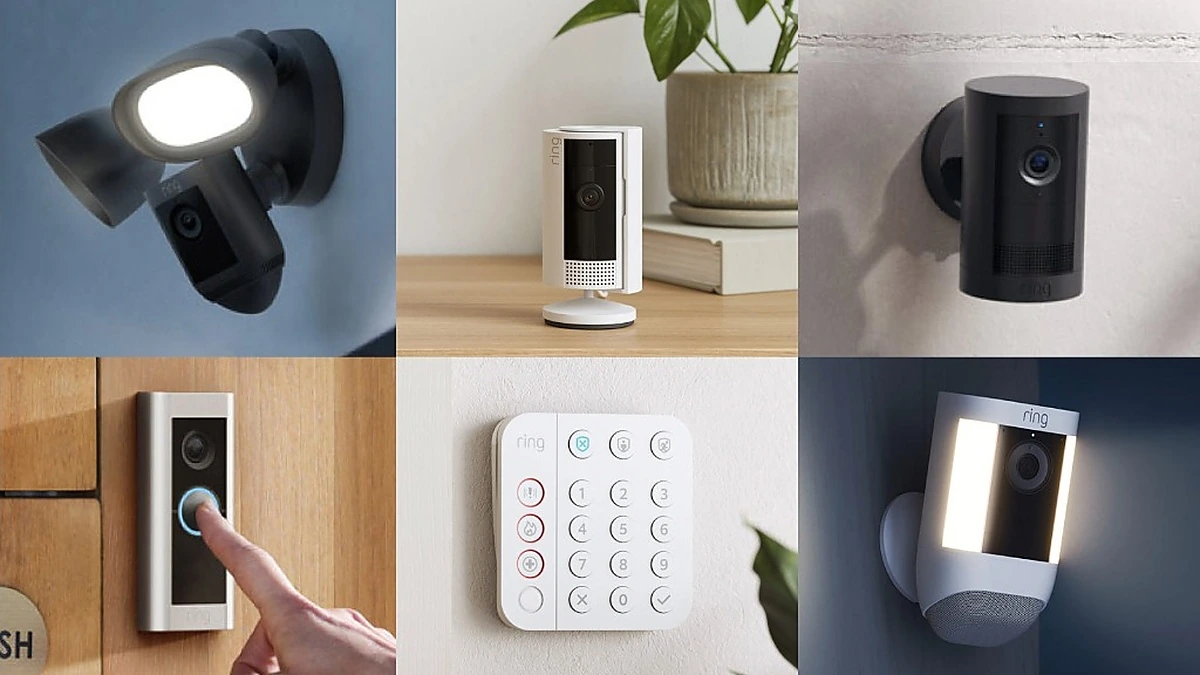
Ring Installation
Ring doorbells and cameras installed for better awareness and entry visibility.
5 minutes
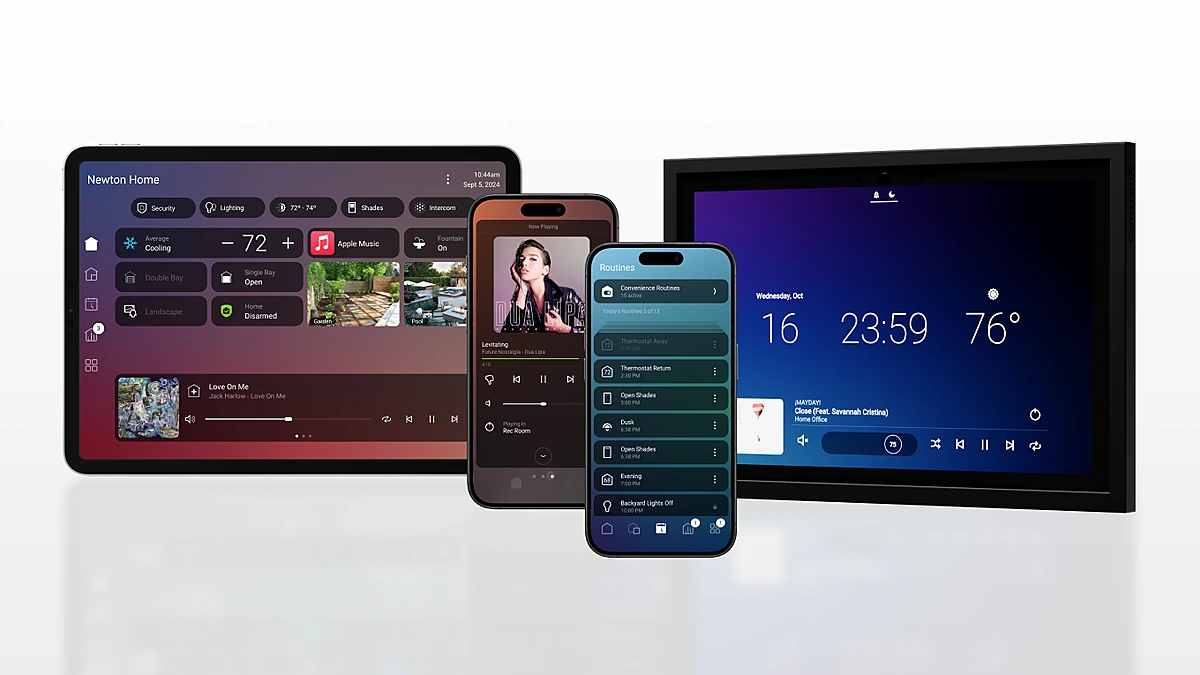
Control4 Installer
Control4 automation setup for unified entertainment, comfort, and home control.
4 minutes

Car & Truck Audio / Electronics Custom Upgrades
Custom mobile audio and electronics upgrades for better sound and functionality.
3 minutes

In Palm Bay the budget is set by how many walls you open
Palm Bay has 48,826 homes and 40,514 of them are detached houses; only 1,432 sit in a building of twenty units or more. The median home is valued at $248,000. Put those together and you have a market where nobody else administers your routes and nothing about the work is procedurally difficult, which leaves the cost of a whole-home system almost entirely a question of labour in finished walls. And labour in finished walls is a function of how many of them get opened.
That is worth designing around rather than simply accepting. One considered spine — a single route from the equipment position up into the roof space, taken once and taken properly — can feed a great many rooms off short laterals. A dozen independent runs, each invented at the moment its room came up, cost several times as much and tend to leave the house looking like it. Deciding the spine first and hanging rooms off it afterwards is the difference between a system that was planned and a system that accumulated.
A spine is not an abstraction, either. It is a decision about which void carries the bulk of the low-voltage, where it rises, and which rooms it passes within reach of on the way. Get that right and a room added in the fifth year is a short lateral and a patch. Get it wrong and every later addition becomes a fresh journey from one end of the house to the other, through whatever happens to be in the way.
The age of the stock is why almost every run is a new one. Nearly a third of the city went up between 1980 and 1989, a second wave arrived through the two-thousands, and the median home dates from the nineties. Very little of it was finished with low-voltage distribution designed in, so there is rarely an existing path to inherit and reuse. What gets planned is what gets built, which is exactly why the count of separate openings is the number worth arguing over.
Seasonal use is the minority here, and a system gets judged accordingly
Just 1,931 of Palm Bay's homes are held for seasonal, recreational or occasional use — 44.0% of the vacant stock, and under one home in twenty-five across the city. The great majority of these houses have somebody in them most of the time. A system in that position is not being asked to look after itself for months and check in; it is being asked to be the thing a household reaches for without thinking, several times a night, for years on end.
Which is an argument for doing less, properly. A system that does four things reliably gets used. One that does nine things approximately gets quietly narrowed by the household to the two that always work, and the rest becomes cable nobody mentions again. Settle what the system is genuinely for before settling what it could be made capable of, then let the routes and the control follow from that rather than the other way round.
These homes stay with their owners, so plan for the rooms not in scope
Of the households living in Palm Bay, 35,259 own the home they are in and 9,173 rent it. Stability at that level makes it worth asking a question that feels premature when it is asked: which rooms are not in this project but might well be in a later one. They need no cable now. The spine does need to pass close enough to serve them later without a second set of holes, and choosing its path with them in mind costs nothing whatever at the drawing stage.
The same reasoning covers where the equipment ends up. Give it a permanent home at the start, with power and air and room to work at the back of it, because moving it afterwards is not a rack job. It is every cable in the house, twice, and it arrives at the point in a project when nobody has any appetite left for it.
Nothing here says a project should be bigger. It says it should be decided before it starts. In a city where every route is yours and no approval stands between you and a ceiling, the expensive mistakes are not the things that were bought. They are the openings made twice, because the second room was never considered on the day the first one was designed.