

No Two Addresses Alike Audio Video | Home Theater Installations Serving Rockledge, FL
Nothing transfers from one address to the next in Rockledge, where 13,430 homes span every decade from before 1940 to the present and 78.8% are lived in by their owners.
Rockledge, FL’s Premier Automation & Audio-Video Solutions: Upgrade Your World
From homes to vehicles and boats, discover cutting-edge smart automation and AV upgrades. Simplify control with one-touch remotes, enjoy expert TV mounting, and enhance security with HD CCTV.
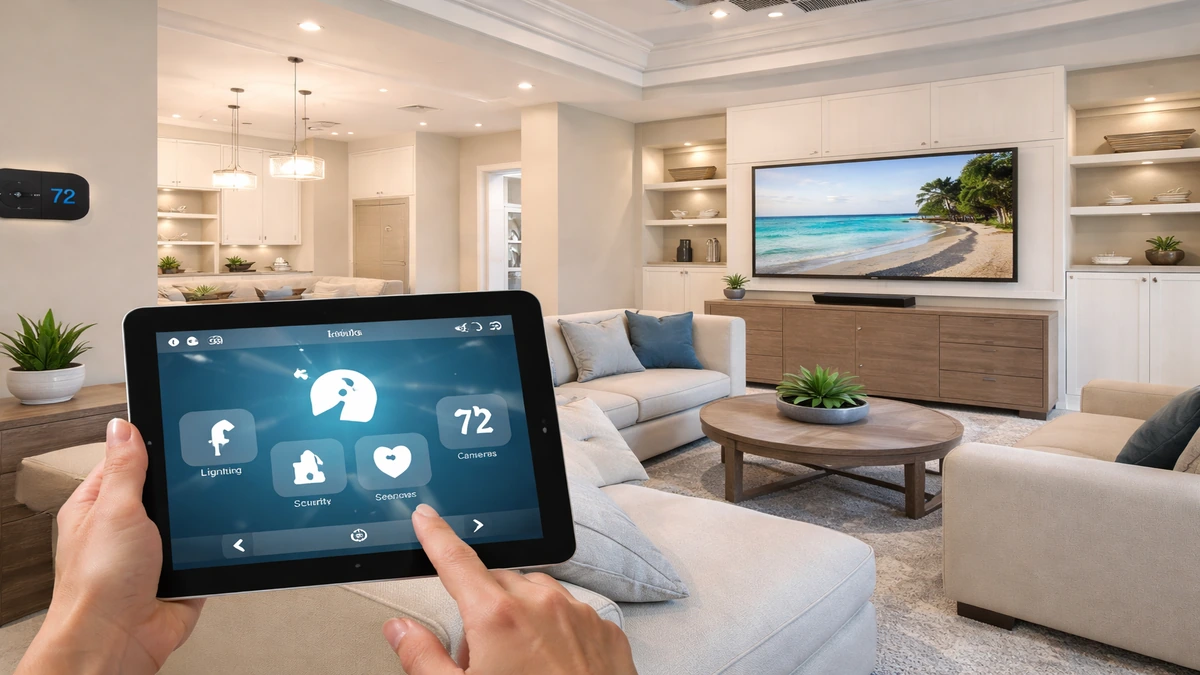
Smart Home Automation Installation
Integrated control for lighting, climate, security, and entertainment.
4 minutes
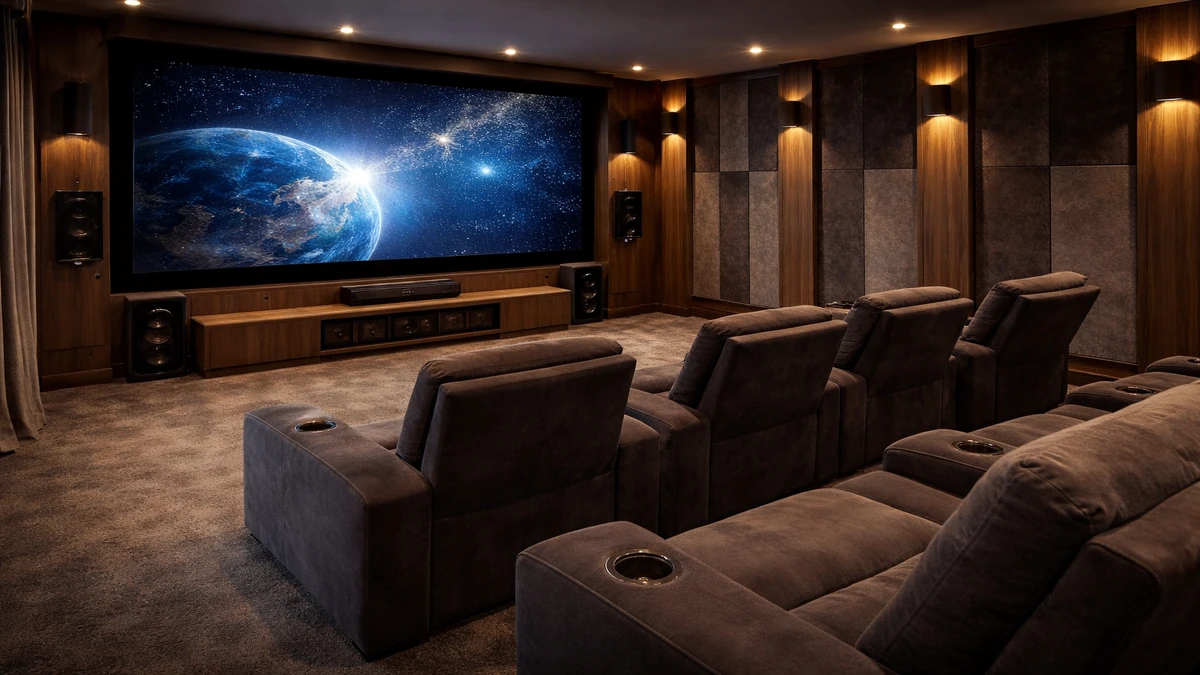
Home Theater Installation
Custom theater rooms designed for immersive picture, sound, and comfort.
4 minutes
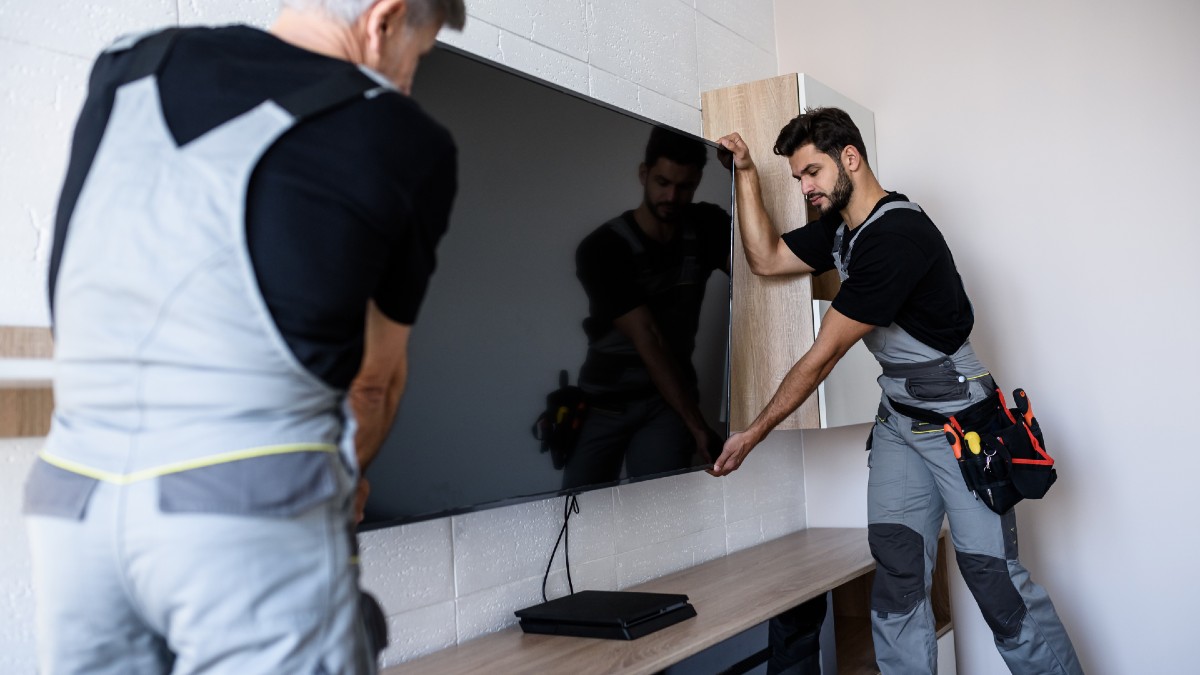
TV Wall Mounting
Professional TV mounting for cleaner layouts and better viewing angles.
5 minutes
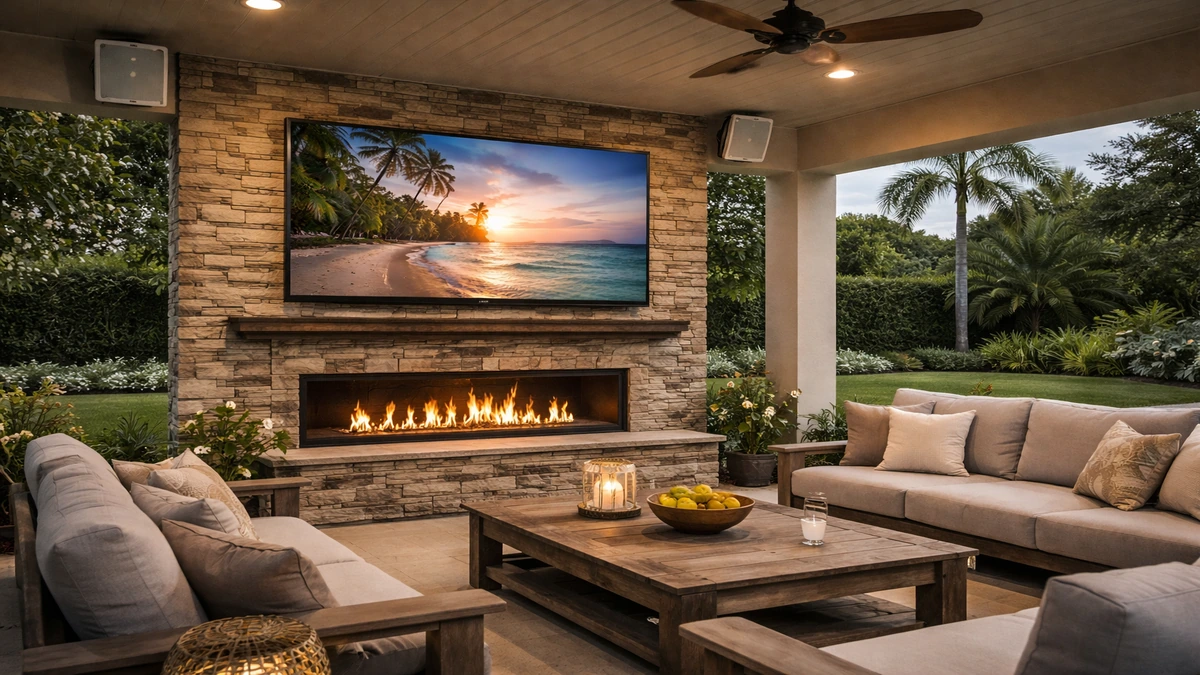
Outdoor TV Installation
Weather-aware outdoor TV setups built for patios, lanais, and pool areas.
5 minutes
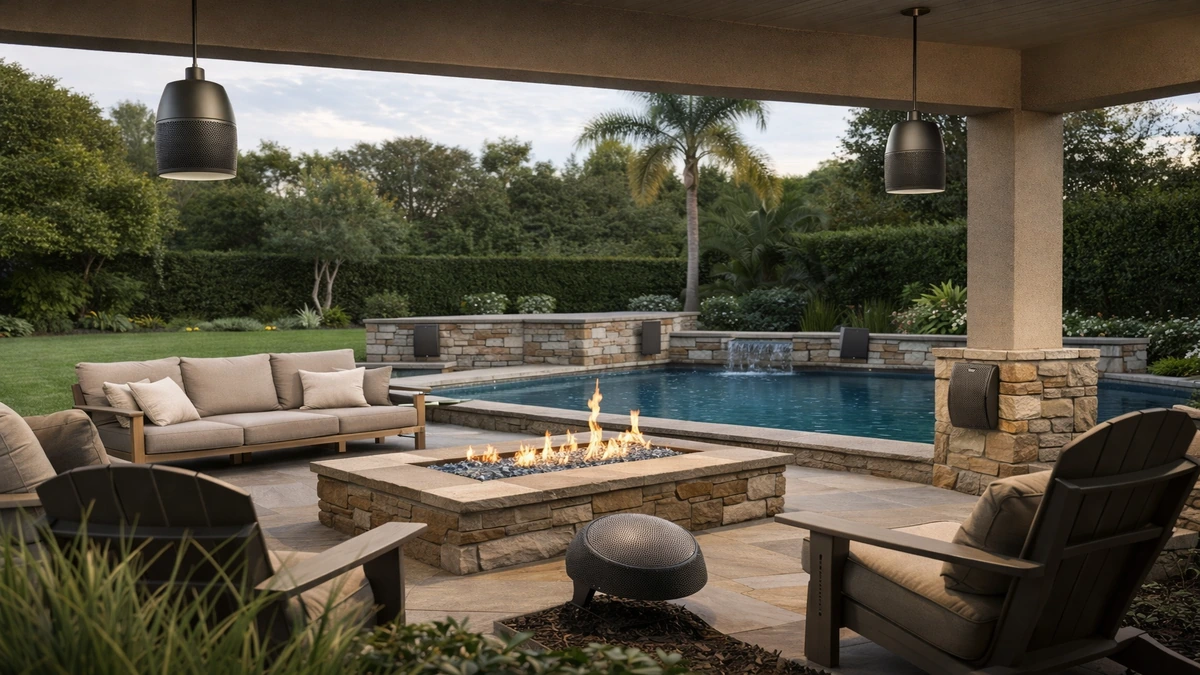
Outdoor Audio Installation
Outdoor speaker systems planned for clear sound and reliable coverage.
4 minutes
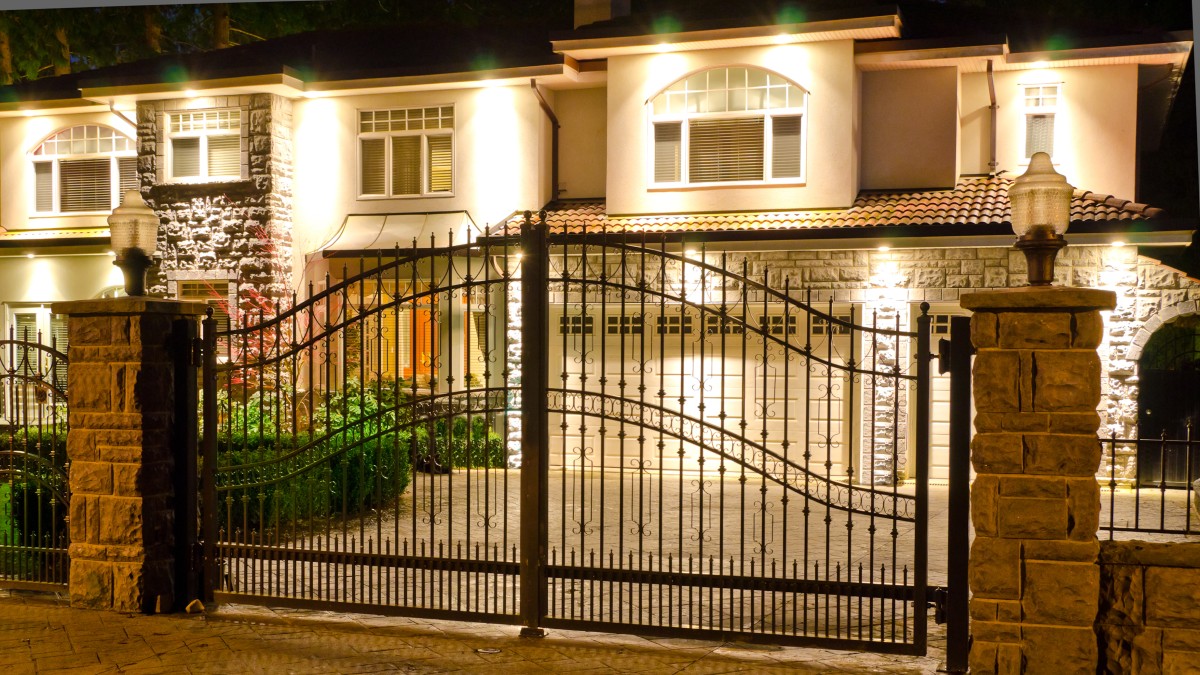
Automatic Gates
Secure, convenient gate automation with access control and entry integration.
4 minutes
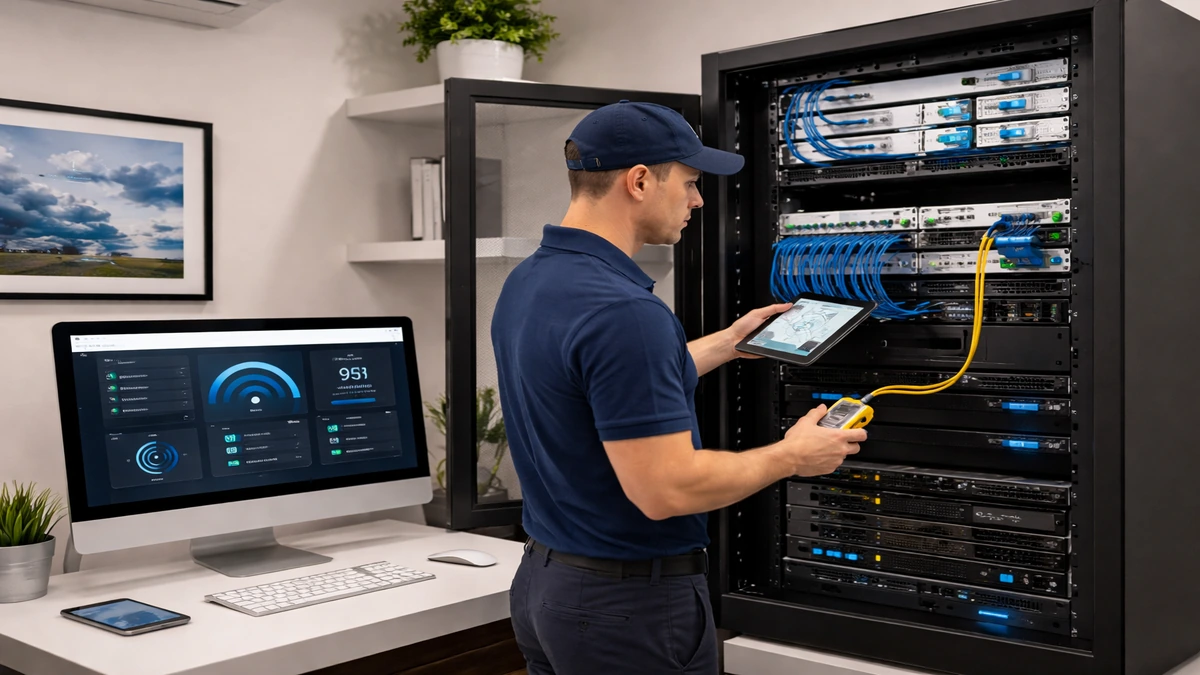
Home Network Installation
Stronger Wi-Fi, better coverage, and dependable connectivity throughout the property.
4 minutes
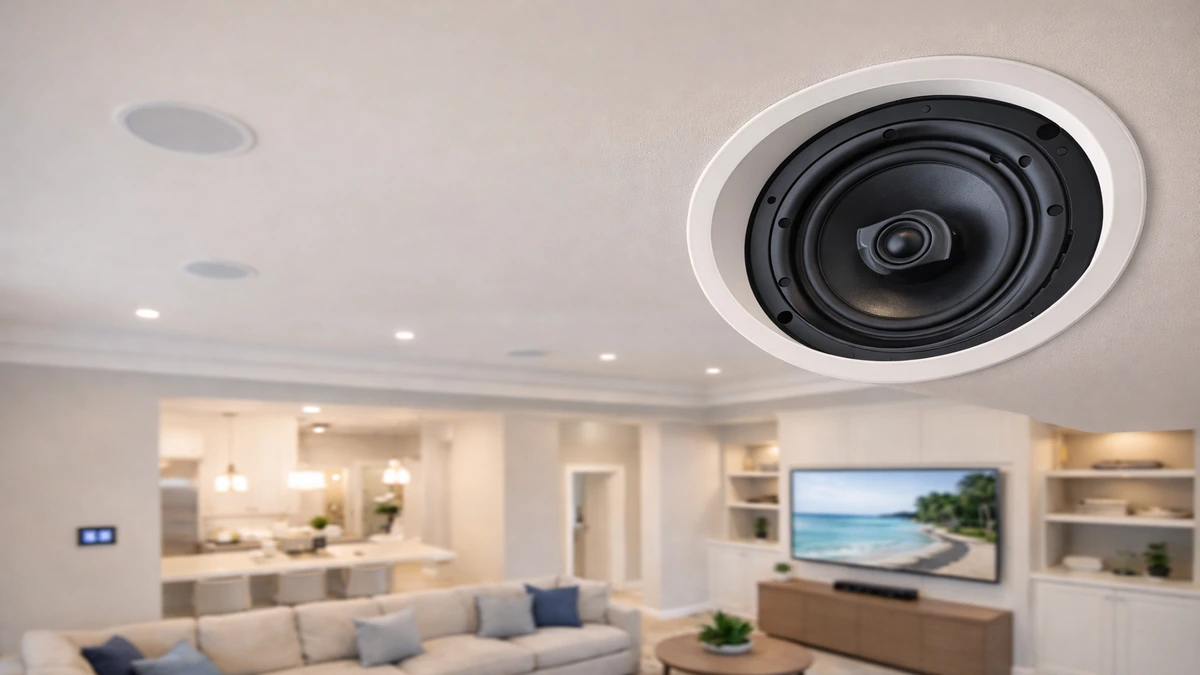
Ceiling Speaker Installation
Clean in-ceiling audio solutions for music, TV, and multi-room sound.
4 minutes
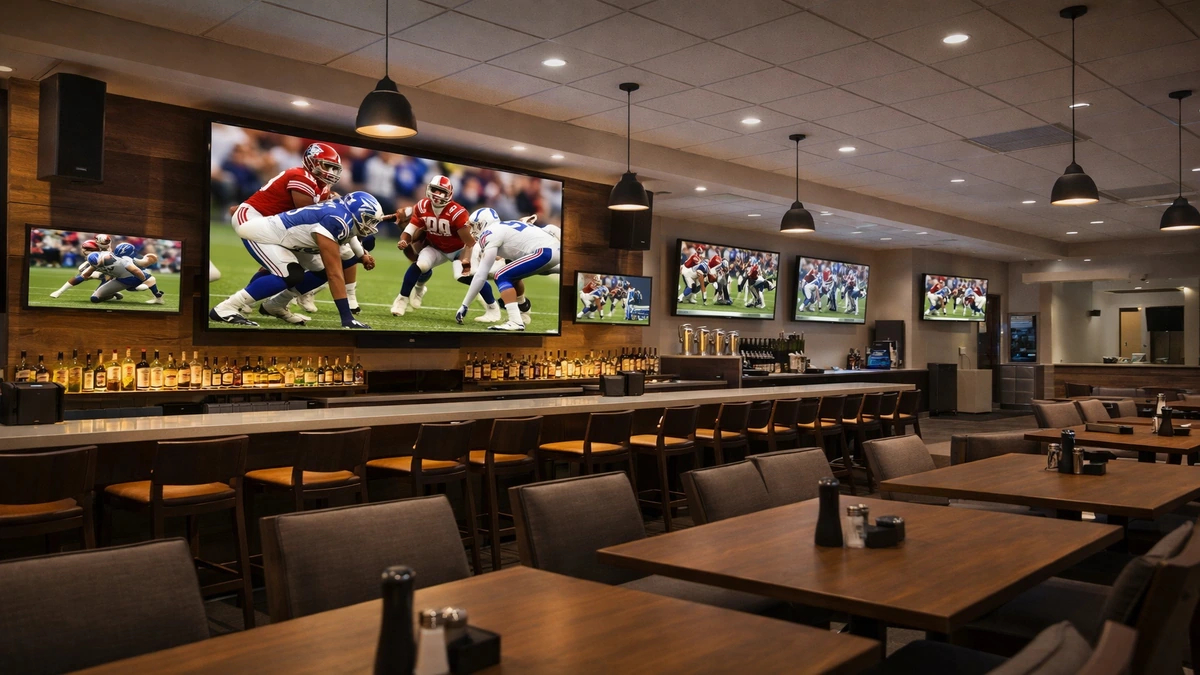
Commercial AV Installation
Professional audio, video, and control systems for business environments.
4 minutes
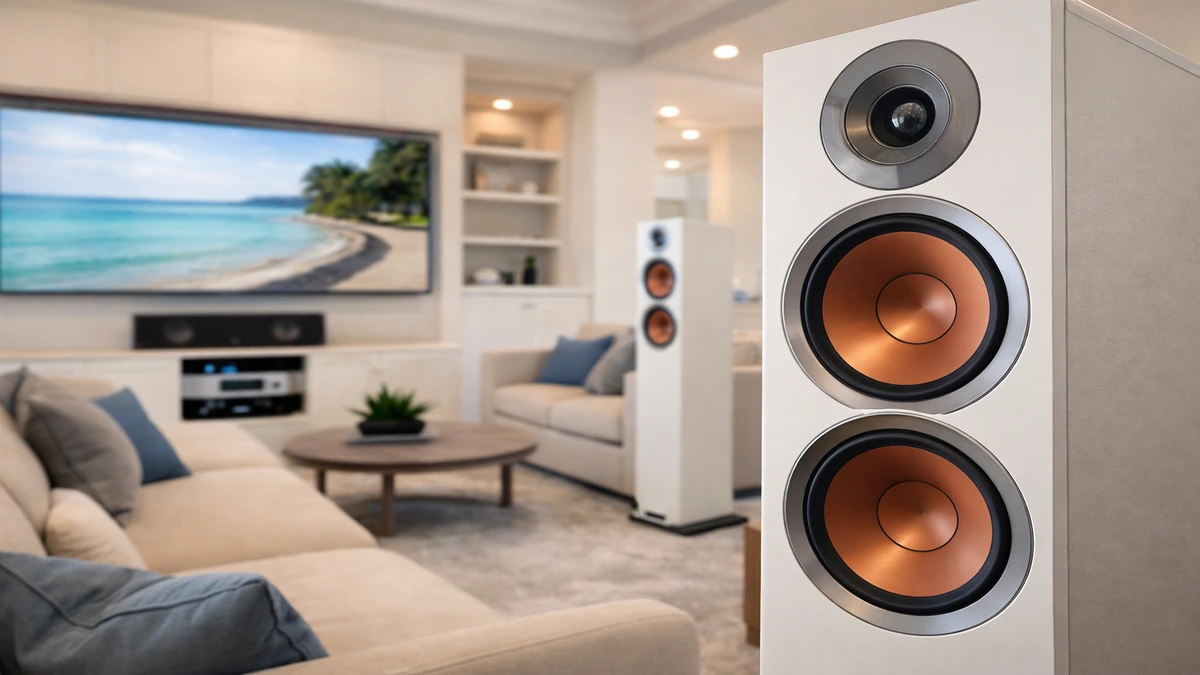
Home Audio Installation
Whole-home and room-based audio systems tailored to how you listen.
4 minutes

Marine Audio & Electronics Installation
Boat audio, displays, and electronics installed for performance on the water.
4 minutes
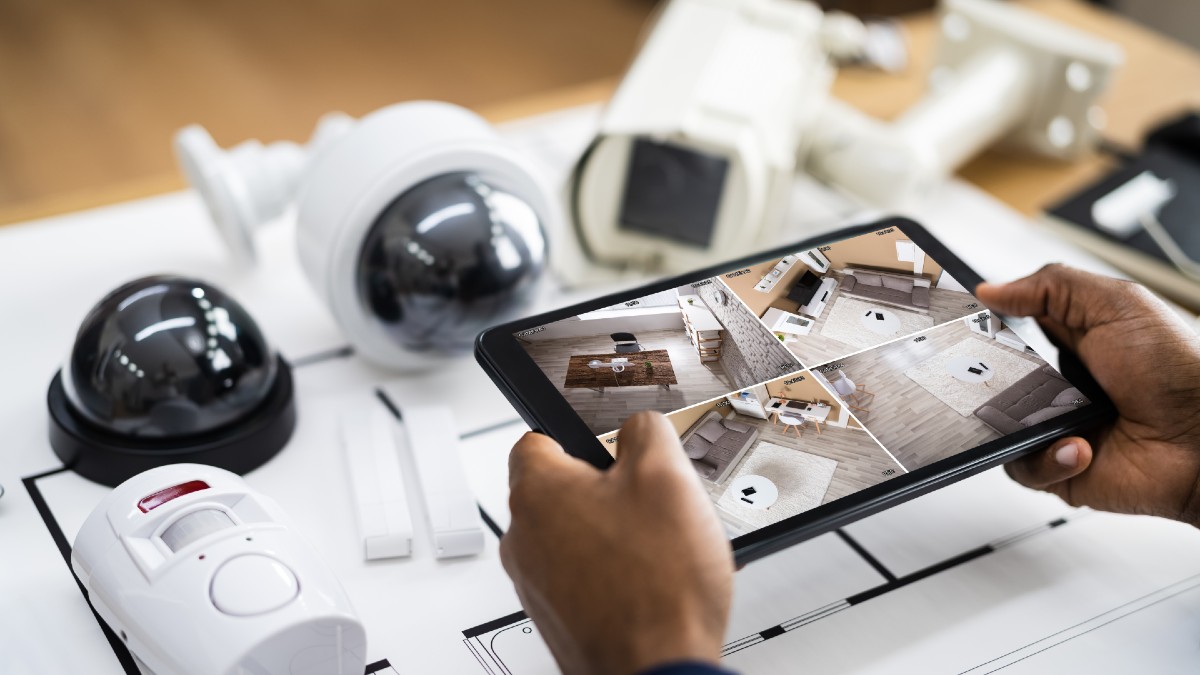
Security Camera Installation
Smart camera systems for visibility, alerts, recording, and remote monitoring.
4 minutes
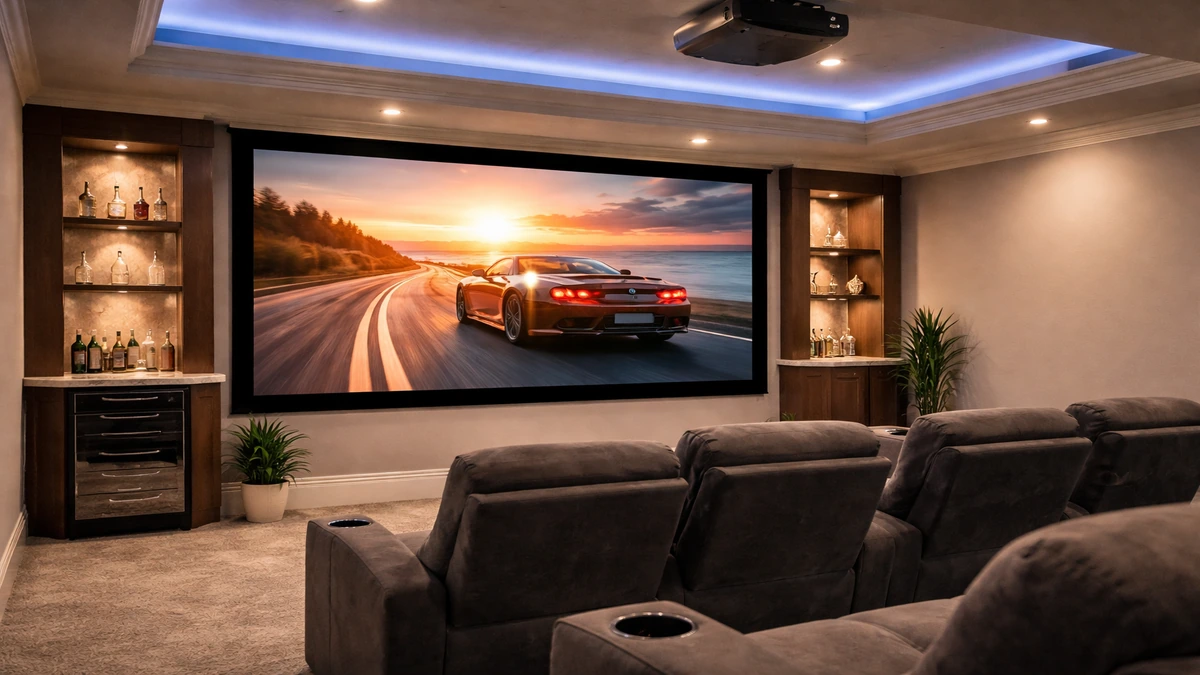
Projector Screen Installation
Projectors and screens configured for sharp viewing and balanced room performance.
4 minutes
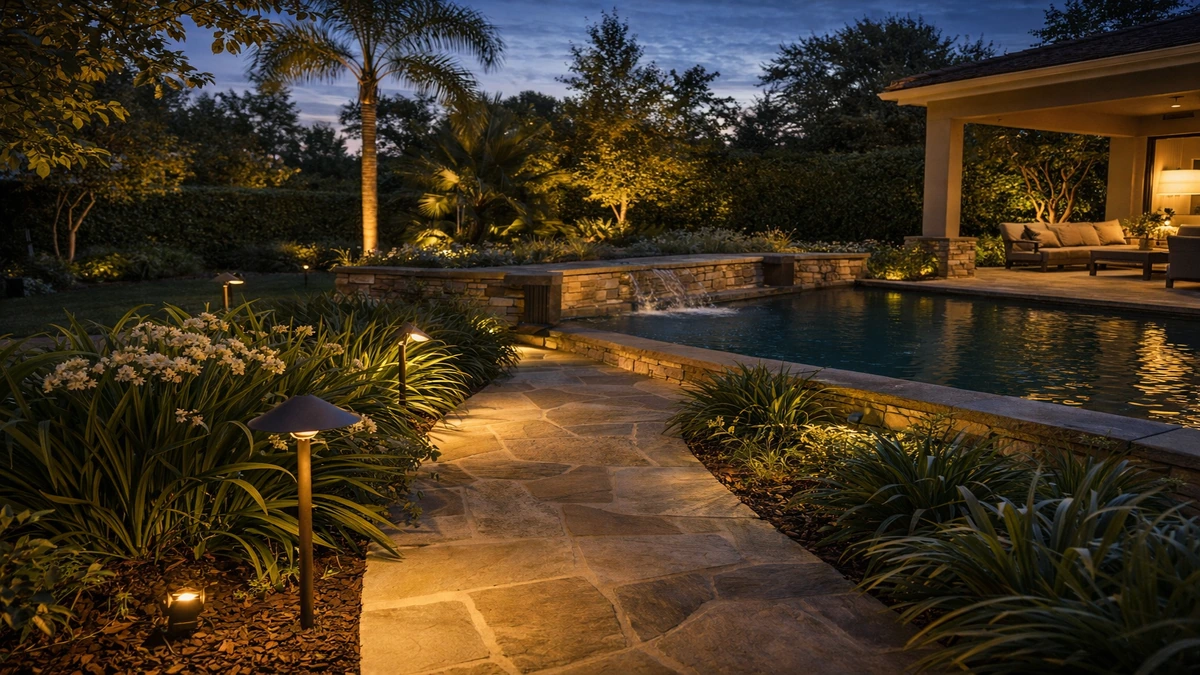
Outdoor Lighting Installation
Exterior lighting that improves curb appeal, ambiance, and nighttime usability.
4 minutes
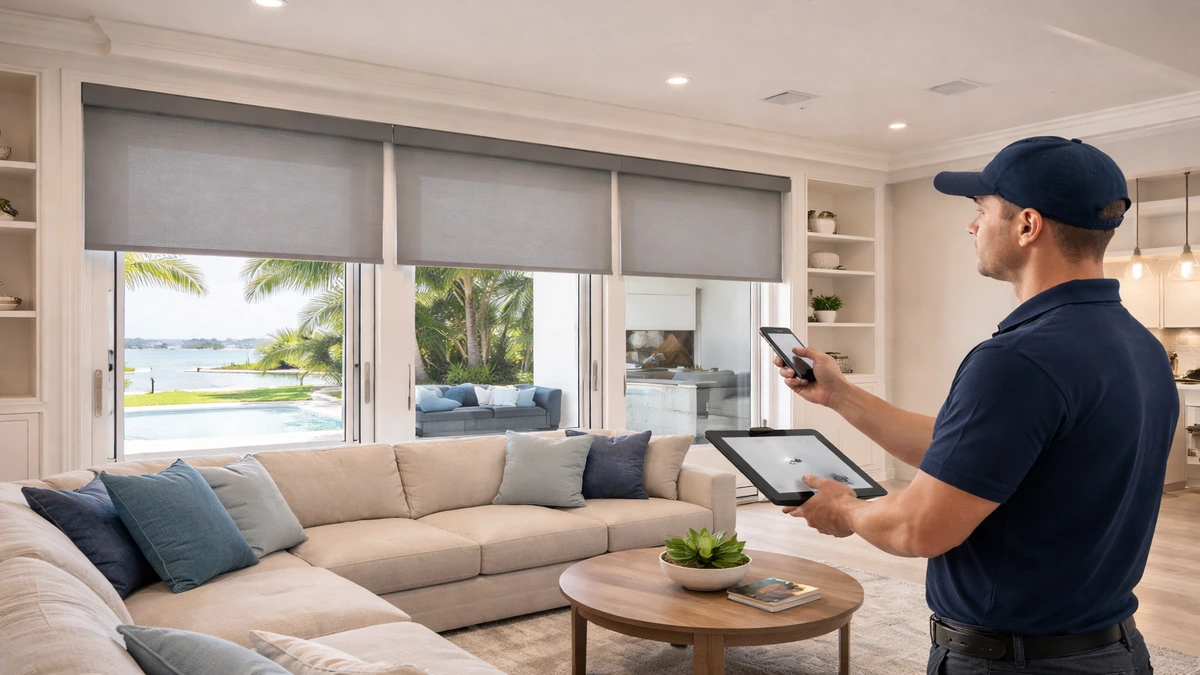
Motorized Blinds Installation
Automated shading for privacy, glare control, and everyday convenience.
4 minutes
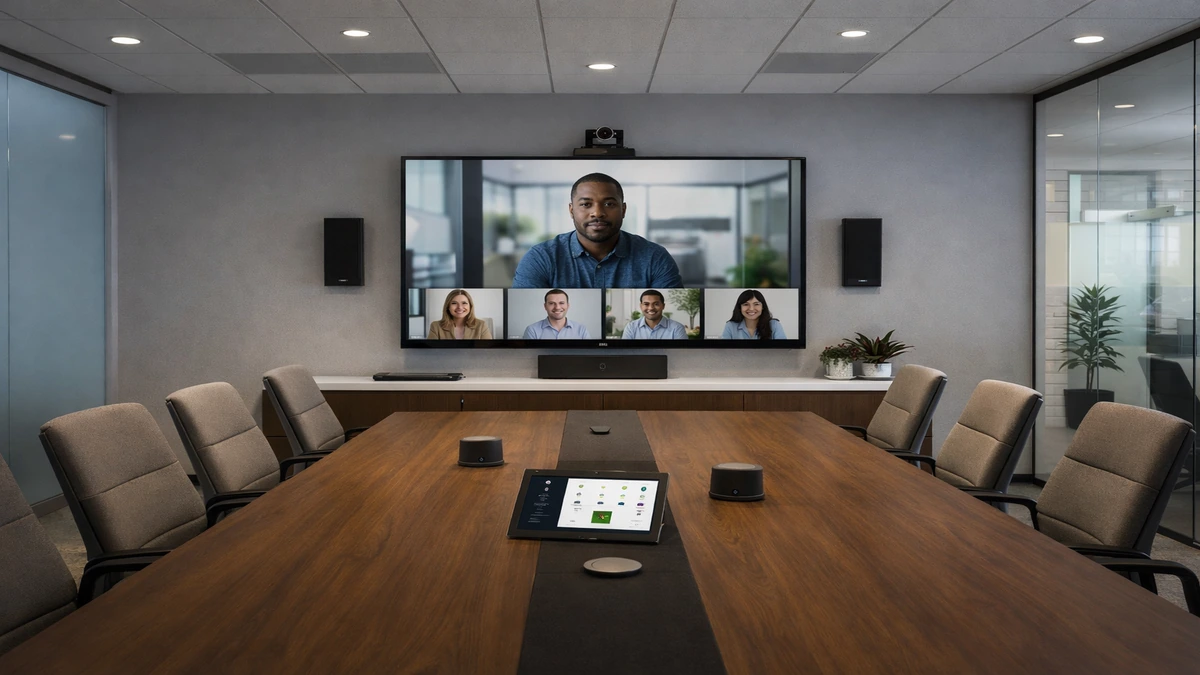
Conference Room AV Installation
Meeting room technology for clearer presentations, calls, and collaboration.
4 minutes
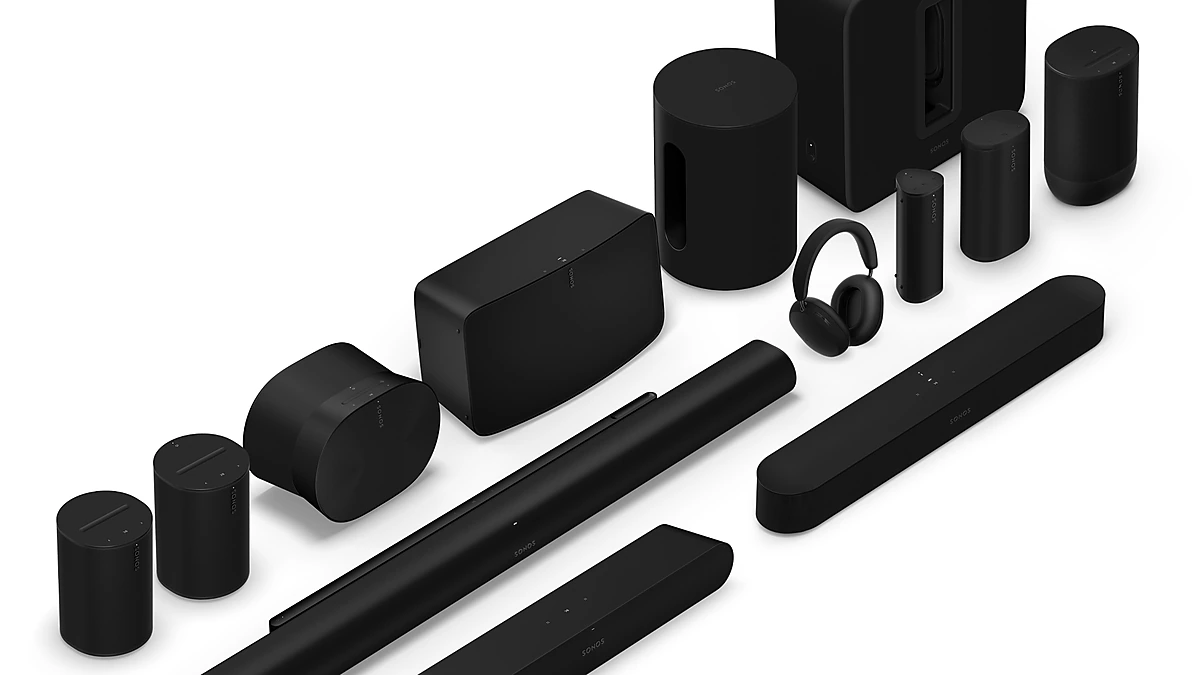
Sonos Installation
Sonos system design, setup, and tuning for simple multi-room audio.
4 minutes
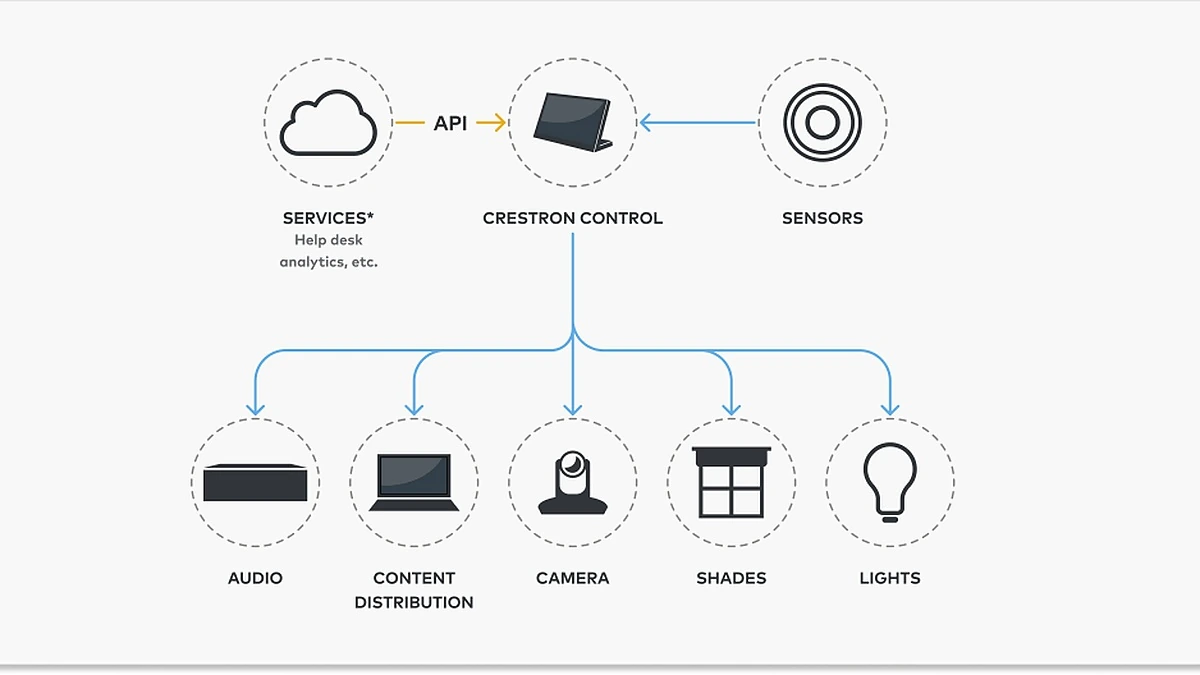
Crestron Installer
Advanced Crestron control integration for high-performance smart home environments.
4 minutes
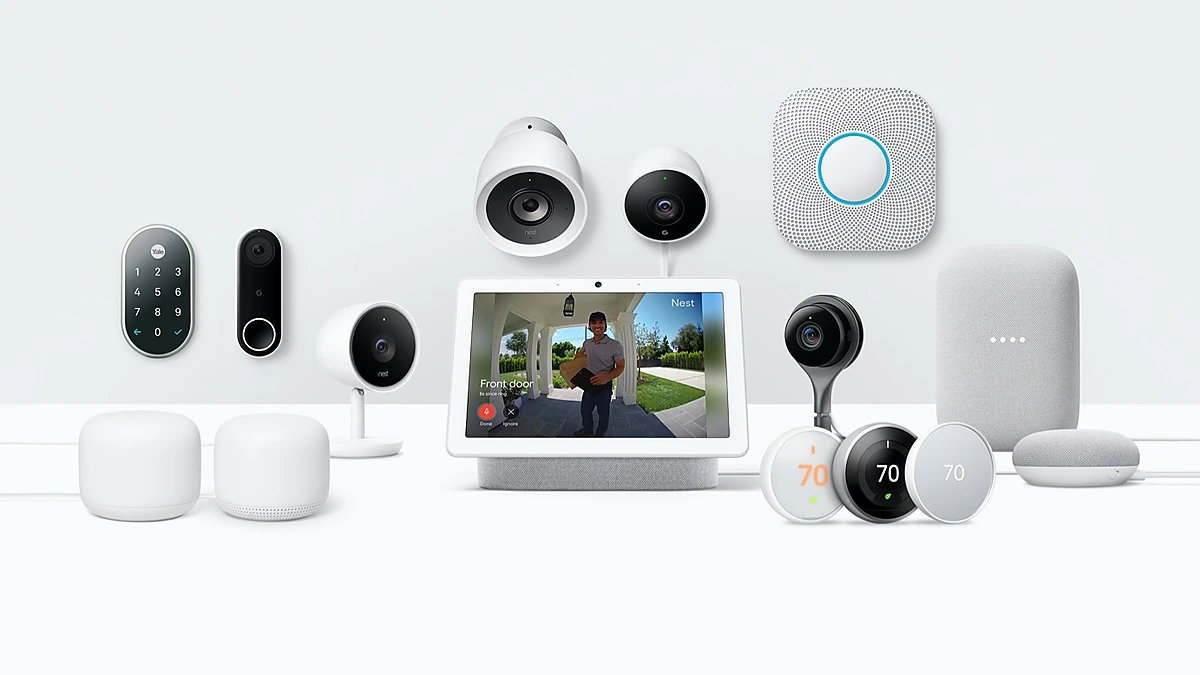
Nest Installer
Nest thermostat and smart home setup for comfort and remote control.
4 minutes
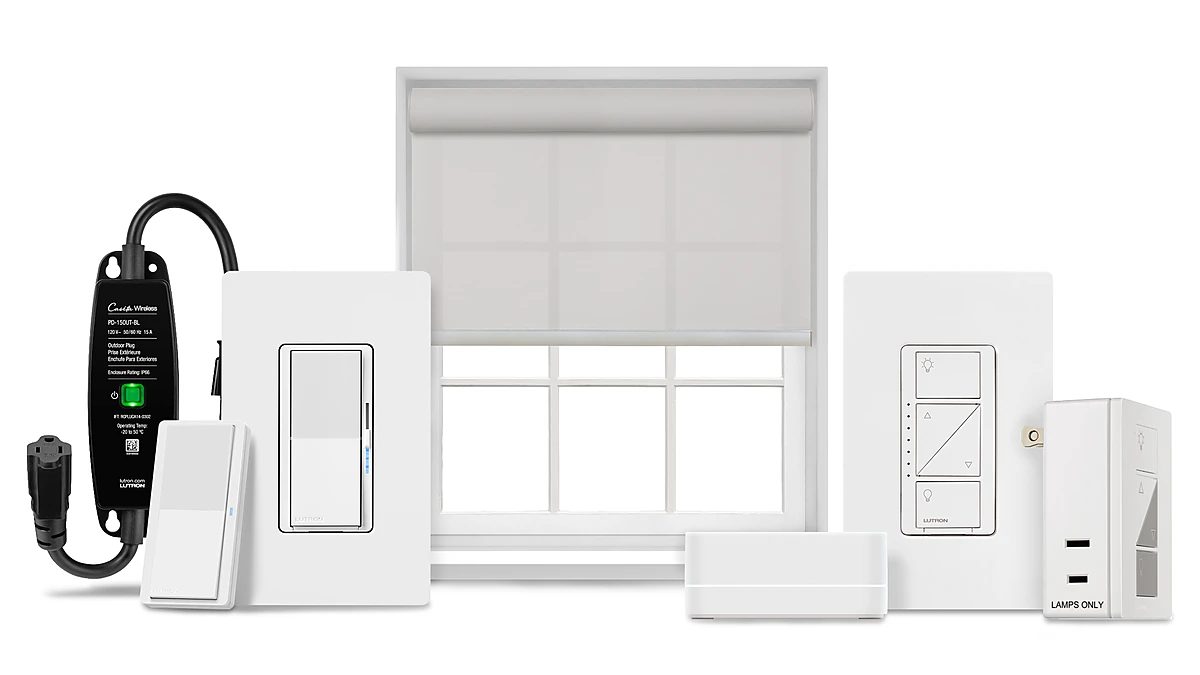
Lutron Installer
Lutron lighting and shading integration for smoother control and scene setting.
4 minutes
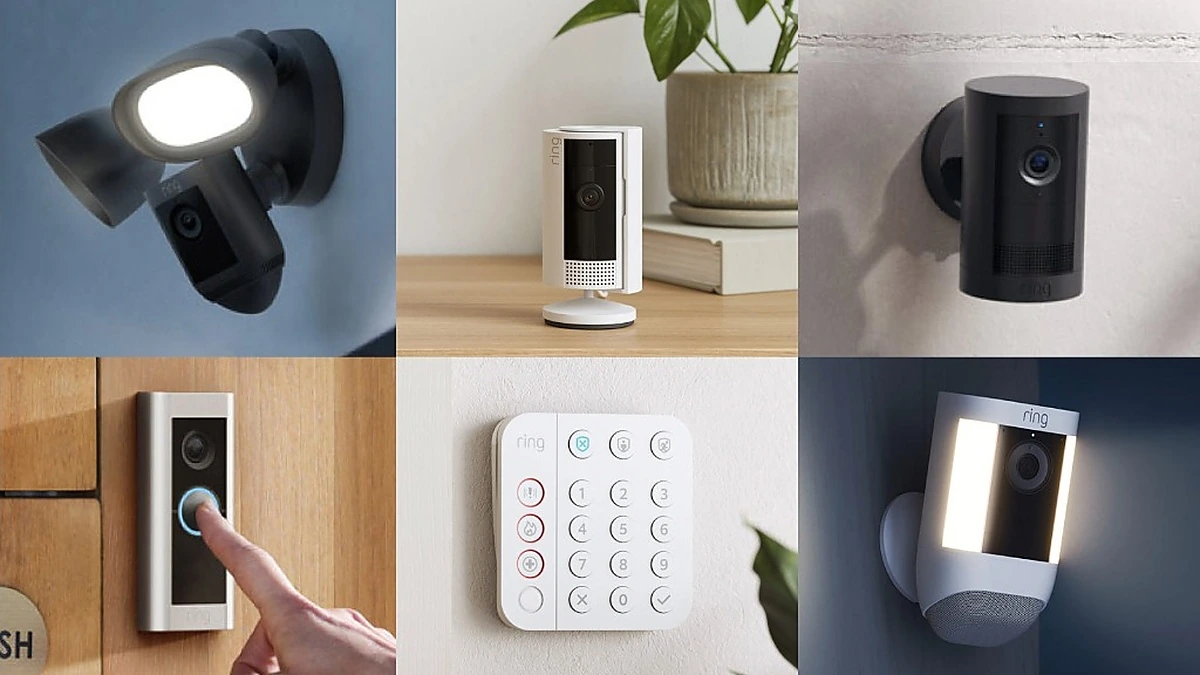
Ring Installation
Ring doorbells and cameras installed for better awareness and entry visibility.
5 minutes
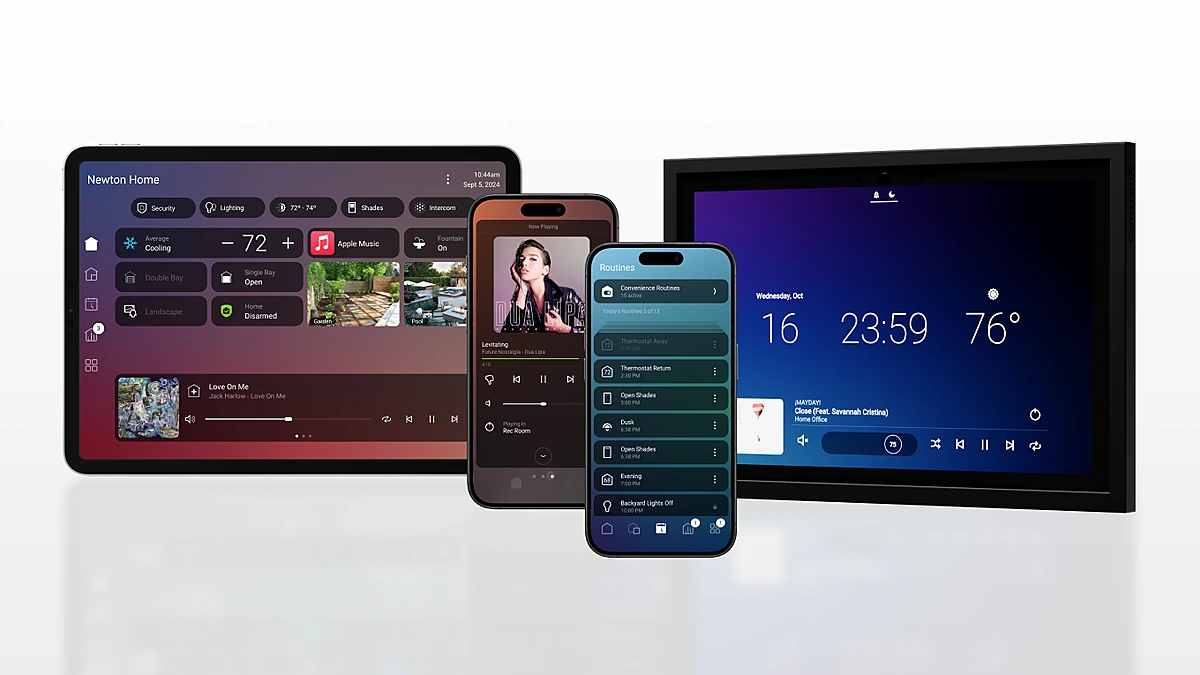
Control4 Installer
Control4 automation setup for unified entertainment, comfort, and home control.
4 minutes
Car & Truck Audio / Electronics Custom Upgrades
Custom mobile audio and electronics upgrades for better sound and functionality.
3 minutes

The decade that built the most of Rockledge is not the decade its median house comes from
Rockledge has 13,430 homes and no single decade owns them. The biggest single group, 3,247 of them, went up between 2000 and 2009, and even that is less than a quarter of the total. The median address, meanwhile, is a house from the nineteen-eighties. For a whole-home system that combination is worth stating plainly, because it is easy to state and expensive to ignore: the last house on the street tells you very little about the next one.
The range runs a long way in both directions. Some 3,521 homes here were standing before 1970, and 483 of those before the end of the nineteen-thirties, while roughly 4,431 have gone up since the turn of the century. Those two ends of the range behave nothing alike once somebody is in a ceiling with a torch. What the void will carry, whether a new run can rise beside one that already rises, whether any low-voltage cable was ever pulled at all — the answers move from street to street here.
Housing this mixed rewards asking the building itself, and asking it early. Where a place went up in one push you can carry an assumption from one house to the next and be right most of the time; here the assumption is the expensive part of the estimate. Get the answers on site before there is a design for them to disturb and what follows is scheduling. Get them afterwards and it is redesign, with a ceiling already open and a room already out of use.
In-ceiling placement is a structural question before it is an audio one
Ceiling speakers go where the structure lets them go, and in mixed stock that is rarely exactly where a drawing put them. Joist direction, a duct, a bathroom vent, the depth of whatever is packed above the plasterboard — any of them can push a position over by a foot or two, and from the seats a foot or two is audible. Establishing the real positions before anything is ordered is the difference between a ceiling that looks intended and one that looks argued over.
Reaching a position is a separate problem from choosing it. A speaker in the middle of a room needs a path back to wherever the amplification lives, and in a finished house that path is an attic, a soffit, a cupboard stack, or a wall that somebody will have to open and make good afterwards. Which of those actually exists is a fact about the house rather than a preference, and it is far better known before the ceiling positions are agreed than discovered after.
Housing this settled gets its system built in stages, and a stage needs somewhere to go
Owners hold 9,279 of the 11,778 occupied homes in Rockledge, and households that stay put tend to add to a system over years rather than commission the whole of it at once. That is a sensible way to buy one and a poor way to design one. Staging works only where the first stage installed the parts that hurt to add later, and those parts are never the parts anybody is excited about at the time.
They are the unglamorous ones, and they outlast everything plugged into them. Where the rack sits and whether that space has power, ventilation and enough clearance to get behind it. Whether a spare route was left between the two points you will want to link in three years. Equipment is a purchase and can be reconsidered at leisure; a route is construction, and reconsidering it means opening a wall that has already been painted.
None of that requires knowing now what you will eventually want, which is fortunate, because most people do not. It requires the first phase to leave the second one somewhere to go: a rack position with headroom, capacity in the runs that were being opened anyway, and a control layer that will accept another zone without being rebuilt around it. In a city where no two houses were finished to the same standard, that is what makes a system additive instead of a series of separate jobs at one address.
The apartment stock here stops well short of a tower
Just over a thousand Rockledge homes are inside a structure of twenty units or more, and only 129 of them inside one of fifty or more. If your address is one of them the opening question changes completely: not what the ceiling void will carry, but what the building permits, which riser or chase may be used, and how long that answer takes to arrive. Buildings at this scale seldom keep the shared plant space a large one does. The equipment lives inside the home, and where it lives is decided at design time or not at all.