

Five Decades Behind The Drywall Audio Video | Home Theater Installations Serving Cooper City, FL
No single decade built Cooper City, where 90.5% of homes are single-family, 1,037 sit inside shared buildings, and five consecutive decades of construction are represented in strength.
Transform Your World with Integrated Audio-Visual and Smart Home Solutions
From immersive home entertainment to secure, smart entryways, our services harmonize technology in homes, vehicles, and boats for unparalleled convenience and security.
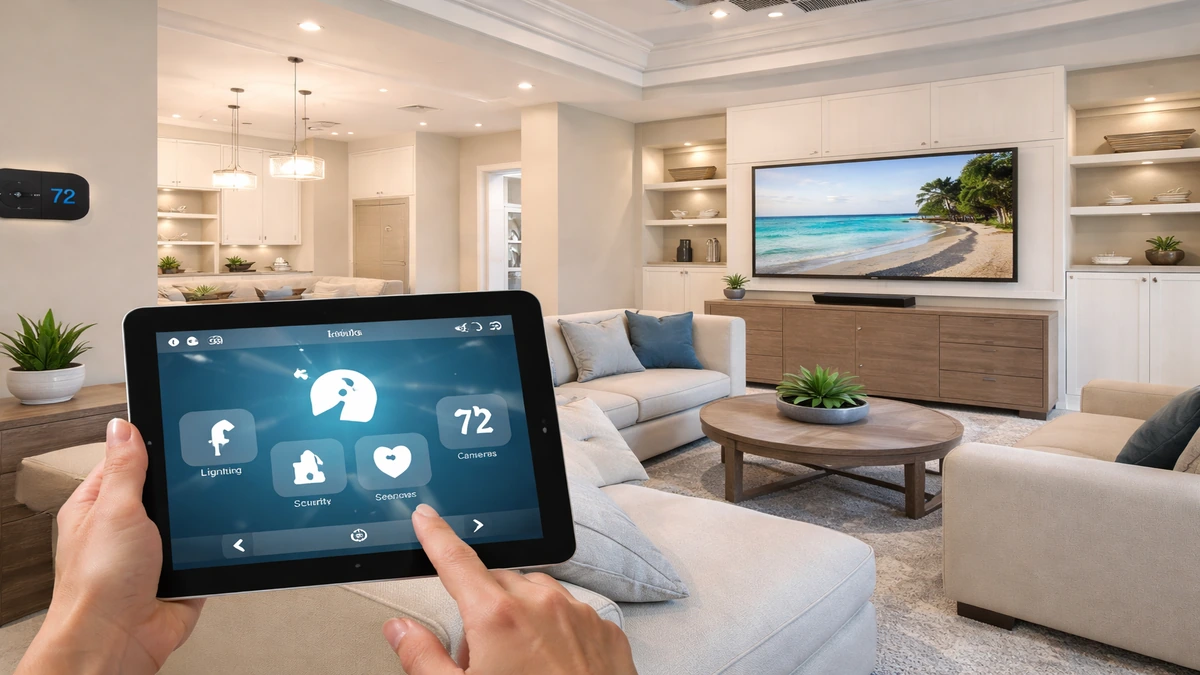
Smart Home Automation Installation
Integrated control for lighting, climate, security, and entertainment.
4 minutes
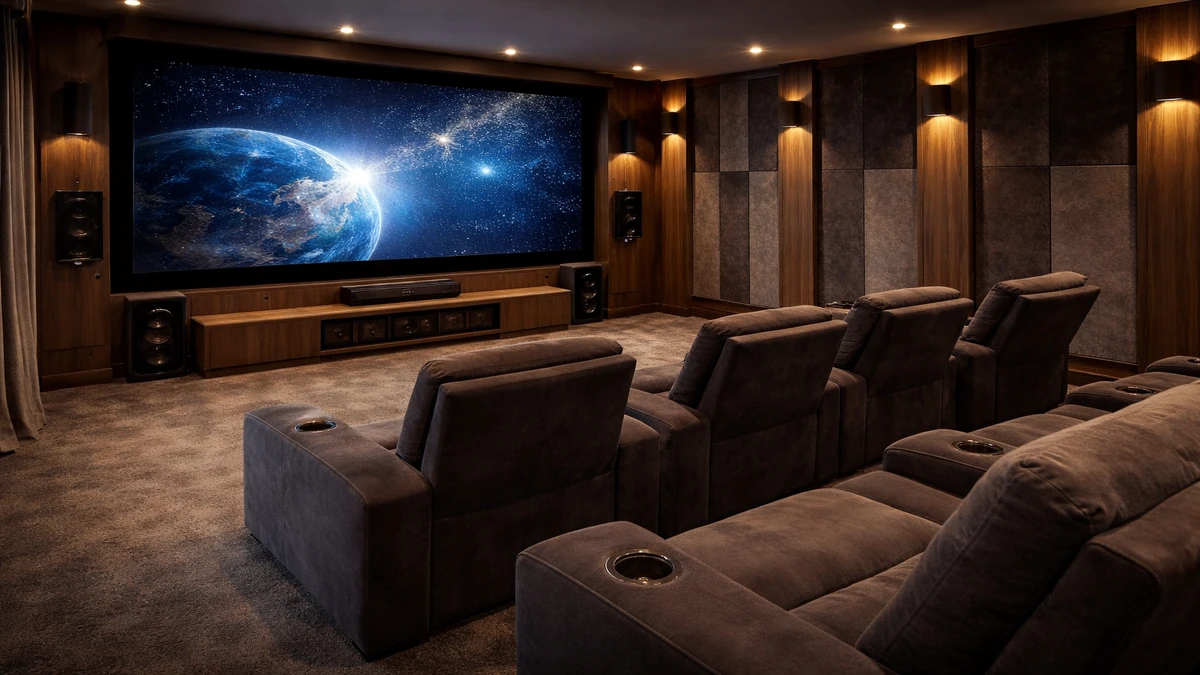
Home Theater Installation
Custom theater rooms designed for immersive picture, sound, and comfort.
4 minutes
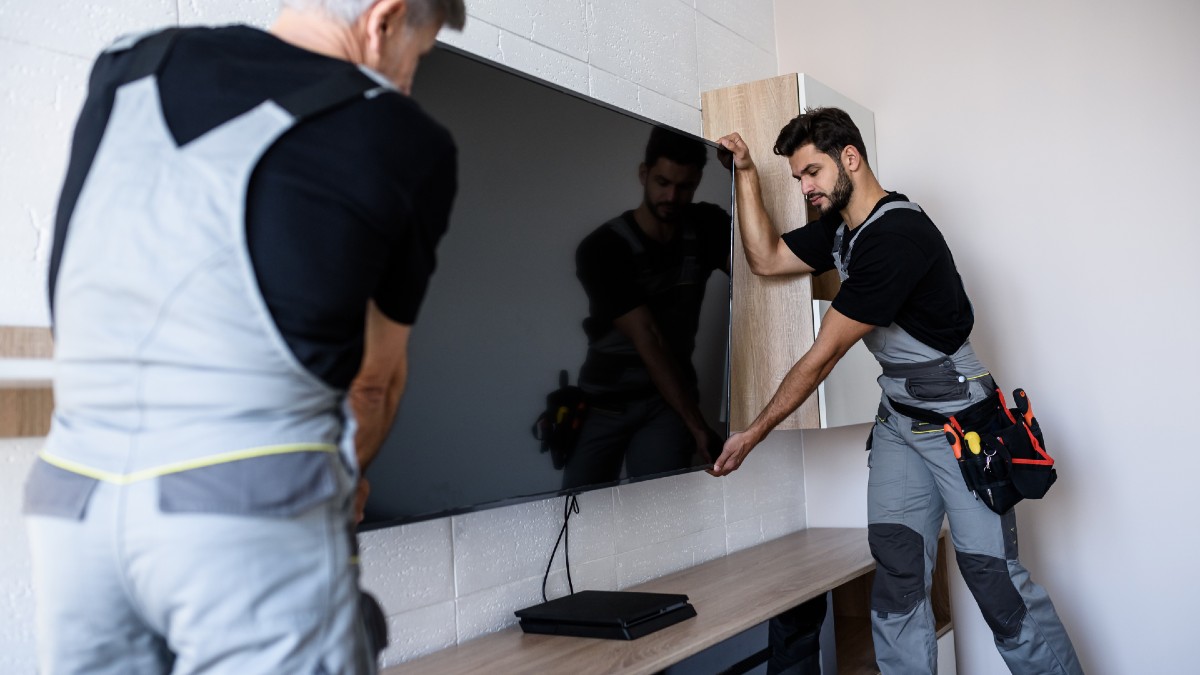
TV Wall Mounting
Professional TV mounting for cleaner layouts and better viewing angles.
5 minutes
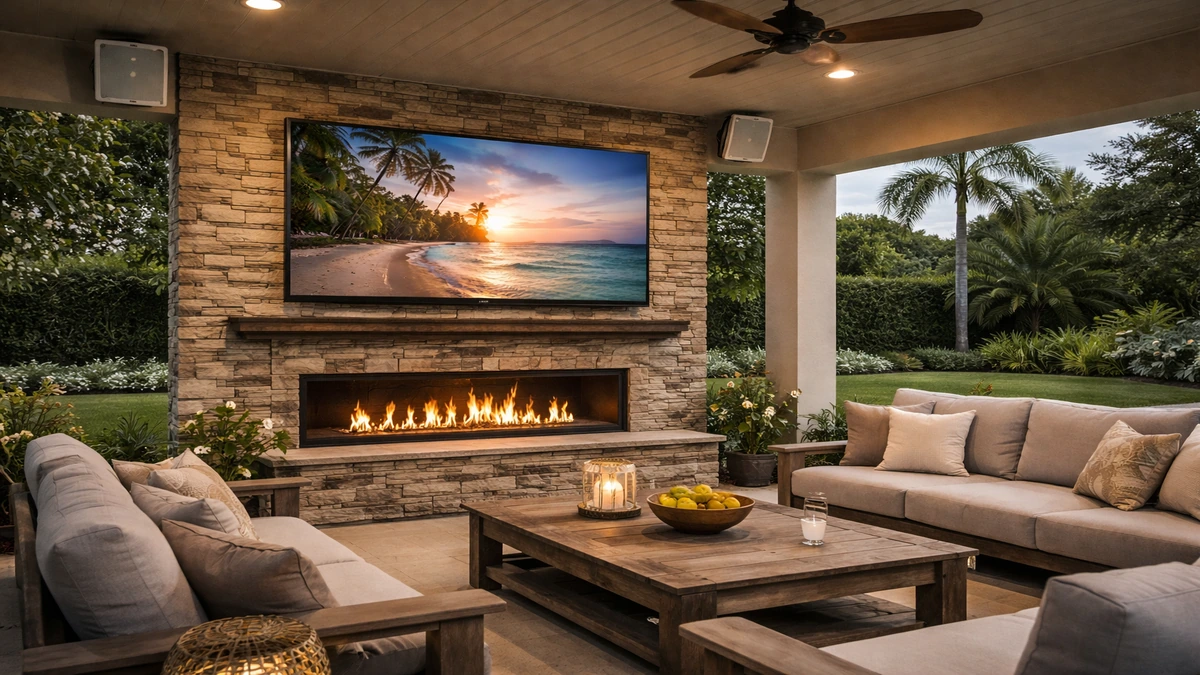
Outdoor TV Installation
Weather-aware outdoor TV setups built for patios, lanais, and pool areas.
5 minutes
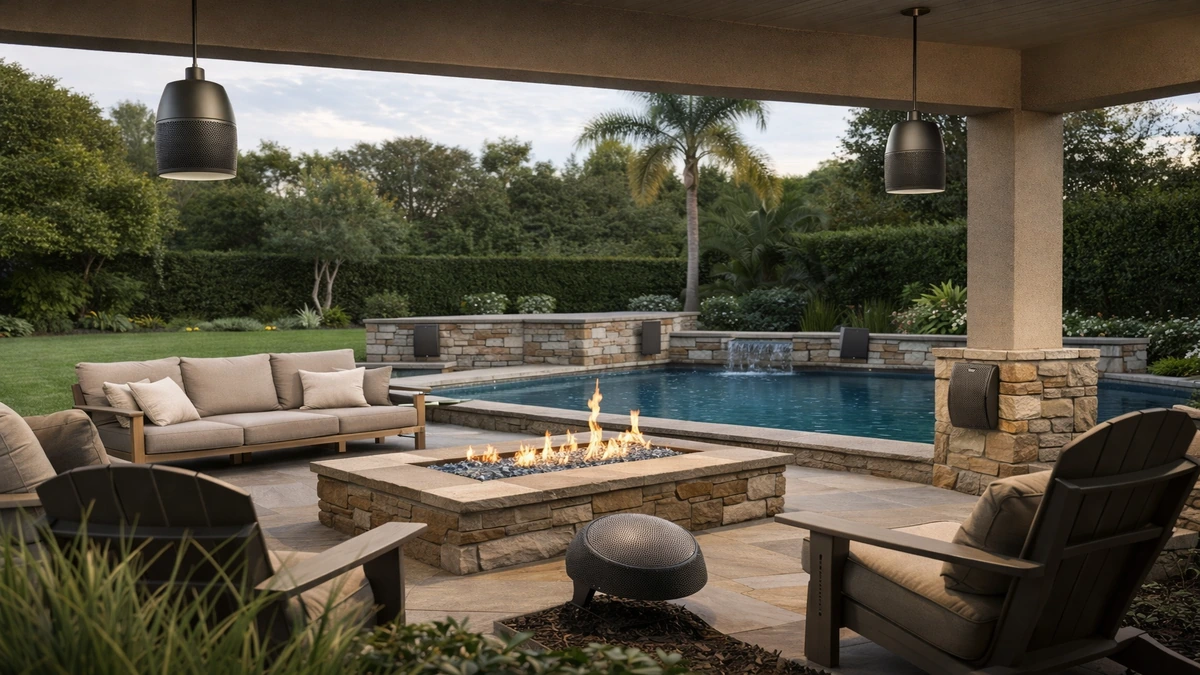
Outdoor Audio Installation
Outdoor speaker systems planned for clear sound and reliable coverage.
4 minutes
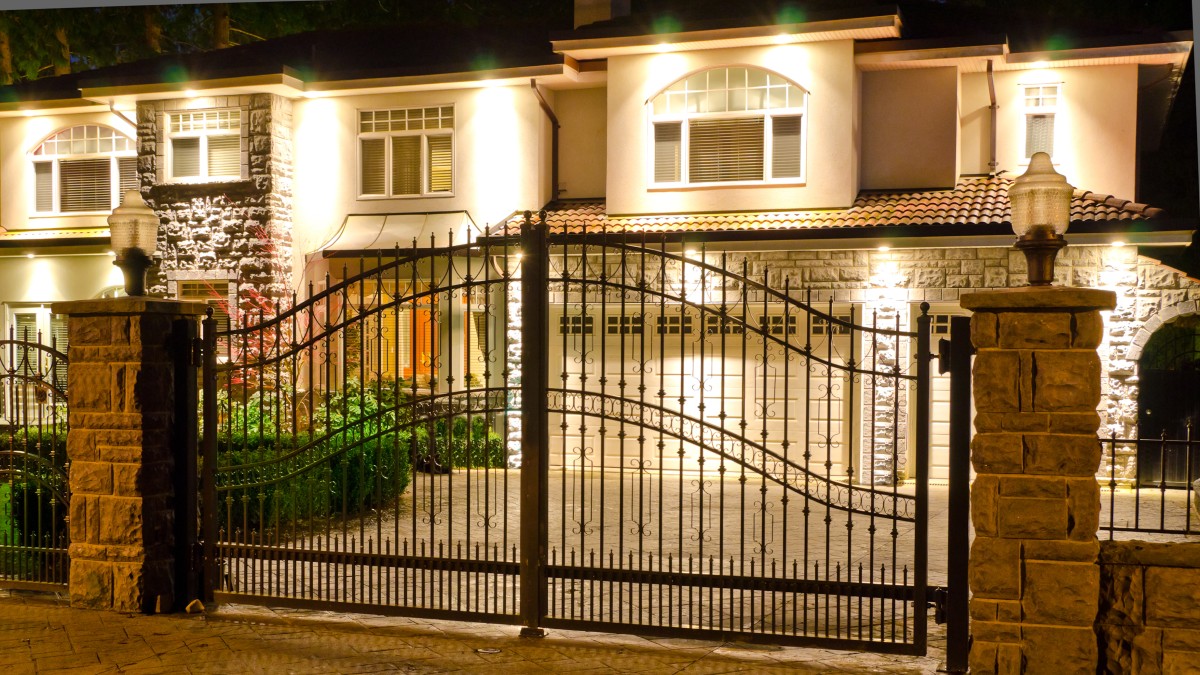
Automatic Gates
Secure, convenient gate automation with access control and entry integration.
4 minutes
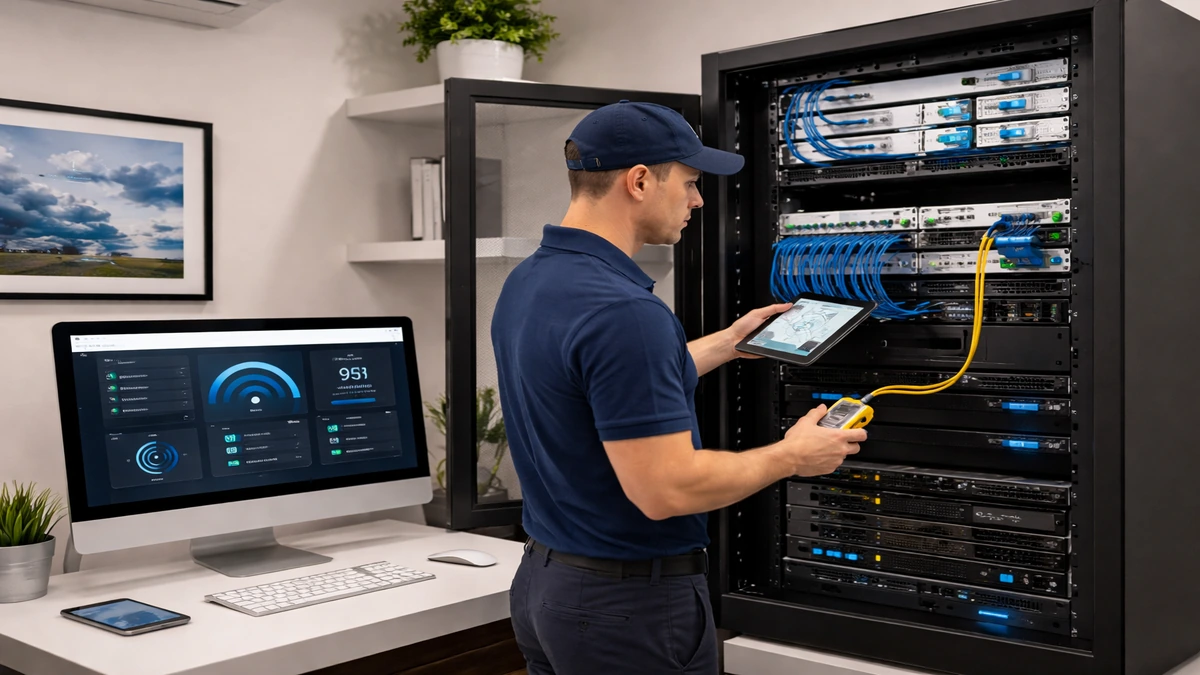
Home Network Installation
Stronger Wi-Fi, better coverage, and dependable connectivity throughout the property.
4 minutes
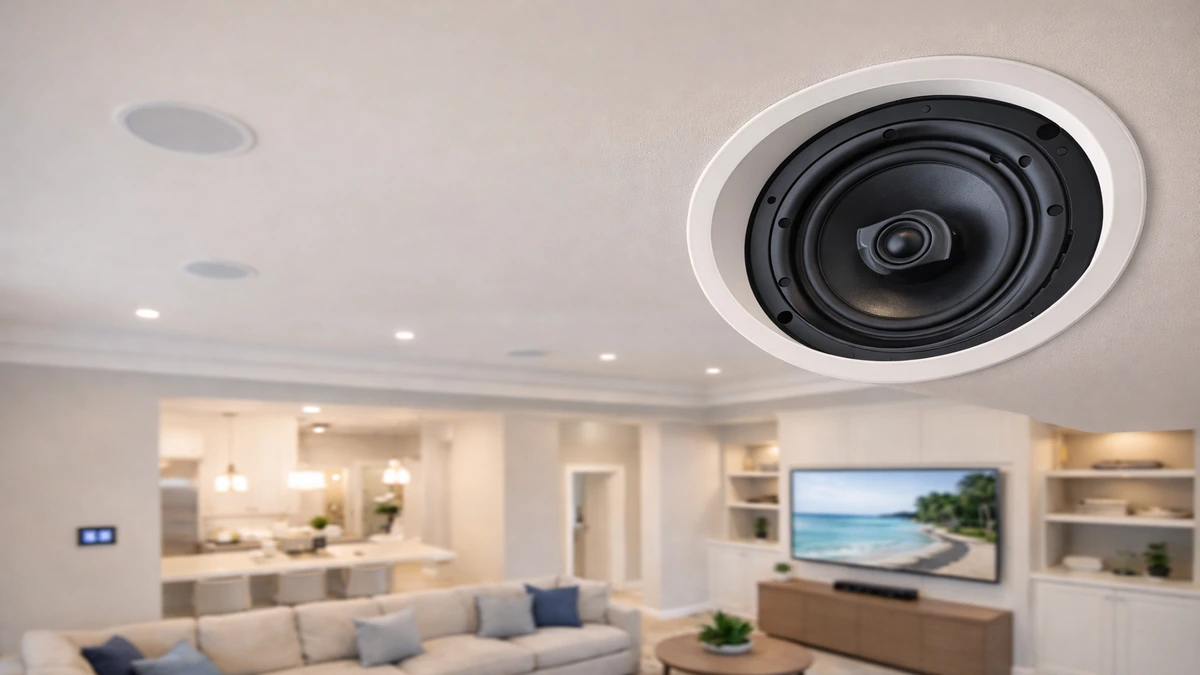
Ceiling Speaker Installation
Clean in-ceiling audio solutions for music, TV, and multi-room sound.
4 minutes
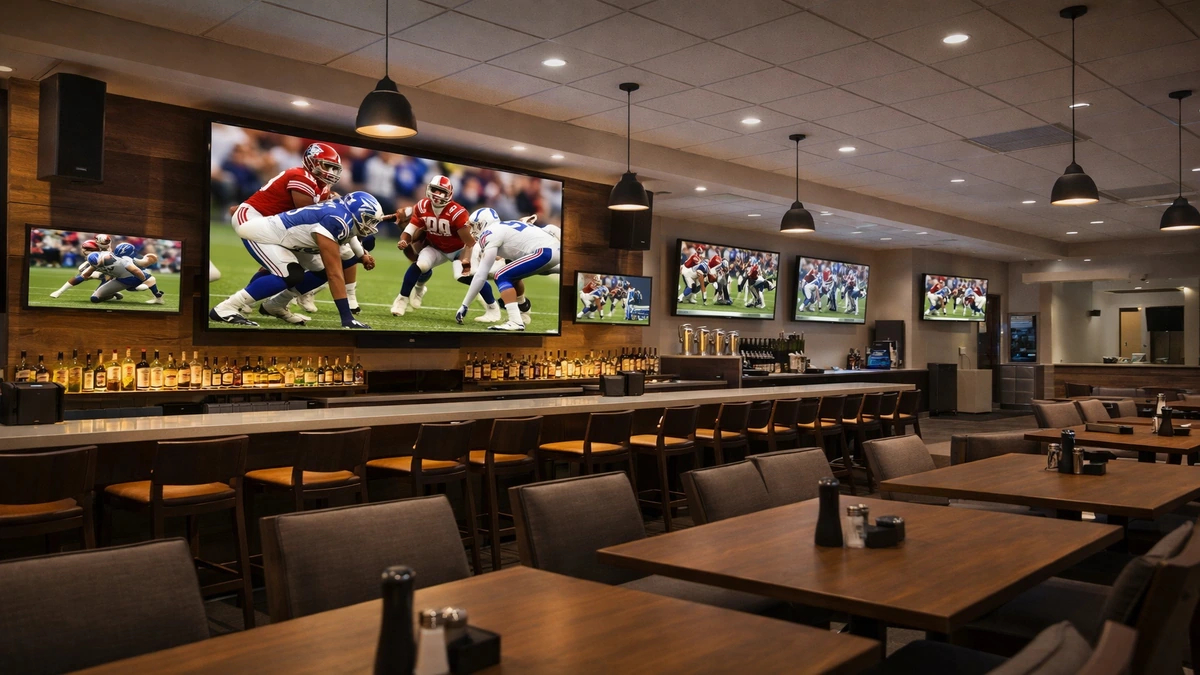
Commercial AV Installation
Professional audio, video, and control systems for business environments.
4 minutes
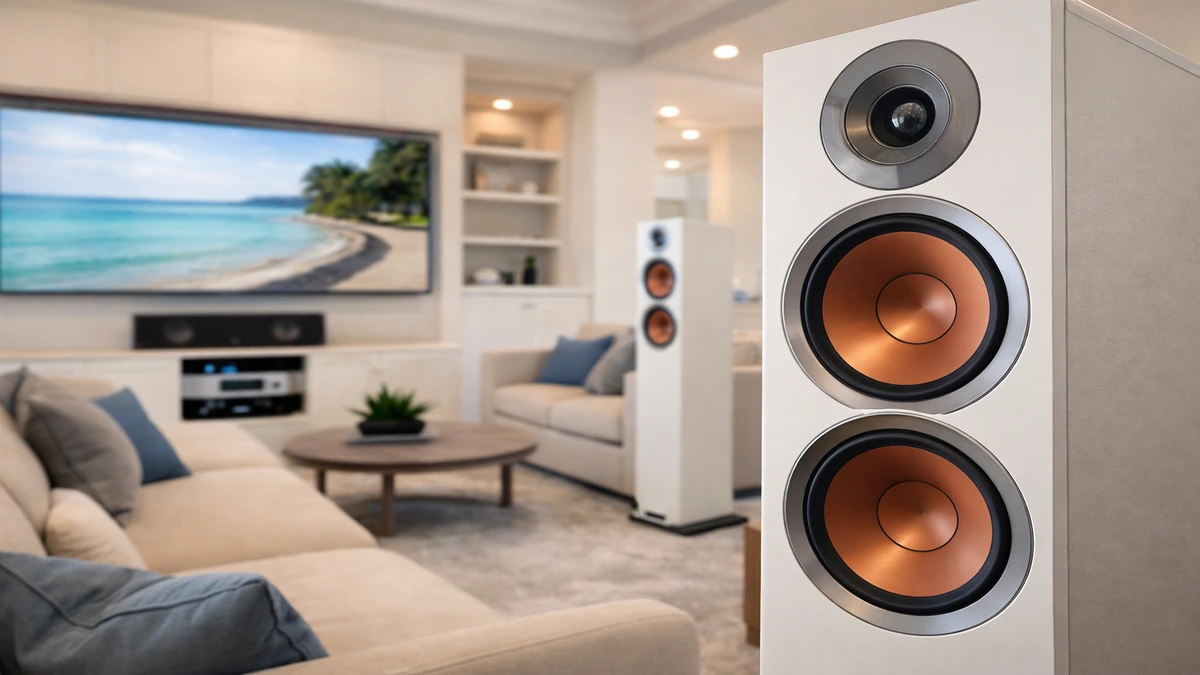
Home Audio Installation
Whole-home and room-based audio systems tailored to how you listen.
4 minutes

Marine Audio & Electronics Installation
Boat audio, displays, and electronics installed for performance on the water.
4 minutes
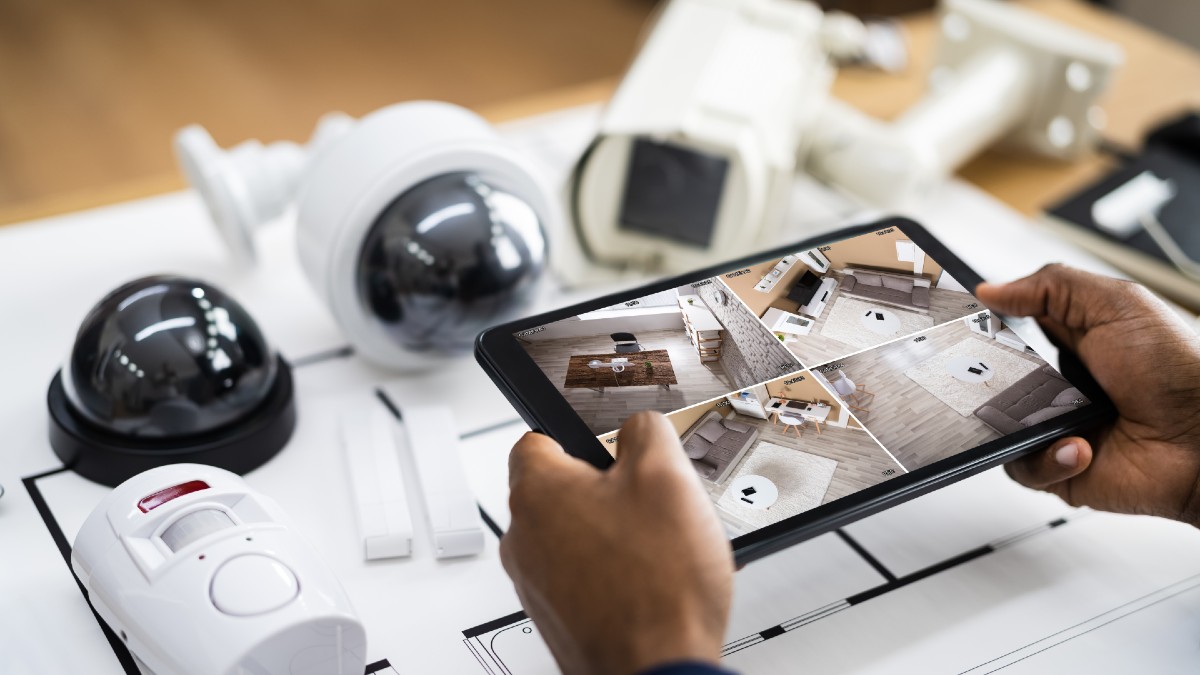
Security Camera Installation
Smart camera systems for visibility, alerts, recording, and remote monitoring.
4 minutes
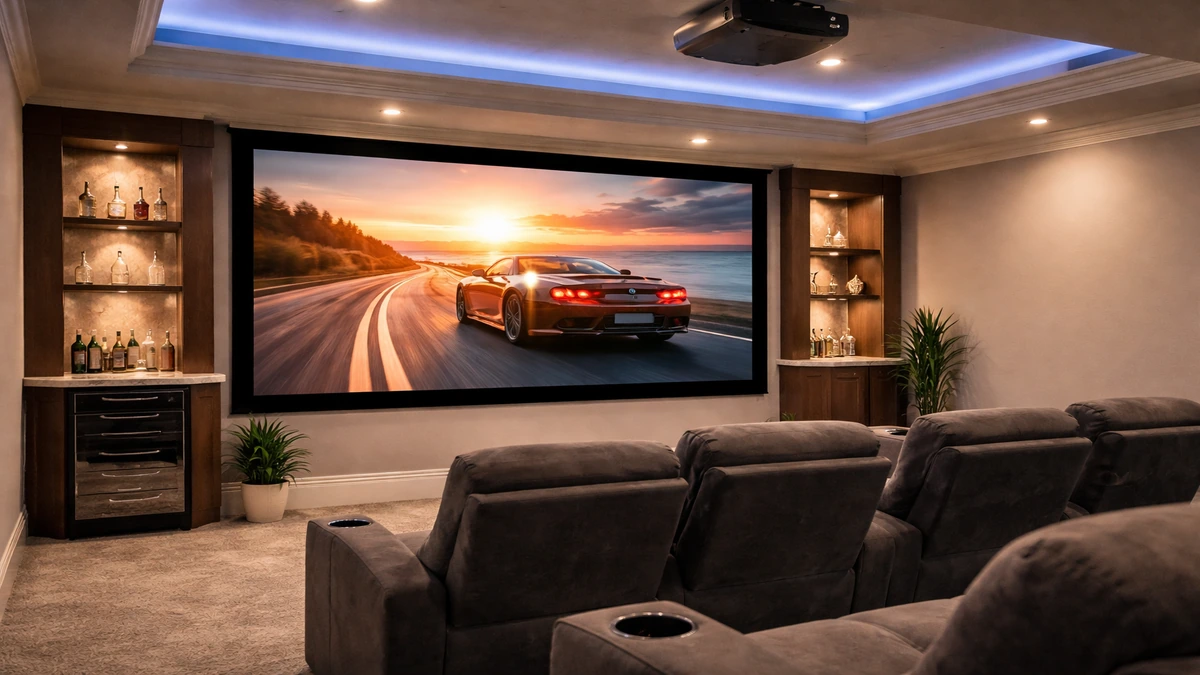
Projector Screen Installation
Projectors and screens configured for sharp viewing and balanced room performance.
4 minutes
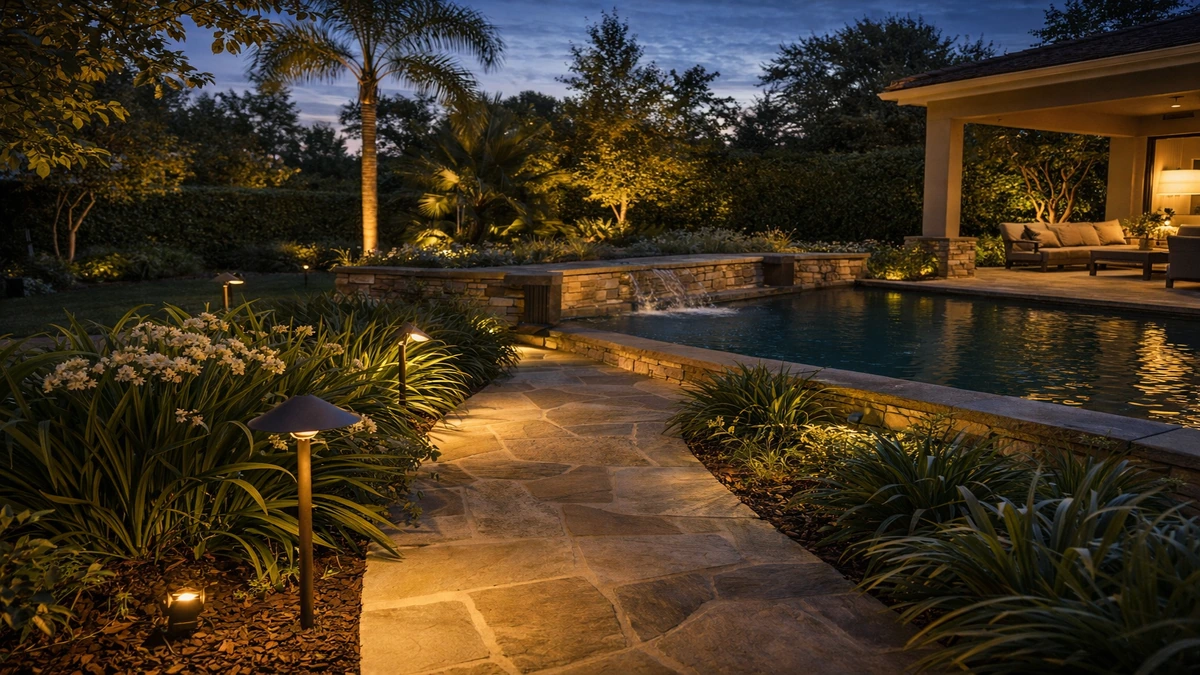
Outdoor Lighting Installation
Exterior lighting that improves curb appeal, ambiance, and nighttime usability.
4 minutes
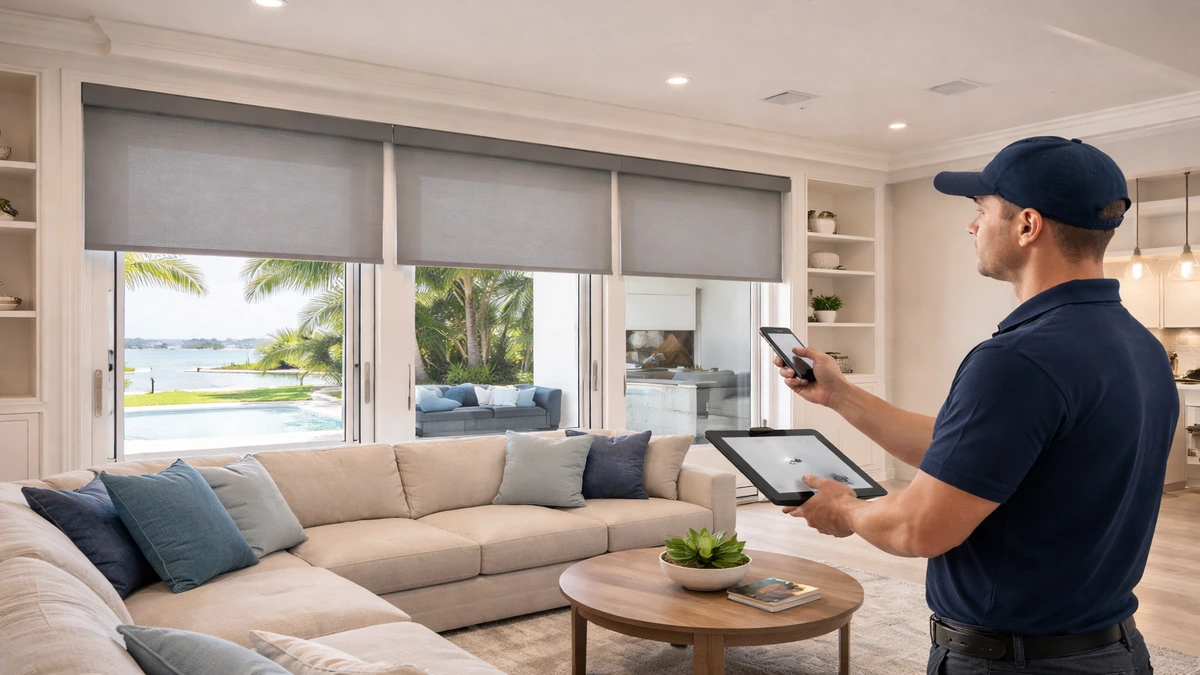
Motorized Blinds Installation
Automated shading for privacy, glare control, and everyday convenience.
4 minutes
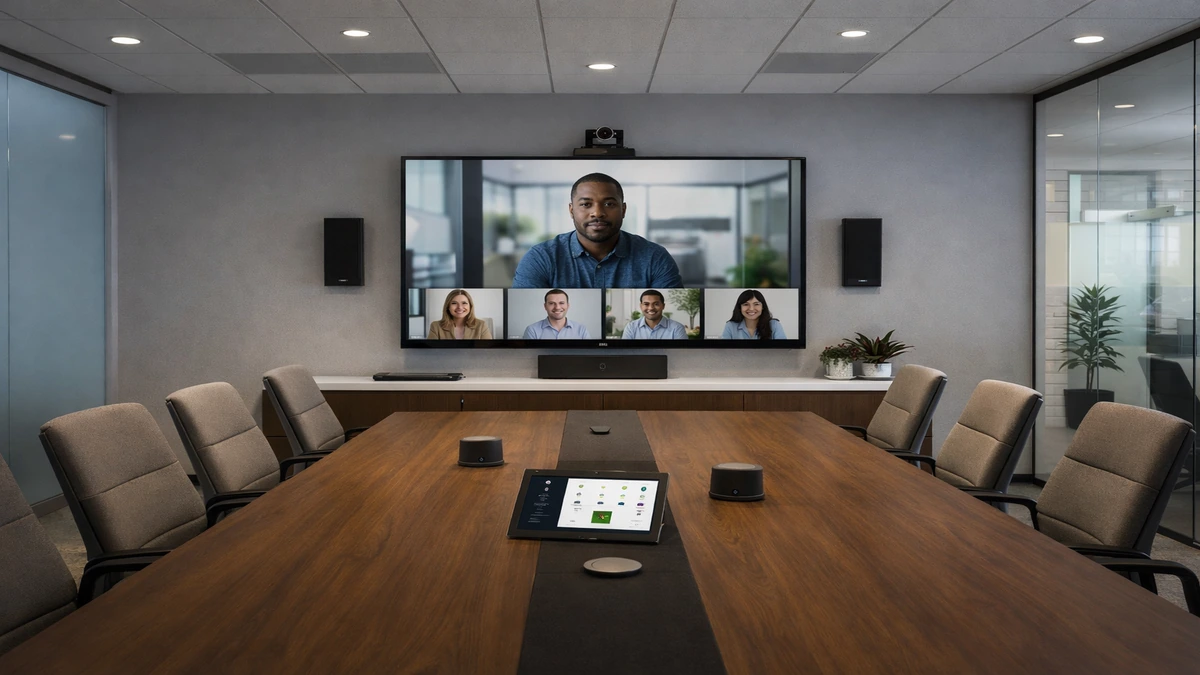
Conference Room AV Installation
Meeting room technology for clearer presentations, calls, and collaboration.
4 minutes
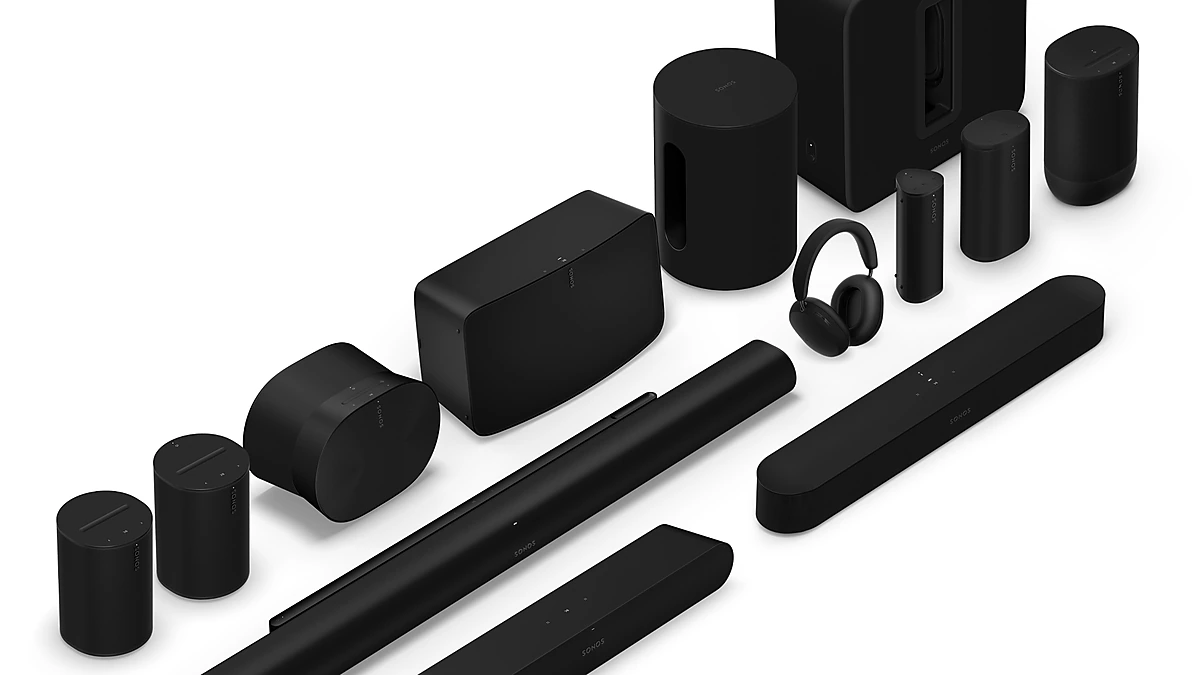
Sonos Installation
Sonos system design, setup, and tuning for simple multi-room audio.
4 minutes
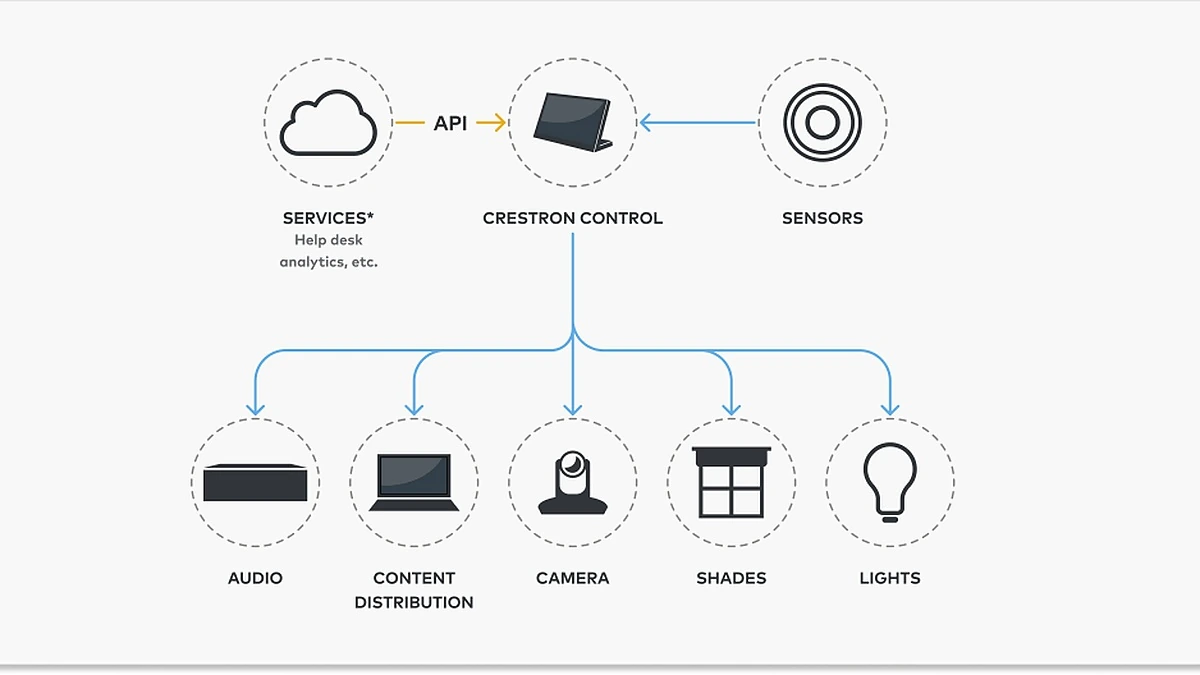
Crestron Installer
Advanced Crestron control integration for high-performance smart home environments.
4 minutes
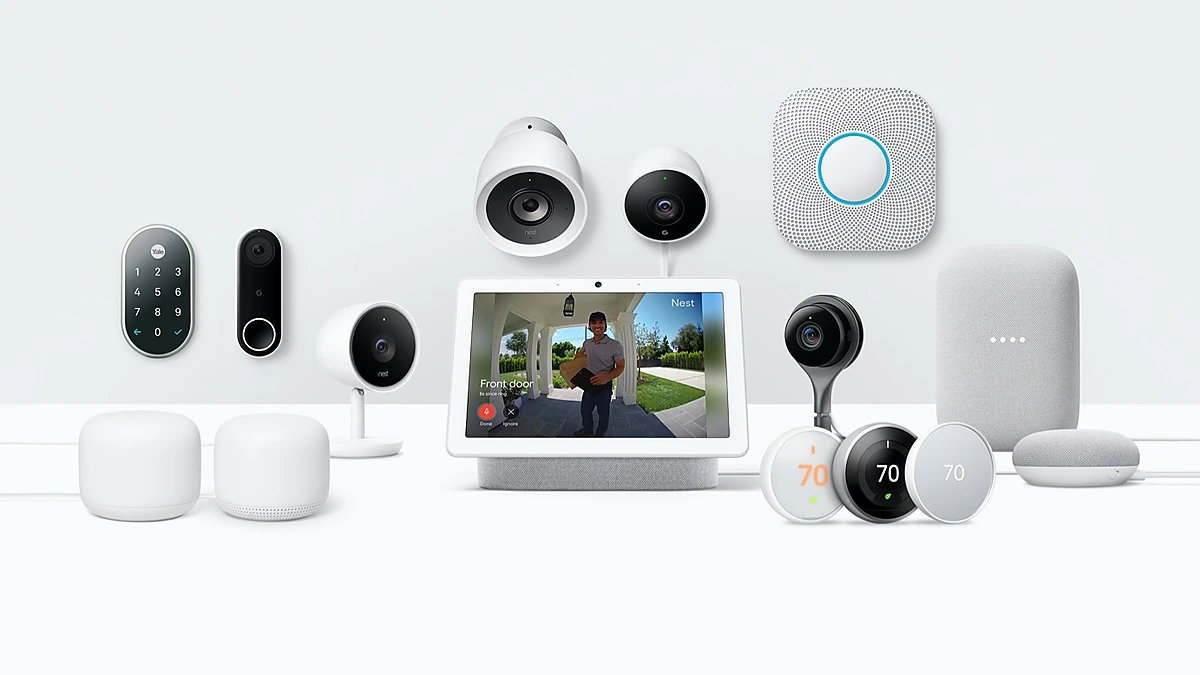
Nest Installer
Nest thermostat and smart home setup for comfort and remote control.
4 minutes
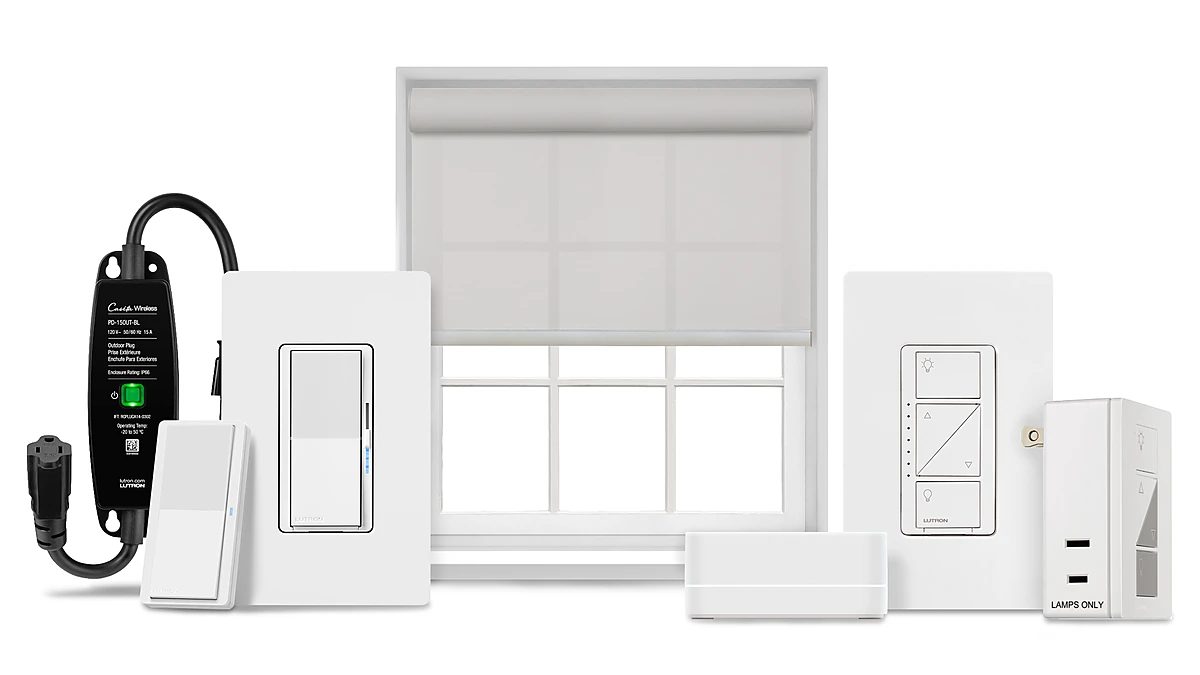
Lutron Installer
Lutron lighting and shading integration for smoother control and scene setting.
4 minutes
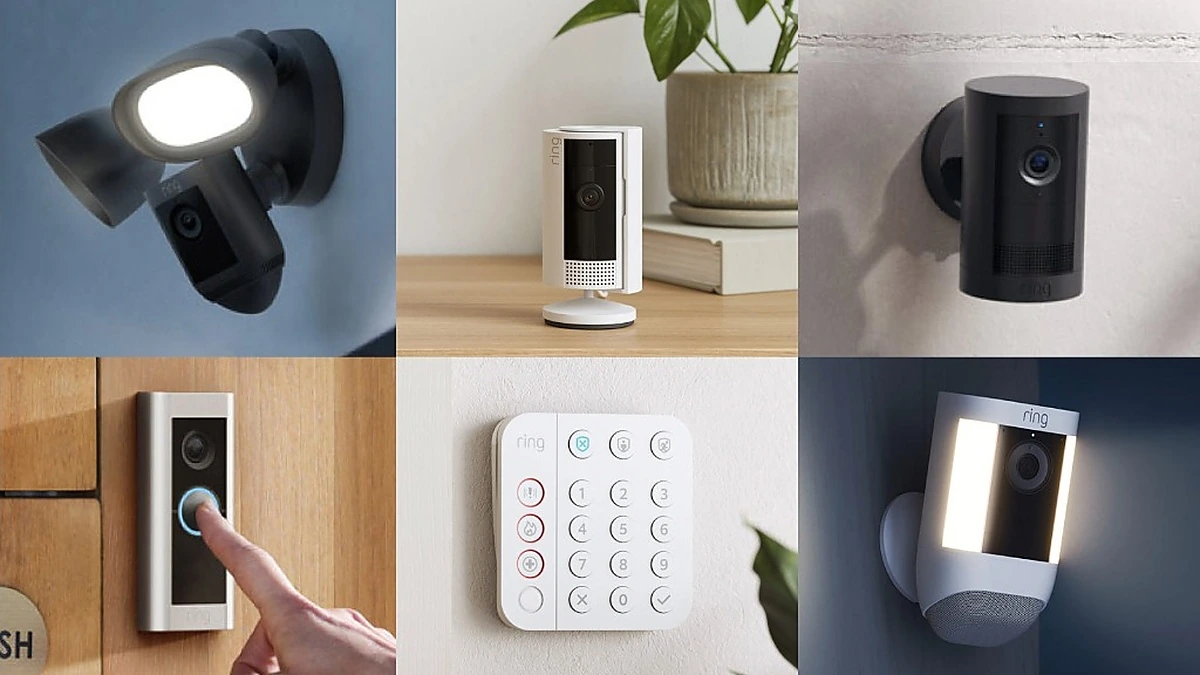
Ring Installation
Ring doorbells and cameras installed for better awareness and entry visibility.
5 minutes
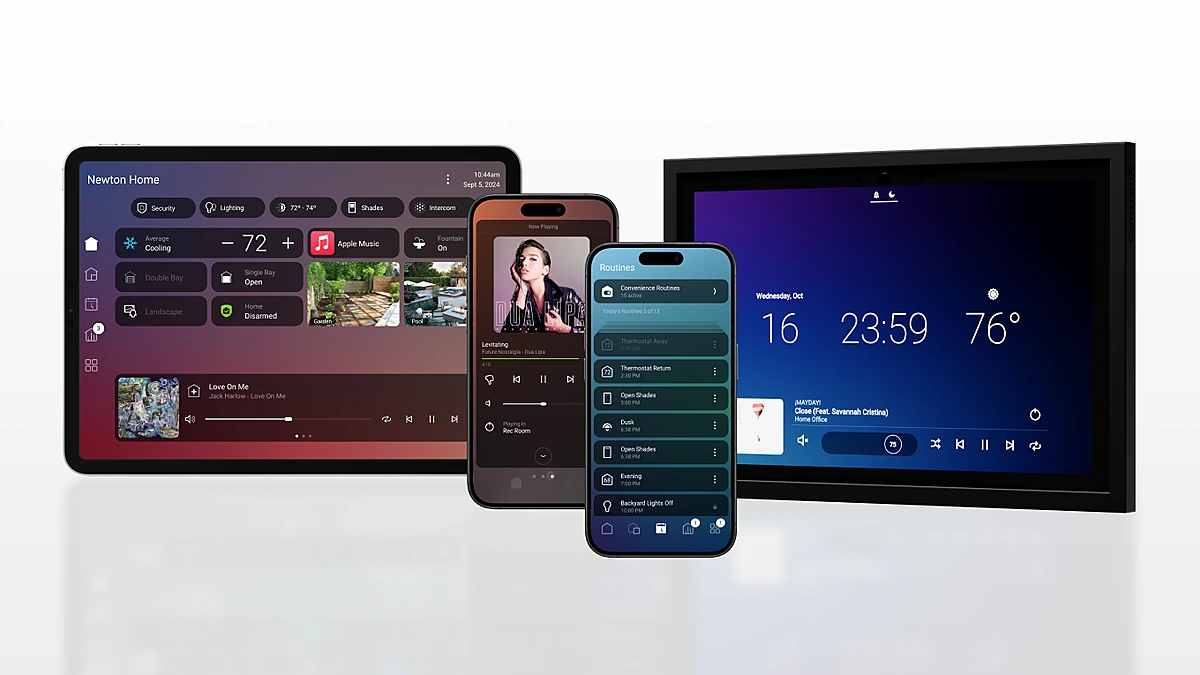
Control4 Installer
Control4 automation setup for unified entertainment, comfort, and home control.
4 minutes
Car & Truck Audio / Electronics Custom Upgrades
Custom mobile audio and electronics upgrades for better sound and functionality.
3 minutes
No single decade built Cooper City, and the walls change with the year
Cooper City has 11,522 homes and no decade owns them. The 1980s left the largest group at 3,325, which is still under three in ten. The 1970s and the 1990s are close behind, and 1,371 homes here were finished as recently as the 2010s. Five consecutive decades of building practice stand side by side in one small city, and for a whole-home system that spread matters far more than the style of the houses does. It is what decides whether there is any low-voltage distribution in a wall to build on, how the roof above a room is framed, and what it costs to put a ceiling back after somebody has been into it.
That makes the survey an address-level exercise rather than a town-level one. A house finished in the 1970s and one finished in the 2010s can stand on the same street and give opposite answers about attic clearance, how a ceiling is framed and whether anything was ever run past the rooms you now want to use. Establishing that before a design is committed is the cheap part of the job. Finding it out afterwards, with the equipment already specified, is the expensive one.
There is a second consequence and it is about money rather than access. In the older half of this stock the hard question is usually whether a route can be reached at all. In the newer half the route is often reachable and the cost sits in the finish — what it takes to open a ceiling, close it again and leave nothing for anyone to notice. Both are ordinary problems with ordinary answers. They are simply solved at different points in the plan, and a quote covering rooms of both kinds is worth reading closely enough to see which is which.
A tenth of this city has no roof space of its own
Alongside 8,469 detached houses and 1,963 attached ones, 1,037 Cooper City homes sit inside a building shared with other households, and 296 of those are in structures of fifty units or more. It is a small share of the city and a completely different project. The roof space above such a home is not yours, the outside wall is not yours to drill, and the path between floors is a riser belonging to the building. What is possible stops being a question about construction and becomes a question about what the building allows — which takes time to answer, and is worth asking before a design leans on the answer.
Where the equipment lives follows directly from that. A house can usually spare a cupboard with power, air and room to work behind it. A home inside a larger building has no plant space to fall back on, so the rack sits in the residence and has to be planned into it: somewhere ventilated, somewhere a person can get behind as well as in front of, and somewhere its fans are not audible from a room meant to be quiet. Settling that early also settles cable lengths and pathways, which is why it belongs near the beginning of a conversation rather than the end of one.
Five households in six here own the home they are in
9,266 of the 11,053 occupied homes in Cooper City are lived in by their owners, and only 206 homes in the whole city stand empty for a season. A system installed into a market that settled is not handed over and forgotten; it is used daily and expected to still be there in ten years. What that rewards is capacity rather than hardware. Conduit or a spare pair left where the runs terminate, a network with room to take on cameras or a patio zone later, and a rack that is not already full are the parts of the work nobody looks at, and the parts that decide whether the next addition is an afternoon or a small building project.
The median home here is valued at $555,800. That figure changes nothing about how a loudspeaker behaves, but it does set the standard the finished work is held to, and what gets judged at that level is the part you cannot see: whether a wall shows any trace of what was done to it, whether a ceiling closes without a patch, whether anything had to be run across a surface because a route was never found. All three are routing decisions, and routing decisions are taken early or taken expensively. In a city assembled across five decades, the standard is the constant and the method changes house by house.