
Lived-In Rooms, Sightlines First Audio Video | Home Theater Installations Serving Coral Springs, FL
Only 16.9% of vacant homes in Coral Springs are seasonal and a third of all housing went up in the 1980s, so a system here is used every evening rather than for part of the year.
Transform Your World: Premium Audio, Video, and Smart Tech Solutions
From immersive home entertainment and vehicle audio upgrades to smart climate and security enhancements, experience cutting-edge technology tailored for convenience and security.
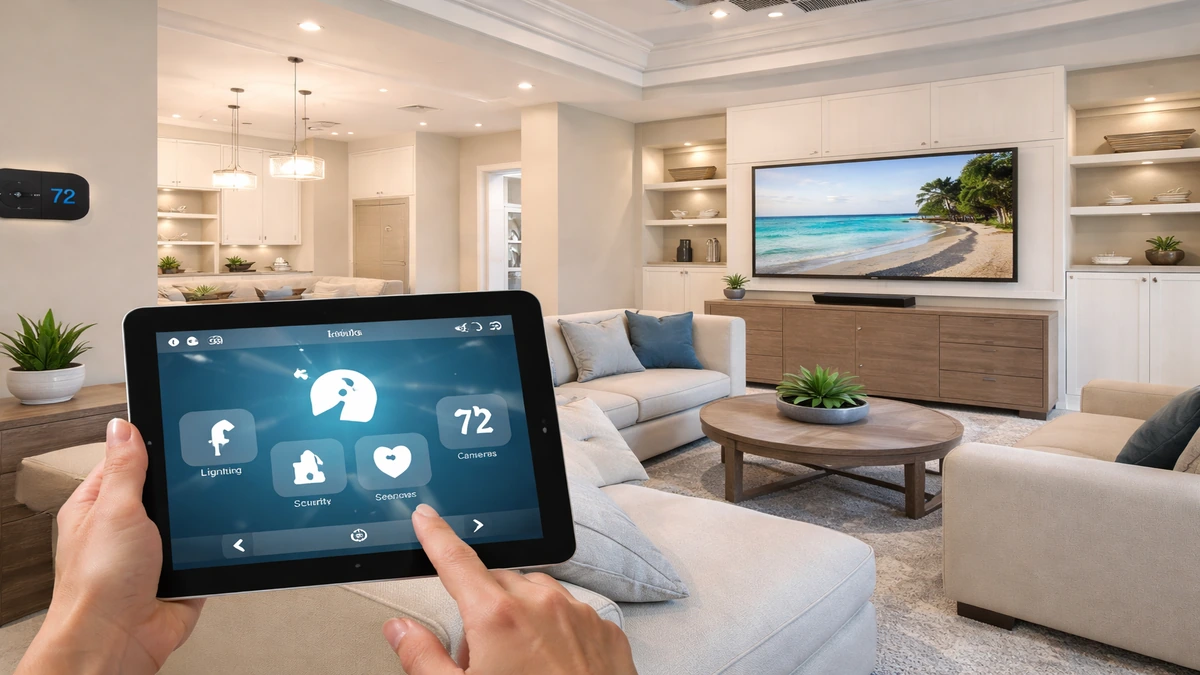
Smart Home Automation Installation
Integrated control for lighting, climate, security, and entertainment.
4 minutes
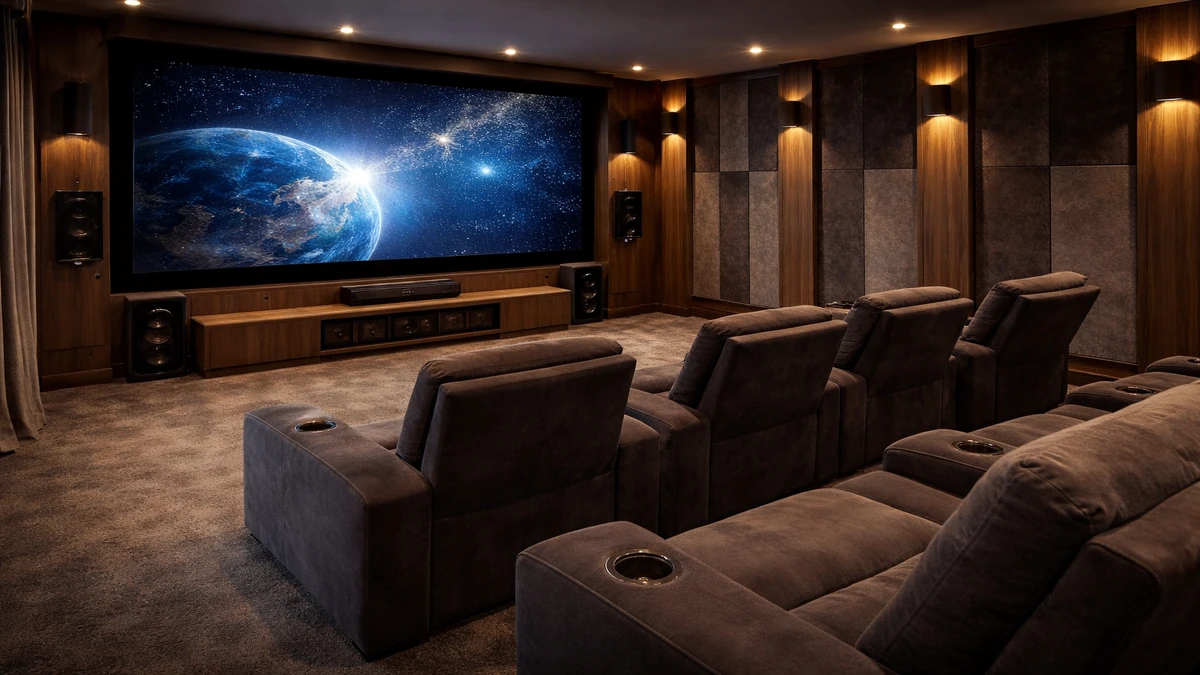
Home Theater Installation
Custom theater rooms designed for immersive picture, sound, and comfort.
4 minutes
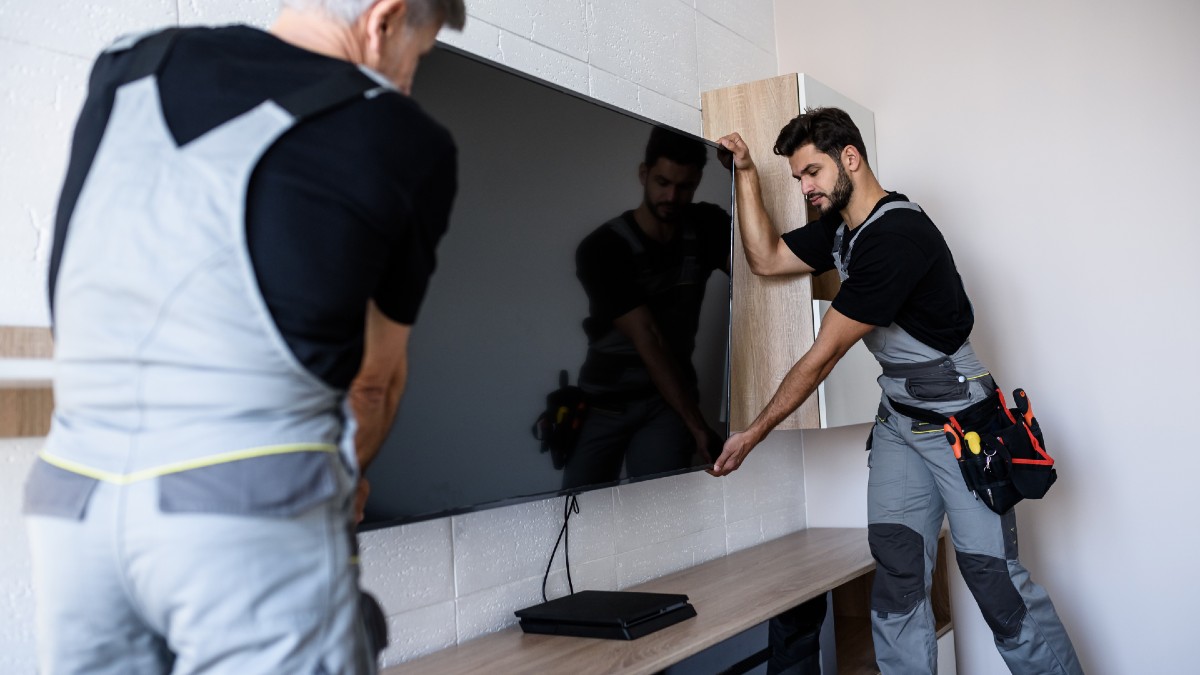
TV Wall Mounting
Professional TV mounting for cleaner layouts and better viewing angles.
5 minutes
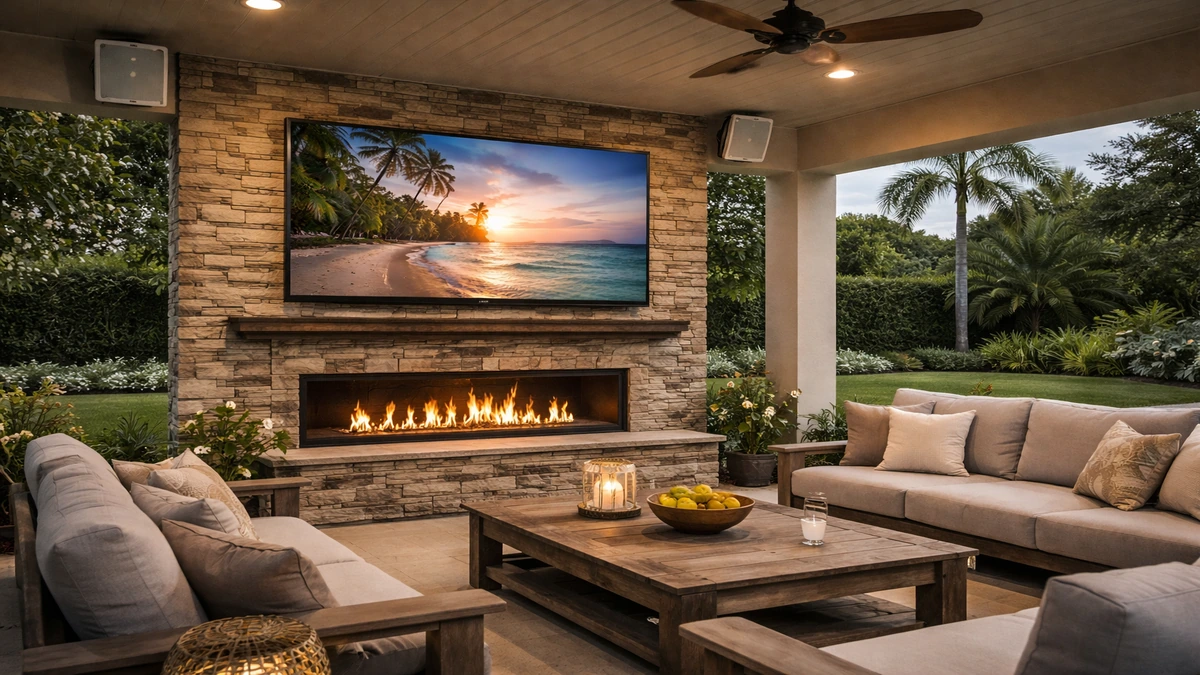
Outdoor TV Installation
Weather-aware outdoor TV setups built for patios, lanais, and pool areas.
5 minutes
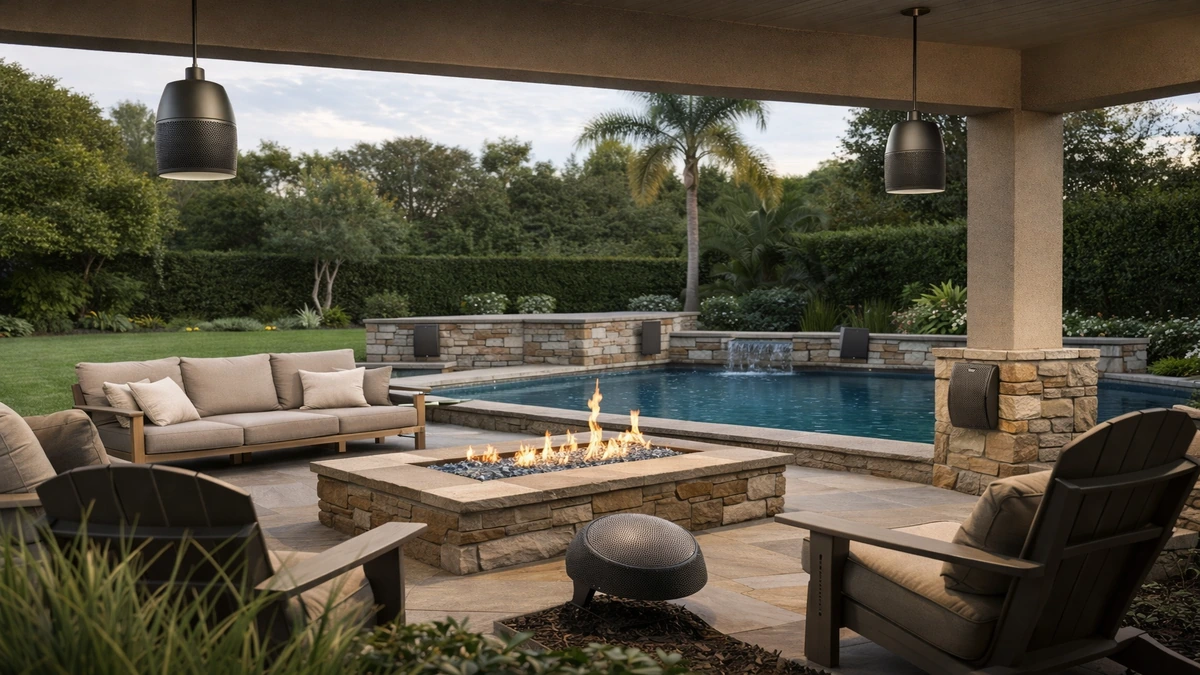
Outdoor Audio Installation
Outdoor speaker systems planned for clear sound and reliable coverage.
4 minutes
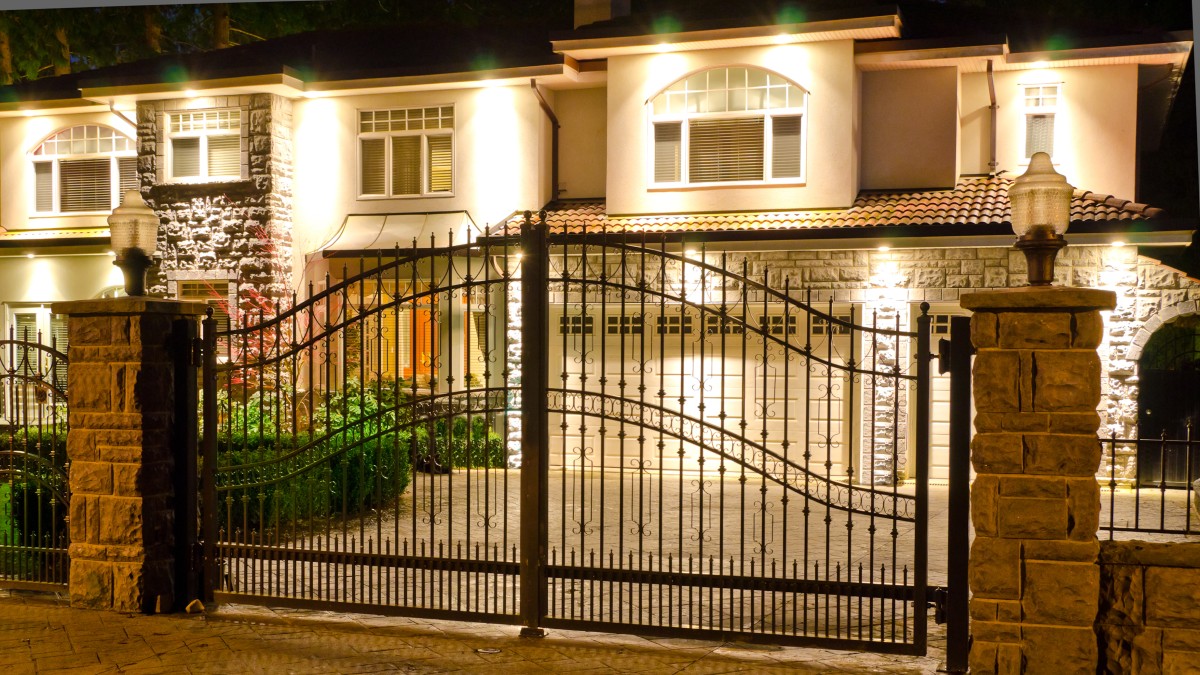
Automatic Gates
Secure, convenient gate automation with access control and entry integration.
4 minutes
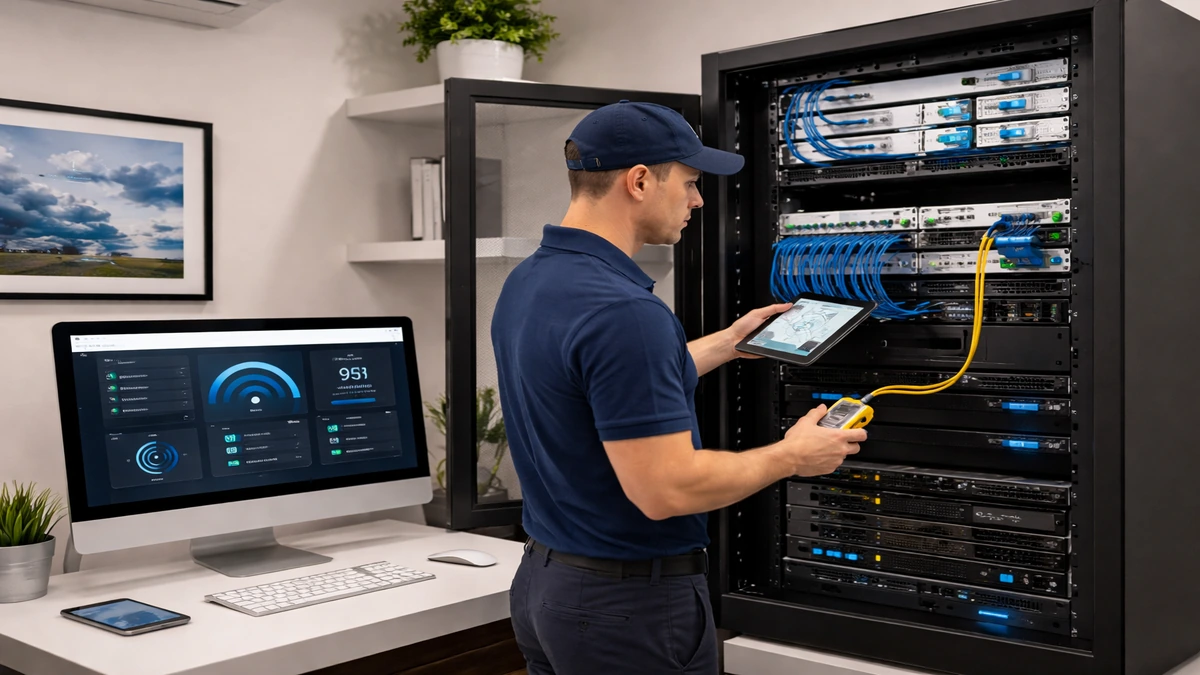
Home Network Installation
Stronger Wi-Fi, better coverage, and dependable connectivity throughout the property.
4 minutes
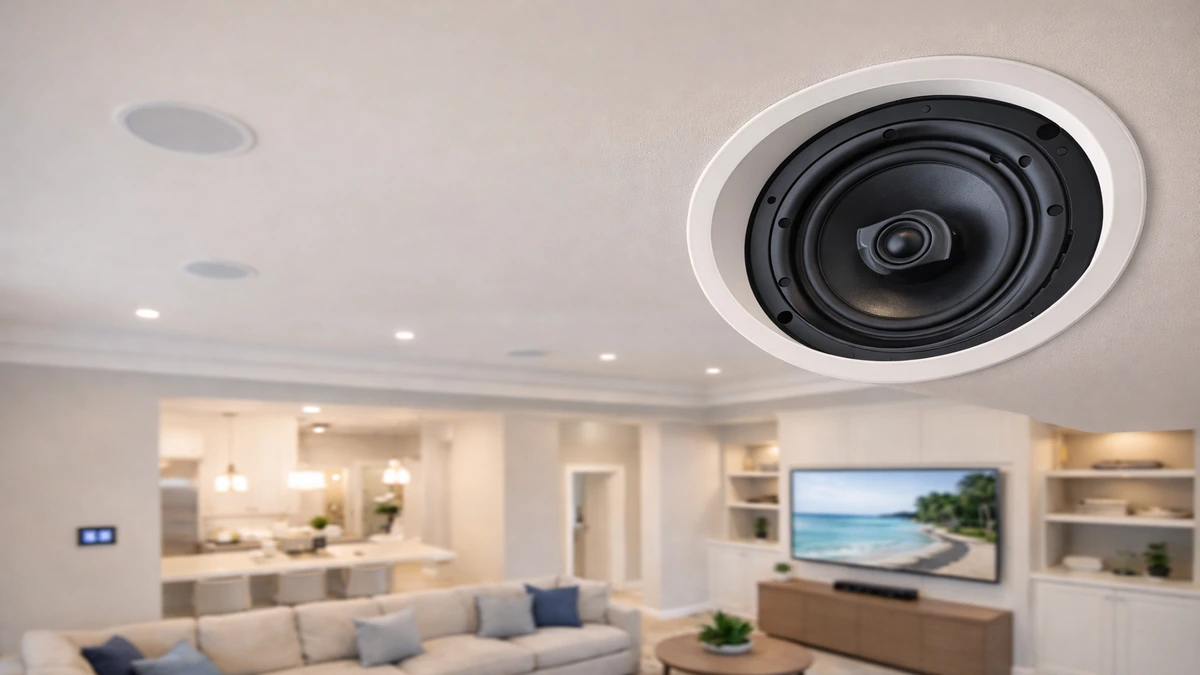
Ceiling Speaker Installation
Clean in-ceiling audio solutions for music, TV, and multi-room sound.
4 minutes
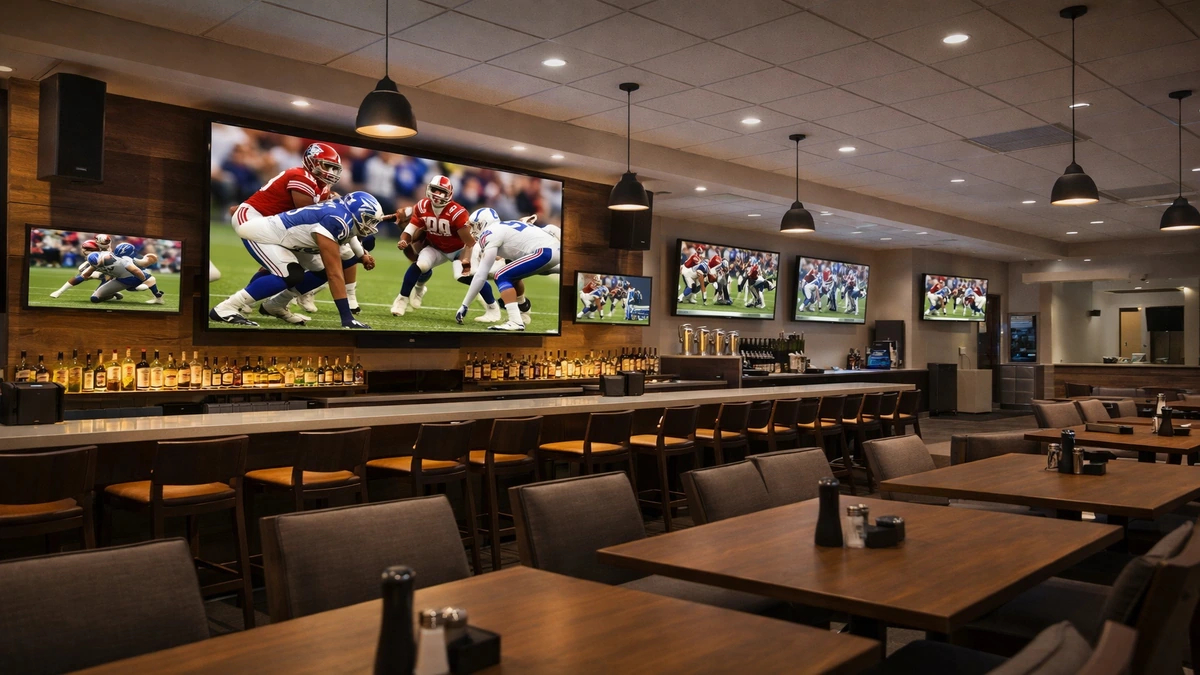
Commercial AV Installation
Professional audio, video, and control systems for business environments.
4 minutes
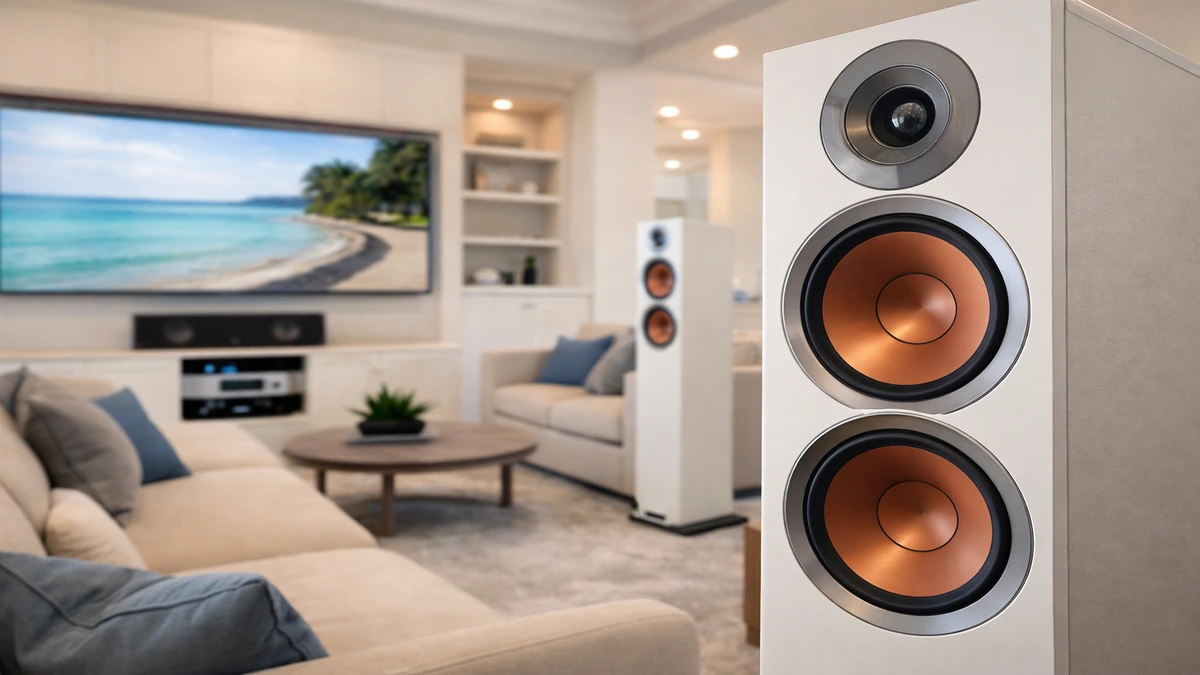
Home Audio Installation
Whole-home and room-based audio systems tailored to how you listen.
4 minutes

Marine Audio & Electronics Installation
Boat audio, displays, and electronics installed for performance on the water.
4 minutes
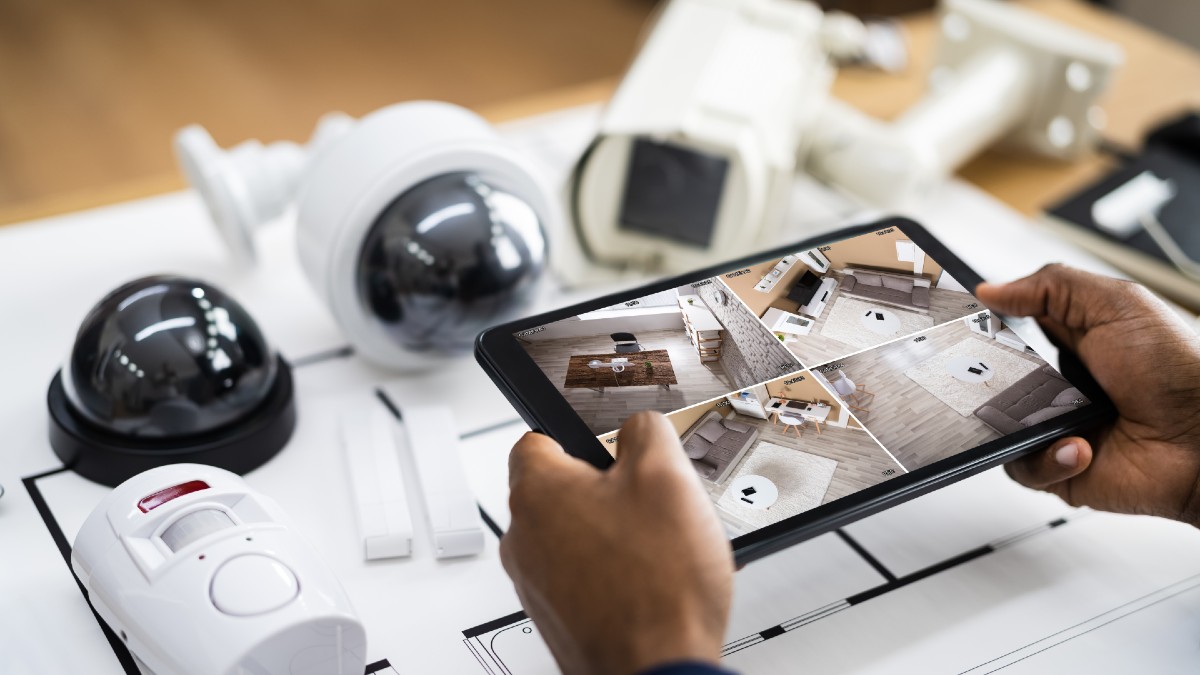
Security Camera Installation
Smart camera systems for visibility, alerts, recording, and remote monitoring.
4 minutes
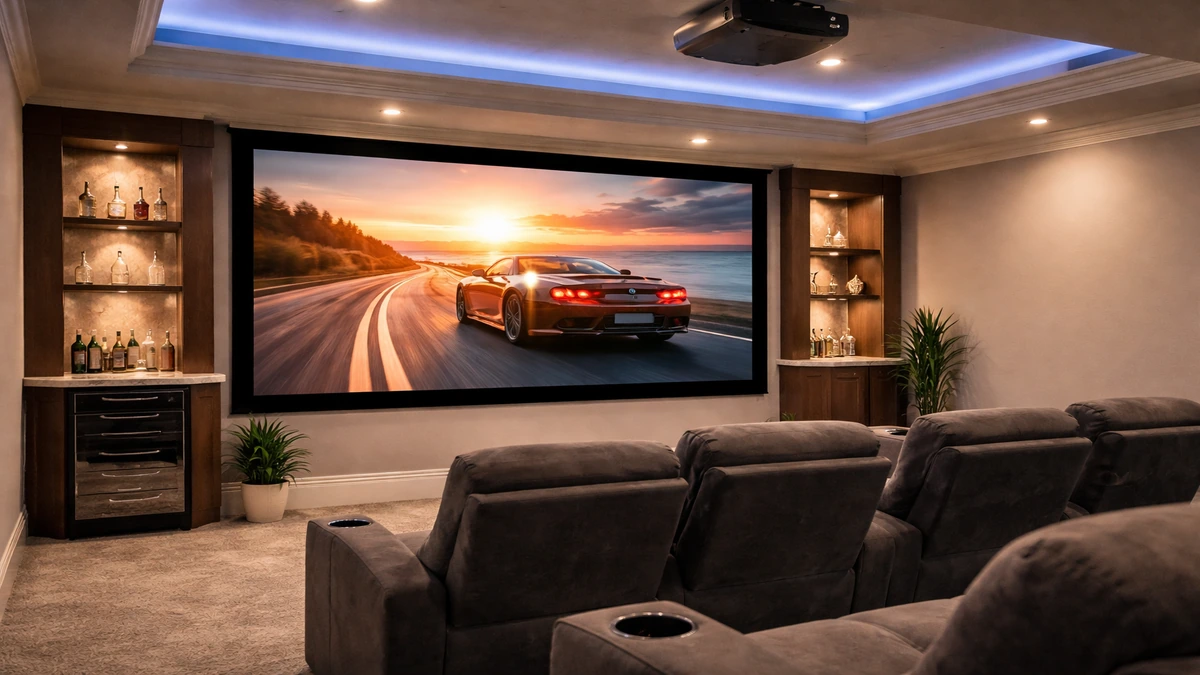
Projector Screen Installation
Projectors and screens configured for sharp viewing and balanced room performance.
4 minutes
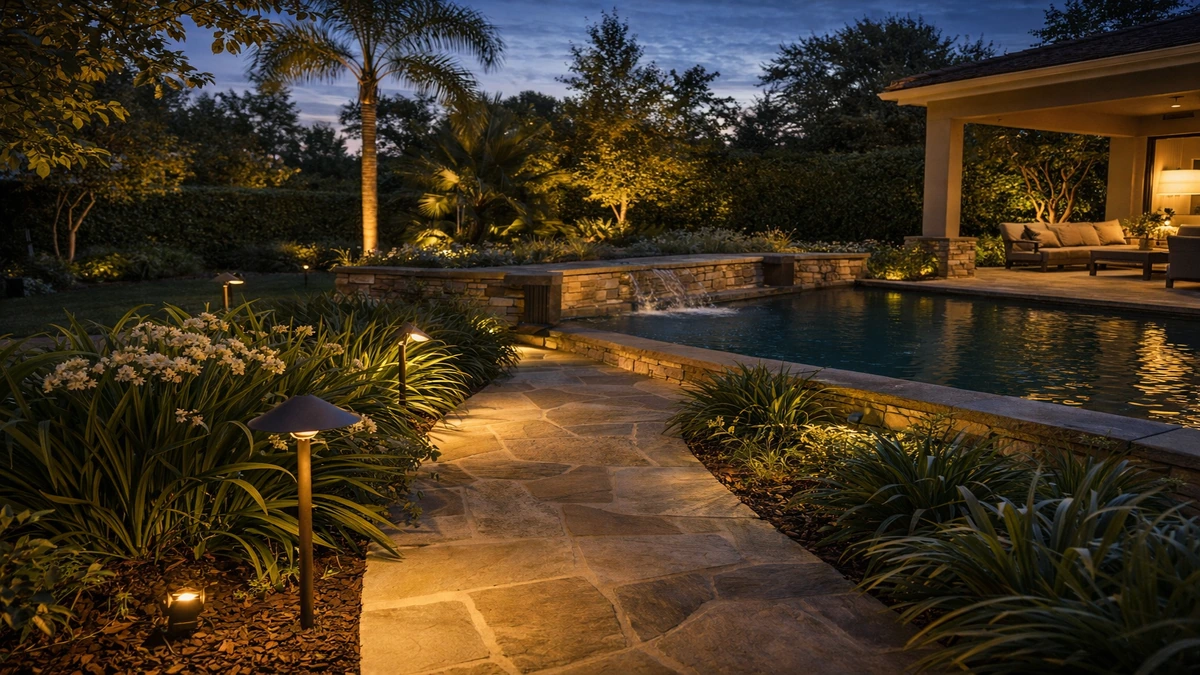
Outdoor Lighting Installation
Exterior lighting that improves curb appeal, ambiance, and nighttime usability.
4 minutes
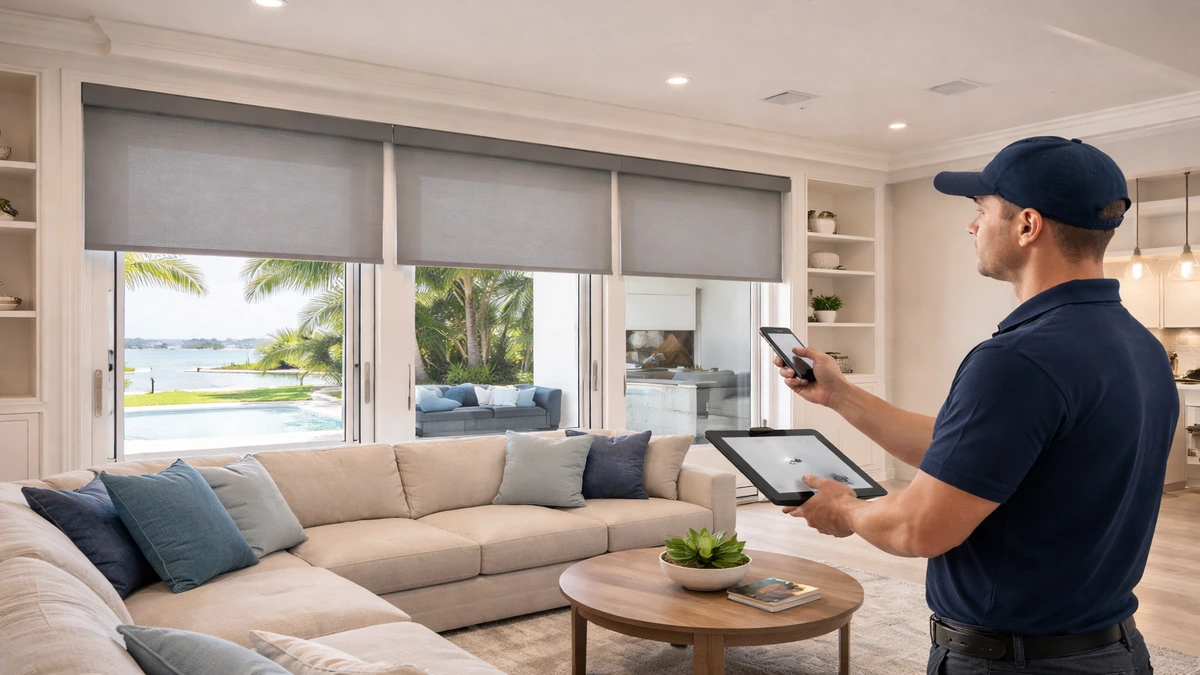
Motorized Blinds Installation
Automated shading for privacy, glare control, and everyday convenience.
4 minutes
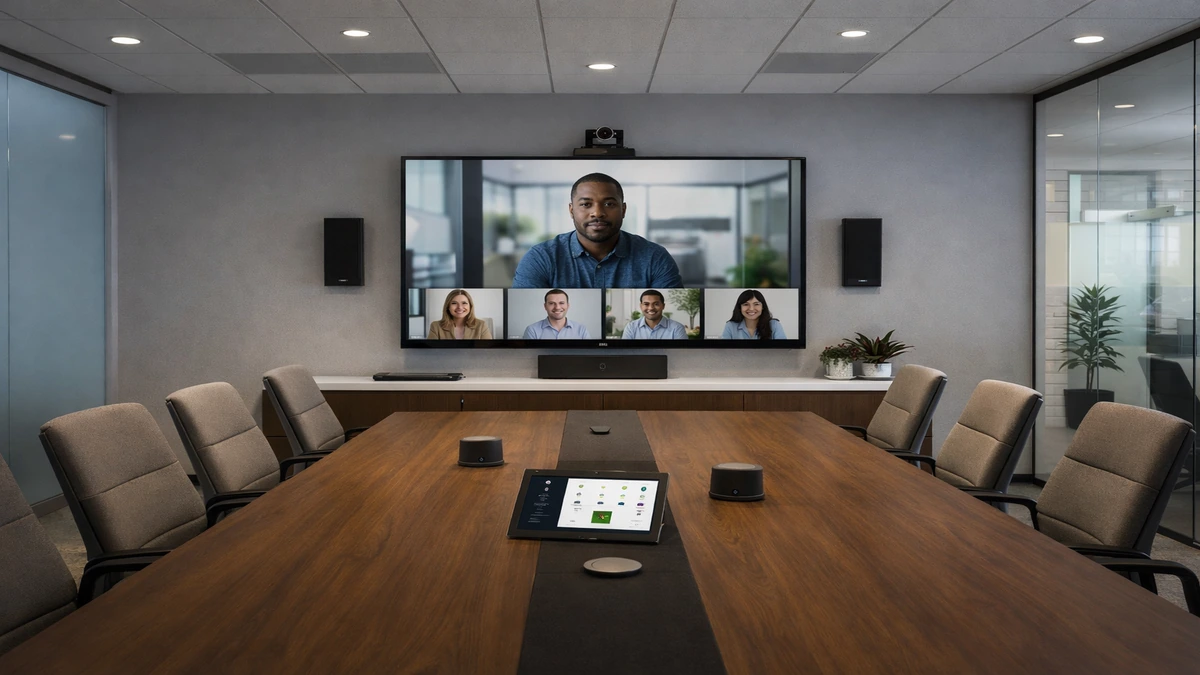
Conference Room AV Installation
Meeting room technology for clearer presentations, calls, and collaboration.
4 minutes
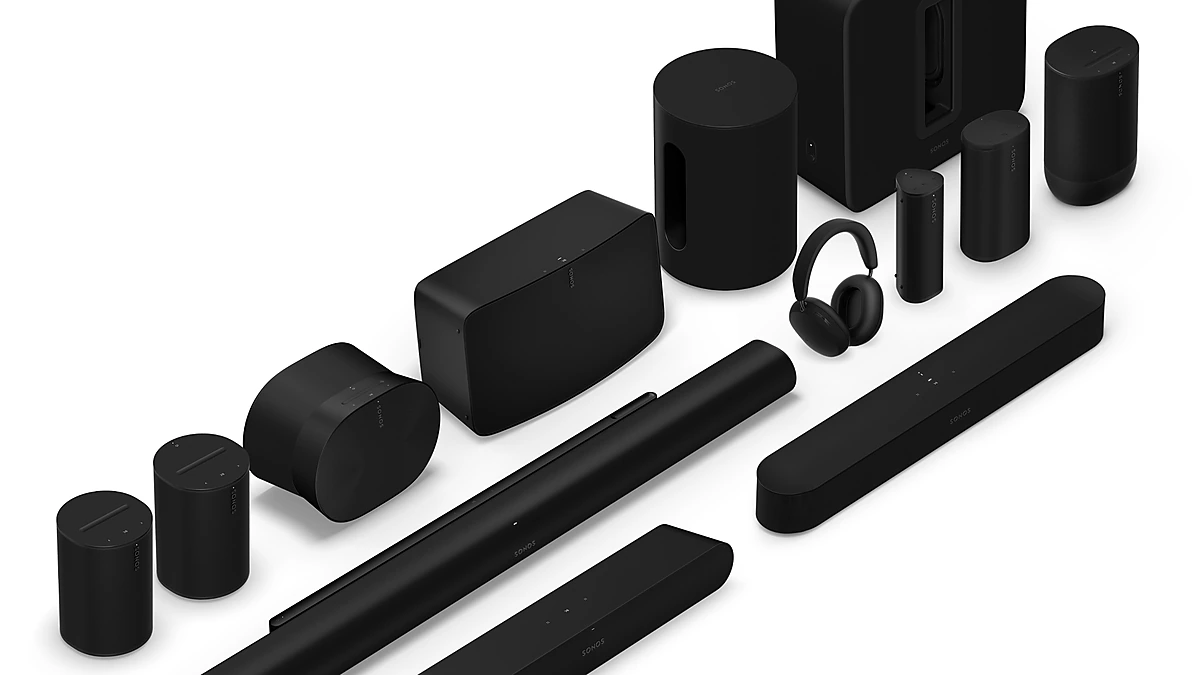
Sonos Installation
Sonos system design, setup, and tuning for simple multi-room audio.
4 minutes
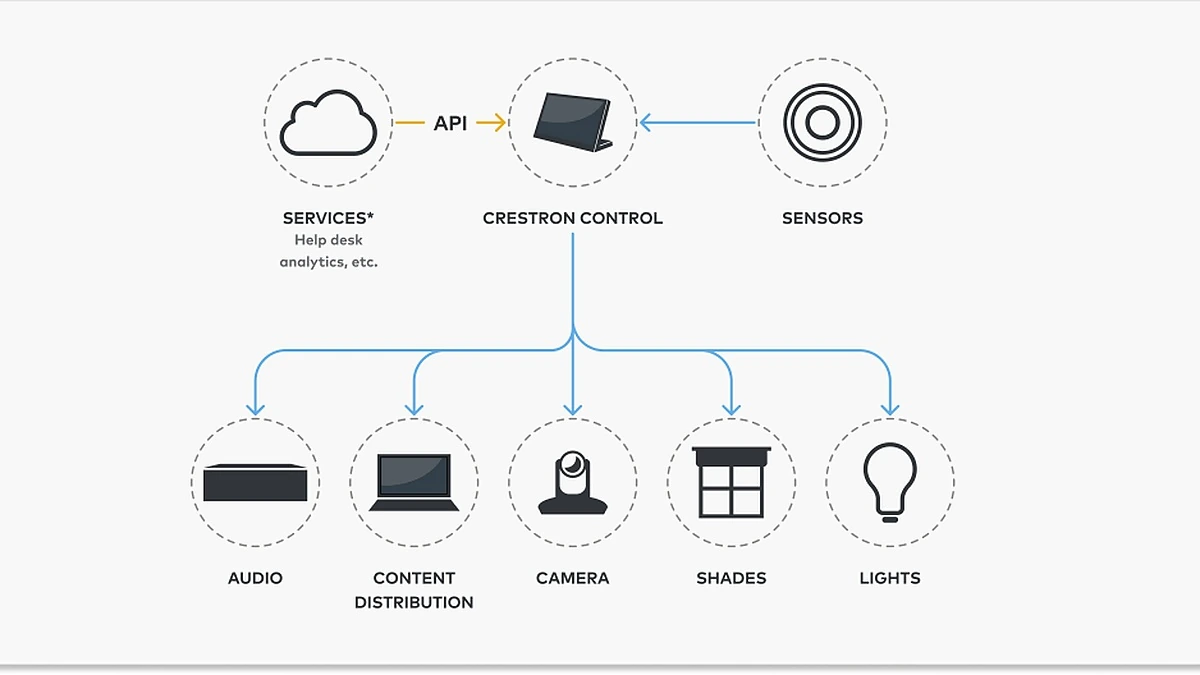
Crestron Installer
Advanced Crestron control integration for high-performance smart home environments.
4 minutes
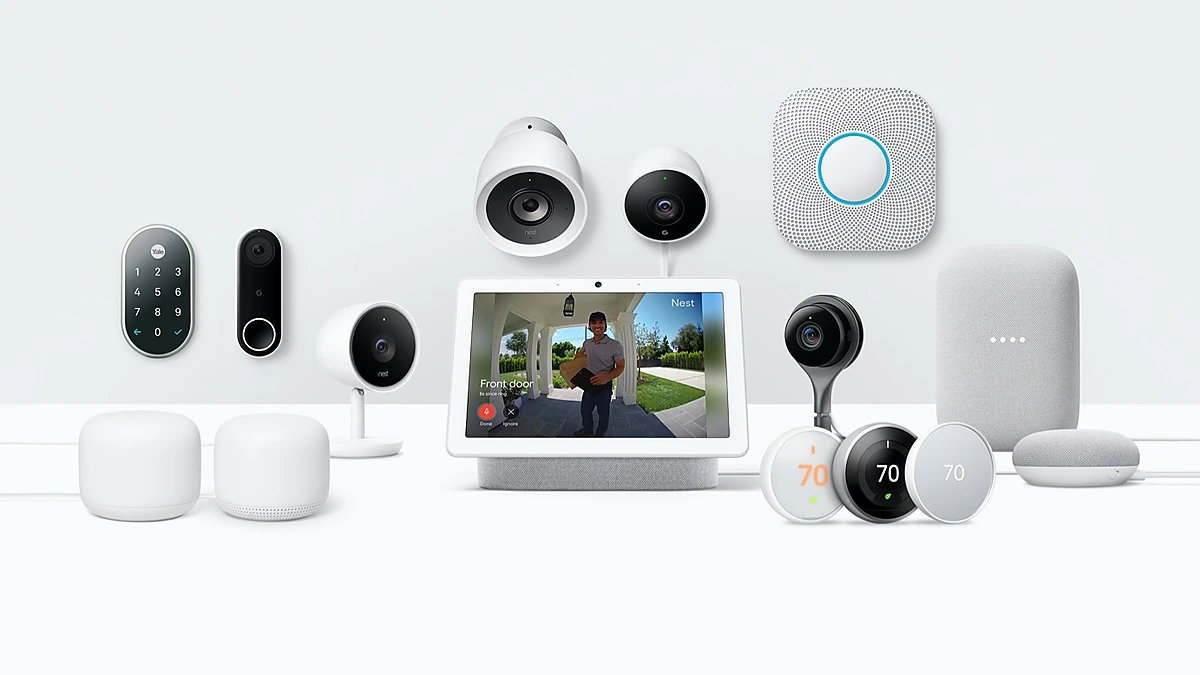
Nest Installer
Nest thermostat and smart home setup for comfort and remote control.
4 minutes
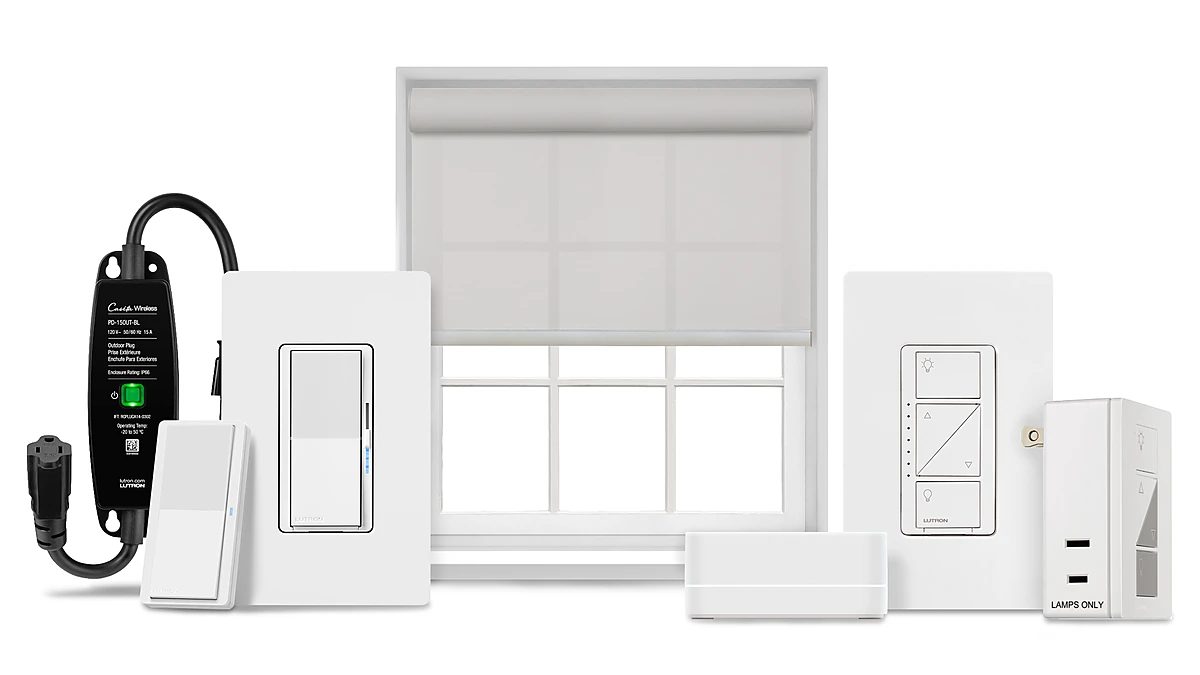
Lutron Installer
Lutron lighting and shading integration for smoother control and scene setting.
4 minutes
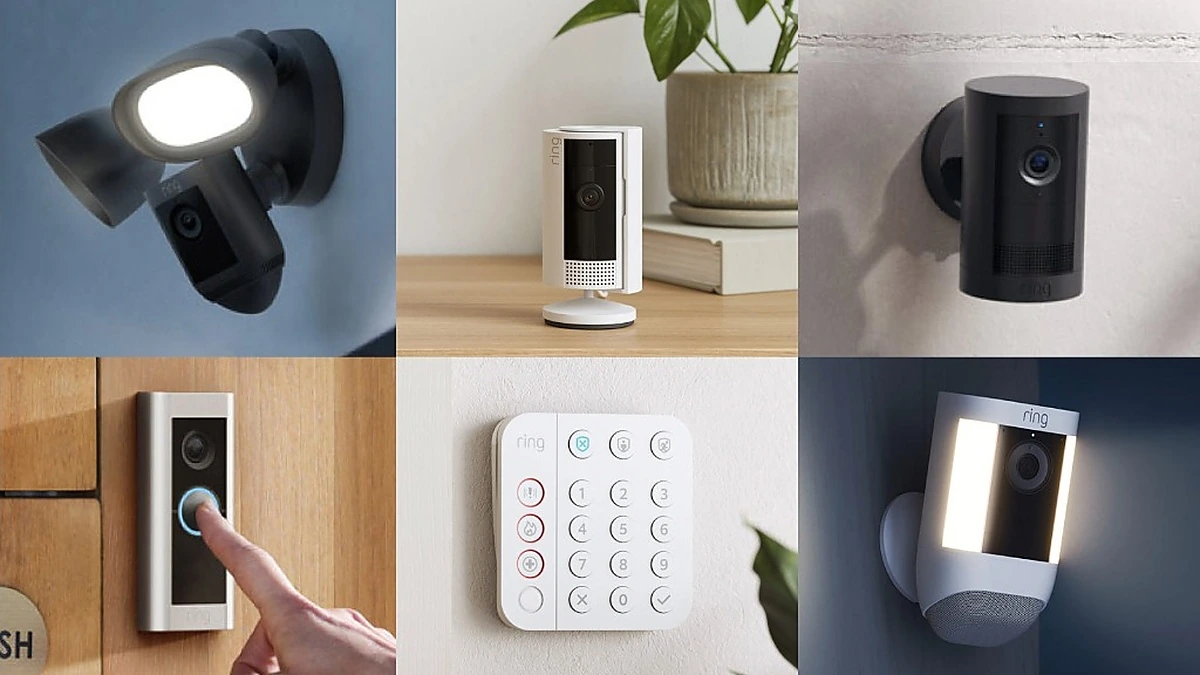
Ring Installation
Ring doorbells and cameras installed for better awareness and entry visibility.
5 minutes
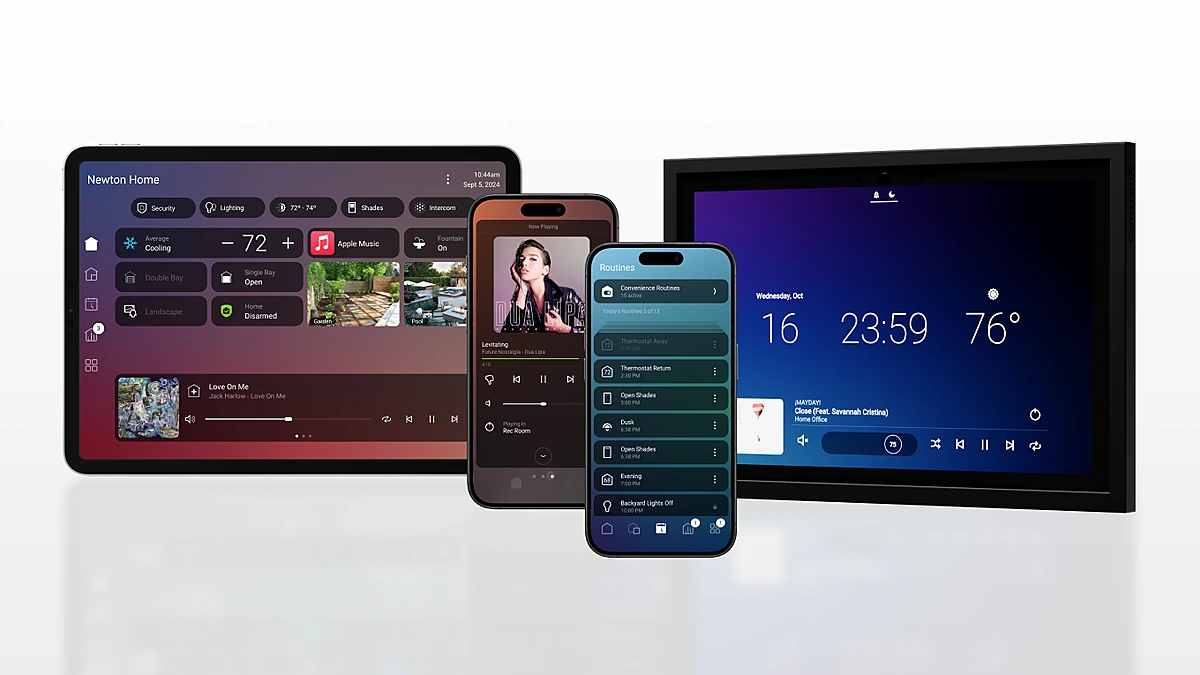
Control4 Installer
Control4 automation setup for unified entertainment, comfort, and home control.
4 minutes

Car & Truck Audio / Electronics Custom Upgrades
Custom mobile audio and electronics upgrades for better sound and functionality.
3 minutes
Only 442 homes here are held for part of the year
Coral Springs has 47,277 homes, and just 442 of them are held for seasonal, recreational or occasional use. That is under a fifth of the vacant stock and a rounding error against the whole. Whatever else it means, it means the systems here get used. Not opened up in October and shut down in April, but switched on most evenings by the same household, for years at a time. It is worth designing for that, because daily use is a much harder test than occasional use.
Daily use changes what a system is judged on. A room that gets one showpiece evening a year can be forgiven a great deal. A room that gets used on a Tuesday cannot. The seat everybody actually sits in has to be the seat the picture and the sound were set up for, the screen has to work with the light the room really has at eight in the evening, and the whole thing has to answer without anybody reaching for a second remote.
Seating and sightlines are settled before a display is chosen
The order runs one way and it is expensive to reverse. Seat height and viewing distance decide the screen. The screen and the room decide the speaker layout. The layout decides where cable has to arrive and what the ceiling has to accommodate. Work backwards from a display somebody liked in a shop and you get a picture too large for the row people sit in, a centre channel aimed at a coffee table, and a cable route invented after the fact.
Calibration belongs to the same argument, and it is the line most often left out of a quote. Equipment arrives configured for a shop floor, not for your room. In a space with glass on two sides the ambient light at seven in the evening is a different problem from the one at ten, and the answer is set once, properly, against the room as it is. It is the part people notice constantly without ever being able to name it.
One decade built a third of the city, and it shows in the walls
The largest group of homes here went up between 1980 and 1989, a third of everything, and the median home dates from the same decade. Add the decade either side and you have the great majority of the city. Housing of that period was finished before low-voltage distribution was designed in as a matter of course, so the work is nearly always retrofit into completed walls, and concealed cabling in finished walls is one of the few items that can move a budget on its own.
There is a practical upside to that consistency. When a whole neighbourhood was framed in the same few years to the same methods, what a survey learns in one property has a fair chance of holding in the next — where the trusses run, what the ceiling void will take, whether a wall is block or frame. It does not remove the survey. It does make the answers less likely to surprise anybody, and that shows up as a schedule you can believe.
The housing is not all houses, though. Alongside 23,208 detached homes, some 16,536 sit in buildings of five units or more. The finished result can be identical either way; the route to it is not. In a house the limit on a clean in-wall run is usually attic clearance, and in an apartment it is what the structure and the shared spaces will let you open. Which of the two you are working in should be established before a single position is drawn.
Where the equipment lives deserves the same early decision. In a home occupied every day there is no convenient empty week to pull cable through, so the rack wants a permanent home with power, ventilation and the clearance to be worked on, rather than the cupboard that happened to be free. A system that can be serviced without moving furniture or taking a room out of use for a day is a system that will actually get serviced.
So the sequence runs the same way whatever the scale of the project. Decide who sits where and what they are watching, let that fix the screen and the speaker layout, route and size the infrastructure to serve it, and choose the visible hardware last. In a house that will be watching it every night for a decade, the parts nobody ever sees are the ones doing the work.