

Houses, Mid-Rises, Mobile Homes Audio Video | Home Theater Installations Serving Dania Beach, FL
No housing type takes even a quarter of Dania Beach — the largest category is the detached house at 3,985 of 16,777 homes, and tenants narrowly outnumber owners.
Transform Your Spaces with Advanced Audio, Video, and Smart Home Solutions
From immersive home theaters to smart security and climate control, our services upgrade your home, car, truck, boat, and more for the ultimate in convenience and quality.
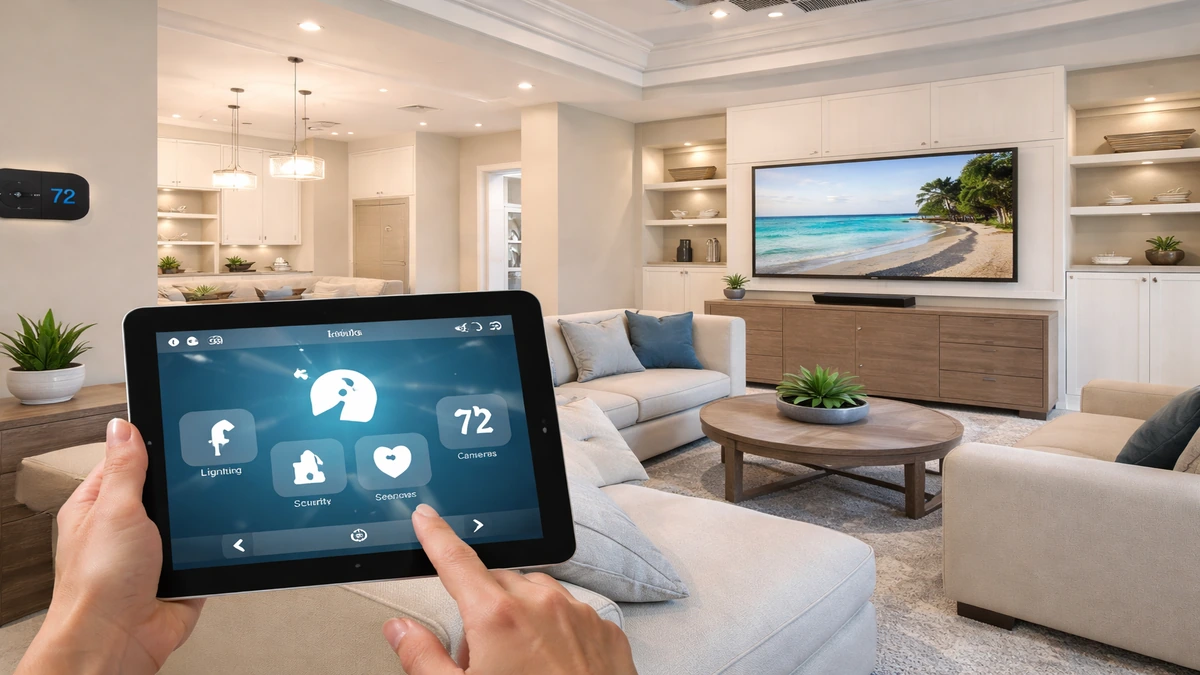
Smart Home Automation Installation
Integrated control for lighting, climate, security, and entertainment.
4 minutes
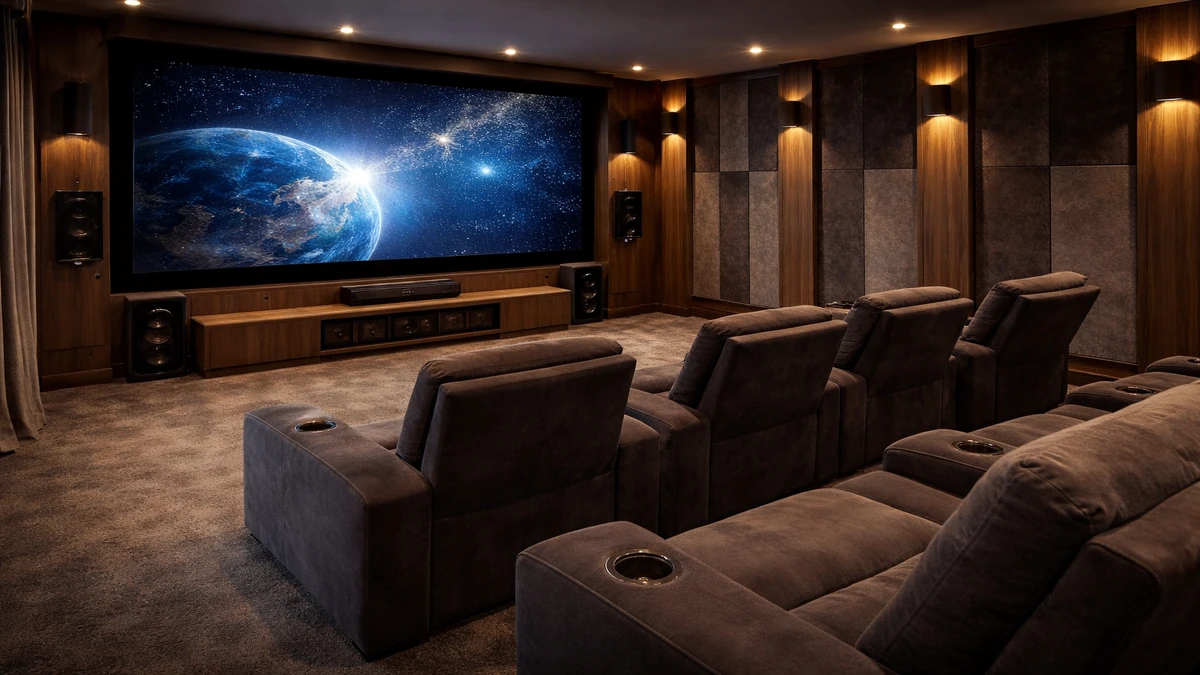
Home Theater Installation
Custom theater rooms designed for immersive picture, sound, and comfort.
4 minutes
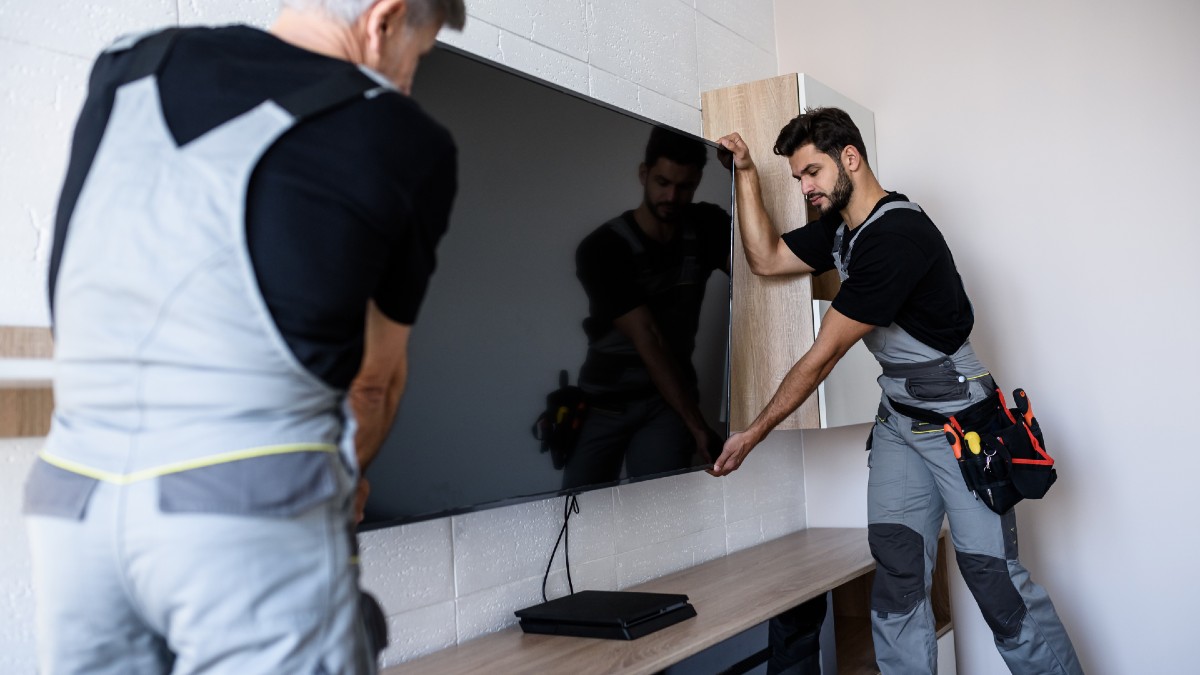
TV Wall Mounting
Professional TV mounting for cleaner layouts and better viewing angles.
5 minutes
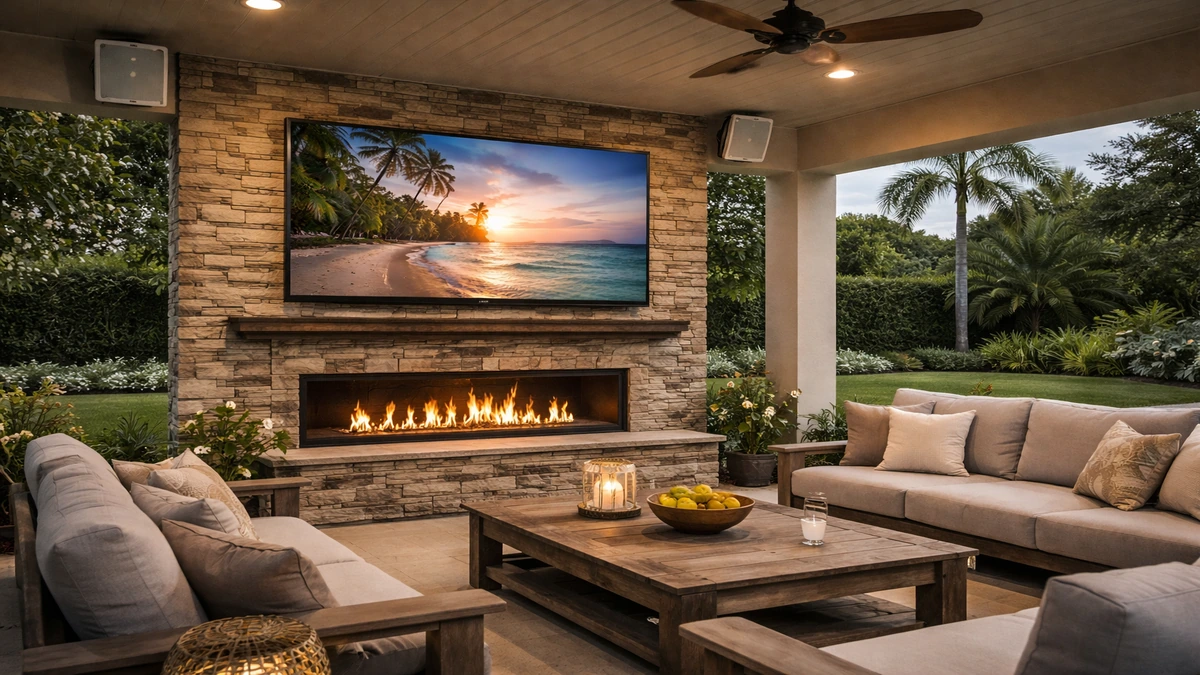
Outdoor TV Installation
Weather-aware outdoor TV setups built for patios, lanais, and pool areas.
5 minutes
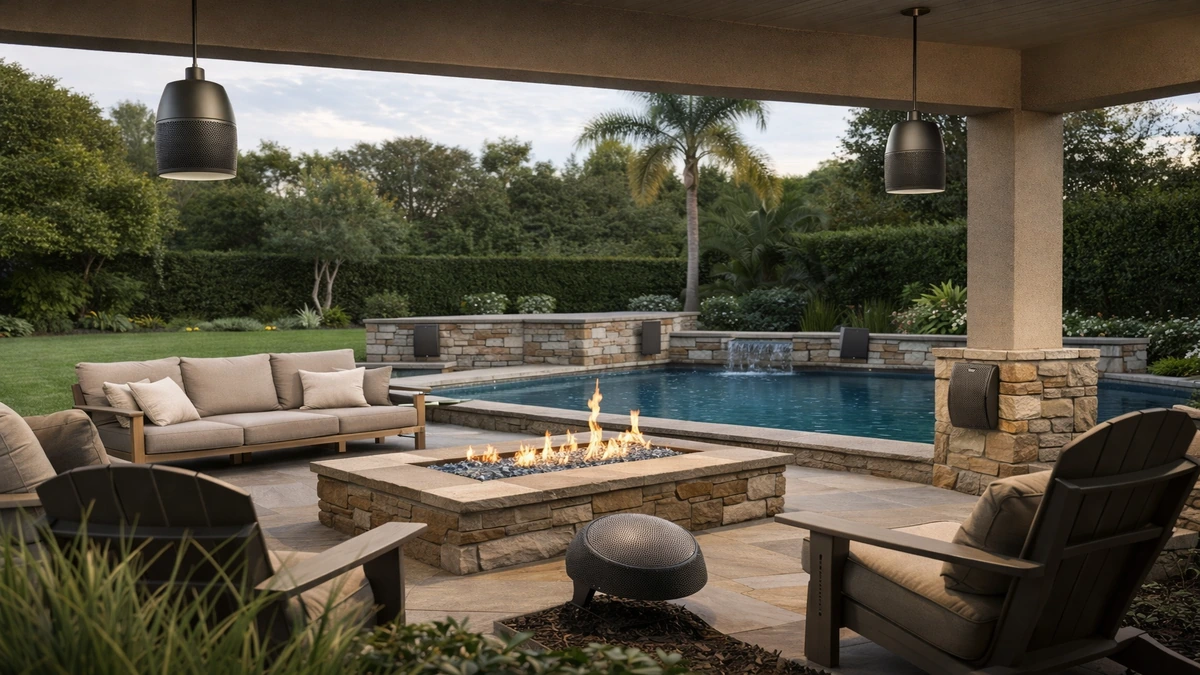
Outdoor Audio Installation
Outdoor speaker systems planned for clear sound and reliable coverage.
4 minutes
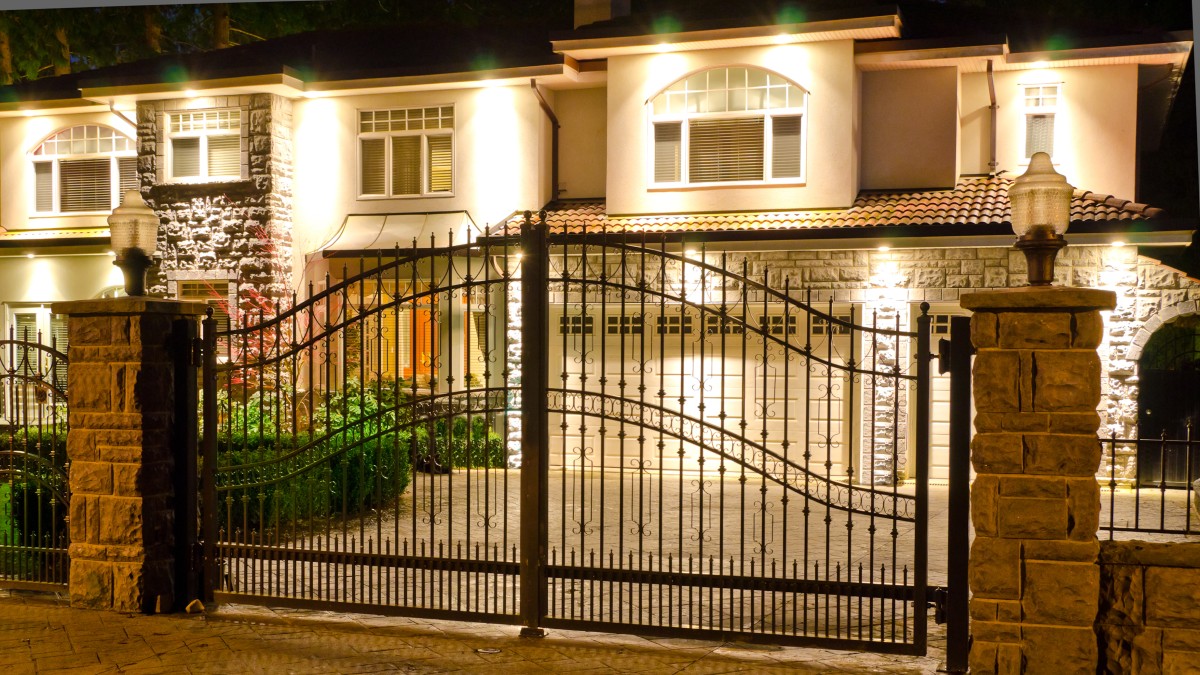
Automatic Gates
Secure, convenient gate automation with access control and entry integration.
4 minutes
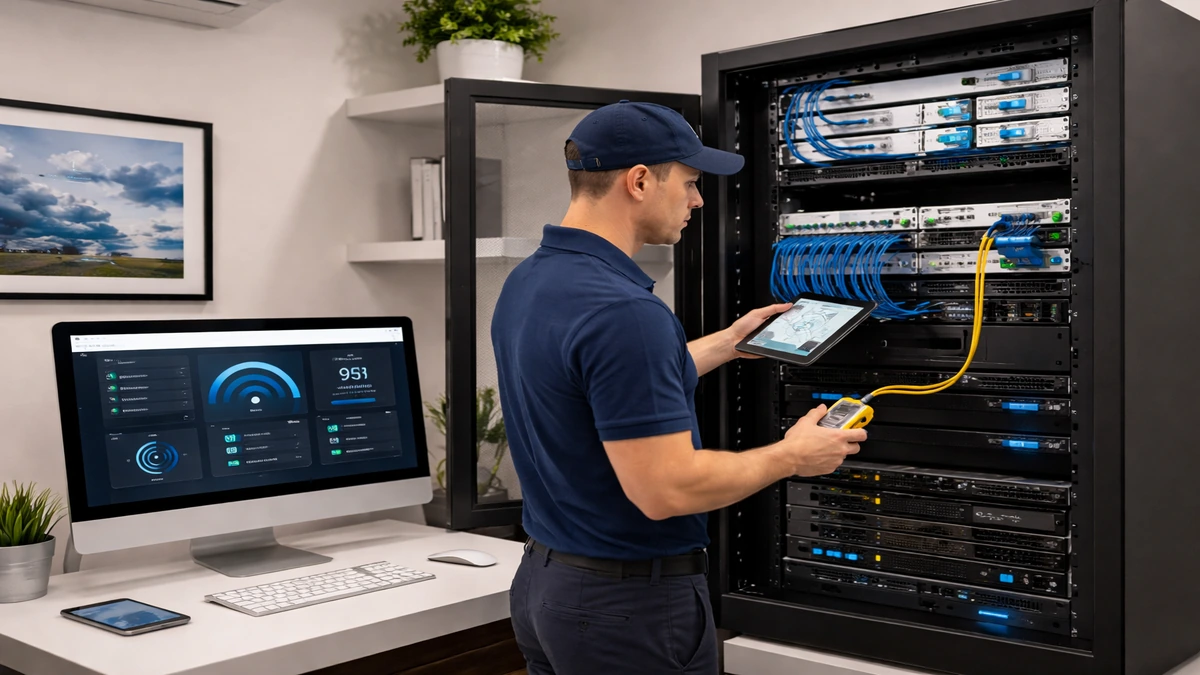
Home Network Installation
Stronger Wi-Fi, better coverage, and dependable connectivity throughout the property.
4 minutes
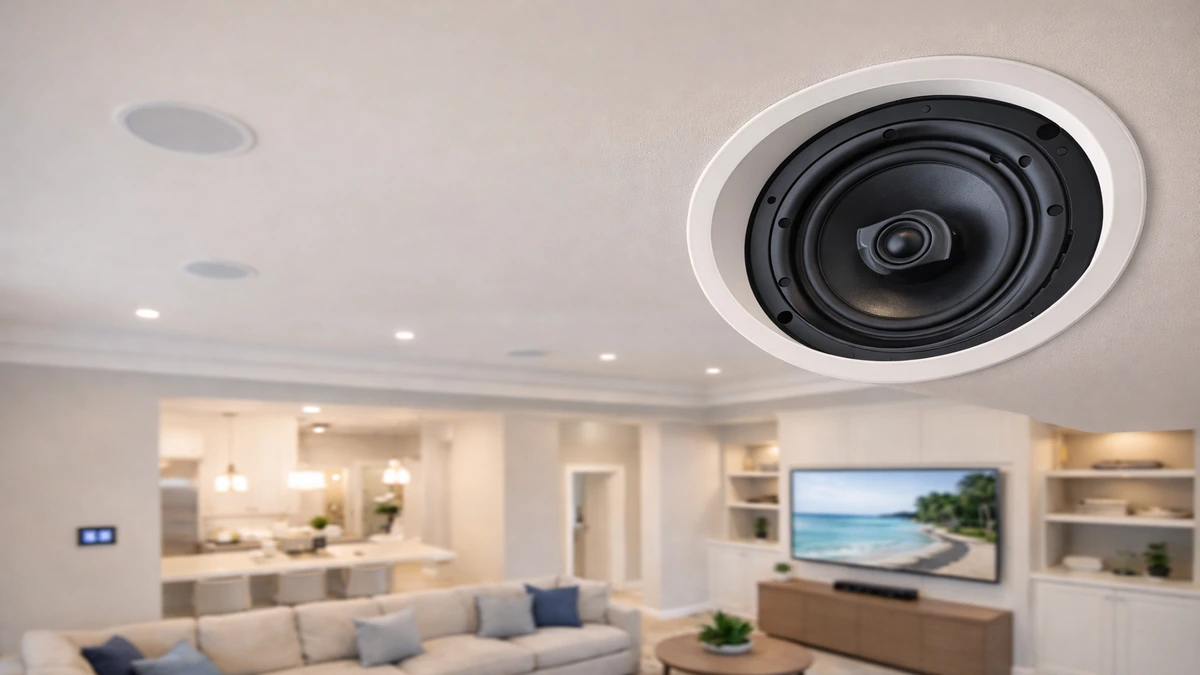
Ceiling Speaker Installation
Clean in-ceiling audio solutions for music, TV, and multi-room sound.
4 minutes
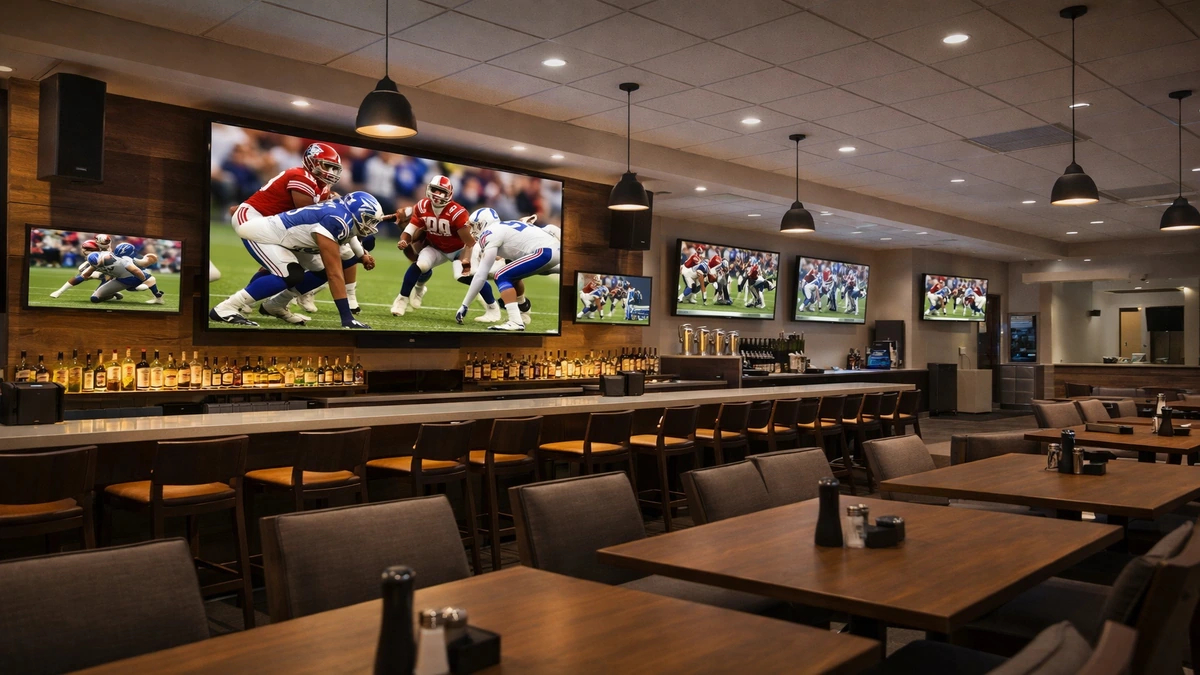
Commercial AV Installation
Professional audio, video, and control systems for business environments.
4 minutes
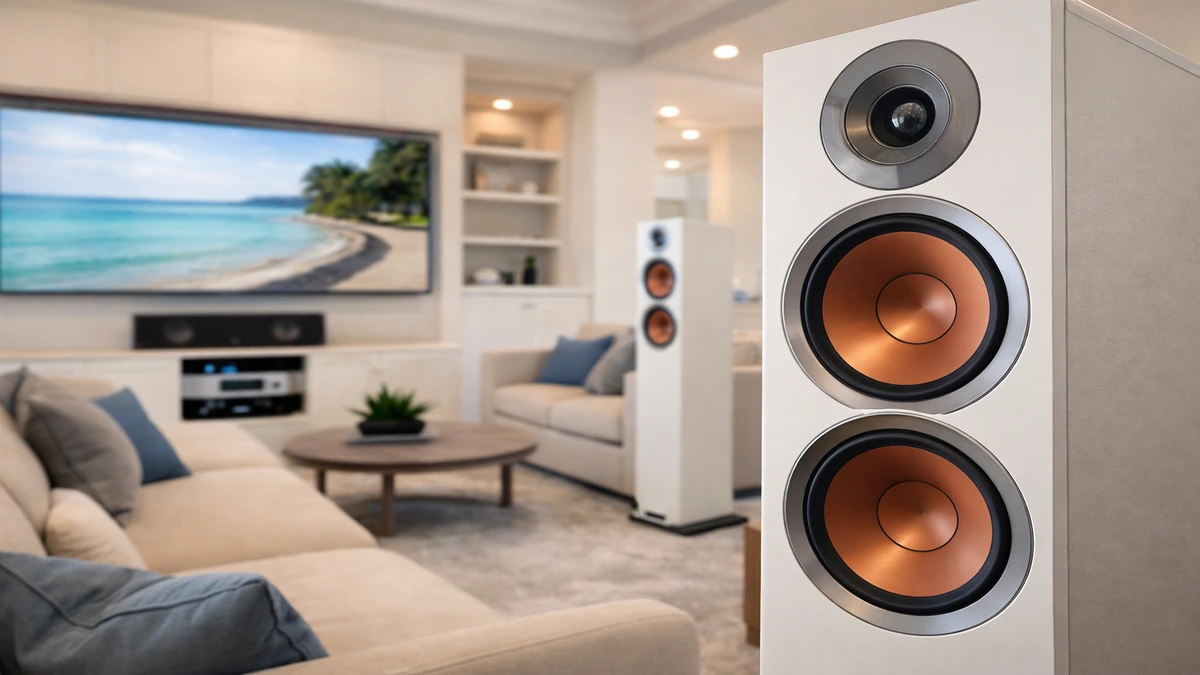
Home Audio Installation
Whole-home and room-based audio systems tailored to how you listen.
4 minutes

Marine Audio & Electronics Installation
Boat audio, displays, and electronics installed for performance on the water.
4 minutes
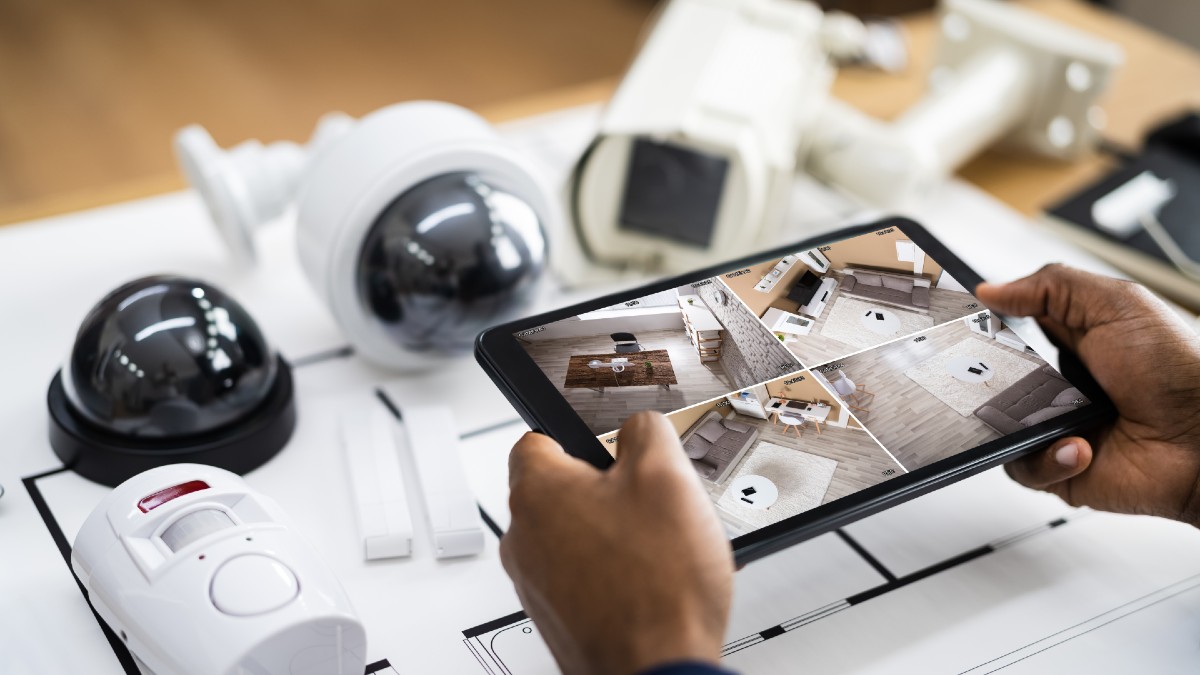
Security Camera Installation
Smart camera systems for visibility, alerts, recording, and remote monitoring.
4 minutes
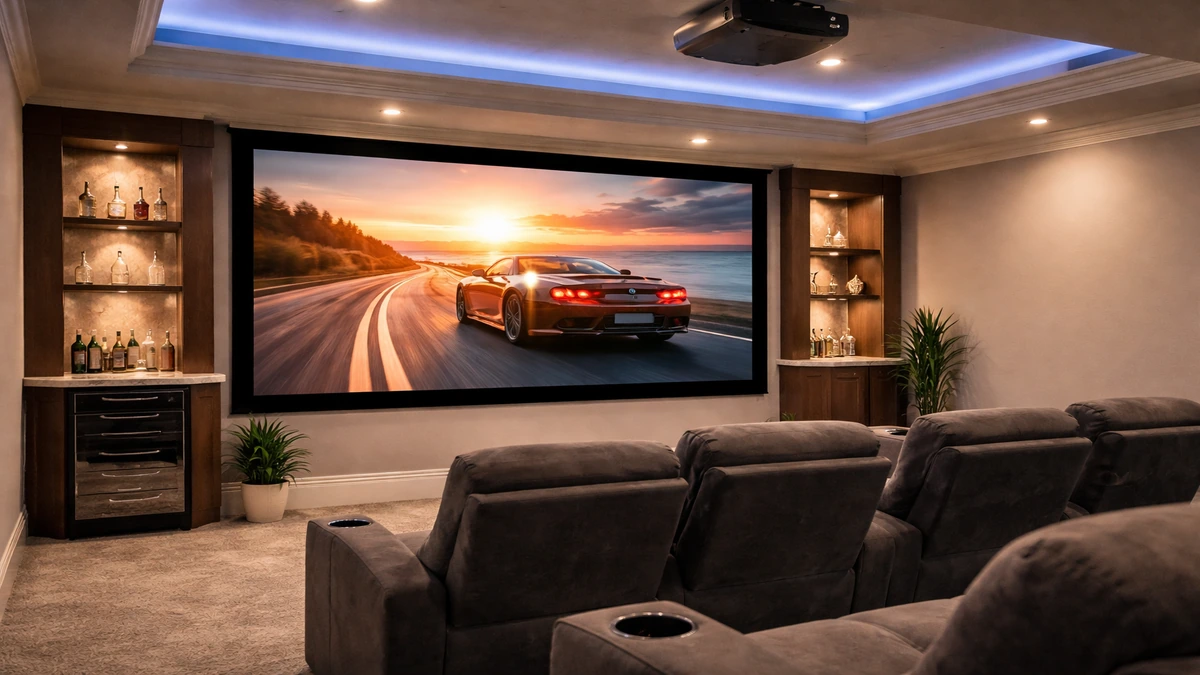
Projector Screen Installation
Projectors and screens configured for sharp viewing and balanced room performance.
4 minutes
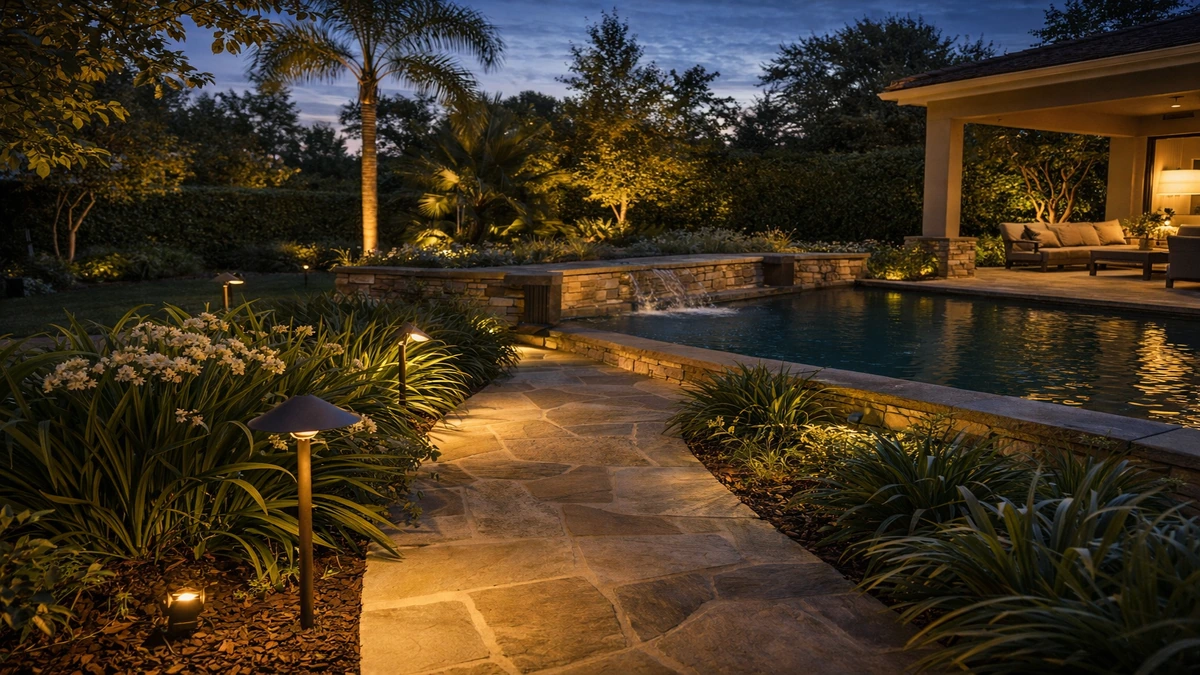
Outdoor Lighting Installation
Exterior lighting that improves curb appeal, ambiance, and nighttime usability.
4 minutes
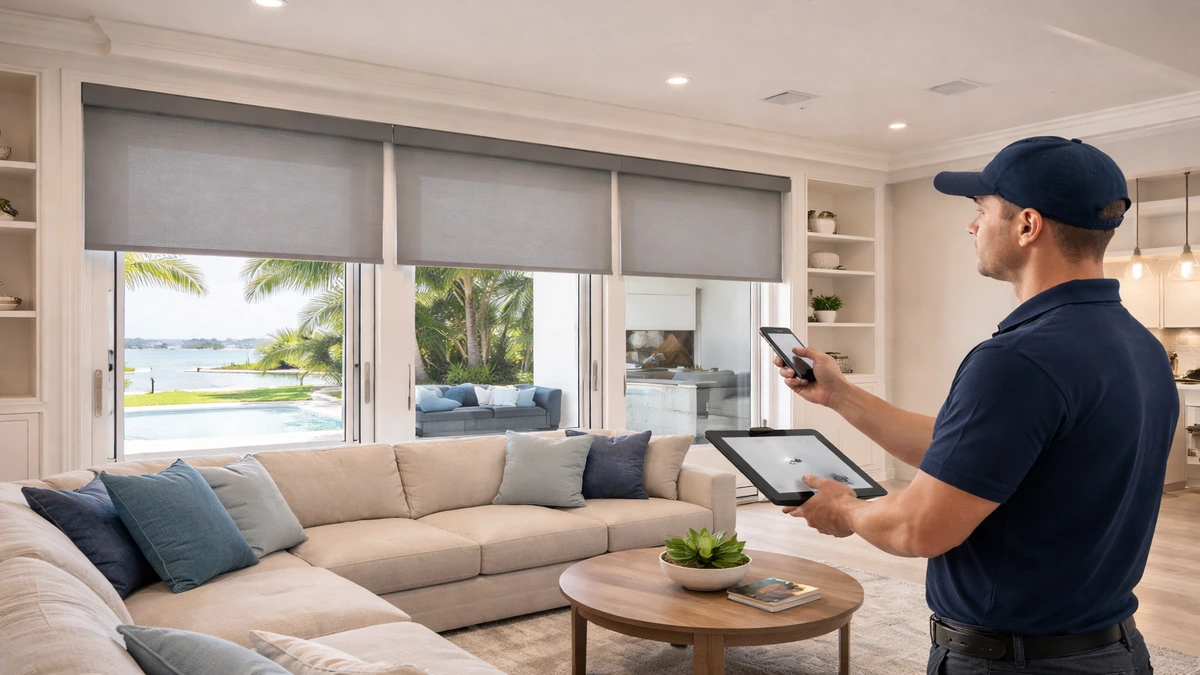
Motorized Blinds Installation
Automated shading for privacy, glare control, and everyday convenience.
4 minutes
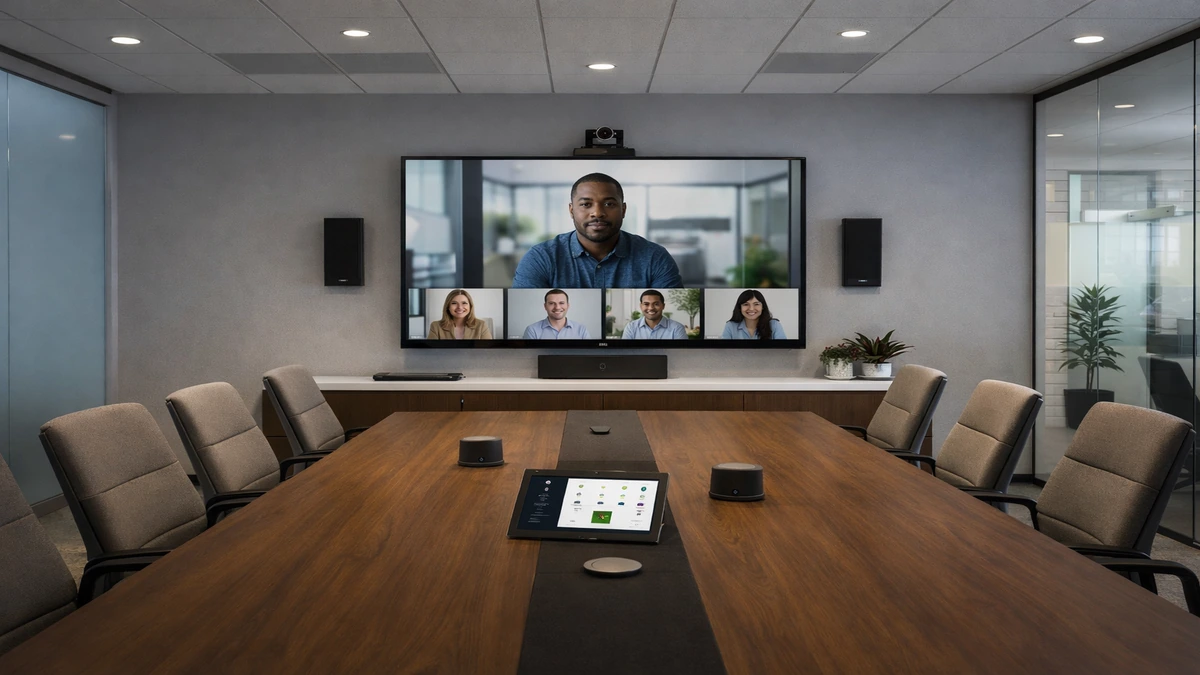
Conference Room AV Installation
Meeting room technology for clearer presentations, calls, and collaboration.
4 minutes
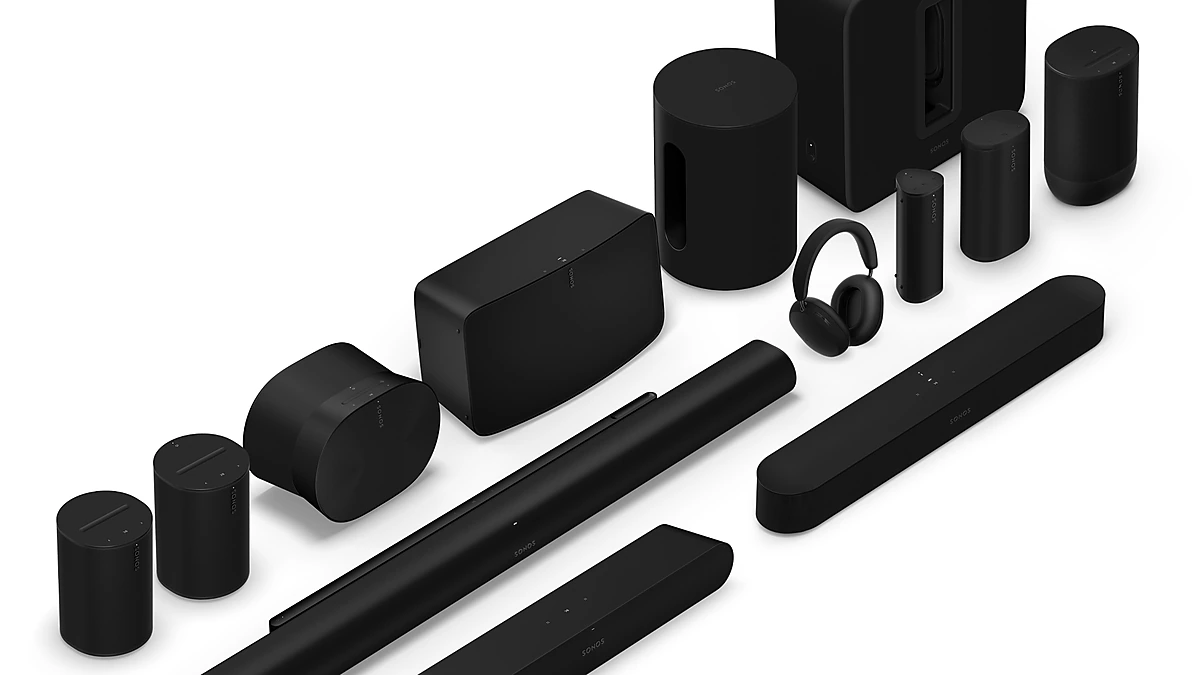
Sonos Installation
Sonos system design, setup, and tuning for simple multi-room audio.
4 minutes
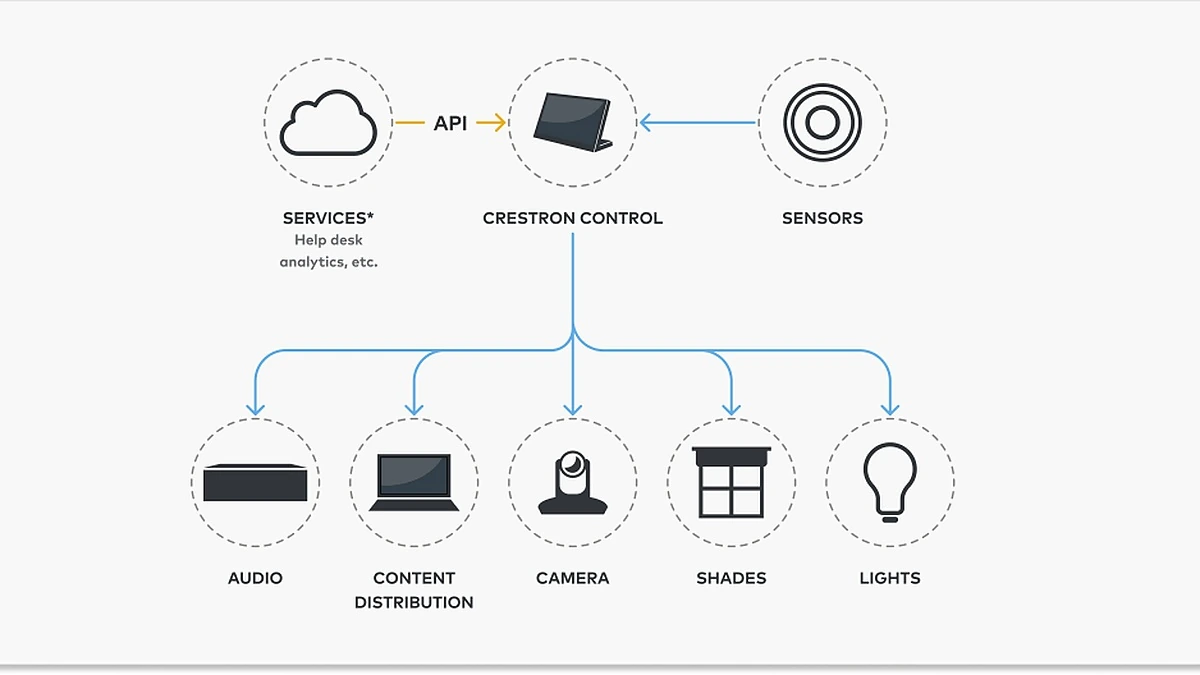
Crestron Installer
Advanced Crestron control integration for high-performance smart home environments.
4 minutes
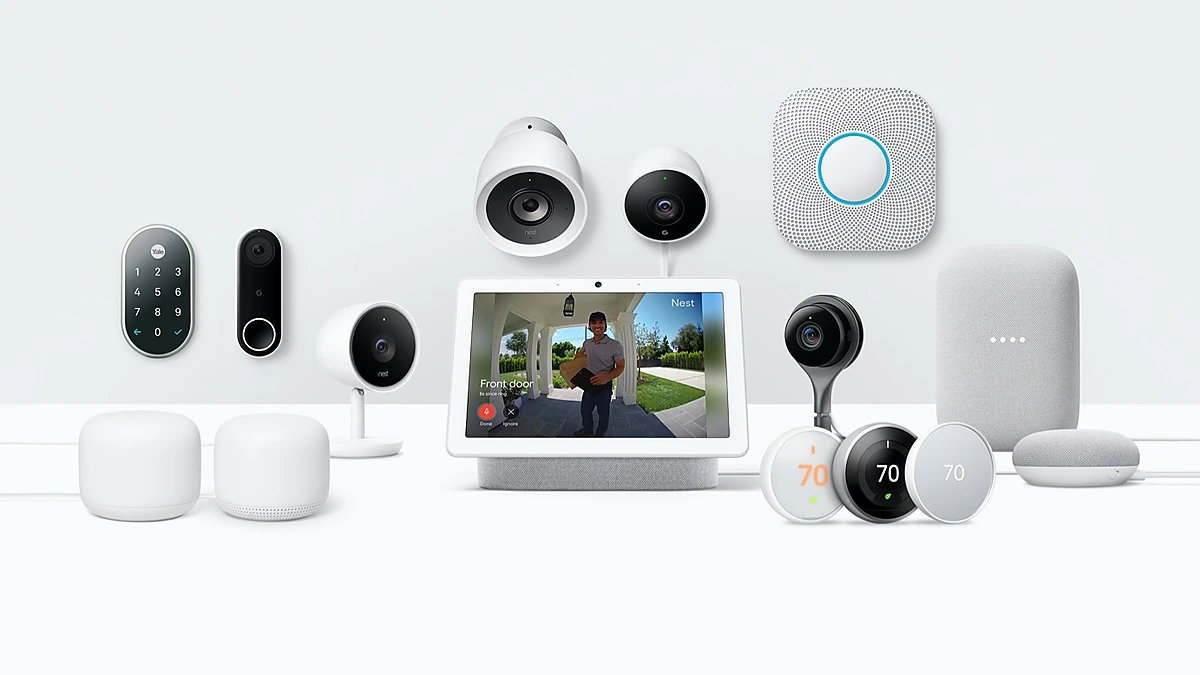
Nest Installer
Nest thermostat and smart home setup for comfort and remote control.
4 minutes
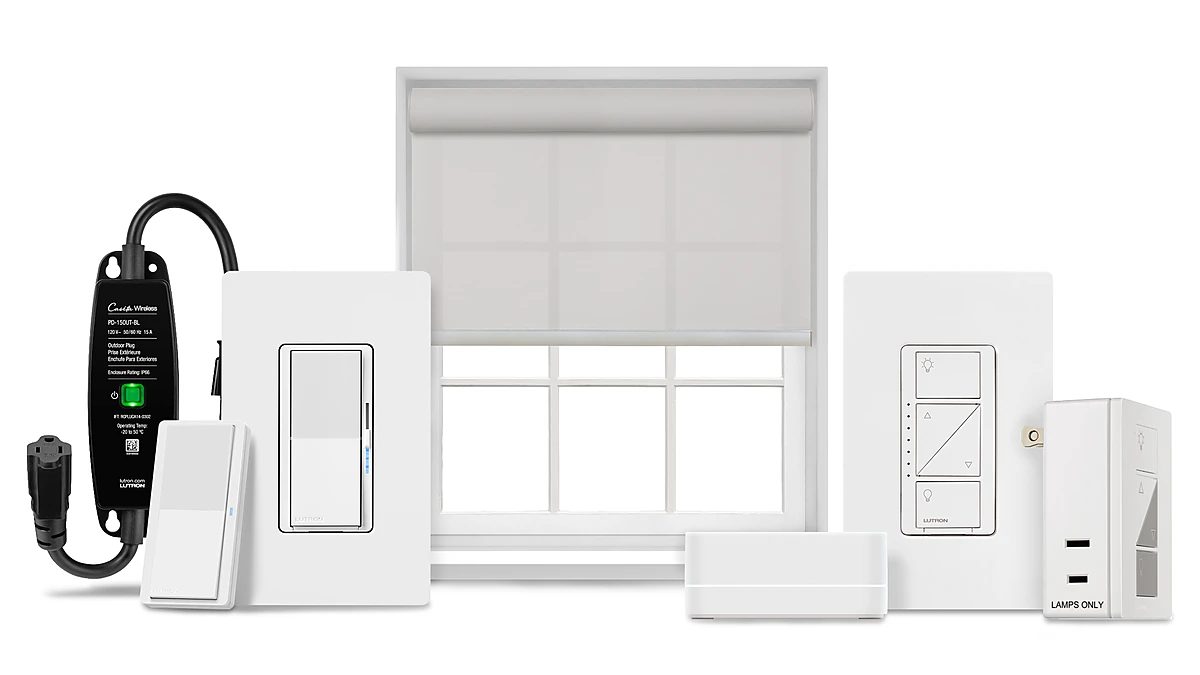
Lutron Installer
Lutron lighting and shading integration for smoother control and scene setting.
4 minutes
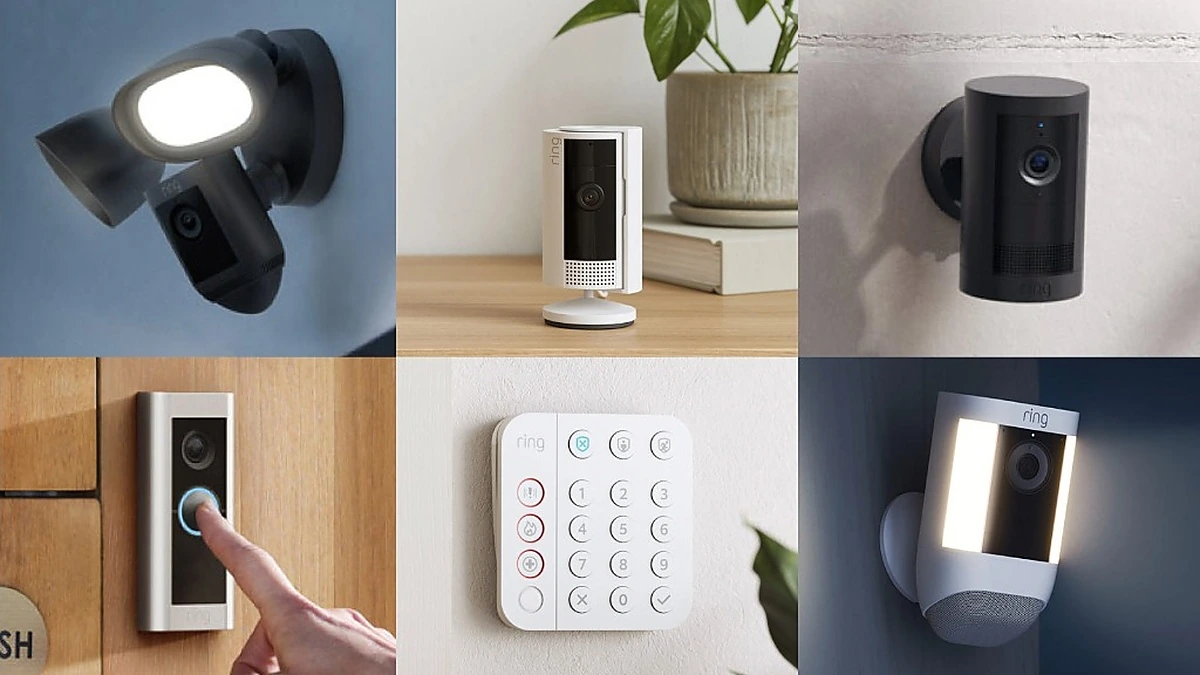
Ring Installation
Ring doorbells and cameras installed for better awareness and entry visibility.
5 minutes
Control4 Installer
Control4 automation setup for unified entertainment, comfort, and home control.
4 minutes

Car & Truck Audio / Electronics Custom Upgrades
Custom mobile audio and electronics upgrades for better sound and functionality.
3 minutes
No kind of housing here holds even a quarter of the city
Dania Beach has 16,777 homes, and the largest single category among them is the detached house at 3,985 — under a quarter of the total. Nothing else comes near a majority either. That is an unusual shape for a city and the most useful fact on this page, because it means there is no default method to fall back on. How cable gets from a rack to the far side of a room has a different answer on almost every street here, and the answer is a property of the building rather than of the city it stands in.
The spread is worth being specific about. There are 2,312 homes in buildings of twenty to forty-nine units and 1,715 in buildings of fifty or more, but also 2,088 mobile or manufactured homes and 1,788 homes in two-unit buildings. Those forms do not merely differ in scale. They differ in what sits above the ceiling, what is inside the wall, who administers the route between one room and the next, and whether a fixing will carry a display at all. A layout drawn before anyone establishes which of them applies is a drawing rather than a plan.
This is where a survey stops being a formality and starts being the first piece of design work. In a masonry house the interesting questions are attic clearance and joist direction. In a lighter structure they are what the wall build-up will hold and where a run can pass without crossing something holding the building up. In a shared building they are which chase exists and whether it can be used. All three exist here in quantity, so the opening hour of a project is spent finding out which conversation you are in.
The mid-size buildings are the ones people prepare for last
Buildings of twenty to forty-nine units account for 13.8% of the homes here, a larger share than in any other area on this site with the same housing profile. They sit awkwardly between the two cases people prepare for. The riser in a building that size is short, which sounds like the easy version, but what governs it is not its length — it is that the space is shared, and that is a question for the building rather than for the design. The distance that decides the job is more often lateral than vertical, and the moment a route leaves your own front door it stops being a decision you can make on your own.
Where the equipment sits follows from that rather than leading it. In this kind of building the rack almost always has to live inside the home, which makes ventilation, power and service access part of the plan instead of a detail settled at the end: somewhere air moves, and somewhere a person can stand to work rather than kneel. That space is far easier to claim on paper than to find once every other decision has been made around it.
More of this housing is rented than owned
Of the 13,657 occupied homes in Dania Beach, 7,207 are rented and 6,450 are owner-occupied. Tenants are the majority, narrowly, and that makes explicit a decision most projects leave implicit: which half of the system belongs to the property and which half belongs to whoever is living in it. Routes, backbone cable, mounting points, keypads and the network are the half that stays. Sources, displays and anything with an account attached are the half that can leave.
Drawing that line at the start changes what gets specified. Mounting is chosen so it can be reversed without rebuilding the wall behind it. The everyday controls sit somewhere physical rather than only behind a login, so a room still works for somebody who walked into it an hour ago and has no interest in being taught. And the record of what was installed is written for a reader who was not there, because here that is the likely reader.
One number that decides where the effort belongs
The median home in Dania Beach is valued at $296,100, the lowest among the areas on this site that share its housing profile. That does not make the work smaller. It makes the sequencing matter more, because in stock like this the expensive part of a project is reaching places and making them good again afterwards, and that cost is incurred whether the equipment at the end of the cable is modest or not.
So the design that costs least across its life is the one that opens each route once, carries more than today needs while the route is open, and leaves the visible decisions until the routes are proven. In a city where the building on the next lot may be a different construction entirely, that is the only thing keeping a multi-room system consistent from the first room to the last.