

One Build Decade, Repeatable Audio Video | Home Theater Installations Serving Deerfield Beach, FL
41.0% of Deerfield Beach’s 46,309 homes went up in a single decade, and three quarters of every vacant home is held for seasonal use, so what one building allows usually holds in the next.
Tailored Audio-Visual Solutions & Home Automation Services
Enhancing Your Environment with Seamless Integration and Smart Technology
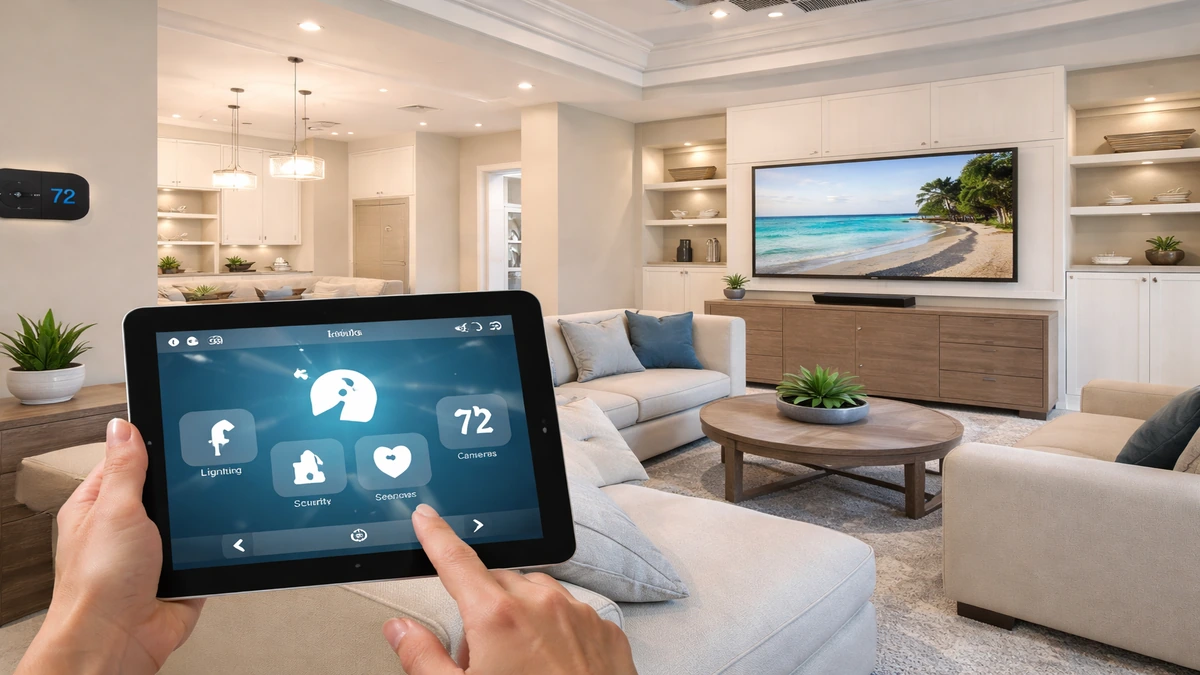
Smart Home Automation Installation
Integrated control for lighting, climate, security, and entertainment.
4 minutes
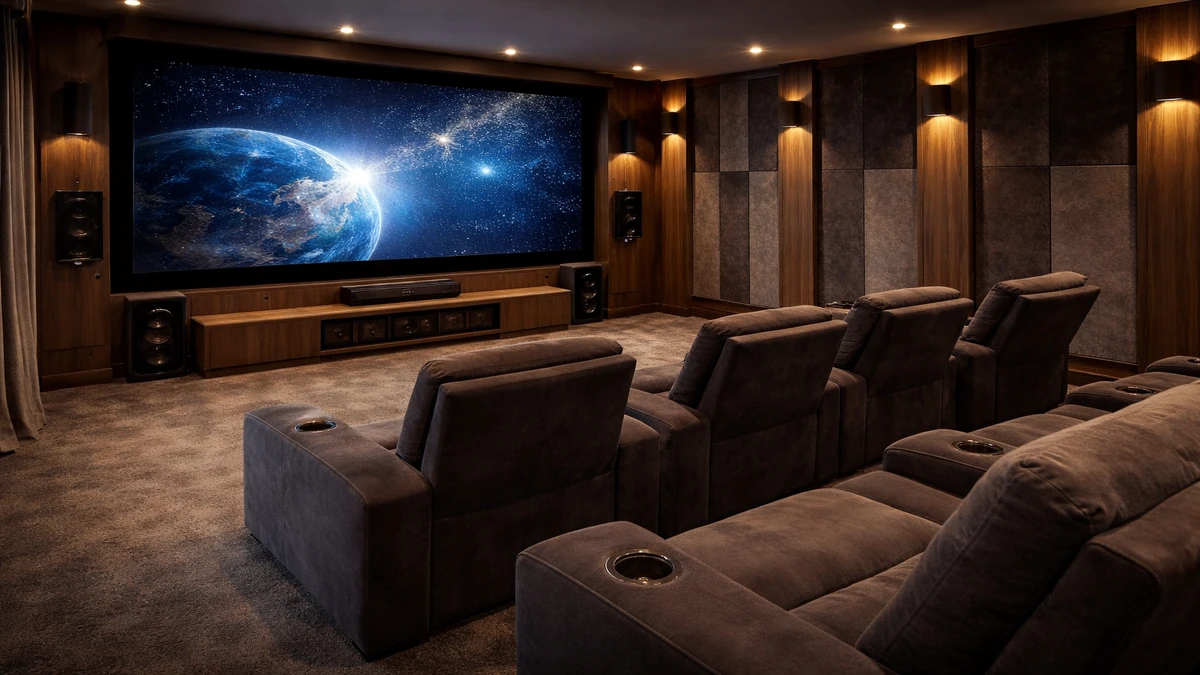
Home Theater Installation
Custom theater rooms designed for immersive picture, sound, and comfort.
4 minutes
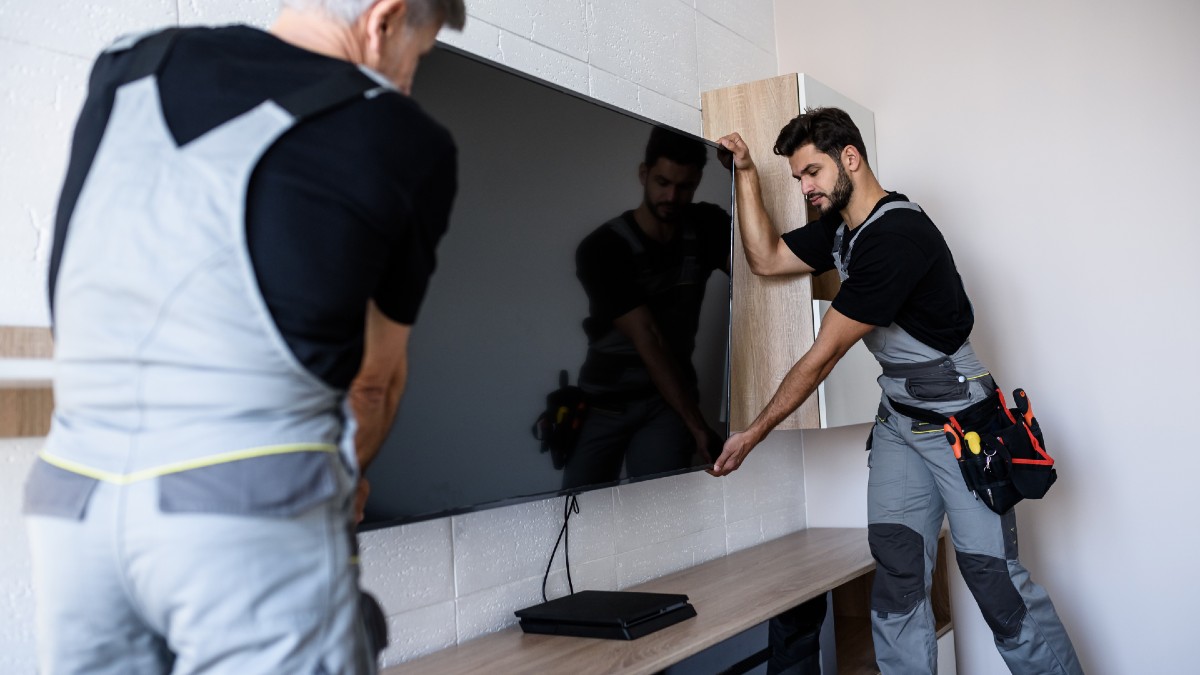
TV Wall Mounting
Professional TV mounting for cleaner layouts and better viewing angles.
5 minutes
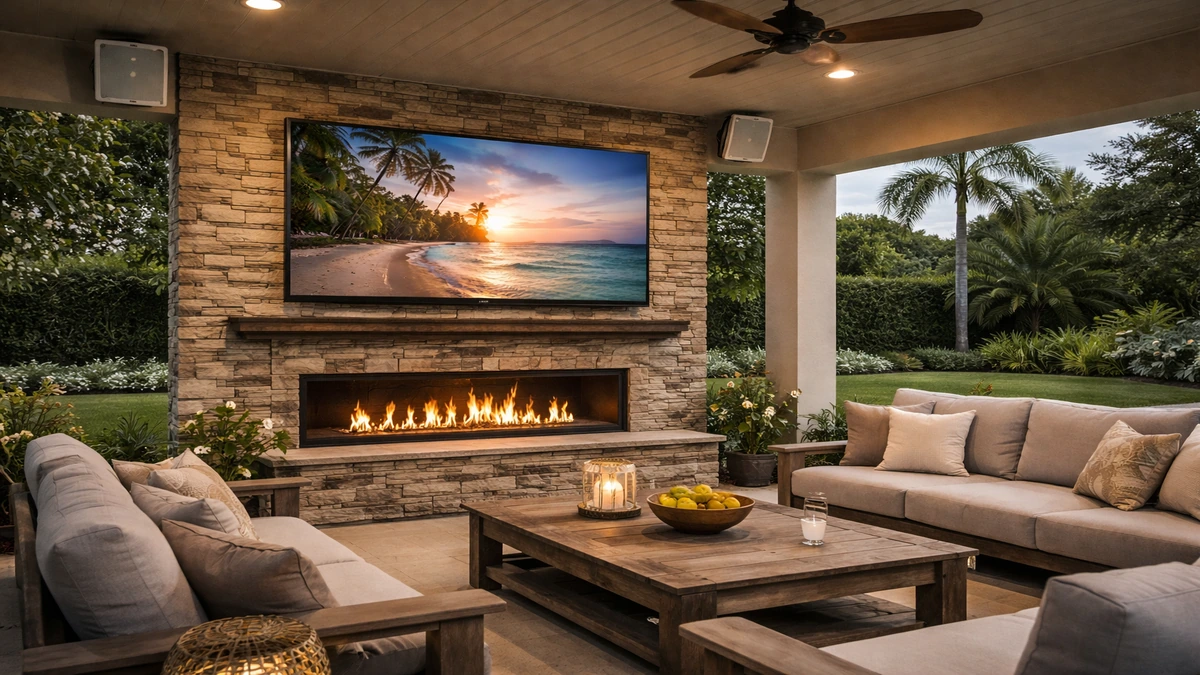
Outdoor TV Installation
Weather-aware outdoor TV setups built for patios, lanais, and pool areas.
5 minutes
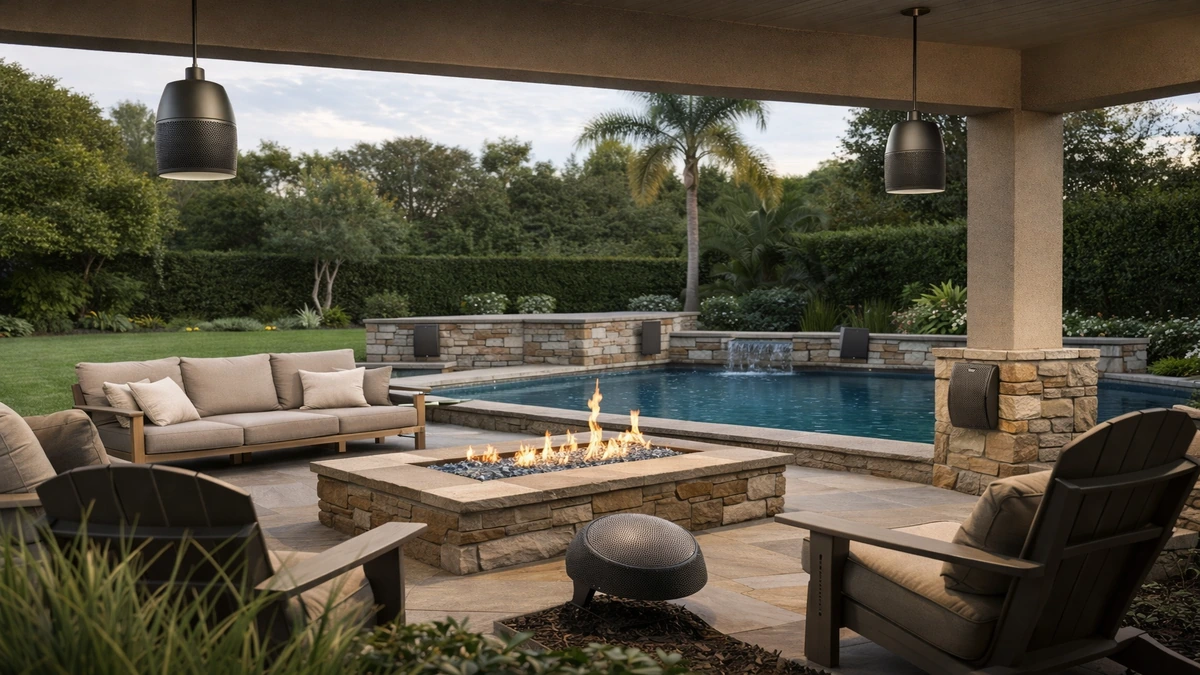
Outdoor Audio Installation
Outdoor speaker systems planned for clear sound and reliable coverage.
4 minutes
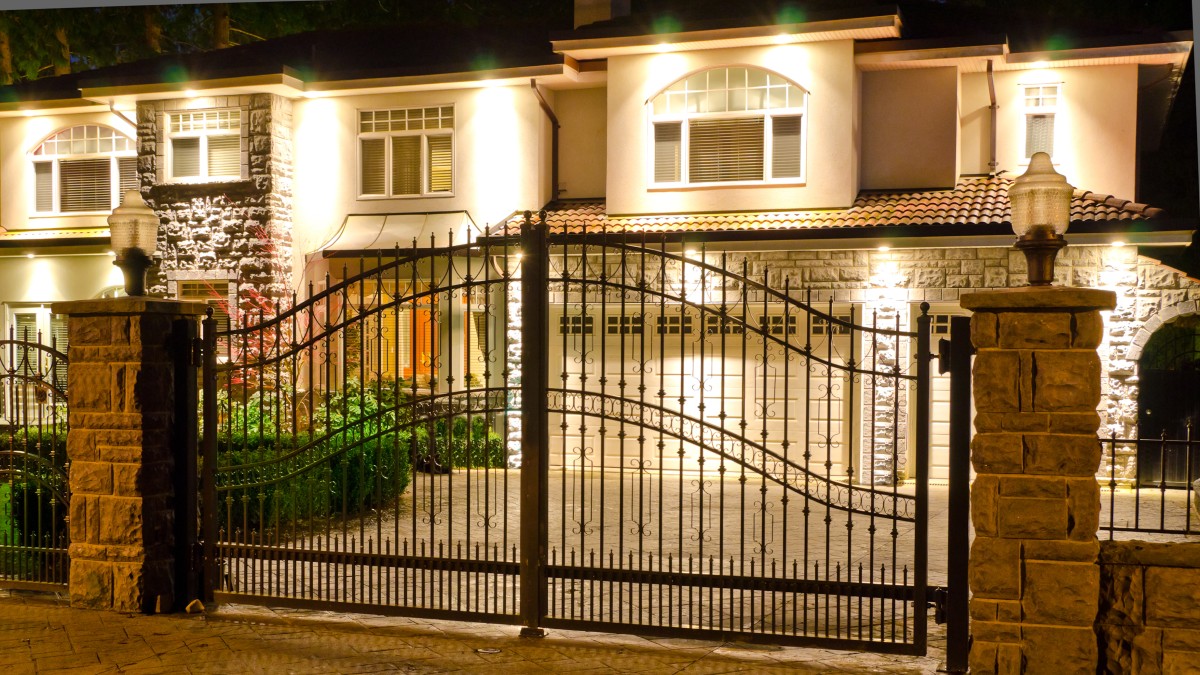
Automatic Gates
Secure, convenient gate automation with access control and entry integration.
4 minutes
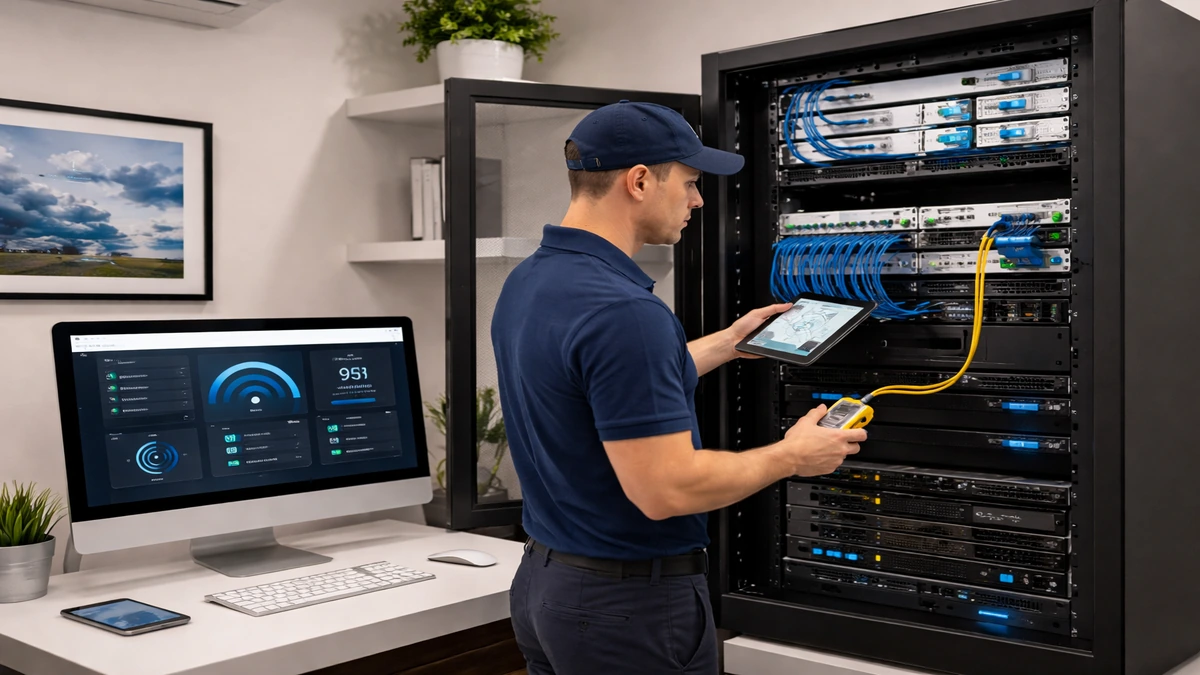
Home Network Installation
Stronger Wi-Fi, better coverage, and dependable connectivity throughout the property.
4 minutes
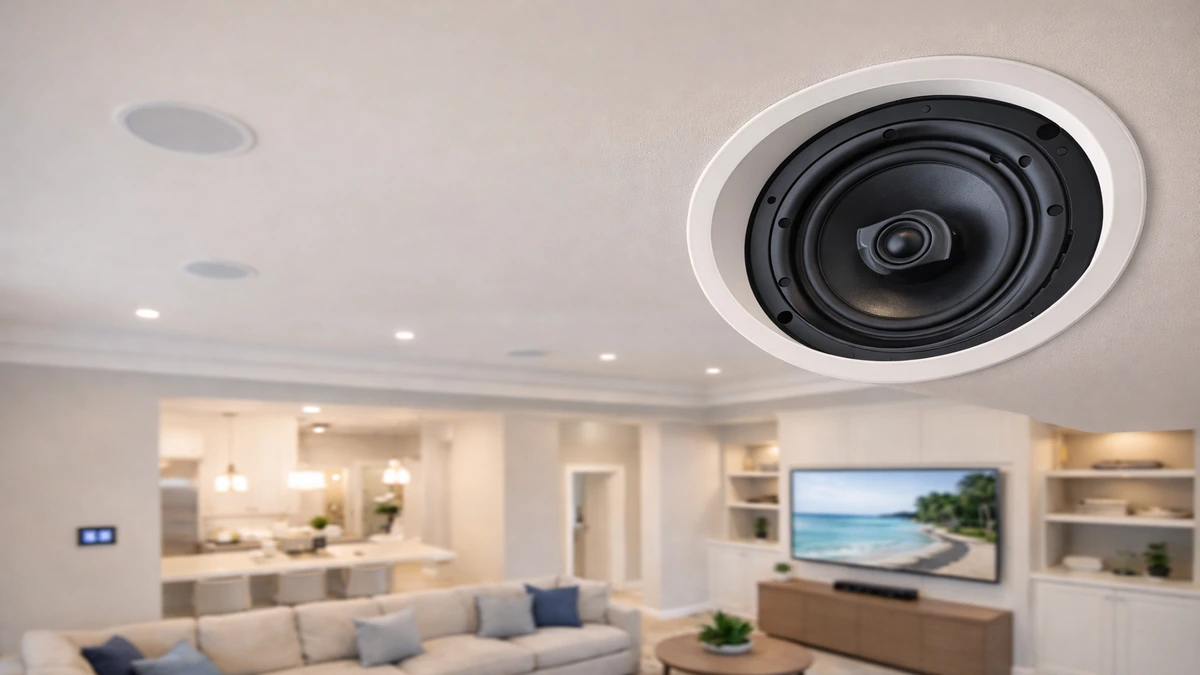
Ceiling Speaker Installation
Clean in-ceiling audio solutions for music, TV, and multi-room sound.
4 minutes
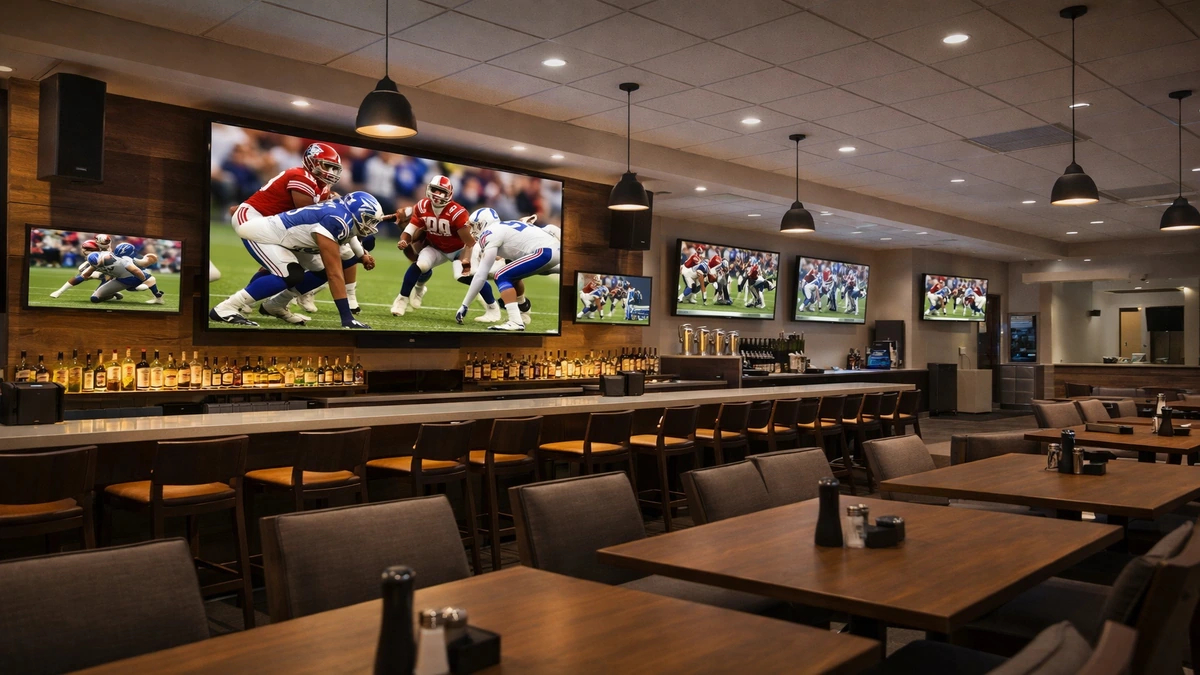
Commercial AV Installation
Professional audio, video, and control systems for business environments.
4 minutes
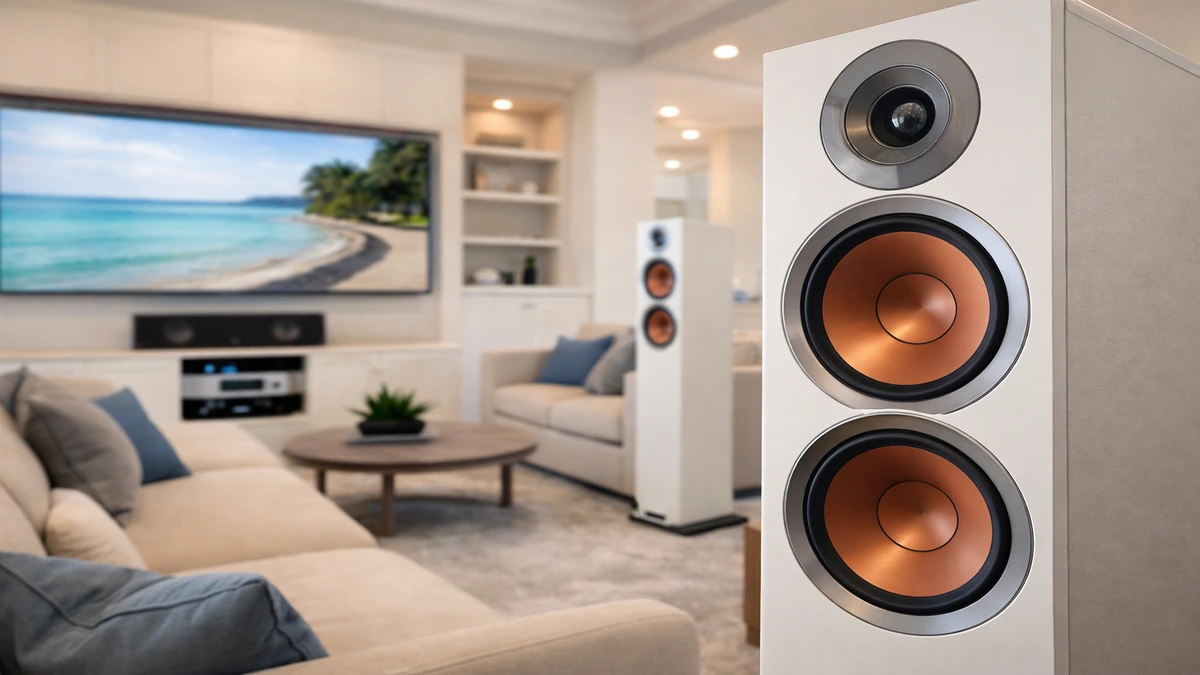
Home Audio Installation
Whole-home and room-based audio systems tailored to how you listen.
4 minutes

Marine Audio & Electronics Installation
Boat audio, displays, and electronics installed for performance on the water.
4 minutes
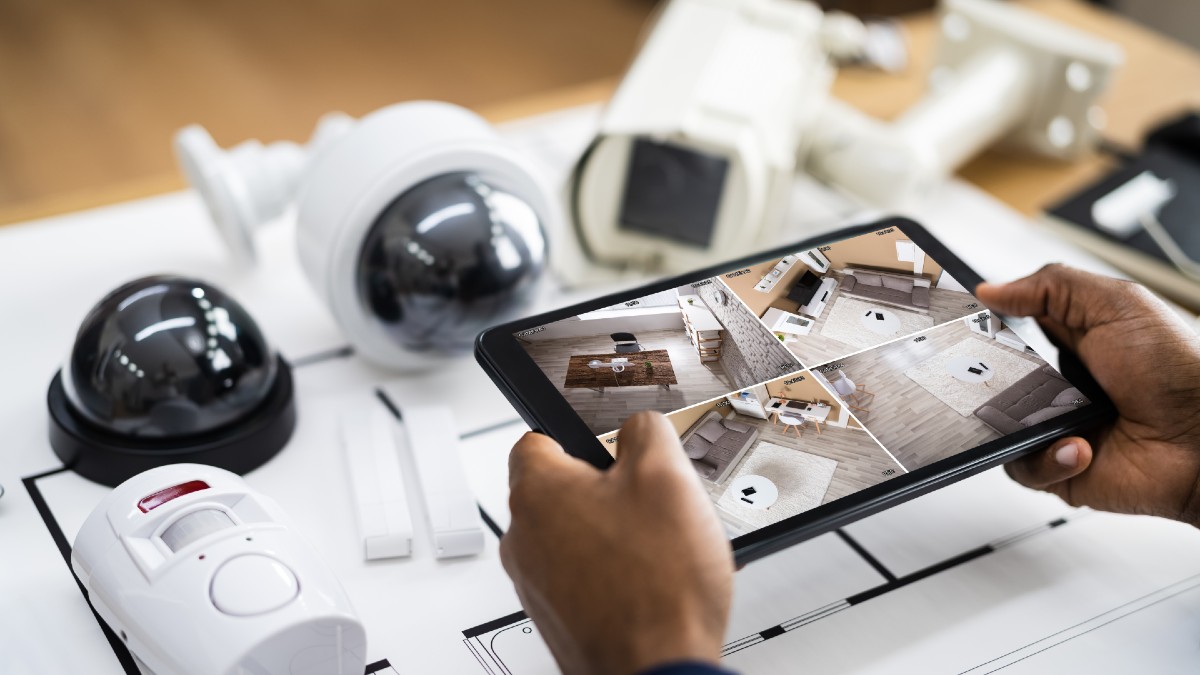
Security Camera Installation
Smart camera systems for visibility, alerts, recording, and remote monitoring.
4 minutes
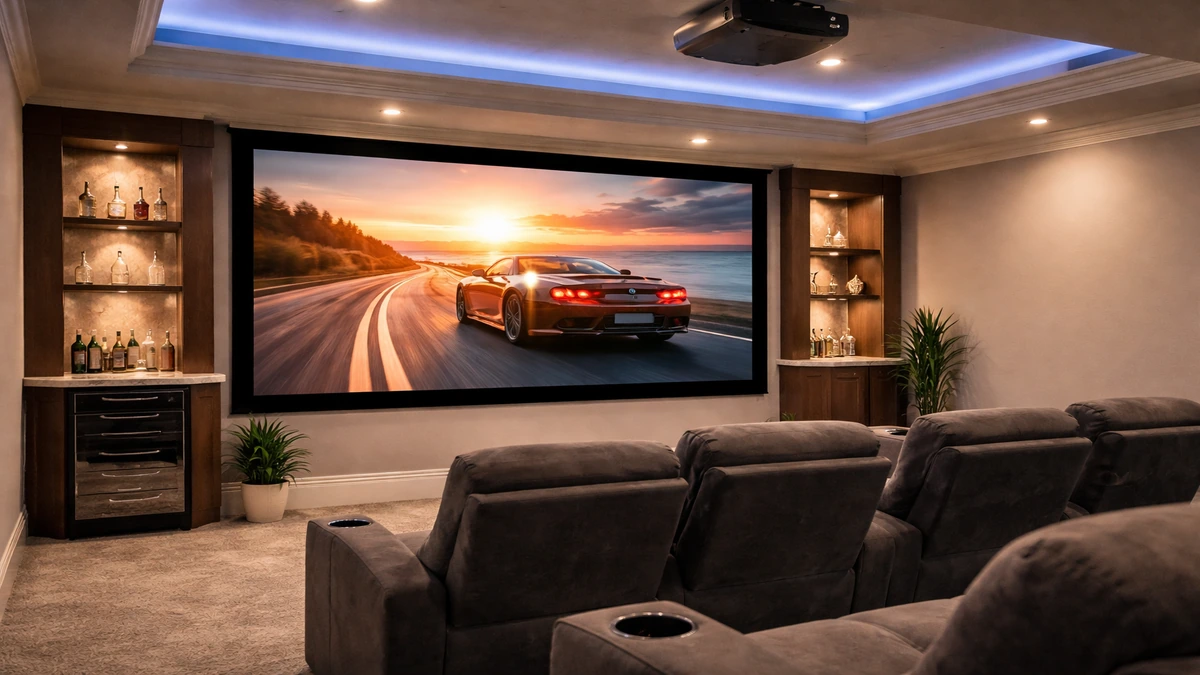
Projector Screen Installation
Projectors and screens configured for sharp viewing and balanced room performance.
4 minutes
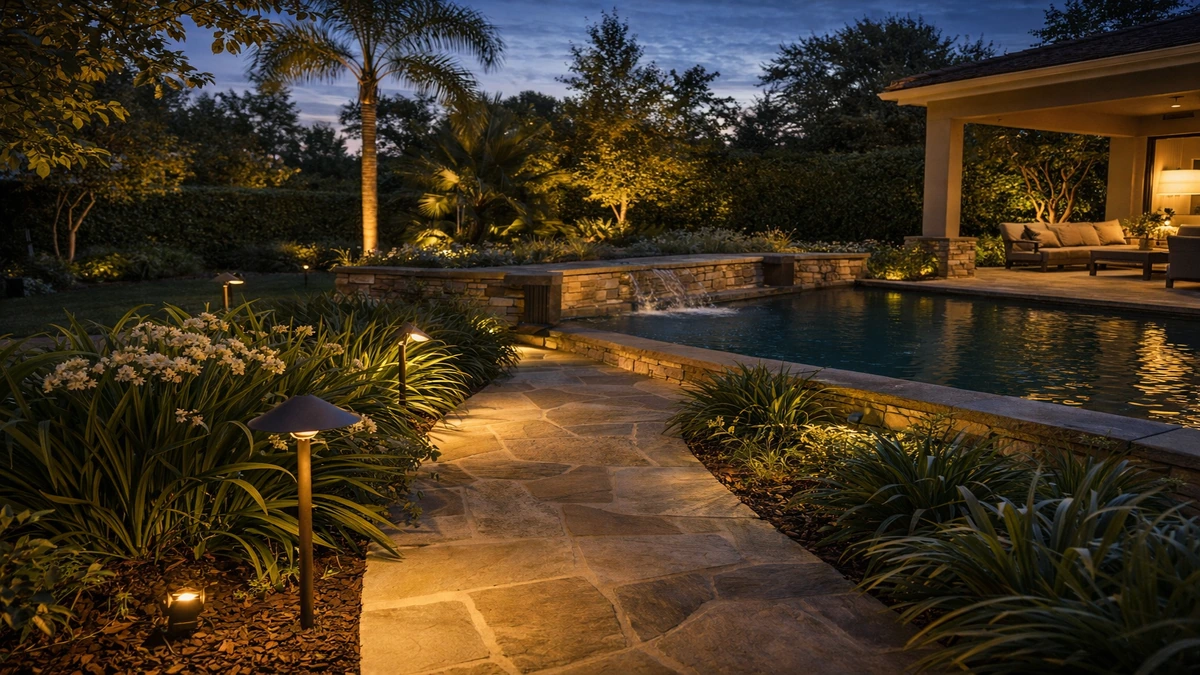
Outdoor Lighting Installation
Exterior lighting that improves curb appeal, ambiance, and nighttime usability.
4 minutes
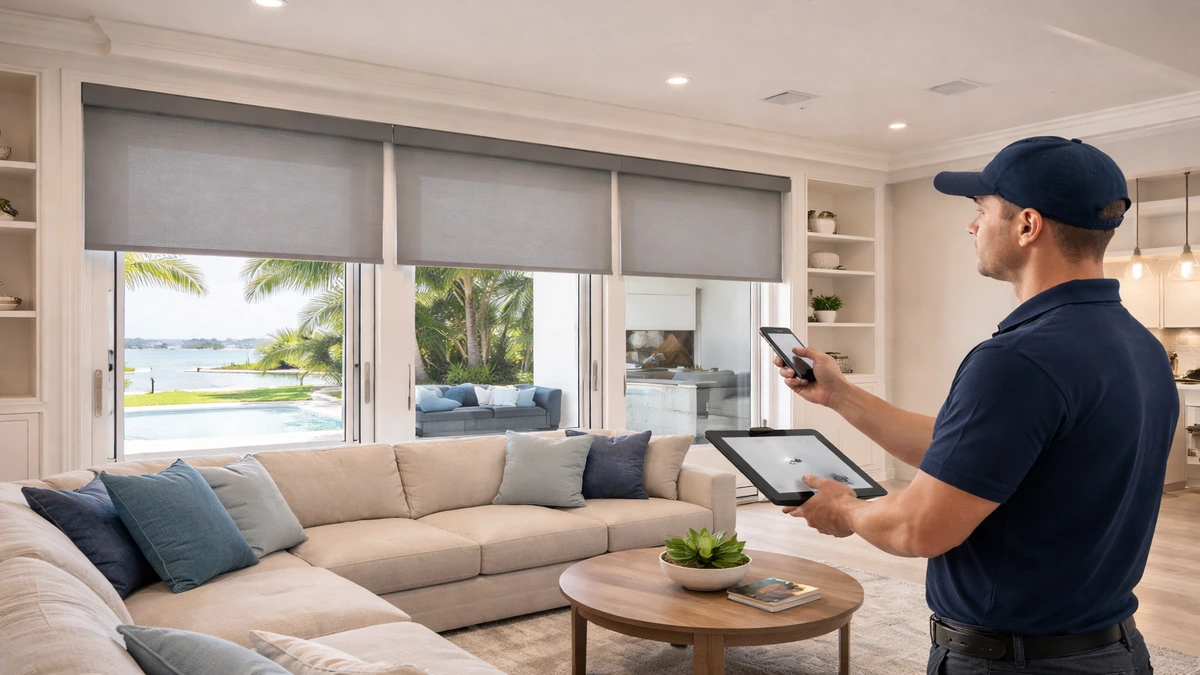
Motorized Blinds Installation
Automated shading for privacy, glare control, and everyday convenience.
4 minutes
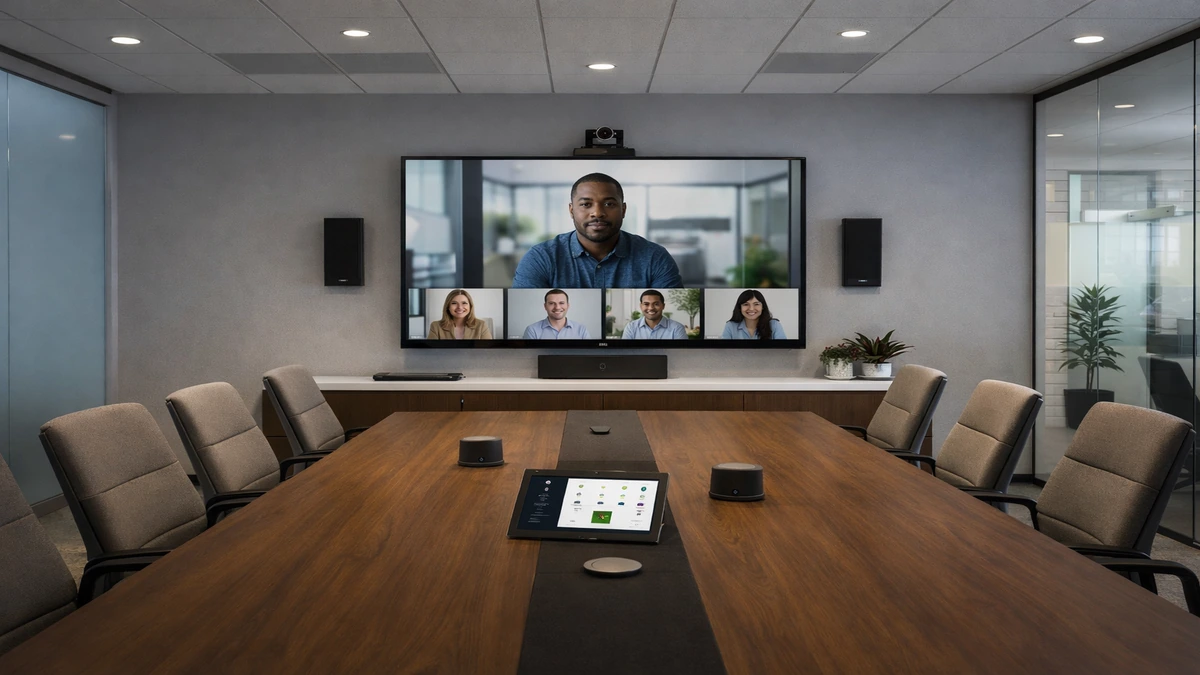
Conference Room AV Installation
Meeting room technology for clearer presentations, calls, and collaboration.
4 minutes
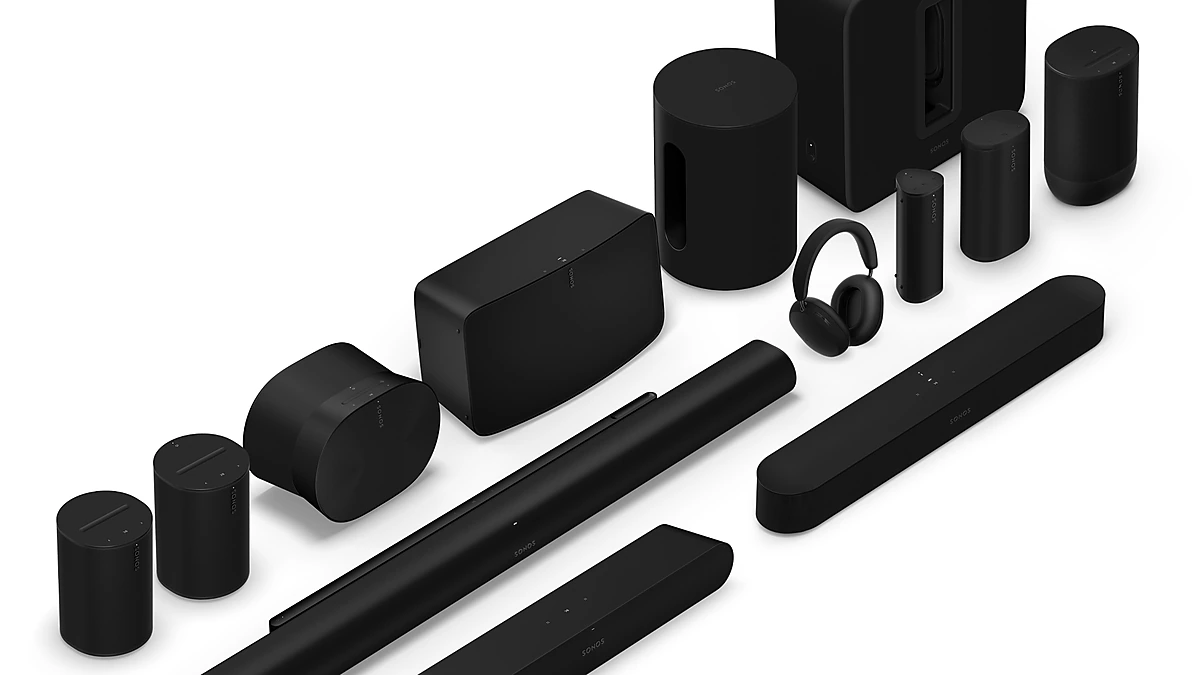
Sonos Installation
Sonos system design, setup, and tuning for simple multi-room audio.
4 minutes
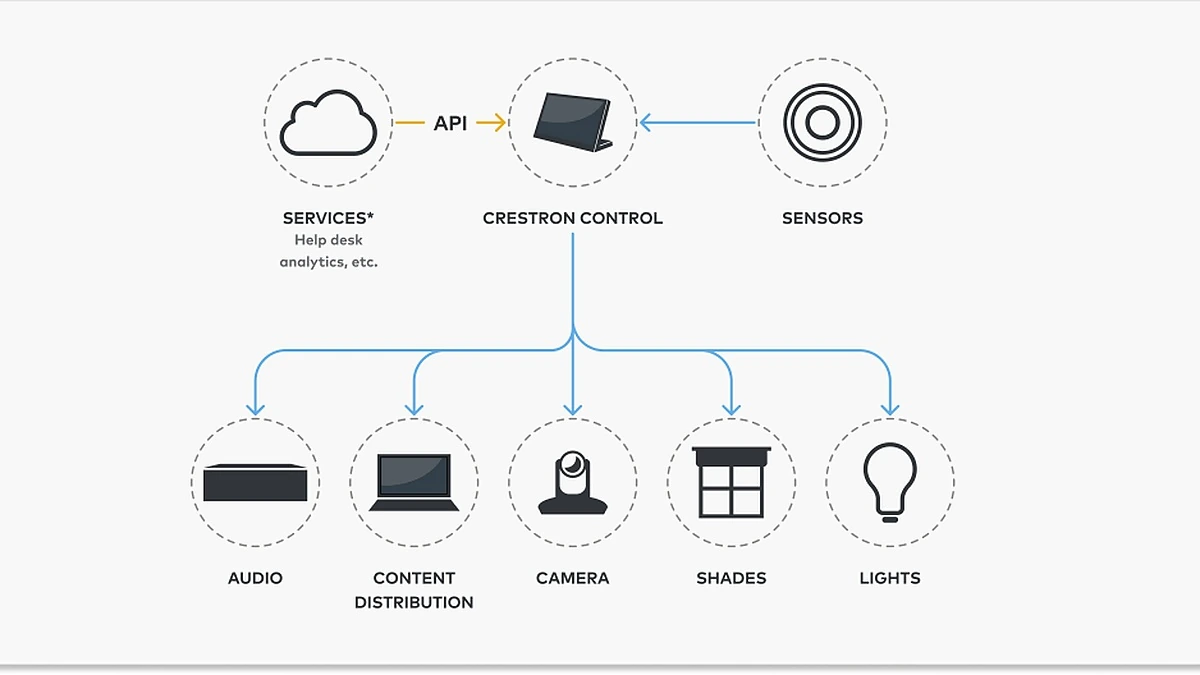
Crestron Installer
Advanced Crestron control integration for high-performance smart home environments.
4 minutes
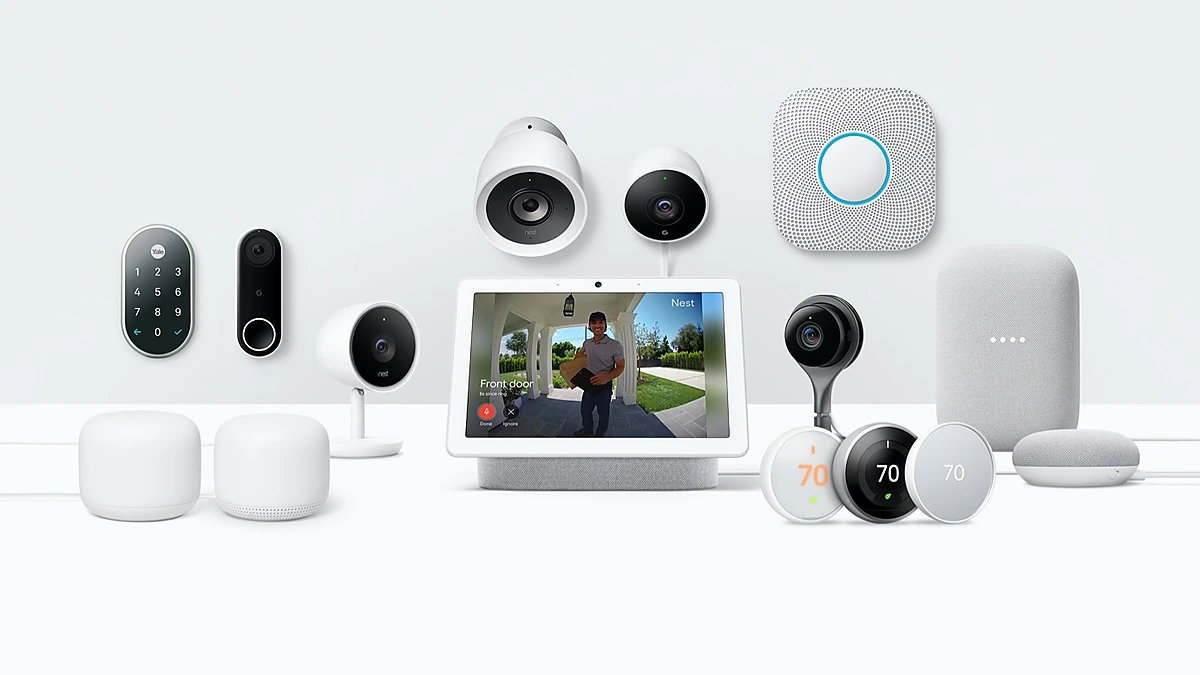
Nest Installer
Nest thermostat and smart home setup for comfort and remote control.
4 minutes
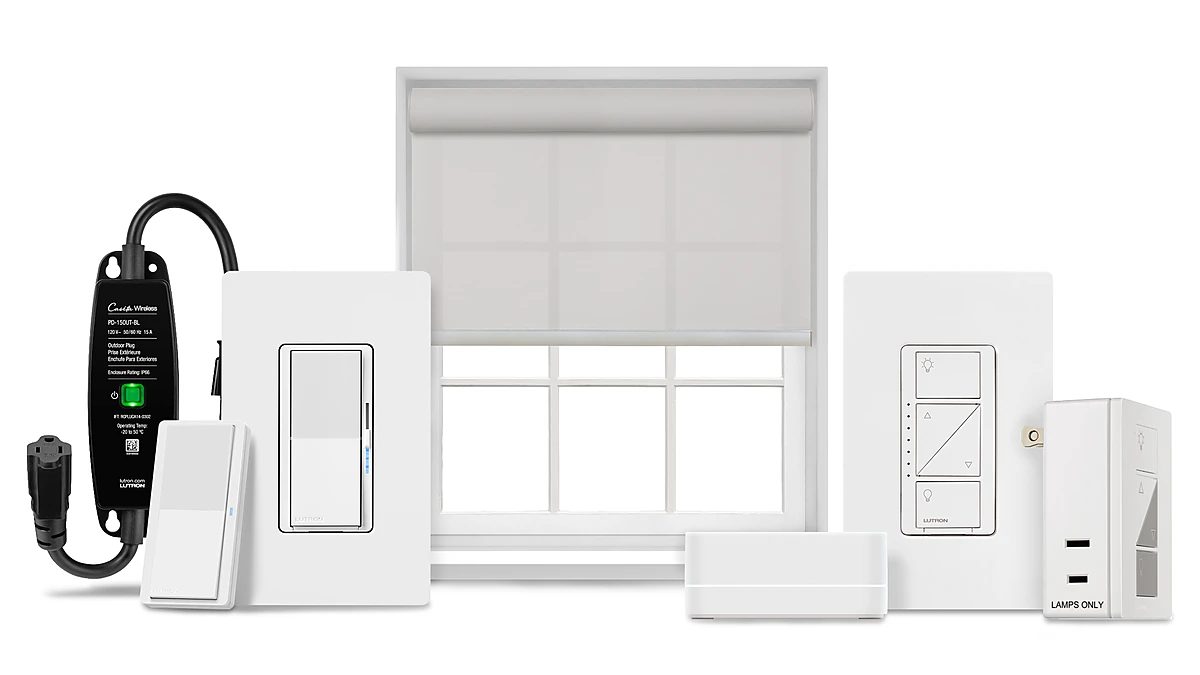
Lutron Installer
Lutron lighting and shading integration for smoother control and scene setting.
4 minutes
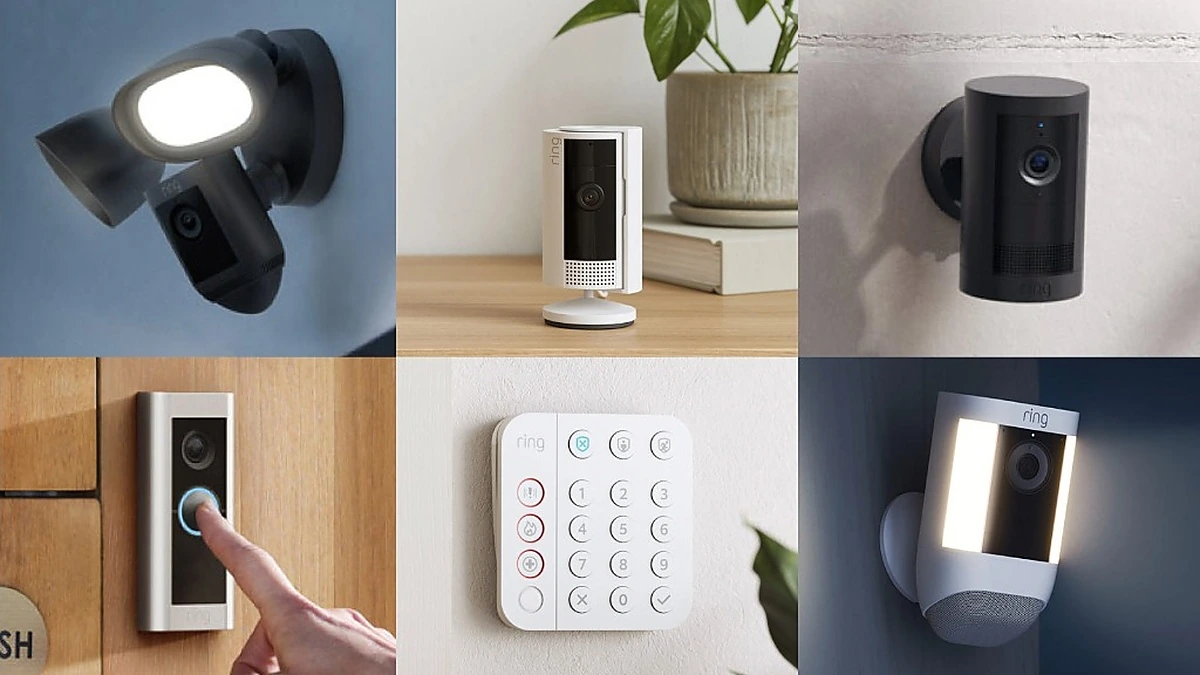
Ring Installation
Ring doorbells and cameras installed for better awareness and entry visibility.
5 minutes
Control4 Installer
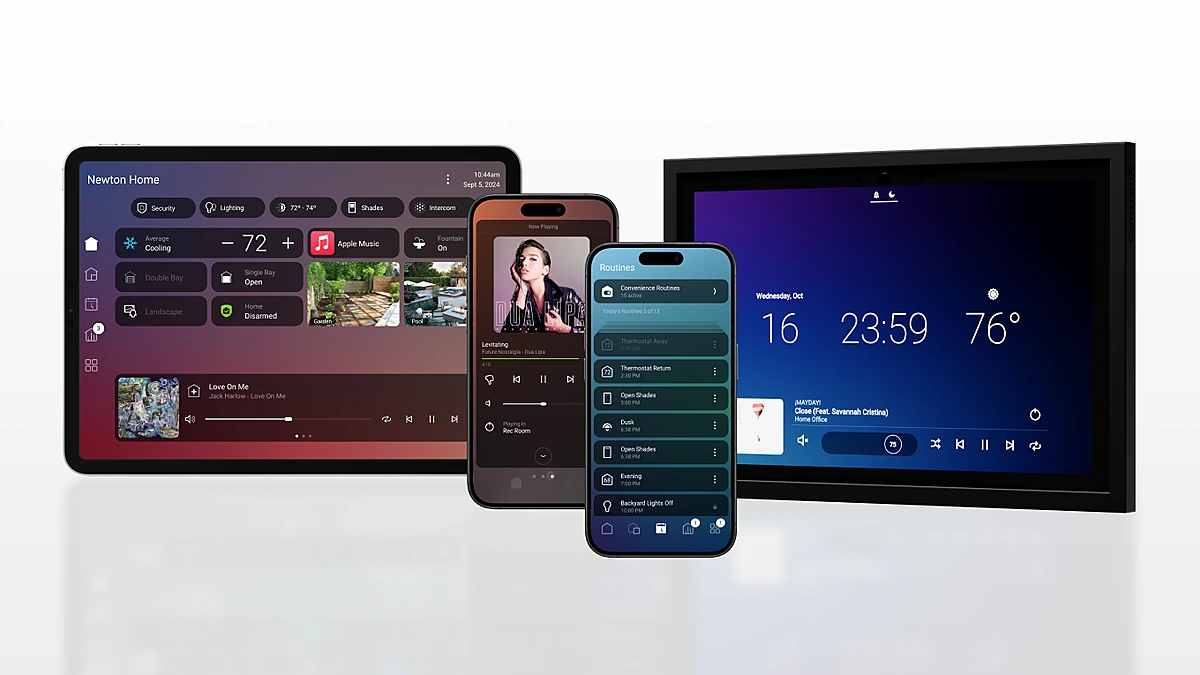
Control4 automation setup for unified entertainment, comfort, and home control.
4 minutes

Car & Truck Audio / Electronics Custom Upgrades
Custom mobile audio and electronics upgrades for better sound and functionality.
3 minutes
Deerfield Beach was built in one decade, and it repeats
Of the 46,309 homes in Deerfield Beach, 18,981 went up between 1970 and 1979 — two in every five — and the median home comes from that same decade. Concentration like that is unusual, and it is one of the few times a statistic about a city says something immediately useful about a job. Buildings put up in the same few years, under the same code, tend to hide their services in the same places and to give up the same routes.
Access is the expensive unknown in any retrofit — whether there is a usable ceiling void, where a chase actually runs, whether a display wall will take a cable without a channel cut into it — and in a uniform stock those questions stop being one-offs. What one building allows is a strong indication of what the next of its type will allow. Placement patterns repeat, which means an in-ceiling layout that worked is worth starting from rather than starting over, and a survey buys more information per hour here than it does in a city assembled piece by piece.
For a project covering several rooms that is worth money. When the same detail can be applied repeatedly — the same bracket approach, the same speaker positions, the same cable path, the same commissioning routine — the tenth room costs less than the first, and the design effort is spent once instead of renegotiated at every doorway. It is also the strongest argument for planning the whole system before installing any part of it.
A third of the city is stacked
Deerfield Beach holds 9,052 homes in buildings of fifty units or more and 6,802 in the twenty-to-forty-nine band, against 12,367 detached houses. So a third of the city lives above or below somebody else, and that share changes the method rather than the equipment. In a shared building the cable path is found rather than drawn: whatever risers and chases exist were provided for the services of their day, and what else they will carry is a question for the building instead of for the plan.
It also decides where the equipment lives. A house can usually give a rack a quiet corner with room around it; an apartment has every square foot accounted for, and the cupboard that looks free is generally the one with no airflow through it. Heat shortens the life of the parts nobody looks at, so rack position wants deciding alongside display position — with power, ventilation and enough clearance for somebody to work on it standing up rather than kneeling in a wardrobe.
Where the two facts meet is where this city is easier than it looks. Because the stock is uniform, a route established in one building of a type is a reasonable starting point for the next; because so much of it is stacked, those routes deserve settling before anything is ordered. In-wall is not always available. Surface cabling is the visible compromise nobody wants to meet late. Agreeing early which runs will be concealed, which will be surface-run and which will not happen at all is not pessimism — it is what makes the finished result look deliberate.
Three in four empty homes here are seasonal
Deerfield Beach holds 7,551 homes for seasonal, recreational or occasional use, which is 74.2% of every vacant home in the city and the highest proportion among the areas on this site that share its housing profile. Part-year occupancy is not an exception to plan around here; it is close to the default. Which means the honest test of a system is not how it demonstrates on the day it is handed over. It is what it does across five months when nobody is in the room to notice that something has stopped.
Three things follow from that. The system has to be reachable from somewhere else, so a fault can be looked at instead of waited on. It has to speak up rather than sit quietly, because a failure that goes unnoticed in spring becomes an emergency the week the house is opened. And whoever gets there first — an owner, a guest, somebody looking after the property — has to be able to work it without being shown, which in practice means a small number of clearly named scenes on a keypad and no step that only makes sense to the person who commissioned it.
Where the money is best spent here
The median home in Deerfield Beach is worth $274,400, well under the middle of the areas this site covers, and that is worth saying plainly because it changes where a budget belongs. The parts of a system that are cheap now and expensive later are the parts nobody looks at: a chase opened while the ceiling is already down, a conduit left in place for a run that has not been specified yet, a drop into a room that is currently a spare bedroom. The display carries the price tag on the box and the shortest working life in the house, and it is the one component that can be improved later without anybody lifting a ceiling.
None of that has to be improvised in a city built this consistently. Establish which Deerfield Beach your address belongs to — the house or the shared building — and let that answer set the routes, then let the routes set everything after them. A system planned in that order behaves the same whether you are standing in front of it or several states away, which in a market where most empty homes are seasonal is the entire point.