

Shared Ceilings, Reversible Mounts Audio Video | Home Theater Installations Serving Hallandale Beach, FL
The ceiling is usually somebody else’s floor in Hallandale Beach, where 19,902 of 29,019 homes sit in buildings of 20 or more units and the median home is valued at 6,900.
Smart Living Redefined: AV and Home Automation Solutions
Unleashing the Power of Smart Automation and AV Excellence in Your World
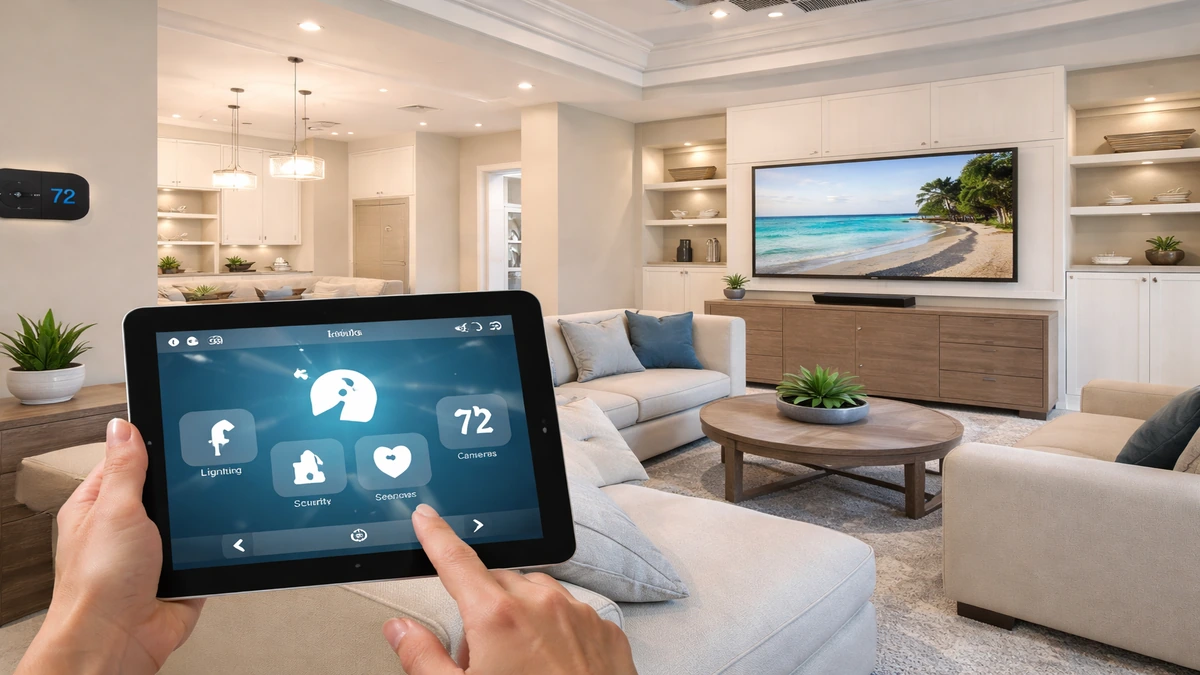
Smart Home Automation Installation
Integrated control for lighting, climate, security, and entertainment.
4 minutes
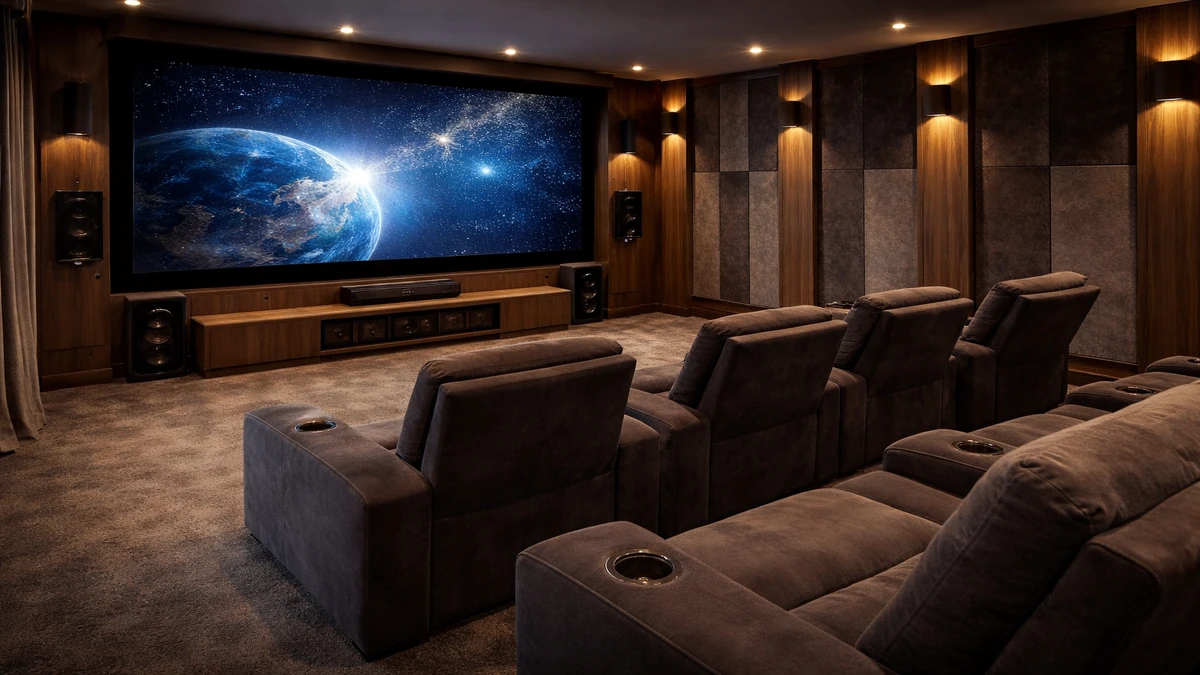
Home Theater Installation
Custom theater rooms designed for immersive picture, sound, and comfort.
4 minutes
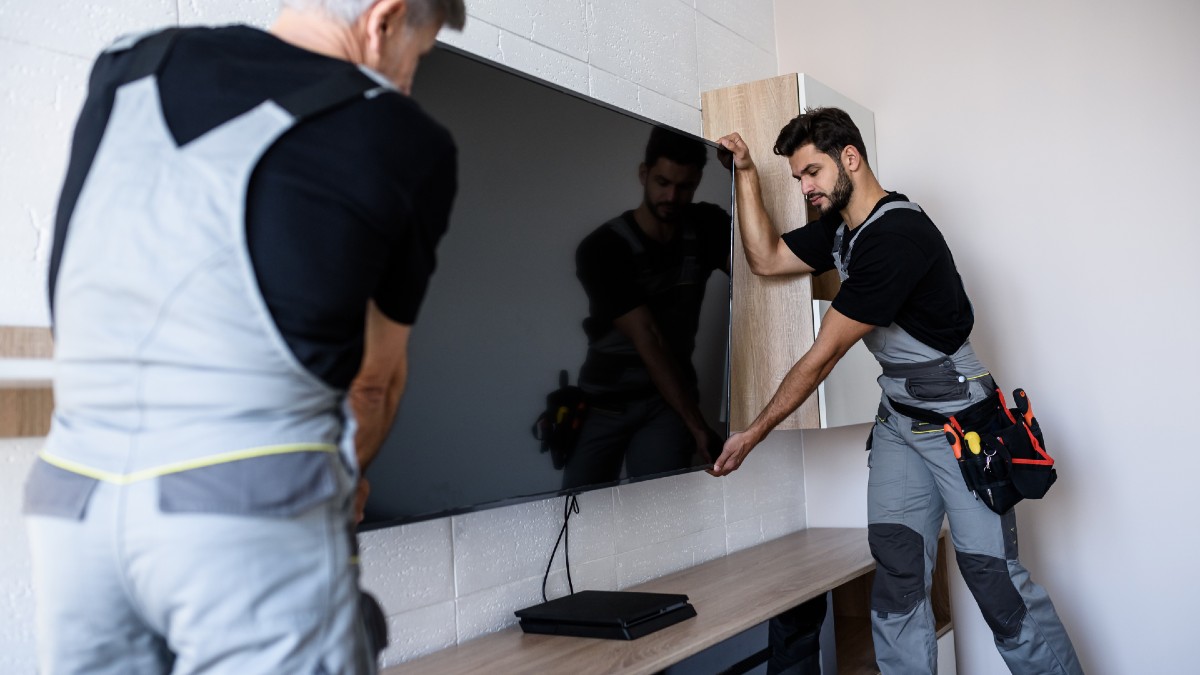
TV Wall Mounting
Professional TV mounting for cleaner layouts and better viewing angles.
5 minutes
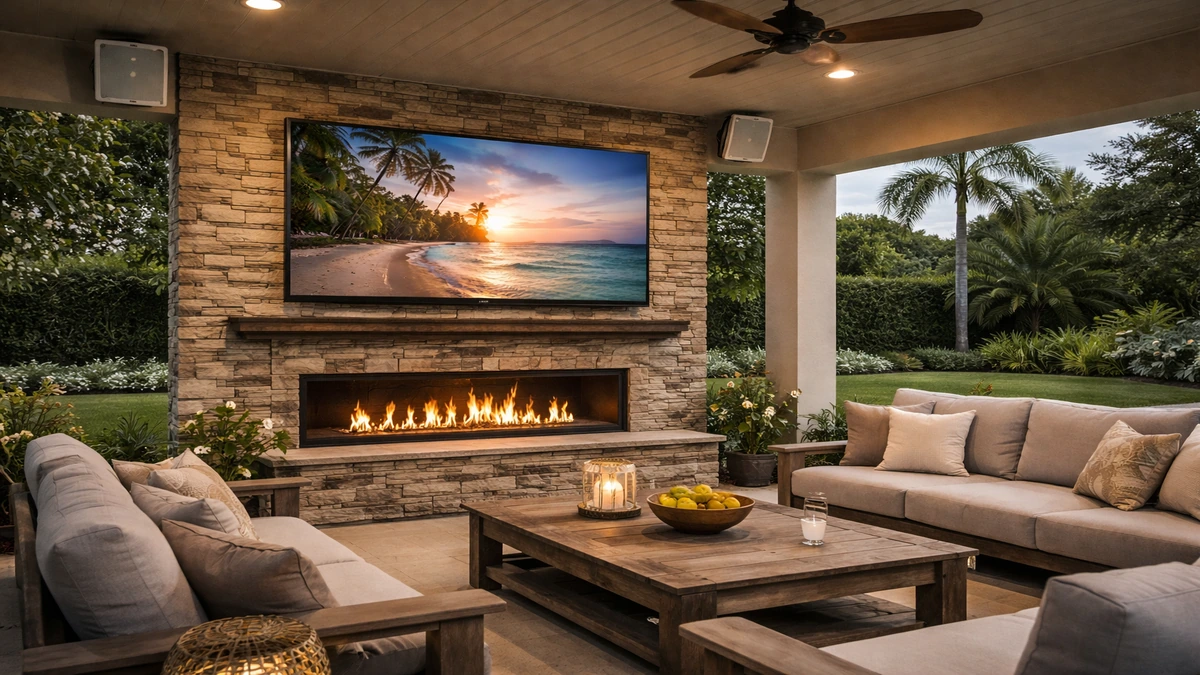
Outdoor TV Installation
Weather-aware outdoor TV setups built for patios, lanais, and pool areas.
5 minutes
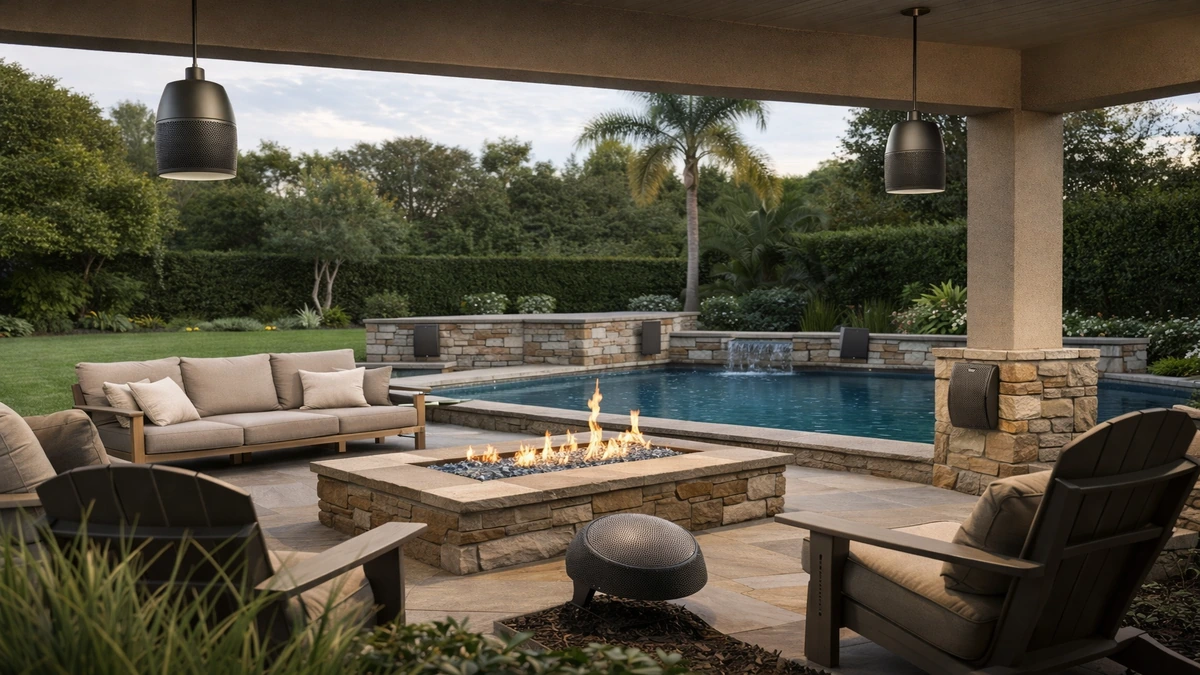
Outdoor Audio Installation
Outdoor speaker systems planned for clear sound and reliable coverage.
4 minutes
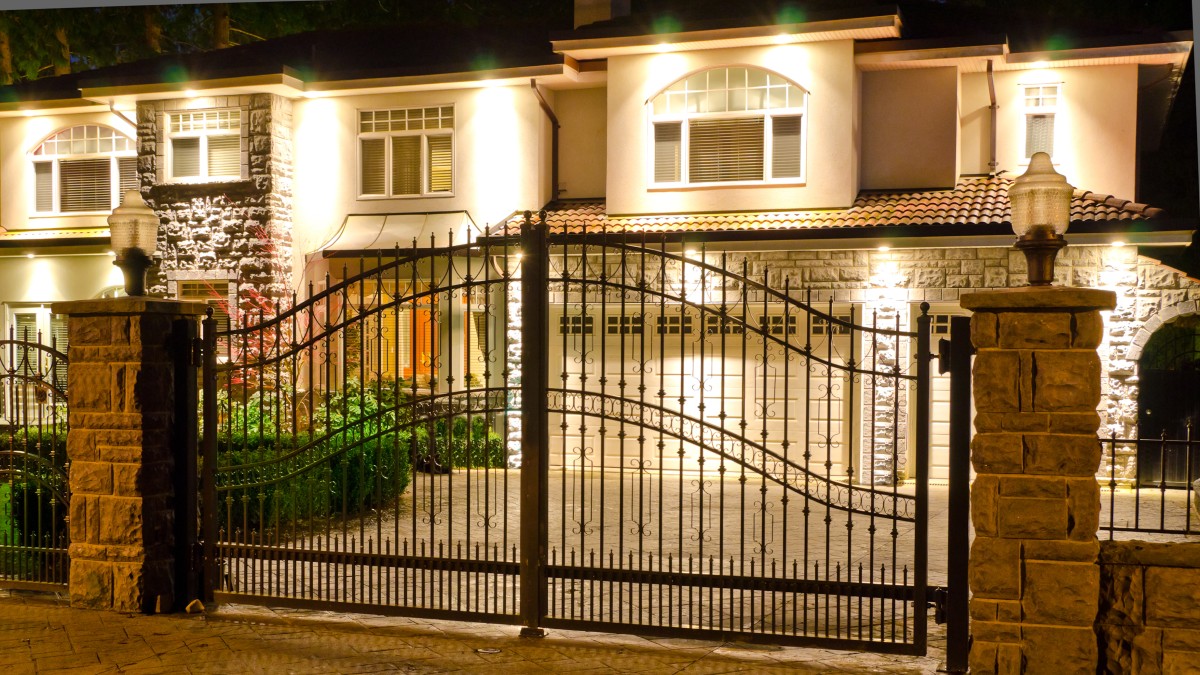
Automatic Gates
Secure, convenient gate automation with access control and entry integration.
4 minutes
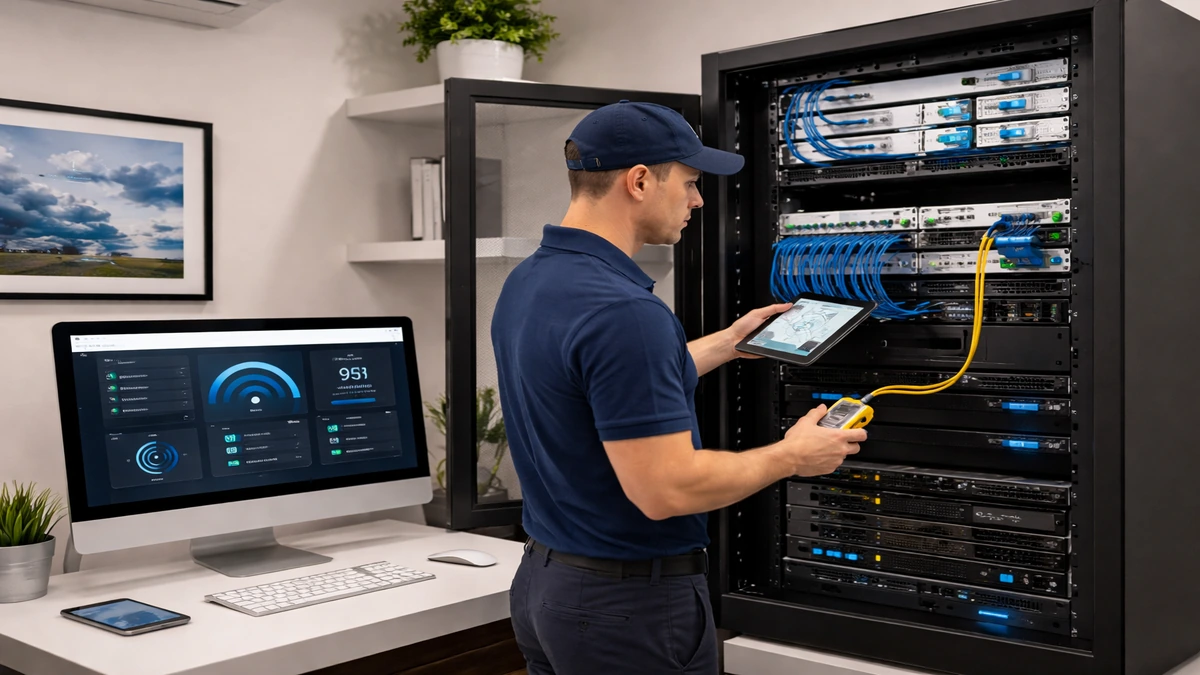
Home Network Installation
Stronger Wi-Fi, better coverage, and dependable connectivity throughout the property.
4 minutes
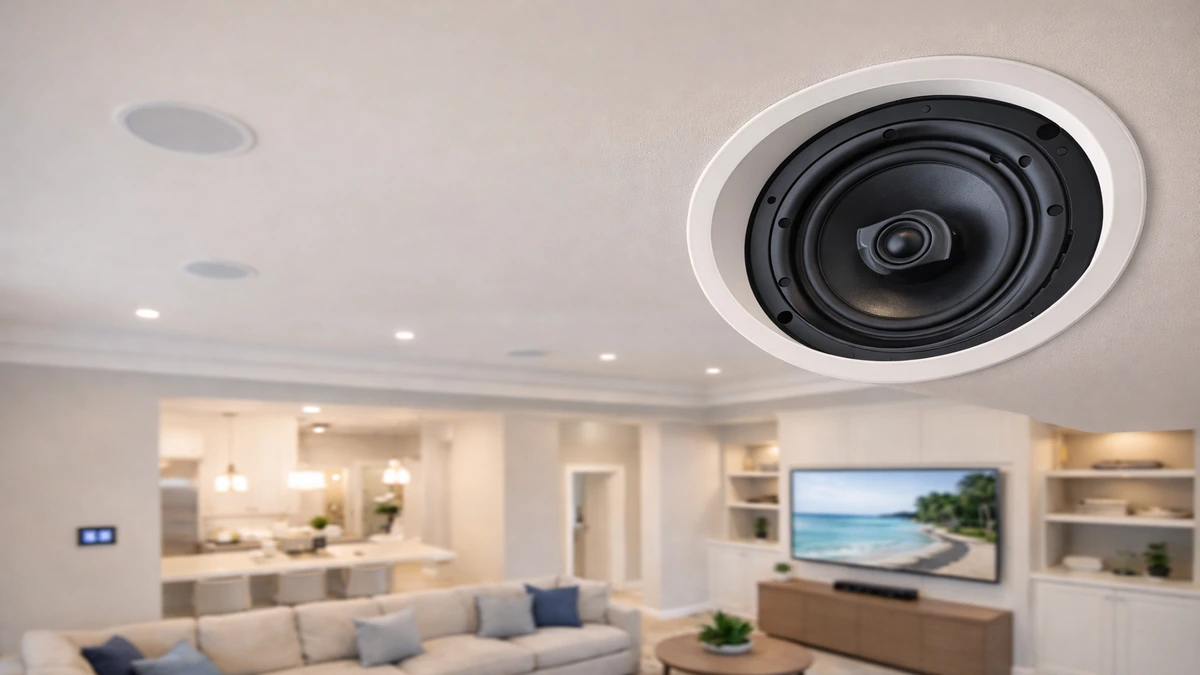
Ceiling Speaker Installation
Clean in-ceiling audio solutions for music, TV, and multi-room sound.
4 minutes
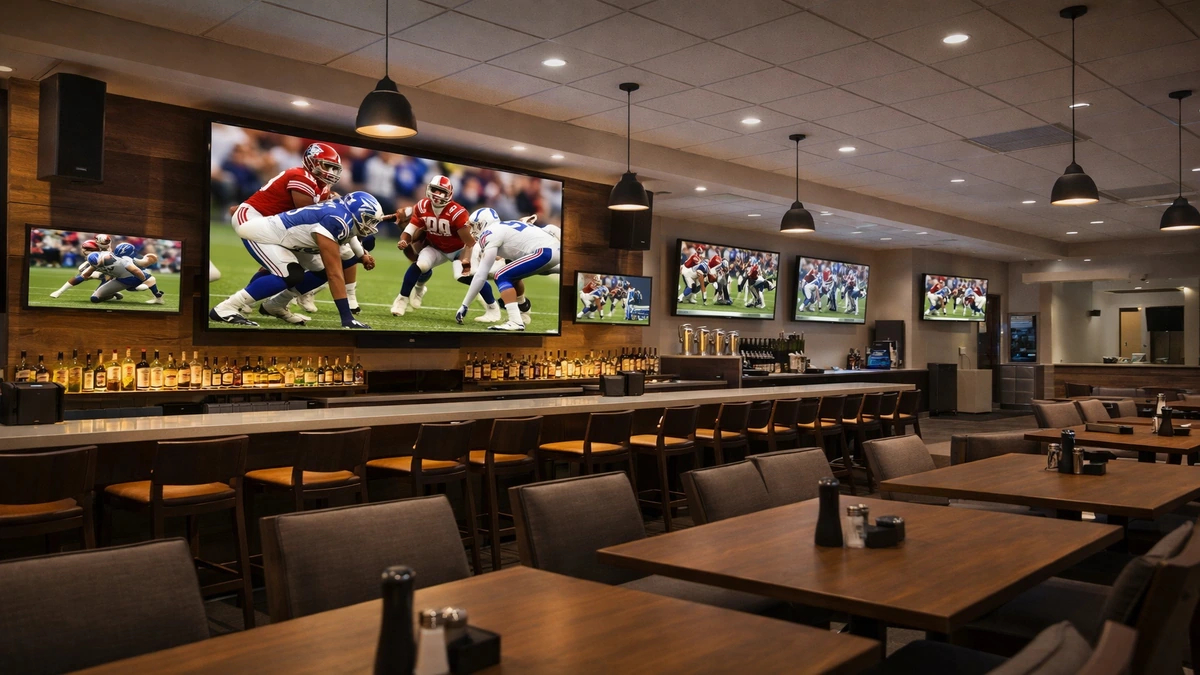
Commercial AV Installation
Professional audio, video, and control systems for business environments.
4 minutes
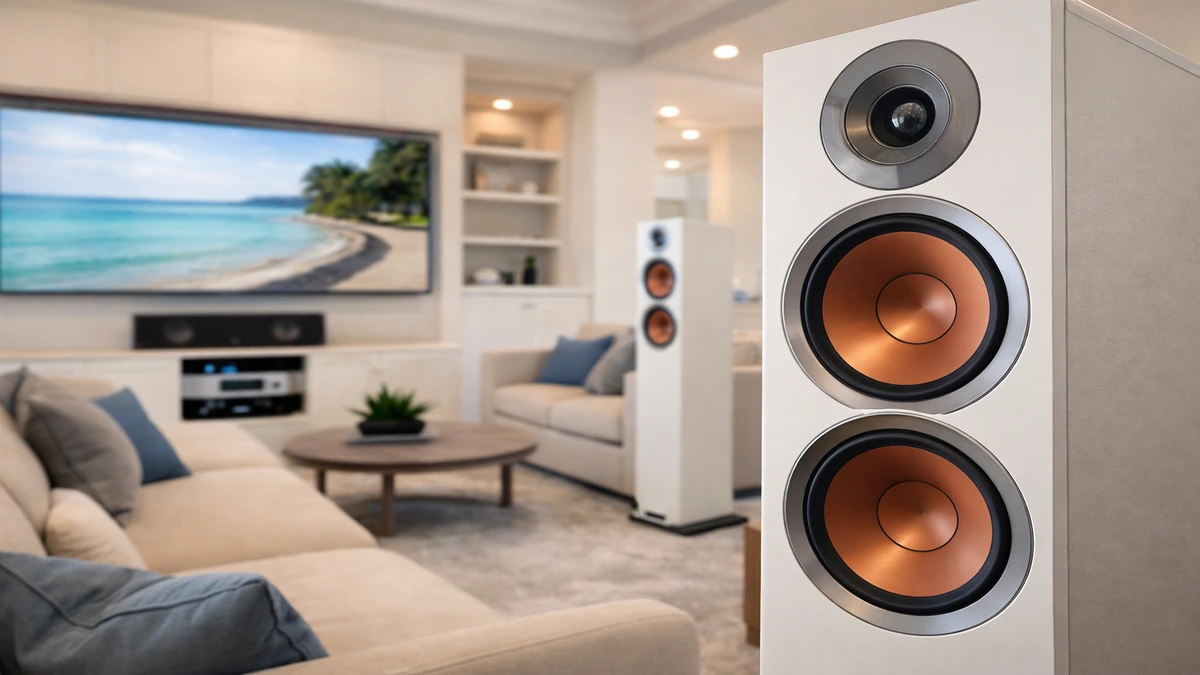
Home Audio Installation
Whole-home and room-based audio systems tailored to how you listen.
4 minutes

Marine Audio & Electronics Installation
Boat audio, displays, and electronics installed for performance on the water.
4 minutes
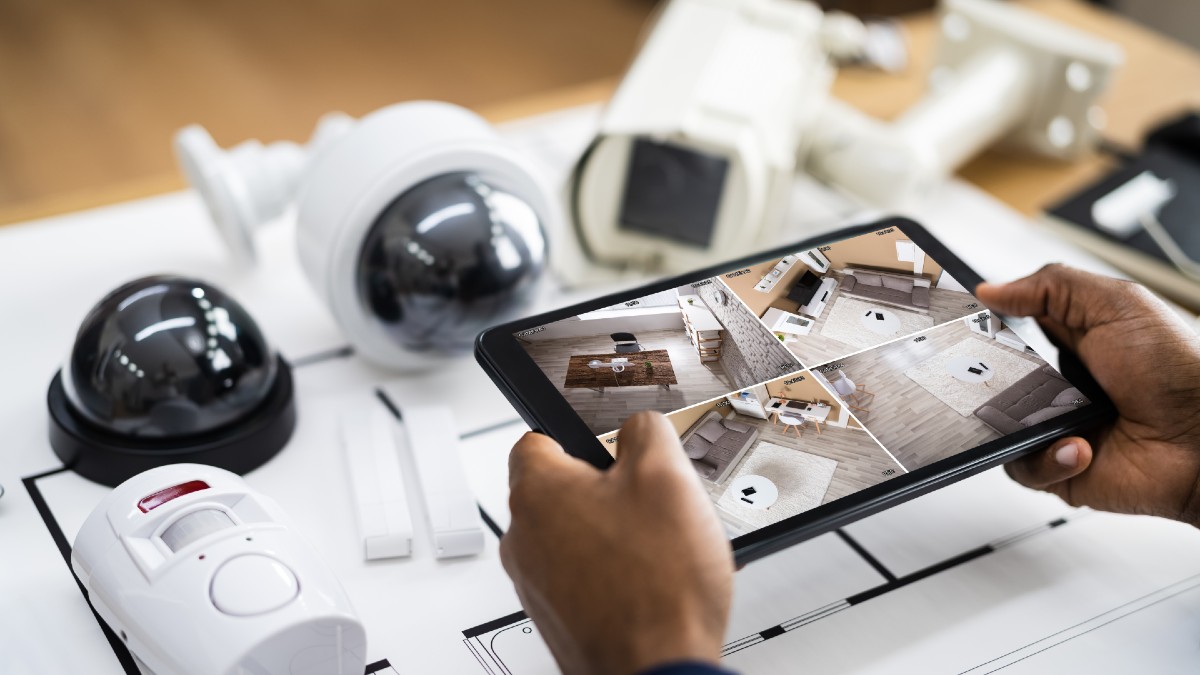
Security Camera Installation
Smart camera systems for visibility, alerts, recording, and remote monitoring.
4 minutes
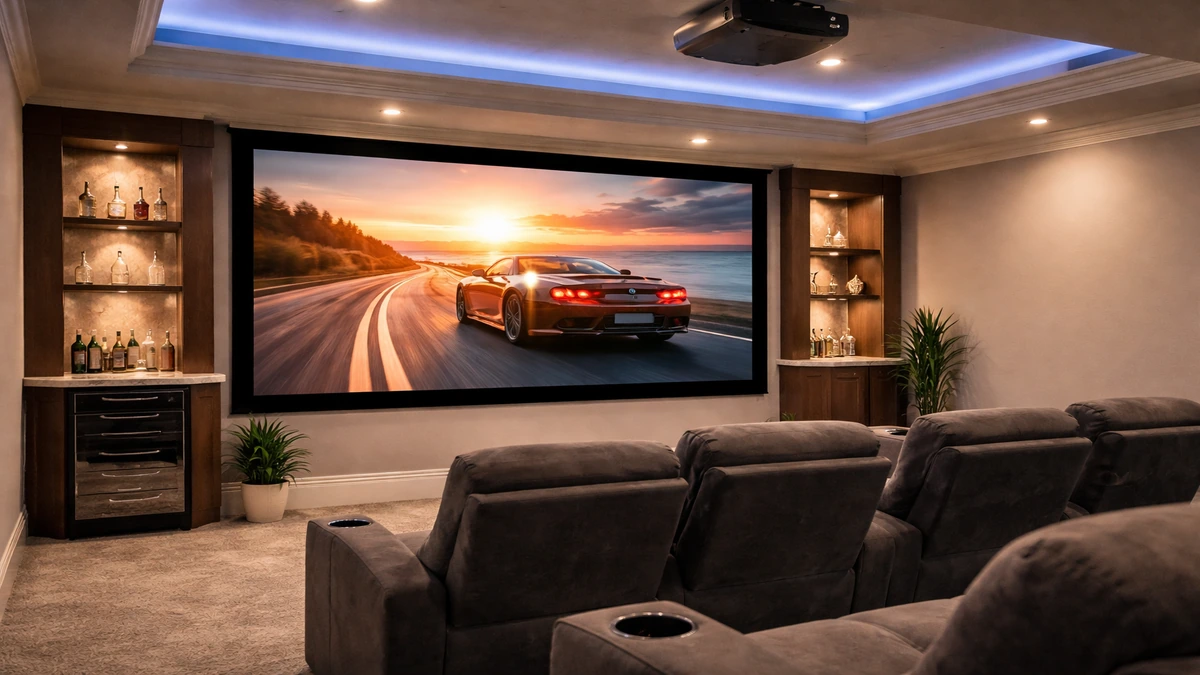
Projector Screen Installation
Projectors and screens configured for sharp viewing and balanced room performance.
4 minutes
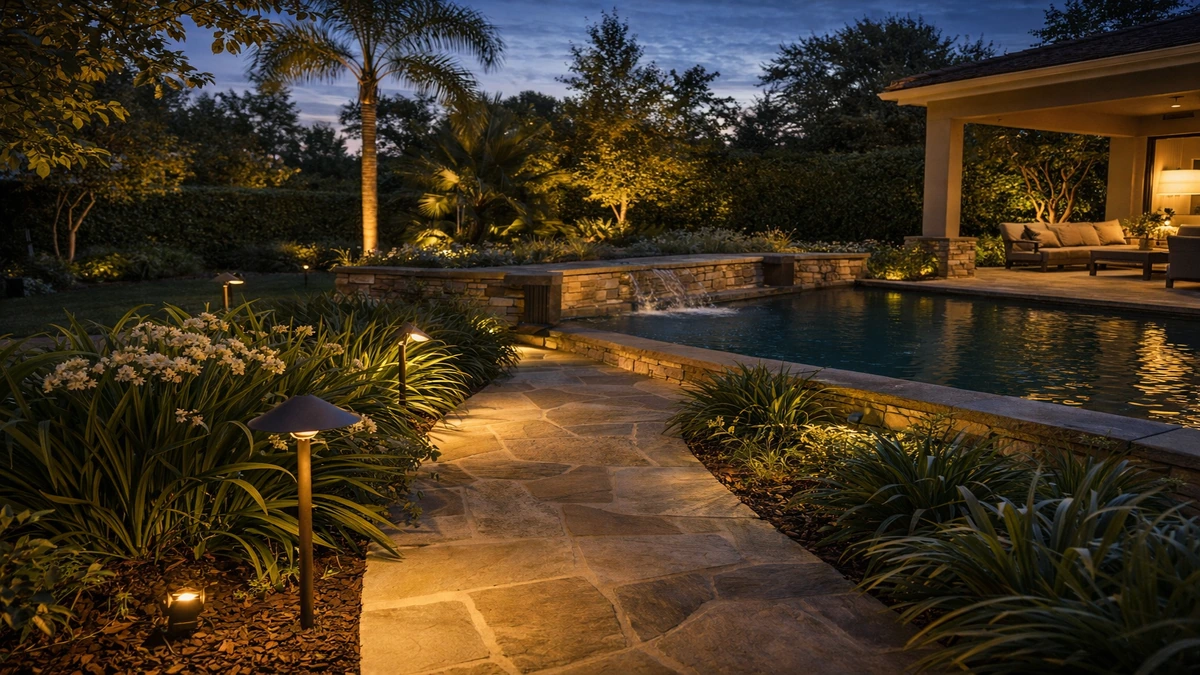
Outdoor Lighting Installation
Exterior lighting that improves curb appeal, ambiance, and nighttime usability.
4 minutes
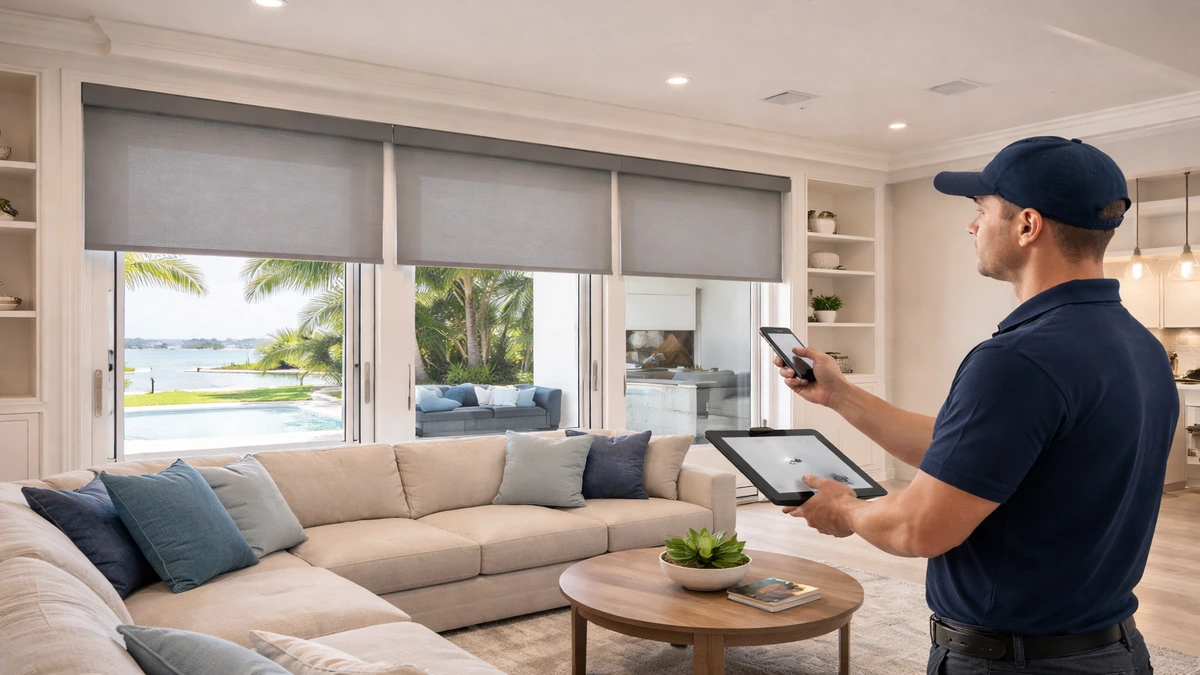
Motorized Blinds Installation
Automated shading for privacy, glare control, and everyday convenience.
4 minutes
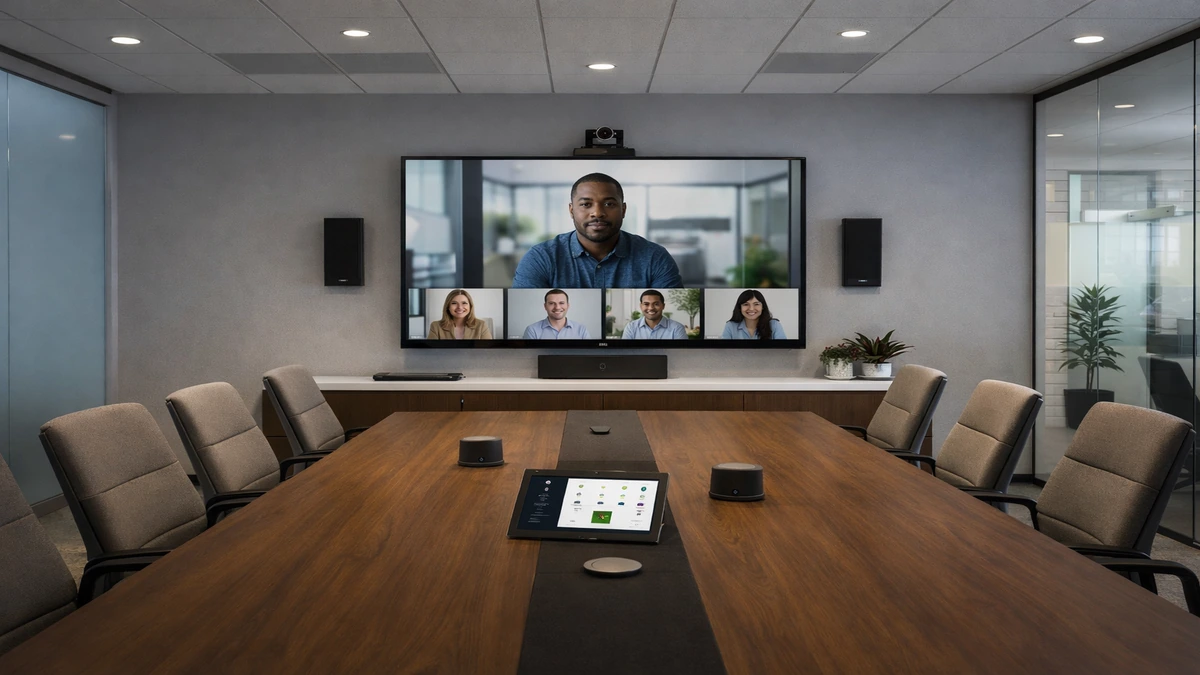
Conference Room AV Installation
Meeting room technology for clearer presentations, calls, and collaboration.
4 minutes
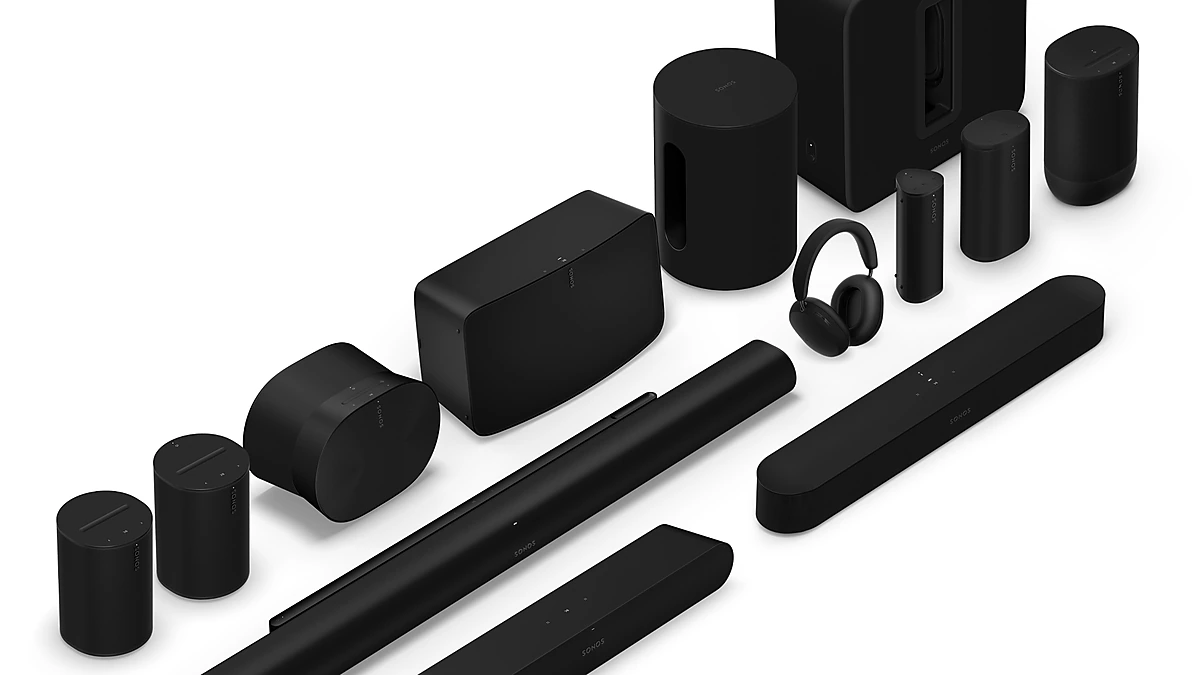
Sonos Installation
Sonos system design, setup, and tuning for simple multi-room audio.
4 minutes
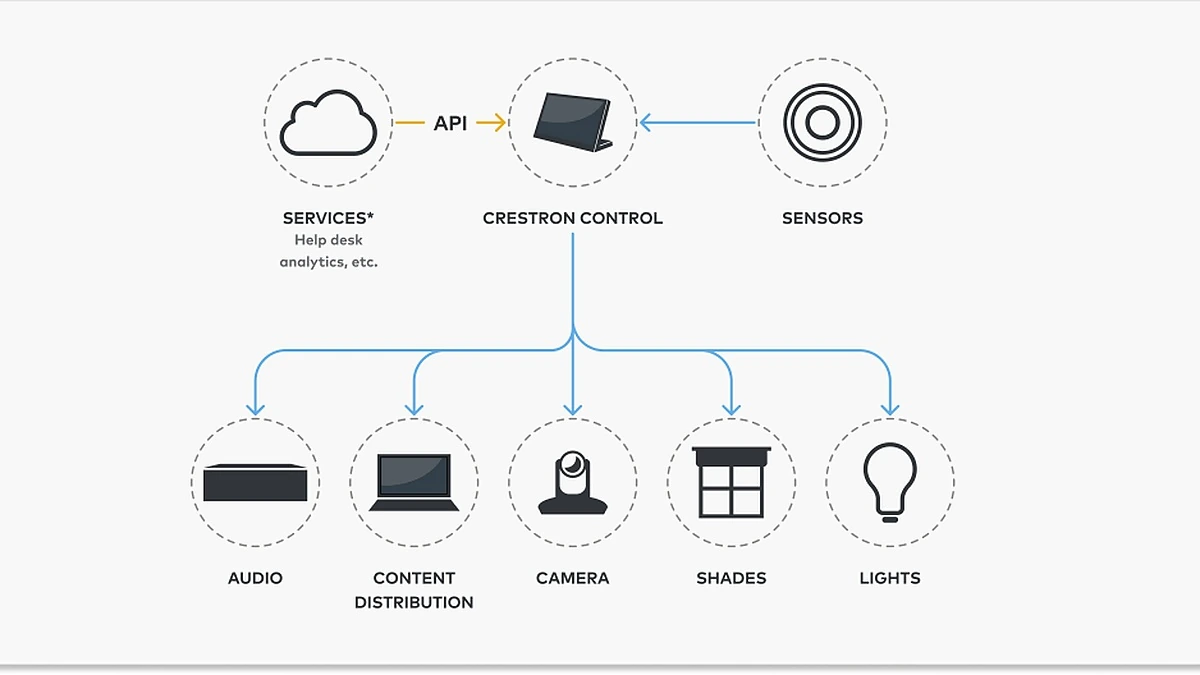
Crestron Installer
Advanced Crestron control integration for high-performance smart home environments.
4 minutes
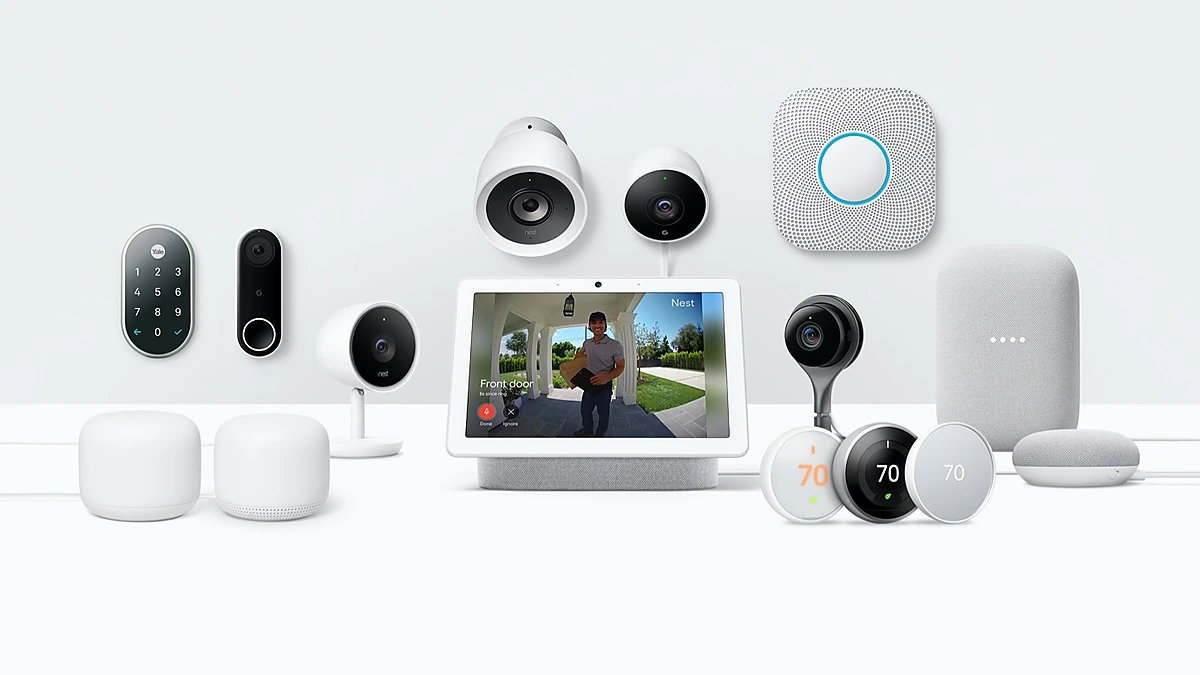
Nest Installer
Nest thermostat and smart home setup for comfort and remote control.
4 minutes
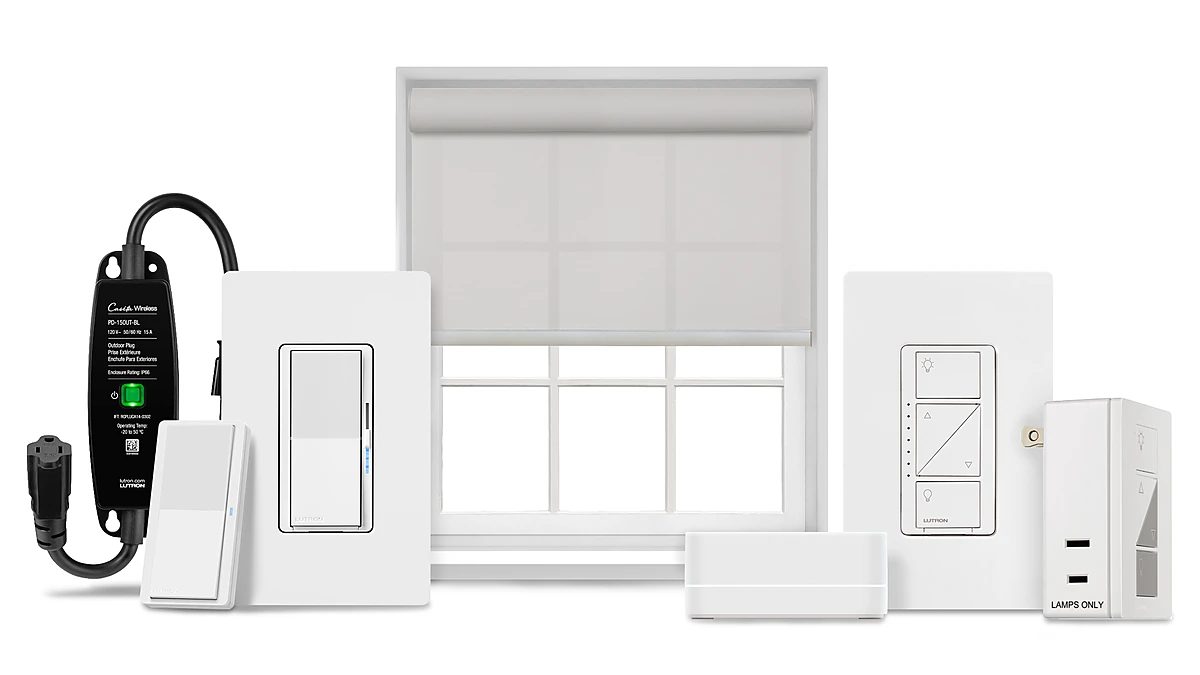
Lutron Installer
Lutron lighting and shading integration for smoother control and scene setting.
4 minutes
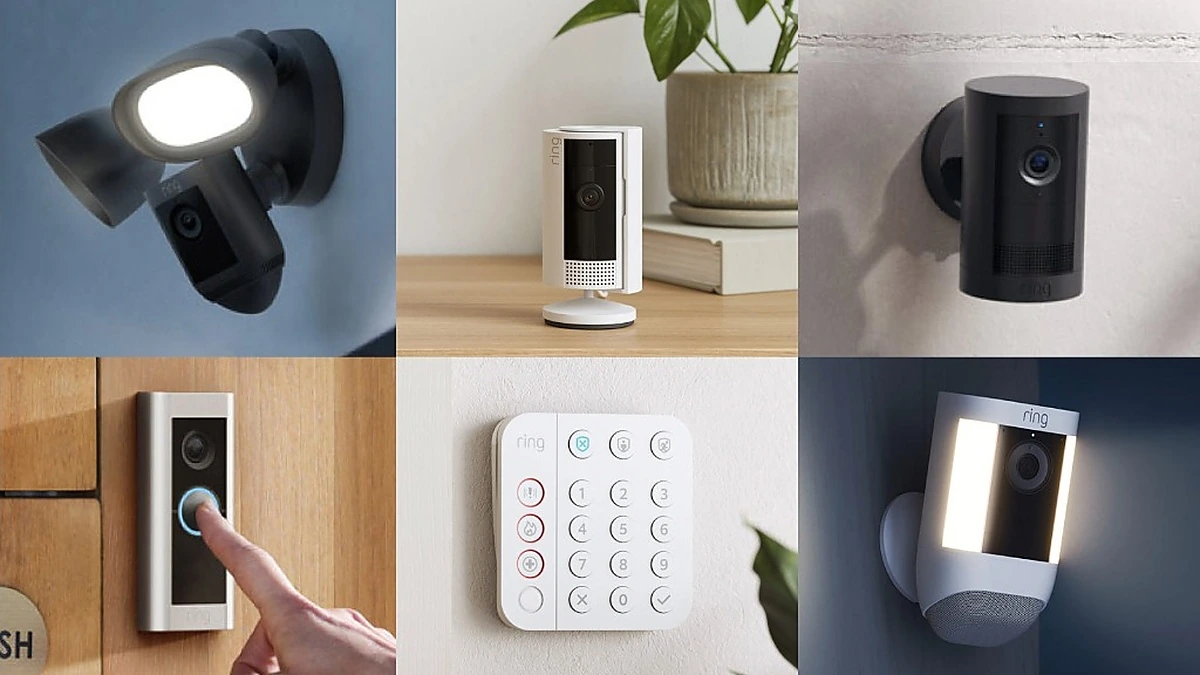
Ring Installation
Ring doorbells and cameras installed for better awareness and entry visibility.
5 minutes
Control4 Installer
Control4 automation setup for unified entertainment, comfort, and home control.
4 minutes

Car & Truck Audio / Electronics Custom Upgrades
Custom mobile audio and electronics upgrades for better sound and functionality.
3 minutes
Seven homes in ten here are in a building of twenty units or more
Hallandale Beach has 29,019 homes and 19,902 of them stand in buildings of twenty units or more. Detached houses number 2,783 in the entire city. If you are planning a system here, the ceiling above your head is very likely to be somebody else's floor, and that single structural fact rearranges the design before any equipment is discussed — because it decides whether in-ceiling placement is available to you at all.
In-ceiling speakers need a void to sit in and a route to reach them, and neither can be assumed in stacked construction. Where a void already exists, the questions move on to what else is up there and whether a cable may cross it. Where there is no void, one has to be made — a dropped section, a soffit, a bulkhead built for the purpose — and that is a construction decision rather than an audio one, taken early or not taken at all. Neither answer is visible on a drawing, and both change the speaker layout rather than merely the labour it takes to install it.
So placement gets decided against the structure rather than against a plan. On-wall and in-wall positions become the dependable options in a great deal of this stock, and a design that assumes a ceiling will be available is a design that gets rewritten on site. It is worth saying plainly, because the reverse order — agreeing the layout first and asking the building afterwards — is how a room ends up with speakers in their second-best positions and a length of surface conduit nobody ever wanted to look at.
Not all of that stacked housing is tall
There are 3,621 homes here in buildings of twenty to forty-nine units, the largest share of that band among the areas on this site with the same housing profile, against 16,281 in buildings of fifty or more. The difference matters more than the sizes suggest. A shorter building has less vertical distance to cover and frequently less provision for covering it, so the run that decides the project is the horizontal one — along a floor plate, past other homes — and that is precisely where wireless coverage thins and where a cable route has to be found rather than assumed into existence.
A bare majority of these homes are lived in by their owners
Of the 19,647 occupied homes here, 10,500 are owner-occupied. That is a majority so narrow it is really a description of a mixed market: on the same floor of the same building, one home is a long-term address and the next is not. A system specified for the least-briefed person who will ever use it serves both of those households. A system specified for the best-briefed serves neither for very long.
For an owner that draws an unusual boundary around the project. Nearly everything outside your own front door belongs to somebody else's decision, so the part of the design you fully control is the part inside it — and that is where the headroom has to be built. Whatever gets opened during this phase is the only reliable chance to leave capacity for the next one. For everybody else the same system has to survive a change of occupant: controls that are physical and few, mounting that comes away without rebuilding the wall behind it, and a record that reads to a person who was not there when it was installed.
One number that says where the effort belongs
The median home here is valued at $256,900, the lowest among the areas on this site with the same housing profile and well under the middle of everywhere this site covers. That is not an argument for a smaller system. It is an argument about proportion. In stacked housing the cost that gets away from people is access — reaching a position, then making the room good again afterwards — and it is incurred in much the same way whether the equipment at the end of the cable is modest or extravagant.
So the route is the decision worth arguing about and the box on the wall is the decision that can wait. In practice the sequence here runs building first, room second, equipment last: establish what the structure allows and where its pathways actually run, decide in advance which runs will be concealed and which will be visible, and let the speaker and screen positions follow the routes that have been proven rather than the ones a layout would prefer. In stacked housing, hoping a route can be found later is the single most expensive assumption in the project.