

Condo Towers, A Concealed Finish Audio Video | Home Theater Installations Serving Hillsboro Beach, FL
Barely one home in ten in Hillsboro Beach is a house: 1,704 of its 2,575 homes sit in buildings of fifty units or more, and the median home is valued at 7,500.
Revolutionizing Comfort and Entertainment: Smart AV and Home Automation Services
Introducing a new era of smart living in Hillsboro Beach, FL with top-notch Home Automation and Audio Video services, including Home Theater setups, for an unmatched home entertainment experience.
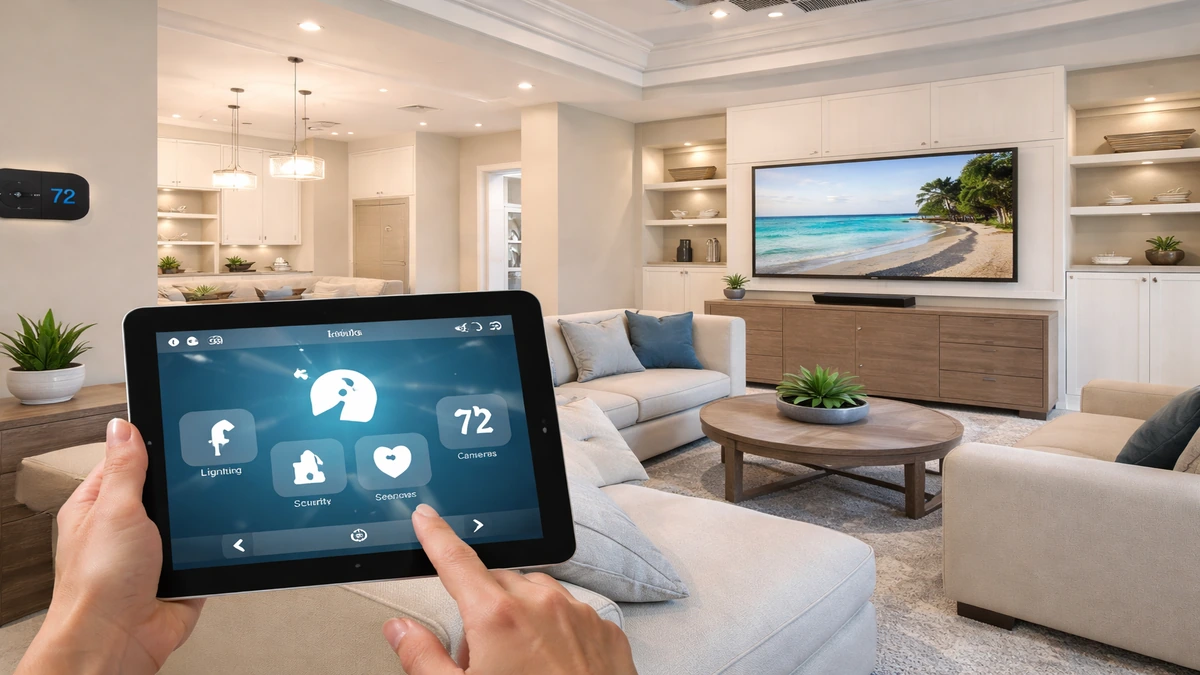
Smart Home Automation Installation
Integrated control for lighting, climate, security, and entertainment.
4 minutes
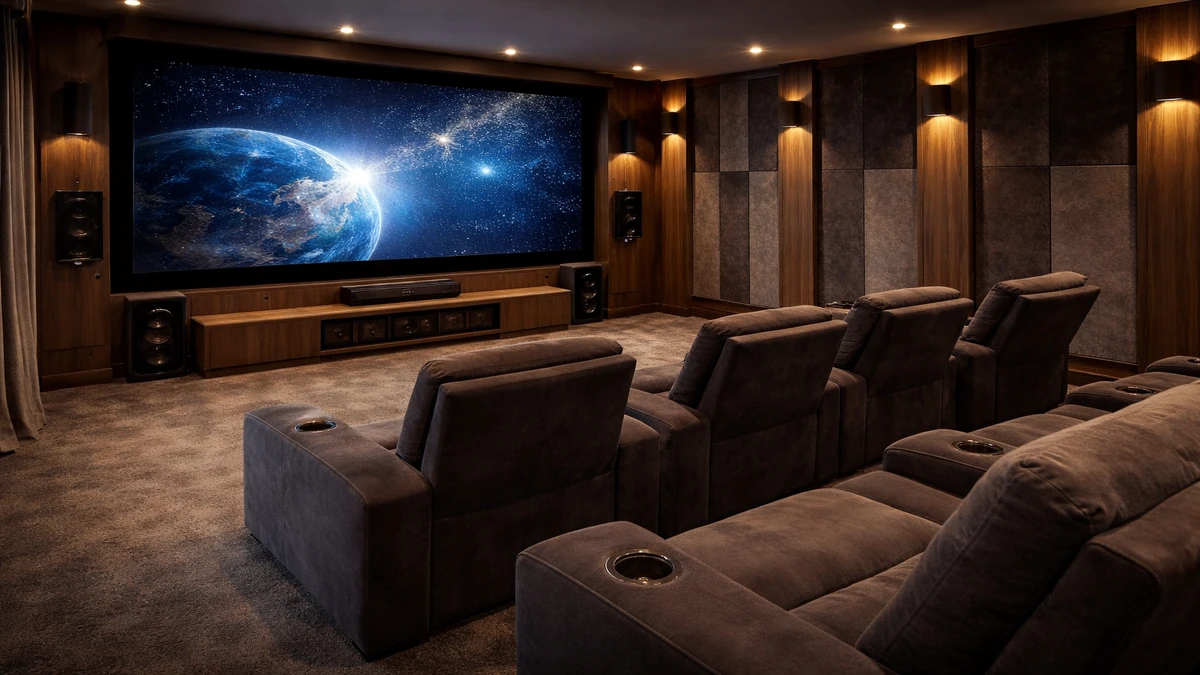
Home Theater Installation
Custom theater rooms designed for immersive picture, sound, and comfort.
4 minutes
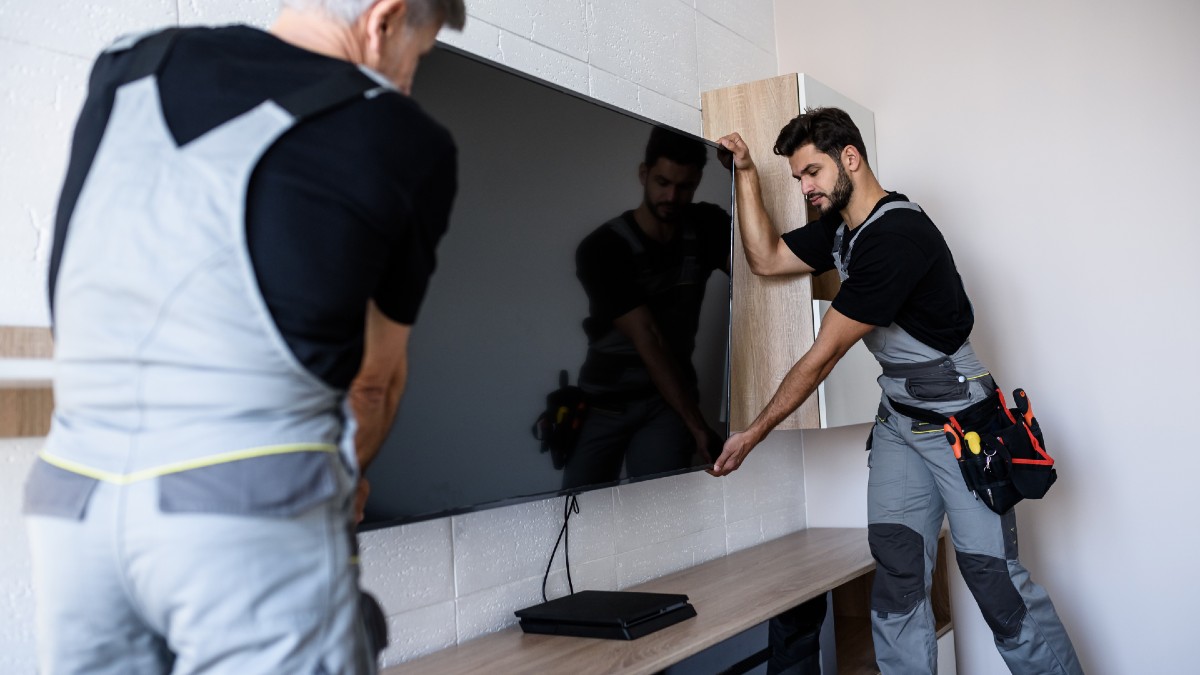
TV Wall Mounting
Professional TV mounting for cleaner layouts and better viewing angles.
5 minutes
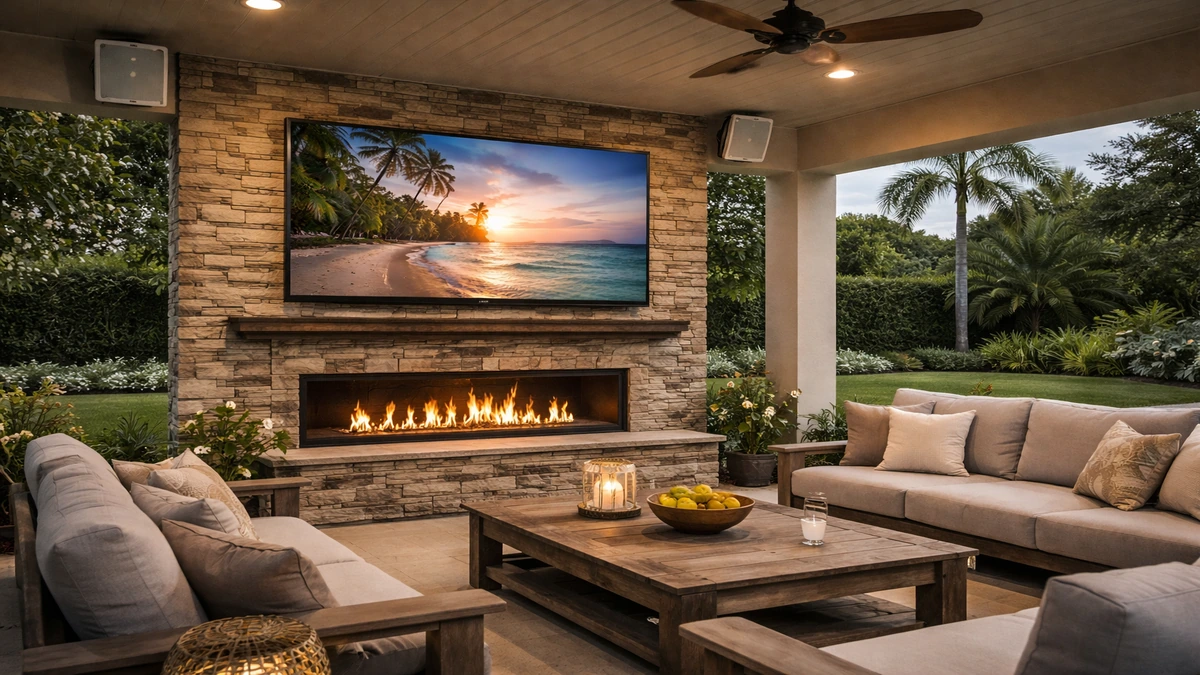
Outdoor TV Installation
Weather-aware outdoor TV setups built for patios, lanais, and pool areas.
5 minutes
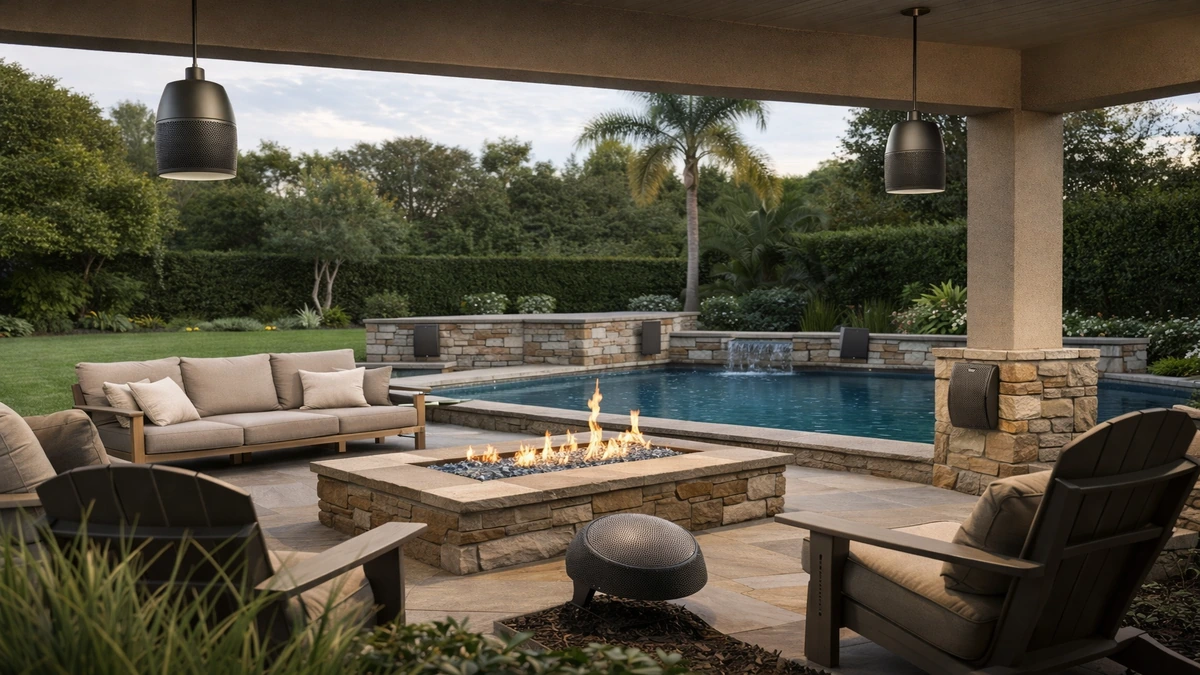
Outdoor Audio Installation
Outdoor speaker systems planned for clear sound and reliable coverage.
4 minutes
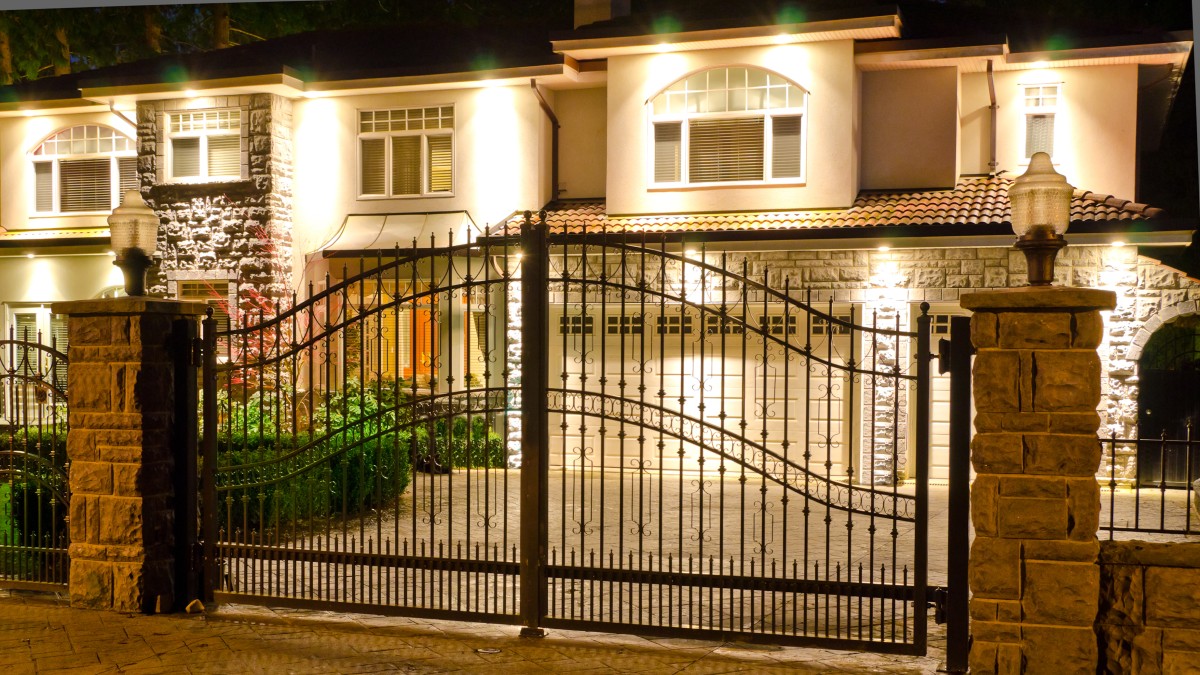
Automatic Gates
Secure, convenient gate automation with access control and entry integration.
4 minutes
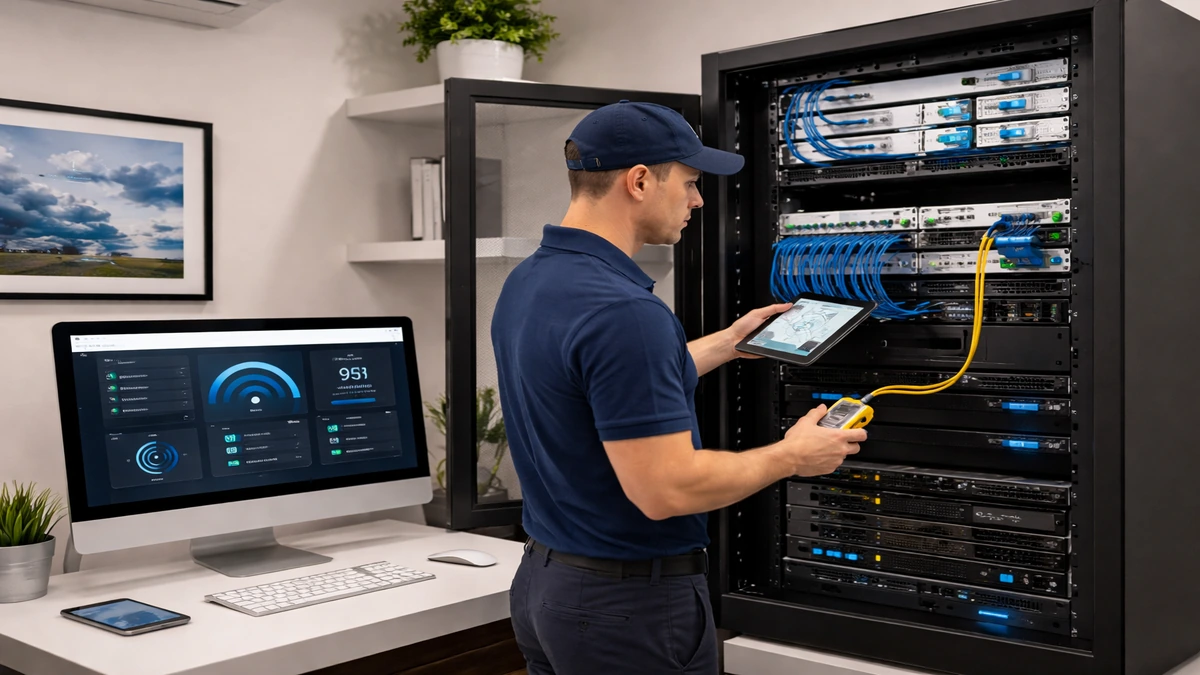
Home Network Installation
Stronger Wi-Fi, better coverage, and dependable connectivity throughout the property.
4 minutes
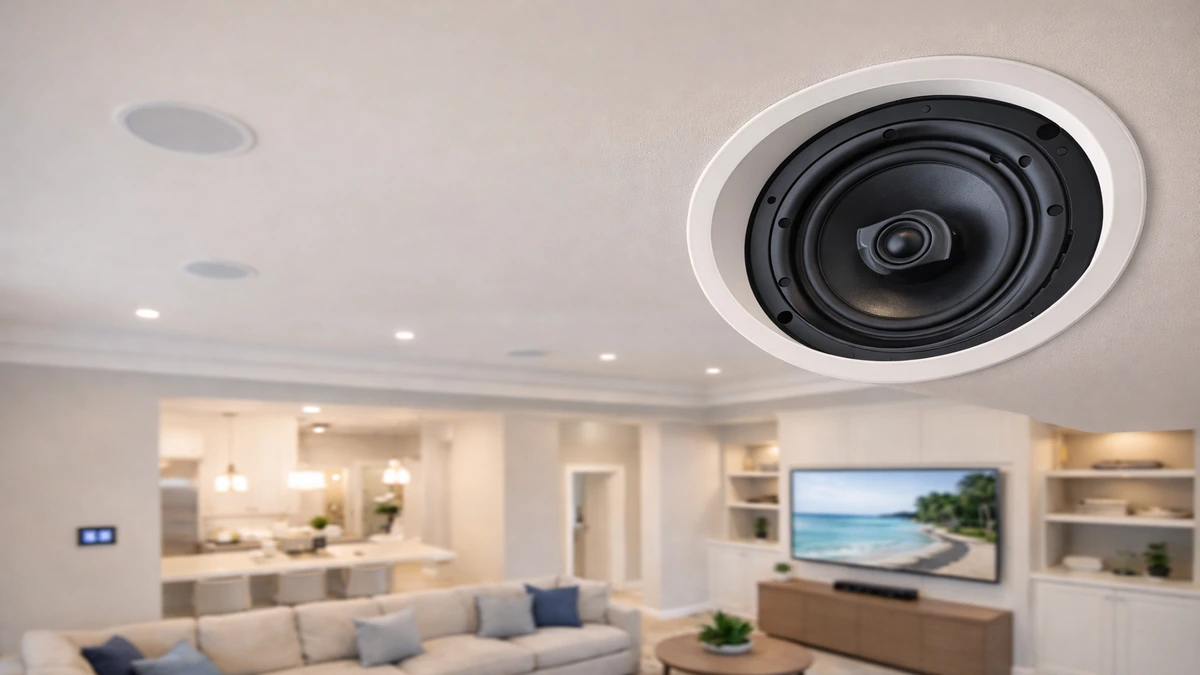
Ceiling Speaker Installation
Clean in-ceiling audio solutions for music, TV, and multi-room sound.
4 minutes
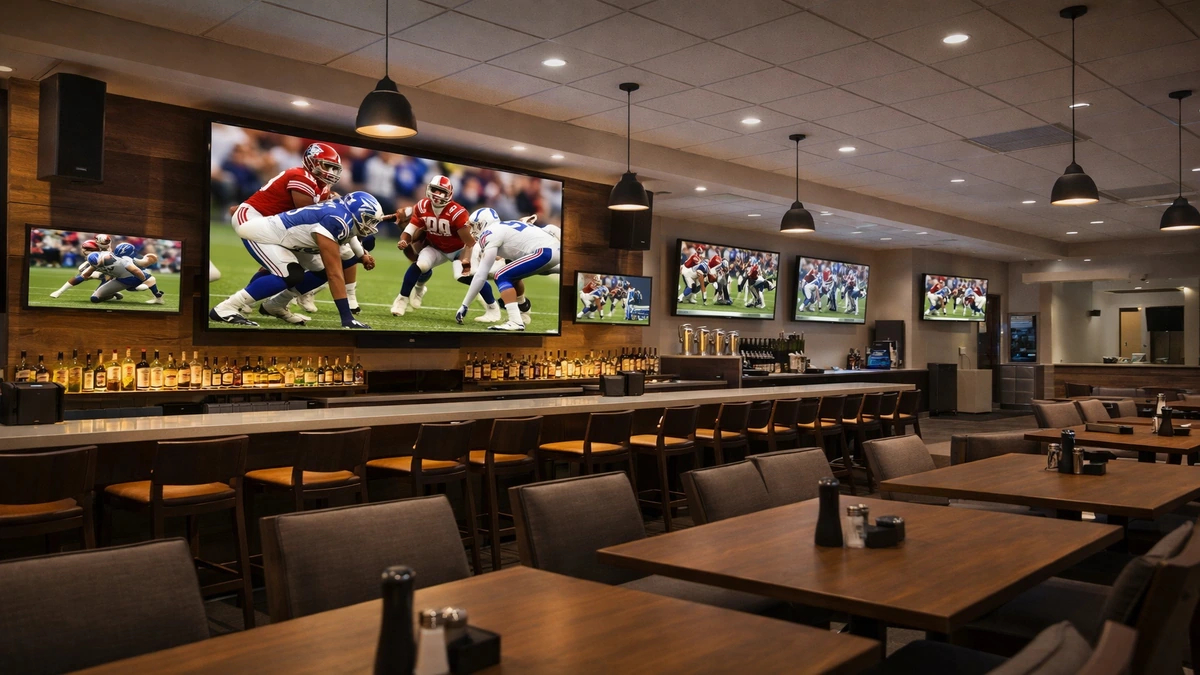
Commercial AV Installation
Professional audio, video, and control systems for business environments.
4 minutes
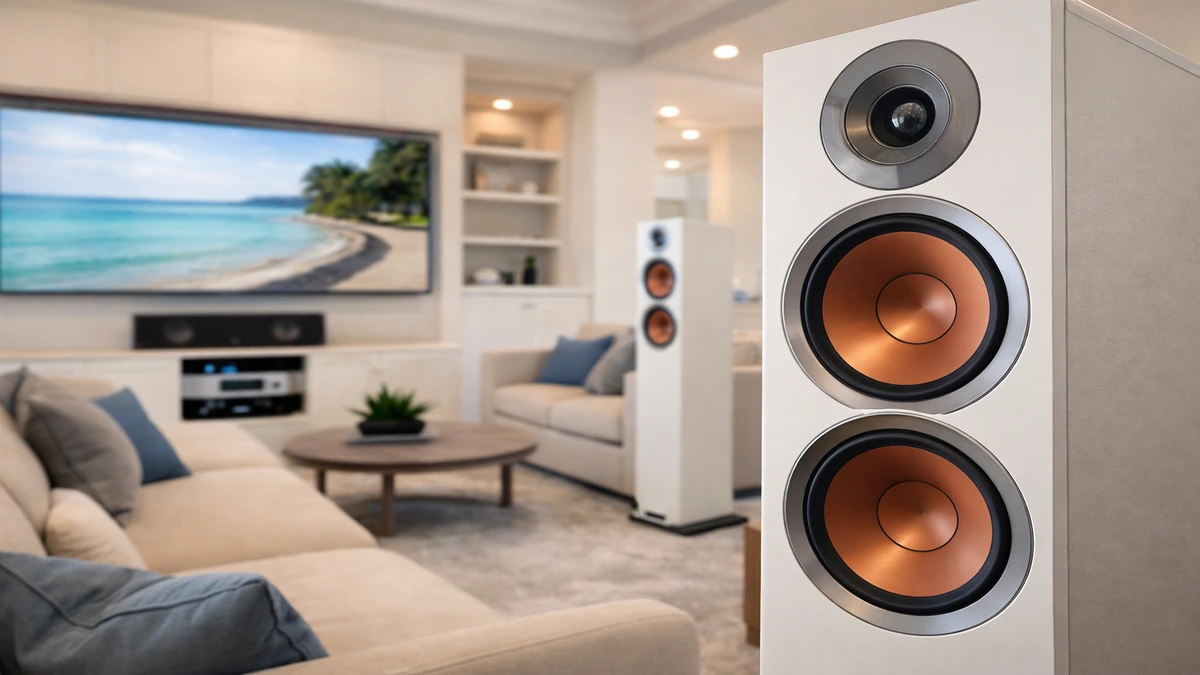
Home Audio Installation
Whole-home and room-based audio systems tailored to how you listen.
4 minutes

Marine Audio & Electronics Installation
Boat audio, displays, and electronics installed for performance on the water.
4 minutes
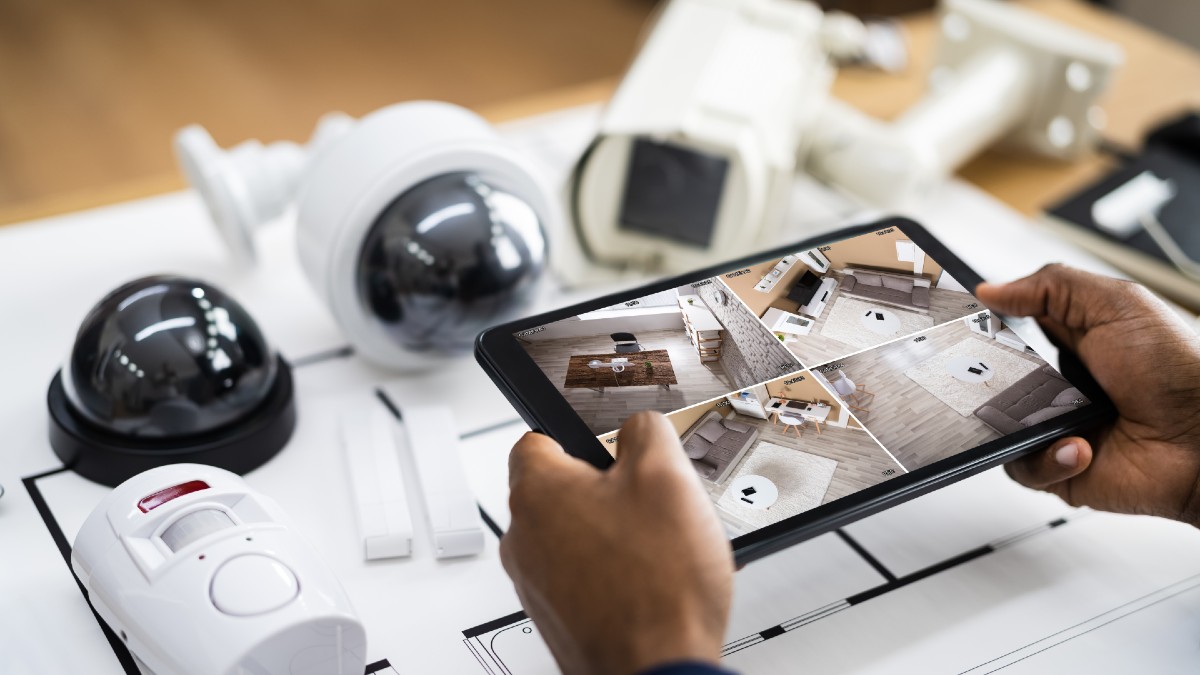
Security Camera Installation
Smart camera systems for visibility, alerts, recording, and remote monitoring.
4 minutes
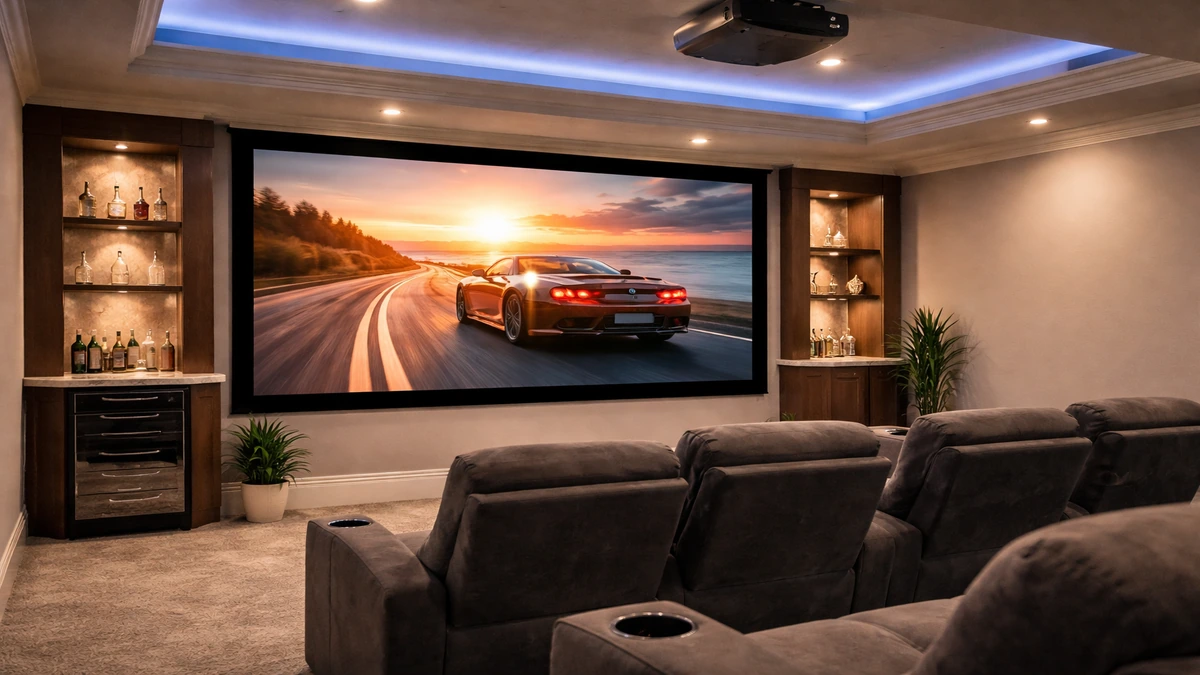
Projector Screen Installation
Projectors and screens configured for sharp viewing and balanced room performance.
4 minutes
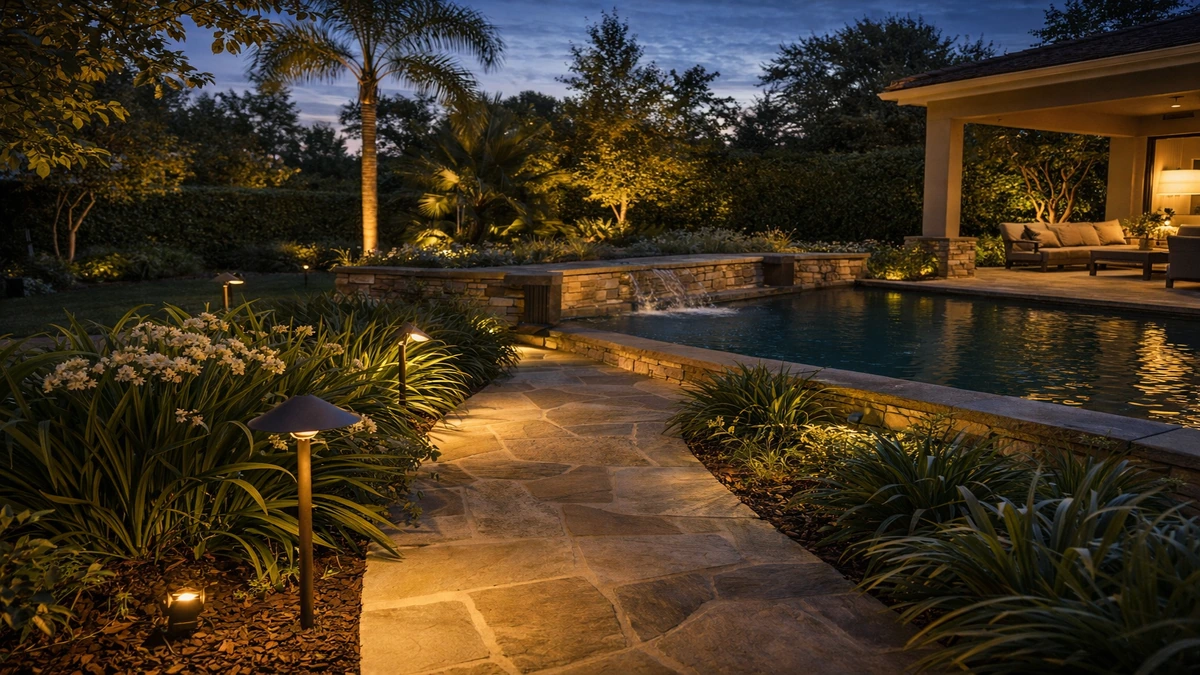
Outdoor Lighting Installation
Exterior lighting that improves curb appeal, ambiance, and nighttime usability.
4 minutes
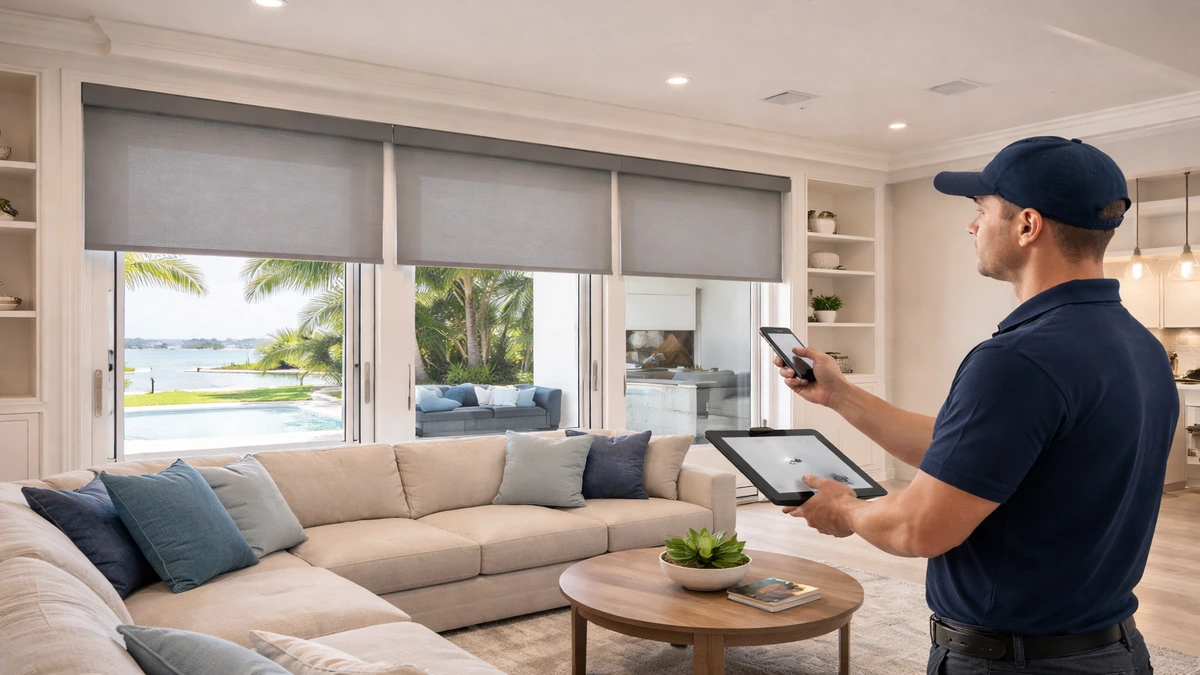
Motorized Blinds Installation
Automated shading for privacy, glare control, and everyday convenience.
4 minutes
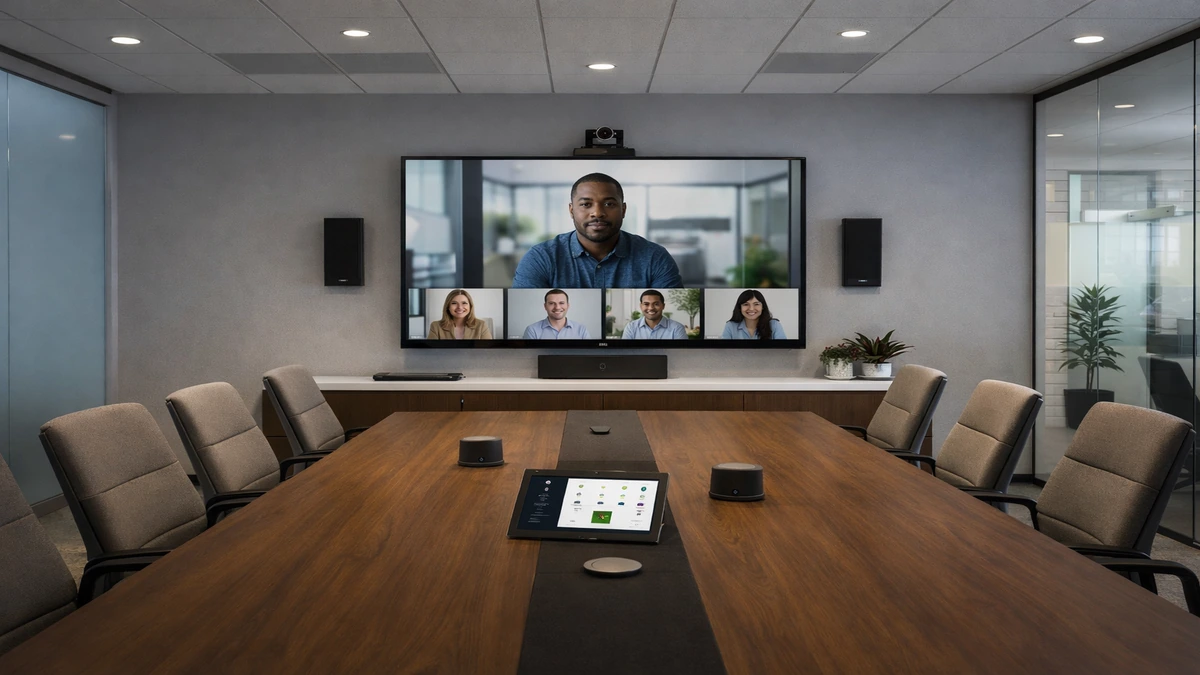
Conference Room AV Installation
Meeting room technology for clearer presentations, calls, and collaboration.
4 minutes
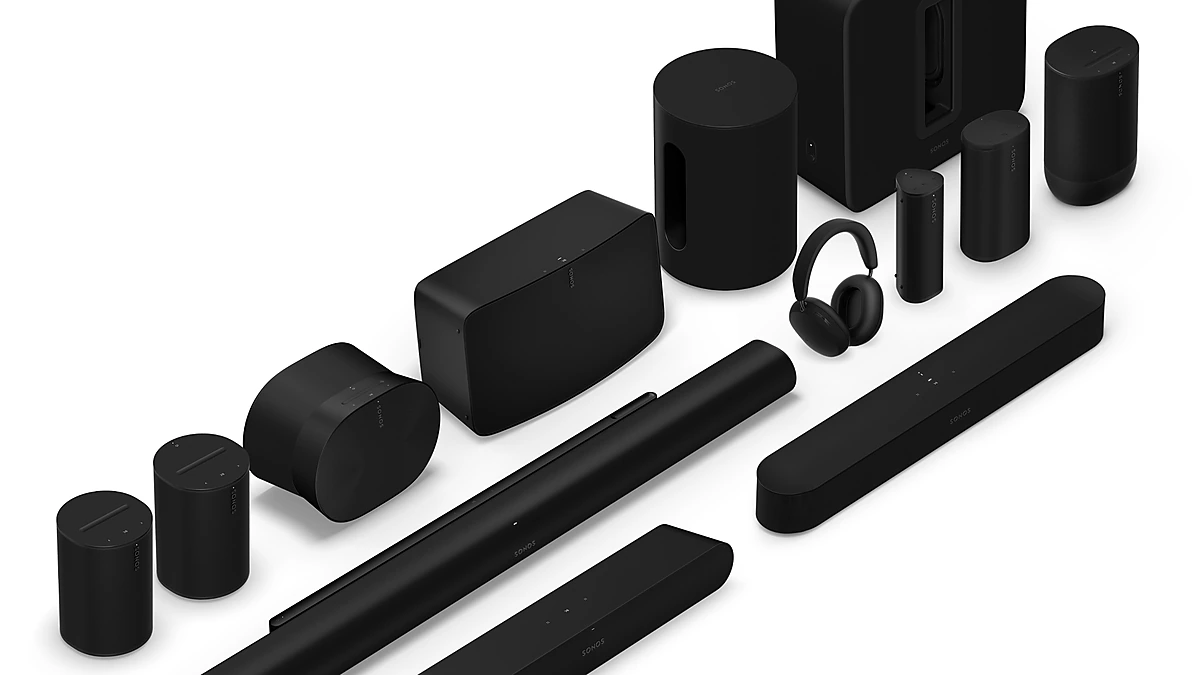
Sonos Installation
Sonos system design, setup, and tuning for simple multi-room audio.
4 minutes
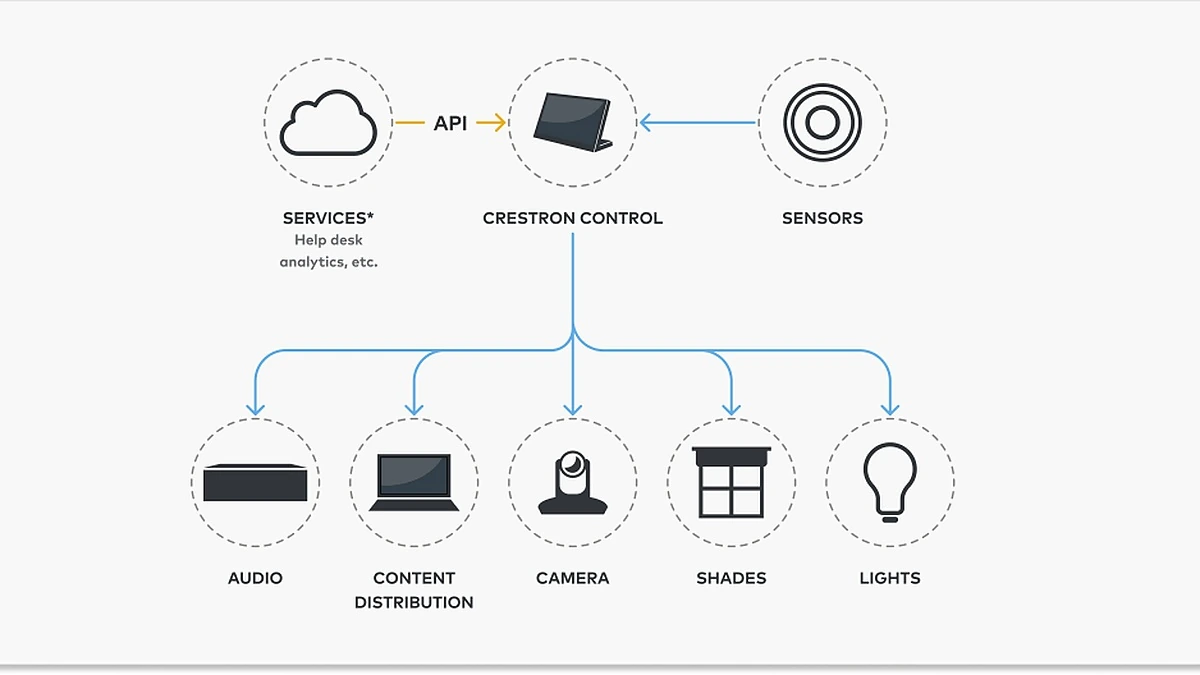
Crestron Installer
Advanced Crestron control integration for high-performance smart home environments.
4 minutes
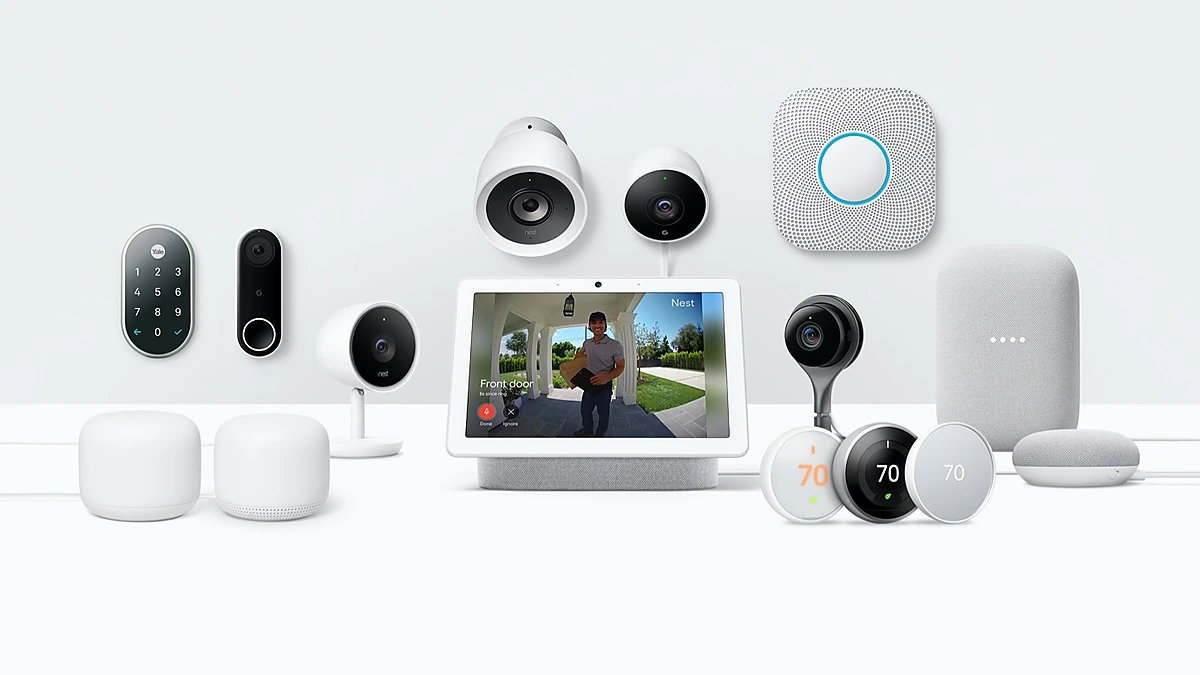
Nest Installer
Nest thermostat and smart home setup for comfort and remote control.
4 minutes
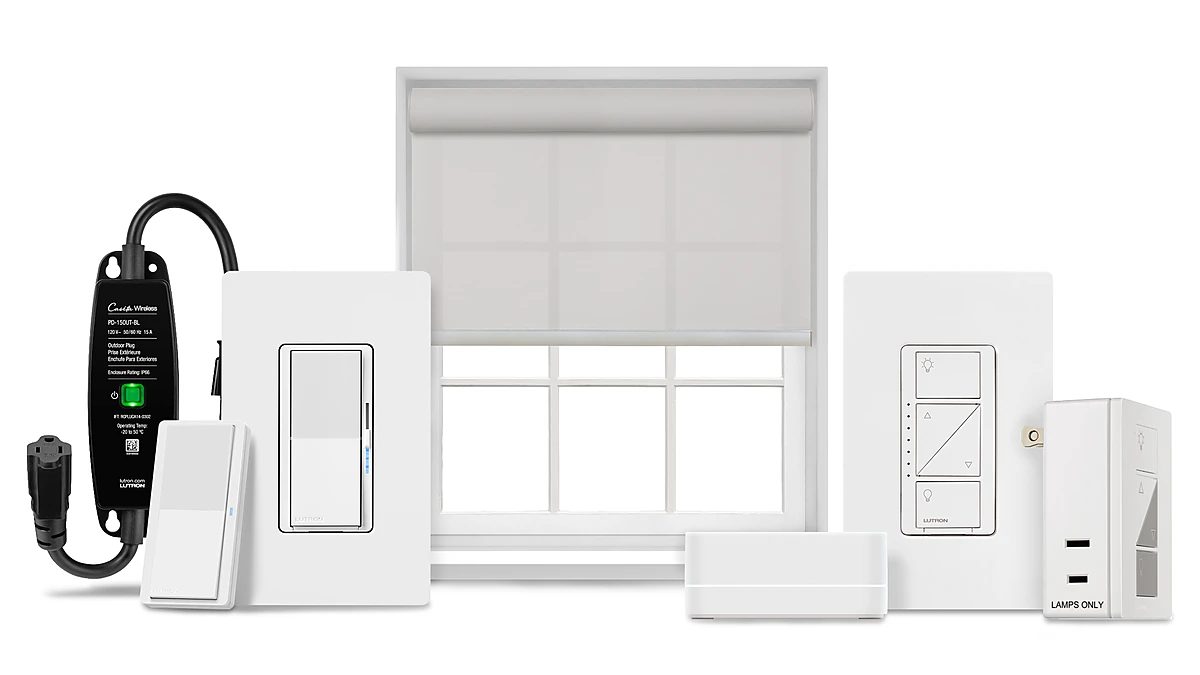
Lutron Installer
Lutron lighting and shading integration for smoother control and scene setting.
4 minutes
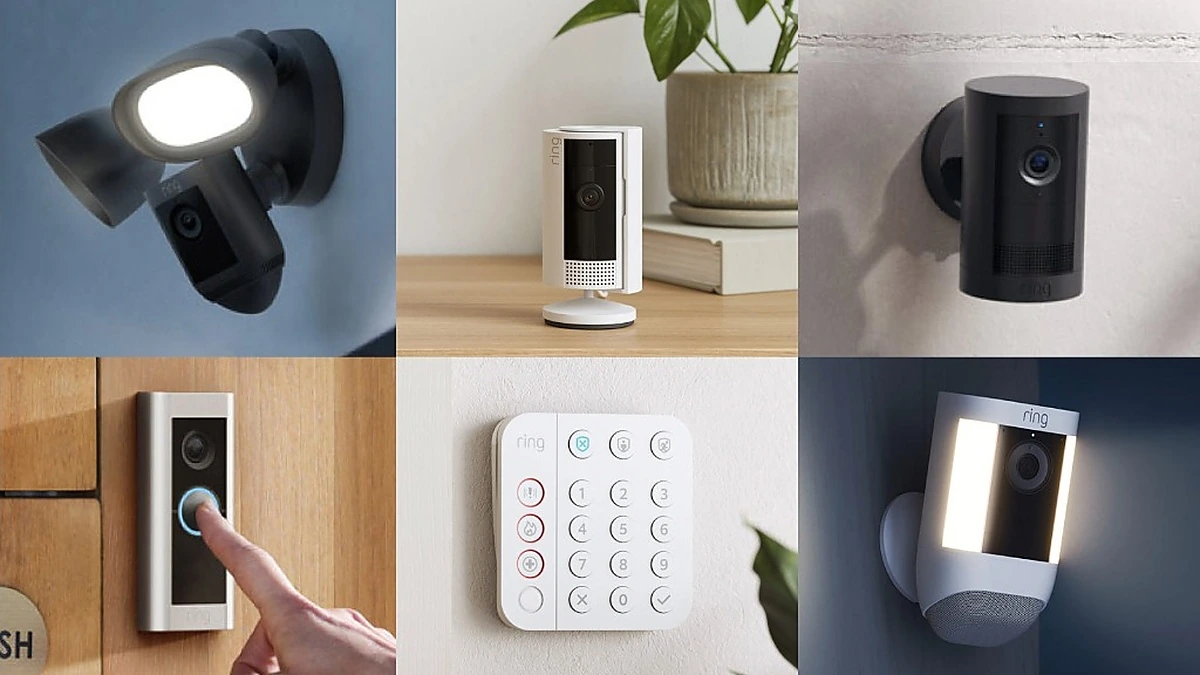
Ring Installation
Ring doorbells and cameras installed for better awareness and entry visibility.
5 minutes
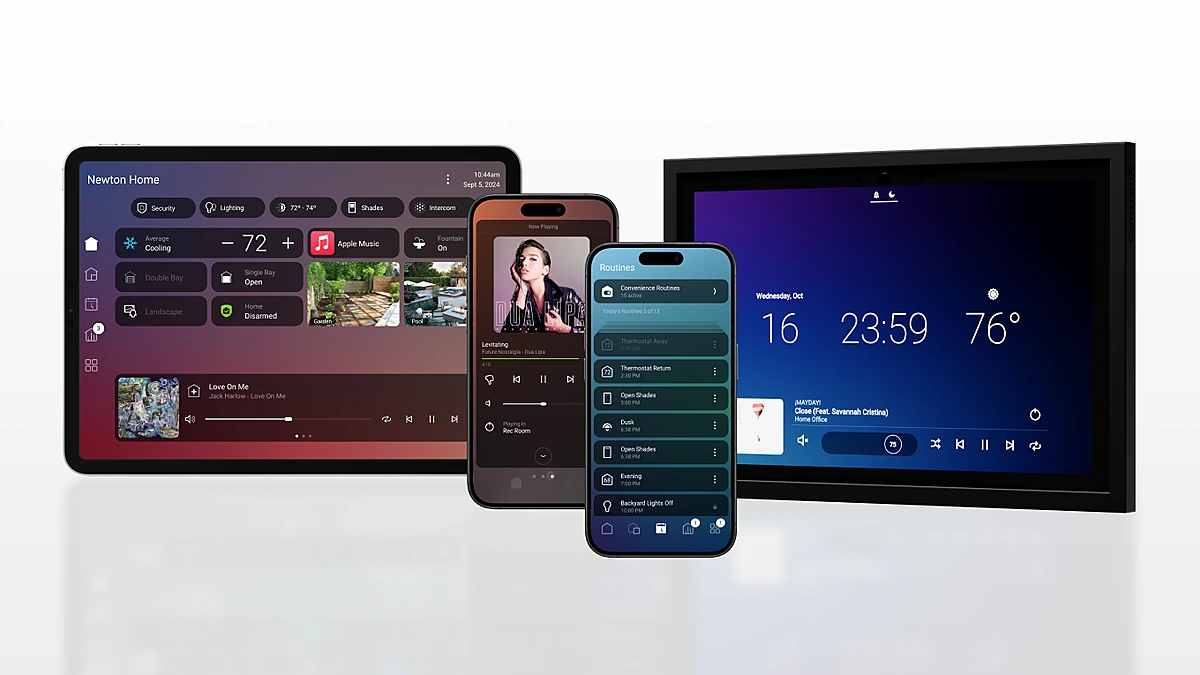
Control4 Installer
Control4 automation setup for unified entertainment, comfort, and home control.
4 minutes

Car & Truck Audio / Electronics Custom Upgrades
Custom mobile audio and electronics upgrades for better sound and functionality.
3 minutes
What the money buys here is mostly the part you never see
Hillsboro Beach is a small place — 2,575 homes in total — and an expensive one: the median home is valued at $677,500, well above the middle of everywhere this site covers. Only 166 of those homes are detached houses. Those two facts together describe the work. A whole-home system here goes into a residence finished to a high standard, and it has to get there through construction that is only partly yours to open.
The shape of the housing decides how it gets there. Buildings of fifty units or more account for 1,704 homes in the town, with another 344 in the twenty-to-forty-nine band and 195 in the band below that. So a run to a room usually begins in a riser or a chase that belongs to the building rather than to the home, and how much spare capacity is left in it is a thing to establish before a design exists — not to discover partway through installing one.
Sightlines and seating come before the equipment list
In a home at this standard the temptation is to start from the specification sheet, and that is the wrong end. A room is planned from where people will sit: viewing distance, screen height against the eyeline of the furthest seat, and whether the ambient light at the hour the room gets used will wash the picture out. Those decide the display and the speaker layout. Choosing equipment first and arranging the seating around whatever arrived is how an expensive room ends up merely impressive.
Concealment is the other half of it, and it is a routing question rather than a decorating one. Cabling that has to vanish inside a finished wall is among the fastest-rising costs on any project, because it is bought in labour and in making good rather than in hardware. Deciding early which runs are concealed and which may be surface-run, and proving those runs exist before anyone commits to a speaker position, is what keeps that number from arriving late and unannounced.
Calibration belongs inside the work, not after it
A system at this standard is judged a year later rather than on handover day, and two things mostly decide how it reads by then. The first is calibration. Equipment tuned to the room it landed in, rather than left on the assumptions it shipped with, is the difference between a specification that measures well and a room that sounds right at the volume anybody actually uses. The second is where the electronics end up living. A rack wants air, a circuit of its own, and room enough to be serviced where it stands — and in a finished home that is space you claim at the planning stage or do without.
That sets the order of the decisions, and it is worth following strictly. Prove the pathway and what it will carry. Fix the seating and the sightlines, then let the screen and speaker positions serve them. Write down what has to disappear and what may not, before anything is opened. The visible hardware is decided last, for the simple reason that swapping it later costs nothing structural — which is untrue of every other choice above it on the list.