

Older Buildings, Circuits First Audio Video | Home Theater Installations Serving Hollywood, FL
Hollywood’s 72,553 homes sit across a stock built mostly before 1980, and three in five vacant homes are held seasonally — two facts that land whole-home AV, theater and control on the supply first.
Transform Your Space and Rides: Ultimate Audio/Video and Security Solutions
From homes to boats, our services enhance your entertainment and security with state-of-the-art audio/video systems, one-touch remotes, sleek TV mounting, and smart CCTV.
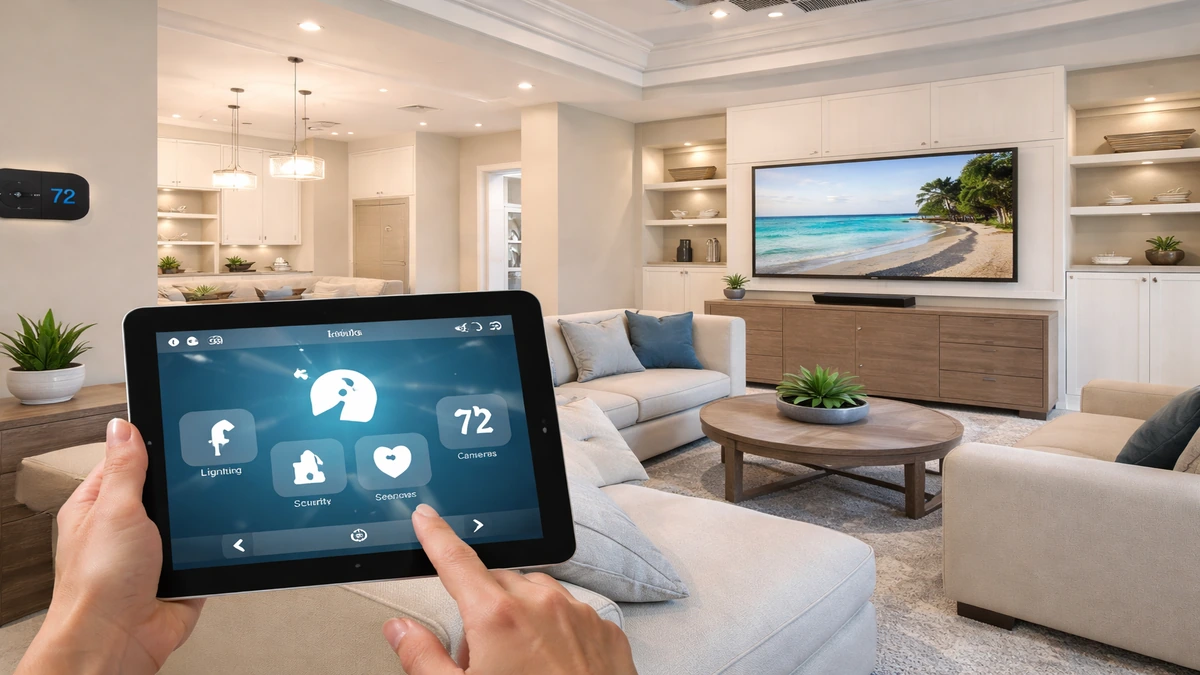
Smart Home Automation Installation
Integrated control for lighting, climate, security, and entertainment.
4 minutes
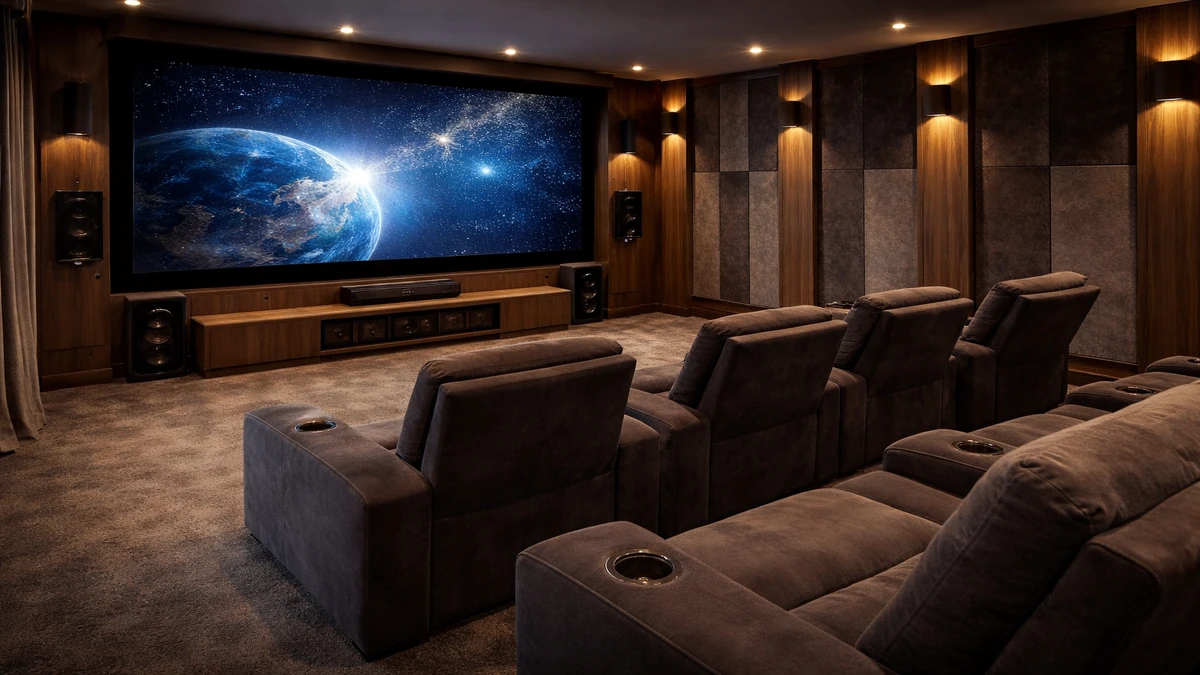
Home Theater Installation
Custom theater rooms designed for immersive picture, sound, and comfort.
4 minutes
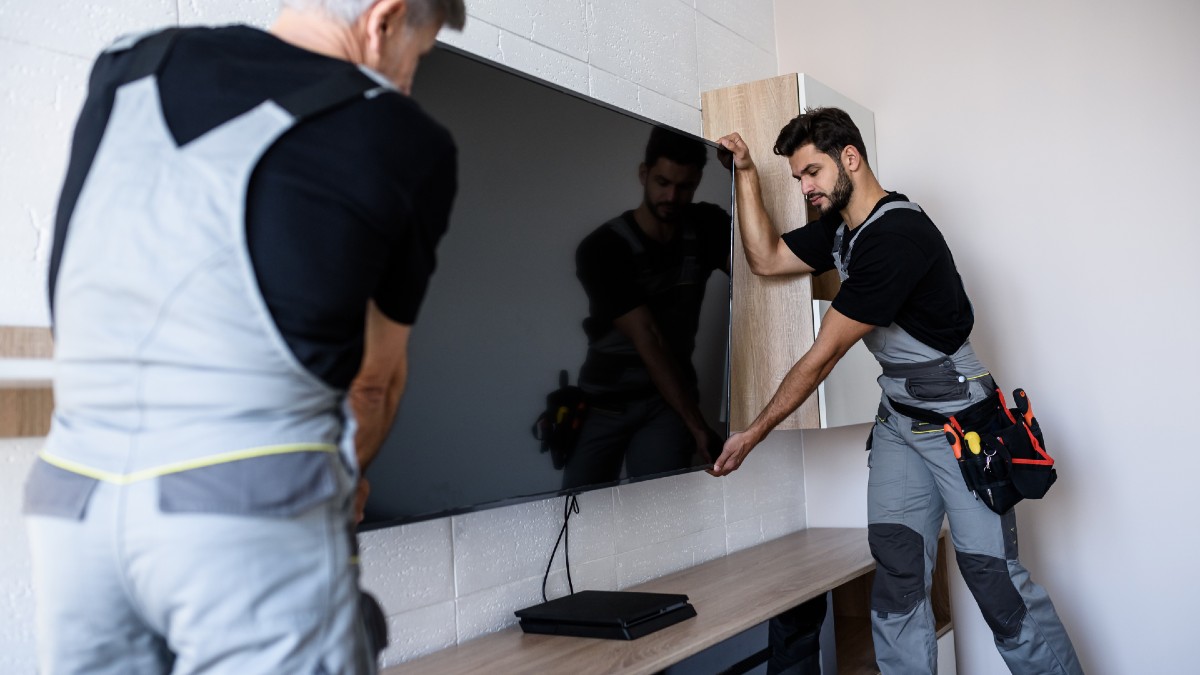
TV Wall Mounting
Professional TV mounting for cleaner layouts and better viewing angles.
5 minutes
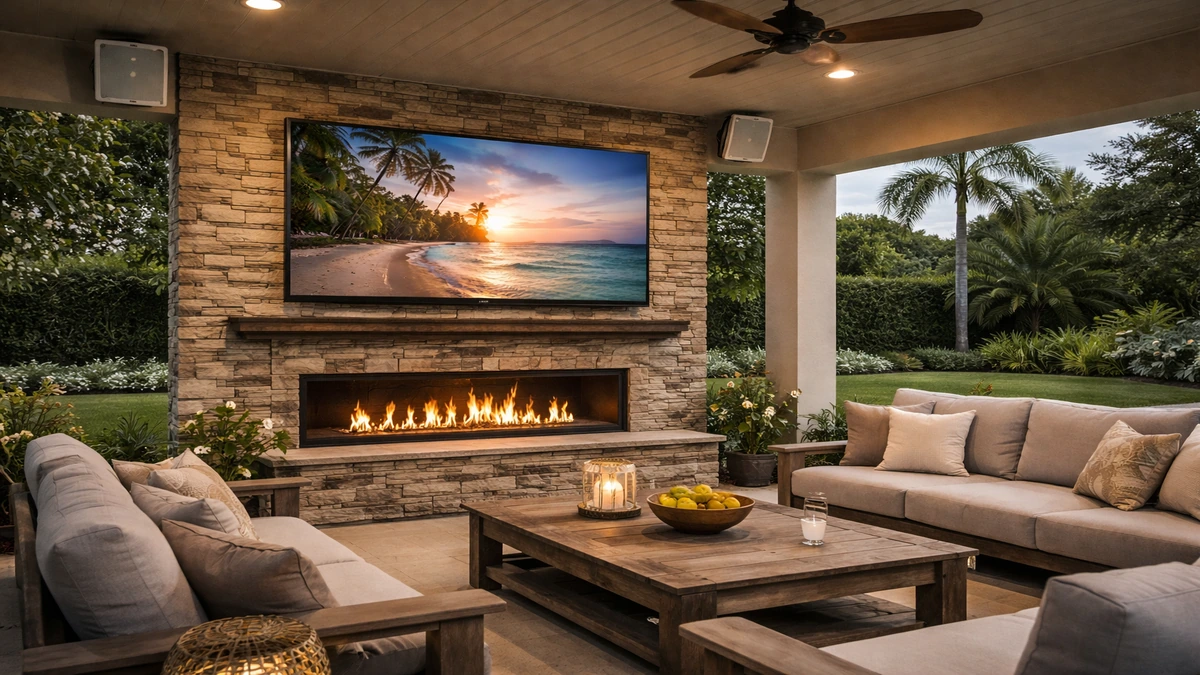
Outdoor TV Installation
Weather-aware outdoor TV setups built for patios, lanais, and pool areas.
5 minutes
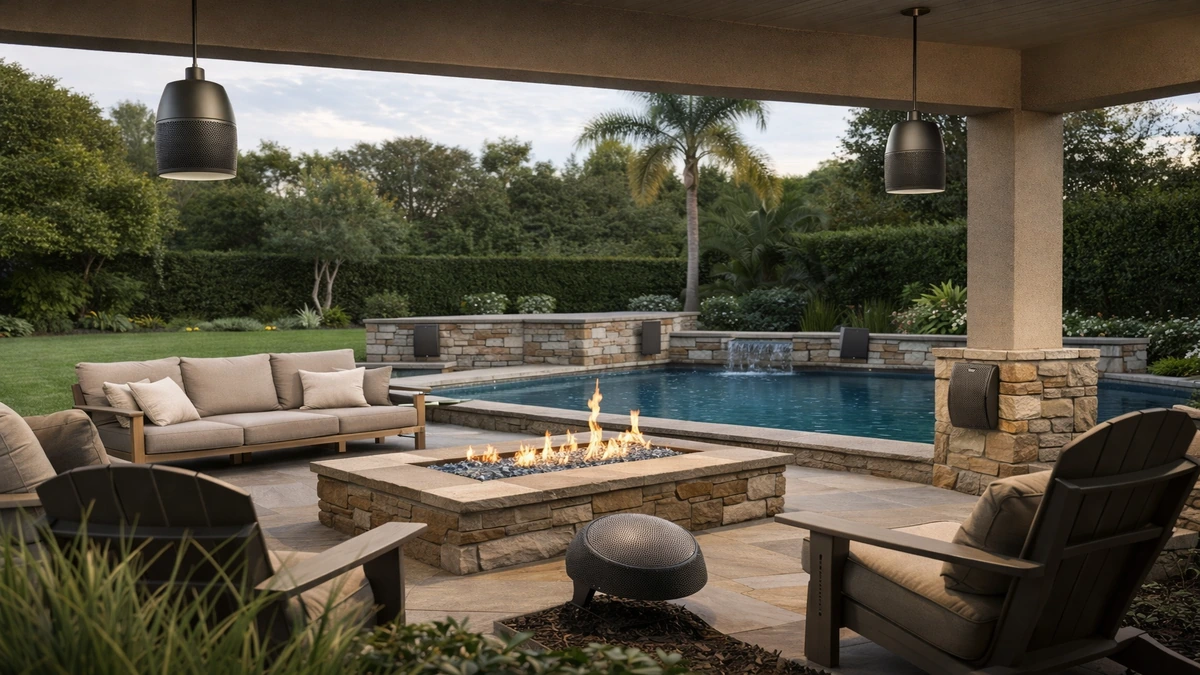
Outdoor Audio Installation
Outdoor speaker systems planned for clear sound and reliable coverage.
4 minutes
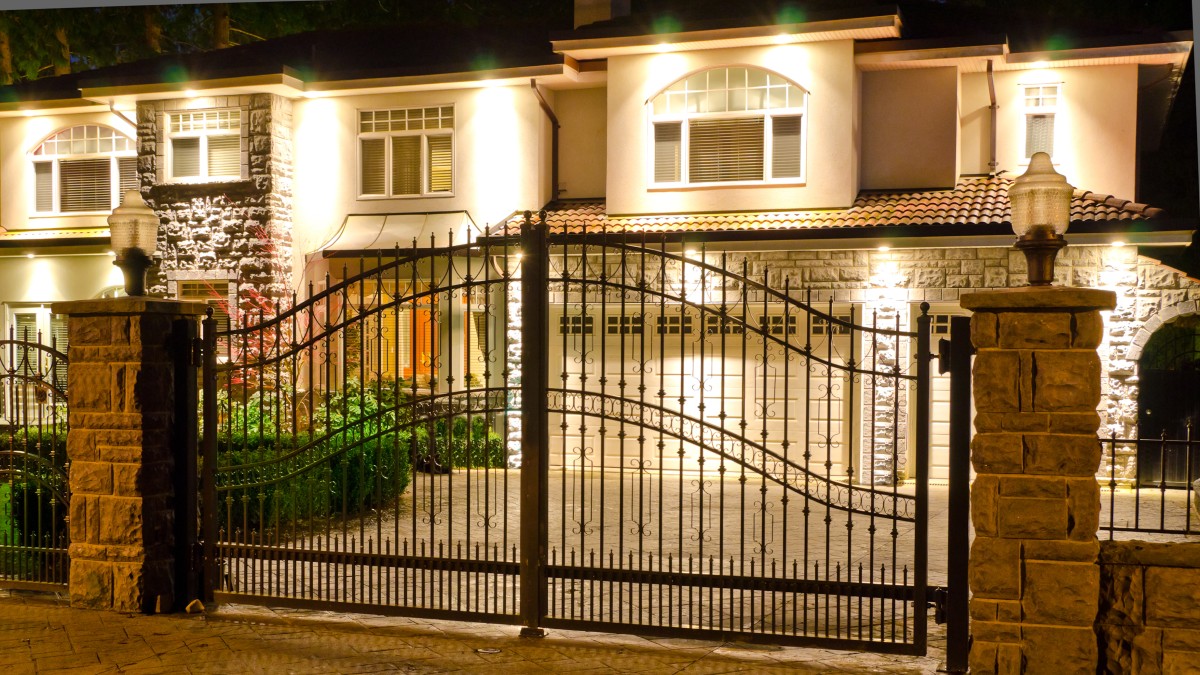
Automatic Gates
Secure, convenient gate automation with access control and entry integration.
4 minutes

Home Network Installation
Stronger Wi-Fi, better coverage, and dependable connectivity throughout the property.
4 minutes
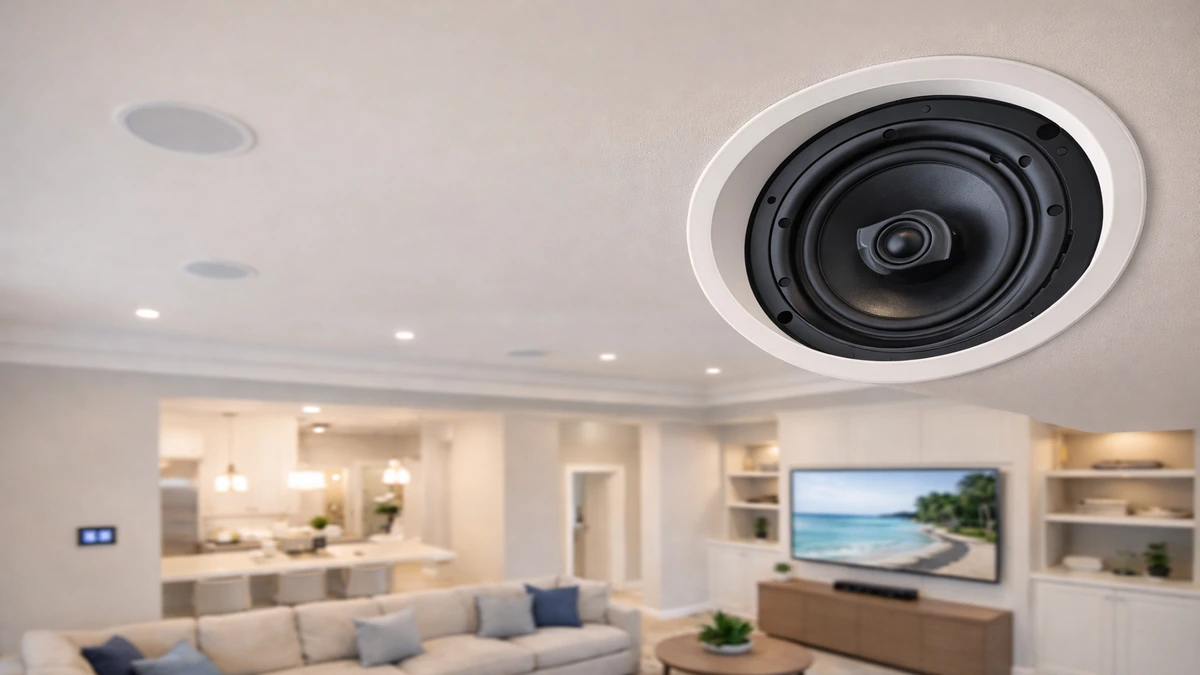
Ceiling Speaker Installation
Clean in-ceiling audio solutions for music, TV, and multi-room sound.
4 minutes
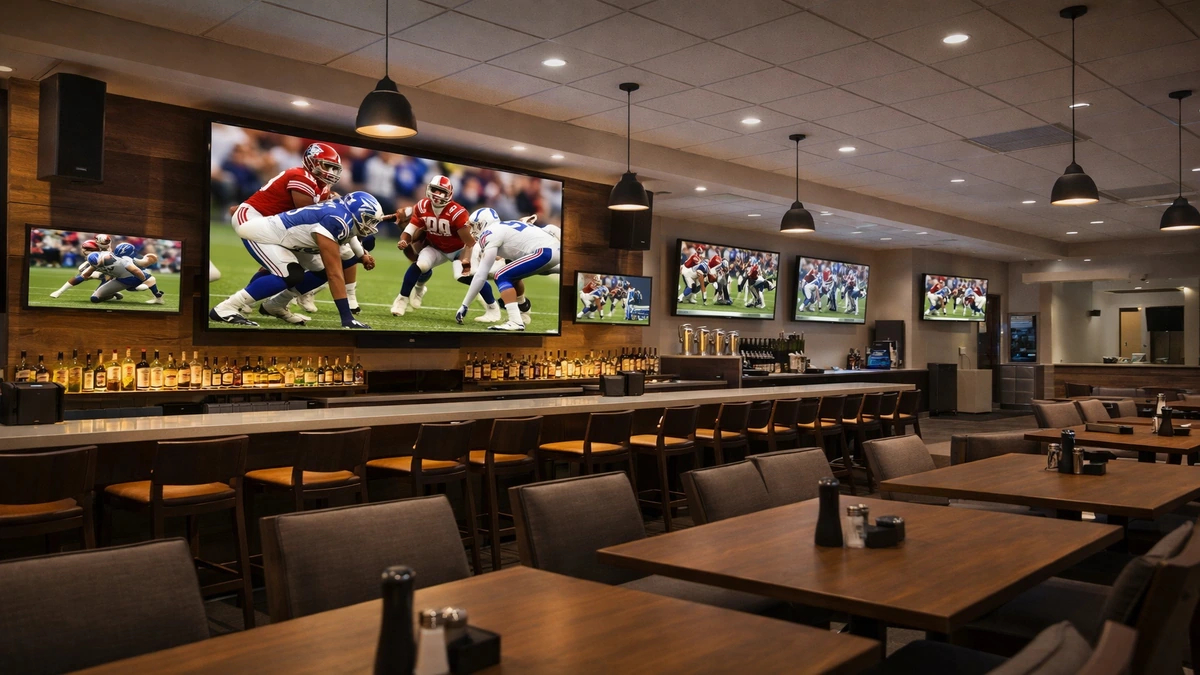
Commercial AV Installation
Professional audio, video, and control systems for business environments.
4 minutes
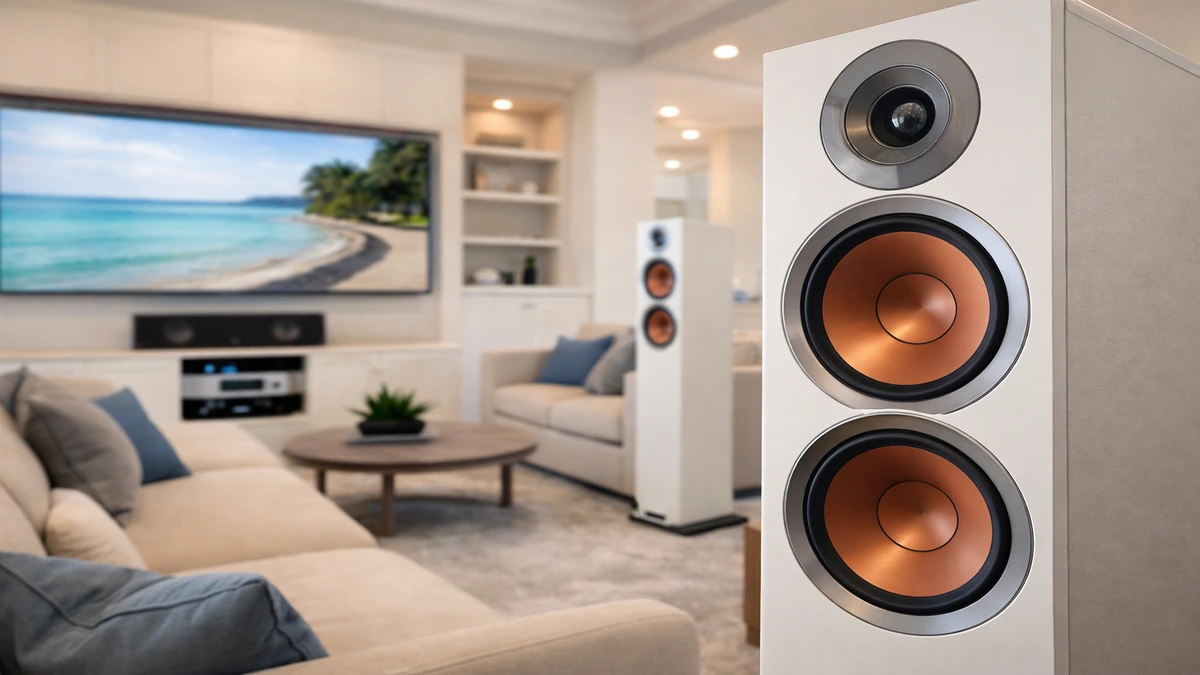
Home Audio Installation
Whole-home and room-based audio systems tailored to how you listen.
4 minutes

Marine Audio & Electronics Installation
Boat audio, displays, and electronics installed for performance on the water.
4 minutes

Security Camera Installation
Smart camera systems for visibility, alerts, recording, and remote monitoring.
4 minutes
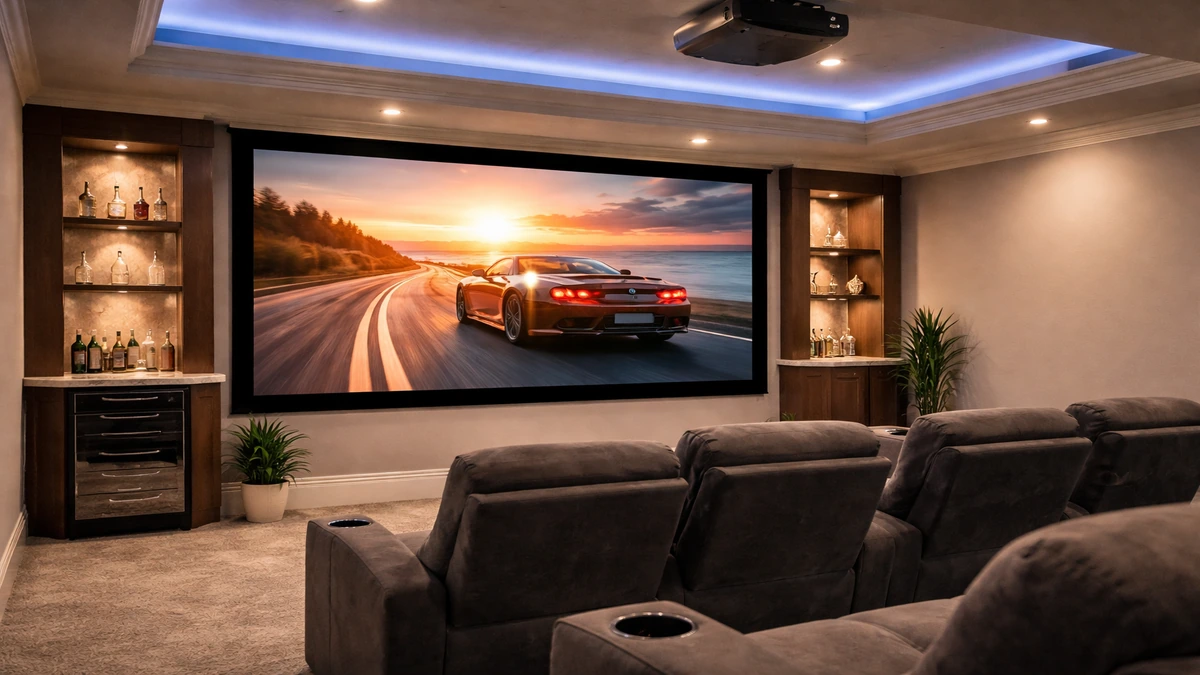
Projector Screen Installation
Projectors and screens configured for sharp viewing and balanced room performance.
4 minutes
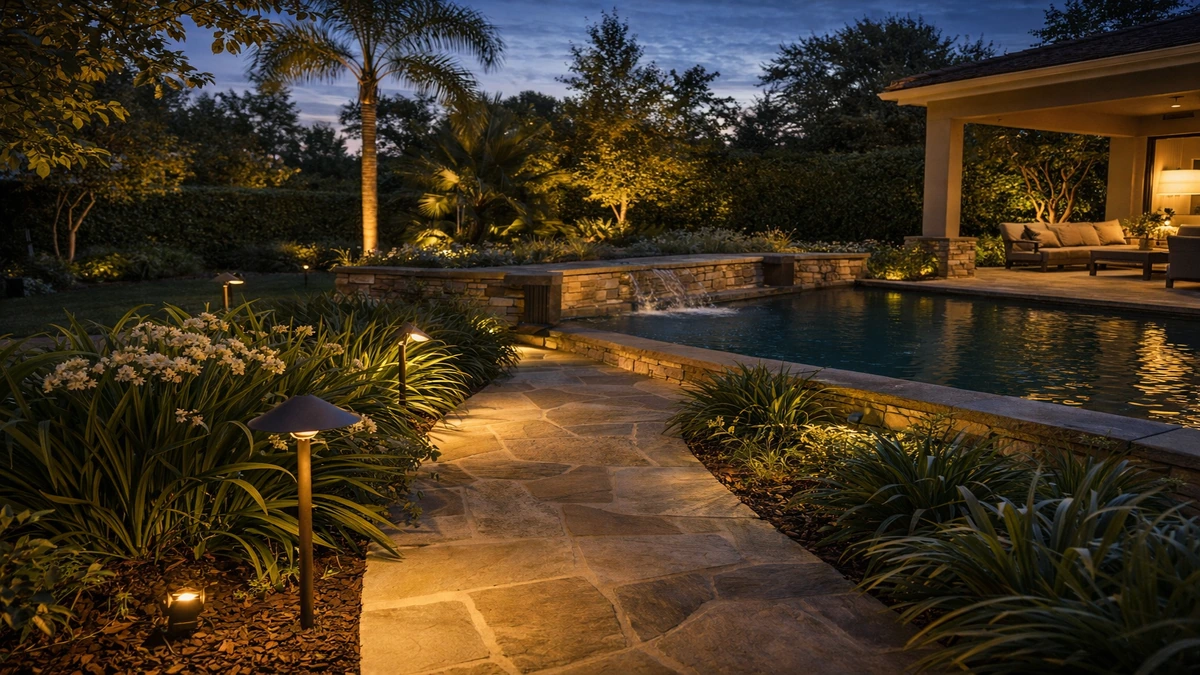
Outdoor Lighting Installation
Exterior lighting that improves curb appeal, ambiance, and nighttime usability.
4 minutes
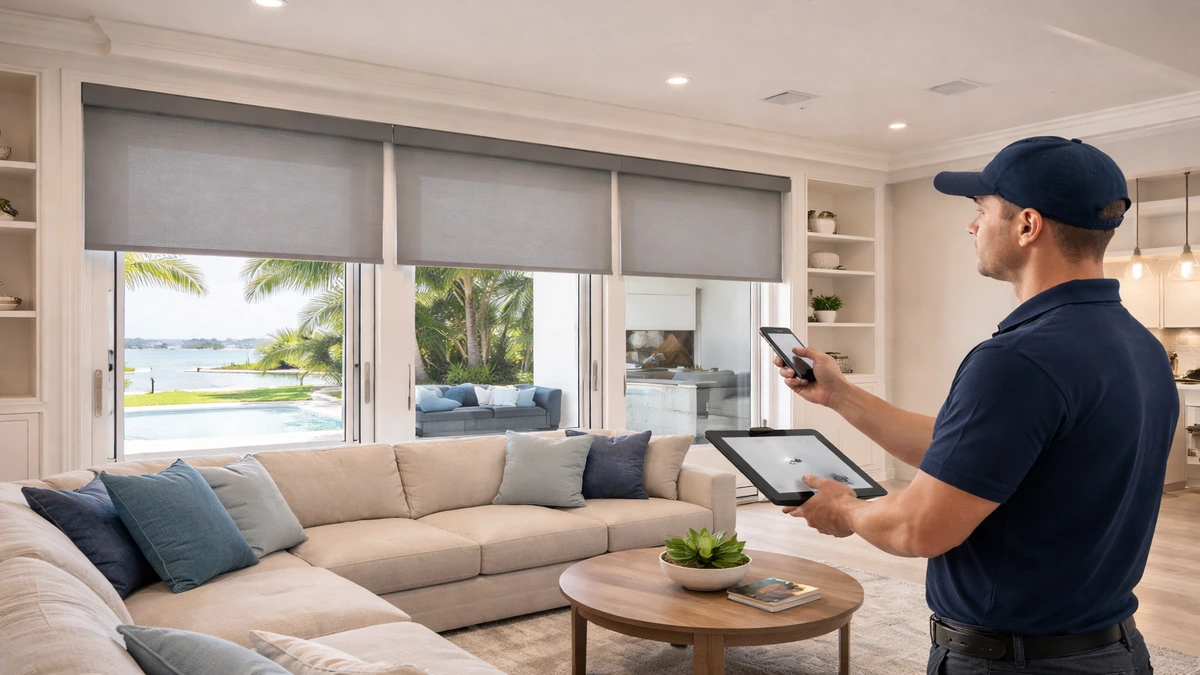
Motorized Blinds Installation
Automated shading for privacy, glare control, and everyday convenience.
4 minutes
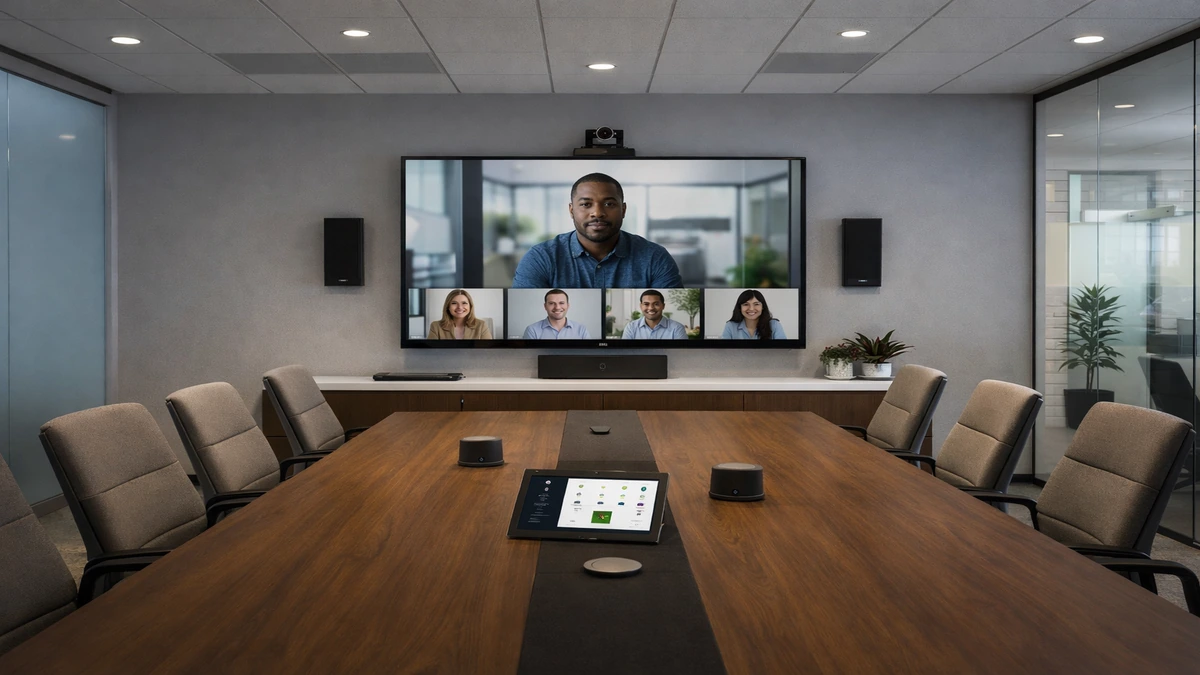
Conference Room AV Installation
Meeting room technology for clearer presentations, calls, and collaboration.
4 minutes

Sonos Installation
Sonos system design, setup, and tuning for simple multi-room audio.
4 minutes
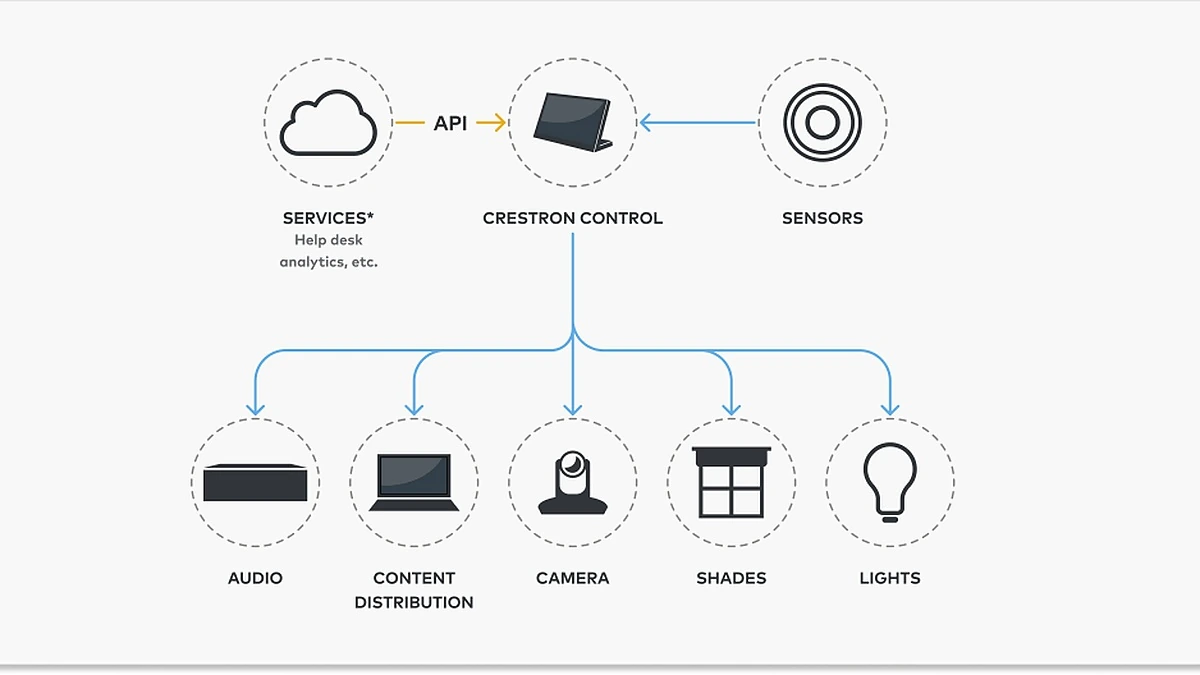
Crestron Installer
Advanced Crestron control integration for high-performance smart home environments.
4 minutes
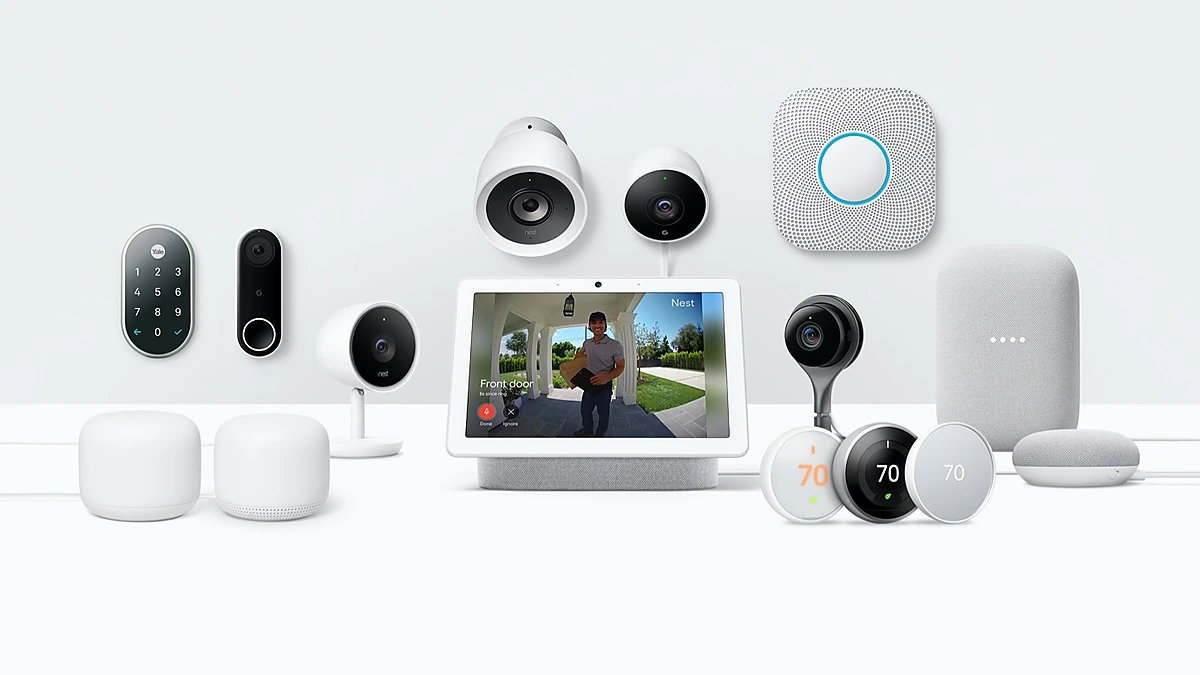
Nest Installer
Nest thermostat and smart home setup for comfort and remote control.
4 minutes
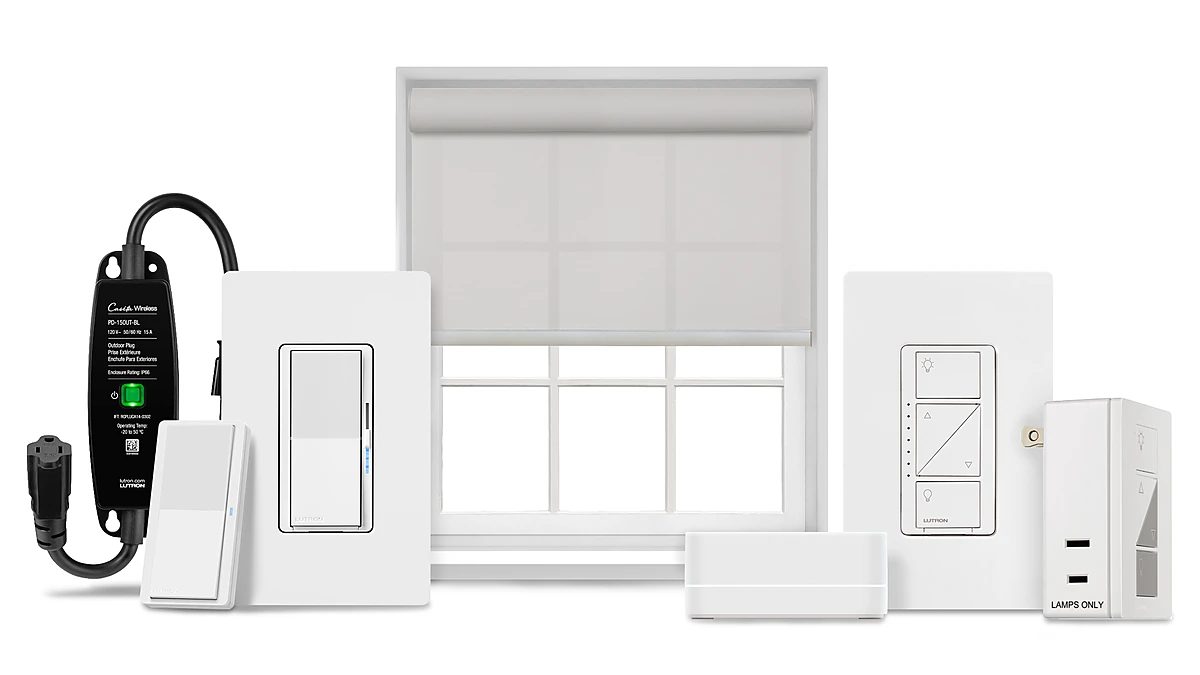
Lutron Installer
Lutron lighting and shading integration for smoother control and scene setting.
4 minutes
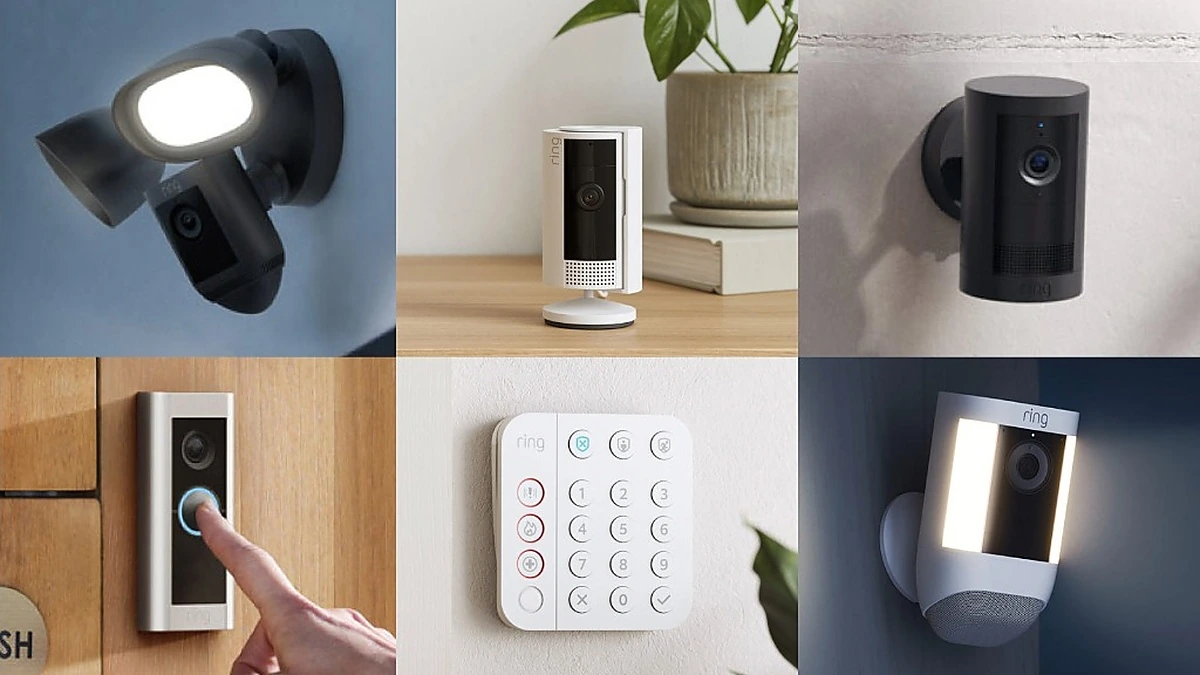
Ring Installation
Ring doorbells and cameras installed for better awareness and entry visibility.
5 minutes
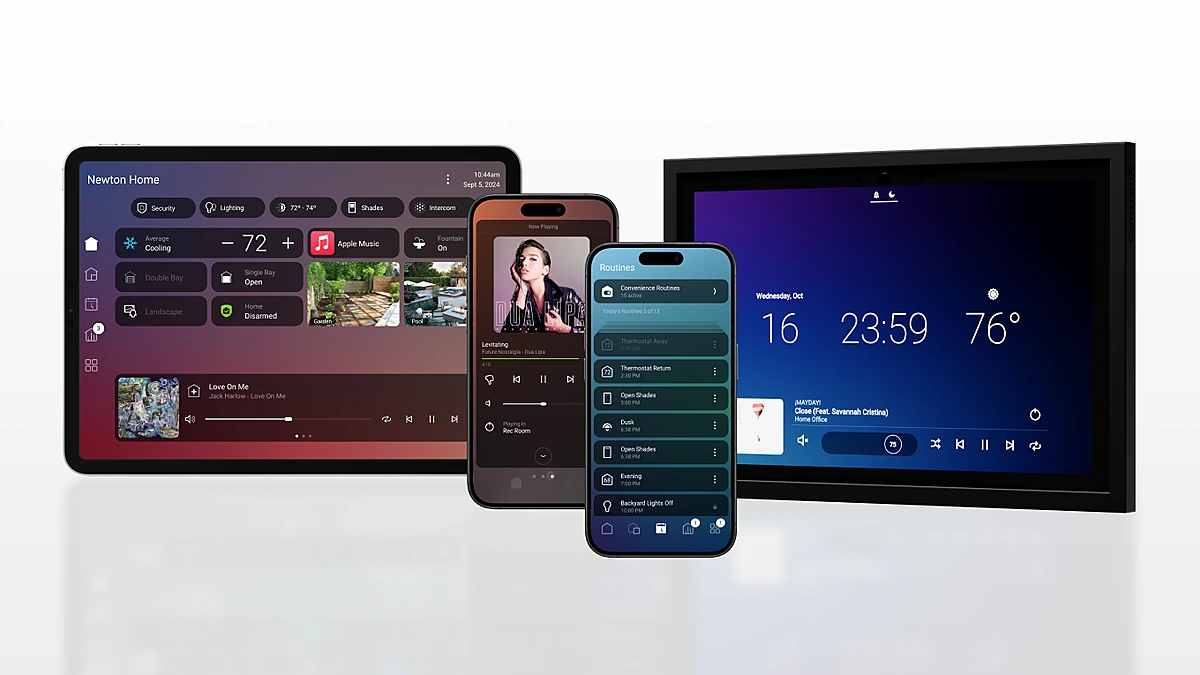
Control4 Installer
Control4 automation setup for unified entertainment, comfort, and home control.
4 minutes

Car & Truck Audio / Electronics Custom Upgrades
Custom mobile audio and electronics upgrades for better sound and functionality.
3 minutes
Seven homes in ten here were standing before 1980
Hollywood has 72,553 homes, and the striking thing about them is their age. The single largest group, 18,186 of them, went up between 1960 and 1969, and adding the decade either side accounts for better than two thirds of the city. Whatever else is true of an address here, the building was finished for a household with one television in it, and everything a whole-home system now does is something that building was never asked about.
That lands hardest on the part people leave until last, which is where the power comes from. A whole-home system is a continuous load — equipment in a rack, amplification, a network that never sleeps, a display or a projector, and in a theater all of it at once. A dedicated circuit is not an upgrade to that system. It is part of it, and it is settled at the distribution board rather than at the wall the screen goes on.
It is also the item with the longest tail on it. Cable can be pulled in the week it is wanted, but anything touching the supply involves a second trade, a scheduled isolation and a room that nobody can use while it happens. Deciding early how many circuits a design actually wants, and where they land relative to the equipment position, is what keeps that off the critical path. It costs almost nothing to draw and a great deal to add.
More than seven thousand homes here are closed up for part of the year
Hollywood holds 7,297 homes for seasonal, recreational or occasional use, three in five of everything standing vacant. Where that describes a property, the real test of a system is not the evening it was commissioned and demonstrated. It is the first evening back, months later, when the whole of it is expected to come up exactly as it was left, with nobody having touched anything in between.
That is a different brief from a house with somebody in it, and it points back at the supply. It wants a system that raises a fault while it is still a small one, instead of banking the news until somebody walks in. It wants scenes a guest or a cleaner can work without being taught. And it wants what happens after an interruption to be automatic and complete, because that particular failure is the one waiting at the door, and it is the one that turns a two-minute reset into a wasted first day.
The city holds both kinds of building at full scale
Some 31,158 of these homes are detached houses, while 21,826 sit in buildings of twenty units or more, and 13,871 of those are in buildings of fifty or more. Those are two different projects wearing one name. In the house, the roof space and the run out to the garage are yours and the constraint is labour. In the building, the route is a shared asset and the constraint is what may be opened, and by whom, and on whose timetable.
So a design here begins by establishing which of the two it is in, because everything downstream follows from that: how cabling is routed, where the equipment lives, how many separate openings the work needs, and what may honestly be surface-run. The equipment list at the end is very nearly the same in both cases. The programme that gets you there is not, and the programme is what people actually experience.
Age is an asset in one specific way
The oldest part of this stock is not a rounding error either: 3,558 homes here were standing before 1950 and another 16,540 arrived in the fifties. Housing of that age has nearly always been worked on since, and previous work leaves things behind — a redundant run, a chase opened for something long removed, a void created by a later addition. Those are worth hunting for before anything at all is cut. Nobody keeps the old cable; the opening it came through is frequently the best feature of the property.
Which means a project here begins one step earlier than it would in newer housing. Establish what the supply can carry and what the design intends to ask of it, find the routes that already exist and the ones that will have to be made, agree what disappears and what does not, and decide what goes on the walls after all of that. None of it is difficult in housing of this age. It is only expensive when it is discovered in the wrong order.