

Mostly One Era, Partly Older Audio Video | Home Theater Installations Serving Miramar, FL
One run of construction built more than half of Miramar, and an older quarter of its 46,258 homes follows different rules — so a whole-home AV, theater and control plan starts with which one you are in.
Crafting Immersive Audiovisual Journeys in Homes and Beyond
From smart home automation to marine A/V systems, experience seamless control and entertainment in homes, cars, trucks, boats, and beyond with our cutting-edge technology.
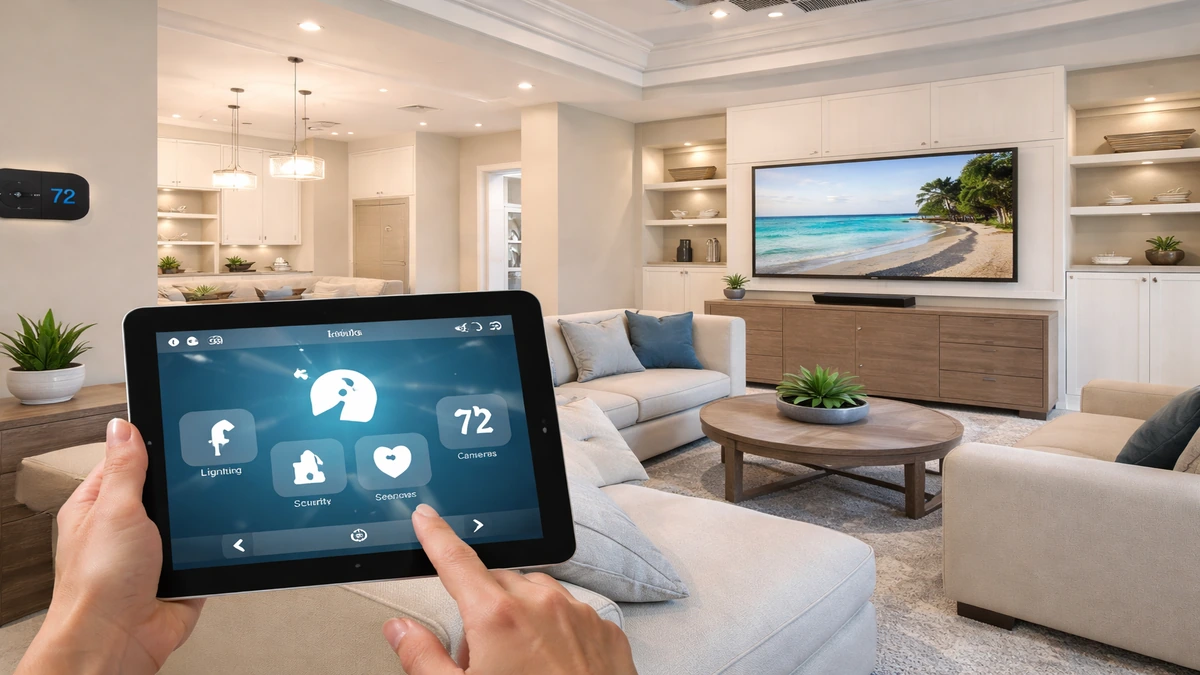
Smart Home Automation Installation
Integrated control for lighting, climate, security, and entertainment.
4 minutes
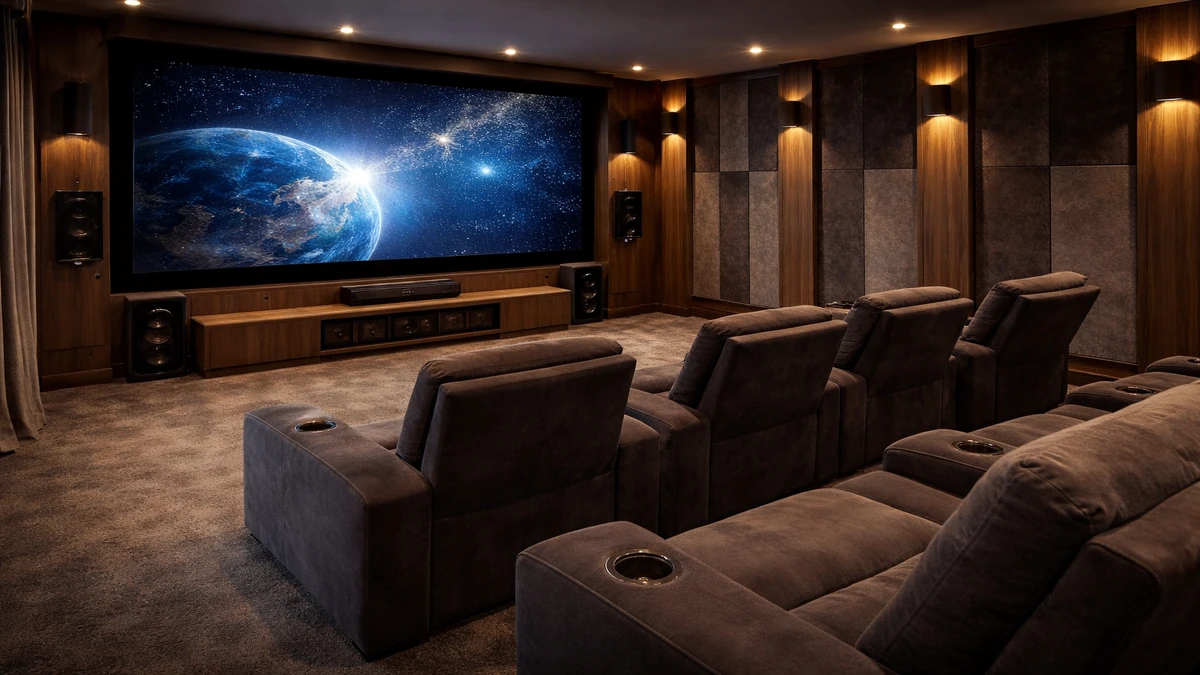
Home Theater Installation
Custom theater rooms designed for immersive picture, sound, and comfort.
4 minutes
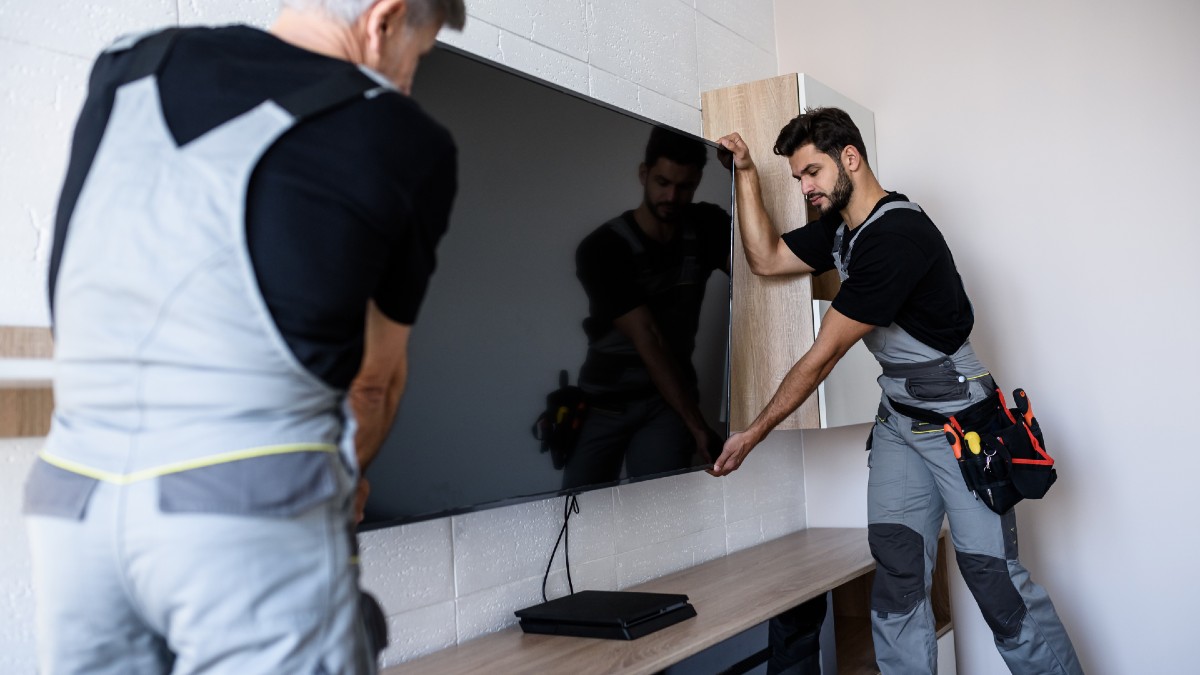
TV Wall Mounting
Professional TV mounting for cleaner layouts and better viewing angles.
5 minutes
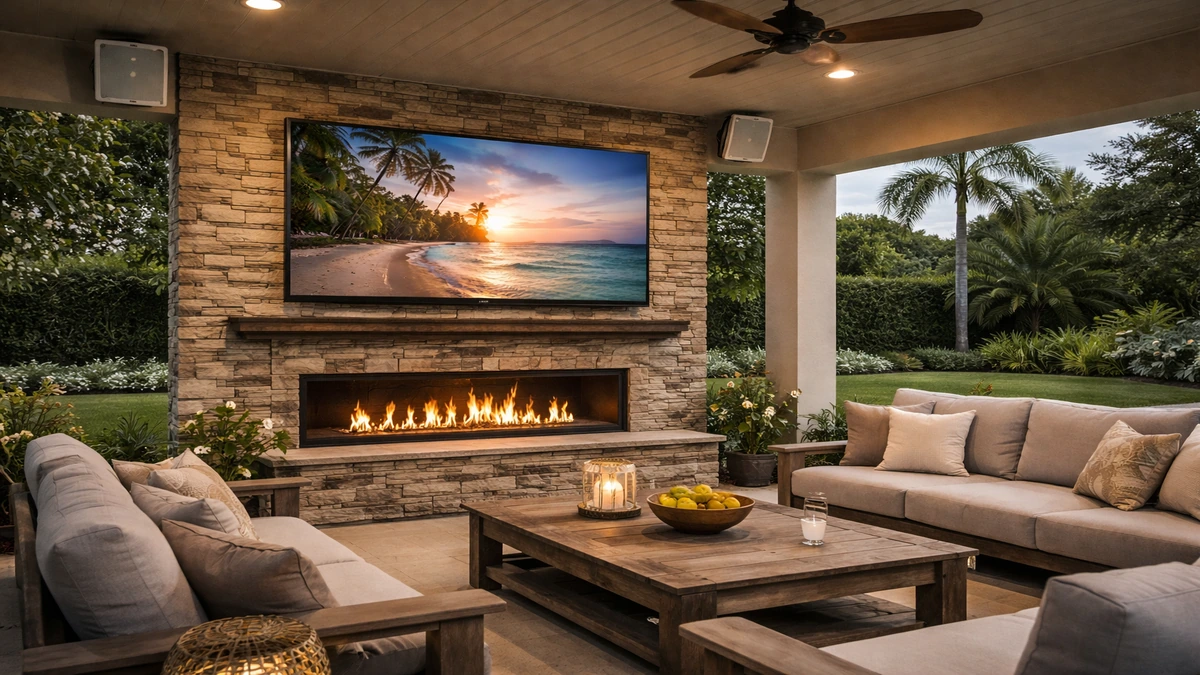
Outdoor TV Installation
Weather-aware outdoor TV setups built for patios, lanais, and pool areas.
5 minutes
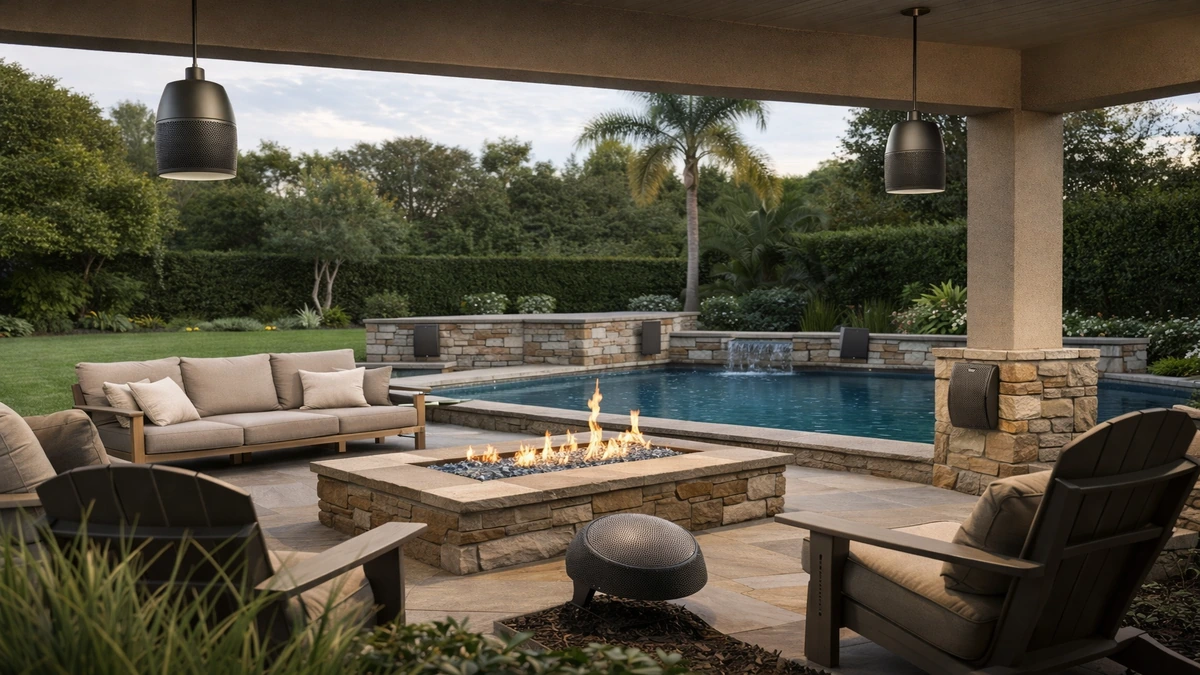
Outdoor Audio Installation
Outdoor speaker systems planned for clear sound and reliable coverage.
4 minutes
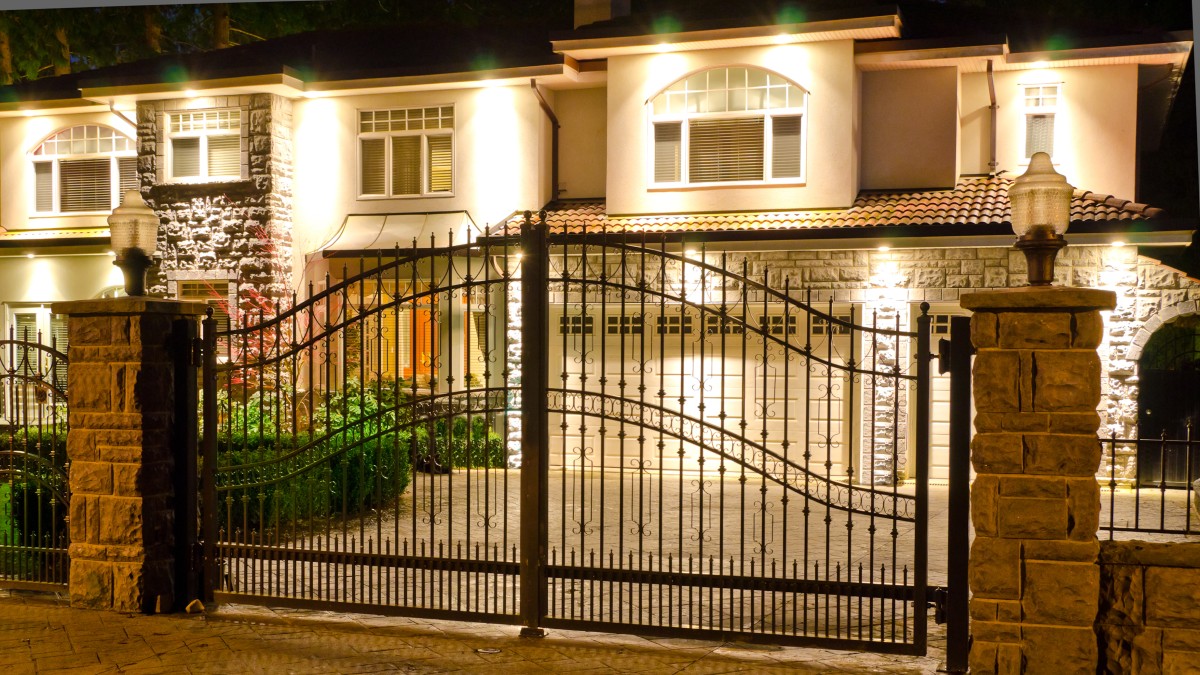
Automatic Gates
Secure, convenient gate automation with access control and entry integration.
4 minutes
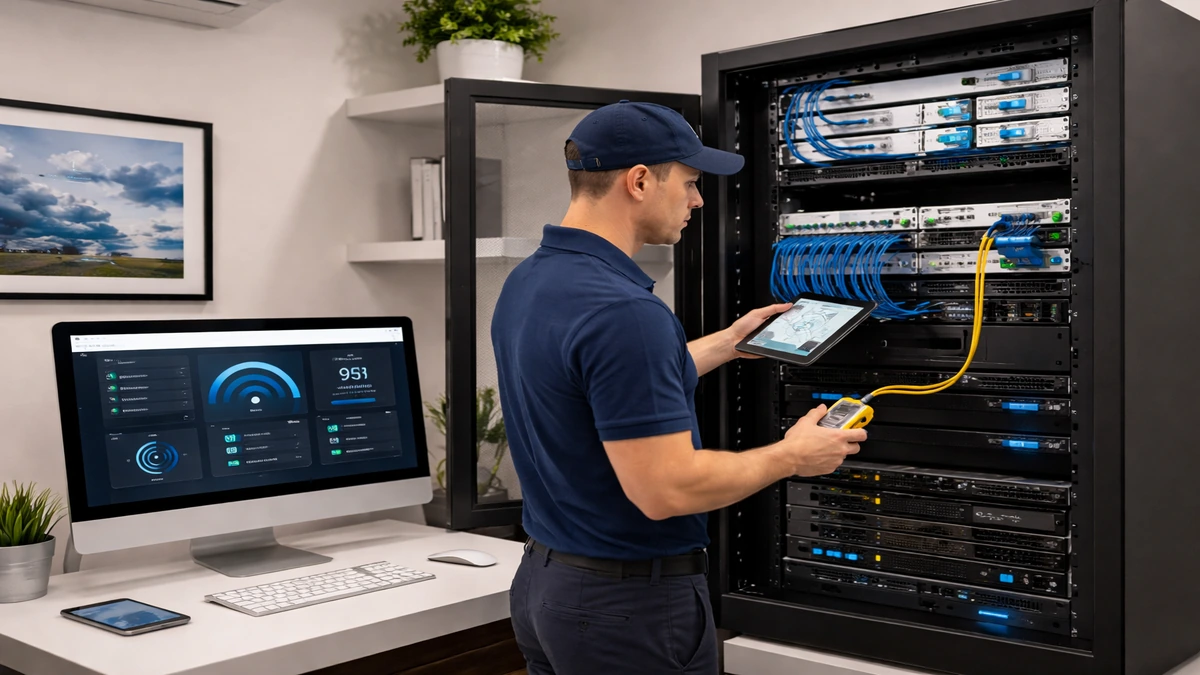
Home Network Installation
Stronger Wi-Fi, better coverage, and dependable connectivity throughout the property.
4 minutes
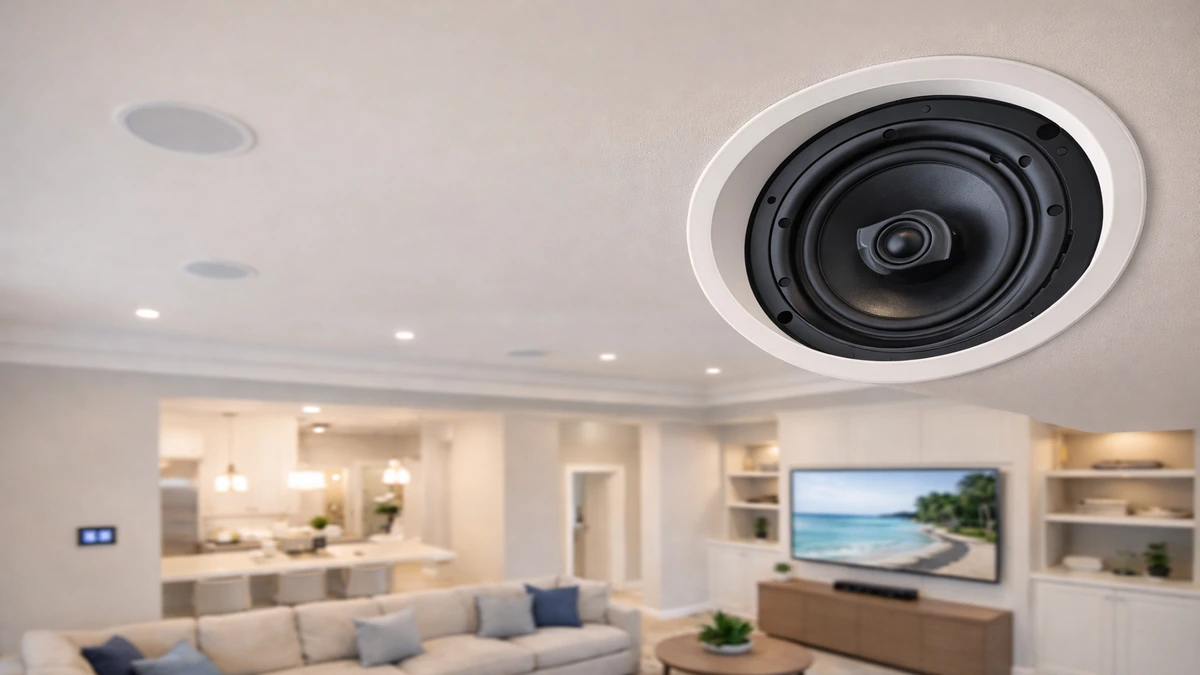
Ceiling Speaker Installation
Clean in-ceiling audio solutions for music, TV, and multi-room sound.
4 minutes
Commercial AV Installation
Professional audio, video, and control systems for business environments.
4 minutes
Home Audio Installation
Whole-home and room-based audio systems tailored to how you listen.
4 minutes

Marine Audio & Electronics Installation
Boat audio, displays, and electronics installed for performance on the water.
4 minutes
Security Camera Installation
Smart camera systems for visibility, alerts, recording, and remote monitoring.
4 minutes
Projector Screen Installation
Projectors and screens configured for sharp viewing and balanced room performance.
4 minutes
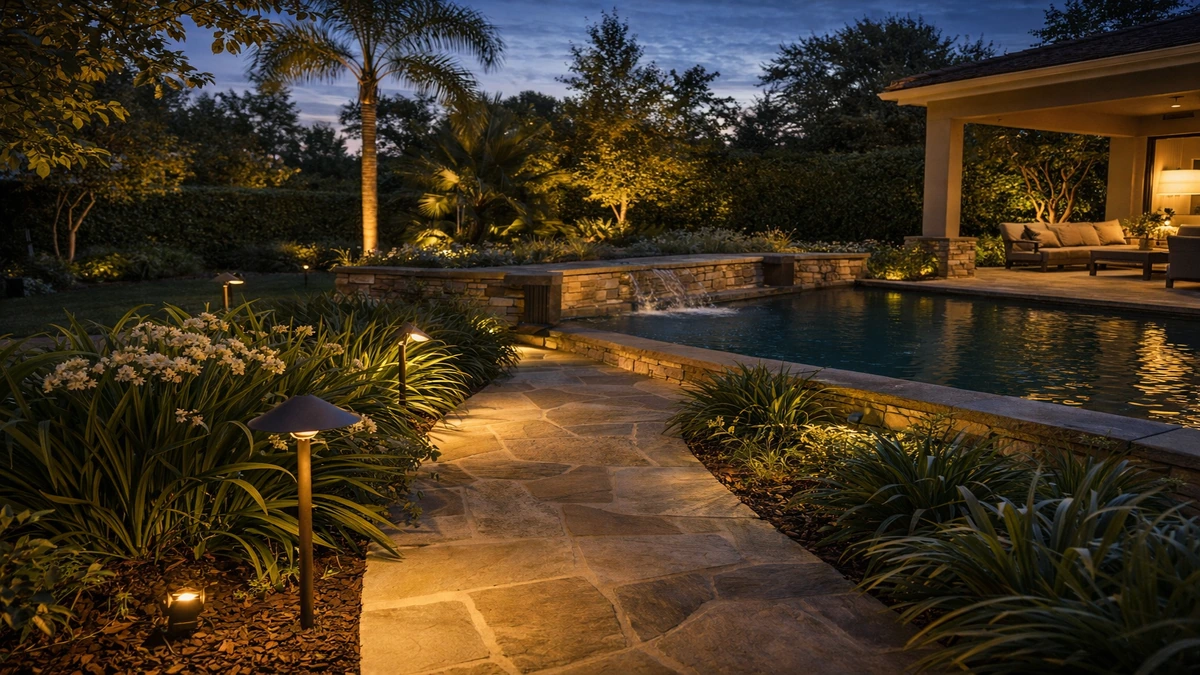
Outdoor Lighting Installation
Exterior lighting that improves curb appeal, ambiance, and nighttime usability.
4 minutes
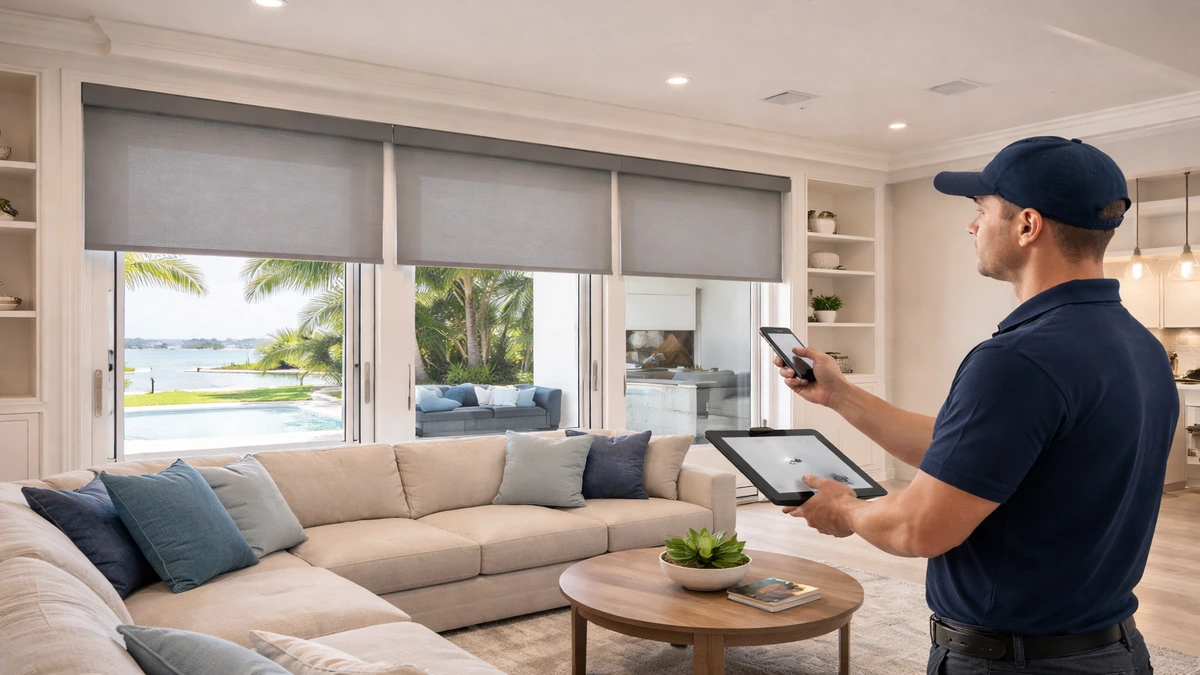
Motorized Blinds Installation
Automated shading for privacy, glare control, and everyday convenience.
4 minutes
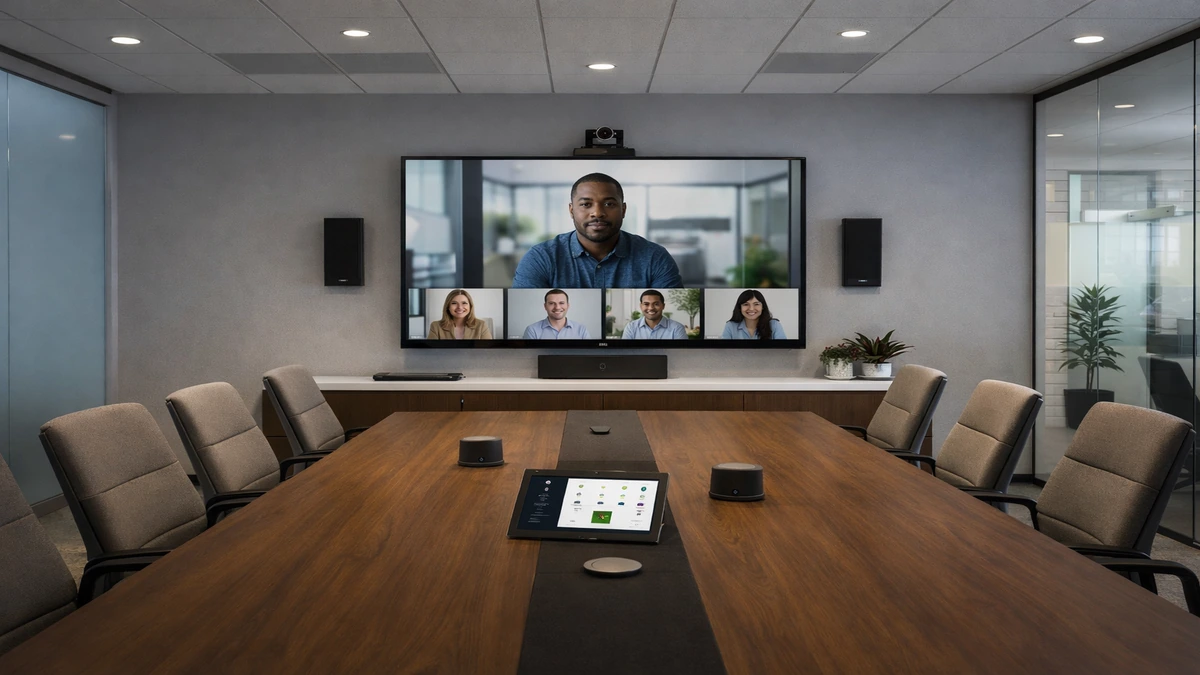
Conference Room AV Installation
Meeting room technology for clearer presentations, calls, and collaboration.
4 minutes
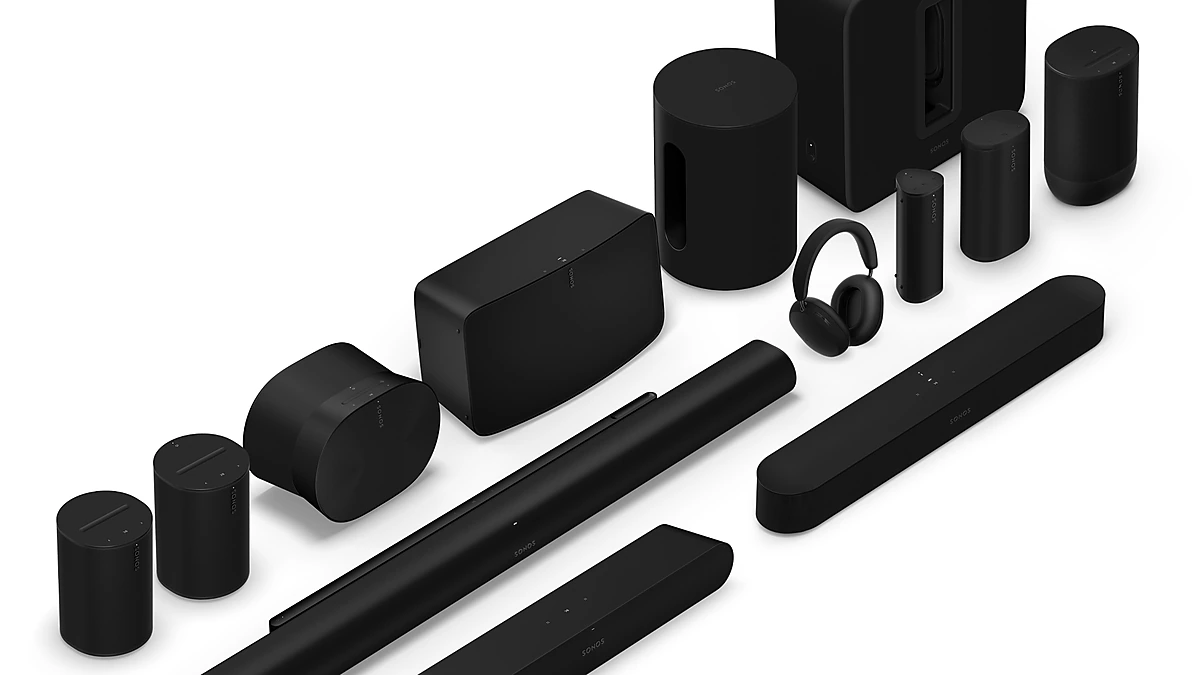
Sonos Installation
Sonos system design, setup, and tuning for simple multi-room audio.
4 minutes
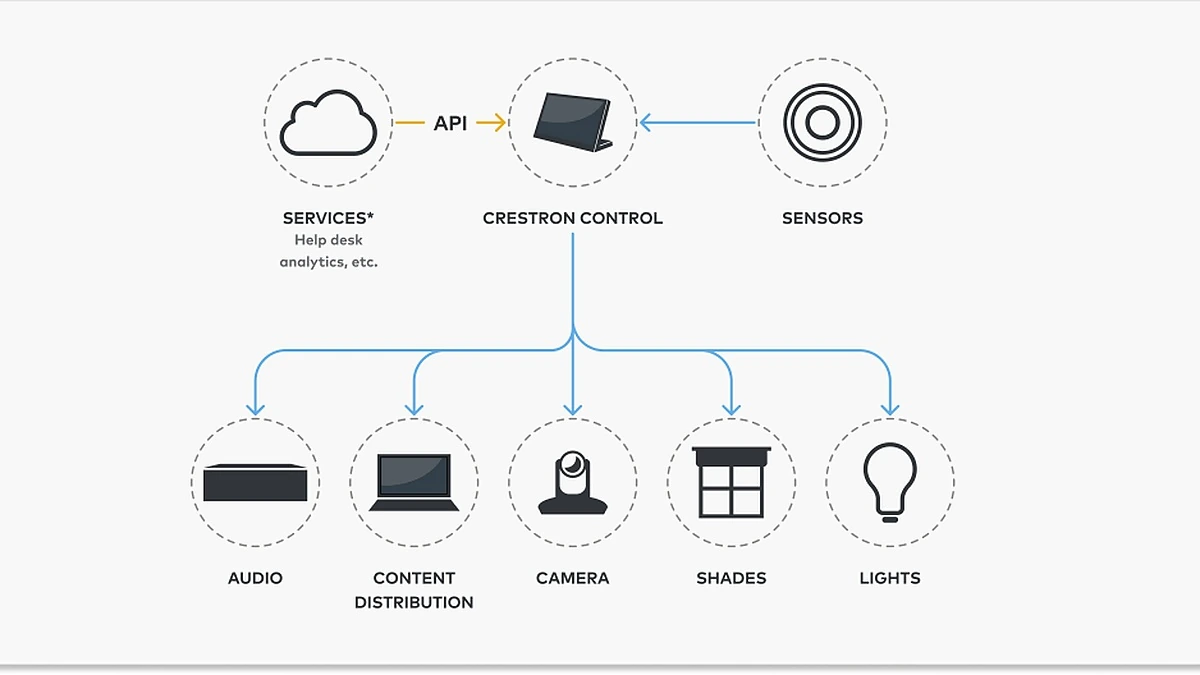
Crestron Installer
Advanced Crestron control integration for high-performance smart home environments.
4 minutes
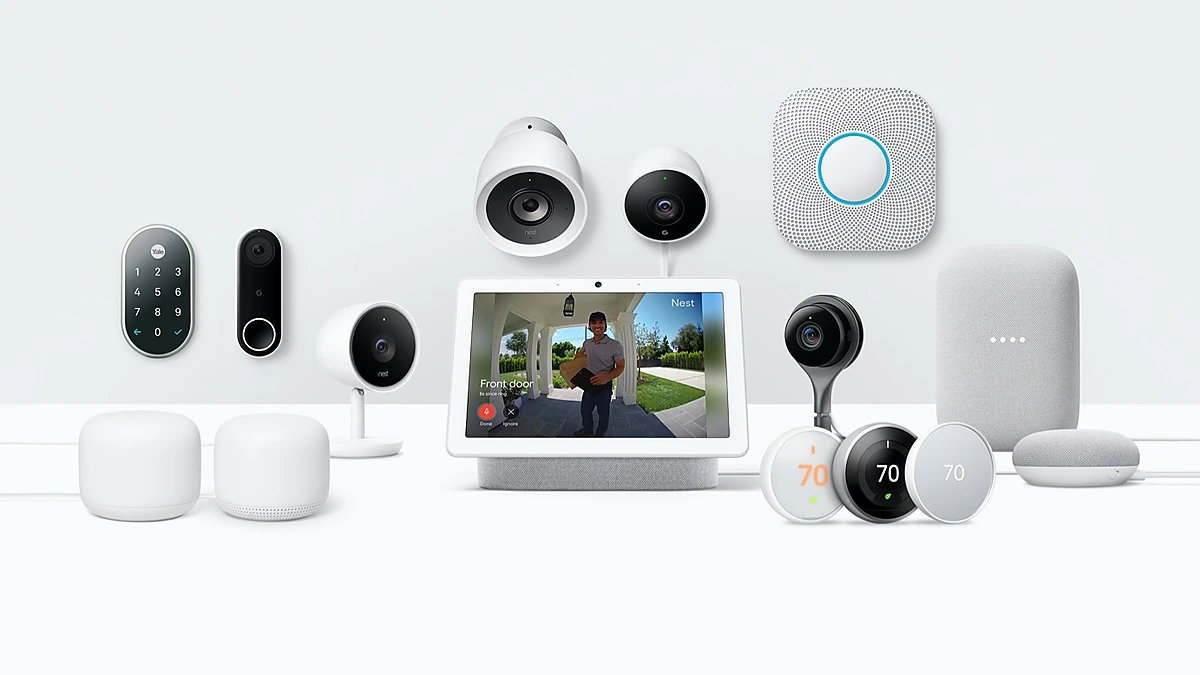
Nest Installer
Nest thermostat and smart home setup for comfort and remote control.
4 minutes
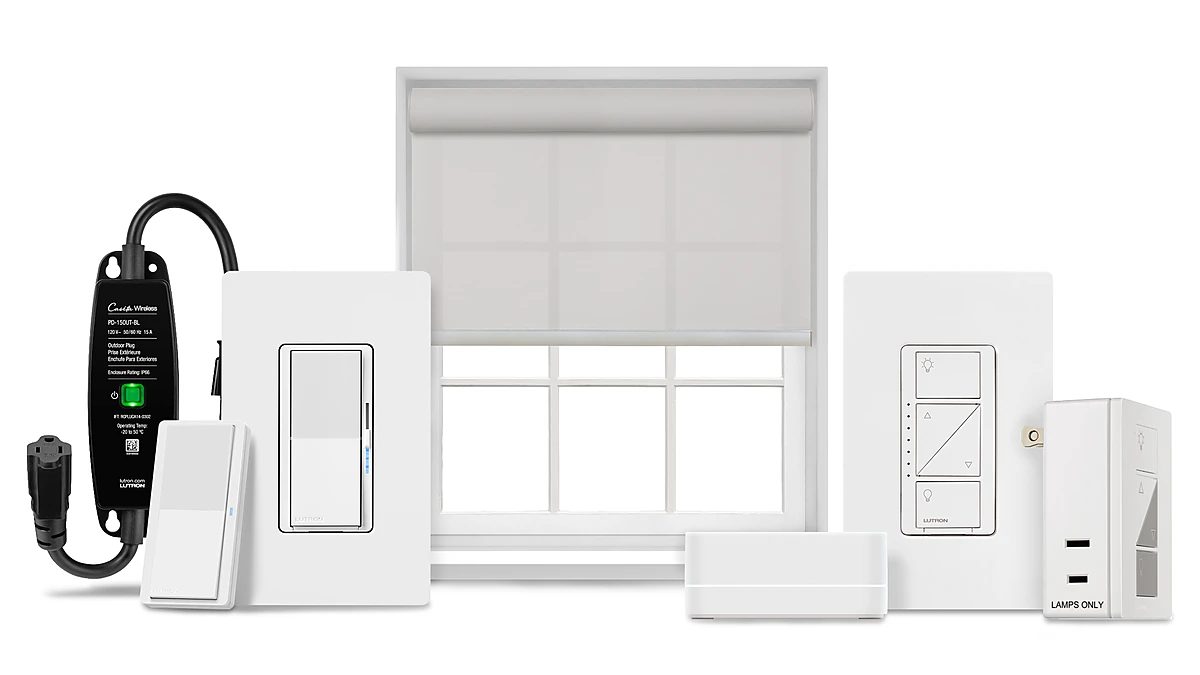
Lutron Installer
Lutron lighting and shading integration for smoother control and scene setting.
4 minutes
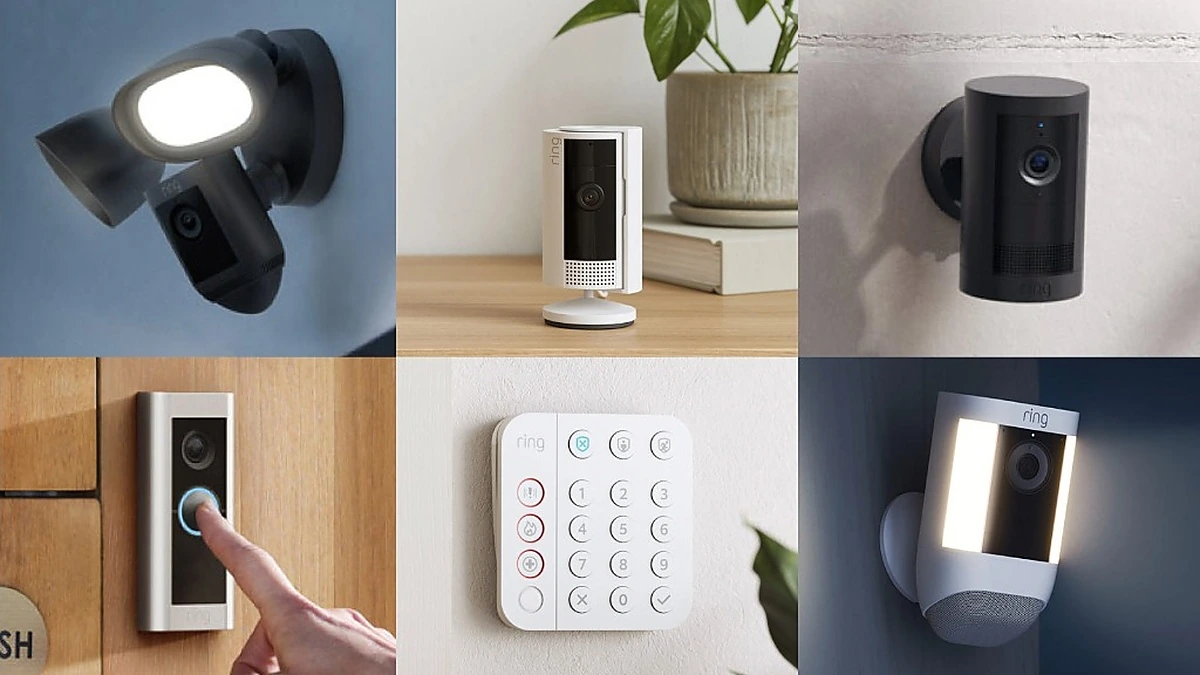
Ring Installation
Ring doorbells and cameras installed for better awareness and entry visibility.
5 minutes
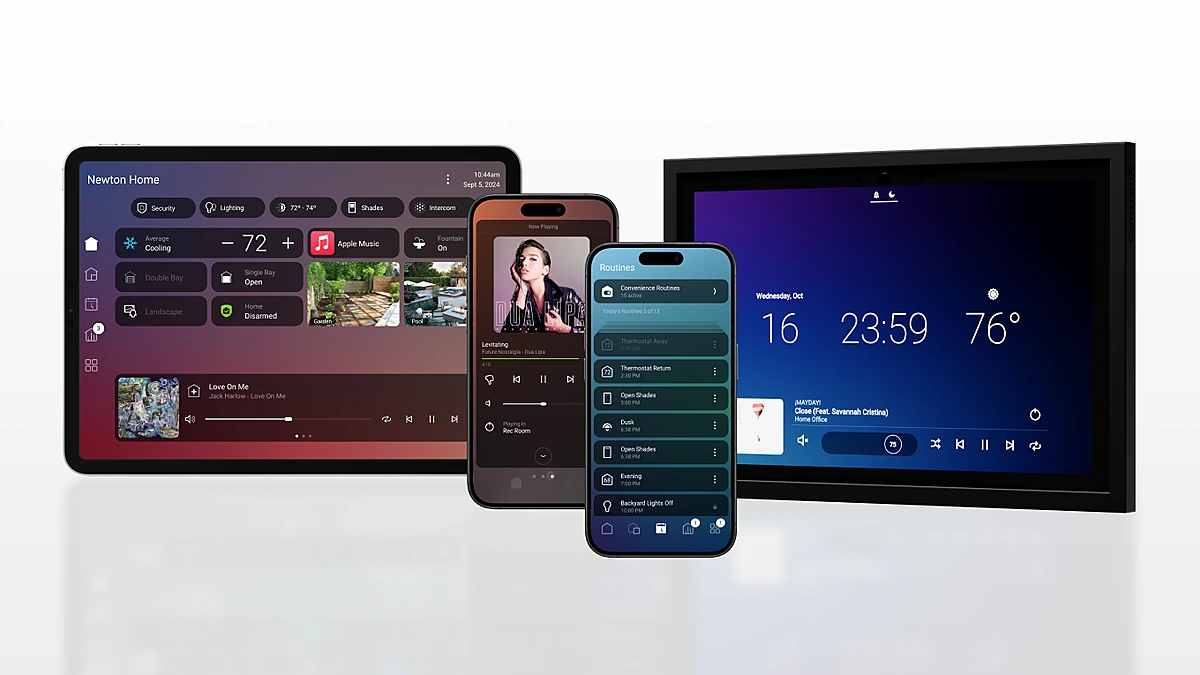
Control4 Installer
Control4 automation setup for unified entertainment, comfort, and home control.
4 minutes

Car & Truck Audio / Electronics Custom Upgrades
Custom mobile audio and electronics upgrades for better sound and functionality.
3 minutes
Better than half of Miramar went up in two consecutive decades
Two decades account for 24,733 of Miramar's 46,258 homes: 9,908 raised in the nineteen-nineties and 14,825 between 2000 and 2009. More than half the city therefore comes out of one long continuous run of construction. Where housing is that consistent the useful consequence is narrow but perfectly real: the structural questions a survey asks tend to come back with the same answers from one address to the next.
What repeats is the shell, not the brief. Ceiling construction, the direction things run in, where a route can rise and where it dead-ends, how much usable room a plant space actually has — those are properties of a building method, and a method used across a decade is generally used the same way in the house next door. That makes an accurate survey quicker to complete and its conclusions more portable, which is a genuine saving on a large system and a very poor reason to skip one.
What does not repeat is anything to do with the household. Two identical shells can want entirely different systems: one wants a room that goes dark and loud, the next wants audio in six places and a screen nobody notices until it is on. The repeated structure tells you what is cheap to do and what is expensive. It says nothing whatever about what is worth doing, and mistaking the first for the second is how a house ends up with a system it never asked for.
The pattern has an edge, and it runs through the middle of the city
Some 8,811 Miramar homes were built before 1970, most of them during the nineteen-sixties, and the census records none at all from before the nineteen-forties. So the pattern that holds across the newer half of the city stops holding, fairly abruptly, in the older half. Which side of that line an address falls on changes what a survey should expect to find behind a ceiling, and it is not a thing to infer from a street name or a photograph.
This is the point at which an honest limit is worth stating rather than smoothing over. A page can describe the housing of a city; it cannot tell you which part of it you own. Older stock has usually been altered more than once, and every alteration is one more thing that may not be where a drawing implies it is. A survey is what turns that uncertainty into a fact, and on a whole-home system it is the cheapest thing in the programme to get right.
The largest group of apartments here is in buildings of ten to nineteen homes
Away from the houses, the multifamily stock here is modest in scale. Some 3,337 homes are inside structures of ten to nineteen units and another 2,392 inside structures of five to nine, which between them outnumber the 2,089 in structures of fifty or more. Buildings at that size behave like neither a house nor a large block. The vertical runs are short, which helps, but the shared plant space and service routes a large building keeps for this sort of work are frequently just not there.
The practical consequence is that the home has to provide what the building does not. Somewhere inside it has to take the equipment, with power, ventilation and access from the front and the back rather than a cupboard nobody can reach past. Network coverage is the other half of it: a wireless design that quietly assumes a compact plan will disappoint in a drawn-out one, and the remedy is a wired path to a second access point, which is straightforward while a ceiling is open and tiresome once it is closed.
For a city built as consistently as this one, the sensible order barely shifts from address to address, and that is the one dividend uniformity really pays. Establish which generation of the city you are standing in. Survey it once and properly. Put the routes and the equipment position in before the finishes are decided. Choose what shows last. Everything after that is a conversation about the household rather than about the building, which is where it should have been from the start.