

One Network, Two Kinds of Home Audio Video | Home Theater Installations Serving Oakland Park, FL
This city divides to the unit between houses and apartments: 9,459 Oakland Park homes are single-family and 9,459 sit in multi-unit buildings, and mid-rise outnumbers tower.
Transform Your Spaces with Cutting-Edge Audio, Video, and Security Solutions
From homes to vehicles and watercraft, our range of audio/video enhancements and security tech promises unparalleled sensory and safety upgrades.
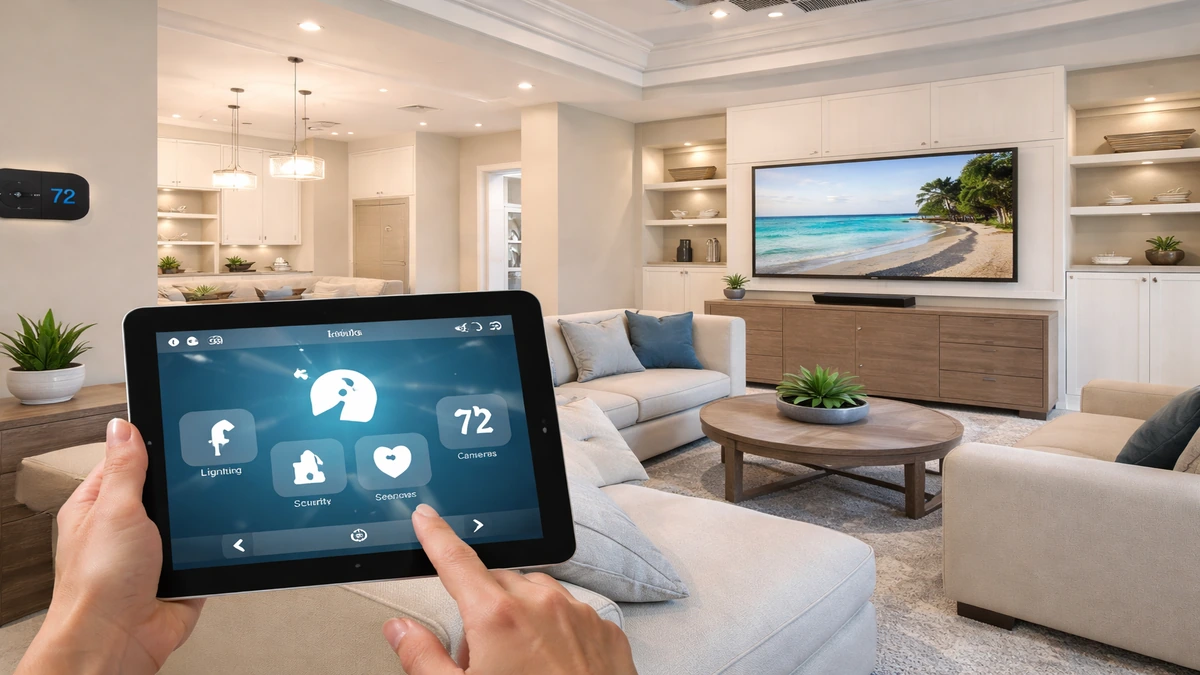
Smart Home Automation Installation
Integrated control for lighting, climate, security, and entertainment.
4 minutes
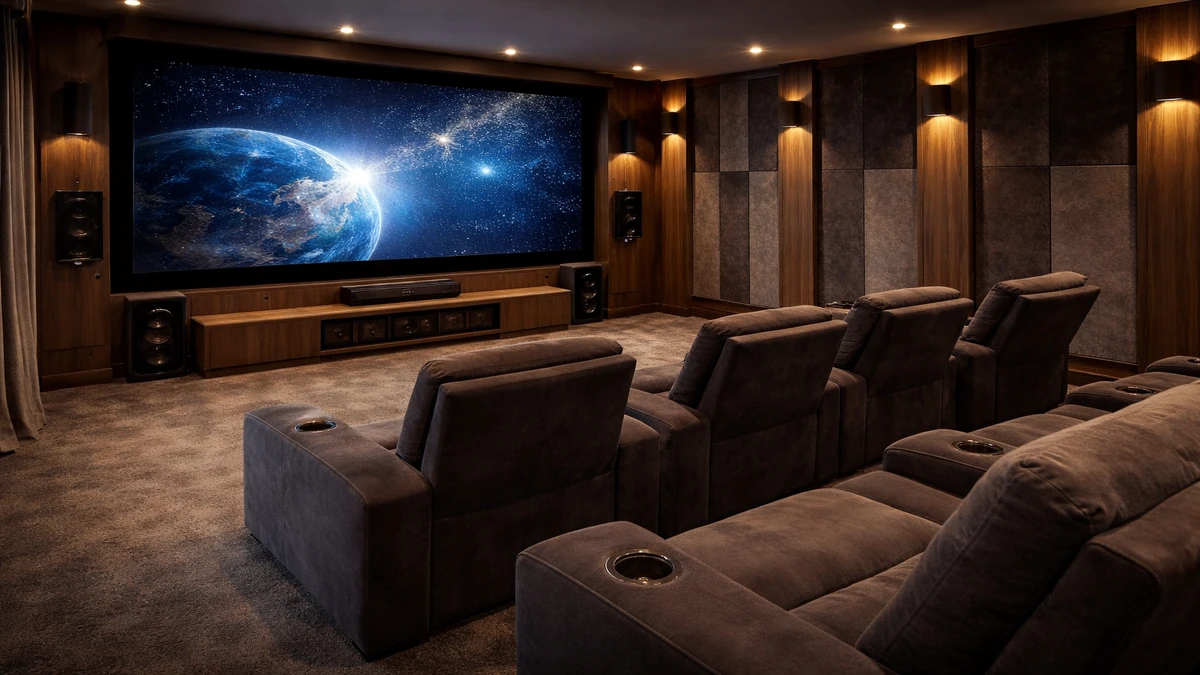
Home Theater Installation
Custom theater rooms designed for immersive picture, sound, and comfort.
4 minutes
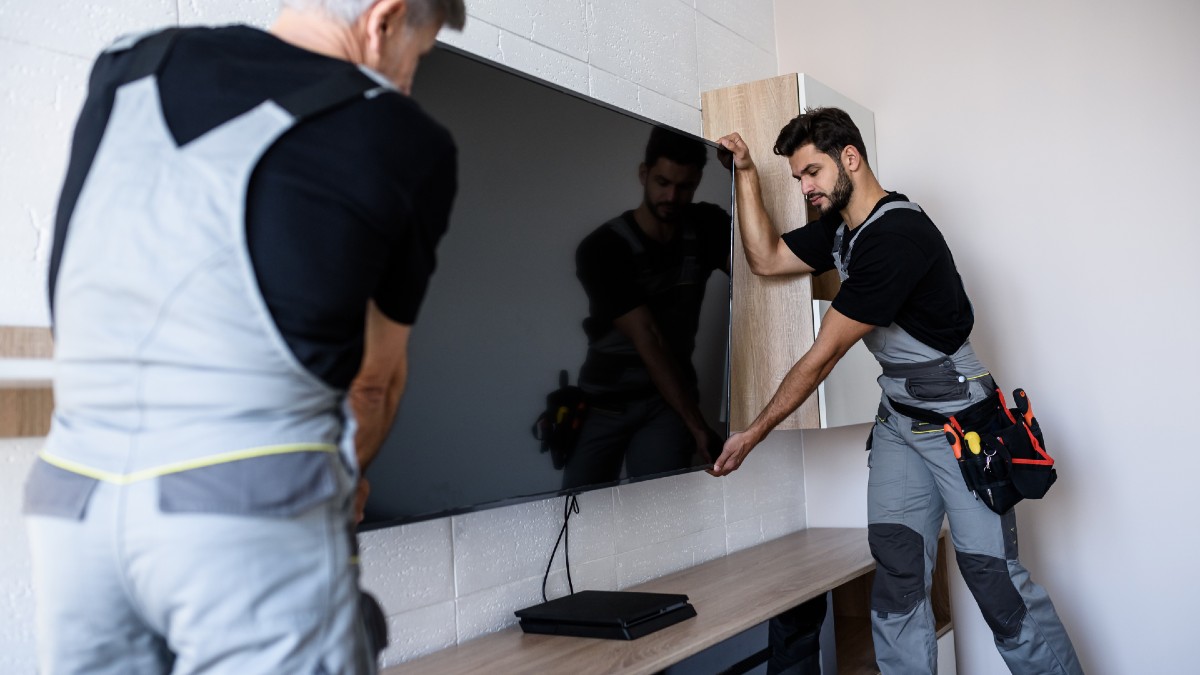
TV Wall Mounting
Professional TV mounting for cleaner layouts and better viewing angles.
5 minutes
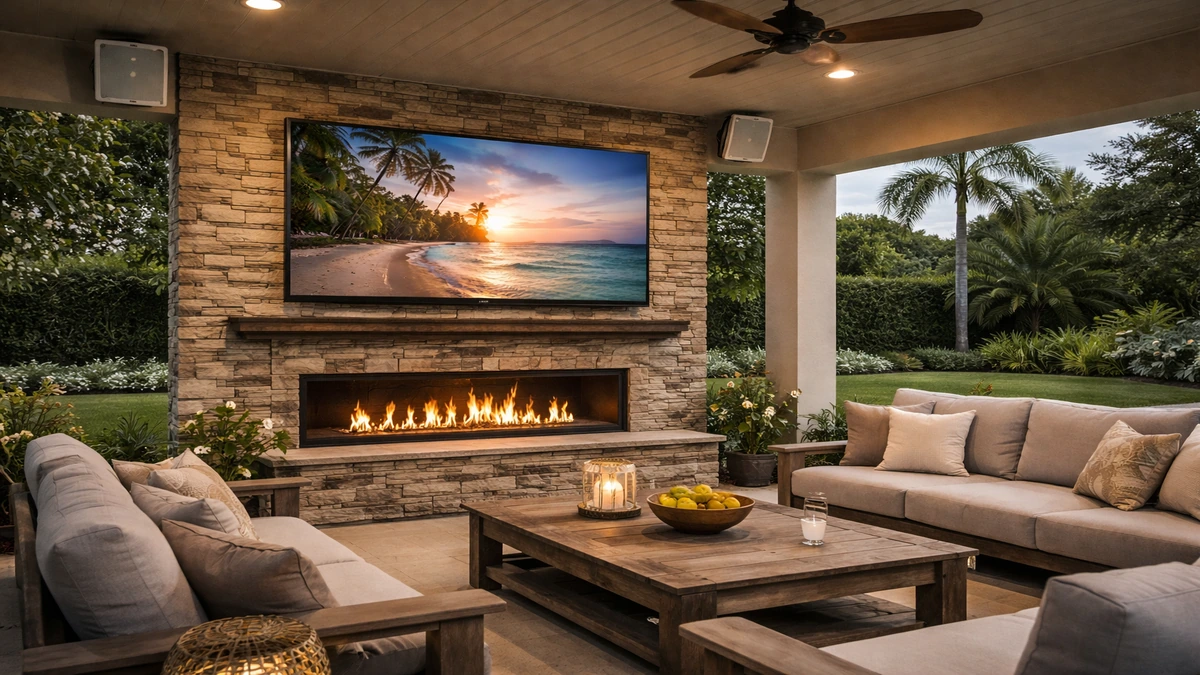
Outdoor TV Installation
Weather-aware outdoor TV setups built for patios, lanais, and pool areas.
5 minutes
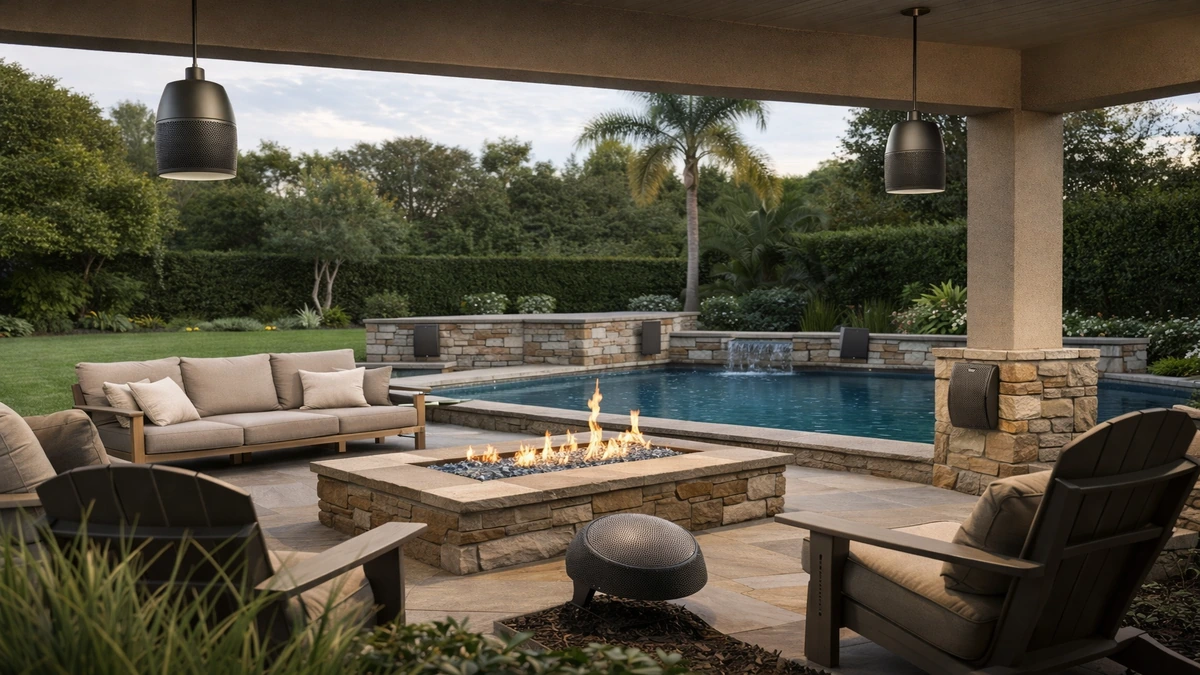
Outdoor Audio Installation
Outdoor speaker systems planned for clear sound and reliable coverage.
4 minutes
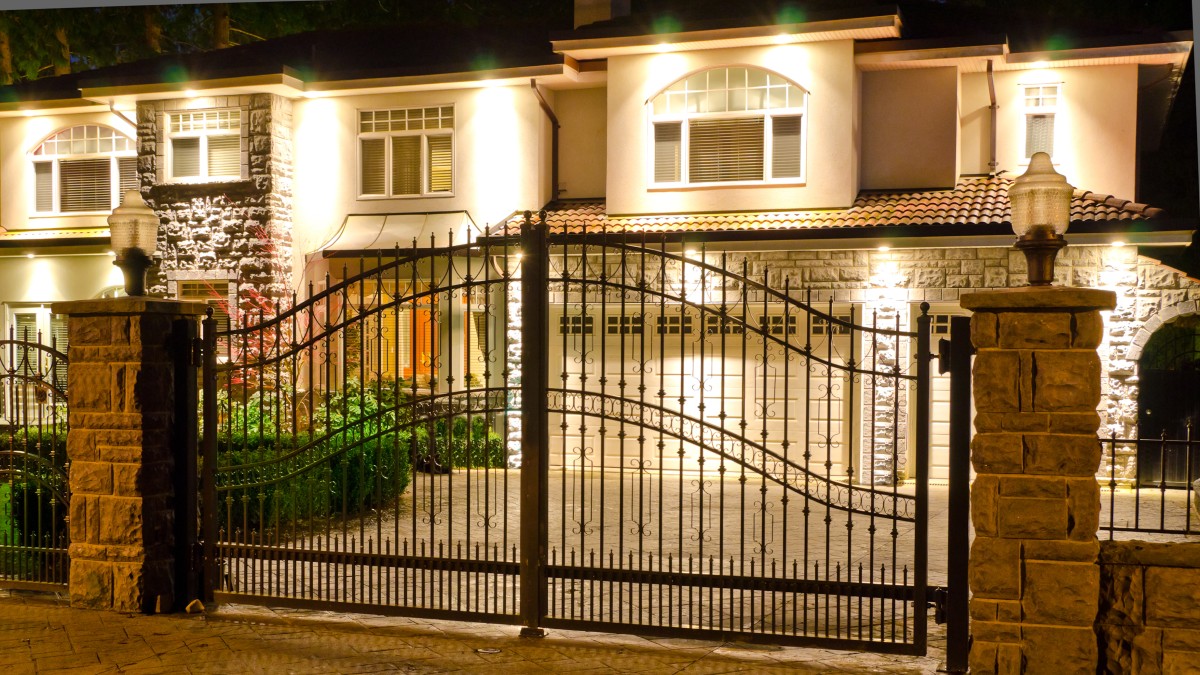
Automatic Gates
Secure, convenient gate automation with access control and entry integration.
4 minutes
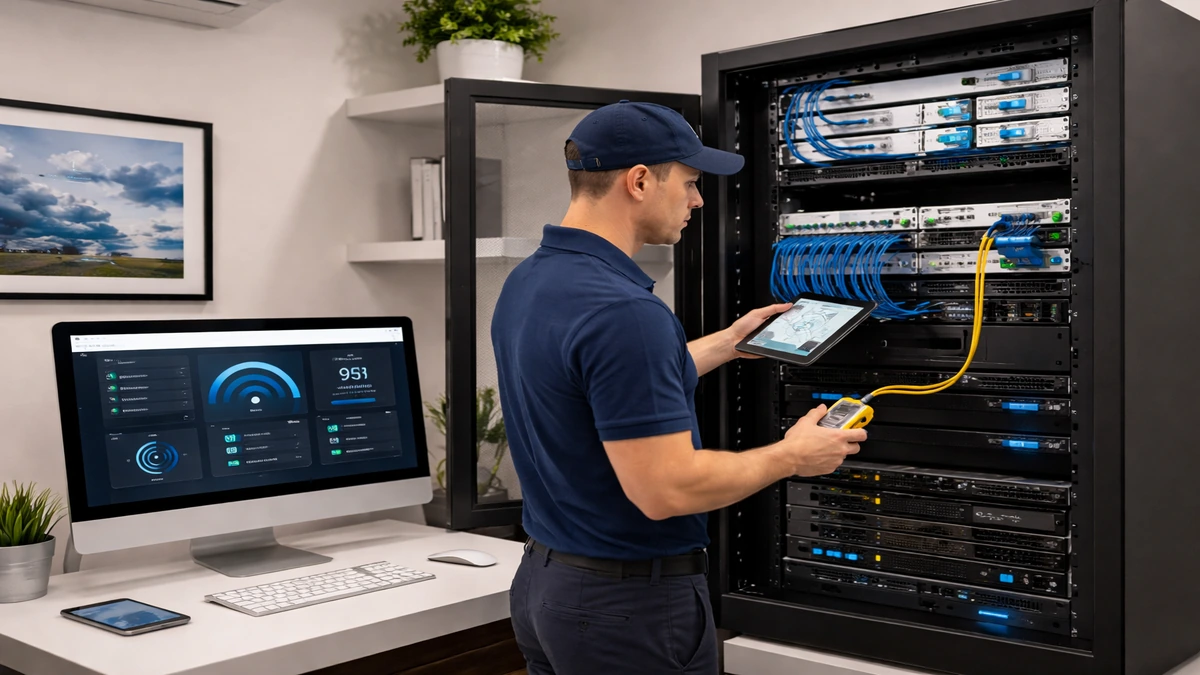
Home Network Installation
Stronger Wi-Fi, better coverage, and dependable connectivity throughout the property.
4 minutes
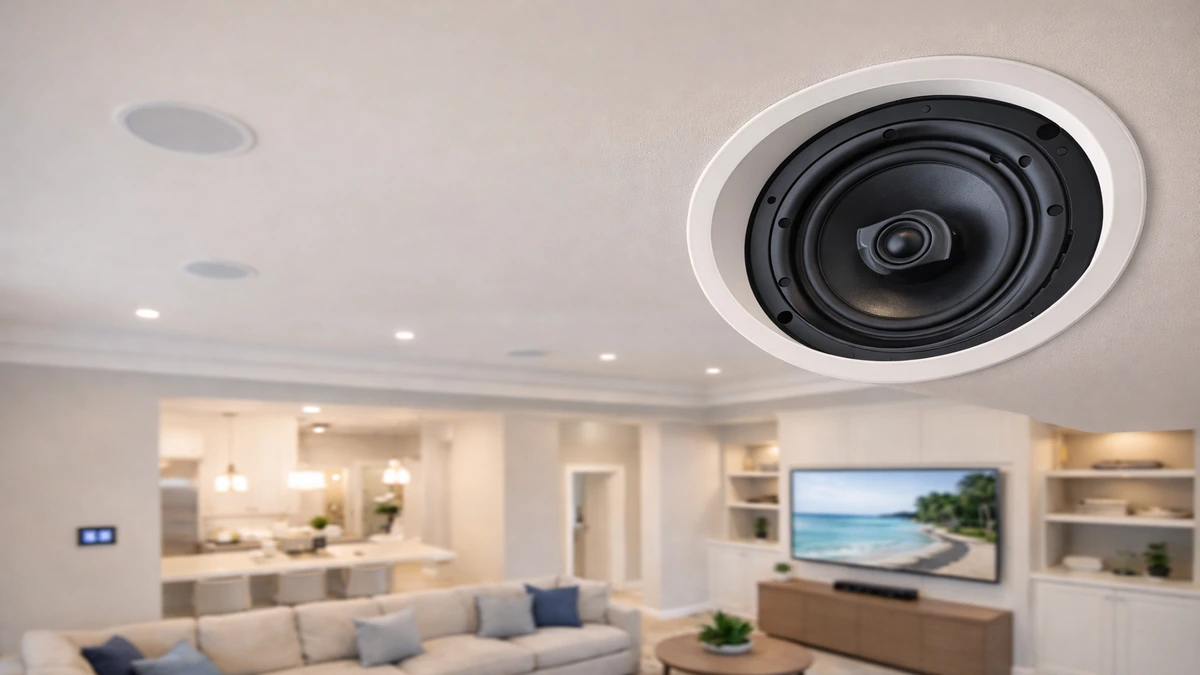
Ceiling Speaker Installation
Clean in-ceiling audio solutions for music, TV, and multi-room sound.
4 minutes
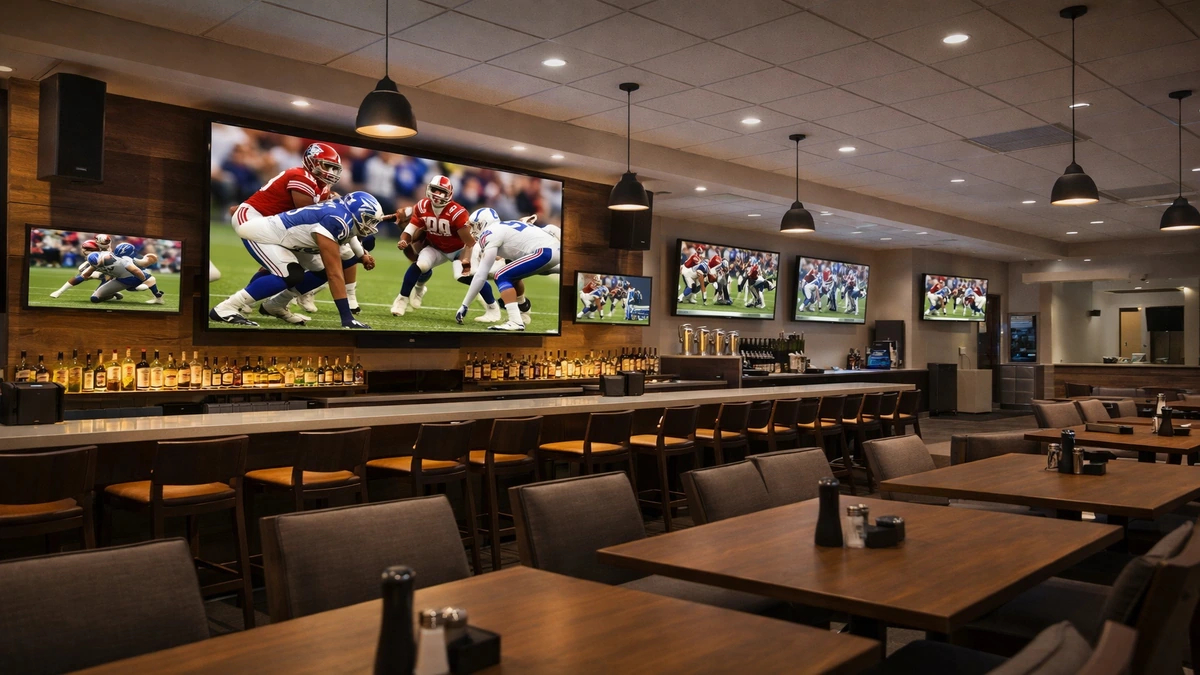
Commercial AV Installation
Professional audio, video, and control systems for business environments.
4 minutes
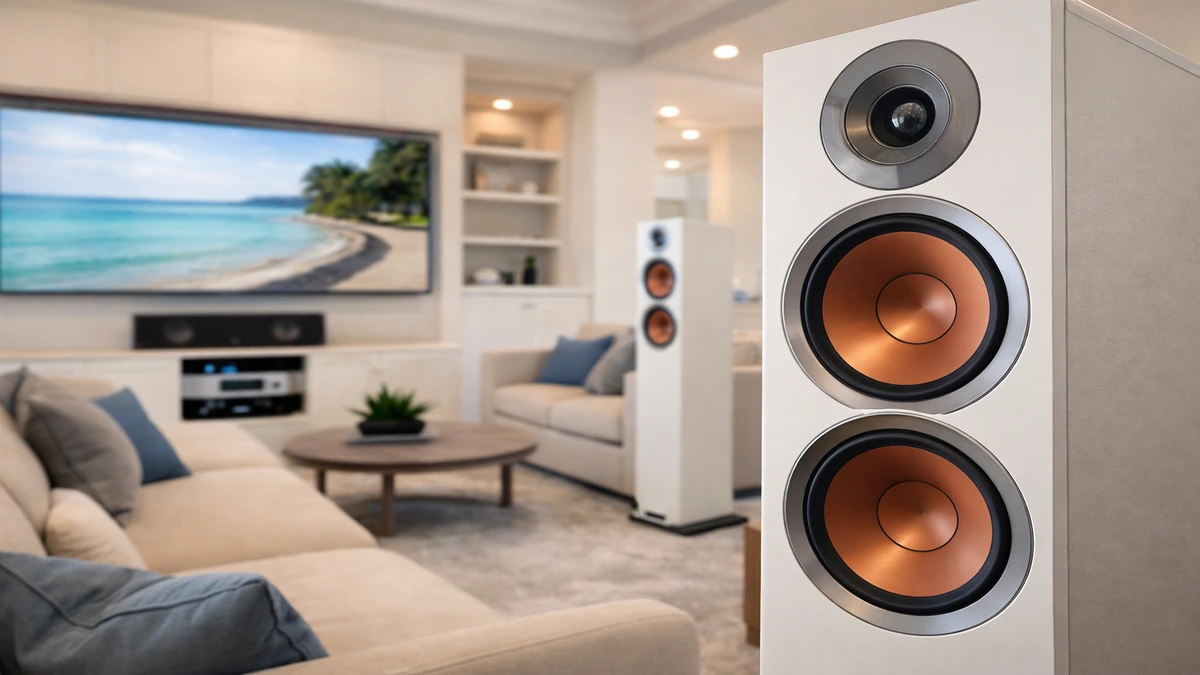
Home Audio Installation
Whole-home and room-based audio systems tailored to how you listen.
4 minutes

Marine Audio & Electronics Installation
Boat audio, displays, and electronics installed for performance on the water.
4 minutes
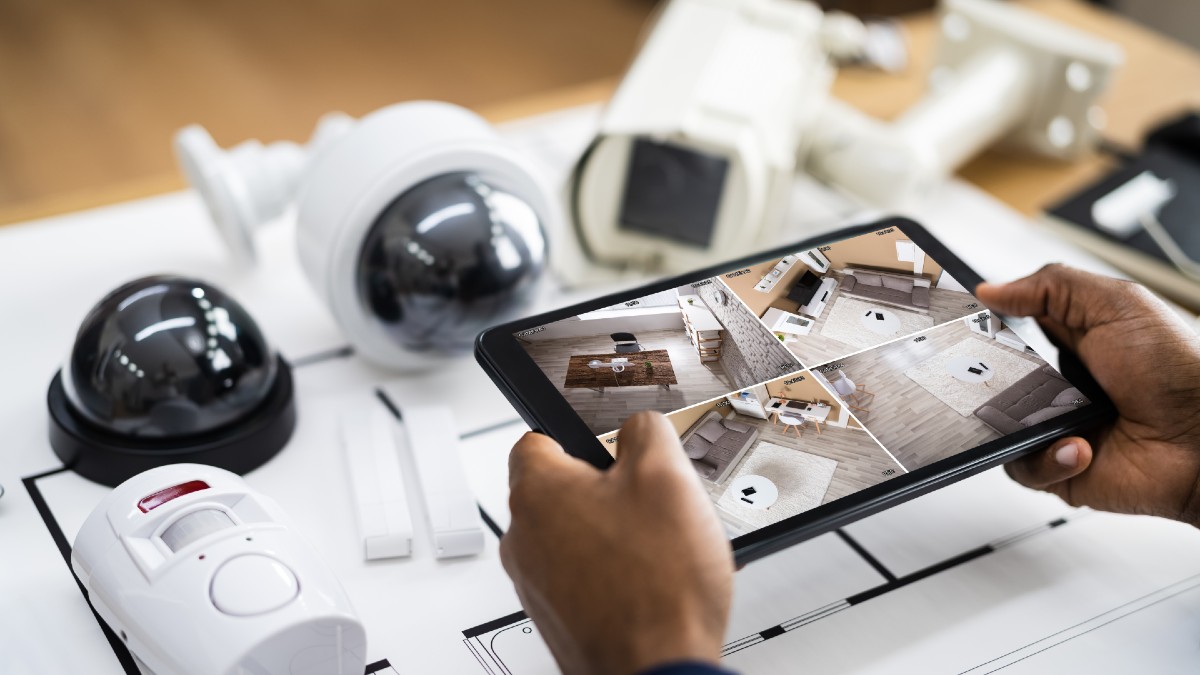
Security Camera Installation
Smart camera systems for visibility, alerts, recording, and remote monitoring.
4 minutes
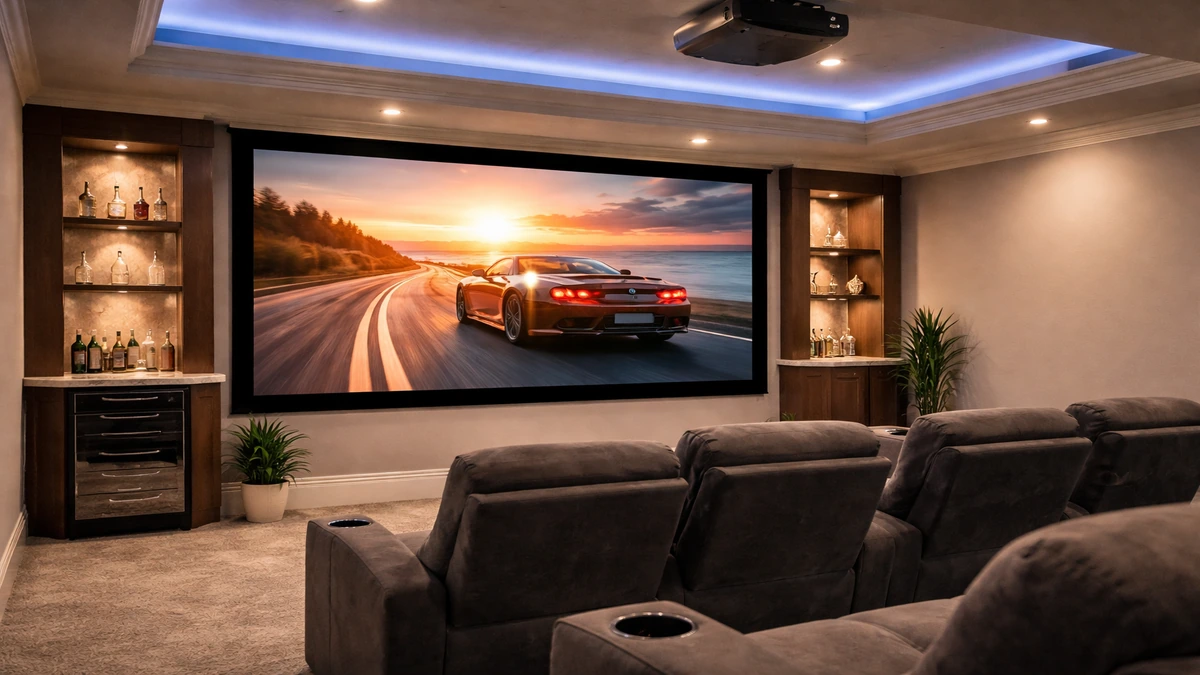
Projector Screen Installation
Projectors and screens configured for sharp viewing and balanced room performance.
4 minutes
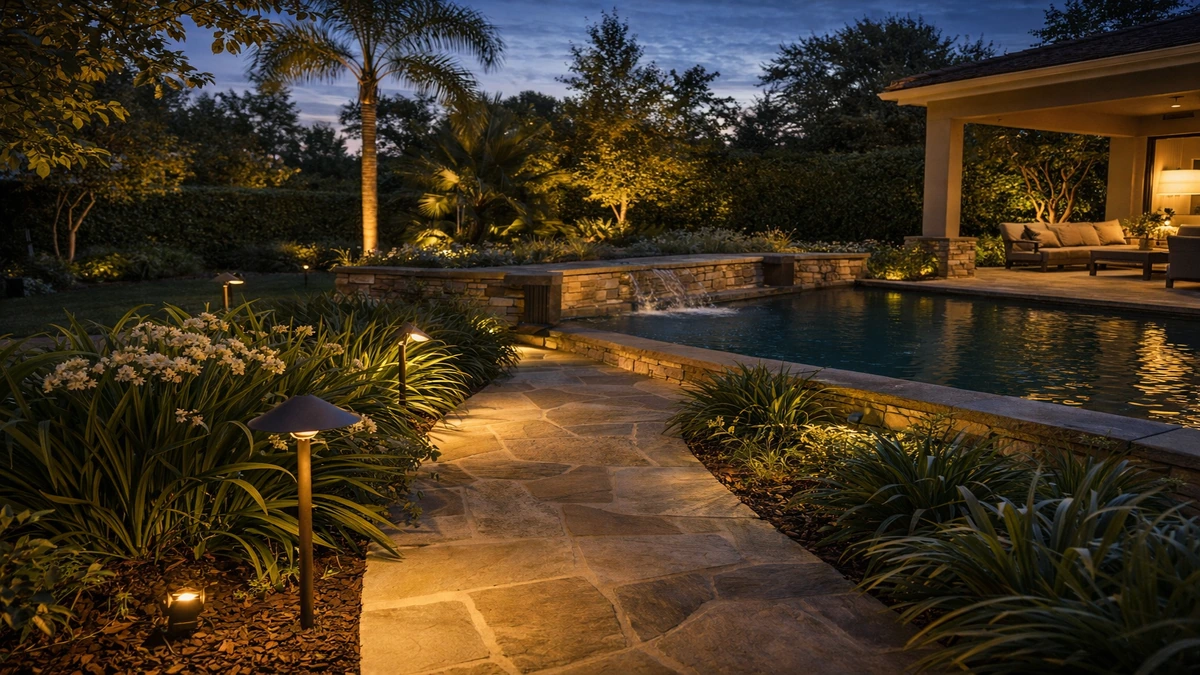
Outdoor Lighting Installation
Exterior lighting that improves curb appeal, ambiance, and nighttime usability.
4 minutes
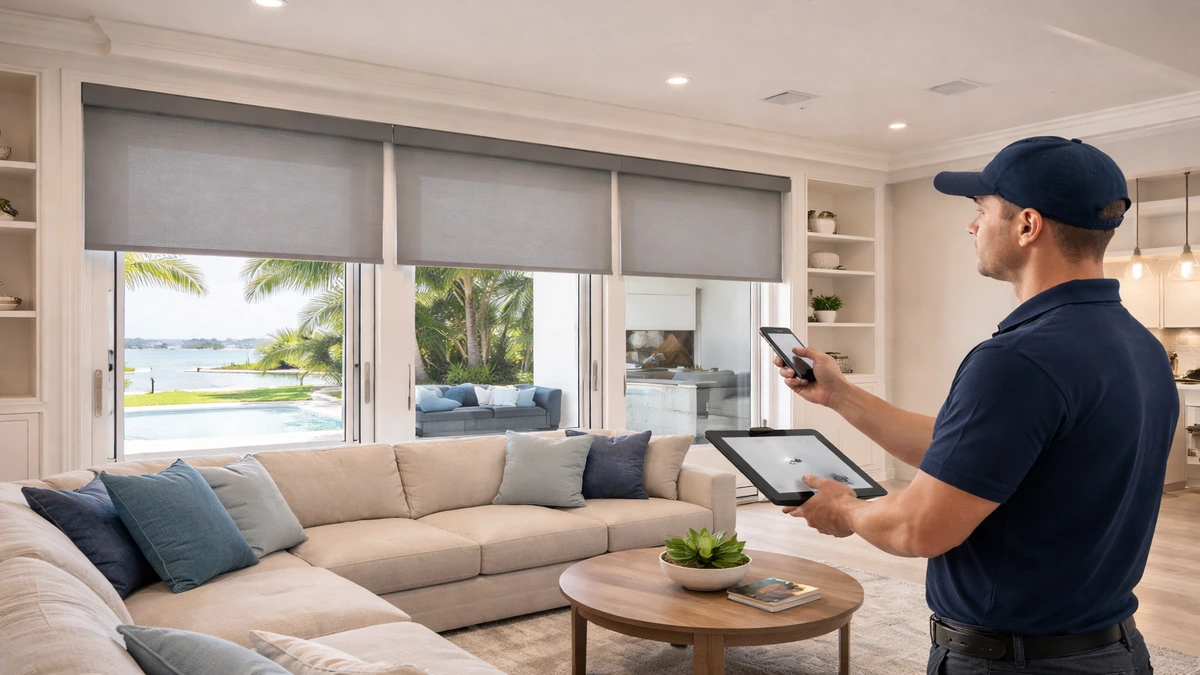
Motorized Blinds Installation
Automated shading for privacy, glare control, and everyday convenience.
4 minutes
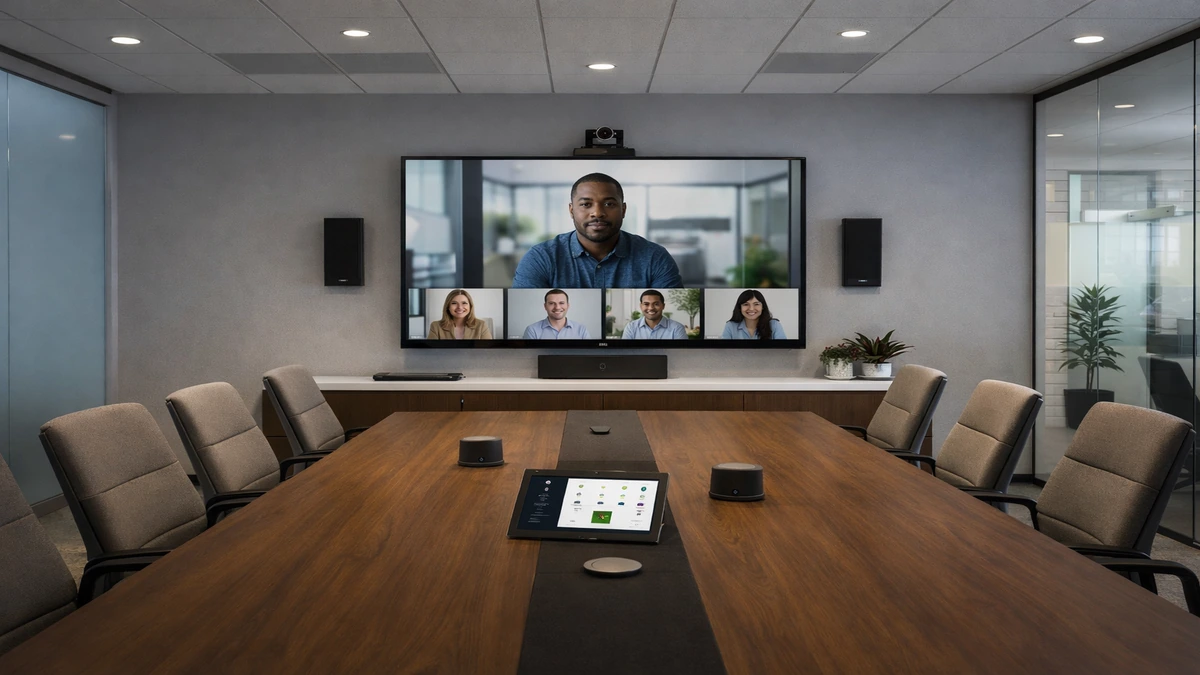
Conference Room AV Installation
Meeting room technology for clearer presentations, calls, and collaboration.
4 minutes
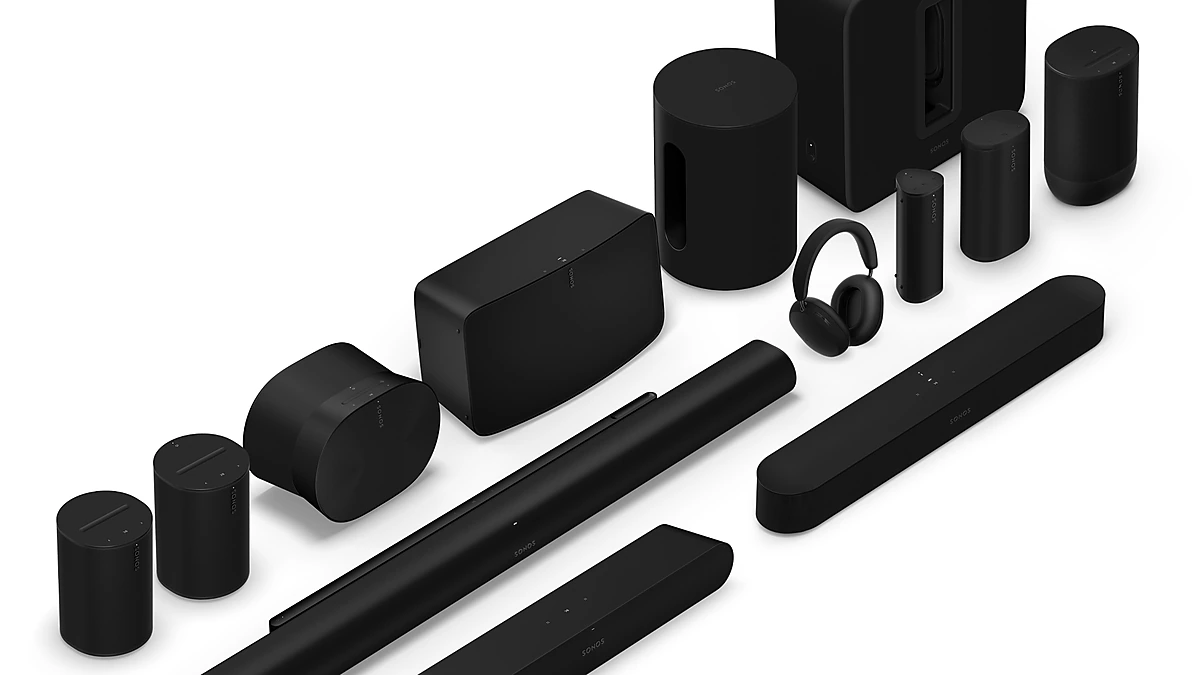
Sonos Installation
Sonos system design, setup, and tuning for simple multi-room audio.
4 minutes
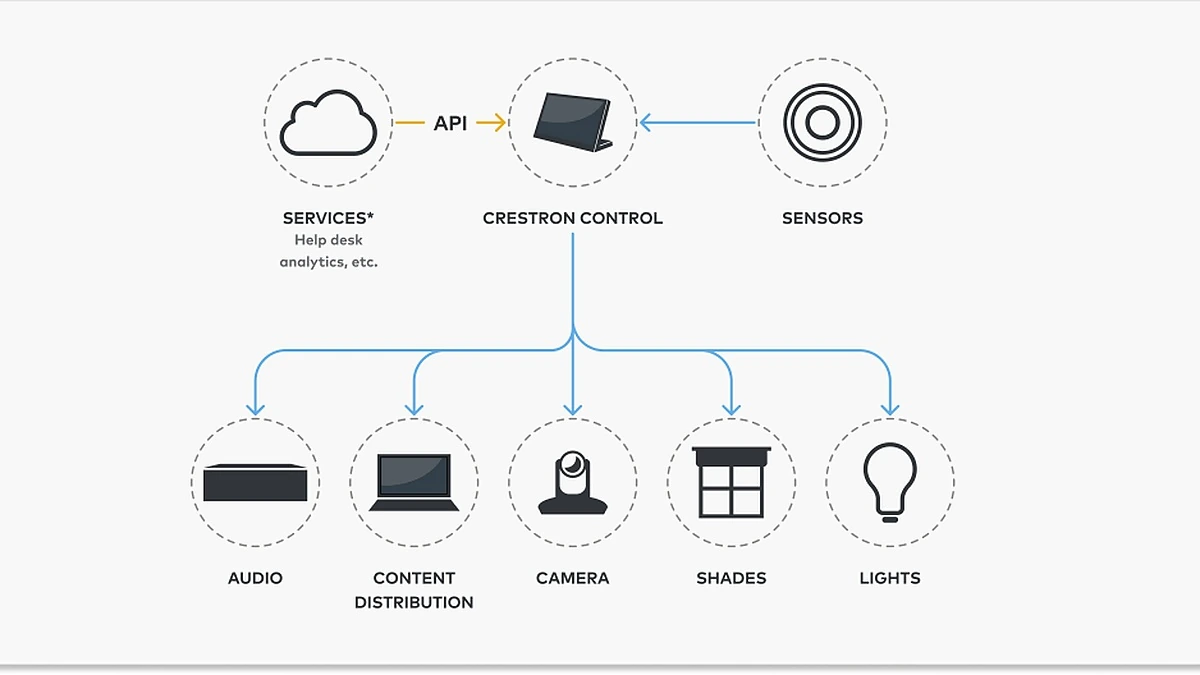
Crestron Installer
Advanced Crestron control integration for high-performance smart home environments.
4 minutes
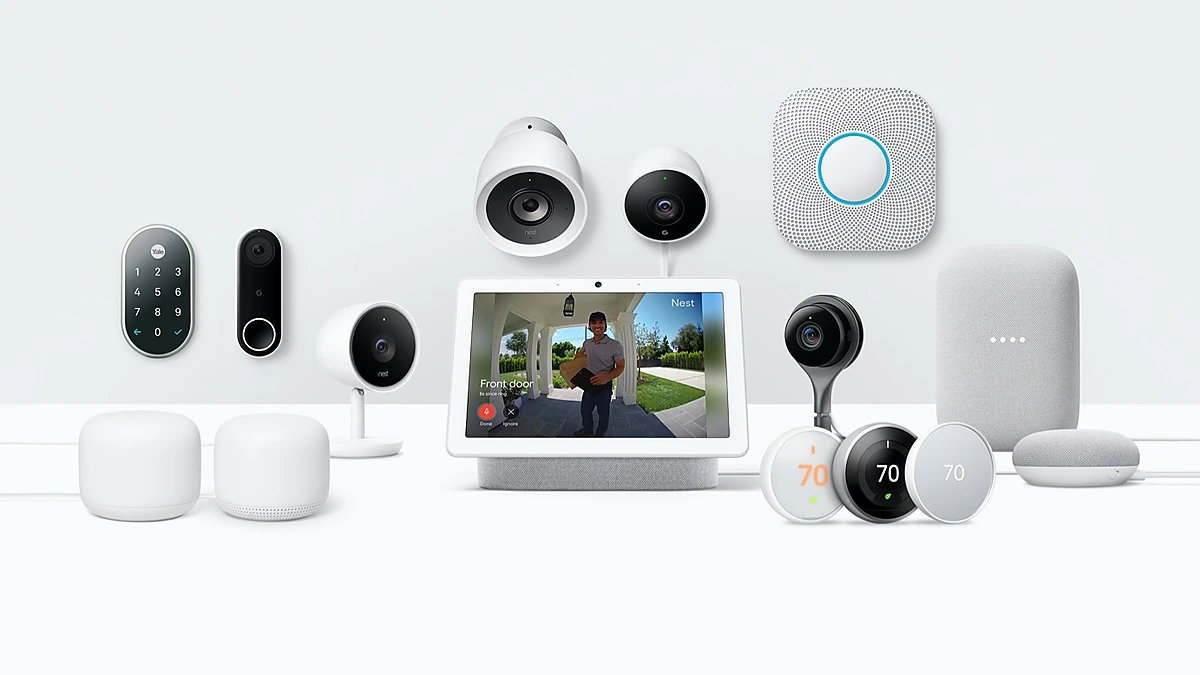
Nest Installer
Nest thermostat and smart home setup for comfort and remote control.
4 minutes
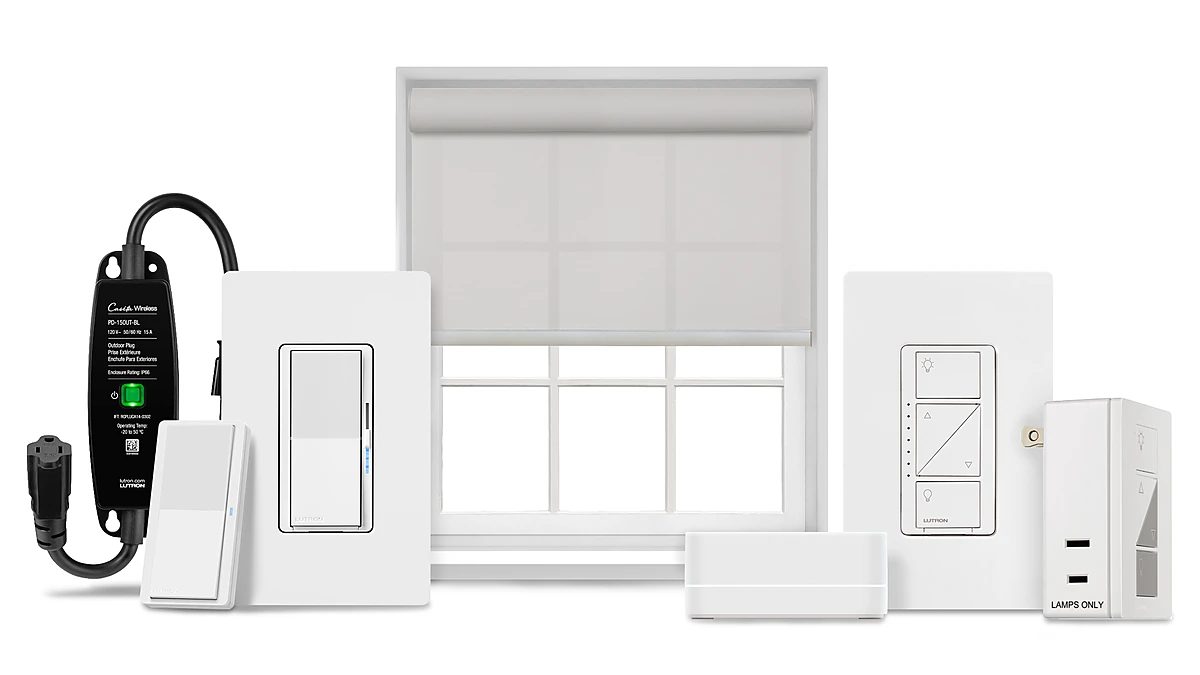
Lutron Installer
Lutron lighting and shading integration for smoother control and scene setting.
4 minutes
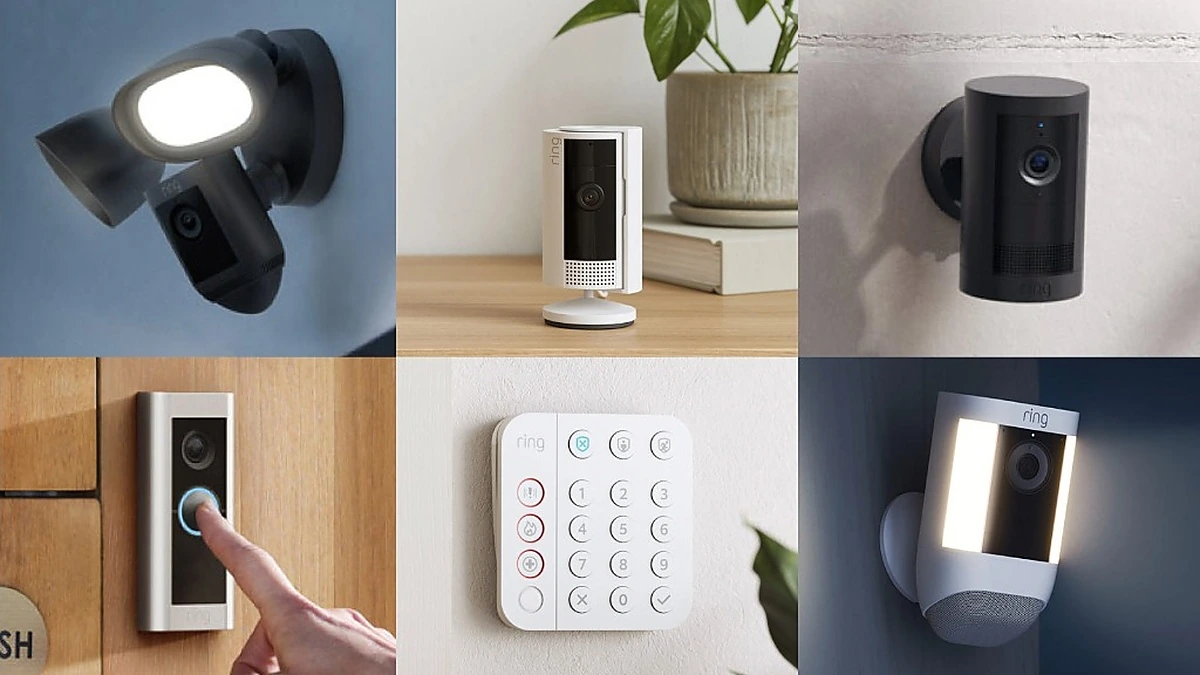
Ring Installation
Ring doorbells and cameras installed for better awareness and entry visibility.
5 minutes
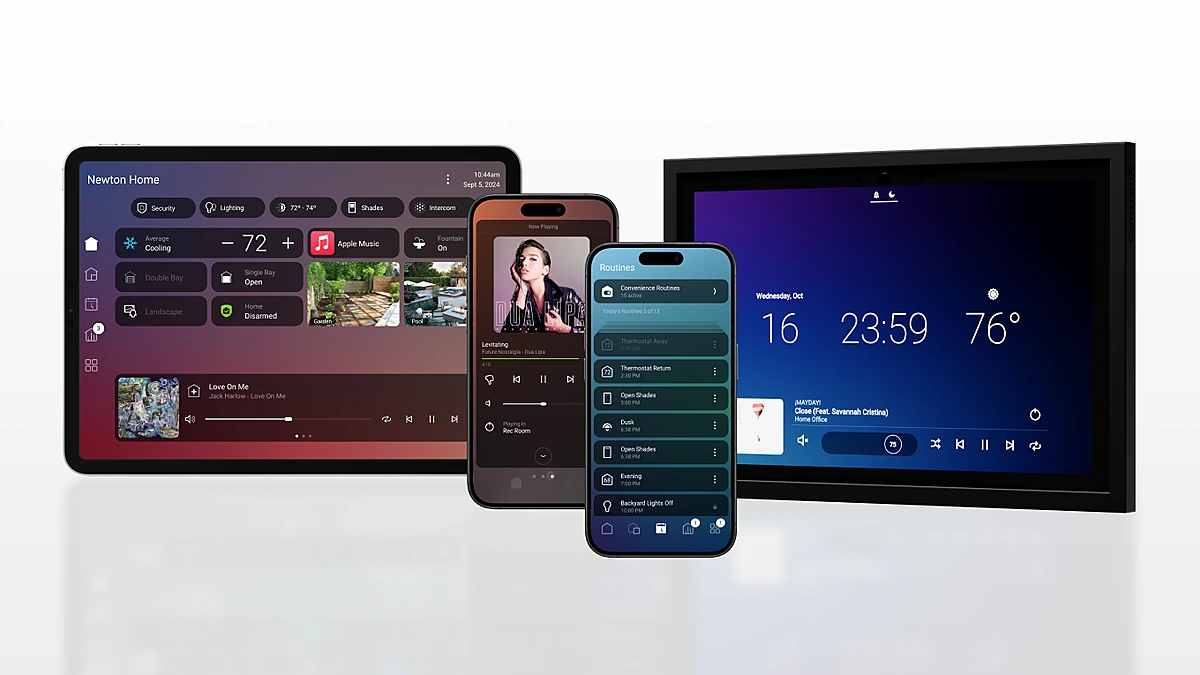
Control4 Installer
Control4 automation setup for unified entertainment, comfort, and home control.
4 minutes

Car & Truck Audio / Electronics Custom Upgrades
Custom mobile audio and electronics upgrades for better sound and functionality.
3 minutes
More homes here sit in mid-rise buildings than in towers
Oakland Park has 19,193 homes, and 2,785 of them are in buildings of twenty to forty-nine units against 1,647 in buildings of fifty or more. That order is the reverse of what a coastal city usually shows, and it changes the shape of the problem. A mid-rise has shorter risers and a shorter journey from the equipment to the far end of a home, but the permission question is exactly a tower's, and the floor plate is often longer and flatter than either.
Long and flat is a coverage problem rather than a speed problem, and it is the one that gets misdiagnosed most often. A connection measured standing beside the access point looks excellent. The same connection three rooms away, through everything in between, is what a household actually lives with. In a home laid out along a floor rather than stacked on top of itself, one well-placed point is worth more than a faster one in the wrong place, and a wired path to a second is worth more than both.
The city divides almost exactly in half
The other half of Oakland Park is houses. Exactly 9,459 homes here are single-family and exactly 9,459 sit in a building of two units or more, with 275 manufactured homes making up the remainder. Very few places balance that precisely, and the consequence for anyone planning a system is that neither building type can be treated as the exception here. Both are the market.
The network fails in both halves, for opposite reasons. In the apartment the obstacle is what stands between the equipment and the far room and whether you are allowed to go through it. In the house the obstacle is distance, and a plan that spreads sideways rather than upward. The remedy is the same in each, which is the genuinely easy part of this: put a cable where a cable can go, put wireless where it cannot, and decide which is which while the ceilings are still open rather than after somebody complains about the back bedroom.
This is housing that is lived in, not visited
Only 899 homes in Oakland Park are held for seasonal, recreational or occasional use, and 17,303 of its homes are occupied. Housing at that occupancy is not asking a system to look after itself for a season and check in. It is asking it to work on an ordinary evening in August, when three people want three different things from it at the same time, and none of them is in the mood to be told the far end of the house is a known limitation.
Daily use is what turns network design from a specification into a service question. The parts that run continuously are the parts that eventually want attention, so whatever sits with the switch should be reachable without a ladder and a dust sheet, and the ports should mean something to somebody who did not install them. None of that costs anything while the design is on paper. All of it costs a morning afterwards.
Fewer than six households in ten own the home they are in
Oakland Park counts 9,756 owner-occupied homes against 7,547 rented ones. Where a property may change hands or simply change occupants, a system has a second audience, and the useful response is not to make it do less. It is that every function should have one obvious way to reach it, and that what was installed should be written down somewhere other than in a person's memory. The alternative is a capable system that the next household quietly narrows to the two things they can work out unaided.
The building stock reinforces that. No decade here built more than a fifth of the housing, and only 1,878 homes have been finished since the year 2000, so almost every project is a retrofit and almost every retrofit inherits whatever the previous one left behind. Finding out what that is takes an hour at the start, and it is an hour that regularly decides whether a route is available at all.
So the order here runs network first, which is not where most people expect a media project to begin. Establish where coverage has to reach and how it gets there, settle the routes and the openings that serve it, agree what is concealed, and let the displays, the speakers and the control surfaces follow from that. Get it the other way round and you end up with a system that works beautifully in the room where it was demonstrated.