

New Houses, Lived In All Year Audio Video | Home Theater Installations Serving Parkland, FL
Theater, whole-home audio and control planning for Parkland, where two thirds of homes were finished since the turn of the century, 57 are seasonal, and the median home is valued at 6,300.
Enhancing Lifestyle and Security: Home, Vehicle, and Marine Audio-Visual Solutions
From smart home automation to custom car audio, and marine AV systems, experience total control and superior entertainment with our professional installations and cutting-edge technology.
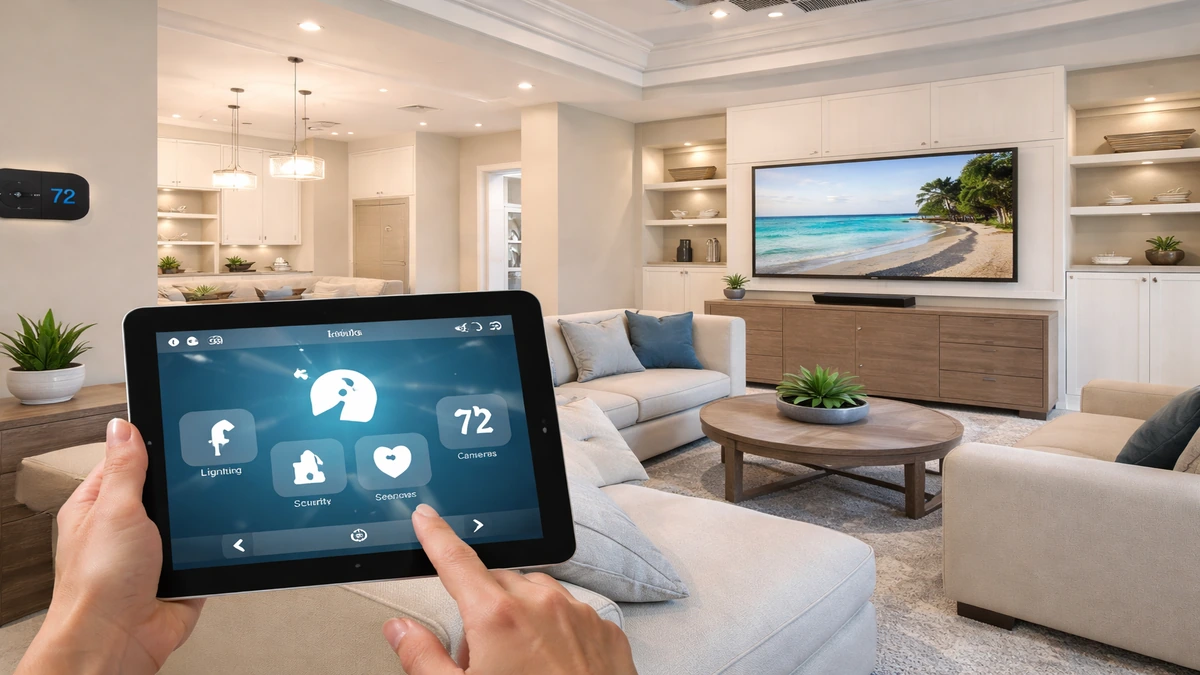
Smart Home Automation Installation
Integrated control for lighting, climate, security, and entertainment.
4 minutes
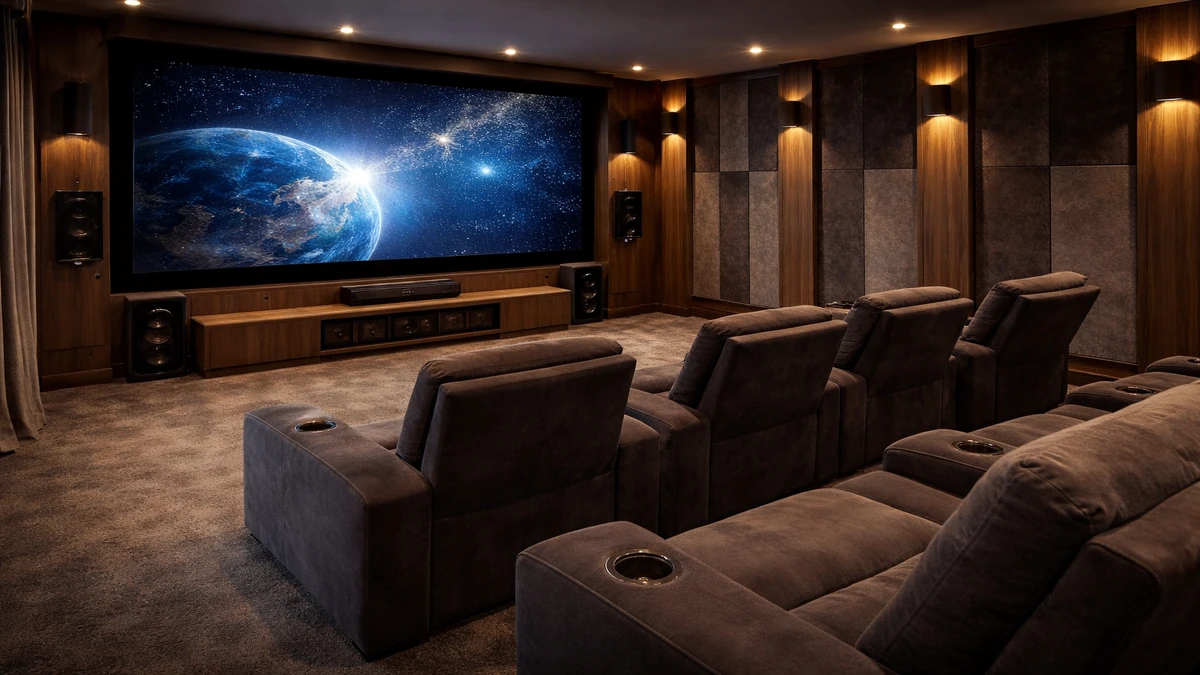
Home Theater Installation
Custom theater rooms designed for immersive picture, sound, and comfort.
4 minutes
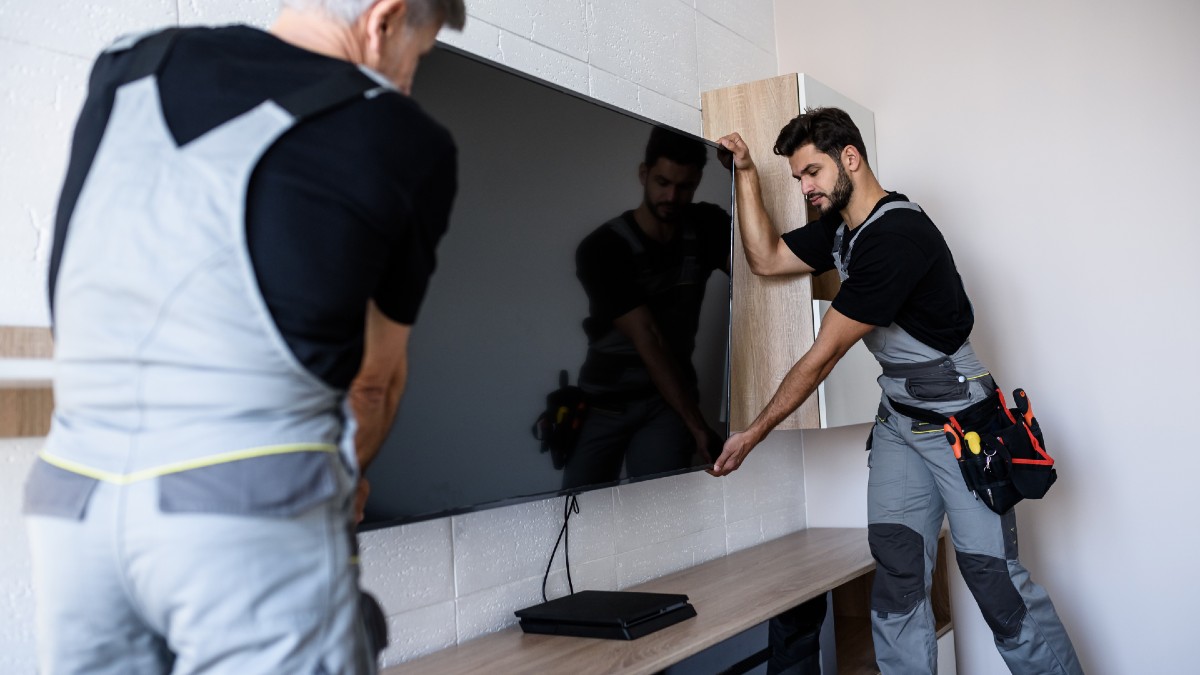
TV Wall Mounting
Professional TV mounting for cleaner layouts and better viewing angles.
5 minutes
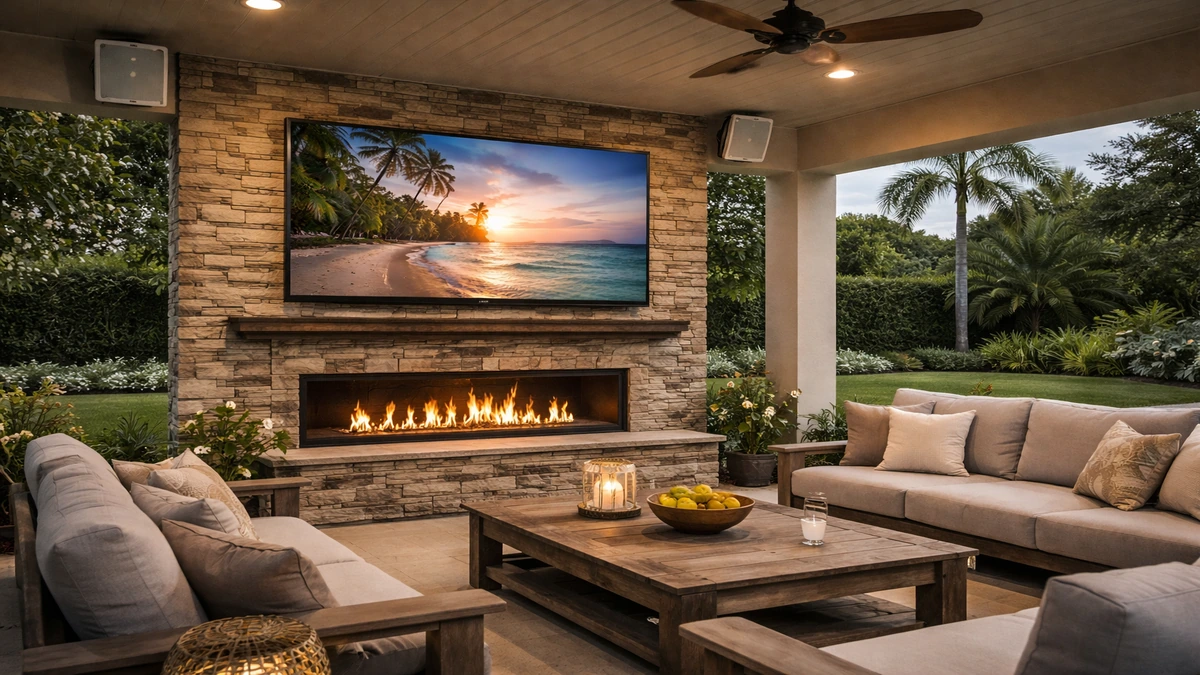
Outdoor TV Installation
Weather-aware outdoor TV setups built for patios, lanais, and pool areas.
5 minutes
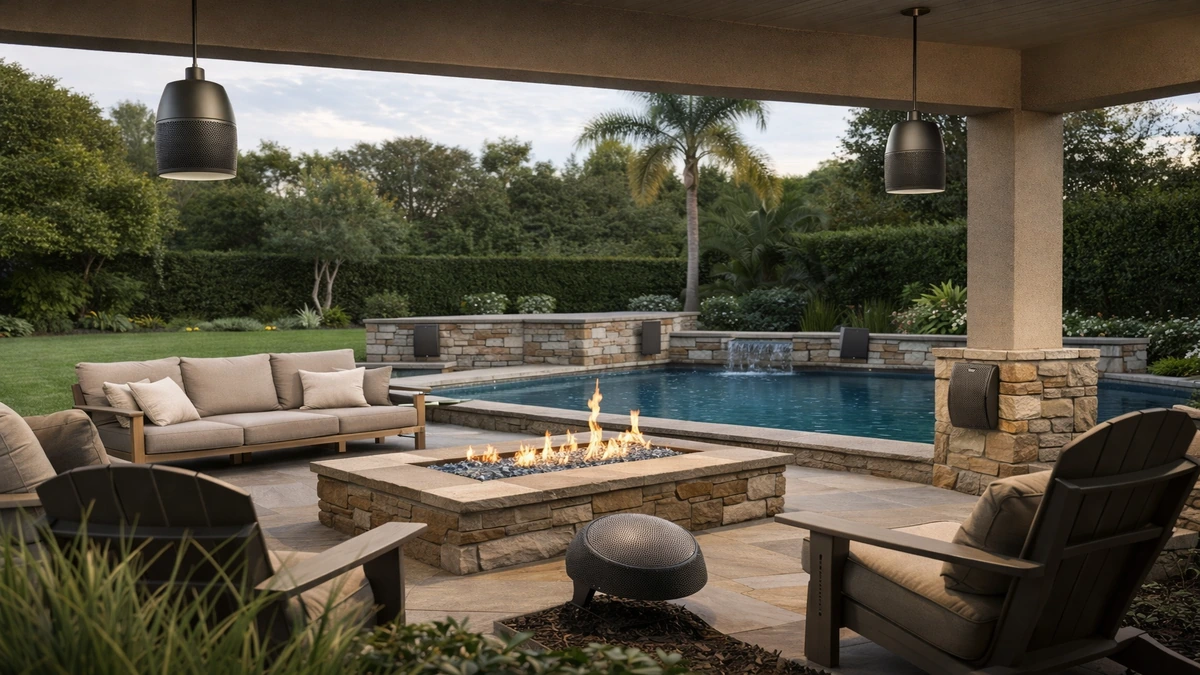
Outdoor Audio Installation
Outdoor speaker systems planned for clear sound and reliable coverage.
4 minutes
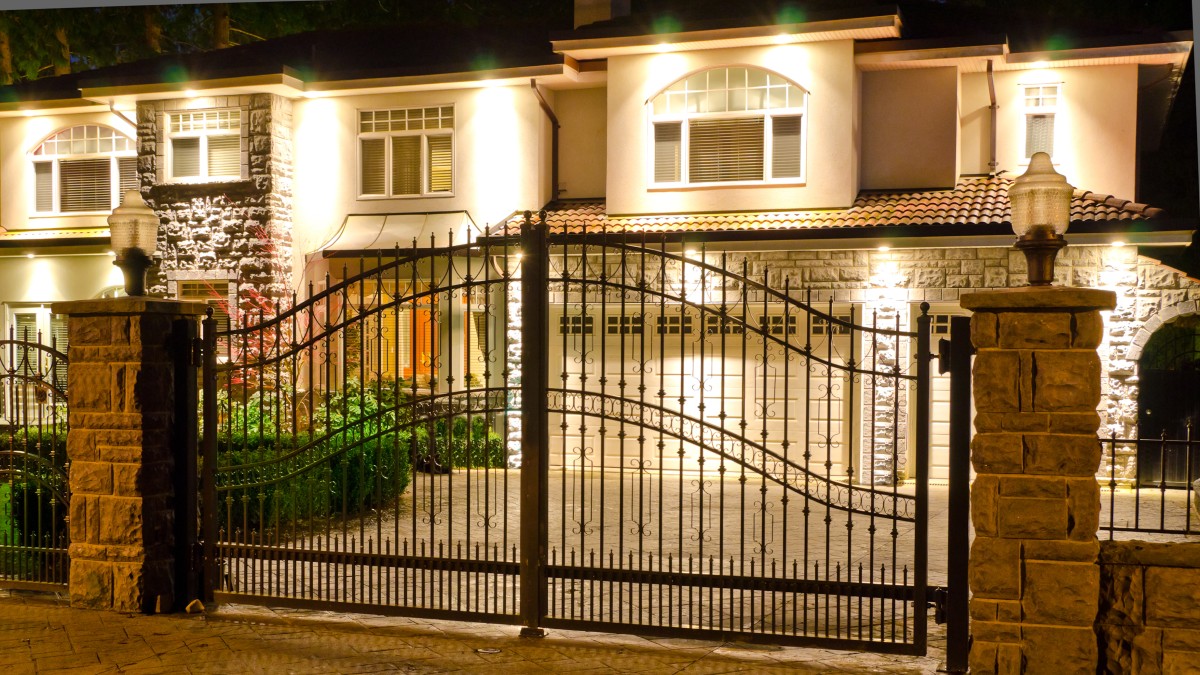
Automatic Gates
Secure, convenient gate automation with access control and entry integration.
4 minutes
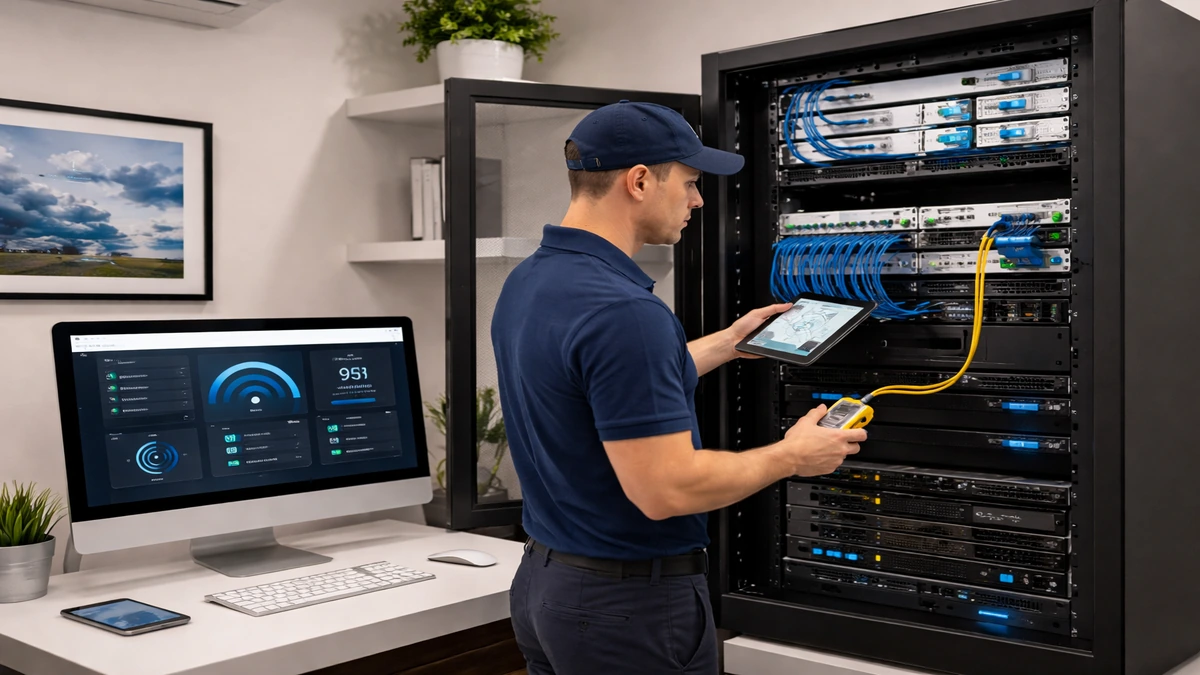
Home Network Installation
Stronger Wi-Fi, better coverage, and dependable connectivity throughout the property.
4 minutes
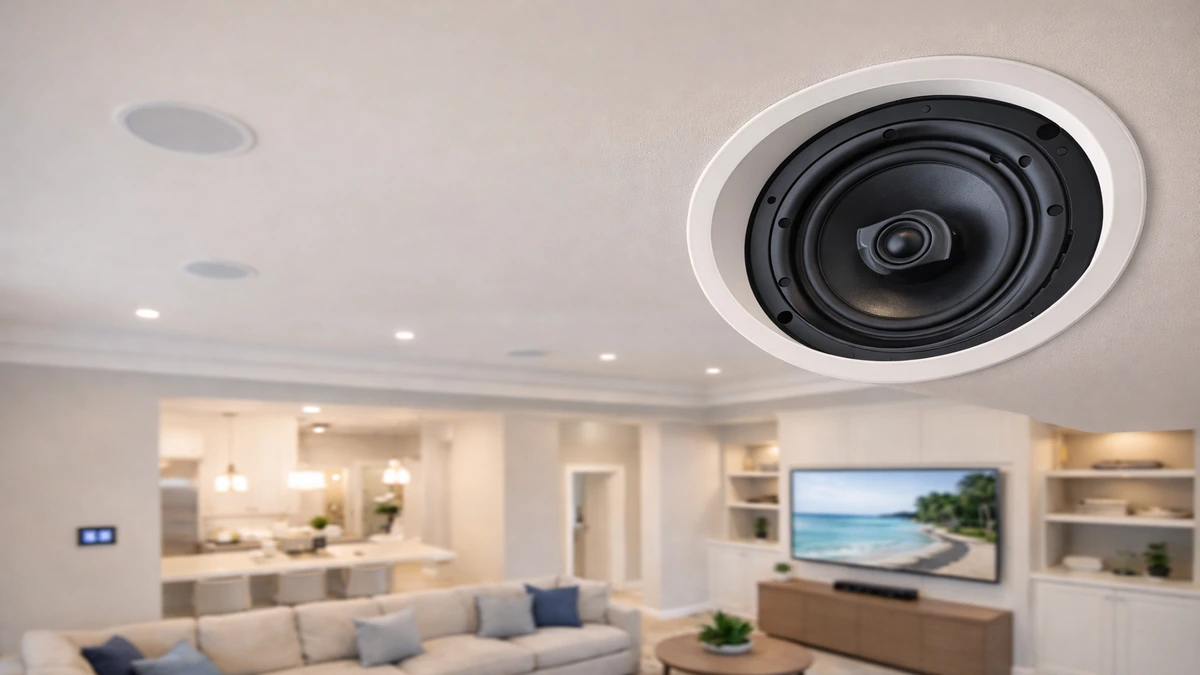
Ceiling Speaker Installation
Clean in-ceiling audio solutions for music, TV, and multi-room sound.
4 minutes
Commercial AV Installation
Professional audio, video, and control systems for business environments.
4 minutes
Home Audio Installation
Whole-home and room-based audio systems tailored to how you listen.
4 minutes

Marine Audio & Electronics Installation
Boat audio, displays, and electronics installed for performance on the water.
4 minutes
Security Camera Installation
Smart camera systems for visibility, alerts, recording, and remote monitoring.
4 minutes
Projector Screen Installation
Projectors and screens configured for sharp viewing and balanced room performance.
4 minutes
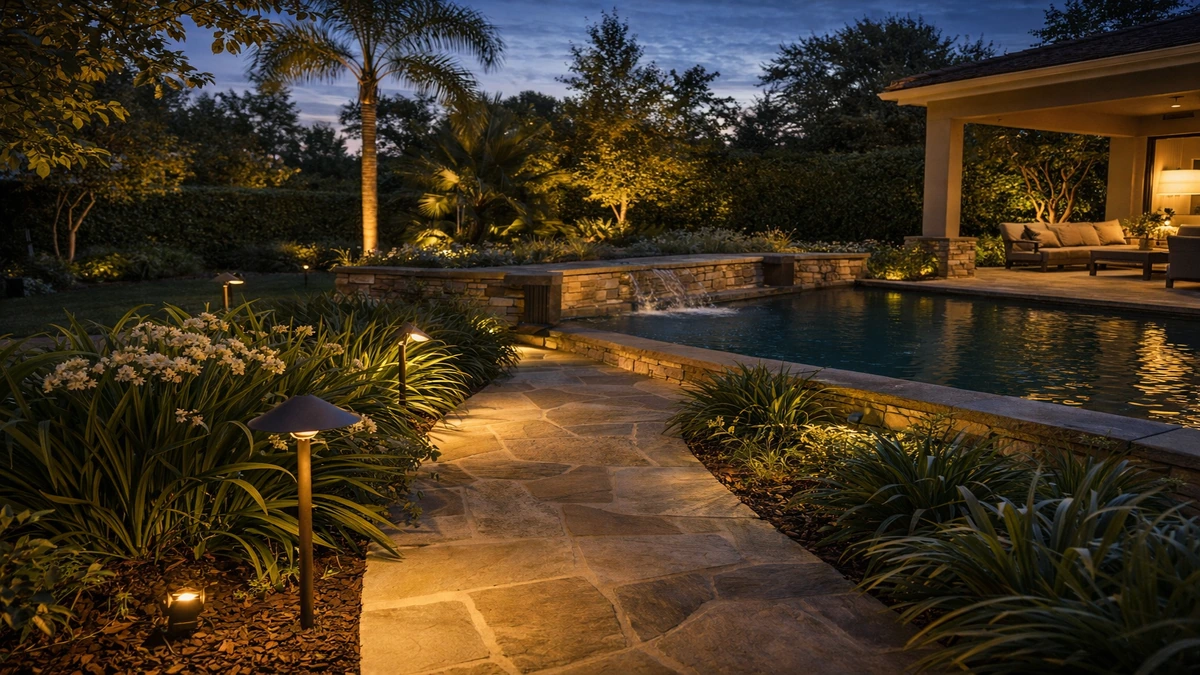
Outdoor Lighting Installation
Exterior lighting that improves curb appeal, ambiance, and nighttime usability.
4 minutes
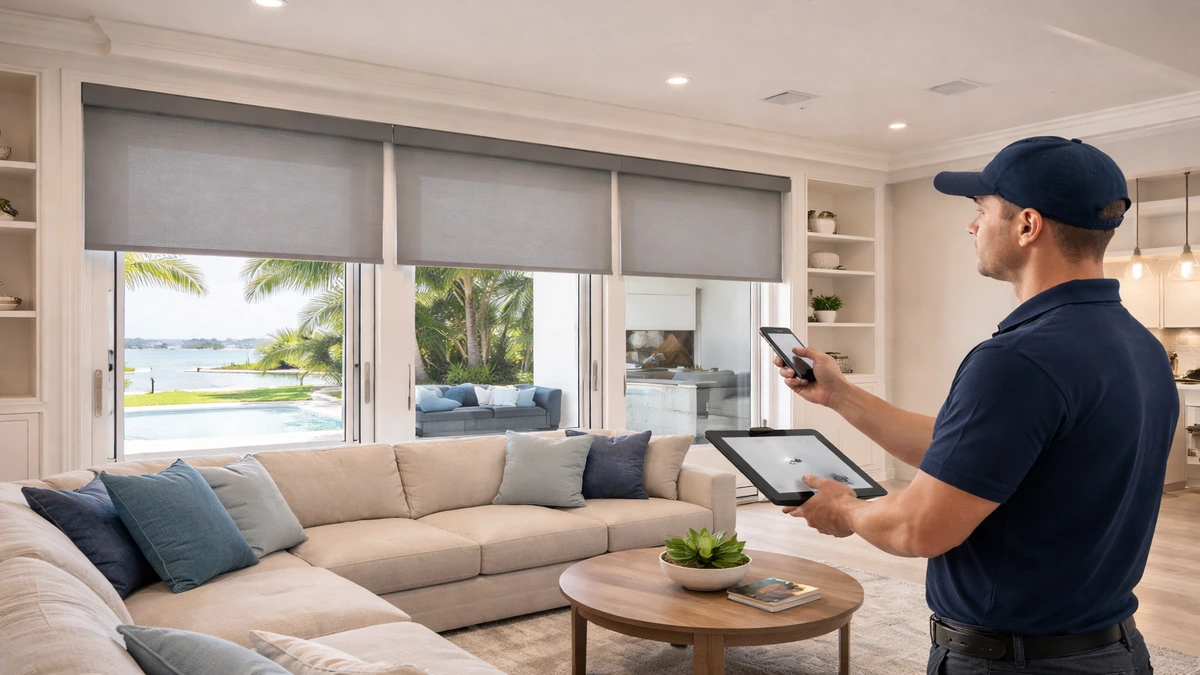
Motorized Blinds Installation
Automated shading for privacy, glare control, and everyday convenience.
4 minutes
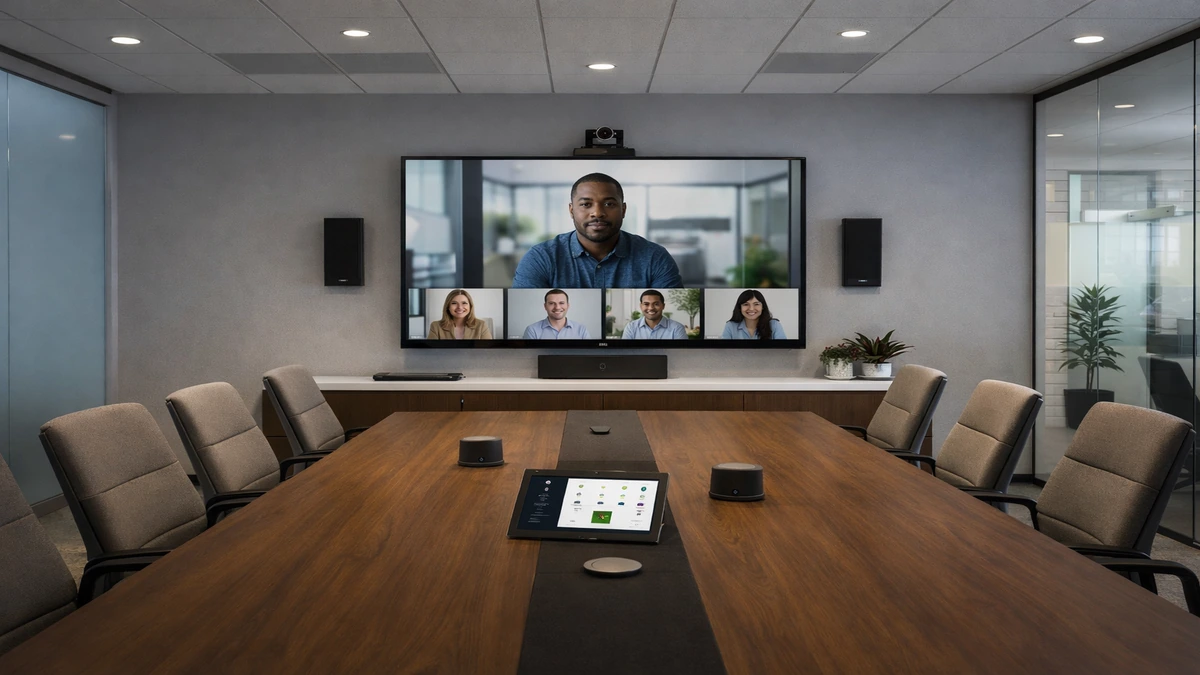
Conference Room AV Installation
Meeting room technology for clearer presentations, calls, and collaboration.
4 minutes
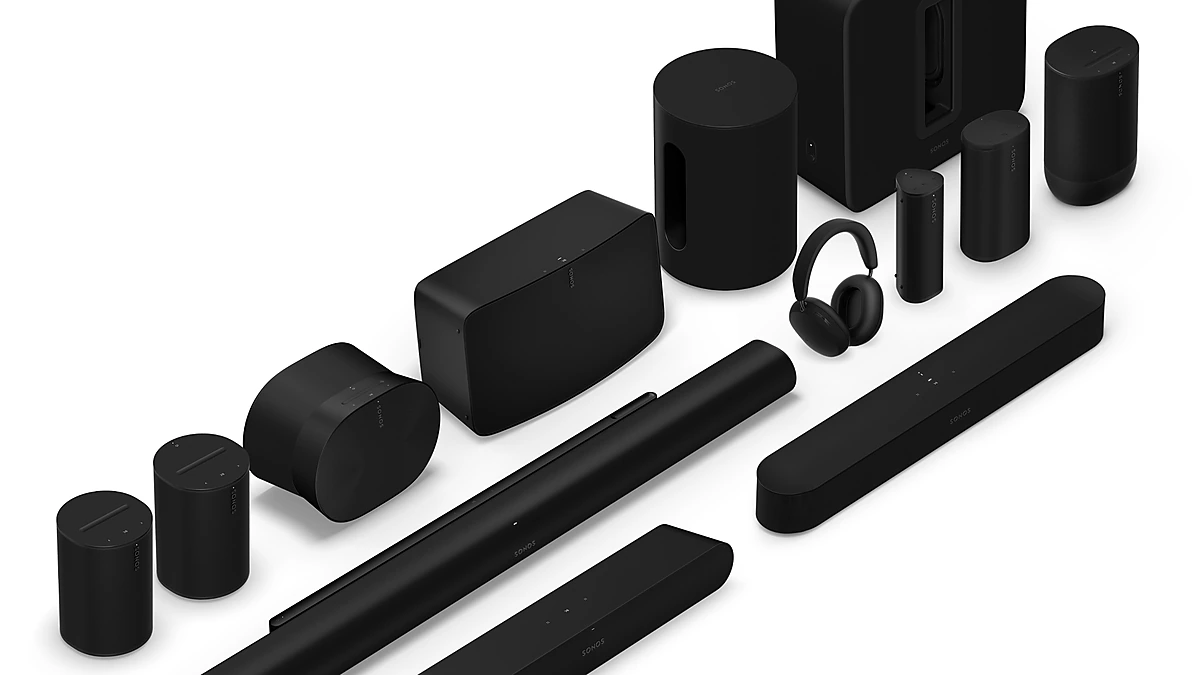
Sonos Installation
Sonos system design, setup, and tuning for simple multi-room audio.
4 minutes
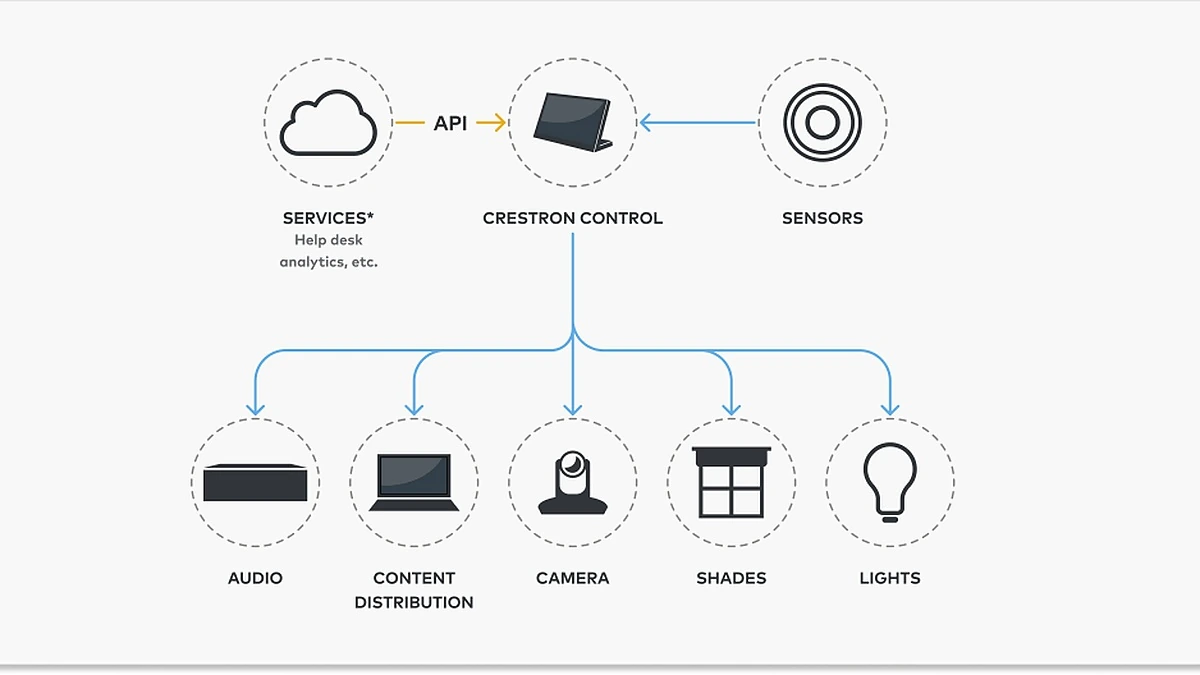
Crestron Installer
Advanced Crestron control integration for high-performance smart home environments.
4 minutes
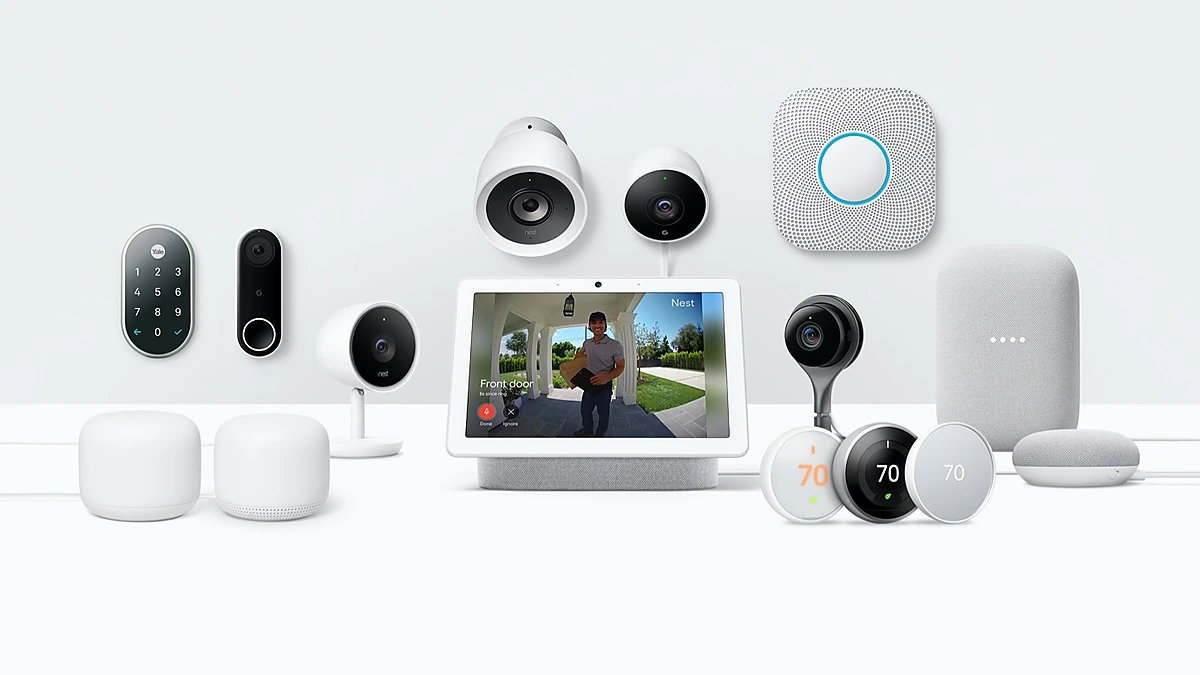
Nest Installer
Nest thermostat and smart home setup for comfort and remote control.
4 minutes
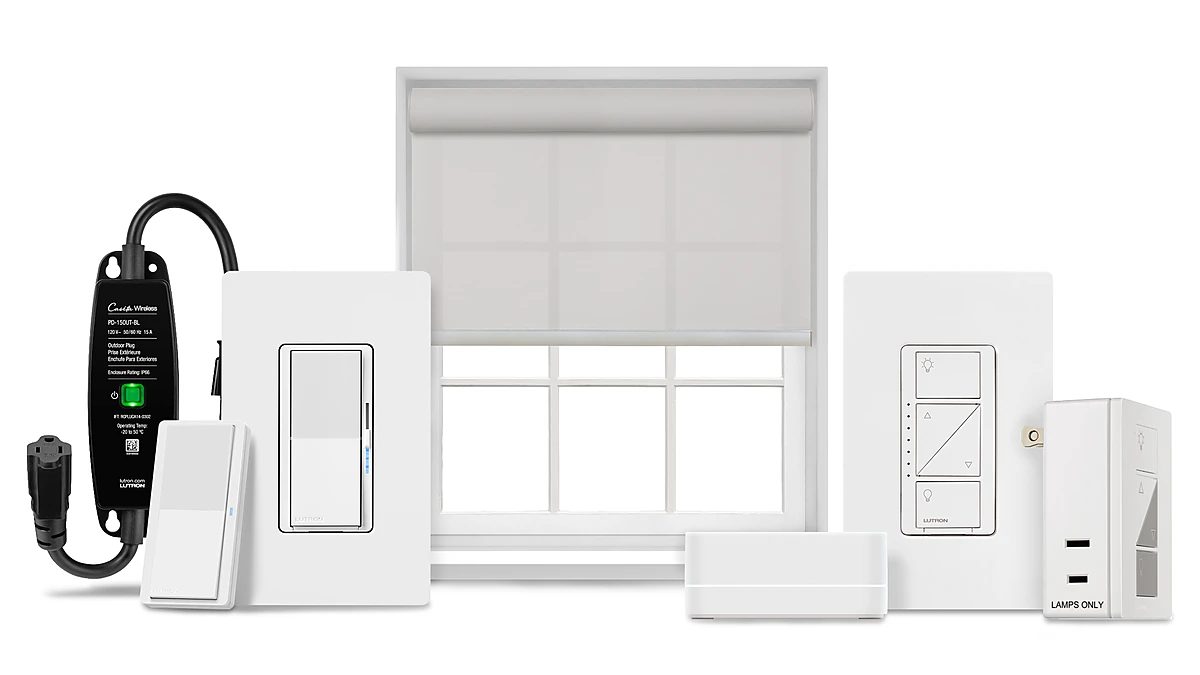
Lutron Installer
Lutron lighting and shading integration for smoother control and scene setting.
4 minutes
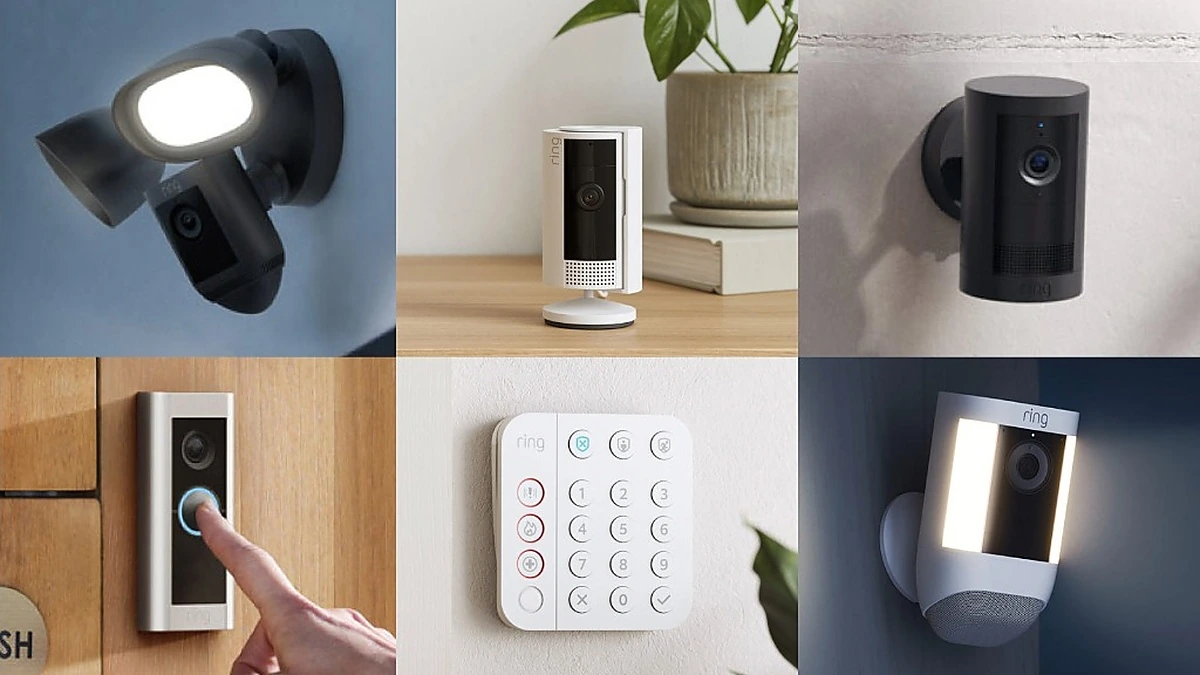
Ring Installation
Ring doorbells and cameras installed for better awareness and entry visibility.
5 minutes
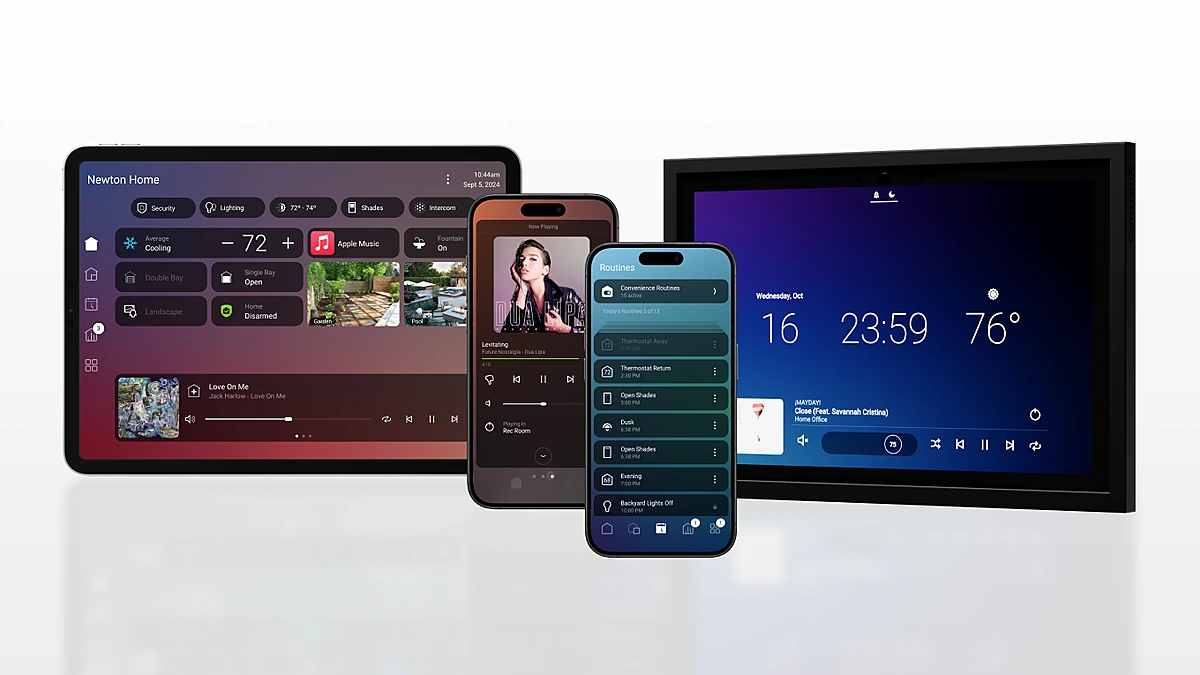
Control4 Installer
Control4 automation setup for unified entertainment, comfort, and home control.
4 minutes
Car & Truck Audio / Electronics Custom Upgrades
Custom mobile audio and electronics upgrades for better sound and functionality.
3 minutes
Almost nothing in Parkland is old, and that turns the usual problem around
Parkland has 11,316 homes and the census can find only 194 of them standing from before the 1980s. The largest single group, 3,889 homes, dates from the 2000s, with another 3,024 finished in the decade after that. The usual starting point for a whole-home project — a house completed long before anyone imagined it carrying streaming, control, cameras and audio on one set of infrastructure — mostly does not apply here. The constraint has moved somewhere else, and it is worth knowing where before anything is quoted.
It has moved into the finish. In housing this recent a route can usually be found; what it costs is the making good — opening a ceiling that has never been opened, and closing it so completely that nobody can say where. That reverses the order in which decisions turn expensive. In older stock the risk is discovering that a route does not exist at all. Here the risk is discovering it late, after a design has been committed and every remaining option involves a plasterer.
There is one thing recency gives you, and it is worth going looking for. A house built this century may well have something low-voltage in it already, and the valuable part is rarely the cable. It is the pathway. A conduit, a sleeve between floors, a route somebody left usable — any of those is worth more to a whole-home design than a run that was sized for what people watched twenty years ago. Which of the two you have is a survey question, and the answer changes the shape of the project rather than a line on the schedule.
It is also the thing worth adding while a ceiling is open, whatever else the project does that year. A pathway never becomes obsolete: the cable inside it can be changed in an hour by somebody who has never met you, and the cable buried in a finished wall cannot be changed at all. Where opening a finish is the expensive step, a route you can use again is not an abstraction. It is most of the difference between a system that keeps growing with the house and one frozen on the day it was signed off.
At this level the system gets judged the way the house is
The median Parkland home is valued at $896,300. That changes nothing about the physics of a loudspeaker, but it changes what counts as finished, and it moves the argument a long way from the equipment schedule. What gets noticed in housing at that level is the work nobody can see: whether a wall carries any trace of what was done to it, whether a ceiling closes without a patch, whether something had to be surface-run because a route was never established. Each of those is settled when the route is settled, weeks before a product is chosen.
The same reasoning puts calibration inside the scope rather than after it. Equipment leaves the factory configured for no particular room, and it is the time spent measuring and adjusting in the room it will actually live in that decides whether the result matches what was described to you. Booking that as part of the installation, with the room finished and the seating where it is going to stay, is a different job from a quick pass on the afternoon the boxes arrive.
This is a city nobody closes up for the season
Of the 10,828 occupied homes in Parkland, 9,296 are lived in by their owners, and just 57 homes in the entire city are held for part of the year. Households that settle like that do not commission a system once and leave it there. They add a room, a patio, a camera, a second screen — and every one of those additions is either a cable already waiting behind a plate or a week of access and making good. In a market where making good is the expensive half, leaving capacity at the terminations is not an optional line on a quote. It is the cheapest insurance in the whole project.
So the order here runs the opposite way to the one most people expect. Not what to buy, then where it goes, then how to get a cable to it — but what the house already contains, what may be opened and at what cost to put back, where the equipment and the routes will live, and only then what appears on a wall. Newer housing does not make a whole-home system easier. It makes the planning worth more.