

Occupied Homes, Settled Once Audio Video | Home Theater Installations Serving Pembroke Pines, FL
Pembroke Pines keeps 63,994 of its 66,800 homes occupied, seven in ten by their owners, and holds only 695 seasonally — the work happens around a household that is already home.
Transform Your Spaces and Rides with Cutting-Edge Audio-Video and Security Solutions
From smart home automation to immersive car and marine audio systems, and state-of-the-art CCTV security – streamline and secure your world effortlessly.
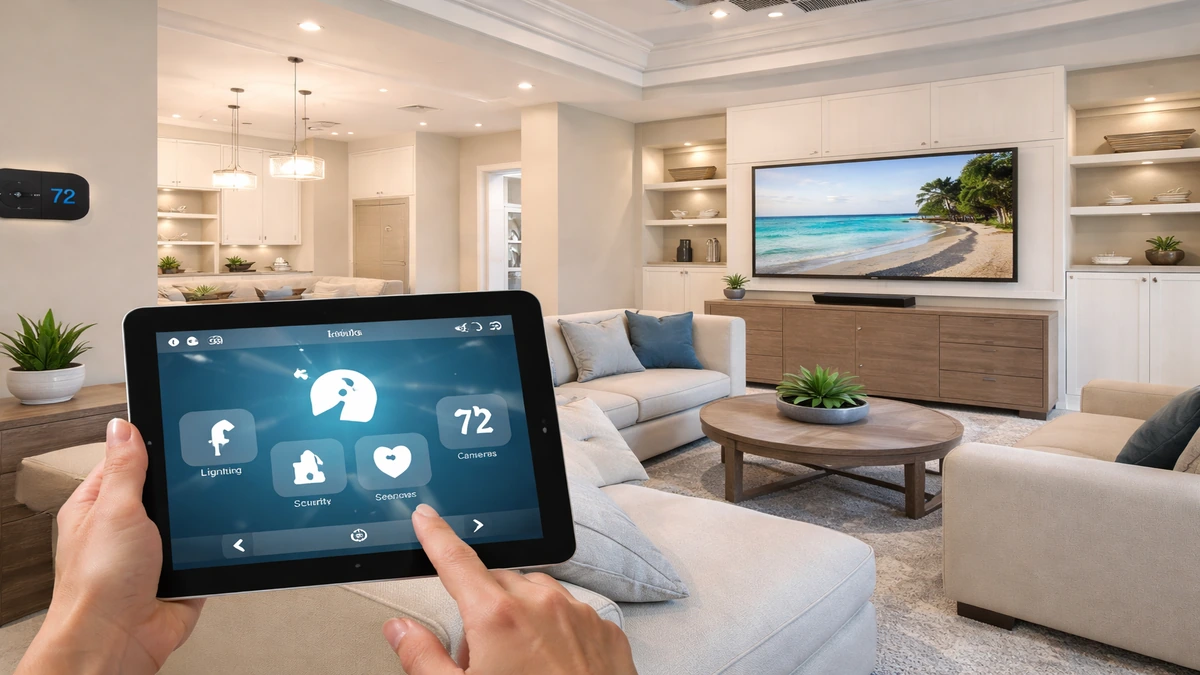
Smart Home Automation Installation
Integrated control for lighting, climate, security, and entertainment.
4 minutes
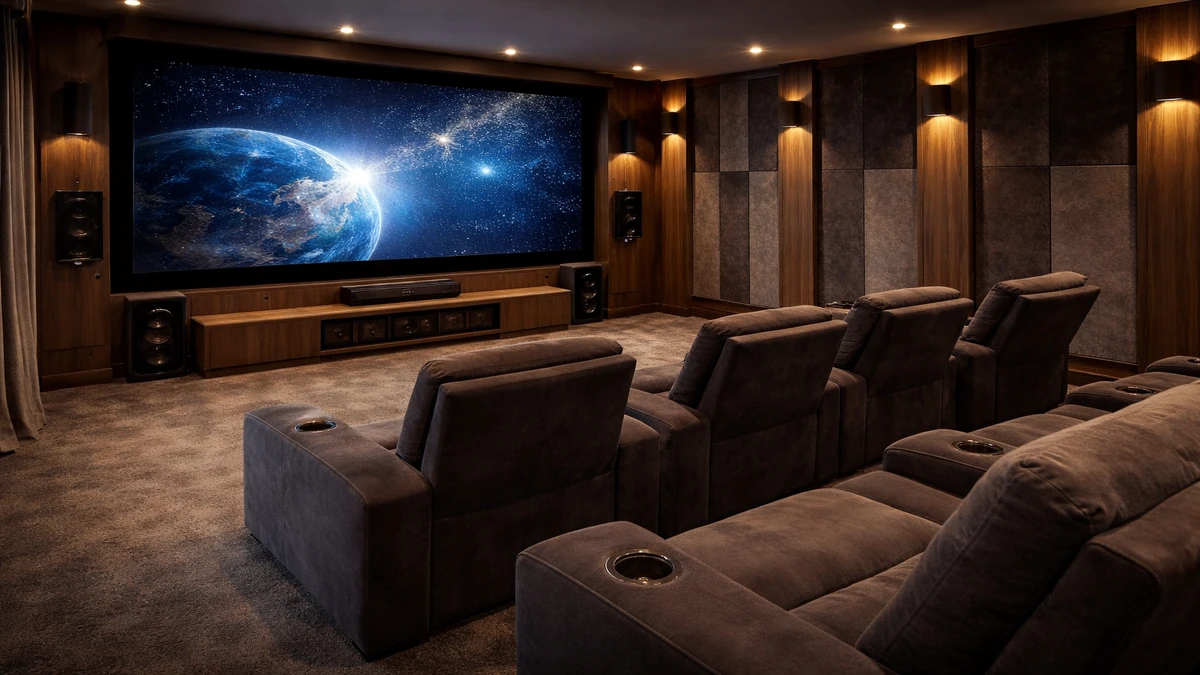
Home Theater Installation
Custom theater rooms designed for immersive picture, sound, and comfort.
4 minutes
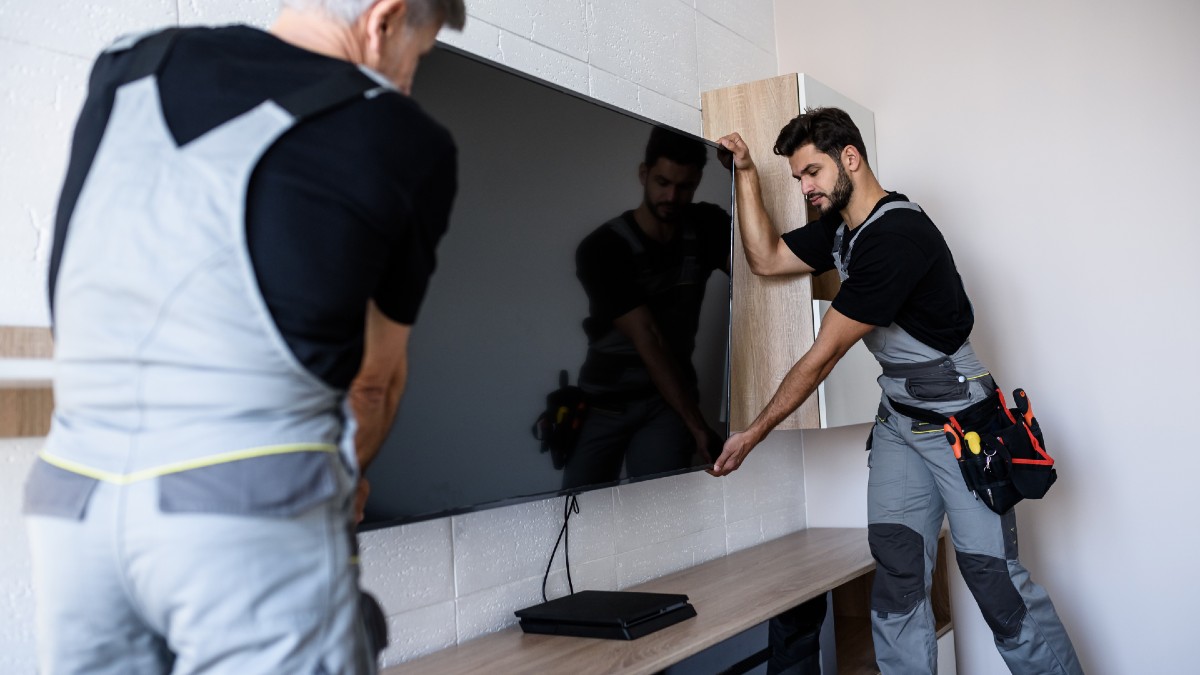
TV Wall Mounting
Professional TV mounting for cleaner layouts and better viewing angles.
5 minutes
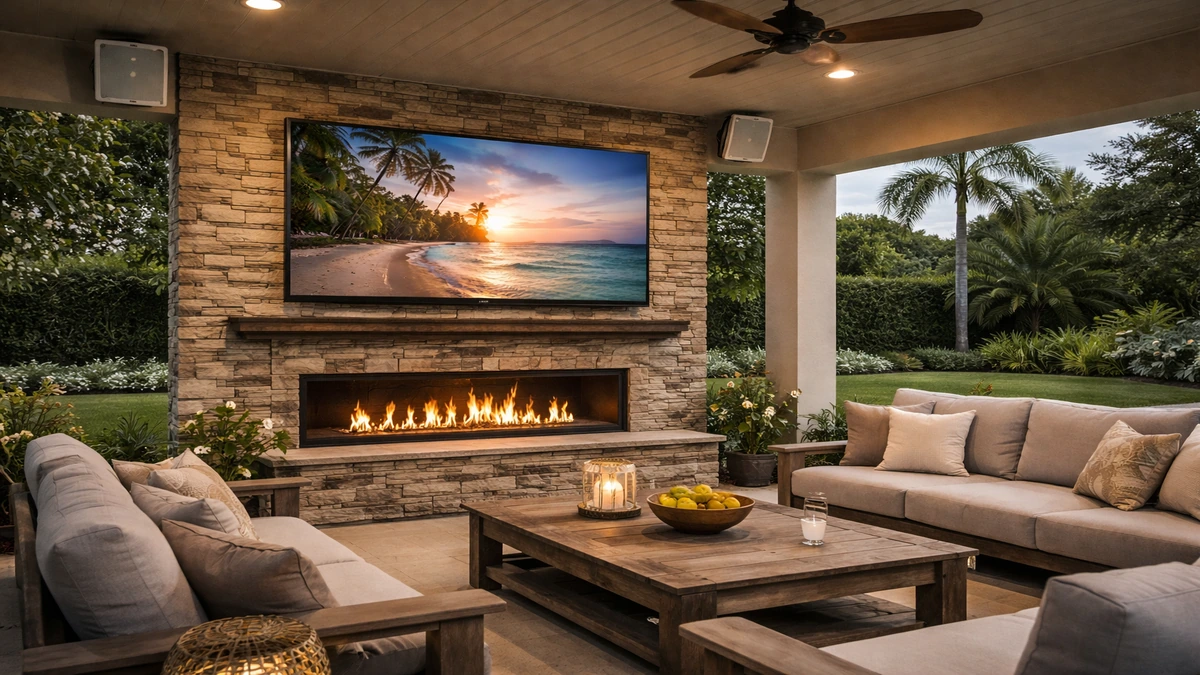
Outdoor TV Installation
Weather-aware outdoor TV setups built for patios, lanais, and pool areas.
5 minutes
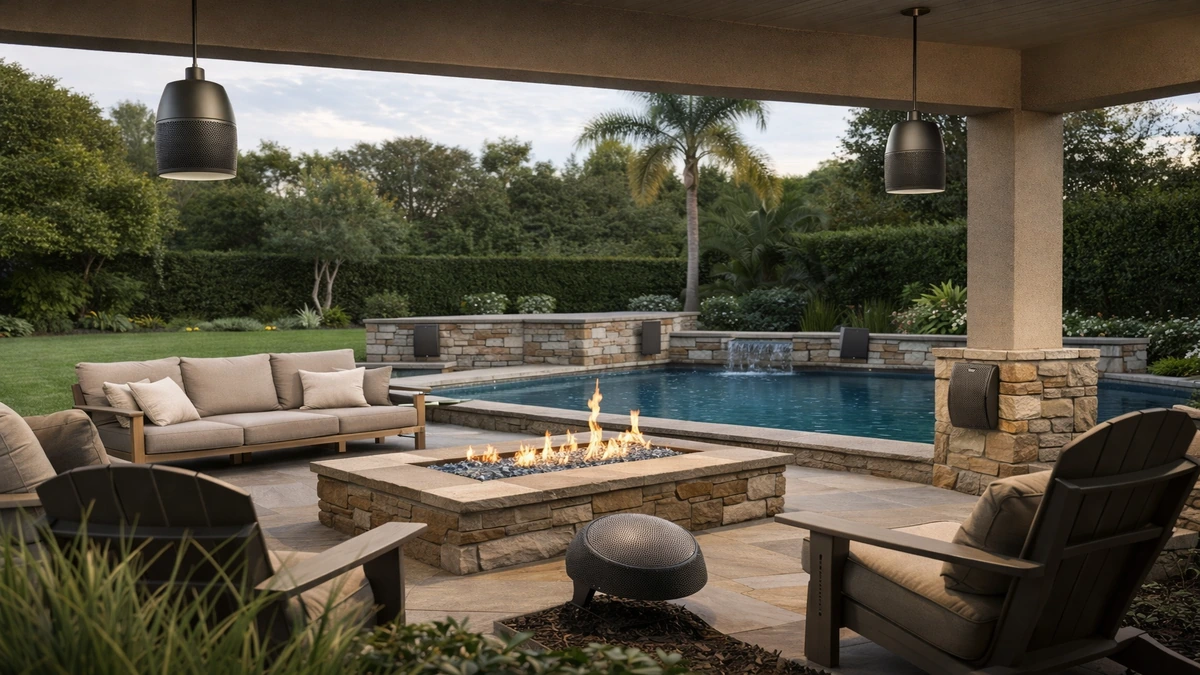
Outdoor Audio Installation
Outdoor speaker systems planned for clear sound and reliable coverage.
4 minutes
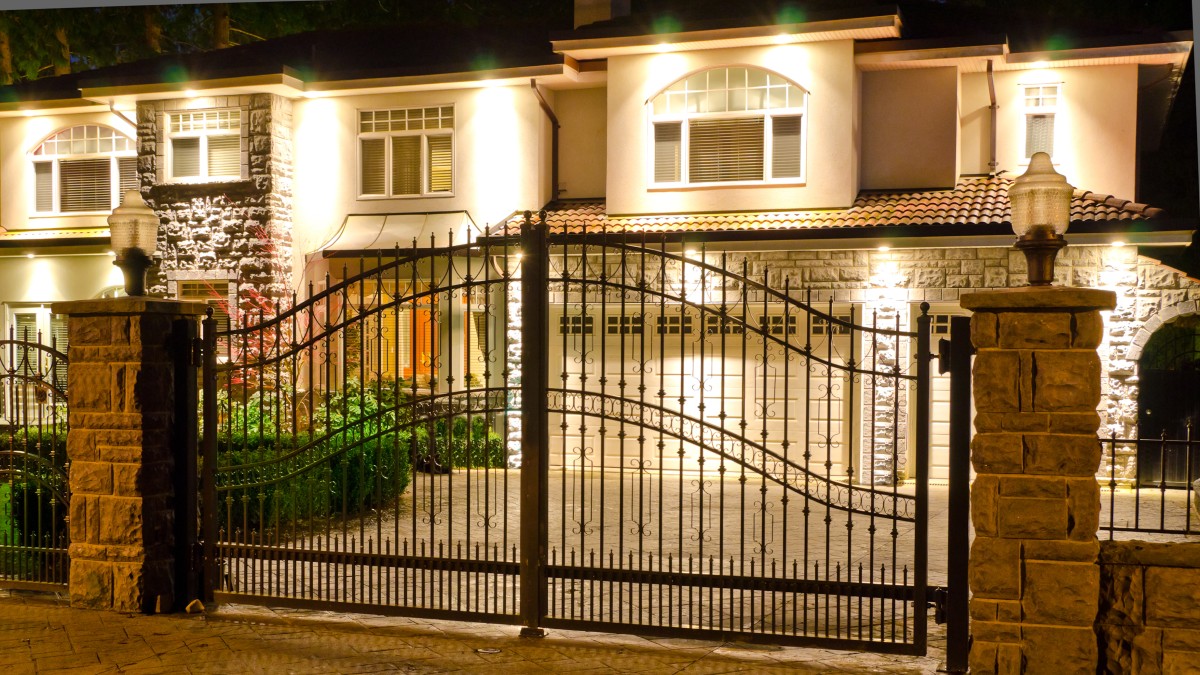
Automatic Gates
Secure, convenient gate automation with access control and entry integration.
4 minutes
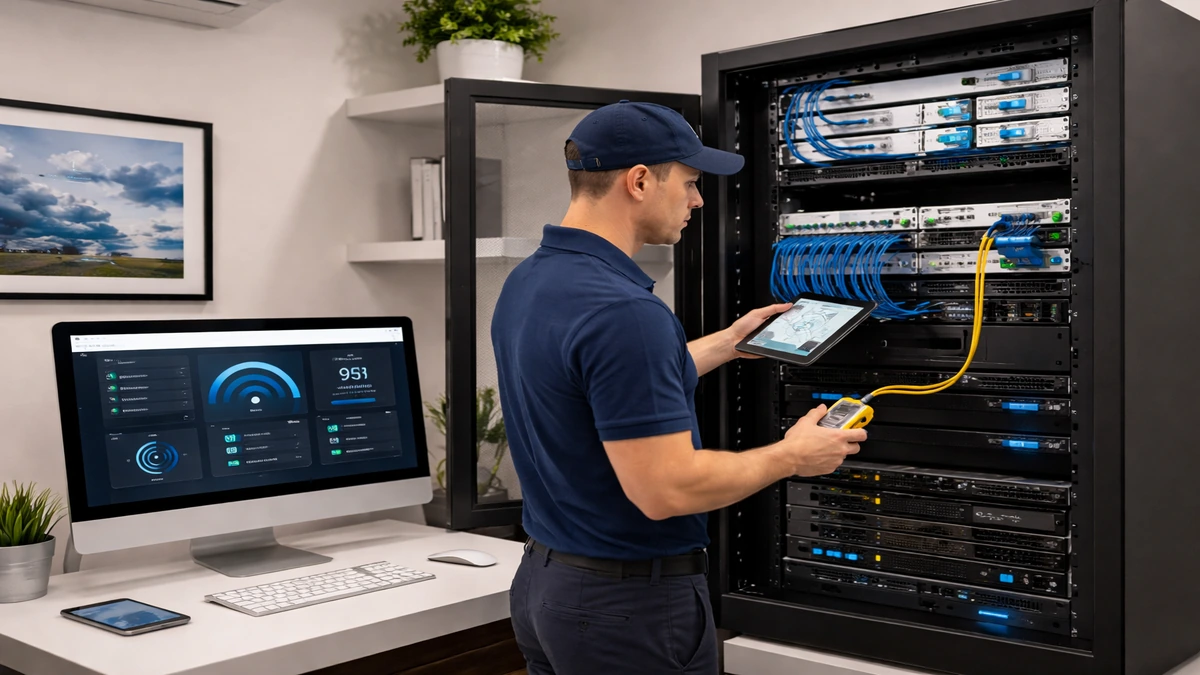
Home Network Installation
Stronger Wi-Fi, better coverage, and dependable connectivity throughout the property.
4 minutes
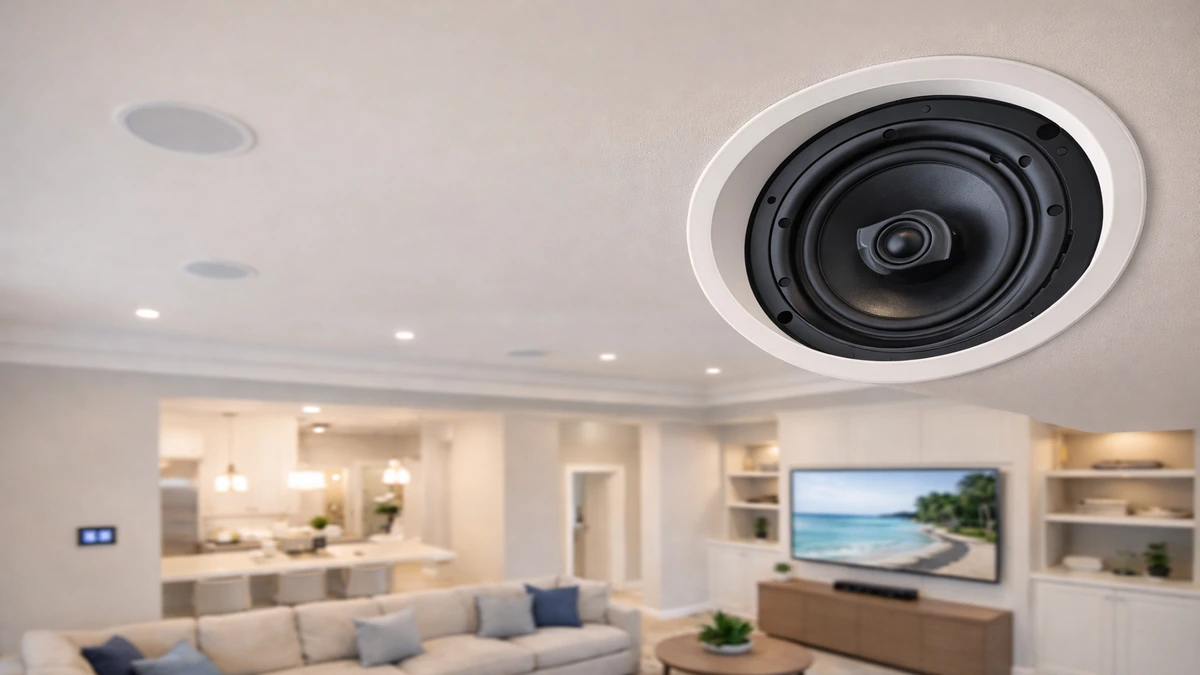
Ceiling Speaker Installation
Clean in-ceiling audio solutions for music, TV, and multi-room sound.
4 minutes
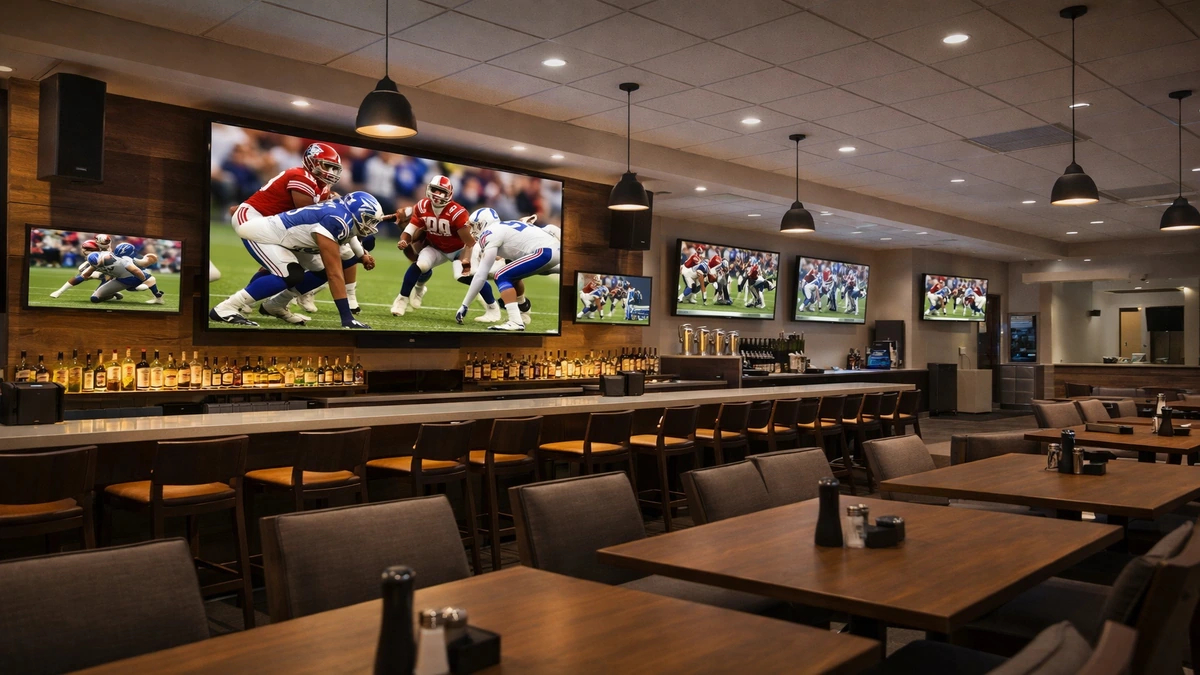
Commercial AV Installation
Professional audio, video, and control systems for business environments.
4 minutes
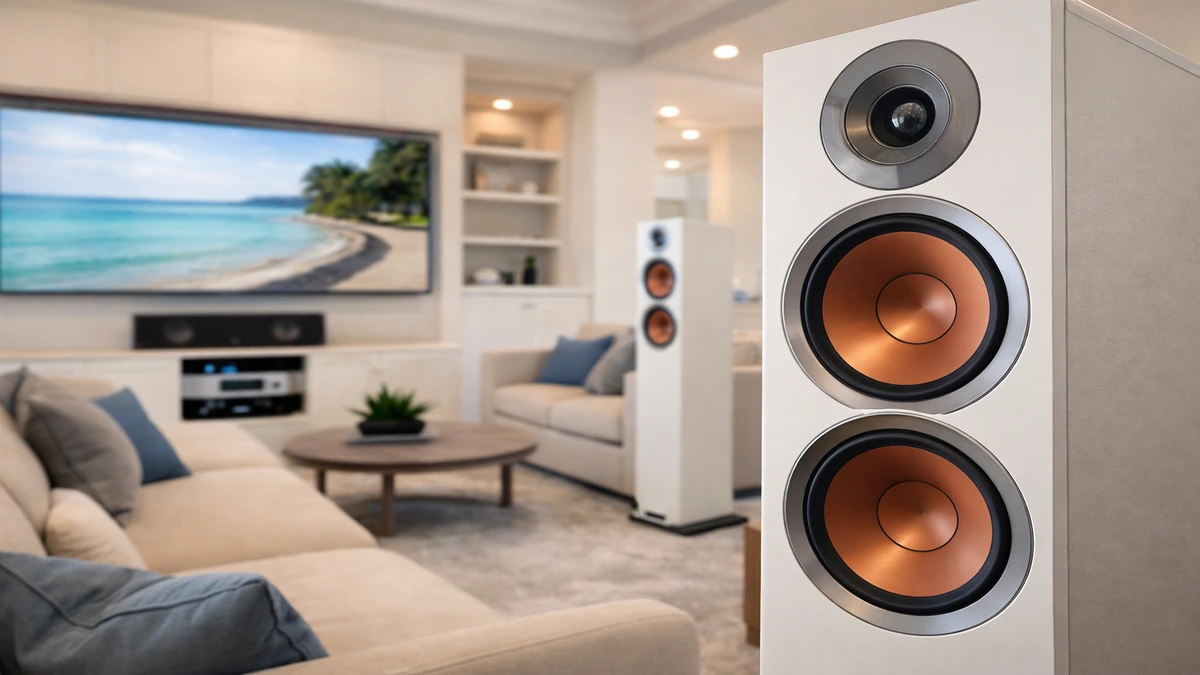
Home Audio Installation
Whole-home and room-based audio systems tailored to how you listen.
4 minutes

Marine Audio & Electronics Installation
Boat audio, displays, and electronics installed for performance on the water.
4 minutes
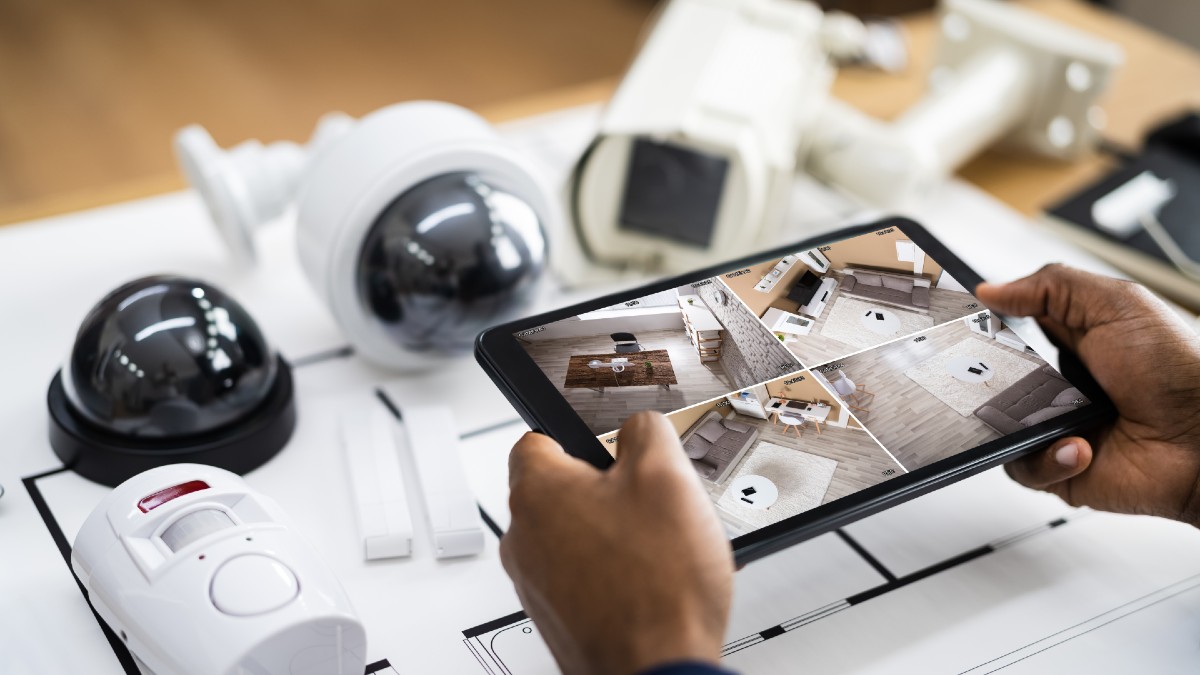
Security Camera Installation
Smart camera systems for visibility, alerts, recording, and remote monitoring.
4 minutes
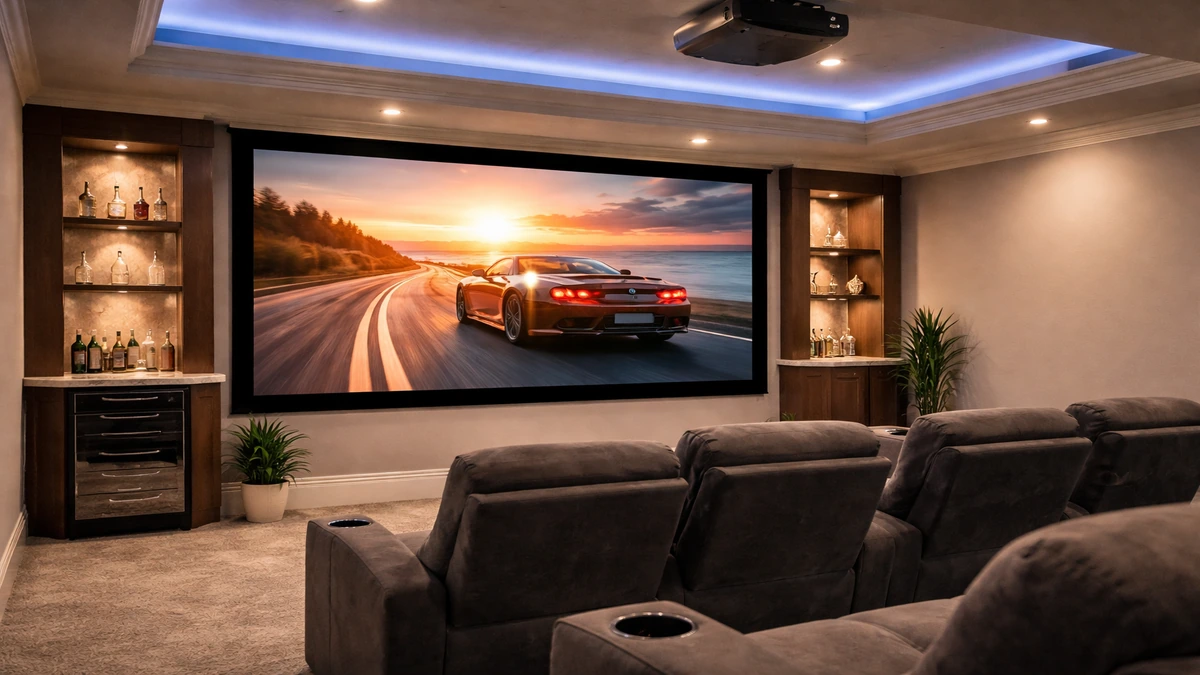
Projector Screen Installation
Projectors and screens configured for sharp viewing and balanced room performance.
4 minutes
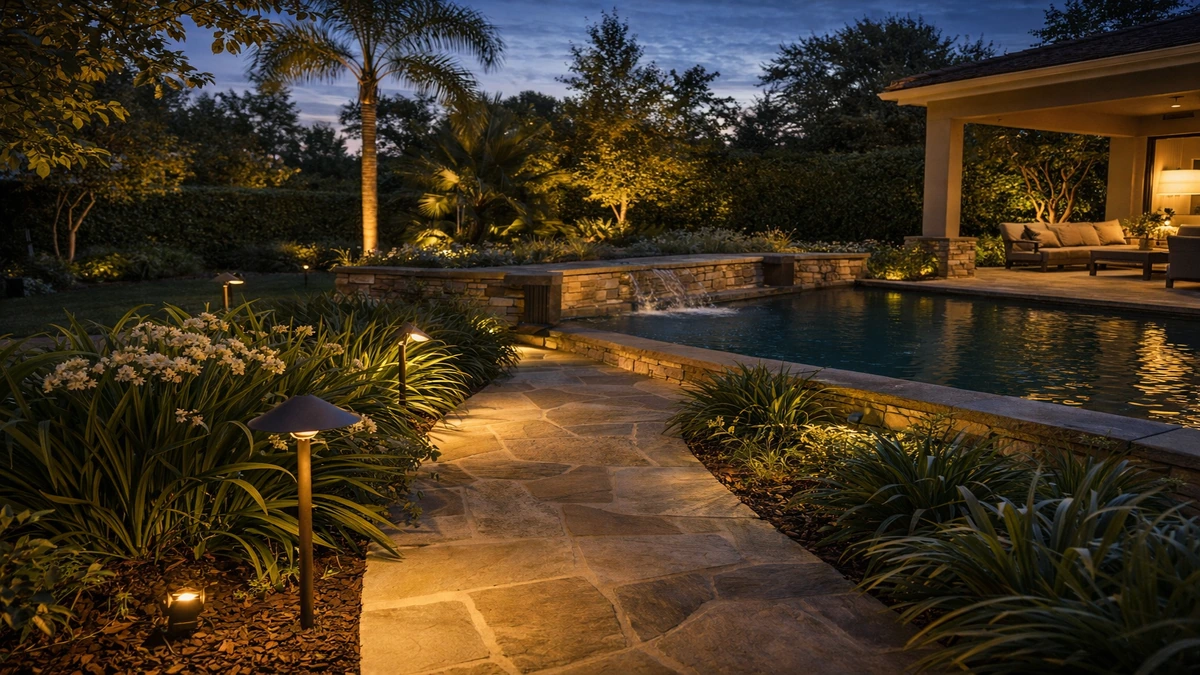
Outdoor Lighting Installation
Exterior lighting that improves curb appeal, ambiance, and nighttime usability.
4 minutes
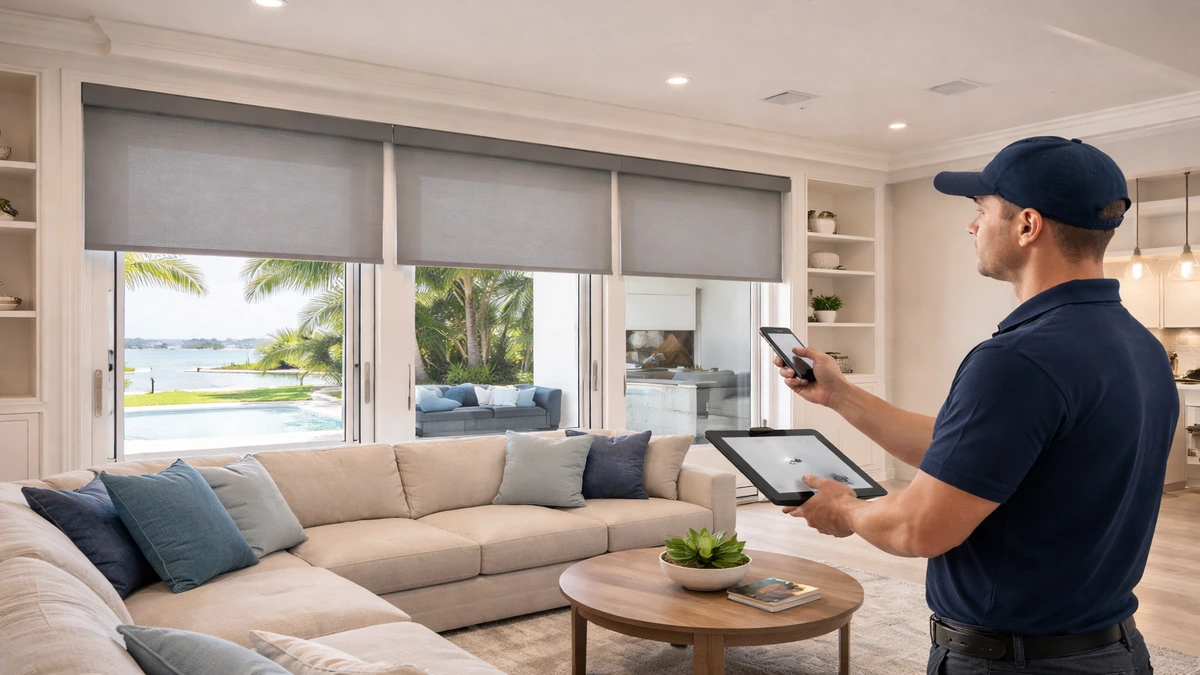
Motorized Blinds Installation
Automated shading for privacy, glare control, and everyday convenience.
4 minutes
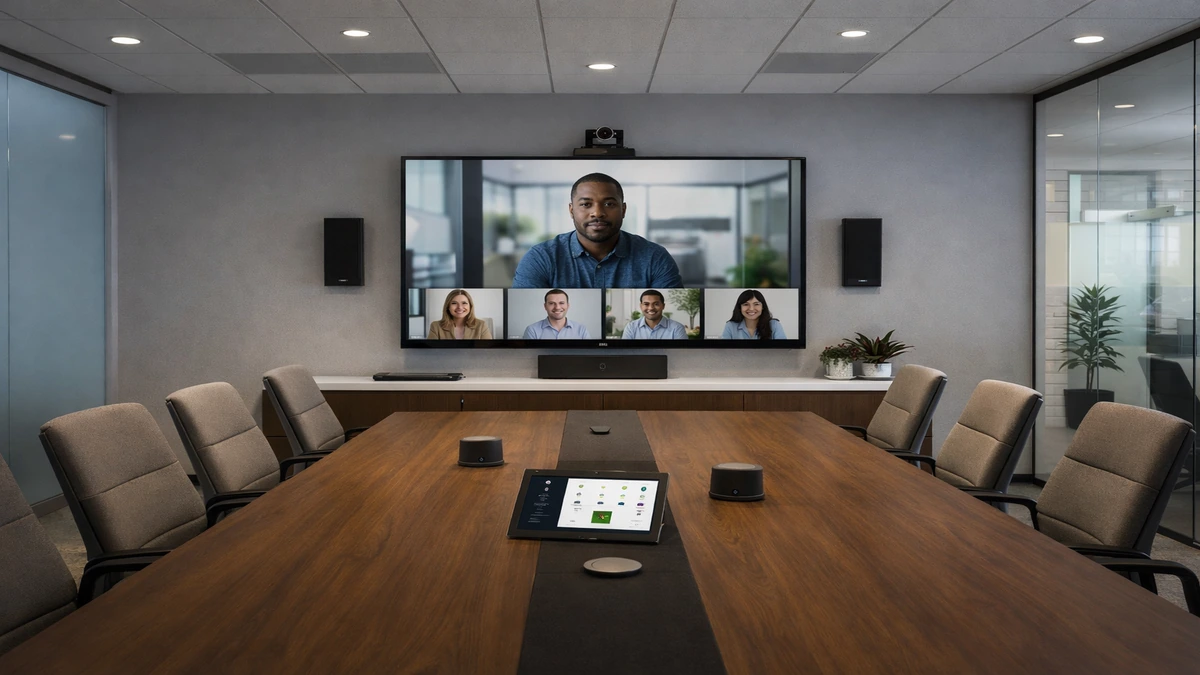
Conference Room AV Installation
Meeting room technology for clearer presentations, calls, and collaboration.
4 minutes
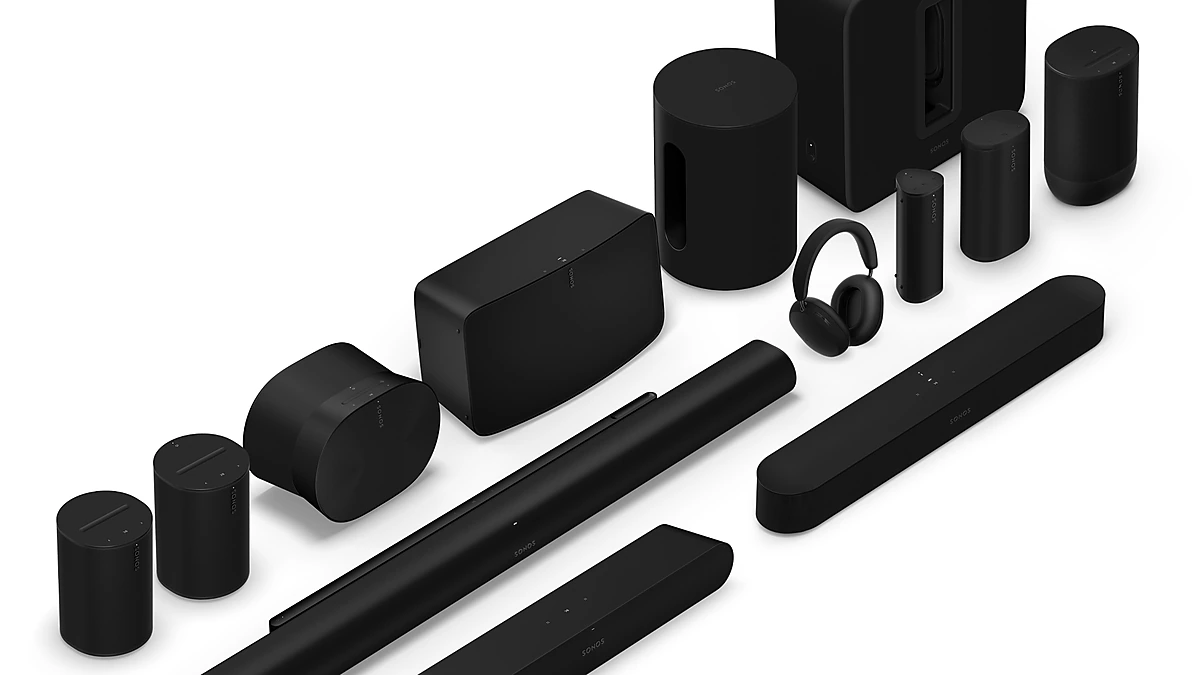
Sonos Installation
Sonos system design, setup, and tuning for simple multi-room audio.
4 minutes
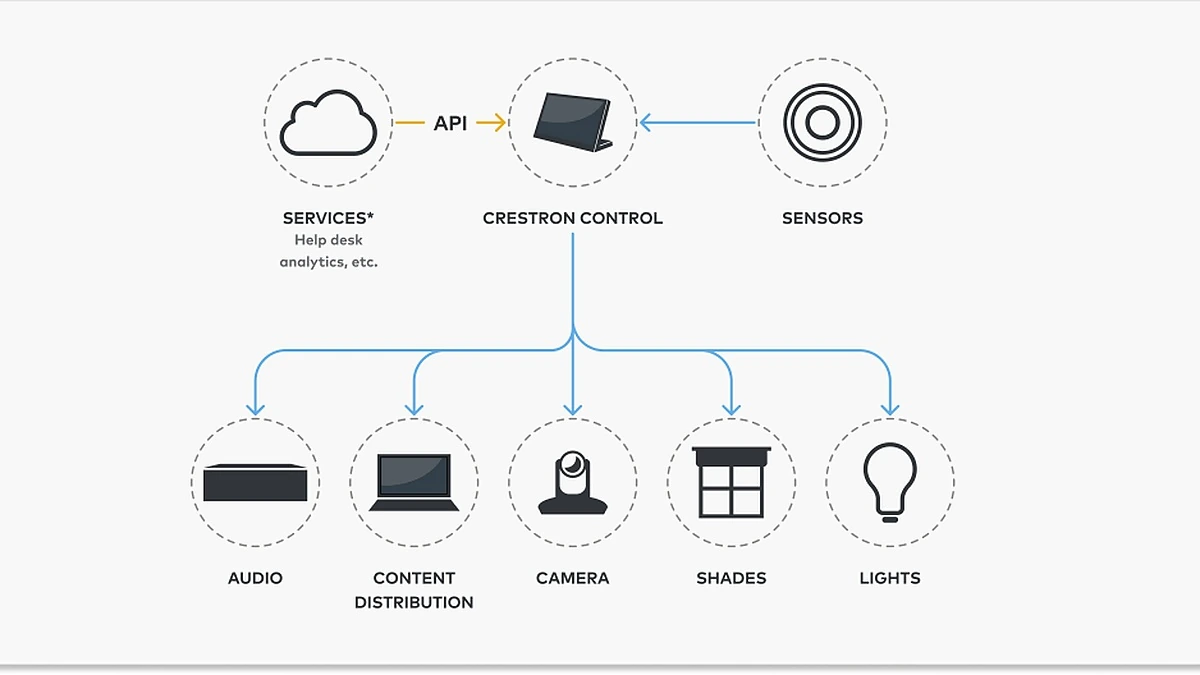
Crestron Installer
Advanced Crestron control integration for high-performance smart home environments.
4 minutes
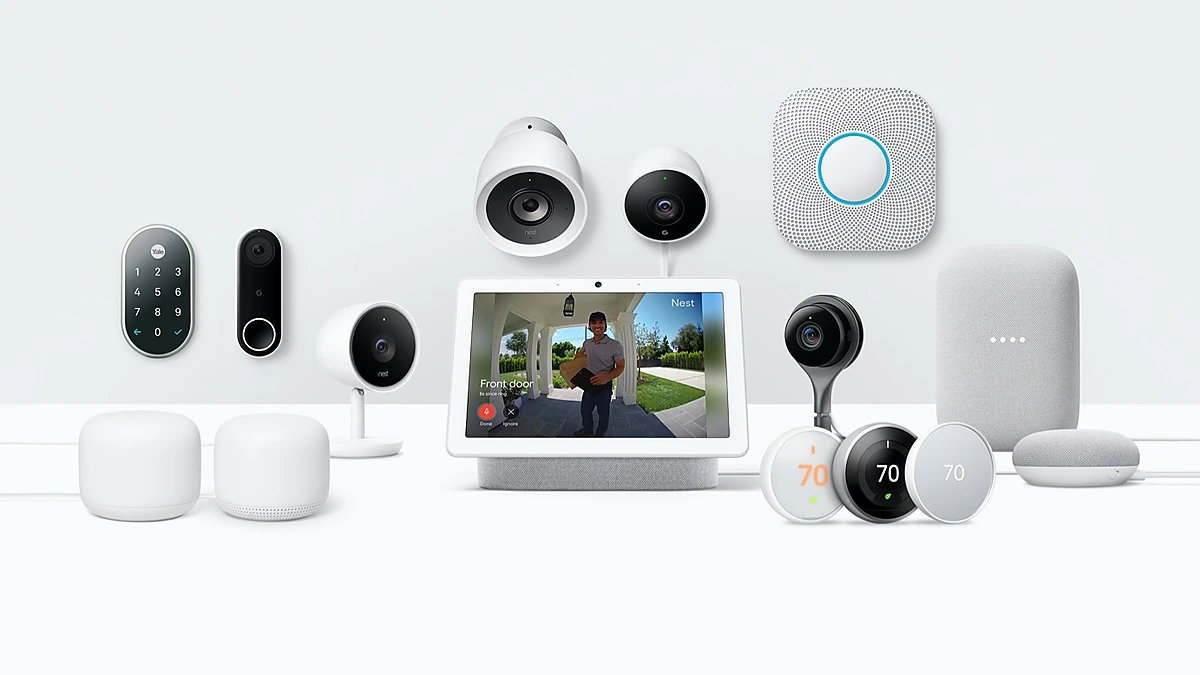
Nest Installer
Nest thermostat and smart home setup for comfort and remote control.
4 minutes
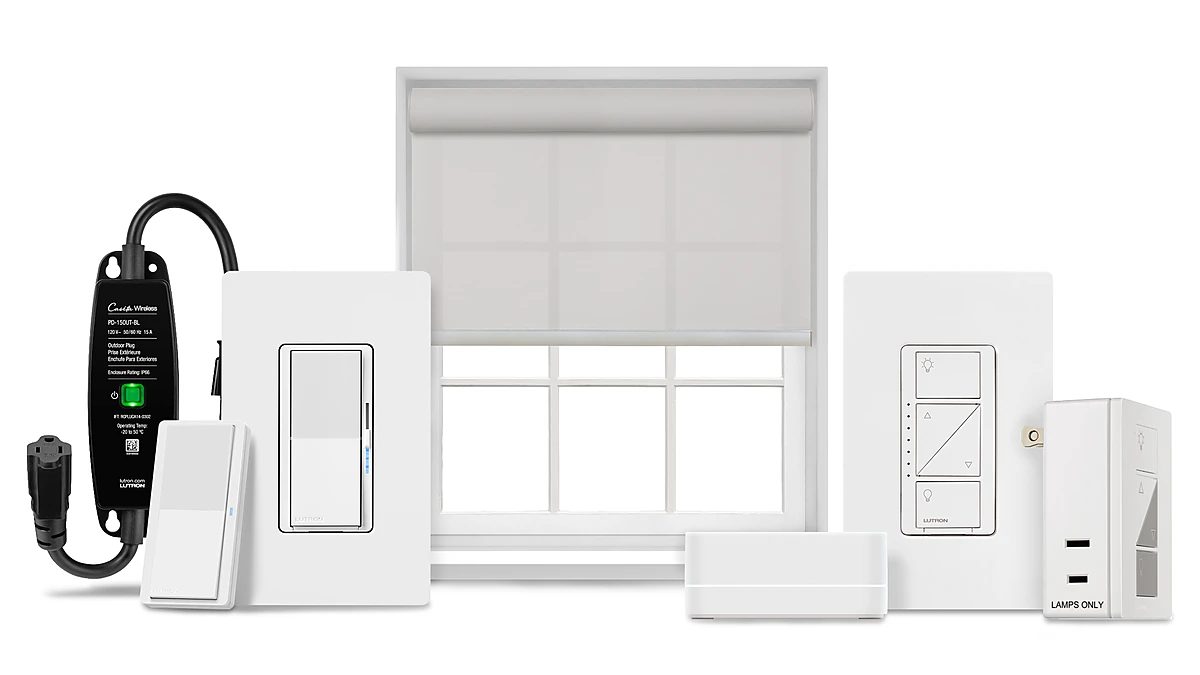
Lutron Installer
Lutron lighting and shading integration for smoother control and scene setting.
4 minutes
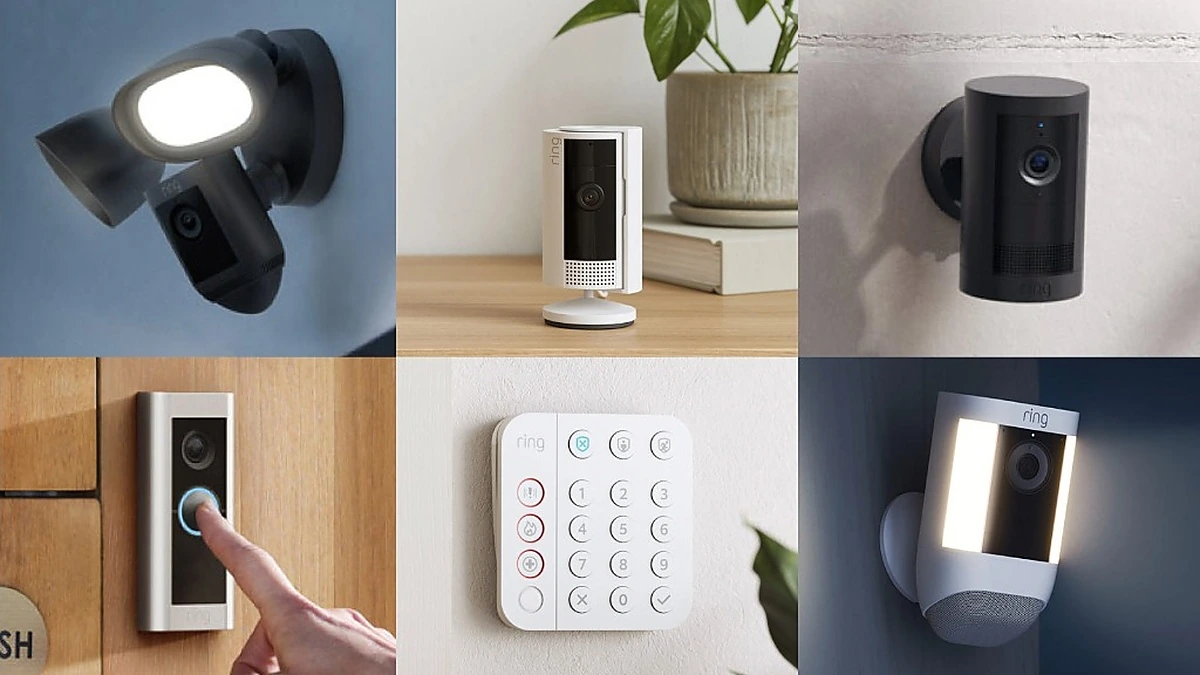
Ring Installation
Ring doorbells and cameras installed for better awareness and entry visibility.
5 minutes
Control4 Installer
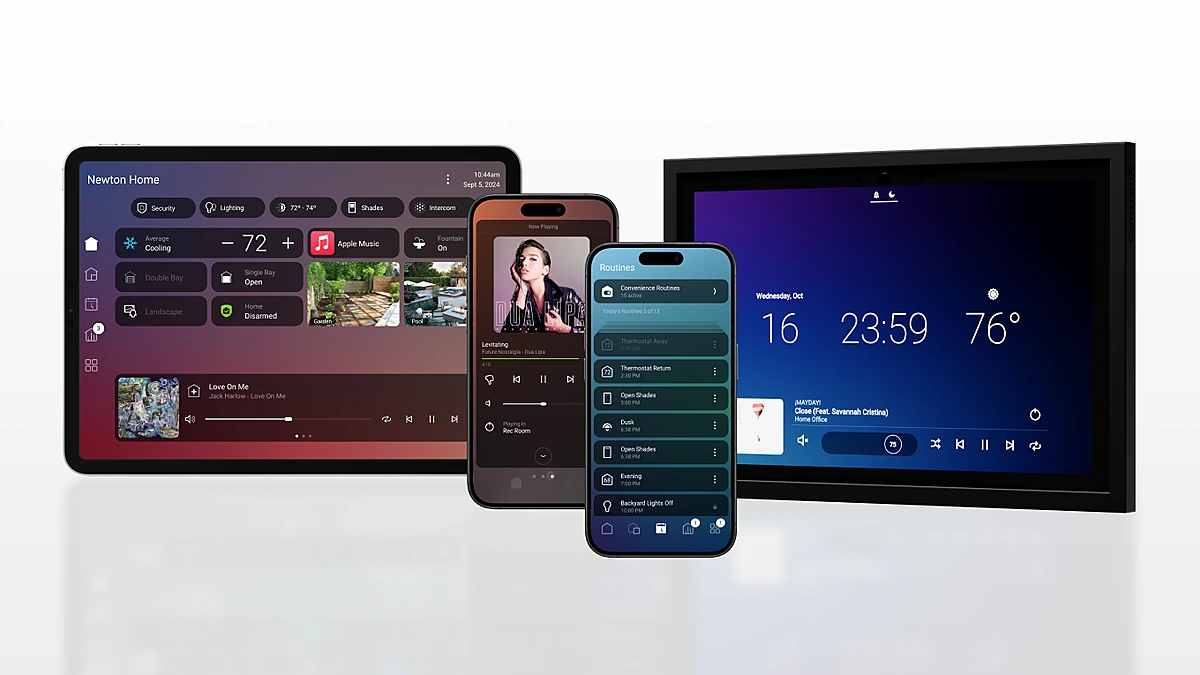
Control4 automation setup for unified entertainment, comfort, and home control.
4 minutes

Car & Truck Audio / Electronics Custom Upgrades
Custom mobile audio and electronics upgrades for better sound and functionality.
3 minutes
Almost nothing here is standing empty
Pembroke Pines has 66,800 homes and 63,994 of them are occupied. Just 695 are held for seasonal, recreational or occasional use. This is a city that is lived in rather than visited, and the consequence for a whole-home project is immediate: the house being worked in is somebody's ordinary week as well as somebody's project.
An occupied home changes what a route costs. Opening a finished wall or ceiling is already the part of this work that moves a budget, and in a house nobody has moved out of it also takes a room out of use, moves the furniture twice and puts a household on somebody else's schedule. That is not an argument for doing less work. It is an argument for doing the disruptive part once, which means knowing the whole design before the first ceiling comes down rather than one room's worth of it.
Which in turn is an argument for surveying beyond the room in scope. If the theater is this year, the primary suite is next year and the patio is the year after, the openings that serve all three are worth deciding now, even though only one of them is being paid for now. The cable that is not pulled today still needs its route reserved today, because the route is precisely what is about to be finished over.
Three quarters of the city arrived inside thirty years
Some 25,139 homes here went up in the 1990s, far the largest group, with 13,846 from the decade before it and 10,759 from the one before that. Housing that arrived in a concentrated run matters here mainly because it makes a multi-year plan credible: where the fabric behaves consistently, you can commit to routes for phases that have not been bought yet without pricing in the risk that the next ceiling turns out to be a different animal.
None of that stock was finished with structured cabling designed into it, so this is a retrofit into completed walls whichever decade an address came out of. The advantage a consistent fabric gives is not that the work becomes easier. It is that the design can be settled in one pass instead of being reopened and renegotiated room by room as each ceiling comes down.
Not every address here is a house you can open at will
The stock is genuinely mixed. There are 30,915 detached homes, 9,140 attached ones and 15,966 in buildings of twenty units or more. In a detached house the timetable is yours. In an attached one, part of the fabric is shared and part of the outside is not entirely your decision. In a building of twenty units or more, the route itself is a shared asset and the timetable belongs to whoever administers it, which is a fact to establish in week one rather than week five.
The design answer is the same across all three and the lead time is not. Find out early what may be opened and who decides, because that answer sets the programme, and a programme that has to be revised halfway is the expensive sort of surprise in a home that stays occupied the whole way through it.
Seven households in ten own the home the system goes into
Owners occupy 45,330 of the occupied homes in Pembroke Pines, against 18,664 that are rented. Where households stay, systems get added to, and an addition is nearly always cheap in a house that was planned for it and expensive in one that was not. A spare pull left in an open route, a port left free, a zone drawn but not yet built — those are the parts of a specification nobody photographs, and they are what decide whether the second phase is a visit or a project.
So the sequence here carries one extra requirement. Settle the whole design before the first opening — not because all of it is being bought at once, but because the house will be lived in through every phase of it. Agree the routes and the openings, agree what has to disappear, size the cabling and the network for the version of this that exists in five years, and let the equipment arrive when it suits. Done in that order the disruption happens once, and everything after it is delivery.