

Nobody Leaves For The Summer Audio Video | Home Theater Installations Serving Plantation, FL
Just 540 Plantation homes are held seasonally, 16,613 predate 1980, and 17,600 of the 39,426 homes are detached, so a large system gets built around a household that never leaves.
Revolutionize Your World: Cutting-Edge Audio/Video and Security Solutions
From living spaces to vehicles and boats, our solutions offer state-of-the-art A/V integrations, smart remote technology, professional mounting, and top-tier CCTV security to transform and secure your environment.
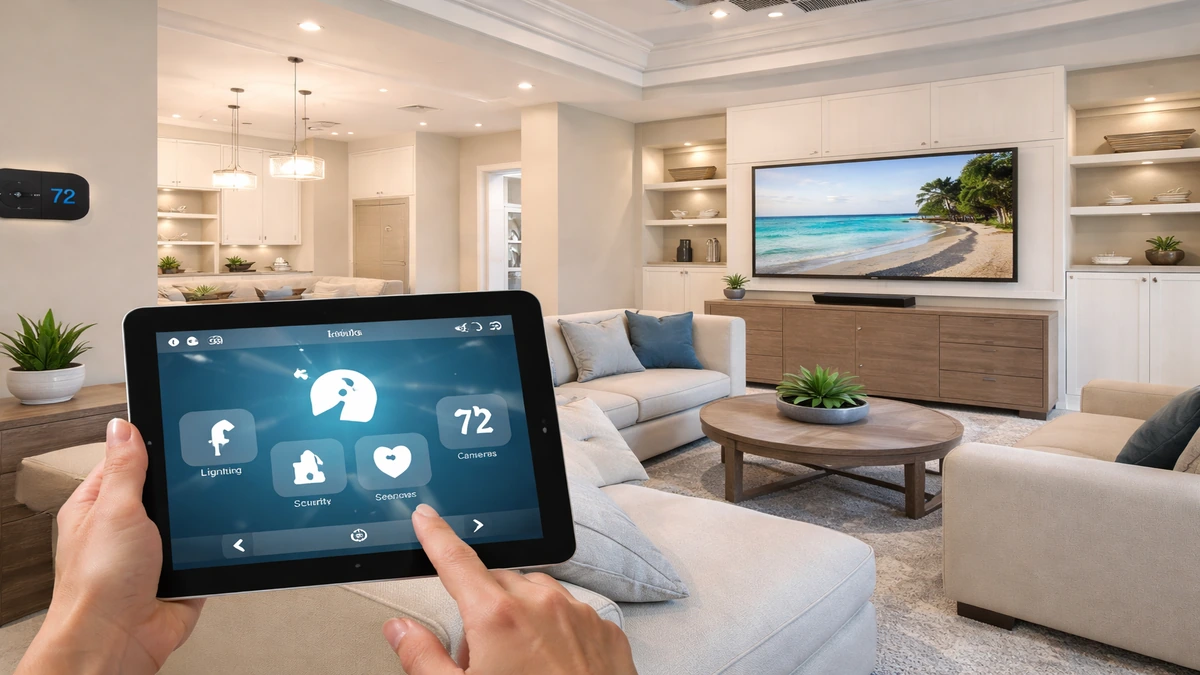
Smart Home Automation Installation
Integrated control for lighting, climate, security, and entertainment.
4 minutes
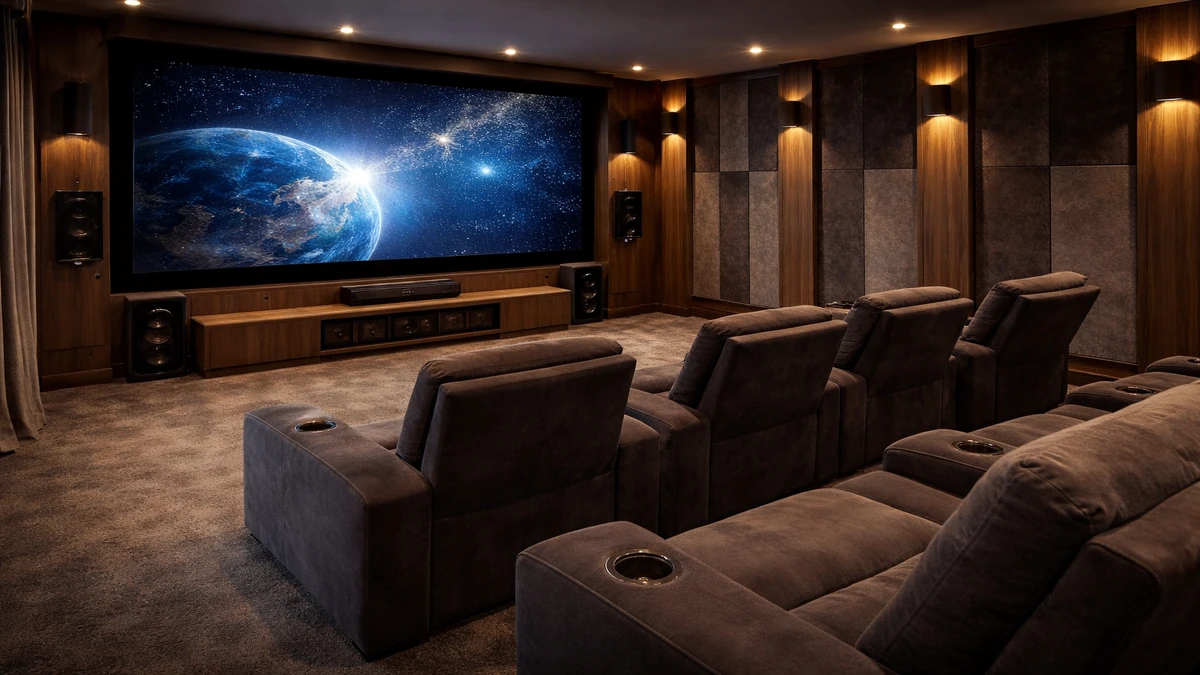
Home Theater Installation
Custom theater rooms designed for immersive picture, sound, and comfort.
4 minutes
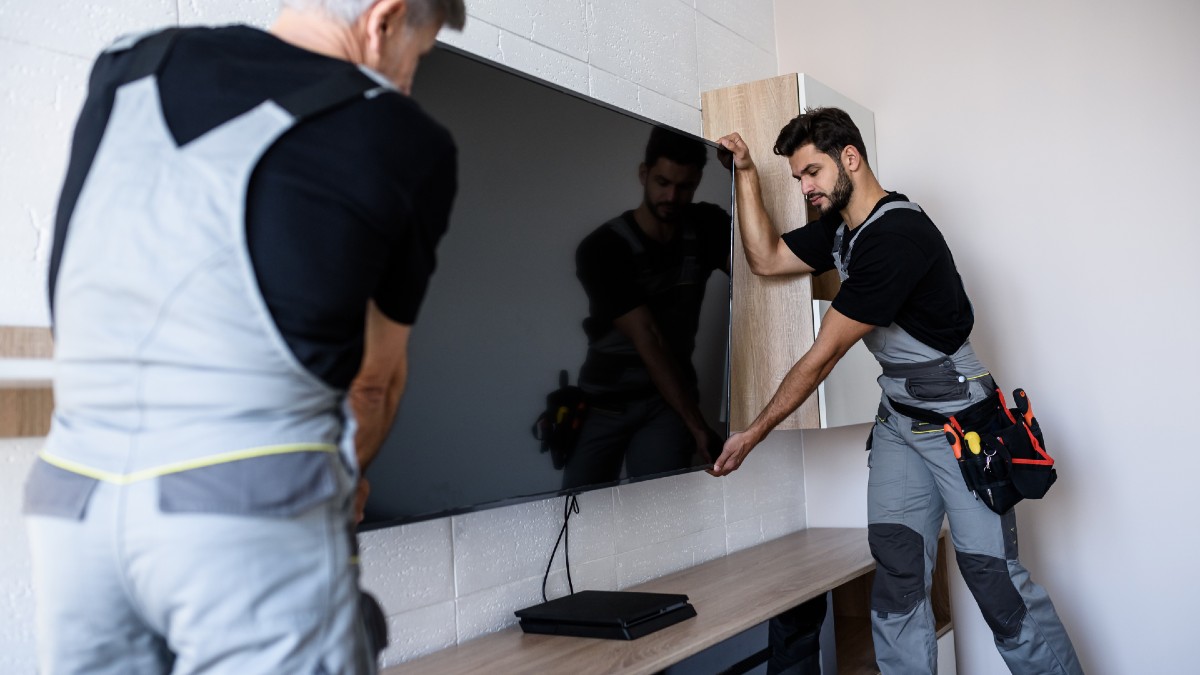
TV Wall Mounting
Professional TV mounting for cleaner layouts and better viewing angles.
5 minutes
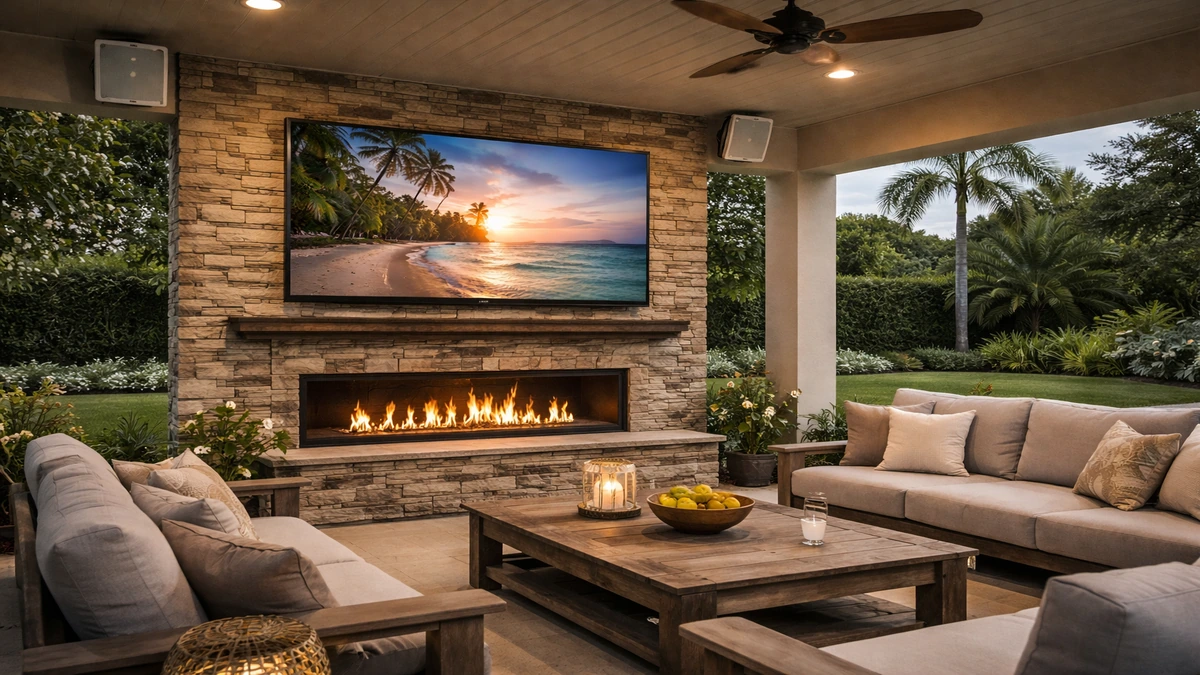
Outdoor TV Installation
Weather-aware outdoor TV setups built for patios, lanais, and pool areas.
5 minutes
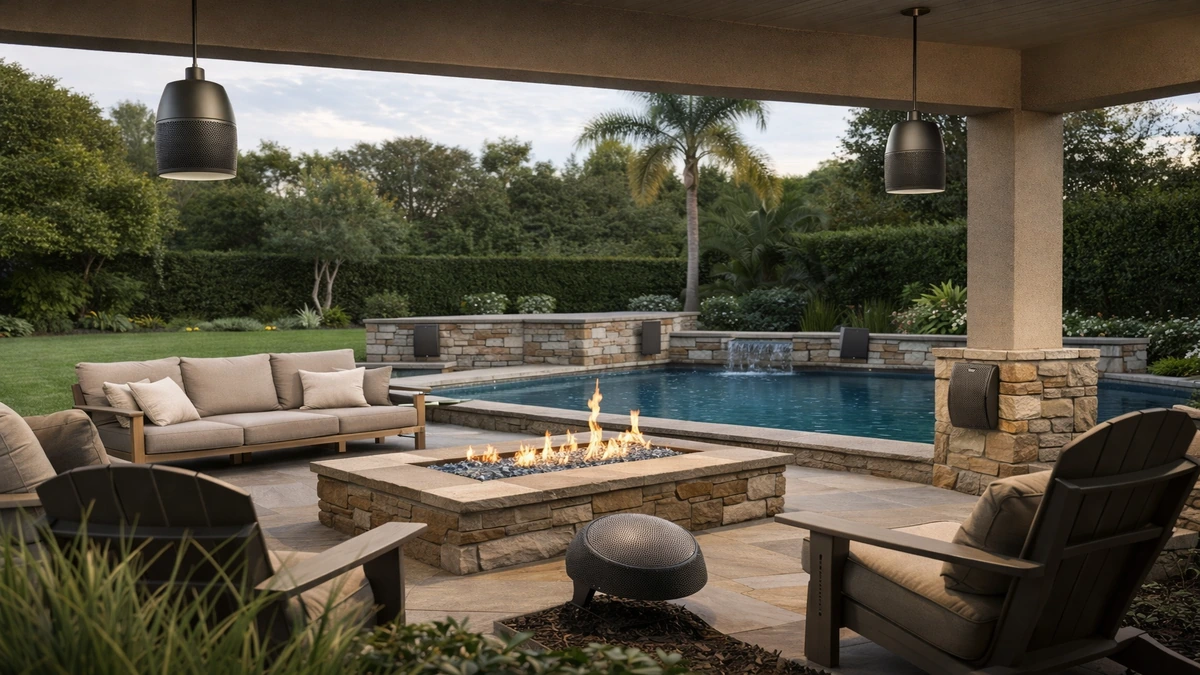
Outdoor Audio Installation
Outdoor speaker systems planned for clear sound and reliable coverage.
4 minutes
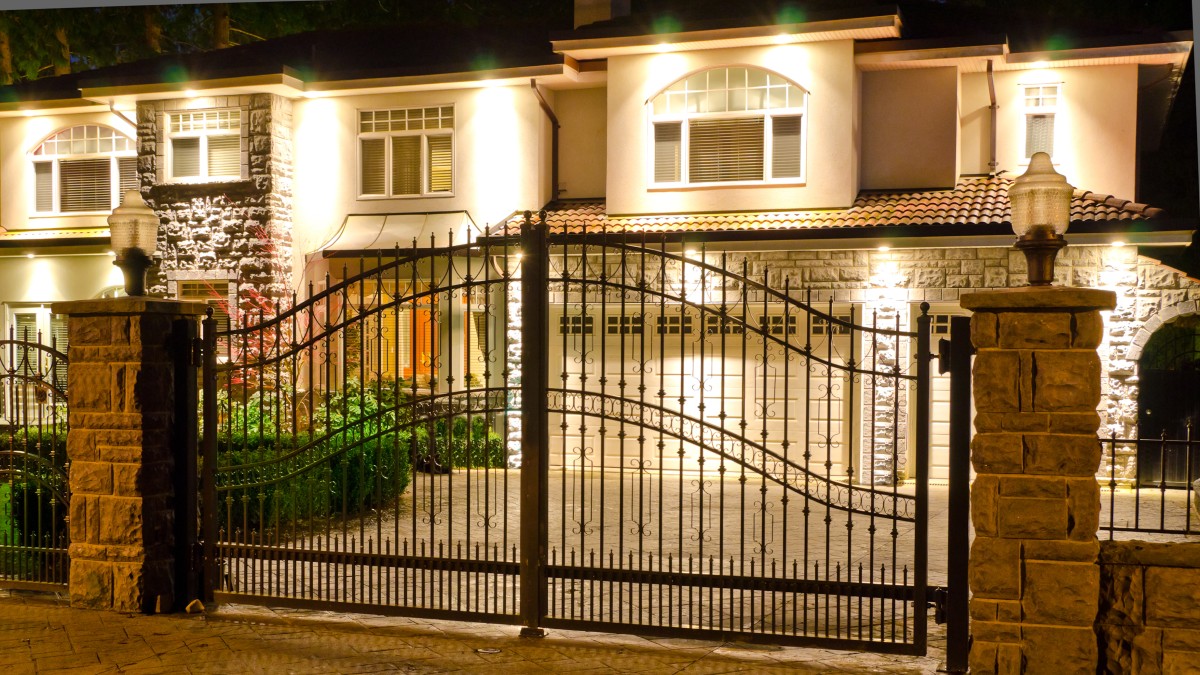
Automatic Gates
Secure, convenient gate automation with access control and entry integration.
4 minutes
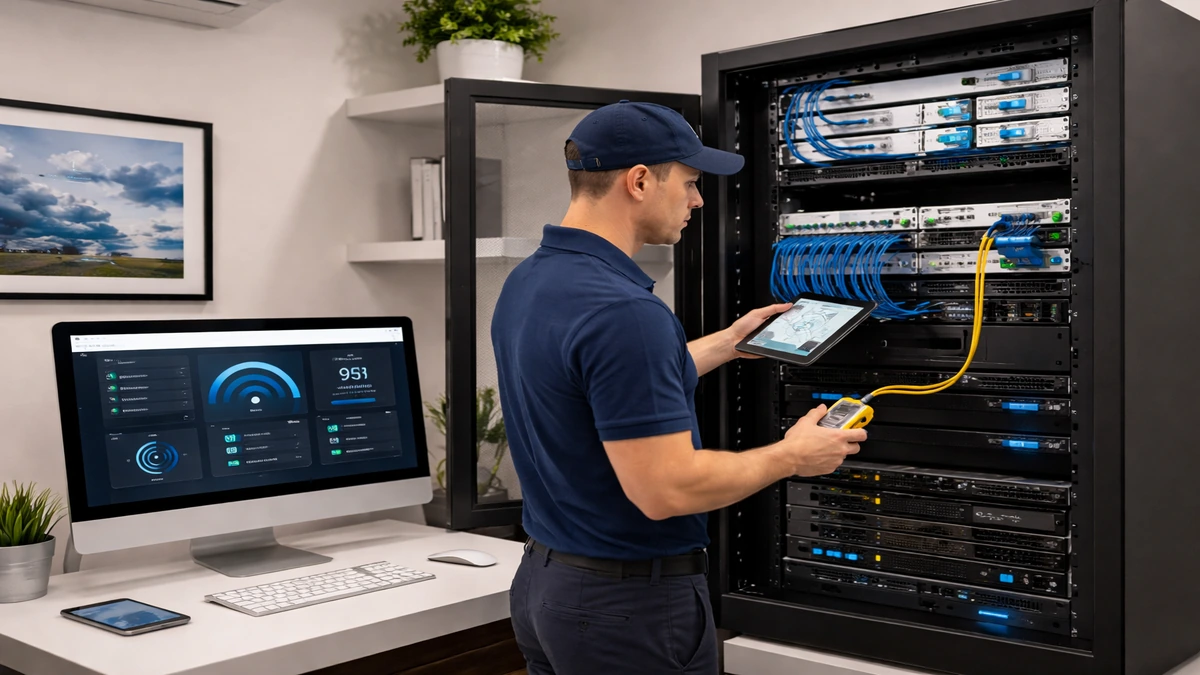
Home Network Installation
Stronger Wi-Fi, better coverage, and dependable connectivity throughout the property.
4 minutes
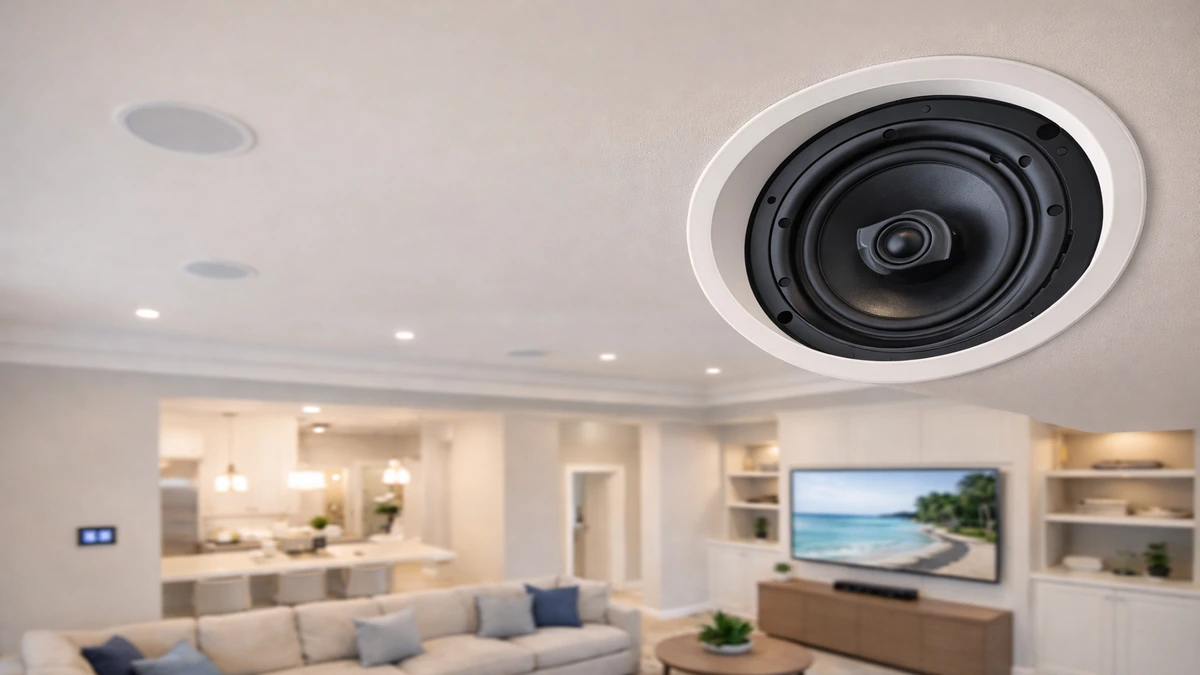
Ceiling Speaker Installation
Clean in-ceiling audio solutions for music, TV, and multi-room sound.
4 minutes
Commercial AV Installation
Professional audio, video, and control systems for business environments.
4 minutes
Home Audio Installation
Whole-home and room-based audio systems tailored to how you listen.
4 minutes

Marine Audio & Electronics Installation
Boat audio, displays, and electronics installed for performance on the water.
4 minutes
Security Camera Installation
Smart camera systems for visibility, alerts, recording, and remote monitoring.
4 minutes
Projector Screen Installation
Projectors and screens configured for sharp viewing and balanced room performance.
4 minutes
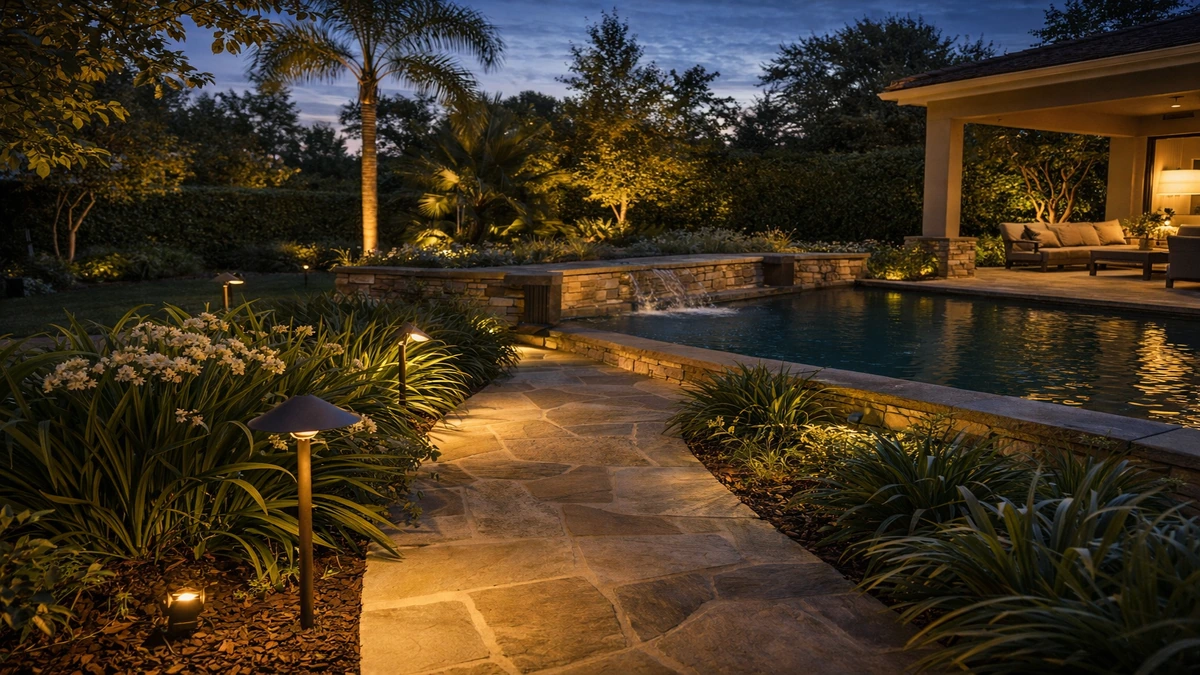
Outdoor Lighting Installation
Exterior lighting that improves curb appeal, ambiance, and nighttime usability.
4 minutes
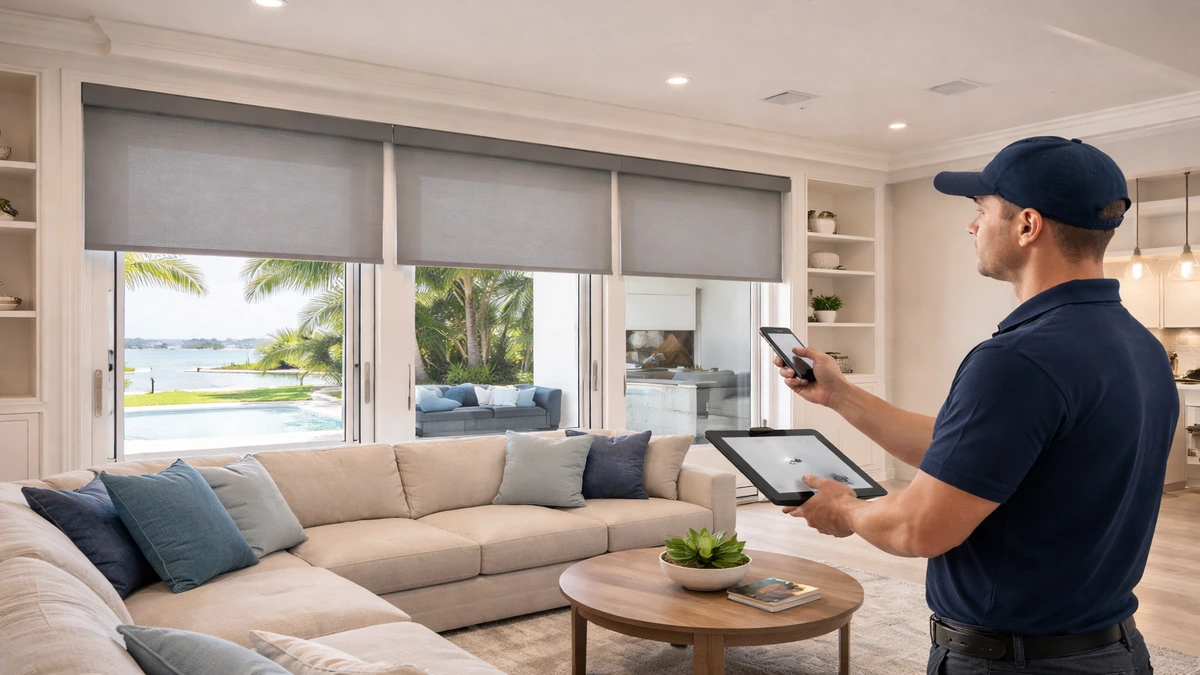
Motorized Blinds Installation
Automated shading for privacy, glare control, and everyday convenience.
4 minutes
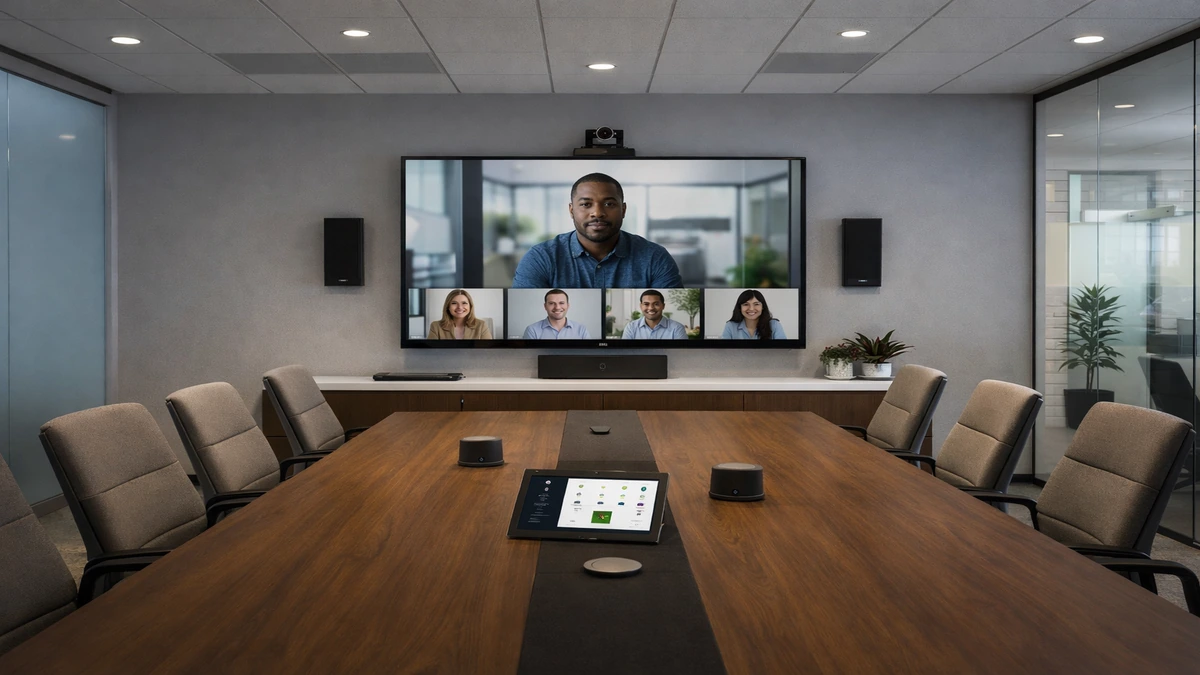
Conference Room AV Installation
Meeting room technology for clearer presentations, calls, and collaboration.
4 minutes
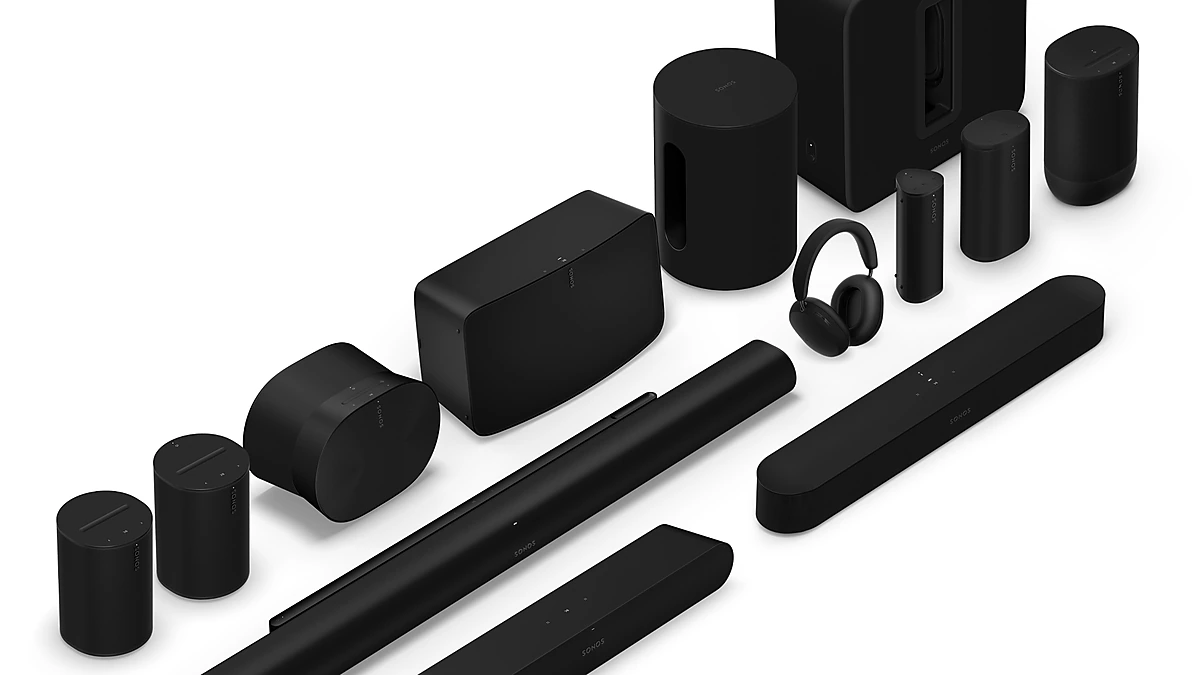
Sonos Installation
Sonos system design, setup, and tuning for simple multi-room audio.
4 minutes
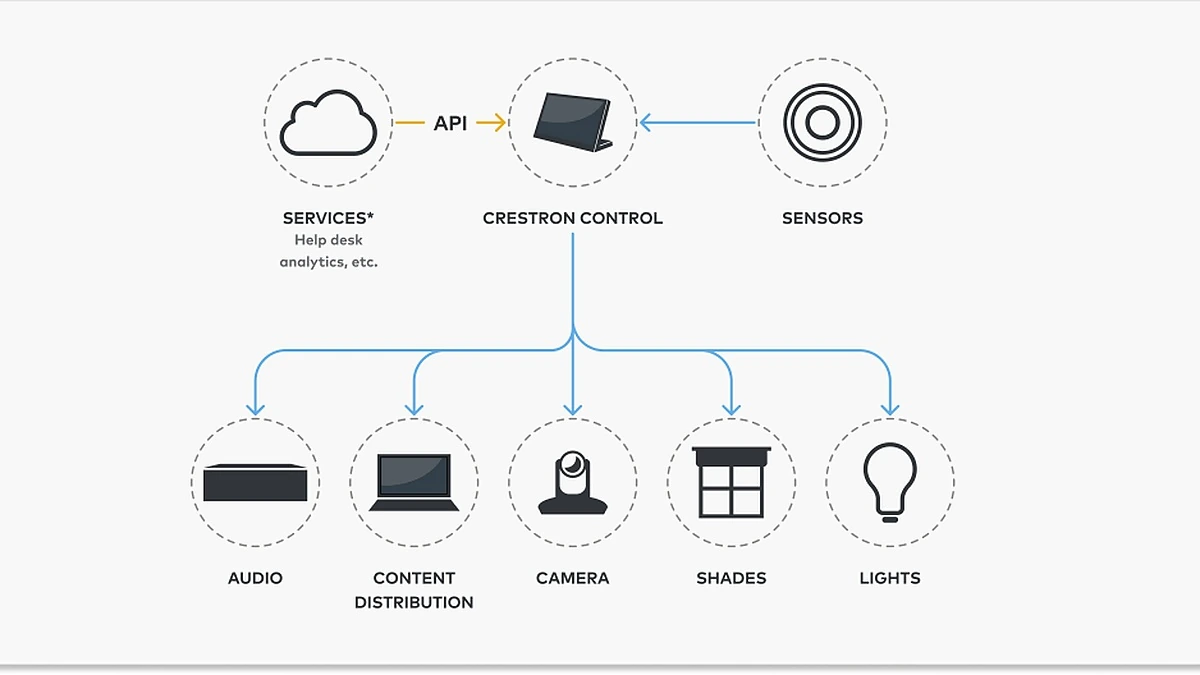
Crestron Installer
Advanced Crestron control integration for high-performance smart home environments.
4 minutes
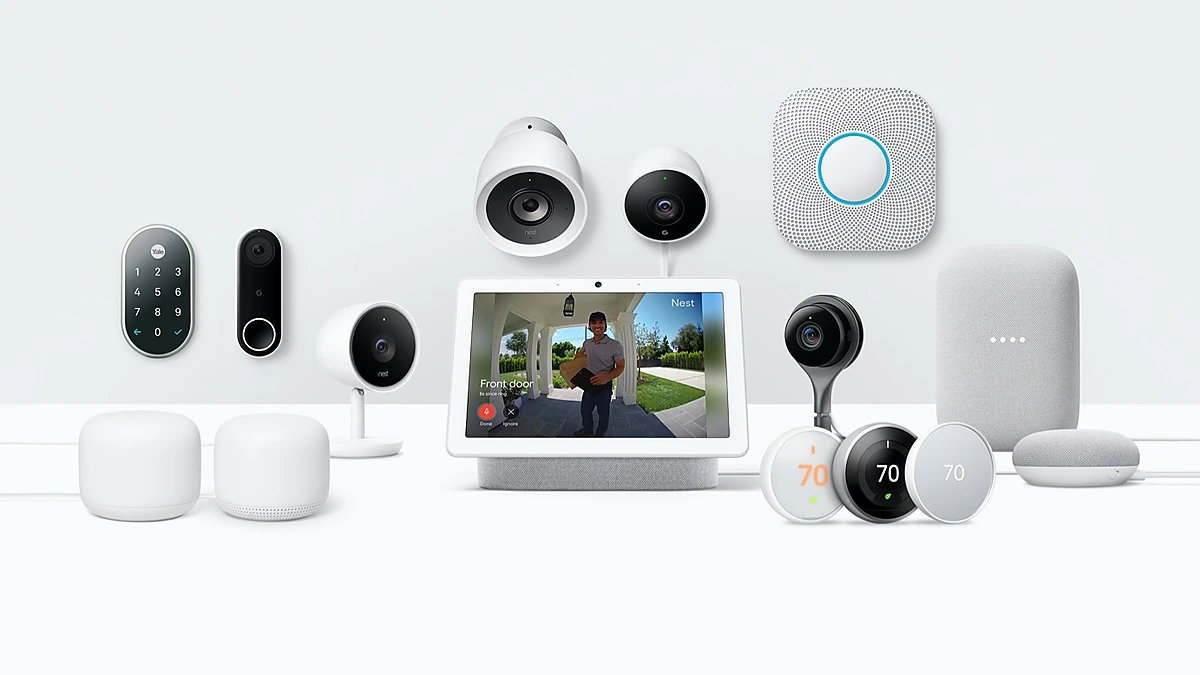
Nest Installer
Nest thermostat and smart home setup for comfort and remote control.
4 minutes
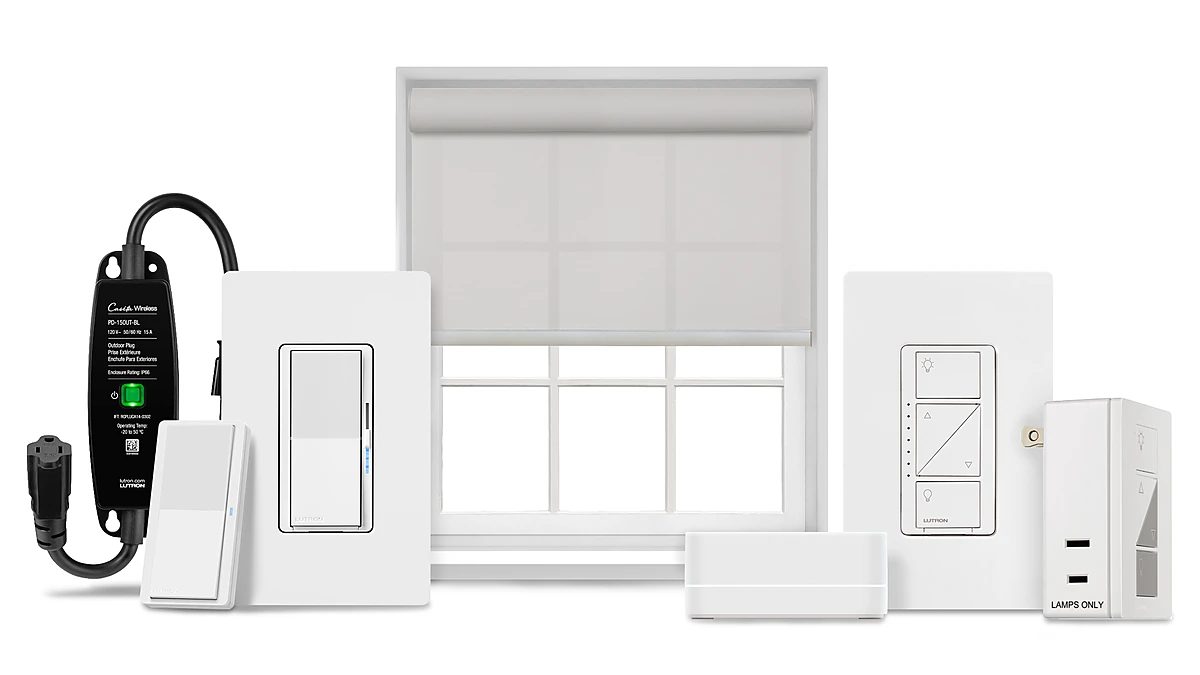
Lutron Installer
Lutron lighting and shading integration for smoother control and scene setting.
4 minutes
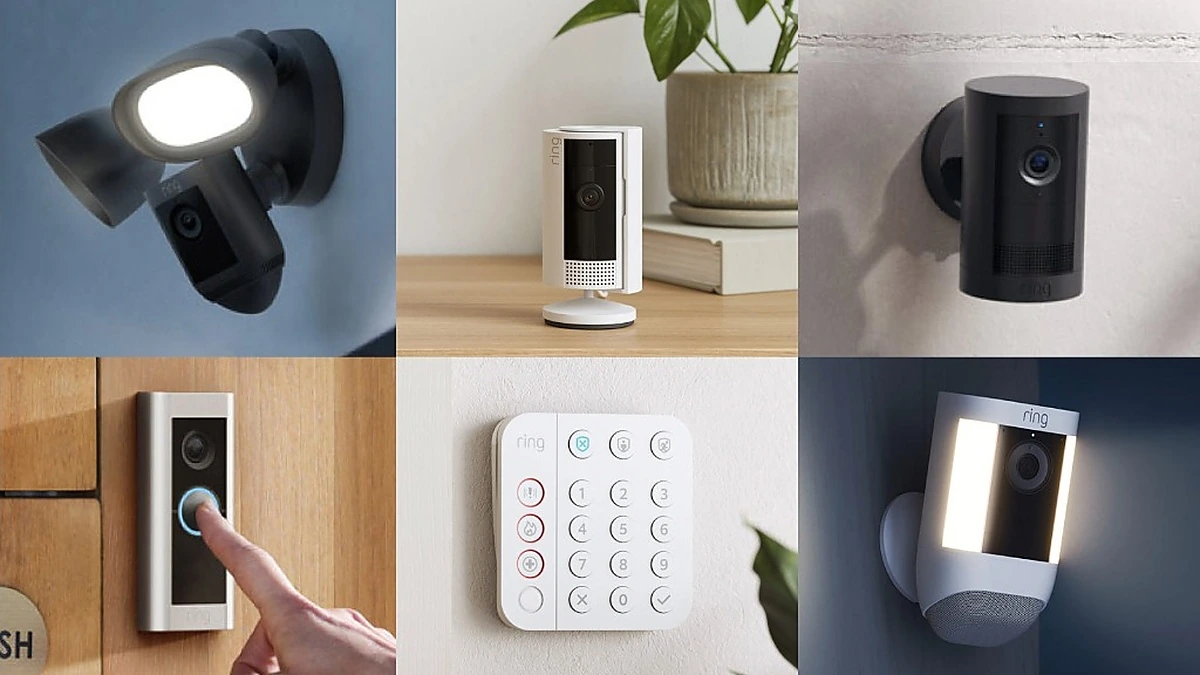
Ring Installation
Ring doorbells and cameras installed for better awareness and entry visibility.
5 minutes
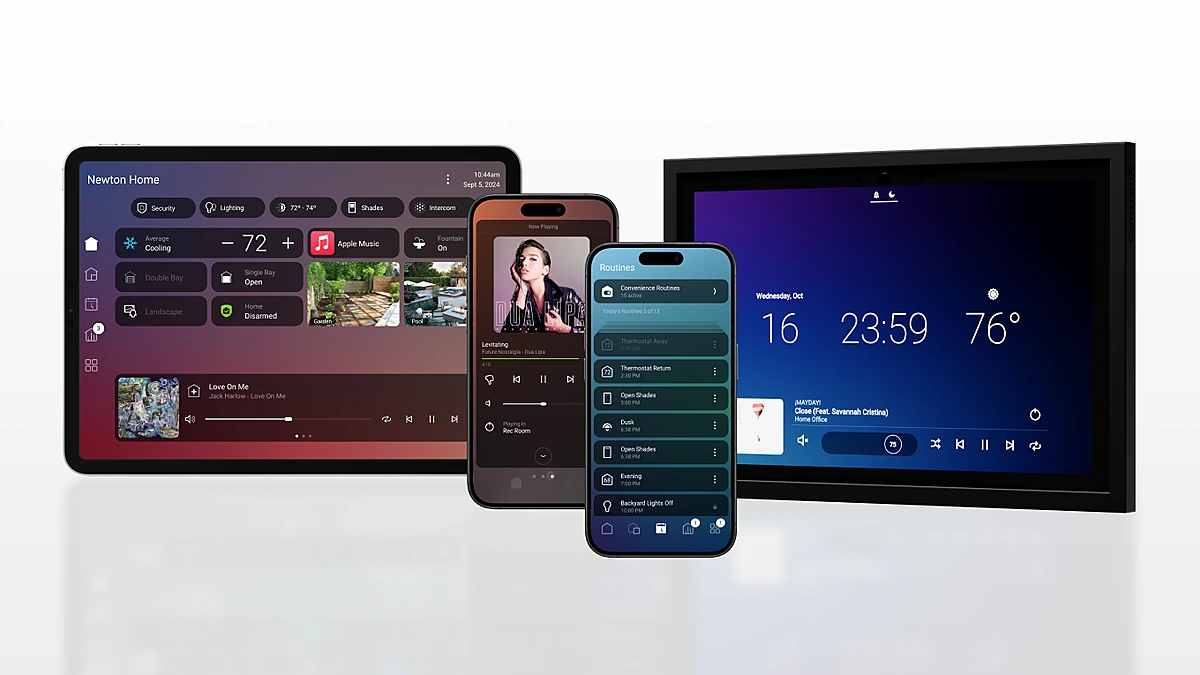
Control4 Installer
Control4 automation setup for unified entertainment, comfort, and home control.
4 minutes

Car & Truck Audio / Electronics Custom Upgrades
Custom mobile audio and electronics upgrades for better sound and functionality.
3 minutes
Nobody moves out of Plantation for the summer, and the job has to fit around that
Of the 39,426 homes in Plantation, only 540 are held for seasonal, recreational or occasional use. That is one in five of everything standing empty, and roughly one home in seventy across the city. Put plainly, the houses here have people in them, and there is no convenient empty month when a crew can have the run of the place. That single condition shapes a large installation more than any equipment decision in it.
So phasing stops being a scheduling detail and becomes part of the design. Which rooms come out of use, and for how long. Which routes can be opened and closed inside a day. Whether the household can keep running on what it has while the new system is built alongside it, or whether there is an evening where nothing works. A whole-home system is entirely possible to install around a family, but it has to be drawn that way from the start rather than negotiated on site on a Thursday.
The routes were not left here for you
The largest group of Plantation homes was built between 1970 and 1979, and 16,613 of them — better than four in ten — predate 1980 altogether. Housing finished in those years was completed before structured cabling was something anyone provided for, so there is no pre-wire waiting behind the plaster to be found and reused. Every run is a retrofit, and the attic, the soffits and whatever chases the original builder left for other services are the map you are actually working from.
17,600 of these homes are detached, which is the helpful half of that picture. In a house you own outright the attic and the exterior wall are yours to open, so the constraint is labour and finish rather than approval from anyone else. What the survey has to establish is clearance, joist direction and insulation depth — the things that decide which ceilings will take an in-ceiling speaker cleanly, and which walls end up with a surface run because nobody looked first.
A rack that never gets switched off has to be planned like one
In a house lived in every week of the year, the equipment rack runs continuously, and that moves ventilation, power and service access from preferences to requirements. It wants a position with real airflow, a circuit that is not shared with something liable to trip it, and enough clearance for a person to work on it without dismantling a cupboard first. A rack pushed into whatever space is left at the end of a project is how a well-specified system ends up running hot and being unpleasant to service.
The network carries the same load. Streaming, control, cameras and entry all sit on it, none of it goes quiet for half the year here, and older construction is rarely generous to wireless. Running the backbone in cable to every position that will hold a device is the cheap decision while a ceiling is open; adding it afterwards means opening the ceiling a second time, in a house somebody is living in.
A third of these homes are rented, and the system should not notice
Tenure in Plantation is genuinely mixed: 23,253 of its 36,735 occupied homes are owner-occupied and 13,482 are rented. Whichever side a property sits on, it is fair to assume that at some point the system will be operated by somebody who was not there when it was designed. That argues for control that can be used untaught — a keypad with scenes that do the obvious things, rather than a remembered sequence of steps and an app nobody installed.
Documentation counts as part of the work on the same reasoning. Labelled runs, a drawing of what goes where, a note of how the rack is powered and what is on which circuit. The next person to touch the system may be a different trade entirely, and the installation that survives that visit intact is the one that was written down rather than remembered.
None of this is exotic. It is the ordinary order of work, applied in a city where the house is full, the walls predate structured wiring and the system will still be running the week after you stop thinking about it. Survey first. Agree the routes and the finish standard together. Size the infrastructure for what the house will be asked to carry in five years. Choose the visible equipment last, because it is the only part that stays easy to change.