

Towers And Houses, Equal Audio Video | Home Theater Installations Serving Pompano Beach, FL
Two methods in equal quantity: Pompano Beach splits almost evenly between detached houses and large buildings, and 62.7% of its vacant homes are held seasonally.
Transform Your Spaces and Journeys with Advanced Audio/Video Solutions
From home oasis to ultimate voyages, experience unparalleled entertainment and security with our state-of-the-art audio/video and CCTV technology.
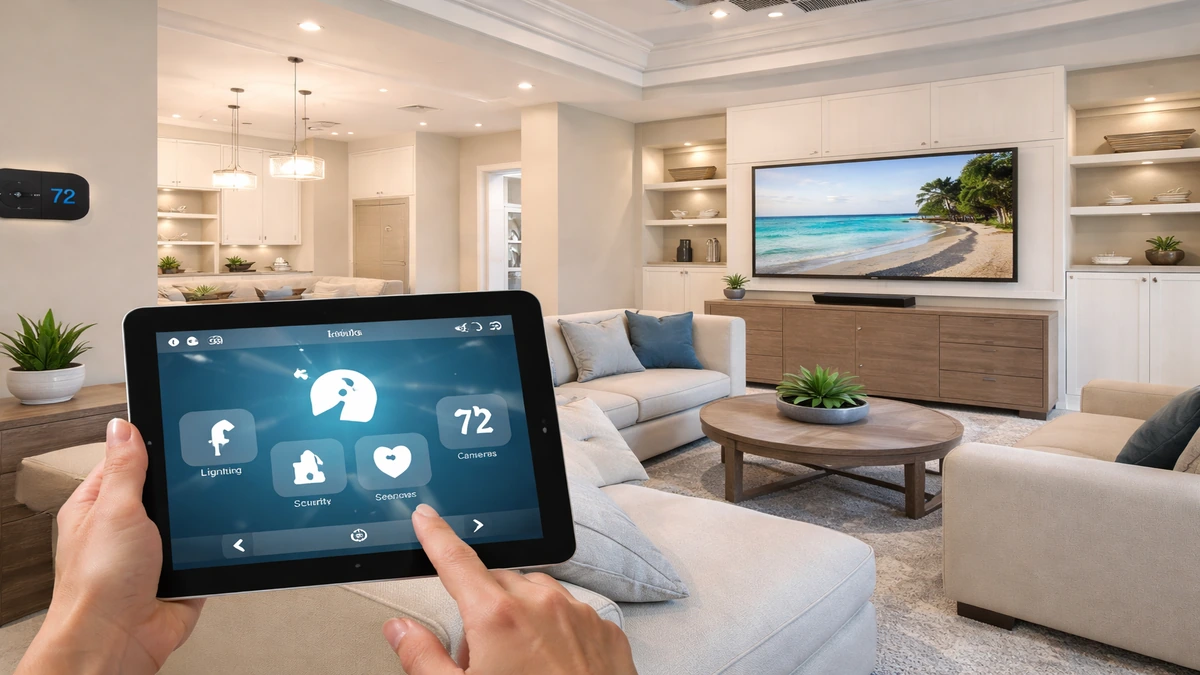
Smart Home Automation Installation
Integrated control for lighting, climate, security, and entertainment.
4 minutes
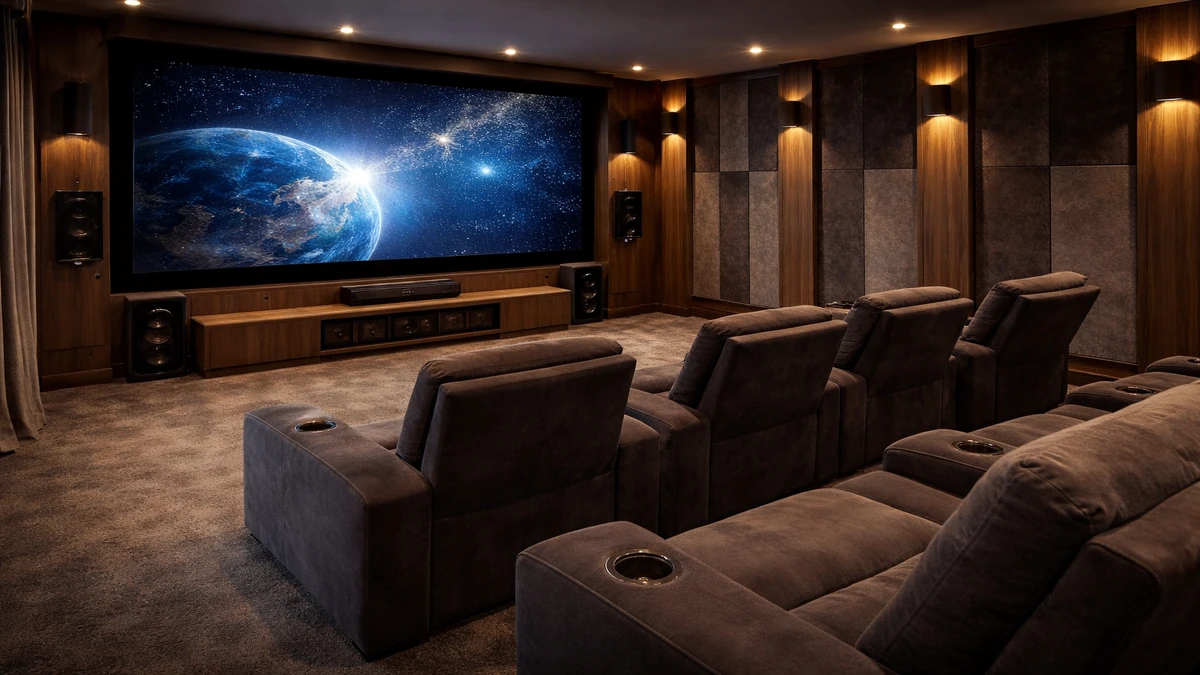
Home Theater Installation
Custom theater rooms designed for immersive picture, sound, and comfort.
4 minutes
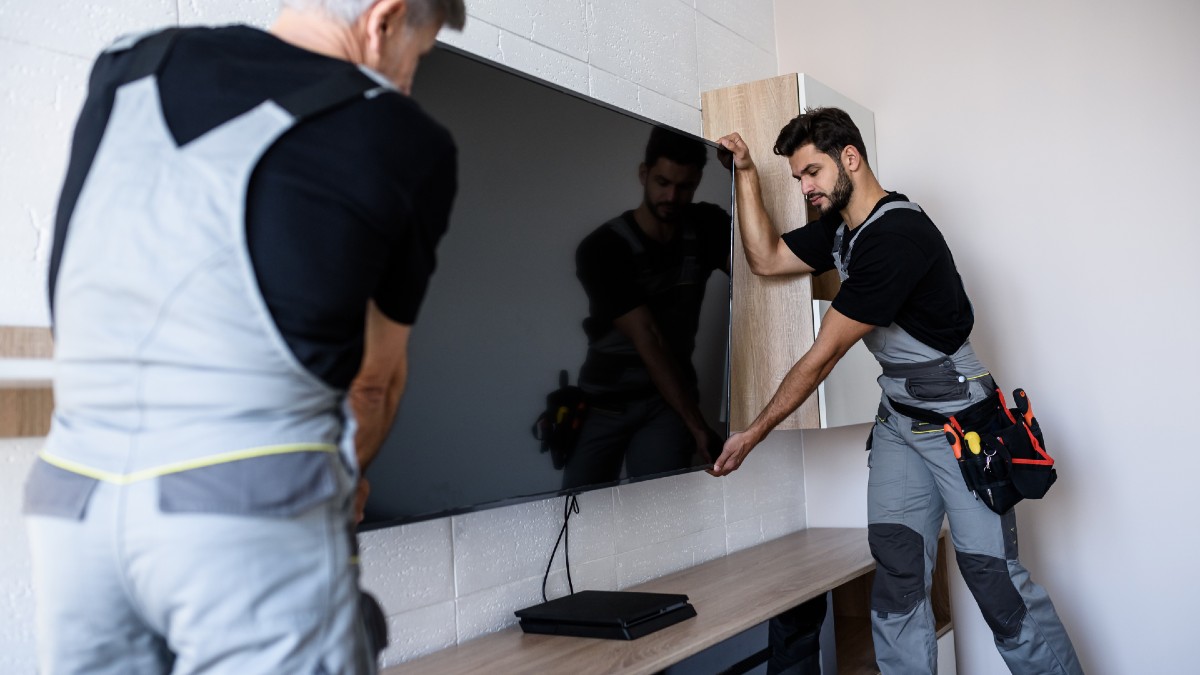
TV Wall Mounting
Professional TV mounting for cleaner layouts and better viewing angles.
5 minutes
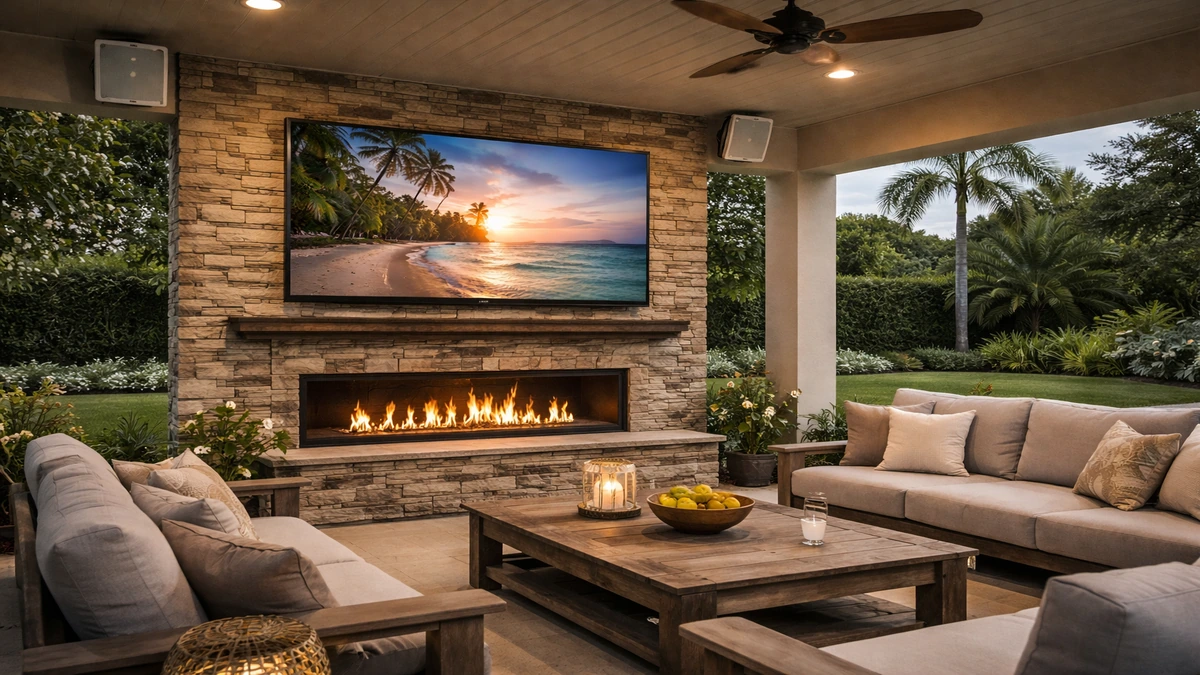
Outdoor TV Installation
Weather-aware outdoor TV setups built for patios, lanais, and pool areas.
5 minutes
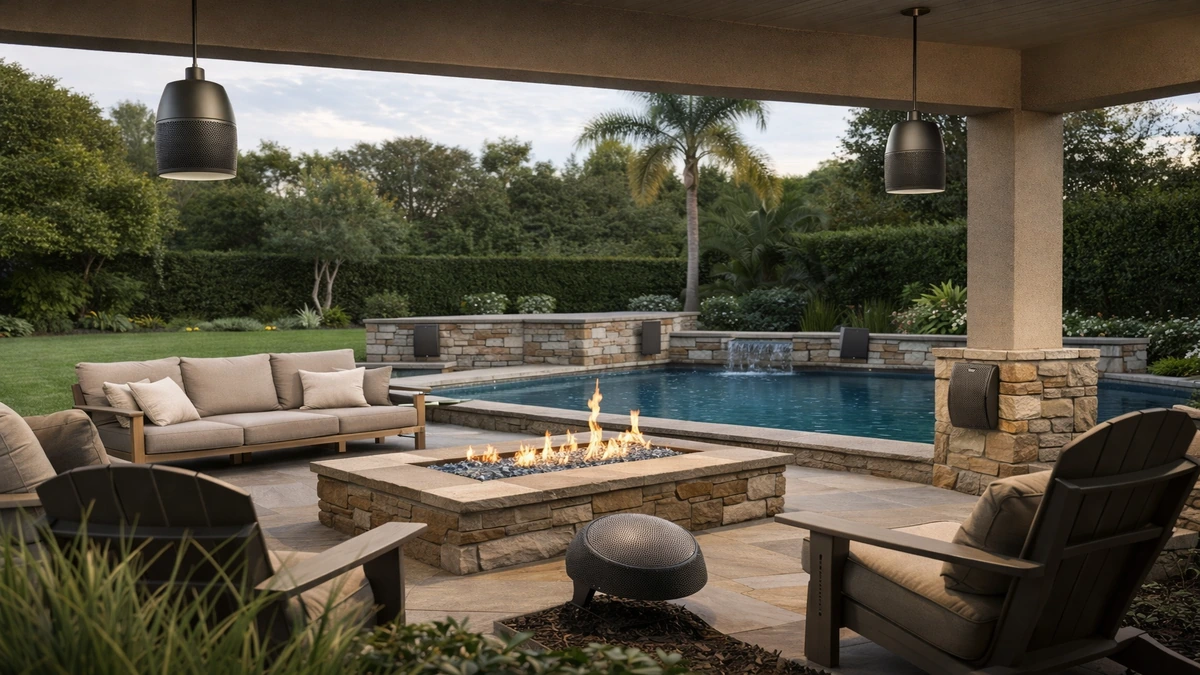
Outdoor Audio Installation
Outdoor speaker systems planned for clear sound and reliable coverage.
4 minutes
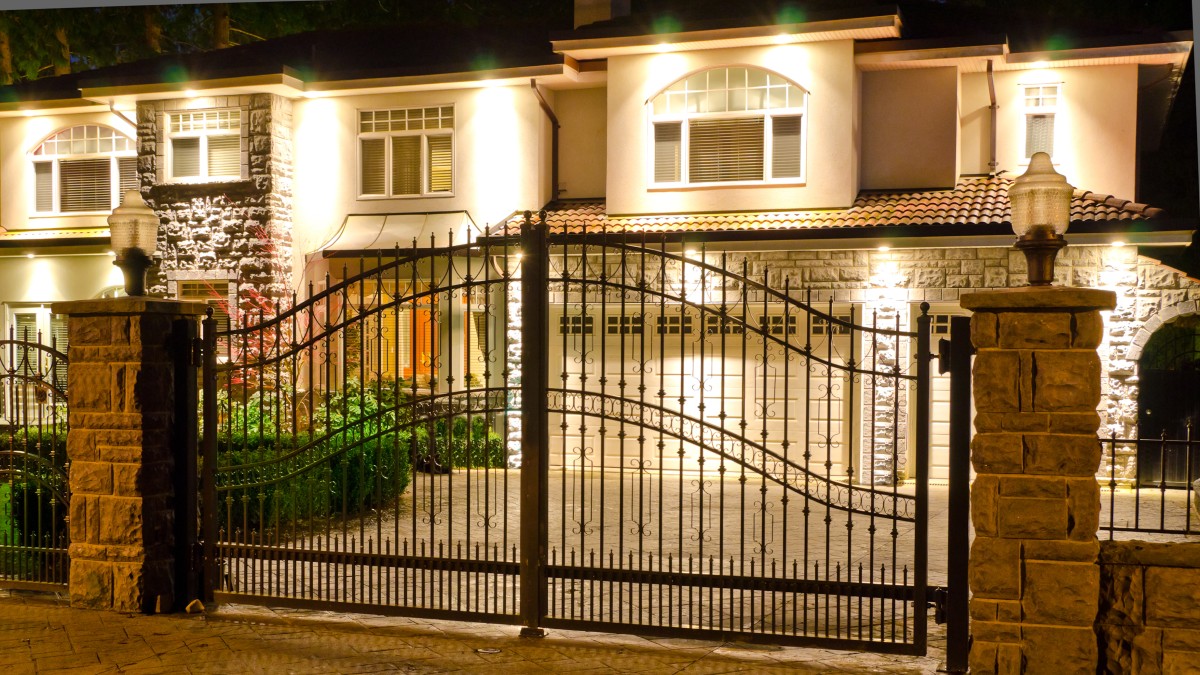
Automatic Gates
Secure, convenient gate automation with access control and entry integration.
4 minutes
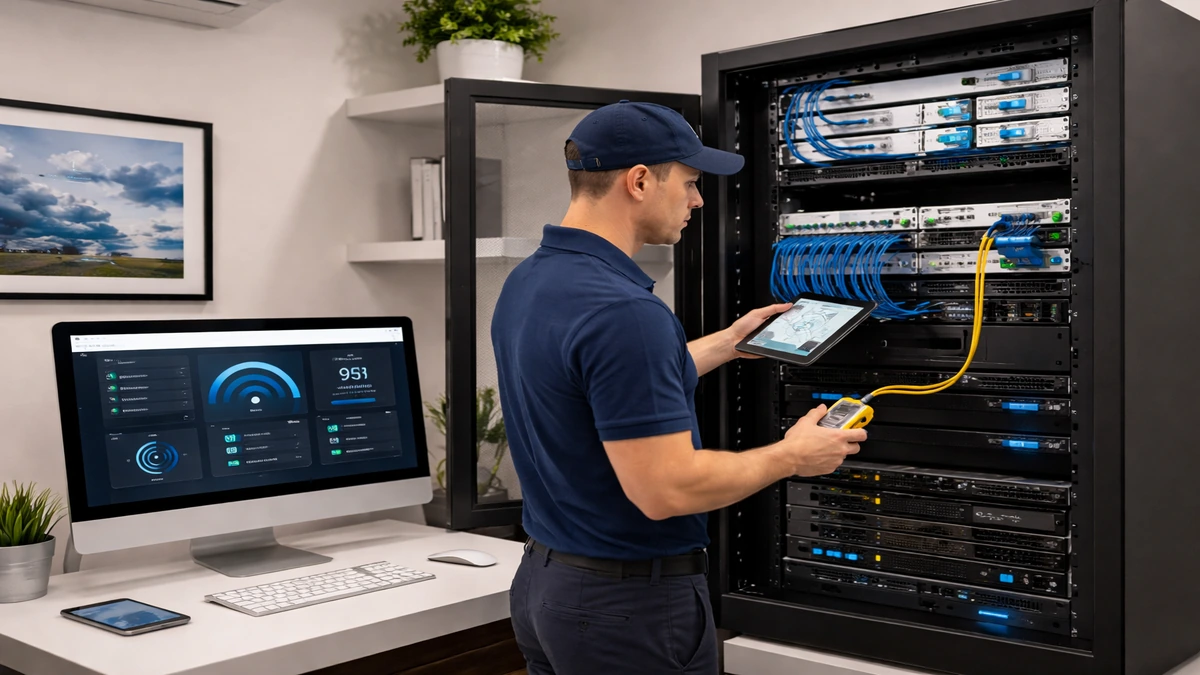
Home Network Installation
Stronger Wi-Fi, better coverage, and dependable connectivity throughout the property.
4 minutes
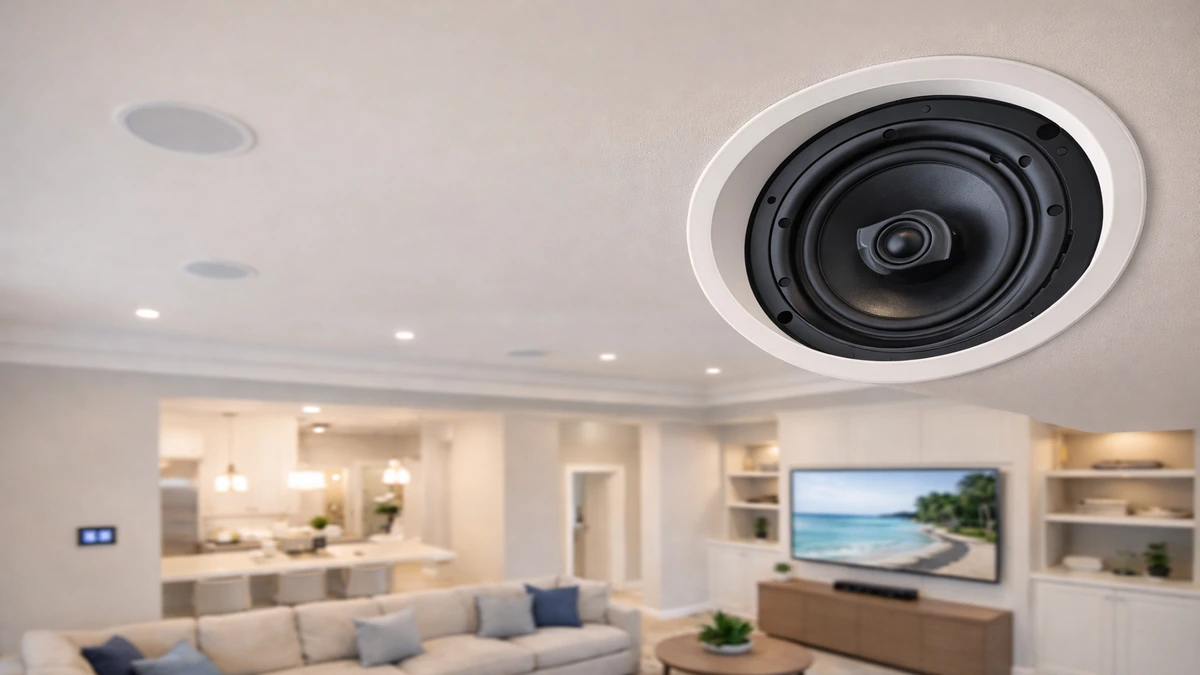
Ceiling Speaker Installation
Clean in-ceiling audio solutions for music, TV, and multi-room sound.
4 minutes
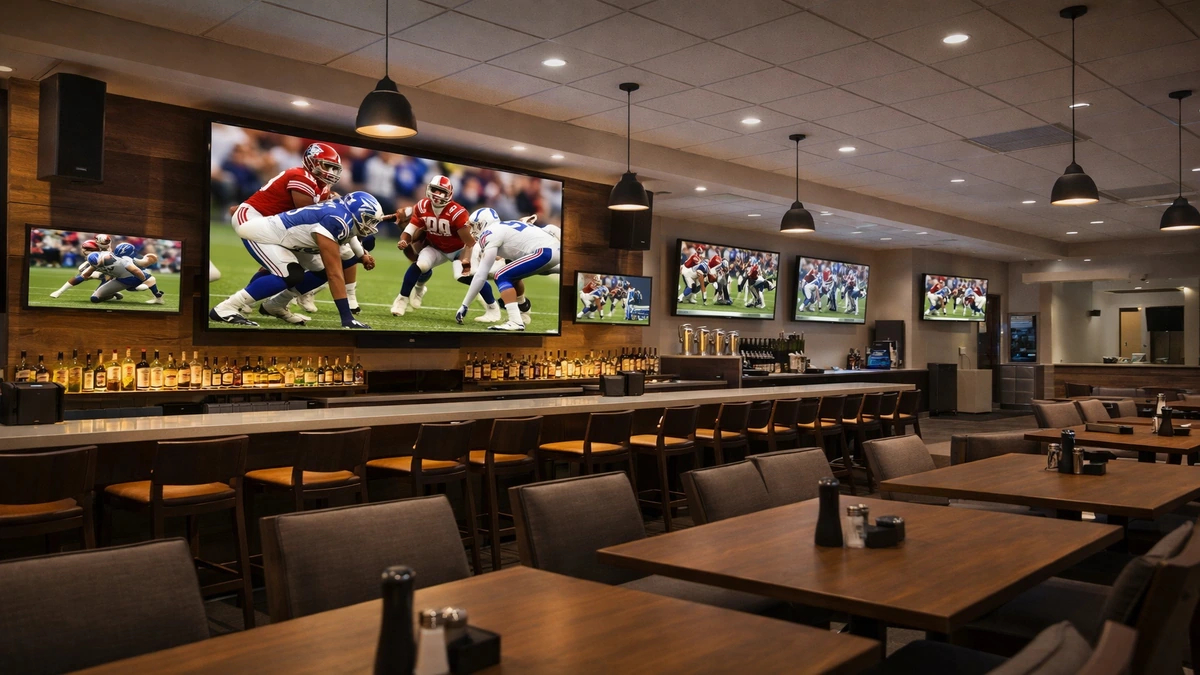
Commercial AV Installation
Professional audio, video, and control systems for business environments.
4 minutes
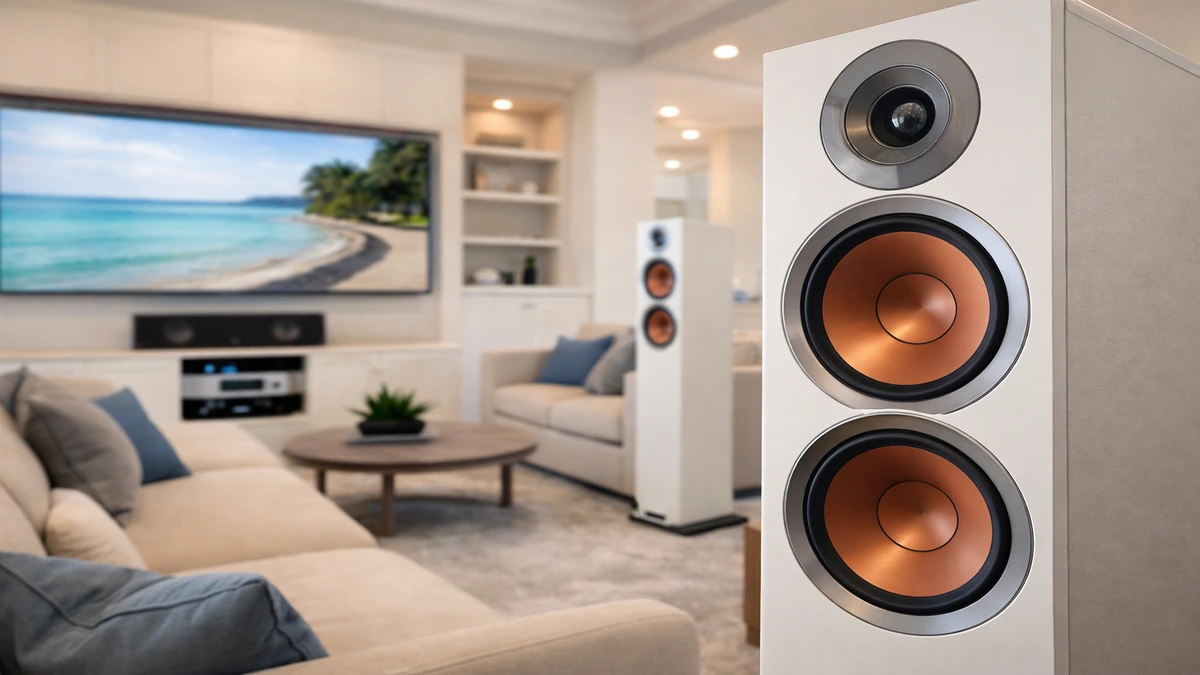
Home Audio Installation
Whole-home and room-based audio systems tailored to how you listen.
4 minutes

Marine Audio & Electronics Installation
Boat audio, displays, and electronics installed for performance on the water.
4 minutes
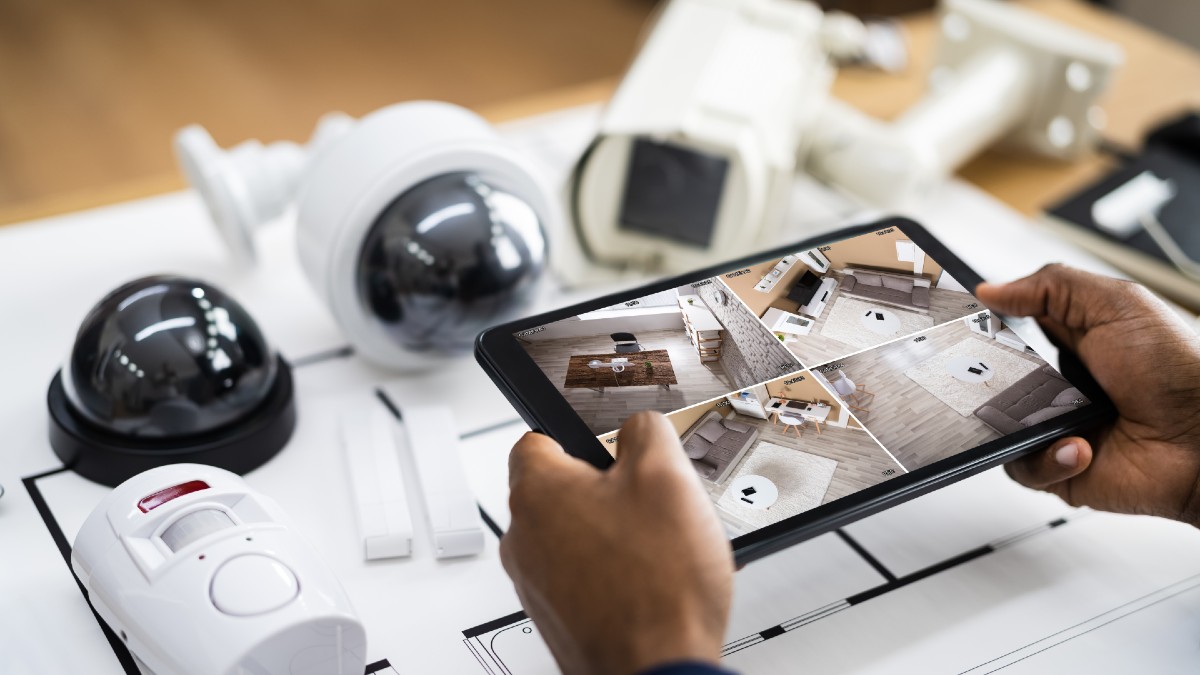
Security Camera Installation
Smart camera systems for visibility, alerts, recording, and remote monitoring.
4 minutes
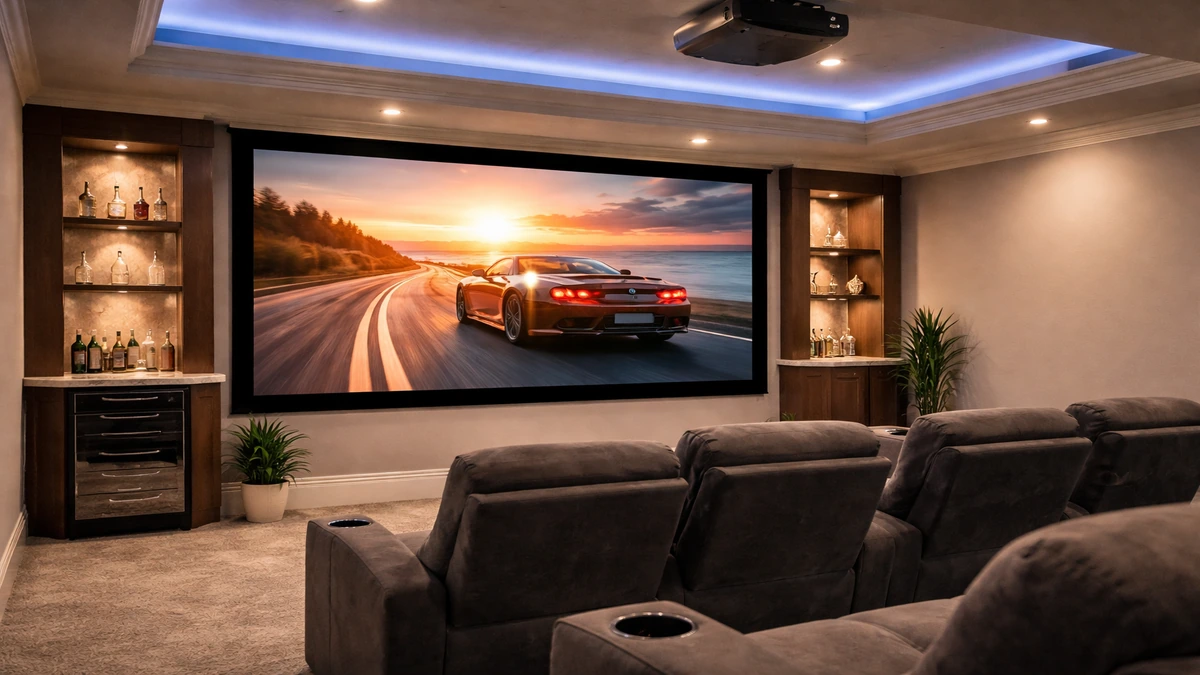
Projector Screen Installation
Projectors and screens configured for sharp viewing and balanced room performance.
4 minutes
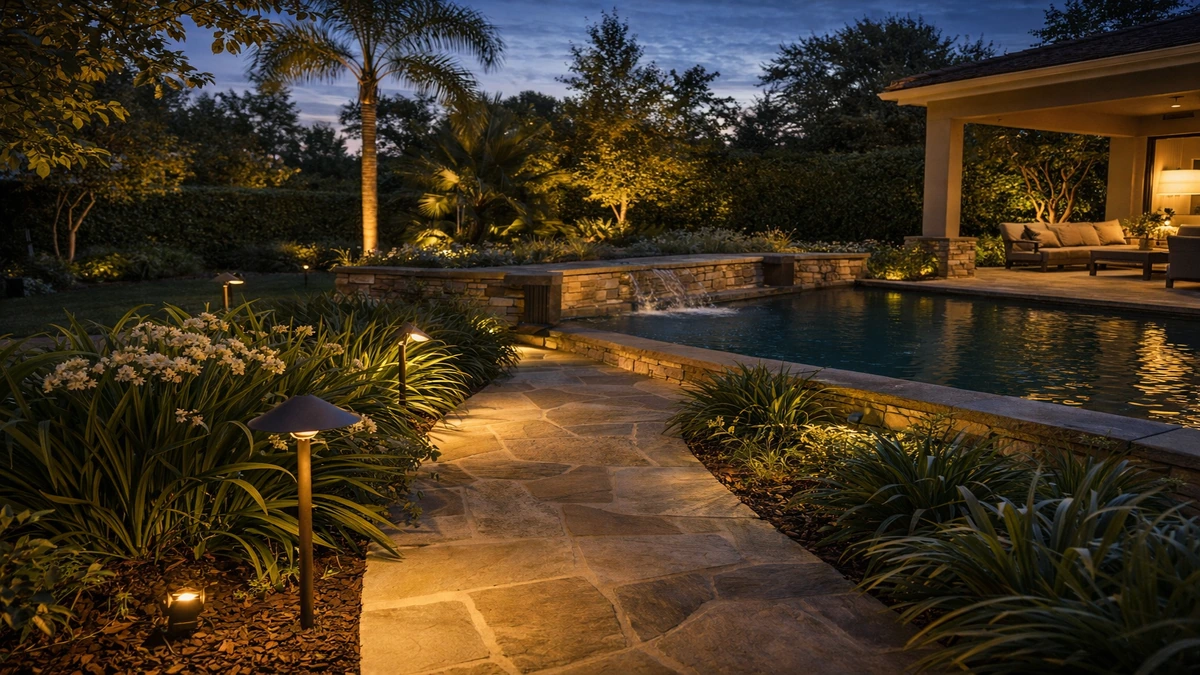
Outdoor Lighting Installation
Exterior lighting that improves curb appeal, ambiance, and nighttime usability.
4 minutes
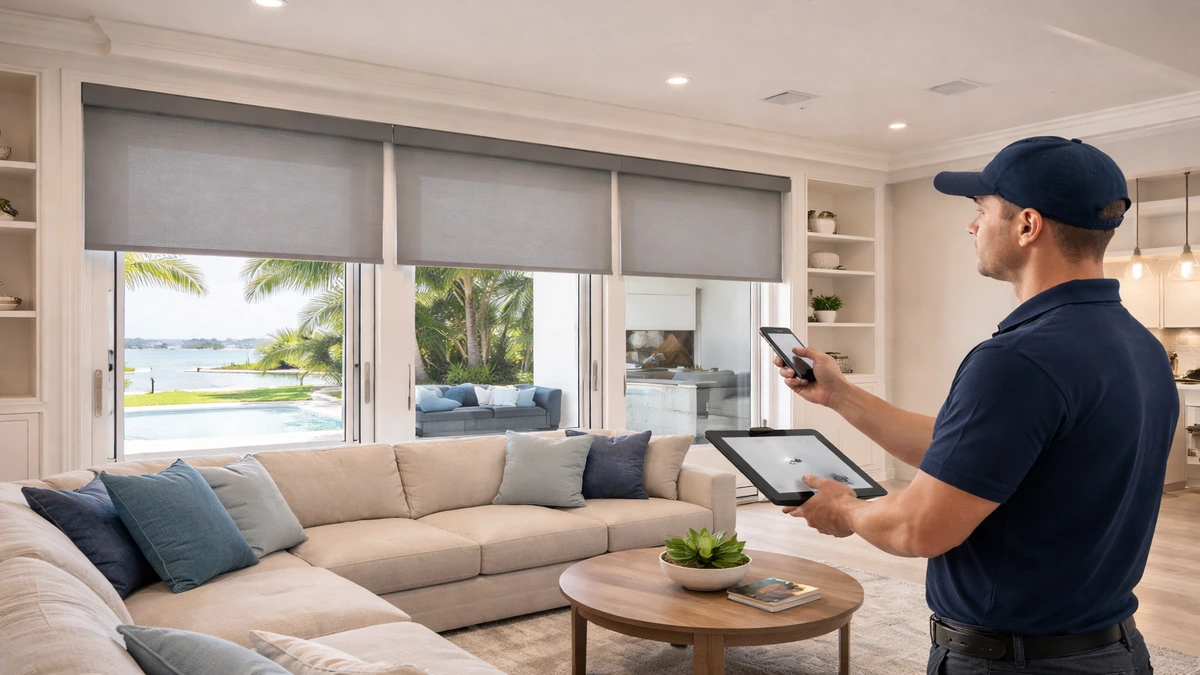
Motorized Blinds Installation
Automated shading for privacy, glare control, and everyday convenience.
4 minutes
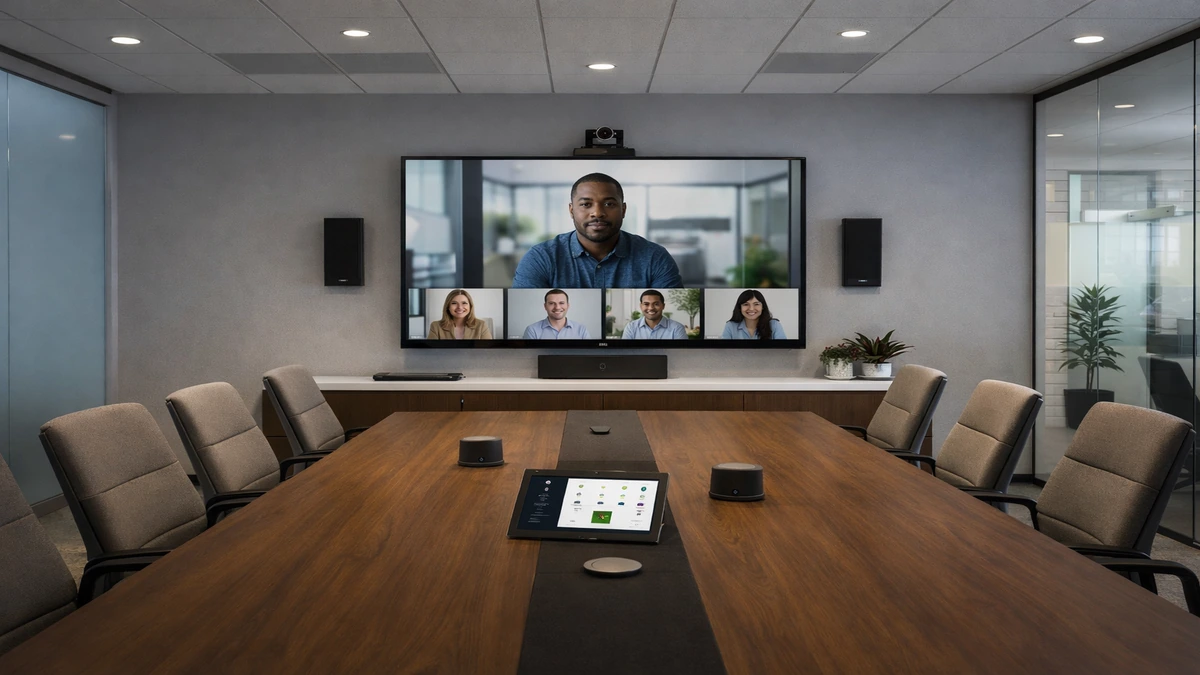
Conference Room AV Installation
Meeting room technology for clearer presentations, calls, and collaboration.
4 minutes
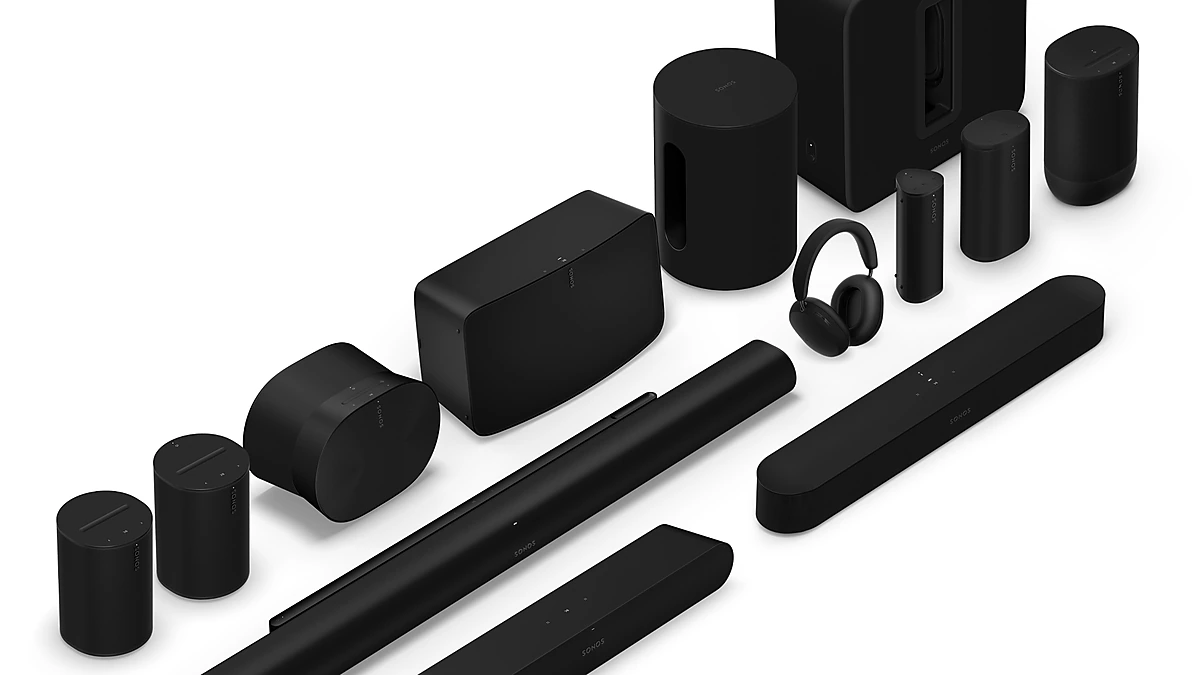
Sonos Installation
Sonos system design, setup, and tuning for simple multi-room audio.
4 minutes
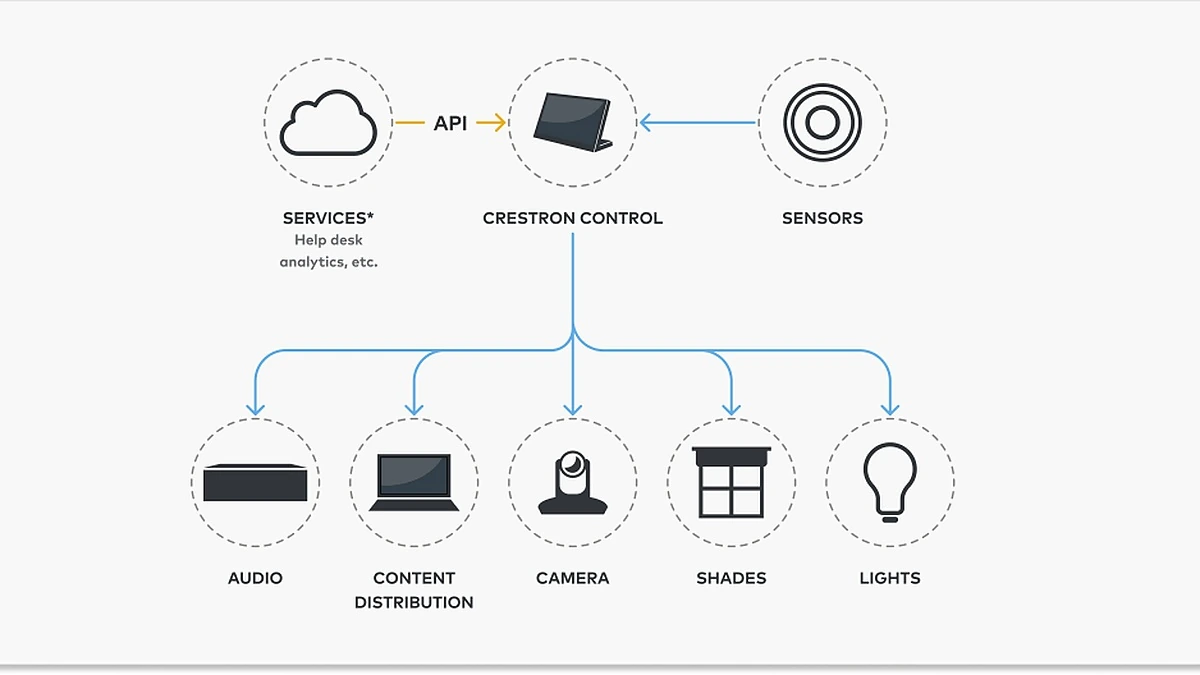
Crestron Installer
Advanced Crestron control integration for high-performance smart home environments.
4 minutes
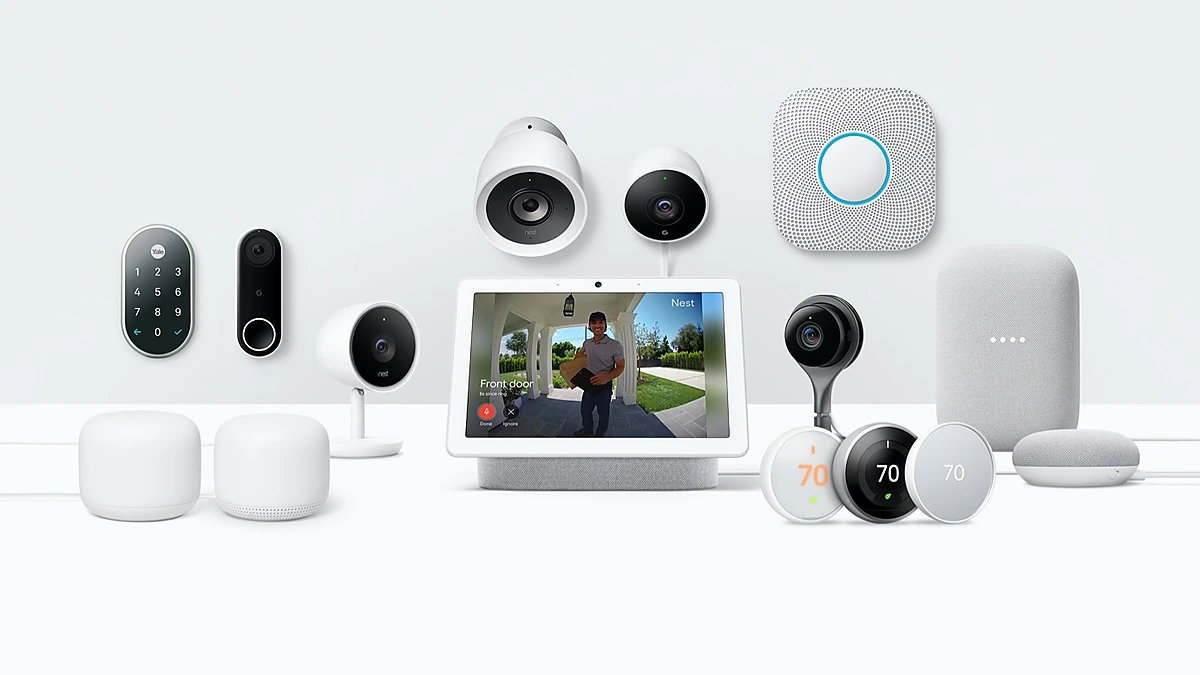
Nest Installer
Nest thermostat and smart home setup for comfort and remote control.
4 minutes
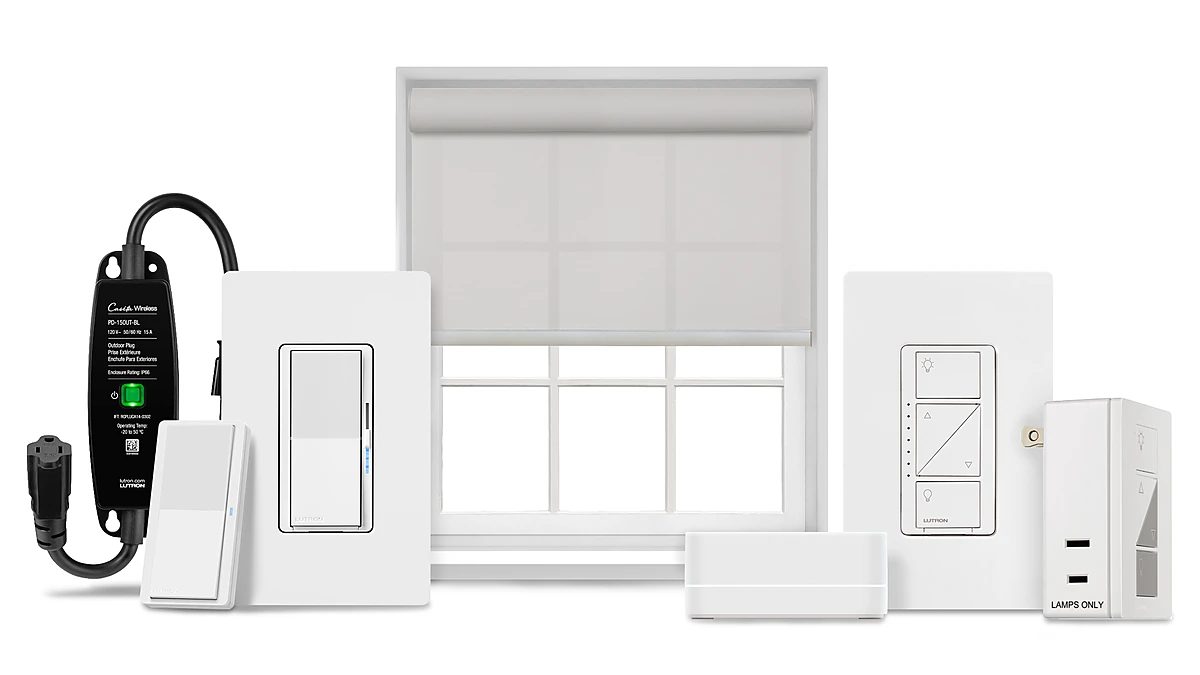
Lutron Installer
Lutron lighting and shading integration for smoother control and scene setting.
4 minutes
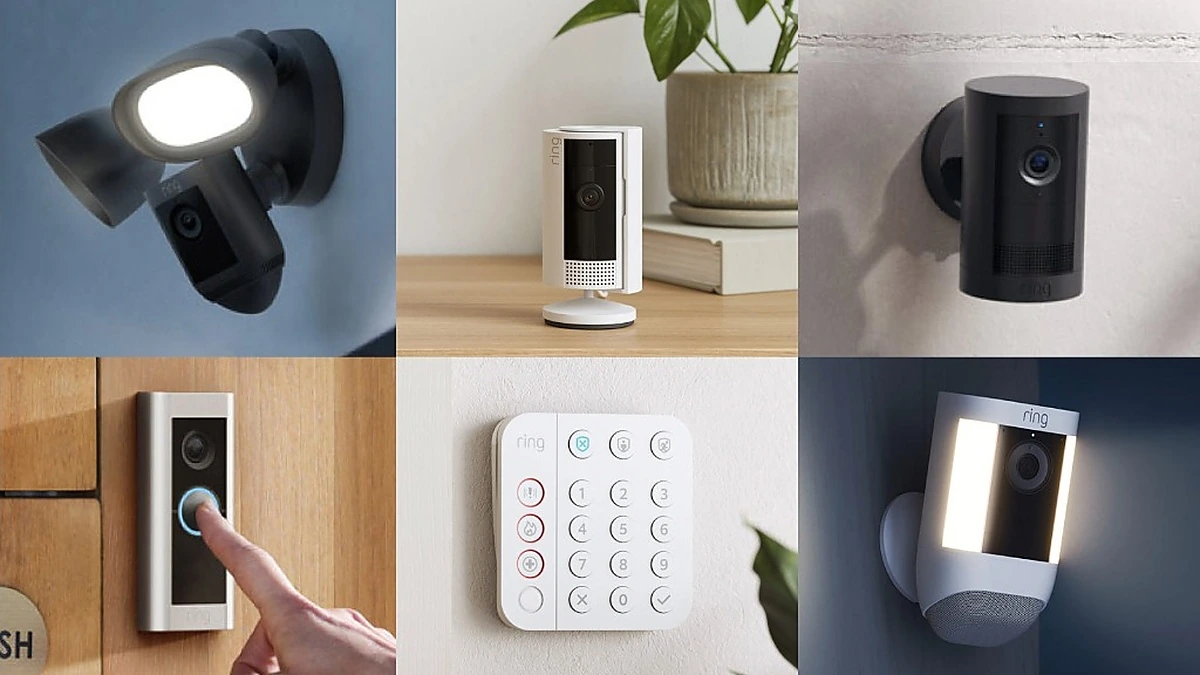
Ring Installation
Ring doorbells and cameras installed for better awareness and entry visibility.
5 minutes
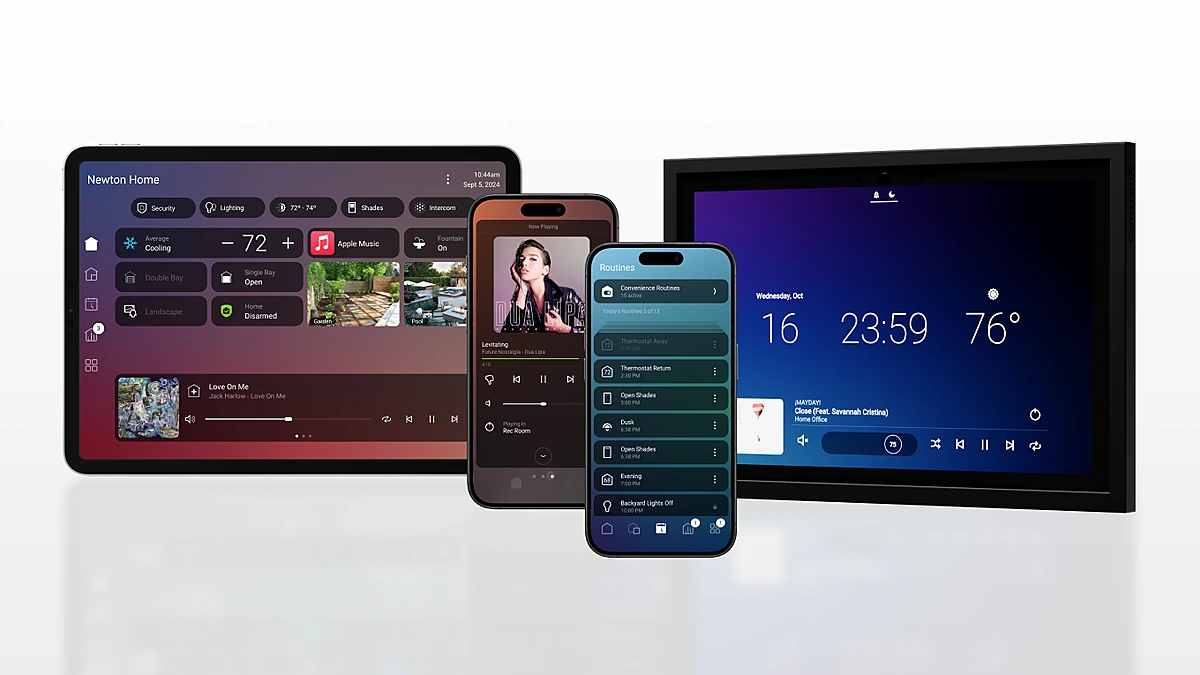
Control4 Installer
Control4 automation setup for unified entertainment, comfort, and home control.
4 minutes

Car & Truck Audio / Electronics Custom Upgrades
Custom mobile audio and electronics upgrades for better sound and functionality.
3 minutes
Half of Pompano Beach lives in a house and half lives in a building
Pompano Beach has 60,046 homes. Detached houses account for 17,714 of them and buildings of fifty units or more for 17,947 — two populations of almost exactly the same size, in the same city, asking almost nothing in common of the person planning a system. In one of them the routes are inside your own property line and the limit on the work is labour. In the other the routes either already exist or they do not, and the limit is what the structure will give up.
So the first thing worth establishing is which of those two projects you are actually in, because the method changes completely between them. In the house, the survey looks up and underneath — attic clearance, joist direction, where a slab stops — and in-ceiling placement is largely a question of what sits above the plasterboard. In the stacked half, the survey goes looking for the chase and the riser: what exists, what it already carries, and whether the run will disappear into the structure or be carried on the surface in a way that was chosen rather than settled for.
The split is also not as clean as those two figures make it look. Another 12,548 homes sit in buildings of ten to forty-nine units, and they behave like neither case: often too small to have been built with a service route worth the name, and too shared for that route to be yours to open. A city read as two halves is a useful simplification right up to the moment your own address turns out to be in the middle, which is why the design has to answer to the property rather than to the split.
Coverage is where the two halves diverge most and get treated most alike
A long single-storey house and a unit high in a large building are usually handed the same router, and they fail for opposite reasons. One runs out of distance; the other runs into construction that stops a signal within a few rooms of where it started. Neither is a speed problem, and neither is fixed by paying for a faster service. What fixes both is deciding where cable goes while a route is still open, and letting wireless carry only what genuinely cannot be reached any other way.
That decision comes with a deadline attached. Everything a whole-home system adds — control, cameras, entry, several rooms streaming at once — arrives on the same network, and the cheap moment to give it a wired spine is the moment something is already open. After that it stops being a cabling job and becomes a decorating one, which is a different budget and a different conversation.
Nearly two thirds of the empty homes here are seasonal
Pompano Beach holds 7,932 homes for seasonal, recreational or occasional use, which is 62.7% of every vacant home in the city. For a property in that group the brief is not what the system does while somebody is standing in front of it admiring the picture. It is what the system does across the months when the rooms are dark, and in particular whether a fault announces itself or waits quietly to be discovered.
Three decisions carry most of that weight and only one of them is technical. The system has to be reachable from somewhere else, so a problem can be looked at rather than queued until somebody arrives. It has to report rather than sit quietly, because a device that dropped off the network in June is an emergency in November. And it is worth settling before anything is installed who can physically get to the rack when the property is empty, because that single answer decides whether a fault costs a phone call or a journey.
It is also the strongest argument for finishing the design in one pass instead of across seasons. A part-year property is a slow place to iterate, and a system assembled over three winters tends to leave behind a control layer that was never designed at all, only accumulated — a different way of turning things on in each room, and nobody left who remembers why.
What to settle first, in either half
The order is the same in both halves of this city even where the obstacles are not. Find out what the structure will give up. Write down what is going to be concealed and what is not, before anything is opened, because that conversation is far easier in front of a drawing than in front of a wall. Size the routes and the network for the load five years out, then let the speaker and screen positions follow the routes that exist. The difference between the two projects is who you have to ask; the difference a sequence makes is identical in either.