

Owner-Occupied Homes, Used Daily Audio Video | Home Theater Installations Serving Sunrise, FL
People live in Sunrise rather than visit it: 69% of homes are owner-occupied, only 44% of vacant homes are seasonal, and a third of the housing went up in one decade.
Tailored Audio-Visual Solutions for Enhanced Entertainment and Security
Elevate your experiences with seamless integration and professional installations.
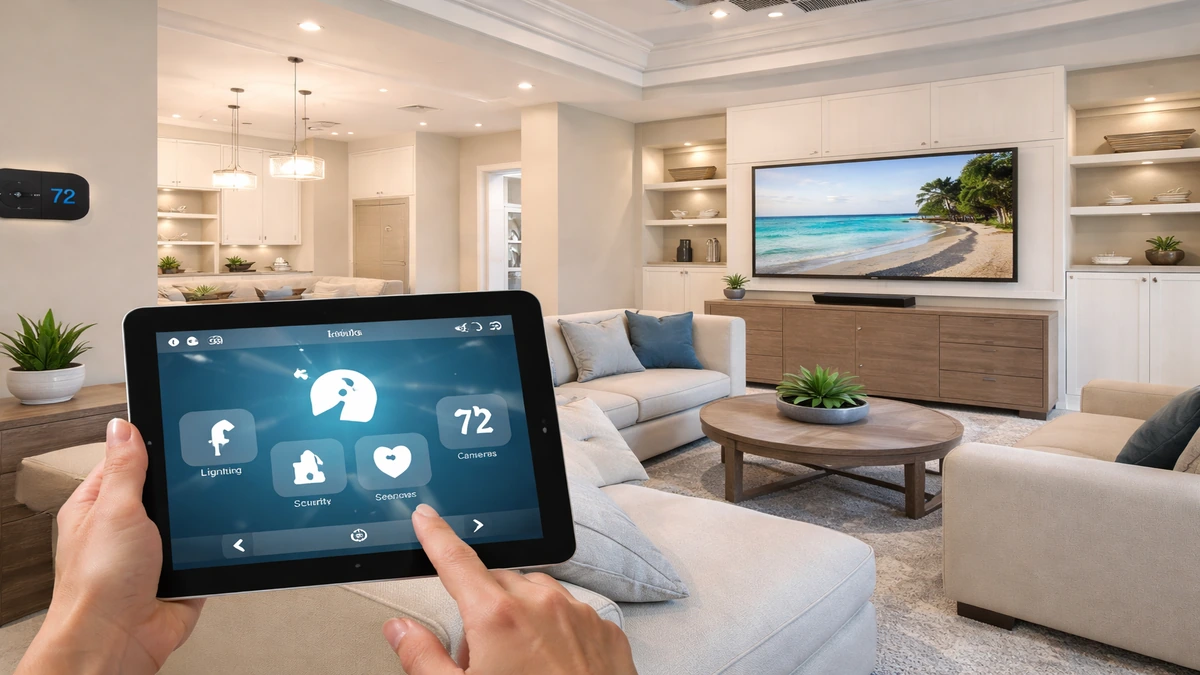
Smart Home Automation Installation
Integrated control for lighting, climate, security, and entertainment.
4 minutes
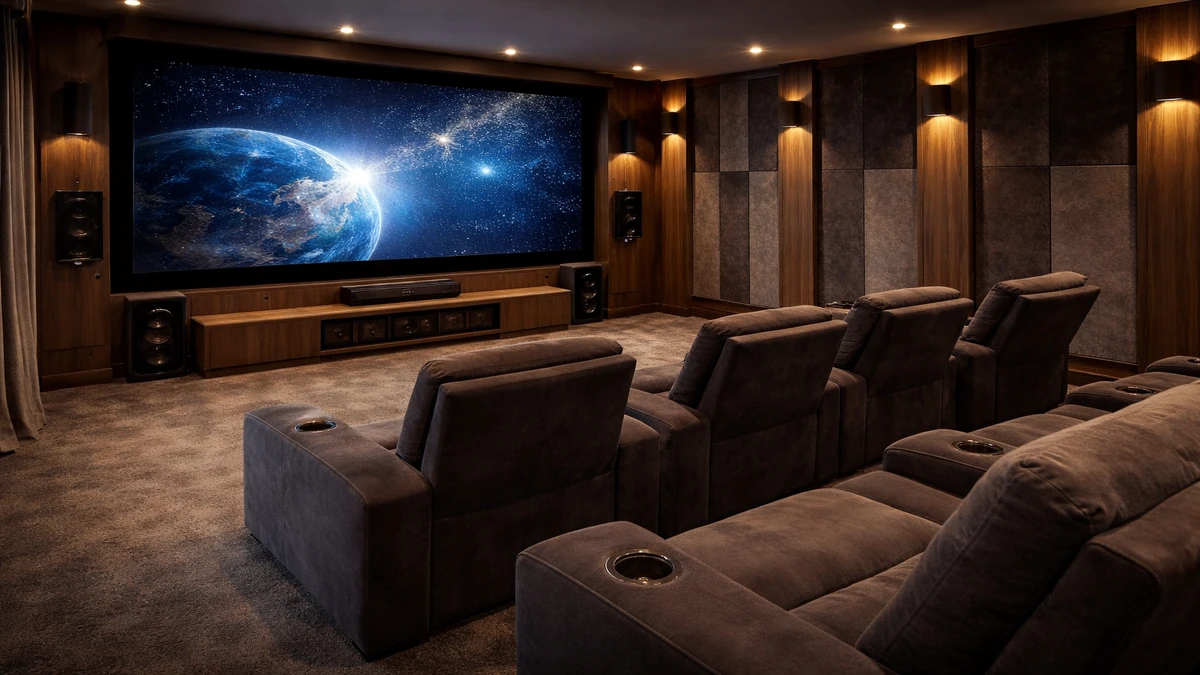
Home Theater Installation
Custom theater rooms designed for immersive picture, sound, and comfort.
4 minutes
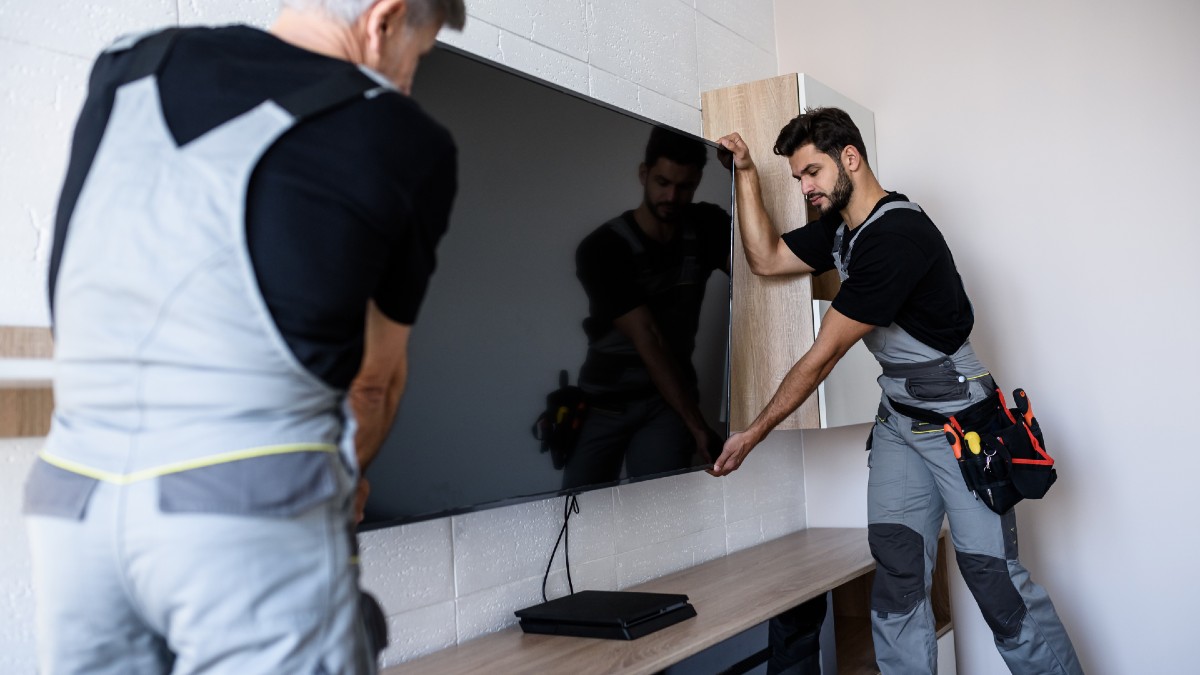
TV Wall Mounting
Professional TV mounting for cleaner layouts and better viewing angles.
5 minutes
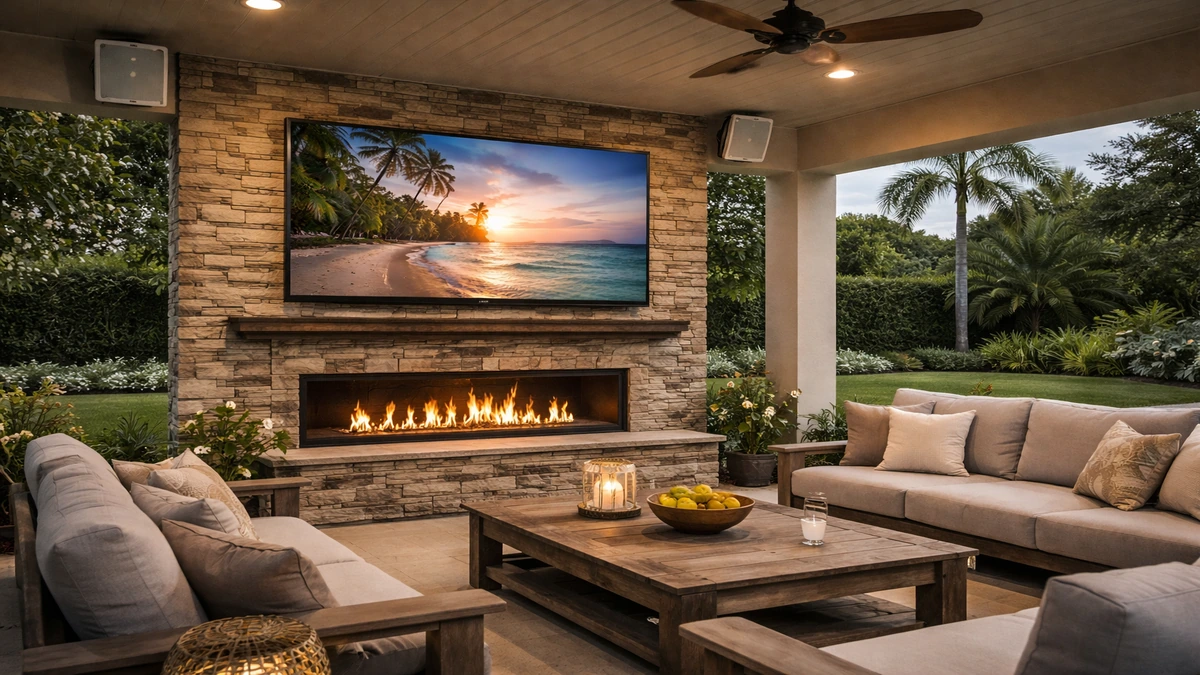
Outdoor TV Installation
Weather-aware outdoor TV setups built for patios, lanais, and pool areas.
5 minutes
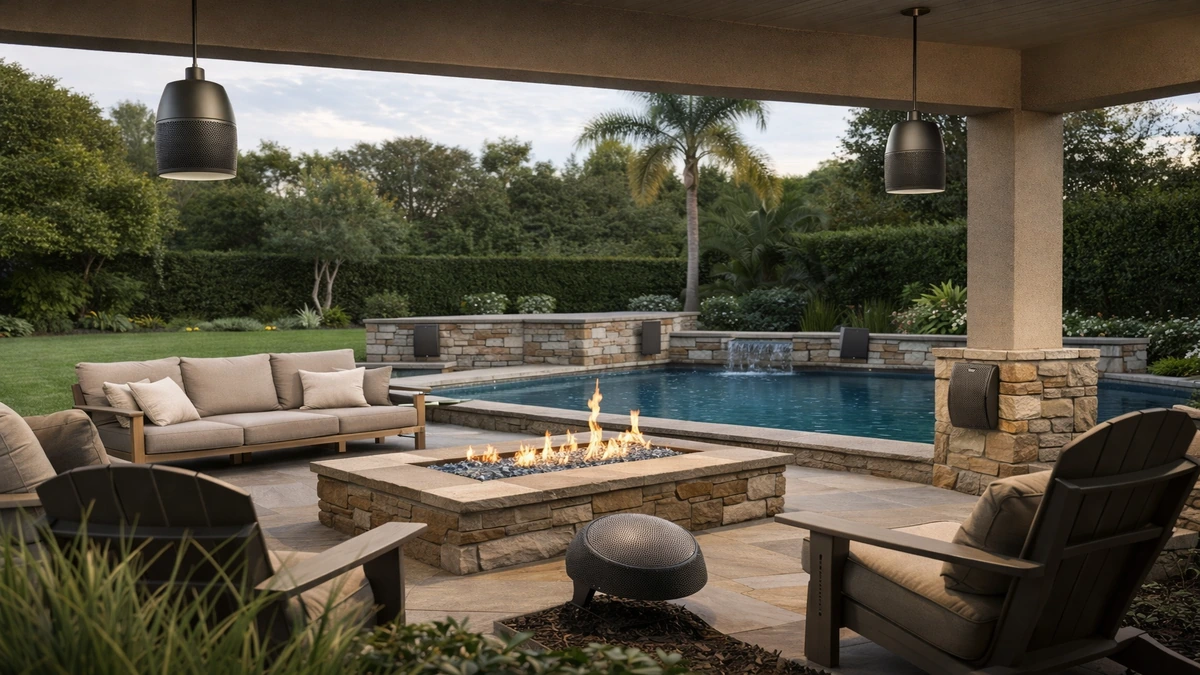
Outdoor Audio Installation
Outdoor speaker systems planned for clear sound and reliable coverage.
4 minutes
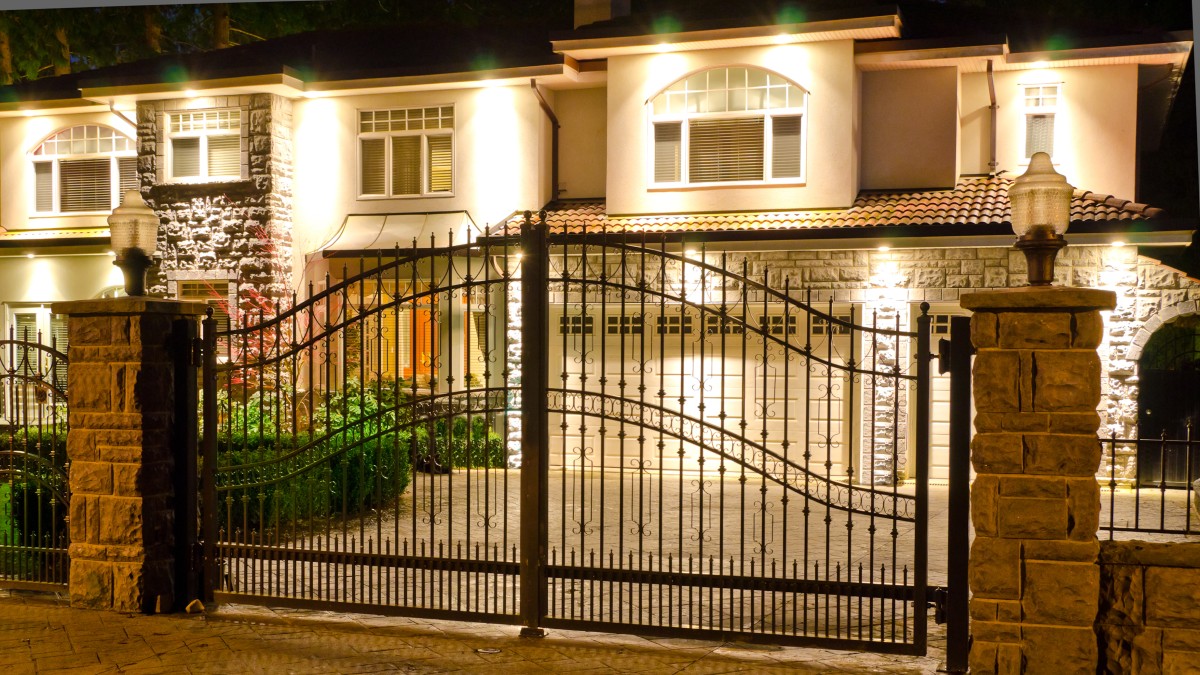
Automatic Gates
Secure, convenient gate automation with access control and entry integration.
4 minutes
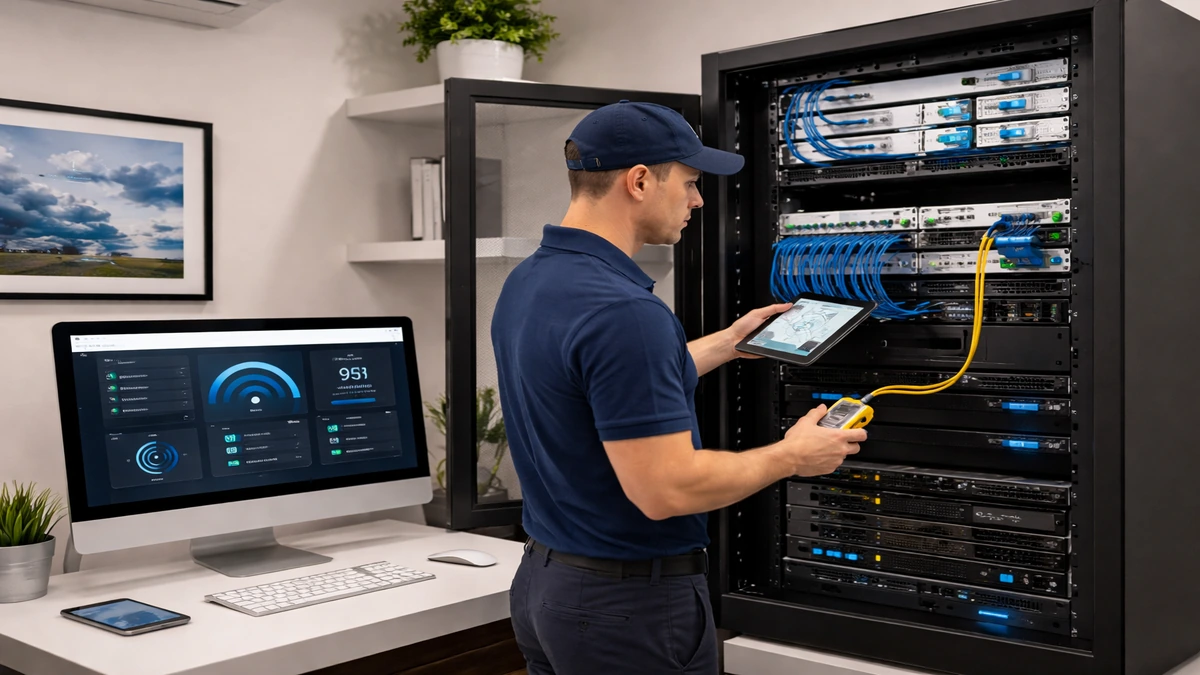
Home Network Installation
Stronger Wi-Fi, better coverage, and dependable connectivity throughout the property.
4 minutes
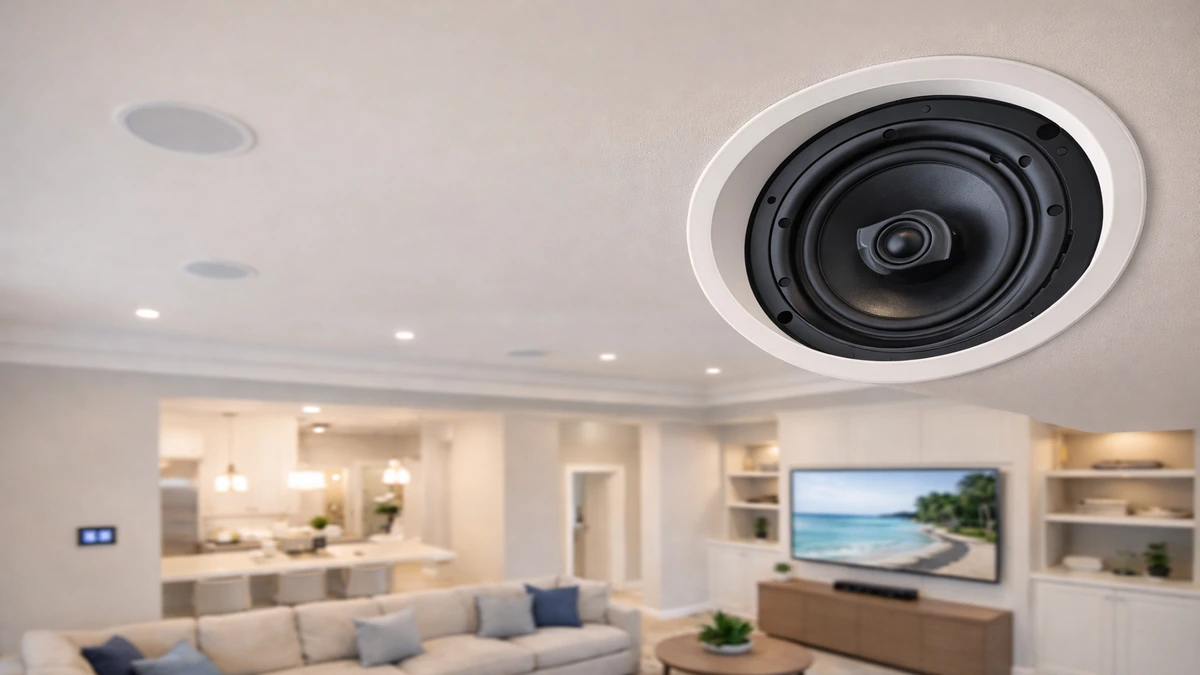
Ceiling Speaker Installation
Clean in-ceiling audio solutions for music, TV, and multi-room sound.
4 minutes
Commercial AV Installation
Professional audio, video, and control systems for business environments.
4 minutes
Home Audio Installation
Whole-home and room-based audio systems tailored to how you listen.
4 minutes

Marine Audio & Electronics Installation
Boat audio, displays, and electronics installed for performance on the water.
4 minutes
Security Camera Installation
Smart camera systems for visibility, alerts, recording, and remote monitoring.
4 minutes
Projector Screen Installation
Projectors and screens configured for sharp viewing and balanced room performance.
4 minutes
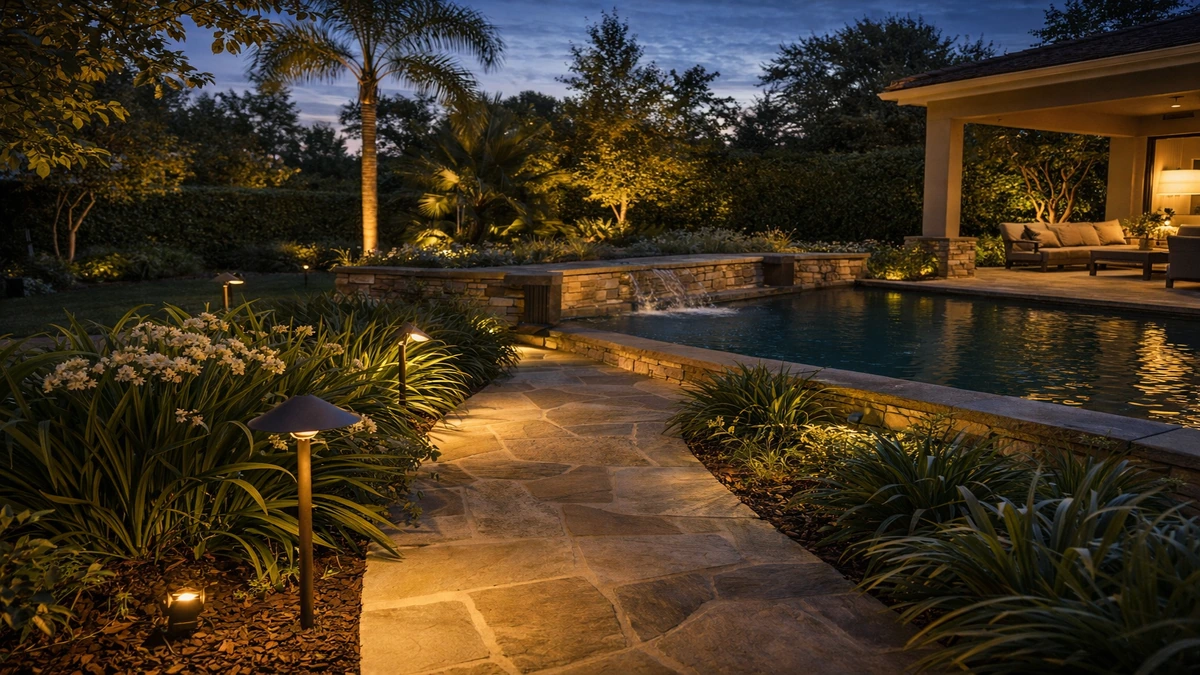
Outdoor Lighting Installation
Exterior lighting that improves curb appeal, ambiance, and nighttime usability.
4 minutes
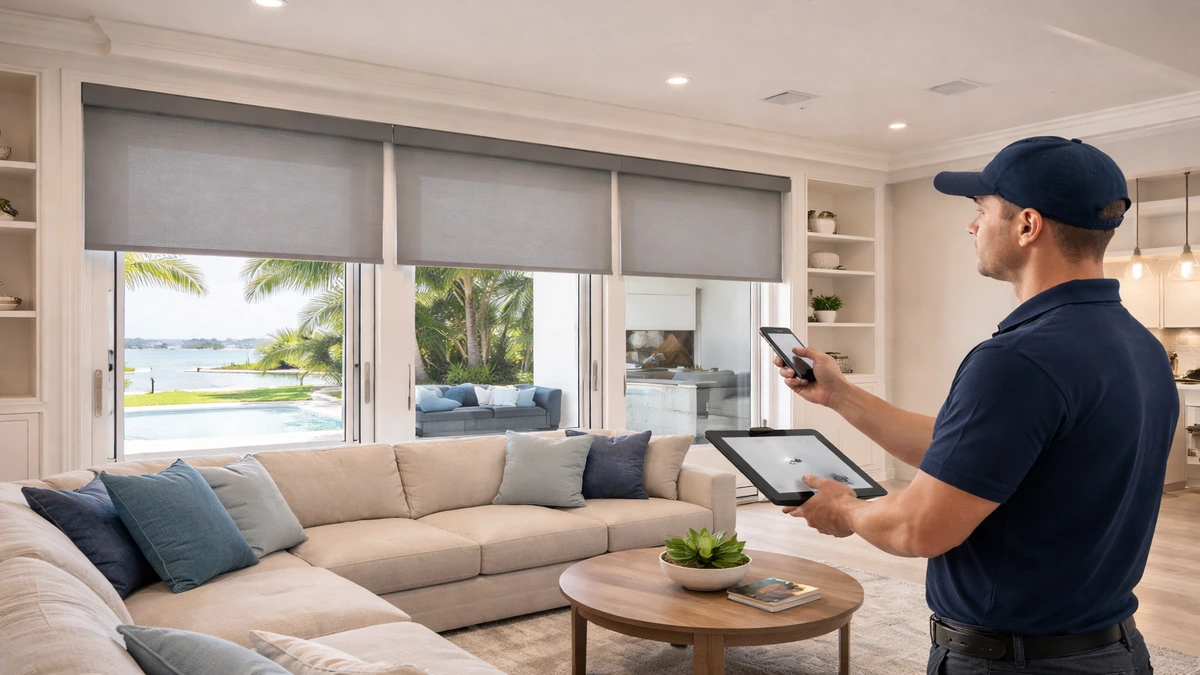
Motorized Blinds Installation
Automated shading for privacy, glare control, and everyday convenience.
4 minutes
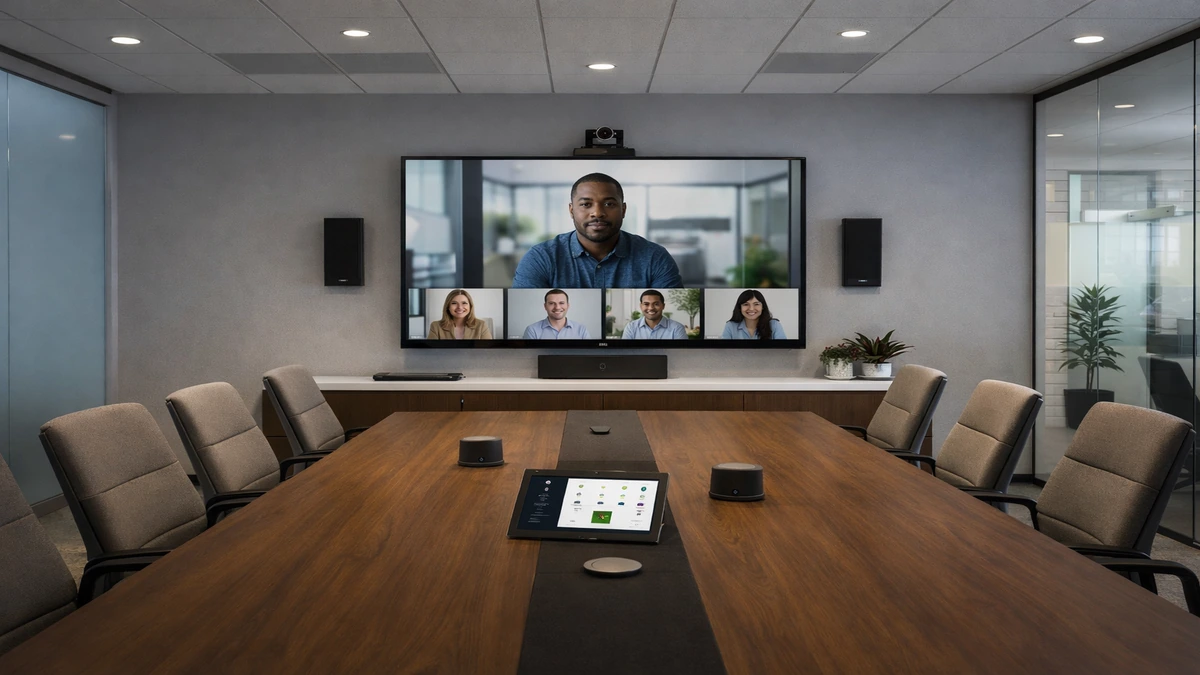
Conference Room AV Installation
Meeting room technology for clearer presentations, calls, and collaboration.
4 minutes
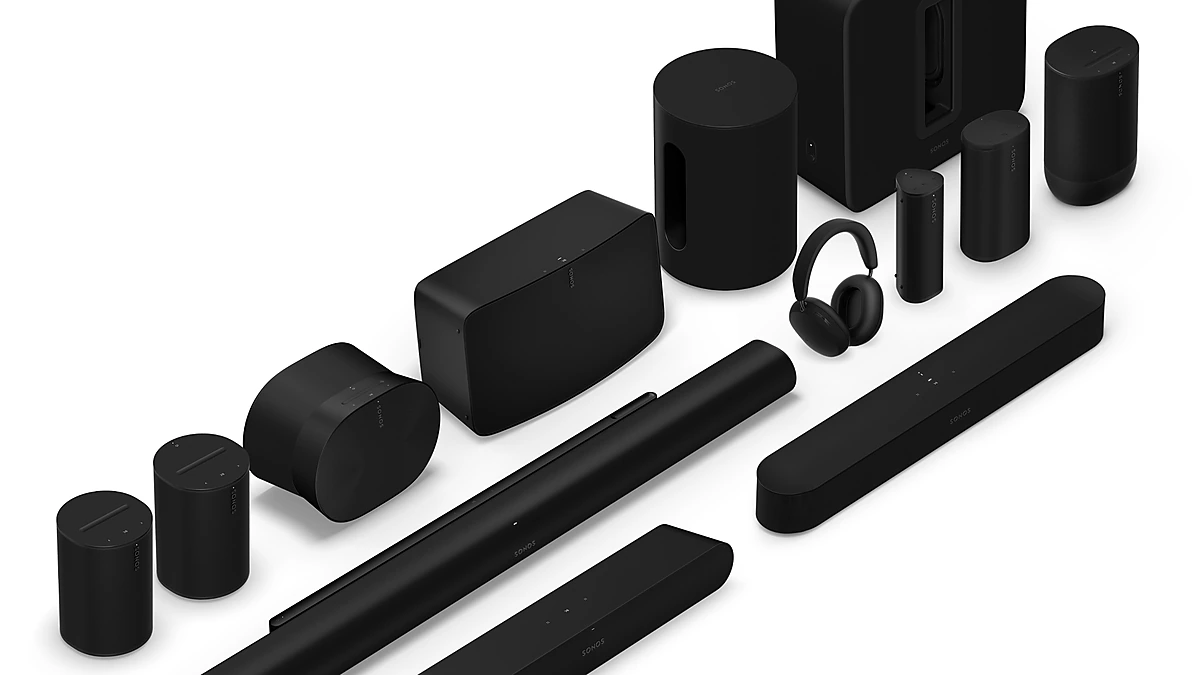
Sonos Installation
Sonos system design, setup, and tuning for simple multi-room audio.
4 minutes
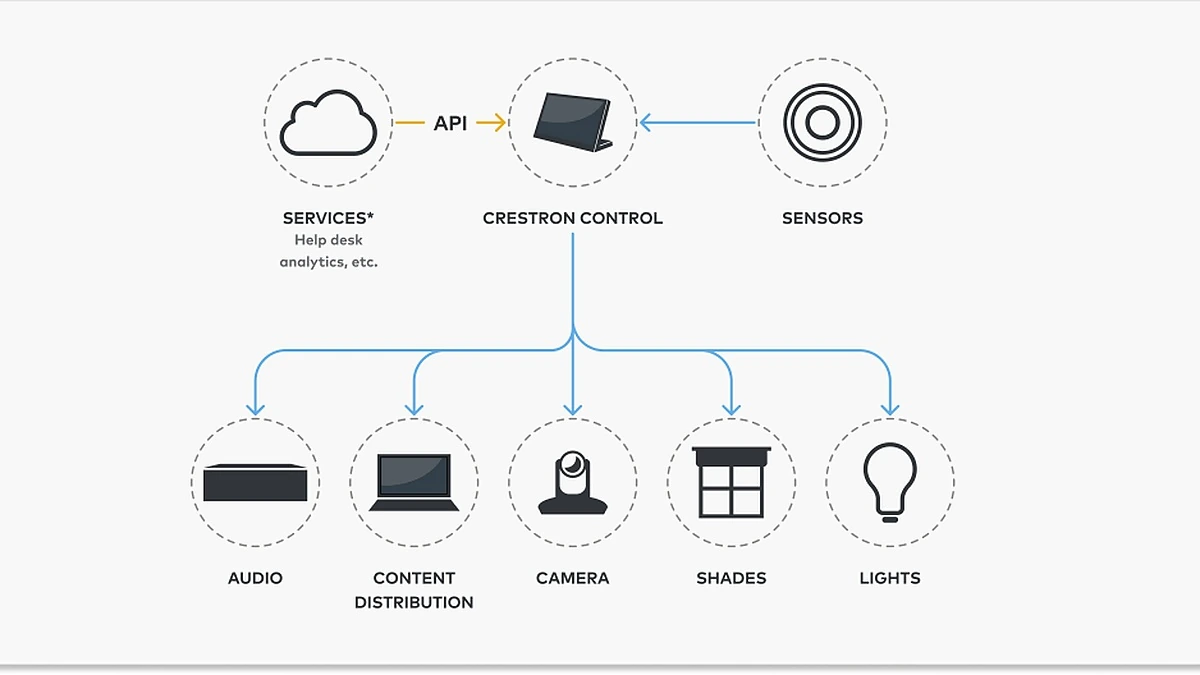
Crestron Installer
Advanced Crestron control integration for high-performance smart home environments.
4 minutes
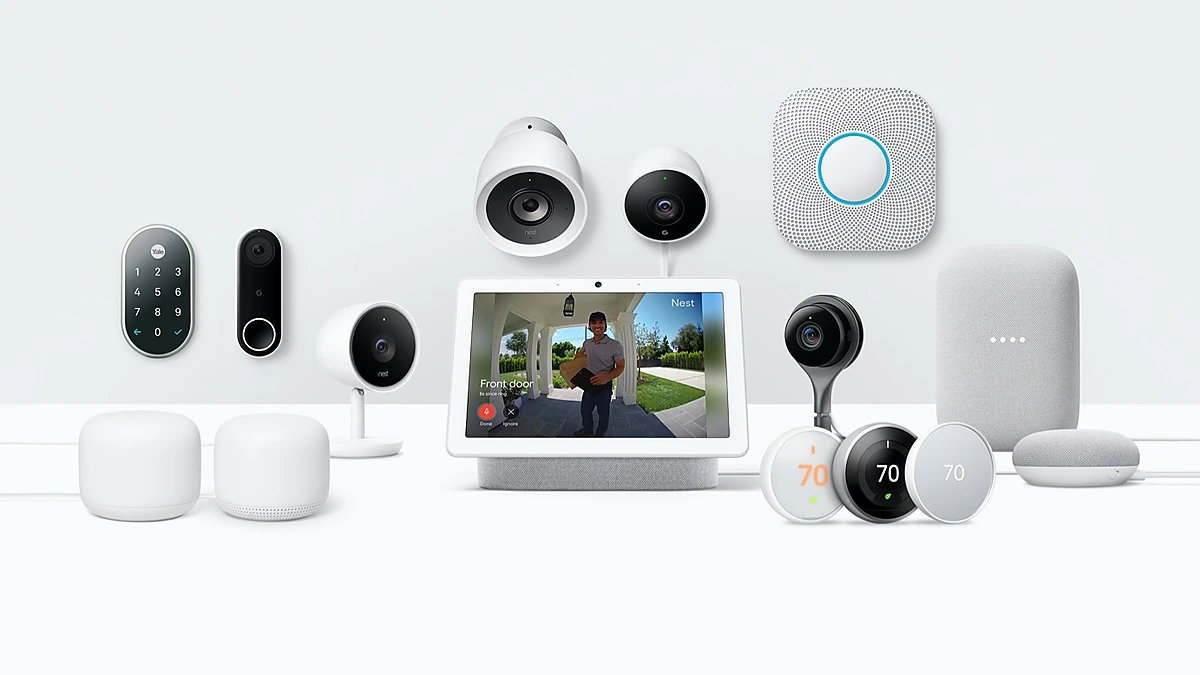
Nest Installer
Nest thermostat and smart home setup for comfort and remote control.
4 minutes
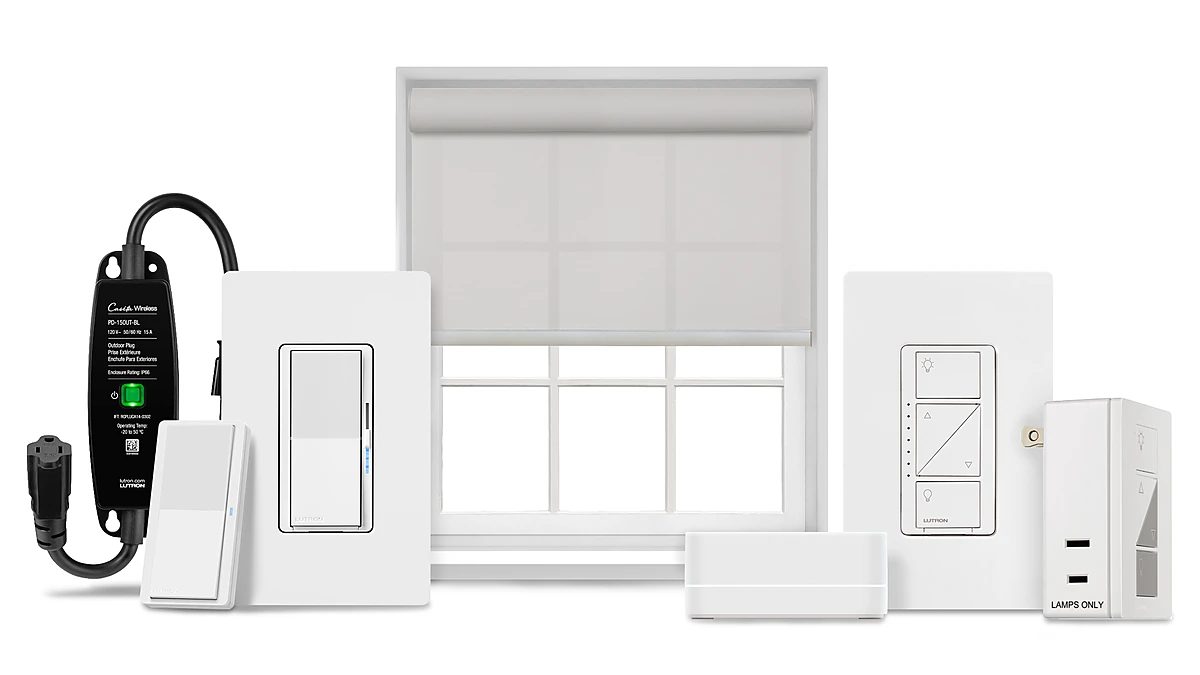
Lutron Installer
Lutron lighting and shading integration for smoother control and scene setting.
4 minutes
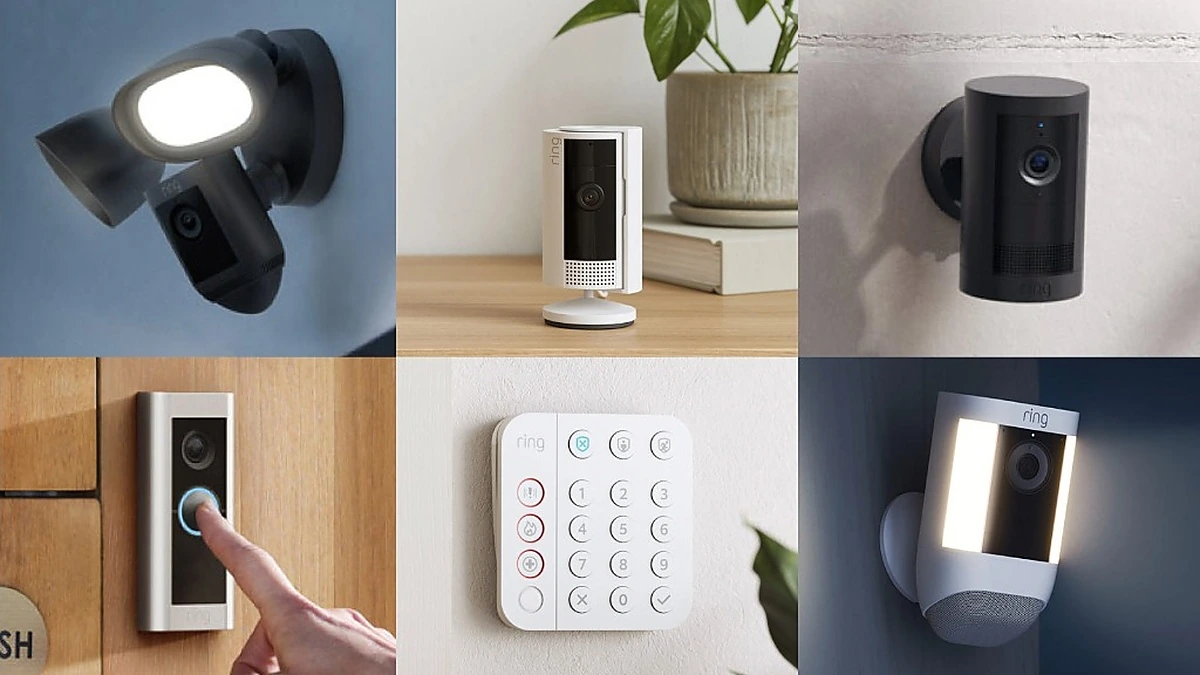
Ring Installation
Ring doorbells and cameras installed for better awareness and entry visibility.
5 minutes
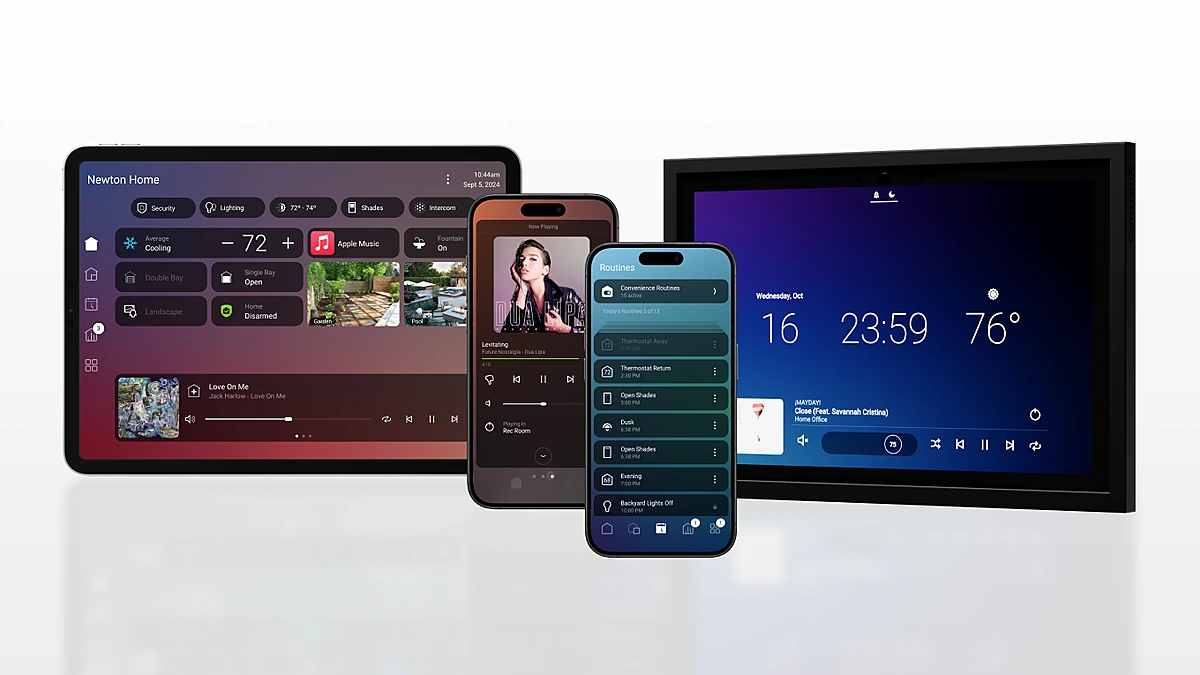
Control4 Installer
Control4 automation setup for unified entertainment, comfort, and home control.
4 minutes

Car & Truck Audio / Electronics Custom Upgrades
Custom mobile audio and electronics upgrades for better sound and functionality.
3 minutes
A town that is actually lived in, all year
Sunrise stands out from its neighbours in a way that matters more than it sounds. Of its 36,779 occupied homes, 25,473 are lived in by their owners — 69.3%, the highest nearby — and only 43.5% of its vacant homes are held for seasonal use, the lowest. Put plainly, this is a place people live in rather than visit. Systems here are used daily, by the same people, for years.
That changes what a good system is. In a seasonal home the priority is that everything survives months of neglect and can be checked remotely. In a house occupied every day, the priorities are the ones you feel constantly: does it respond without a delay, can everyone in the household use it without being taught, does it fail gracefully when one component misbehaves. Daily use is unforgiving of clever designs that only their designer understands.
It also raises the value of doing the work once and properly. A household that will be here in ten years is one that will extend the system — another zone, a better display, a camera at a gate that did not exist when the first cable was pulled. Infrastructure specified with a little headroom absorbs all of that as a swap. Infrastructure specified exactly to today's requirement turns each addition into a small construction project.
An unusual amount of mid-rise, and a very concentrated build era
Sunrise has 41,063 homes, and while about half are detached or attached houses, 8,387 of them sit in buildings of twenty to forty-nine units. That mid-rise band is larger here than in most of the surrounding area, and it is a distinct kind of job: too big to treat like a house, too small to have the service infrastructure of a tower. Risers are often shorter and more accessible than in a high-rise, but the approvals and shared-space rules still apply.
The build era is also unusually concentrated. A third of all housing here — 33.2% — went up between 1970 and 1979, a tighter cluster than in neighbouring cities, and the median home dates from the 1980s. That consistency is genuinely useful: construction methods, slab and block details, and the assumptions built into the original wiring tend to repeat. What is learned in one property here often transfers to the next in a way it would not in a mixed-age market.
What those decades share is that none of them anticipated this. Homes finished in the seventies and eighties were not built with low-voltage distribution designed in, so almost every project is a retrofit into completed walls. In a detached house that is a question of attic and crawlspace access. In one of the mid-rise buildings it is a question of what the existing chases will take and what the association will allow. Both are answerable — but not from a drawing.
Plan the whole house, not the room you are standing in
The most common way a system disappoints is not a bad component. It is four good ones bought at different times that were never designed to work together. In a year-round home the temptation to add a piece at a time is strong, because there is always an occupant to live with the compromise. Deciding the shape of the whole system first — where equipment lives, what the network carries, how it is controlled — costs very little at the planning stage and is expensive to retrofit later.
So the order runs: survey what the building allows, agree the finish standard, size the network and cabling for the household this will still be in five years, and choose the visible equipment last. In a home you use every day, that last step is the one you will notice — and the earlier ones are what make it work.
There is one more feature of the housing worth planning around. Alongside the mid-rise stock, Sunrise has 4,842 attached homes and 2,722 in buildings of ten to nineteen units. Attached properties behave like houses until the moment sound or cable meets a shared wall, at which point they behave like apartments. Establishing early which of your walls are shared, and which are genuinely yours, prevents a speaker layout that works on paper and annoys a neighbour in practice.