

One Decade, One Kind Of Attic Audio Video | Home Theater Installations Serving Weston, FL
Better than half of Weston went up in one decade, which is unusually consistent ground for a survey: 75% of homes are single-family and 52.3% of the housing went up between 1990 and 1999.
Enhancing Your Lifestyle with Cutting-Edge Audio, Video, and Smart Technology Solutions
Transform your home, vehicle, and watercraft with state-of-the-art audio/video systems, smart home technologies, and security solutions for an unparalleled experience.
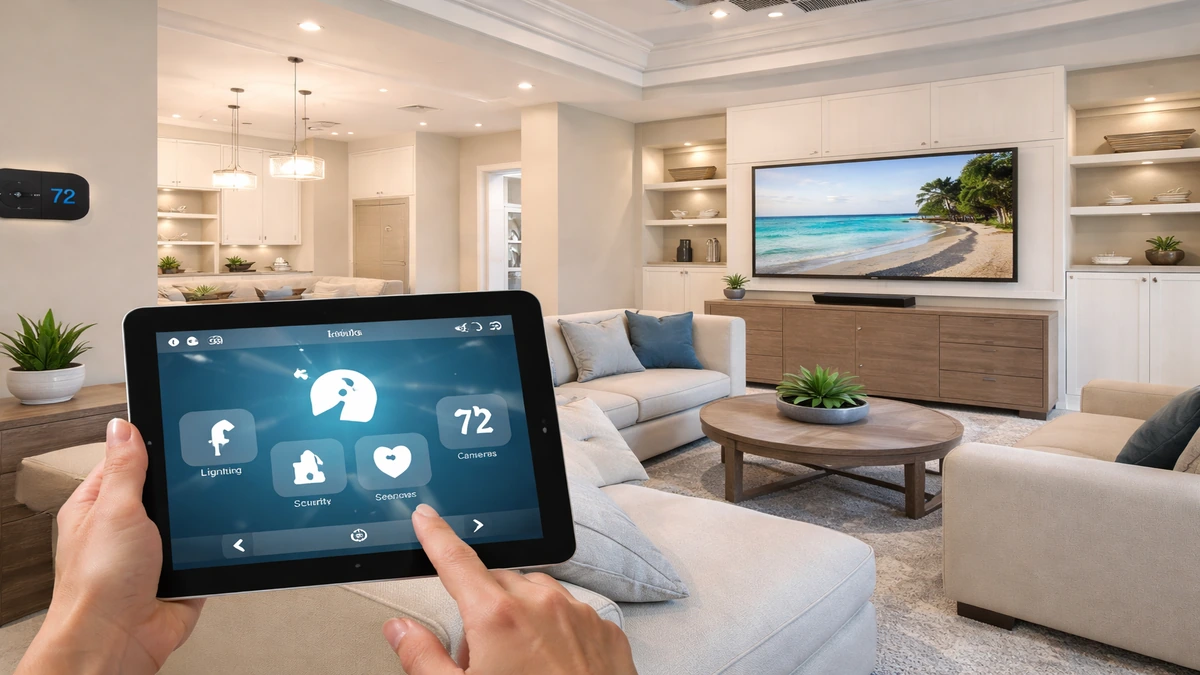
Smart Home Automation Installation
Integrated control for lighting, climate, security, and entertainment.
4 minutes
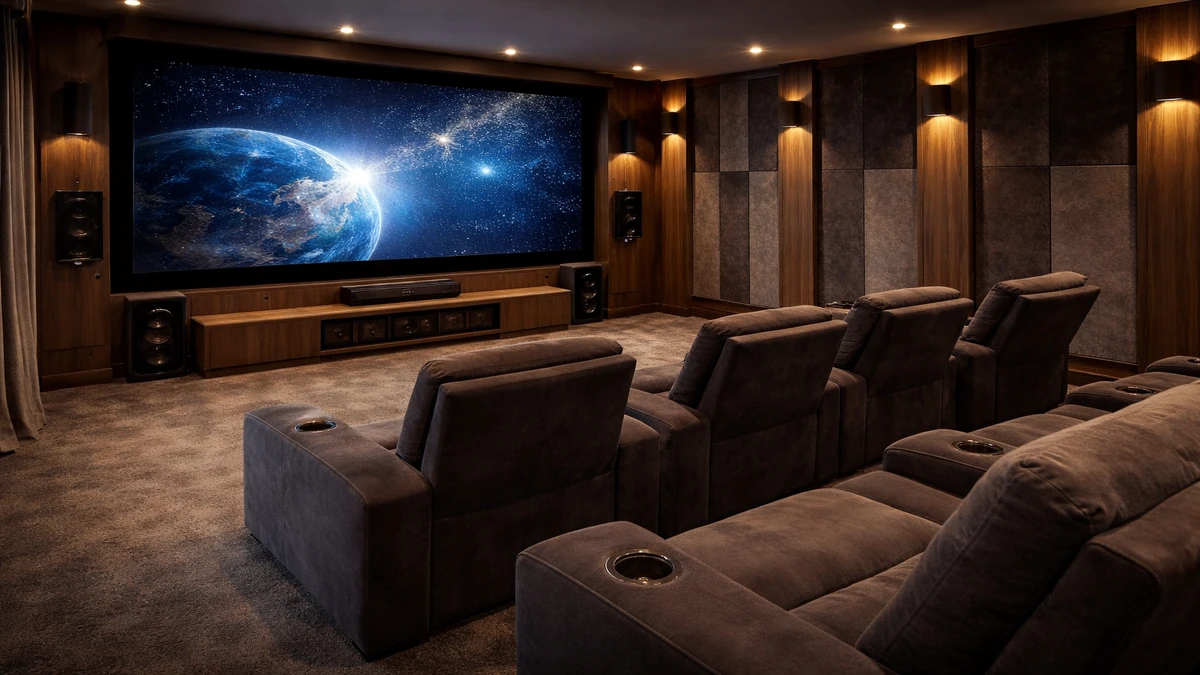
Home Theater Installation
Custom theater rooms designed for immersive picture, sound, and comfort.
4 minutes
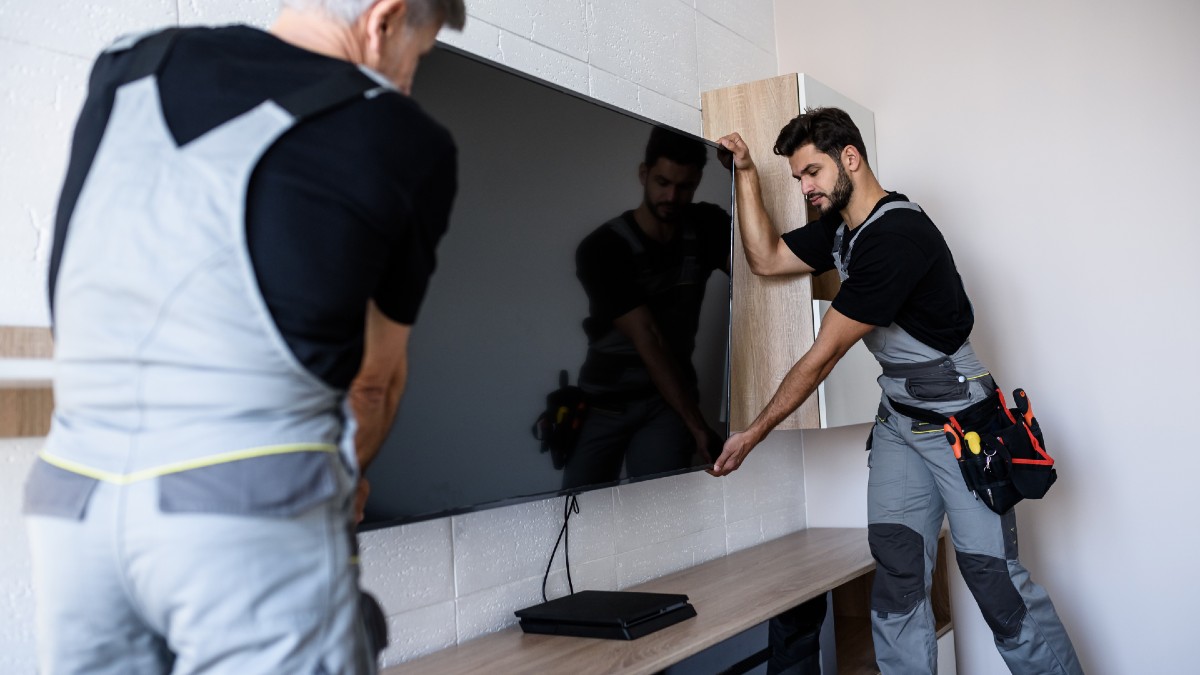
TV Wall Mounting
Professional TV mounting for cleaner layouts and better viewing angles.
5 minutes
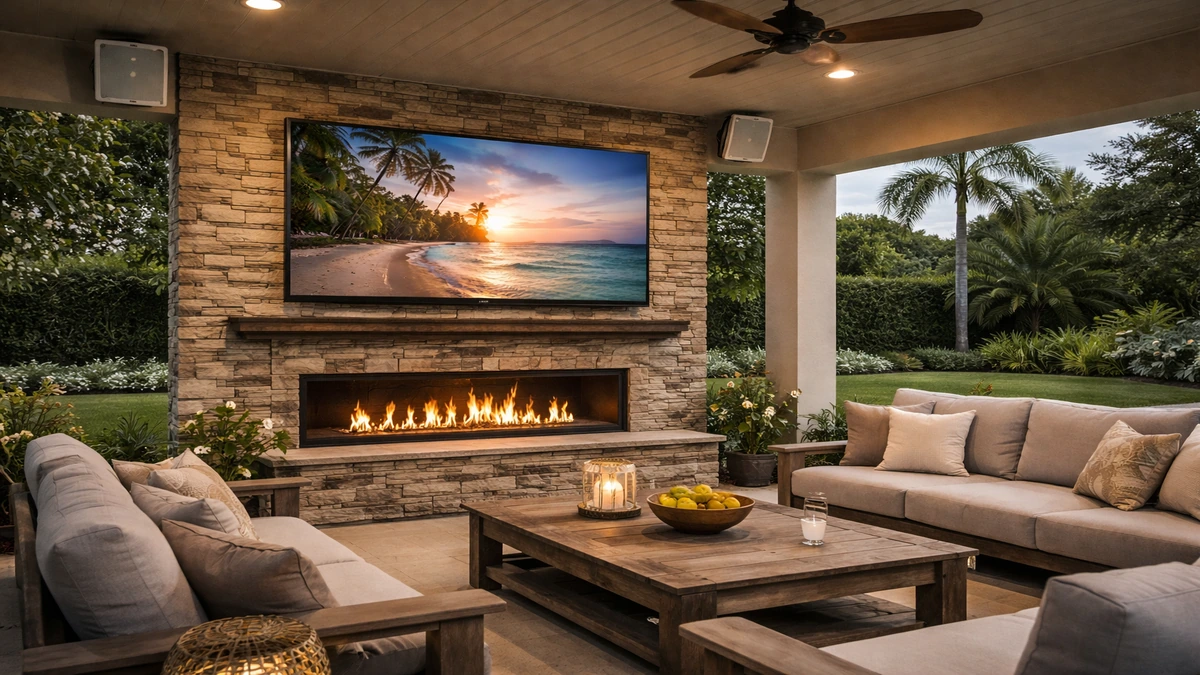
Outdoor TV Installation
Weather-aware outdoor TV setups built for patios, lanais, and pool areas.
5 minutes
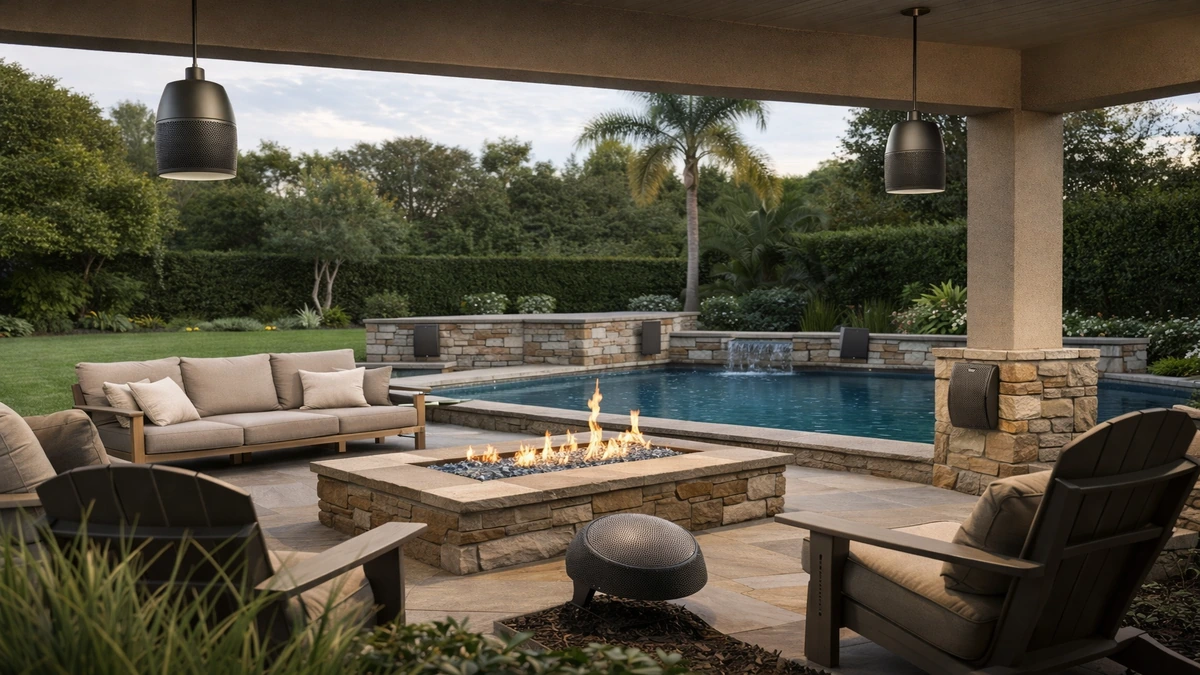
Outdoor Audio Installation
Outdoor speaker systems planned for clear sound and reliable coverage.
4 minutes
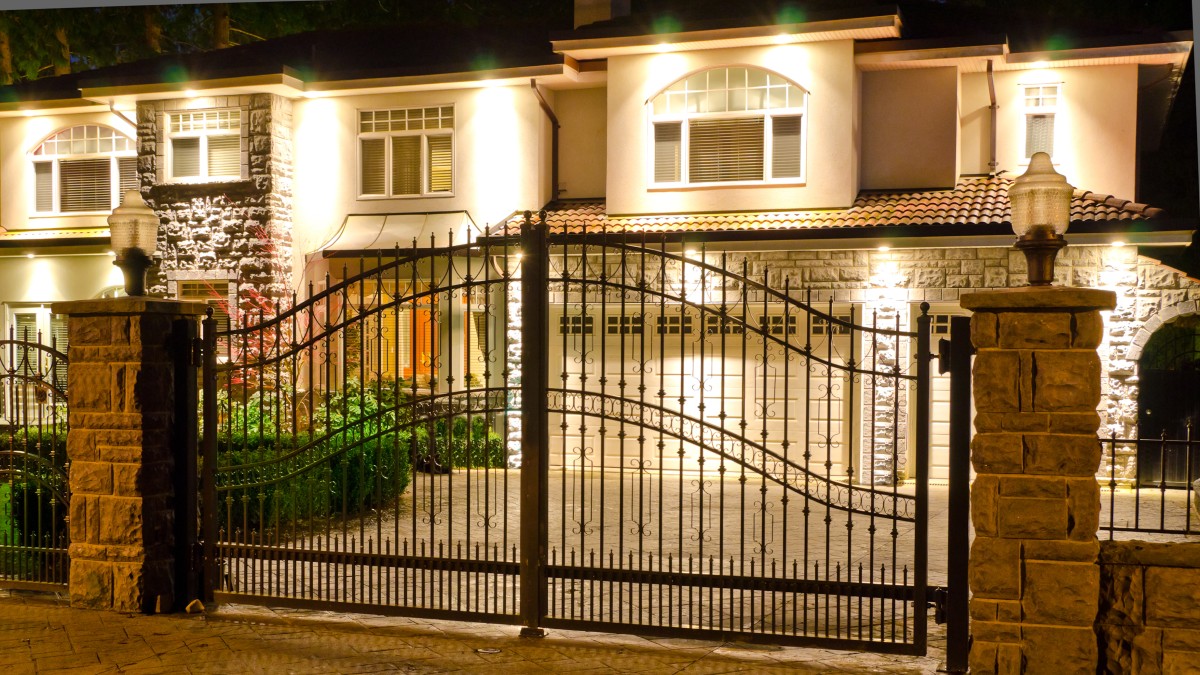
Automatic Gates
Secure, convenient gate automation with access control and entry integration.
4 minutes
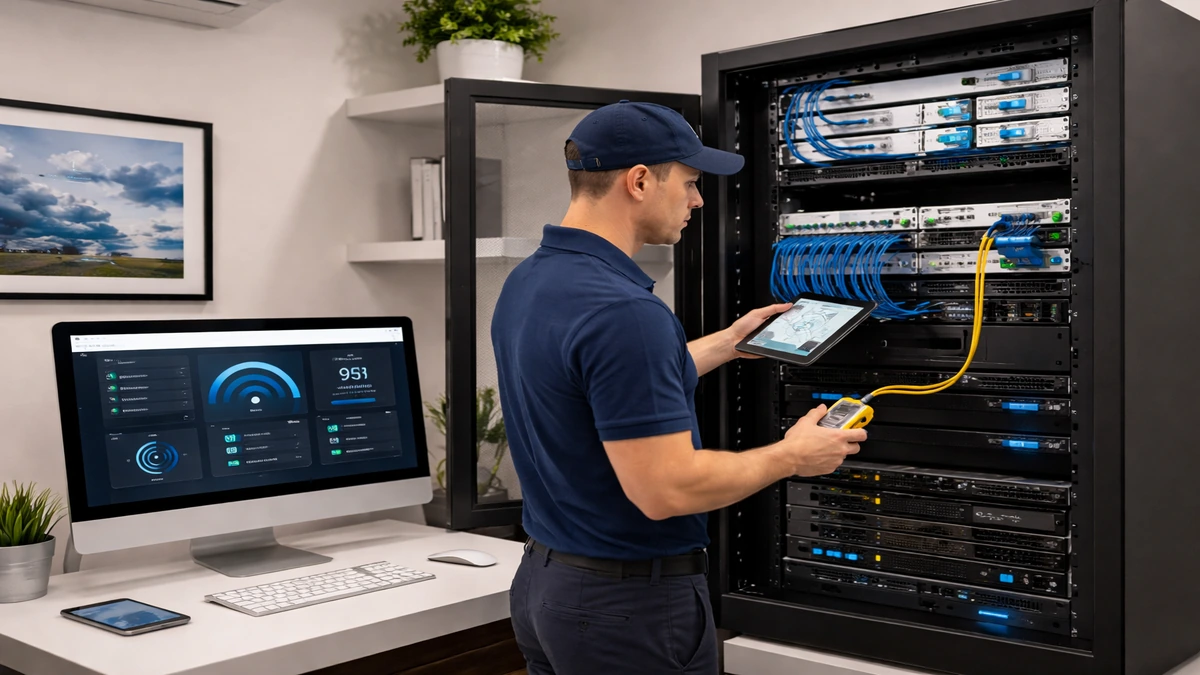
Home Network Installation
Stronger Wi-Fi, better coverage, and dependable connectivity throughout the property.
4 minutes
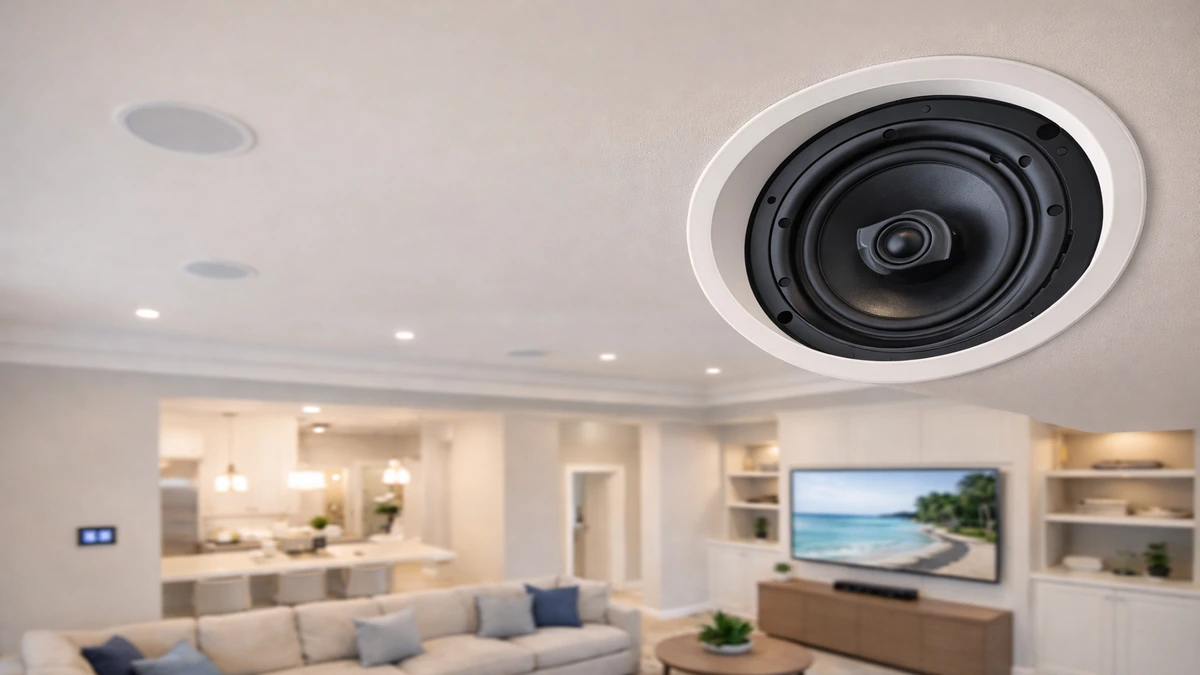
Ceiling Speaker Installation
Clean in-ceiling audio solutions for music, TV, and multi-room sound.
4 minutes
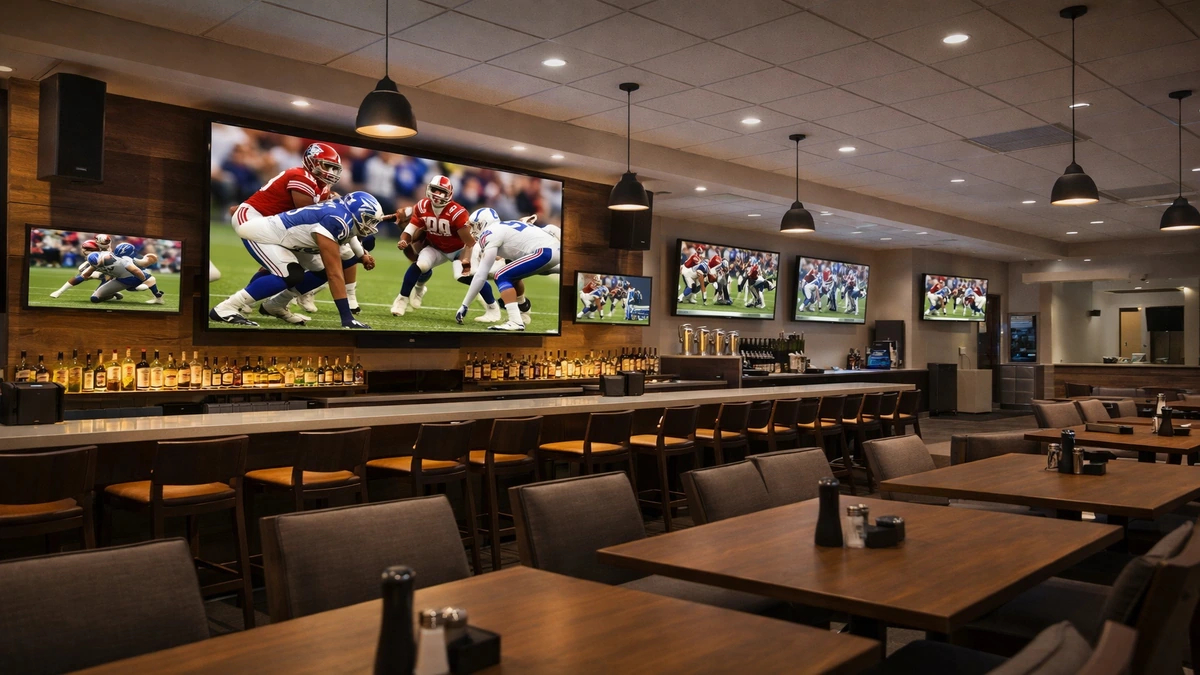
Commercial AV Installation
Professional audio, video, and control systems for business environments.
4 minutes
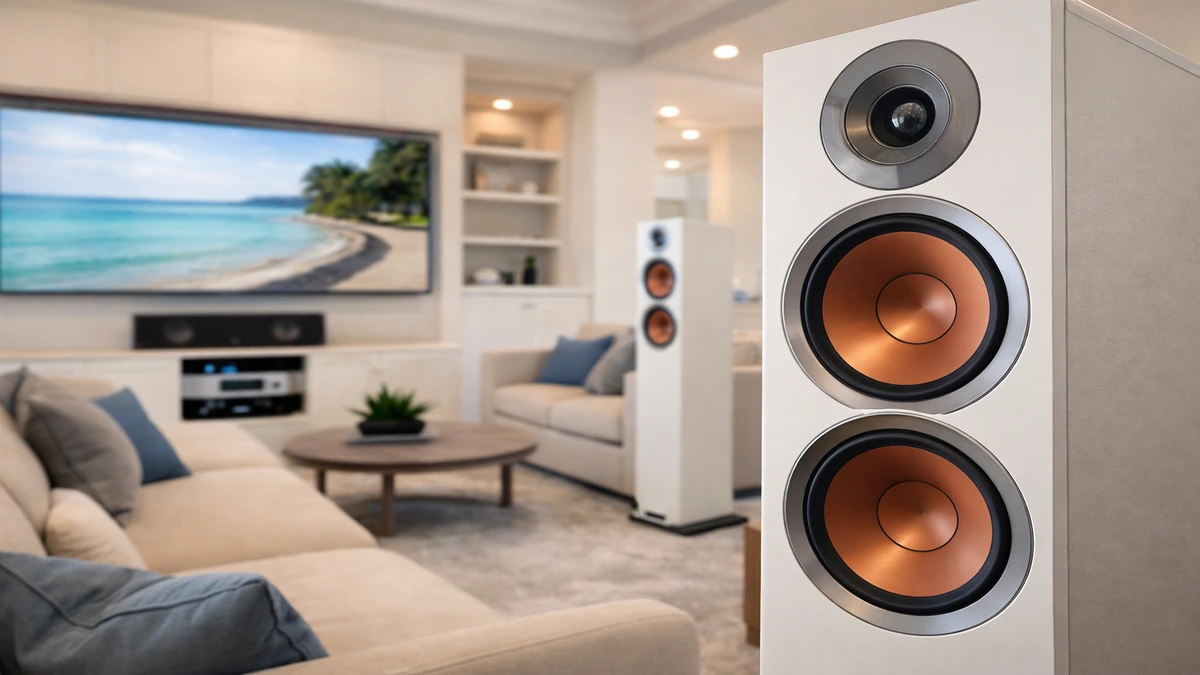
Home Audio Installation
Whole-home and room-based audio systems tailored to how you listen.
4 minutes

Marine Audio & Electronics Installation
Boat audio, displays, and electronics installed for performance on the water.
4 minutes
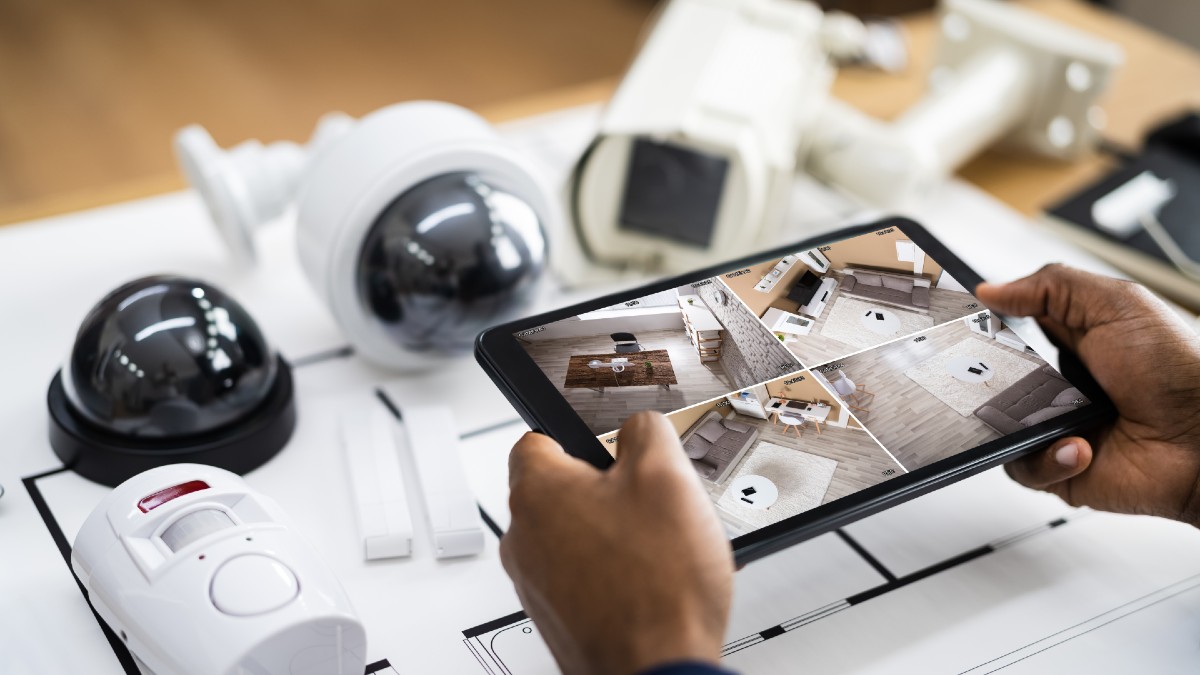
Security Camera Installation
Smart camera systems for visibility, alerts, recording, and remote monitoring.
4 minutes
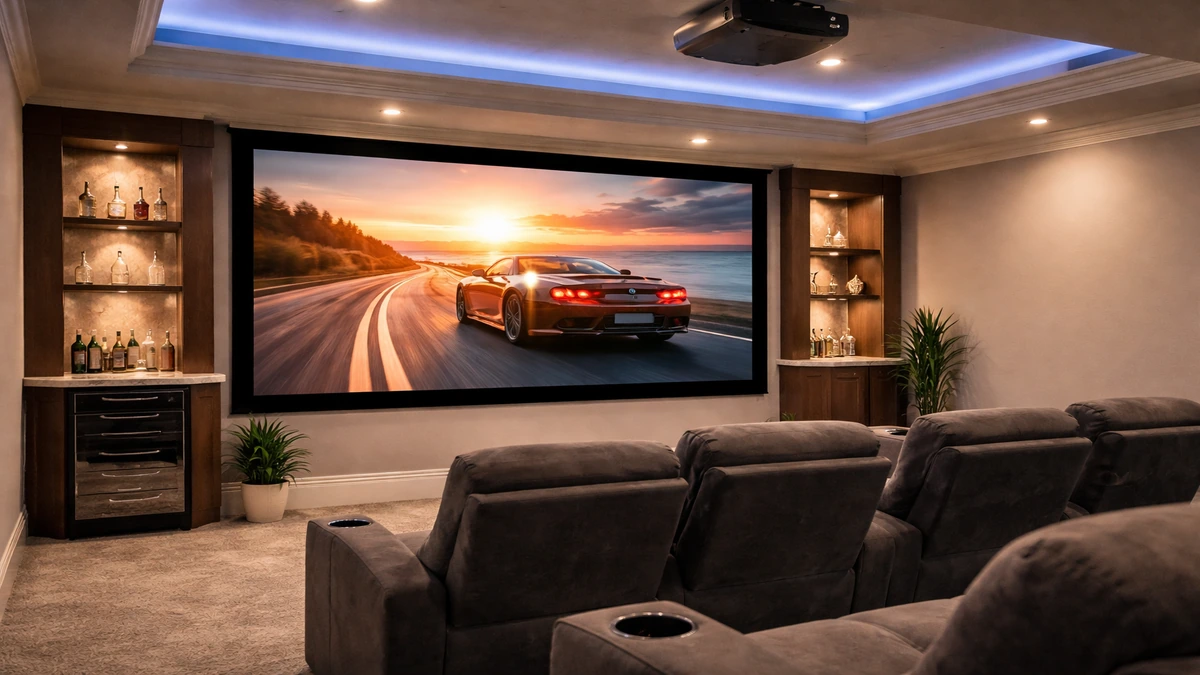
Projector Screen Installation
Projectors and screens configured for sharp viewing and balanced room performance.
4 minutes
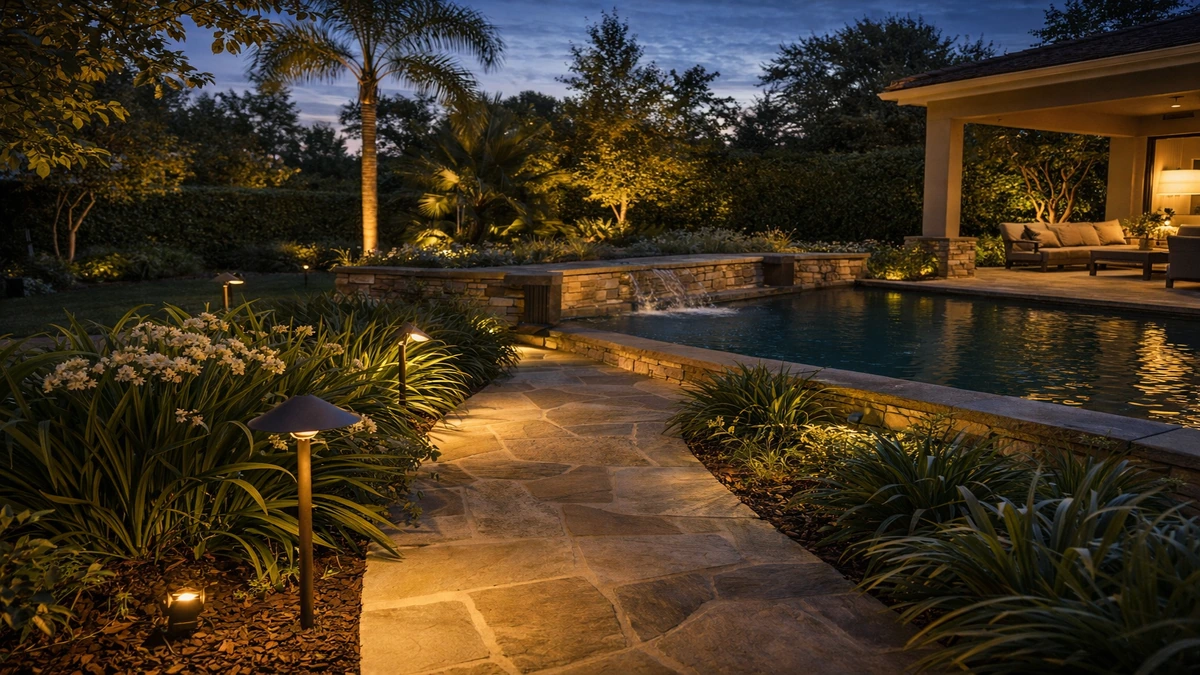
Outdoor Lighting Installation
Exterior lighting that improves curb appeal, ambiance, and nighttime usability.
4 minutes
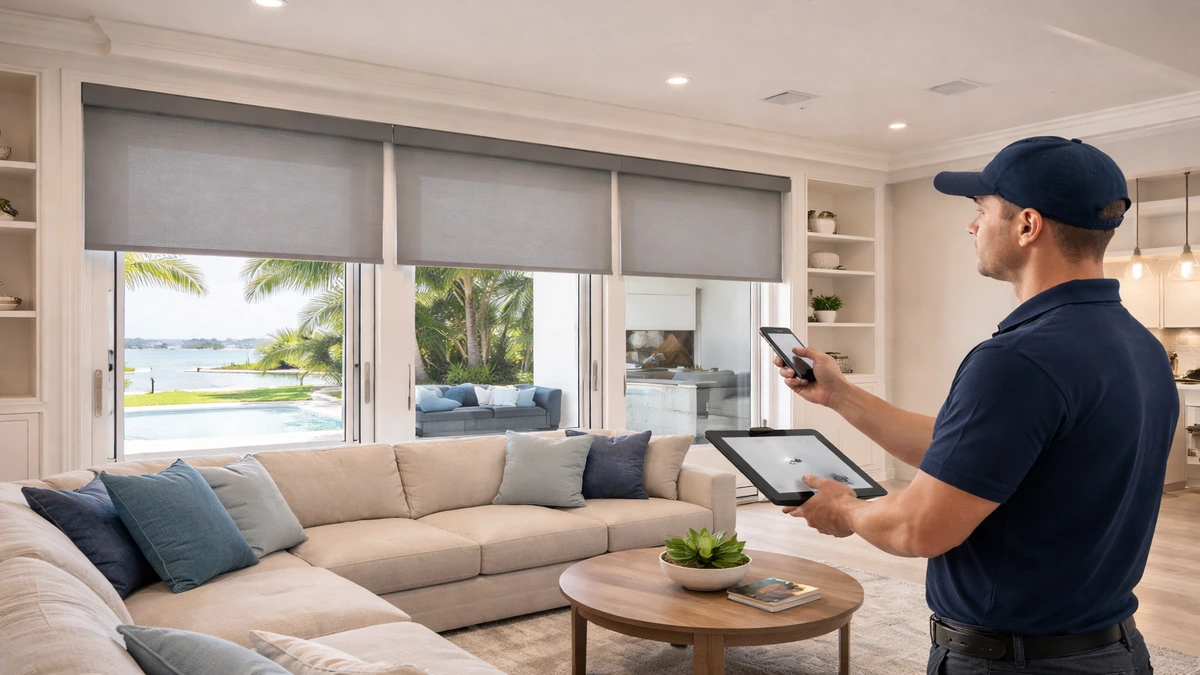
Motorized Blinds Installation
Automated shading for privacy, glare control, and everyday convenience.
4 minutes
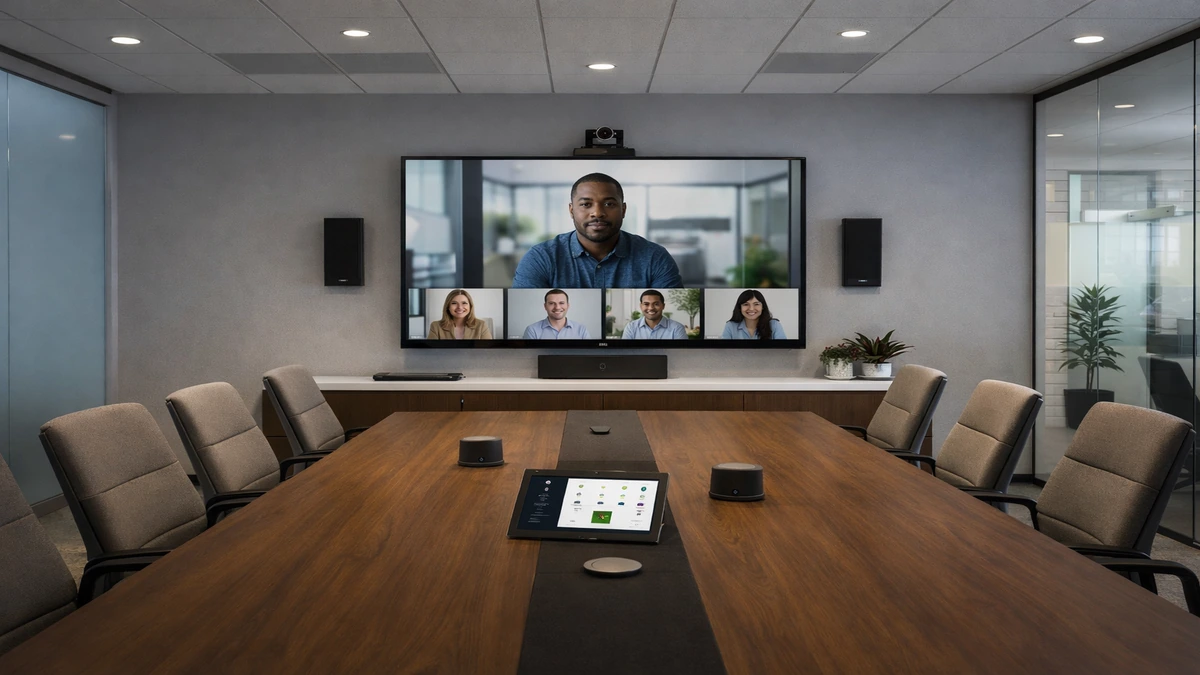
Conference Room AV Installation
Meeting room technology for clearer presentations, calls, and collaboration.
4 minutes
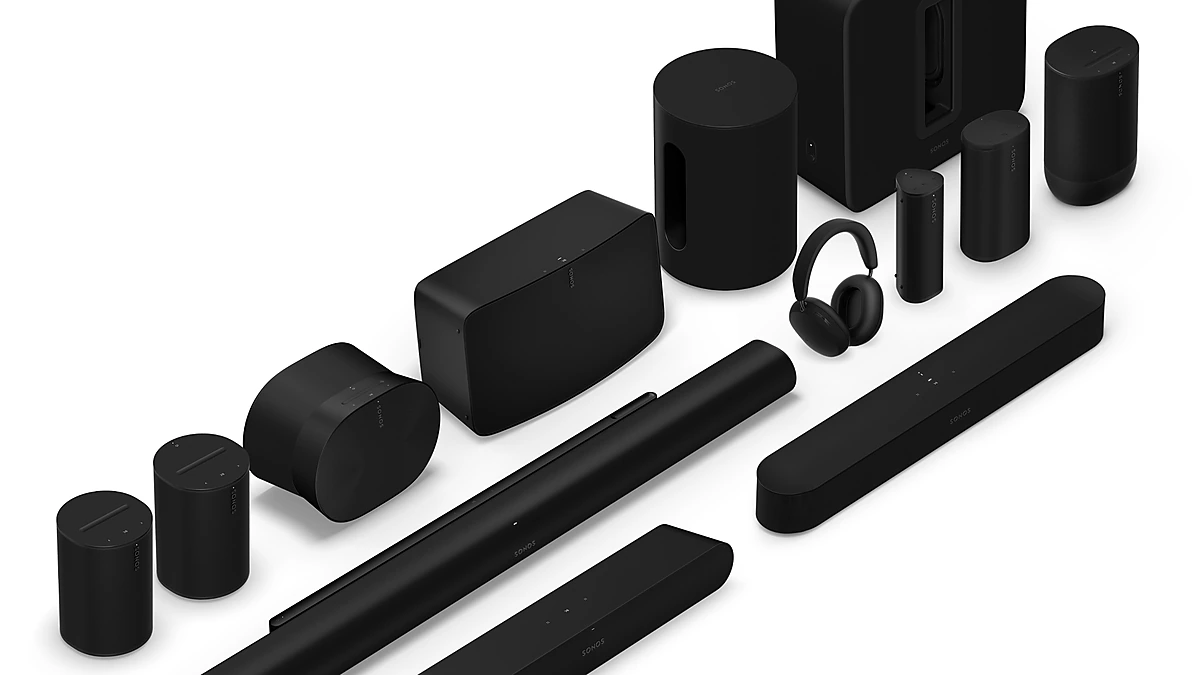
Sonos Installation
Sonos system design, setup, and tuning for simple multi-room audio.
4 minutes
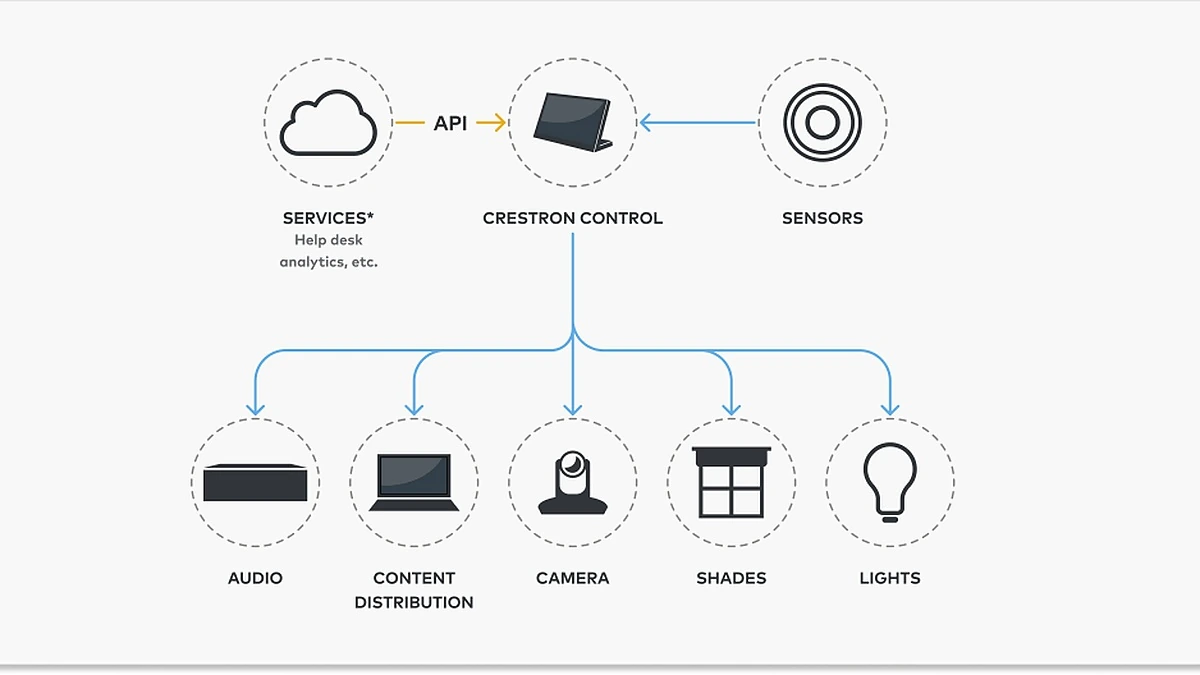
Crestron Installer
Advanced Crestron control integration for high-performance smart home environments.
4 minutes
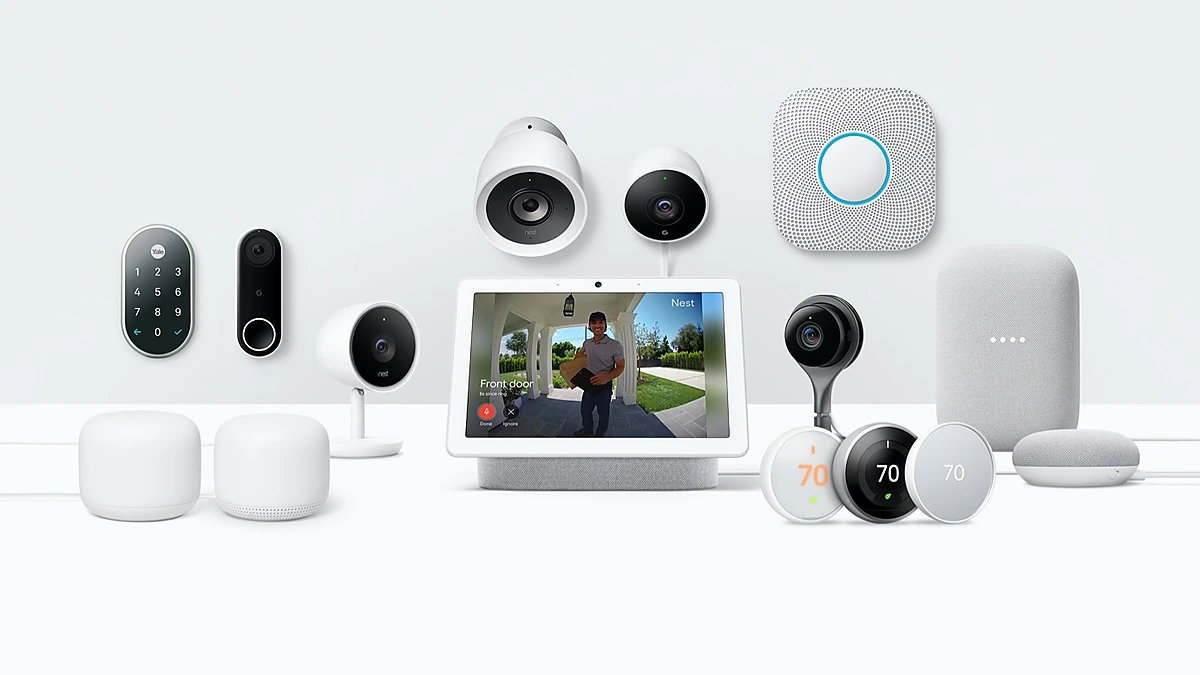
Nest Installer
Nest thermostat and smart home setup for comfort and remote control.
4 minutes
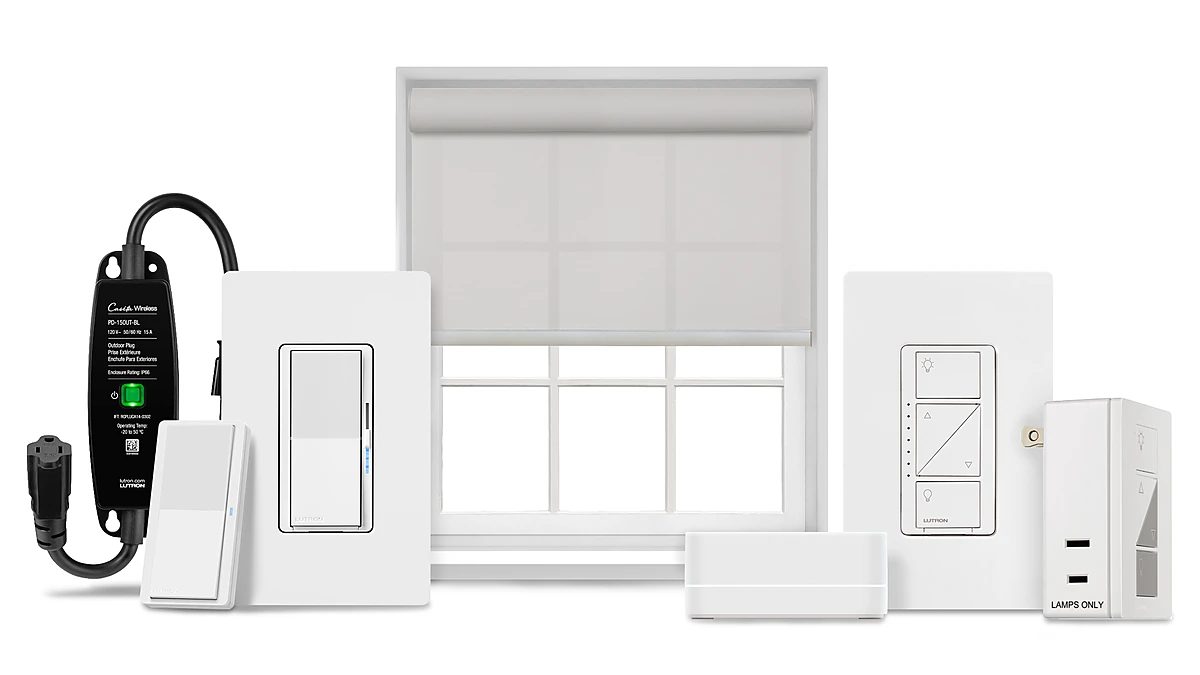
Lutron Installer
Lutron lighting and shading integration for smoother control and scene setting.
4 minutes
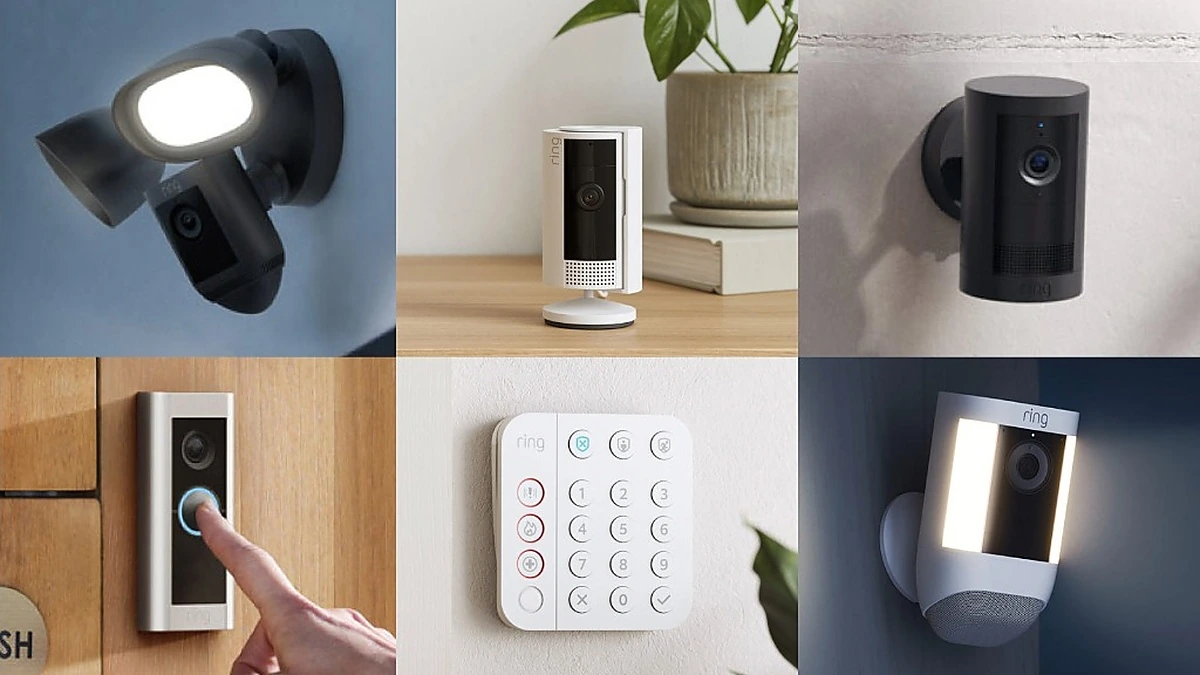
Ring Installation
Ring doorbells and cameras installed for better awareness and entry visibility.
5 minutes
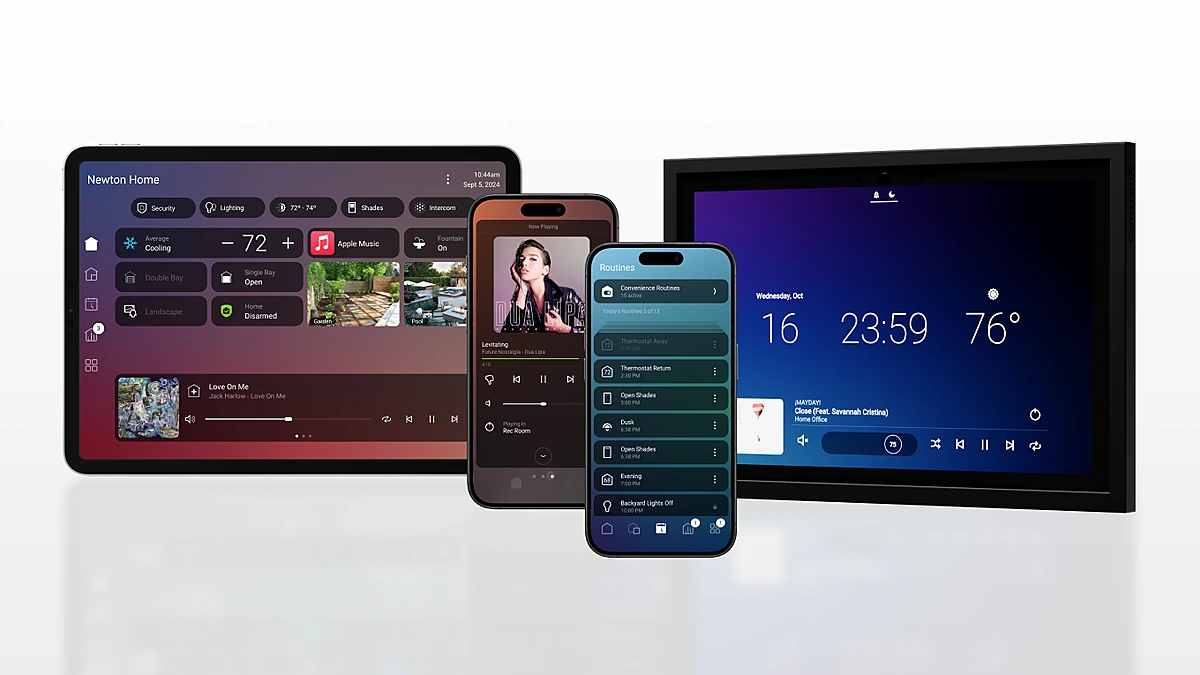
Control4 Installer
Control4 automation setup for unified entertainment, comfort, and home control.
4 minutes

Car & Truck Audio / Electronics Custom Upgrades
Custom mobile audio and electronics upgrades for better sound and functionality.
3 minutes
Three homes in four are houses, and half the city went up in one decade
Weston has 23,069 homes, and 12,056 of them were built between 1990 and 1999. Better than half the city, in ten years. That is an unusually tight concentration, and for anyone planning a whole-home system it is the most useful fact on this page. It means the housing you are working in was framed in the same few years, to the same methods, with the same assumptions built into it about what a wall or a ceiling would ever be asked to carry.
The practical value of that lands in the survey. Truss direction, attic clearance, where a chase was left and where it was not, whether a first floor sits over a void or a slab — those decide which walls take a clean in-wall run and which end up with cable in trunking. In a market assembled across sixty years, you learn those answers one property at a time. Here, what one property teaches has a fair chance of holding in the next.
There is a second group worth naming. Another 5,219 homes went up between 2000 and 2009, and housing of that period does sometimes carry a little low-voltage provision. It is rarely the provision anyone now wants — a single coax to where a television used to go, a phone run, an outlet in a hallway. It is still worth finding, because an existing route is worth far more than an existing cable, and pulling something better through a path that is already open is the cheapest metre of the job.
In a detached house the attic is the design, not the afterthought
Nothing of that vintage came with structured cabling designed in as standard, so this is retrofit into ceilings and walls that are already finished. In a detached house that is a manageable constraint rather than a hard one. The ceiling void is what makes in-ceiling speaker placement possible at all, and the roof space is the route that keeps cable out of sight. What it asks in return is that somebody goes up there before the layout is fixed, because a ceiling looks identical from below whether or not there is a duct exactly where the speaker was meant to go.
The other decision a house like this makes easy, and therefore easy to get wrong, is where the equipment lives. A rack wants power, ventilation and clearance to be worked on, and most houses offer several candidate spots, none of them obviously best until you know what the cable runs want to do. Choose it early and every run is planned toward it. Choose it late and the runs choose it for you, usually badly, and usually somewhere with no air.
A finish standard is a decision, and it is taken early
The median home here is valued at $644,100, and in housing at that level the thing people notice a year on is rarely the specification. It is whether the cable disappeared. Deciding up front what has to be concealed, what may be surface-run behind a piece of furniture and where trunking is genuinely acceptable takes five minutes at design stage and becomes an argument at handover. It is also one of the more reliable drivers of what the work costs, so it belongs in the budget conversation rather than after it.
Consistency also changes how a project can be staged. When the fabric behaves predictably, the whole design can be settled before the first cable is pulled, which means the parts that are expensive to revisit — routes, rack position, circuits, the network backbone — get decided once, and the visible parts can arrive over a couple of years without any of it being reopened. That is a very different proposition from designing each room as its budget appears.
So the order here is set by the house rather than by anybody's preference. Get into the roof and confirm what the routes will actually take, fix speaker and screen positions against that, give the rack its permanent home, size the cabling and the network for what the household will ask of them in five years, and buy the visible equipment last. In housing this consistent, that sequence has the pleasant property of getting faster the second time it is used.