

Same Mix, Higher Finish Standard Audio Video | Home Theater Installations Serving Wilton Manors, FL
Wilton Manors holds 7,369 homes at a median value of 8,300, well above nearby cities with a very similar mix of houses and apartments, and more of its apartments sit in buildings of twenty units or more than in everything smaller combined.
Revolutionize Your Experience with Advanced Audiovisual and Security Solutions
From modern home theaters to car, truck, and boat audio upgrades, plus CCTV security—discover complete control and superior quality across all aspects of your life.
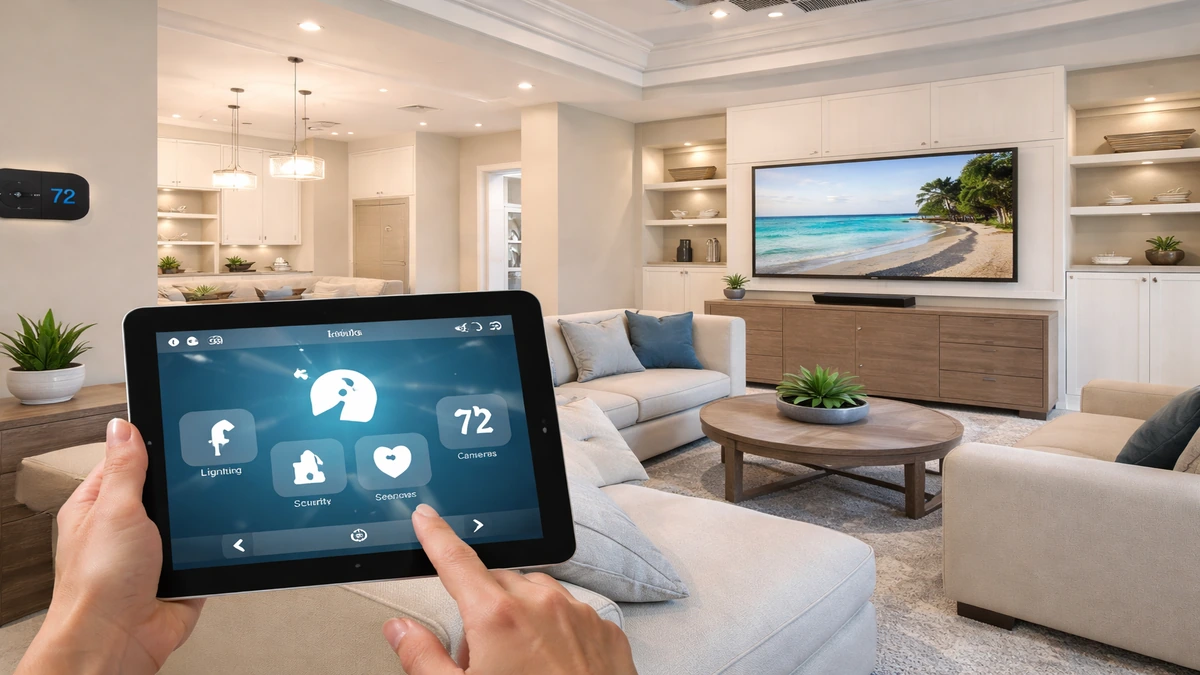
Smart Home Automation Installation
Integrated control for lighting, climate, security, and entertainment.
4 minutes
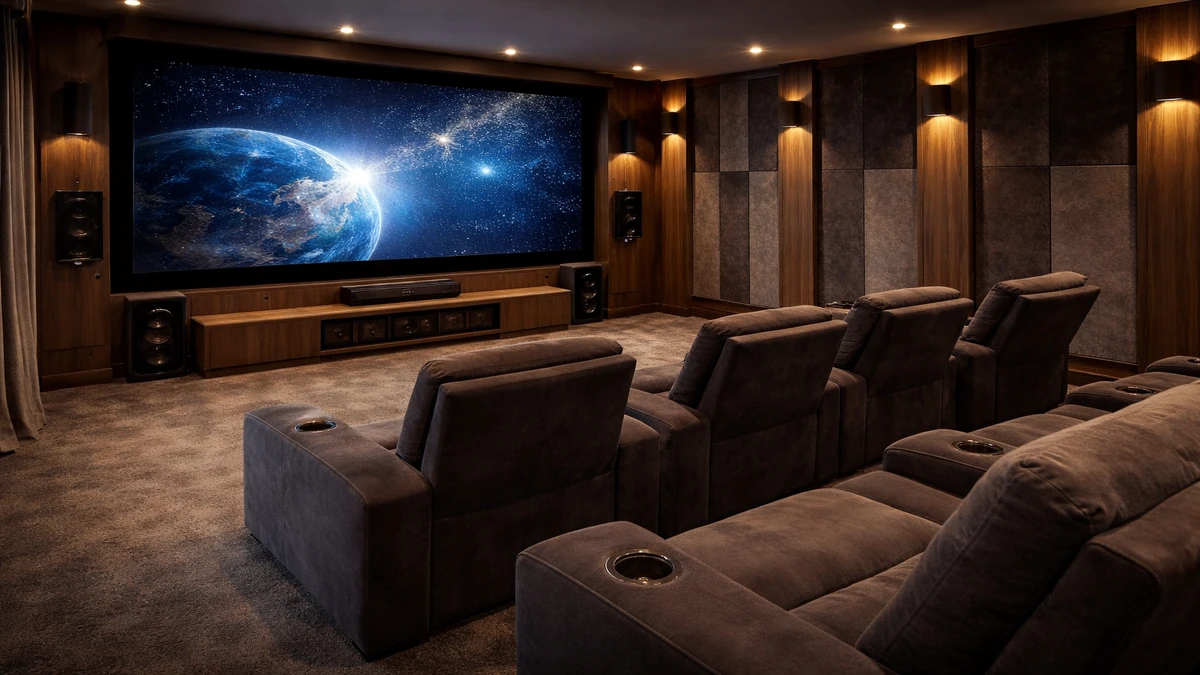
Home Theater Installation
Custom theater rooms designed for immersive picture, sound, and comfort.
4 minutes
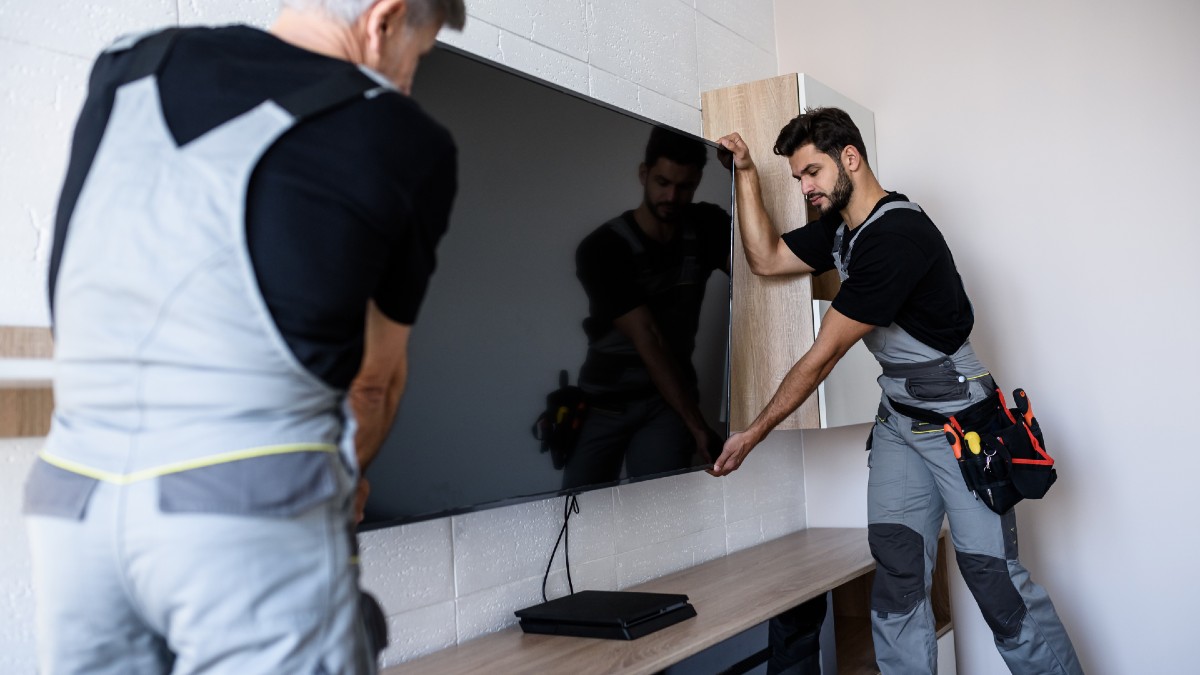
TV Wall Mounting
Professional TV mounting for cleaner layouts and better viewing angles.
5 minutes
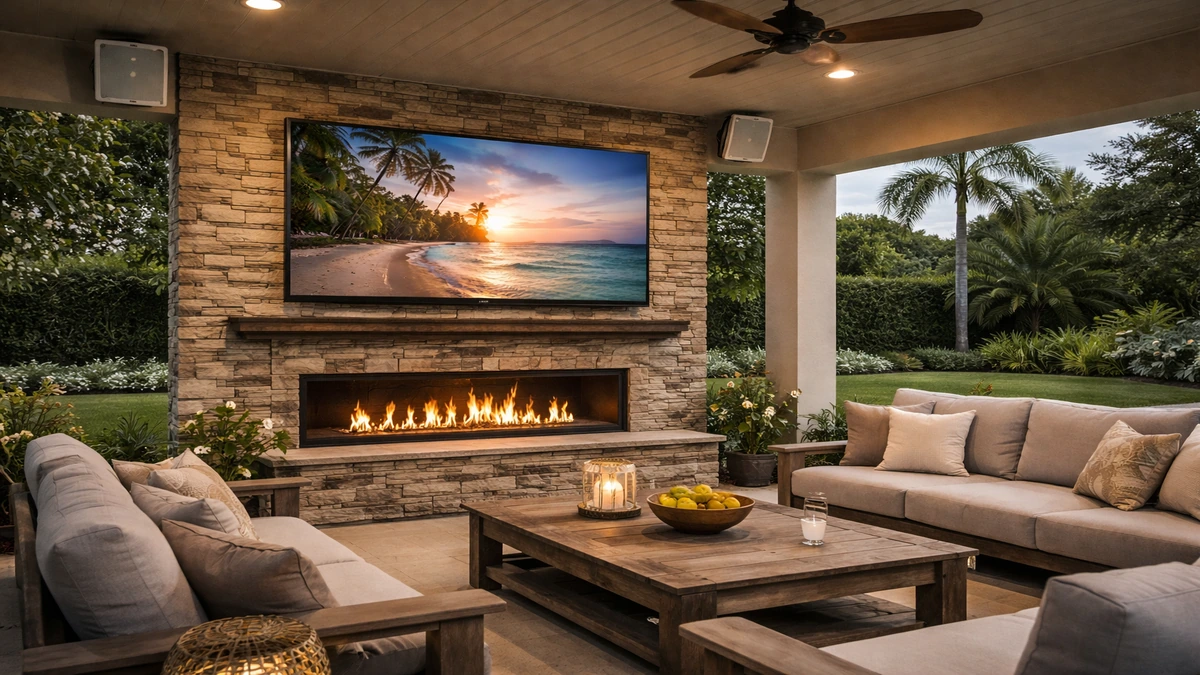
Outdoor TV Installation
Weather-aware outdoor TV setups built for patios, lanais, and pool areas.
5 minutes
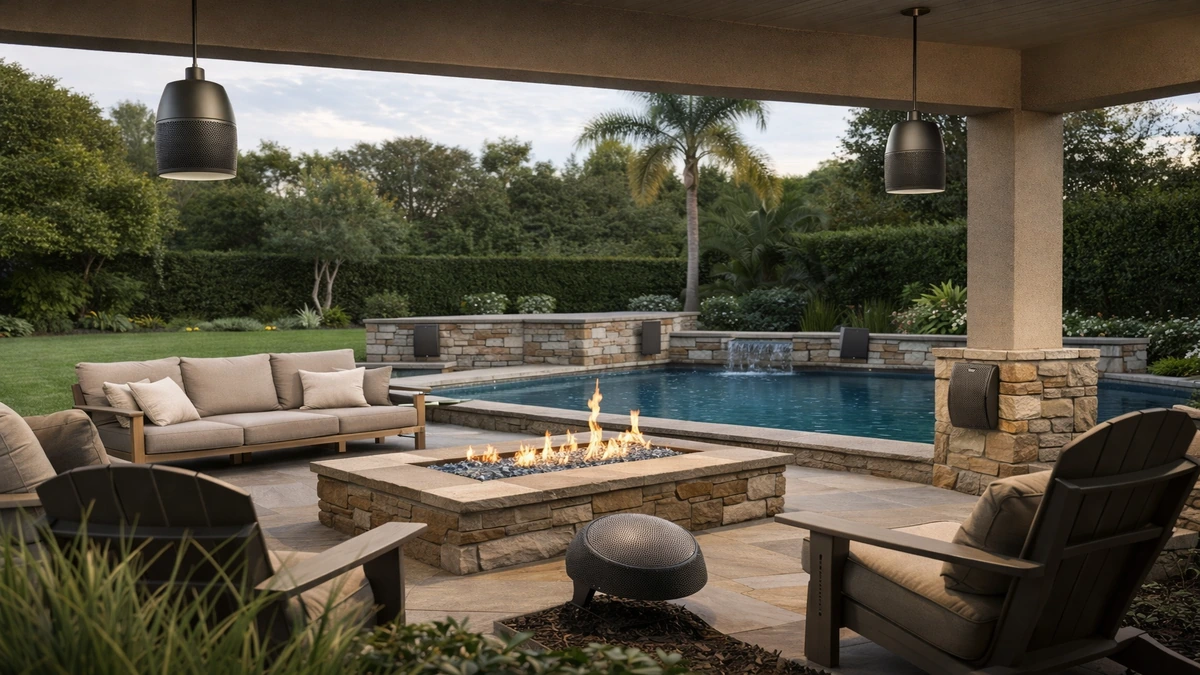
Outdoor Audio Installation
Outdoor speaker systems planned for clear sound and reliable coverage.
4 minutes
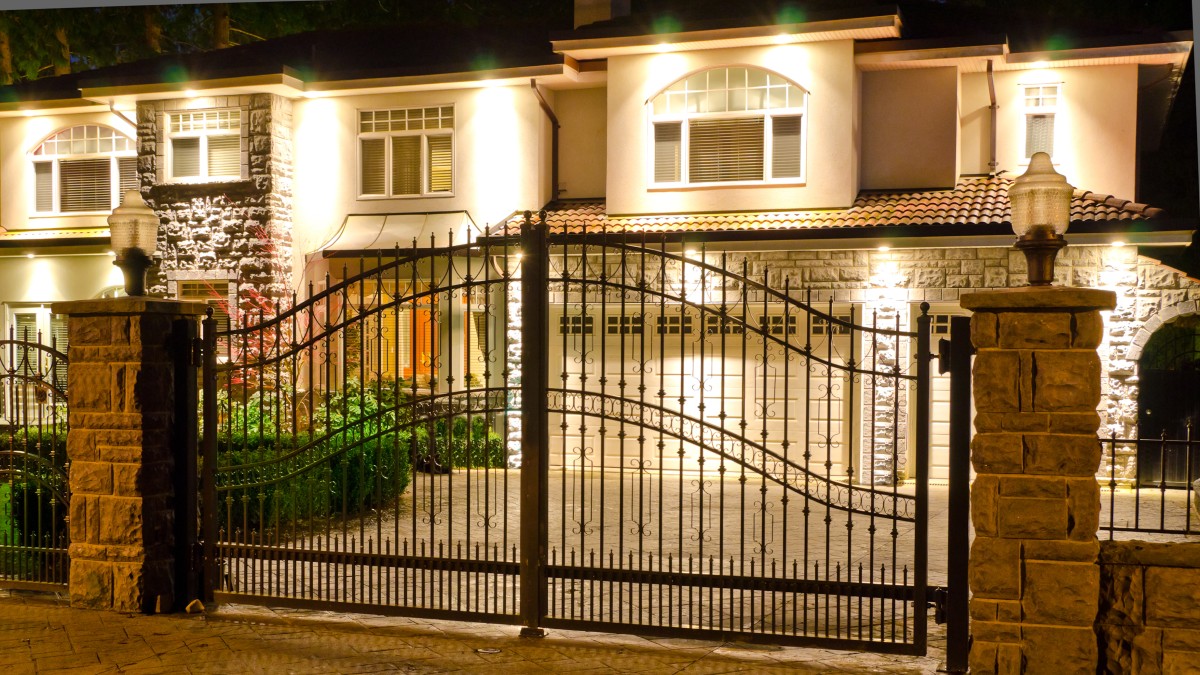
Automatic Gates
Secure, convenient gate automation with access control and entry integration.
4 minutes
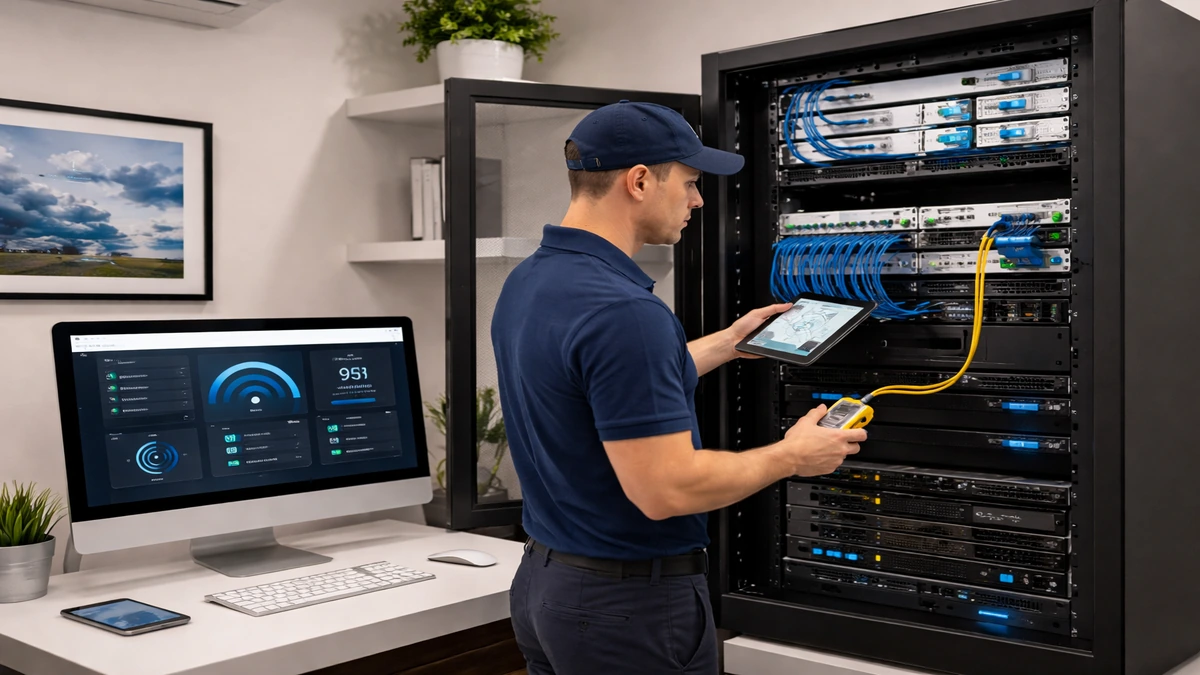
Home Network Installation
Stronger Wi-Fi, better coverage, and dependable connectivity throughout the property.
4 minutes
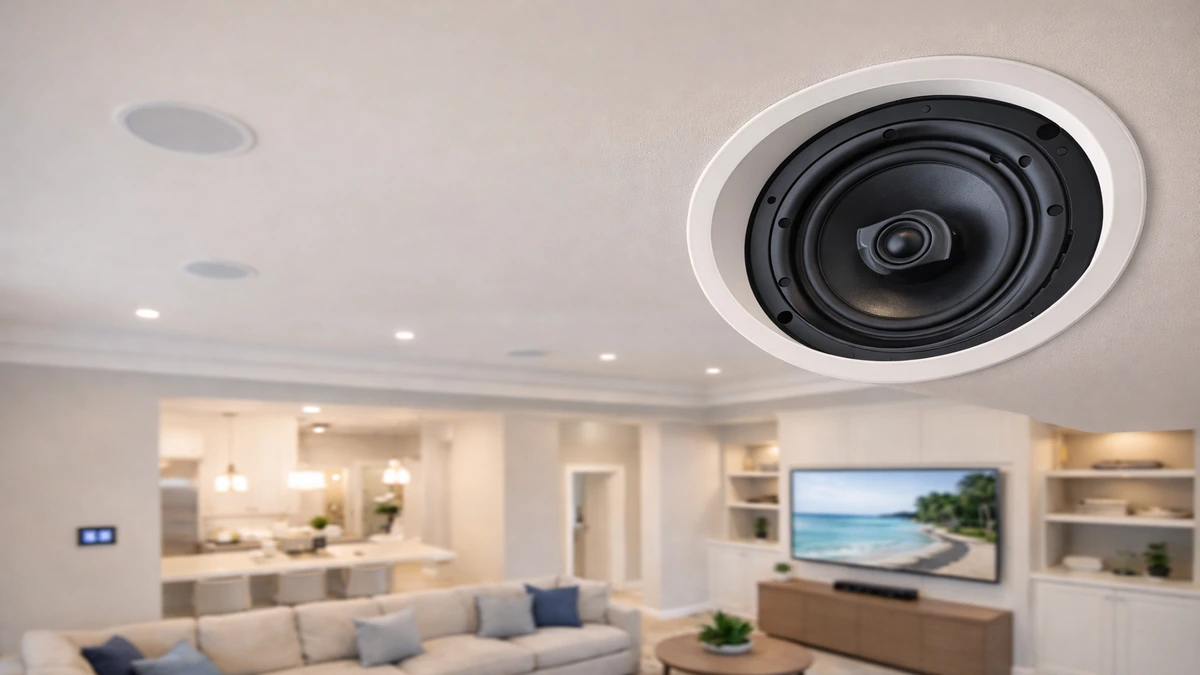
Ceiling Speaker Installation
Clean in-ceiling audio solutions for music, TV, and multi-room sound.
4 minutes
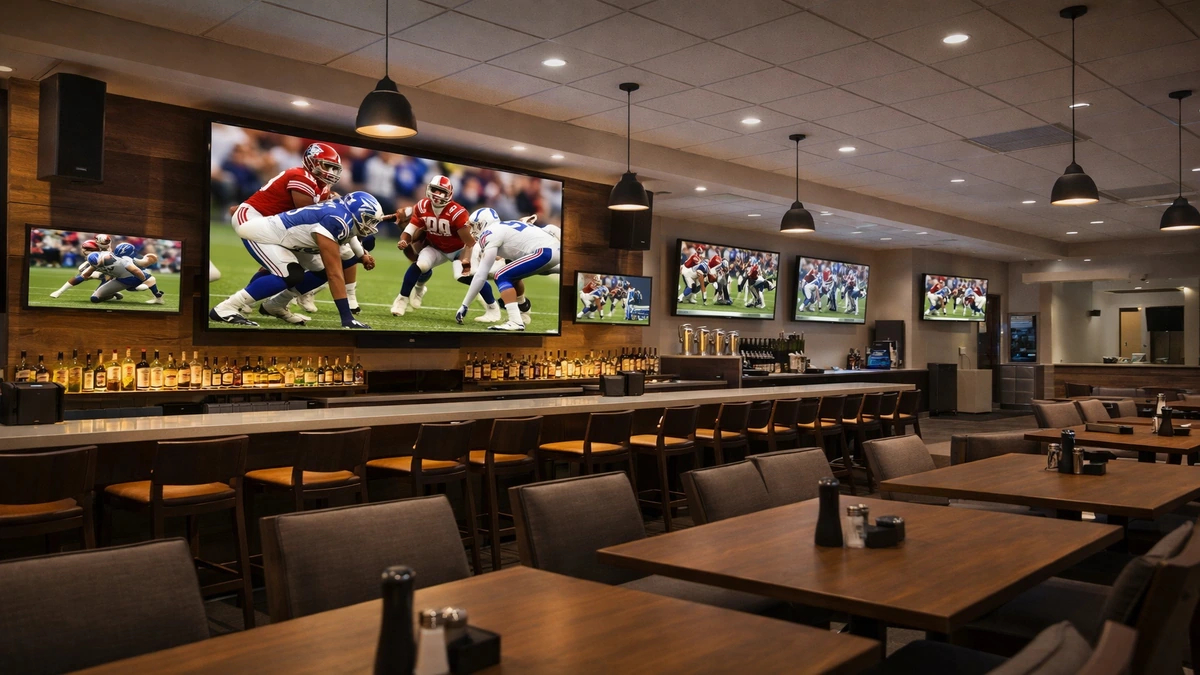
Commercial AV Installation
Professional audio, video, and control systems for business environments.
4 minutes
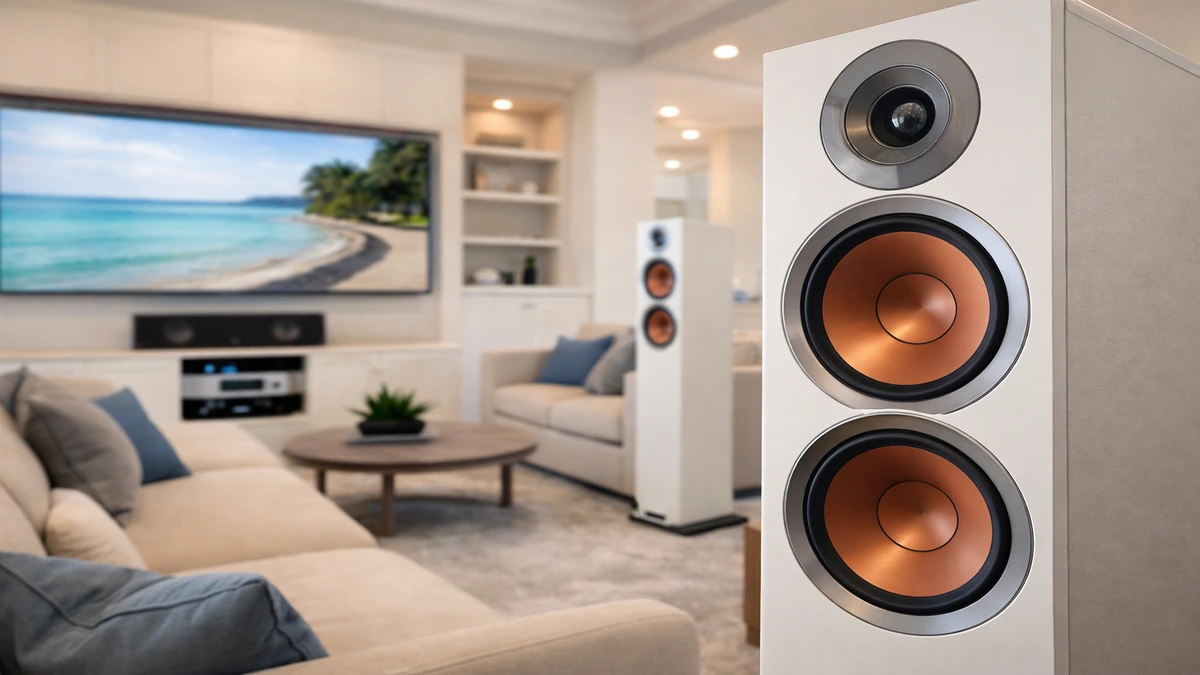
Home Audio Installation
Whole-home and room-based audio systems tailored to how you listen.
4 minutes

Marine Audio & Electronics Installation
Boat audio, displays, and electronics installed for performance on the water.
4 minutes
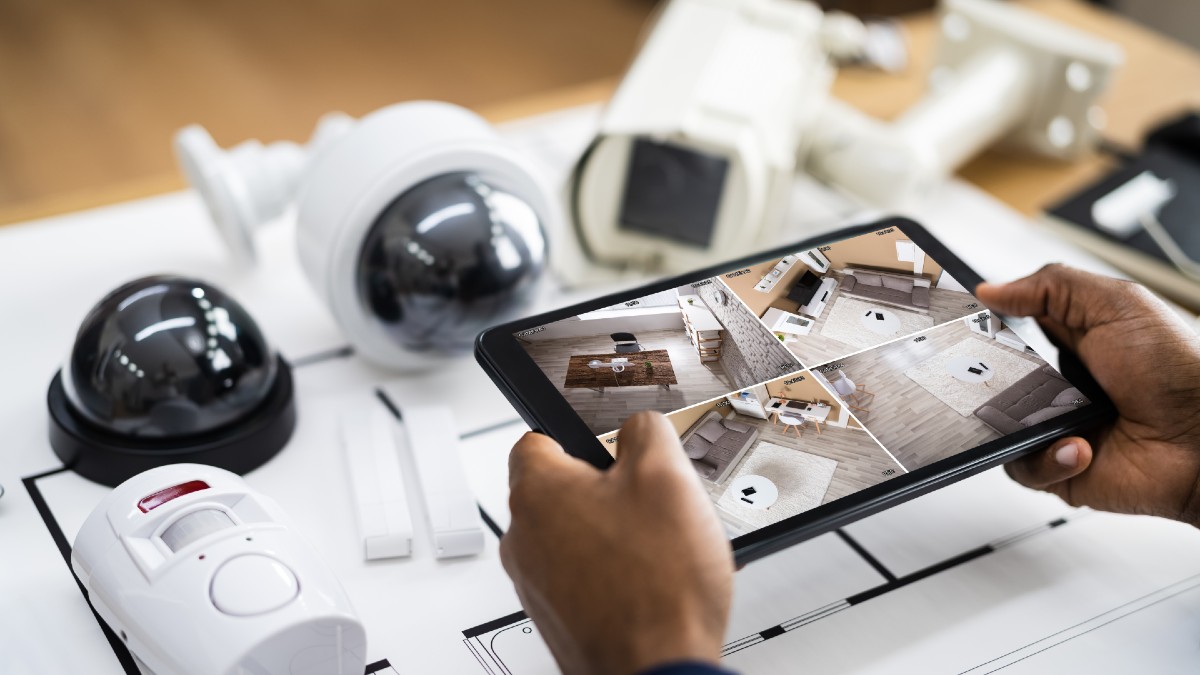
Security Camera Installation
Smart camera systems for visibility, alerts, recording, and remote monitoring.
4 minutes
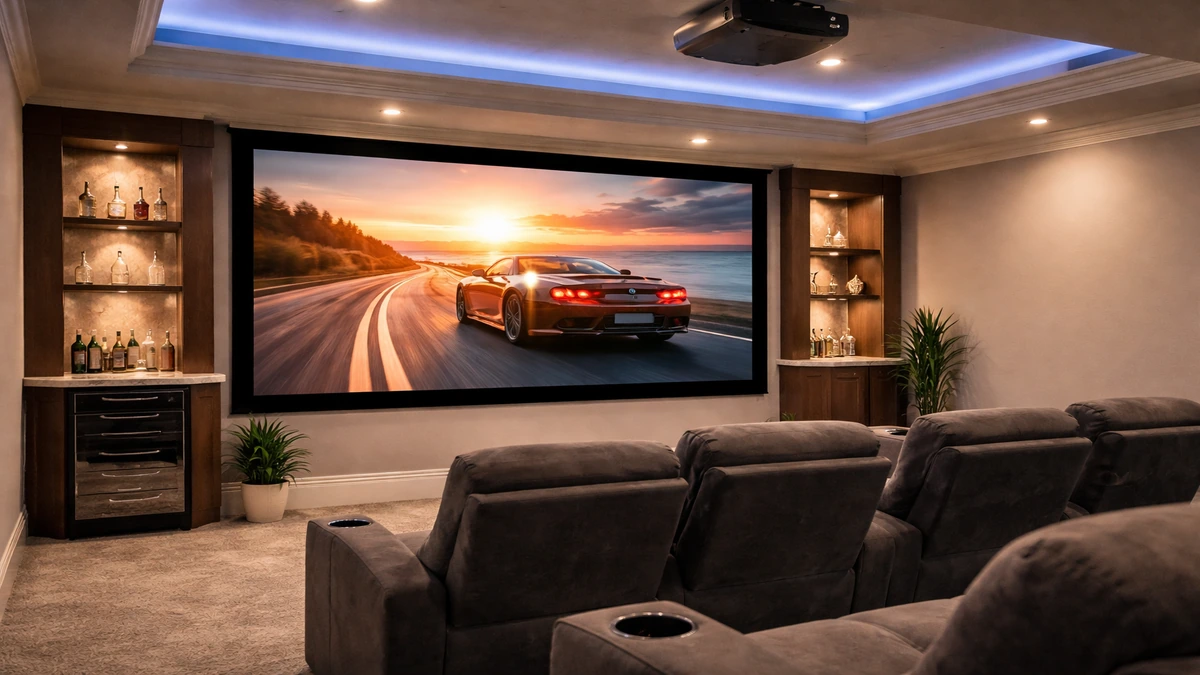
Projector Screen Installation
Projectors and screens configured for sharp viewing and balanced room performance.
4 minutes
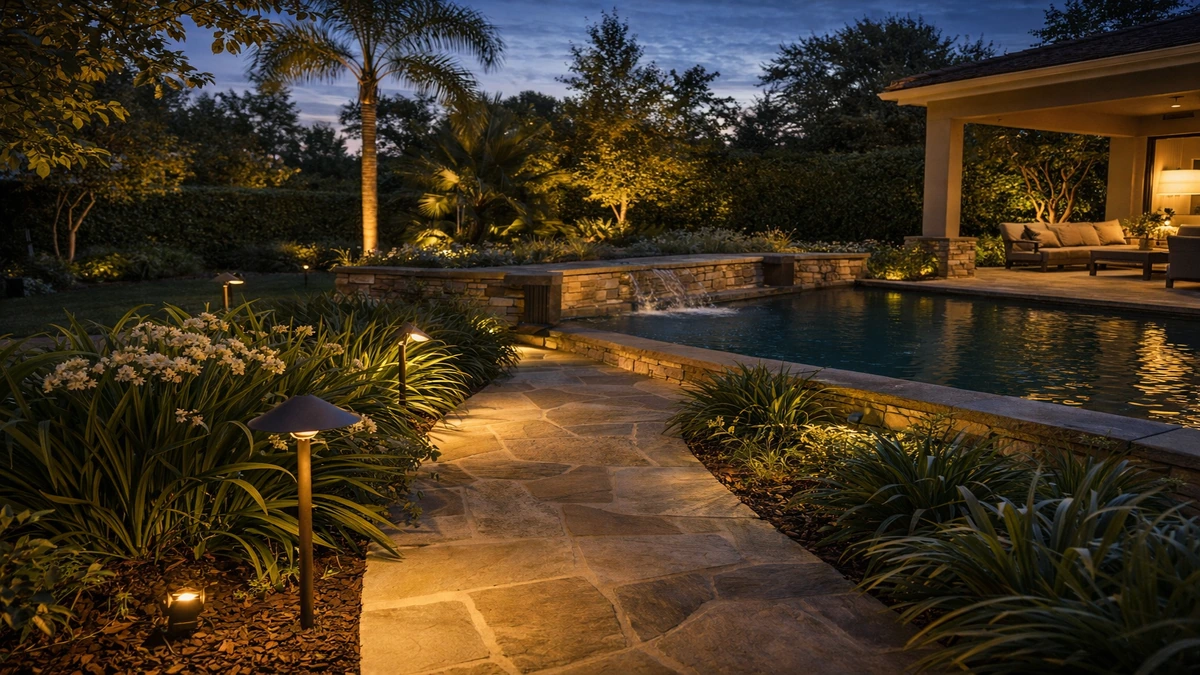
Outdoor Lighting Installation
Exterior lighting that improves curb appeal, ambiance, and nighttime usability.
4 minutes
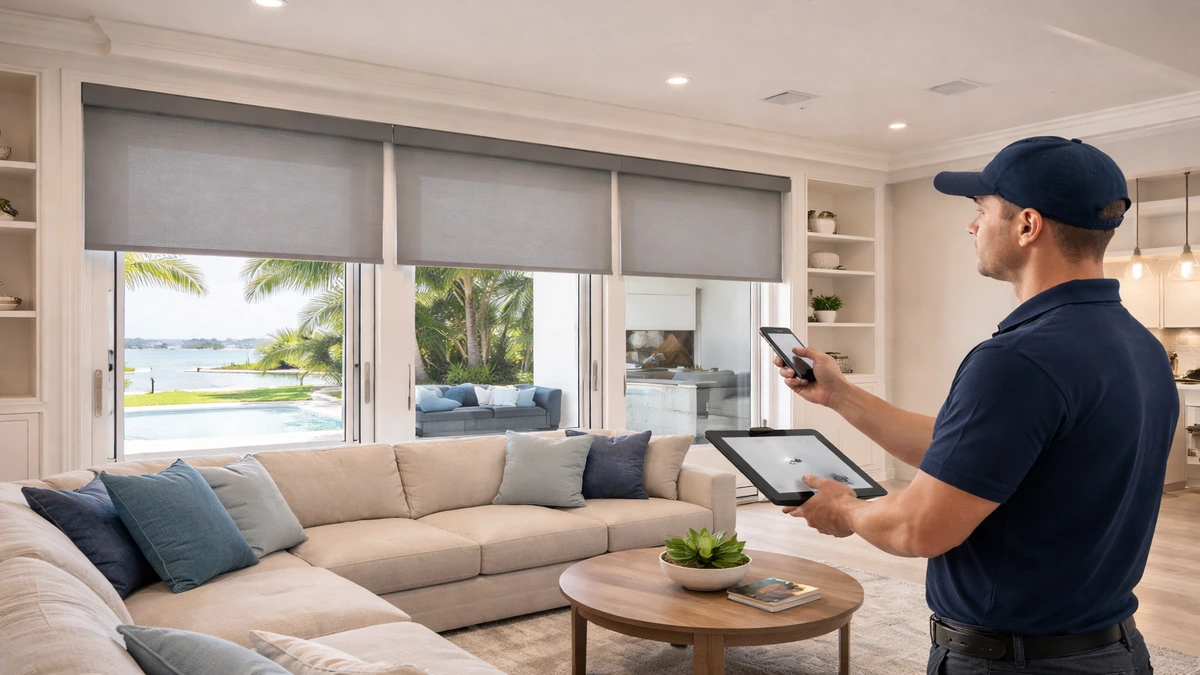
Motorized Blinds Installation
Automated shading for privacy, glare control, and everyday convenience.
4 minutes
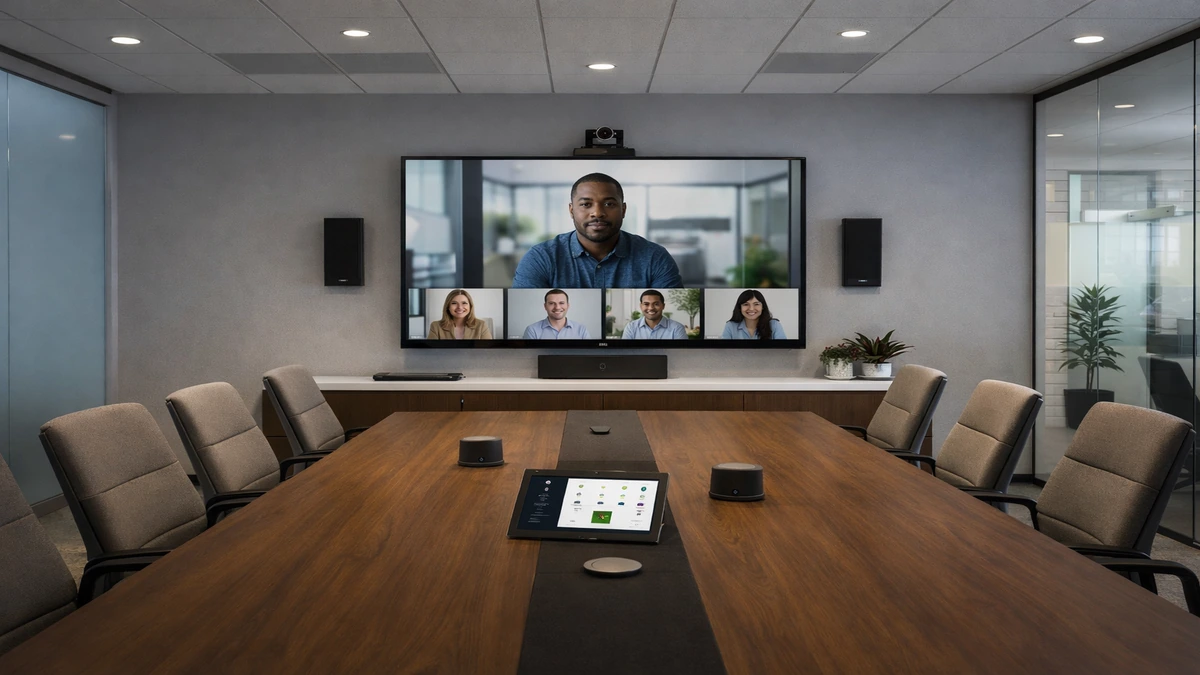
Conference Room AV Installation
Meeting room technology for clearer presentations, calls, and collaboration.
4 minutes
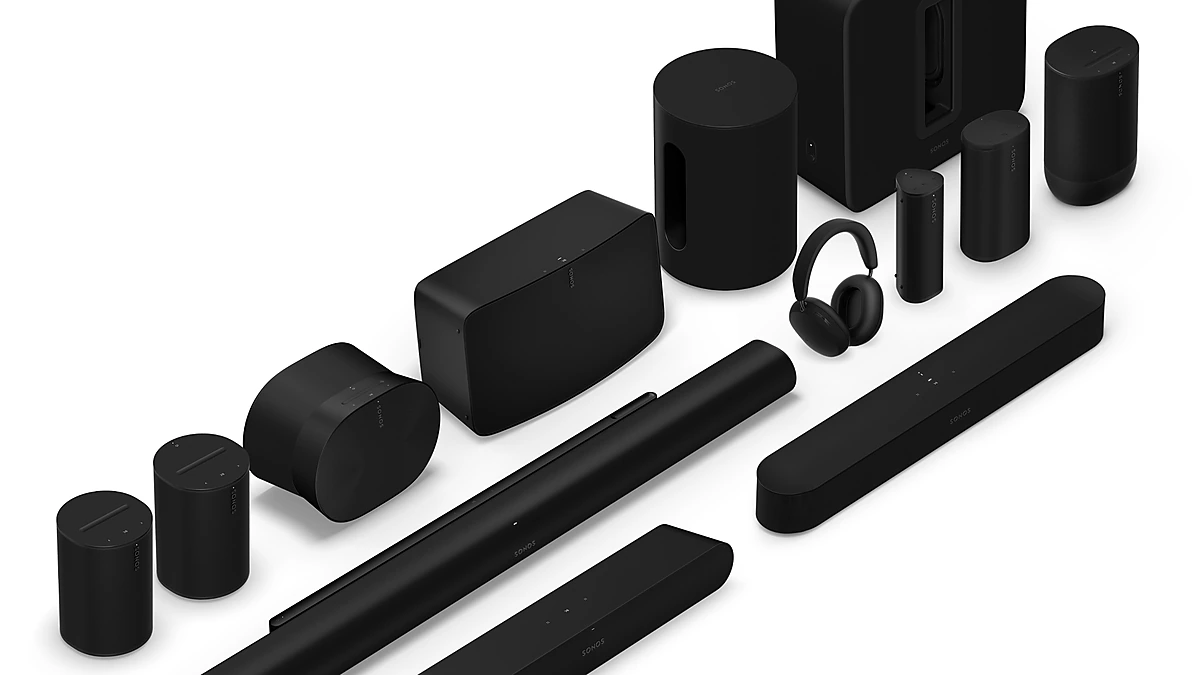
Sonos Installation
Sonos system design, setup, and tuning for simple multi-room audio.
4 minutes
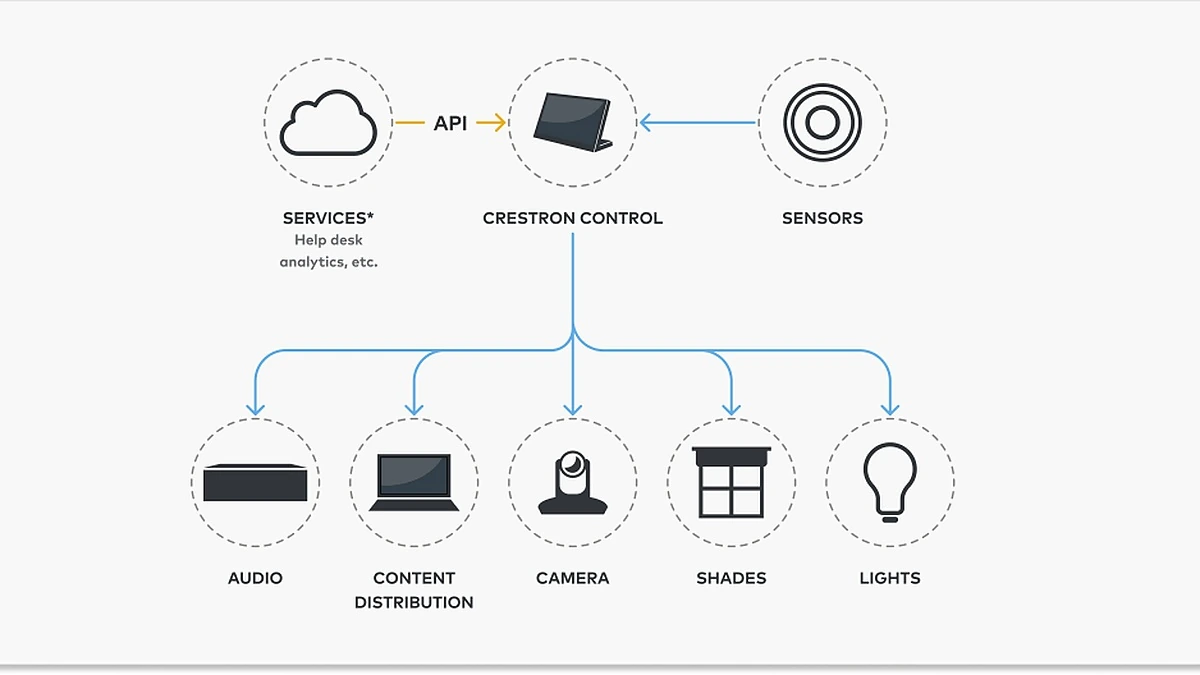
Crestron Installer
Advanced Crestron control integration for high-performance smart home environments.
4 minutes
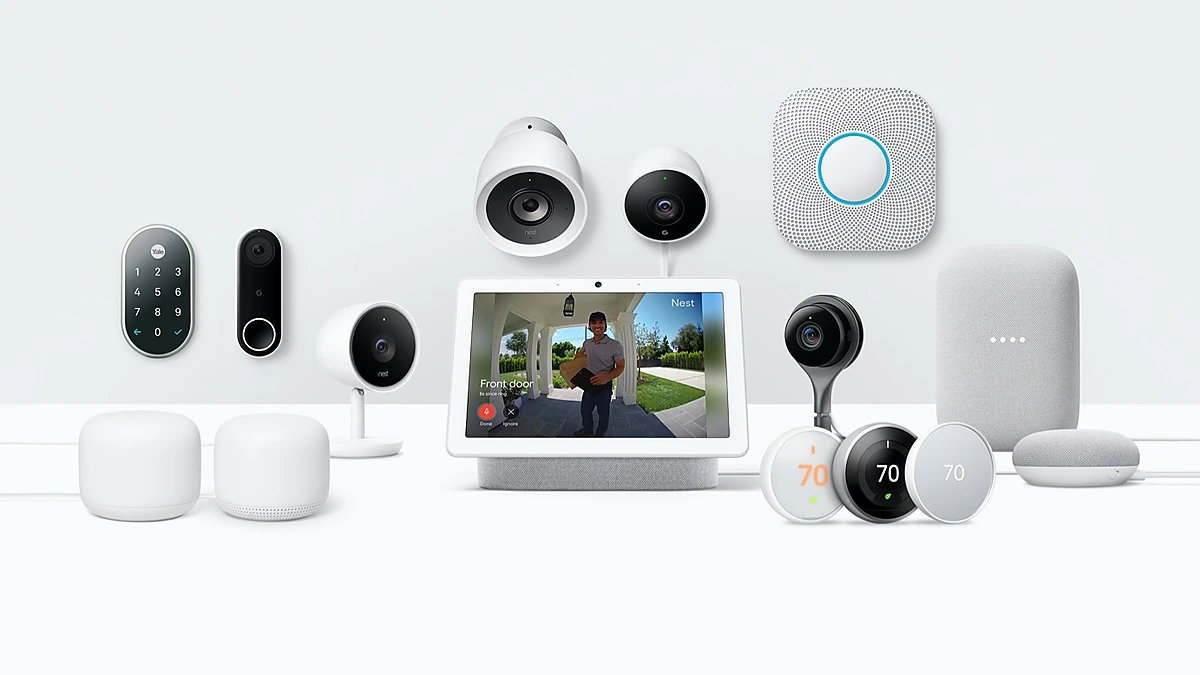
Nest Installer
Nest thermostat and smart home setup for comfort and remote control.
4 minutes
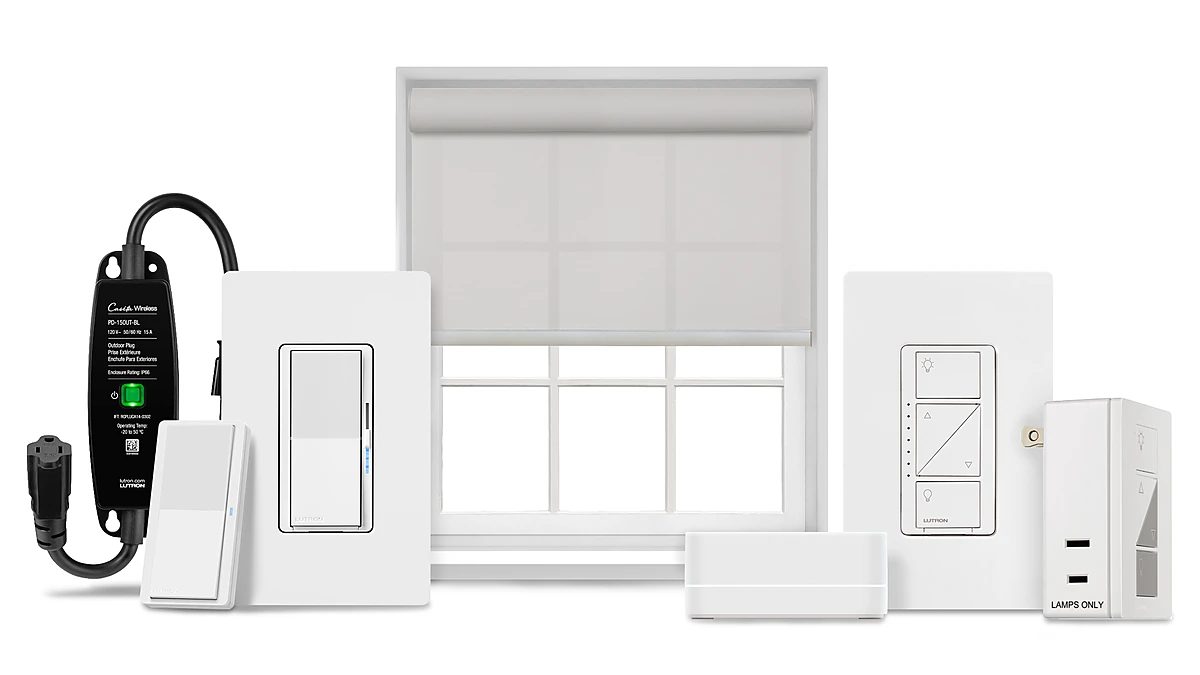
Lutron Installer
Lutron lighting and shading integration for smoother control and scene setting.
4 minutes
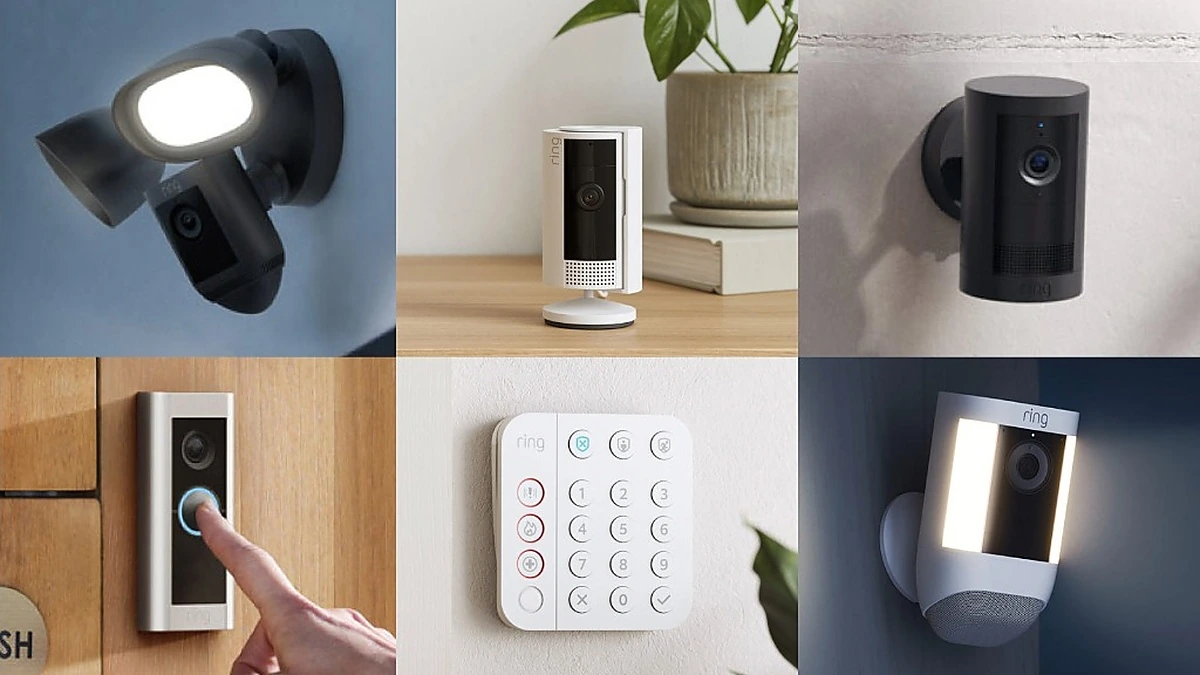
Ring Installation
Ring doorbells and cameras installed for better awareness and entry visibility.
5 minutes
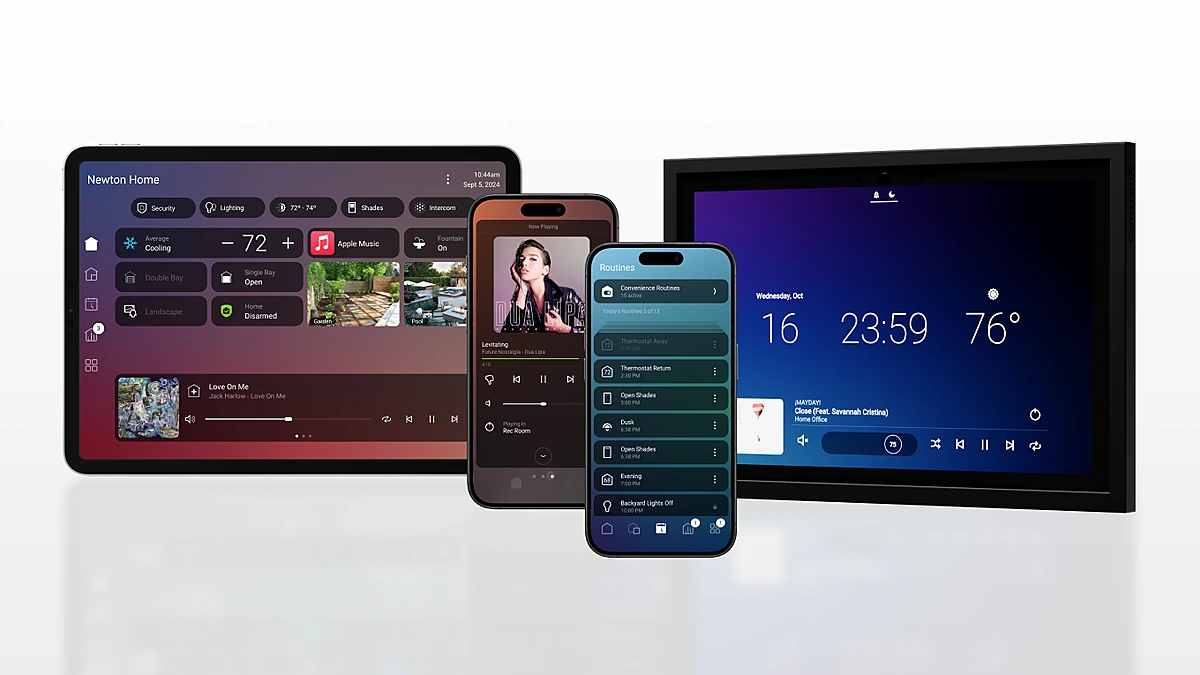
Control4 Installer
Control4 automation setup for unified entertainment, comfort, and home control.
4 minutes

Car & Truck Audio / Electronics Custom Upgrades
Custom mobile audio and electronics upgrades for better sound and functionality.
3 minutes
Small city, high value — and that combination sets the brief
Wilton Manors is compact — 7,369 homes in total, against roughly 41,000 in neighbouring Sunrise — and its housing is worth considerably more. The median home here is $508,300, where several nearby cities with a very similar mix of houses and apartments sit closer to $310,000. Same era, same broad building types, substantially different value. That gap is the most useful fact on this page, because it tends to change what a project is for.
Where homes carry that kind of value, the finish standard usually leads the specification rather than following it. The question stops being whether a display can go on a particular wall and becomes what the room should look like when the work is finished — which cables may ever be visible, where a speaker may and may not appear, whether equipment can be seen at all. Those are answerable, but they are much cheaper to answer before anything is opened.
Half houses, half apartments, on a small footprint
Of those 7,369 homes, 3,870 are detached or attached houses and 1,685 sit in buildings of twenty units or more, with the remainder spread across small multifamily. So the city genuinely contains both kinds of project, often within a few streets of each other, and they are not variations of the same job. In a house the constraint is usually access — attic, crawlspace, exterior wall. In one of the apartment buildings it is permission and shared structure.
The houses here also tend to sit on modest lots, which is worth planning around rather than discovering. Outdoor audio and exterior displays carry differently across a short boundary than across an acre, and equipment that is unremarkable in the middle of a large plot is very close to a neighbour here. Placement and levels are design decisions in a compact city, not afterthoughts once everything is installed.
Seventies stock, and less seasonal than its neighbours
The largest group of homes here was built between 1970 and 1979, and the median home dates from that decade too — older, on the whole, than the surrounding cities where the median has moved into the eighties. Those houses were finished before structured wiring was a consideration, so a project is a retrofit into completed walls. The compensation is consistency: a building of that period tends to hold few surprises once the first one has been opened up.
Occupancy leans year-round. 47.8% of vacant homes are held for seasonal or occasional use, lower than most of the nearby market, and 4,208 of the 6,530 occupied homes are owner-occupied. A system here is likely to be used daily by people who will still be living with it in several years, which favours designs that are quiet in operation and simple to extend over designs that are impressive on the day they are commissioned.
Practically, that argues for spending the budget where it is hard to revisit. Cable routes, equipment location, power and network capacity outlast every device attached to them, and in a small house there are fewer places to hide a mistake. Decide those first, agree what may be visible, and let the equipment follow. It is the cheapest route to a result that still looks deliberate in five years.
A small city with two distinct apartment markets
The apartment stock here splits almost exactly in half: 845 homes in buildings of twenty to forty-nine units, and 840 in buildings of fifty or more. In a city of this size that is a genuinely even division, and the two are different jobs. The larger buildings usually have defined risers and a management structure to approach; the mid-sized ones often have neither, and what is possible has to be established by inspection rather than by asking for drawings.
Add the 574 homes in buildings of five to nine units and a picture emerges of a compact city with an unusually wide range of building types packed into a small area. For anyone planning a whole-home system, the practical consequence is that the answer to almost every question begins with which building you are in — and that the survey is worth more here, per hour, than in a market where the housing is uniform.