
Almost Every Home a House Audio Video | Home Theater Installations Serving Palm Coast, FL
Stock this recent changes what a survey is reading for: 92.1% of Palm Coast homes are single-family, 80.0% are owner-occupied and 43.3% were built between 2000 and 2009.
Transforming Spaces: Ultimate Integration of Audio, Video, and Smart Technology
From immersive home theaters and vehicle audio systems to advanced surveillance and smart environmental controls, experience seamless integration for comfort, security, and entertainment.
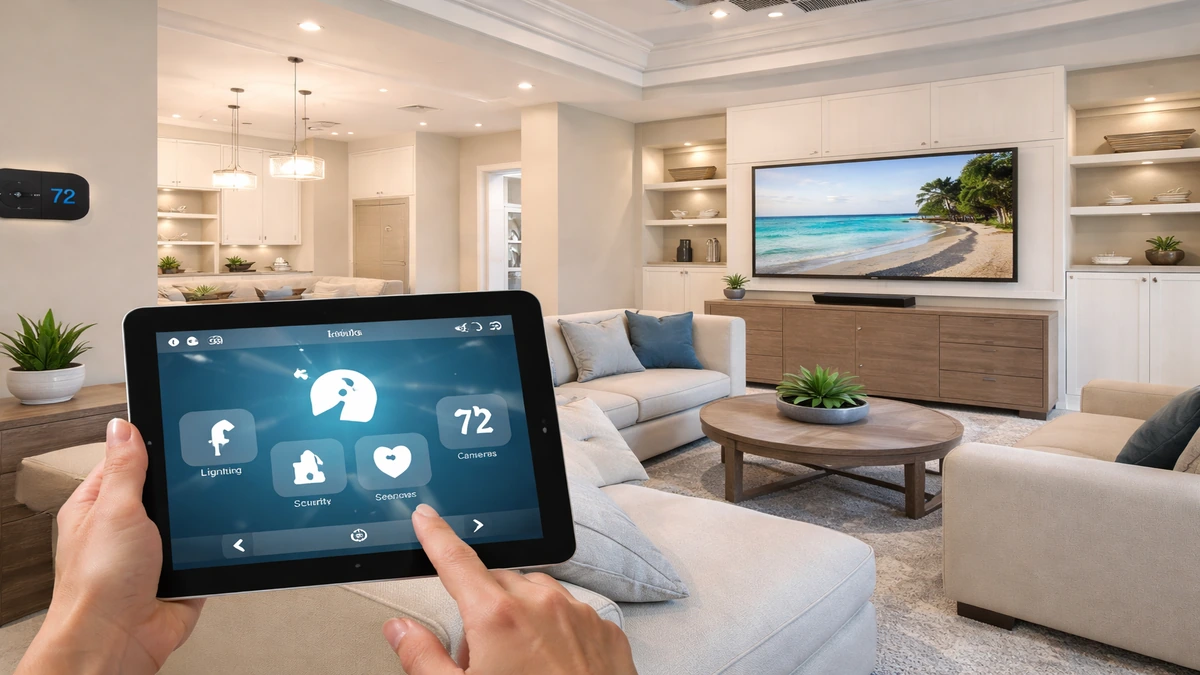
Smart Home Automation Installation
Integrated control for lighting, climate, security, and entertainment.
4 minutes
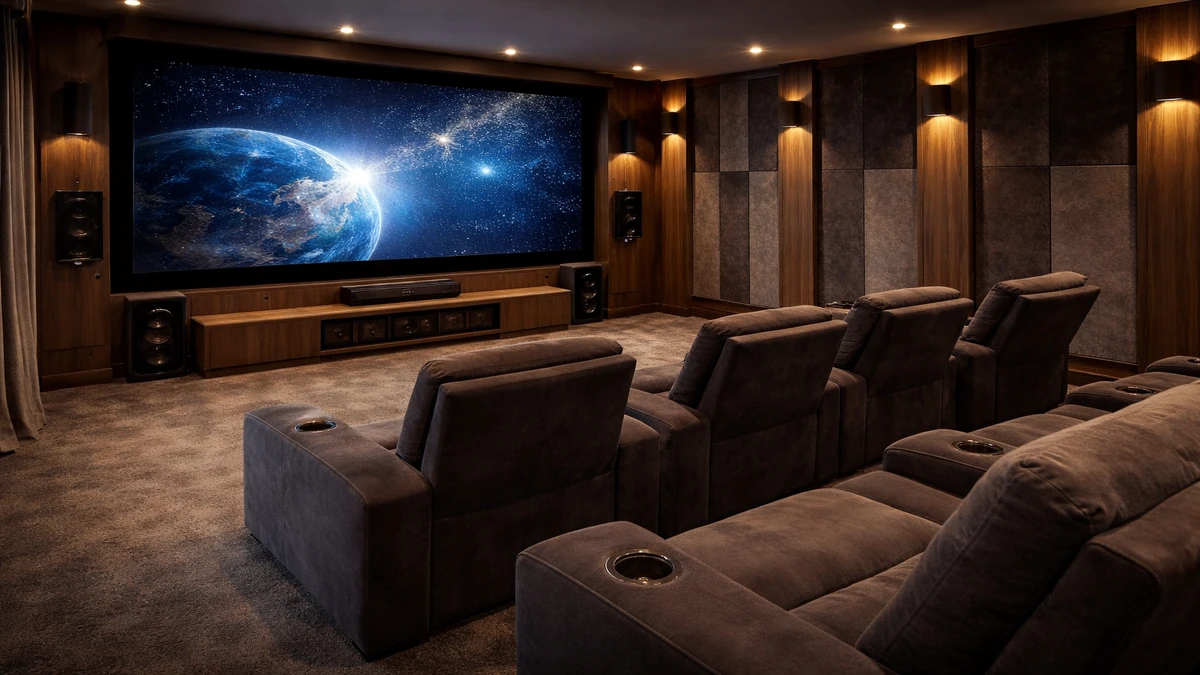
Home Theater Installation
Custom theater rooms designed for immersive picture, sound, and comfort.
4 minutes
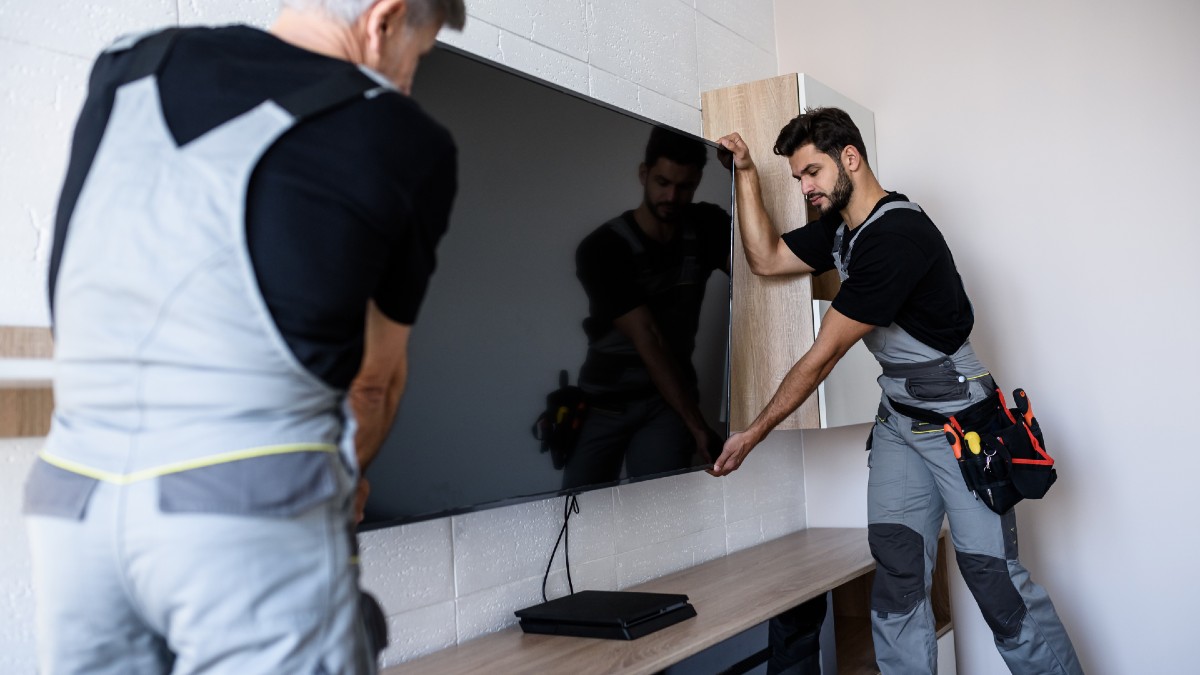
TV Wall Mounting
Professional TV mounting for cleaner layouts and better viewing angles.
5 minutes
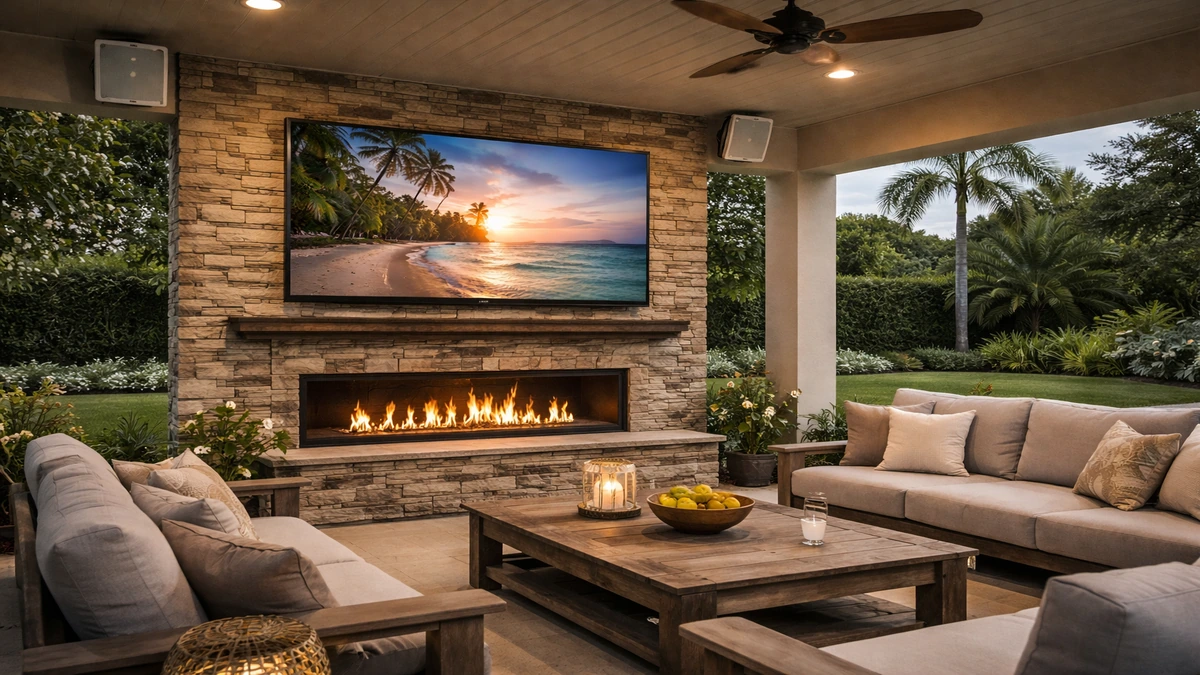
Outdoor TV Installation
Weather-aware outdoor TV setups built for patios, lanais, and pool areas.
5 minutes
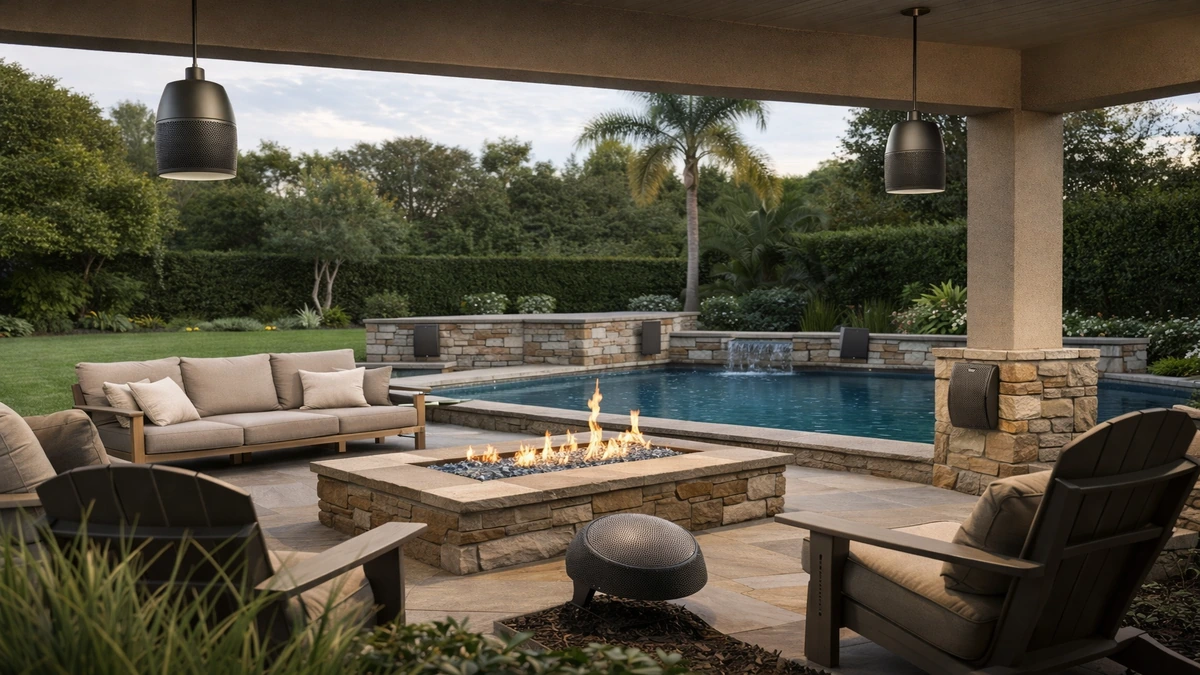
Outdoor Audio Installation
Outdoor speaker systems planned for clear sound and reliable coverage.
4 minutes
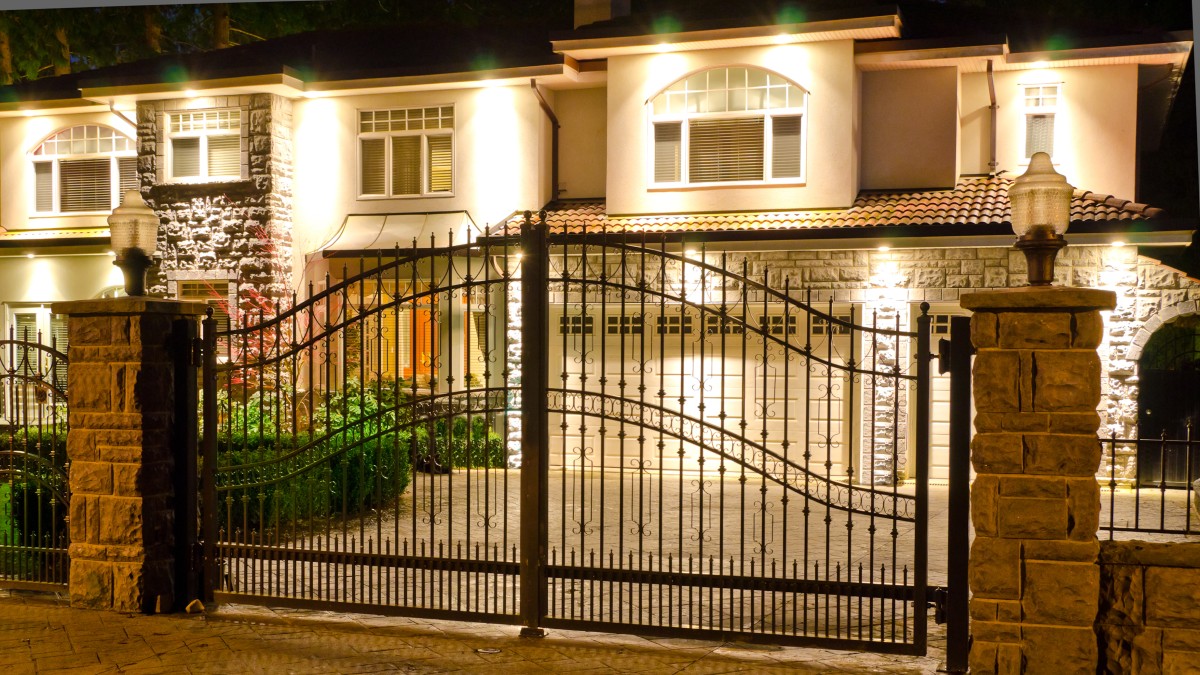
Automatic Gates
Secure, convenient gate automation with access control and entry integration.
4 minutes
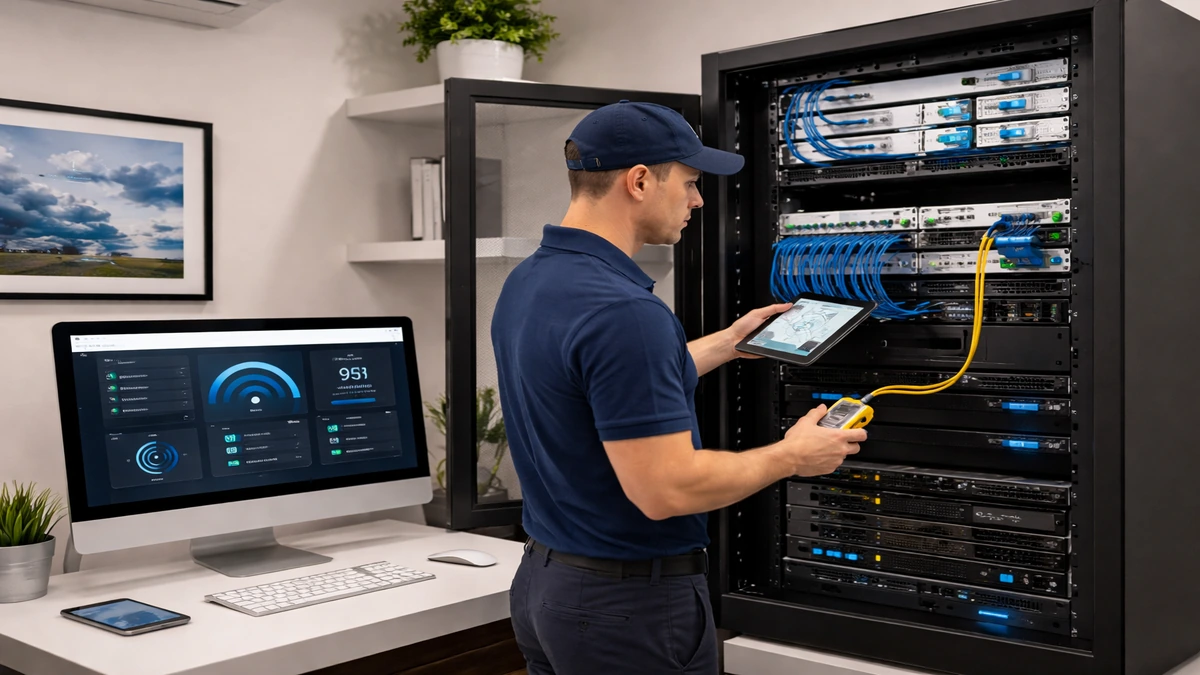
Home Network Installation
Stronger Wi-Fi, better coverage, and dependable connectivity throughout the property.
4 minutes
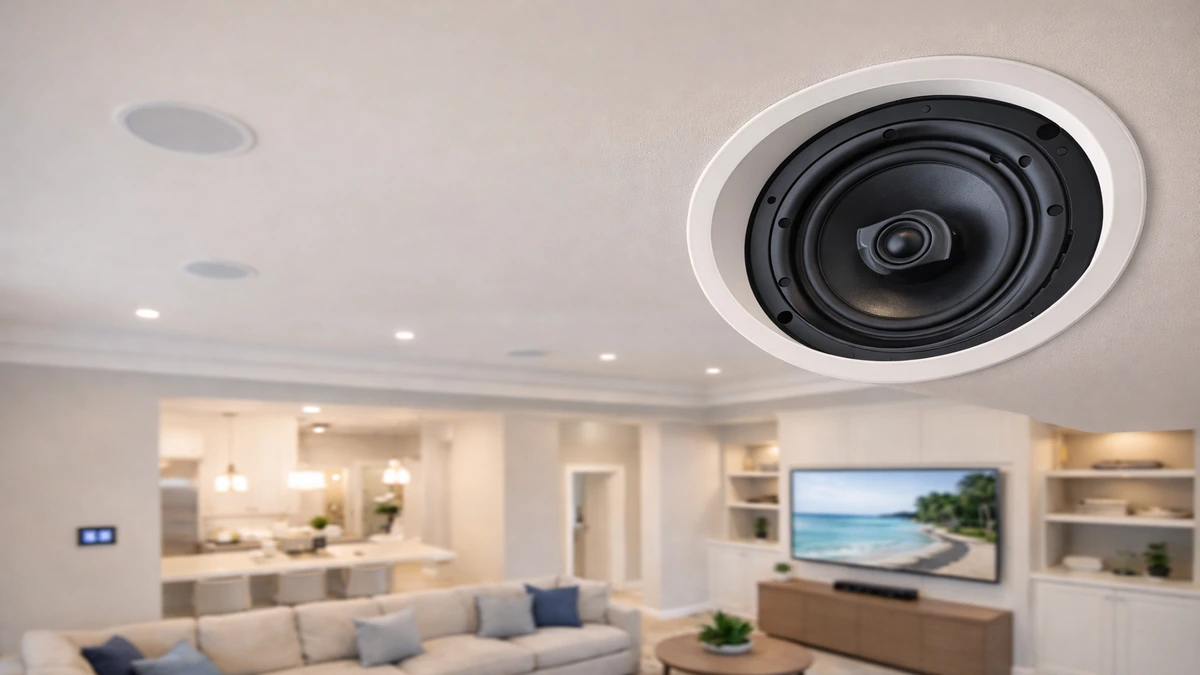
Ceiling Speaker Installation
Clean in-ceiling audio solutions for music, TV, and multi-room sound.
4 minutes
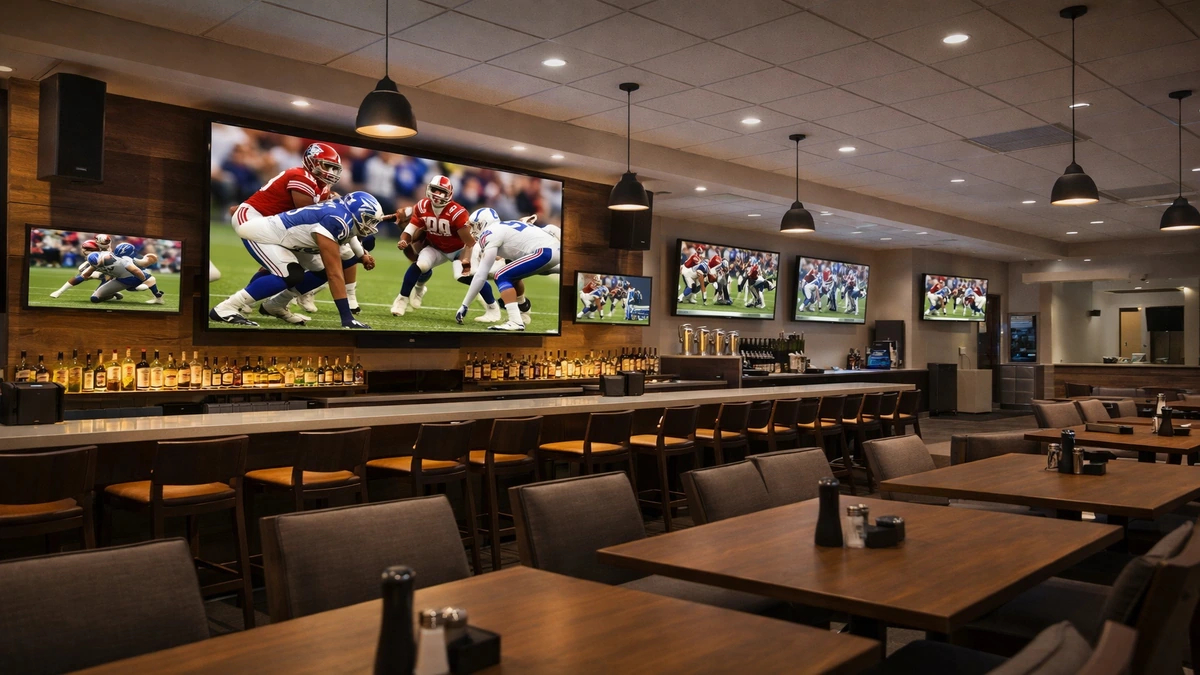
Commercial AV Installation
Professional audio, video, and control systems for business environments.
4 minutes
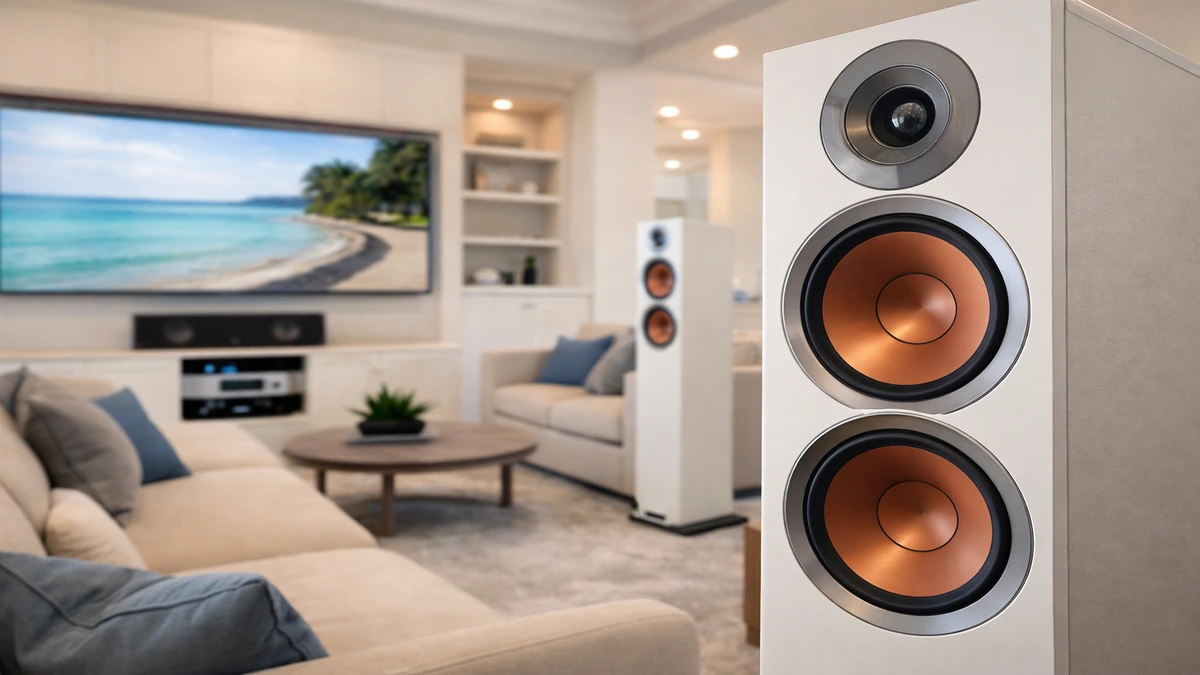
Home Audio Installation
Whole-home and room-based audio systems tailored to how you listen.
4 minutes

Marine Audio & Electronics Installation
Boat audio, displays, and electronics installed for performance on the water.
4 minutes
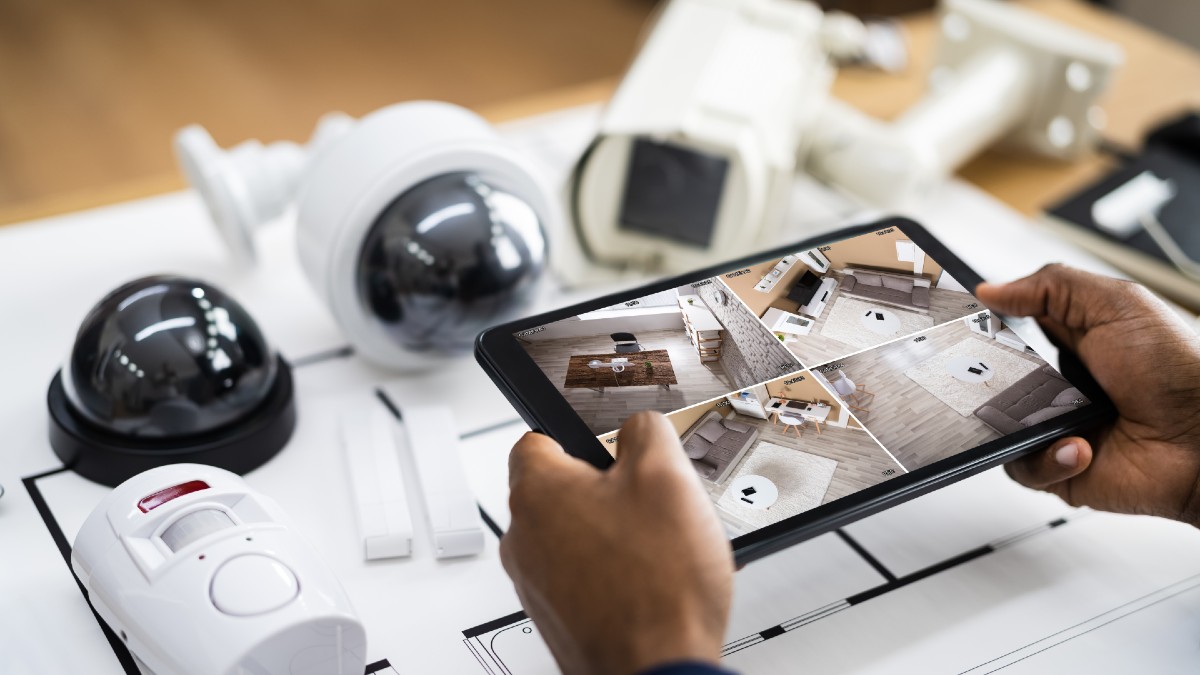
Security Camera Installation
Smart camera systems for visibility, alerts, recording, and remote monitoring.
4 minutes
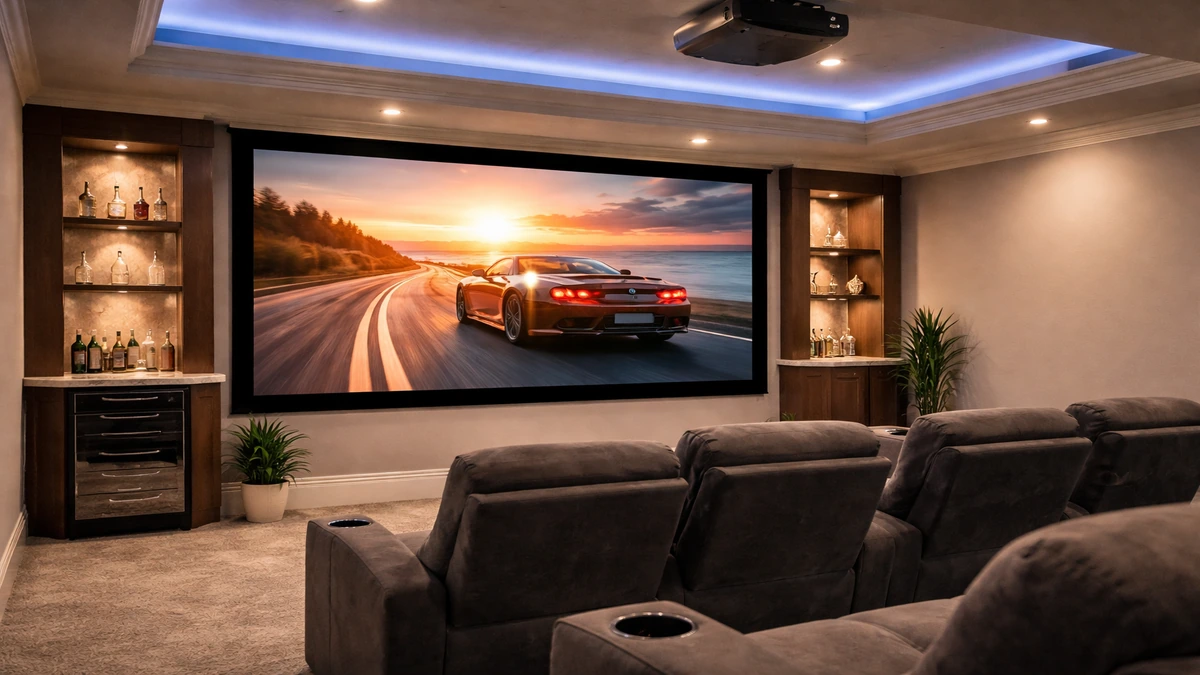
Projector Screen Installation
Projectors and screens configured for sharp viewing and balanced room performance.
4 minutes
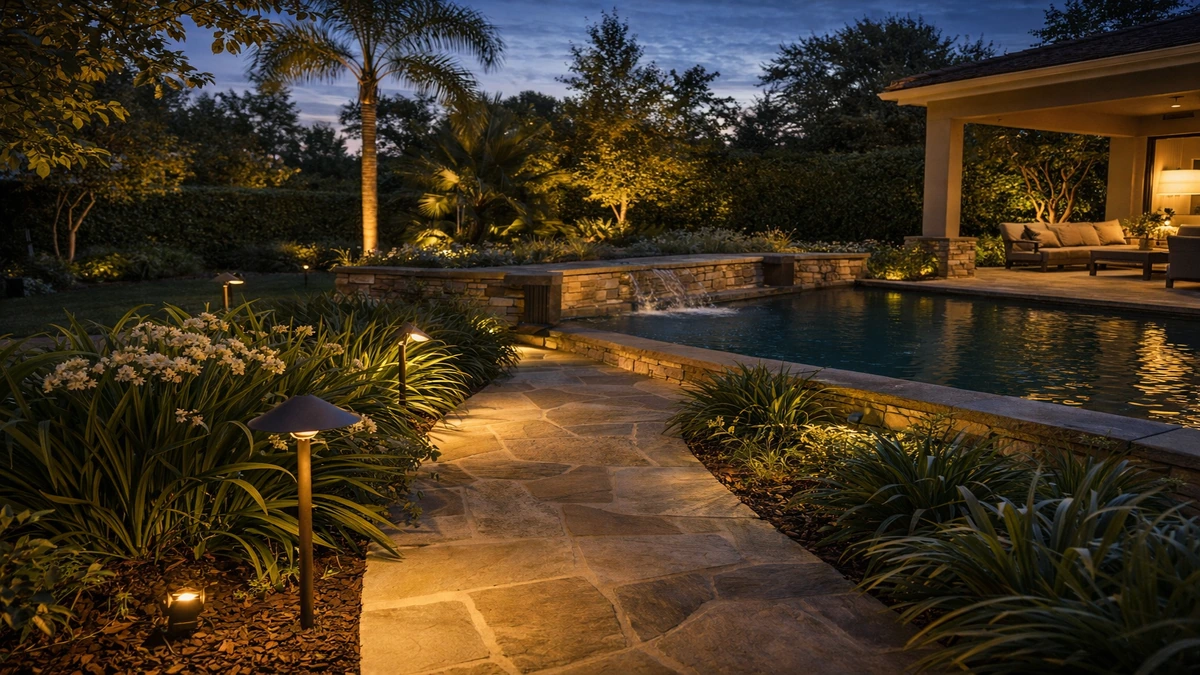
Outdoor Lighting Installation
Exterior lighting that improves curb appeal, ambiance, and nighttime usability.
4 minutes
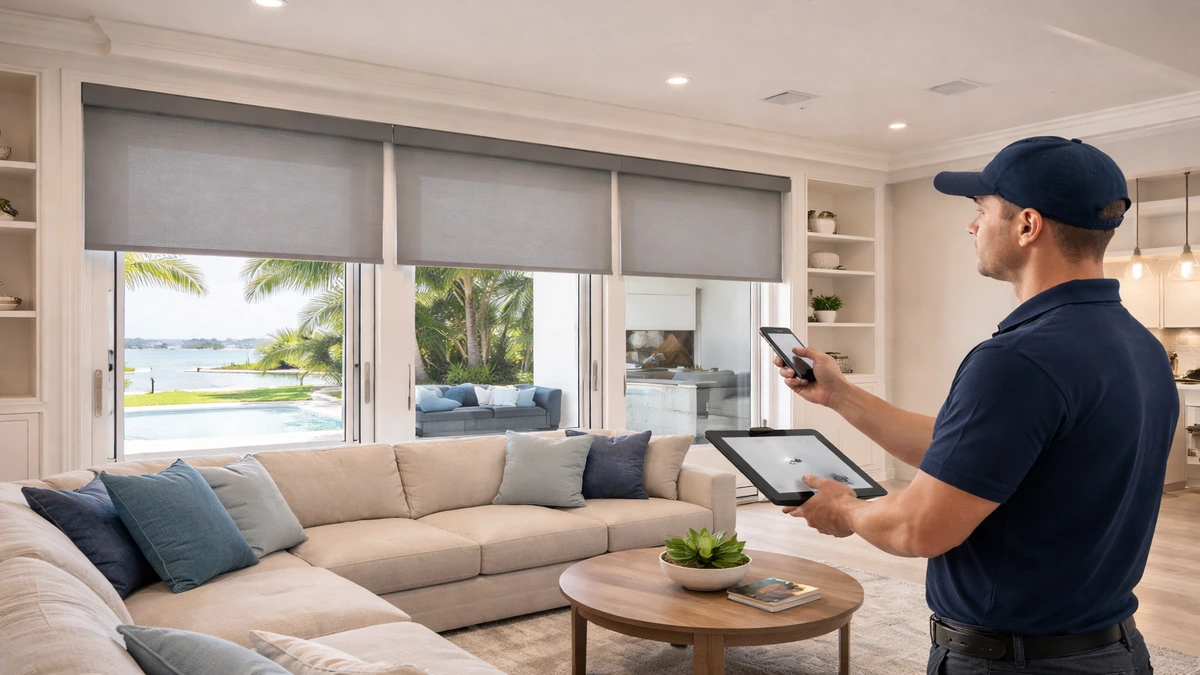
Motorized Blinds Installation
Automated shading for privacy, glare control, and everyday convenience.
4 minutes
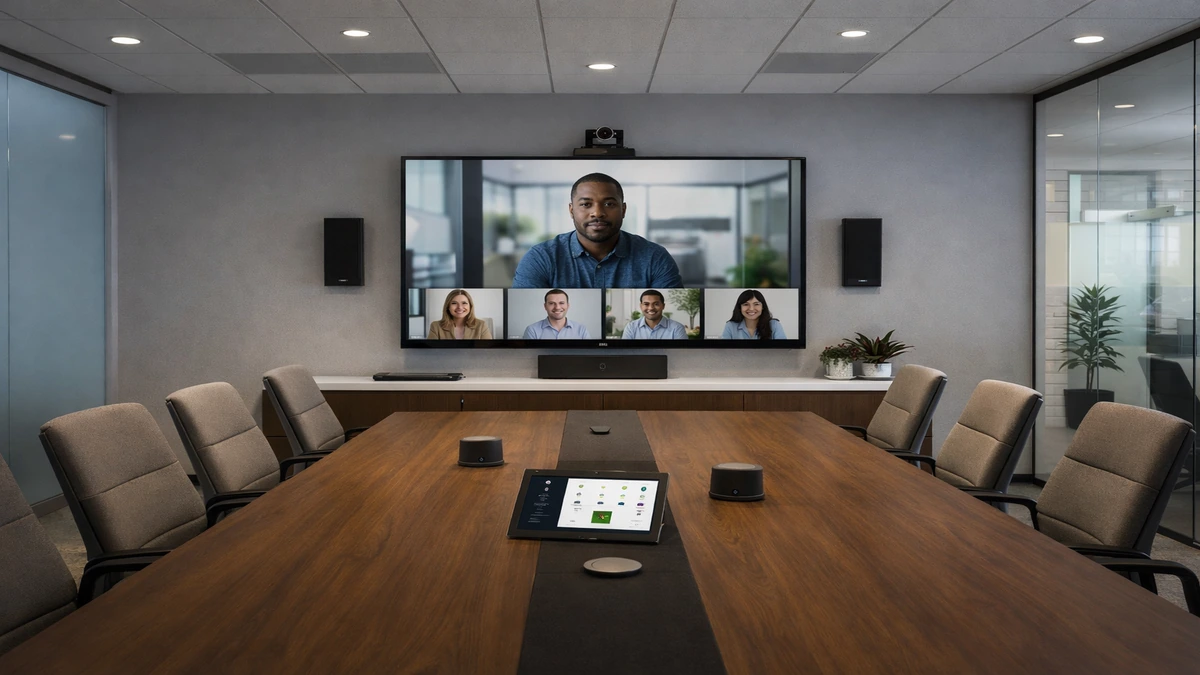
Conference Room AV Installation
Meeting room technology for clearer presentations, calls, and collaboration.
4 minutes
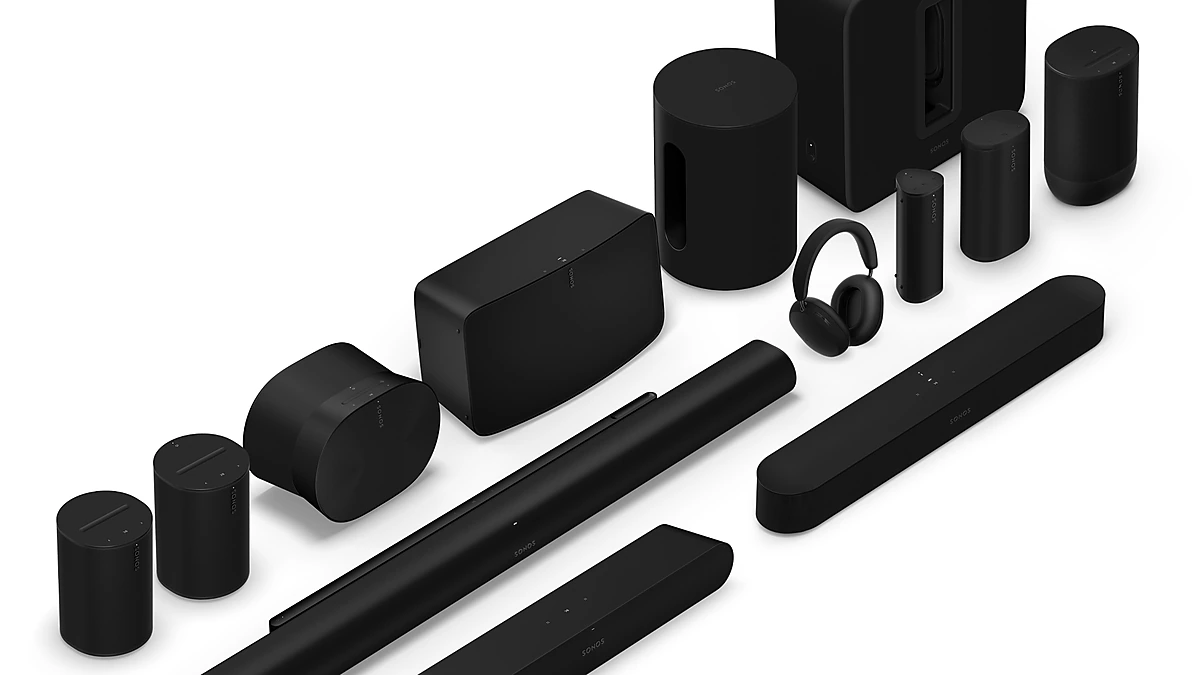
Sonos Installation
Sonos system design, setup, and tuning for simple multi-room audio.
4 minutes
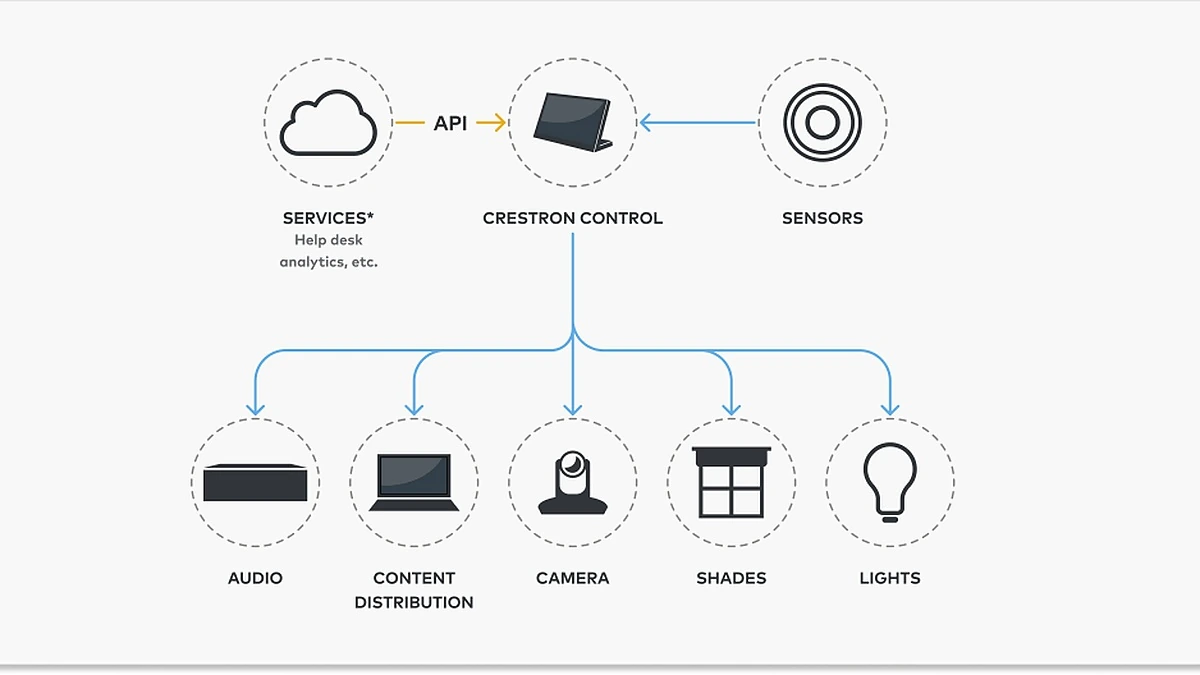
Crestron Installer
Advanced Crestron control integration for high-performance smart home environments.
4 minutes
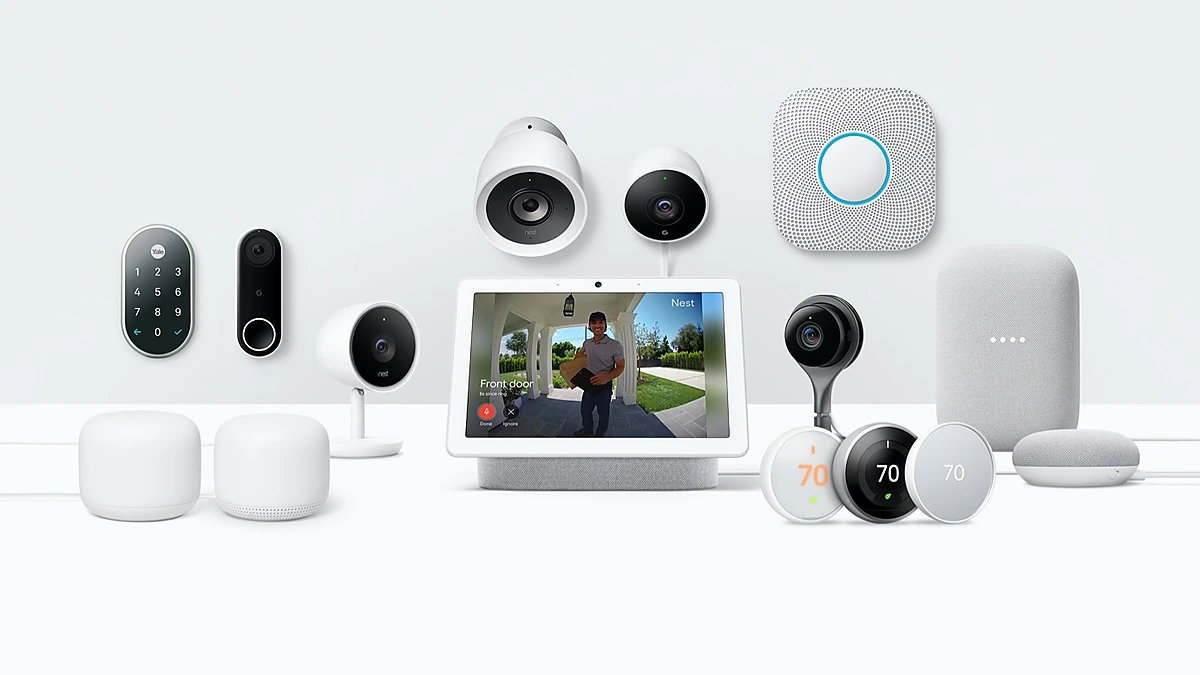
Nest Installer
Nest thermostat and smart home setup for comfort and remote control.
4 minutes
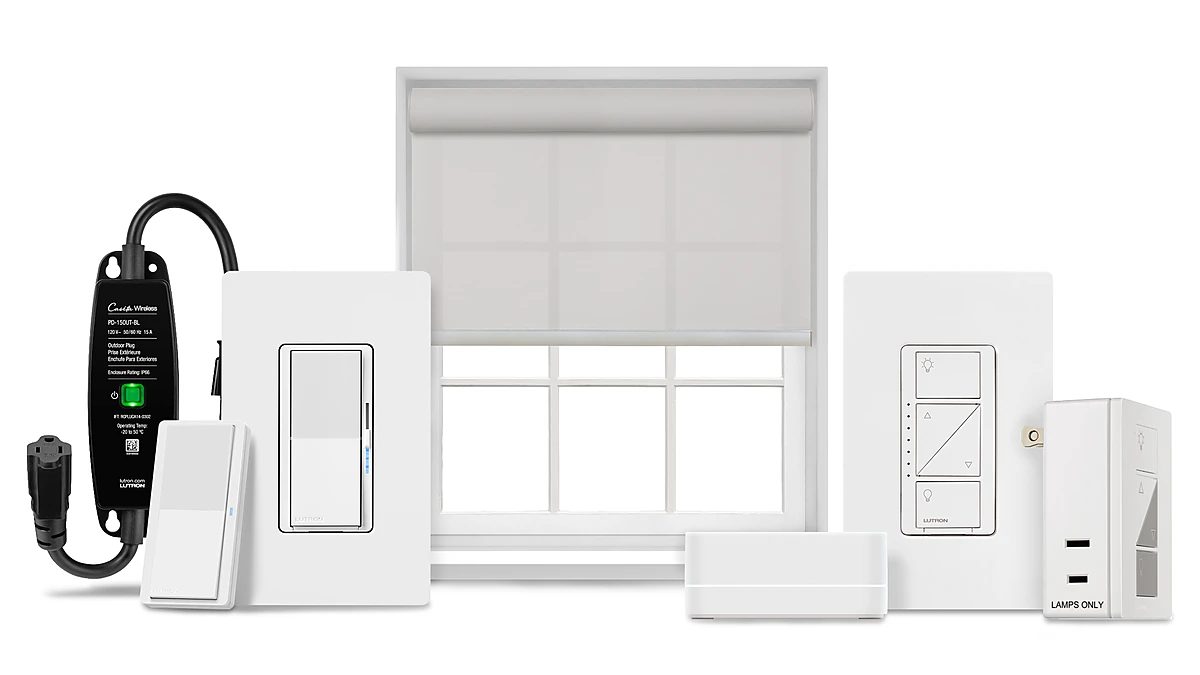
Lutron Installer
Lutron lighting and shading integration for smoother control and scene setting.
4 minutes
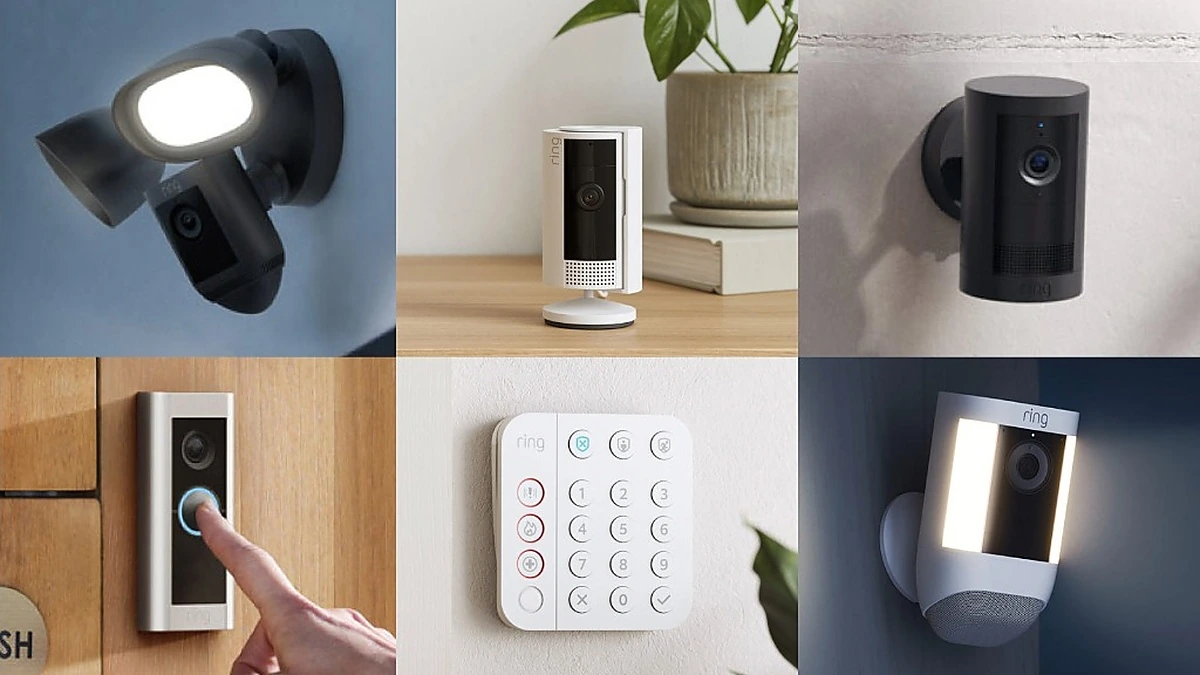
Ring Installation
Ring doorbells and cameras installed for better awareness and entry visibility.
5 minutes
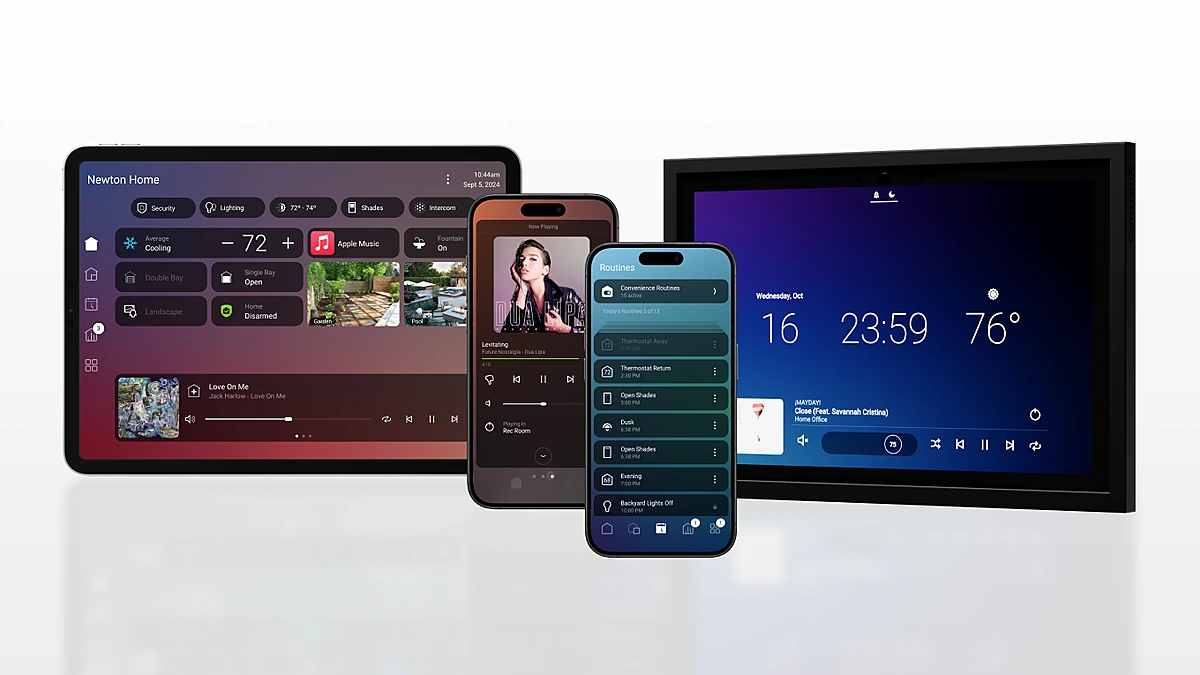
Control4 Installer
Control4 automation setup for unified entertainment, comfort, and home control.
4 minutes

Car & Truck Audio / Electronics Custom Upgrades
Custom mobile audio and electronics upgrades for better sound and functionality.
3 minutes
Nine in ten homes here are houses, and that changes what the money buys
Palm Coast is about as close to a single-building-type market as this coast gets. Of 42,472 homes, 37,199 are detached and another 1,906 are attached houses. Everything stacked — every building of twenty units or more in the city — comes to barely one home in thirty. For a whole-home project that removes an entire category of problem. There is no riser to be granted access to, no shared chase, no common area whose route has to be agreed before a design can be drawn.
What replaces it is not simpler, only different. The limit here is what the structure physically allows and what you are willing to pay to make disappear, and the second half is where budgets are actually decided. A cable that may be surface-run in a garage and has to vanish inside a living room wall is the same cable and a completely different job. In a house you own, nobody else draws that line — which sounds like freedom and behaves like a decision somebody has to take on purpose.
So agree it room by room, in writing, before anything is opened. Where the finish has to be invisible, where tidy is enough, and where nobody will ever look. That single list prices more of a large project than the equipment schedule does, and it is very hard to revisit once the plaster is back.
These walls are newer than most, which changes what a survey is reading for
18,409 Palm Coast homes were built between 2000 and 2009, and the median home in the city dates from that decade. A survey here is often walking into a house younger than the systems it is being asked to carry. The first question worth asking in stock of that age is what is already inside the walls. The second is what it was sized for. Neither answer is safe to infer from the year on the deed: a house can hold a low-voltage plan that is perfectly sound and entirely undersized, or none at all, and the two look identical from the hallway.
That is a genuinely different reading from the one older stock calls for. Older housing poses a question about access — what can be reached, and at what cost. Housing of this age poses one about capacity and about what has happened since: how many pairs were pulled, where they terminate, whether anything was left in a wall for a purpose that never arrived, and whether the ceiling above the room you want speakers in is already occupied by ducting and by lighting fitted later. Take those readings before a layout is drawn, because they decide how much of the design is a pull and how much is an opening.
Four in five of these homes belong to the people living in them
Of the 38,257 occupied homes in Palm Coast, 30,626 are lived in by their owners. A long ownership shifts what a first phase is for: it stops being the finished article and becomes the thing everything later has to fit inside. The rooms not in scope this year are the ones worth designing for anyway — a spare pair pulled through a route that is already open, a rack position with a circuit and somewhere for its heat to go, a control layer with more zones in it than the plan currently uses. None of that is expensive while the work is happening.
A further 2,766 homes in the city are counted as seasonal, recreational or occasional — two of every three that stand vacant. Where those overlap — a house owned for the long term and occupied for part of the year — the system has to work for somebody who was never shown it. That is a design constraint rather than a product one, and it is met with a small number of named scenes that do the obvious things, a keypad placed where a hand actually goes, and a system whose faults are visible rather than silent.
The through line is that almost nothing in Palm Coast is decided by permission, so almost everything rests on sequence. Establish what the house already contains. Agree the finish standard. Size the routes, the rack and the control layer for the version of the system that exists in five years rather than the one being quoted now. Then specify what goes on the wall. It is the one item on that list a household can change its mind about years later at no structural cost.