

Part-Year Houses Standing Alone Audio Video | Home Theater Installations Serving Sebastian, FL
AV, control and network planning for Sebastian, where 11,333 of 12,891 homes are detached, 774 are held for part of the year, and the median home is valued at 1,700.
Comprehensive Audio, Video, and Smart Technology Solutions for Every Aspect of Your Life
From state-of-the-art audio systems for vehicles and boats to smart home technologies enhancing security, climate, and lighting, experience seamless integration and control.
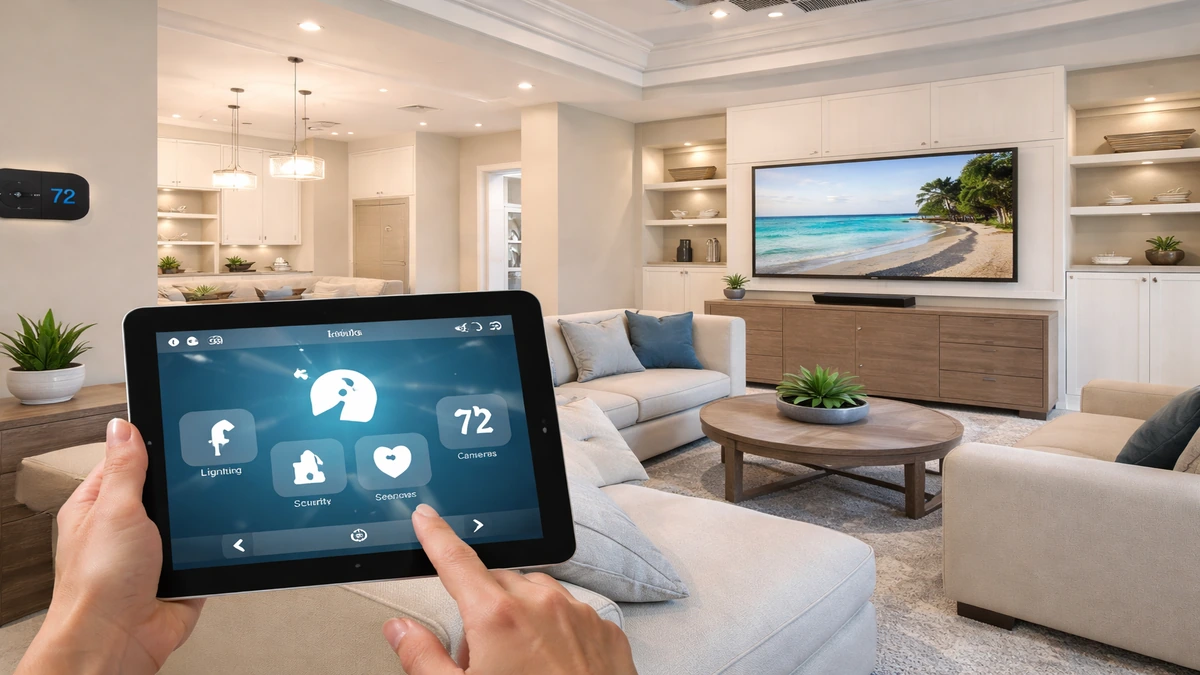
Smart Home Automation Installation
Integrated control for lighting, climate, security, and entertainment.
4 minutes
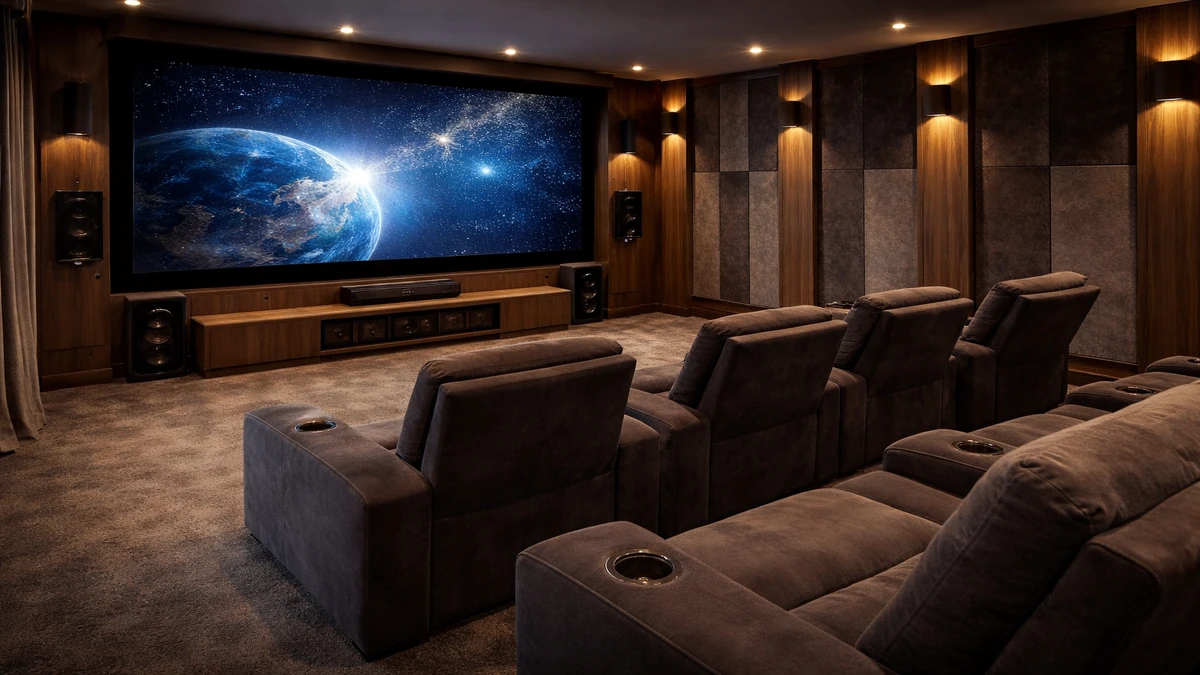
Home Theater Installation
Custom theater rooms designed for immersive picture, sound, and comfort.
4 minutes
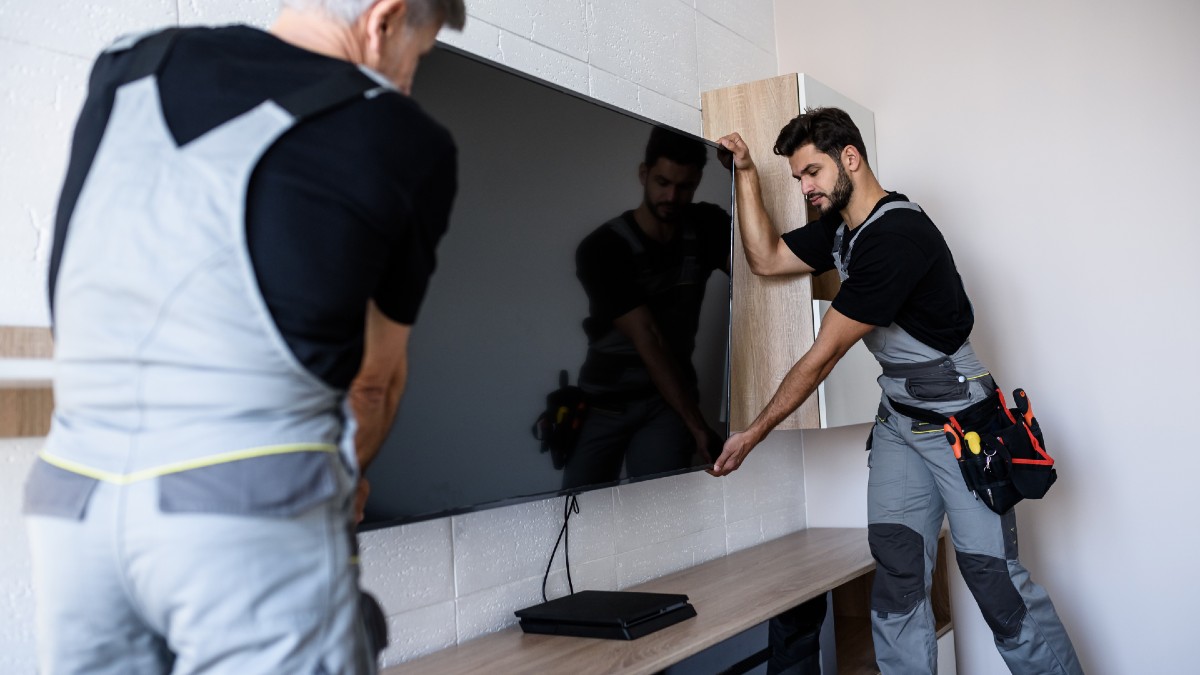
TV Wall Mounting
Professional TV mounting for cleaner layouts and better viewing angles.
5 minutes
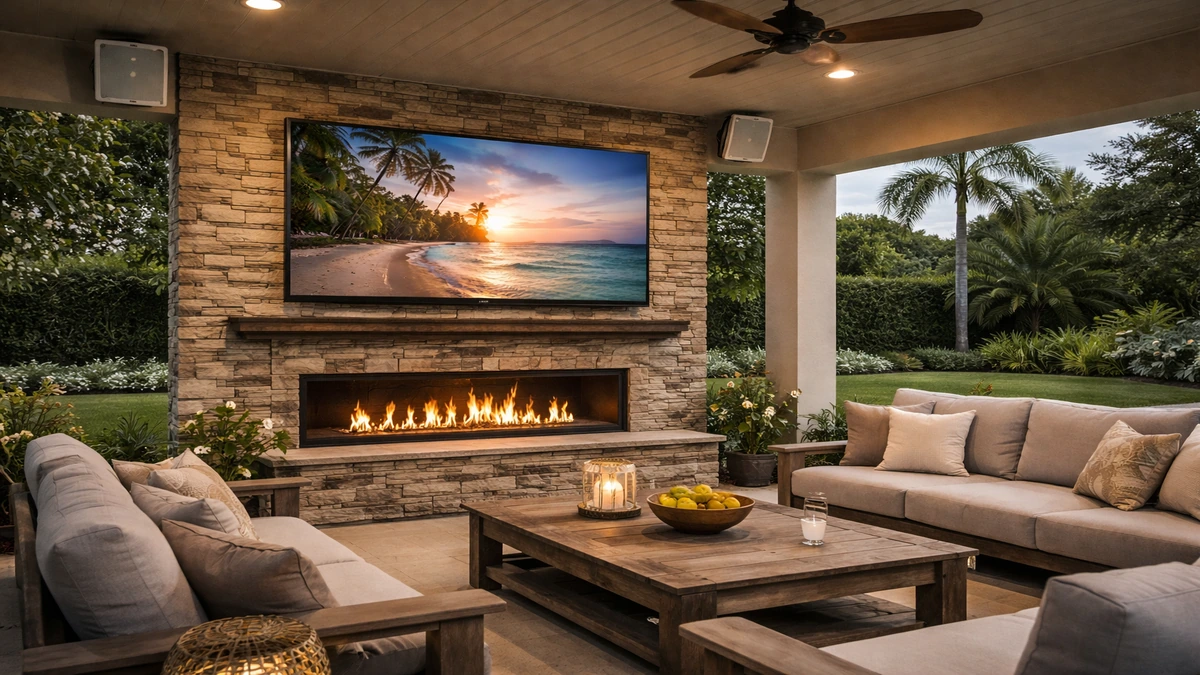
Outdoor TV Installation
Weather-aware outdoor TV setups built for patios, lanais, and pool areas.
5 minutes
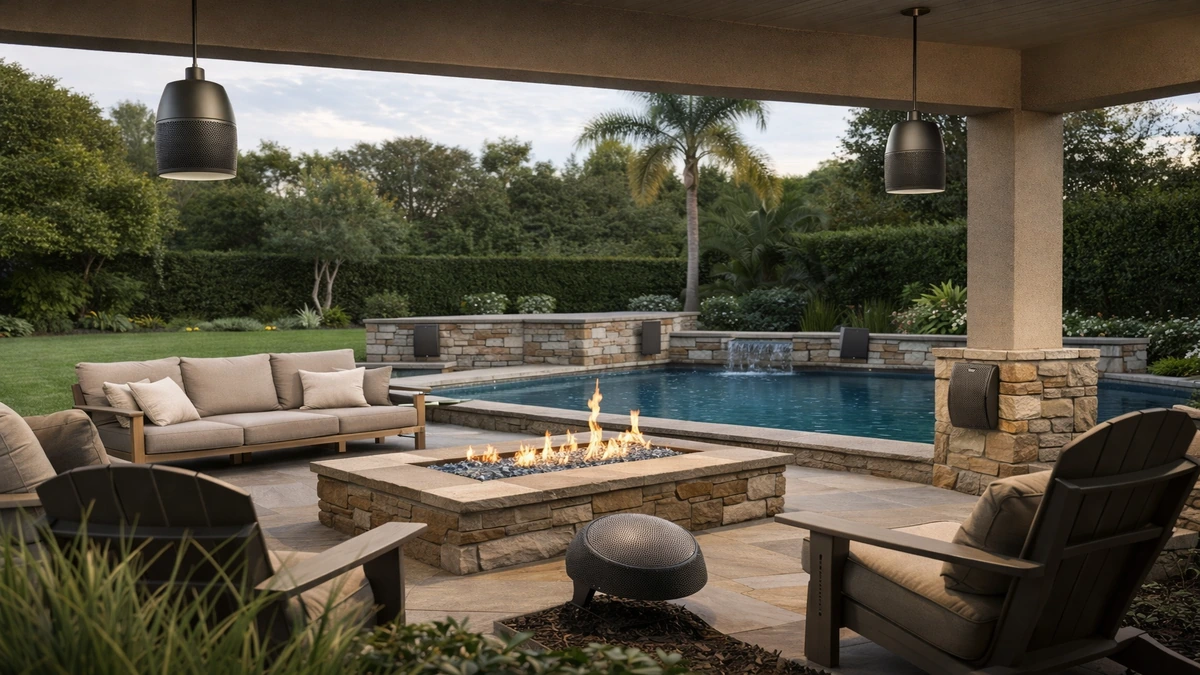
Outdoor Audio Installation
Outdoor speaker systems planned for clear sound and reliable coverage.
4 minutes
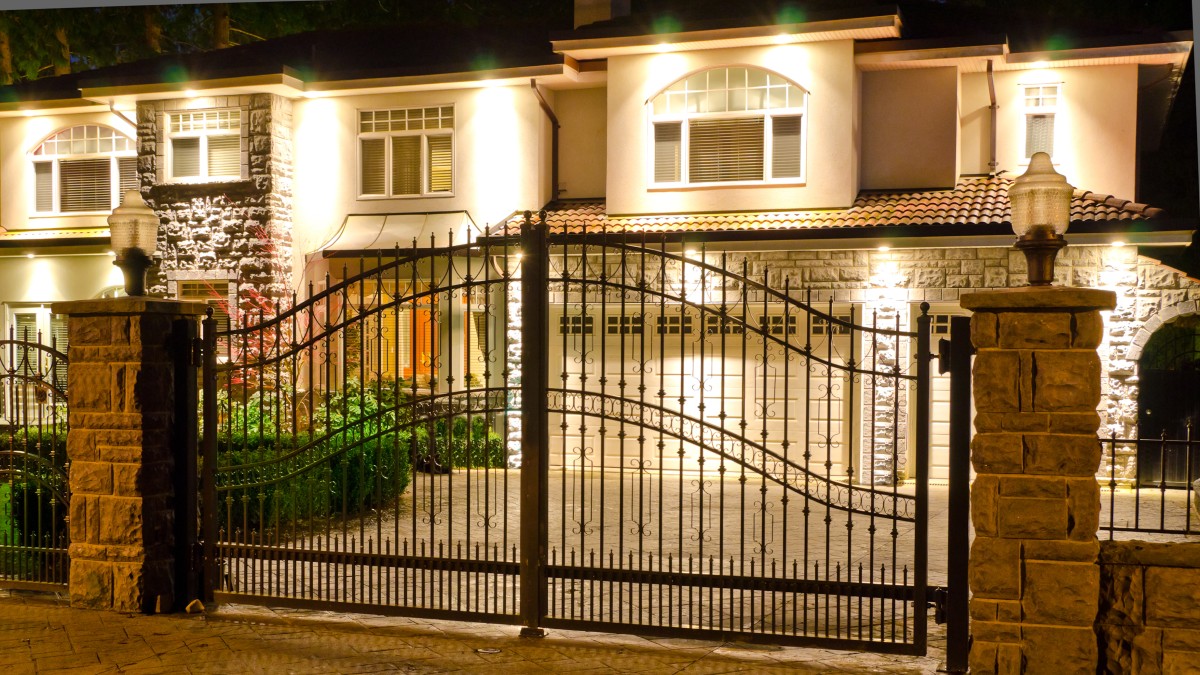
Automatic Gates
Secure, convenient gate automation with access control and entry integration.
4 minutes
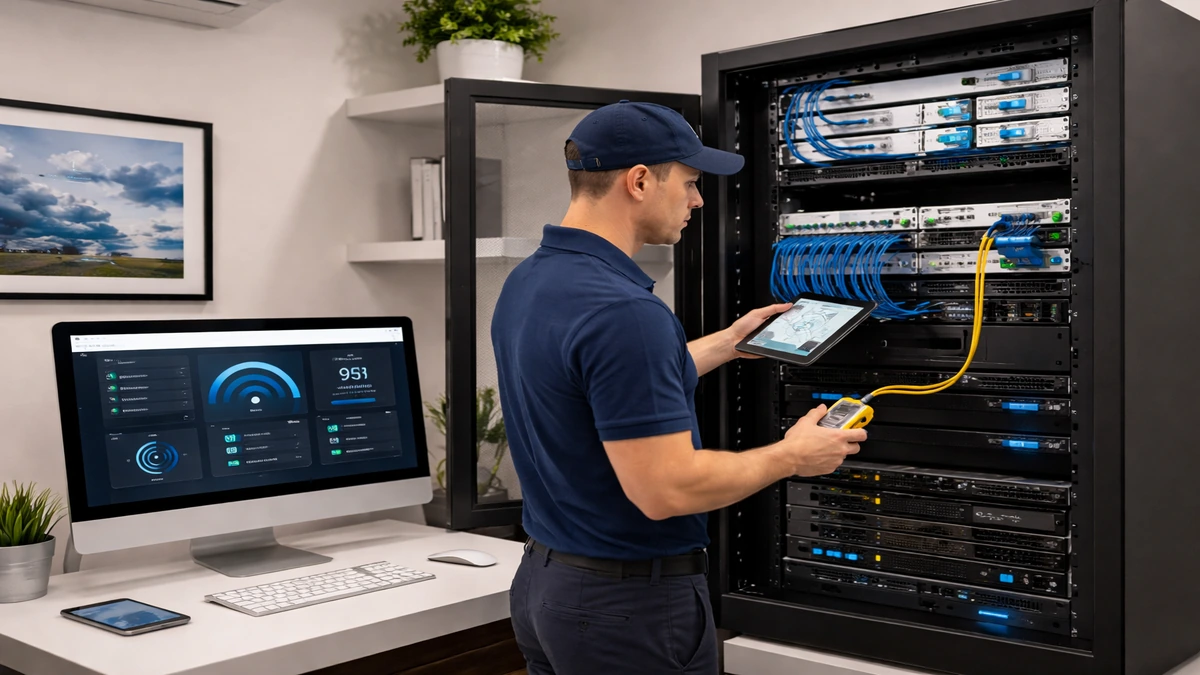
Home Network Installation
Stronger Wi-Fi, better coverage, and dependable connectivity throughout the property.
4 minutes
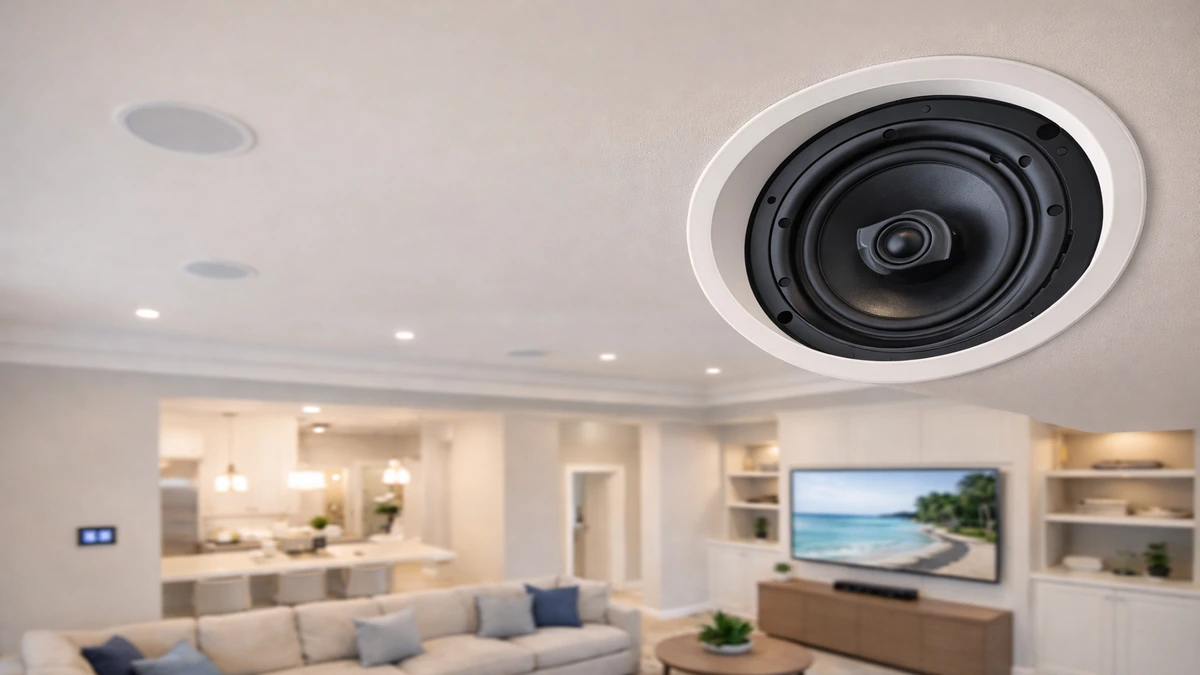
Ceiling Speaker Installation
Clean in-ceiling audio solutions for music, TV, and multi-room sound.
4 minutes
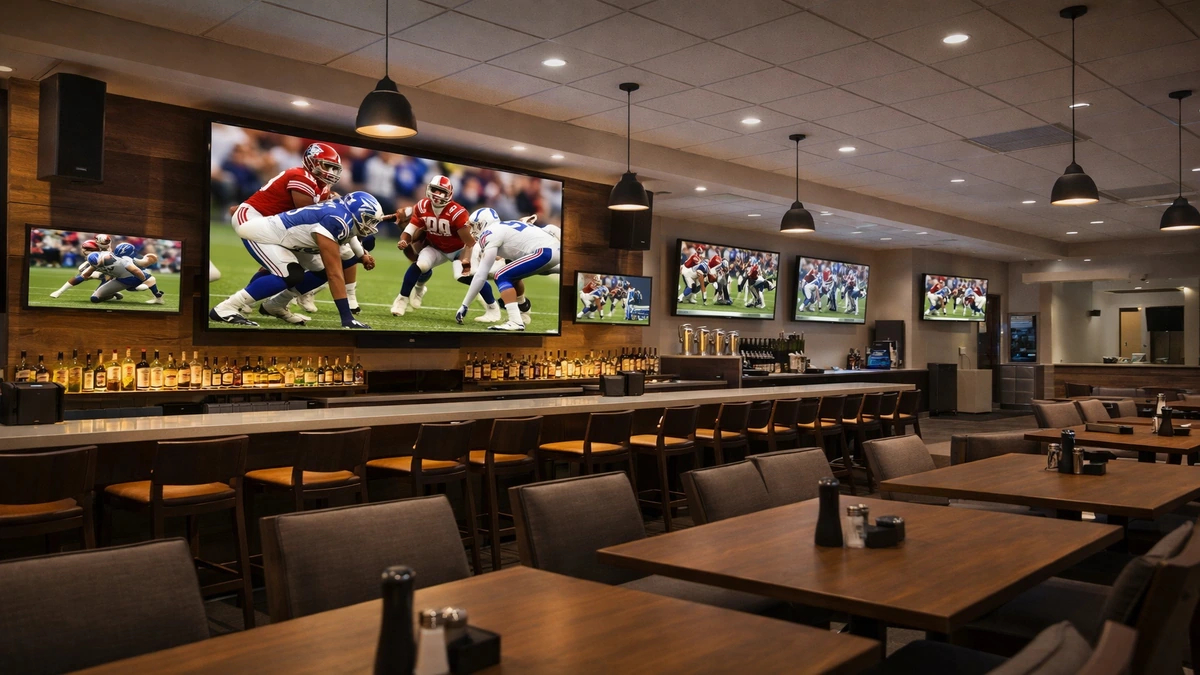
Commercial AV Installation
Professional audio, video, and control systems for business environments.
4 minutes
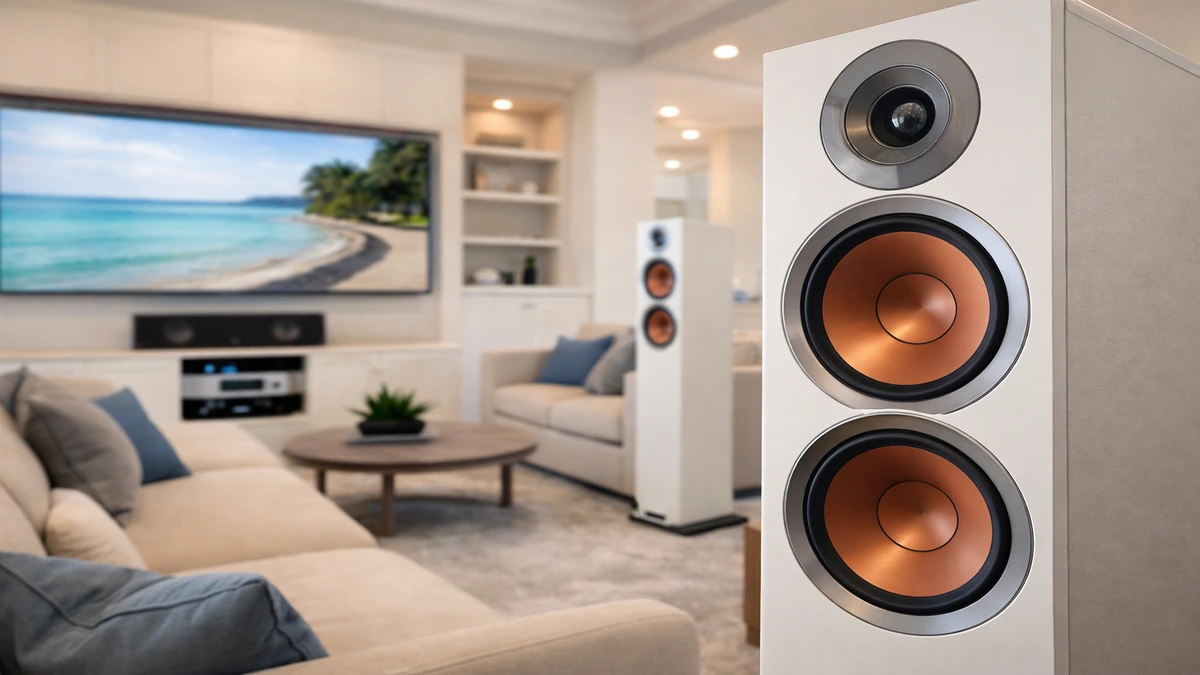
Home Audio Installation
Whole-home and room-based audio systems tailored to how you listen.
4 minutes

Marine Audio & Electronics Installation
Boat audio, displays, and electronics installed for performance on the water.
4 minutes
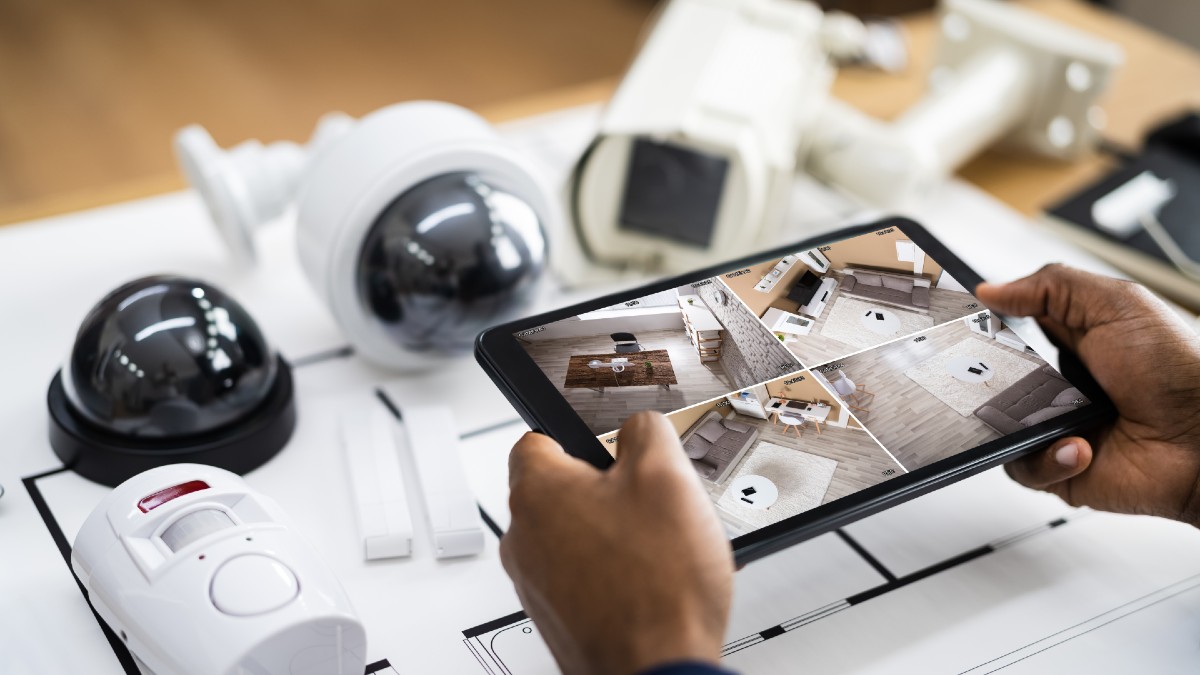
Security Camera Installation
Smart camera systems for visibility, alerts, recording, and remote monitoring.
4 minutes
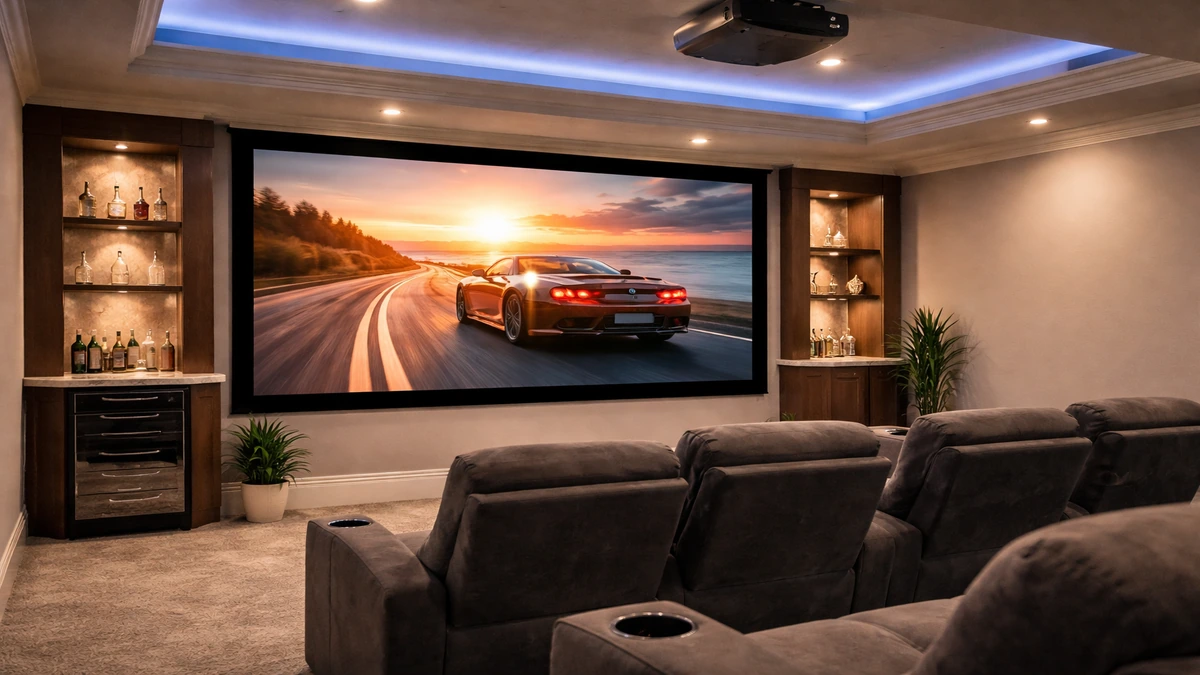
Projector Screen Installation
Projectors and screens configured for sharp viewing and balanced room performance.
4 minutes
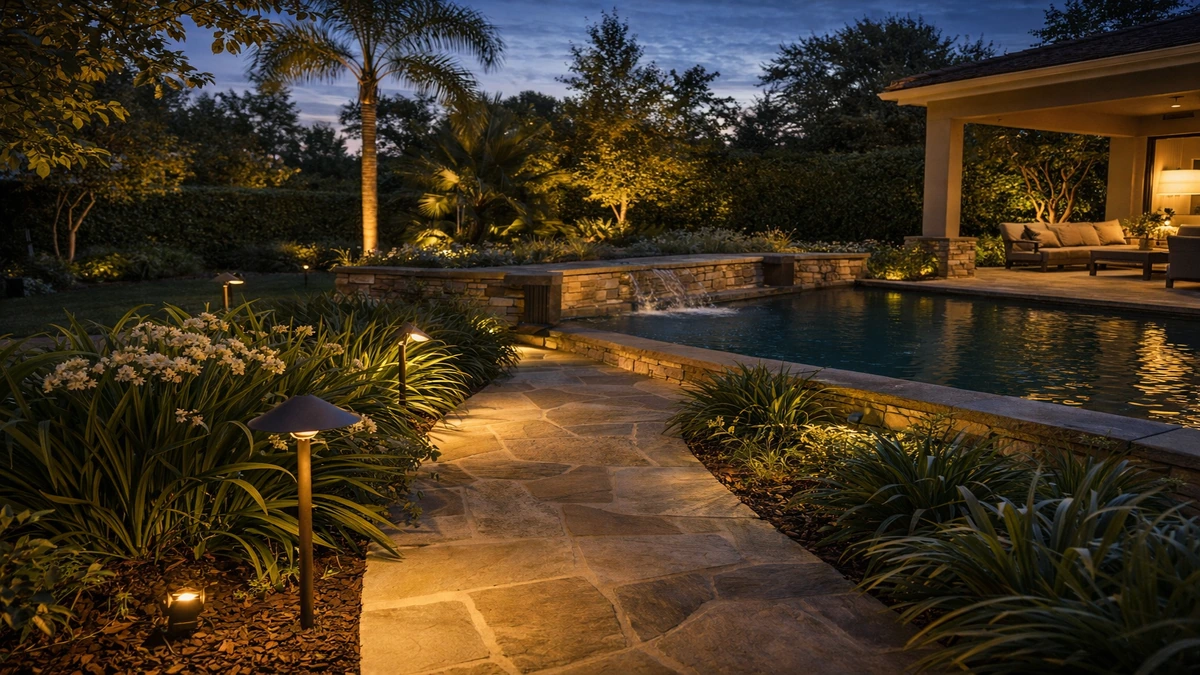
Outdoor Lighting Installation
Exterior lighting that improves curb appeal, ambiance, and nighttime usability.
4 minutes
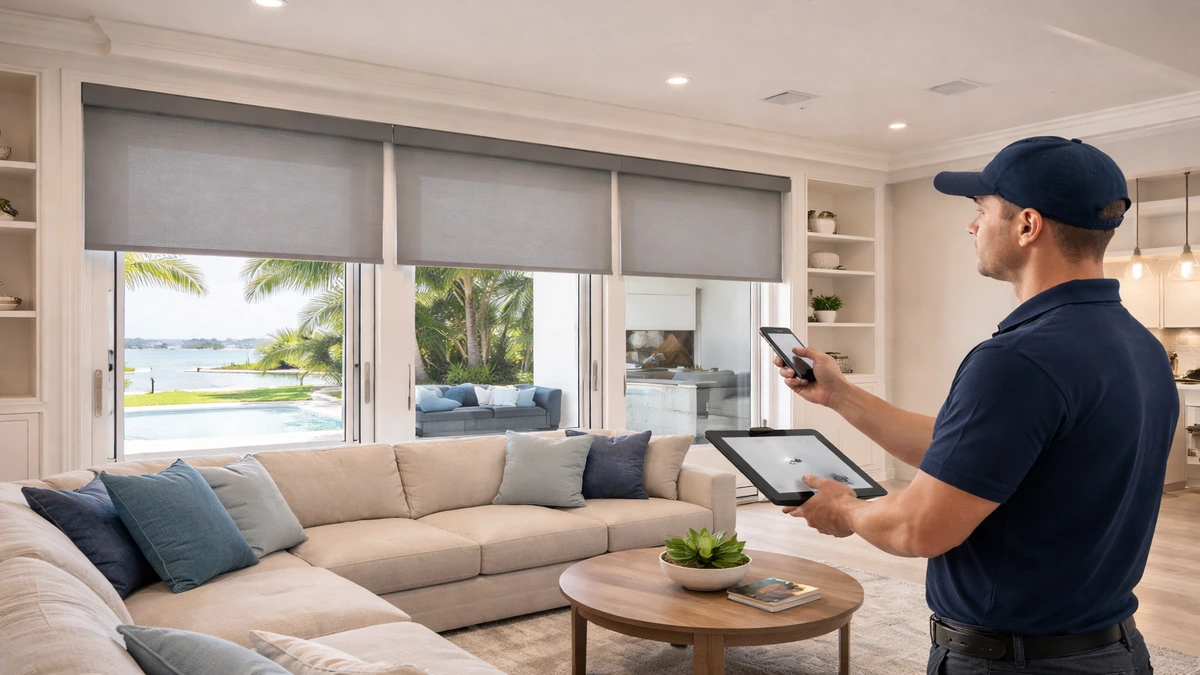
Motorized Blinds Installation
Automated shading for privacy, glare control, and everyday convenience.
4 minutes
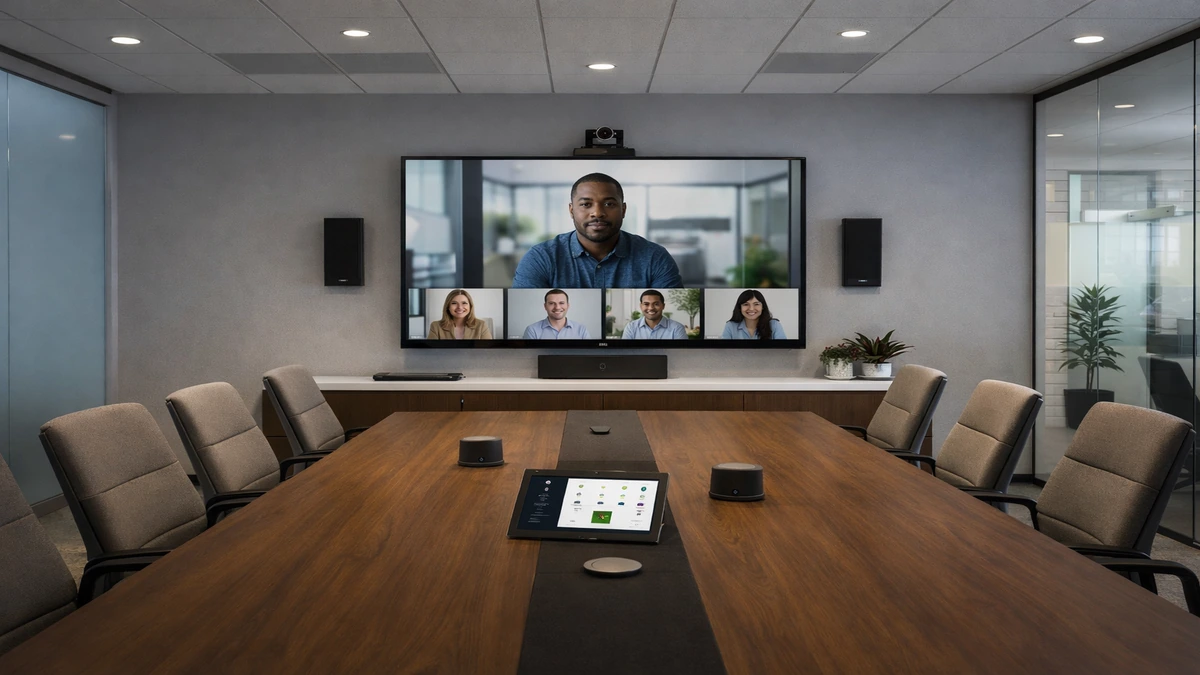
Conference Room AV Installation
Meeting room technology for clearer presentations, calls, and collaboration.
4 minutes
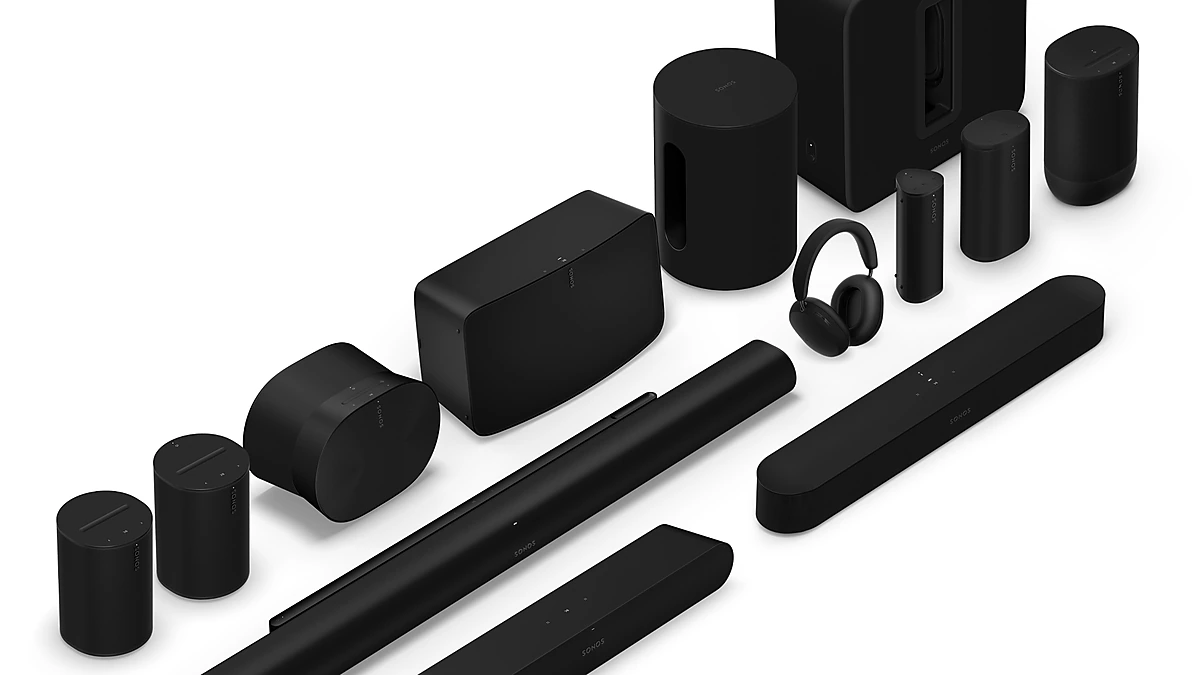
Sonos Installation
Sonos system design, setup, and tuning for simple multi-room audio.
4 minutes
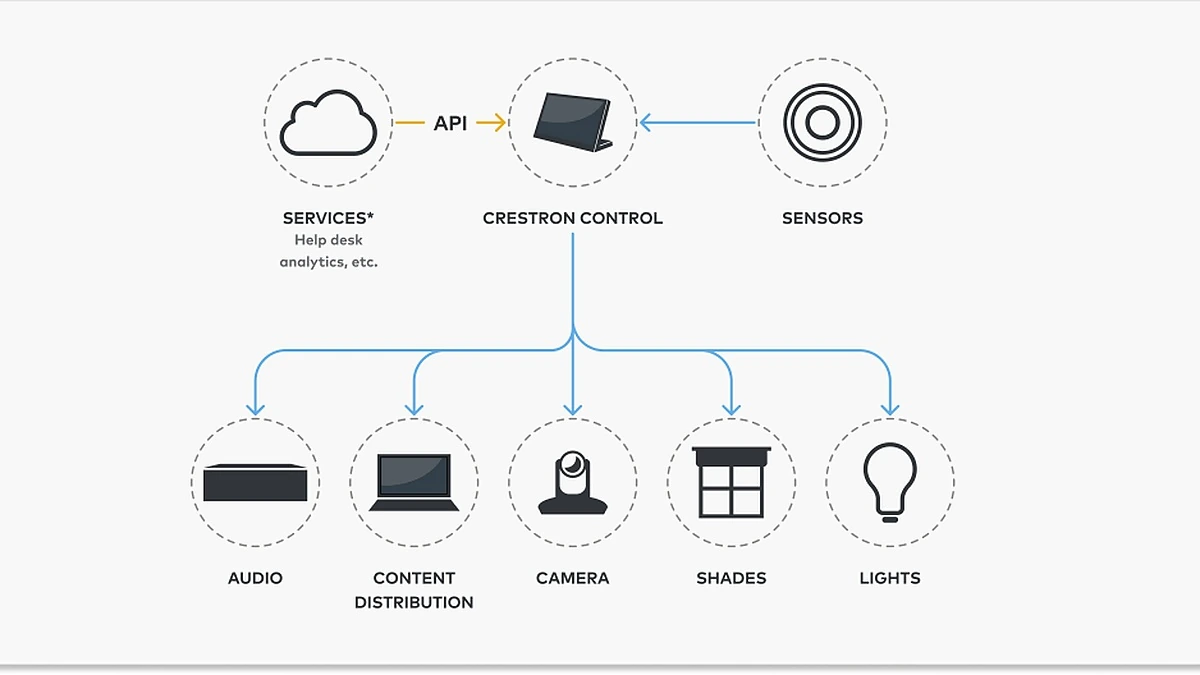
Crestron Installer
Advanced Crestron control integration for high-performance smart home environments.
4 minutes
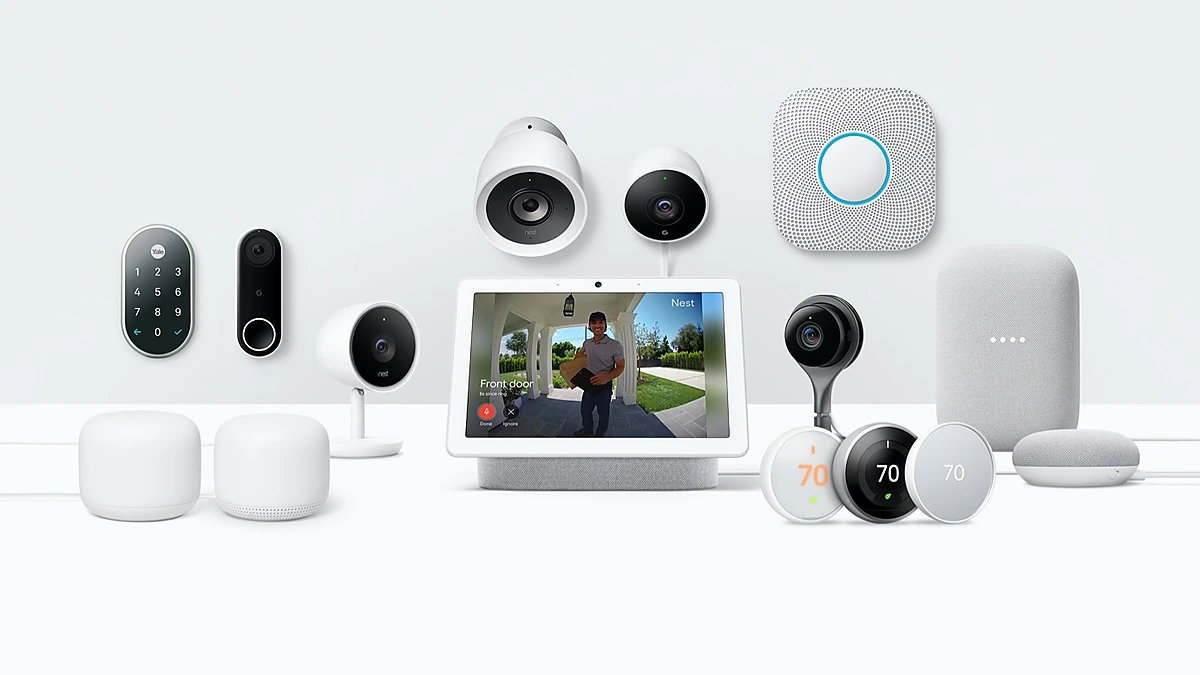
Nest Installer
Nest thermostat and smart home setup for comfort and remote control.
4 minutes
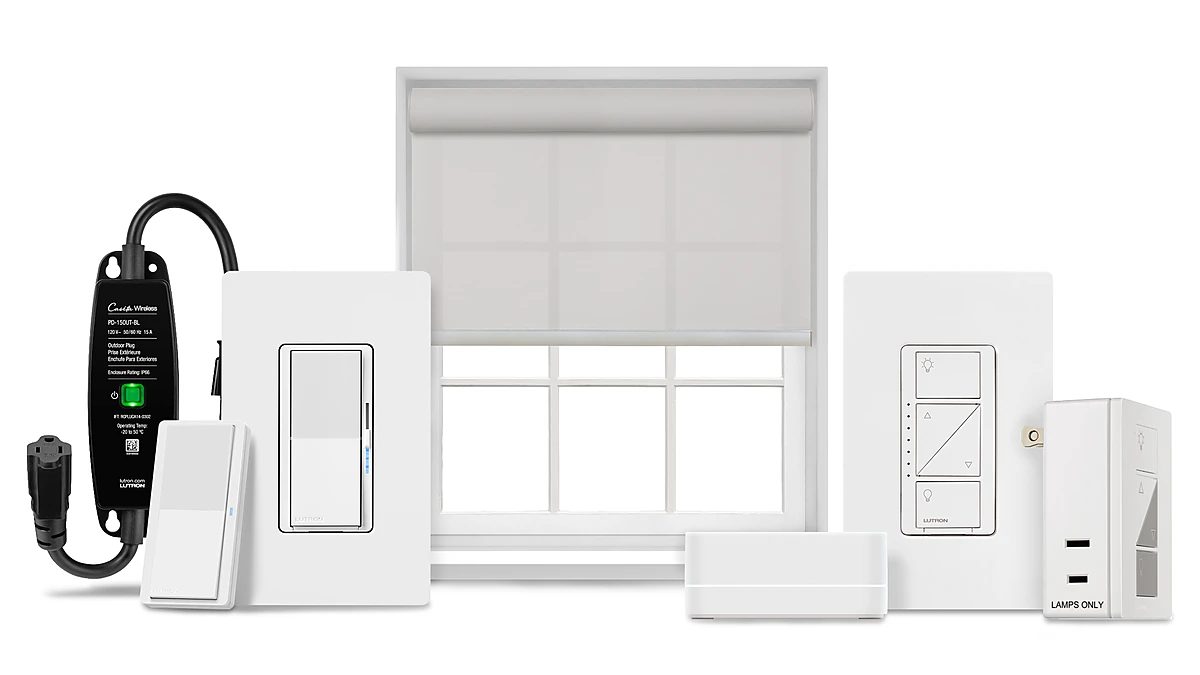
Lutron Installer
Lutron lighting and shading integration for smoother control and scene setting.
4 minutes
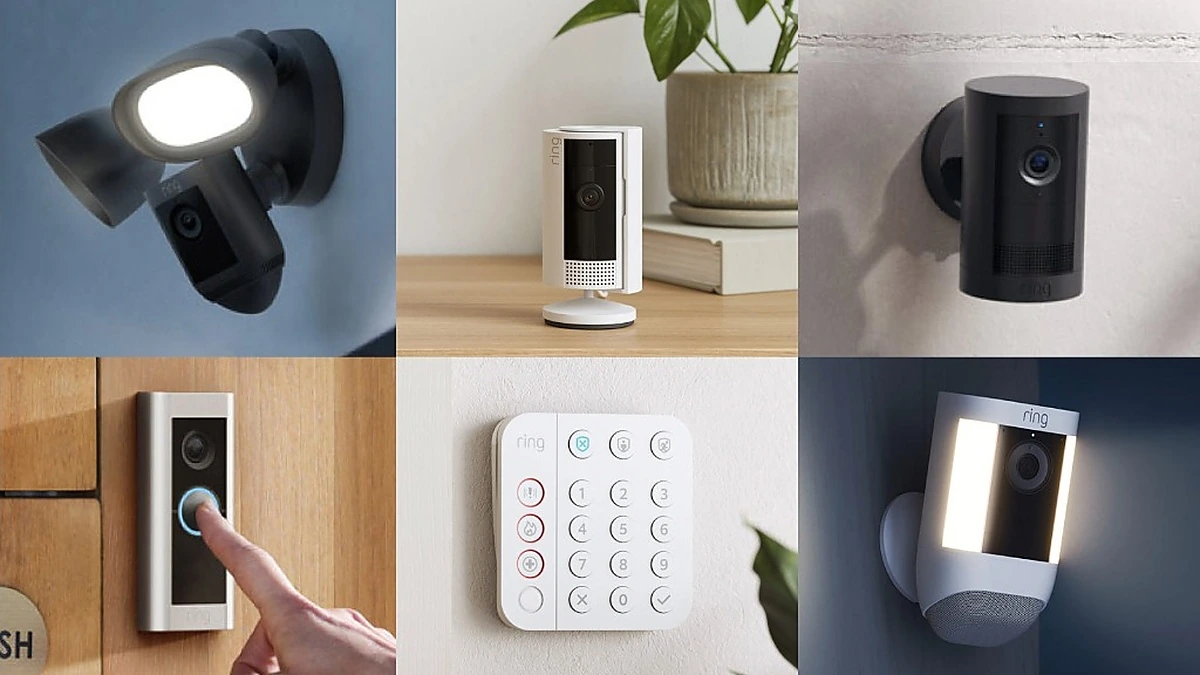
Ring Installation
Ring doorbells and cameras installed for better awareness and entry visibility.
5 minutes
Control4 Installer
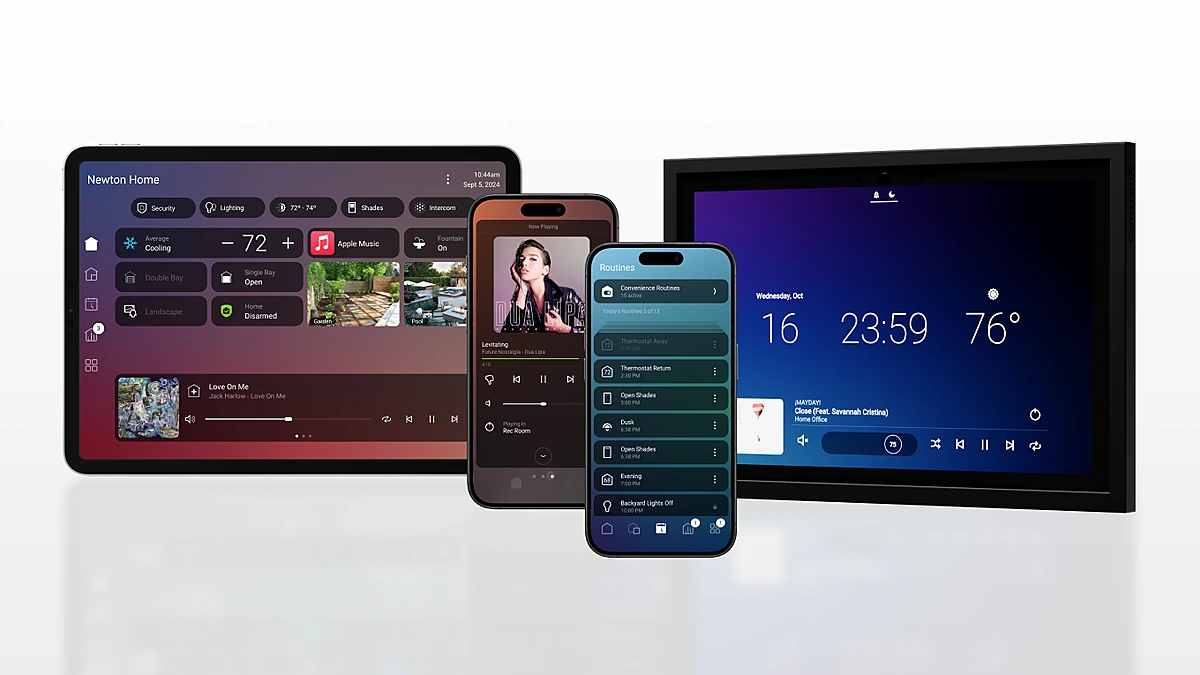
Control4 automation setup for unified entertainment, comfort, and home control.
4 minutes

Car & Truck Audio / Electronics Custom Upgrades
Custom mobile audio and electronics upgrades for better sound and functionality.
3 minutes
774 homes here spend part of the year closed, and each one stands on its own
Sebastian holds 774 homes for seasonal, recreational or occasional use, which is more than half of everything standing empty at any point. What makes that unusual is the housing it applies to. 11,333 of the city's 12,891 homes are detached and barely 174 are attached, so a part-year home here is almost always a house on its own plot rather than an apartment inside a managed building. Nobody is on site, there is no shared plant, and there is no front desk to notice that something has stopped.
In a detached house that dependency narrows to a single point. One service entry, one router, one network — and if that link drops in July there is nothing else in the building to route around it. So the parts of a system expected to work unattended deserve to be treated as infrastructure rather than added as features: a wired backbone instead of a chain of wireless hops, a switch and a router living somewhere ventilated and serviceable, and a way of knowing the connection is up that does not itself depend on the connection being up.
The other design constraint is whoever arrives first. A part-year house usually gets opened by somebody other than its owner, and that person has never been shown the system and is not going to be. Control that works for them names things plainly and puts them where a hand expects to find them — a keypad by the door doing one obvious thing at one press, rather than a remembered sequence or an app that has to be installed before the lights will come on.
Detached, and finished long before anyone wired for this
The largest group of Sebastian homes went up in the 1980s and the median home dates from the 1990s. Very little of that was completed with low-voltage distribution designed into it, so a whole-home project here begins as a retrofit rather than as an extension of something already present. What makes it workable is that the structure is yours. The roof space above and the ground beneath sit inside your own boundary, and what they actually contain — how much room there is to work in, which way the framing runs, where a drop into a wall meets something solid — is the drawing nobody has. Producing it is the first real task of the project.
Which half of the budget you cannot come back to
The median home in Sebastian is valued at $281,700, and a plan can respect that without shrinking the ambition. The way to do it is to separate the two halves of the cost. Cable, back boxes, the network and the space the equipment will occupy are the half that cannot be revisited cheaply, because revisiting them means access, finish and somebody putting the room back. Screens, speakers, amplifiers and processors are the half you can buy over several years, replace when something better appears, and improve without opening anything at all.
So the thing worth fixing at the start is the full extent of the system, not the full extent of the purchase. Decide now which rooms will eventually carry audio, roughly where a screen belongs in each of them, where the network wants a point, and how far an outdoor zone would have to run. Pull for all of it while the ceilings are open and terminate only what is being used. A room you have not funded yet costs a cable and an hour today. The same room costs access, making good and a day of somebody's time once the ceiling is closed.
Seven hundred of these homes are built to a different rulebook
708 Sebastian homes are manufactured, which is too many to treat as a footnote. The assumptions a design quietly makes about a block or frame house — that a wall will carry a large display on its fixings, that there is a void above the ceiling deep enough to take a speaker, that a cable can drop inside a partition and come out where you wanted it — are assumptions rather than facts in that stock. Each of them is answerable on site in an afternoon, and answering them before anything is specified is the difference between mounting a screen where the room wants it and mounting it where the structure permitted.
Those are the three questions worth arriving with. What this particular house will physically allow, what has to keep working while nobody is here, and which half of the budget is the half there is no cheap way back to. Settle them in that order and the equipment list becomes the easy part of the conversation, which is fitting, because it is the only part anyone can change their mind about later.