

Detached Homes, Whole-Home AV Audio Video | Home Theater Installations Serving Palm City, FL
Whole-home AV, theater and control planning for Palm City, where 85.8% of homes are single-family, 88.7% are owner-occupied, and the median home dates from the 1990s.
Discover Next-Level Audio and Home Automation Solutions
Explore our wide range of services, from superior home and vehicle audio systems to comprehensive smart home automation, including climate and lighting control, for a seamless and secure lifestyle.
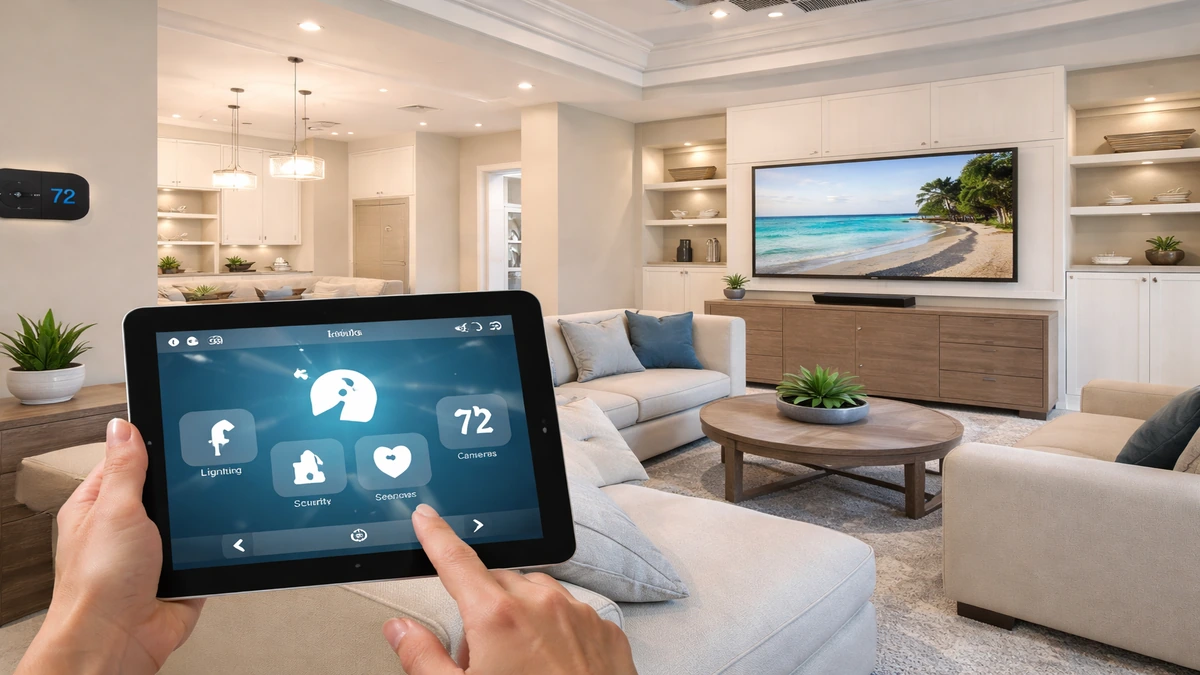
Smart Home Automation Installation
Integrated control for lighting, climate, security, and entertainment.
4 minutes
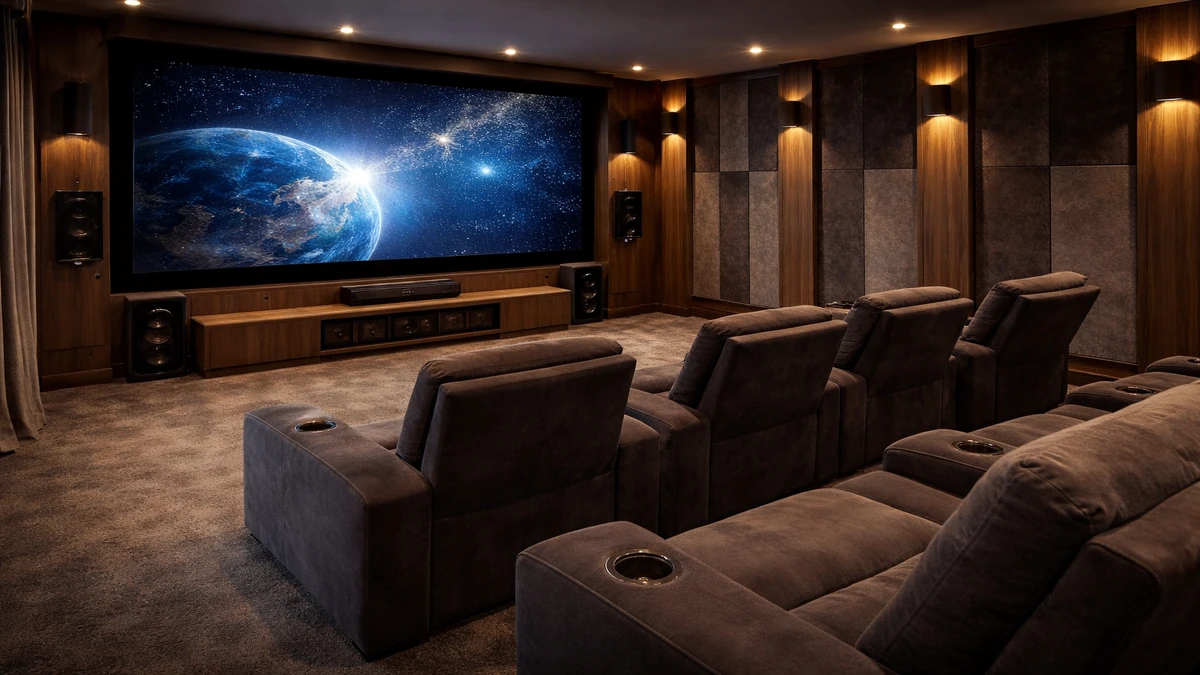
Home Theater Installation
Custom theater rooms designed for immersive picture, sound, and comfort.
4 minutes
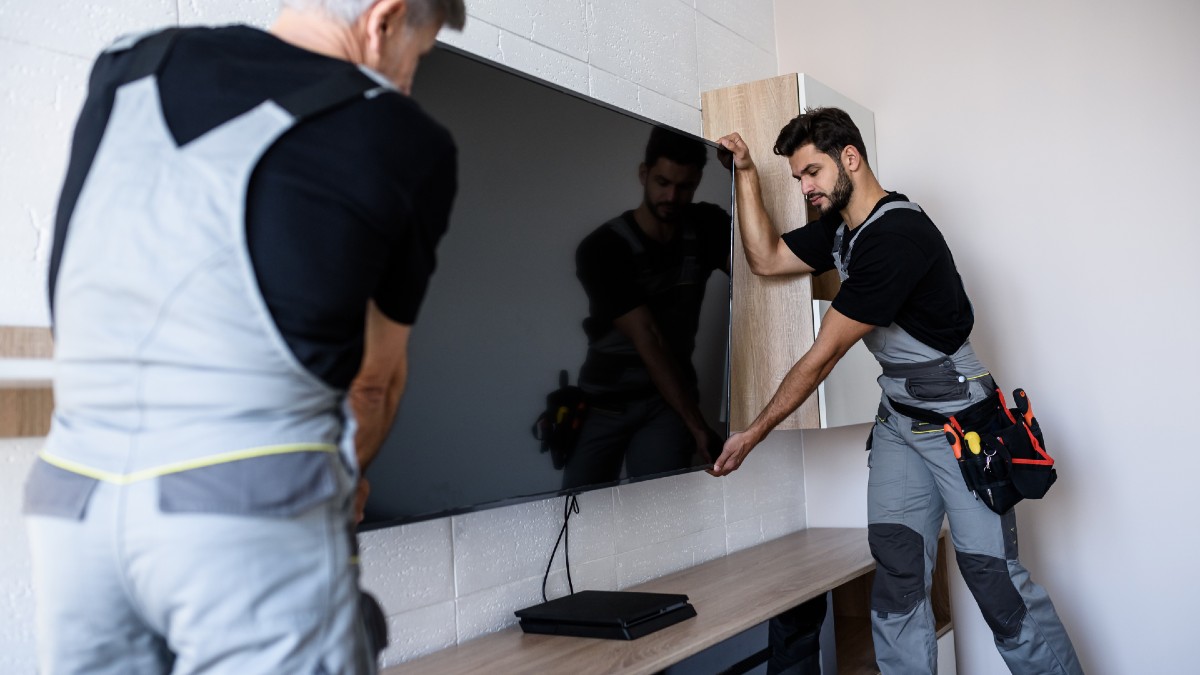
TV Wall Mounting
Professional TV mounting for cleaner layouts and better viewing angles.
5 minutes
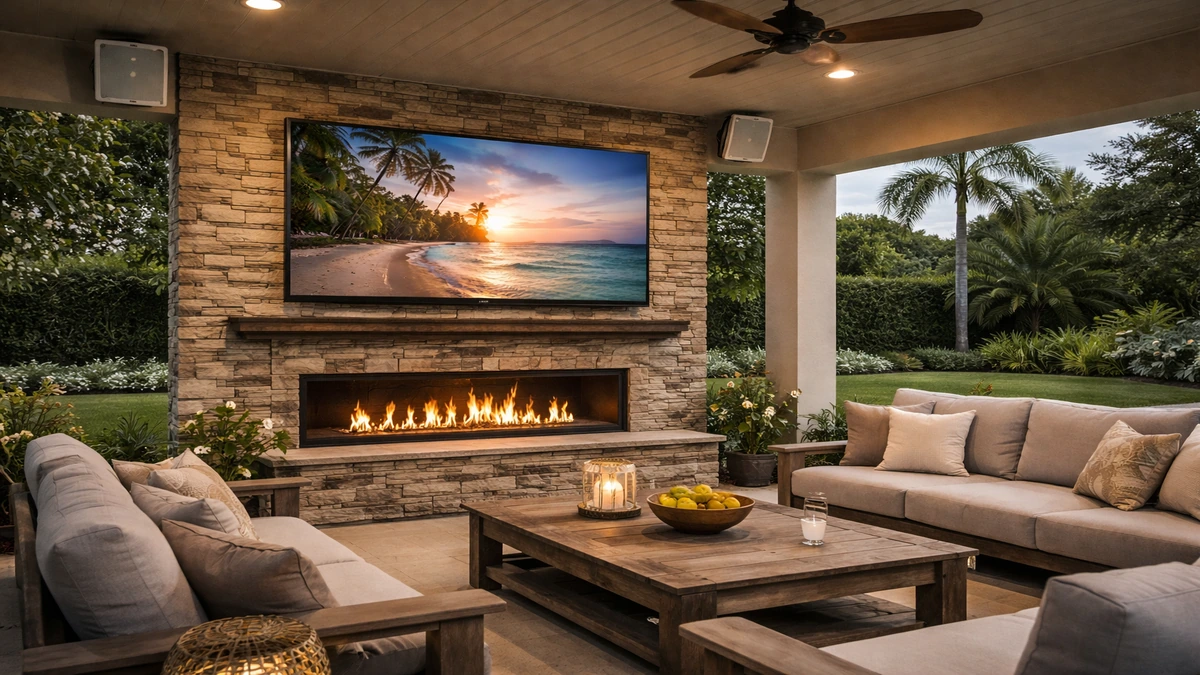
Outdoor TV Installation
Weather-aware outdoor TV setups built for patios, lanais, and pool areas.
5 minutes
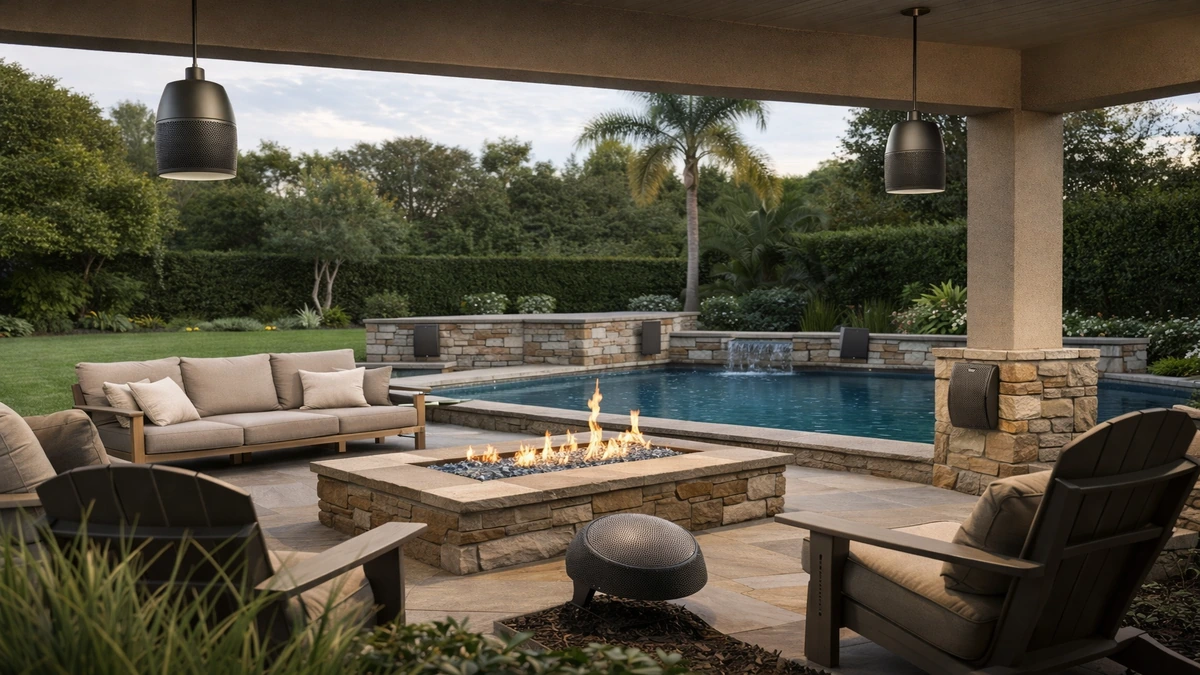
Outdoor Audio Installation
Outdoor speaker systems planned for clear sound and reliable coverage.
4 minutes
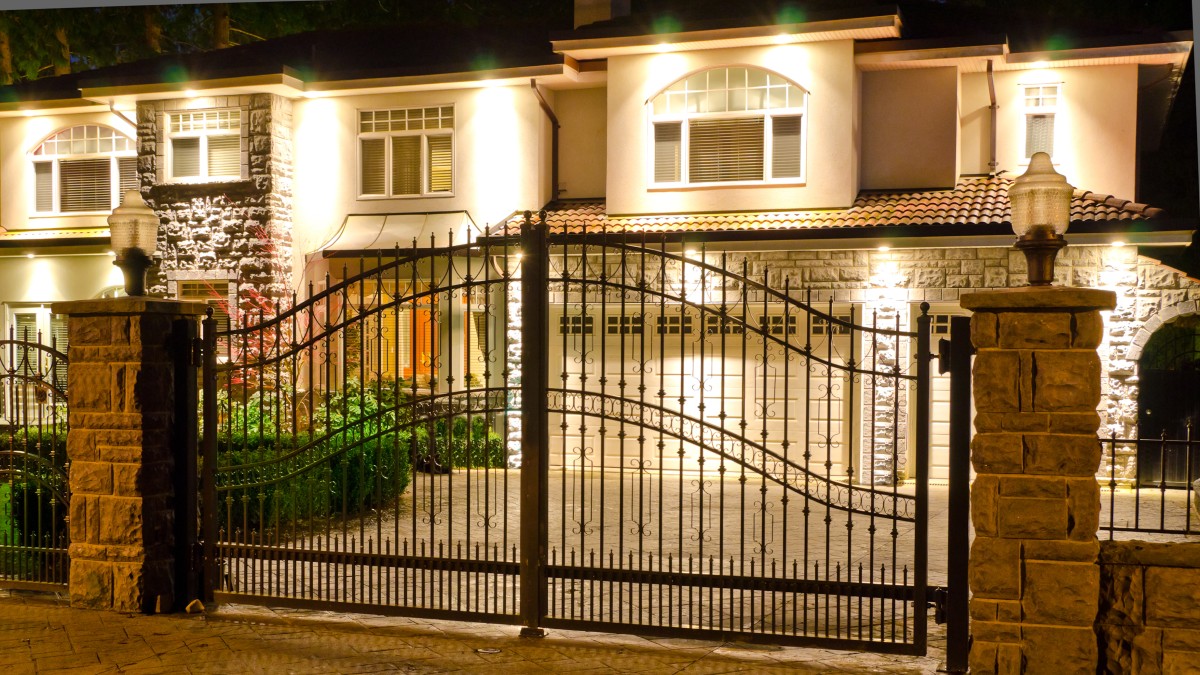
Automatic Gates
Secure, convenient gate automation with access control and entry integration.
4 minutes
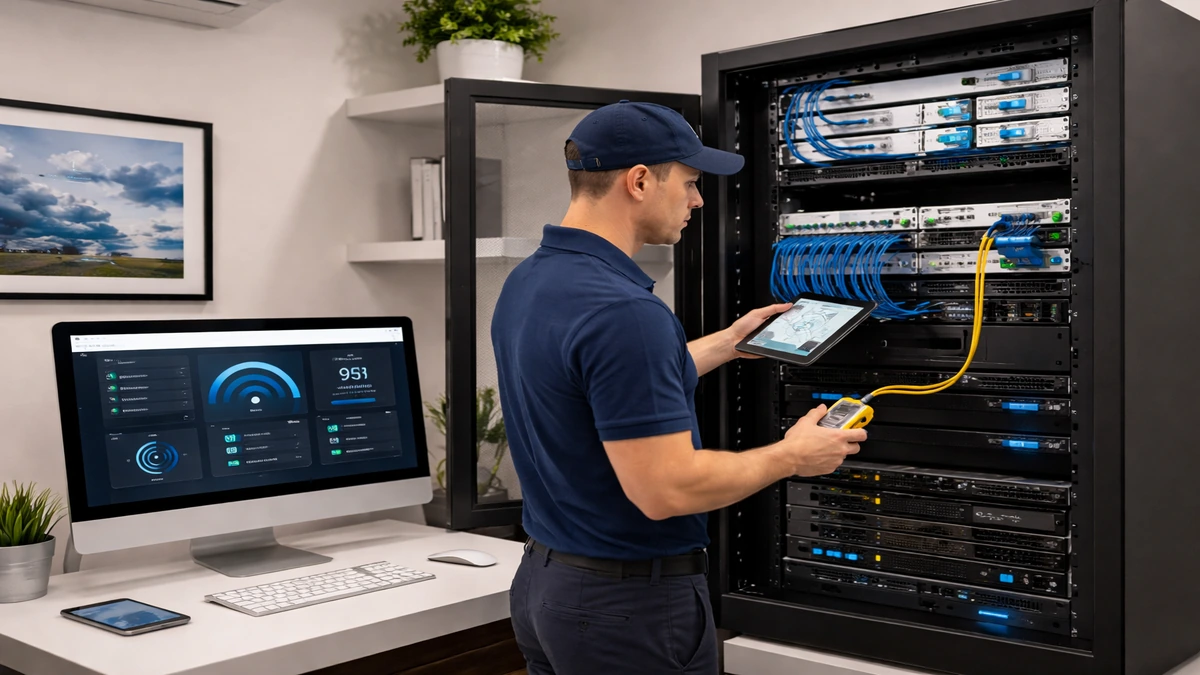
Home Network Installation
Stronger Wi-Fi, better coverage, and dependable connectivity throughout the property.
4 minutes
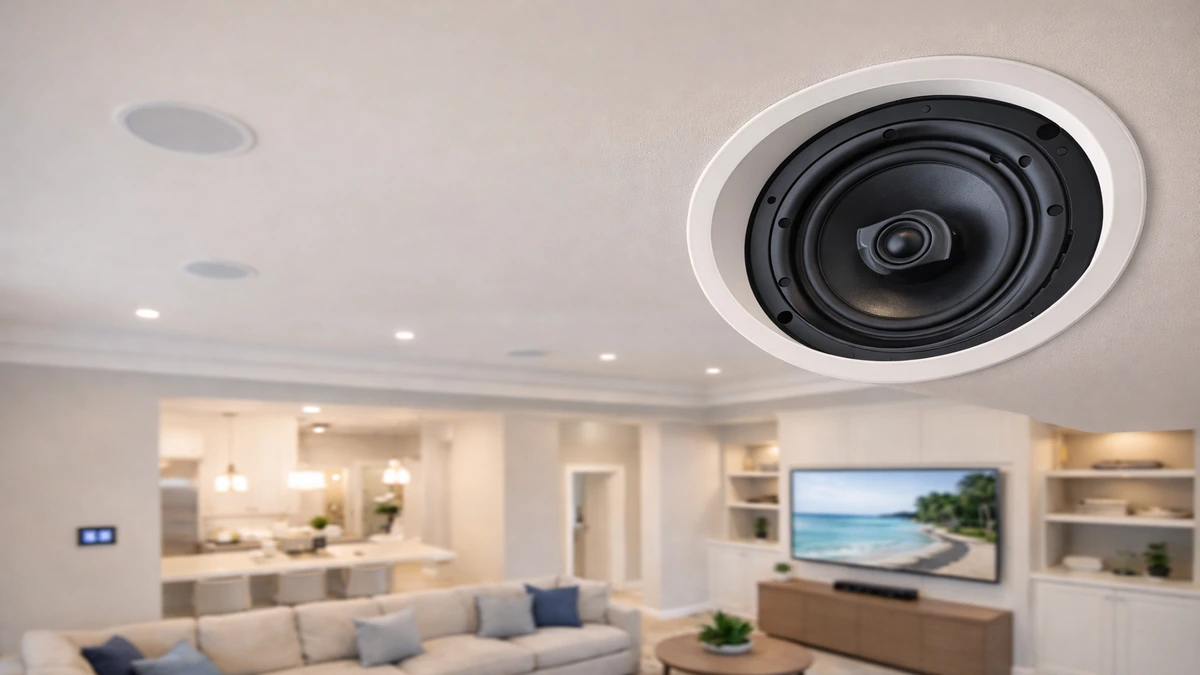
Ceiling Speaker Installation
Clean in-ceiling audio solutions for music, TV, and multi-room sound.
4 minutes
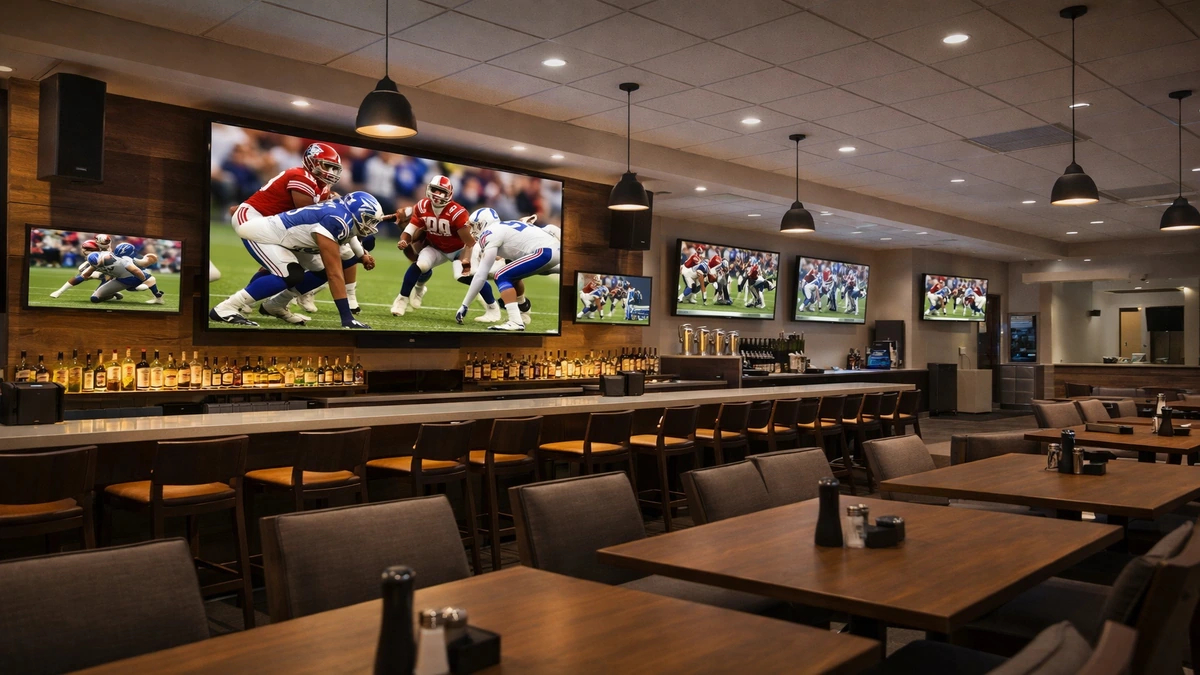
Commercial AV Installation
Professional audio, video, and control systems for business environments.
4 minutes
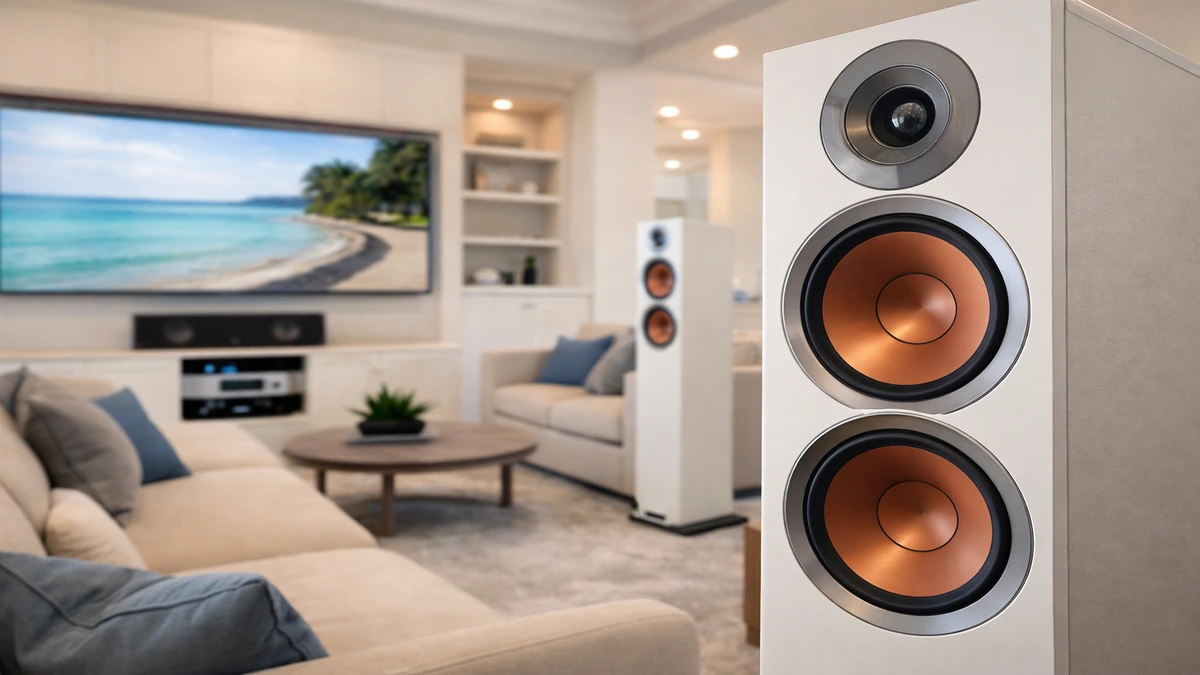
Home Audio Installation
Whole-home and room-based audio systems tailored to how you listen.
4 minutes

Marine Audio & Electronics Installation
Boat audio, displays, and electronics installed for performance on the water.
4 minutes
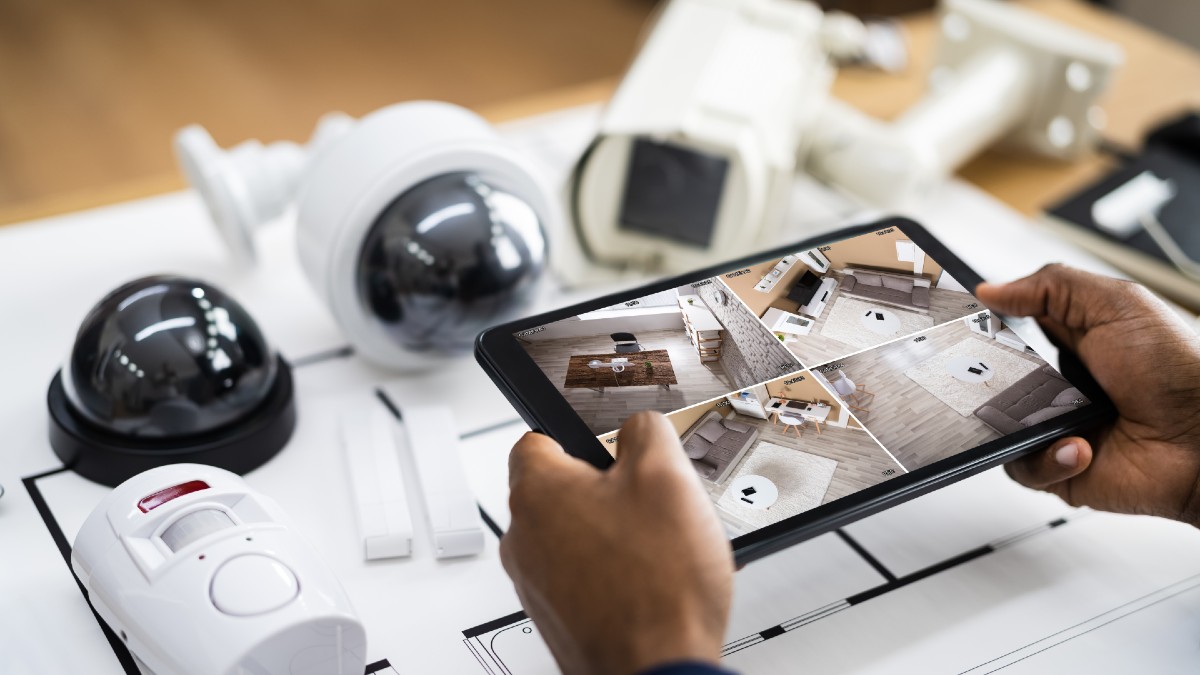
Security Camera Installation
Smart camera systems for visibility, alerts, recording, and remote monitoring.
4 minutes
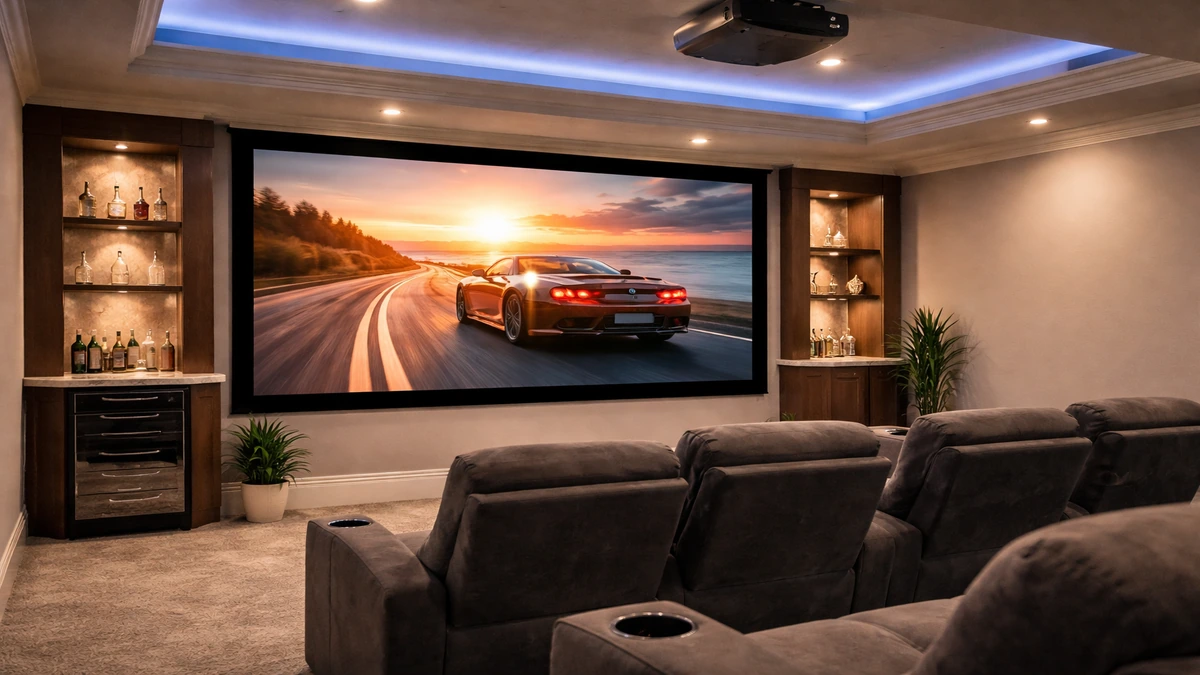
Projector Screen Installation
Projectors and screens configured for sharp viewing and balanced room performance.
4 minutes
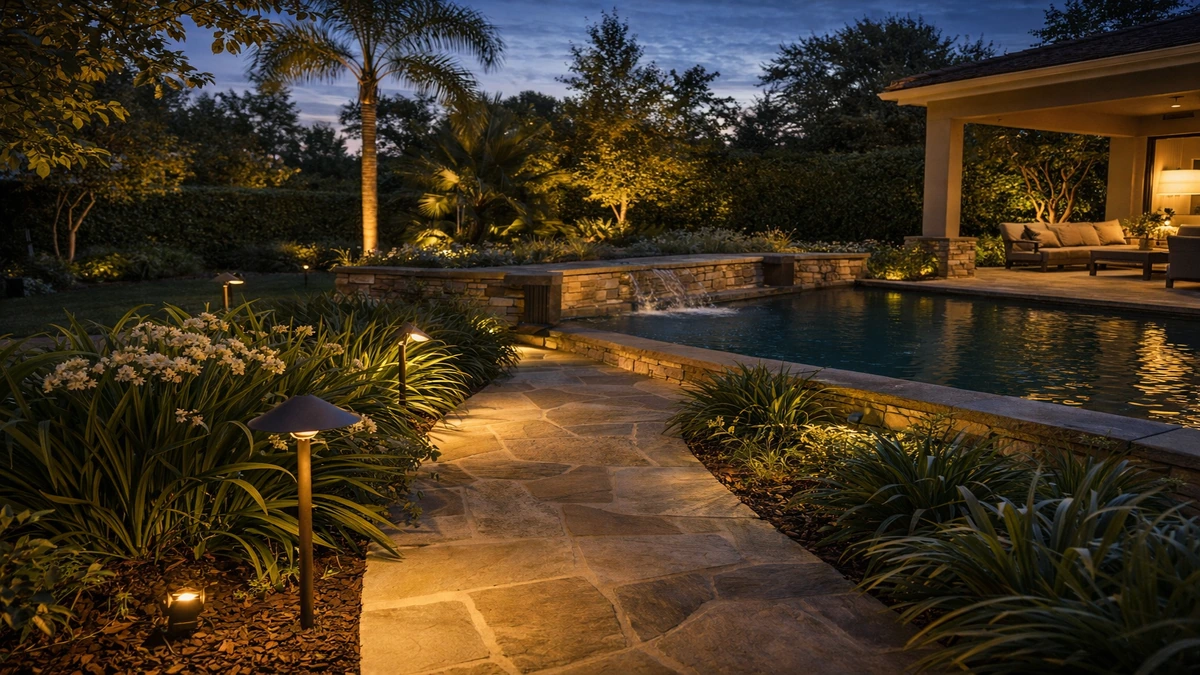
Outdoor Lighting Installation
Exterior lighting that improves curb appeal, ambiance, and nighttime usability.
4 minutes
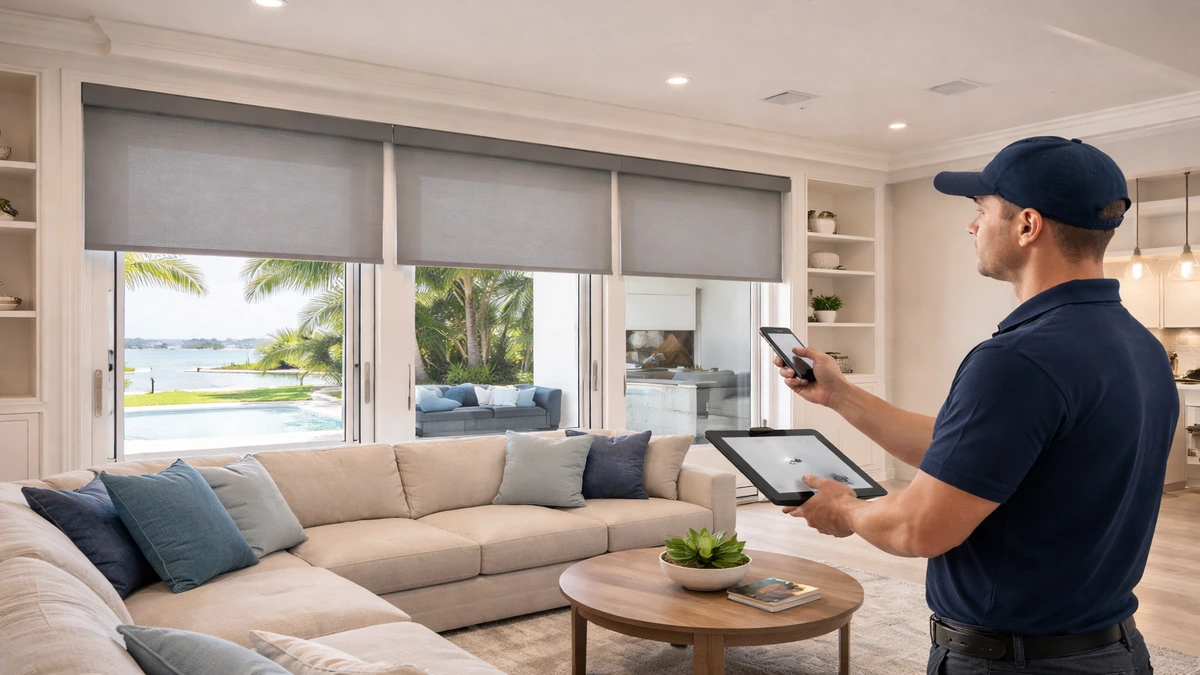
Motorized Blinds Installation
Automated shading for privacy, glare control, and everyday convenience.
4 minutes
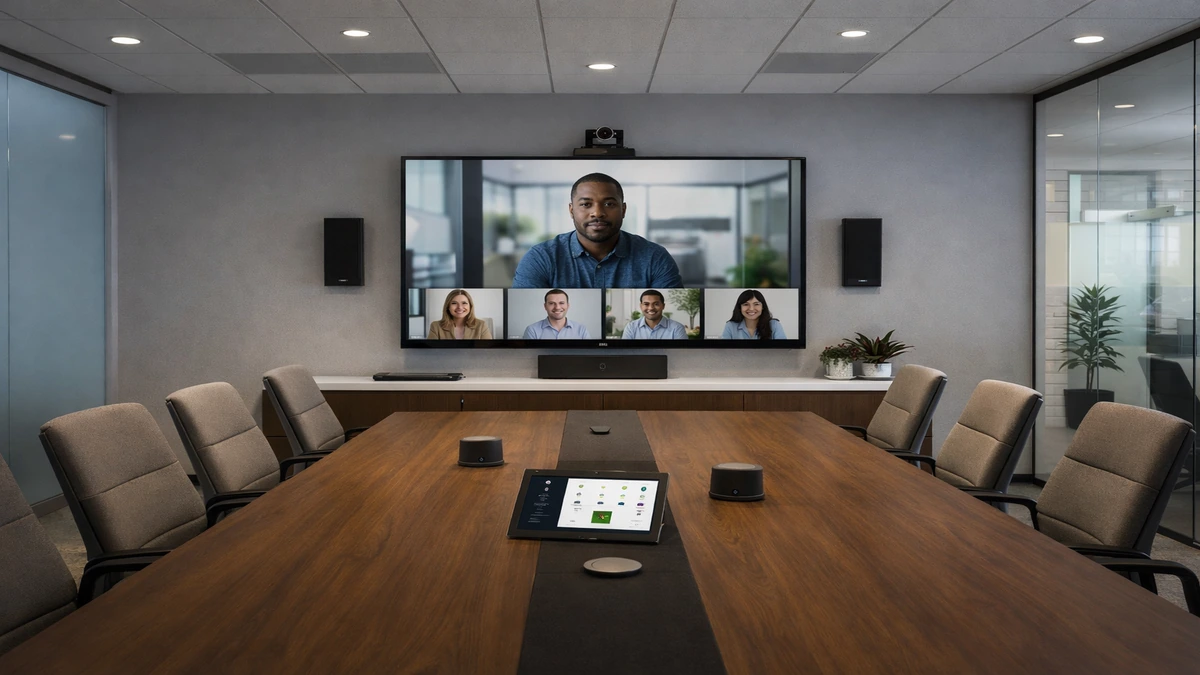
Conference Room AV Installation
Meeting room technology for clearer presentations, calls, and collaboration.
4 minutes
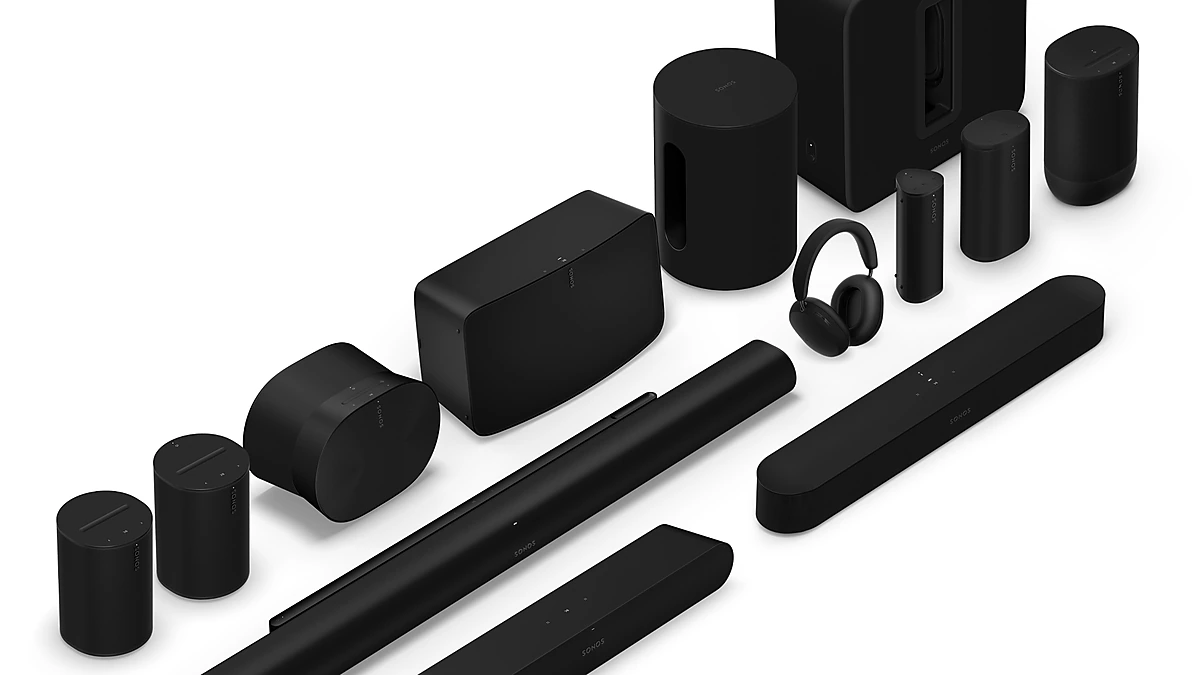
Sonos Installation
Sonos system design, setup, and tuning for simple multi-room audio.
4 minutes
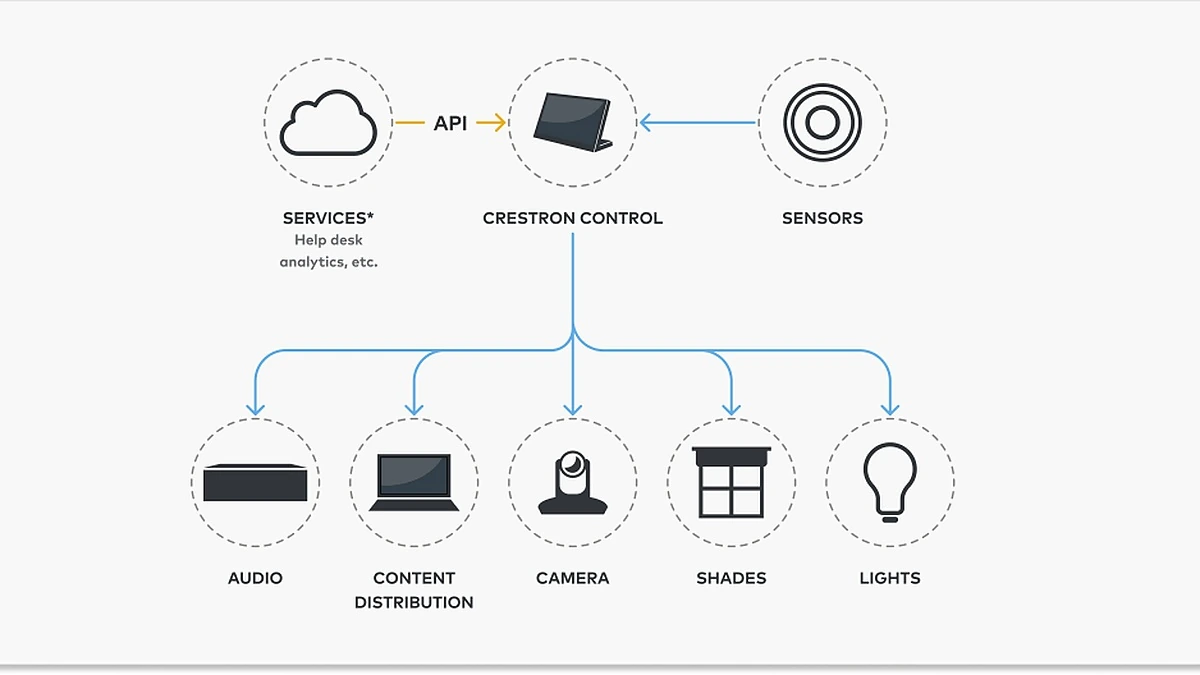
Crestron Installer
Advanced Crestron control integration for high-performance smart home environments.
4 minutes
Nest Installer
Nest thermostat and smart home setup for comfort and remote control.
4 minutes
Lutron Installer
Lutron lighting and shading integration for smoother control and scene setting.
4 minutes
Ring Installation
Ring doorbells and cameras installed for better awareness and entry visibility.
5 minutes
Control4 Installer
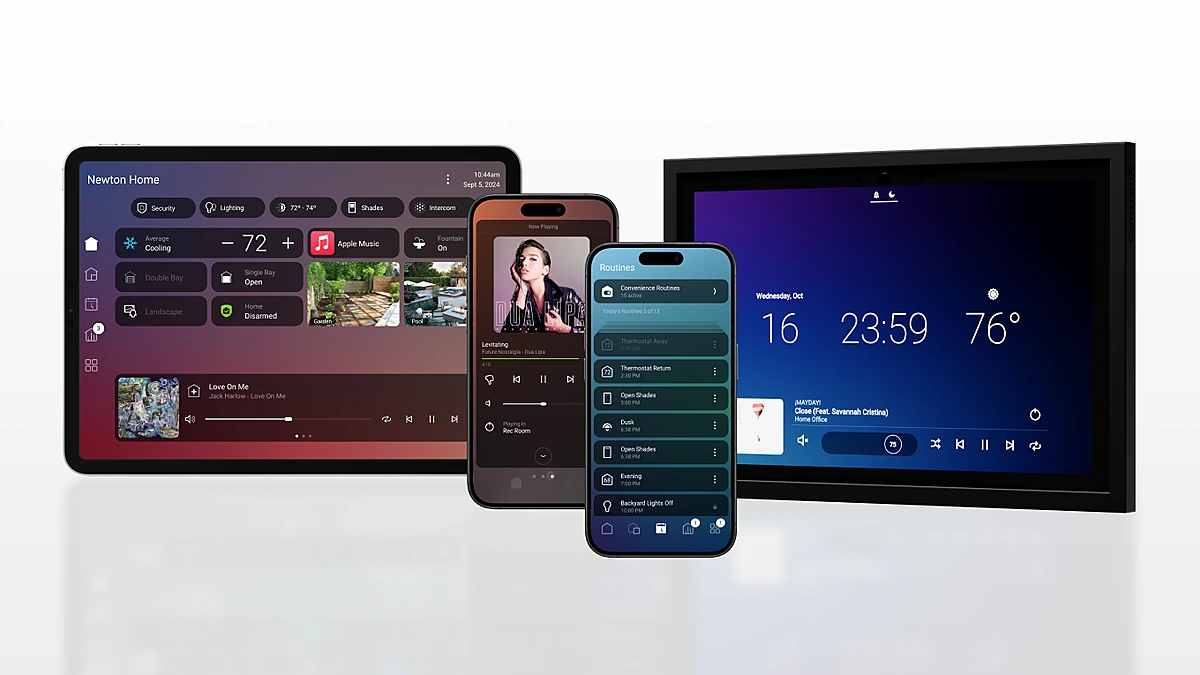
Control4 automation setup for unified entertainment, comfort, and home control.
4 minutes

Car & Truck Audio / Electronics Custom Upgrades
Custom mobile audio and electronics upgrades for better sound and functionality.
3 minutes
In Palm City the house is yours to open, and that is worth planning around
Palm City has 11,524 homes and 8,464 of them are detached, with another 1,419 attached. Structures of twenty units or more account for under three percent of everything here. If you are planning a whole-home system, that is the most useful fact on this page: the attic, the crawlspace, the exterior wall and the garage are all inside your property line. Nobody else administers them, and no board decides what you may run through them.
That freedom is worth using deliberately rather than incrementally. When routes are reachable the temptation is to add a room at a time — a screen here, a pair of in-ceiling speakers there — and end up with four systems that share no control and no network. The same access that makes piecemeal work easy is what makes doing it properly once so much cheaper here than in a building where every route is contested.
Most of these houses were built before anyone wired for this
The largest group of Palm City homes went up between 1980 and 1989, and the median home dates from the 1990s. Houses of that vintage were generally finished before low-voltage distribution was designed in, so almost every project here is a retrofit into completed walls rather than a first fit. The good news is that the retrofit is physically reachable. The constraint becomes labour and finish, not permission — which is a far easier constraint to plan against.
It also means the survey earns its keep. Attic clearance, truss direction, insulation depth, where the slab stops and the crawlspace begins — those decide which walls you can reach cleanly for in-wall cabling and which will end up surface-run. Speaker placement and screen positions should follow that survey rather than lead it, because a position chosen on a drawing and then fought for in an attic is how budgets are lost.
Four decisions do most of the work here. Survey attic and crawlspace access before committing to any speaker placement or screen position. Run a wired backbone everywhere the structure allows one, and reserve wireless for the rooms it does not — coverage in a spread-out single-storey house is a different problem from coverage in a stacked one. Agree the finish standard early: what may be surface-run and what has to disappear. And pull spare capacity while the walls are open, because the second cable is nearly free and the second visit is not.
Owner-occupied houses reward decisions made for the long term
Of the 10,197 occupied homes in Palm City, 9,047 are lived in by their owners. That is an unusually settled pattern, and it changes which questions are worth asking. Not what looks best on the day of handover, but what still works in ten years: whether the system can be extended without reopening finished walls, whether it can be serviced by someone who did not install it, and whether today's choice quietly forecloses tomorrow's.
In practice that argues for infrastructure ahead of hardware. Cabling, conduit, rack location and power outlast every device connected to them, and they are the parts that hurt to change. A house planned that way absorbs a new screen, a better processor or a fourth zone as a straightforward swap. One planned around today's equipment turns each addition into a small construction project.
One local detail worth checking before you schedule anything
Palm City is an unincorporated community rather than a city or a town, so there is no municipal building department of its own to apply to. If any part of your project needs a permit or an inspection, confirm the responsible authority for your specific address before you book anything that depends on it. It is a five-minute call that occasionally saves a fortnight.
Beyond that, the sequence is the familiar one. Survey the routes, agree the finish standard, size the infrastructure for what the house will be asked to do in five years, and choose the visible equipment last. In a detached house you own, that order is not a constraint imposed by anyone else — it is simply the cheapest way to get the result you wanted.