

Mid-Sized Blocks, Detached Houses Audio Video | Home Theater Installations Serving Stuart, FL
Stuart is neither a house town nor a tower town: just 35% of homes are single-family, most multifamily is small-scale, and 60% of vacant homes are seasonal.
Master Your Environment with Integrated Technology Solutions
From homes to vehicles and boats, our comprehensive services enhance your lifestyle by integrating advanced audio, video, and smart technology seamlessly and securely.
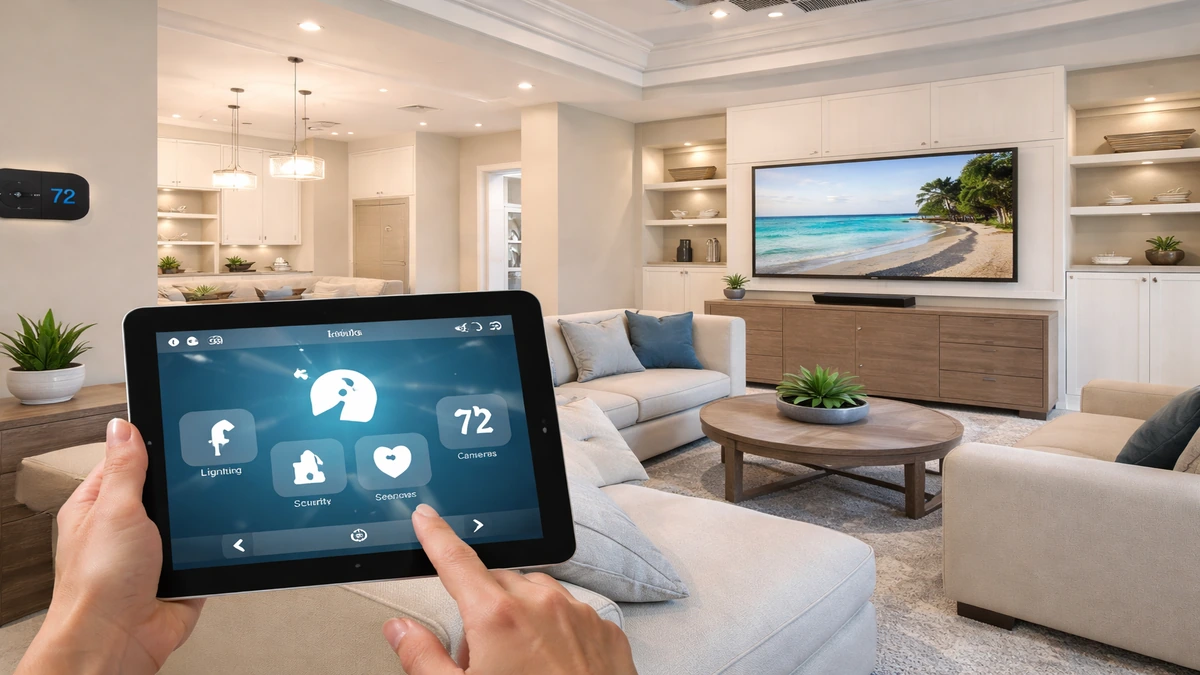
Smart Home Automation Installation
Integrated control for lighting, climate, security, and entertainment.
4 minutes
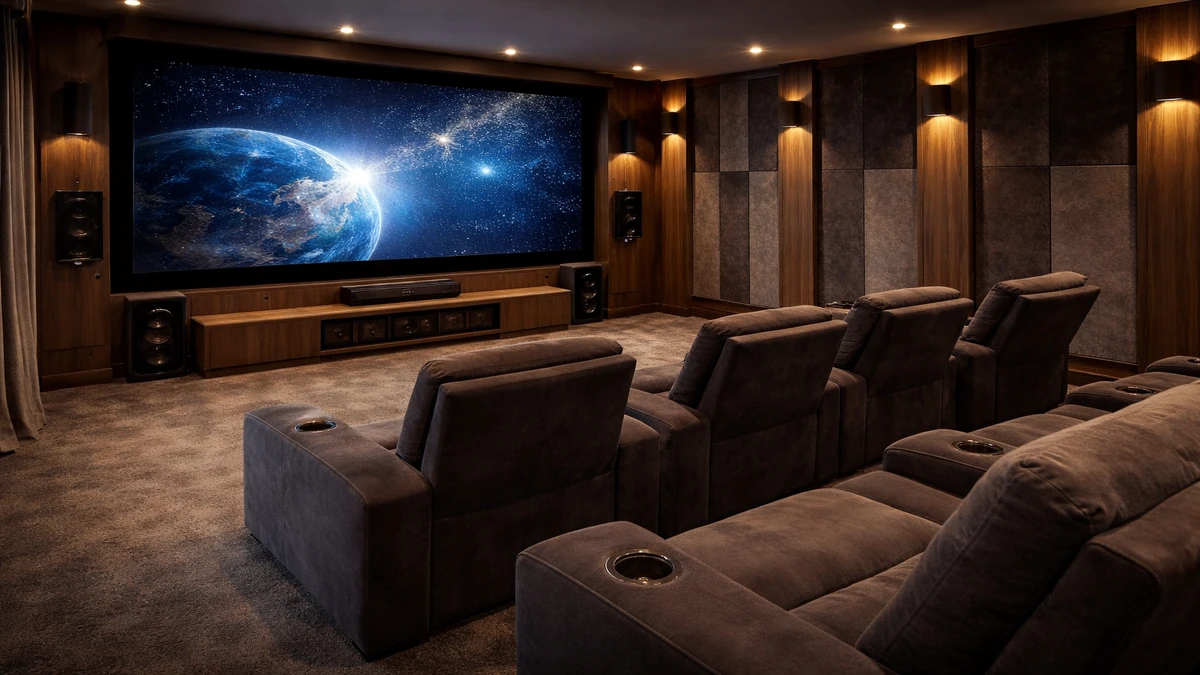
Home Theater Installation
Custom theater rooms designed for immersive picture, sound, and comfort.
4 minutes
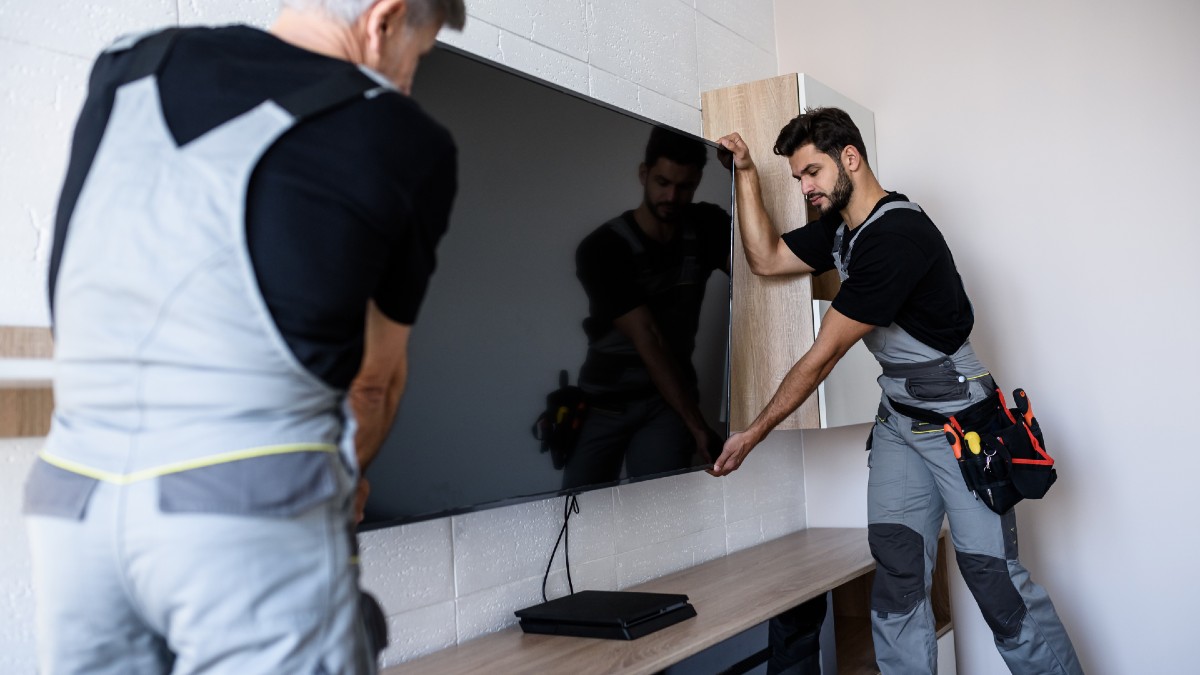
TV Wall Mounting
Professional TV mounting for cleaner layouts and better viewing angles.
5 minutes
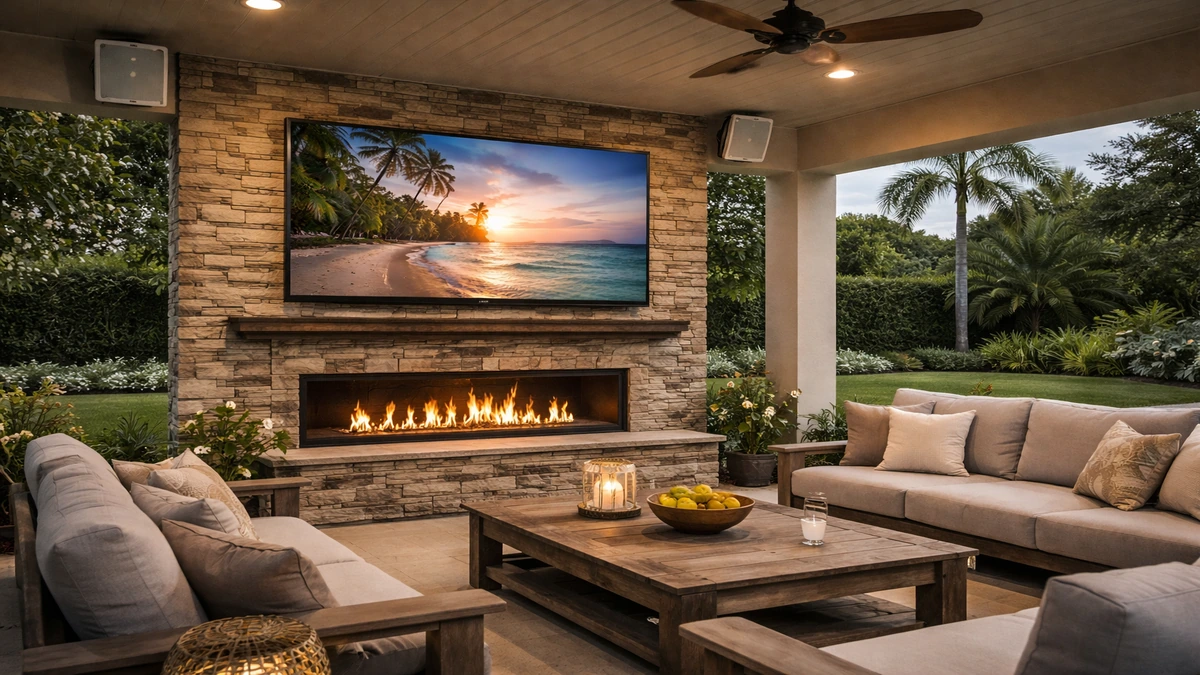
Outdoor TV Installation
Weather-aware outdoor TV setups built for patios, lanais, and pool areas.
5 minutes
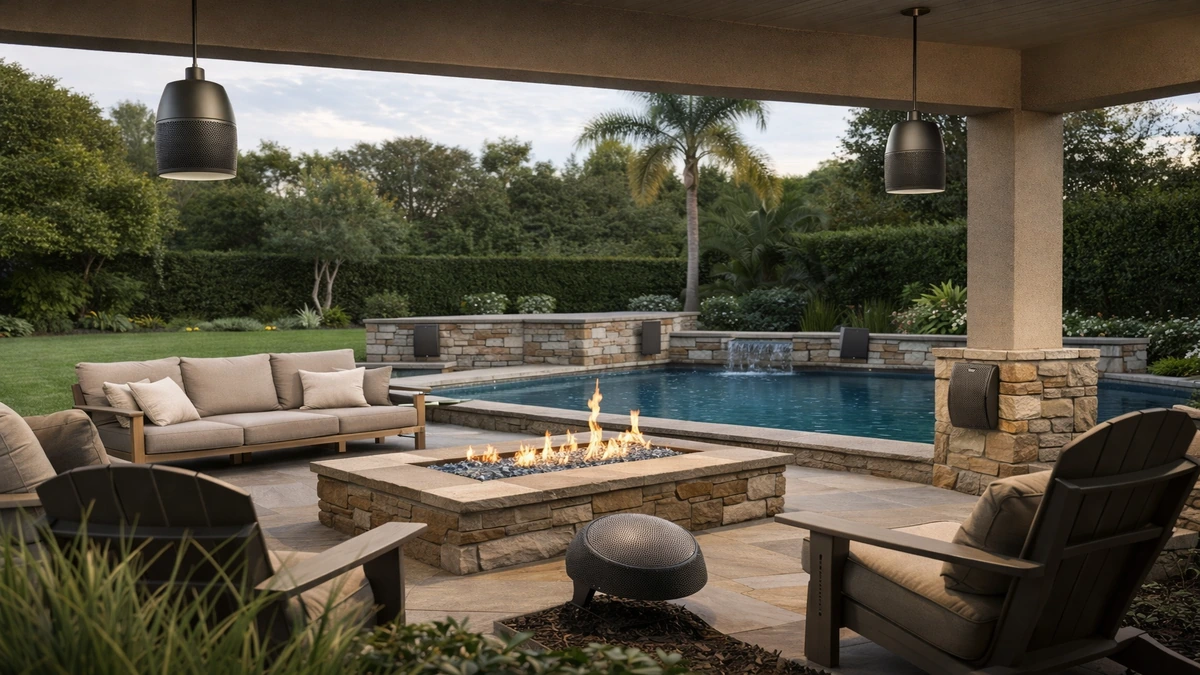
Outdoor Audio Installation
Outdoor speaker systems planned for clear sound and reliable coverage.
4 minutes
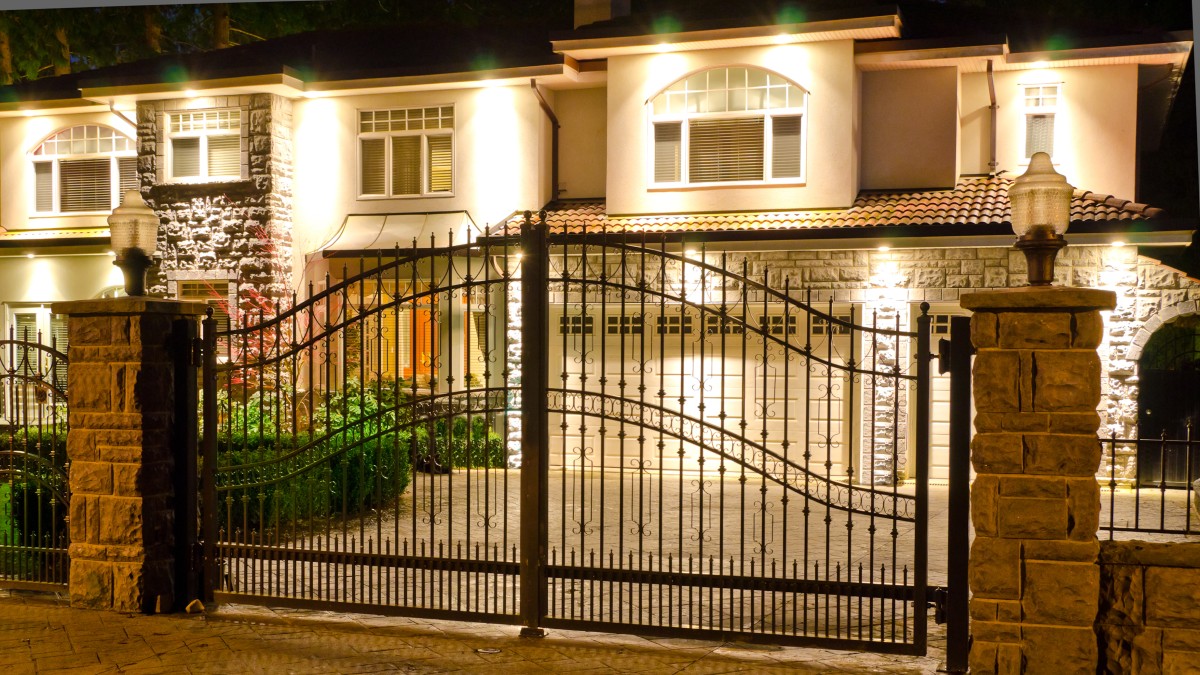
Automatic Gates
Secure, convenient gate automation with access control and entry integration.
4 minutes
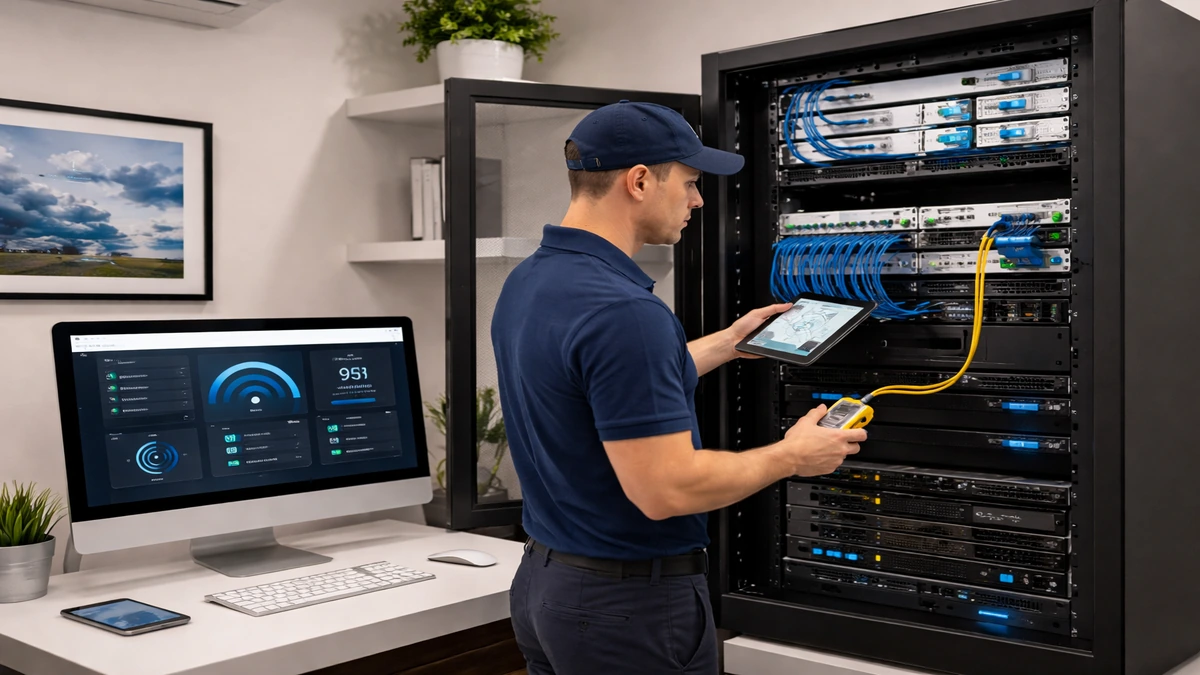
Home Network Installation
Stronger Wi-Fi, better coverage, and dependable connectivity throughout the property.
4 minutes
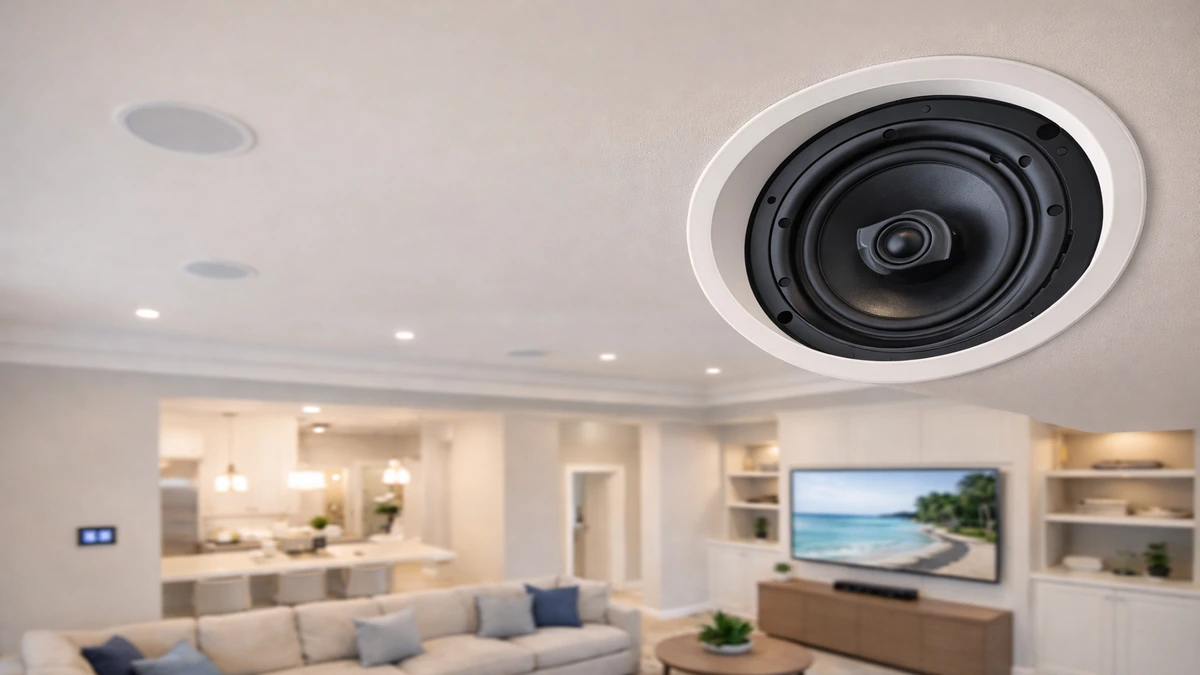
Ceiling Speaker Installation
Clean in-ceiling audio solutions for music, TV, and multi-room sound.
4 minutes
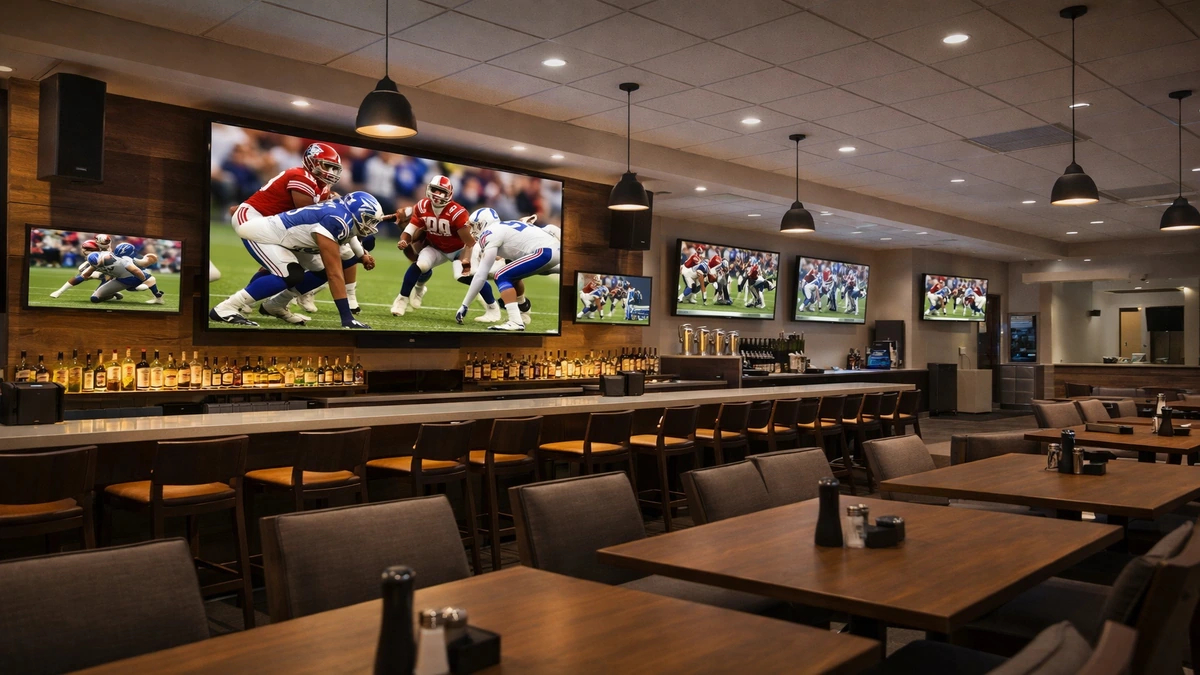
Commercial AV Installation
Professional audio, video, and control systems for business environments.
4 minutes
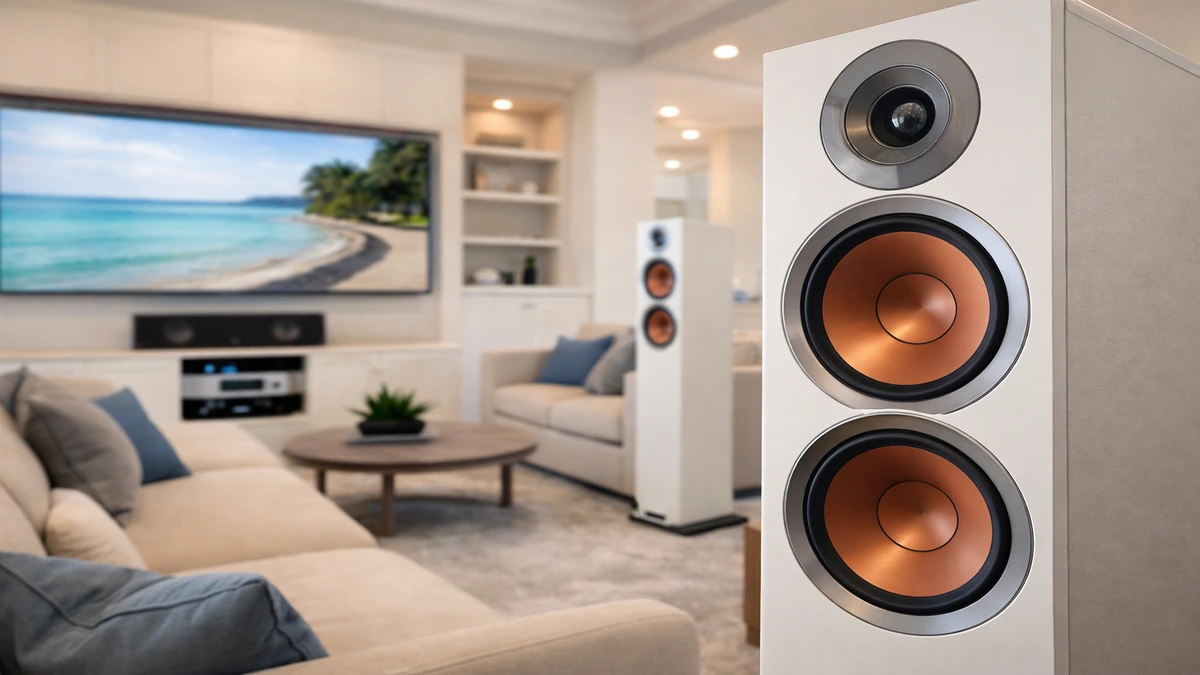
Home Audio Installation
Whole-home and room-based audio systems tailored to how you listen.
4 minutes

Marine Audio & Electronics Installation
Boat audio, displays, and electronics installed for performance on the water.
4 minutes

Security Camera Installation
Smart camera systems for visibility, alerts, recording, and remote monitoring.
4 minutes
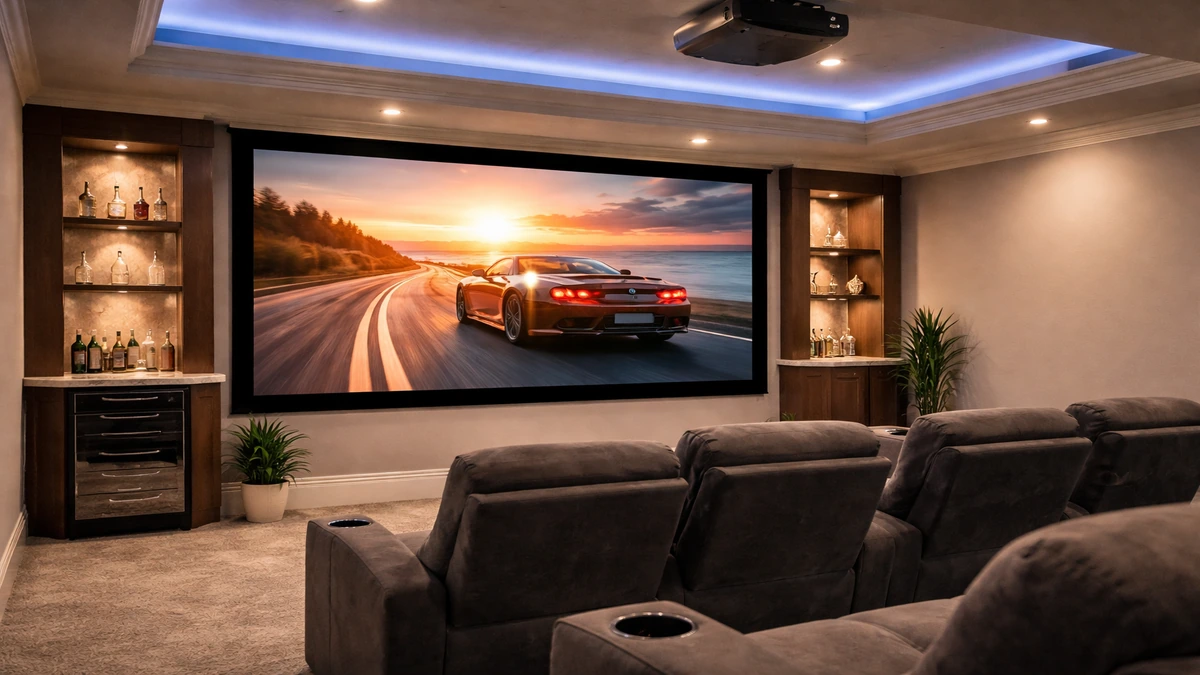
Projector Screen Installation
Projectors and screens configured for sharp viewing and balanced room performance.
4 minutes
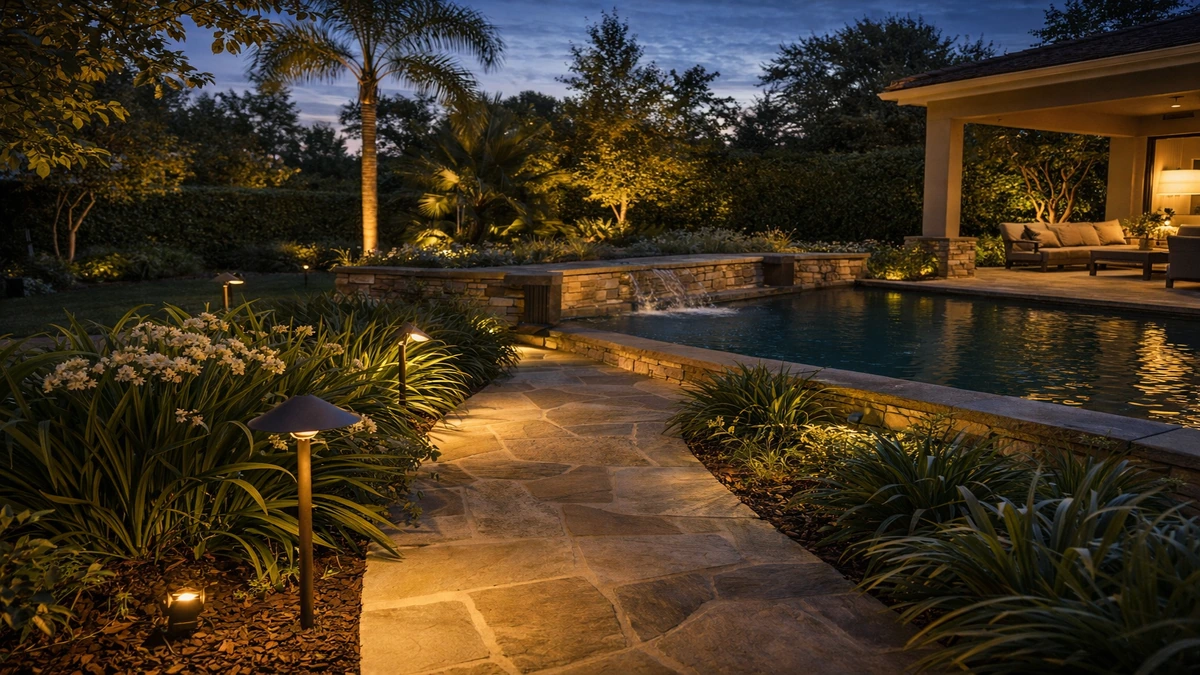
Outdoor Lighting Installation
Exterior lighting that improves curb appeal, ambiance, and nighttime usability.
4 minutes
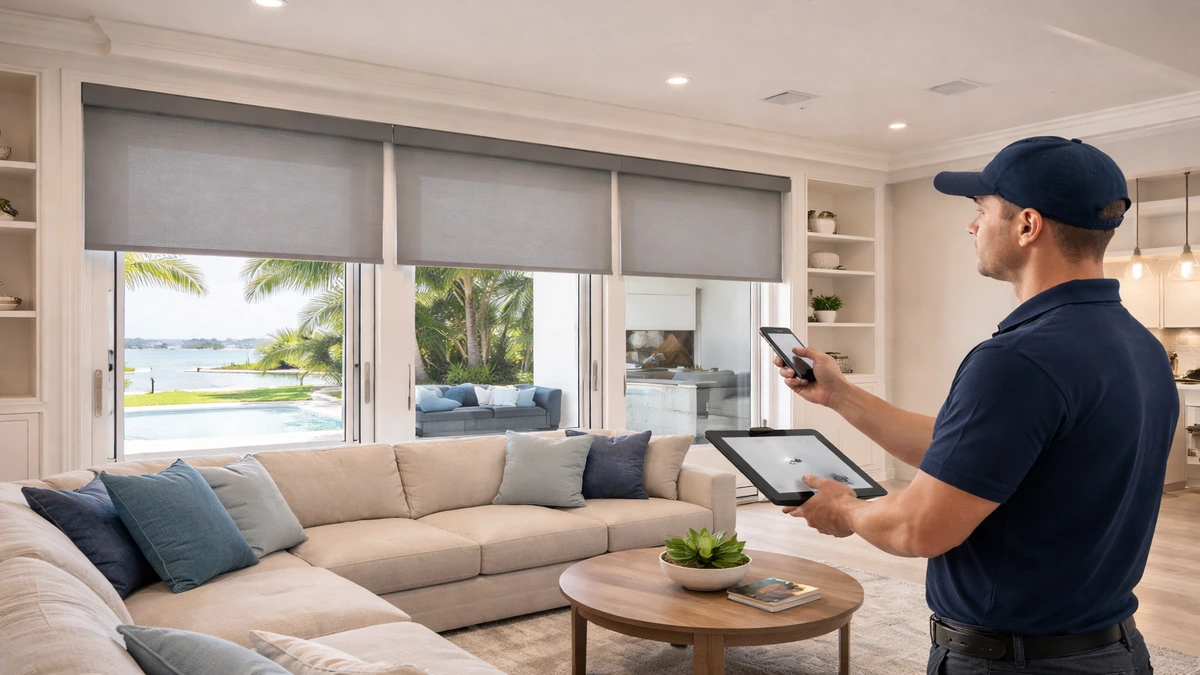
Motorized Blinds Installation
Automated shading for privacy, glare control, and everyday convenience.
4 minutes

Conference Room AV Installation
Meeting room technology for clearer presentations, calls, and collaboration.
4 minutes
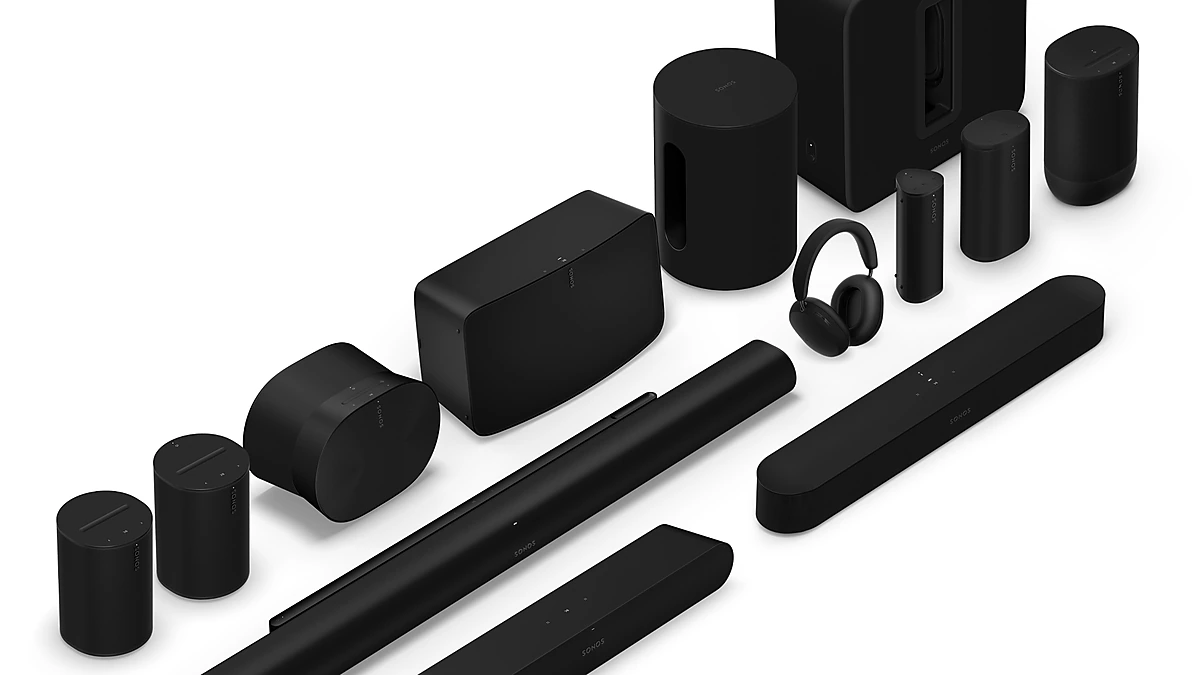
Sonos Installation
Sonos system design, setup, and tuning for simple multi-room audio.
4 minutes
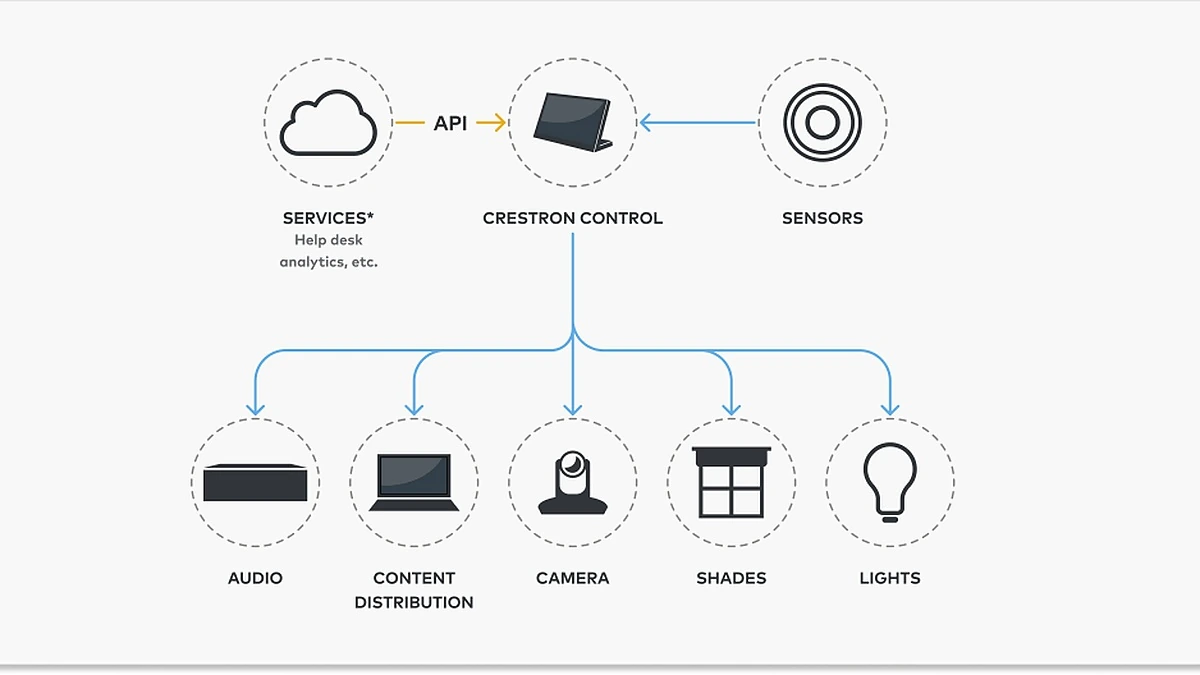
Crestron Installer
Advanced Crestron control integration for high-performance smart home environments.
4 minutes
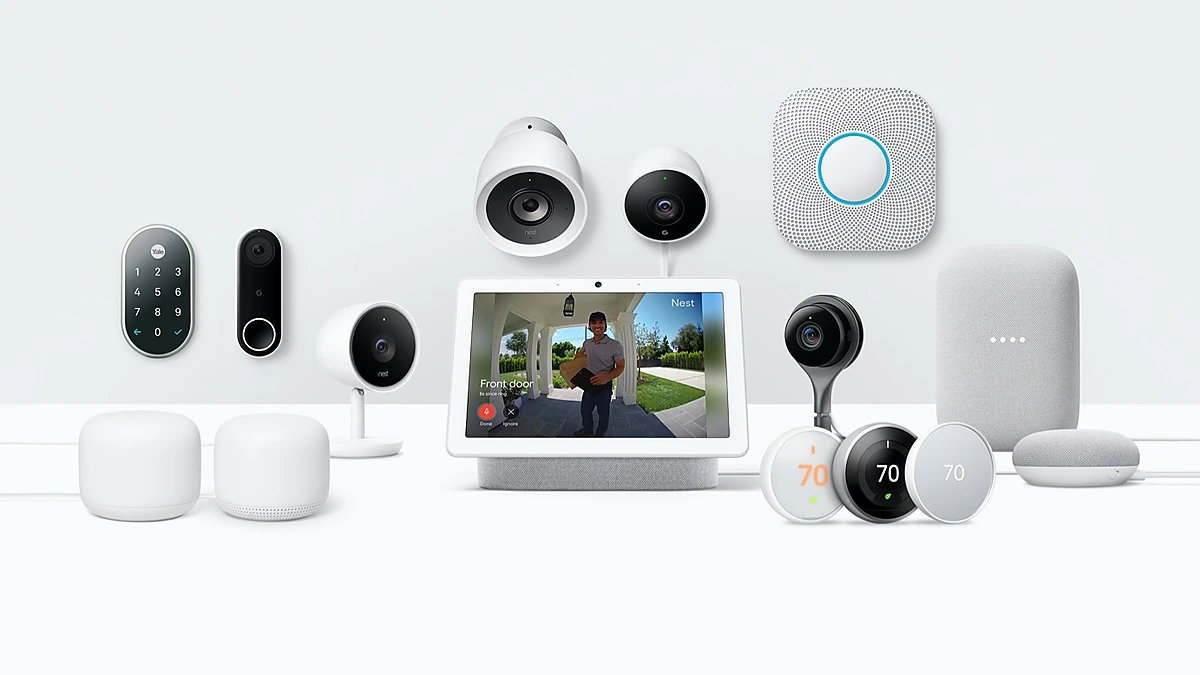
Nest Installer
Nest thermostat and smart home setup for comfort and remote control.
4 minutes
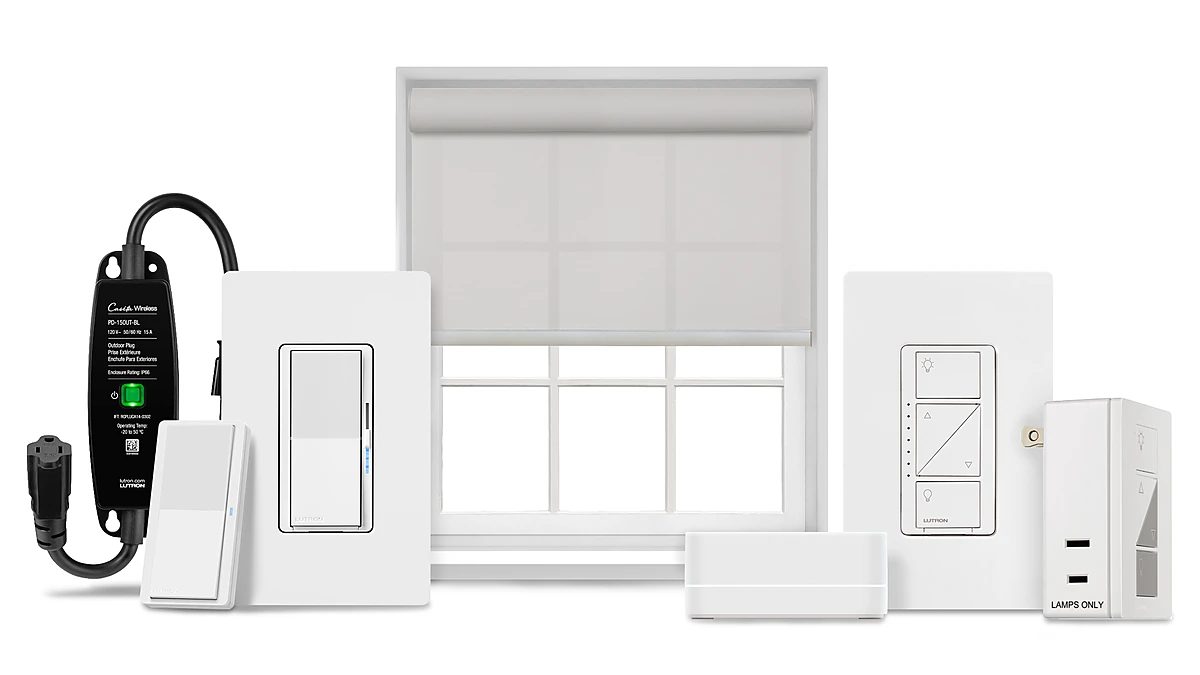
Lutron Installer
Lutron lighting and shading integration for smoother control and scene setting.
4 minutes
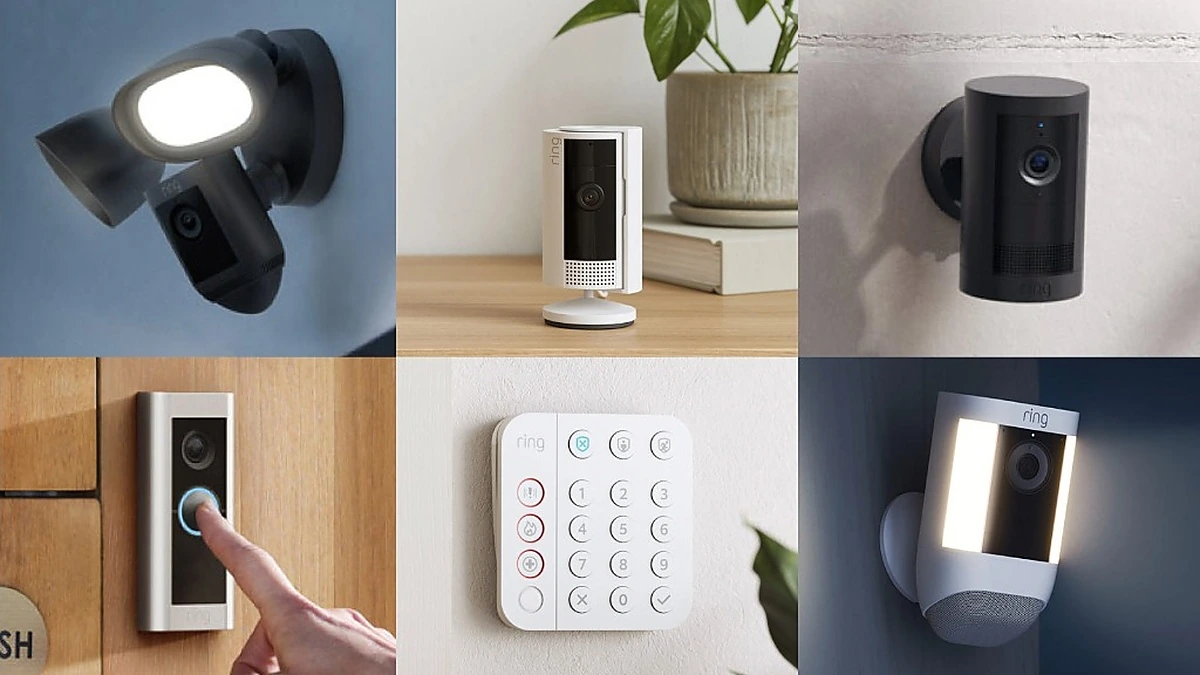
Ring Installation
Ring doorbells and cameras installed for better awareness and entry visibility.
5 minutes
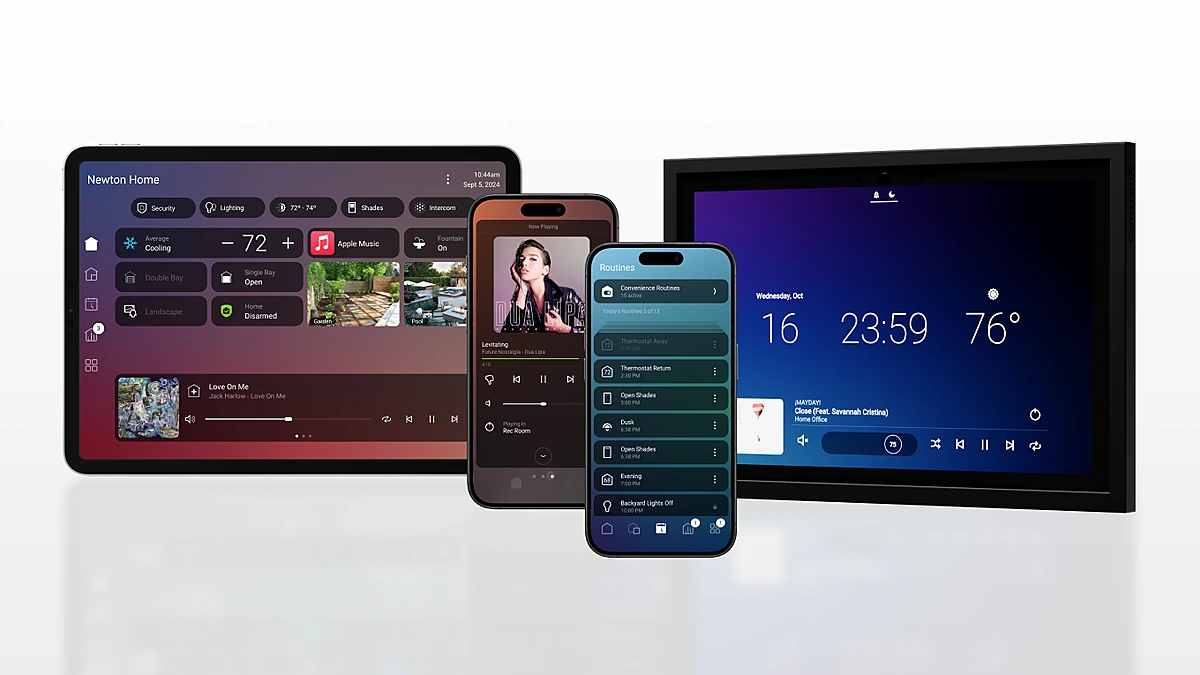
Control4 Installer
Control4 automation setup for unified entertainment, comfort, and home control.
4 minutes

Car & Truck Audio / Electronics Custom Upgrades
Custom mobile audio and electronics upgrades for better sound and functionality.
3 minutes
Neither a house town nor a tower town
Stuart sits in a category that gets very little written about it. Just over a third of its 10,360 homes are houses — the lowest share nearby — but it is not a high-rise market either, with fewer than one home in five in a building of twenty units or more. The bulk sits in between, in small and mid-sized blocks of five to nineteen units. That middle is its own problem: too large to treat as a house, too small to have been built with the service infrastructure a tower takes for granted.
That middle ground has its own character, and it is genuinely awkward for anyone planning a system. Small buildings rarely have the service infrastructure of a tower — no dedicated risers to speak of, no building engineer, sometimes no drawings at all. But they still have shared walls, shared roofs and shared decisions, so you cannot simply treat a unit as a house you happen to own. Practical routing questions get answered by inspection rather than by looking up how the building was designed.
For a whole-home system that argues strongly for surveying first and specifying second. In a detached house you can usually predict the routes before you arrive. Here the useful information — what is above the ceiling, whether the wall is shared, where a cable can cross without leaving the unit — is only knowable by looking. A design settled before that visit tends to be a design revised after it.
More renters and more seasonal use than its neighbours
Of Stuart's 8,195 occupied homes, 4,793 are owner-occupied and 3,402 are rented — a materially higher rental share than the towns around it. At the same time 59.9% of its vacant homes are held for seasonal or occasional use, the highest of its neighbours. So the housing splits into three groups with genuinely different needs: year-round owners, tenants, and owners who are here for part of the year.
If your property falls in the last two groups, design for handover as much as for use. That means a control layout someone can operate without being shown, documentation that survives a change of occupant, and installations that come out cleanly at the end of a tenancy rather than taking finishes with them. It also means favouring remote diagnosis: a fault you can look at without arranging entry is worth a great deal in a home you are not standing in.
Older stock, and the cheapest homes in its group
The largest group of Stuart homes was built between 1970 and 1979, and the median home dates from the 1980s. Median value here is $291,300 — noticeably below the surrounding towns, some of which sit half as high again. That combination usually means a market where a project has to justify itself on what it delivers rather than on what it costs, and where the difference between a considered installation and a rushed one shows quickly.
Practically, older small-multifamily stock rewards restraint in the visible layer and generosity in the parts nobody sees. Pull more cable than today's design needs while a route is open, because the second cable is nearly free and the second visit is not. Give the equipment somewhere with power, ventilation and access, which in a compact floor plan takes deliberate planning rather than luck. Then keep what faces the household simple enough that it does not need explaining.
The sequence is the same one that works anywhere, and it matters more here than in a predictable house: survey what the building actually allows, agree the finish standard before anything is opened, size the infrastructure for what the property will be asked to carry later, and choose the visible equipment last.
It is worth noting how little of Stuart sits in large buildings: just 571 homes are in structures of fifty units or more. Most of what people here call a condominium is a low-rise building of a few dozen units, and that distinction is practical rather than semantic. Low-rise buildings tend to have shorter cable runs and easier roof access, but they also tend to lack a plant room, a service lift or anywhere obvious to put equipment. Finding that space is usually the first real design decision.
Taken together — small buildings, a high rental share and the highest seasonal occupancy nearby — Stuart rewards systems that are easy to hand over and easy to leave alone. Neither of those is achieved by adding capability. Both are achieved by deciding early what the system needs to do, and then declining to add anything that makes it harder to explain.