

Same Houses, Different Households Audio Video | Home Theater Installations Serving Indian Creek, FL
What one house allows is a fair guess at the next: Indian Creek is a village of 34 detached houses where 17 date from the 1960s and the 27 occupied homes divide almost evenly between owners and renters.
Transform Your World: Audio/Video, Home Automation, and Security Solutions
From immersive home theaters to smart security systems, discover top-tier enhancements for homes, vehicles, and boats tailored for convenience and luxury.
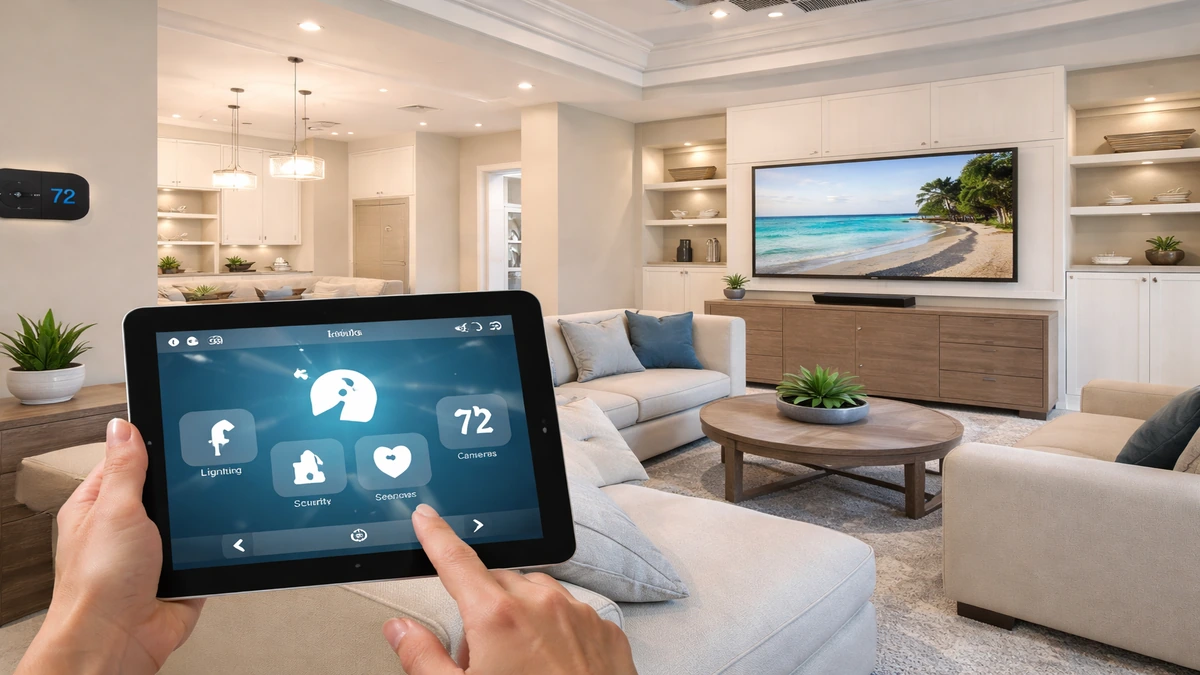
Smart Home Automation Installation
Integrated control for lighting, climate, security, and entertainment.
4 minutes
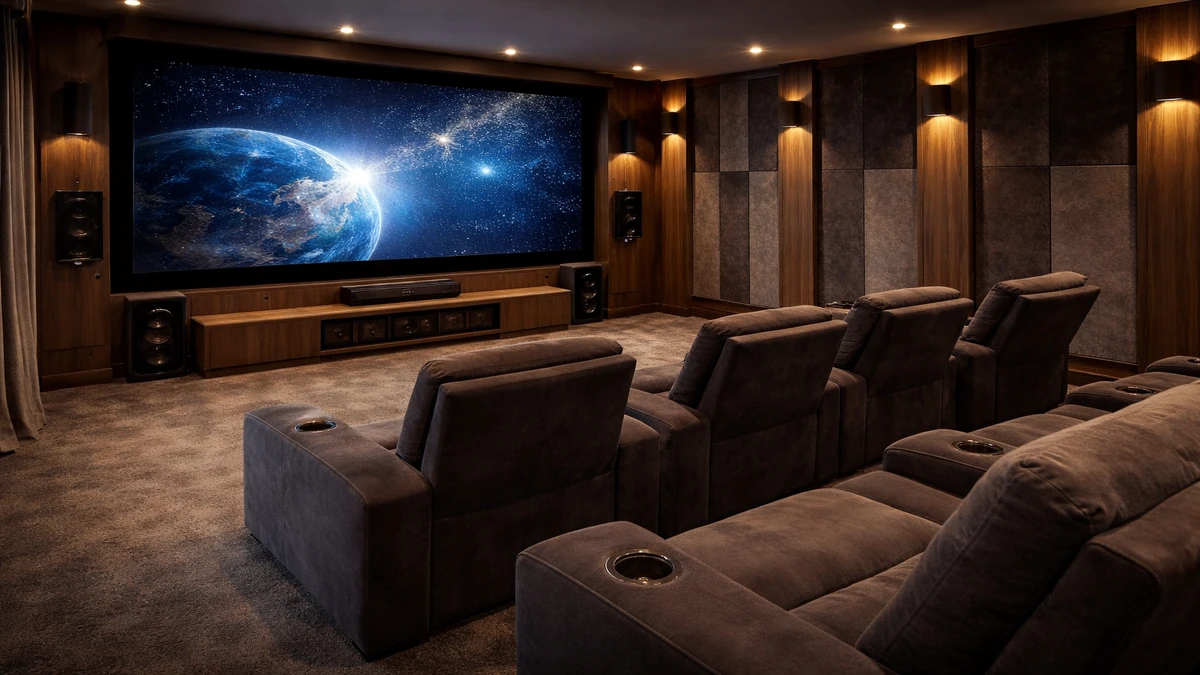
Home Theater Installation
Custom theater rooms designed for immersive picture, sound, and comfort.
4 minutes
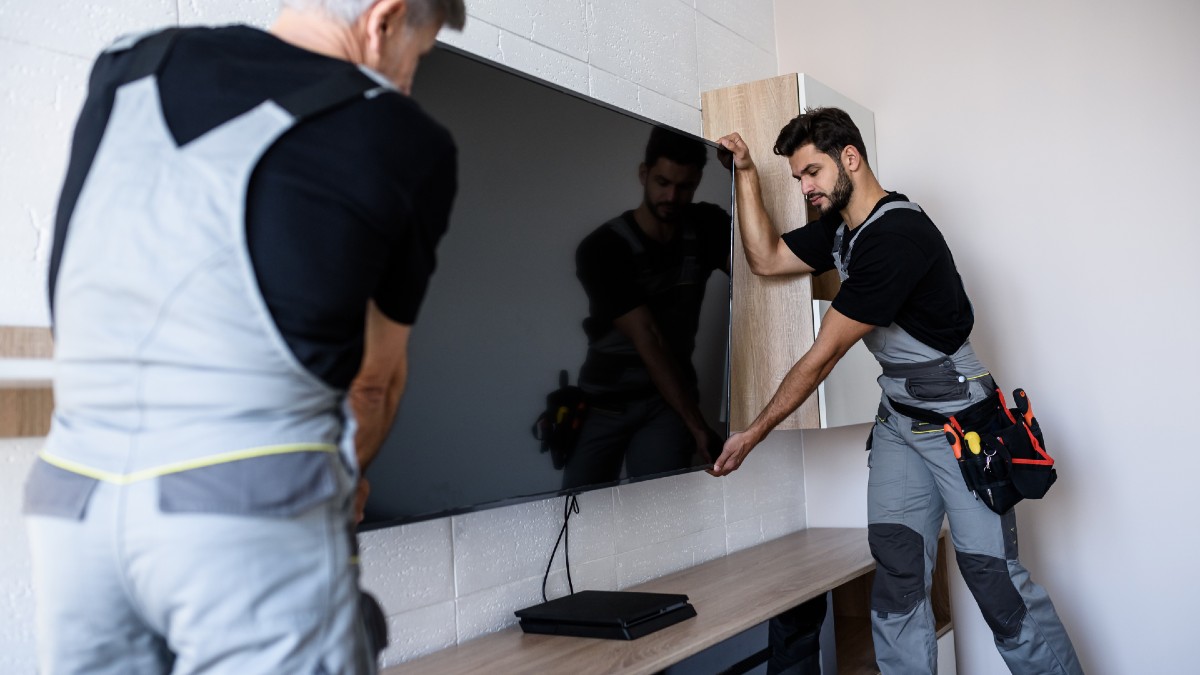
TV Wall Mounting
Professional TV mounting for cleaner layouts and better viewing angles.
5 minutes
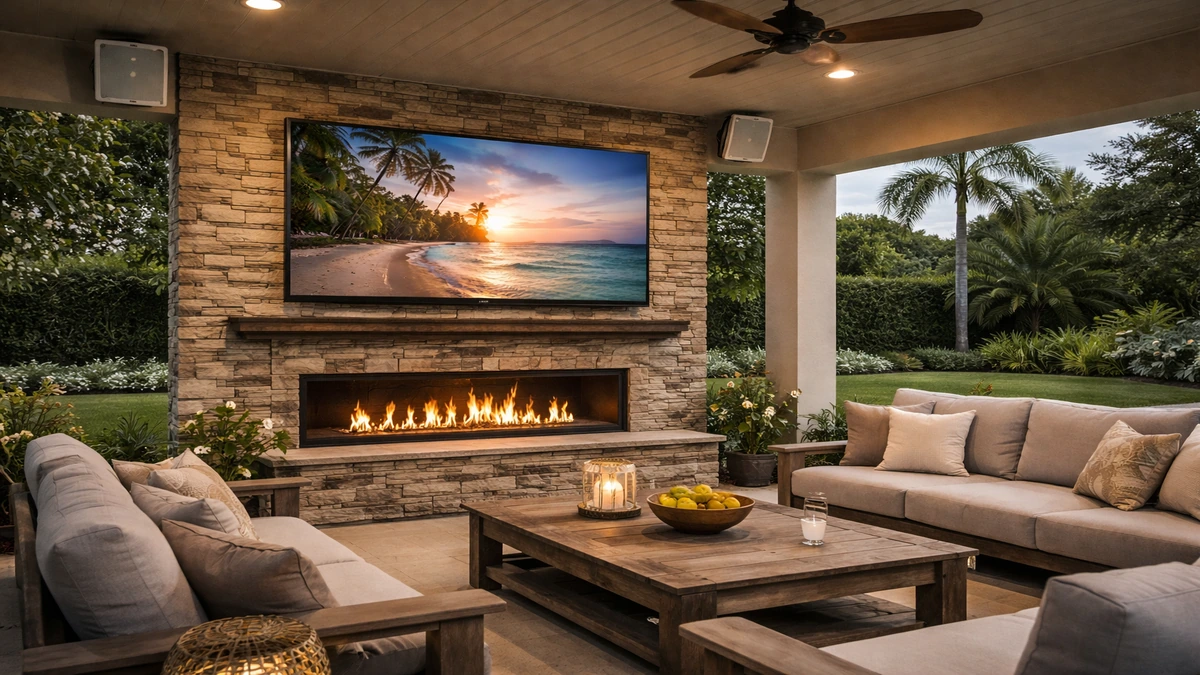
Outdoor TV Installation
Weather-aware outdoor TV setups built for patios, lanais, and pool areas.
5 minutes
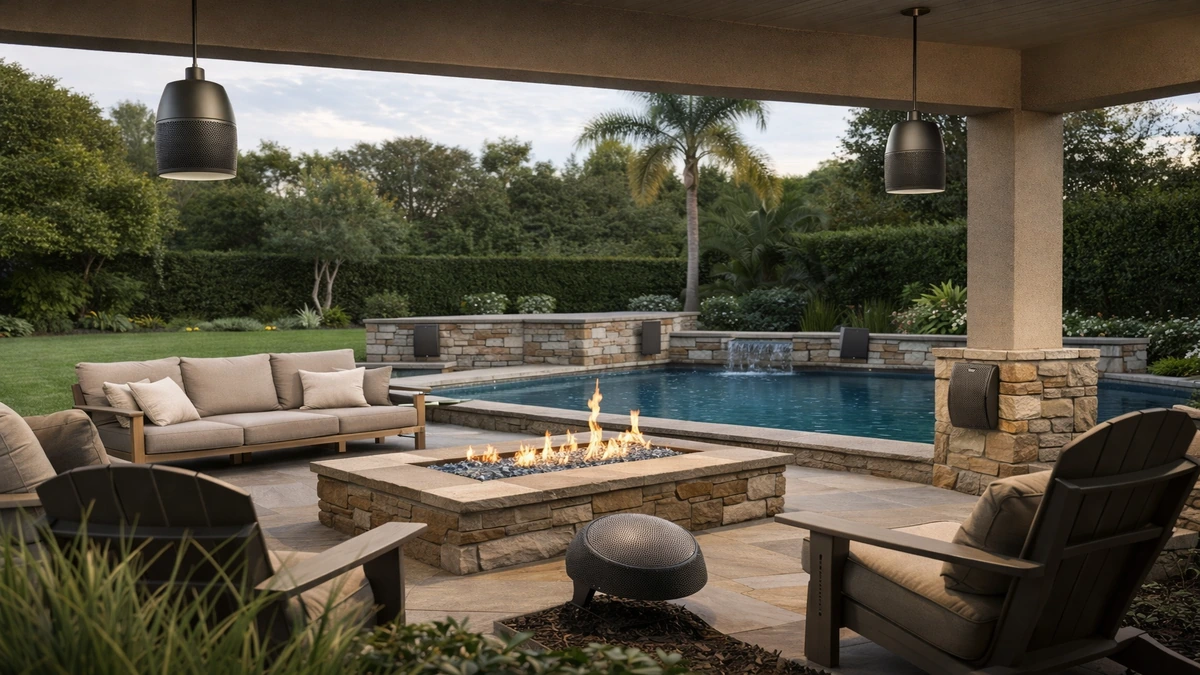
Outdoor Audio Installation
Outdoor speaker systems planned for clear sound and reliable coverage.
4 minutes
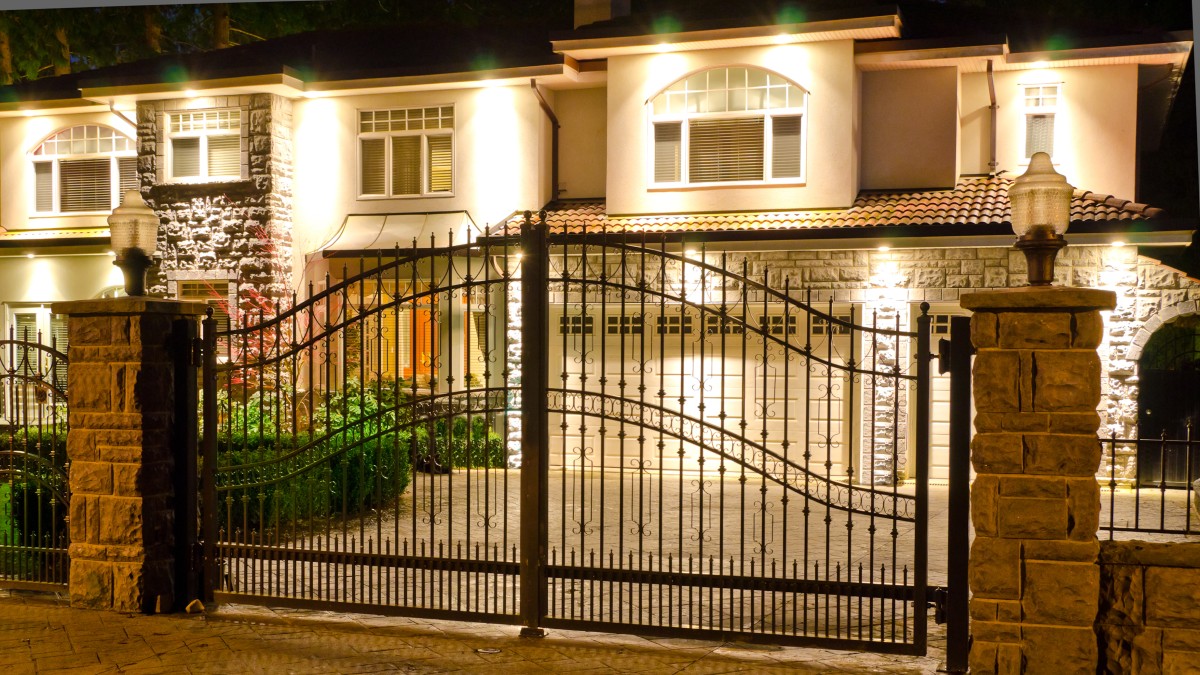
Automatic Gates
Secure, convenient gate automation with access control and entry integration.
4 minutes
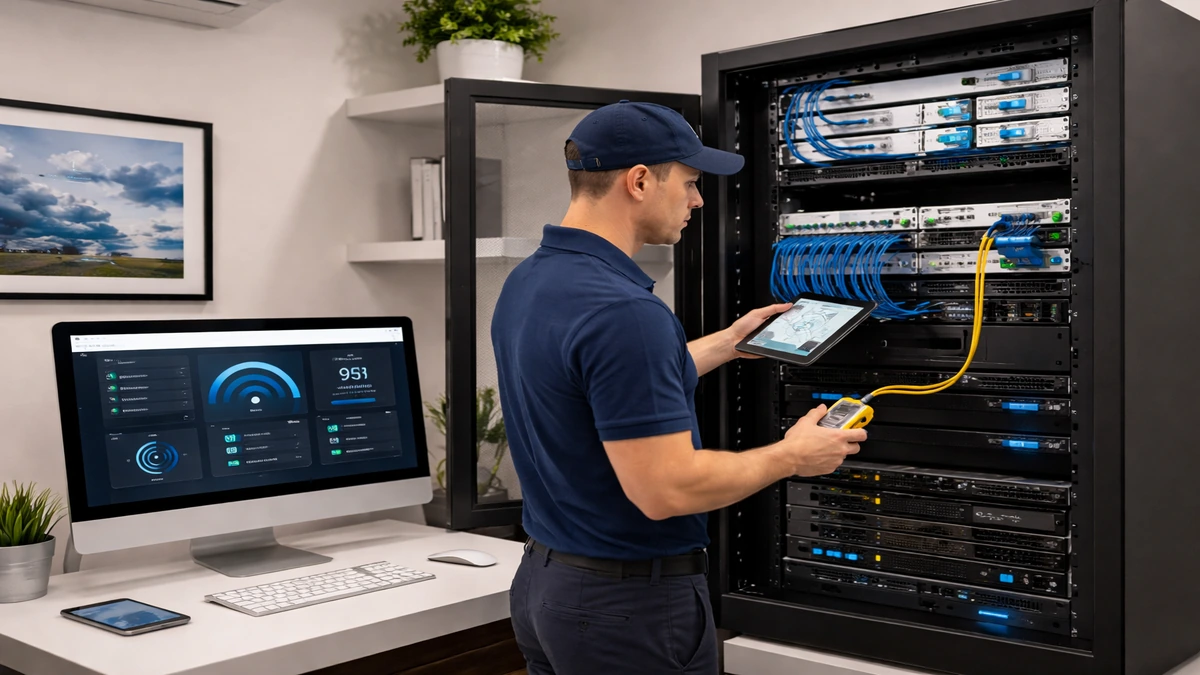
Home Network Installation
Stronger Wi-Fi, better coverage, and dependable connectivity throughout the property.
4 minutes
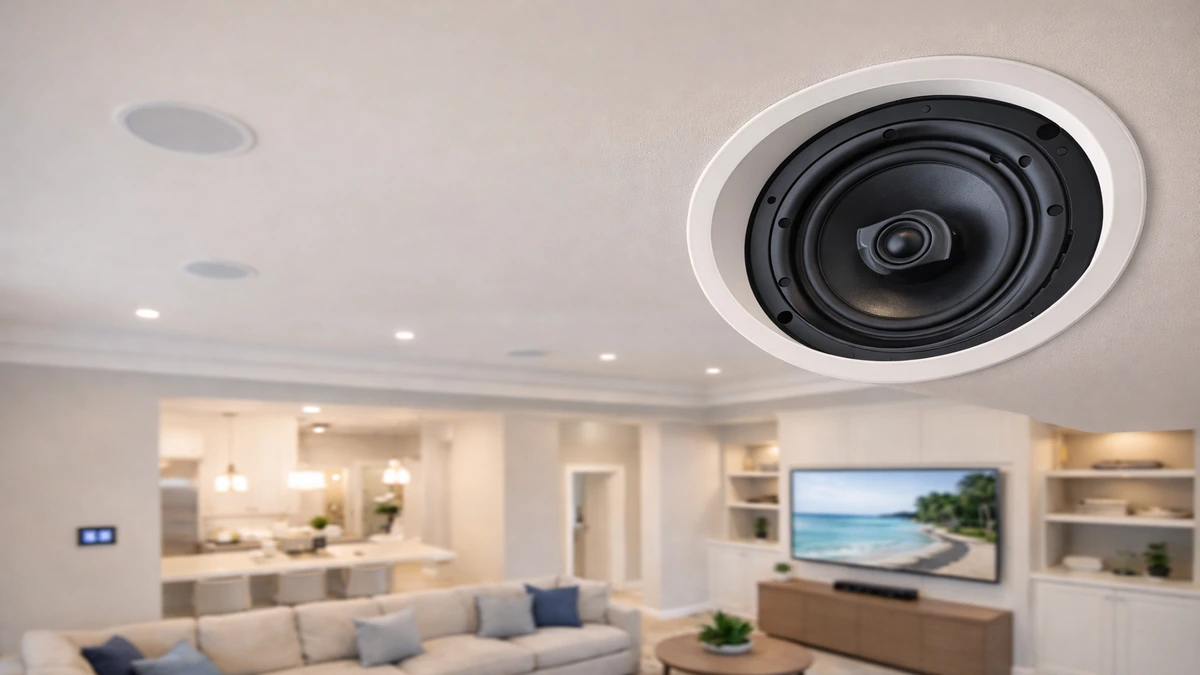
Ceiling Speaker Installation
Clean in-ceiling audio solutions for music, TV, and multi-room sound.
4 minutes
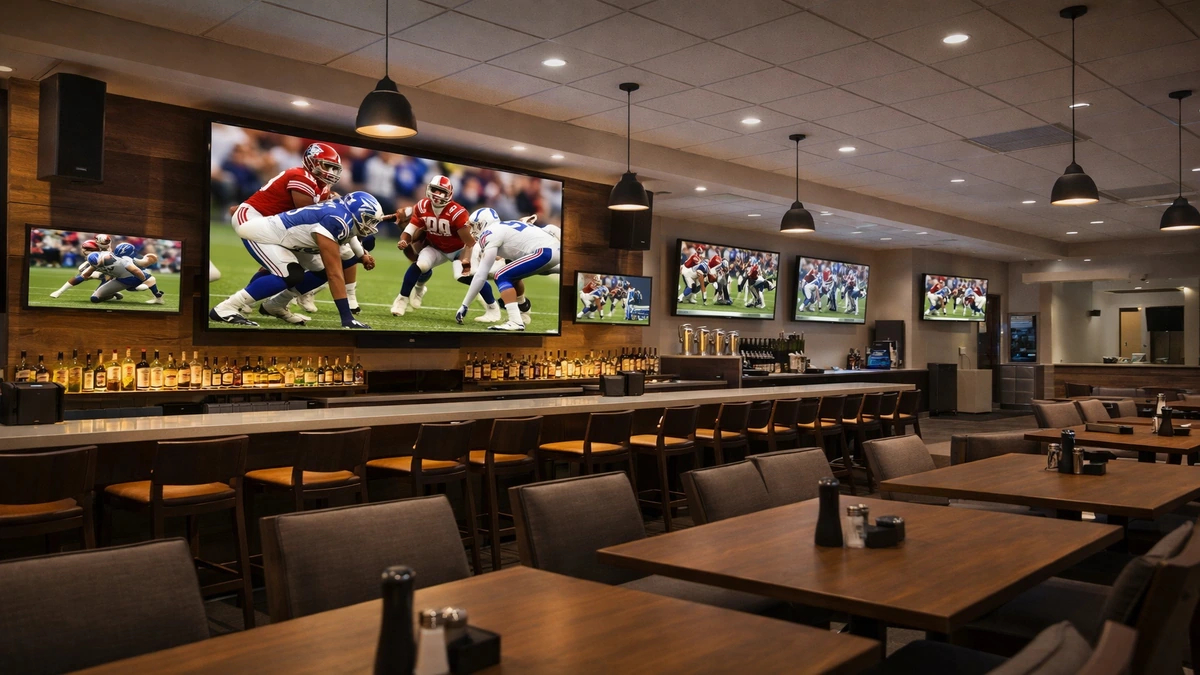
Commercial AV Installation
Professional audio, video, and control systems for business environments.
4 minutes
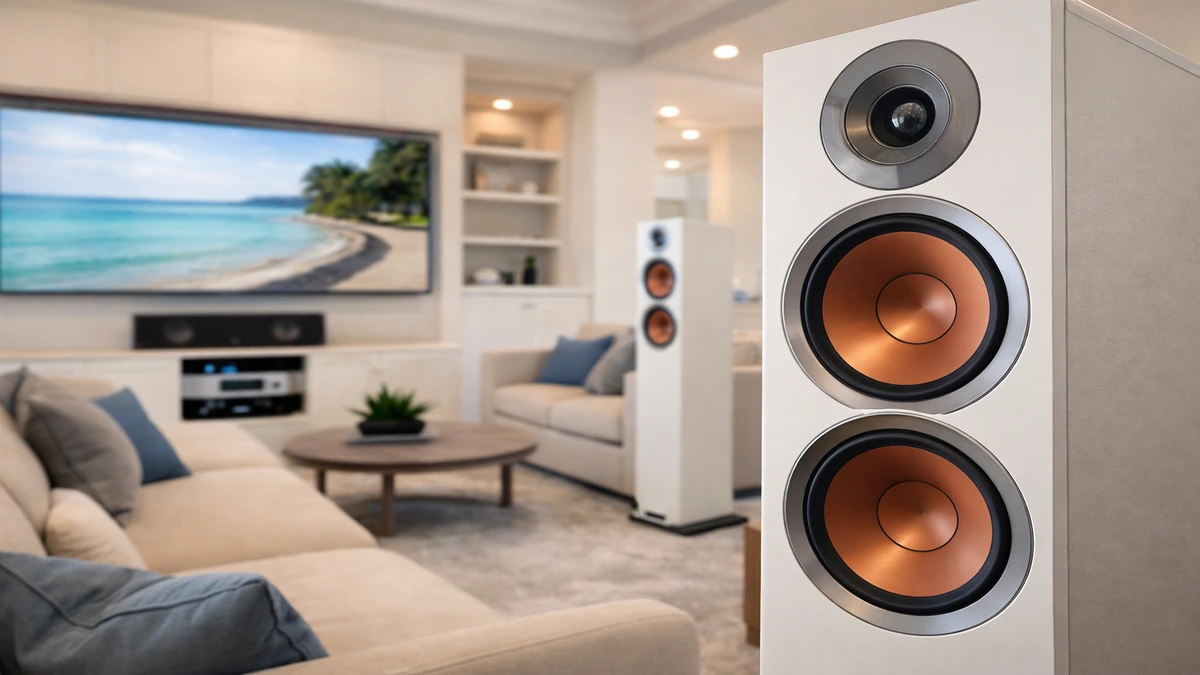
Home Audio Installation
Whole-home and room-based audio systems tailored to how you listen.
4 minutes

Marine Audio & Electronics Installation
Boat audio, displays, and electronics installed for performance on the water.
4 minutes
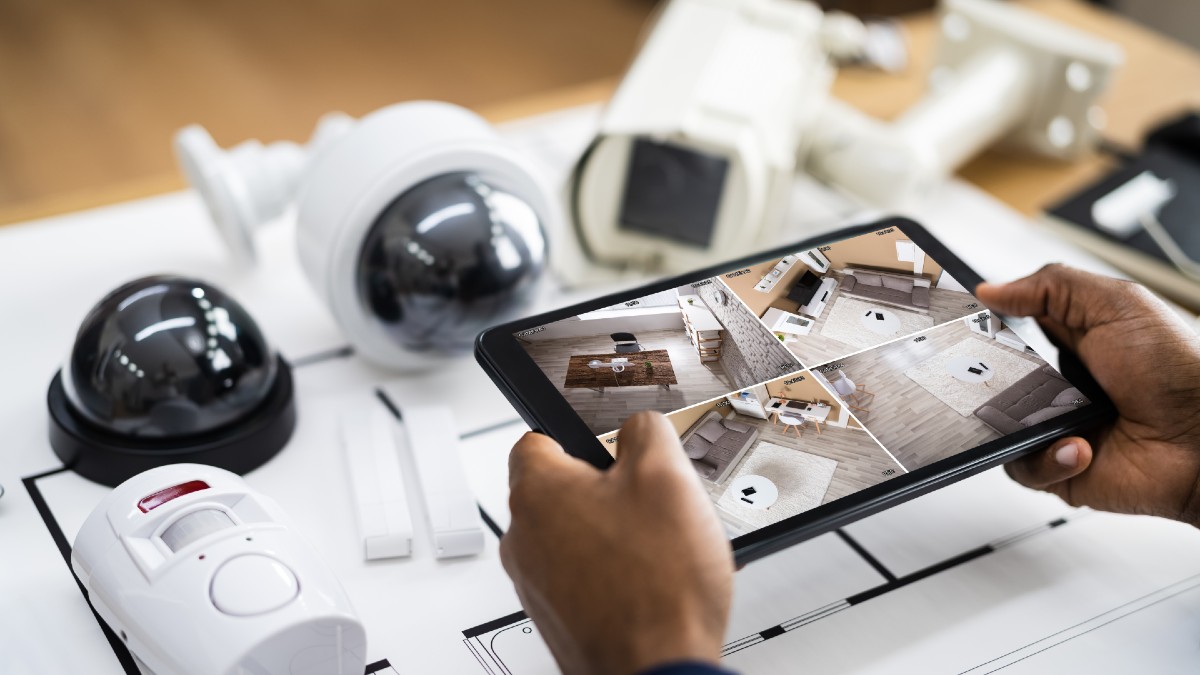
Security Camera Installation
Smart camera systems for visibility, alerts, recording, and remote monitoring.
4 minutes
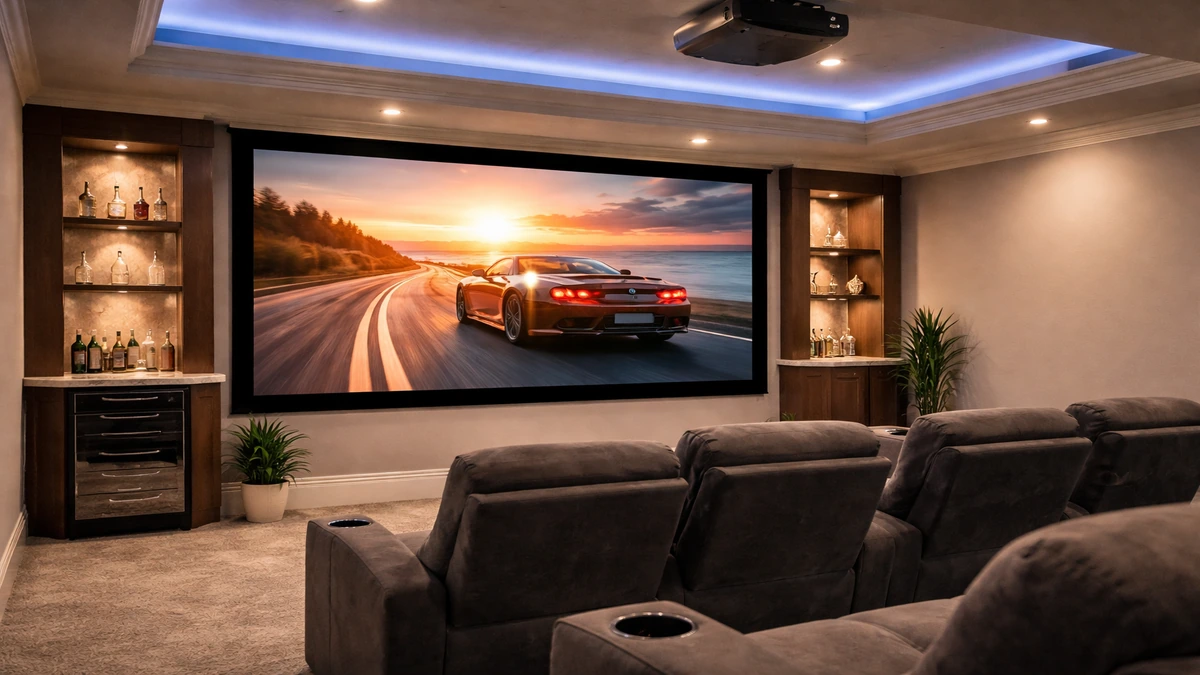
Projector Screen Installation
Projectors and screens configured for sharp viewing and balanced room performance.
4 minutes
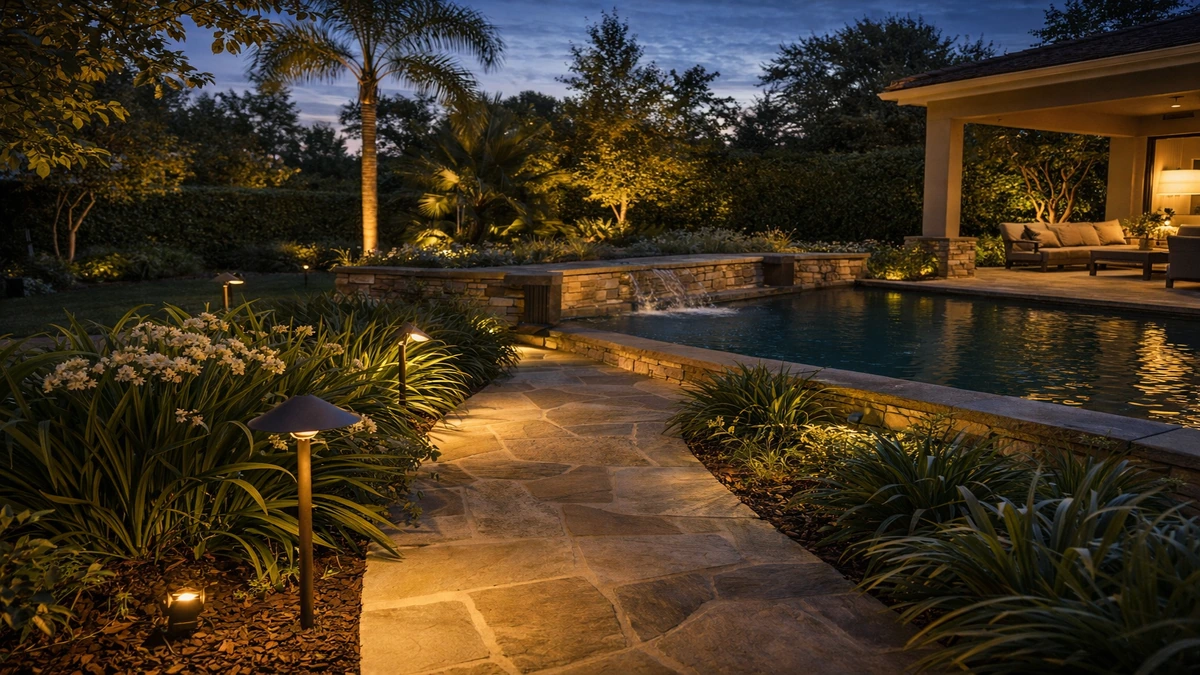
Outdoor Lighting Installation
Exterior lighting that improves curb appeal, ambiance, and nighttime usability.
4 minutes
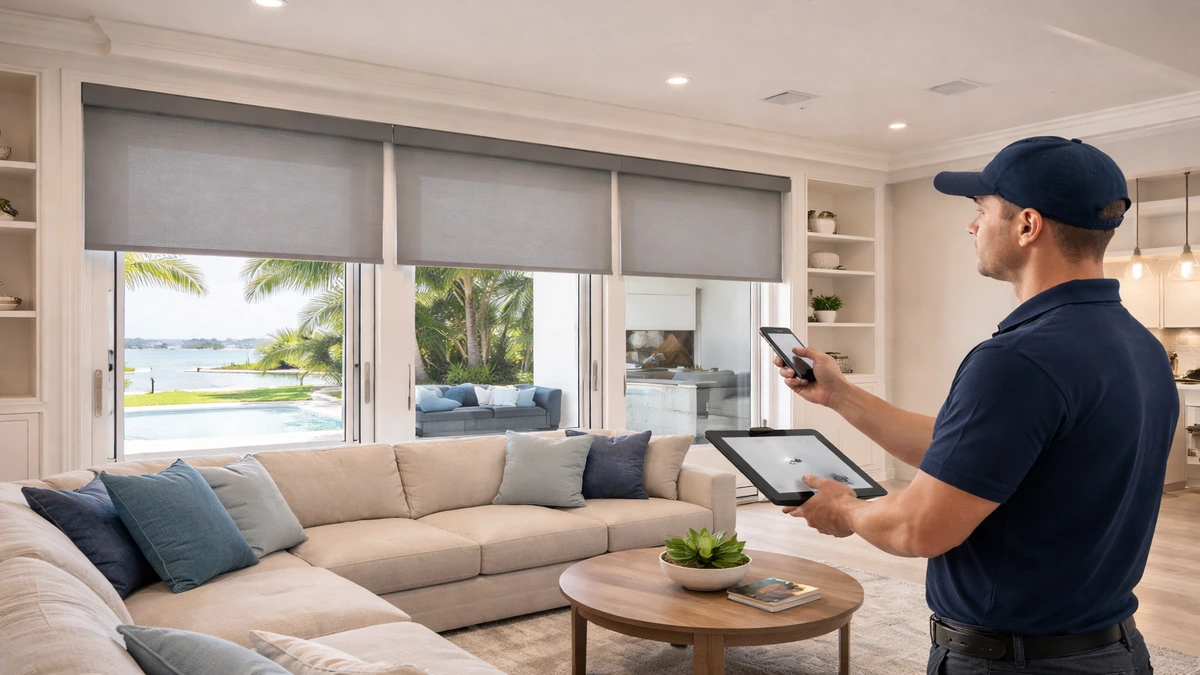
Motorized Blinds Installation
Automated shading for privacy, glare control, and everyday convenience.
4 minutes
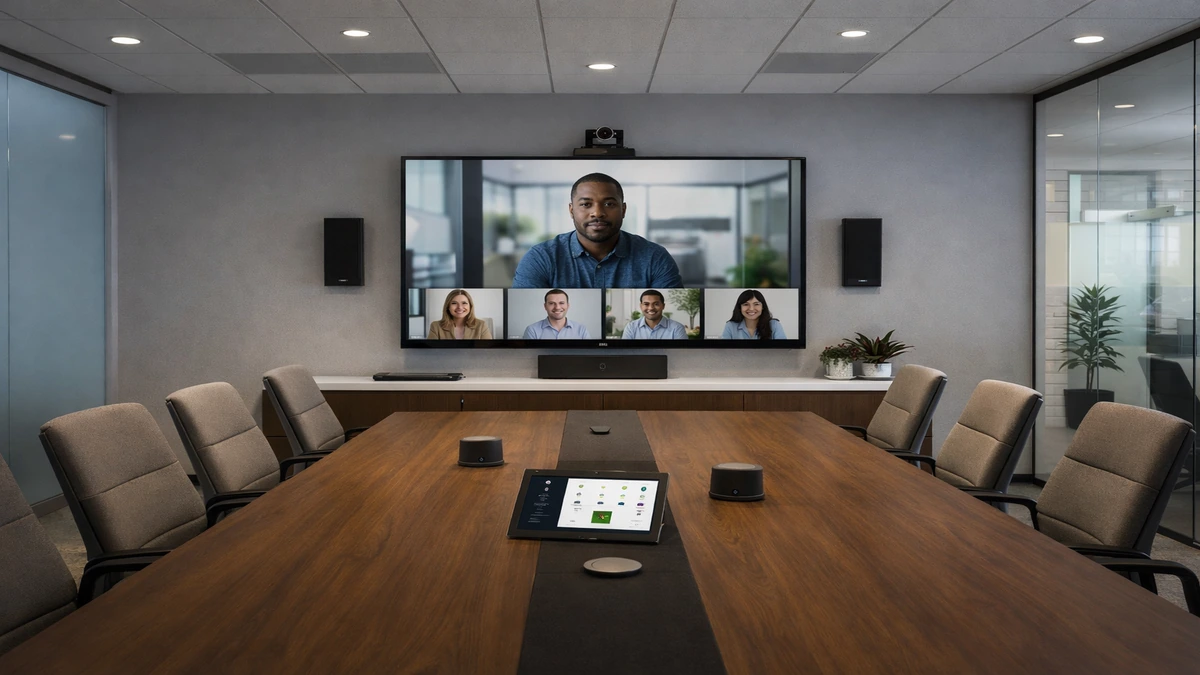
Conference Room AV Installation
Meeting room technology for clearer presentations, calls, and collaboration.
4 minutes
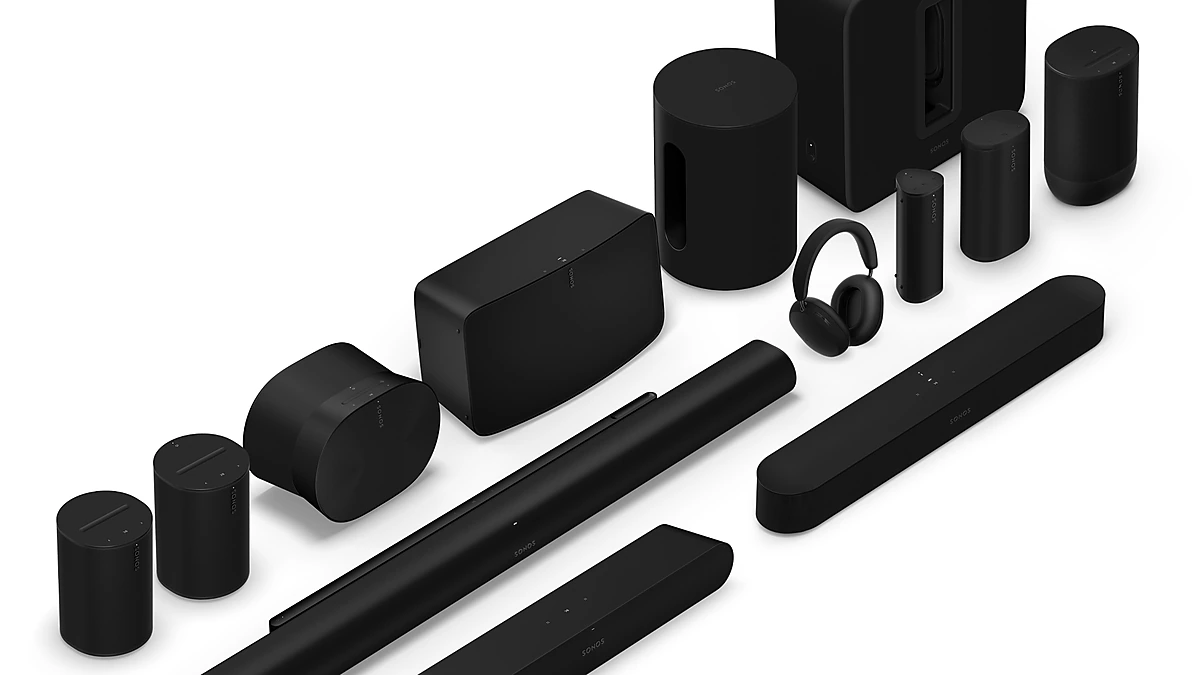
Sonos Installation
Sonos system design, setup, and tuning for simple multi-room audio.
4 minutes
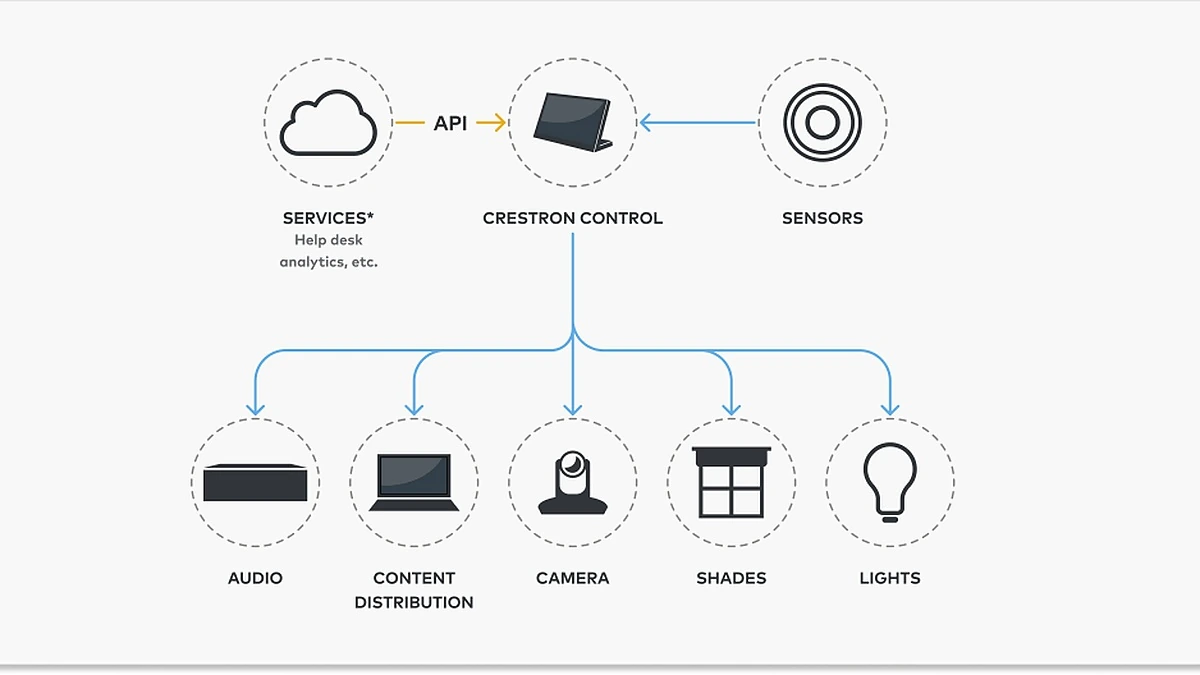
Crestron Installer
Advanced Crestron control integration for high-performance smart home environments.
4 minutes
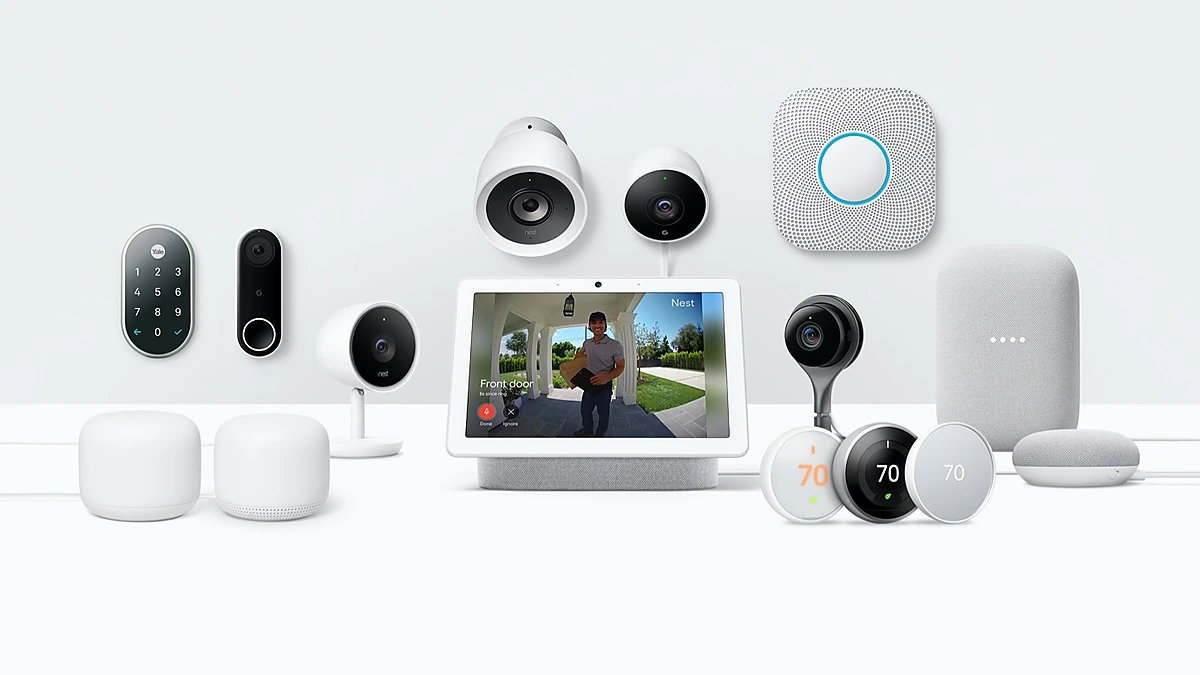
Nest Installer
Nest thermostat and smart home setup for comfort and remote control.
4 minutes
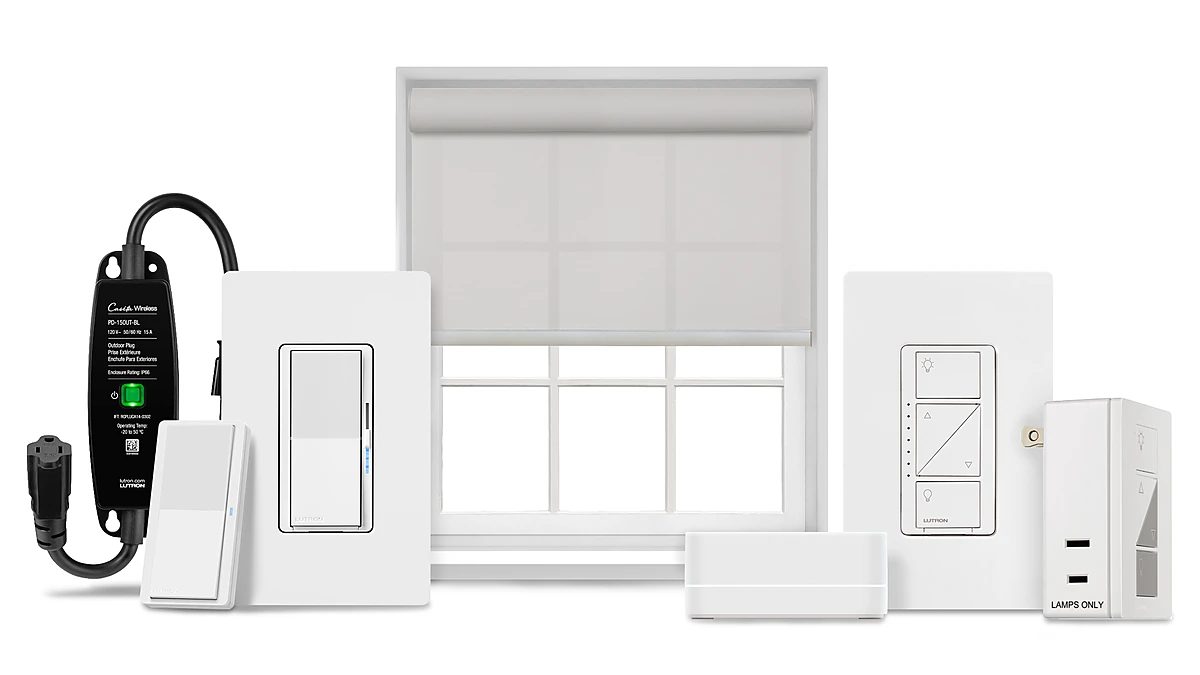
Lutron Installer
Lutron lighting and shading integration for smoother control and scene setting.
4 minutes
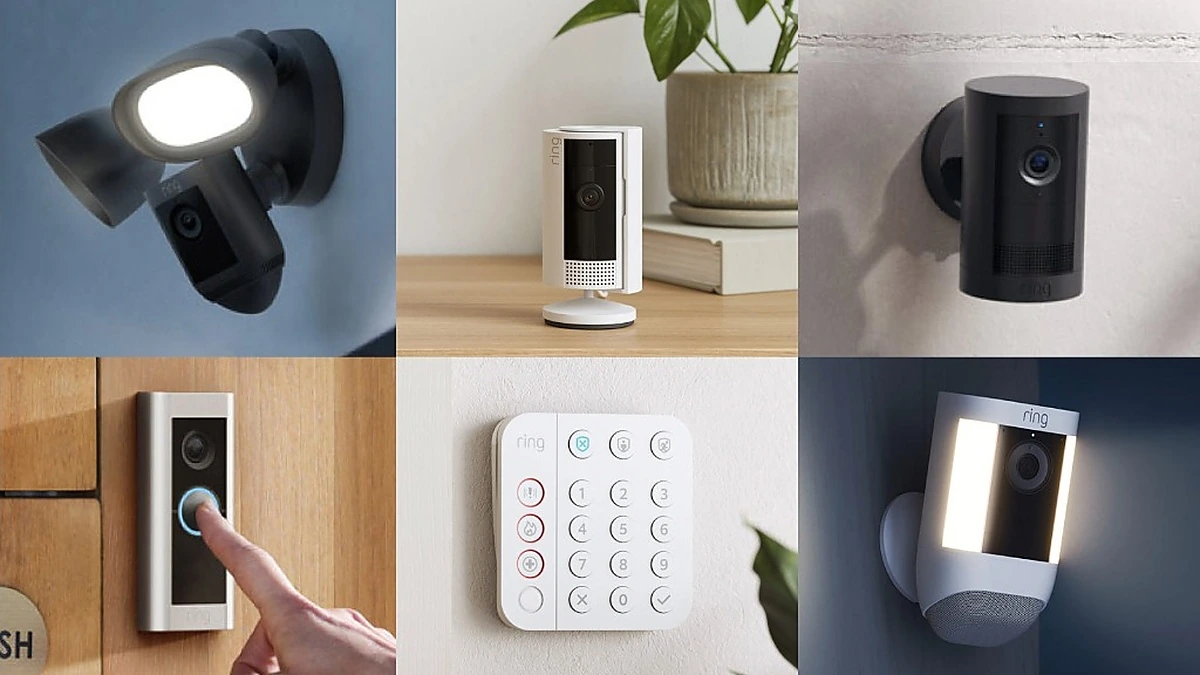
Ring Installation
Ring doorbells and cameras installed for better awareness and entry visibility.
5 minutes
Control4 Installer
Control4 automation setup for unified entertainment, comfort, and home control.
4 minutes

Car & Truck Audio / Electronics Custom Upgrades
Custom mobile audio and electronics upgrades for better sound and functionality.
3 minutes
Half of these houses came out of the same decade
Indian Creek is small enough that its housing survey is a short list. It counts 34 homes in the village, every one of them a detached house, and 17 of those 34 were built in the 1960s. Numbers this small deserve to be handled honestly: one household here is worth about four points of any share, and a five-year estimate built on a few dozen homes carries a margin that no table on a page like this shows. So read the direction and ignore the decimal. The direction is clear enough to be useful.
What a shared build era buys you is that the second house is easier to plan than the first. Construction of one generation tends to repeat: similar ceiling framing, similar wall build-ups, similar assumptions about what a house would ever be asked to carry, and no expectation of structured cabling in the original design. In-ceiling placement, the route from a rack to the far rooms, and where a speaker can sit without fighting the structure are questions with familiar answers here. Familiar is not the same as confirmed, so they still get checked before positions are agreed.
The occupied homes divide almost evenly between owners and renters
Of the 27 occupied homes, the survey records 13 as owner-occupied and 14 as rented. Treat that as a direction and not a ratio — a single move changes it. But the direction is worth something, because it says this is not a village where the occupant can simply be assumed to be the owner. The person sitting in front of the system may not be the person who commissioned it, and may never have been shown how any of it works.
That is a design instruction, not a caveat. Control has to be legible on sight: a keypad that says what it does, scenes for the way a room is actually used rather than a list of devices, and no step that depends on remembering a sequence somebody explained once. Mounting deserves the same thought, because fixings that come out cleanly are worth more in a house that changes hands than fixings that were merely quick. And a system that is labelled and documented can be picked up by whoever is asked to look at it next.
At this scale the village is not the planning unit; the house is. What the shared era gives you is a good first guess about the structure, which shortens the survey rather than replacing it. What the tenure figures give you is a reason to make the finished system explain itself. Settle the routes, agree what has to disappear, and leave behind something the next person in the room can operate without being taught.