

High-Rise, Seasonal Homes Audio Video | Home Theater Installations Serving Miami Beach, FL
The building decides the route here long before the equipment does: 64% of Miami Beach homes are in buildings of 20+ units and the median residence predates 1970.
Transform Your Space with Premium Audio and Smart Technology Solutions
Explore a range of specialized services from home theater setups and vehicle audio systems to automated gates and smart lighting, all designed to enhance your daily living.
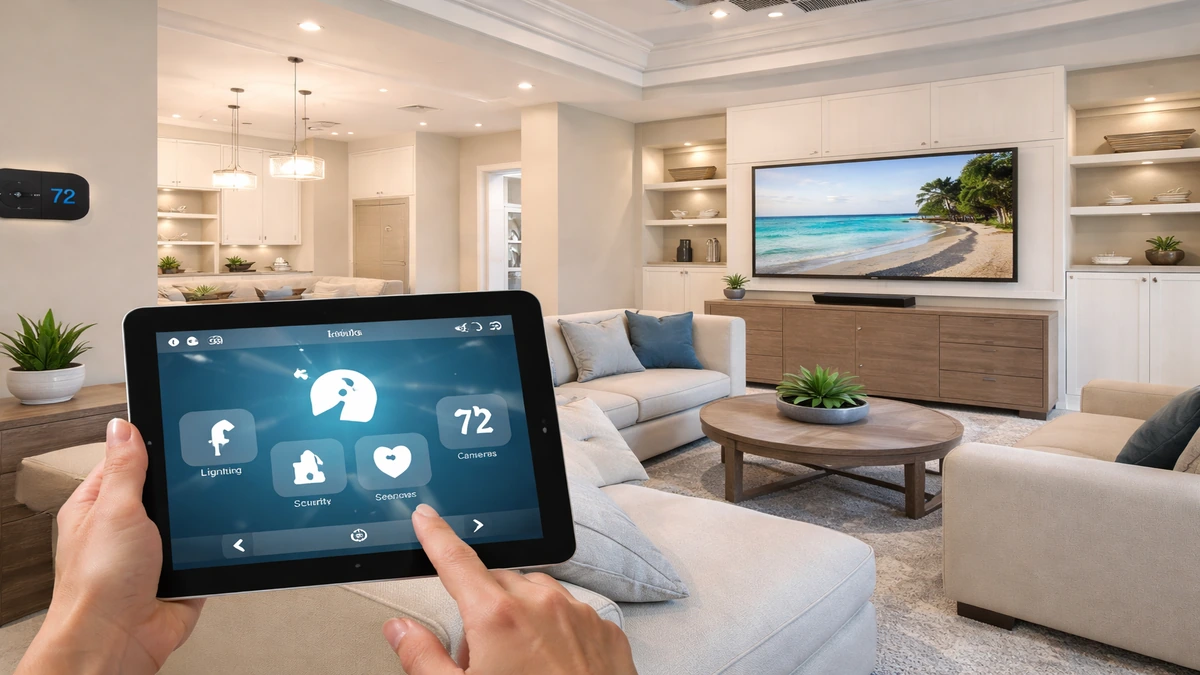
Smart Home Automation Installation
Integrated control for lighting, climate, security, and entertainment.
4 minutes
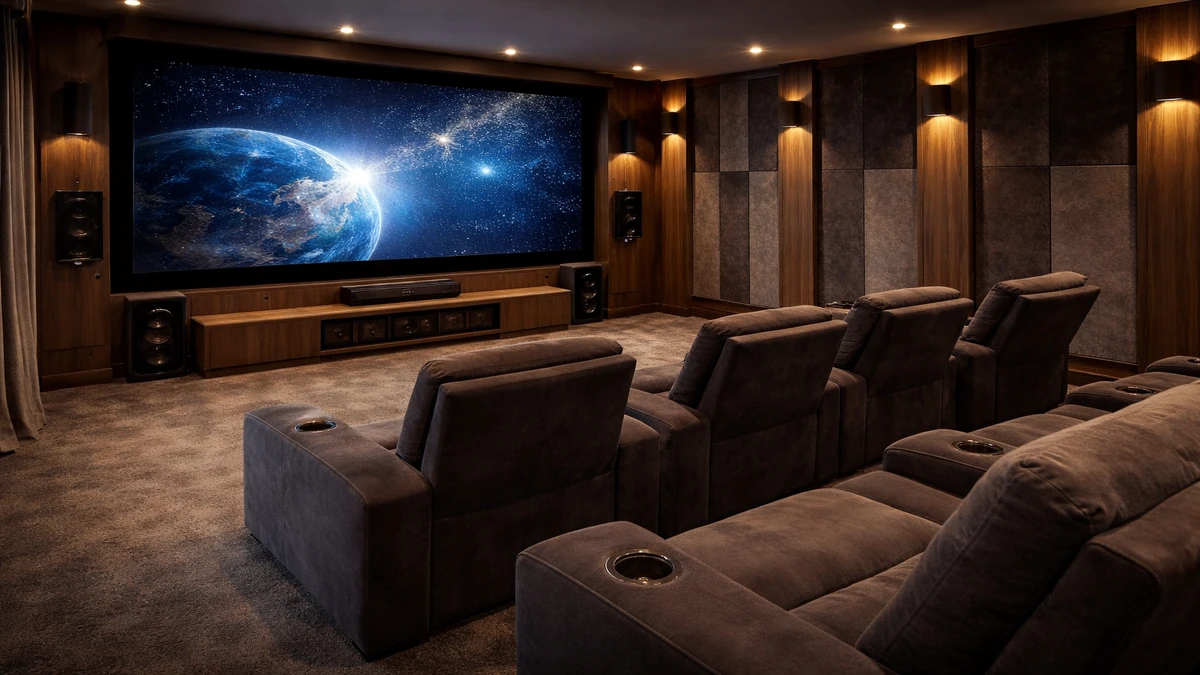
Home Theater Installation
Custom theater rooms designed for immersive picture, sound, and comfort.
4 minutes
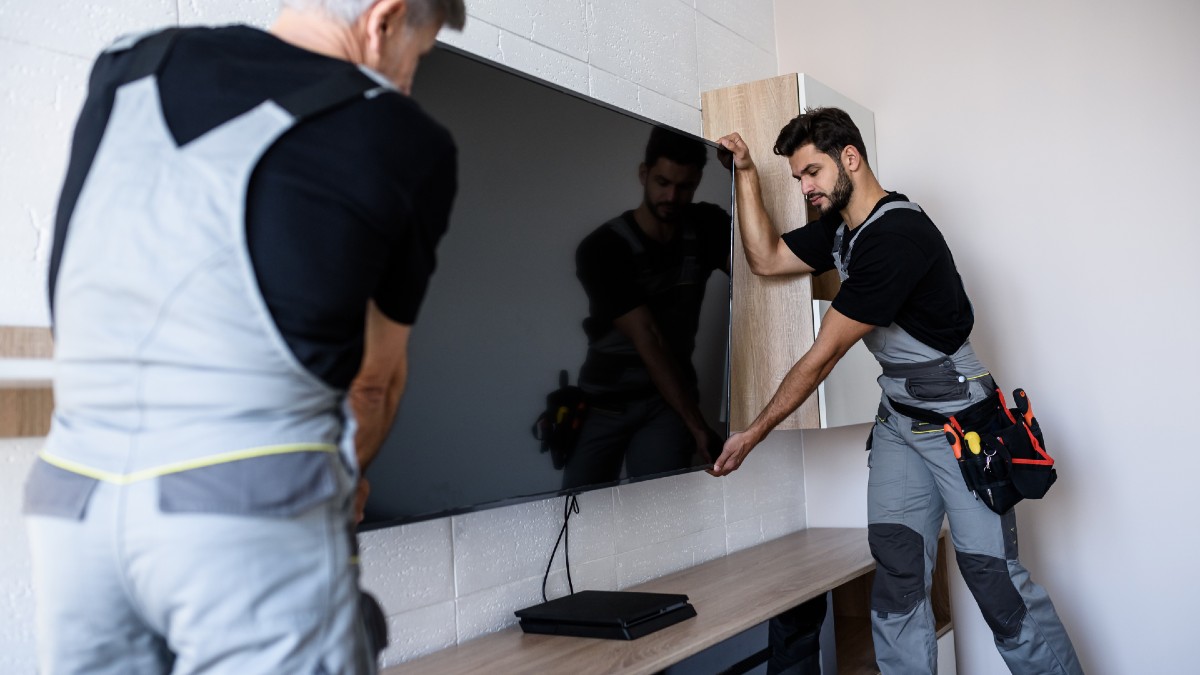
TV Wall Mounting
Professional TV mounting for cleaner layouts and better viewing angles.
5 minutes
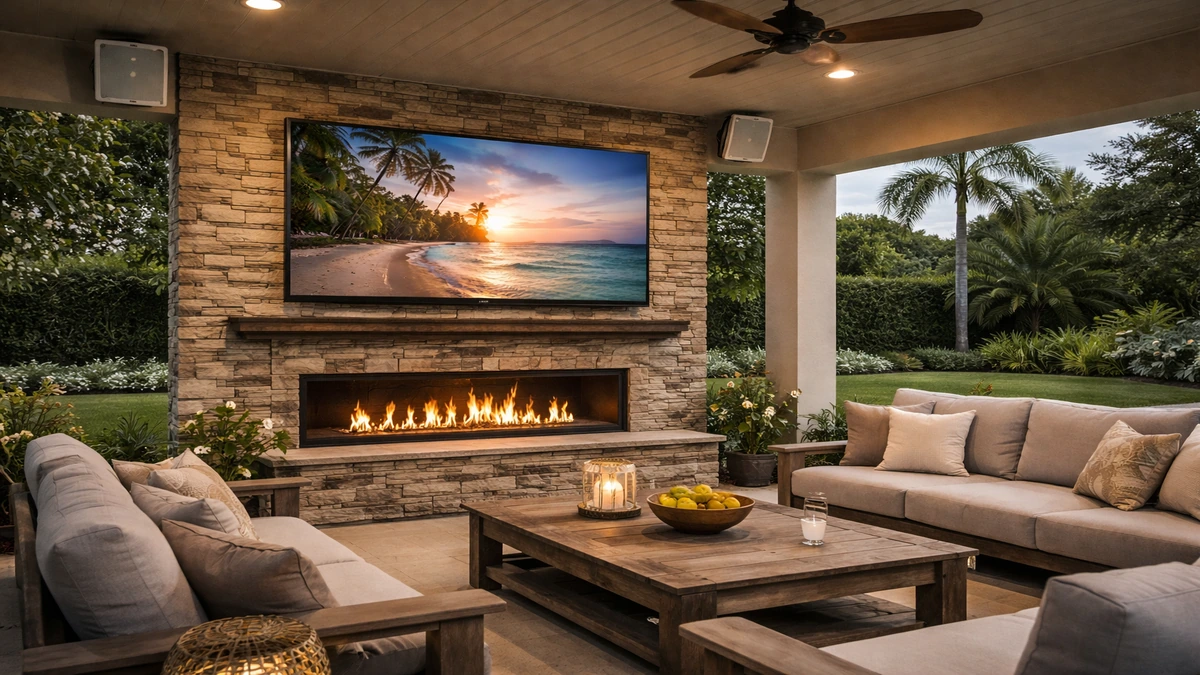
Outdoor TV Installation
Weather-aware outdoor TV setups built for patios, lanais, and pool areas.
5 minutes
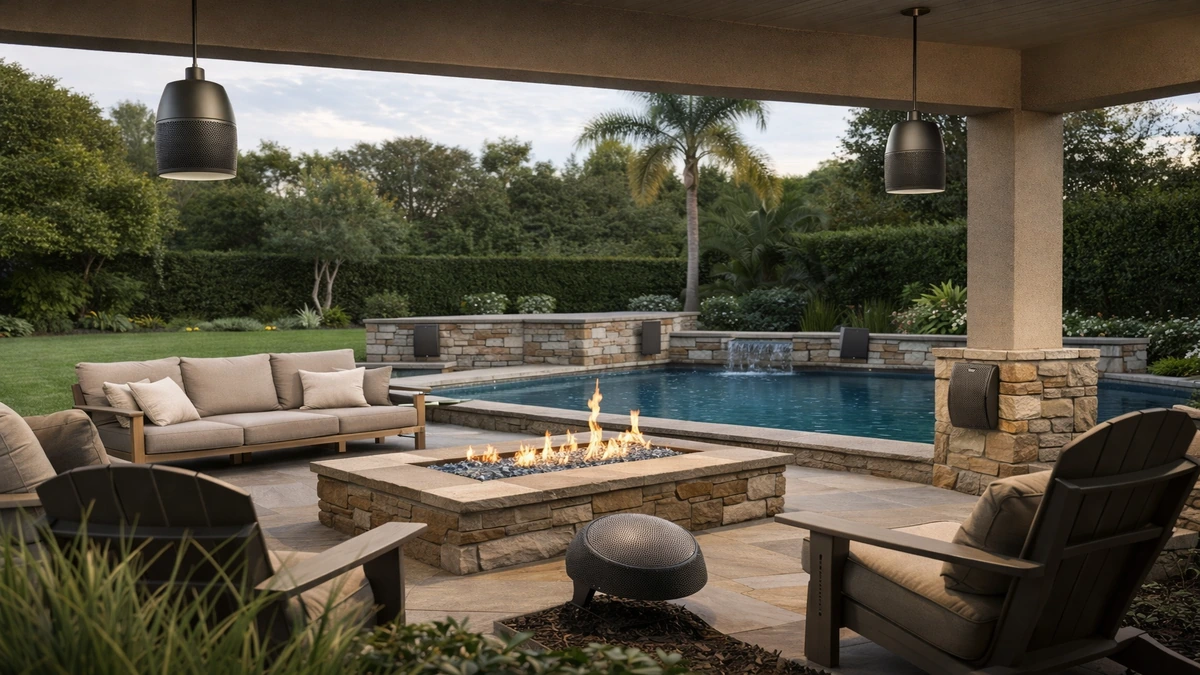
Outdoor Audio Installation
Outdoor speaker systems planned for clear sound and reliable coverage.
4 minutes
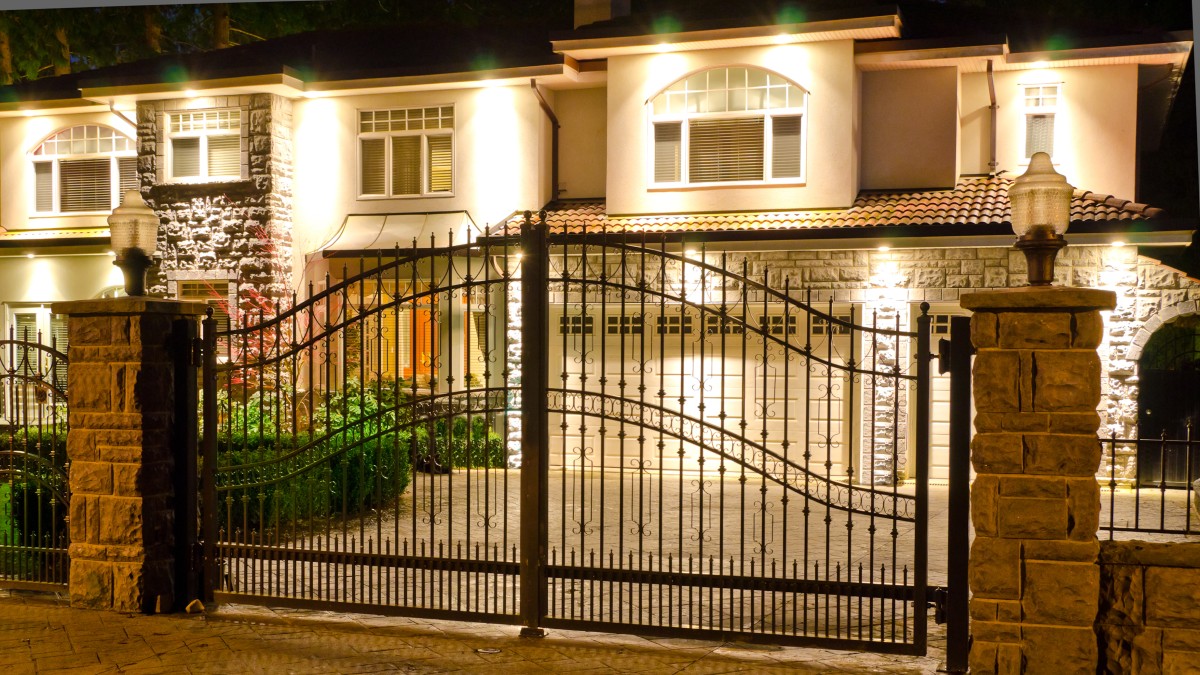
Automatic Gates
Secure, convenient gate automation with access control and entry integration.
4 minutes
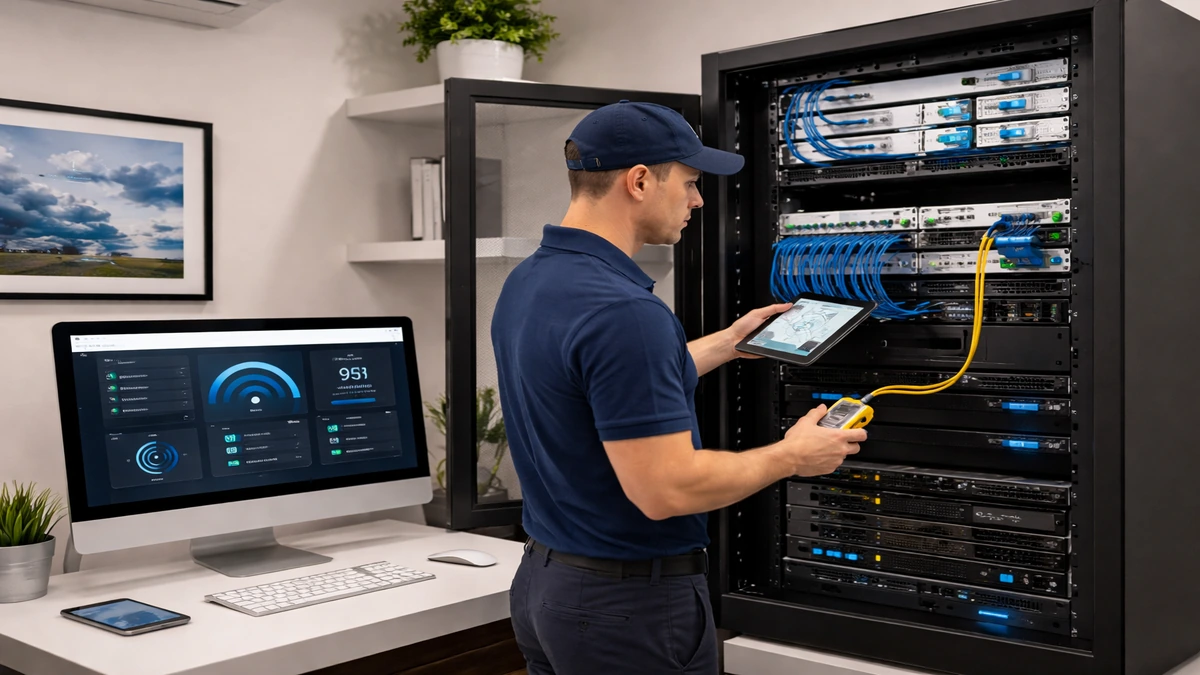
Home Network Installation
Stronger Wi-Fi, better coverage, and dependable connectivity throughout the property.
4 minutes
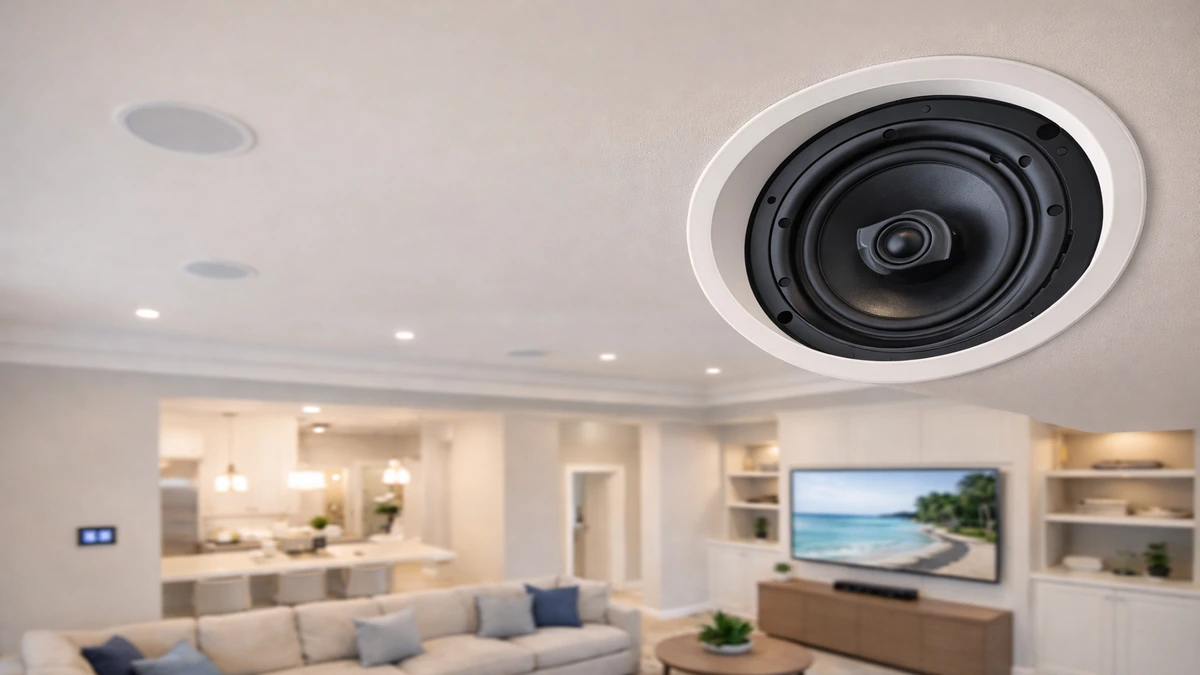
Ceiling Speaker Installation
Clean in-ceiling audio solutions for music, TV, and multi-room sound.
4 minutes
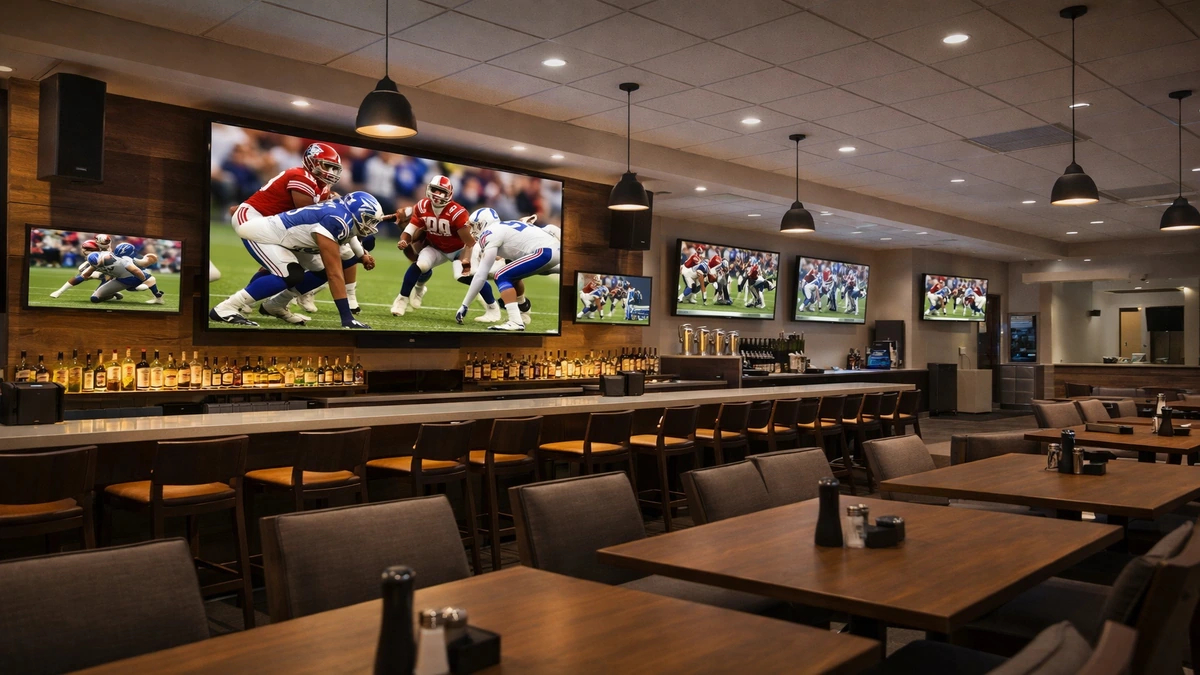
Commercial AV Installation
Professional audio, video, and control systems for business environments.
4 minutes
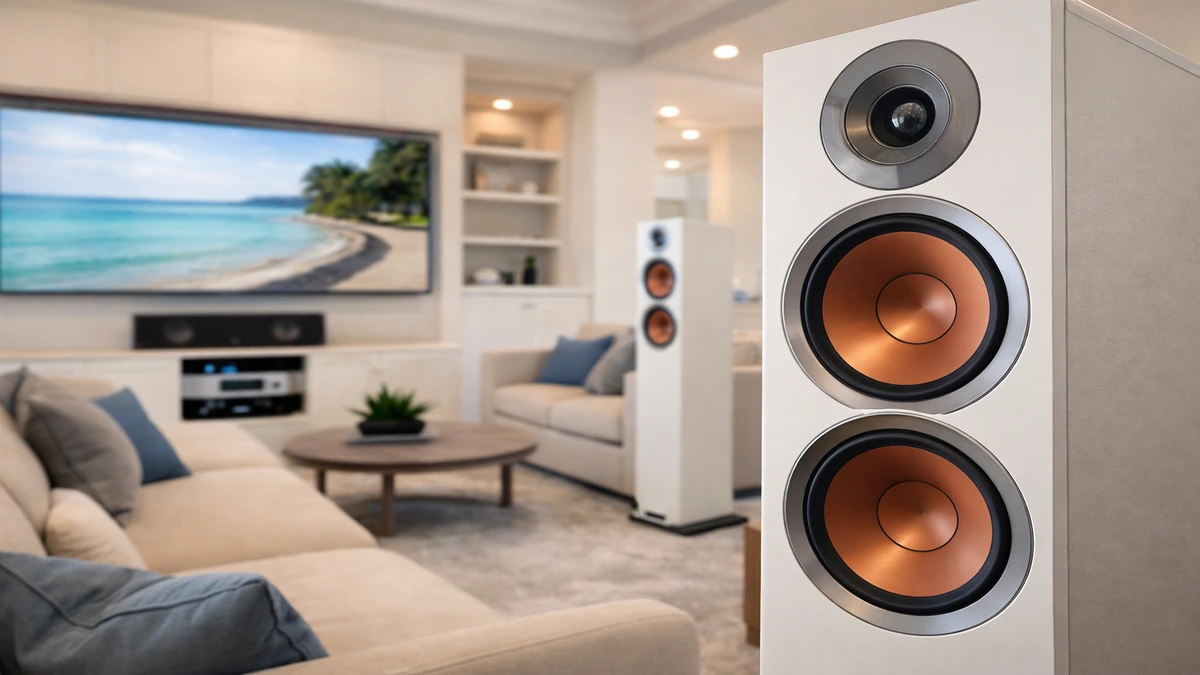
Home Audio Installation
Whole-home and room-based audio systems tailored to how you listen.
4 minutes

Marine Audio & Electronics Installation
Boat audio, displays, and electronics installed for performance on the water.
4 minutes
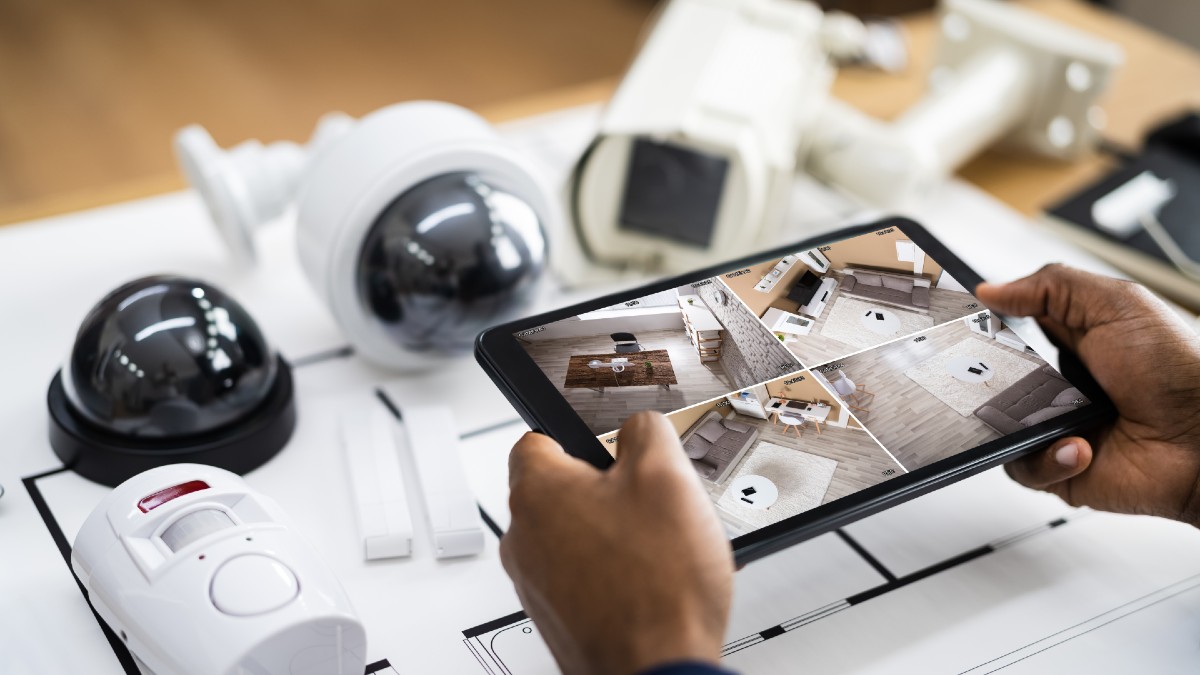
Security Camera Installation
Smart camera systems for visibility, alerts, recording, and remote monitoring.
4 minutes
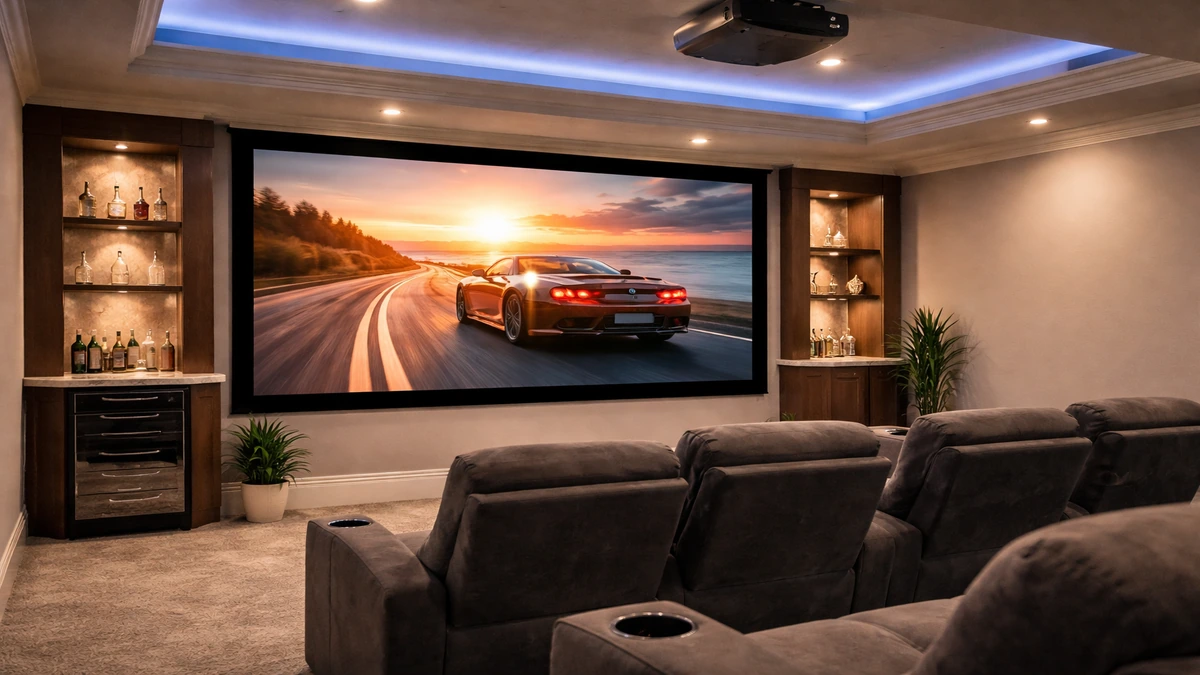
Projector Screen Installation
Projectors and screens configured for sharp viewing and balanced room performance.
4 minutes
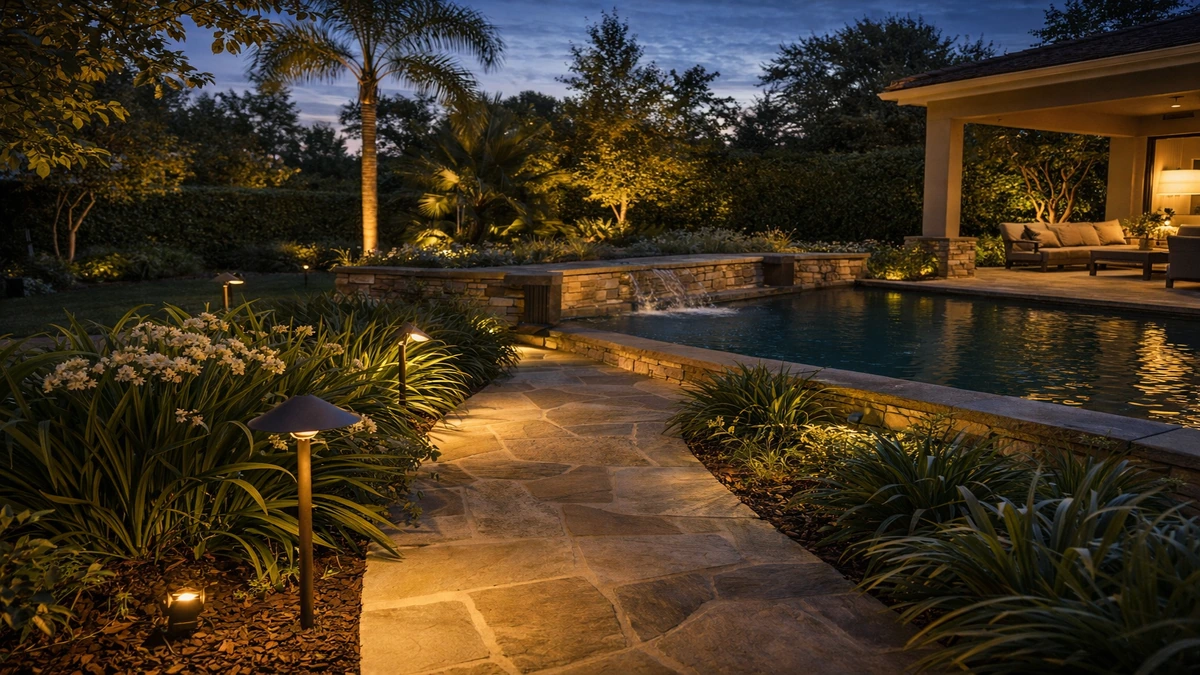
Outdoor Lighting Installation
Exterior lighting that improves curb appeal, ambiance, and nighttime usability.
4 minutes
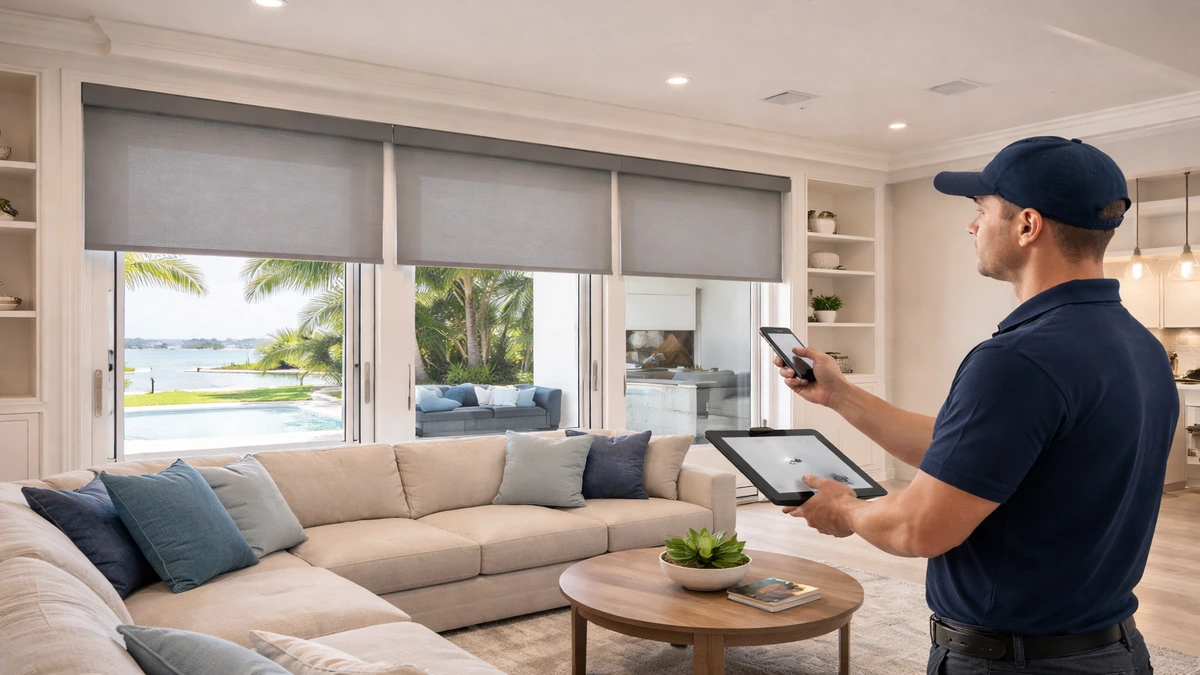
Motorized Blinds Installation
Automated shading for privacy, glare control, and everyday convenience.
4 minutes
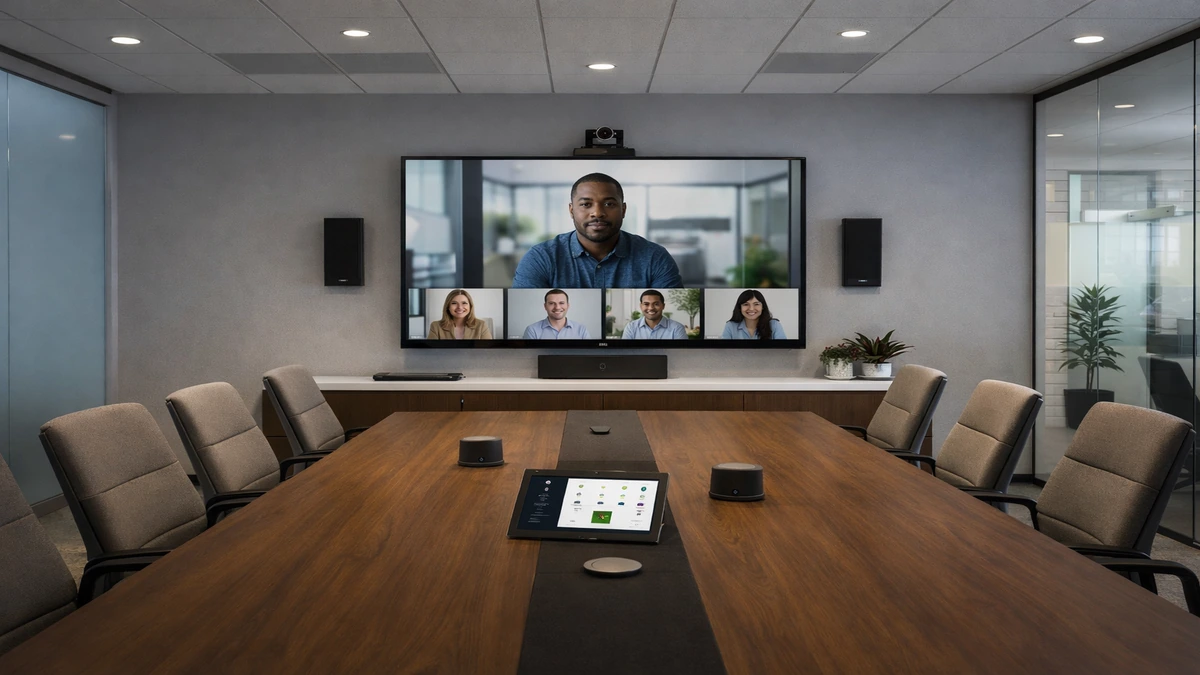
Conference Room AV Installation
Meeting room technology for clearer presentations, calls, and collaboration.
4 minutes
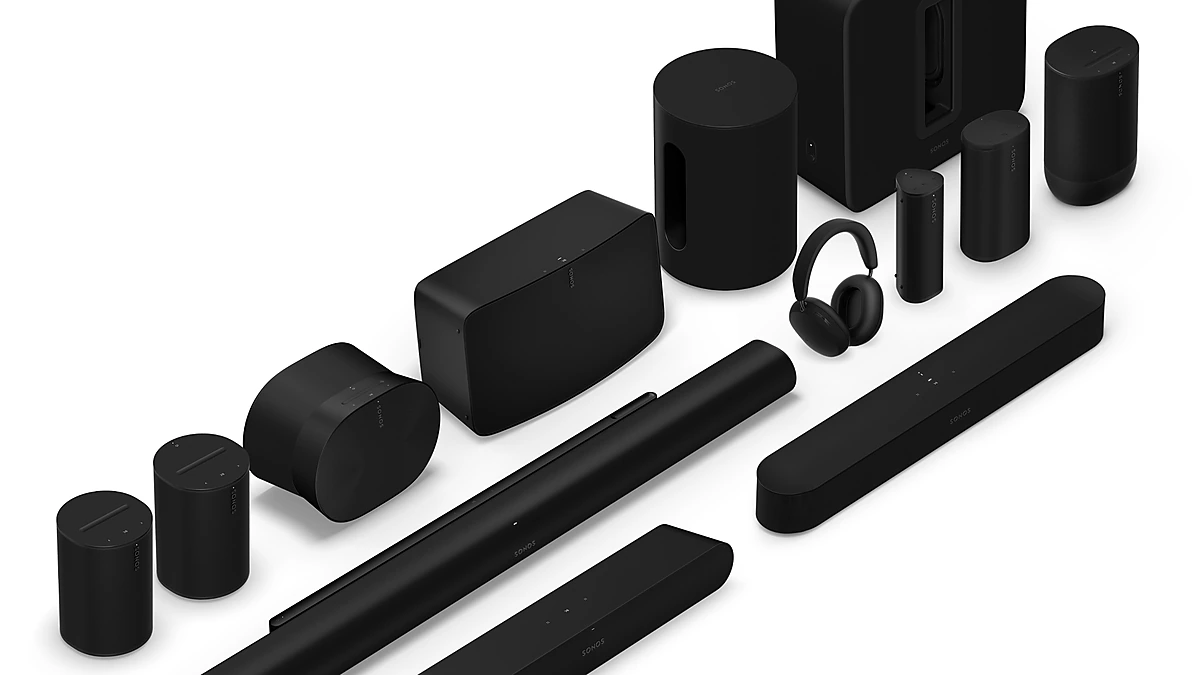
Sonos Installation
Sonos system design, setup, and tuning for simple multi-room audio.
4 minutes
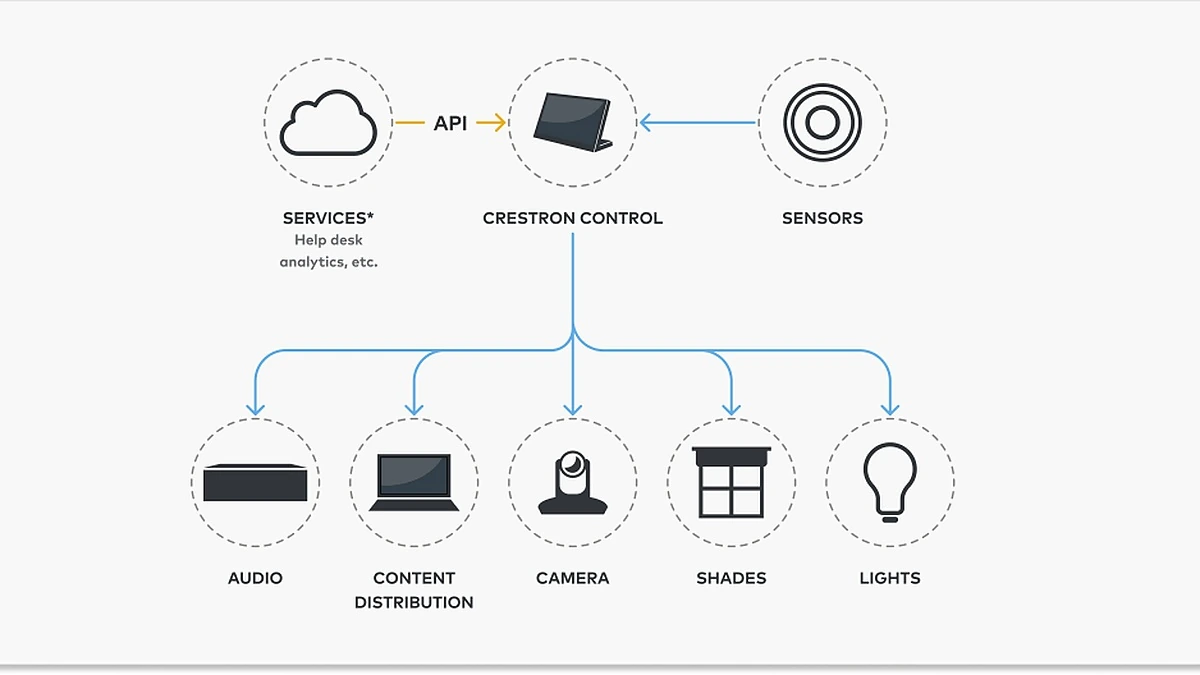
Crestron Installer
Advanced Crestron control integration for high-performance smart home environments.
4 minutes
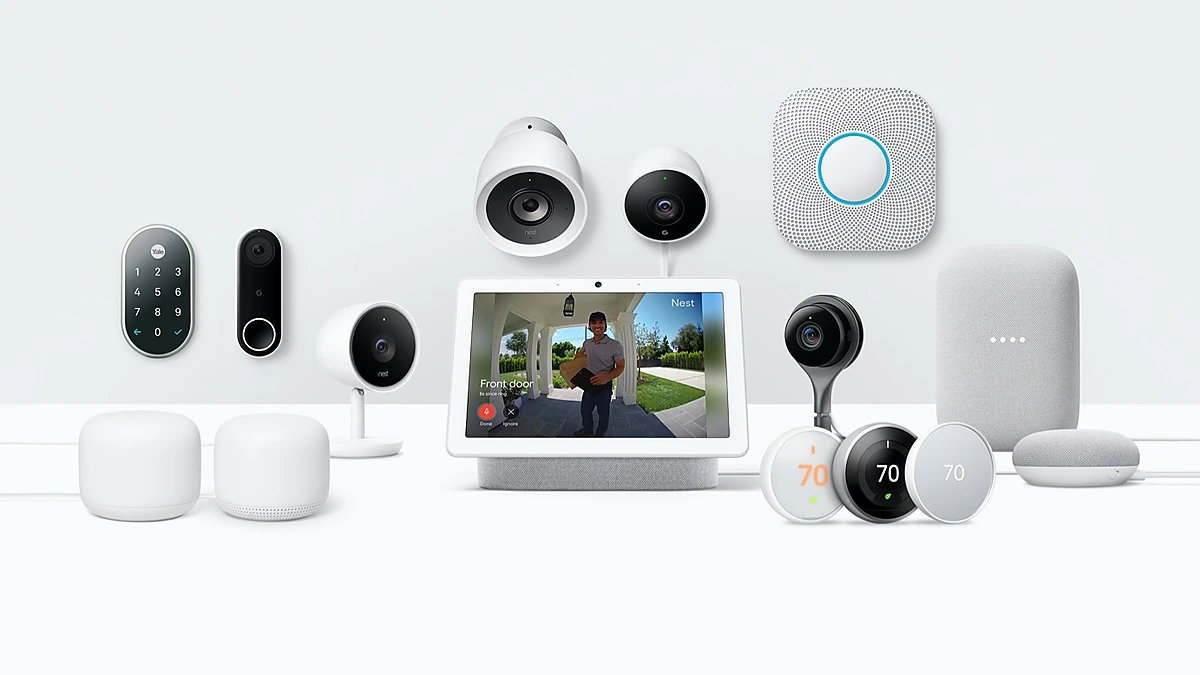
Nest Installer
Nest thermostat and smart home setup for comfort and remote control.
4 minutes
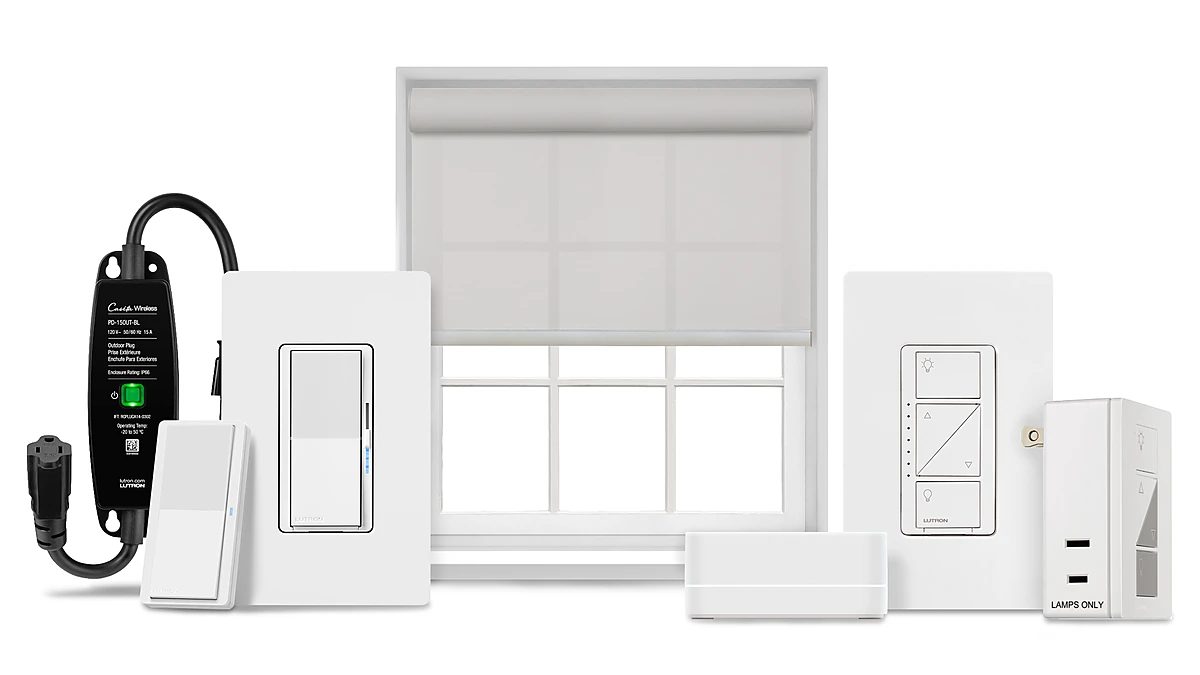
Lutron Installer
Lutron lighting and shading integration for smoother control and scene setting.
4 minutes
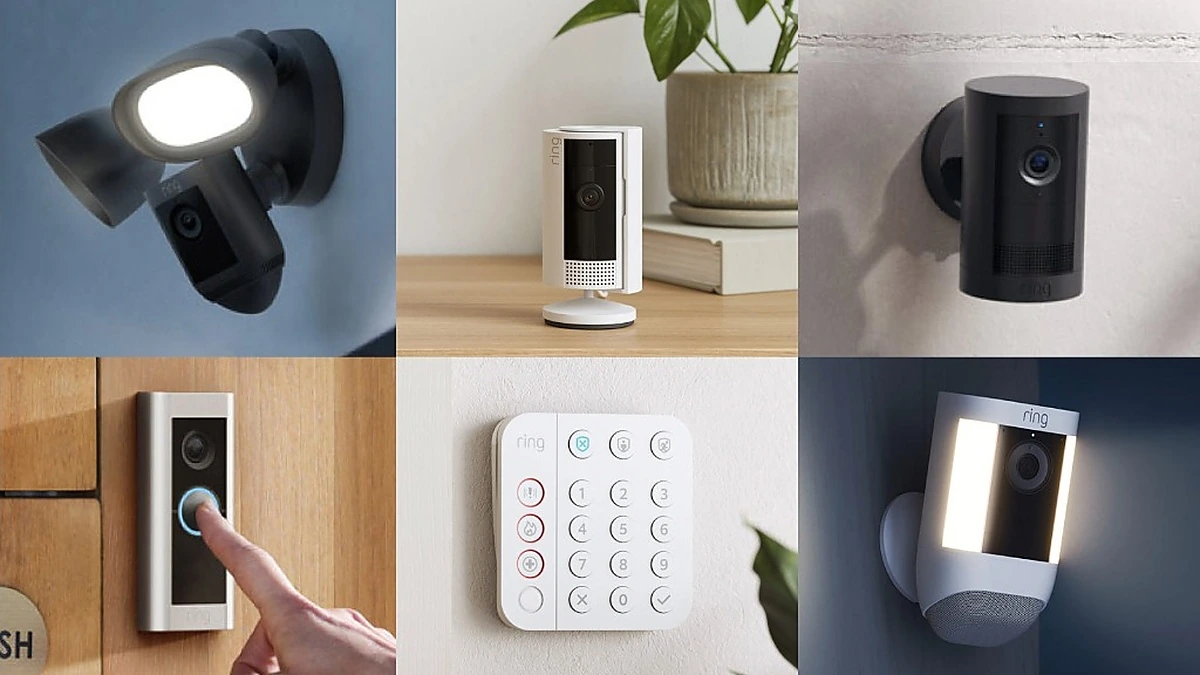
Ring Installation
Ring doorbells and cameras installed for better awareness and entry visibility.
5 minutes
Control4 Installer
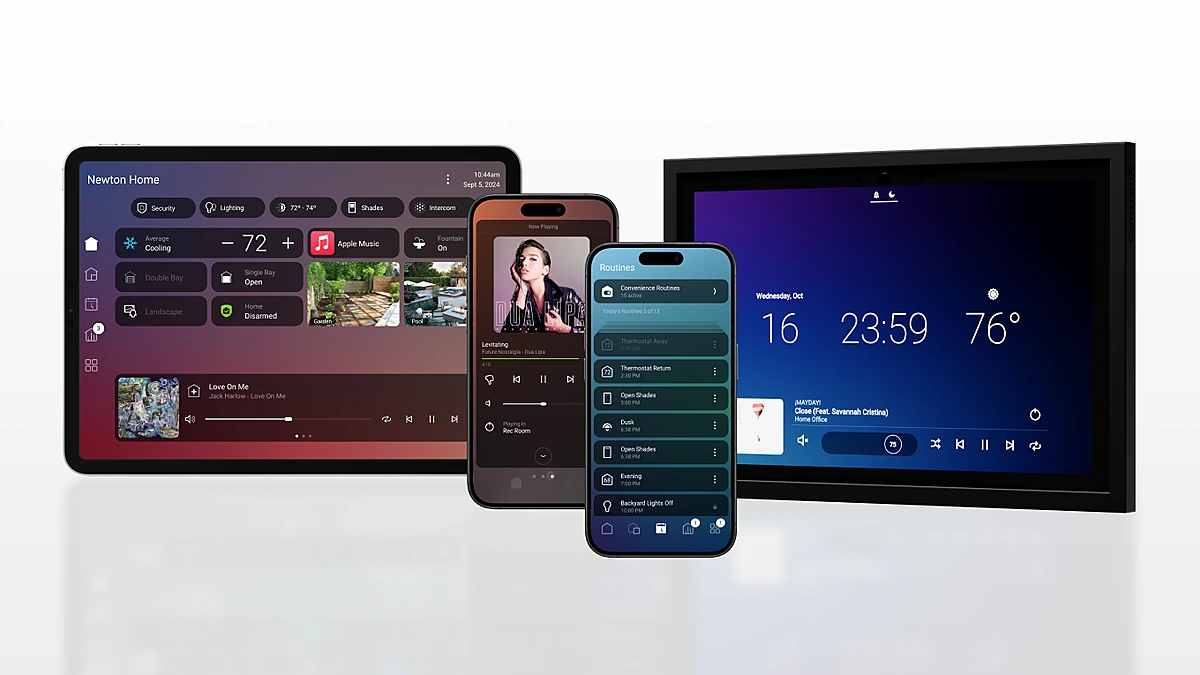
Control4 automation setup for unified entertainment, comfort, and home control.
4 minutes

Car & Truck Audio / Electronics Custom Upgrades
Custom mobile audio and electronics upgrades for better sound and functionality.
3 minutes
In Miami Beach, the building decides the system before you do
If you are planning a whole-home system in Miami Beach, the first constraint is rarely the equipment. It is the building. Of the 63,225 homes here, 30,295 sit in structures of fifty units or more and another 10,413 in structures of twenty to forty-nine. Barely one home in ten is detached. What that means in practice is that the paths your cable can take were decided decades before you moved in, and the design has to work with them rather than around them.
Age compounds it. The largest single group of Miami Beach homes was built between 1960 and 1969, and the median residence predates 1970. Buildings from that period were not designed around structured wiring, so a new run usually follows a path that already exists — a chase, a closet stack, a soffit someone else built for another purpose. Finding those paths is the difference between a project that lands on schedule and one that stalls halfway through.
This is why we treat the survey as the real start of the project rather than a formality before it. On a single-room job you can absorb a surprise. On a whole-floor system with a theater, distributed audio, shading and a network carrying all of it, one blocked route can reshape the whole design — and it is far cheaper to discover that on paper.
Decide the infrastructure before you decide the finishes
Most disappointing systems are not the result of one bad product. They are the result of decisions taken in the wrong order. On a single-room job you can absorb a surprise; on a whole-floor system carrying a theater, distributed audio, shades and the network underneath all of it, one blocked riser reshapes the design. It is far cheaper to find that on paper than on site.
A few things decide this more than any product choice. Existing conduit, risers and chases set the ceiling on what is possible far more than budget does. The rack needs somewhere with power, ventilation and service access, and that space is much easier to claim early than to find later. Finish quality is what you notice a year on — clean terminations, and no surface cabling across a living wall. And wireless is a sound answer to a route that cannot be opened, but a poor one to a route nobody surveyed.
A whole-home system also asks more of the network than these buildings were designed to give. Streaming, control, cameras and entry all share it, and in a masonry building with a long floor plate the weak point is coverage rather than speed. Plan a wired backbone wherever the structure allows one, then let wireless serve only the rooms it genuinely cannot reach — cheap while walls are open, expensive afterwards.
Half the year, the house runs without you
Miami Beach holds 13,817 homes for seasonal, recreational or occasional use — 61.7% of every vacant home in the city. If yours is one, the system spends more of the year alone than occupied, and that changes what good looks like. Remote control has to work with nobody on site. Scenes should be simple enough for a guest, a manager or a cleaner to use untaught — one keypad press, not a remembered sequence. And it should report a failed device rather than wait for you to find it in November.
That is also an argument for building the system as one system rather than assembling it a room at a time. A house you are not living in is a difficult place to iterate. Every return visit costs a scheduled entry, and a design that was coherent from the outset is far less likely to need one.
A large share of these homes are not owner-occupied
Only 38.7% of occupied Miami Beach homes are lived in by their owners, so much of the housing is tenanted or held as an investment. If that describes your property, the system has a second audience: whoever uses it next. Favour control that hands over cleanly, mounting that comes off a wall without taking the wall, and documentation for someone who did not commission it.
Whatever the arrangement, the sequence is the same. Establish the routes, agree the finish standard, size the infrastructure for what the house will ask of it in five years, and only then choose what goes on the wall. In a building of this age and scale, that order is the whole project.