

Original Walls Decide the Mount Audio Video | Home Theater Installations Serving Miami Shores, FL
Whole-home AV and theater planning for Miami Shores, where 1,528 homes were finished before 1950, 89.5% are single-family and 86.7% are lived in by their owners.
Mastering Modern Living with Integrated AV and Automation Solutions
From high-fidelity audio in cars and boats to smart home technologies for climate and lighting control, our tailored solutions bring advanced convenience and security to every aspect of your lifestyle.
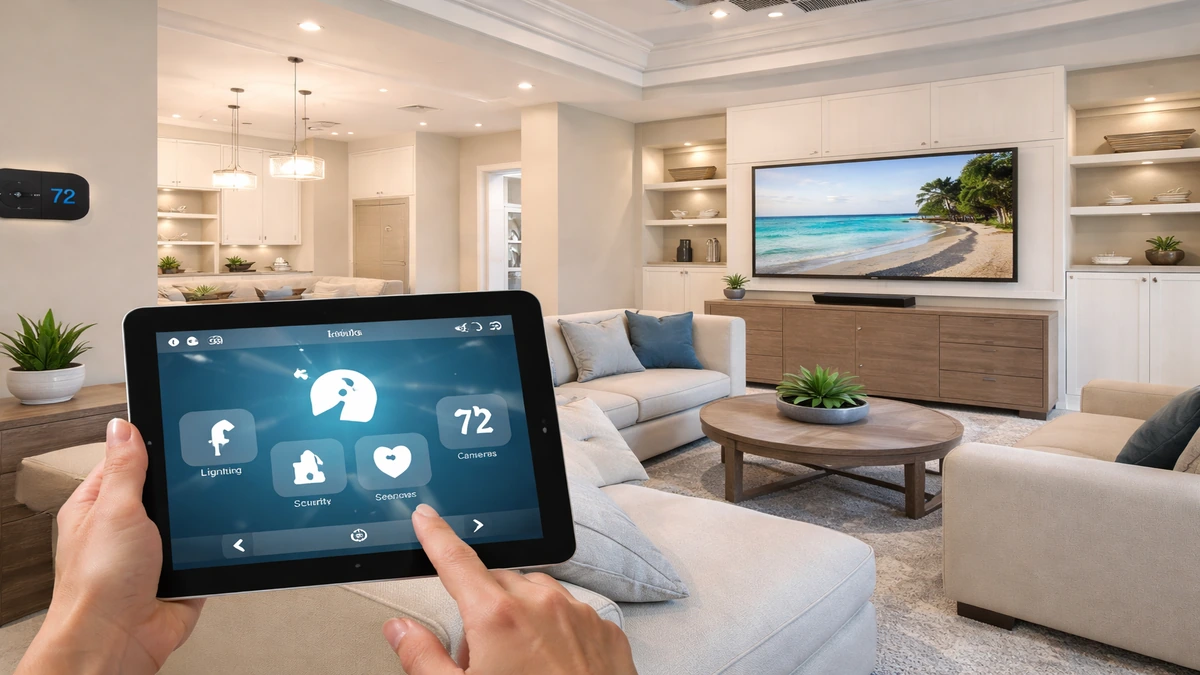
Smart Home Automation Installation
Integrated control for lighting, climate, security, and entertainment.
4 minutes
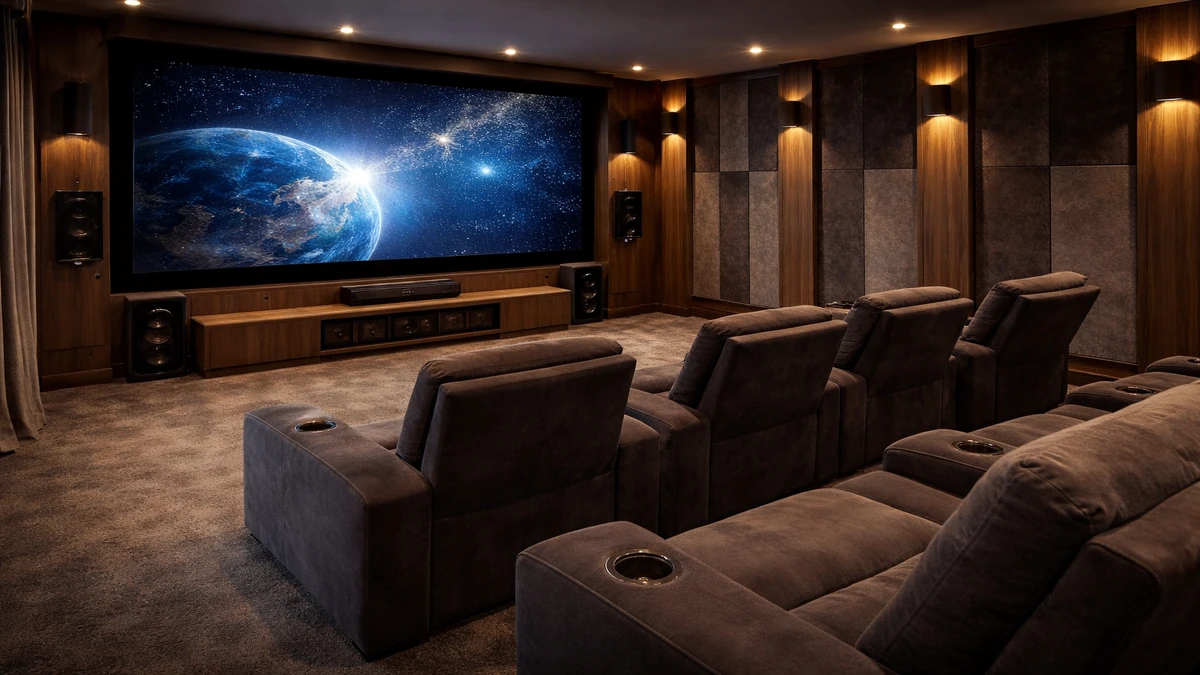
Home Theater Installation
Custom theater rooms designed for immersive picture, sound, and comfort.
4 minutes
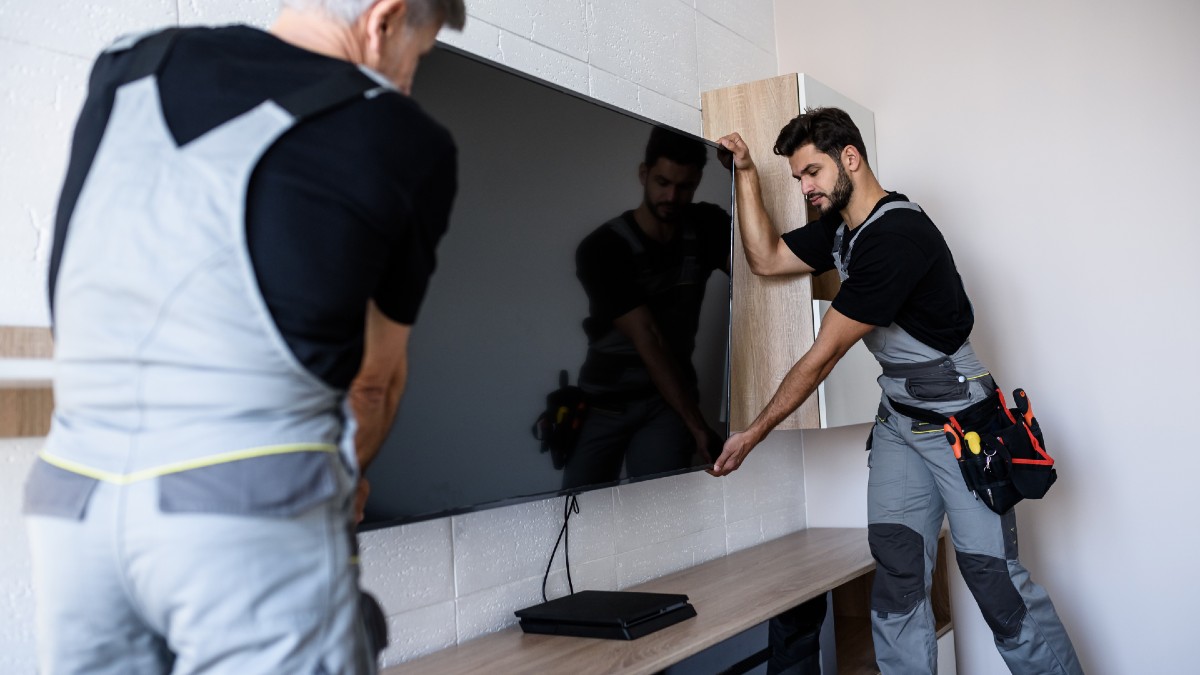
TV Wall Mounting
Professional TV mounting for cleaner layouts and better viewing angles.
5 minutes
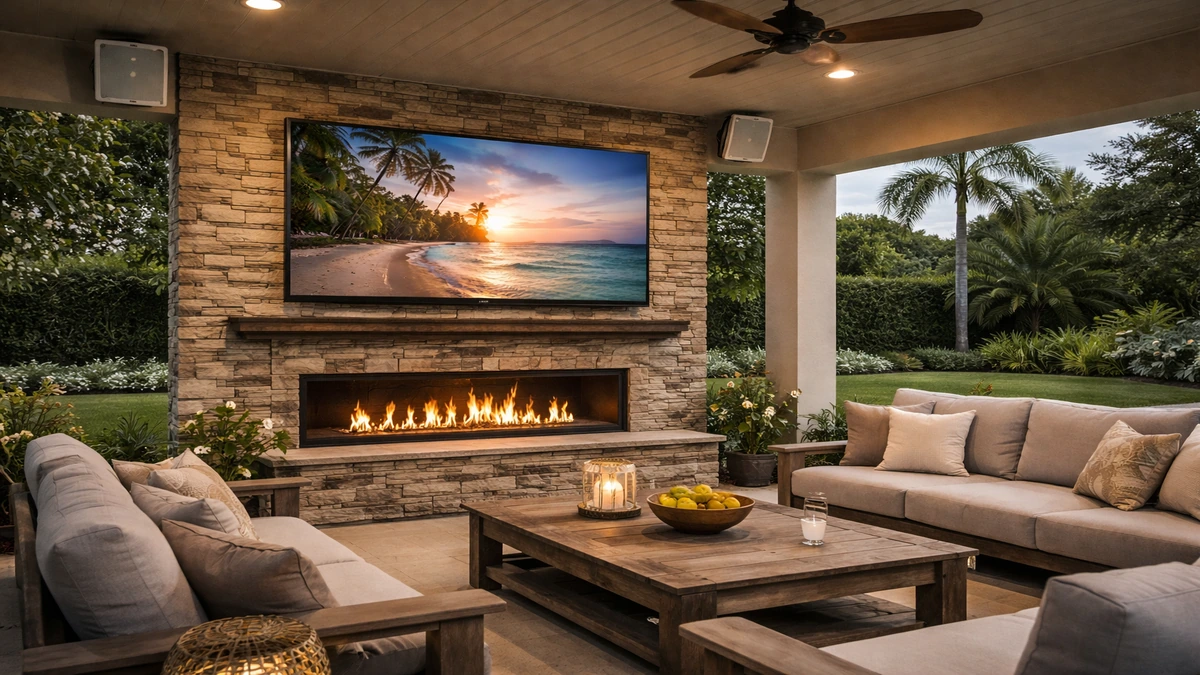
Outdoor TV Installation
Weather-aware outdoor TV setups built for patios, lanais, and pool areas.
5 minutes
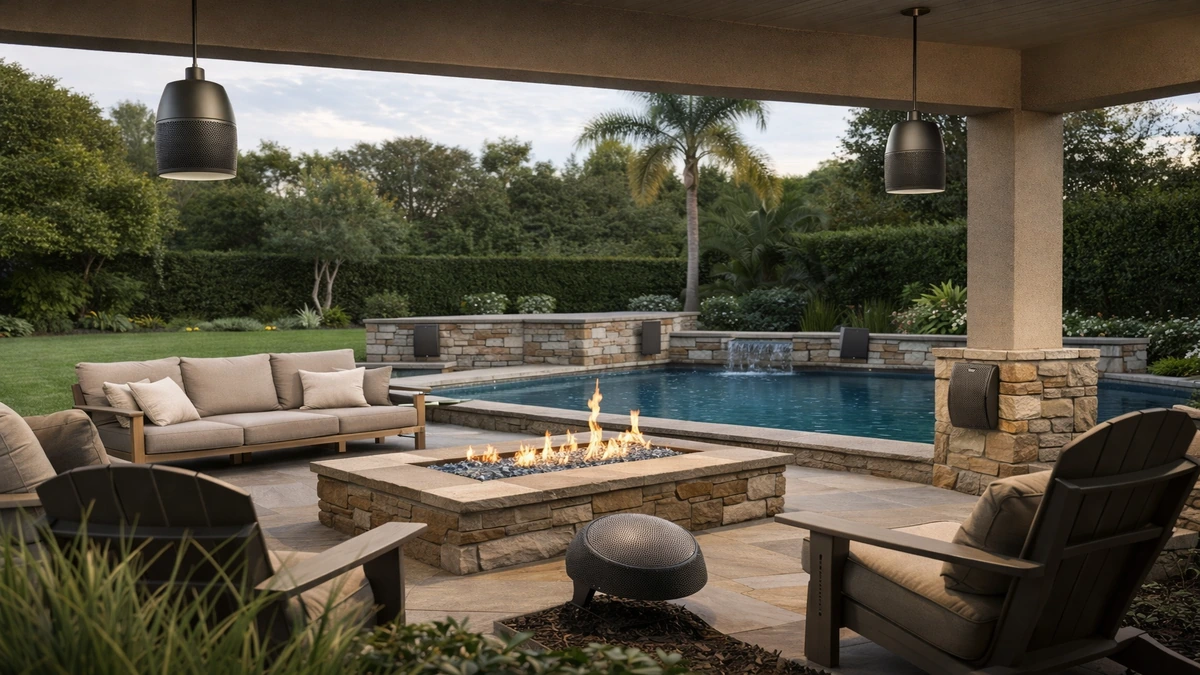
Outdoor Audio Installation
Outdoor speaker systems planned for clear sound and reliable coverage.
4 minutes
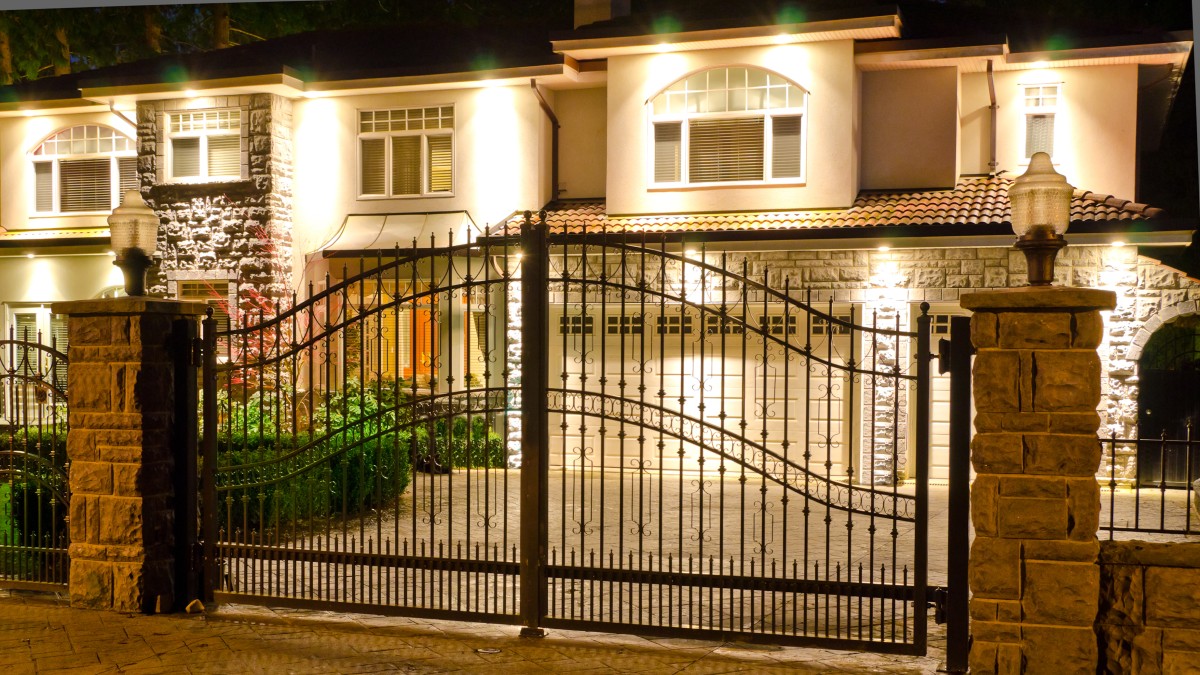
Automatic Gates
Secure, convenient gate automation with access control and entry integration.
4 minutes
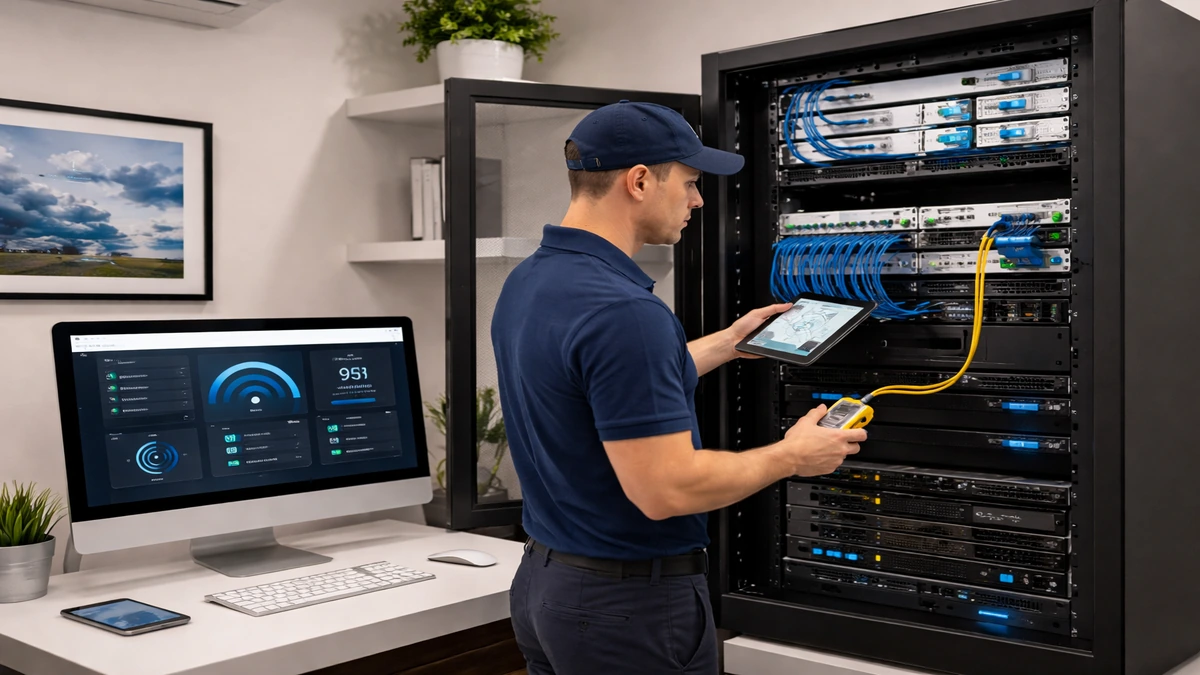
Home Network Installation
Stronger Wi-Fi, better coverage, and dependable connectivity throughout the property.
4 minutes
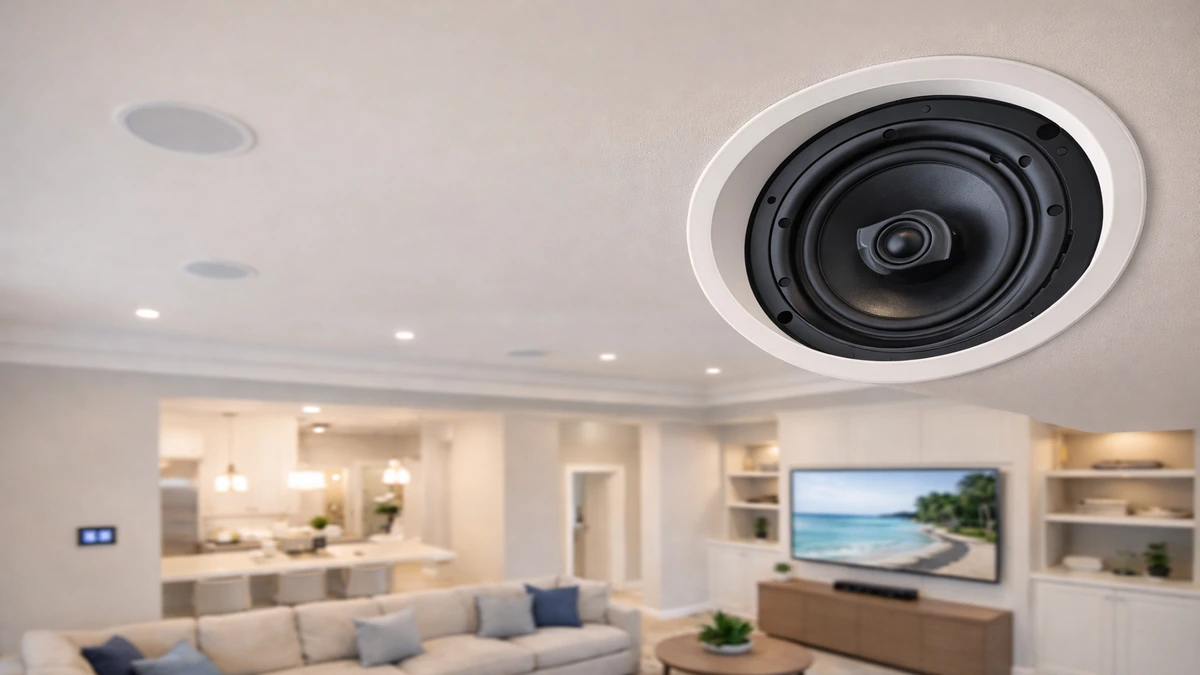
Ceiling Speaker Installation
Clean in-ceiling audio solutions for music, TV, and multi-room sound.
4 minutes
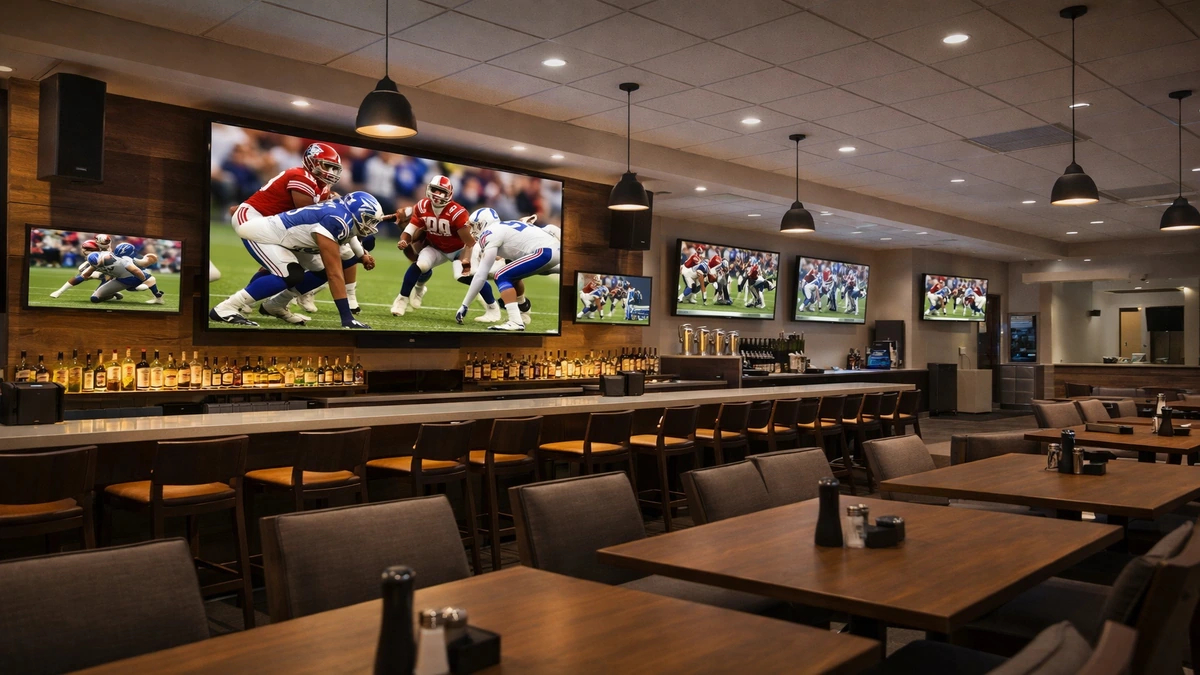
Commercial AV Installation
Professional audio, video, and control systems for business environments.
4 minutes
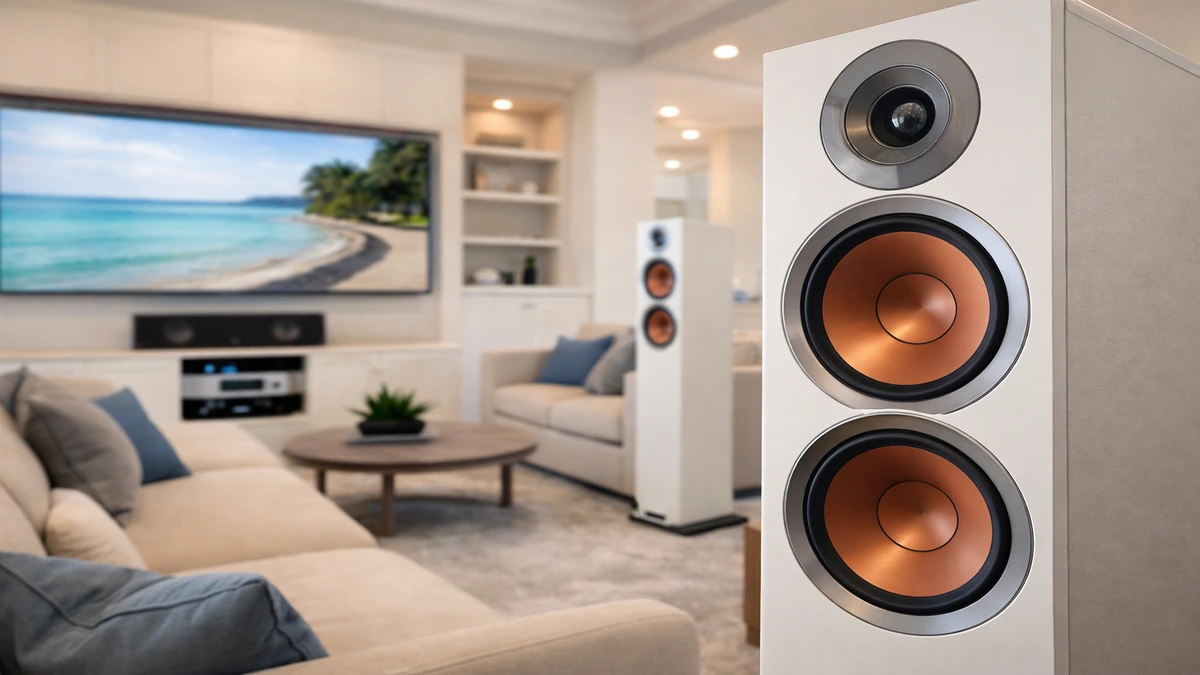
Home Audio Installation
Whole-home and room-based audio systems tailored to how you listen.
4 minutes

Marine Audio & Electronics Installation
Boat audio, displays, and electronics installed for performance on the water.
4 minutes
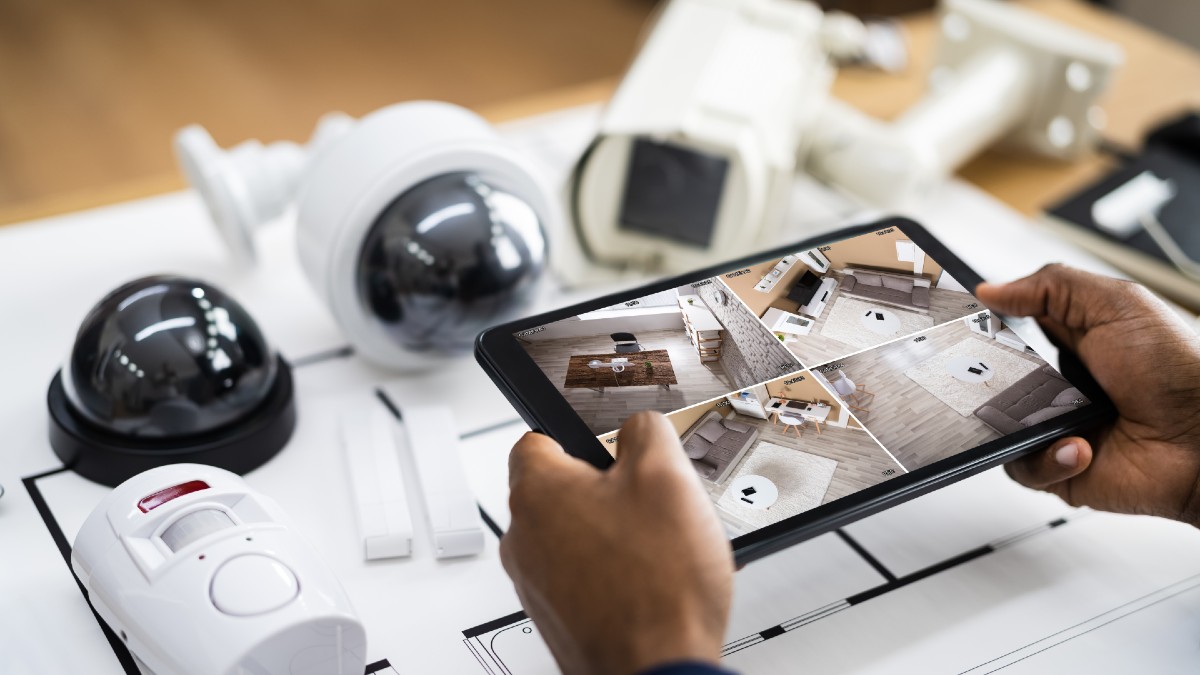
Security Camera Installation
Smart camera systems for visibility, alerts, recording, and remote monitoring.
4 minutes
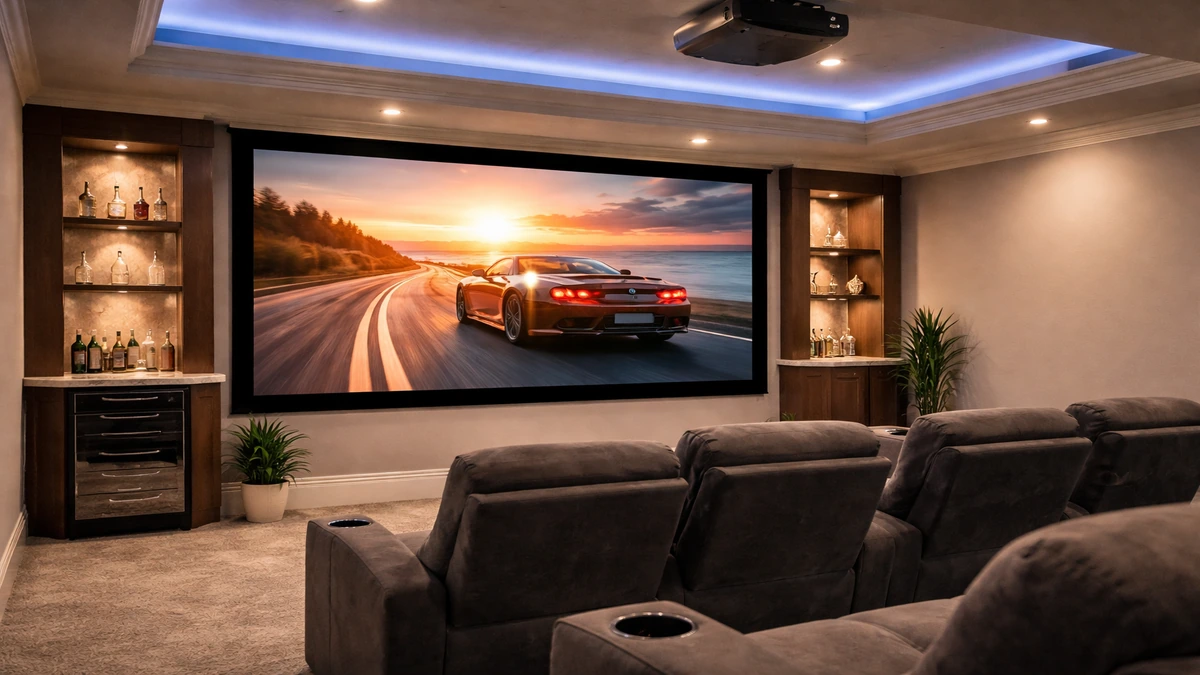
Projector Screen Installation
Projectors and screens configured for sharp viewing and balanced room performance.
4 minutes
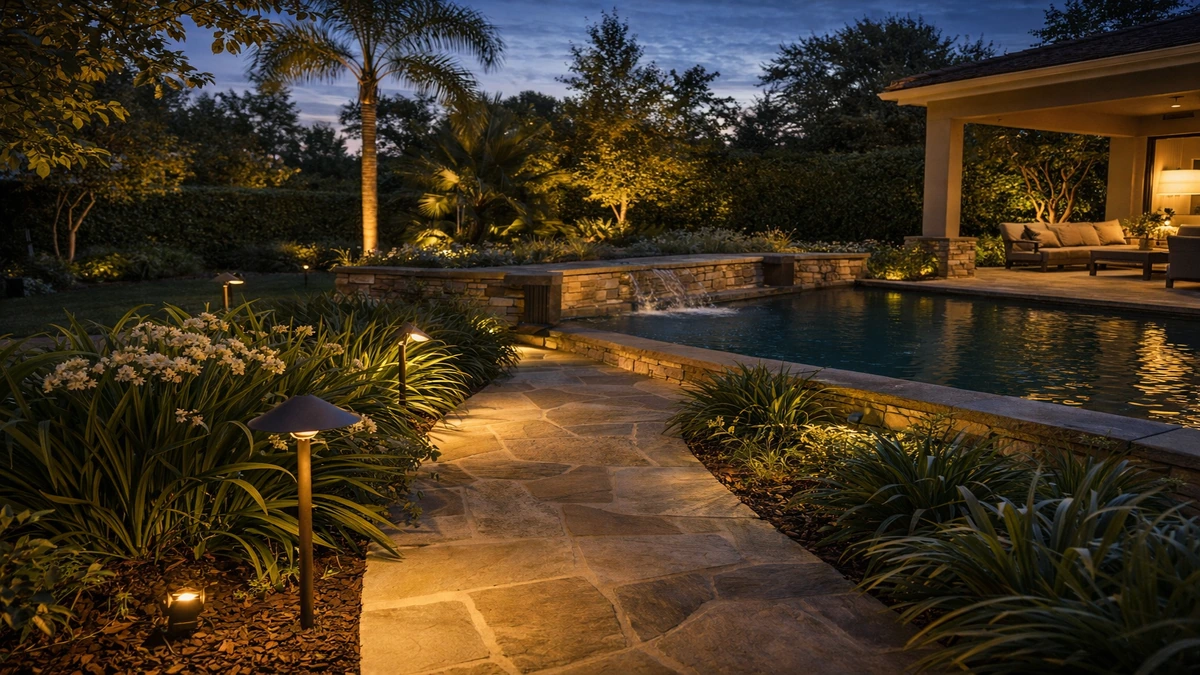
Outdoor Lighting Installation
Exterior lighting that improves curb appeal, ambiance, and nighttime usability.
4 minutes
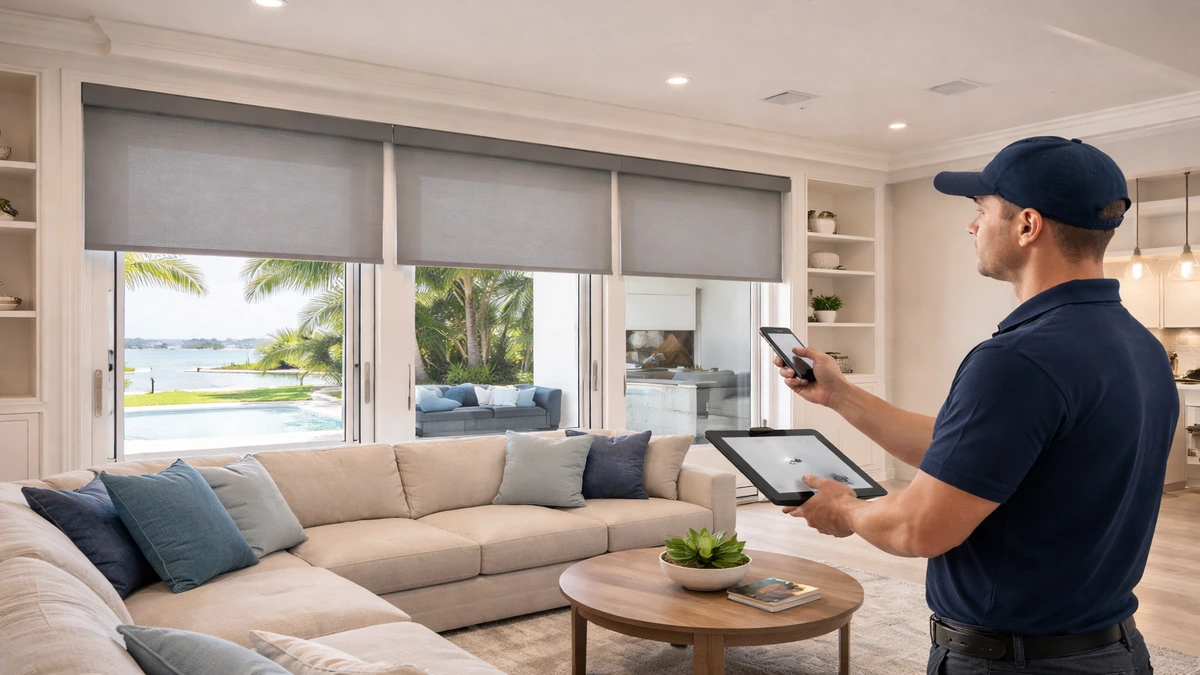
Motorized Blinds Installation
Automated shading for privacy, glare control, and everyday convenience.
4 minutes
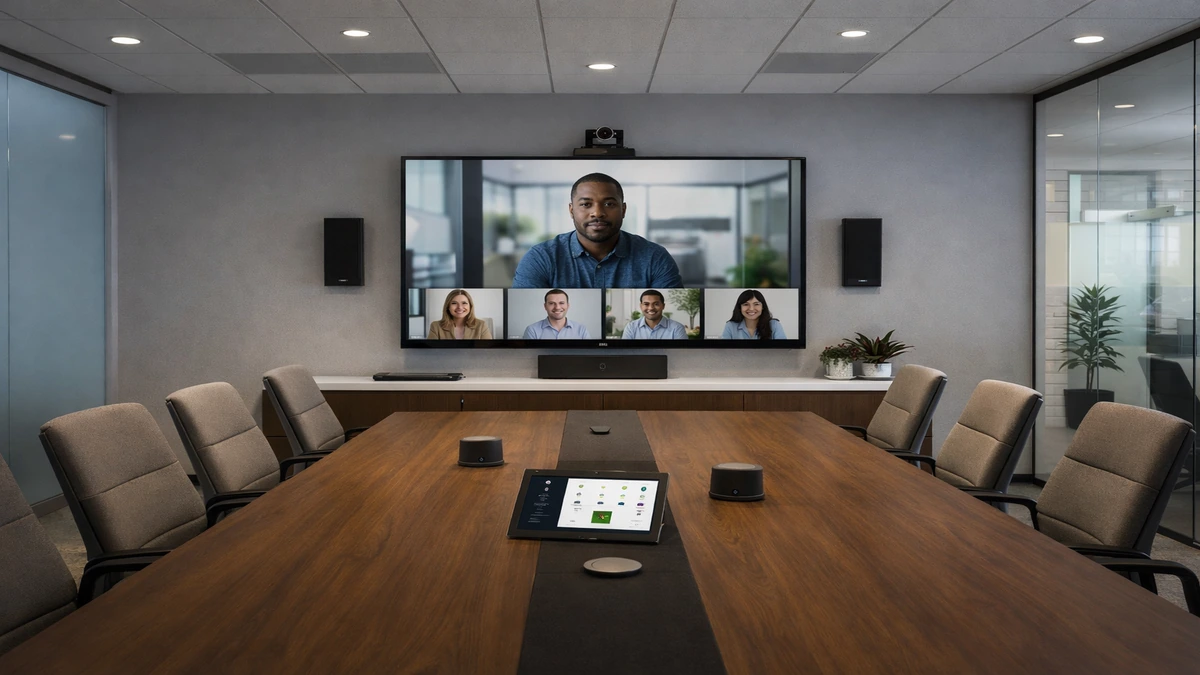
Conference Room AV Installation
Meeting room technology for clearer presentations, calls, and collaboration.
4 minutes
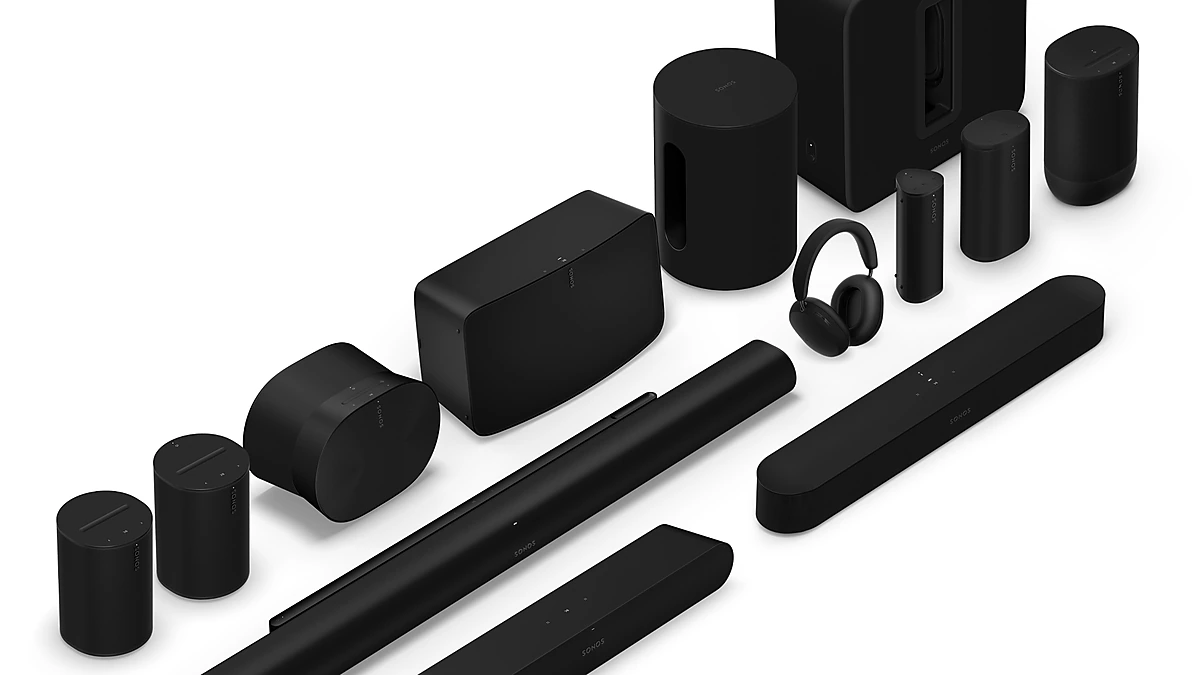
Sonos Installation
Sonos system design, setup, and tuning for simple multi-room audio.
4 minutes
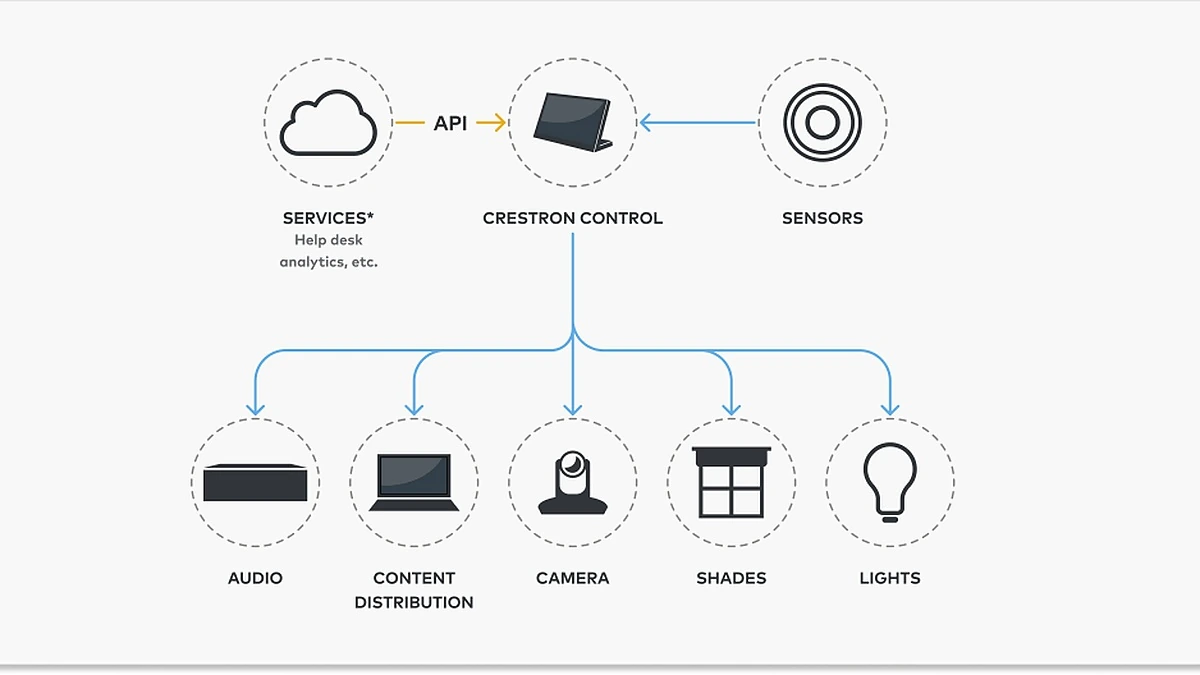
Crestron Installer
Advanced Crestron control integration for high-performance smart home environments.
4 minutes
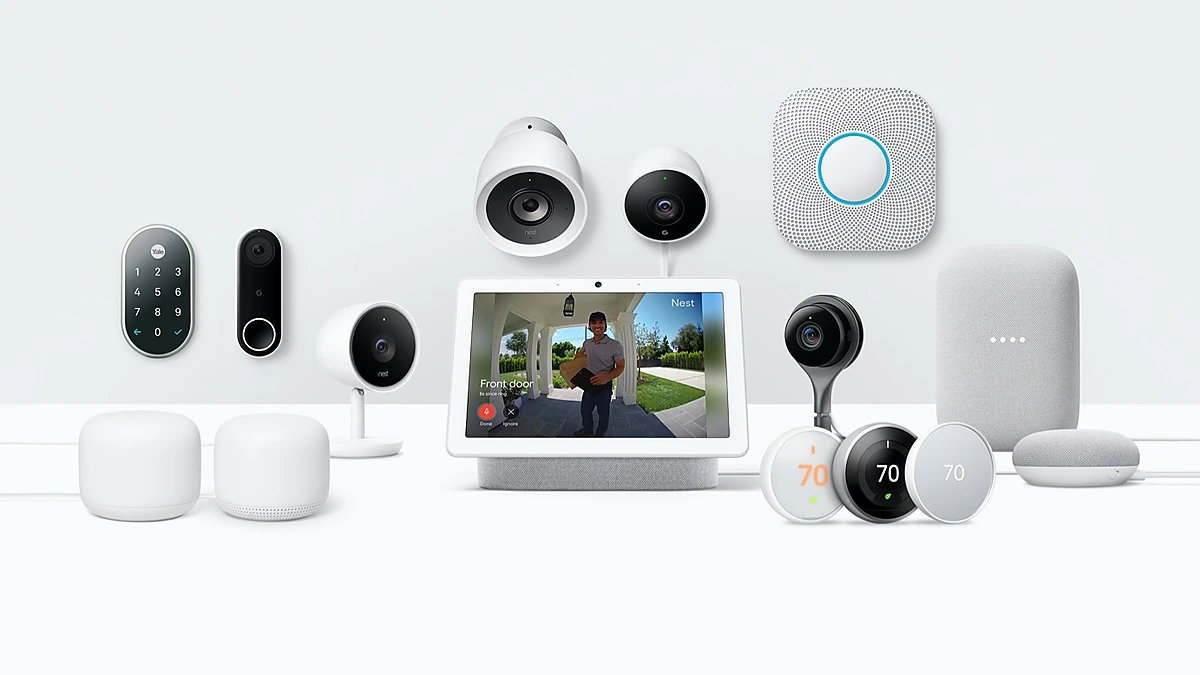
Nest Installer
Nest thermostat and smart home setup for comfort and remote control.
4 minutes
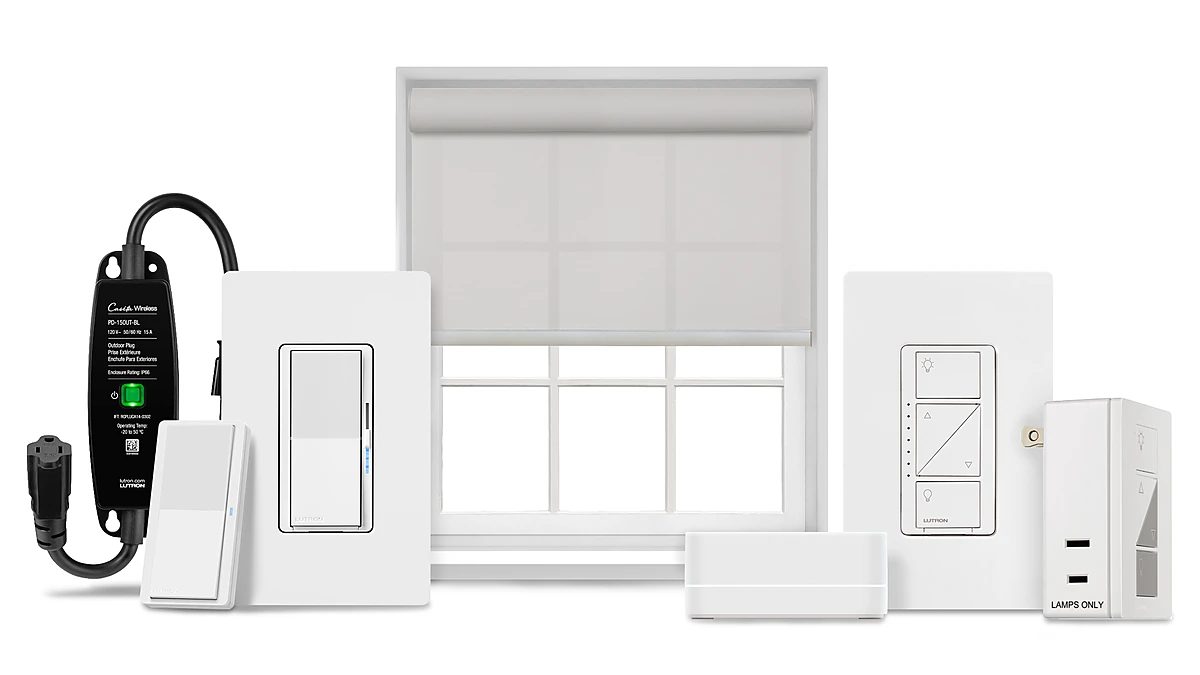
Lutron Installer
Lutron lighting and shading integration for smoother control and scene setting.
4 minutes
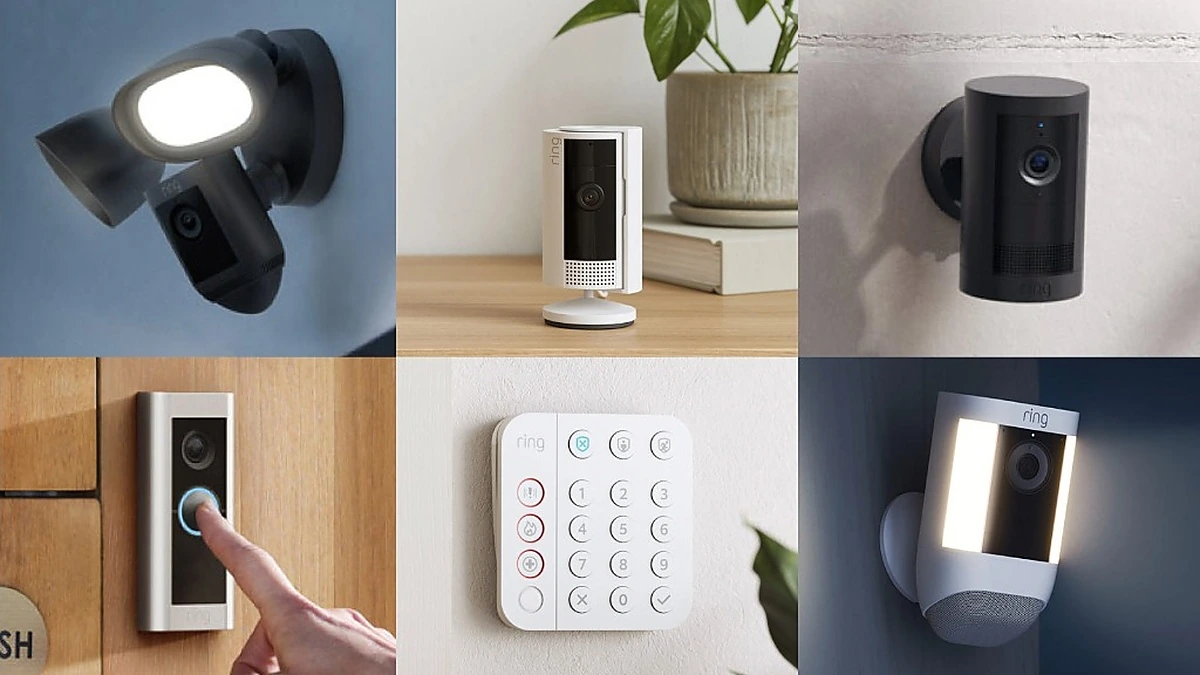
Ring Installation
Ring doorbells and cameras installed for better awareness and entry visibility.
5 minutes
Control4 Installer
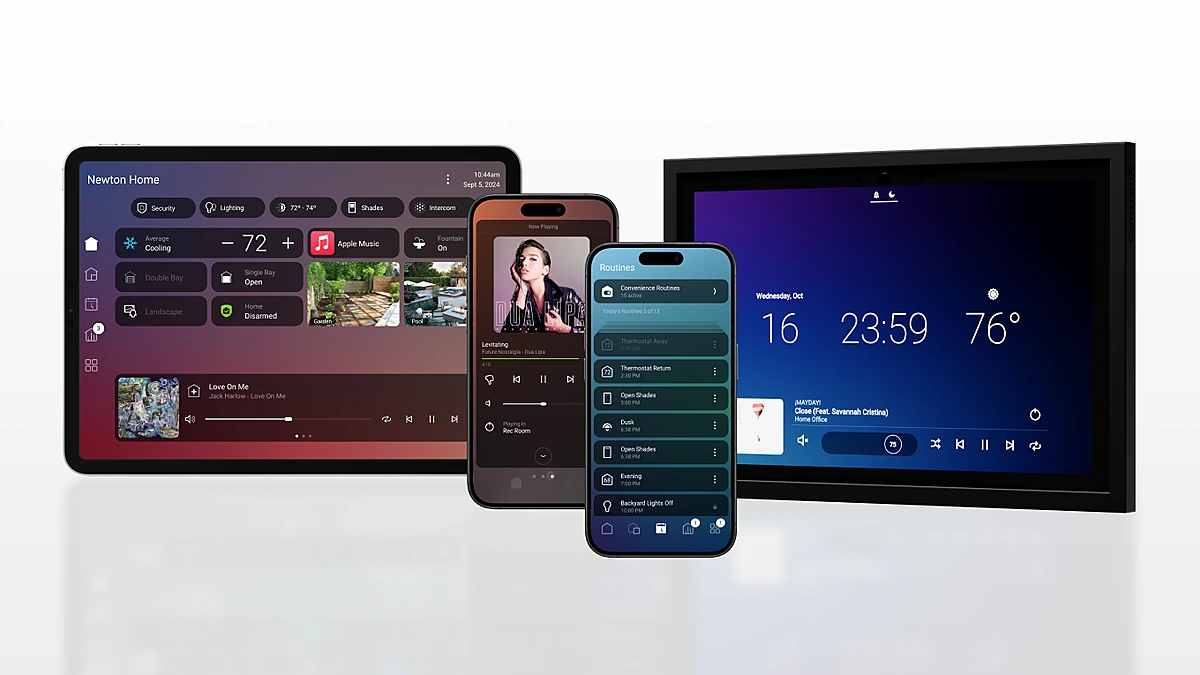
Control4 automation setup for unified entertainment, comfort, and home control.
4 minutes

Car & Truck Audio / Electronics Custom Upgrades
Custom mobile audio and electronics upgrades for better sound and functionality.
3 minutes
Two homes in five here were finished before 1950
Miami Shores has 3,994 homes, and 1,528 of them were finished before 1950. Another 1,470 went up in the fifties, so three quarters of the village predates the sixties altogether, and close to nine in ten of its homes are single-family. Stock of that age is generous with character and unhelpfully vague about what sits behind a finished wall. In this work that vagueness is the fact with consequences.
Two things happen at a wall, and both depend on what is actually inside it. A display has to be fixed to something that will hold it, in a position chosen for the room rather than for the convenience of whatever framing turns up. And the cable feeding it has to come down inside the same cavity if it is not going to be seen. In housing built to one predictable pattern both are routine. Here neither is assumed, which is why the wall gets opened and looked at before a mount is specified.
Almost nine in ten of these homes have their owner living in them
Of 3,653 occupied homes here, owners hold 3,167, and the median residence is valued at $788,600. At that level concealment is not a preference to be weighed against cost; it is the standard the finished result gets held to. So the honest conversation happens while everything is still a drawing — which rooms can be reached cleanly, which cannot, and what the alternative actually looks like in the ones that cannot.
It also argues for leaving a path rather than only a cable. A second run pulled while a cavity is open is worth having, but a route that can be used again — conduit, a preserved chase, a documented way back to the rack — is worth considerably more, because the next addition becomes a pull instead of a repair. In houses that stay with the same owners for decades, that distinction decides whether a system grows or simply gets replaced.
What the age of a village tells you, and where it stops
The largest single group of homes here dates from between 1950 and 1959, so there is a dominant pattern and it is worth knowing about. What a distribution cannot tell you is what happened to one address in the seventy years since — an extension, a rewire, a ceiling lowered, a wall rebuilt. Expect the pattern; verify the house. That reading takes an afternoon, and it is the only thing that turns a plausible design into a buildable one.
Then the sequence is the ordinary one, run in the order that costs least. Find out what the walls and ceilings will actually carry, agree the standard the finish has to meet, commit the cabling, the routes and the rack position while surfaces are still open, and leave whatever shows until last. In a house that predates all of this by seventy years, none of that order is optional — it is simply the only version that does not get done twice.