

Three Decades Built Seven In Ten Audio Video | Home Theater Installations Serving North Miami, FL
North Miami went up almost entirely in three mid-century decades: 15,507 of 21,729 homes were built between 1950 and 1979, only 199 are held seasonally, and 11,355 are rented.
Master Your Environment: Integrated Audio, Video, and Security Solutions
Discover cutting-edge solutions for home automation, vehicle audio systems, and marine entertainment, designed to optimize comfort, security, and control in every aspect of your life.
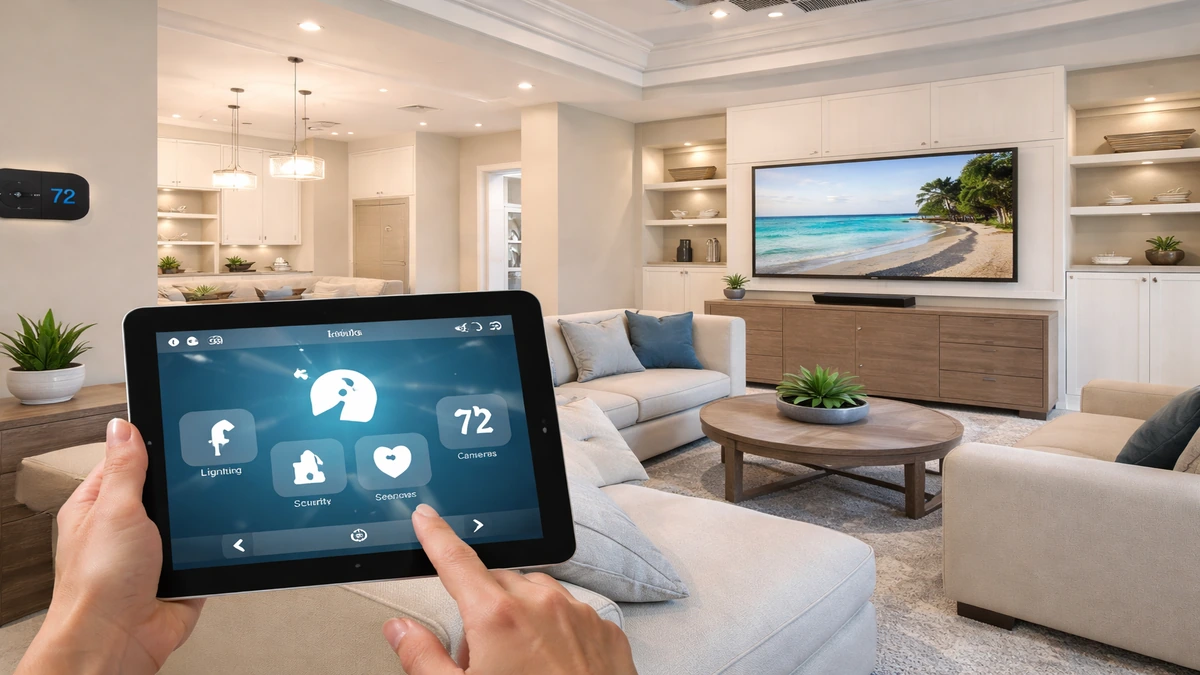
Smart Home Automation Installation
Integrated control for lighting, climate, security, and entertainment.
4 minutes
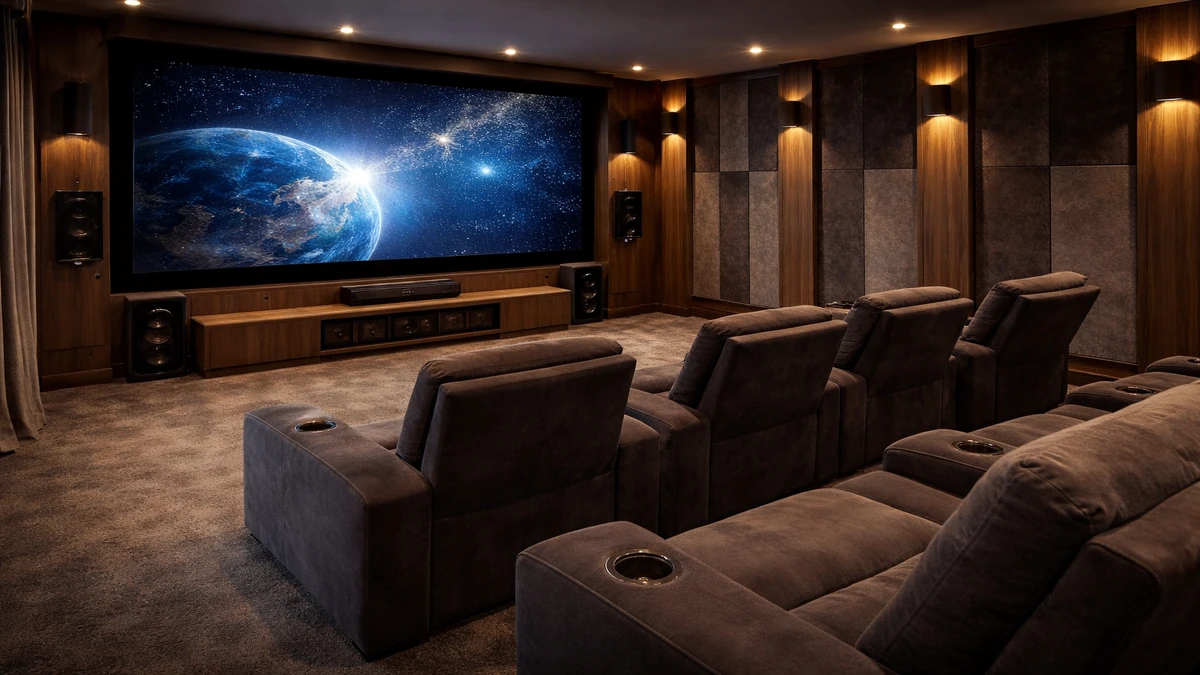
Home Theater Installation
Custom theater rooms designed for immersive picture, sound, and comfort.
4 minutes
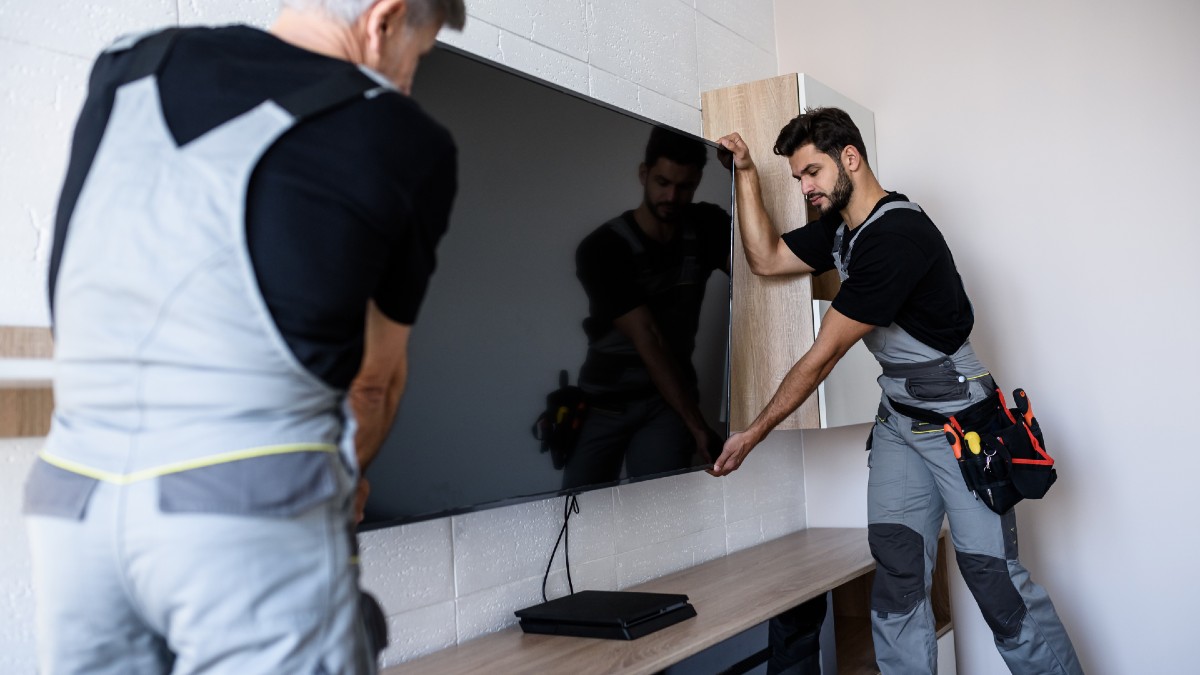
TV Wall Mounting
Professional TV mounting for cleaner layouts and better viewing angles.
5 minutes
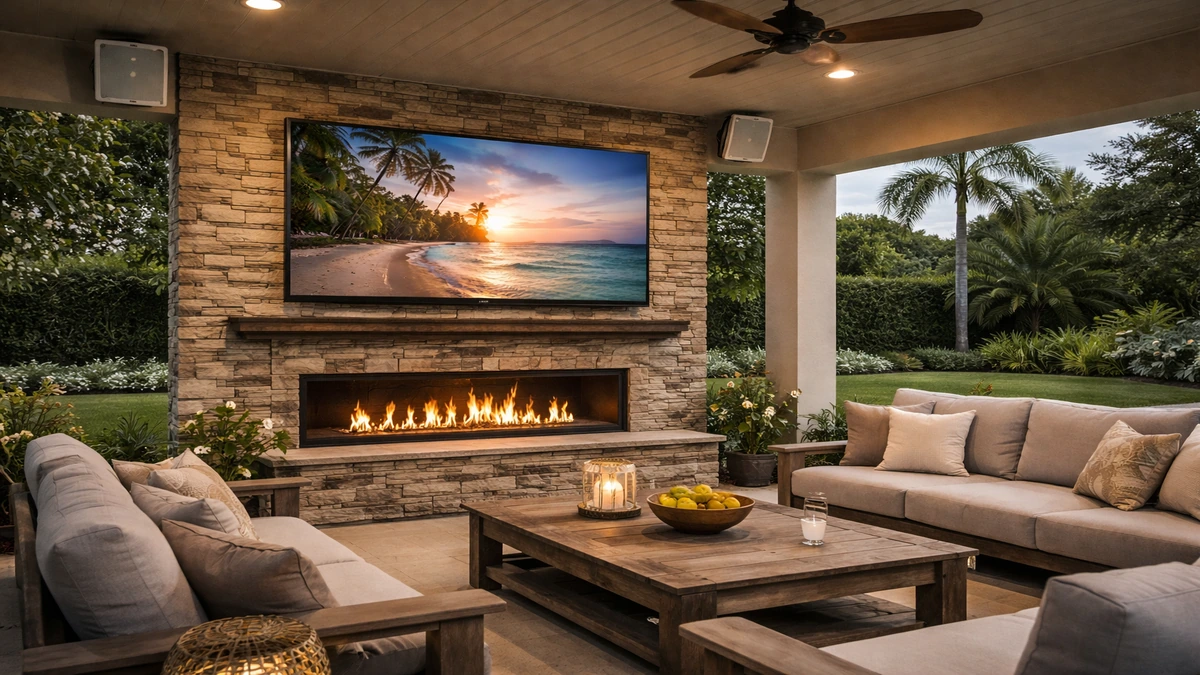
Outdoor TV Installation
Weather-aware outdoor TV setups built for patios, lanais, and pool areas.
5 minutes
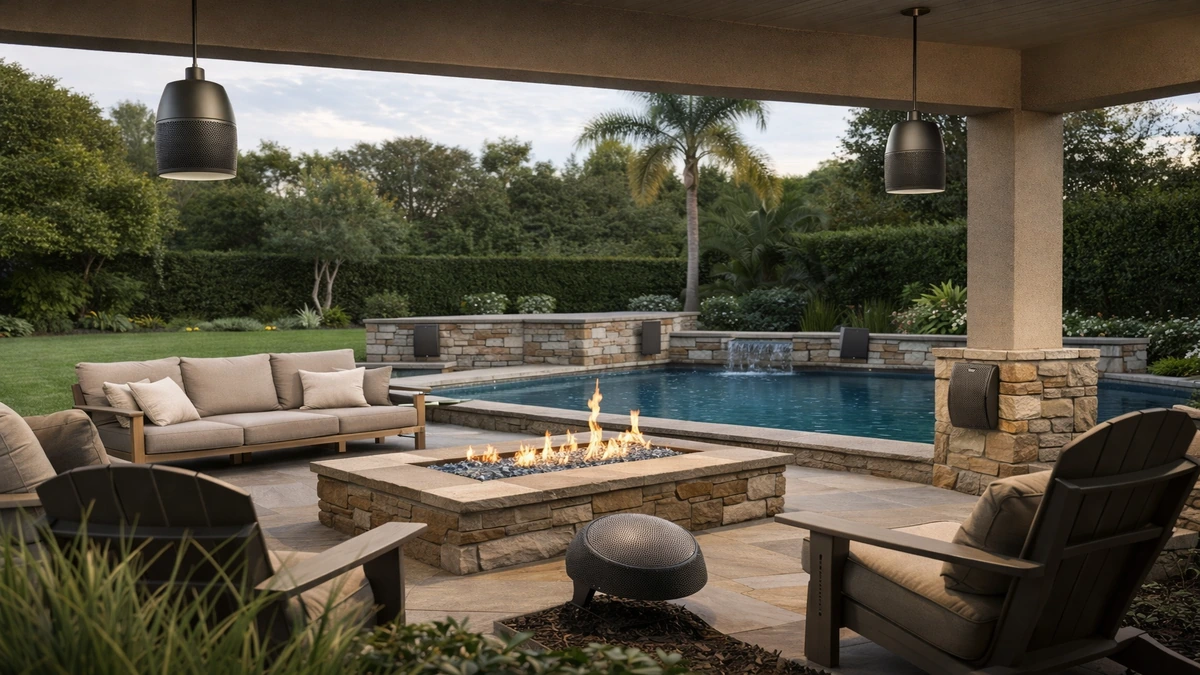
Outdoor Audio Installation
Outdoor speaker systems planned for clear sound and reliable coverage.
4 minutes
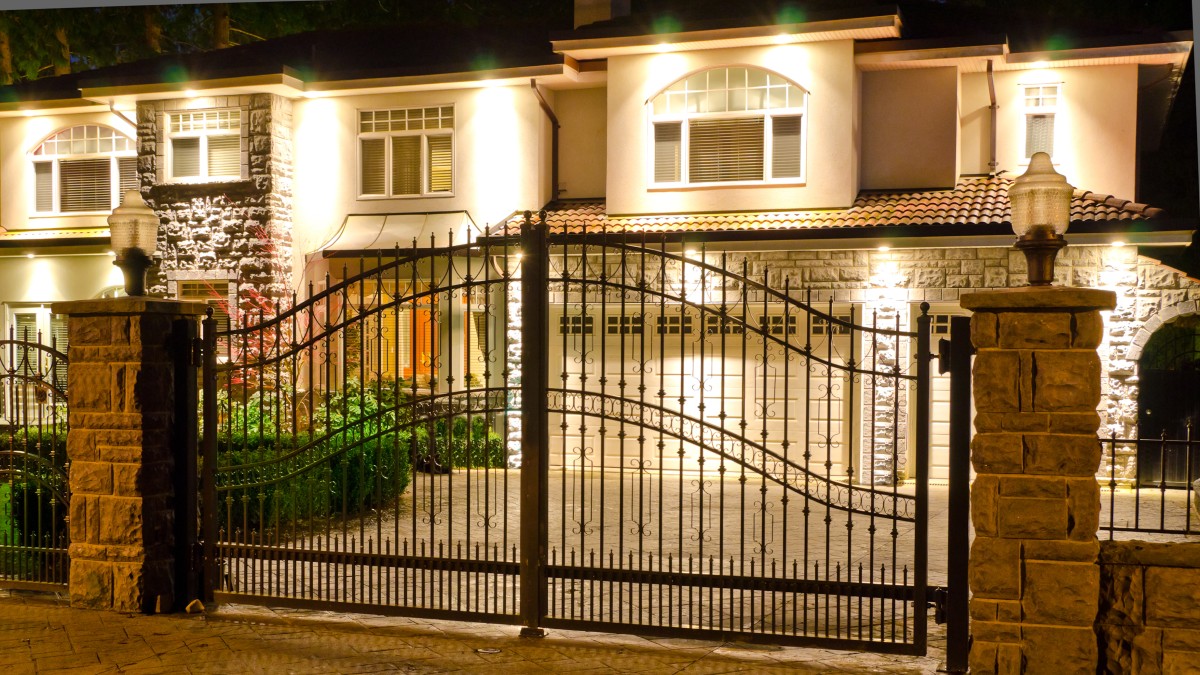
Automatic Gates
Secure, convenient gate automation with access control and entry integration.
4 minutes
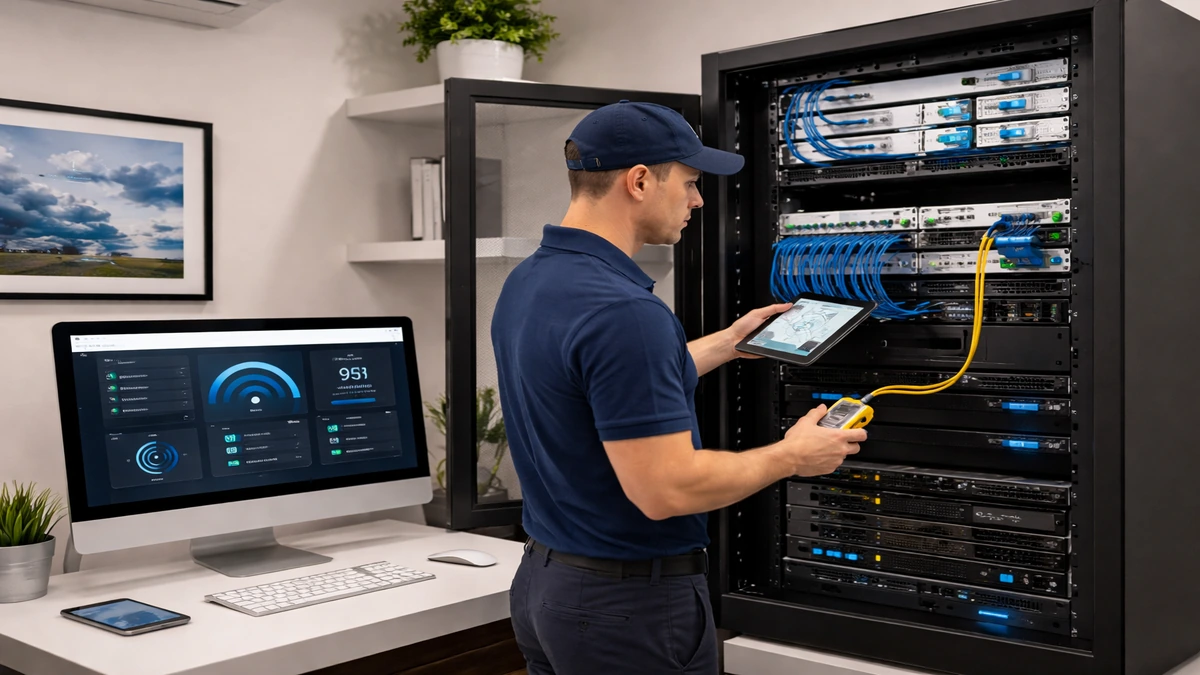
Home Network Installation
Stronger Wi-Fi, better coverage, and dependable connectivity throughout the property.
4 minutes
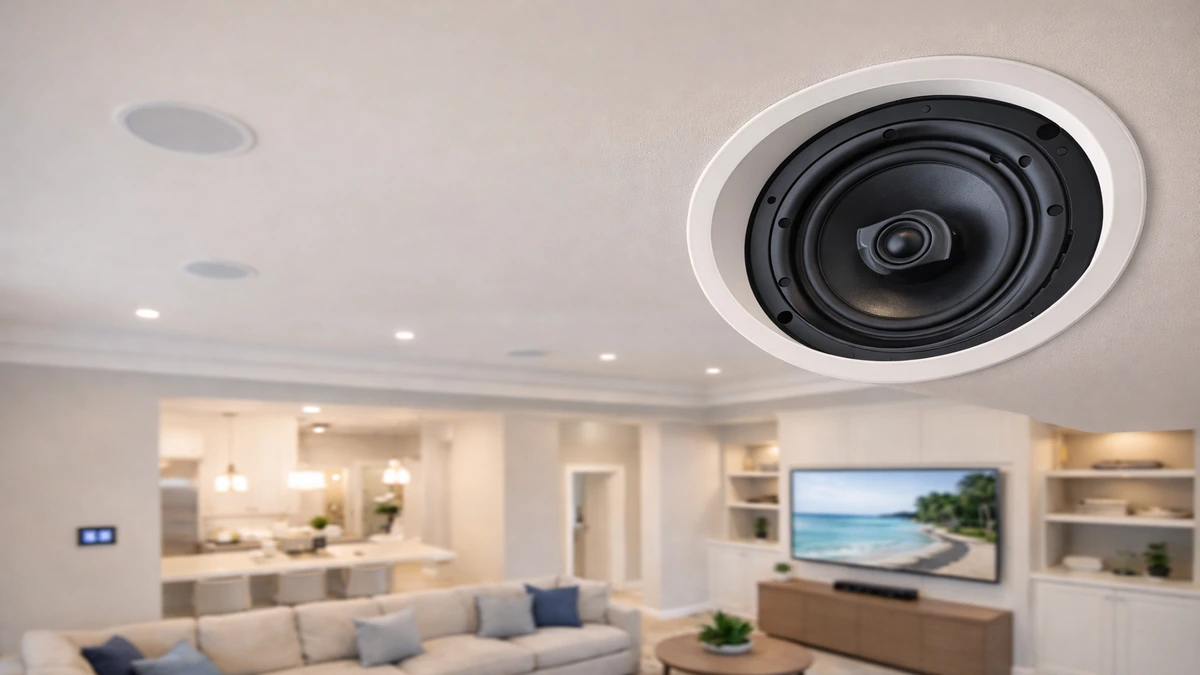
Ceiling Speaker Installation
Clean in-ceiling audio solutions for music, TV, and multi-room sound.
4 minutes
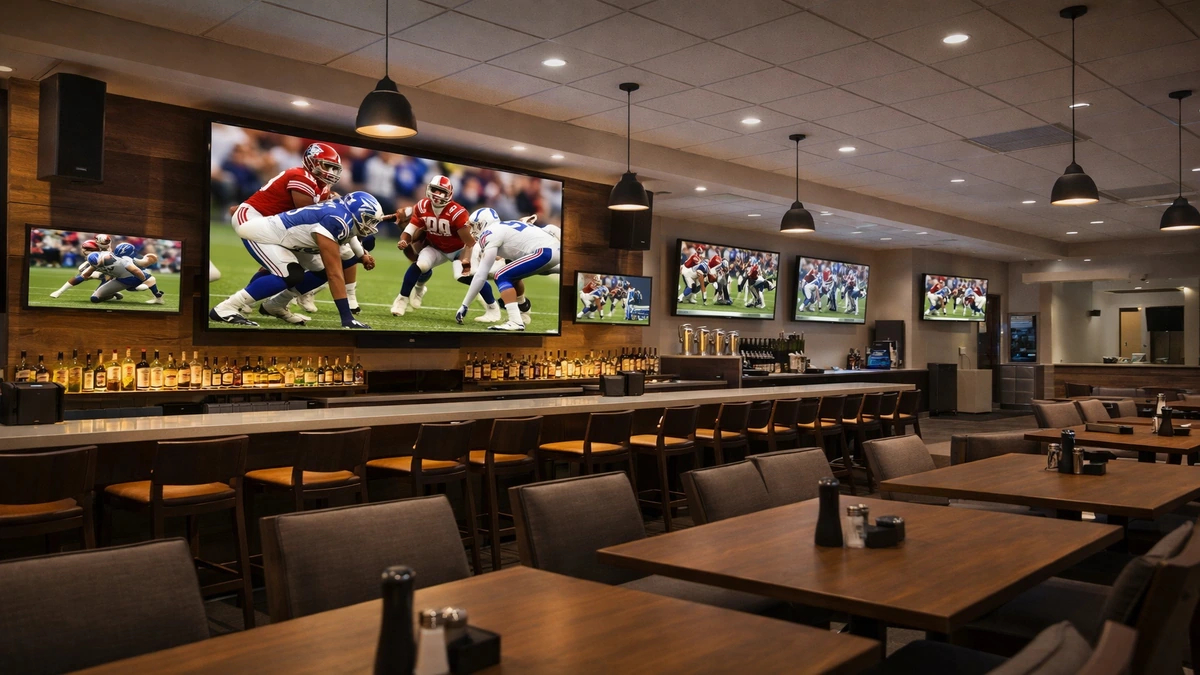
Commercial AV Installation
Professional audio, video, and control systems for business environments.
4 minutes
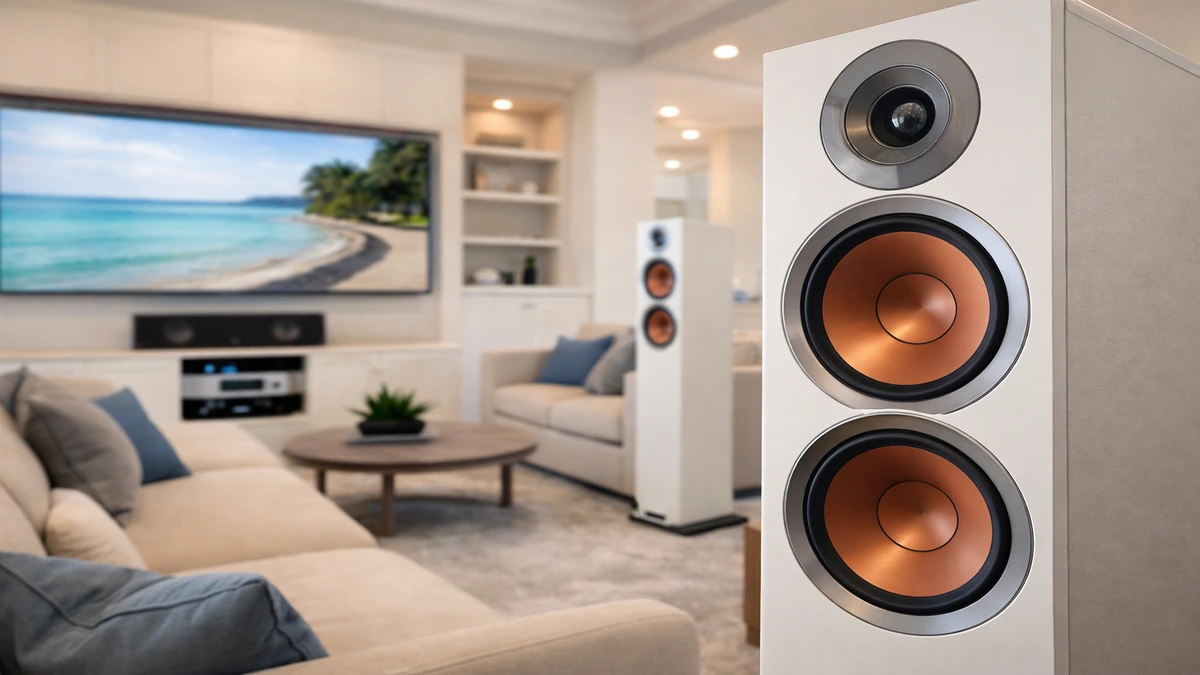
Home Audio Installation
Whole-home and room-based audio systems tailored to how you listen.
4 minutes

Marine Audio & Electronics Installation
Boat audio, displays, and electronics installed for performance on the water.
4 minutes
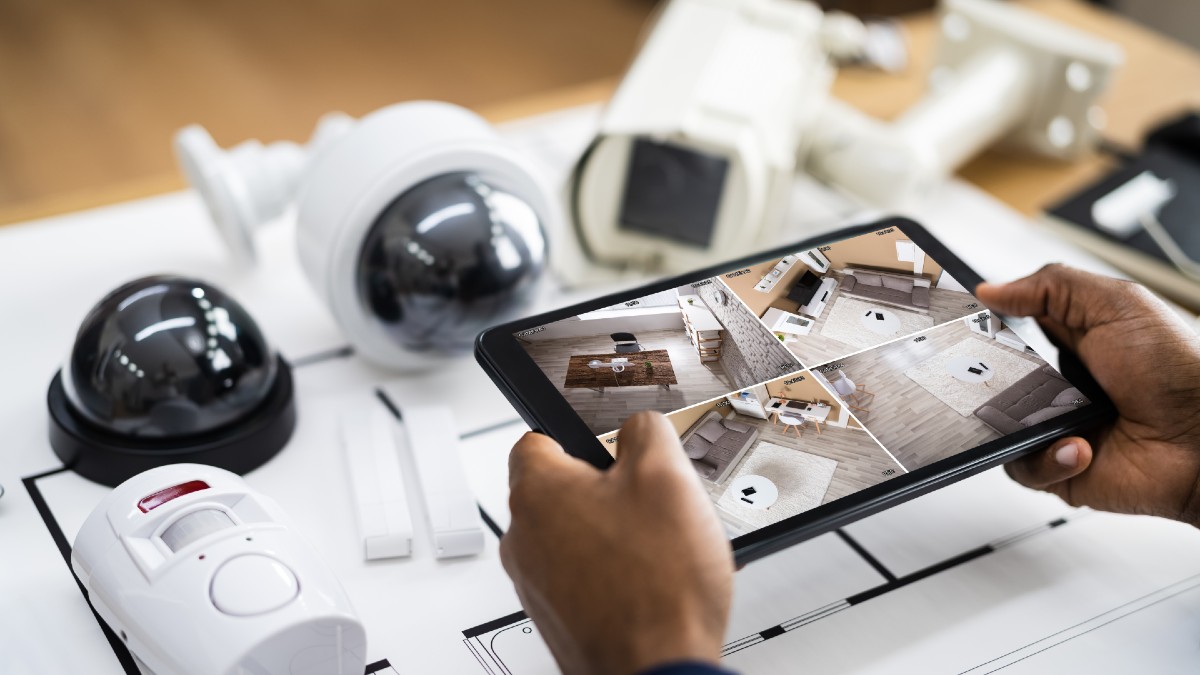
Security Camera Installation
Smart camera systems for visibility, alerts, recording, and remote monitoring.
4 minutes
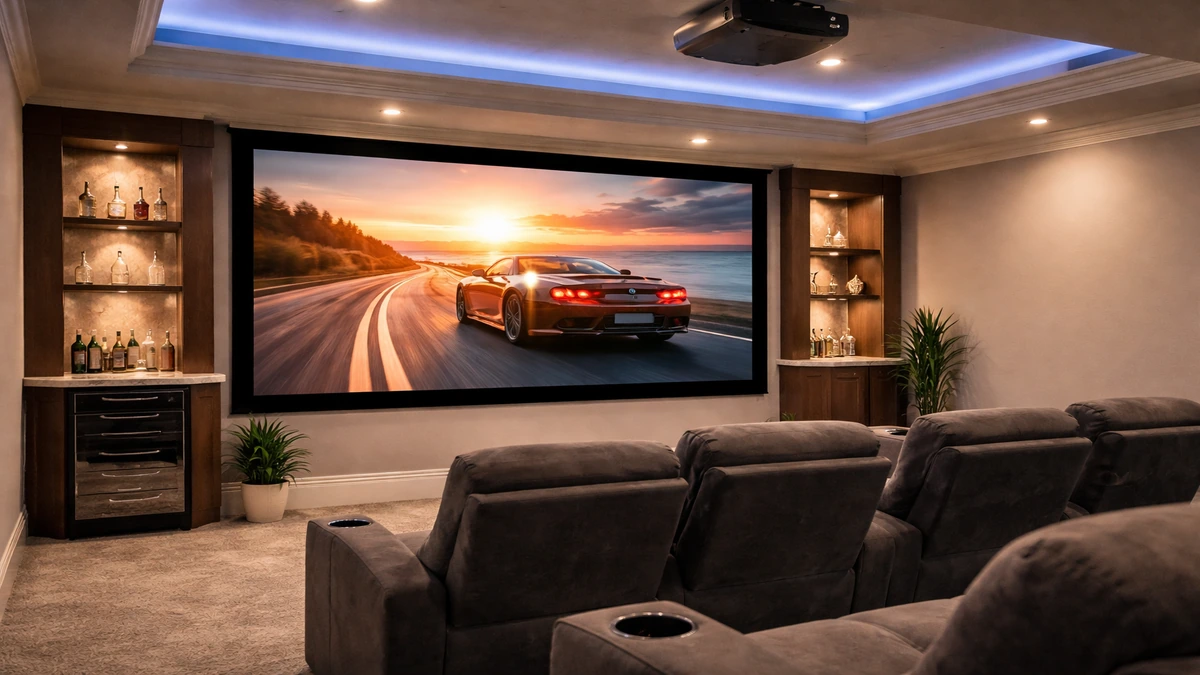
Projector Screen Installation
Projectors and screens configured for sharp viewing and balanced room performance.
4 minutes
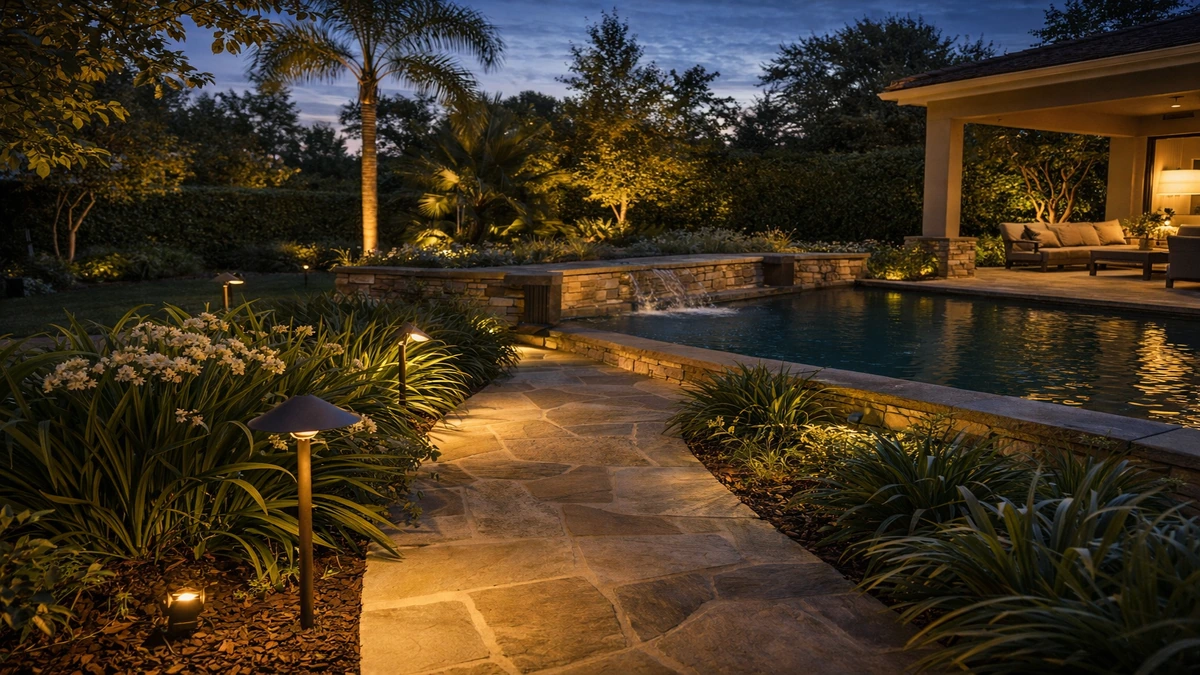
Outdoor Lighting Installation
Exterior lighting that improves curb appeal, ambiance, and nighttime usability.
4 minutes
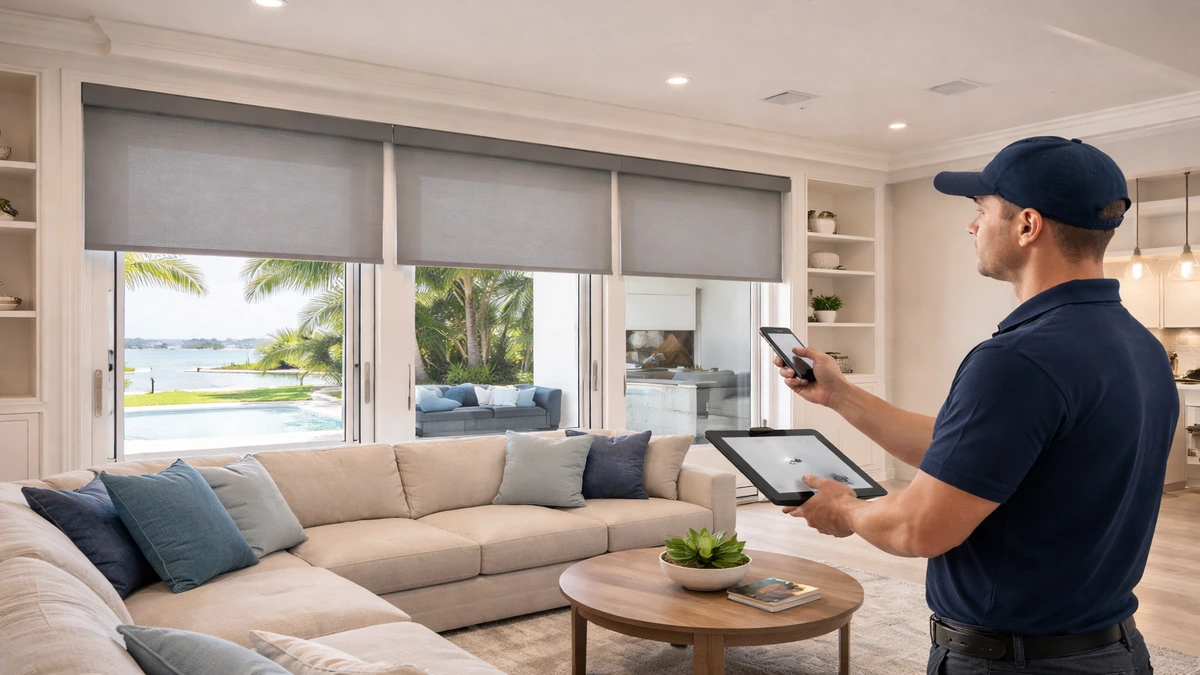
Motorized Blinds Installation
Automated shading for privacy, glare control, and everyday convenience.
4 minutes
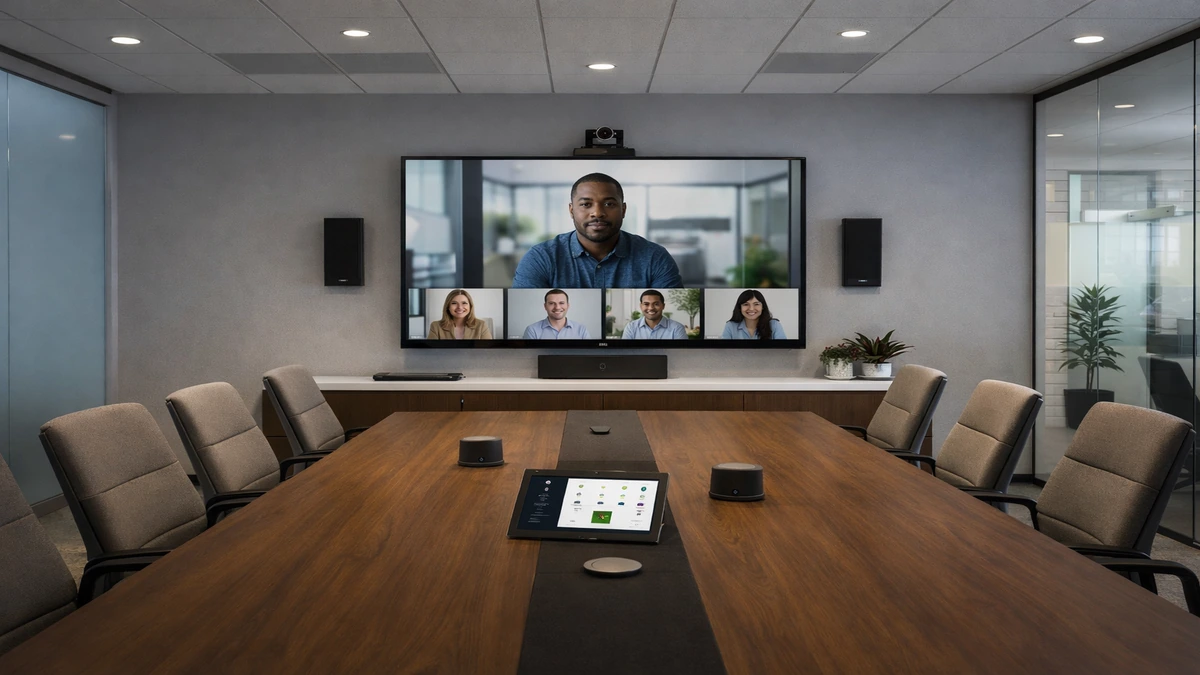
Conference Room AV Installation
Meeting room technology for clearer presentations, calls, and collaboration.
4 minutes
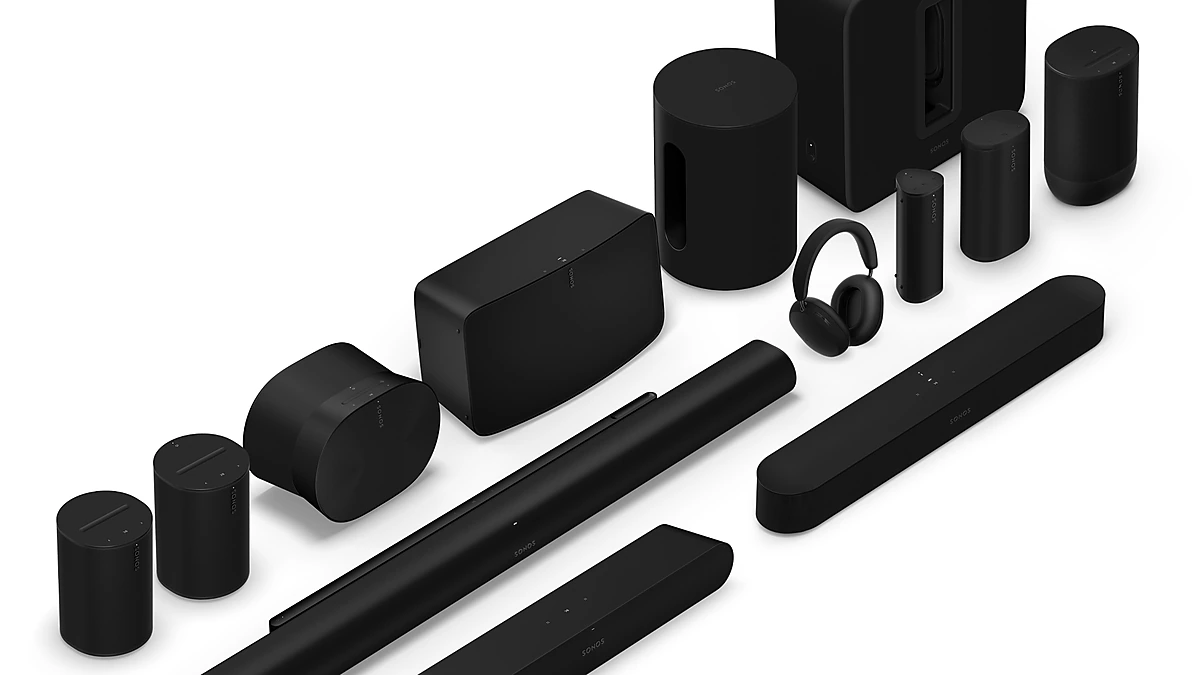
Sonos Installation
Sonos system design, setup, and tuning for simple multi-room audio.
4 minutes
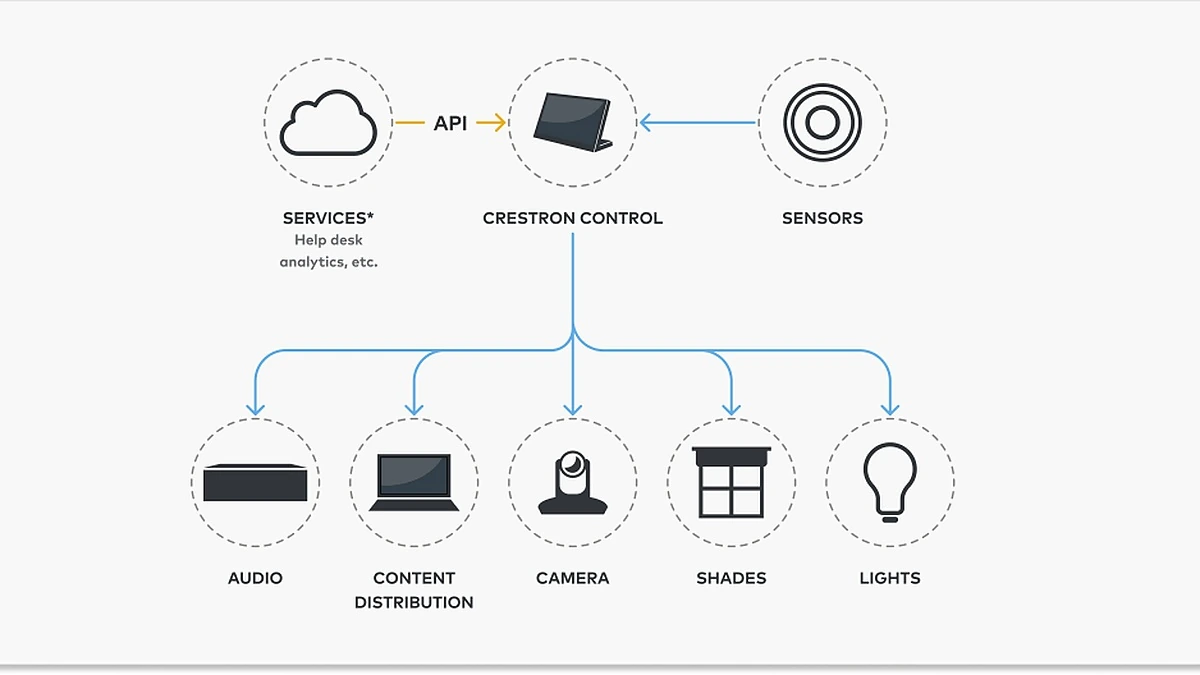
Crestron Installer
Advanced Crestron control integration for high-performance smart home environments.
4 minutes
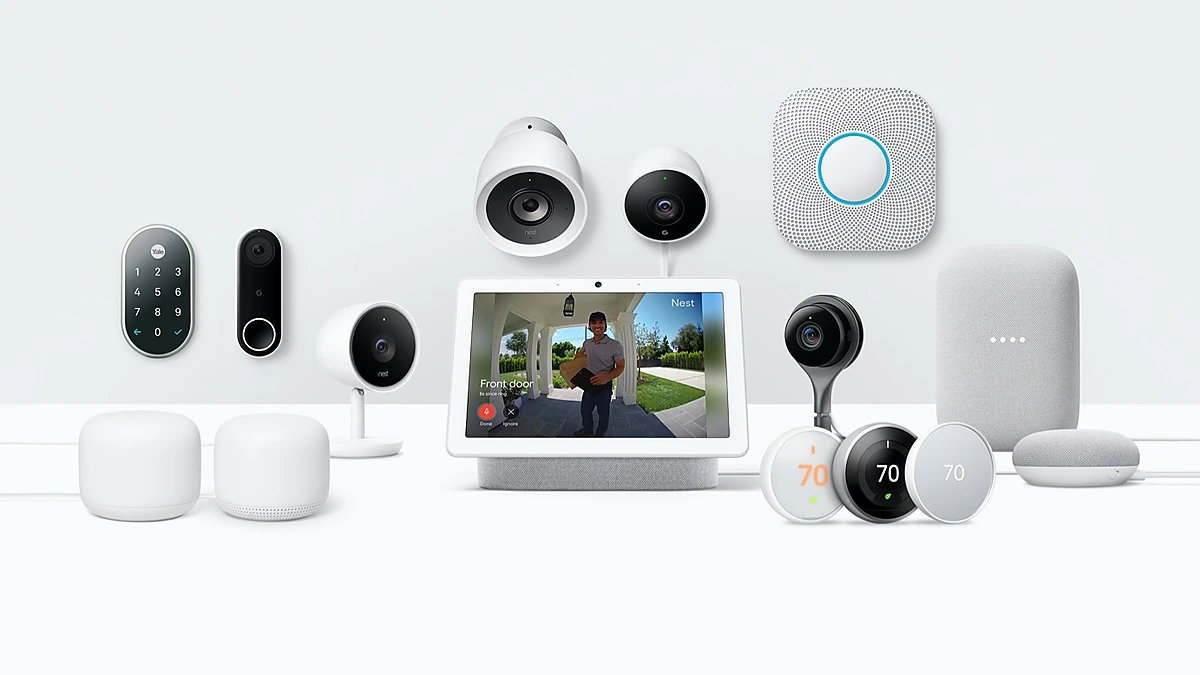
Nest Installer
Nest thermostat and smart home setup for comfort and remote control.
4 minutes
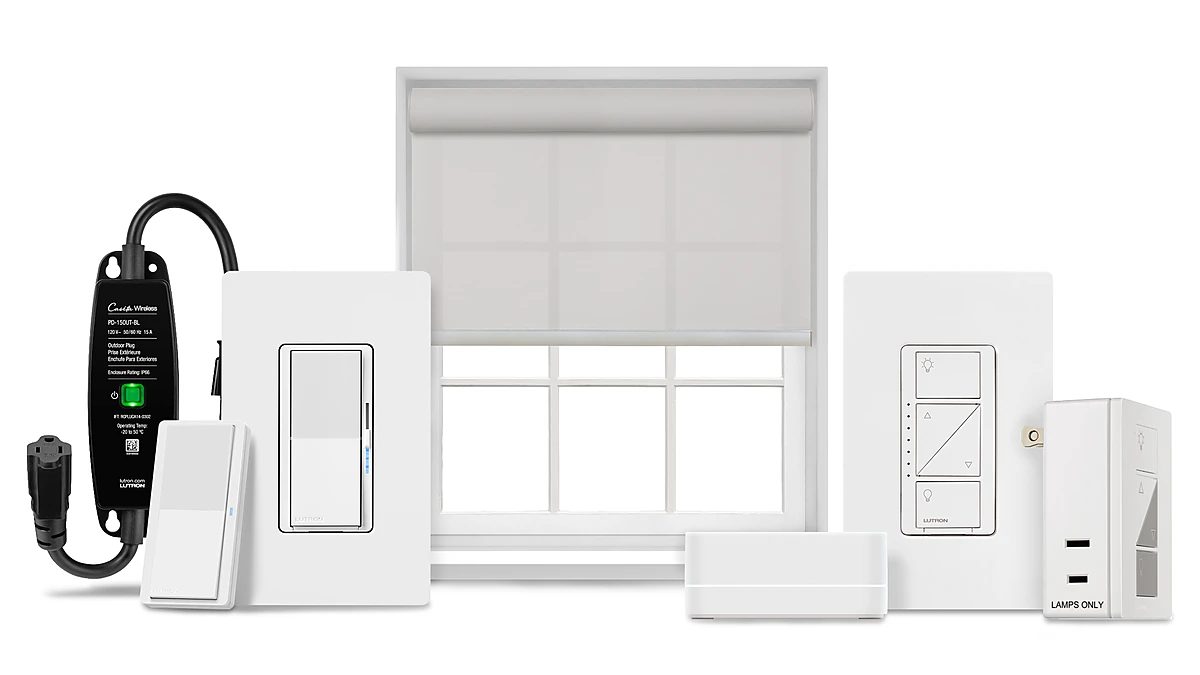
Lutron Installer
Lutron lighting and shading integration for smoother control and scene setting.
4 minutes
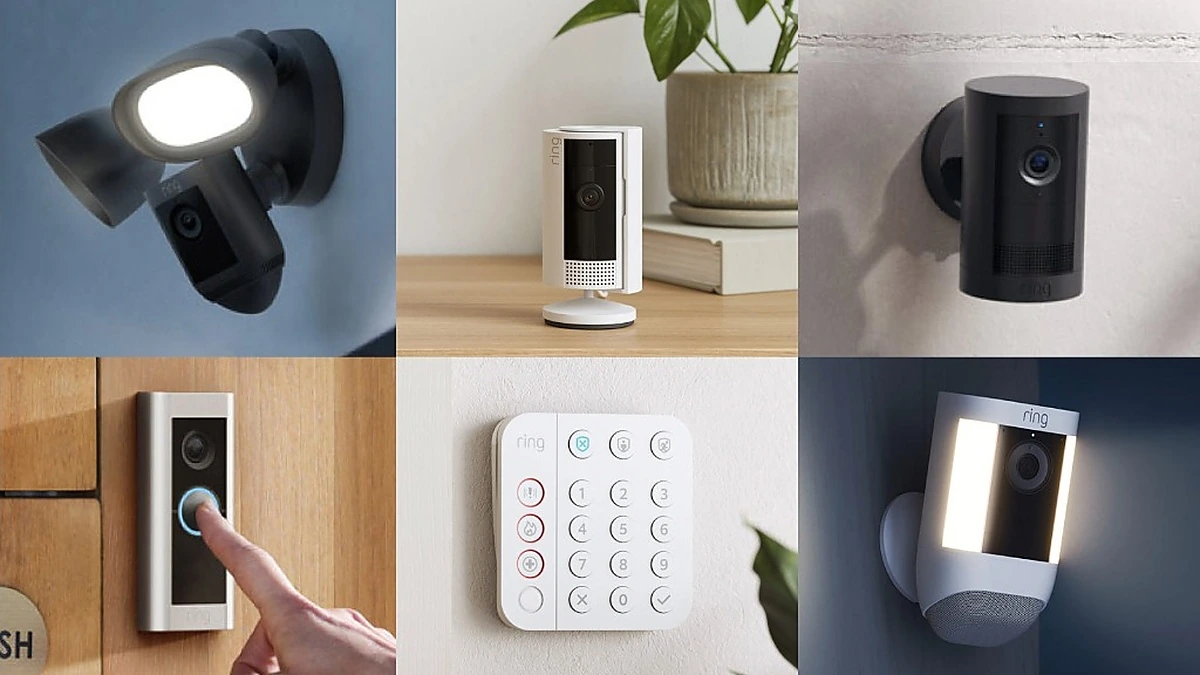
Ring Installation
Ring doorbells and cameras installed for better awareness and entry visibility.
5 minutes
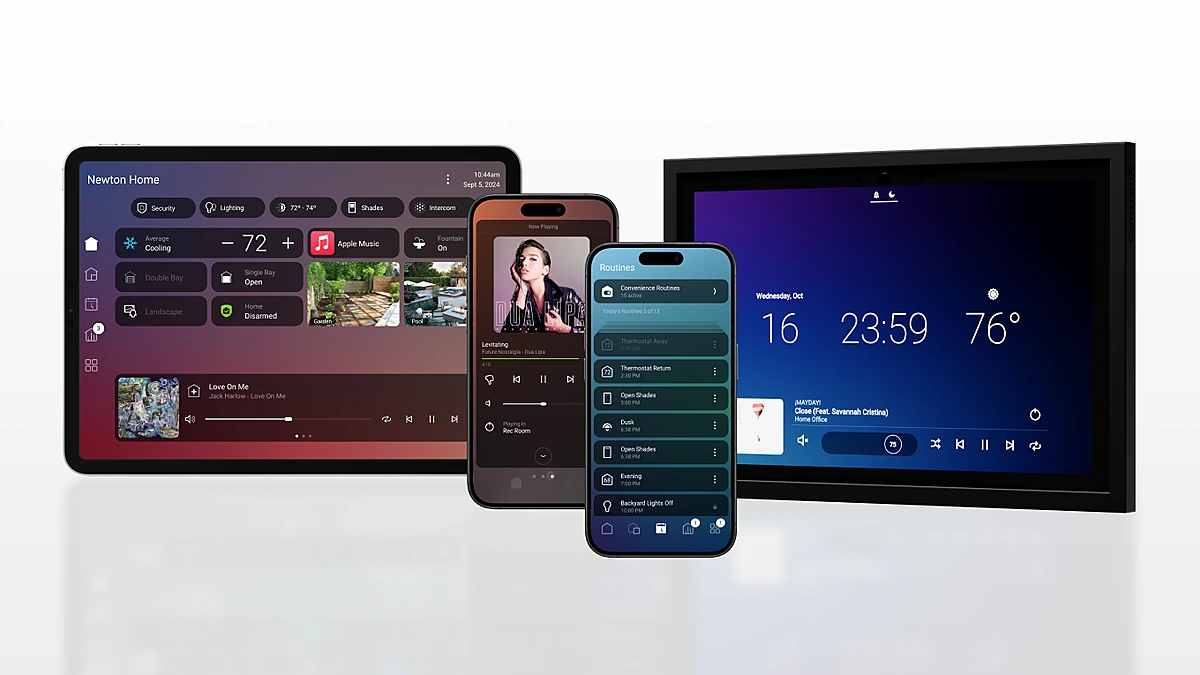
Control4 Installer
Control4 automation setup for unified entertainment, comfort, and home control.
4 minutes

Car & Truck Audio / Electronics Custom Upgrades
Custom mobile audio and electronics upgrades for better sound and functionality.
3 minutes
Three decades built seven of every ten homes here
North Miami has 21,729 homes, and three consecutive decades built most of them. The fifties, the sixties and the seventies each account for a little over five thousand — three cohorts almost identical in size, holding seven of every ten homes in the city between them. Barely two thousand homes have been finished since the turn of the century. That is an unusually settled building stock for South Florida, and the useful part of it is not the date. It is that whatever you meet behind a wall at one address here stands a good chance of being what you meet at the next, which is a rare thing to be able to say about a market.
What repeats, though, is an absence. Housing finished in those decades was completed long before low-voltage distribution was designed into anything, so the working assumption at nearly every address is that the cable a system needs does not exist yet and that no path was set aside for it. That holds for the houses and it holds for the apartment buildings, because they went up in the same years. It makes the opening question identical across the city — not what is already there, but where a route can be made and what it takes to close the surface again afterwards — and it makes the answer at one property genuinely useful at the next.
The era is shared here; the route is not
That is where the similarity stops. Roughly eight thousand of these homes are detached houses, about nine and a half thousand sit in buildings of twenty homes or more, and 3,466 fall in between in small buildings of two to nineteen. Same decades, same finished work to cut into, completely different ownership of the route. In a house the roof space, the exterior wall and the ground beneath the floor are all inside your own boundary, so reaching them is labour rather than permission. In the stacked buildings the only usable paths are the ones the structure already contains, and using one is a request as much as a task. The construction date will not tell you which of those two projects you are in.
One part of the work crosses that divide and is worth planning early on either side of it. Door entry, cameras and an intercom position are the runs that leave the living space, and they are the ones most often added afterwards at the worst possible price. They also share the network and the control surface with everything else, so a door station that lives in its own separate app is a second system rather than a feature of the first. Deciding where those runs go while the routes are being established costs a length of cable. Deciding it later costs a return to the part of the property that was hardest to reach the first time.
Lived in all year, and more often rented than owned
Only 199 homes in North Miami are held for seasonal, recreational or occasional use, a shade over one in eight of everything standing empty. This is not a part-year market. And of the 20,077 occupied homes, 11,355 are rented. Put those two facts side by side and a specific picture appears: a system here is in use every day of the year, and the person using it is more often than not somebody who did not choose it and was never shown how it works. That is the harshest test a control layer gets, and in this city it is the normal condition rather than the edge case.
What survives that test is physical and local. A control wired to the wall and labelled with what it does will still be there and still work after a household changes; an arrangement resting on one person's account, one person's phone and one person's memory will not. The same logic settles where the money goes. Speakers set into a ceiling, cable inside a wall and a rack somewhere a second person can actually open are the parts that stay through every change of occupant, and they are the parts that cannot be redone cheaply. Whatever sits on the end of them is replaceable, and should be chosen on the assumption that it will be replaced.
For stock like this the order is short and it does not bend. Establish which of the two building types you are in, because nothing downstream is the same across them. Find where a route can be made, and agree what closing it back up has to look like. Put the durable half of the system in while a surface is open, including the runs to the door and to the outside. Then choose the equipment, which is the only part of the job that can be changed later without opening anything at all.