

Sixties Ceilings, No Visible Cable Audio Video | Home Theater Installations Serving Pinecrest, FL
At this finish level a system is judged on what you cannot see: the median Pinecrest home is valued at
,179,400, 81.4% of homes are single-family and 84.5% are owner-occupied.
Transform Your Space with Comprehensive Audio/Video and Automation Services
Offering custom solutions in audio/video setups for homes, cars, trucks, and boats, along with smart automation for climate, lighting, and security to enhance your daily living and transport experiences.
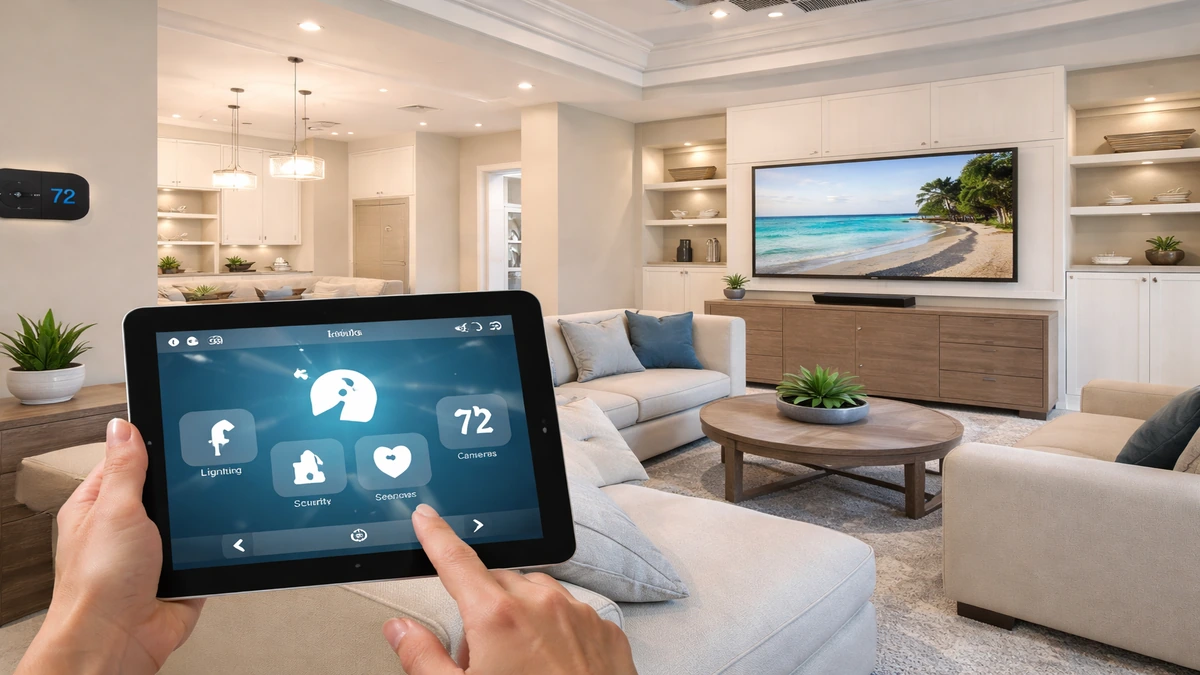
Smart Home Automation Installation
Integrated control for lighting, climate, security, and entertainment.
4 minutes
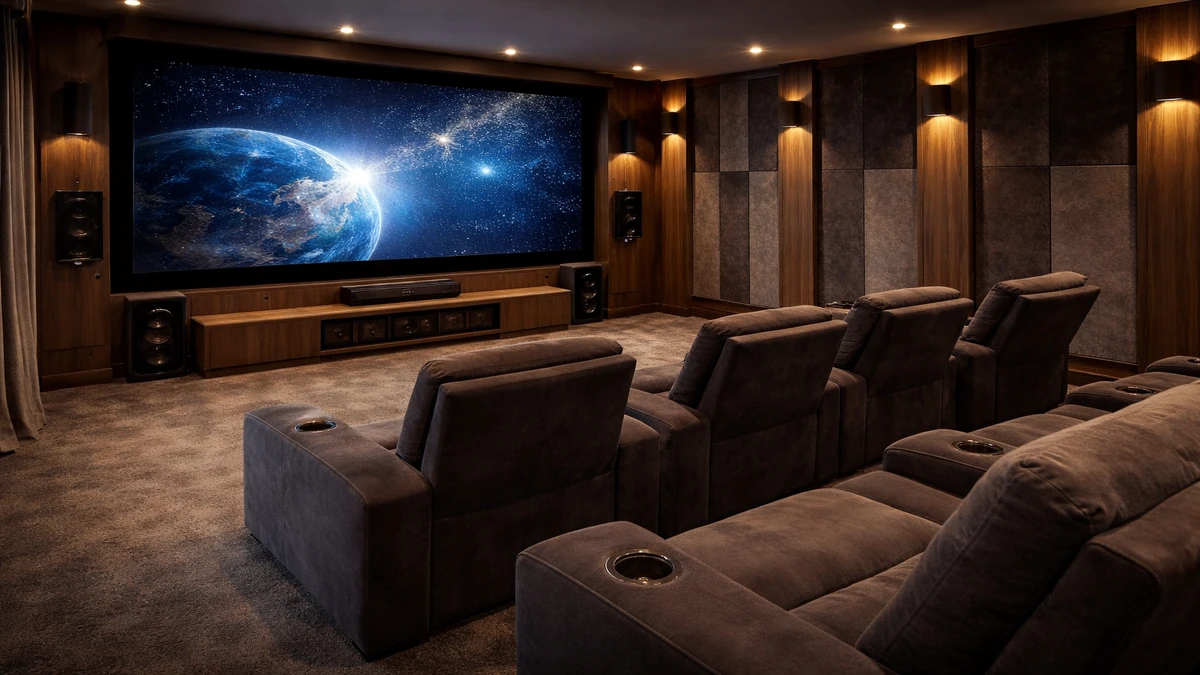
Home Theater Installation
Custom theater rooms designed for immersive picture, sound, and comfort.
4 minutes
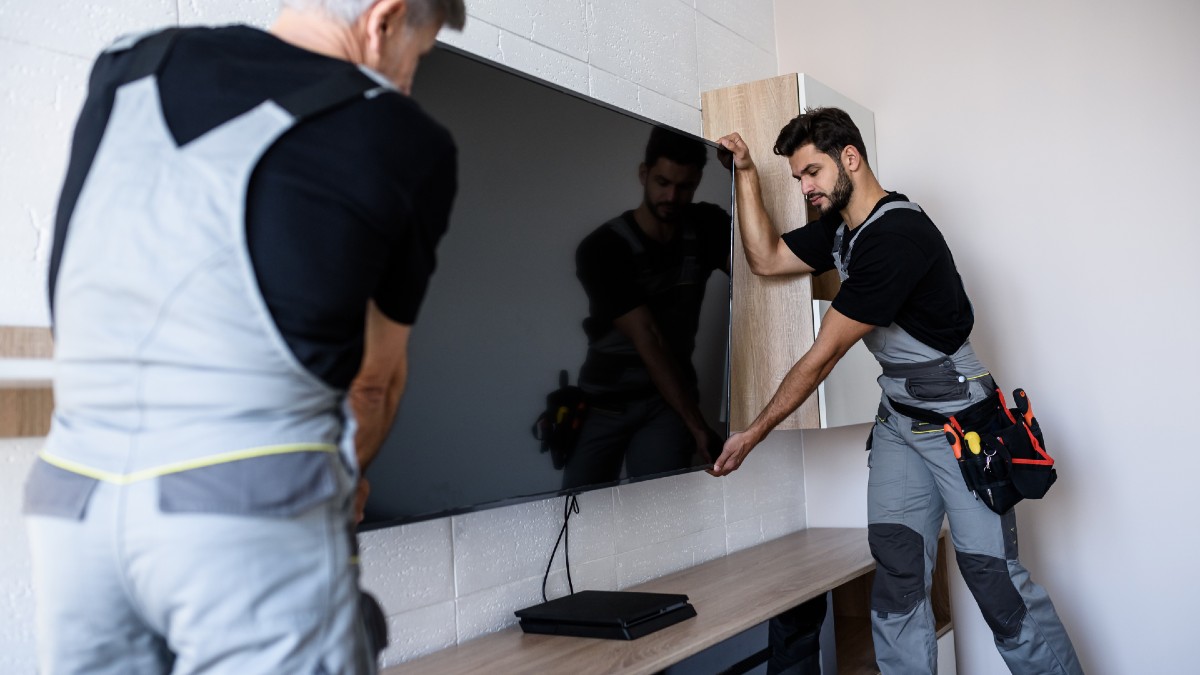
TV Wall Mounting
Professional TV mounting for cleaner layouts and better viewing angles.
5 minutes
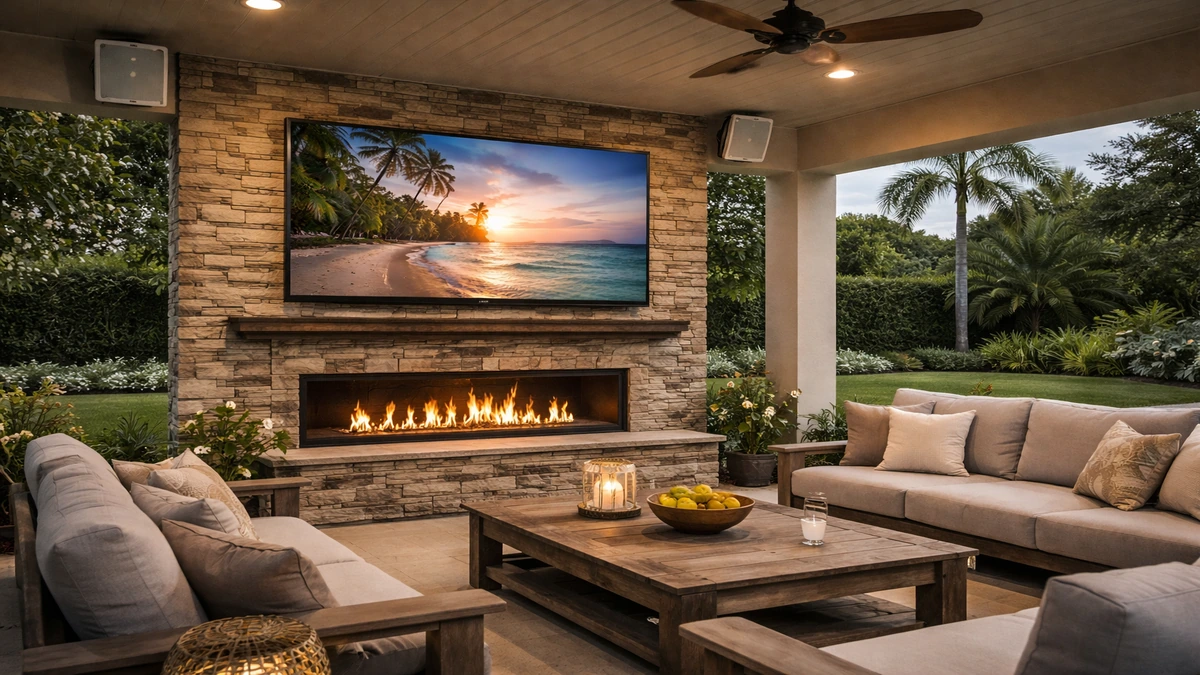
Outdoor TV Installation
Weather-aware outdoor TV setups built for patios, lanais, and pool areas.
5 minutes
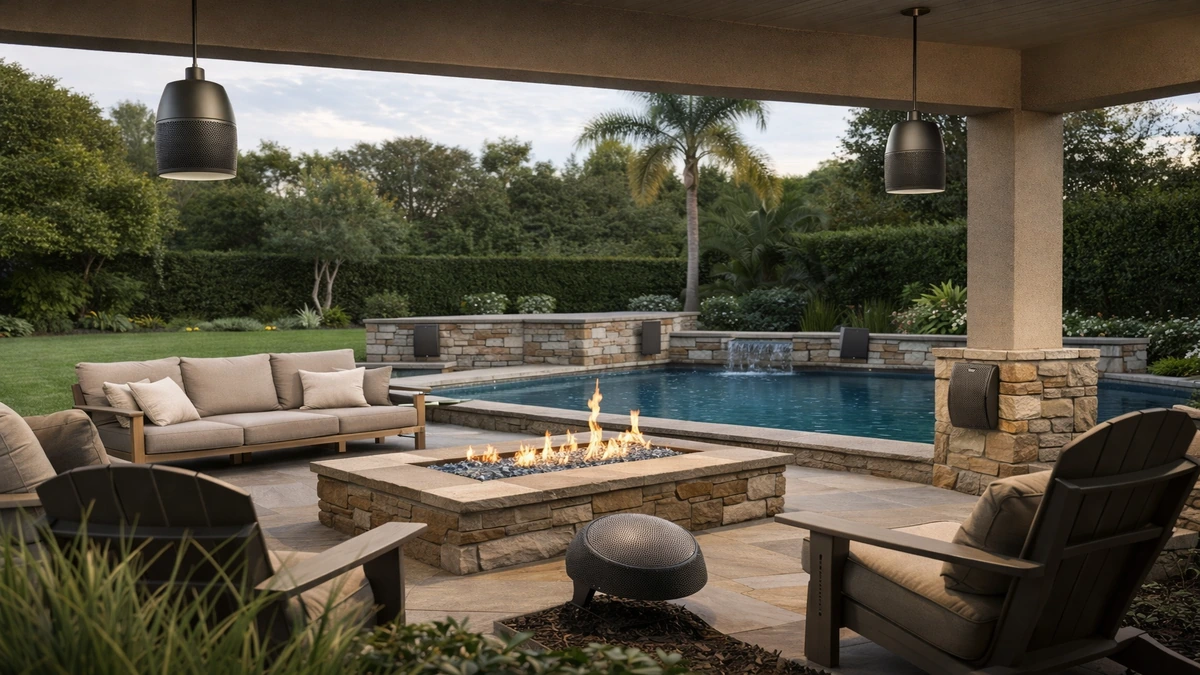
Outdoor Audio Installation
Outdoor speaker systems planned for clear sound and reliable coverage.
4 minutes
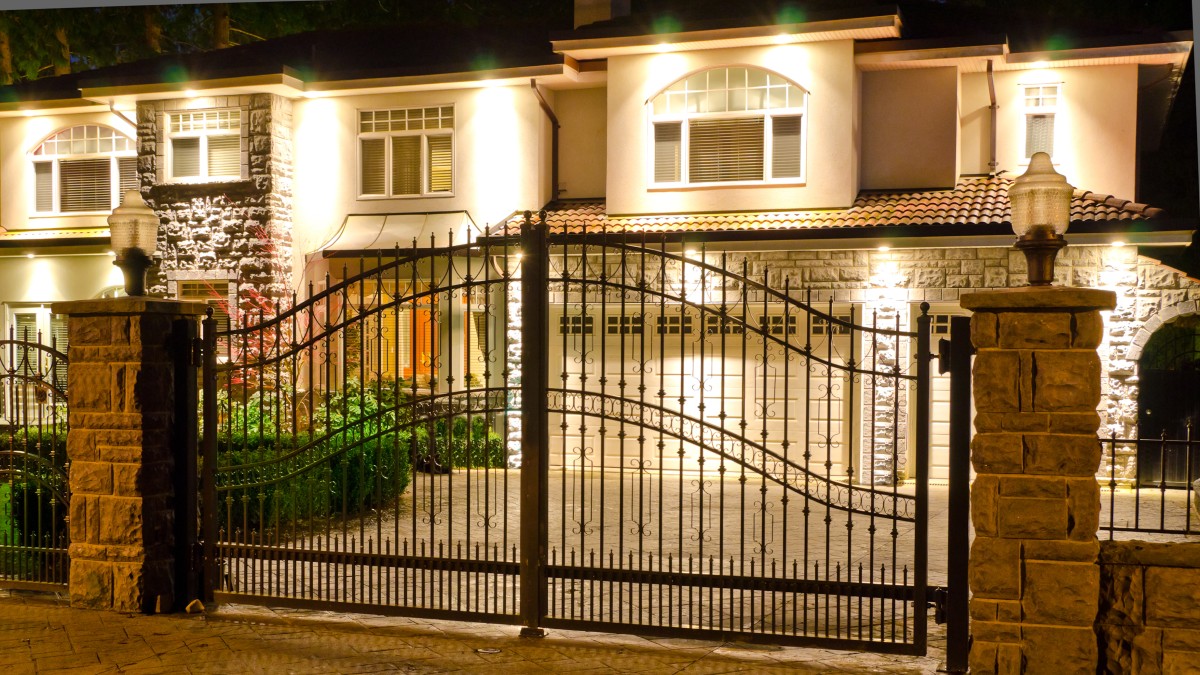
Automatic Gates
Secure, convenient gate automation with access control and entry integration.
4 minutes
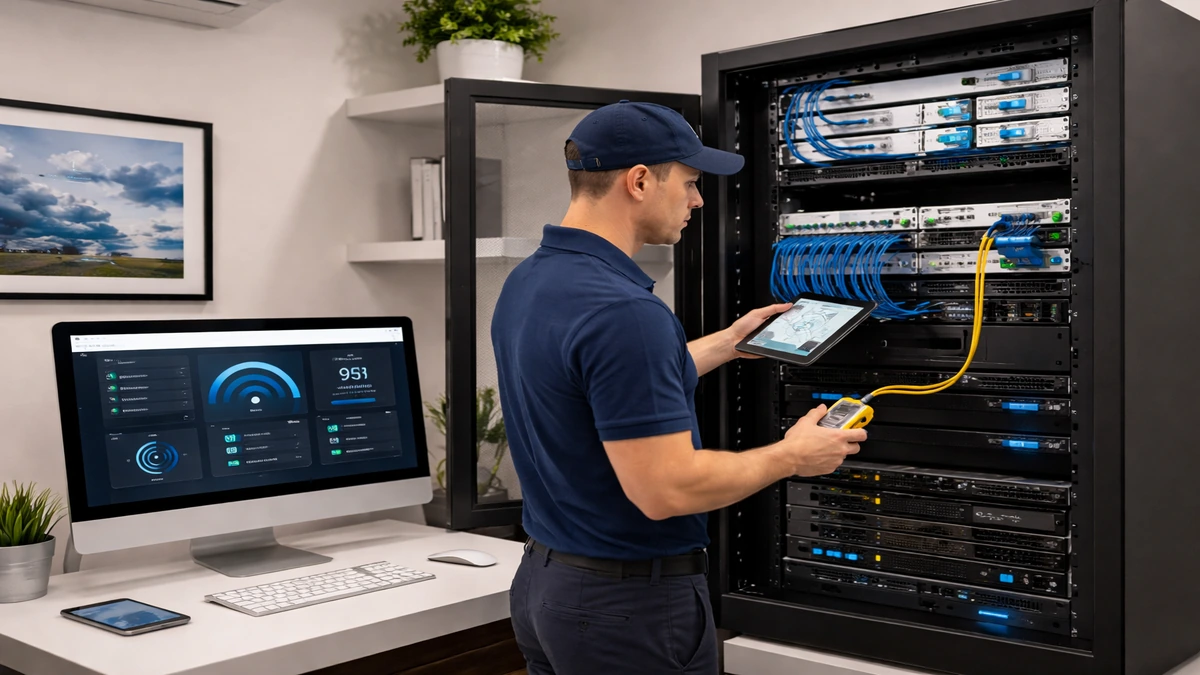
Home Network Installation
Stronger Wi-Fi, better coverage, and dependable connectivity throughout the property.
4 minutes
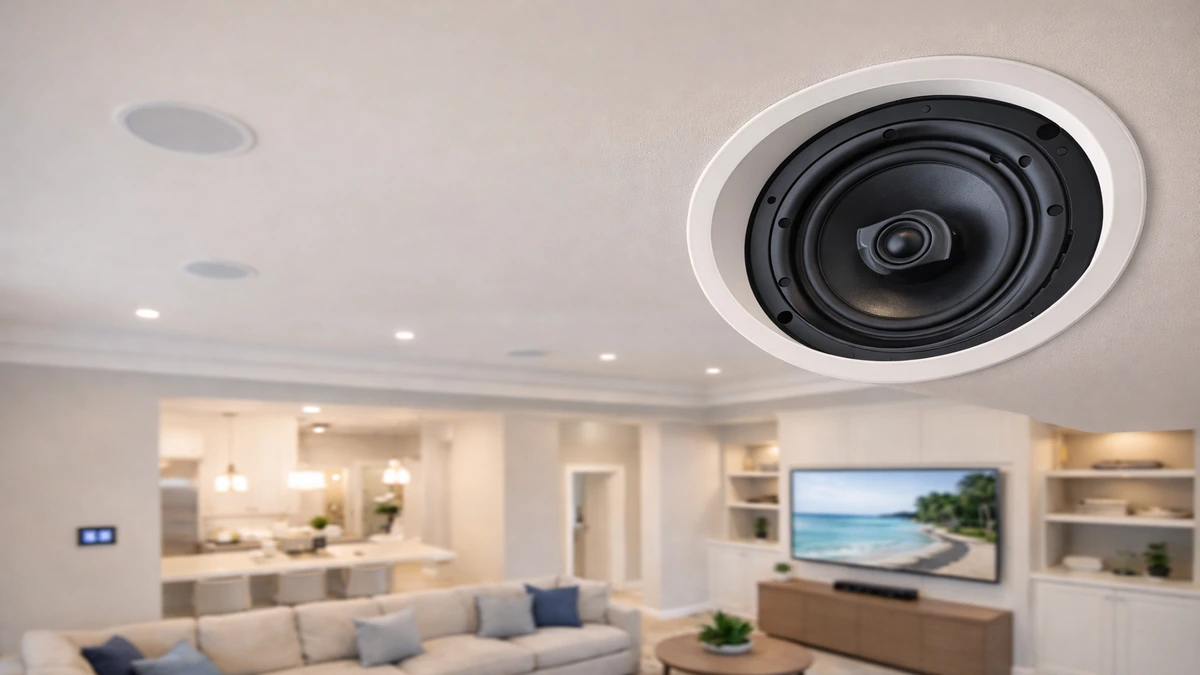
Ceiling Speaker Installation
Clean in-ceiling audio solutions for music, TV, and multi-room sound.
4 minutes
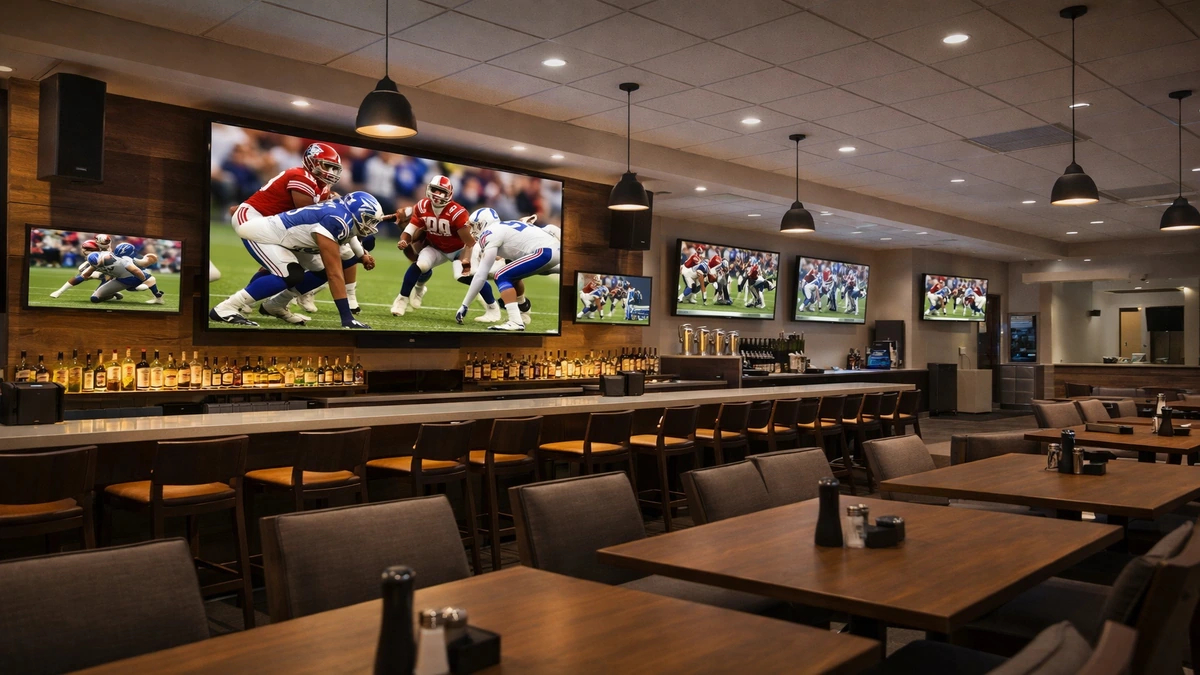
Commercial AV Installation
Professional audio, video, and control systems for business environments.
4 minutes
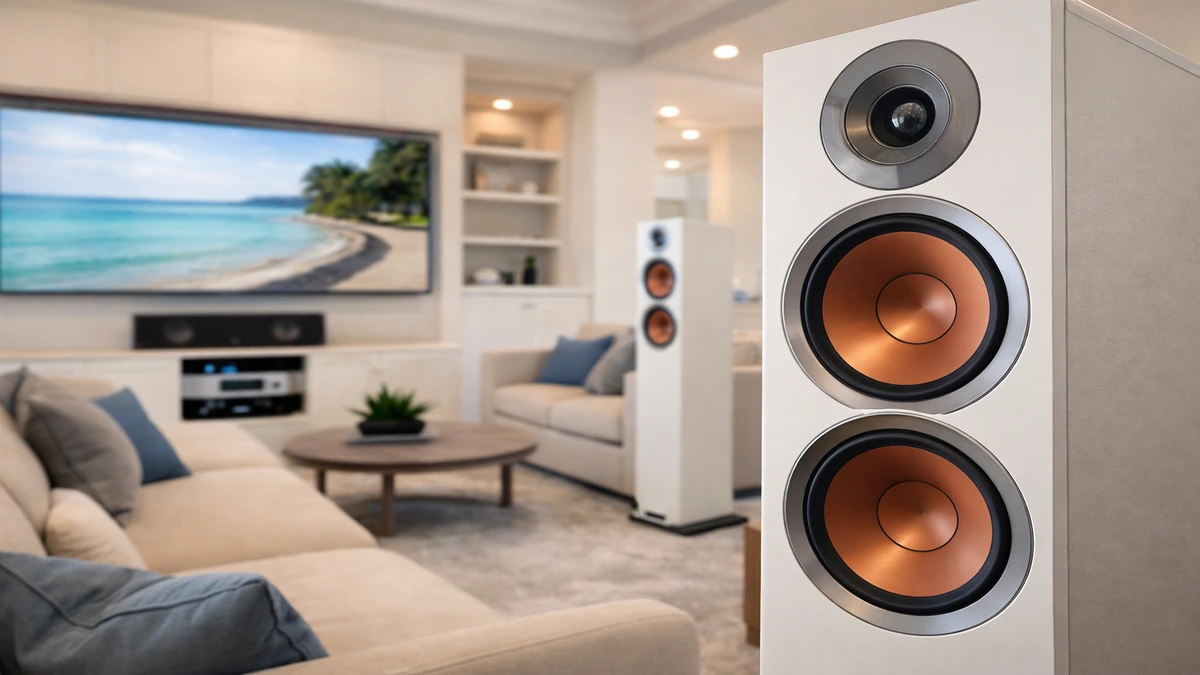
Home Audio Installation
Whole-home and room-based audio systems tailored to how you listen.
4 minutes

Marine Audio & Electronics Installation
Boat audio, displays, and electronics installed for performance on the water.
4 minutes
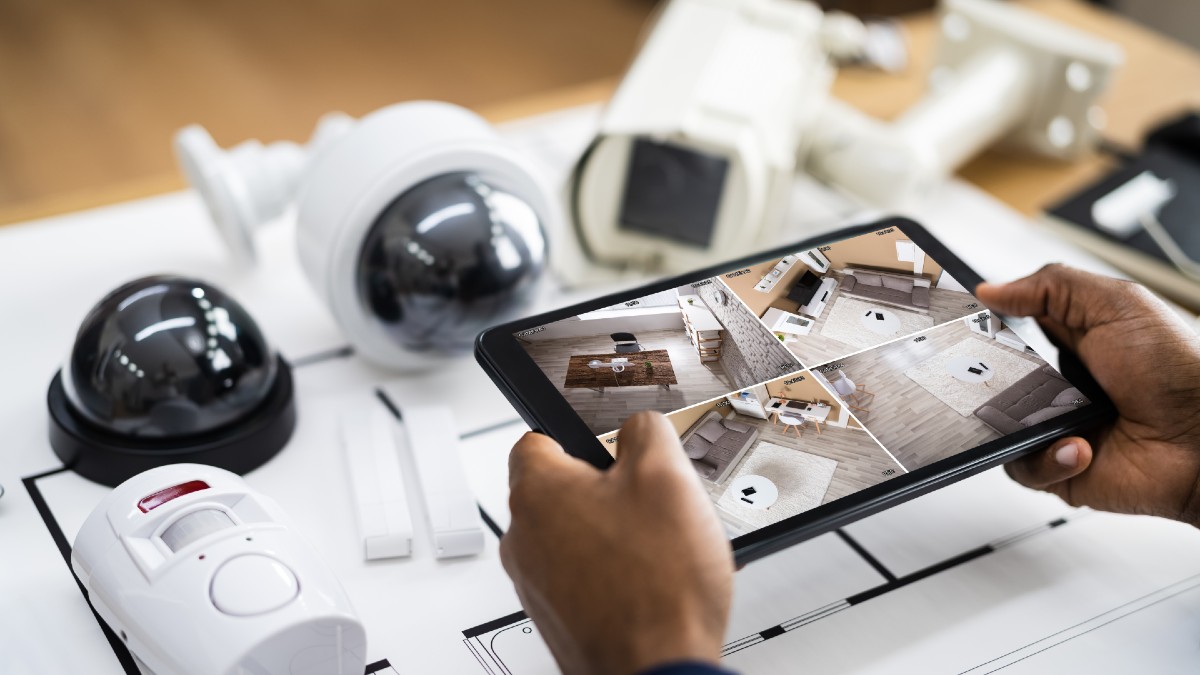
Security Camera Installation
Smart camera systems for visibility, alerts, recording, and remote monitoring.
4 minutes
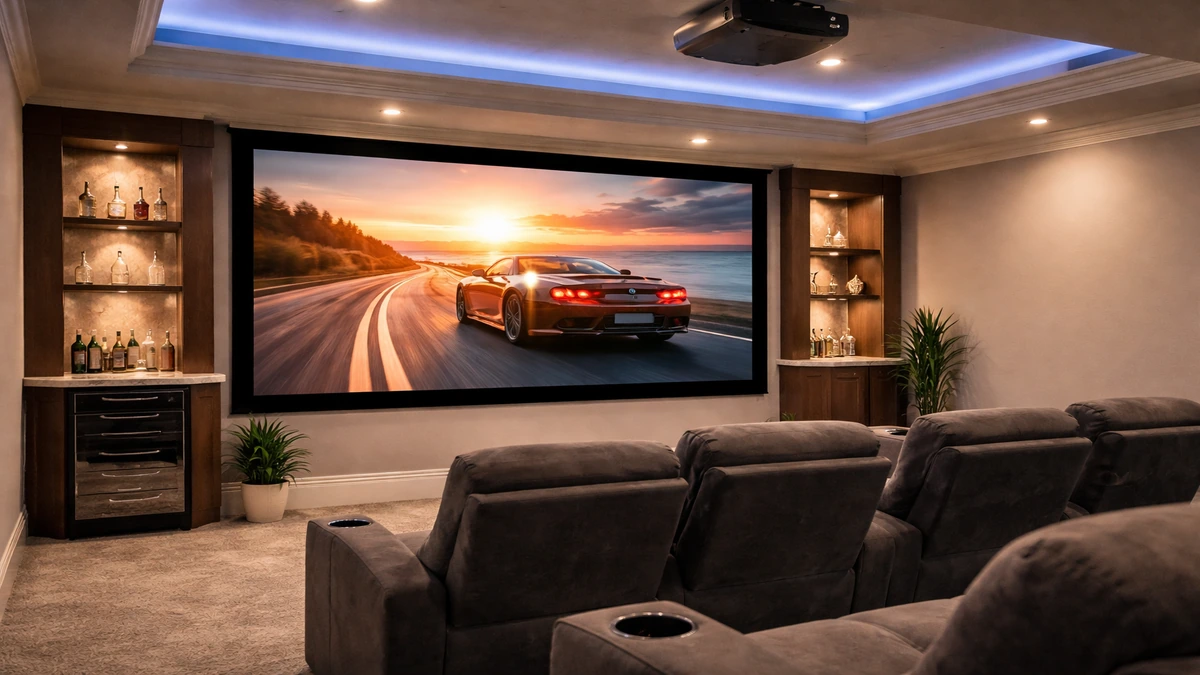
Projector Screen Installation
Projectors and screens configured for sharp viewing and balanced room performance.
4 minutes
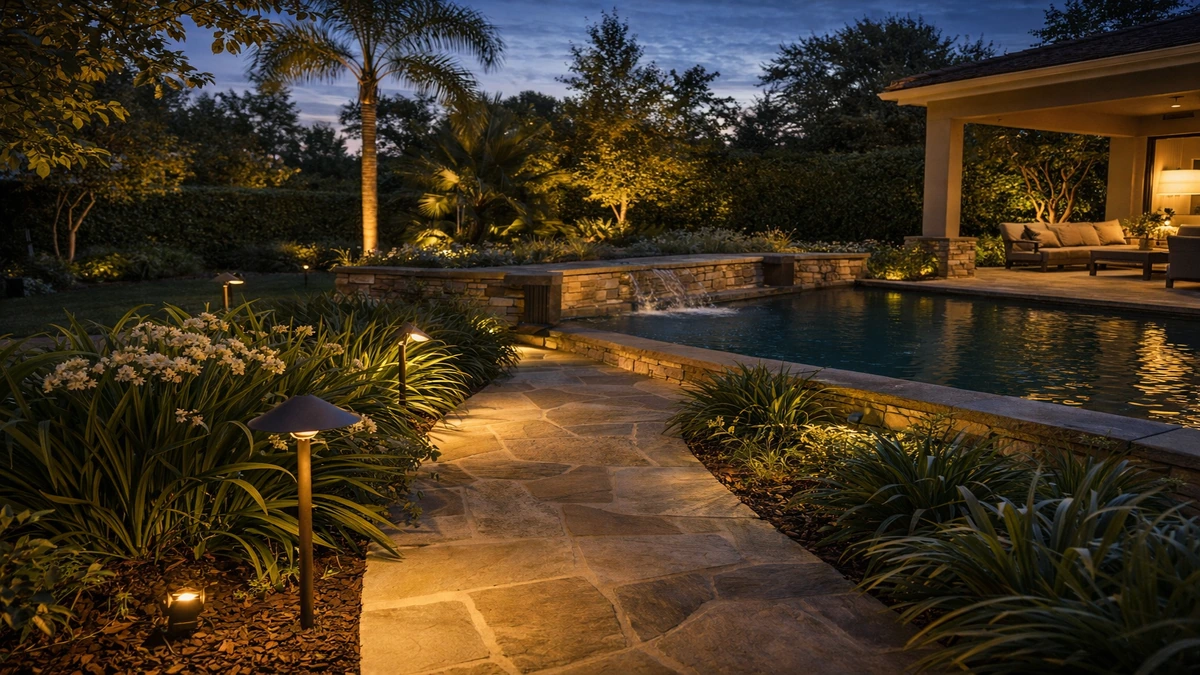
Outdoor Lighting Installation
Exterior lighting that improves curb appeal, ambiance, and nighttime usability.
4 minutes
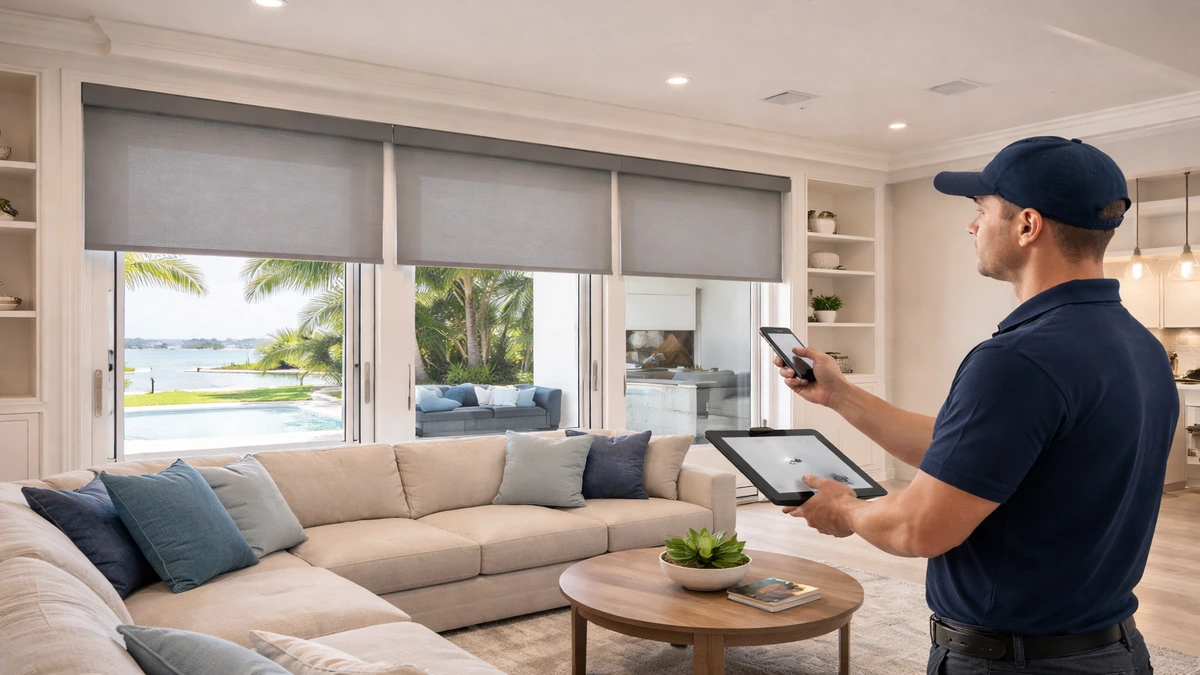
Motorized Blinds Installation
Automated shading for privacy, glare control, and everyday convenience.
4 minutes
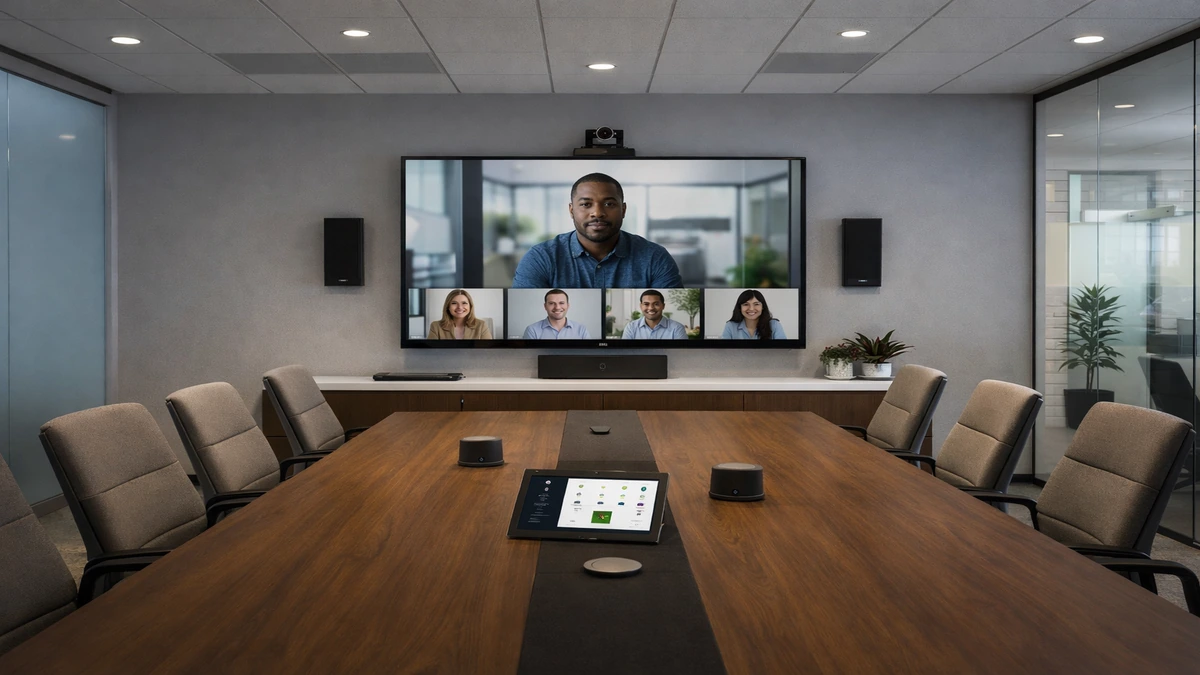
Conference Room AV Installation
Meeting room technology for clearer presentations, calls, and collaboration.
4 minutes
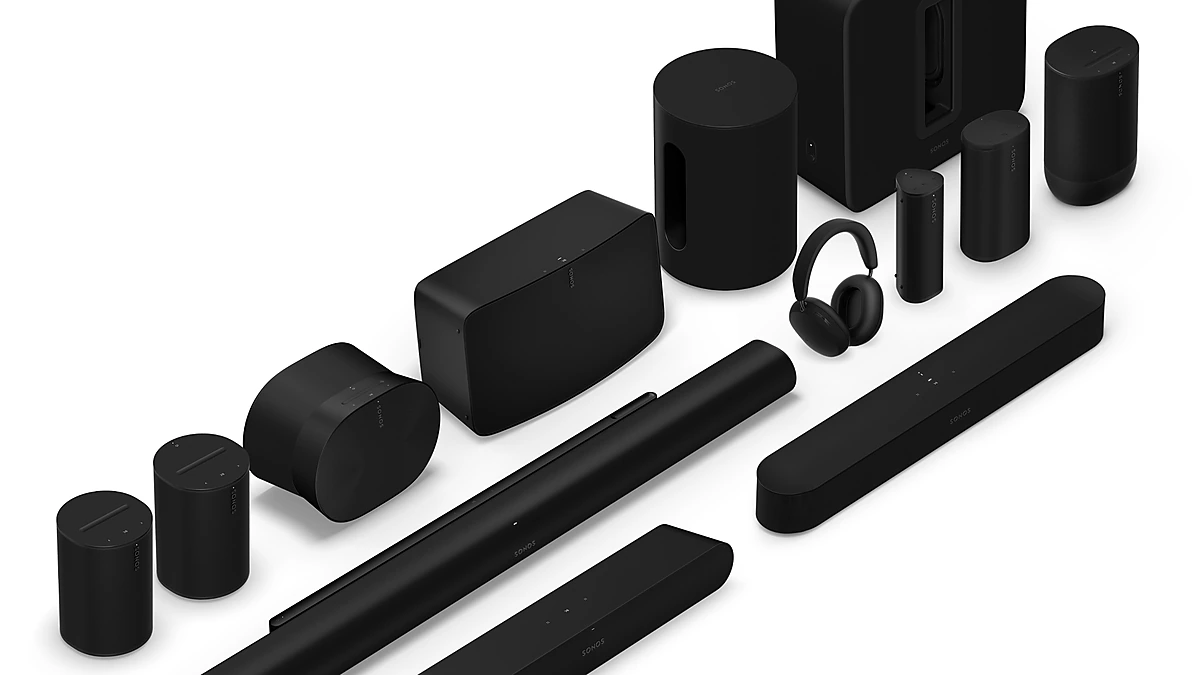
Sonos Installation
Sonos system design, setup, and tuning for simple multi-room audio.
4 minutes
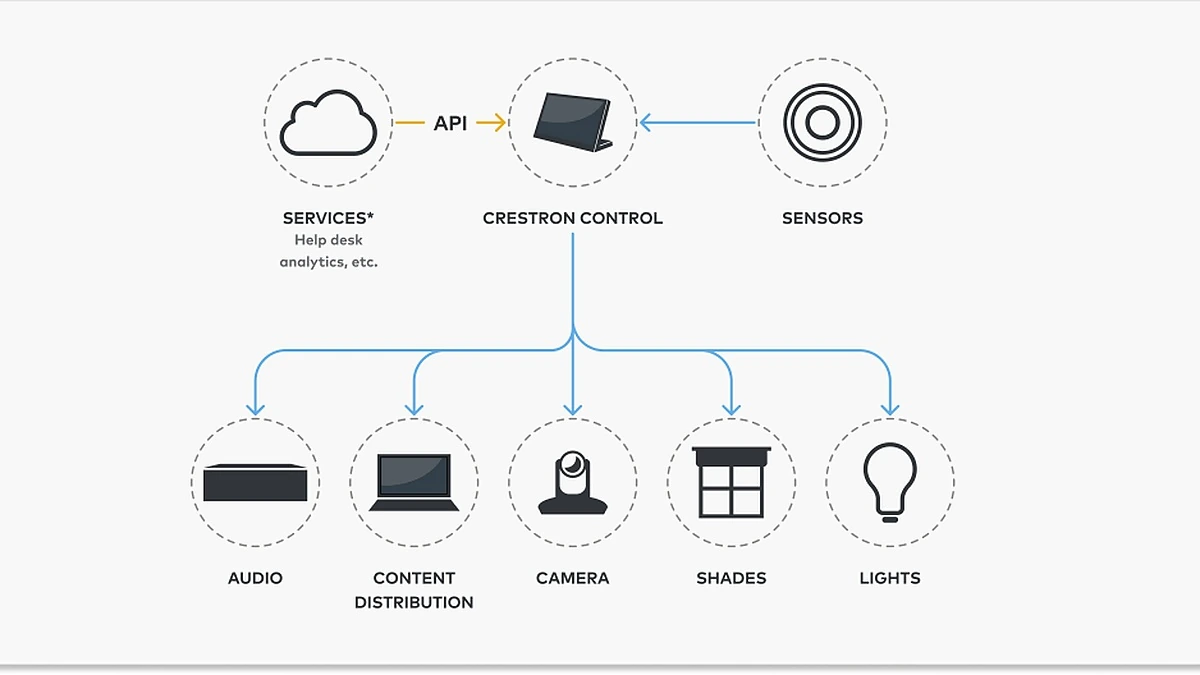
Crestron Installer
Advanced Crestron control integration for high-performance smart home environments.
4 minutes
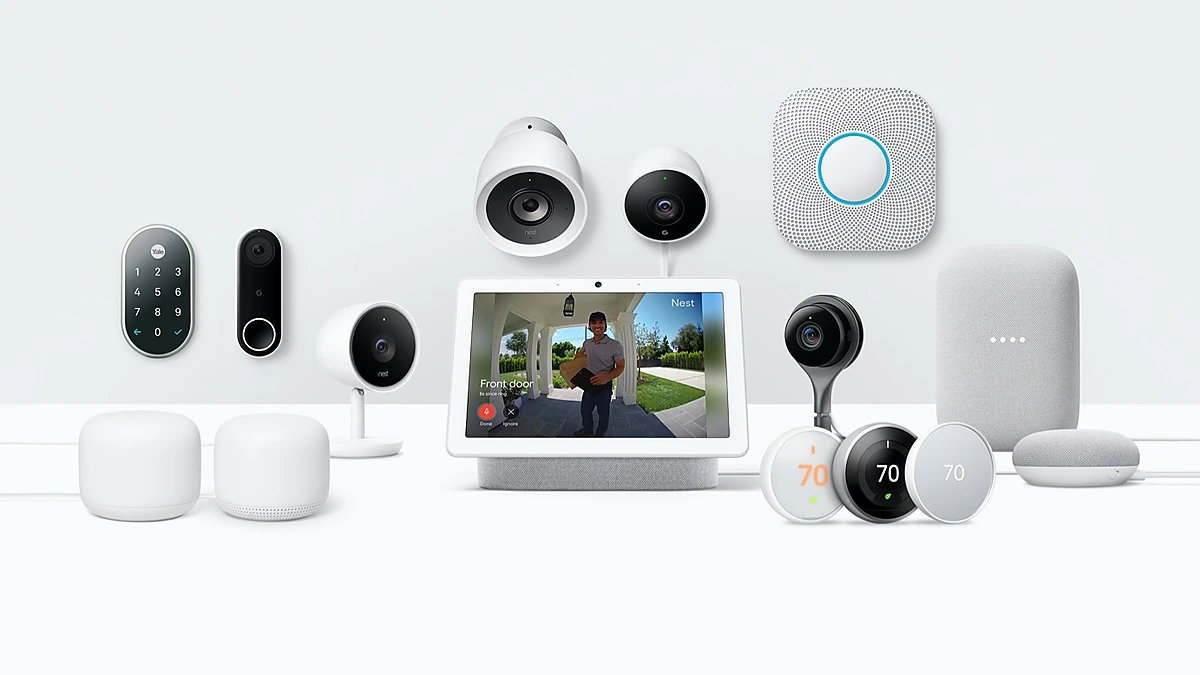
Nest Installer
Nest thermostat and smart home setup for comfort and remote control.
4 minutes
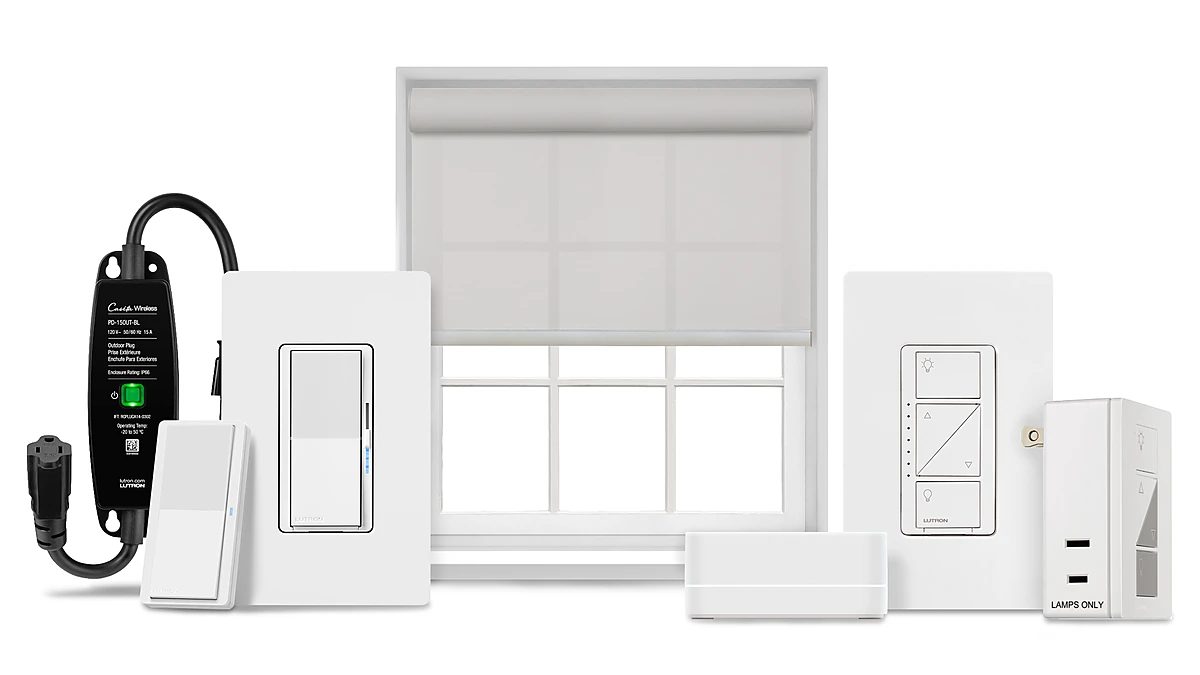
Lutron Installer
Lutron lighting and shading integration for smoother control and scene setting.
4 minutes
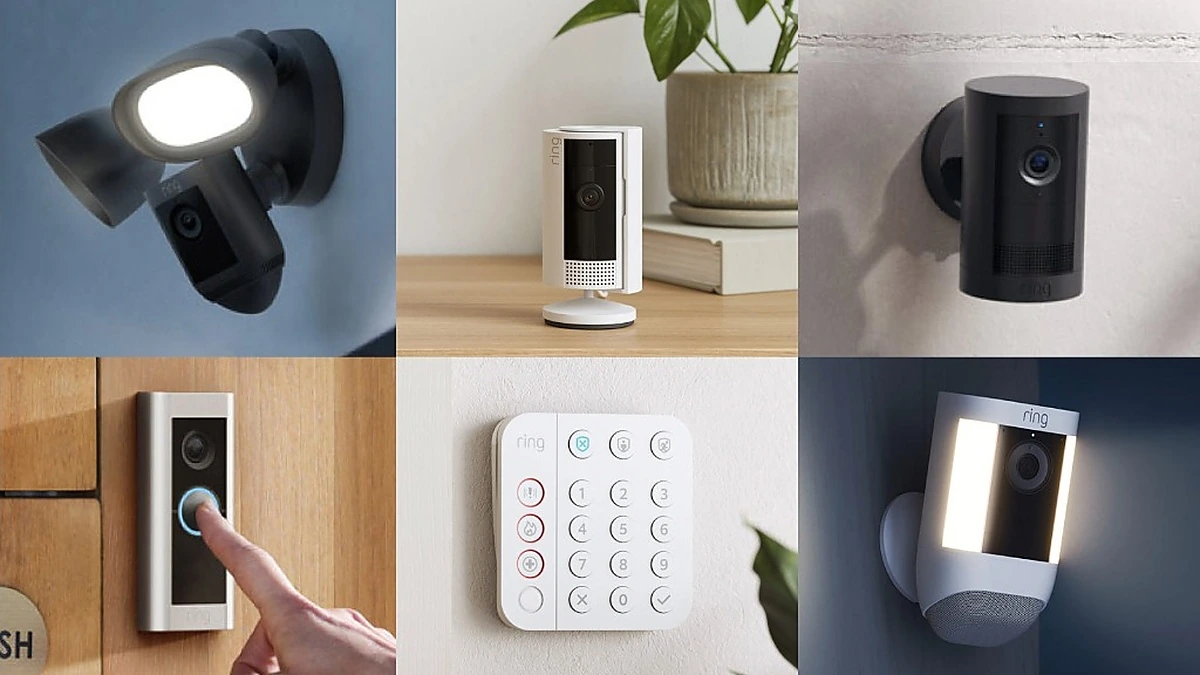
Ring Installation
Ring doorbells and cameras installed for better awareness and entry visibility.
5 minutes
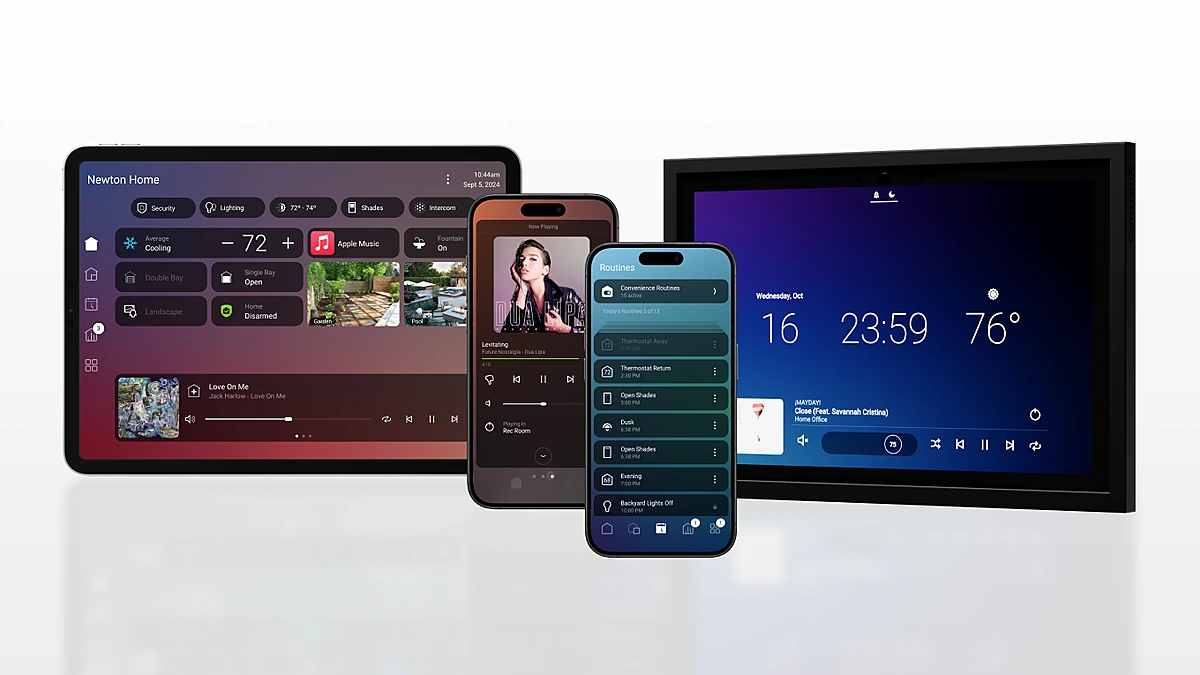
Control4 Installer
Control4 automation setup for unified entertainment, comfort, and home control.
4 minutes

Car & Truck Audio / Electronics Custom Upgrades
Custom mobile audio and electronics upgrades for better sound and functionality.
3 minutes
At this level the system is judged on what you cannot see
The median home in Pinecrest is valued at $1,179,400, and 4,960 of the village's 6,377 homes are detached. Those two facts together describe the kind of project this page is about: a whole house, finished to a standard where a trunking line down a wall is not an acceptable answer, and where the decisions that determine whether the result is any good are all taken well before anything is bought.
The visible half of that is concealment. Cable arriving inside the wall. Speakers set into the ceiling where the room wants them rather than where the structure made it easy. A display on a mount that sits flat against the finish, and equipment that lives somewhere else entirely. None of it is difficult in principle. All of it depends on decisions taken while the routes are still open, which is why the finish standard is agreed at the start of a project rather than negotiated at the end of one.
The other half is calibration, and it is the easiest line to leave out of a quote. Equipment arrives configured for a shop floor. Getting a picture and a sound field that suit the actual room — its dimensions, its surfaces, the seats people will really use — is work, and it belongs inside the installation rather than beside it. It is also what people are describing when they say a room simply looks better without being able to say why.
Almost nobody here is passing through
Of the 5,999 occupied homes in Pinecrest, 5,072 are lived in by their owners, and only 42 homes in the whole village are held for seasonal or occasional use. Very few systems here will ever be handed to a stranger. Most will be lived with by the people who commissioned them and extended by those same people, which makes headroom worth paying for — spare capacity in the cabling, a network that is not already at its limit, and a rack with room left in it.
Headroom is cheap while it is theoretical and expensive once it is needed. A second cable pulled alongside the first while a ceiling is open costs almost nothing; the same cable a year later costs a ceiling. And a network sized exactly for what the house asks today will be asked for more the moment a camera, a doorbell and another pair of streaming devices arrive. In a house of any size it is coverage that runs out first, not speed.
It helps to name the zones before the first one is built. A whole-home system in a detached house is rarely commissioned in one go. It is a living room, then a patio, then a primary suite, then a room that changes purpose when a child leaves. Name those at the outset and the cabling and the control layer are sized for all of them, so each addition is a swap. Leave them unnamed and the fourth one arrives as a small construction project and a second app.
A house of the sixties, whatever has been done to it since
The largest group of homes here went up between 1960 and 1969, with another 1,413 in the decade before. Whatever has happened to a house since, it is the shell of that period that constrains a cable run: the ceiling construction, the slab, and whether there is any route at all between the roof space and a ground-floor wall. That is why the attic survey comes before the speaker layout is drawn rather than after everyone has agreed to it.
Light belongs in the same plan. A picture that looks superb after dark and washes out at five in the afternoon is usually a shading problem rather than a display problem, and motorized shades tied into the same control as everything else are far easier to install while cable is being run than to add once the walls are closed. The point is not the automation. It is that the room works at every hour it actually gets used.
So the order for a house like this runs from the room outward. Establish where people sit and what they are looking at, let that fix the display and the speaker positions, get into the roof and confirm the routes will carry them, give the rack a permanent and ventilated home, size the cabling and the network with room to spare, and choose the visible equipment last — when everything it has to work with is already in place.