

Almost No Houses, All Towers Audio Video | Home Theater Installations Serving Sunny Isles Beach, FL
Houses are the exception in Sunny Isles Beach: 17,737 of 20,079 homes sit in buildings of fifty units or more, and 80.6% of vacant homes are held seasonally.
Master Your Space: Comprehensive AV and Smart Home Solutions
From superior car and truck audio systems to smart home automation and marine AV setups, our range of services ensures optimal performance and convenience in every environment.
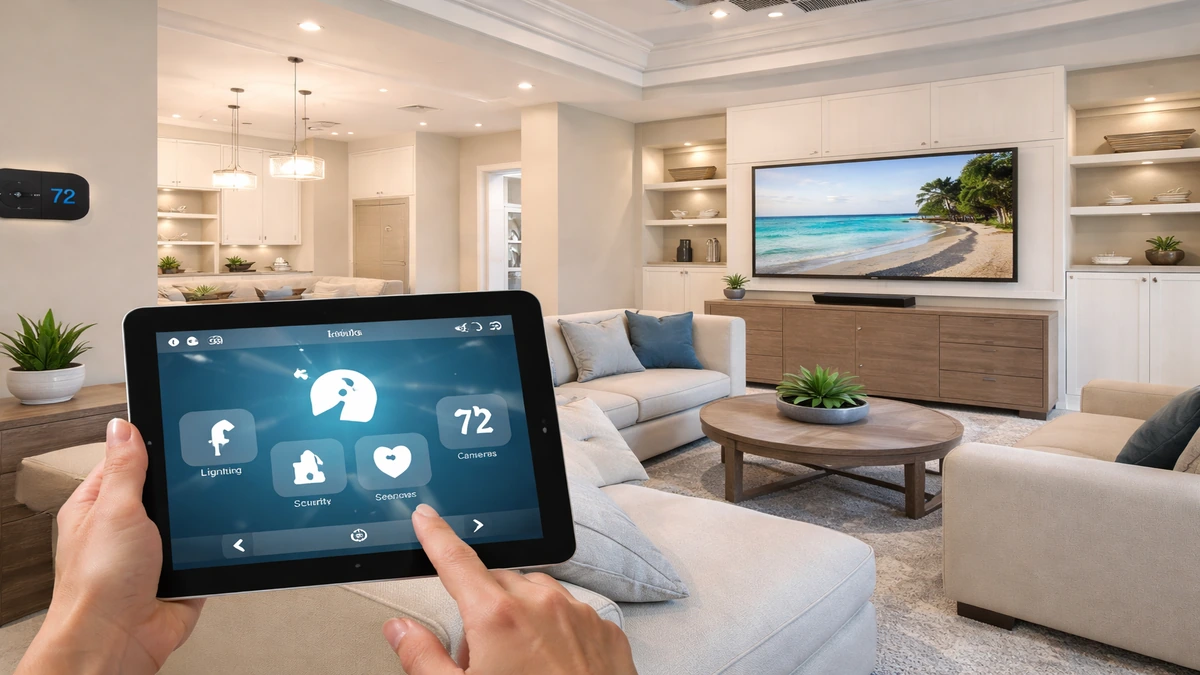
Smart Home Automation Installation
Integrated control for lighting, climate, security, and entertainment.
4 minutes
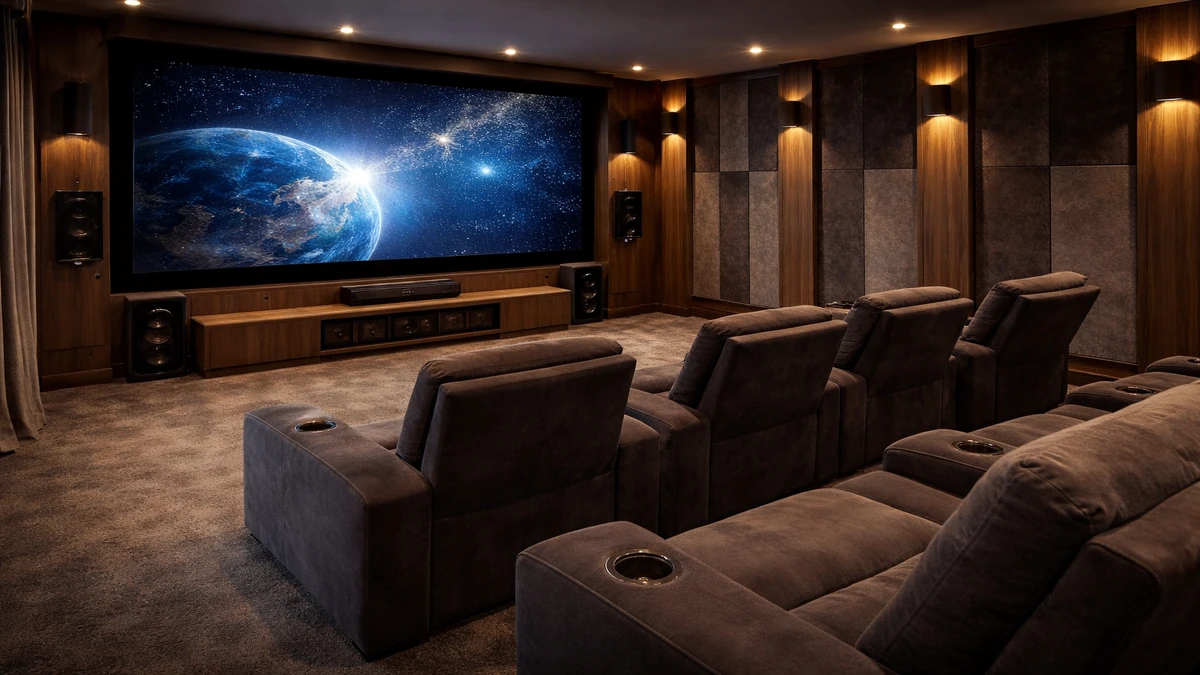
Home Theater Installation
Custom theater rooms designed for immersive picture, sound, and comfort.
4 minutes
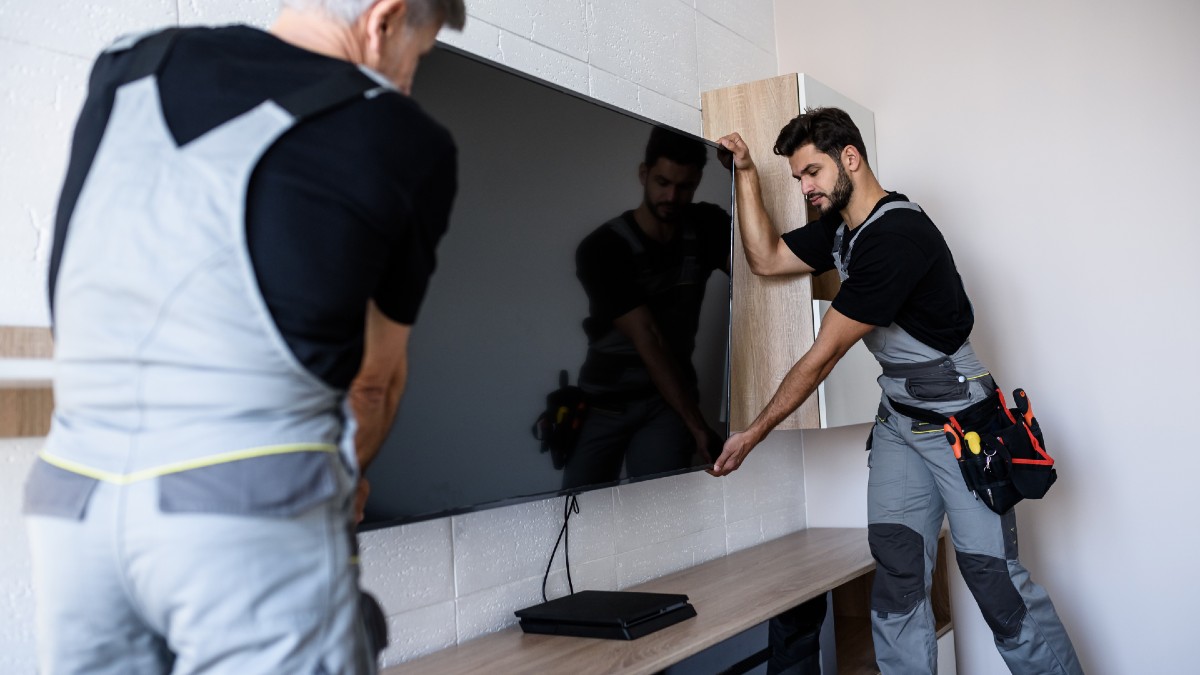
TV Wall Mounting
Professional TV mounting for cleaner layouts and better viewing angles.
5 minutes
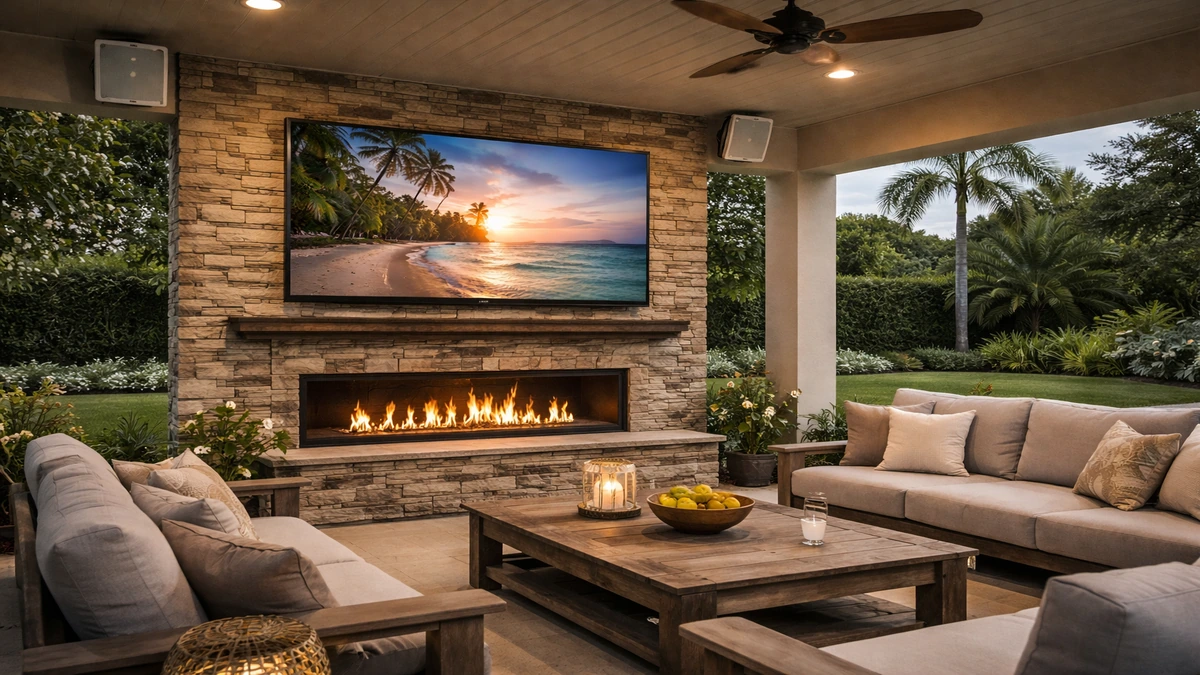
Outdoor TV Installation
Weather-aware outdoor TV setups built for patios, lanais, and pool areas.
5 minutes
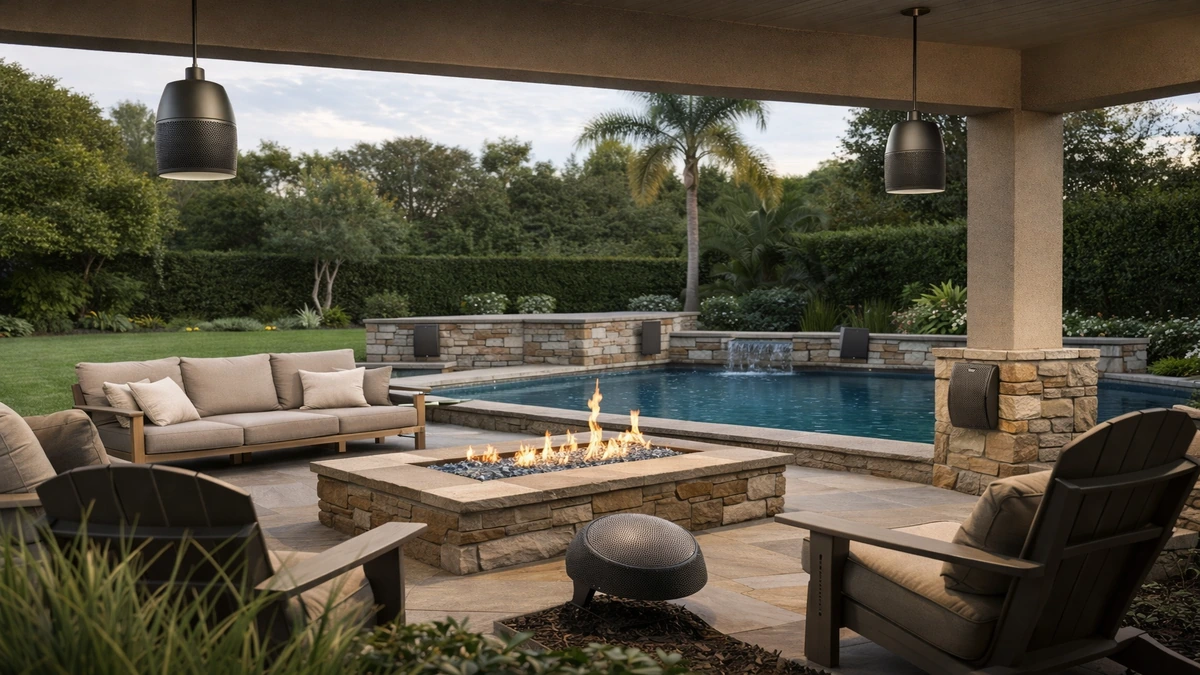
Outdoor Audio Installation
Outdoor speaker systems planned for clear sound and reliable coverage.
4 minutes
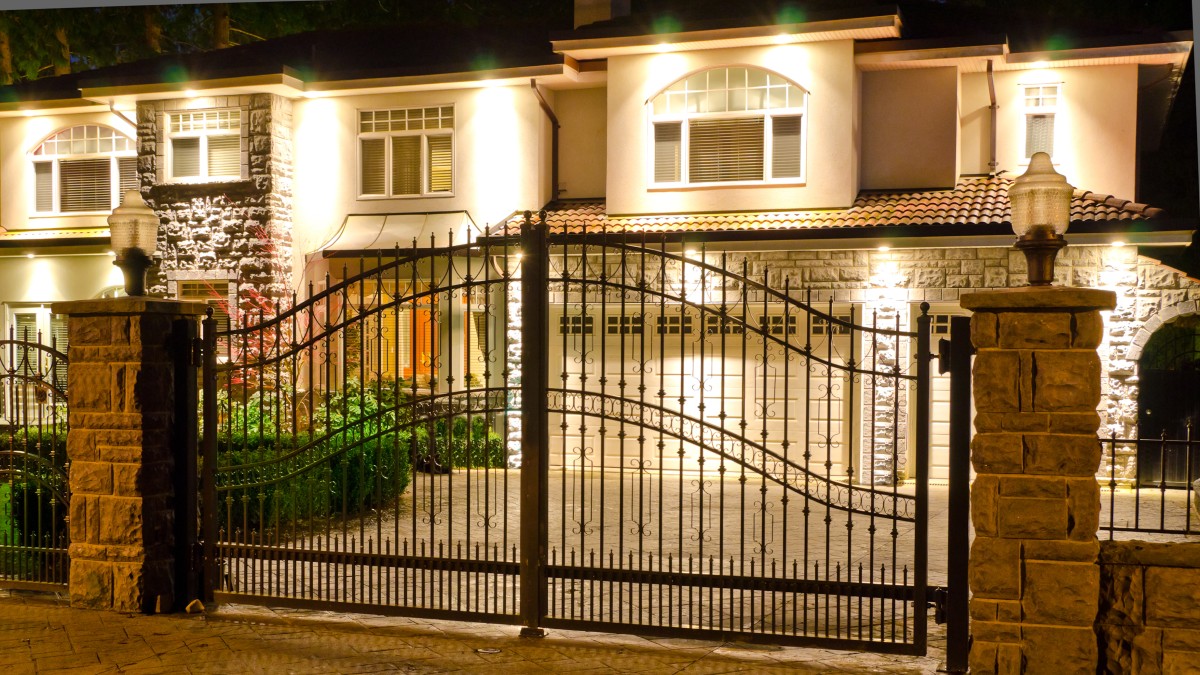
Automatic Gates
Secure, convenient gate automation with access control and entry integration.
4 minutes
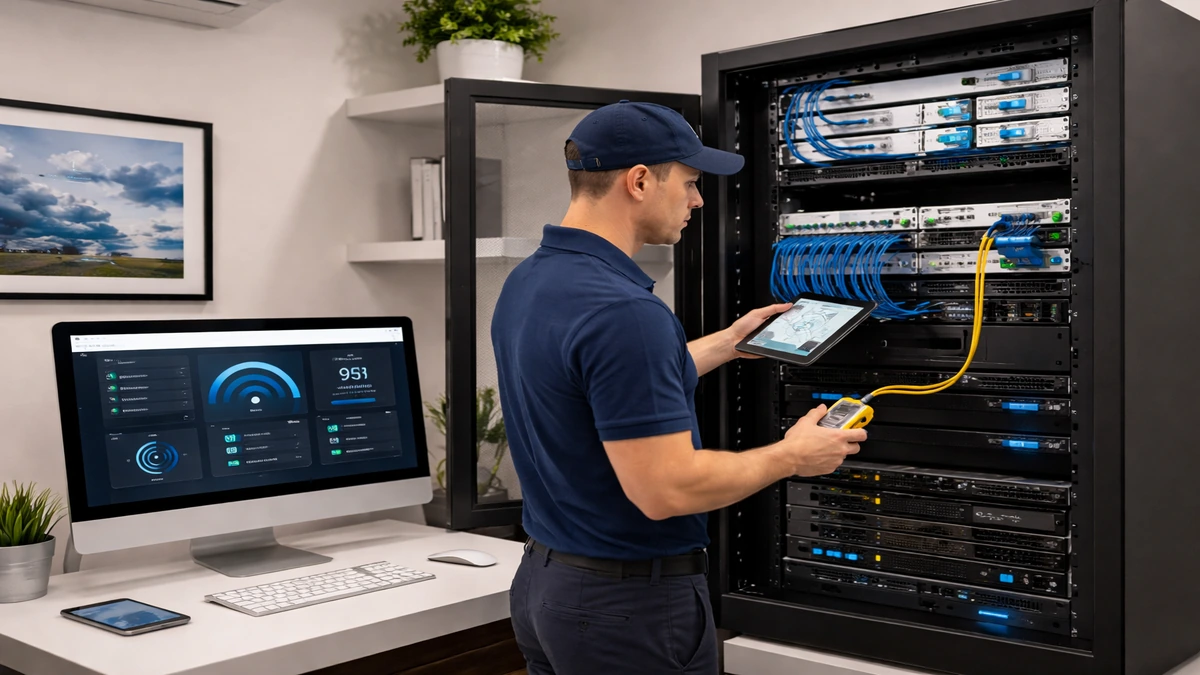
Home Network Installation
Stronger Wi-Fi, better coverage, and dependable connectivity throughout the property.
4 minutes
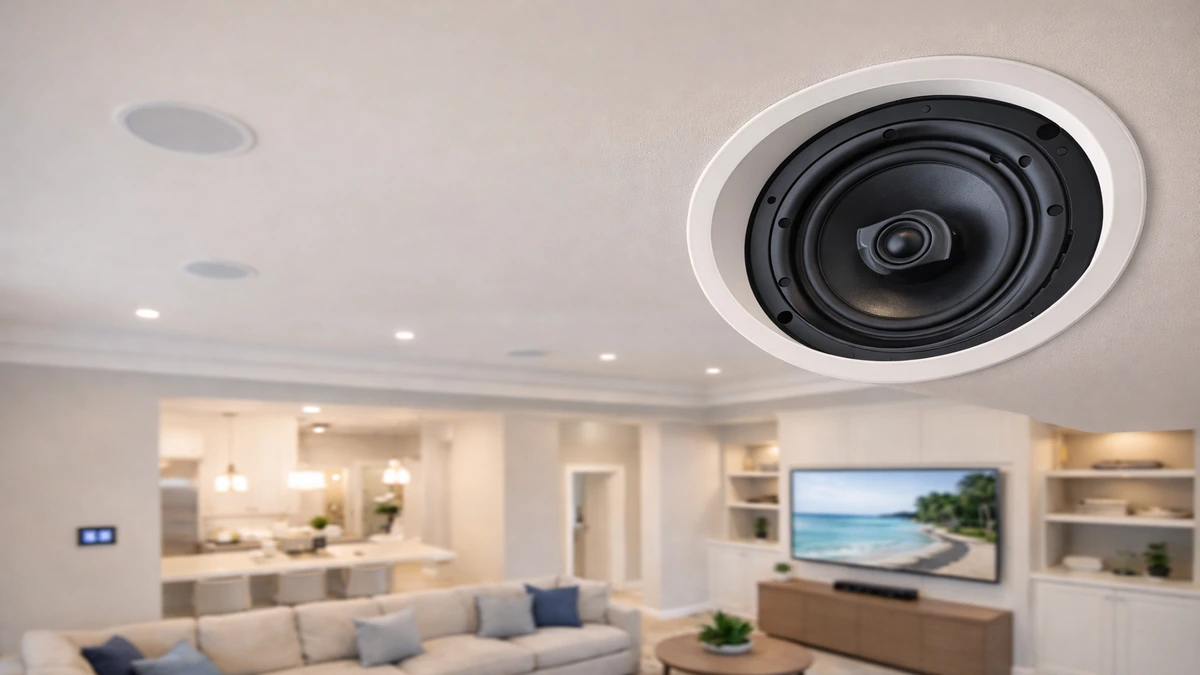
Ceiling Speaker Installation
Clean in-ceiling audio solutions for music, TV, and multi-room sound.
4 minutes
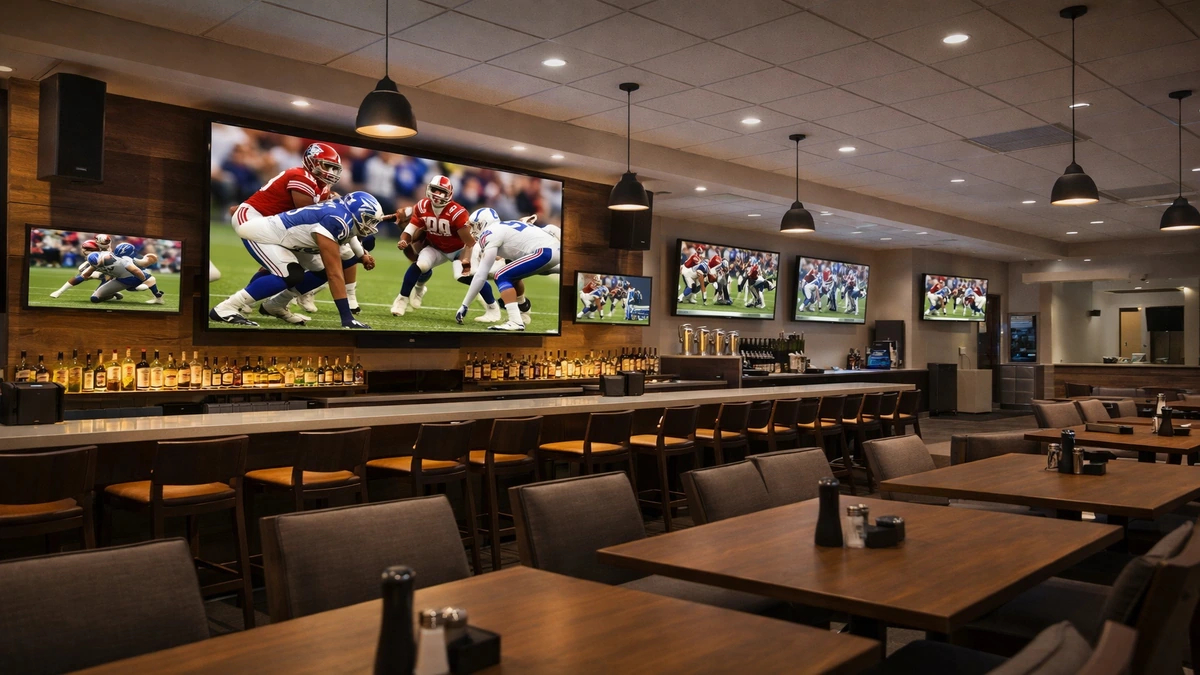
Commercial AV Installation
Professional audio, video, and control systems for business environments.
4 minutes
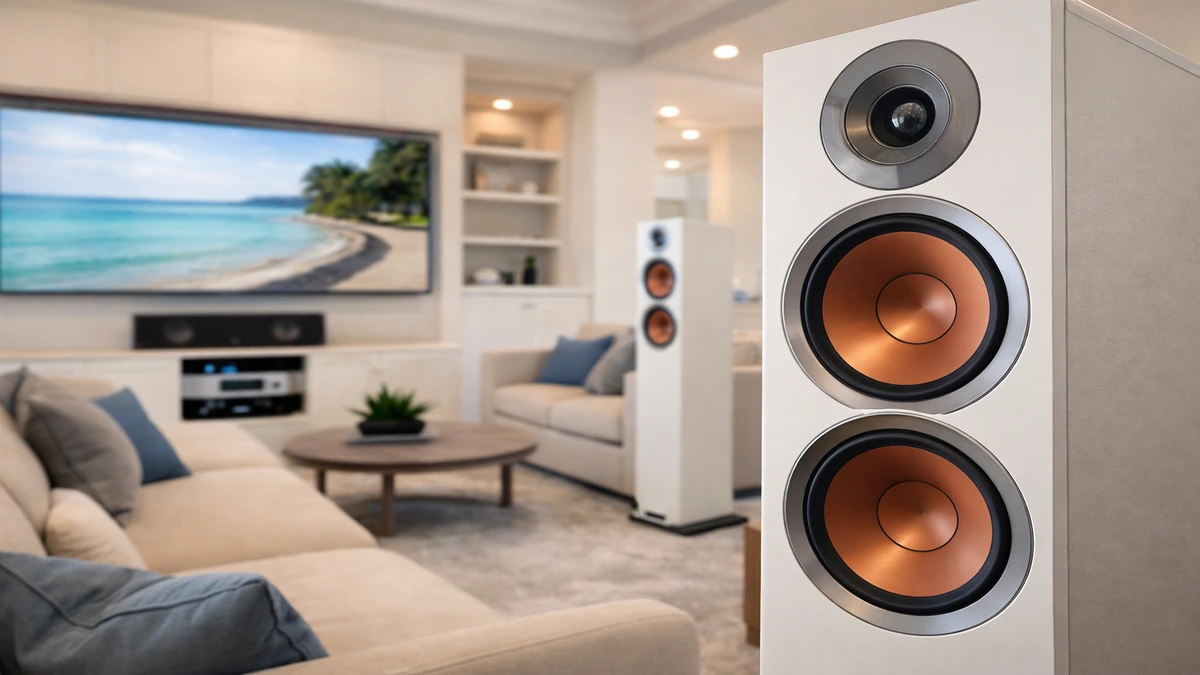
Home Audio Installation
Whole-home and room-based audio systems tailored to how you listen.
4 minutes

Marine Audio & Electronics Installation
Boat audio, displays, and electronics installed for performance on the water.
4 minutes
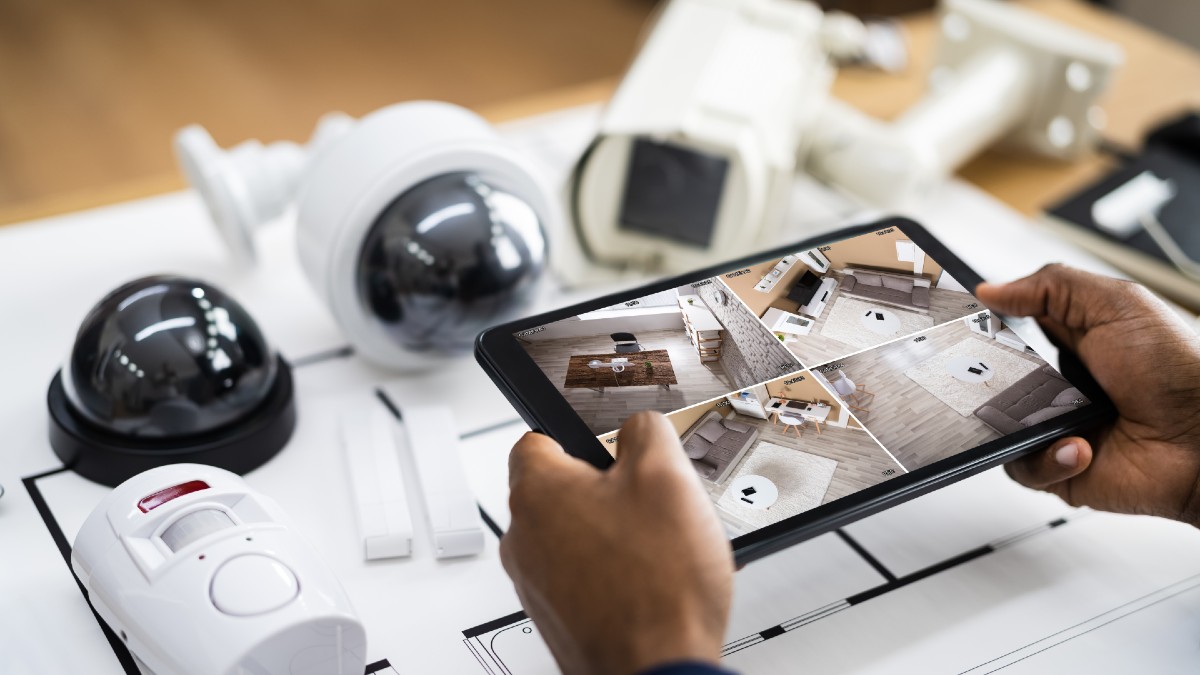
Security Camera Installation
Smart camera systems for visibility, alerts, recording, and remote monitoring.
4 minutes
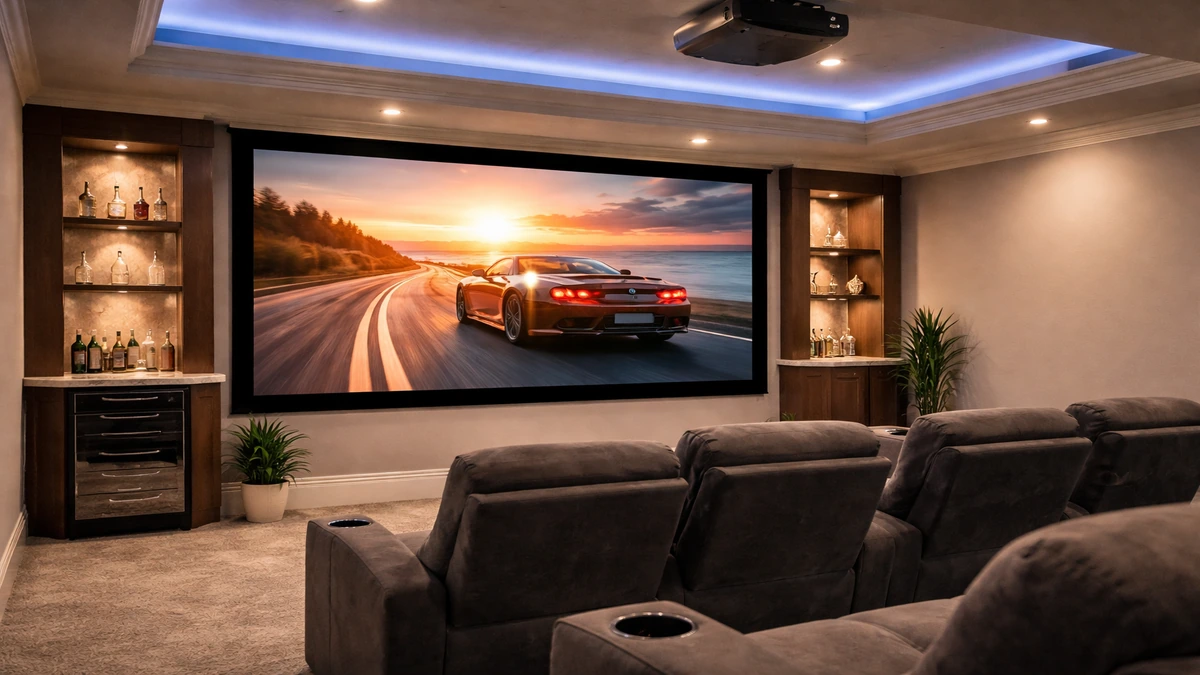
Projector Screen Installation
Projectors and screens configured for sharp viewing and balanced room performance.
4 minutes
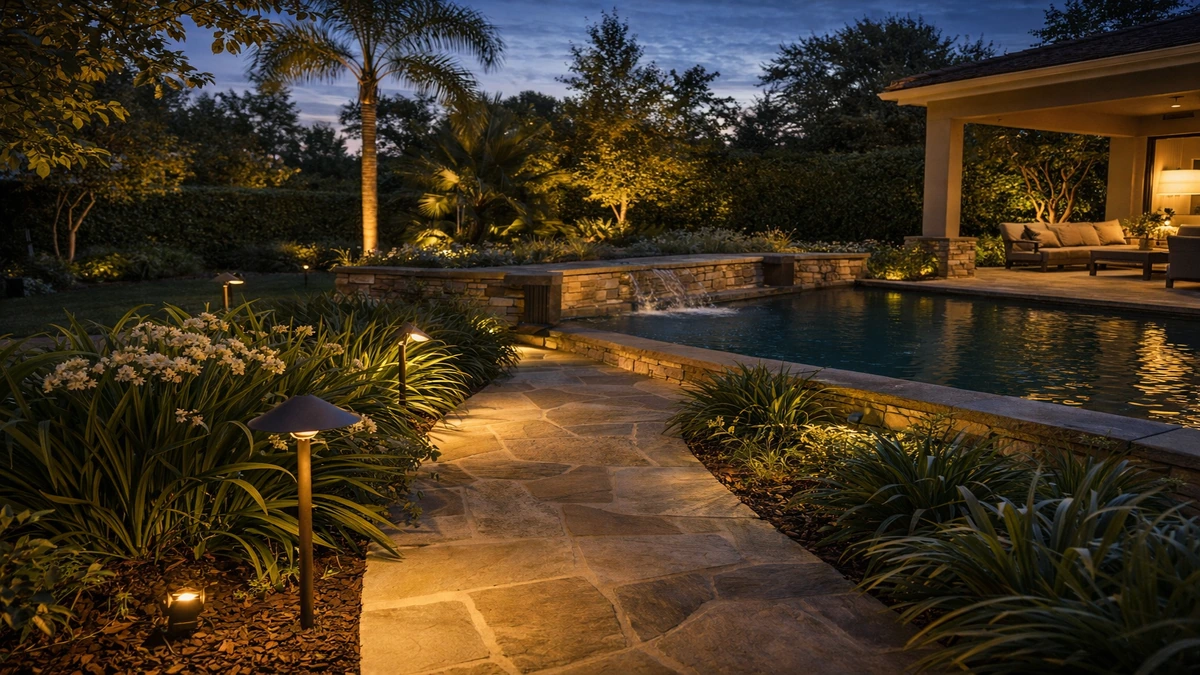
Outdoor Lighting Installation
Exterior lighting that improves curb appeal, ambiance, and nighttime usability.
4 minutes
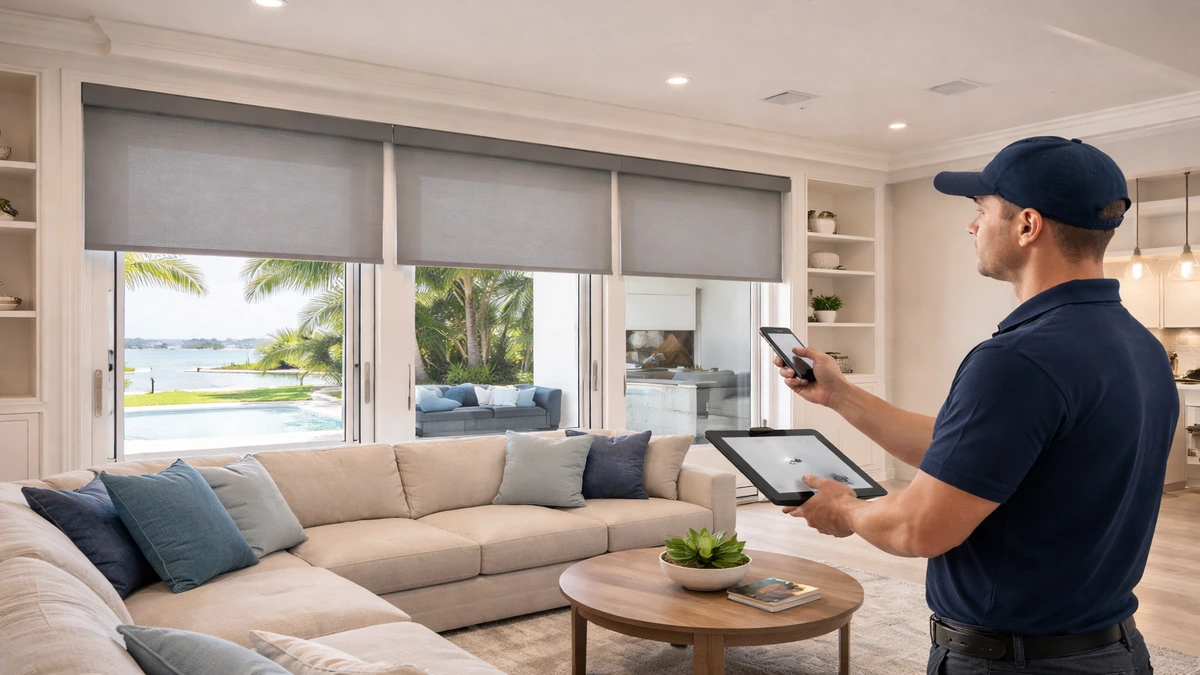
Motorized Blinds Installation
Automated shading for privacy, glare control, and everyday convenience.
4 minutes
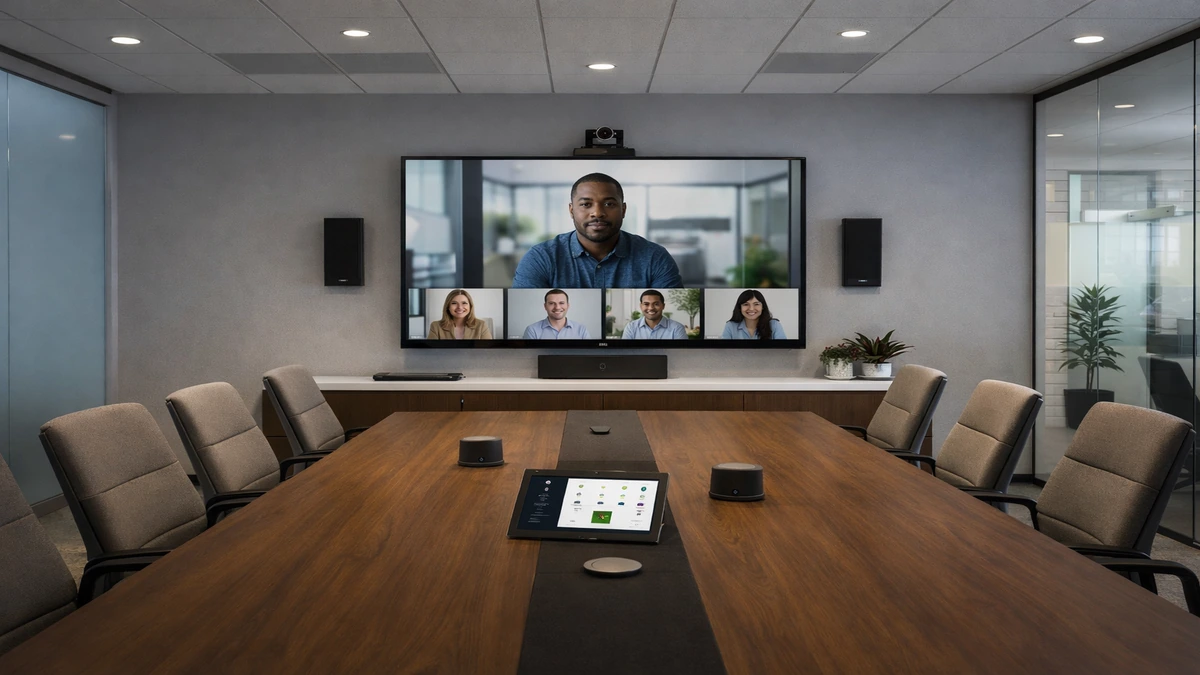
Conference Room AV Installation
Meeting room technology for clearer presentations, calls, and collaboration.
4 minutes
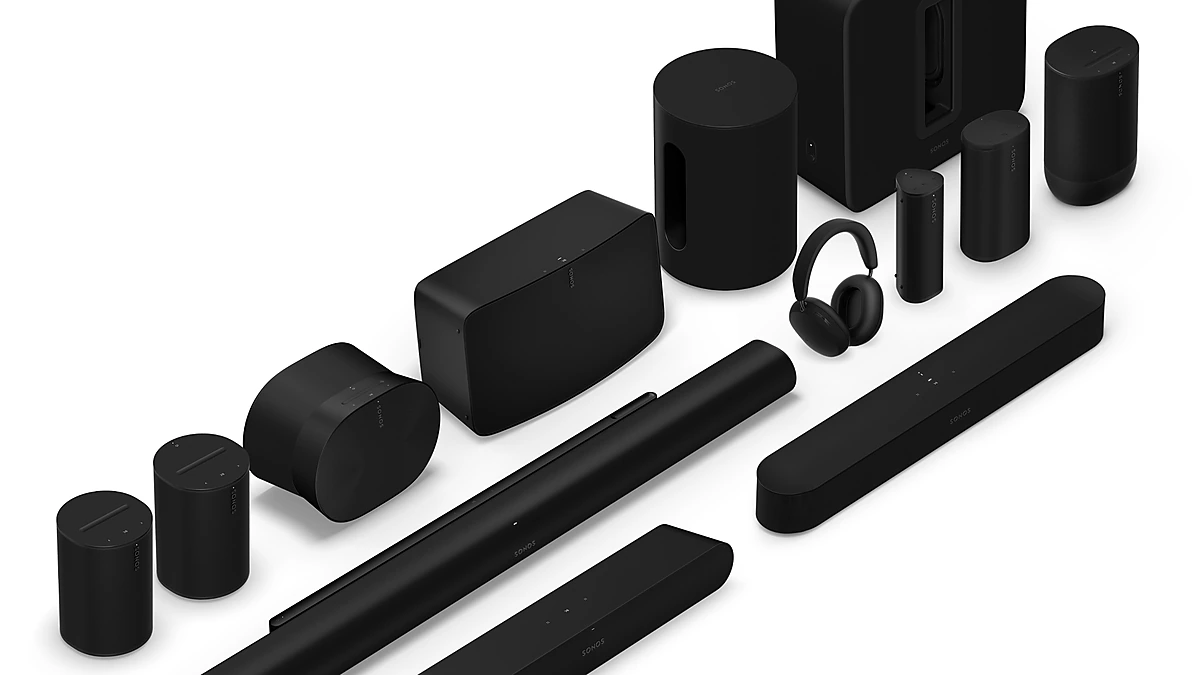
Sonos Installation
Sonos system design, setup, and tuning for simple multi-room audio.
4 minutes
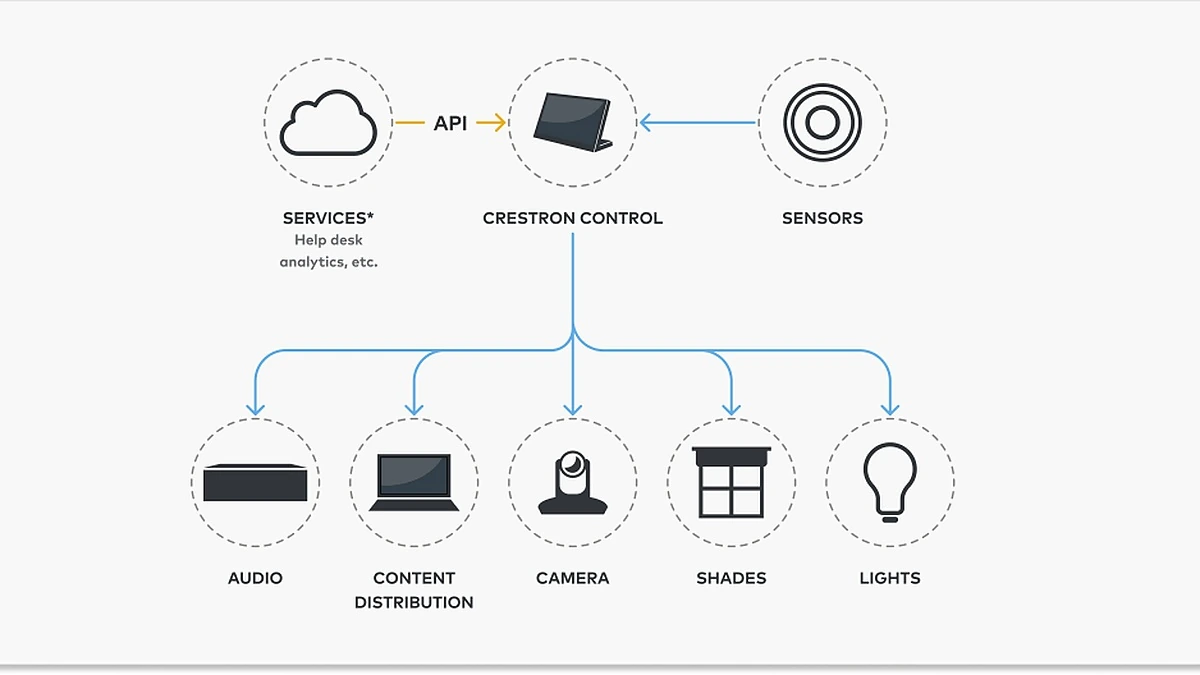
Crestron Installer
Advanced Crestron control integration for high-performance smart home environments.
4 minutes
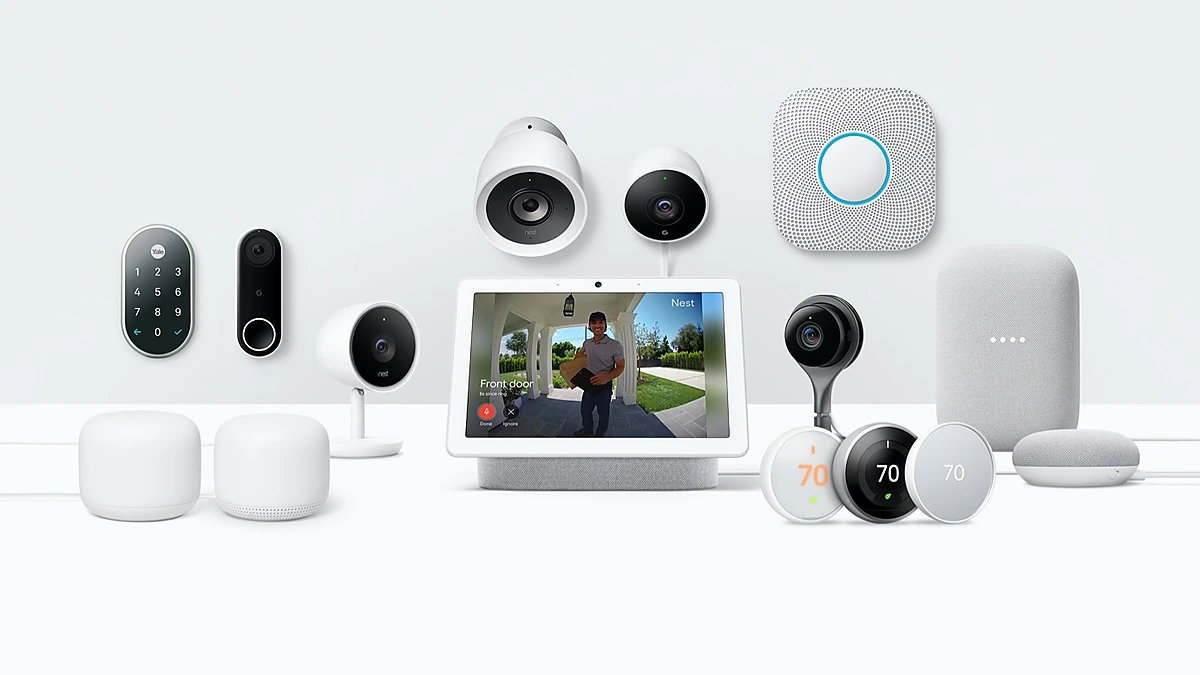
Nest Installer
Nest thermostat and smart home setup for comfort and remote control.
4 minutes
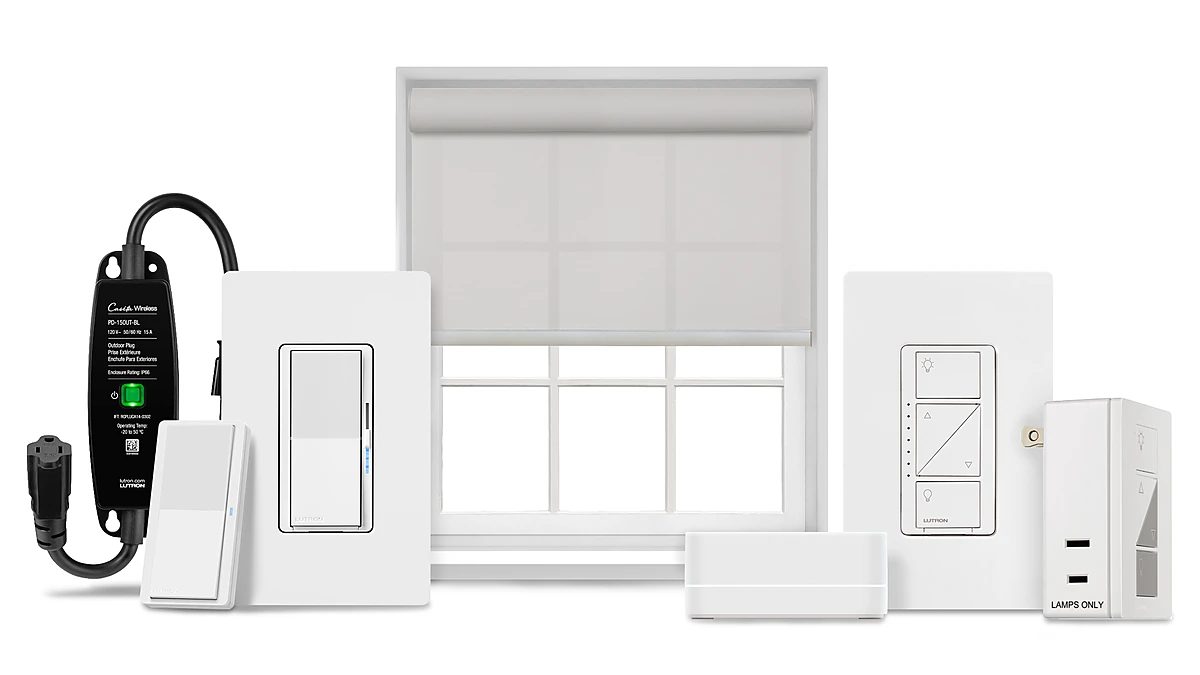
Lutron Installer
Lutron lighting and shading integration for smoother control and scene setting.
4 minutes
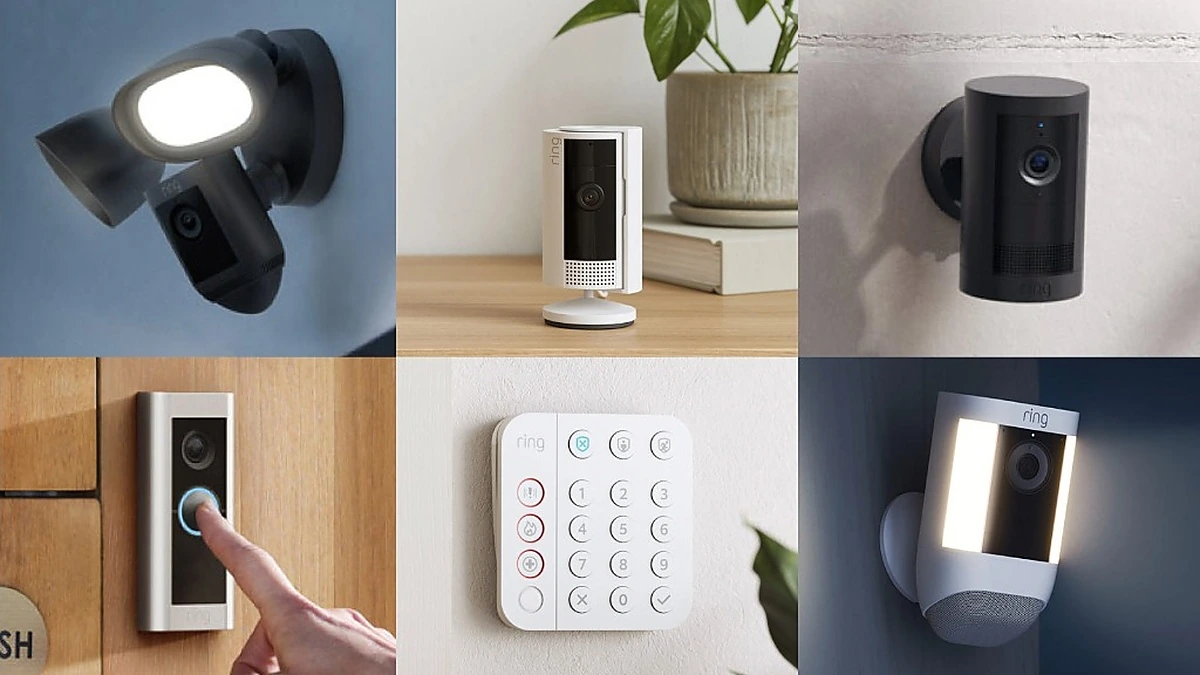
Ring Installation
Ring doorbells and cameras installed for better awareness and entry visibility.
5 minutes
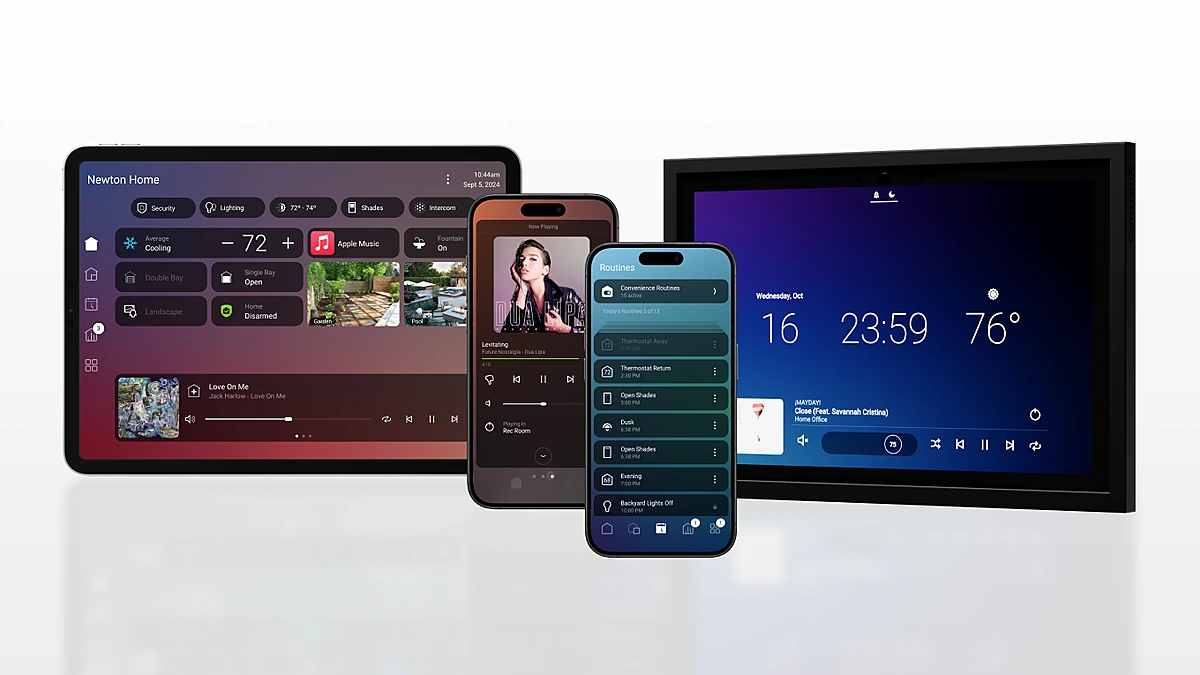
Control4 Installer
Control4 automation setup for unified entertainment, comfort, and home control.
4 minutes

Car & Truck Audio / Electronics Custom Upgrades
Custom mobile audio and electronics upgrades for better sound and functionality.
3 minutes
Three homes in a hundred here are houses
Sunny Isles Beach has 20,079 homes, and 17,737 of them sit in buildings of fifty units or more. Detached houses number 444 in the entire city. If you are planning a whole-home system here, that one fact reorganises the project before any equipment is discussed, because nearly every route a cable might take passes through construction that is shared. The design starts from what the structure already contains, not from what a drawing would prefer it contained.
In practice the riser and the chase decide more than the equipment list does. Getting low-voltage cable from a rack to the far end of an apartment, or between two levels of the same one, depends on whether a pathway exists and whether it can be used. Where one does, the run can be in-wall and invisible. Where none does, the honest choices are a surface route executed well or a design that stops asking for that room — and choosing between them on paper beats discovering it with a wall already open.
Two generations of tower, in one small city
The stock is not one vintage. The 1970s account for 6,291 homes, the largest decade by a distance, but the 2000s added 4,219 and the 2010s a further 1,667, and the median home dates from the 1980s. From the street those buildings read as a single skyline. From a survey they are different propositions, and what one of them permits is not evidence about the one standing beside it. The difference is not an aesthetic one either. It is whether a pathway was designed in at all, where it terminates, and what state it is in — and those answers move with the decade a building went up in.
So the sequence starts with the building rather than the room. Establish which pathways exist and what may be opened, then place speakers, screens and keypads against that answer rather than against a plan drawn in advance. In-ceiling placement in particular is decided by what sits above the ceiling, and that has one answer in a building of one generation and a different answer in a building of another. Treating the city as uniform because it looks uniform is the mistake this data warns against.
The default state of a home here is empty
The city holds 7,891 homes for seasonal, recreational or occasional use, which is 80.6% of every vacant home in it and close to four in ten of all its housing. A share that size inverts the usual design assumption. Occupancy is the exception here rather than the baseline, so the interesting question is not what the system does while you are standing in the room. It is what it does across the months when nobody is.
What that asks for is a system that holds up when nobody is standing next to it. Remote access has to work when there is no one in the building to restart a box for you. Monitoring should report that a device has dropped off the network rather than saving that up for the next visit. And the handful of scenes anyone genuinely uses need to be pressable by a guest or a building manager who has never had the system explained to them — named for what they do, not for what they contain.
Tenure adds a wrinkle worth knowing. Of the 10,285 occupied homes here, 5,505 are lived in by their owners — a bare majority, in a city where only about half the housing is occupied at all. The population operating any given system is genuinely mixed across a year: an owner for some months, a tenant or a guest for others. Build for the least-briefed of them and everybody else is covered by the same decision.
What to establish before anything is specified
The order that works in this stock is narrow and it does not vary. Find out what the building allows and where its existing pathways actually run. Agree what may be surface-run and what has to disappear, because in a finished apartment that single decision separates a neat result from a long argument. Size the network and the rack for what the home will be asked to carry in five years, since both are awkward to revisit once a ceiling is closed. The equipment comes last, because it is the only part that can be changed without opening anything.