

Two Types, One Finish Standard Audio Video | Home Theater Installations Serving Boca Raton, FL
Two kinds of building, one finish standard: the median Boca Raton home is valued at 0,100 and the housing divides between 20,395 detached houses and 17,991 homes in buildings of twenty units or more.
Seamless Integration of Advanced Audio/Video and Automation Solutions
Discover how our cutting-edge AV and automation solutions can transform your home, car, truck, or boat into a sanctuary of technology, offering control, comfort, and entertainment at your fingertips.
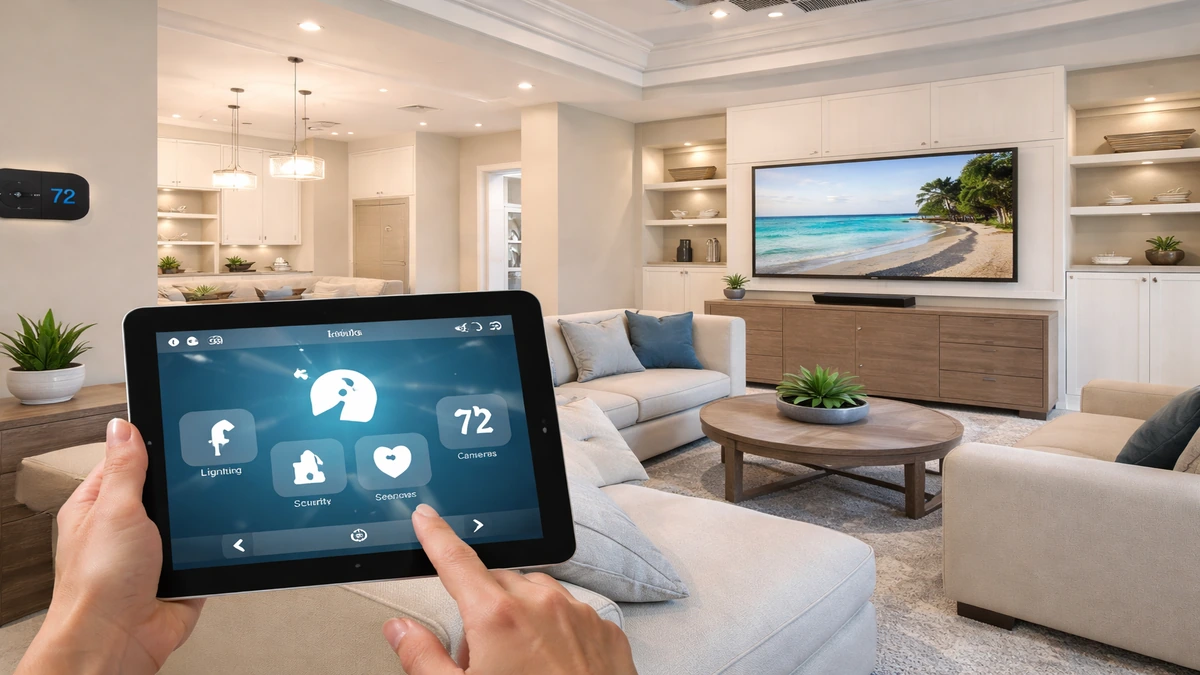
Smart Home Automation Installation
Integrated control for lighting, climate, security, and entertainment.
4 minutes
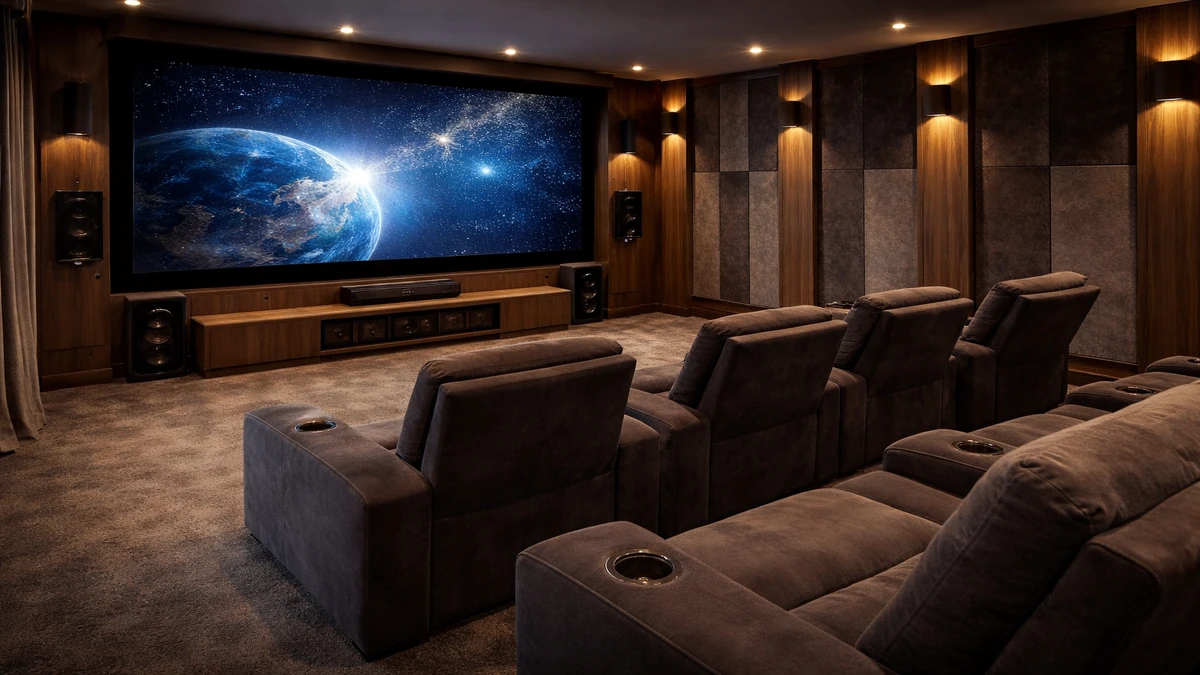
Home Theater Installation
Custom theater rooms designed for immersive picture, sound, and comfort.
4 minutes
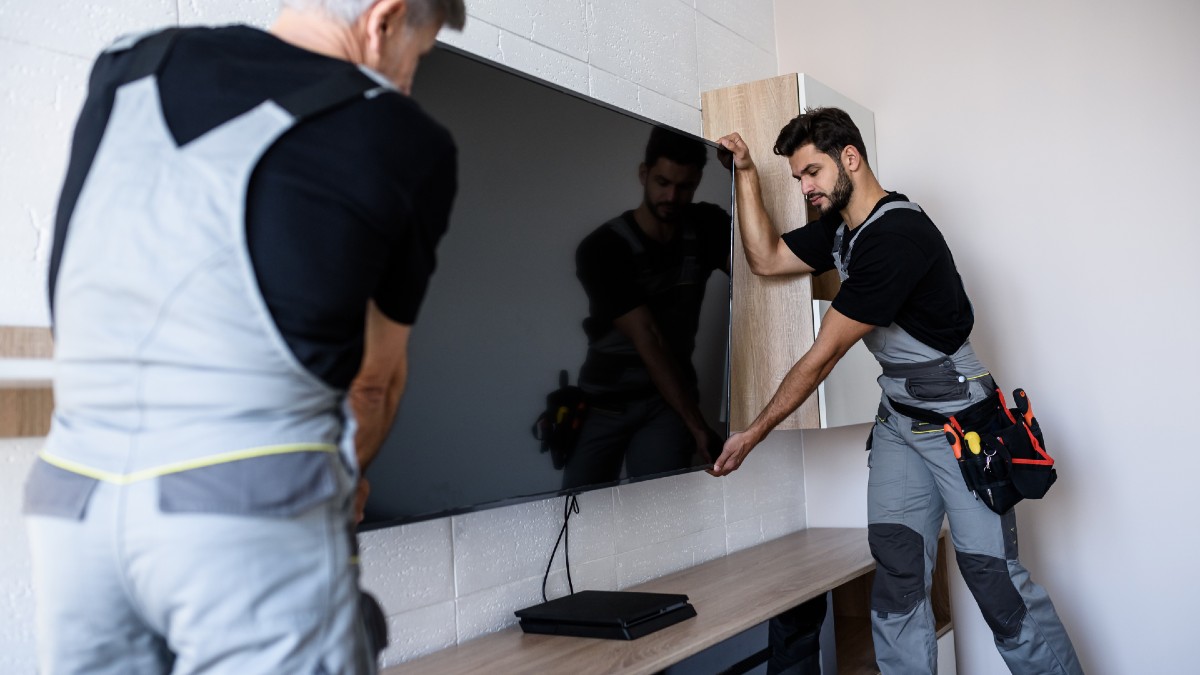
TV Wall Mounting
Professional TV mounting for cleaner layouts and better viewing angles.
5 minutes
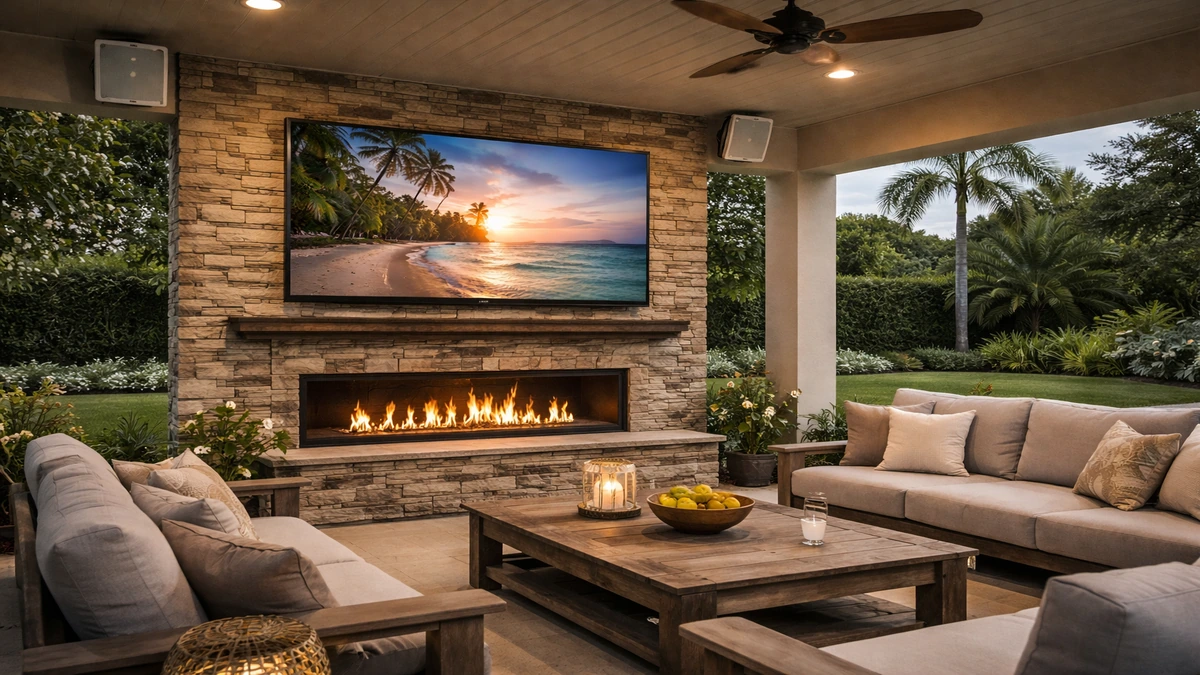
Outdoor TV Installation
Weather-aware outdoor TV setups built for patios, lanais, and pool areas.
5 minutes
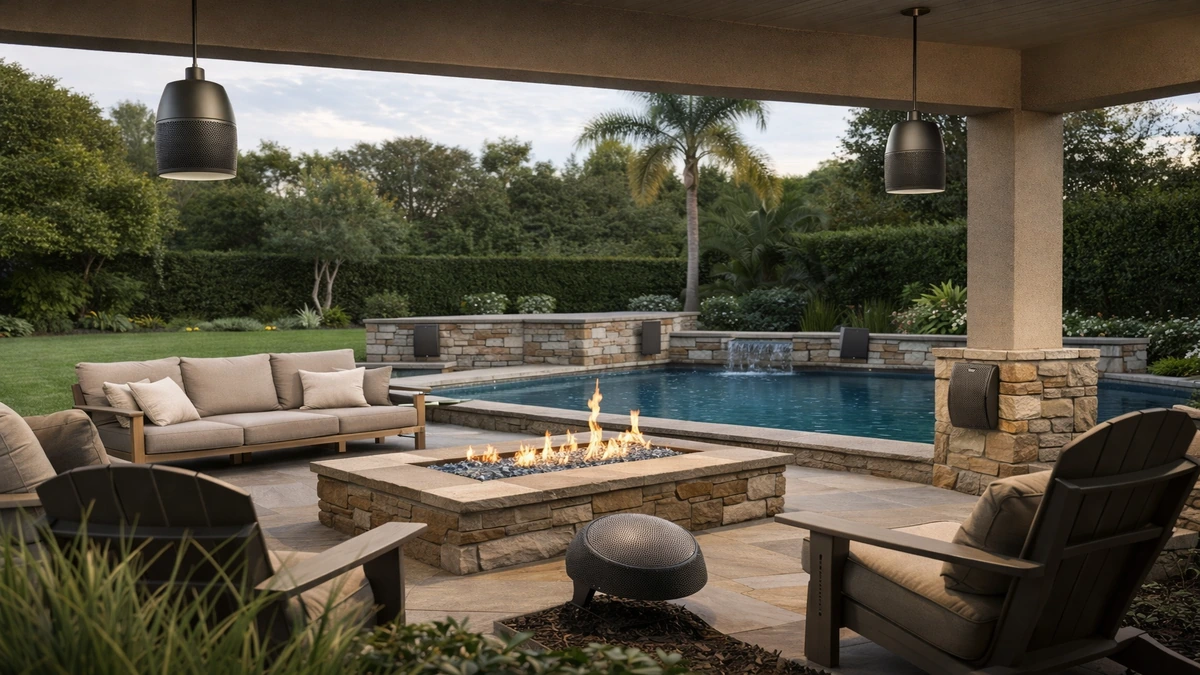
Outdoor Audio Installation
Outdoor speaker systems planned for clear sound and reliable coverage.
4 minutes
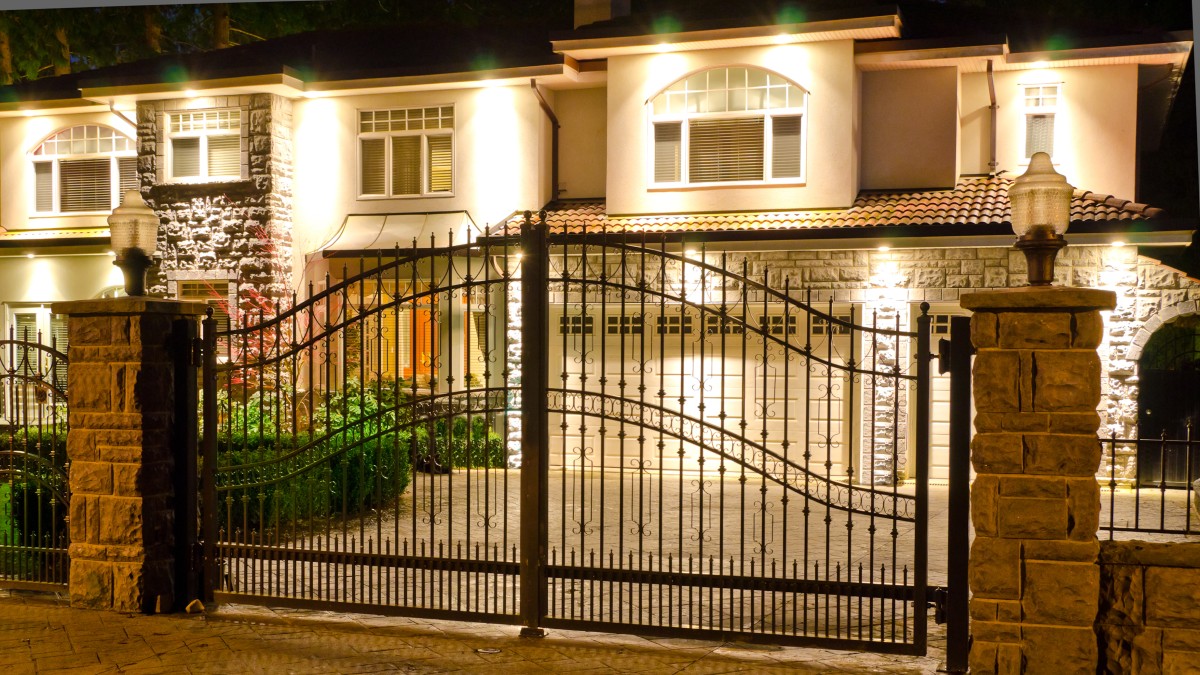
Automatic Gates
Secure, convenient gate automation with access control and entry integration.
4 minutes
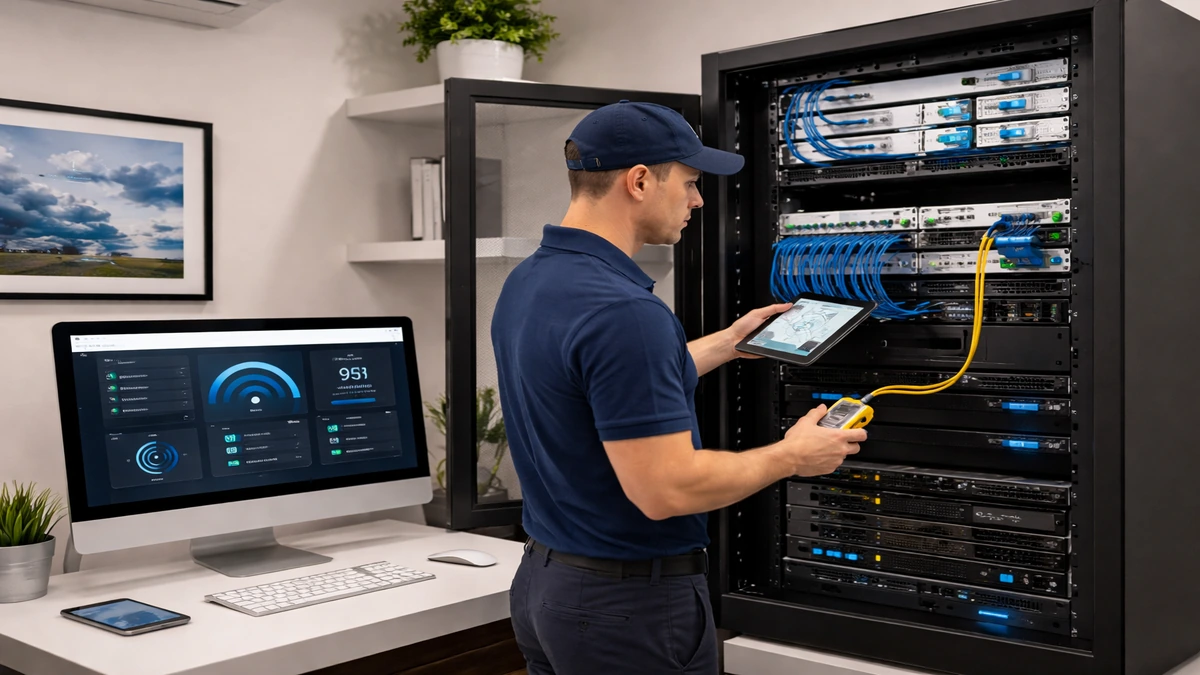
Home Network Installation
Stronger Wi-Fi, better coverage, and dependable connectivity throughout the property.
4 minutes
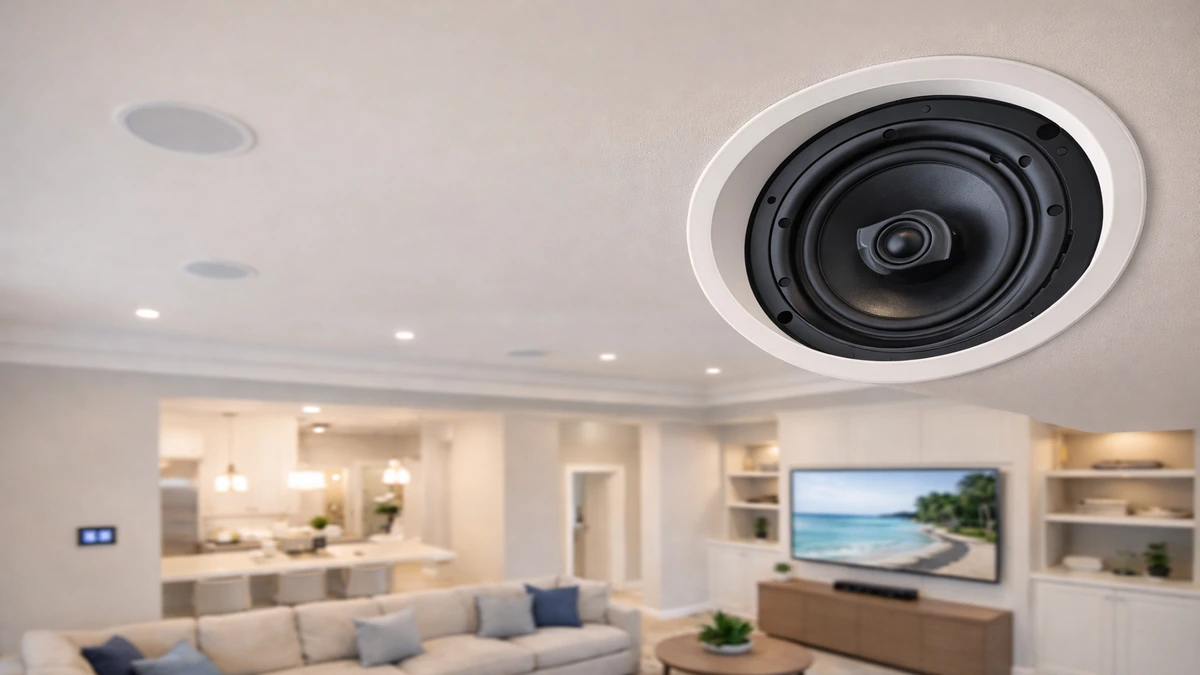
Ceiling Speaker Installation
Clean in-ceiling audio solutions for music, TV, and multi-room sound.
4 minutes
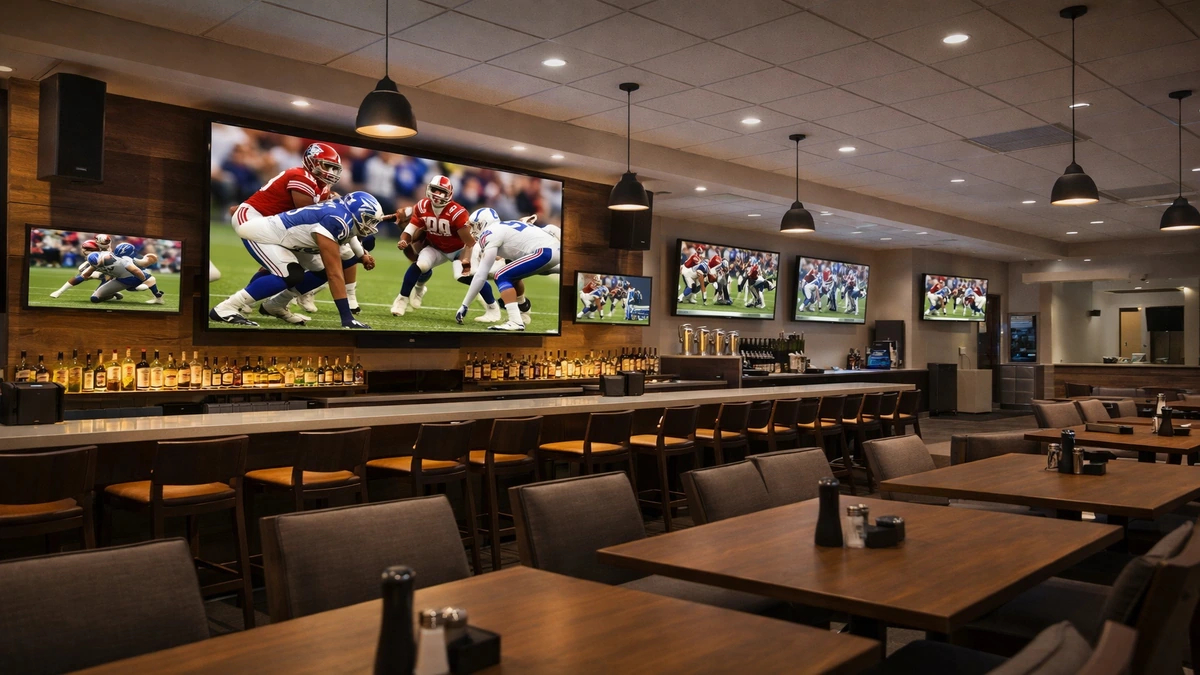
Commercial AV Installation
Professional audio, video, and control systems for business environments.
4 minutes
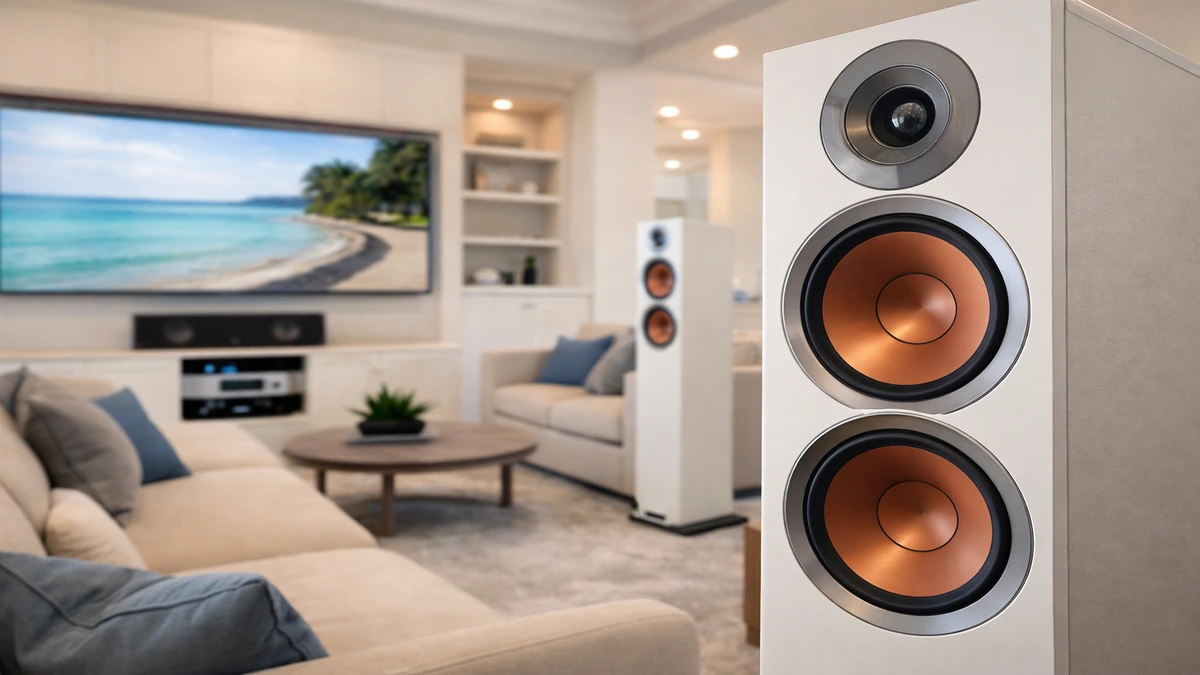
Home Audio Installation
Whole-home and room-based audio systems tailored to how you listen.
4 minutes

Marine Audio & Electronics Installation
Boat audio, displays, and electronics installed for performance on the water.
4 minutes
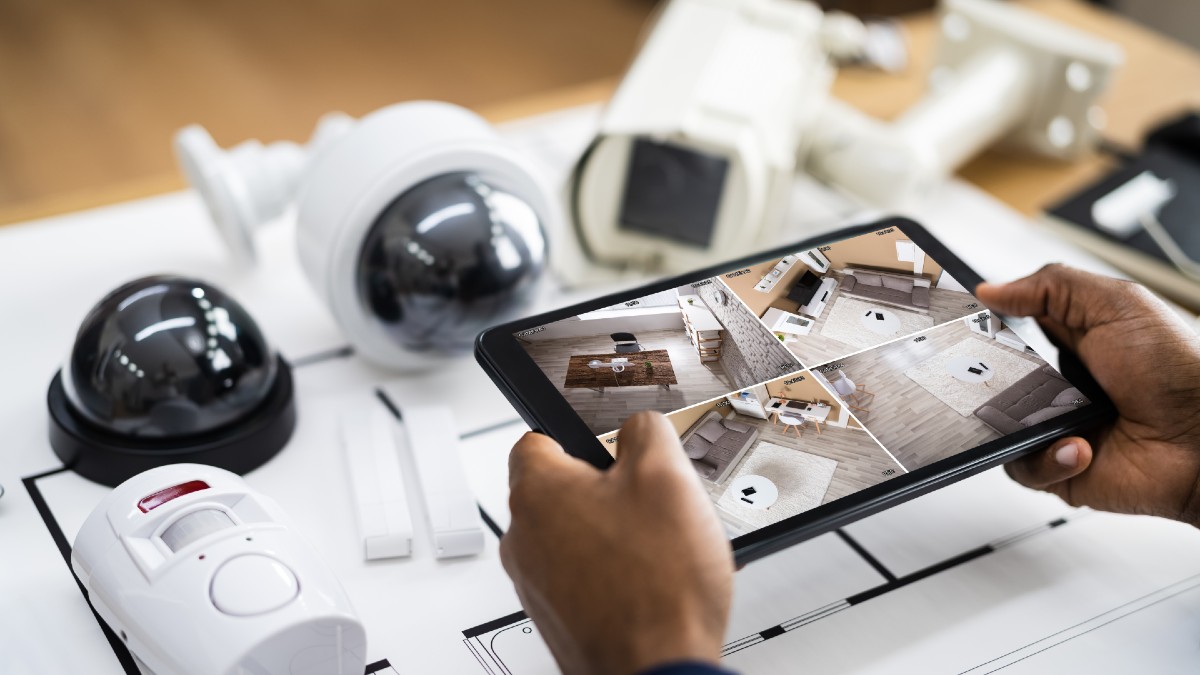
Security Camera Installation
Smart camera systems for visibility, alerts, recording, and remote monitoring.
4 minutes
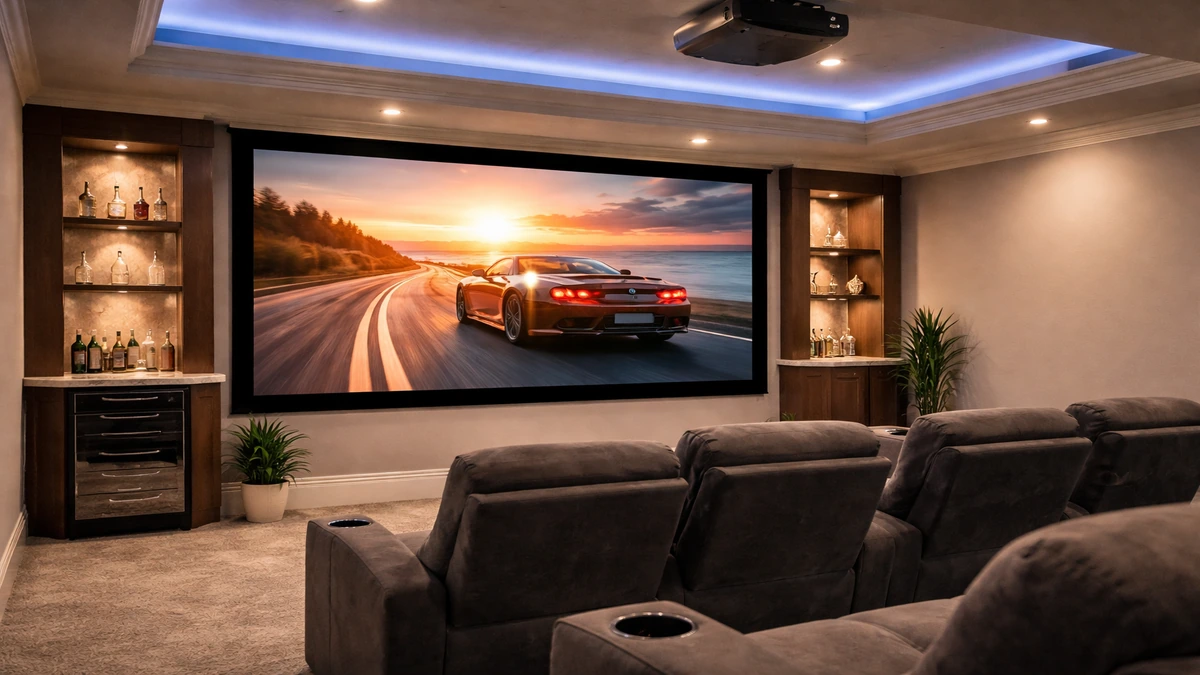
Projector Screen Installation
Projectors and screens configured for sharp viewing and balanced room performance.
4 minutes
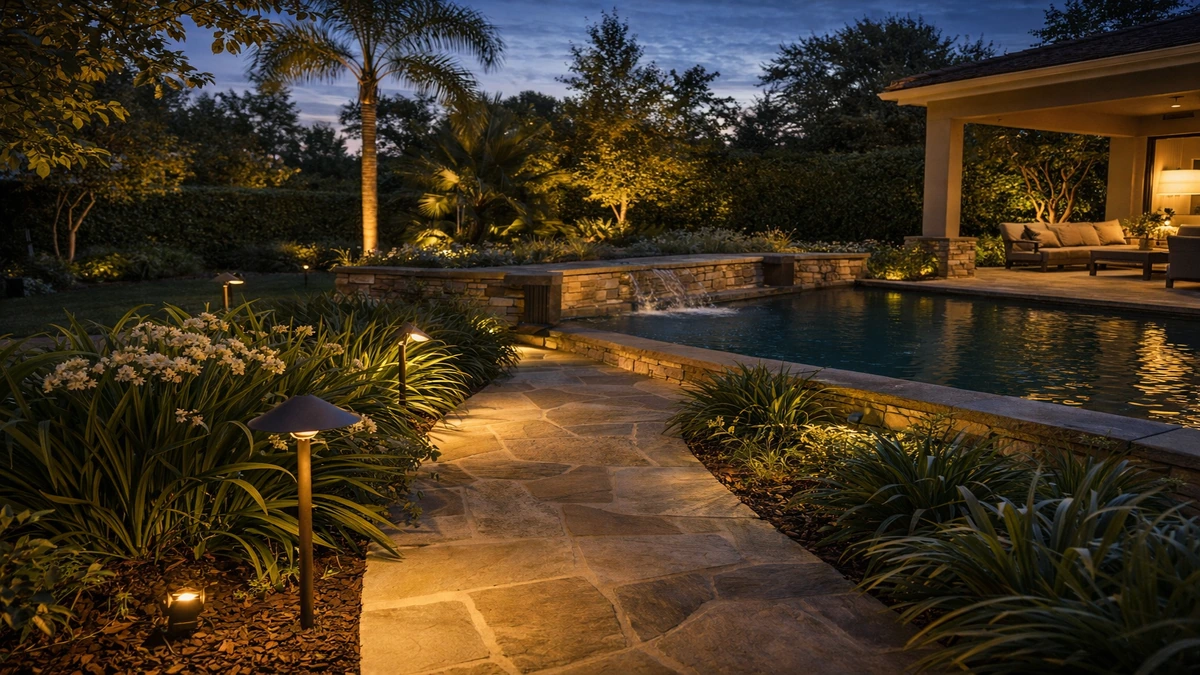
Outdoor Lighting Installation
Exterior lighting that improves curb appeal, ambiance, and nighttime usability.
4 minutes
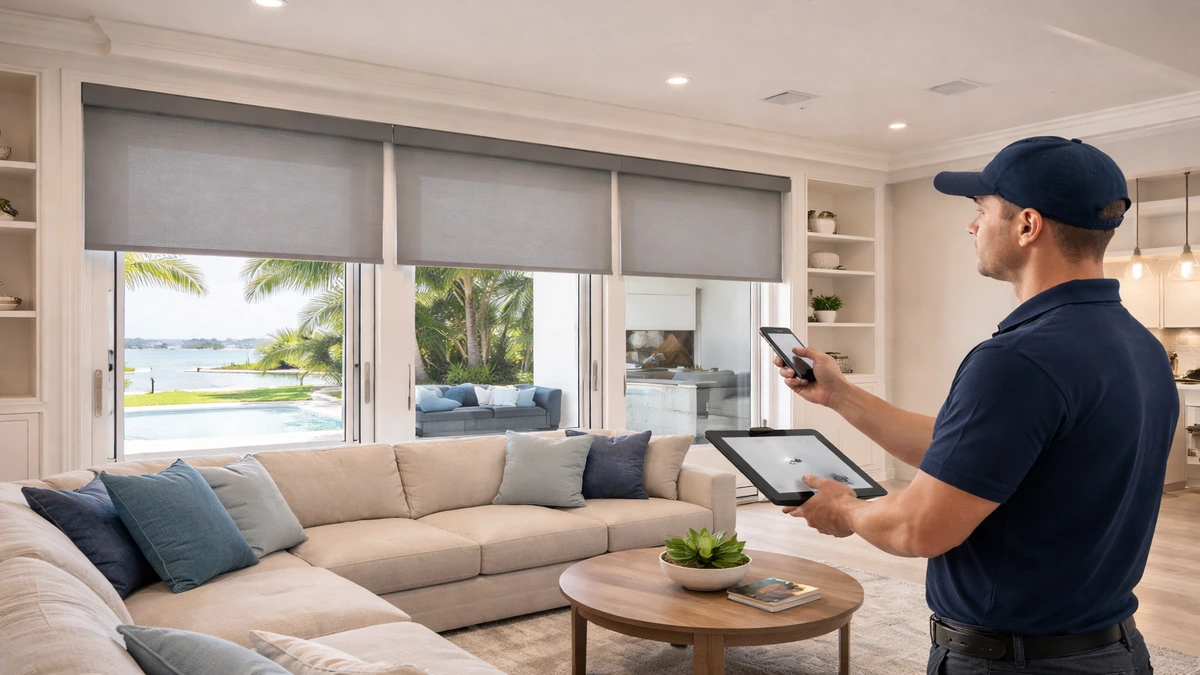
Motorized Blinds Installation
Automated shading for privacy, glare control, and everyday convenience.
4 minutes
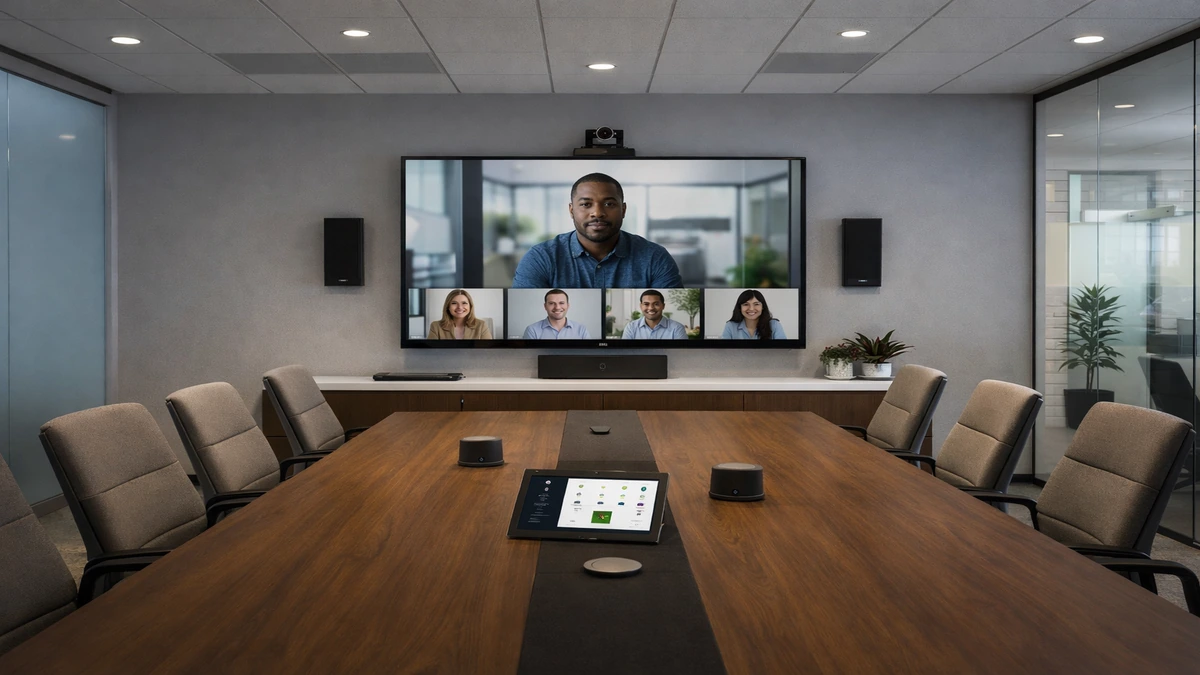
Conference Room AV Installation
Meeting room technology for clearer presentations, calls, and collaboration.
4 minutes
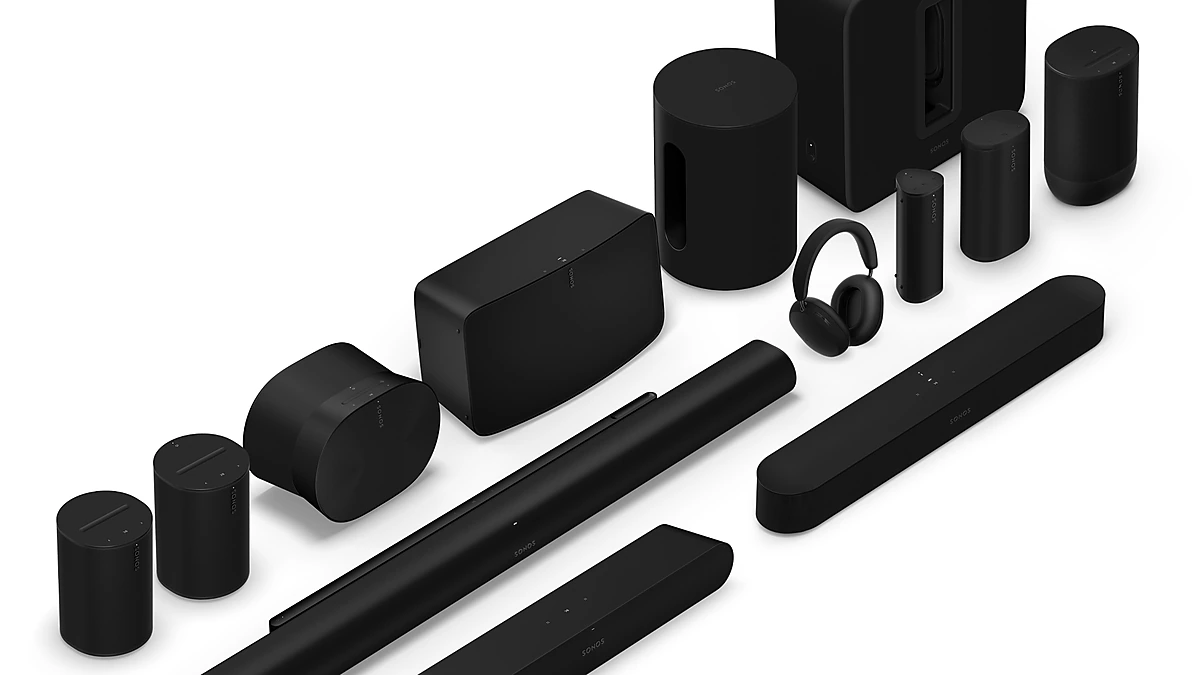
Sonos Installation
Sonos system design, setup, and tuning for simple multi-room audio.
4 minutes
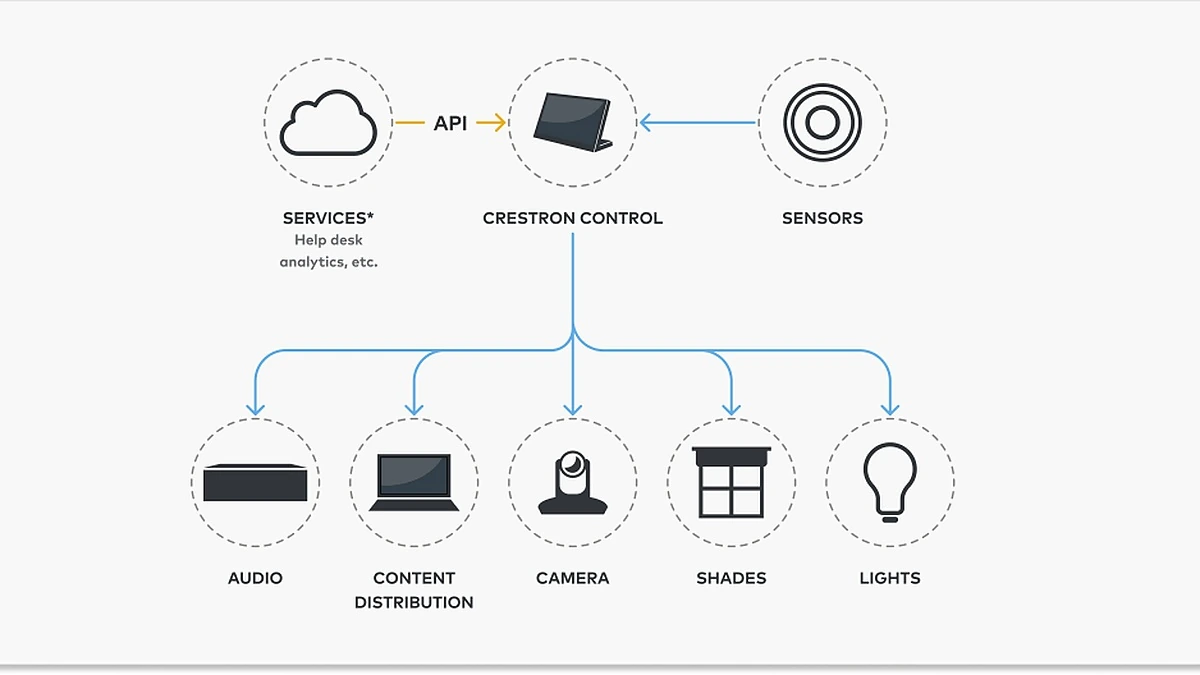
Crestron Installer
Advanced Crestron control integration for high-performance smart home environments.
4 minutes
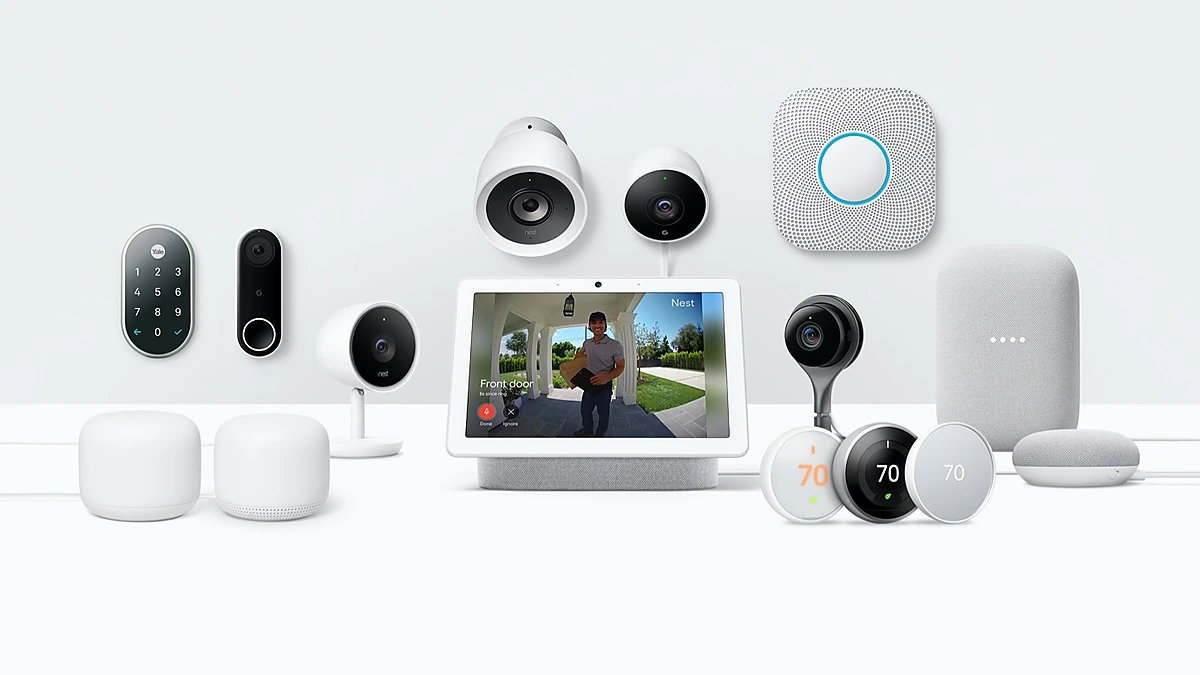
Nest Installer
Nest thermostat and smart home setup for comfort and remote control.
4 minutes
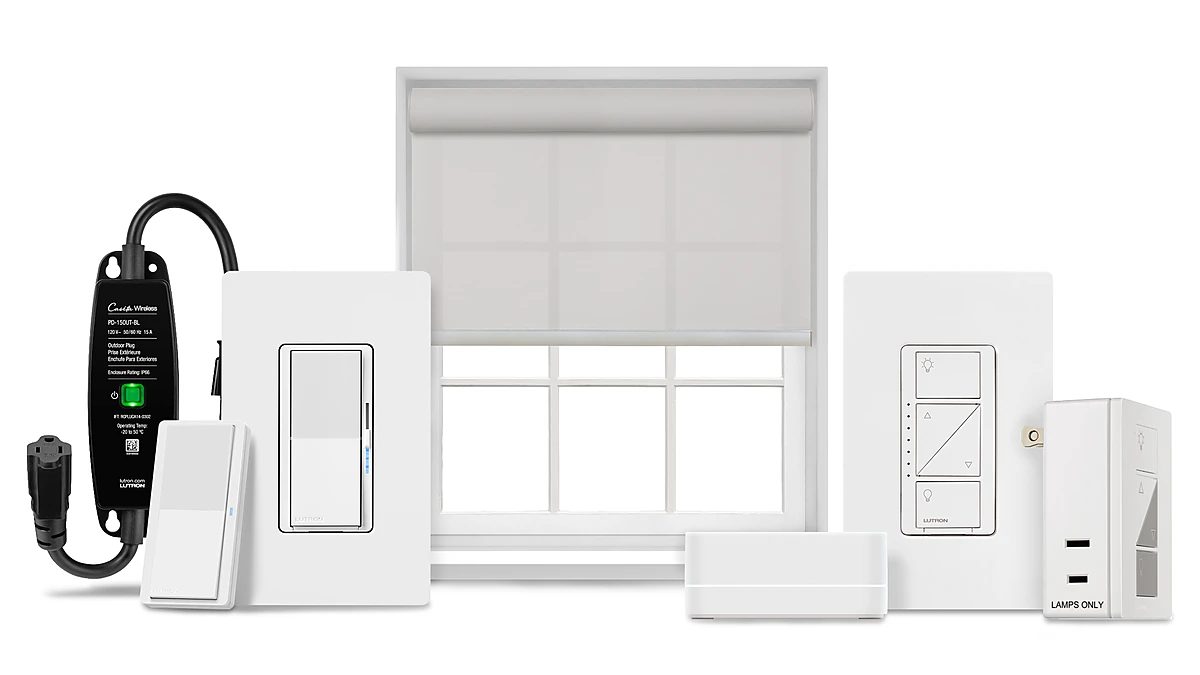
Lutron Installer
Lutron lighting and shading integration for smoother control and scene setting.
4 minutes
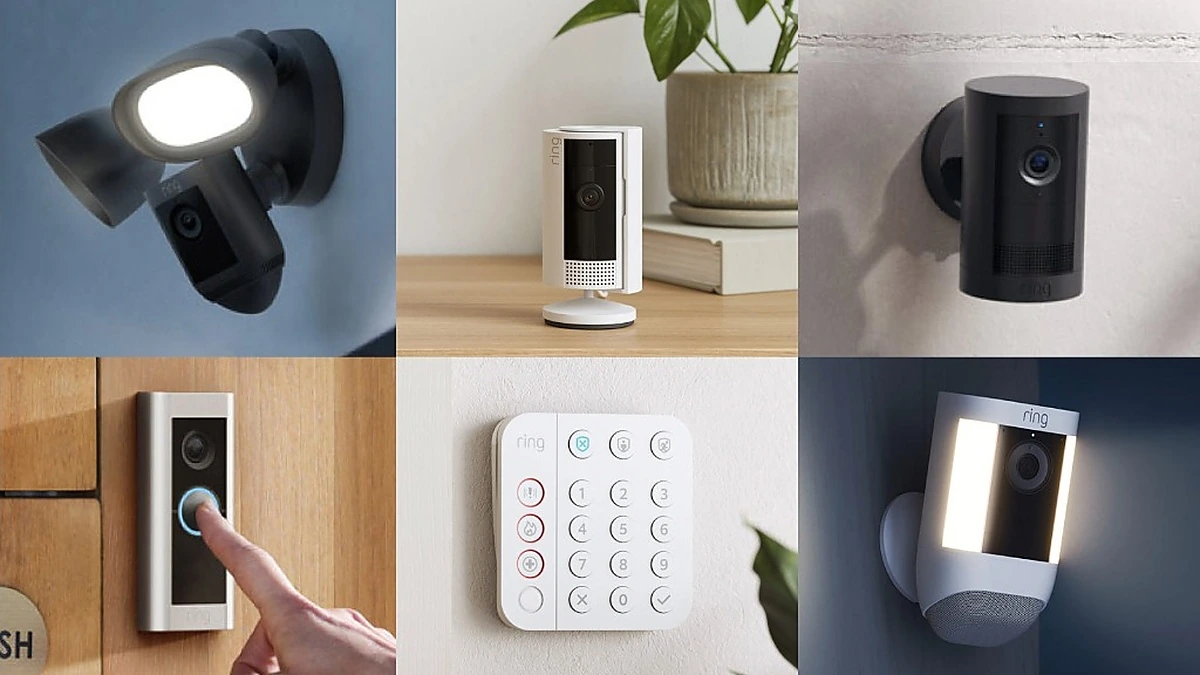
Ring Installation
Ring doorbells and cameras installed for better awareness and entry visibility.
5 minutes
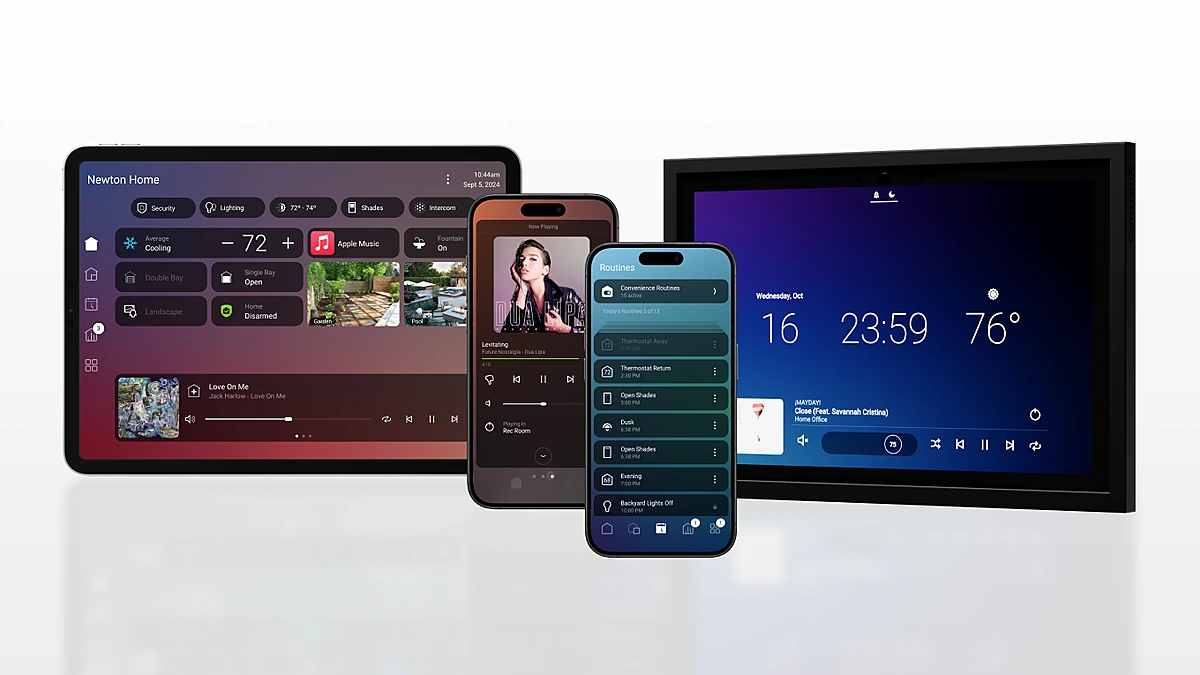
Control4 Installer
Control4 automation setup for unified entertainment, comfort, and home control.
4 minutes

Car & Truck Audio / Electronics Custom Upgrades
Custom mobile audio and electronics upgrades for better sound and functionality.
3 minutes
Two kinds of housing, one standard of finish
Boca Raton has 48,811 homes and they refuse to resolve into one type of property. Just over twenty thousand are detached houses. Another 12,624 sit in buildings of fifty units or more, with 5,367 more in buildings of twenty to forty-nine. A whole-home system in the first kind of property is a different piece of work from one in the second, and both are ordinary here rather than one being the exception. Whichever you own, the design begins with the route a cable can actually take through it.
What the two halves share is the standard the finished work gets held to. The median home here is valued at $660,100, and at that level nobody is grading the equipment list. They are looking at the wall a speaker sits in, the line where a screen meets the plaster, and whether anything about the installation announces itself. Concealment is not an item added at the end of a project on that basis. It is a constraint decided by the route, which means it is decided at the beginning or not at all.
Where people sit decides the screen, not the other way round
In a dedicated theater, or a living room asked to behave like one, the seating position is the first fixed point of the design. Everything else follows from it: how far the screen sits from the front row, how high it hangs, where the sightlines break, and which surfaces throw ambient light back at the picture. Speaker placement is settled the same way, around the seats rather than around the furniture that happens to be in the room today. Choose the display first and the rest of the project is spent compensating for that choice.
Calibration belongs in the same conversation rather than to the afternoon the boxes arrive. A screen and a set of speakers measured and adjusted in the room they actually live in are a different product from the same hardware switched on out of the carton. It costs nothing in materials and shows up in every hour the room is used afterwards, which is why it belongs in the plan rather than in a follow-up visit that never gets booked.
The walls that have to hide all of this went up in the eighties
The largest single group of Boca Raton homes was built between 1980 and 1989, and another 11,482 date from the decade before that. Housing of that age was finished long before low-voltage distribution was something a builder planned around, so nearly every project here is a retrofit into completed walls and ceilings rather than a first fit. That is not a problem. It does mean the concealment the finish standard demands has to be bought with survey time and careful labour instead of being inherited from the construction.
So the order of decisions matters more here than it would somewhere the walls were open. Find the chases, soffits and closet stacks that already exist. Agree what may be surface-run and what has to disappear entirely. Then place the in-ceiling speakers and the screen against what the structure will genuinely give you. A position agreed on a drawing and then argued with in an attic is where the budget and the finish quietly go.
The rack deserves the same early thought as the rooms do. It needs power, ventilation and enough space around it to be serviced by somebody who did not install it, and that space is easier to claim while the plan is on paper than to find once every cupboard has been given a purpose. The network is the other thing worth oversizing now, because streaming, control, cameras and entry all lean on it, and across a large floor plate what fails first is coverage rather than speed.
Four and a half thousand of these homes are occupied only part of the year
Boca Raton holds 4,547 homes for seasonal, recreational or occasional use, close to three in every five that stand empty. If yours is one of them the system has to survive months of nobody touching it and then come back on cleanly in a single evening. That is a design brief in itself. Control has to work from somewhere else, scenes need to be simple enough for a guest or a manager to run untaught from one keypad, and a failed device should report itself while you are still in another state.
The sequence is the same whichever half of the city you are in. Establish what the structure allows, fix the seating and the finish standard together, size the infrastructure for what the house will be asked to do in five years, and let the visible equipment be the last decision instead of the first. At this end of the market that order is not caution. It is the only way the finished result looks the way it was described.