

Many Of These Houses Share A Wall Audio Video | Home Theater Installations Serving Boynton Beach, FL
Boynton Beach is a house market with an unusual number of shared walls — 40,694 homes, 53.6% single-family, and 5,210 attached properties where a neighbour is on the other side of the wall.
Integrated Audio-Visual Solutions for Modern Living
Elevate Your Space with Seamless Sound and Visuals, Tailored for Your Lifestyle
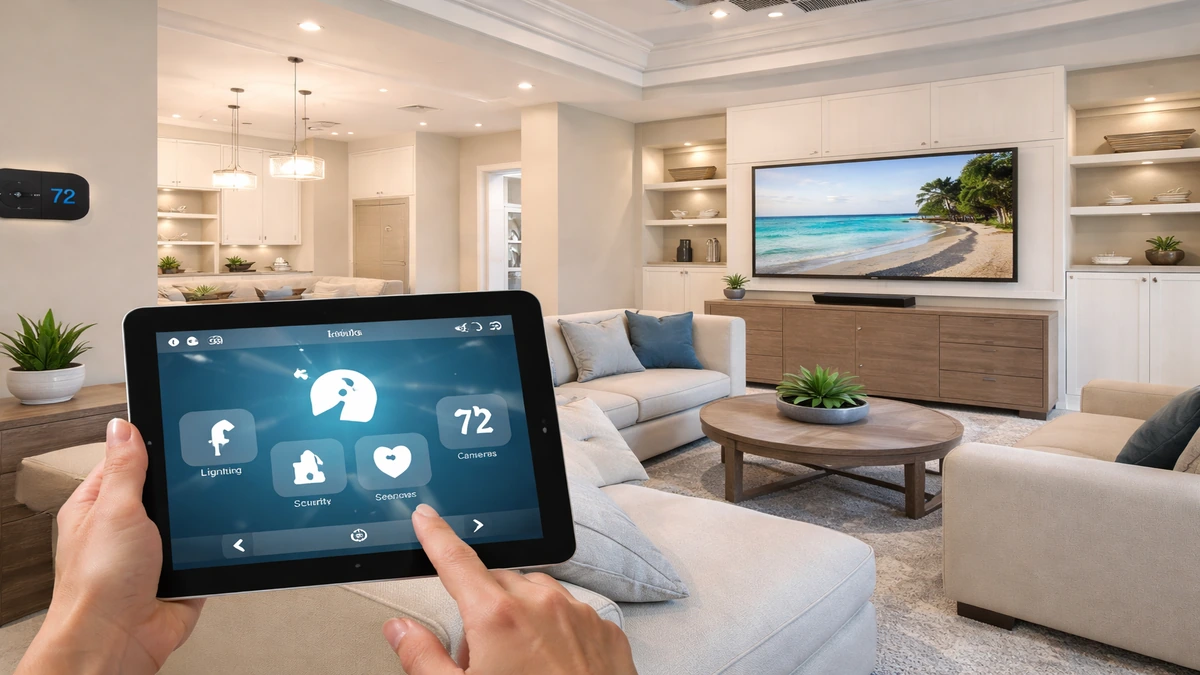
Smart Home Automation Installation
Integrated control for lighting, climate, security, and entertainment.
4 minutes
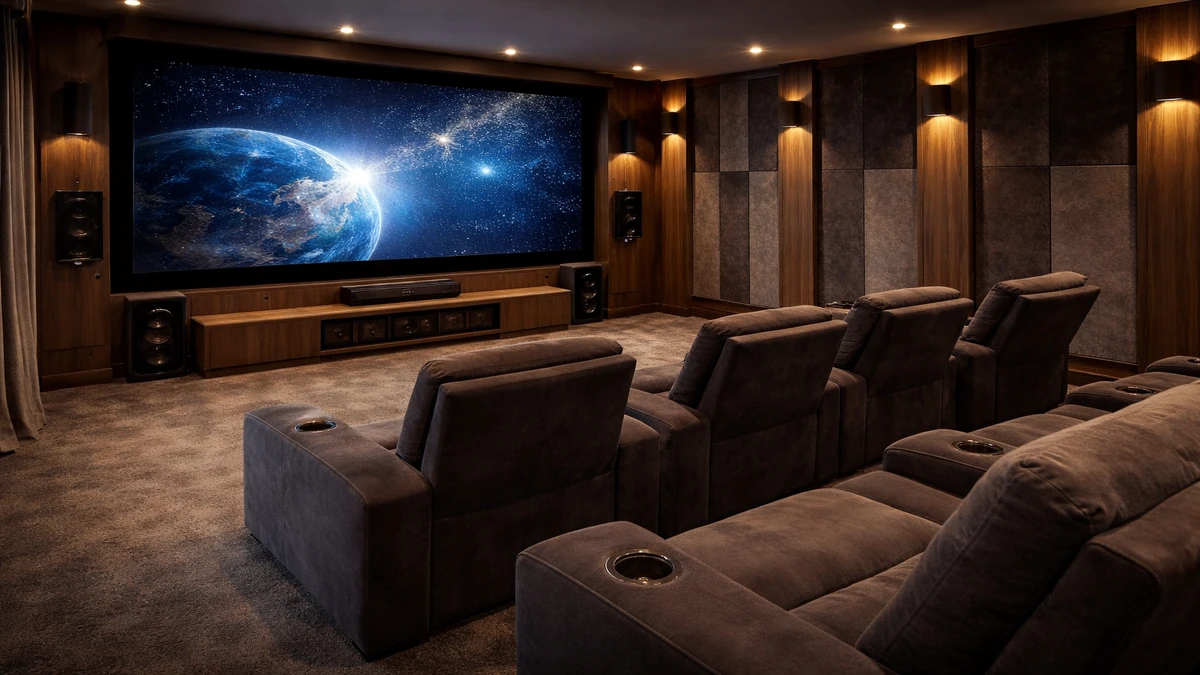
Home Theater Installation
Custom theater rooms designed for immersive picture, sound, and comfort.
4 minutes
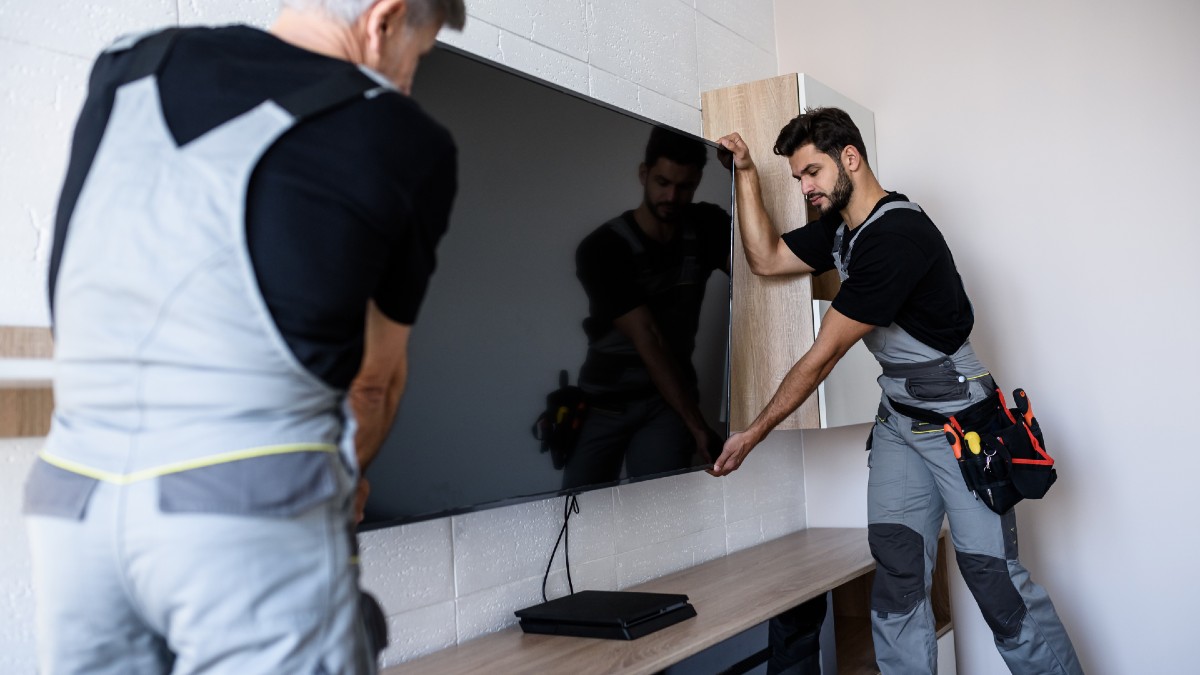
TV Wall Mounting
Professional TV mounting for cleaner layouts and better viewing angles.
5 minutes
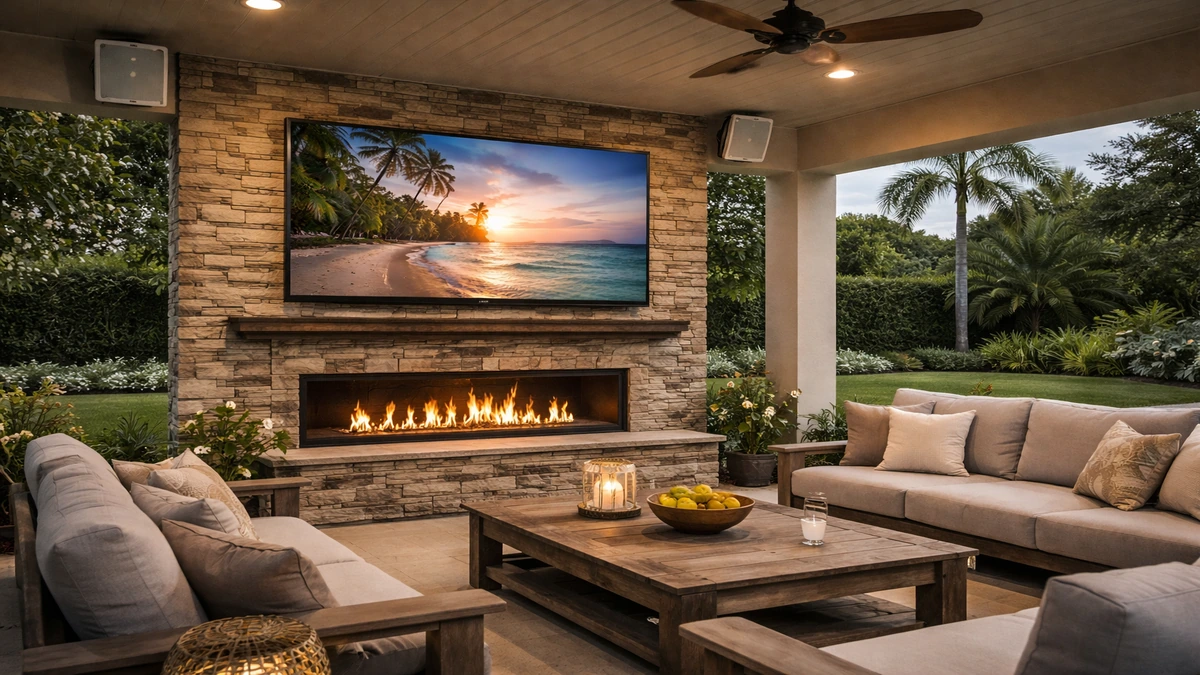
Outdoor TV Installation
Weather-aware outdoor TV setups built for patios, lanais, and pool areas.
5 minutes
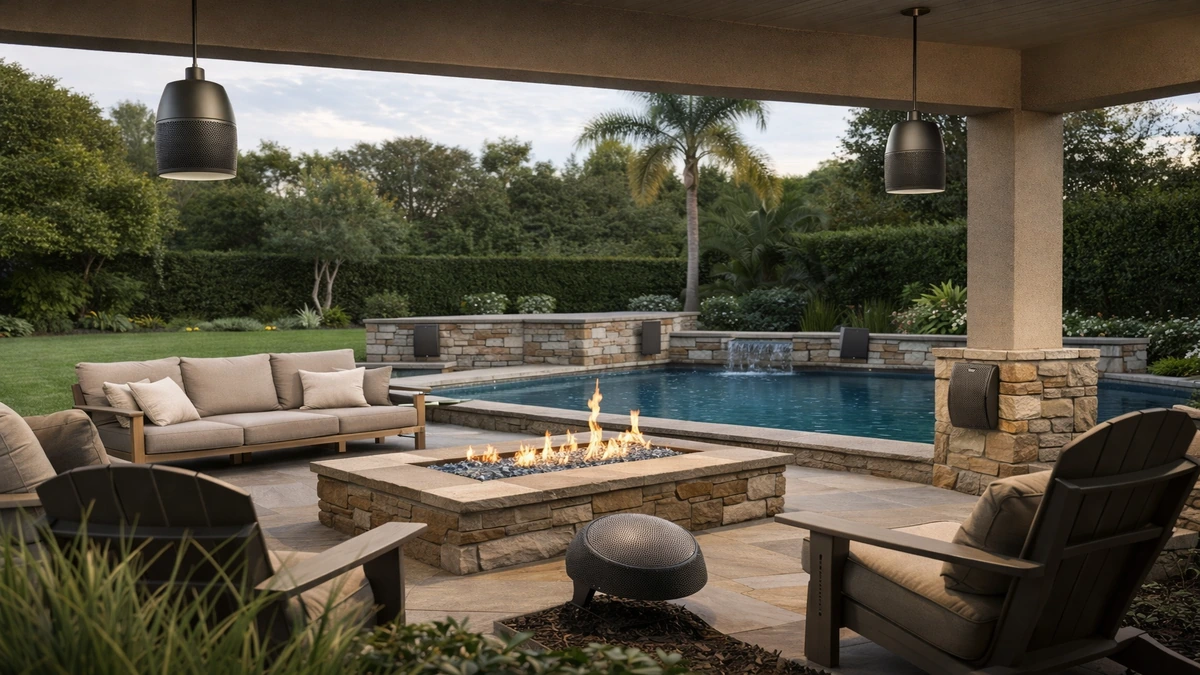
Outdoor Audio Installation
Outdoor speaker systems planned for clear sound and reliable coverage.
4 minutes
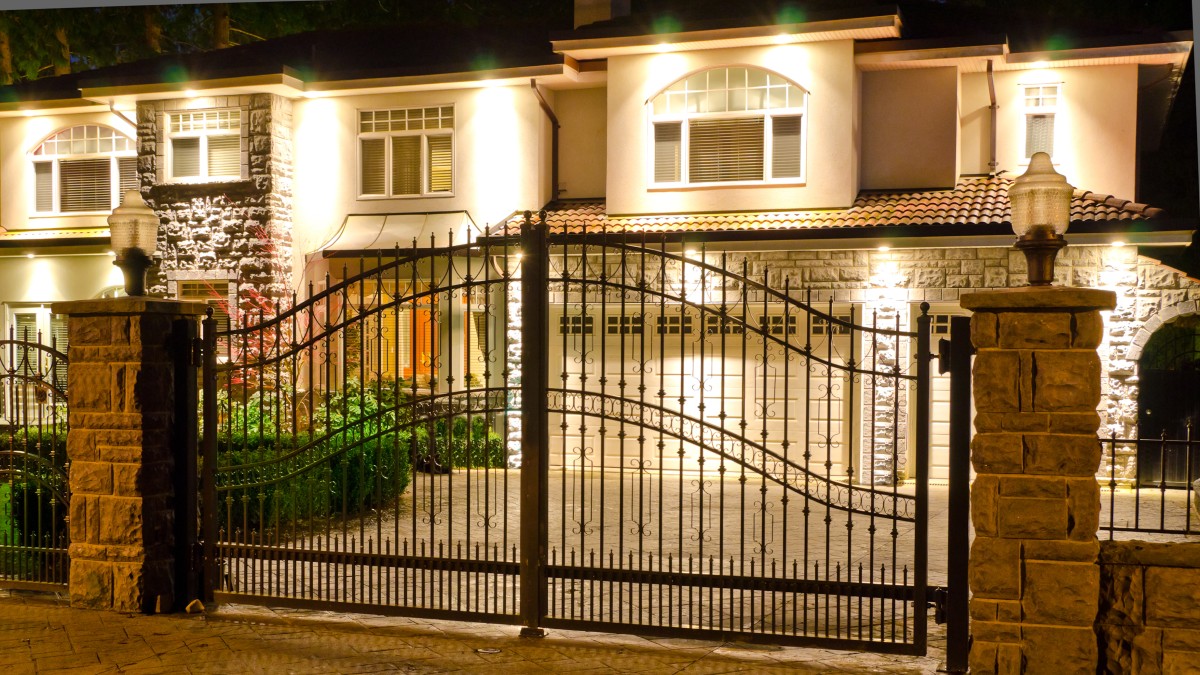
Automatic Gates
Secure, convenient gate automation with access control and entry integration.
4 minutes
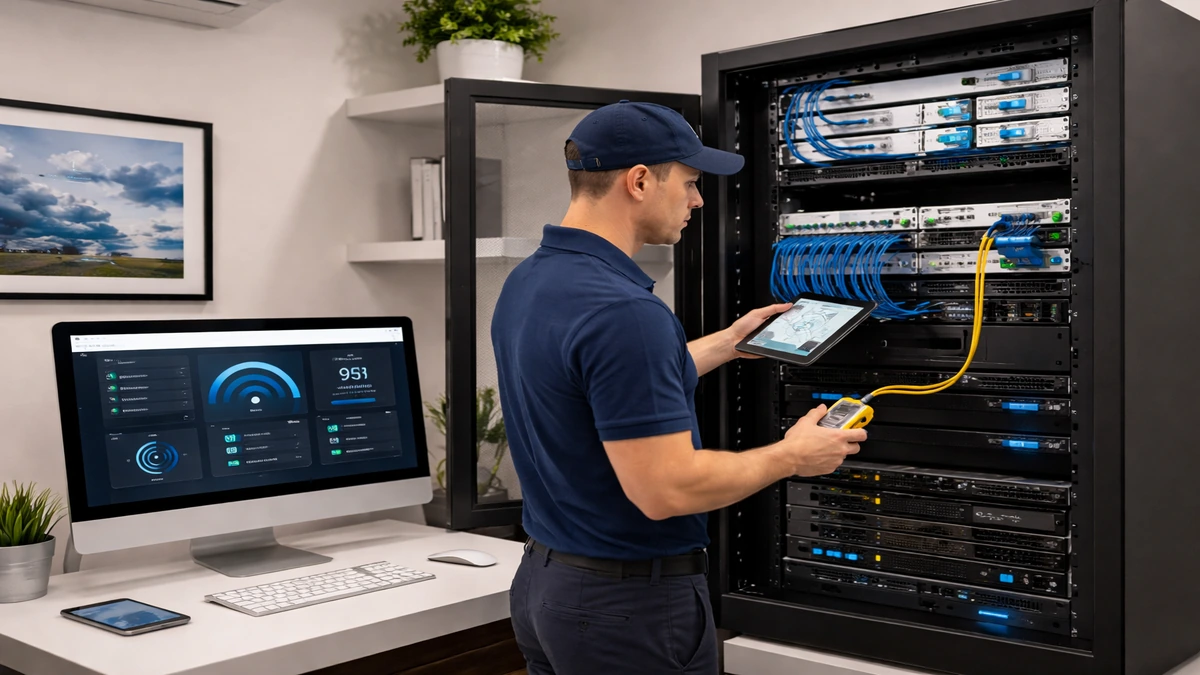
Home Network Installation
Stronger Wi-Fi, better coverage, and dependable connectivity throughout the property.
4 minutes
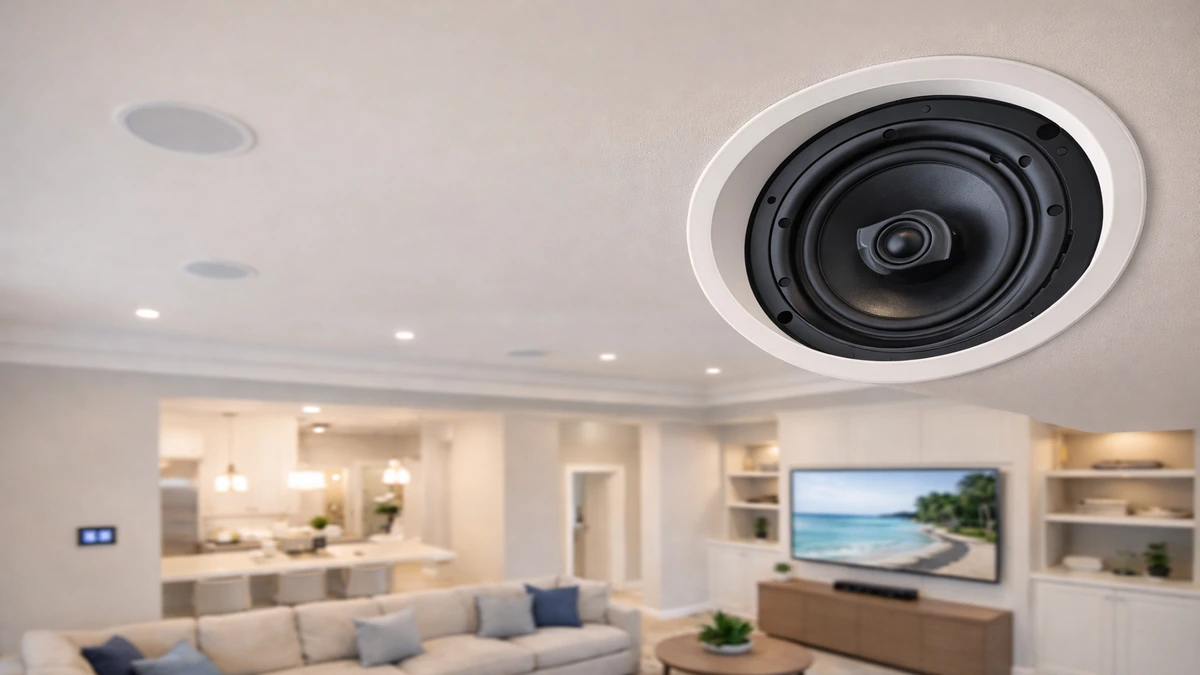
Ceiling Speaker Installation
Clean in-ceiling audio solutions for music, TV, and multi-room sound.
4 minutes
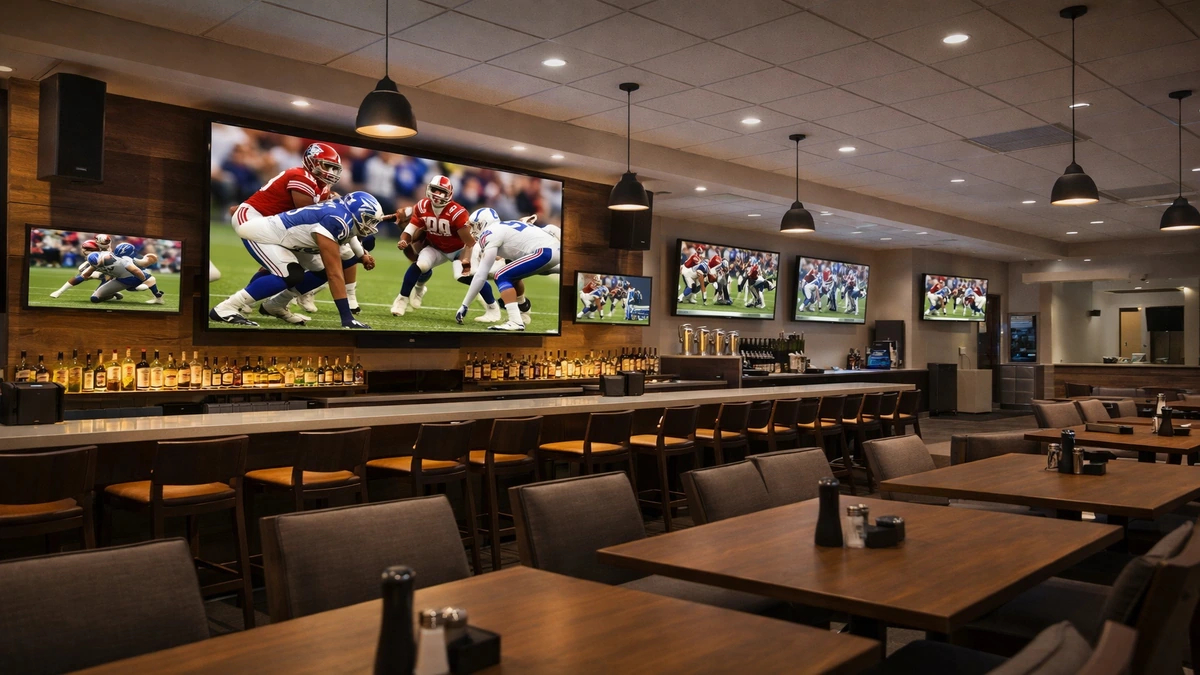
Commercial AV Installation
Professional audio, video, and control systems for business environments.
4 minutes
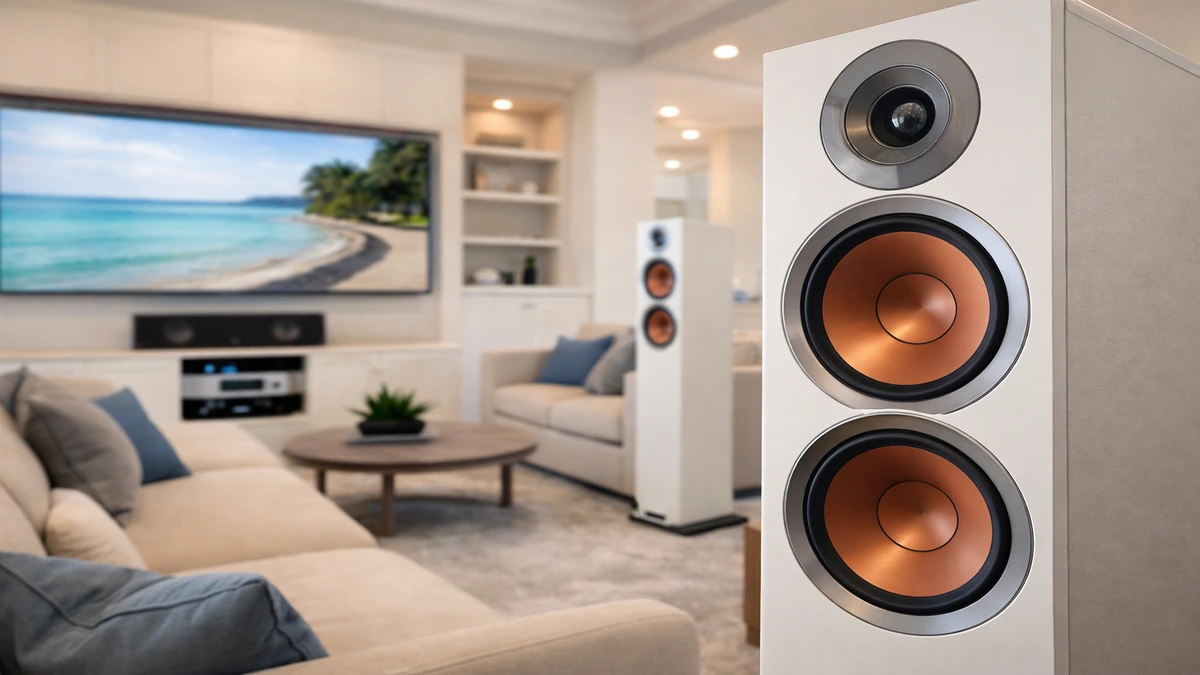
Home Audio Installation
Whole-home and room-based audio systems tailored to how you listen.
4 minutes

Marine Audio & Electronics Installation
Boat audio, displays, and electronics installed for performance on the water.
4 minutes
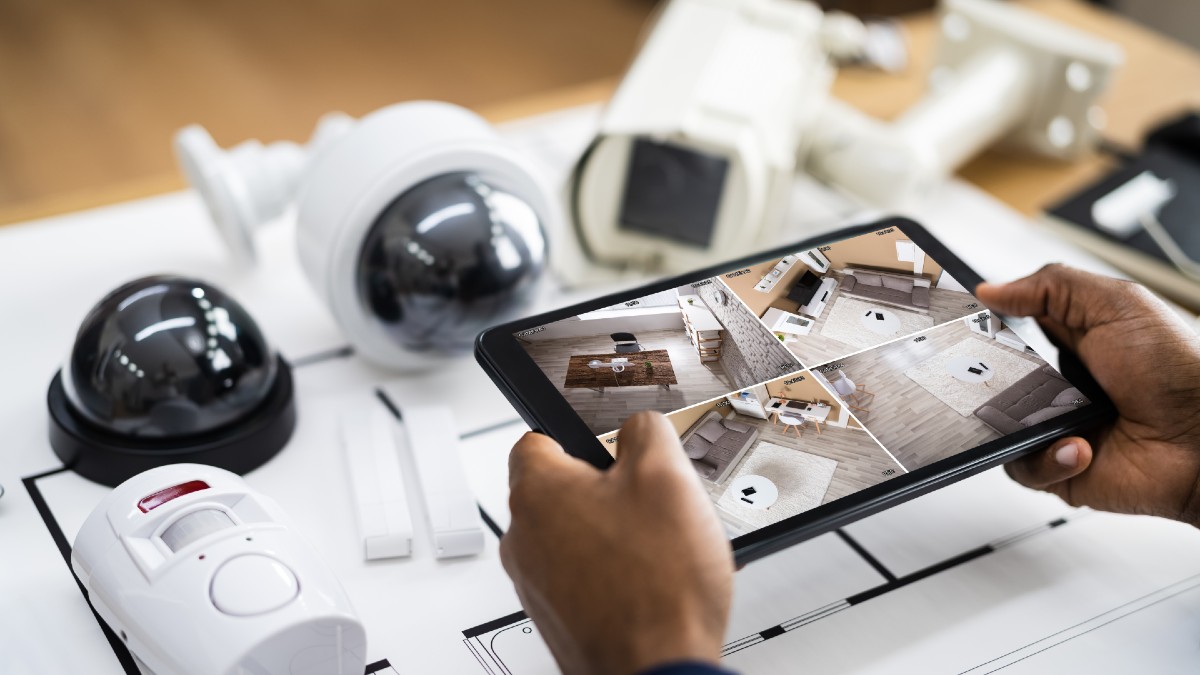
Security Camera Installation
Smart camera systems for visibility, alerts, recording, and remote monitoring.
4 minutes
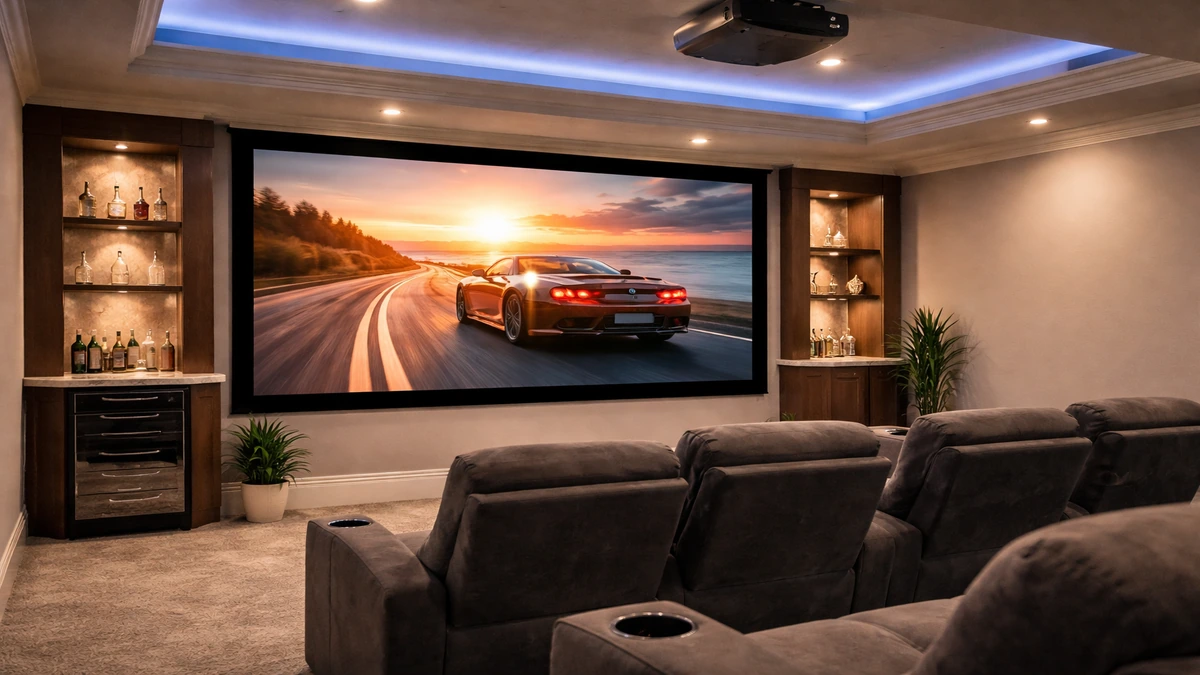
Projector Screen Installation
Projectors and screens configured for sharp viewing and balanced room performance.
4 minutes
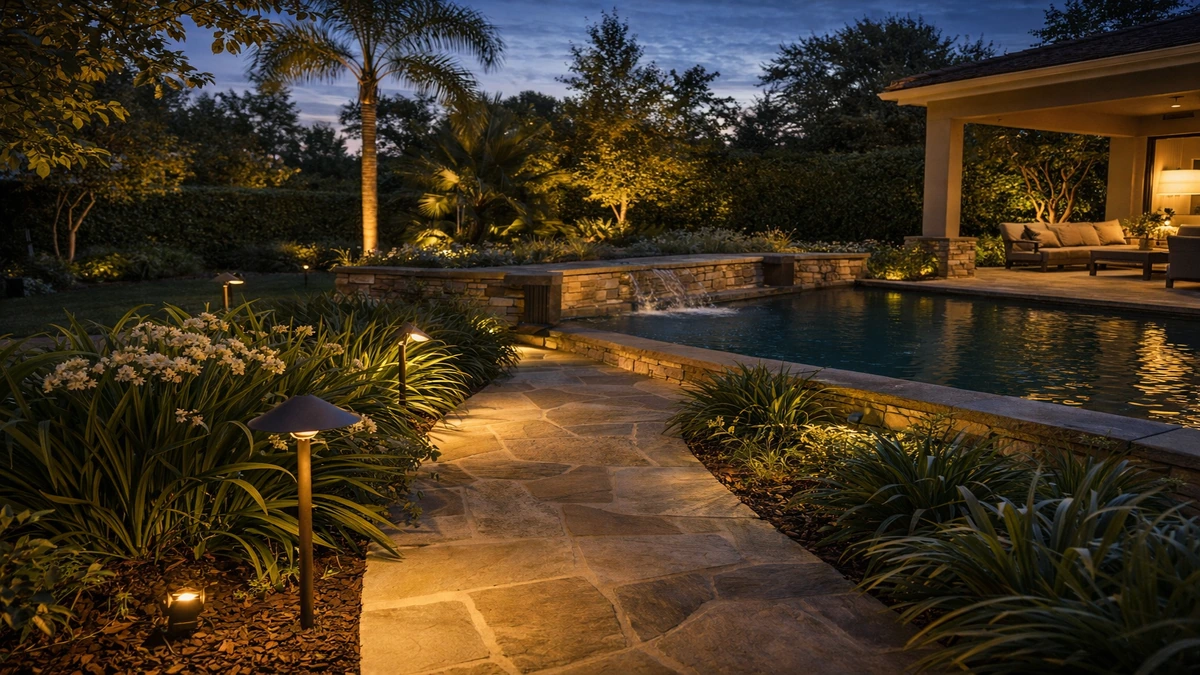
Outdoor Lighting Installation
Exterior lighting that improves curb appeal, ambiance, and nighttime usability.
4 minutes
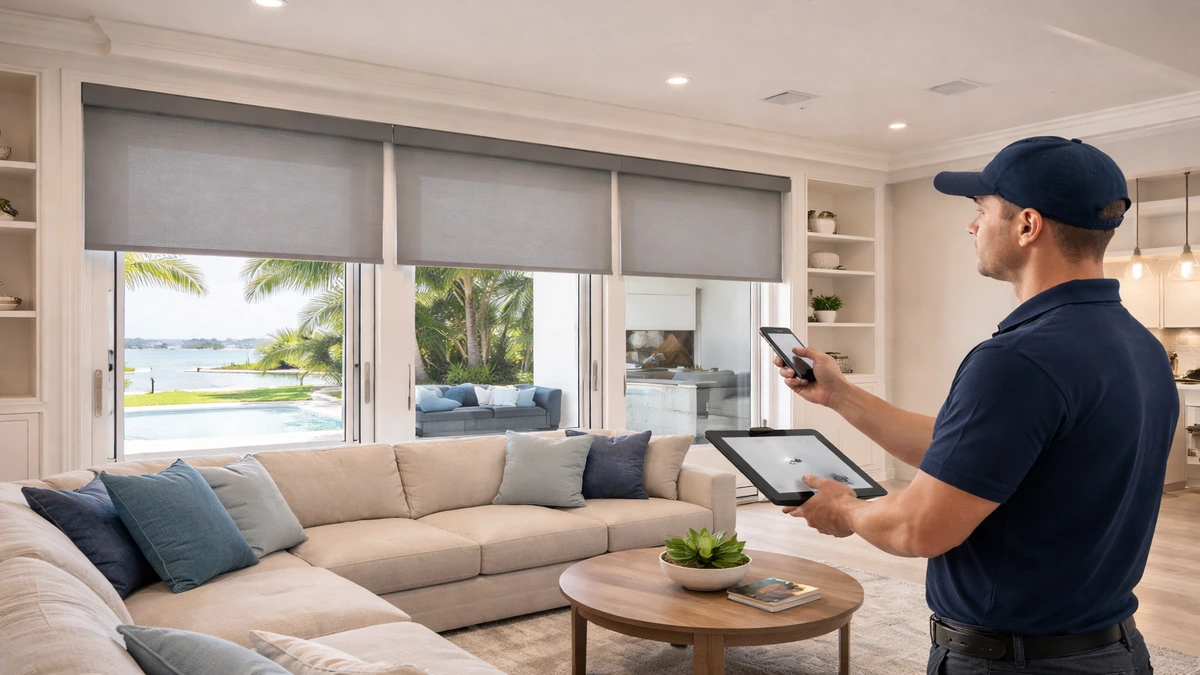
Motorized Blinds Installation
Automated shading for privacy, glare control, and everyday convenience.
4 minutes
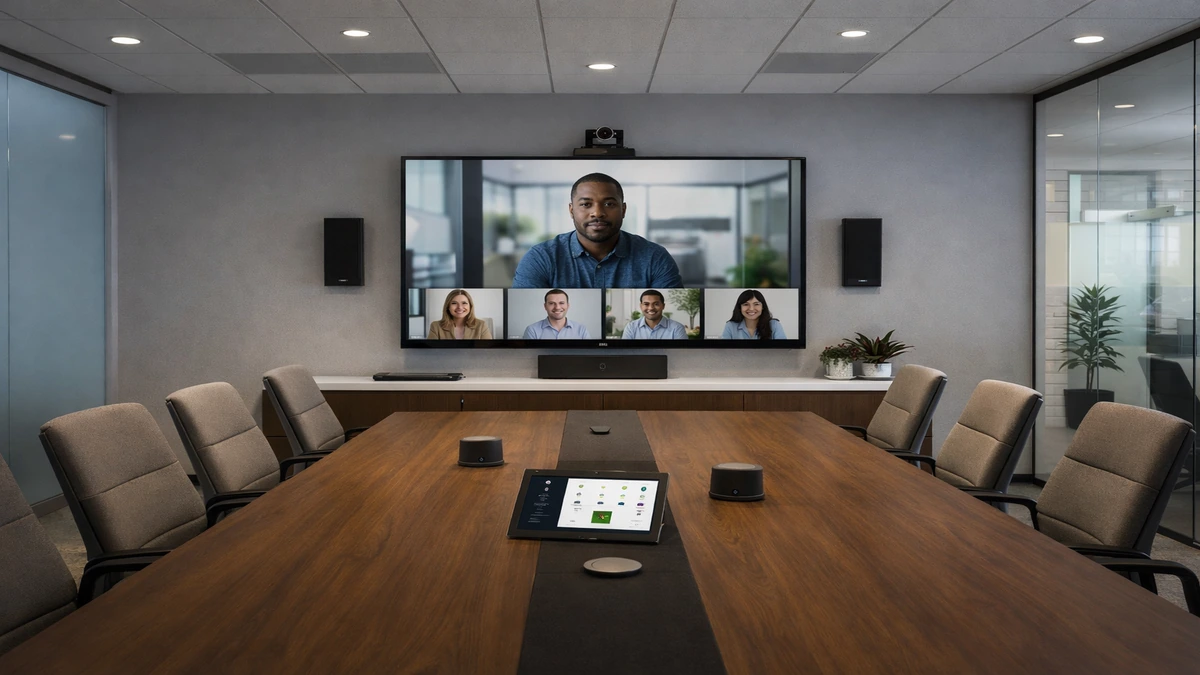
Conference Room AV Installation
Meeting room technology for clearer presentations, calls, and collaboration.
4 minutes
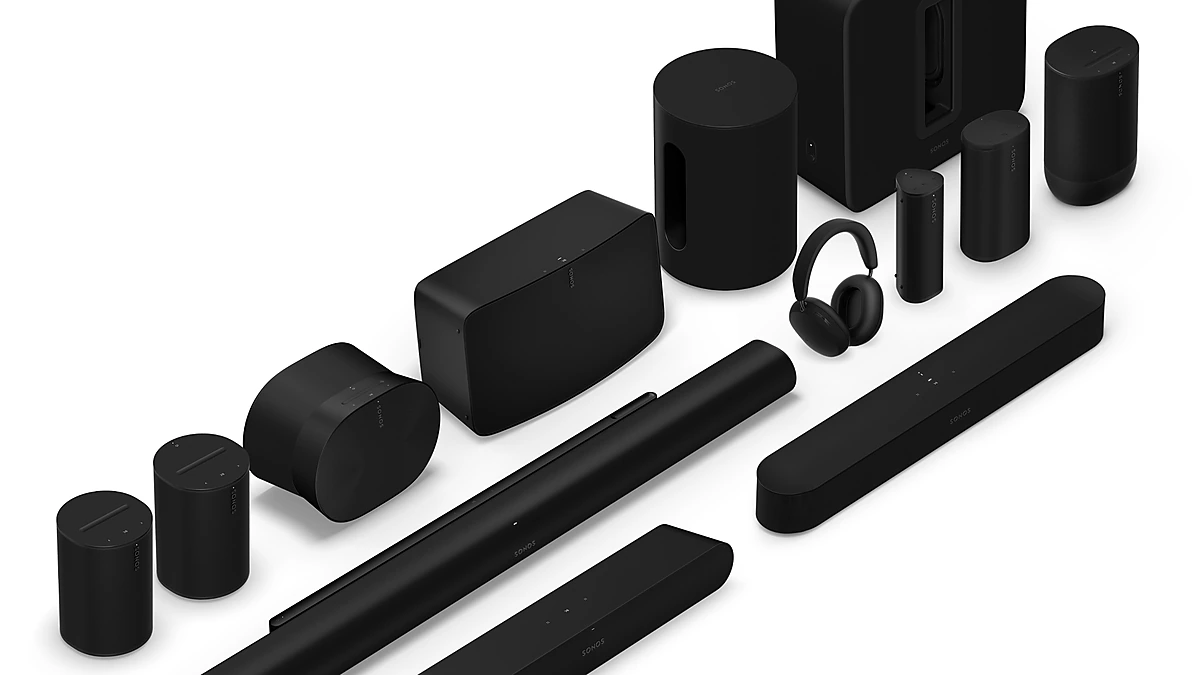
Sonos Installation
Sonos system design, setup, and tuning for simple multi-room audio.
4 minutes
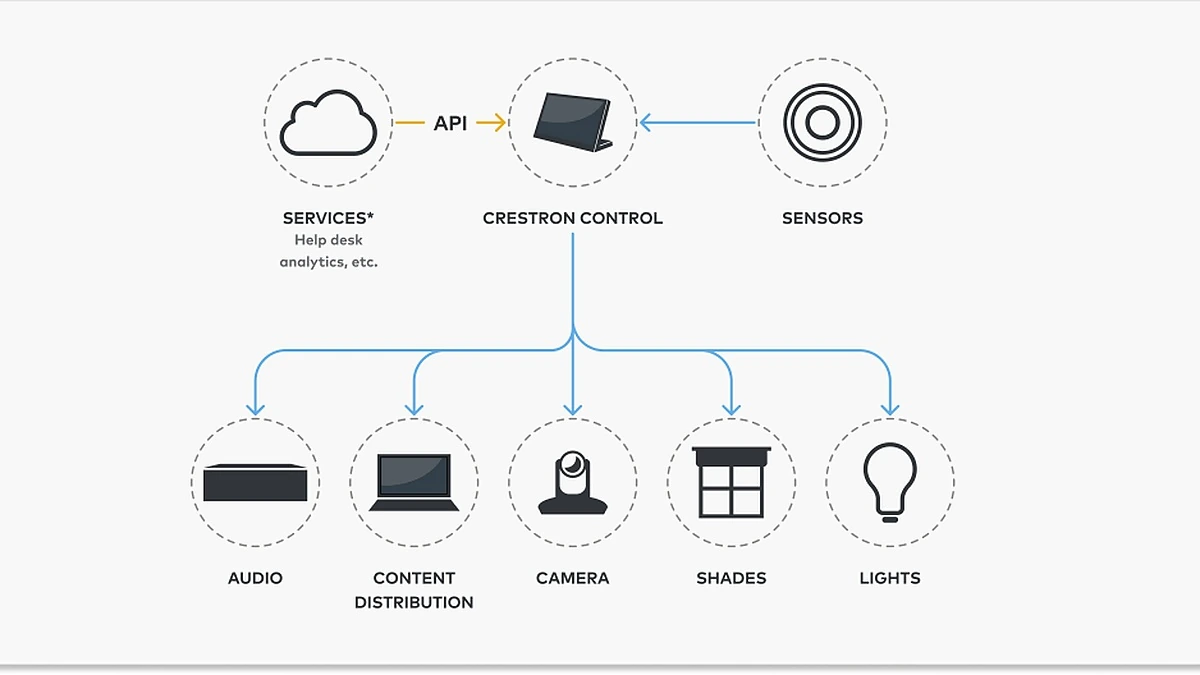
Crestron Installer
Advanced Crestron control integration for high-performance smart home environments.
4 minutes
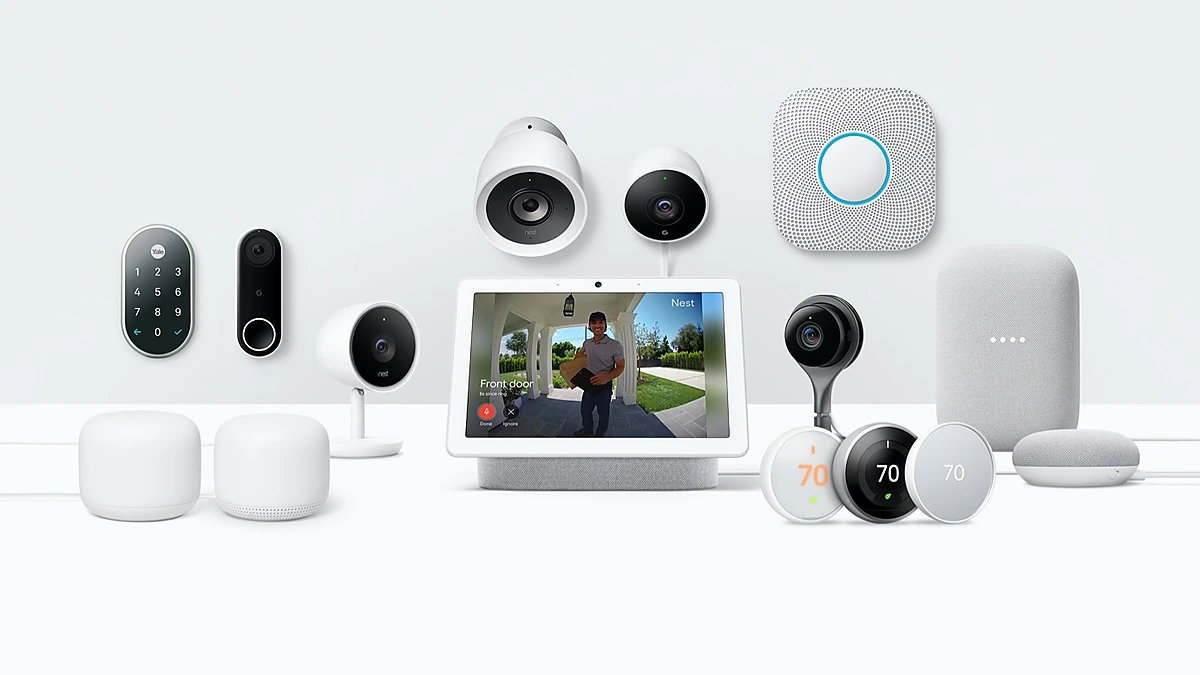
Nest Installer
Nest thermostat and smart home setup for comfort and remote control.
4 minutes
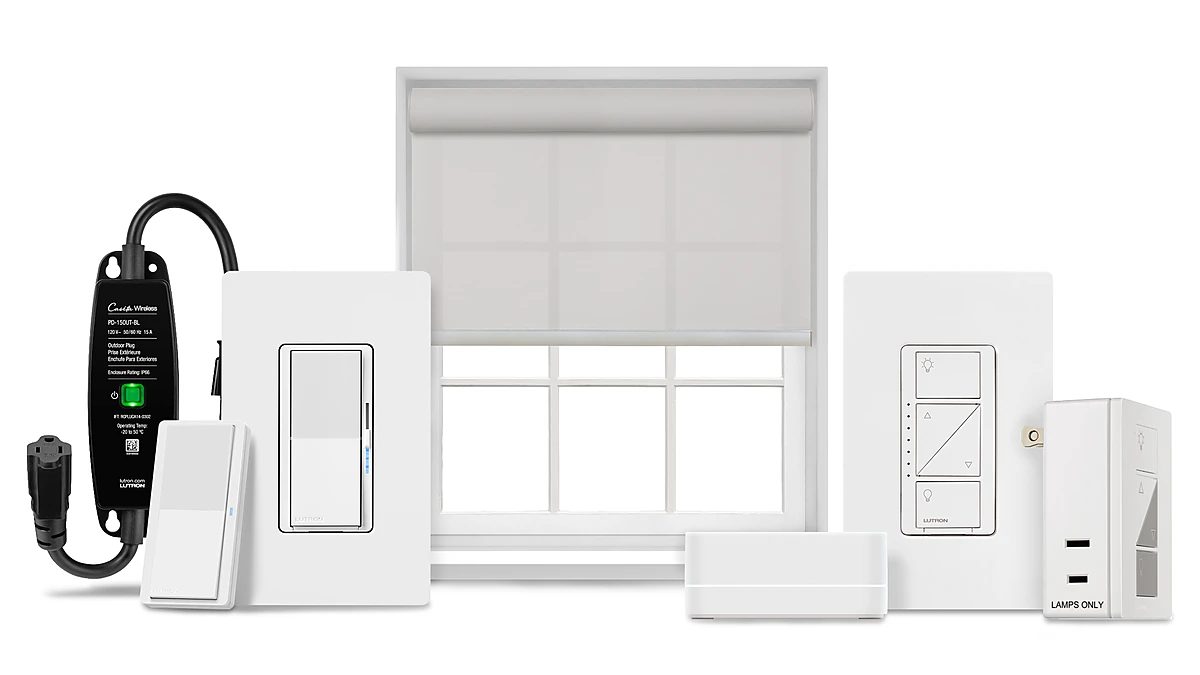
Lutron Installer
Lutron lighting and shading integration for smoother control and scene setting.
4 minutes
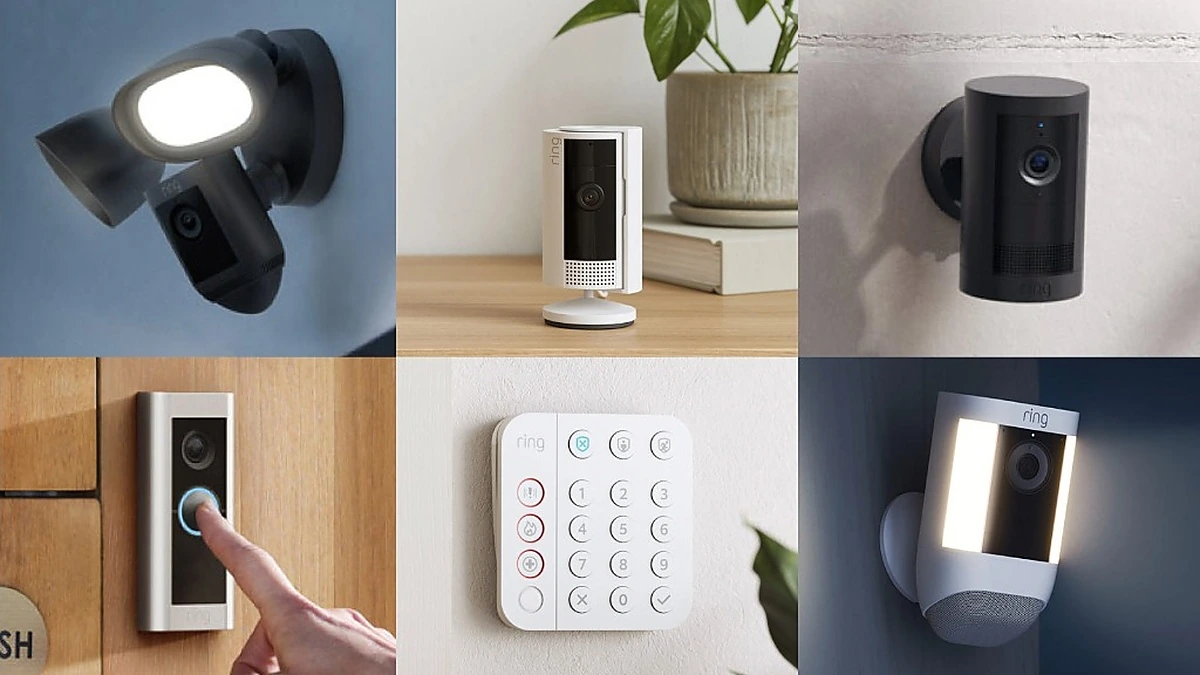
Ring Installation
Ring doorbells and cameras installed for better awareness and entry visibility.
5 minutes
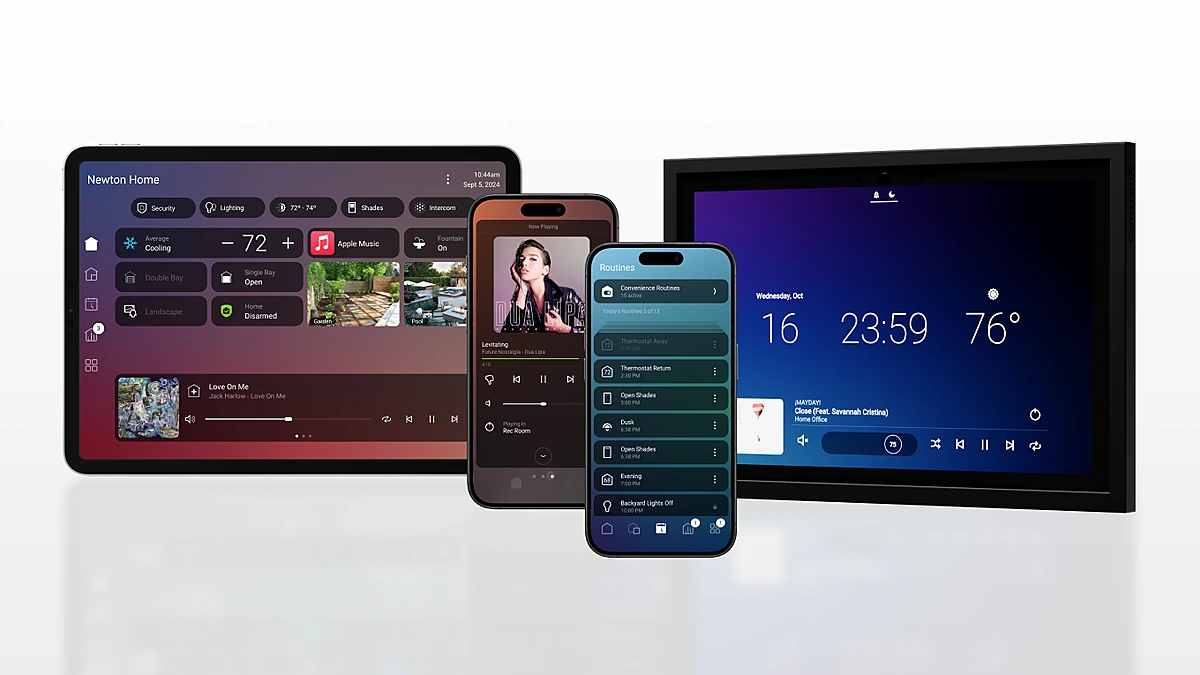
Control4 Installer
Control4 automation setup for unified entertainment, comfort, and home control.
4 minutes

Car & Truck Audio / Electronics Custom Upgrades
Custom mobile audio and electronics upgrades for better sound and functionality.
3 minutes
A house market — but a lot of those houses share a wall
Boynton Beach has 40,694 homes and more of them are houses than in most of the surrounding market — 16,607 detached, and a further 5,210 attached. That second number is the interesting one. Attached and villa-style properties behave like houses in almost every respect that matters to an installation, except the one that matters most: there is somebody on the other side of at least one wall.
That single difference reshapes several decisions at once. It changes which walls can carry a display without transmitting sound next door, where a subwoofer can sit without becoming a neighbour's problem, and how far a run can travel before it needs to leave your envelope and enter shared structure. None of it is difficult, but all of it is much easier to plan than to correct — and it is invisible on a floor plan that shows only your own home.
The remaining housing is spread widely rather than concentrated: 5,016 homes in buildings of fifty units or more, 3,804 in the twenty-to-forty-nine band, and around 6,000 across smaller multifamily. A city this varied has no single answer to a practical question. What can be routed, who approves it and how a system should be laid out depend on which of those buildings you are in, which is why the survey does more work here than the specification does.
Built across two decades, not one
The largest single group of homes here went up between 1970 and 1979, but the median home dates from the 1980s, and there is substantial stock either side. That spread means less can be assumed than in a city built in one push. Two properties a mile apart may differ in slab and framing detail, in how the original wiring was run, and in what an attic will realistically let you do. It is a market where experience of the last job transfers less reliably than usual.
What the whole range shares is that none of it was wired for what a modern home is asked to carry. Streaming video, whole-home audio, cameras, entry and control all lean on the same infrastructure, and in homes of this age that infrastructure has to be added. The work that decides whether a project goes smoothly is establishing where it can go — before anyone selects a display.
Owned, lived in, and roughly half seasonal
Of 33,297 occupied homes, 21,229 are lived in by their owners, and 51.7% of vacant homes are held for seasonal or occasional use — a market split almost evenly between year-round households and part-year ones. If yours is a second home, the system should be reachable remotely and should report a problem rather than wait to be found. If it is your only home, the same infrastructure simply gets used harder, which is an argument for specifying it once rather than in stages.
Either way, the value in a larger project sits in the parts that are painful to revisit. Cable, conduit, equipment location, power and network capacity outlast every device connected to them. Pull spare capacity while a route is open, give the equipment somewhere with ventilation and service access, and settle what may be visible before anything is cut. The visible equipment is the easy decision, and it should be the last one.
In a city with this much variety, the survey is not a formality before the project. It is the part that determines what the project can be.
Two smaller numbers fill in the picture. There are 2,407 homes here in buildings of three or four units and 526 mobile homes — neither large in itself, but together a reminder that this is not a market with a standard property. A design approach that assumes a detached house will meet a villa, a small block and a park home within the same few square miles, and each of those wants something different from the same brief.
That variety is an argument for deciding the shape of the system before deciding its contents. What the network has to carry, where equipment can live, how control is presented and what standard of finish applies are all answerable regardless of building type. Once those are settled, adapting them to a particular property is straightforward — and doing it in the other order rarely is.