

Small Multifamily, Shared Walls Audio Video | Home Theater Installations Serving Delray Beach, FL
Half a century of continuous building put 36,997 homes in Delray Beach, at a median value of 6,700, under a city building division that reviews all construction activity.
Transform Your Lifestyle with Comprehensive Audio-Visual and Security Solutions
From custom home theaters to robust security systems, discover audio, video, and smart control solutions that redefine comfort and convenience in your space.
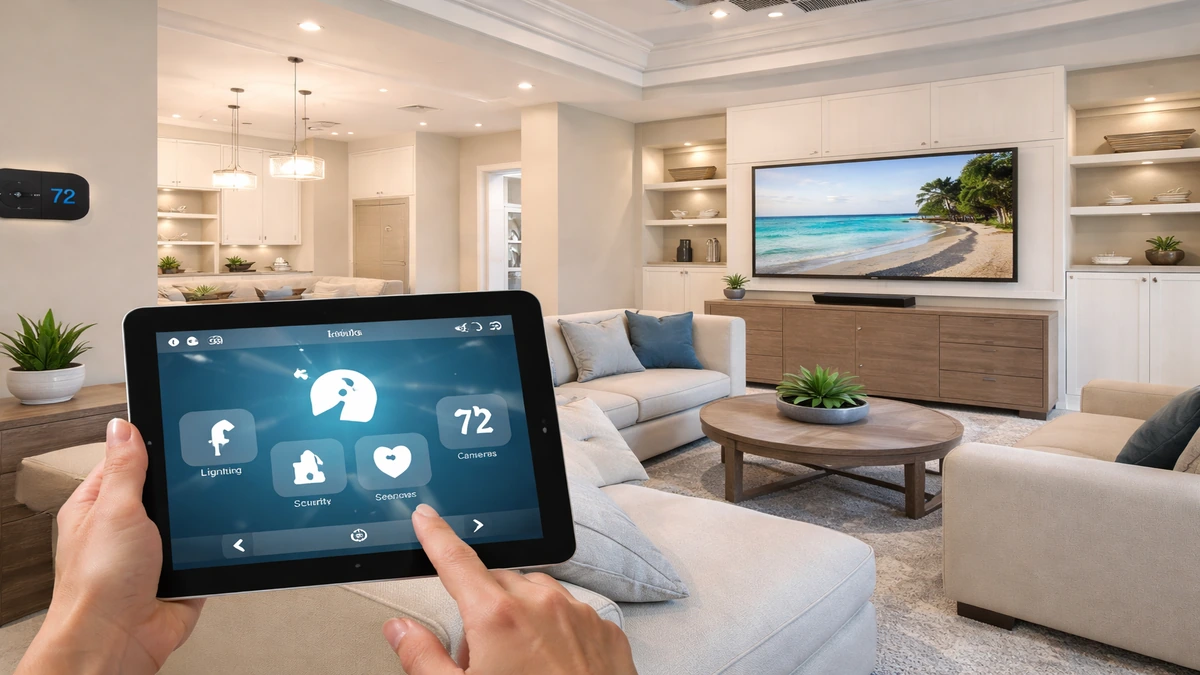
Smart Home Automation Installation
Integrated control for lighting, climate, security, and entertainment.
4 minutes
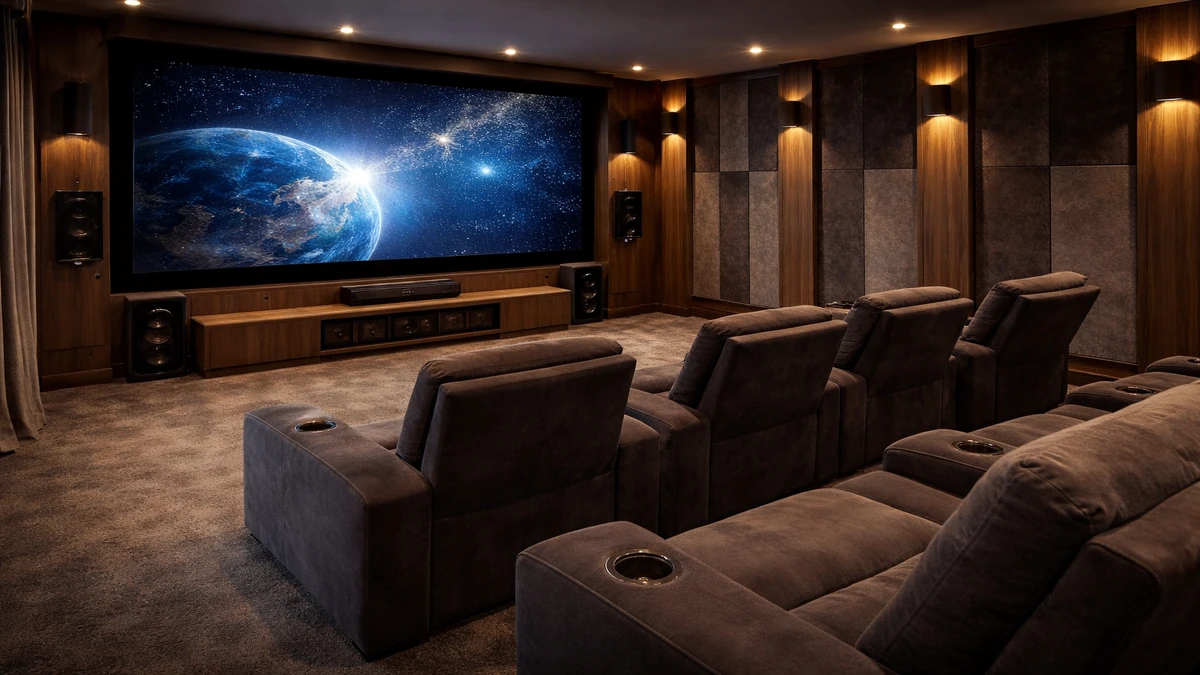
Home Theater Installation
Custom theater rooms designed for immersive picture, sound, and comfort.
4 minutes
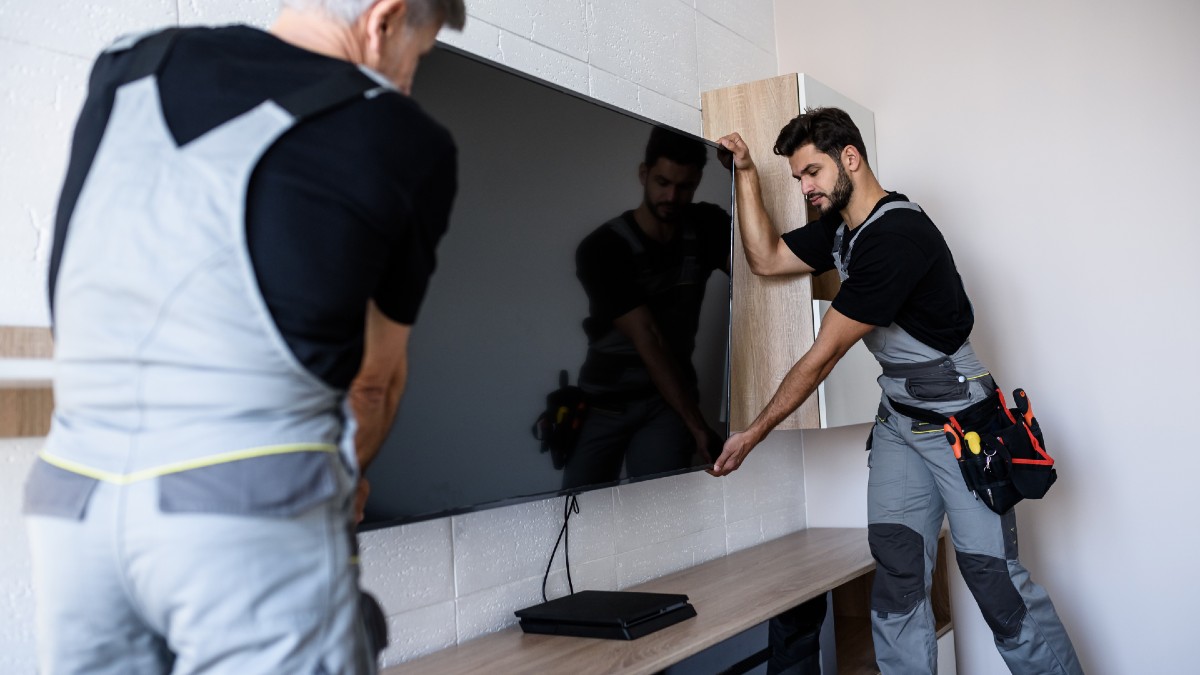
TV Wall Mounting
Professional TV mounting for cleaner layouts and better viewing angles.
5 minutes
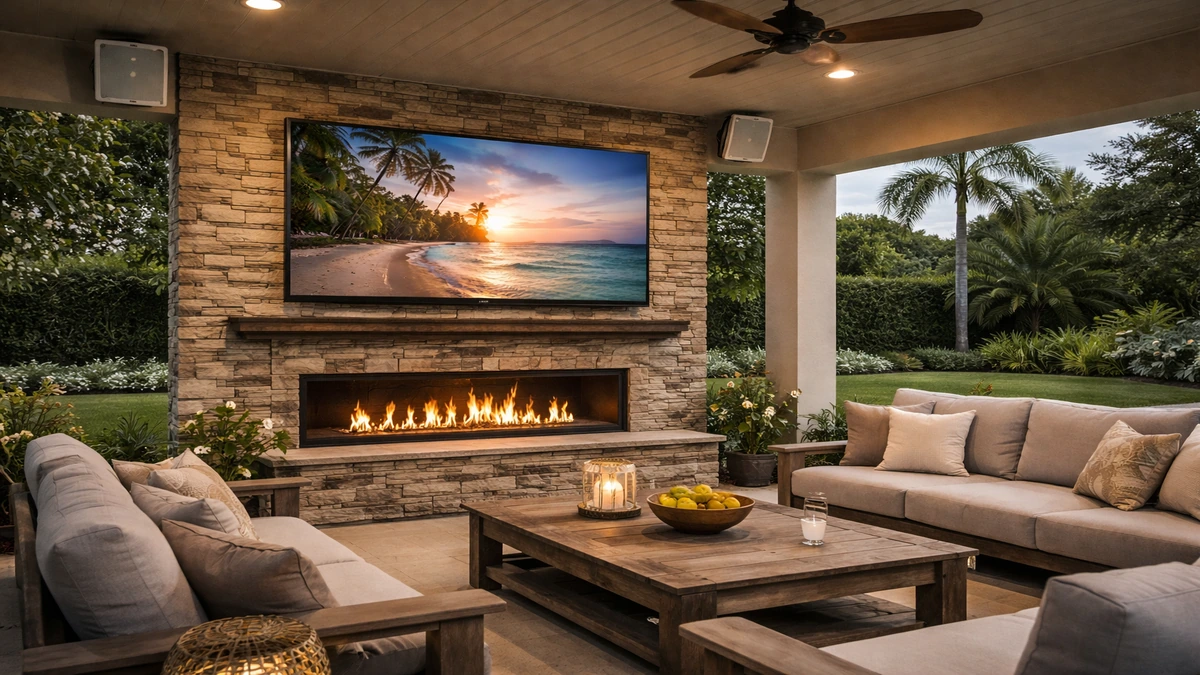
Outdoor TV Installation
Weather-aware outdoor TV setups built for patios, lanais, and pool areas.
5 minutes
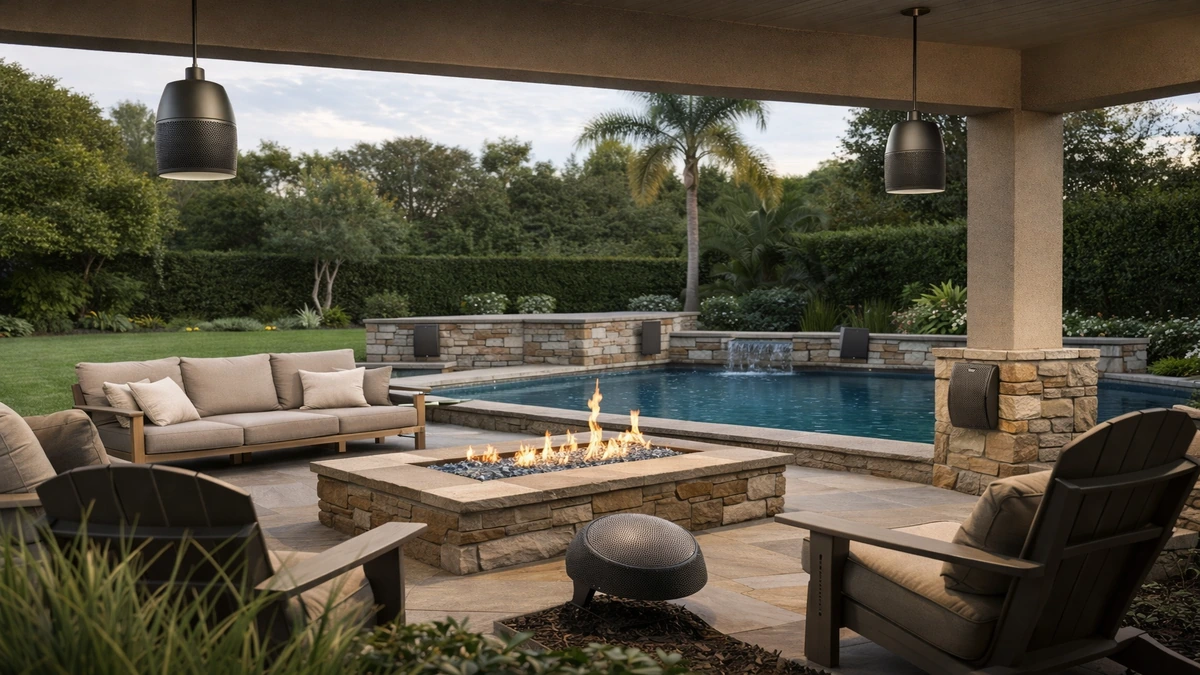
Outdoor Audio Installation
Outdoor speaker systems planned for clear sound and reliable coverage.
4 minutes
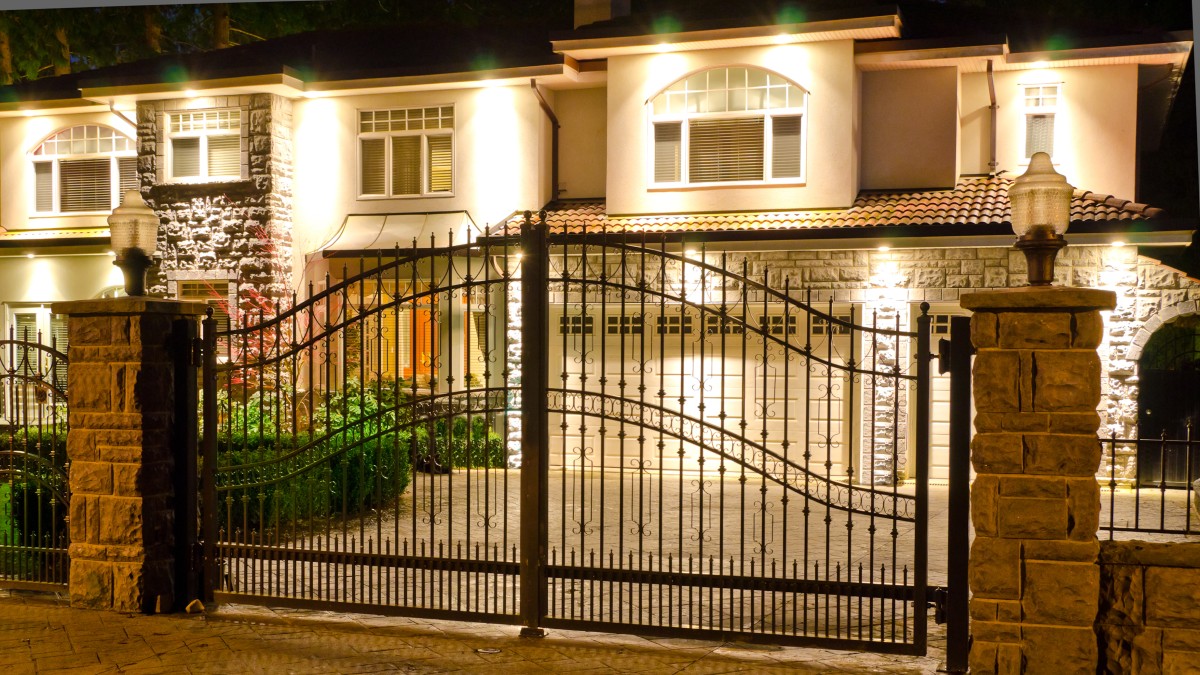
Automatic Gates
Secure, convenient gate automation with access control and entry integration.
4 minutes
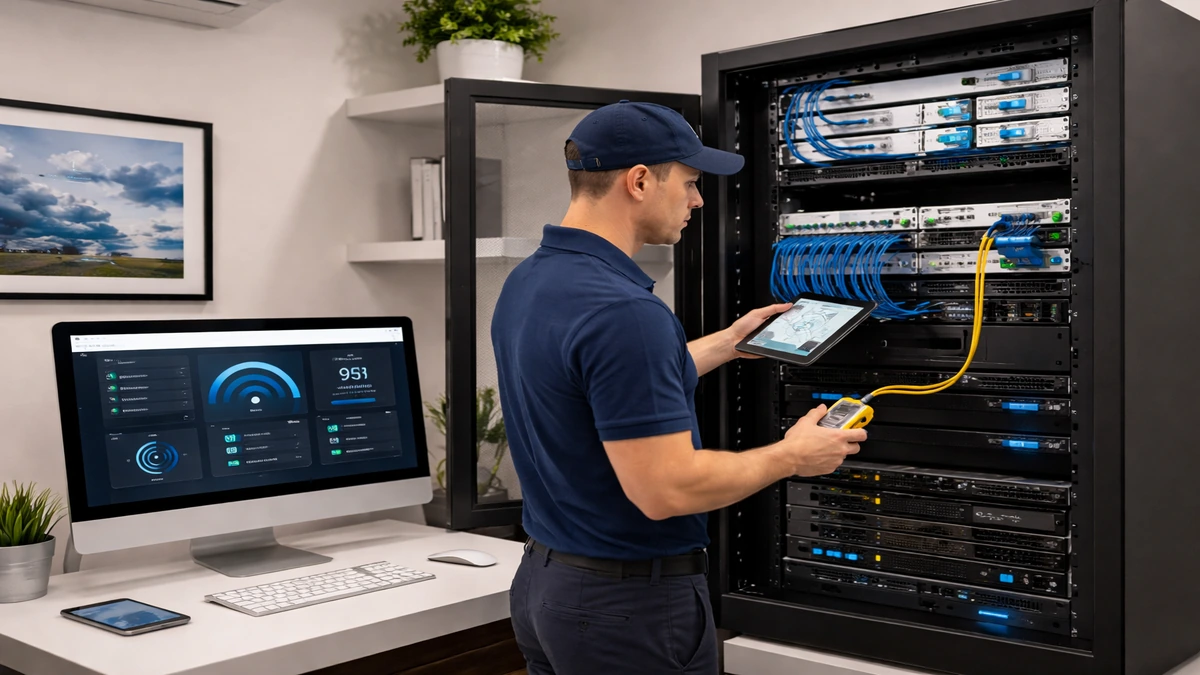
Home Network Installation
Stronger Wi-Fi, better coverage, and dependable connectivity throughout the property.
4 minutes
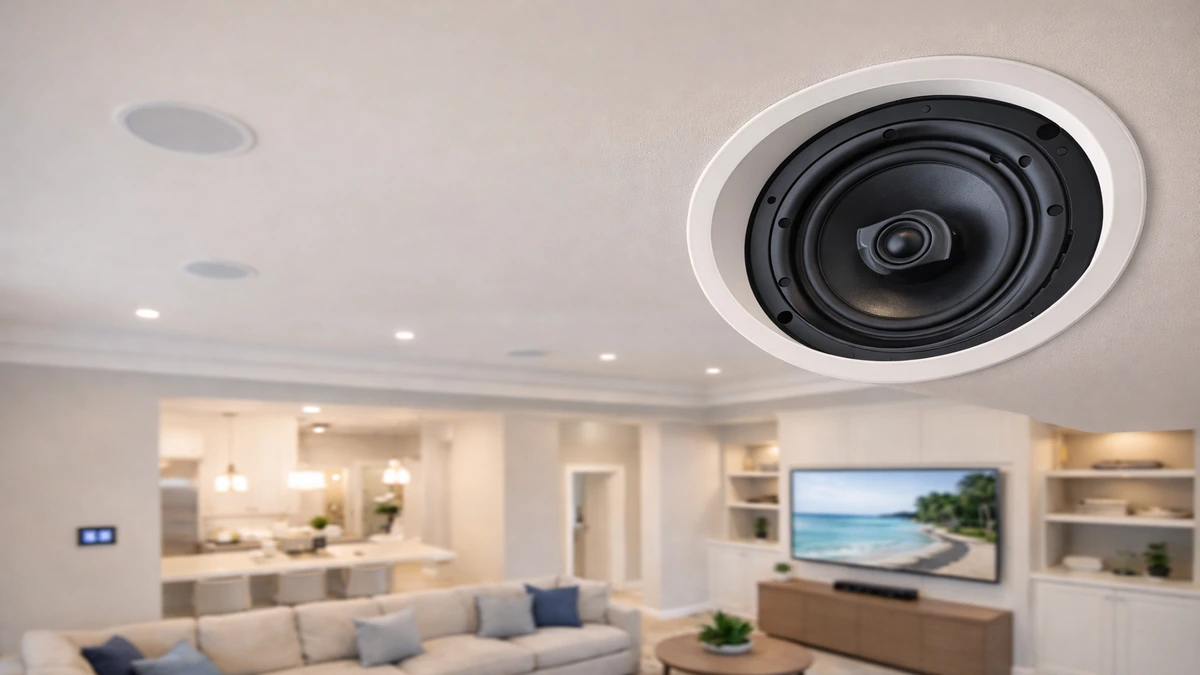
Ceiling Speaker Installation
Clean in-ceiling audio solutions for music, TV, and multi-room sound.
4 minutes
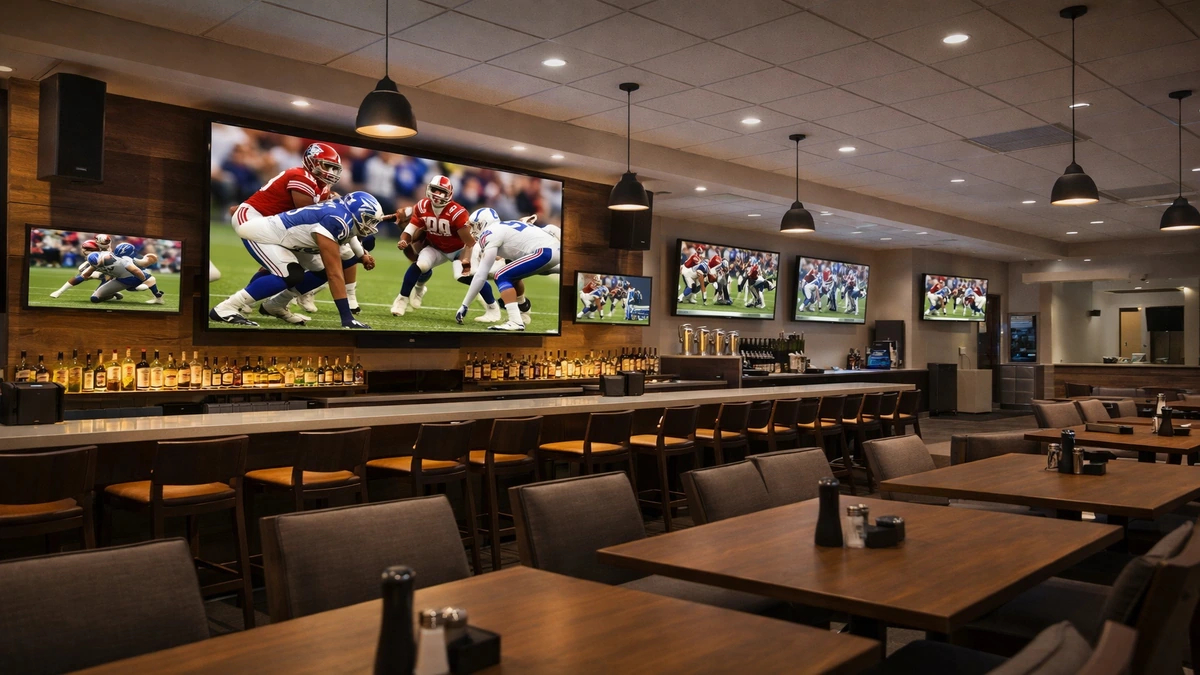
Commercial AV Installation
Professional audio, video, and control systems for business environments.
4 minutes
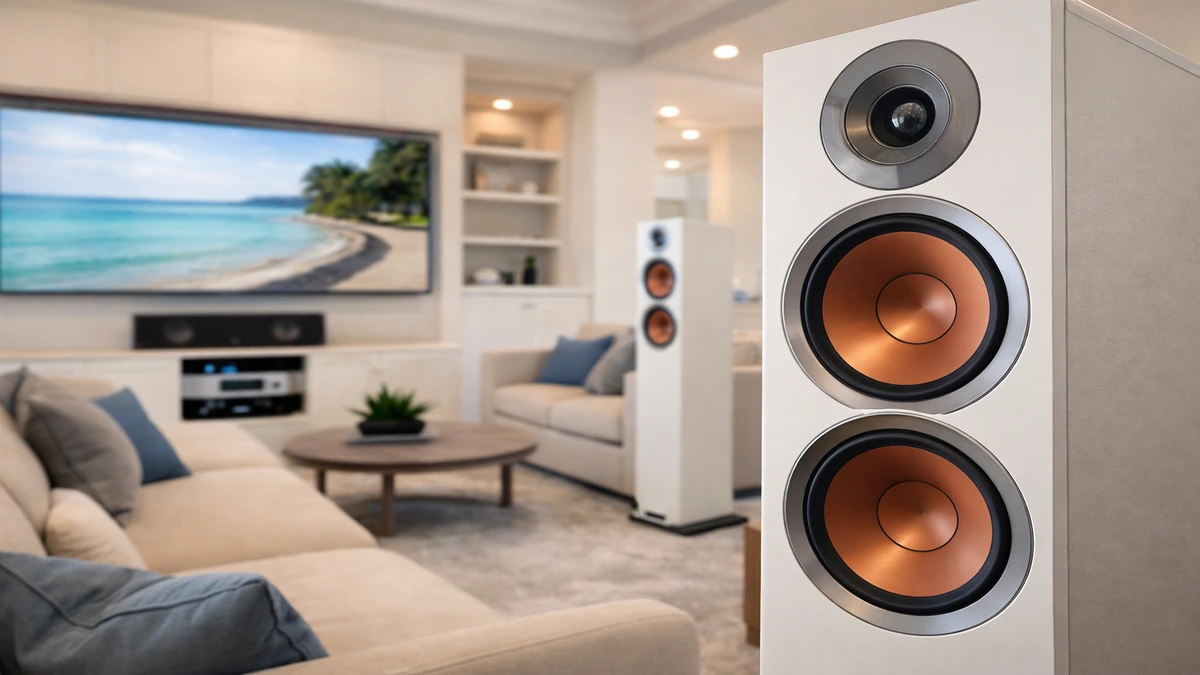
Home Audio Installation
Whole-home and room-based audio systems tailored to how you listen.
4 minutes

Marine Audio & Electronics Installation
Boat audio, displays, and electronics installed for performance on the water.
4 minutes
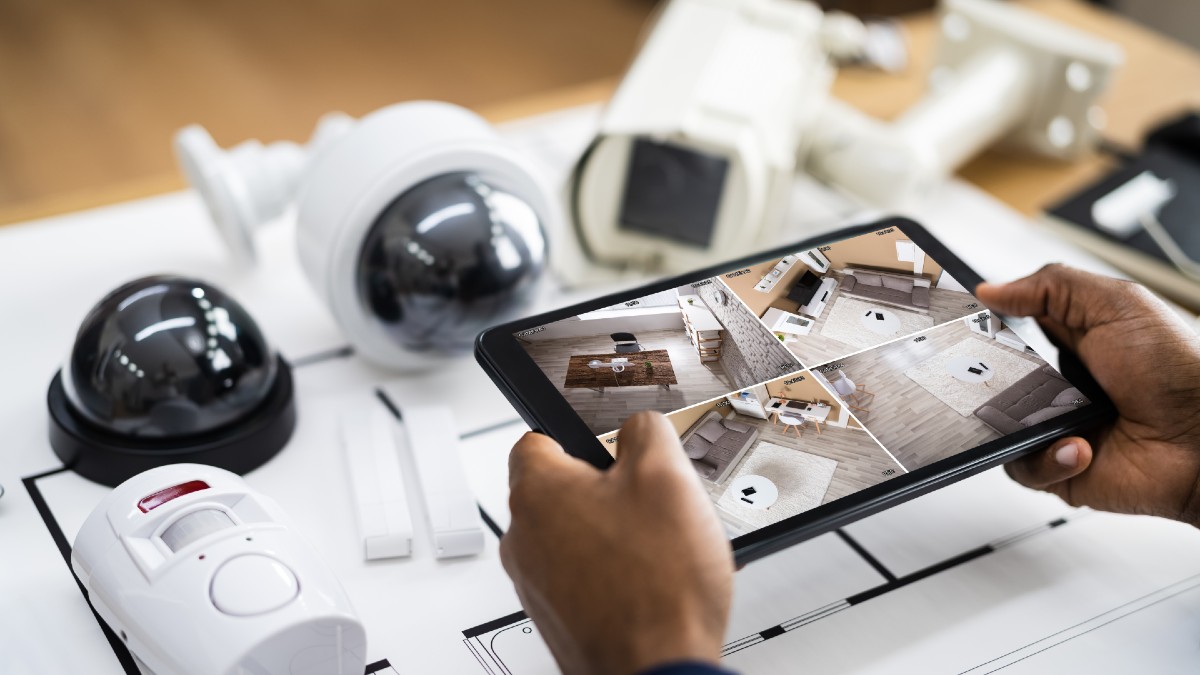
Security Camera Installation
Smart camera systems for visibility, alerts, recording, and remote monitoring.
4 minutes
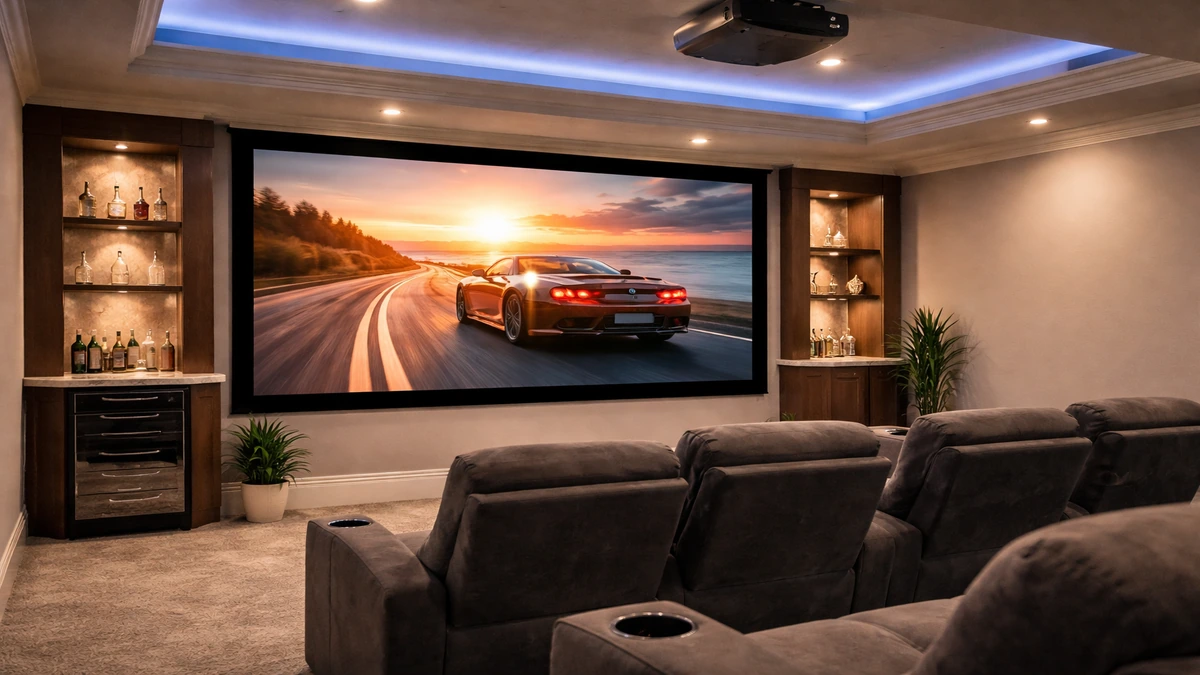
Projector Screen Installation
Projectors and screens configured for sharp viewing and balanced room performance.
4 minutes
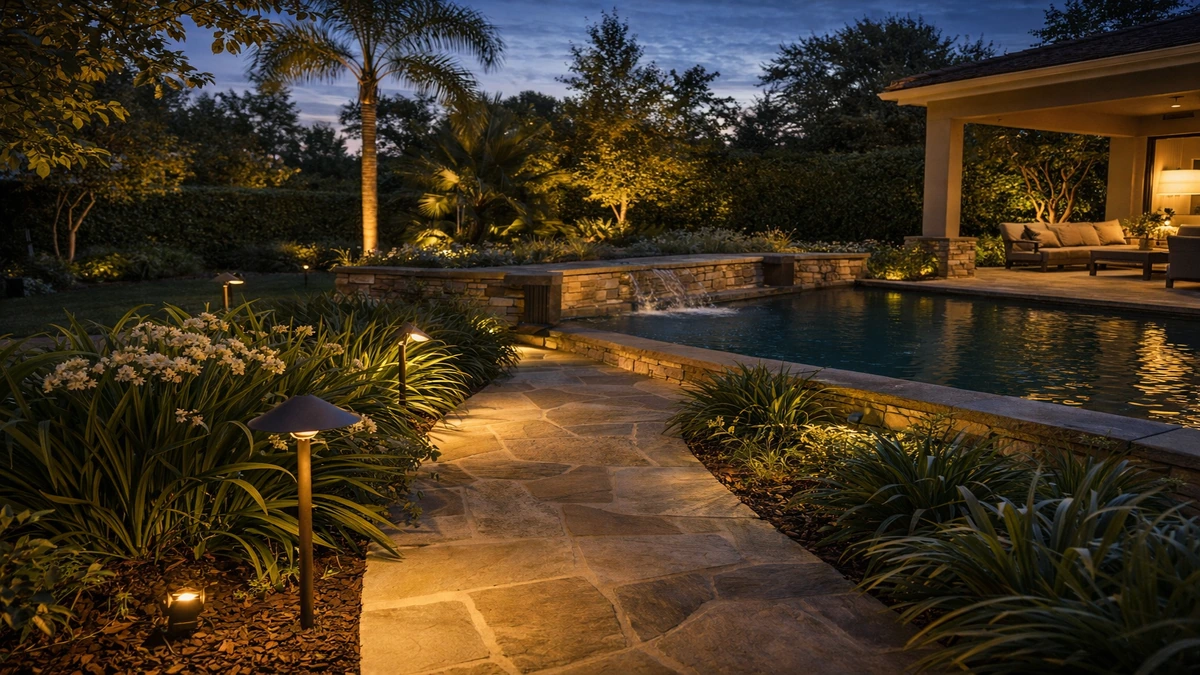
Outdoor Lighting Installation
Exterior lighting that improves curb appeal, ambiance, and nighttime usability.
4 minutes
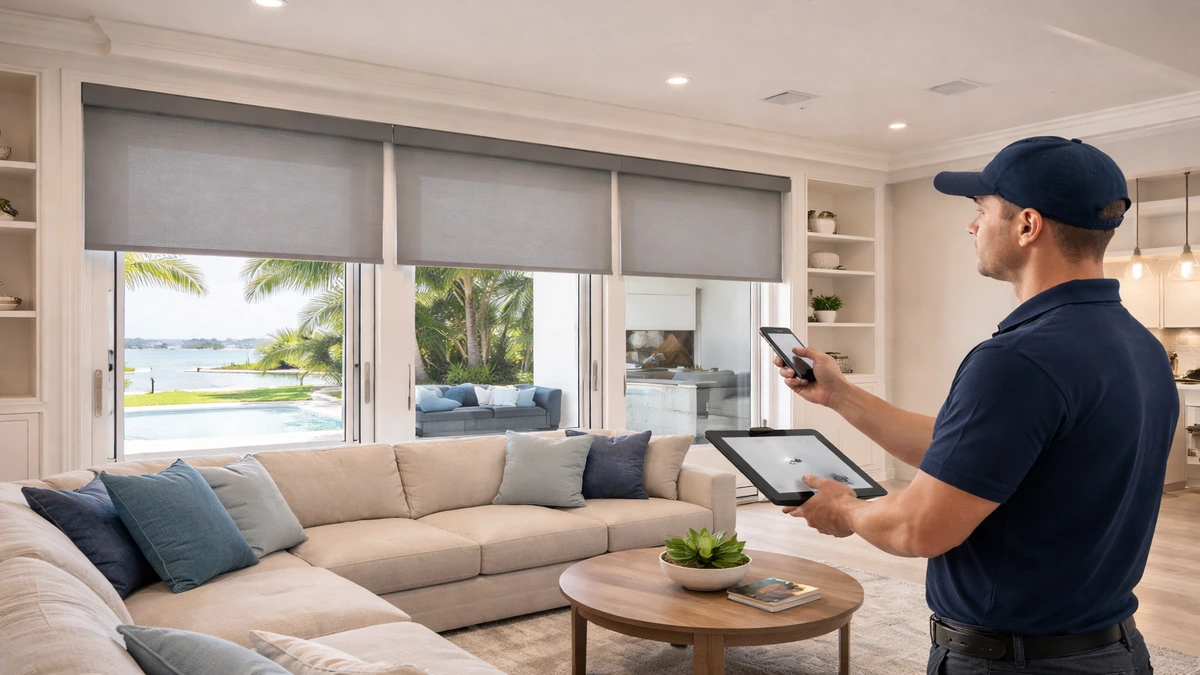
Motorized Blinds Installation
Automated shading for privacy, glare control, and everyday convenience.
4 minutes
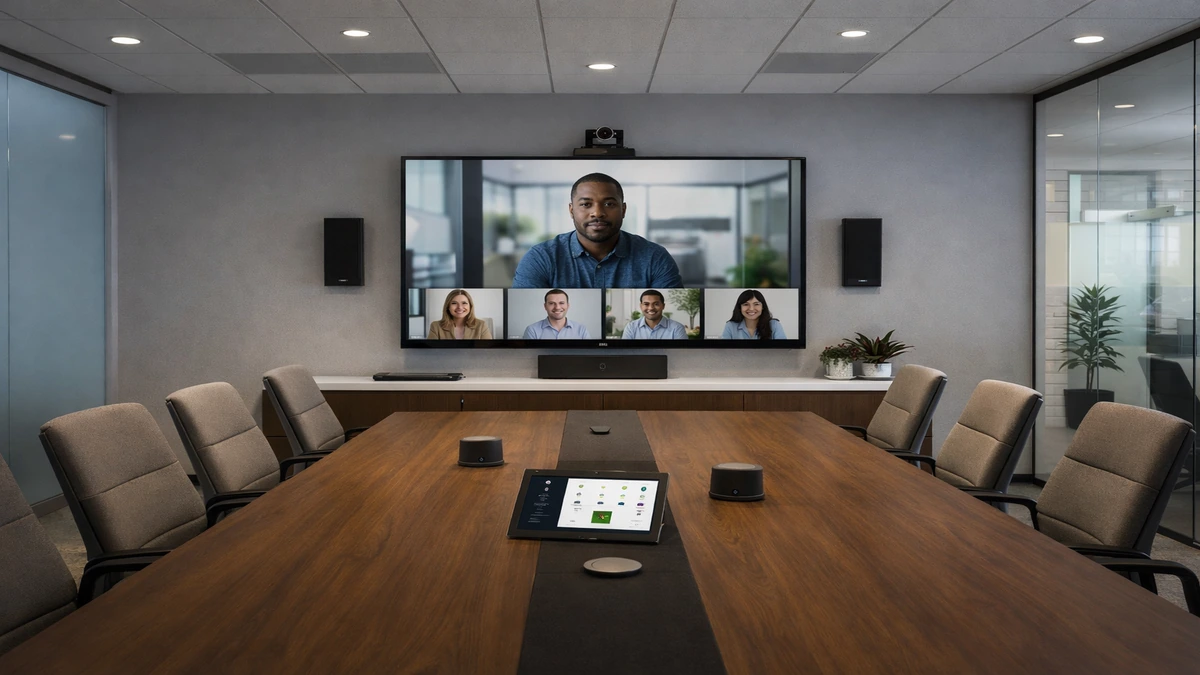
Conference Room AV Installation
Meeting room technology for clearer presentations, calls, and collaboration.
4 minutes
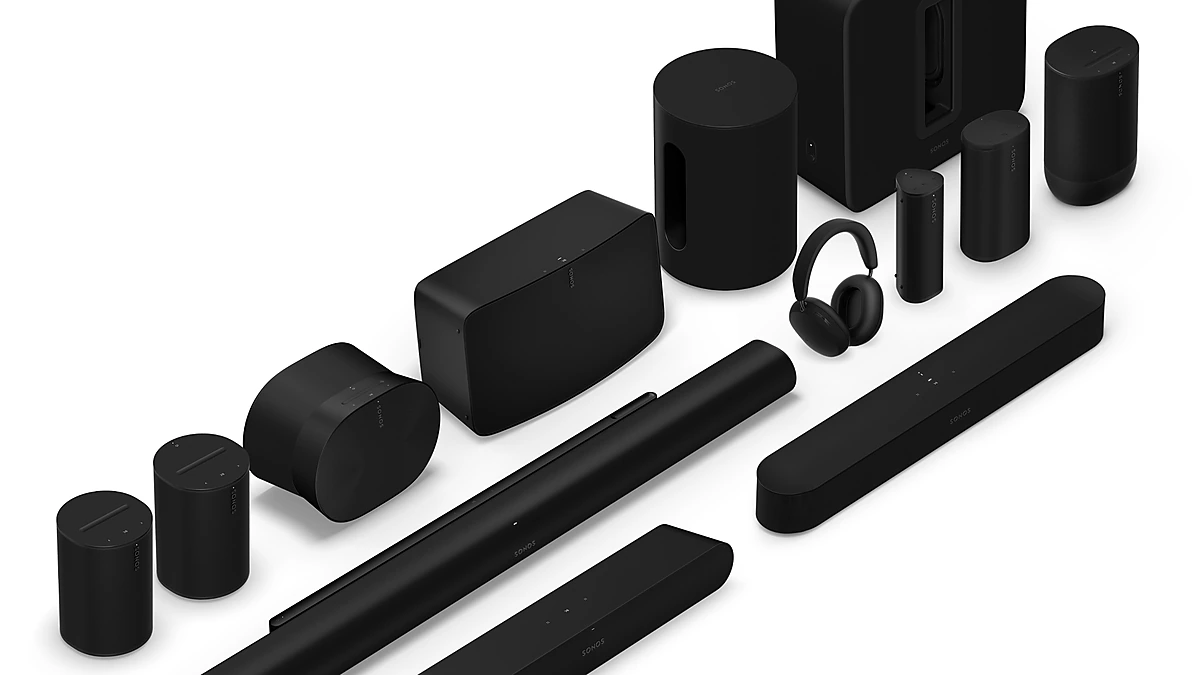
Sonos Installation
Sonos system design, setup, and tuning for simple multi-room audio.
4 minutes
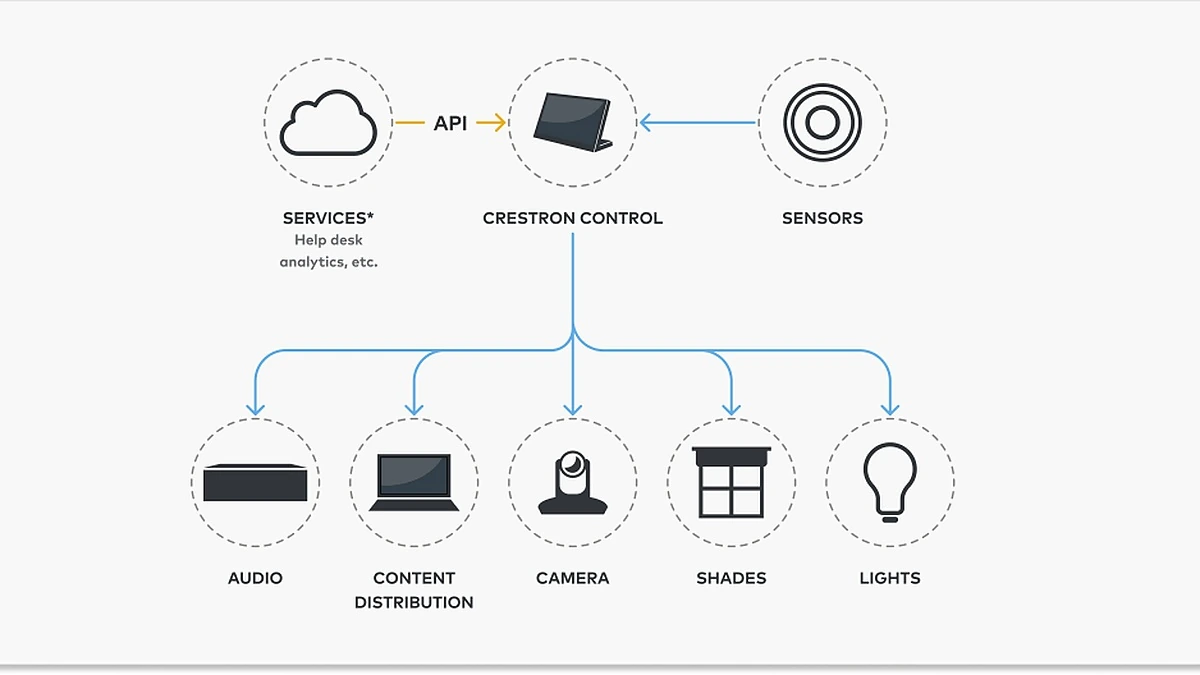
Crestron Installer
Advanced Crestron control integration for high-performance smart home environments.
4 minutes
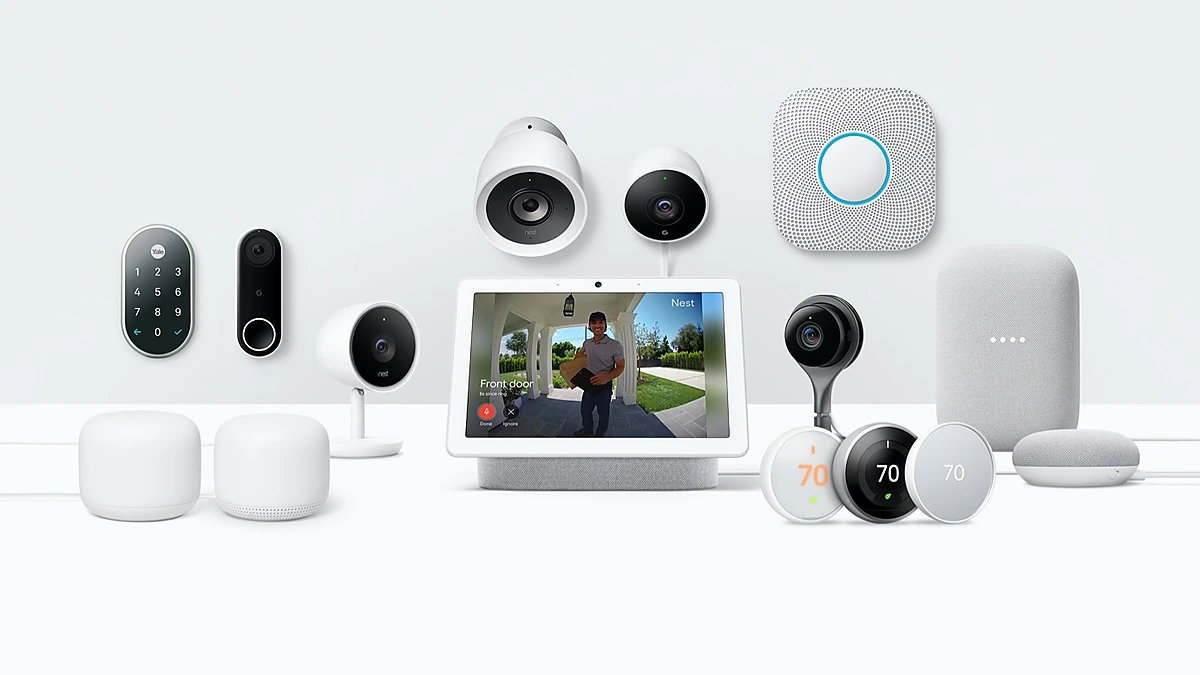
Nest Installer
Nest thermostat and smart home setup for comfort and remote control.
4 minutes
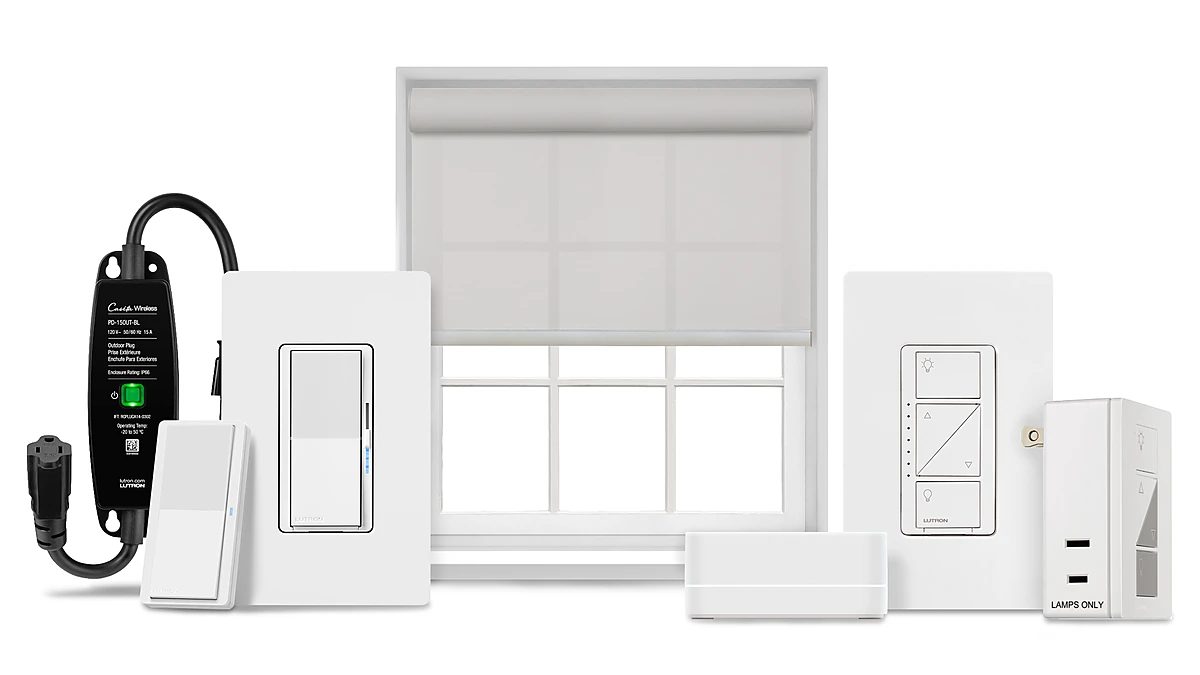
Lutron Installer
Lutron lighting and shading integration for smoother control and scene setting.
4 minutes
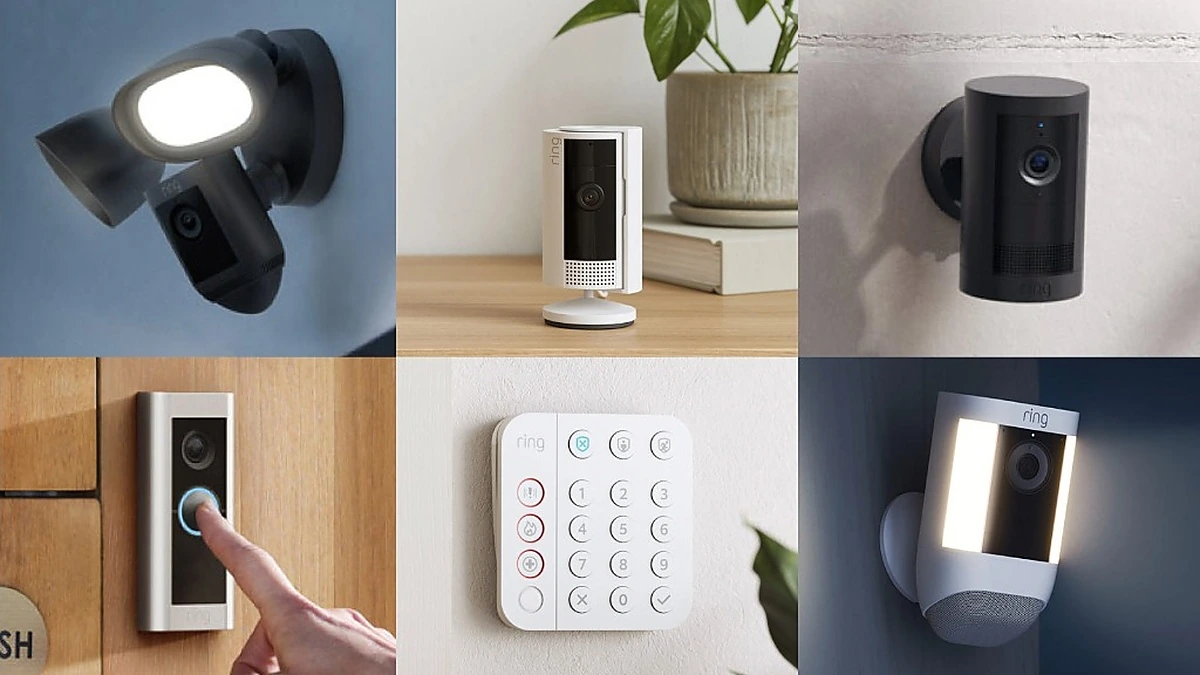
Ring Installation
Ring doorbells and cameras installed for better awareness and entry visibility.
5 minutes
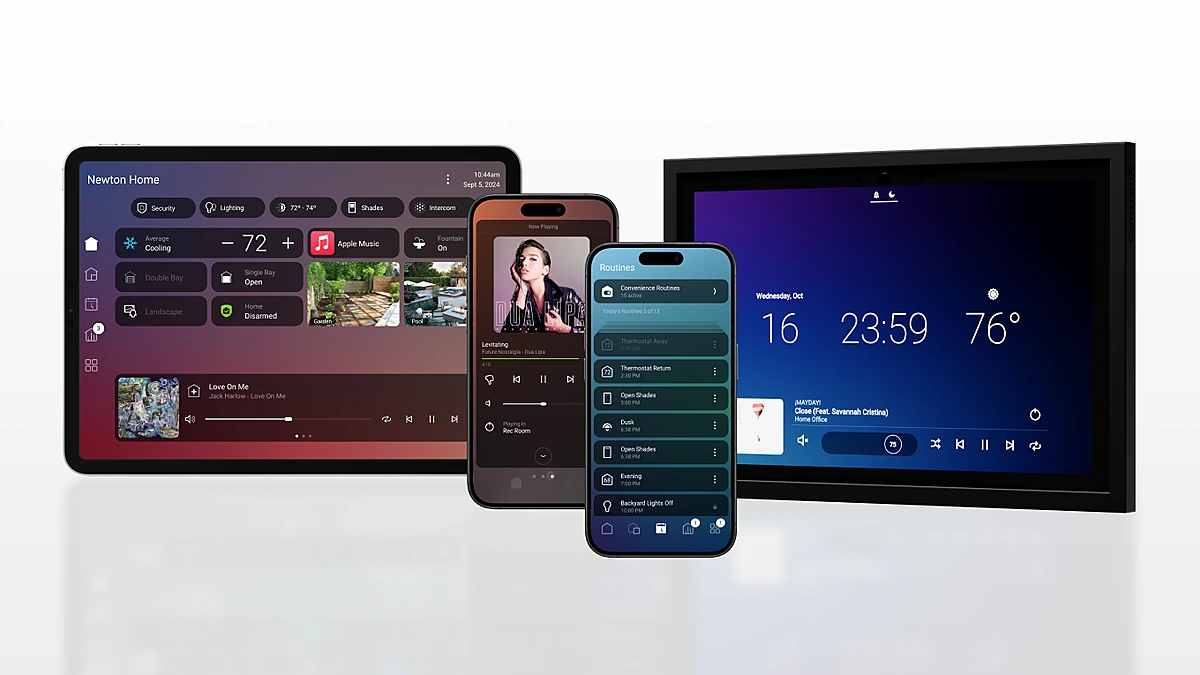
Control4 Installer
Control4 automation setup for unified entertainment, comfort, and home control.
4 minutes

Car & Truck Audio / Electronics Custom Upgrades
Custom mobile audio and electronics upgrades for better sound and functionality.
3 minutes
In Delray Beach the finish standard is half the brief
Delray Beach has 36,997 homes, and they divide about as evenly as a city ever manages: 12,307 detached houses, 4,947 attached, and 8,382 in buildings of twenty units or more. Which side of that line a property sits on decides more about a project than any equipment choice does — whether a route is yours to open or somebody's to approve, whether an equipment rack can live in a garage or has to live in the apartment with you, and whether an exterior run needs a conversation before it needs a drill.
The other number worth holding on to is the median value: $386,700. Homes around that level are judged on the finished result rather than on the specification, and that changes what the work actually is. Sightlines and seating come before screen size, because a room laid out around the wrong seat cannot be rescued by a better display. Cable is concealed because a visible run is the detail you keep noticing afterwards. And calibration stops being an optional afternoon at the end — a system that measures well and looks wrong has still failed the only test that counts.
Built continuously, not in one push
The largest single group of Delray homes went up between 1970 and 1979, but the median home dates from the 1980s and the building never really stopped: 3,846 more in the 1990s, 4,849 in the decade after that, and over 3,000 since 2010. Half a century of building practice sits inside one city boundary. What that takes away is the ability to assume — whether any low-voltage pathway exists at all, how the original runs were dropped, what is above a ceiling line and whether anyone can reach it. Two properties a mile apart answer those differently.
So the survey carries weight that a standard specification cannot. Establishing which generation a building belongs to comes first, because generation sets what is reachable and reachability sets cost: an accessible ceiling void makes in-ceiling speaker placement a layout question, while an inaccessible one makes it a construction question with a different number attached. Deciding positions first and discovering access second is how a straightforward install turns into building work halfway through. It is also why a fixed room-by-room template is the wrong instrument in this city — the same brief lands on a block finished in the 1970s and a house finished in 2015, and only one of them may already have conduit worth using.
The middle of the market is where the routes get interesting
Something is easy to miss in the headline split. Between the houses and the towers sit 11,071 Delray homes in buildings of between two and nineteen units — duplexes, small blocks, low-rise courts — and that is the second-largest category in the city. Buildings of that size cannot be assumed to have what a tower has. There may be no service riser laid on, no plant room to borrow, no managing agent holding a set of drawings, and the shared structure may amount to a stairwell and a roof void rather than a designed pathway.
That pushes the design inward. The rack lives inside your own envelope rather than in a shared room, so it needs a position with power, ventilation and space to work in, chosen at the same time as the display rather than afterwards. Network coverage becomes a per-home problem instead of a building-wide one, which is usually good news: a wired backbone through your own walls is achievable in a way it is not across a tower. And every run that would have to leave your envelope is worth identifying early, because that is the one that turns into somebody else's decision.
One building division reviews the whole city
Delray Beach runs its own building division inside Development Services, and it states that the division is responsible for plan review, permitting and inspection of all construction activity. Palm Beach County's permit centre, by contrast, covers the unincorporated county. For a project inside the city limits that is a real simplification: there is one set of requirements to establish rather than an unknown number, and it can be established once, at the start, and designed to rather than discovered.
Most of an audio-visual installation never reaches that desk. The parts that can — a dedicated circuit feeding a rack, a new opening through an exterior wall, hardware at a gate — also tend to carry the longest lead times, which is why they belong on the drawing rather than in the second week. Knowing which elements those are does not slow a project down; meeting them for the first time at second fix does. The same holds for anything that touches the outside of the building, where the work is visible, weather-exposed and awkward to revisit.
Two thirds of the occupied homes here — 18,977 of 29,179 — are lived in by their owners, and that is the last argument for taking the trouble. A system somebody intends to live with for ten years is worth designing as one thing rather than four, and the decisions that make that possible are all taken early: what the building allows, what the finish has to look like, and how much headroom the network keeps in reserve. Get that order right and Delray's variety stops being a complication. Get it wrong and each generation of building in the city finds its own way to charge you for it.