

Every Decade Present, Half Rented Audio Video | Home Theater Installations Serving Lantana, FL
Lantana’s housing runs across every decade with none dominant: the largest build era is the 1950s at 24.1% of the stock, and 2,118 of 4,699 occupied homes are rented.
Master Your Environment: Advanced Audio, Video, and Security Solutions
Discover a full suite of services enhancing your home, vehicle, and marine environments with cutting-edge audio systems, intelligent home automation, and robust security solutions tailored to your lifestyle.
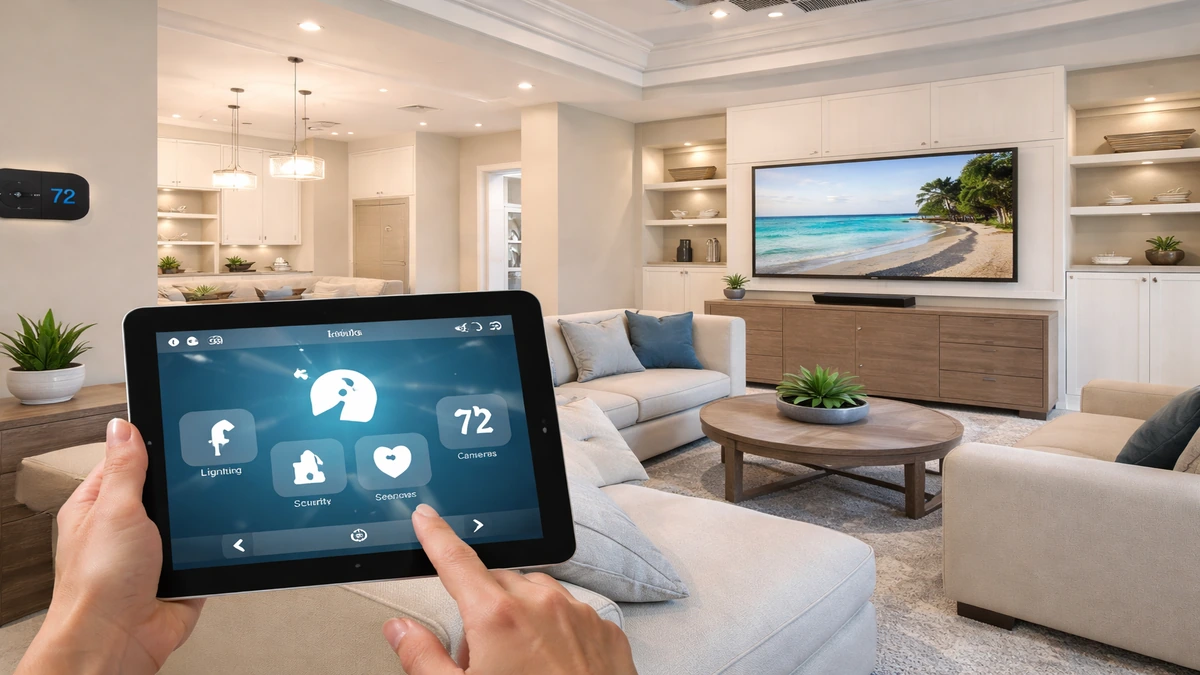
Smart Home Automation Installation
Integrated control for lighting, climate, security, and entertainment.
4 minutes
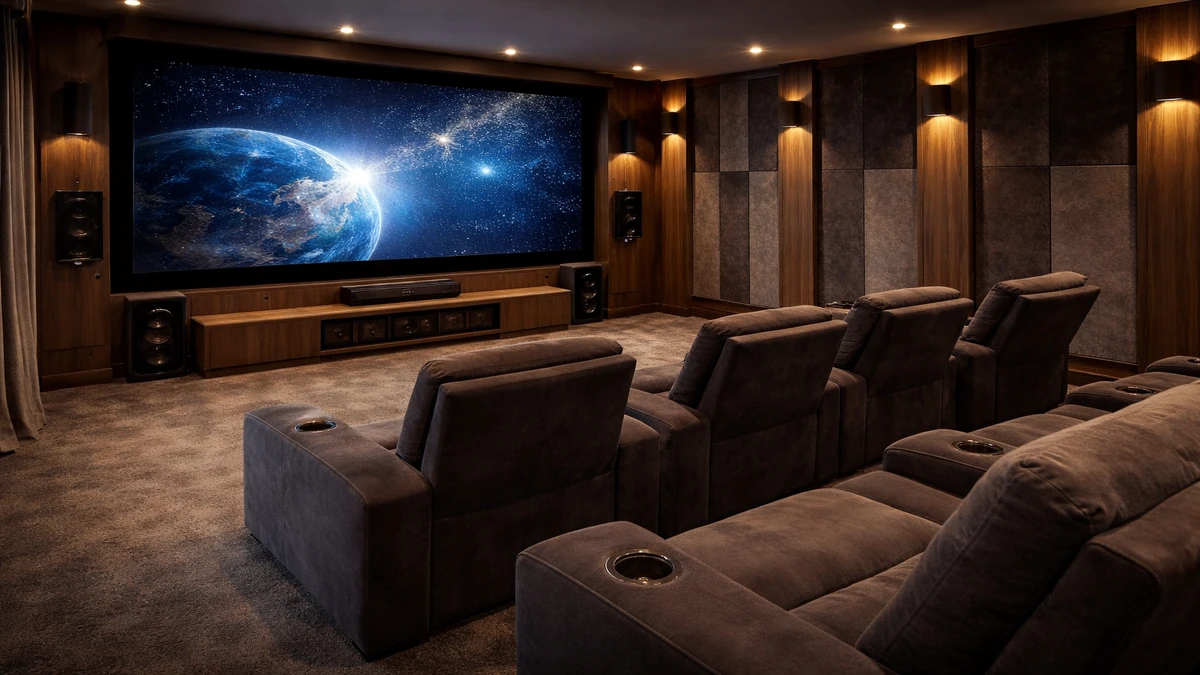
Home Theater Installation
Custom theater rooms designed for immersive picture, sound, and comfort.
4 minutes
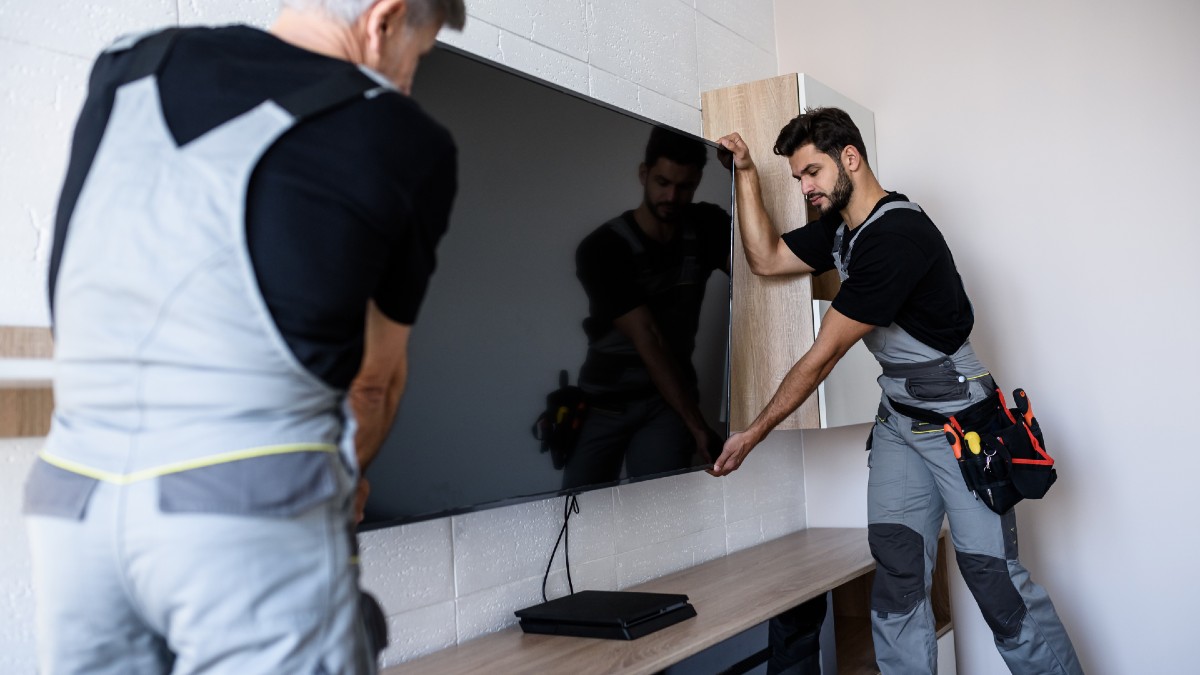
TV Wall Mounting
Professional TV mounting for cleaner layouts and better viewing angles.
5 minutes
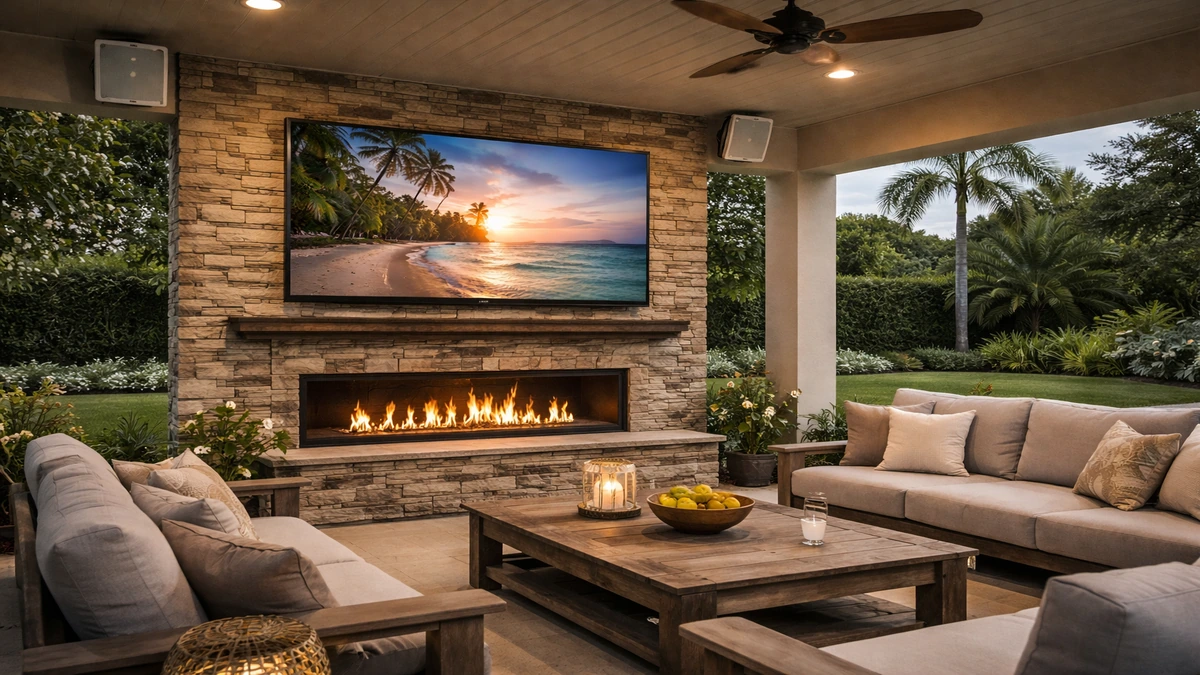
Outdoor TV Installation
Weather-aware outdoor TV setups built for patios, lanais, and pool areas.
5 minutes
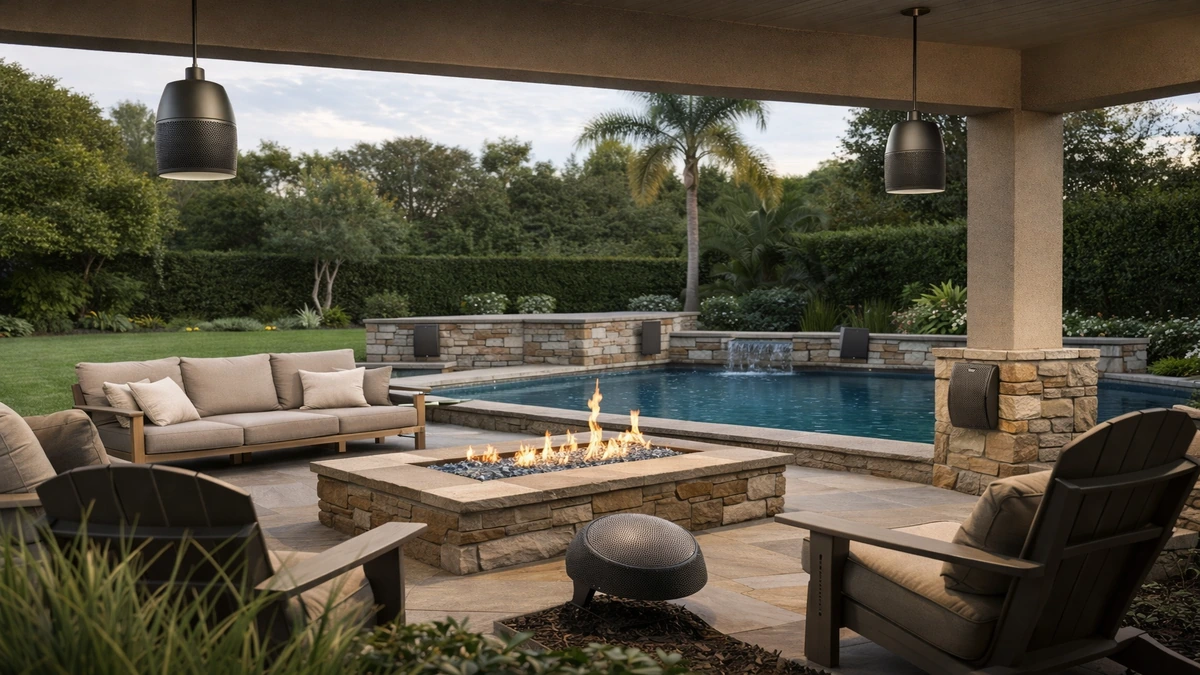
Outdoor Audio Installation
Outdoor speaker systems planned for clear sound and reliable coverage.
4 minutes
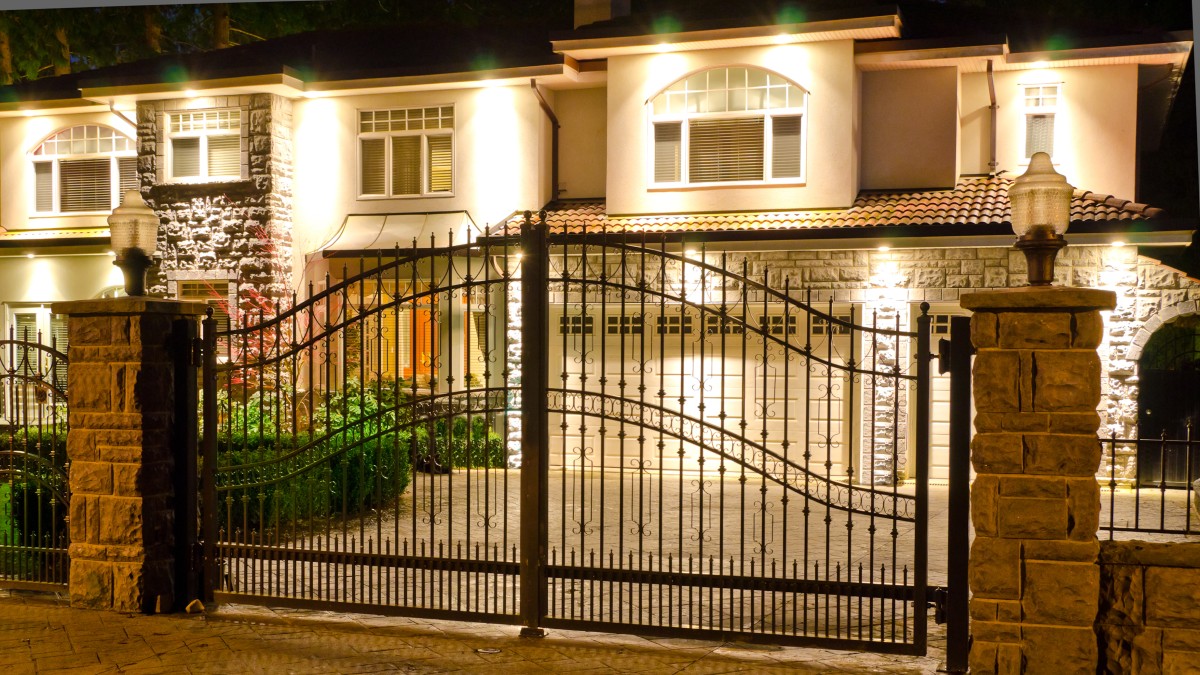
Automatic Gates
Secure, convenient gate automation with access control and entry integration.
4 minutes
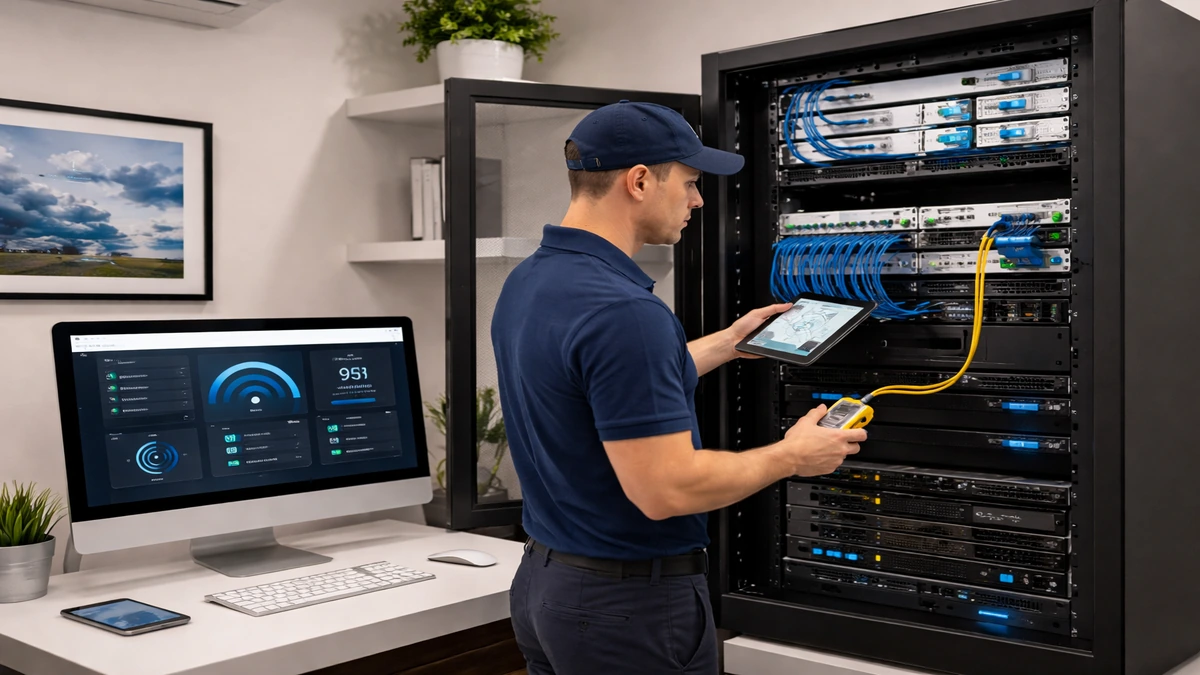
Home Network Installation
Stronger Wi-Fi, better coverage, and dependable connectivity throughout the property.
4 minutes
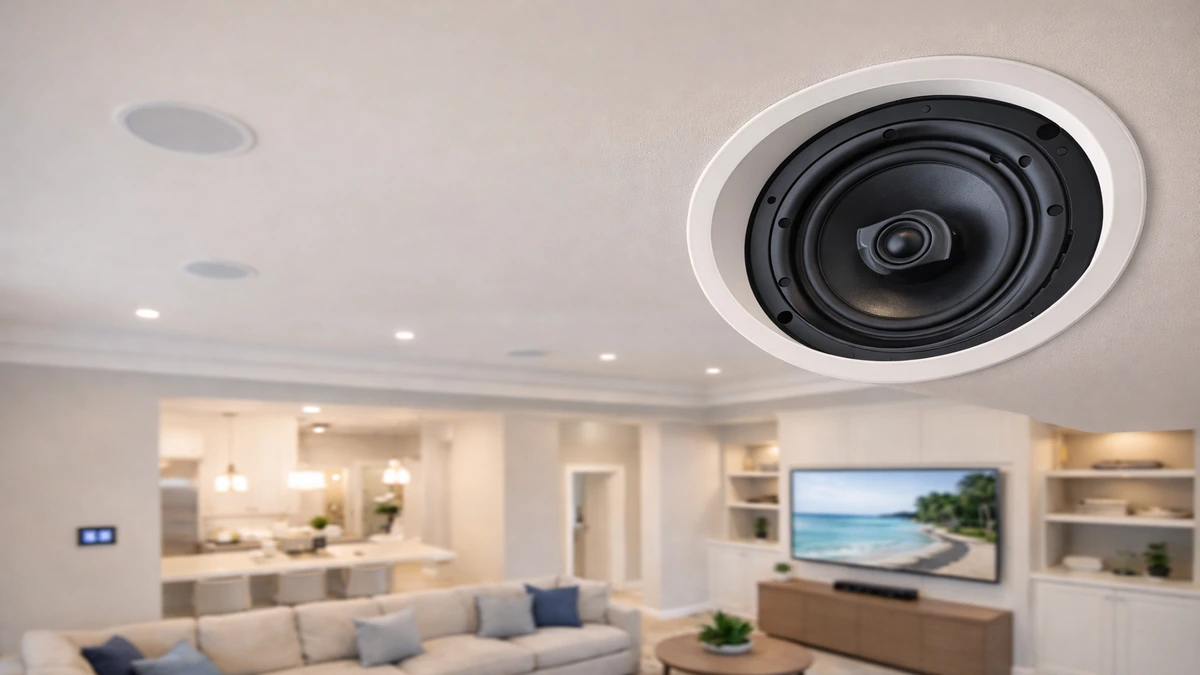
Ceiling Speaker Installation
Clean in-ceiling audio solutions for music, TV, and multi-room sound.
4 minutes
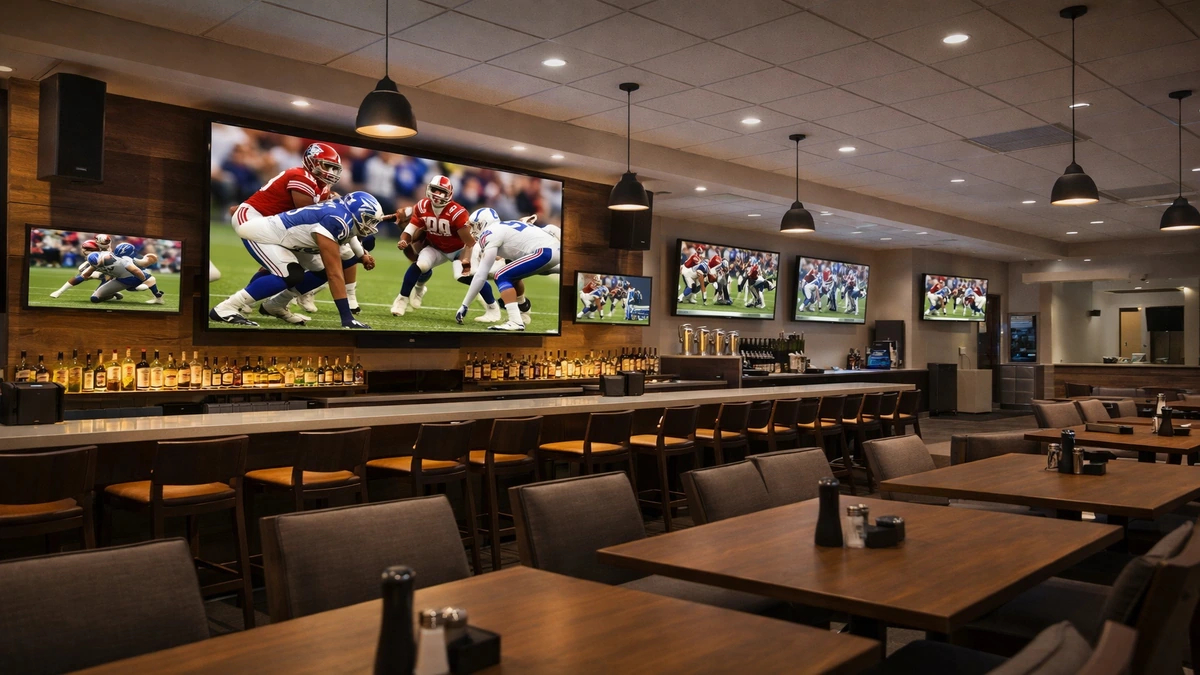
Commercial AV Installation
Professional audio, video, and control systems for business environments.
4 minutes
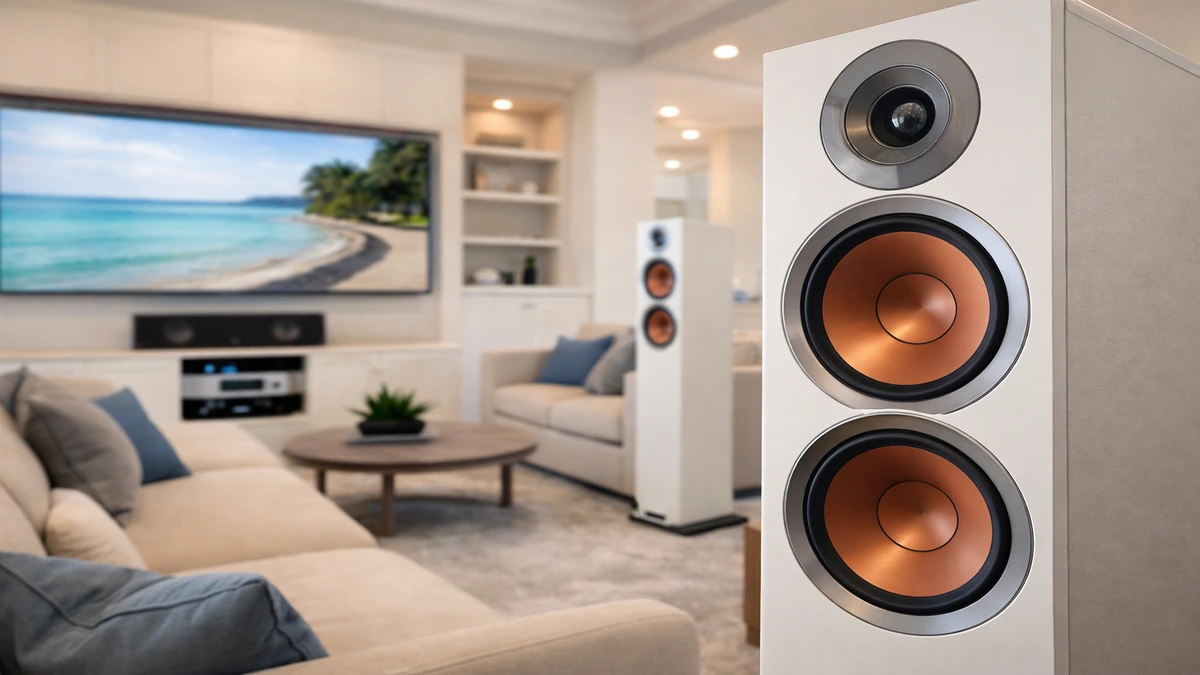
Home Audio Installation
Whole-home and room-based audio systems tailored to how you listen.
4 minutes

Marine Audio & Electronics Installation
Boat audio, displays, and electronics installed for performance on the water.
4 minutes
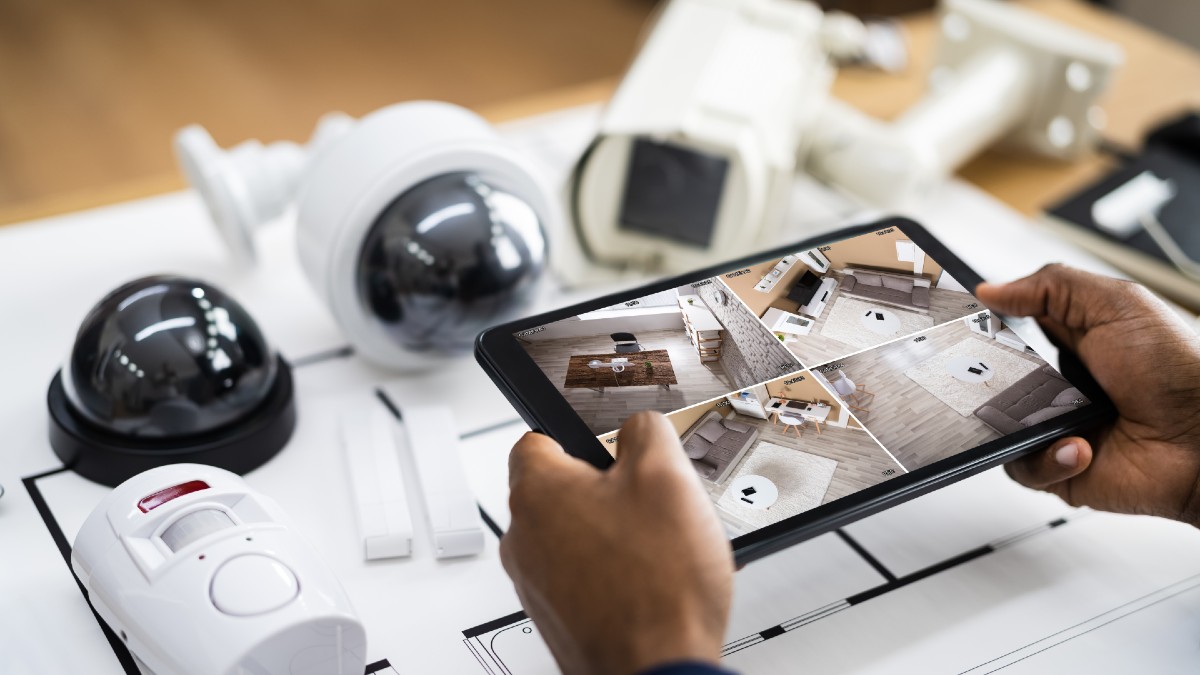
Security Camera Installation
Smart camera systems for visibility, alerts, recording, and remote monitoring.
4 minutes
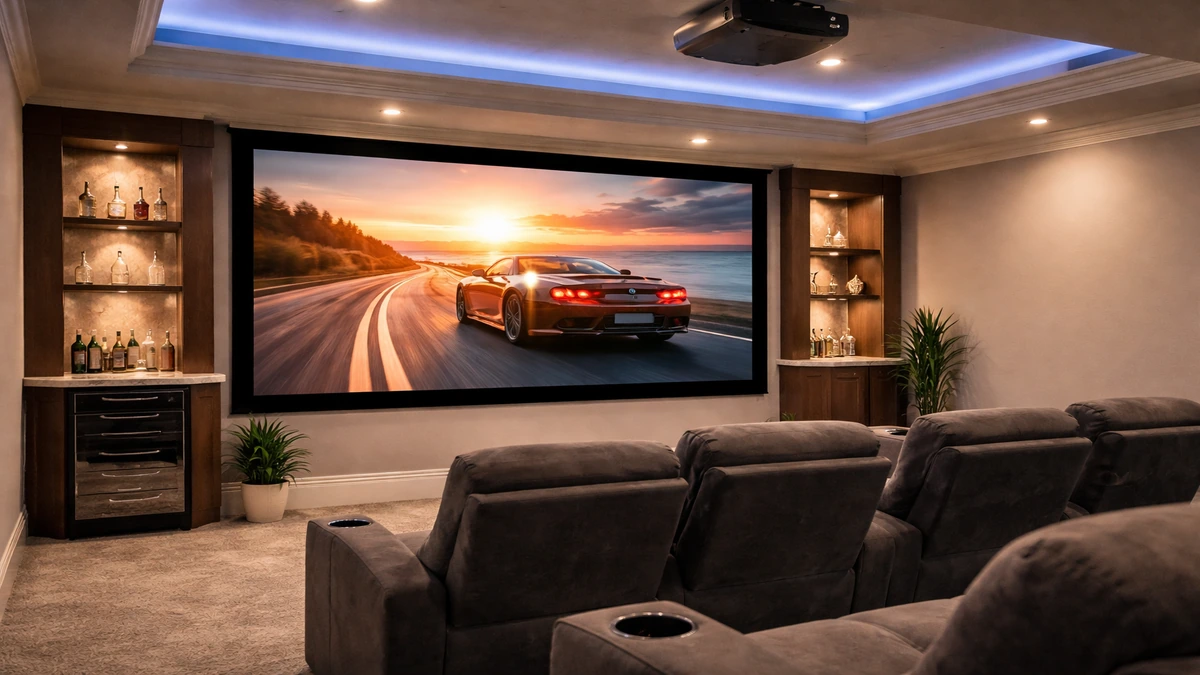
Projector Screen Installation
Projectors and screens configured for sharp viewing and balanced room performance.
4 minutes
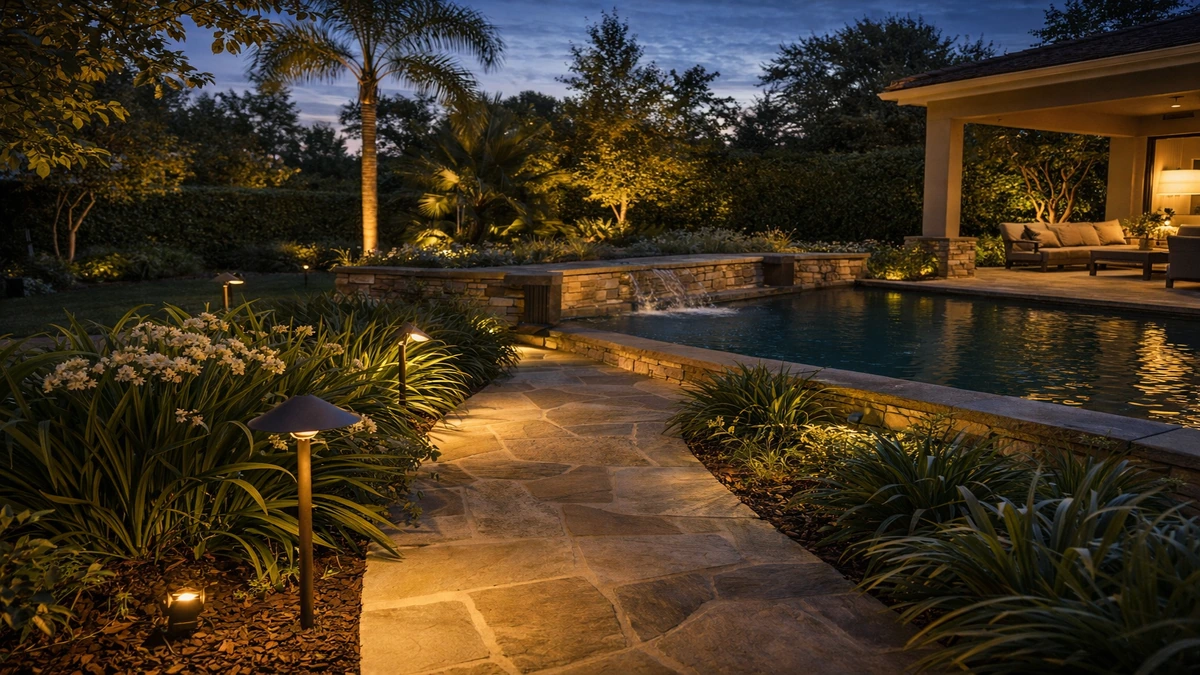
Outdoor Lighting Installation
Exterior lighting that improves curb appeal, ambiance, and nighttime usability.
4 minutes
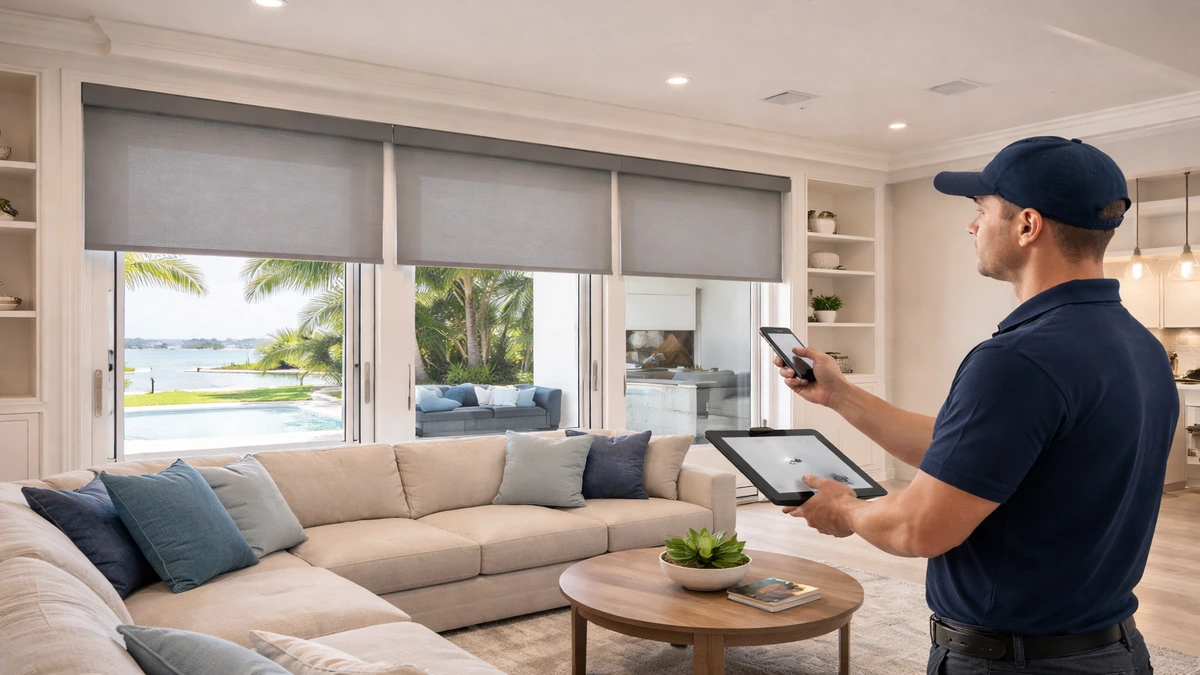
Motorized Blinds Installation
Automated shading for privacy, glare control, and everyday convenience.
4 minutes
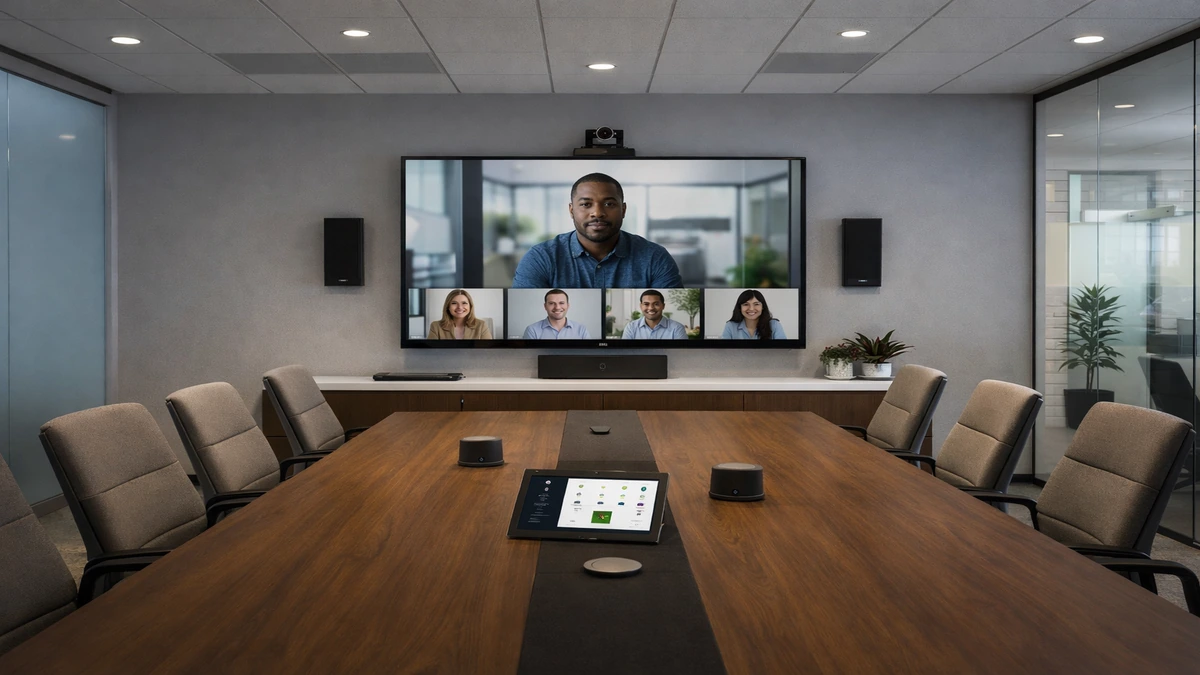
Conference Room AV Installation
Meeting room technology for clearer presentations, calls, and collaboration.
4 minutes
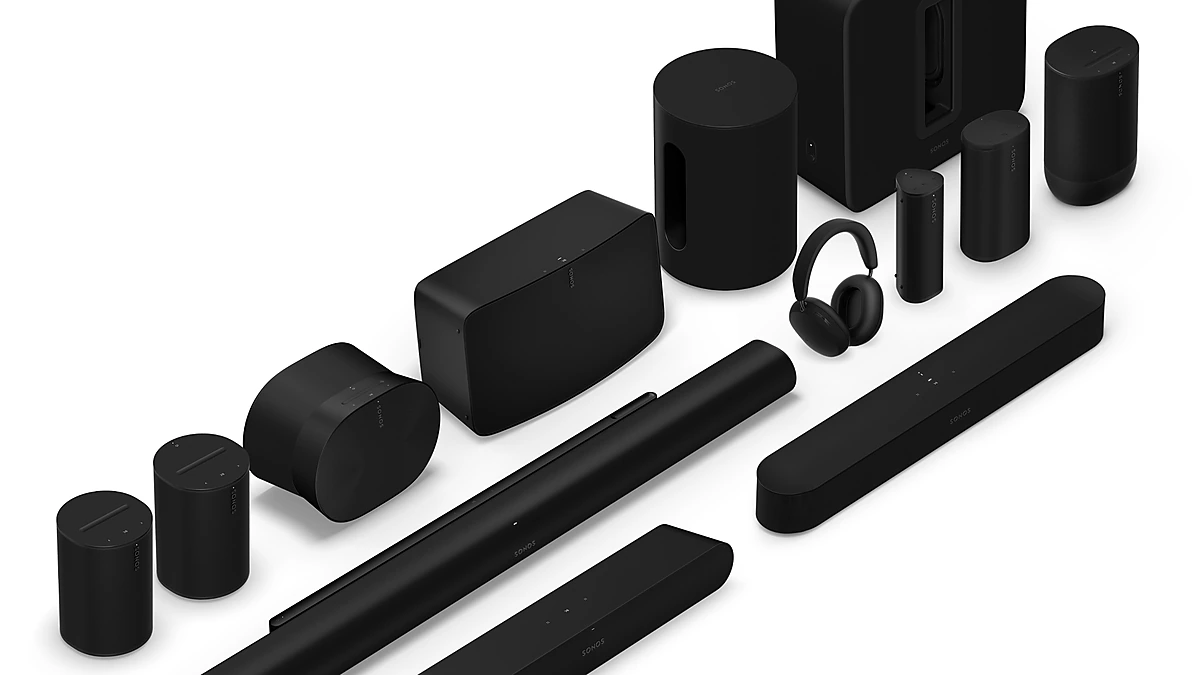
Sonos Installation
Sonos system design, setup, and tuning for simple multi-room audio.
4 minutes
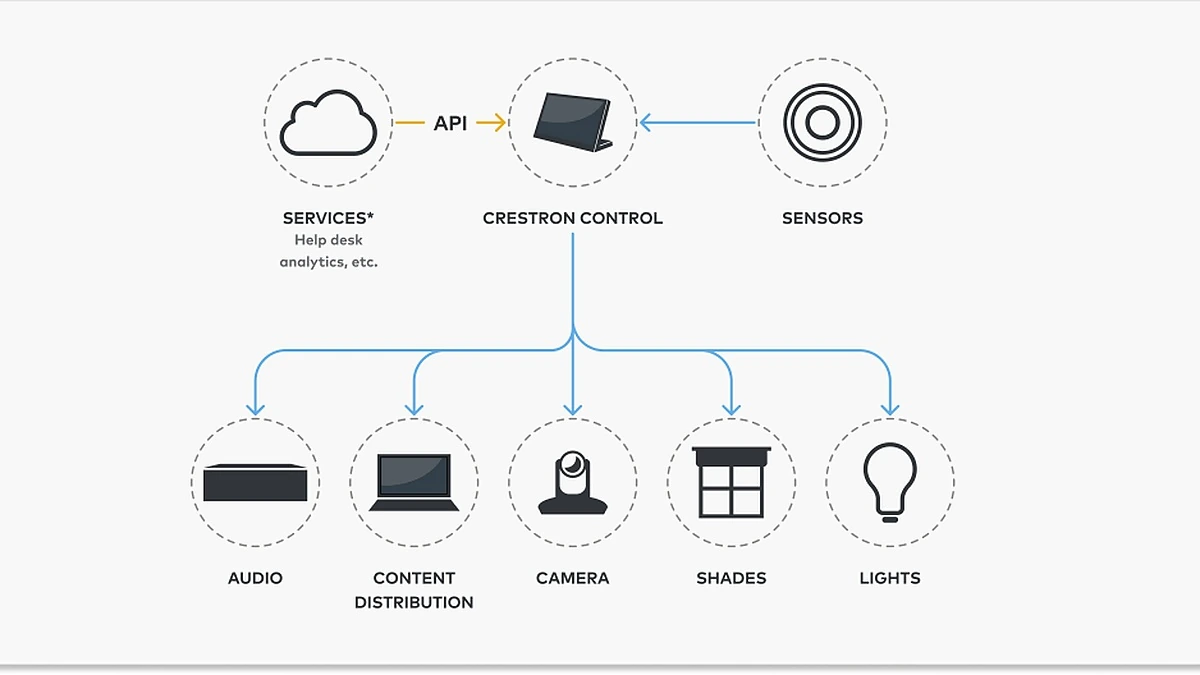
Crestron Installer
Advanced Crestron control integration for high-performance smart home environments.
4 minutes
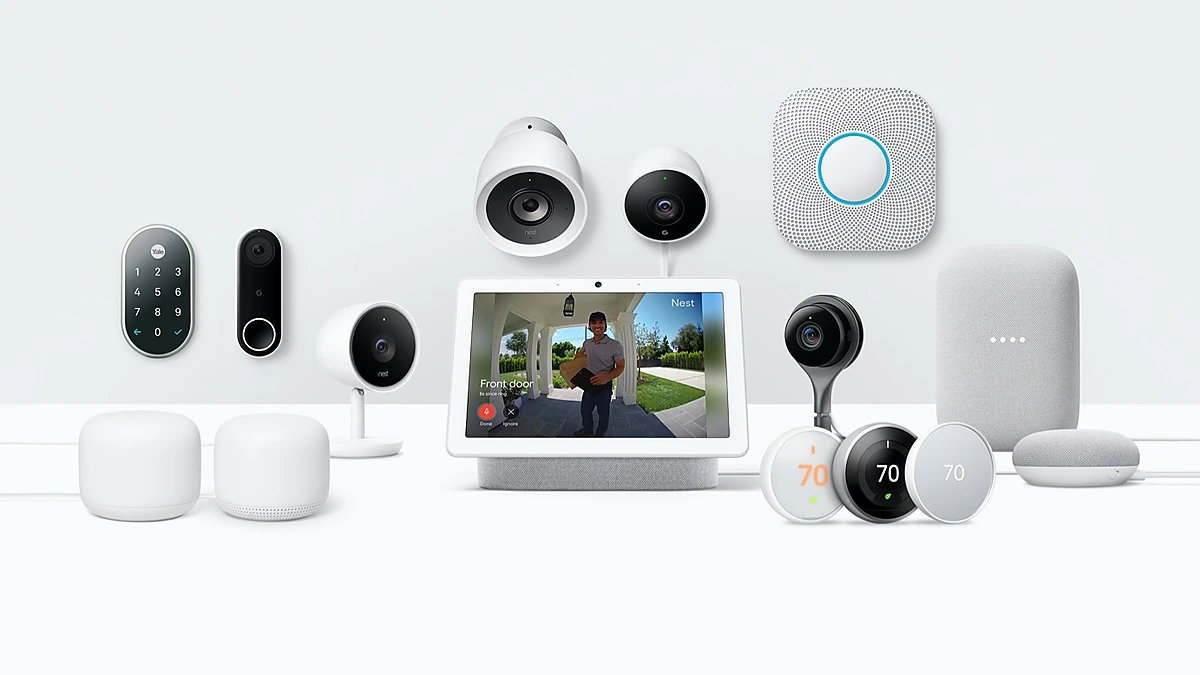
Nest Installer
Nest thermostat and smart home setup for comfort and remote control.
4 minutes
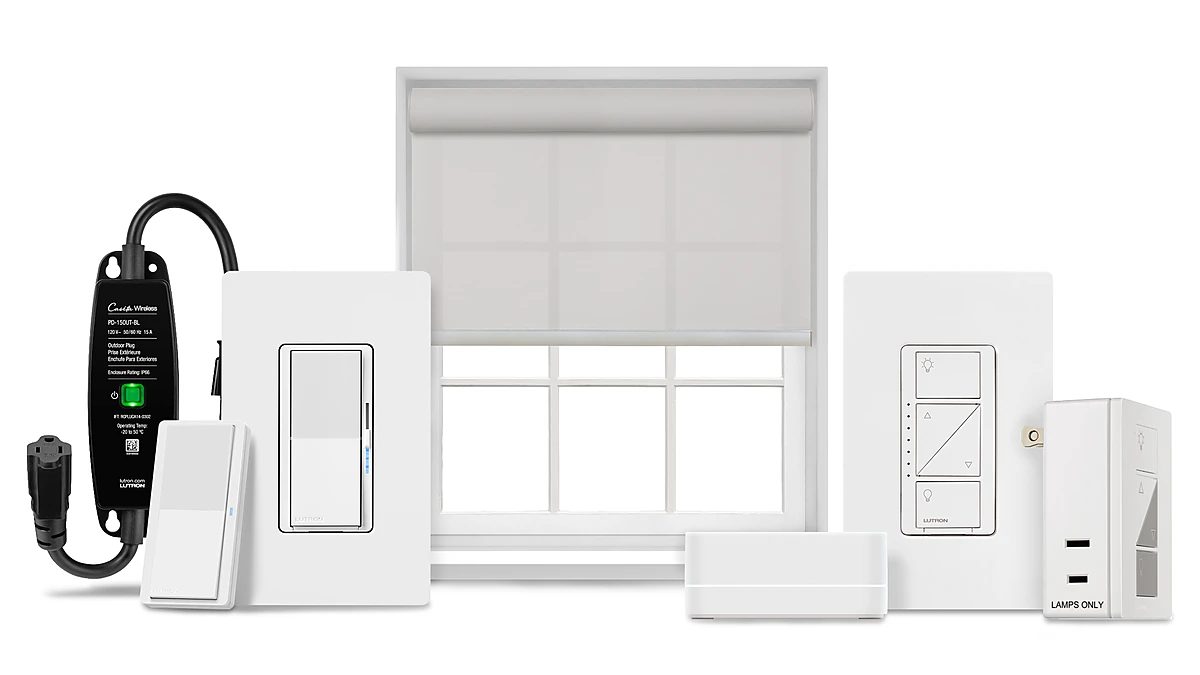
Lutron Installer
Lutron lighting and shading integration for smoother control and scene setting.
4 minutes
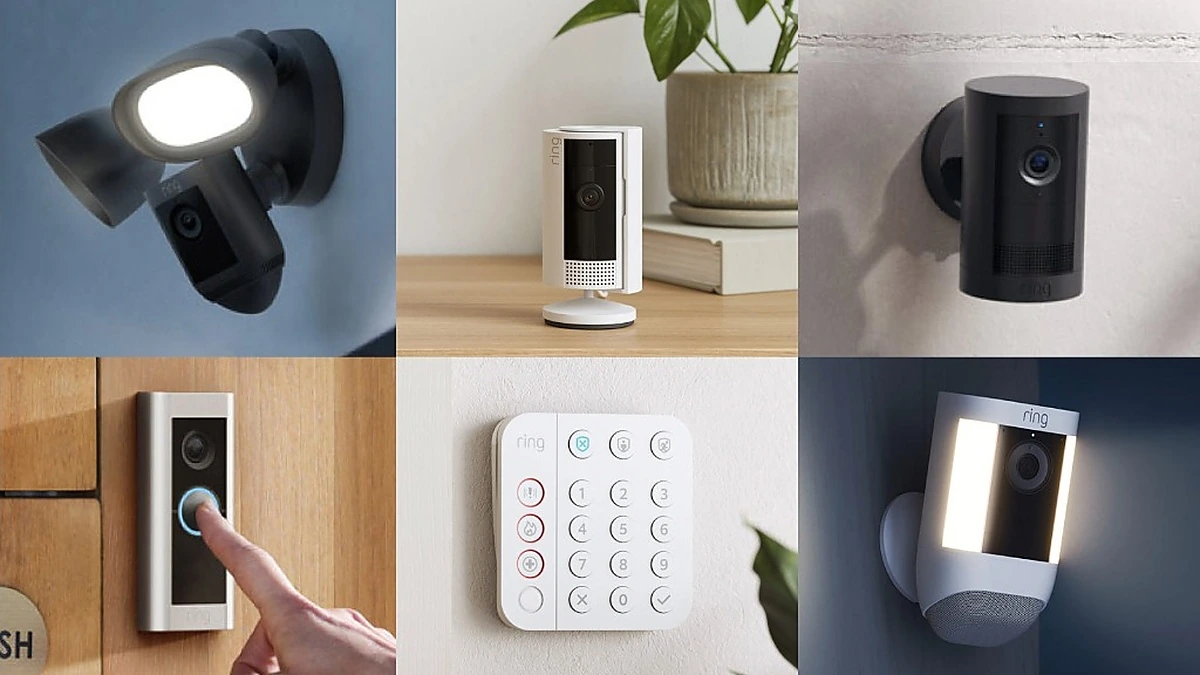
Ring Installation
Ring doorbells and cameras installed for better awareness and entry visibility.
5 minutes
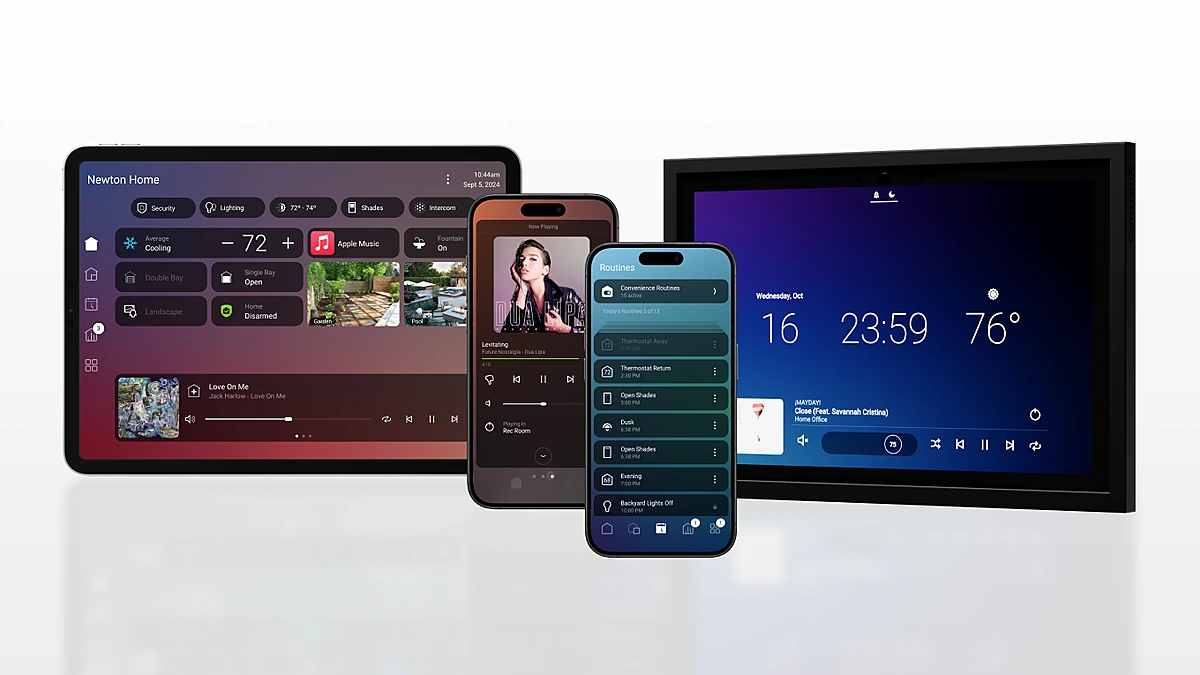
Control4 Installer
Control4 automation setup for unified entertainment, comfort, and home control.
4 minutes

Car & Truck Audio / Electronics Custom Upgrades
Custom mobile audio and electronics upgrades for better sound and functionality.
3 minutes
No decade here built even a quarter of the housing
Lantana is a small town of 5,801 homes, and no single decade defines it. The largest group, 1,398 homes, went up between 1950 and 1959, but that is only about a quarter of the stock, and every decade since has added a share of its own. The median home dates from the seventies. Two addresses a street apart can be thirty years and two entirely different building methods apart, and for anyone planning a system that is the fact that governs the rest.
That rules out a shortcut. Whether there is an attic worth crawling, whether the walls are block or frame, whether the ceiling void will take a speaker at all, whether somebody's addition in the eighties left a usable route or sealed one — none of it follows from the neighbours. It follows from the property. So the survey here is not a formality before the design. It is where the design comes from, and it is worth booking before anything at all is specified.
The oldest end deserves naming on its own. Alongside the fifties housing, another 347 homes date from the forties or earlier, so a meaningful slice of the town predates almost every assumption modern equipment makes about a building: panel capacity, how many outlets a room has, whether there is any route between floors. That rules nothing out. It does mean the electrical survey and the cable survey happen together rather than one after the other.
Nearly half these homes are rented, and that changes the brief
Of the 4,699 occupied homes in Lantana, 2,118 are rented, a shade under half. If a property is one of them, or may be one later, the system has a second audience: whoever lives with it next, and whoever has to hand it over. That is a genuine design input rather than an afterthought, and it is much cheaper to answer at the start than to retrofit into something clever that only its author understood.
What it argues for is control somebody can operate without being taught. One keypad that does the obvious thing, scenes with names a stranger would guess, and no sequence that only the person who commissioned it remembers. It argues for mounting that comes off a wall without taking part of the wall with it. And it argues for the system being written down — where the rack is, what sits on which circuit, which cable goes where — because the person who needs that is very often not the person who was standing there on the day.
The network deserves the same thought for the same reason. It is the one part everything else leans on and nobody wants to administer. Give it a wired backbone wherever the structure allows one, put the equipment somewhere ventilated and reachable, and set it up so that recovering from a power cut does not require anyone to know what any of it is. Reliability at that level is mostly a design decision rather than a product one.
Houses and apartment buildings in almost equal measure
The building mix is as varied as the ages. Some 2,581 homes here are detached, while 1,565 sit in buildings of twenty units or more and another 529 in two-unit buildings. Those are three different jobs. A detached house is bounded by attic and crawlspace access. A larger building is bounded by what its risers and chases already contain and what may be opened. A two-unit building sits in between, with fewer people to consult and no less need to know where the shared structure runs.
None of that housing was built expecting any of this. The older stock in particular was finished long before low-voltage distribution was a design consideration, so the route is found rather than followed, and the finish standard has to be agreed before the first hole is made. What may be surface-run and what has to disappear is a decision. Making it early is what stops it being made by whoever happens to be holding the drill.
So the sequence here starts further back than it does elsewhere. Survey the specific property rather than the type of property, agree the finish standard, choose control a stranger could use on their first evening, and size the infrastructure so that whoever comes next inherits something serviceable rather than something ingenious. Do that and the system survives a change of occupant, which in a town where nearly half the homes are rented is the test that eventually arrives.