

Large Buildings, Part-Year Owners Audio Video | Home Theater Installations Serving North Palm Beach, FL
In North Palm Beach 45.8% of homes sit in buildings of 20 units or more, 77.4% are owner-occupied, and 77.5% of vacant homes are held seasonally — three facts that decide the cable path first.
AV Innovations: Tailored Solutions for Immersive Experiences
Elevate your audiovisual environment with custom installations designed for seamless enjoyment.
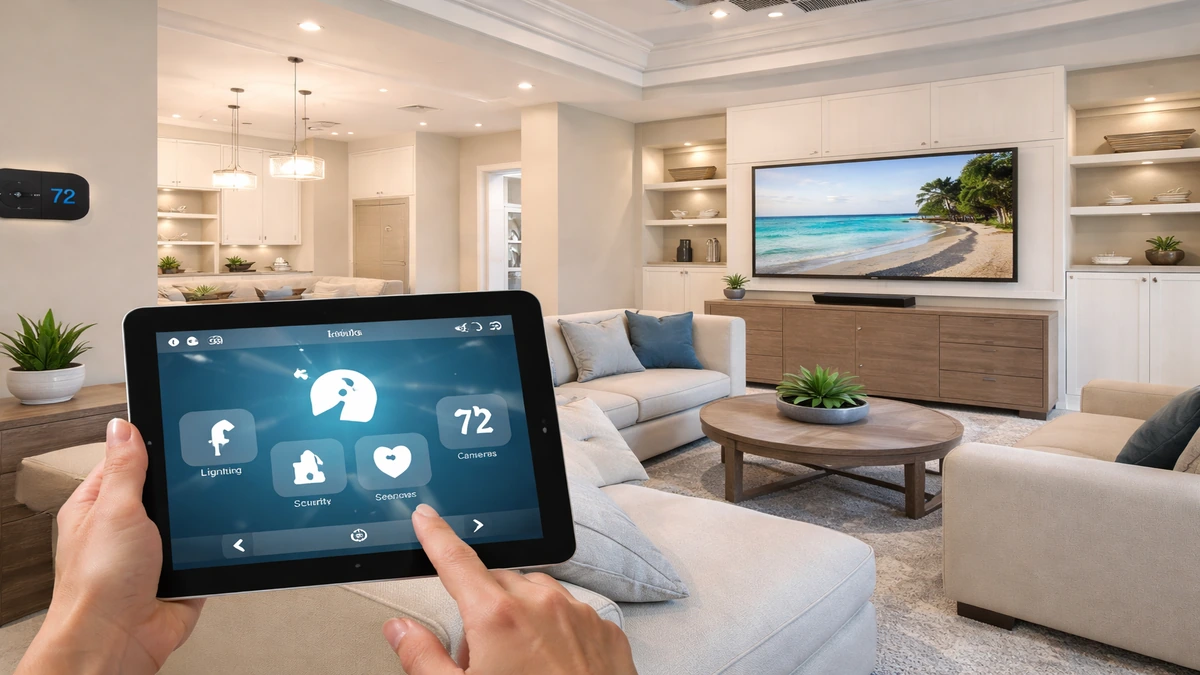
Smart Home Automation Installation
Integrated control for lighting, climate, security, and entertainment.
4 minutes
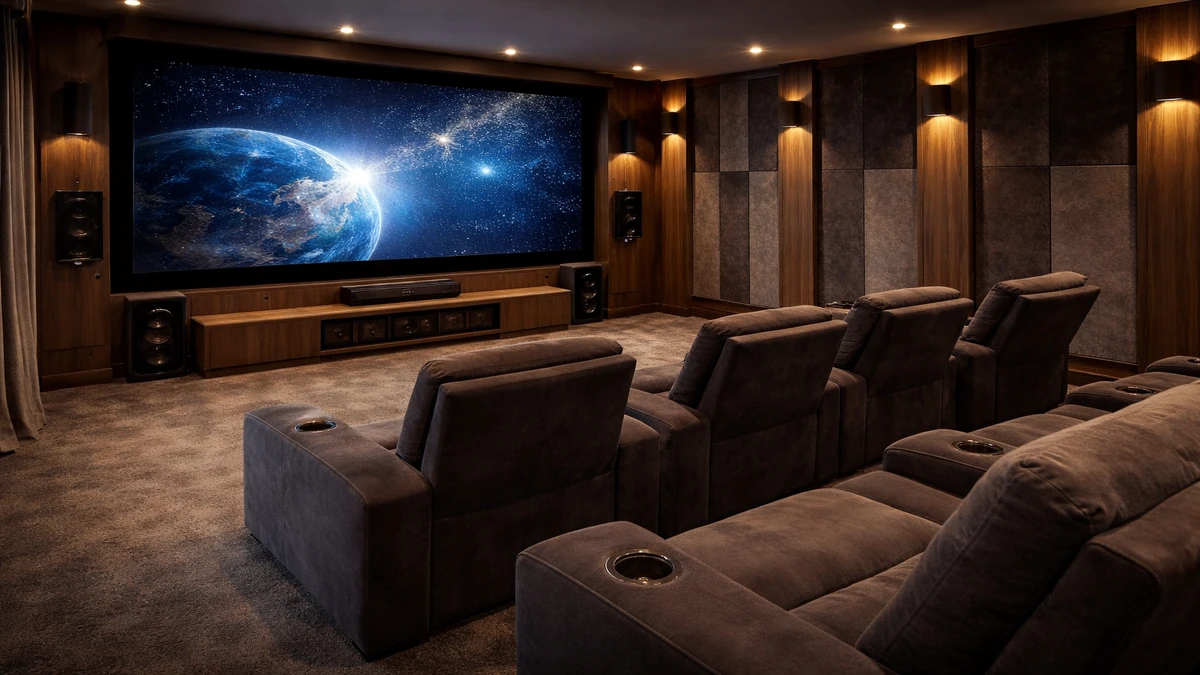
Home Theater Installation
Custom theater rooms designed for immersive picture, sound, and comfort.
4 minutes
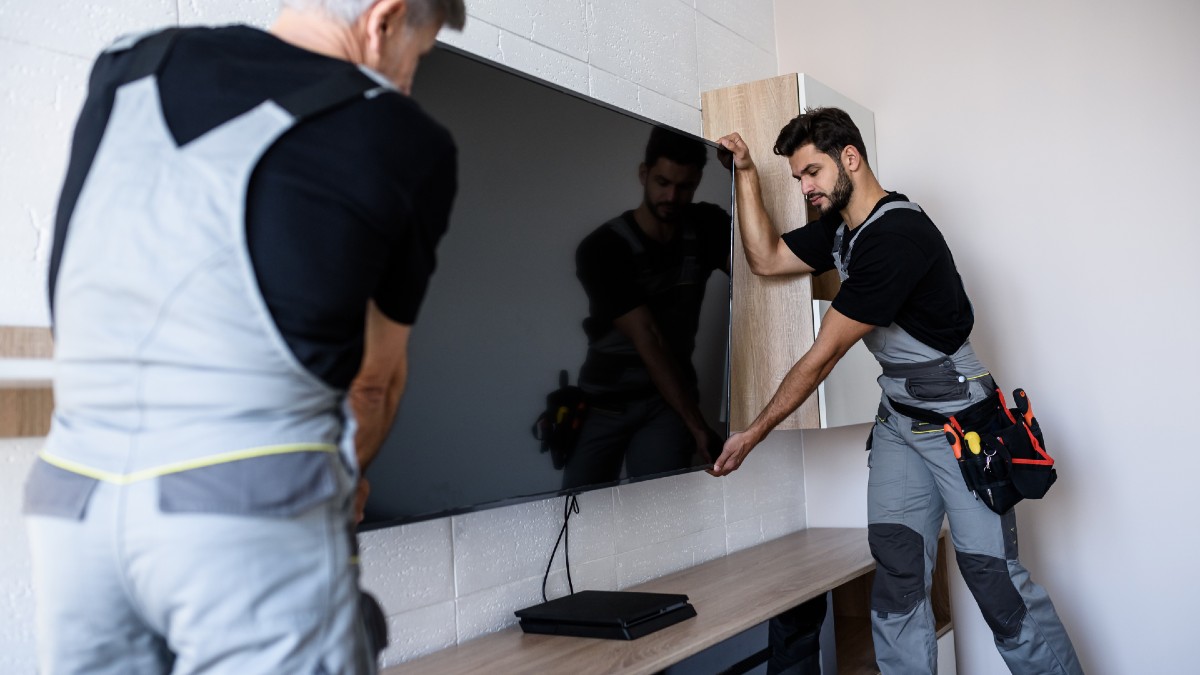
TV Wall Mounting
Professional TV mounting for cleaner layouts and better viewing angles.
5 minutes
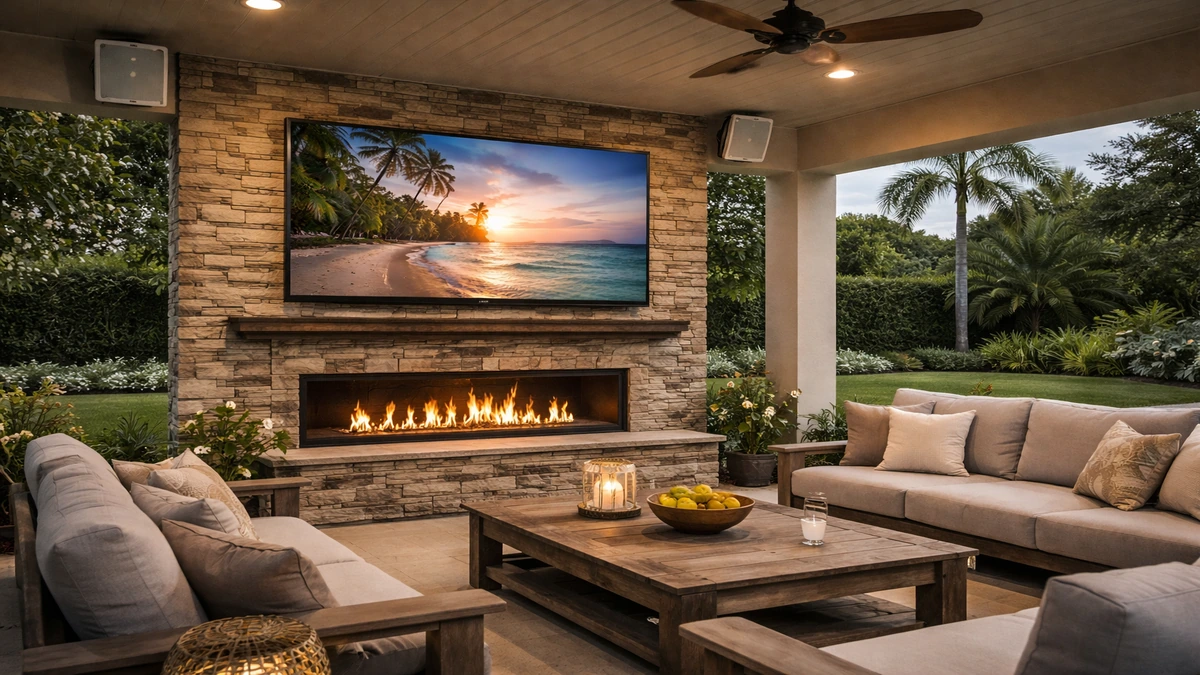
Outdoor TV Installation
Weather-aware outdoor TV setups built for patios, lanais, and pool areas.
5 minutes
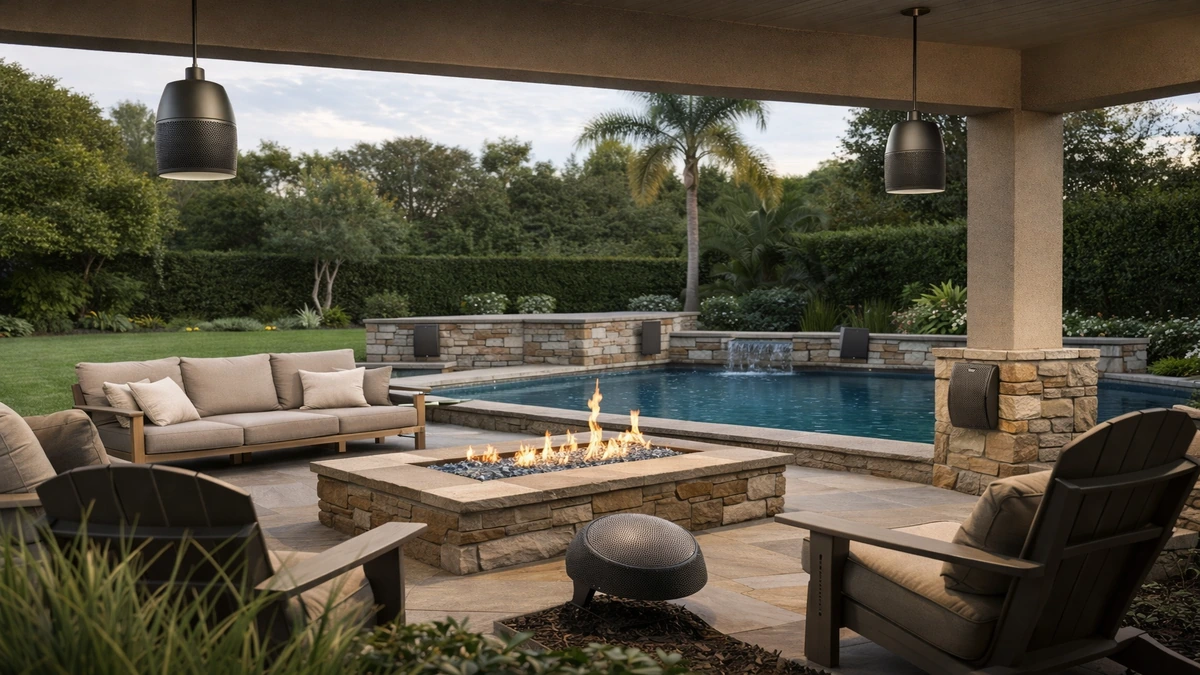
Outdoor Audio Installation
Outdoor speaker systems planned for clear sound and reliable coverage.
4 minutes
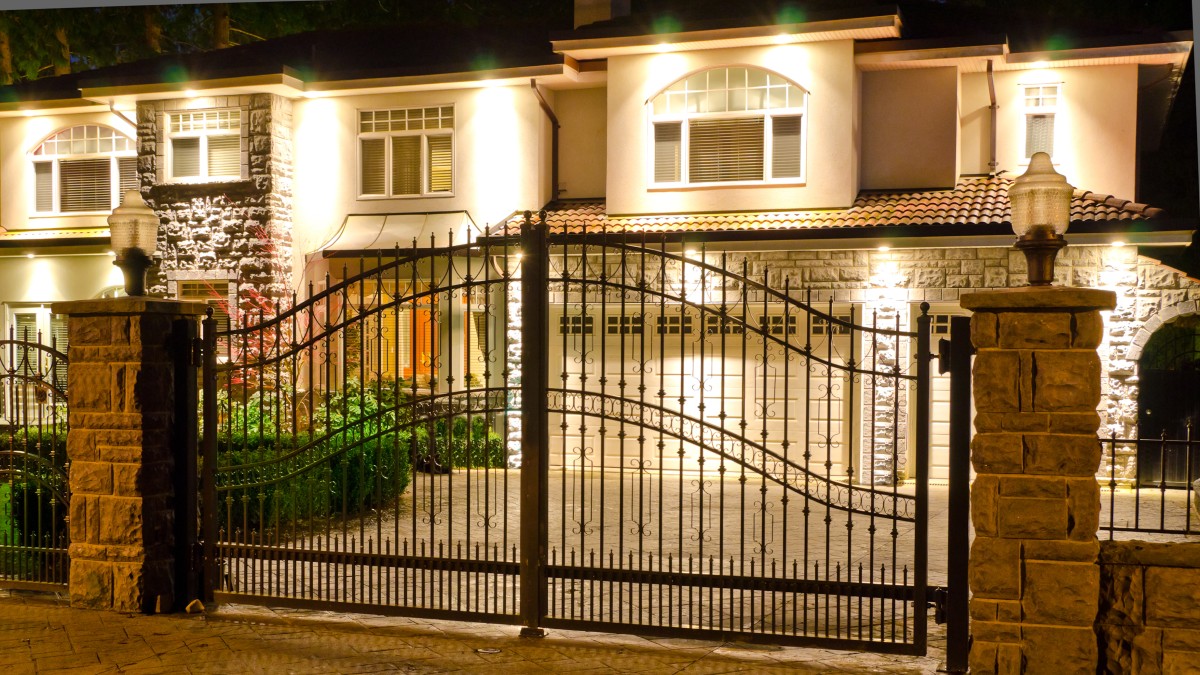
Automatic Gates
Secure, convenient gate automation with access control and entry integration.
4 minutes
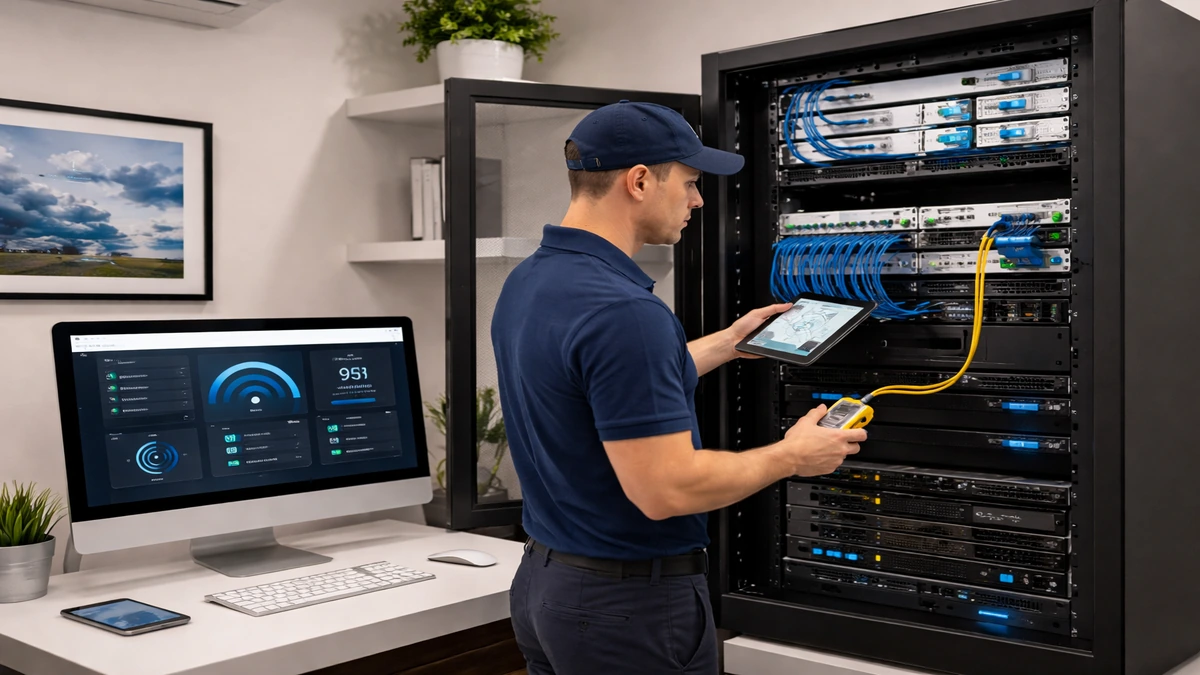
Home Network Installation
Stronger Wi-Fi, better coverage, and dependable connectivity throughout the property.
4 minutes
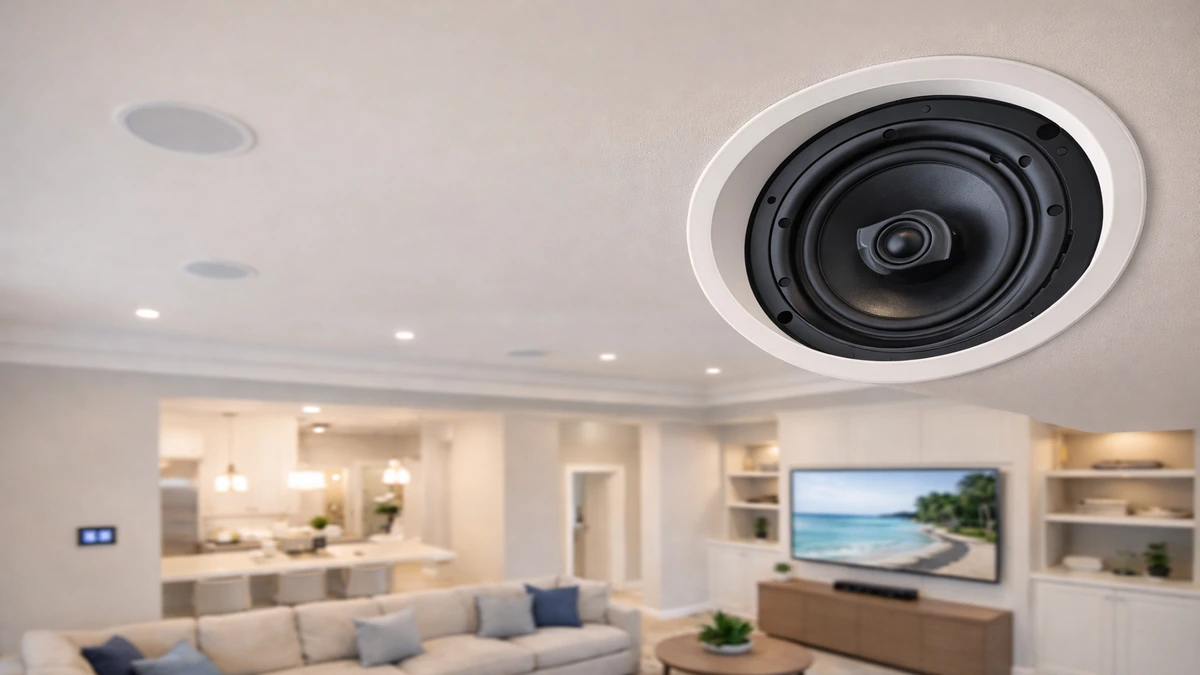
Ceiling Speaker Installation
Clean in-ceiling audio solutions for music, TV, and multi-room sound.
4 minutes
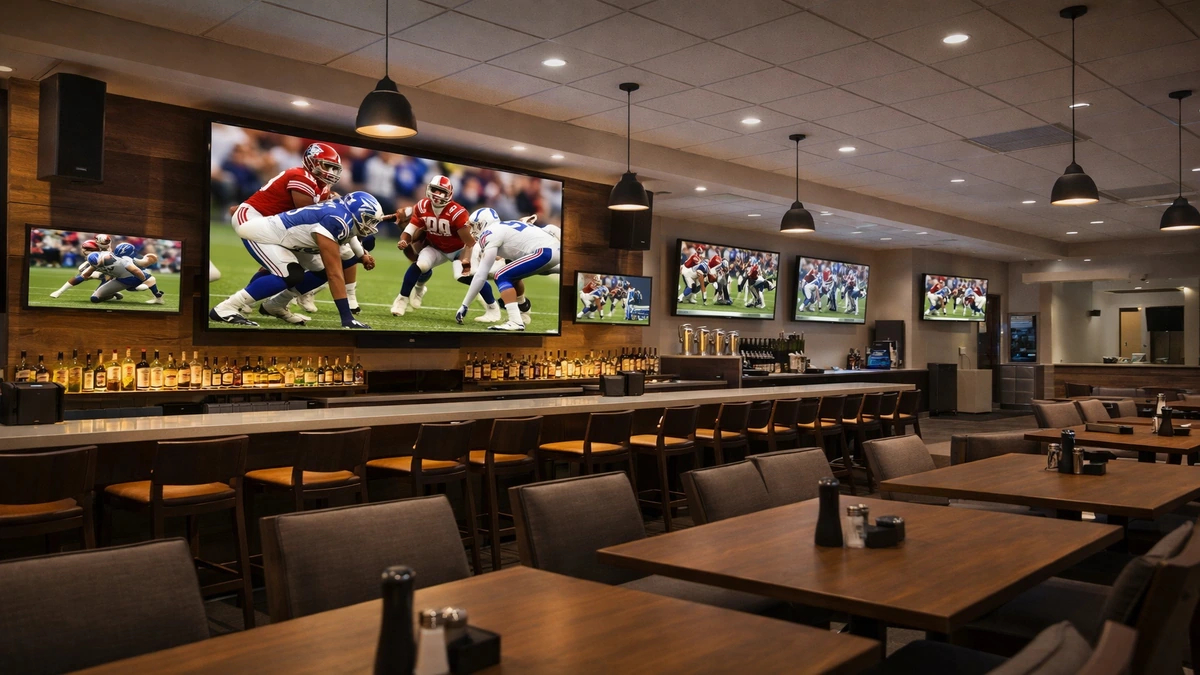
Commercial AV Installation
Professional audio, video, and control systems for business environments.
4 minutes
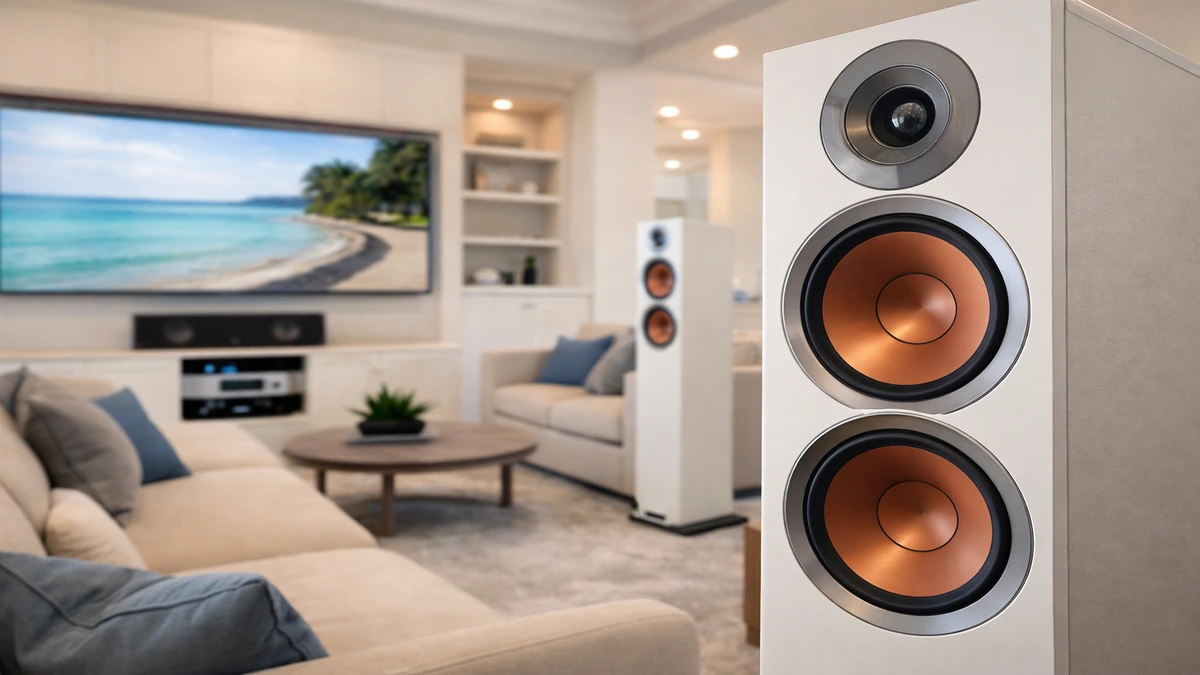
Home Audio Installation
Whole-home and room-based audio systems tailored to how you listen.
4 minutes

Marine Audio & Electronics Installation
Boat audio, displays, and electronics installed for performance on the water.
4 minutes
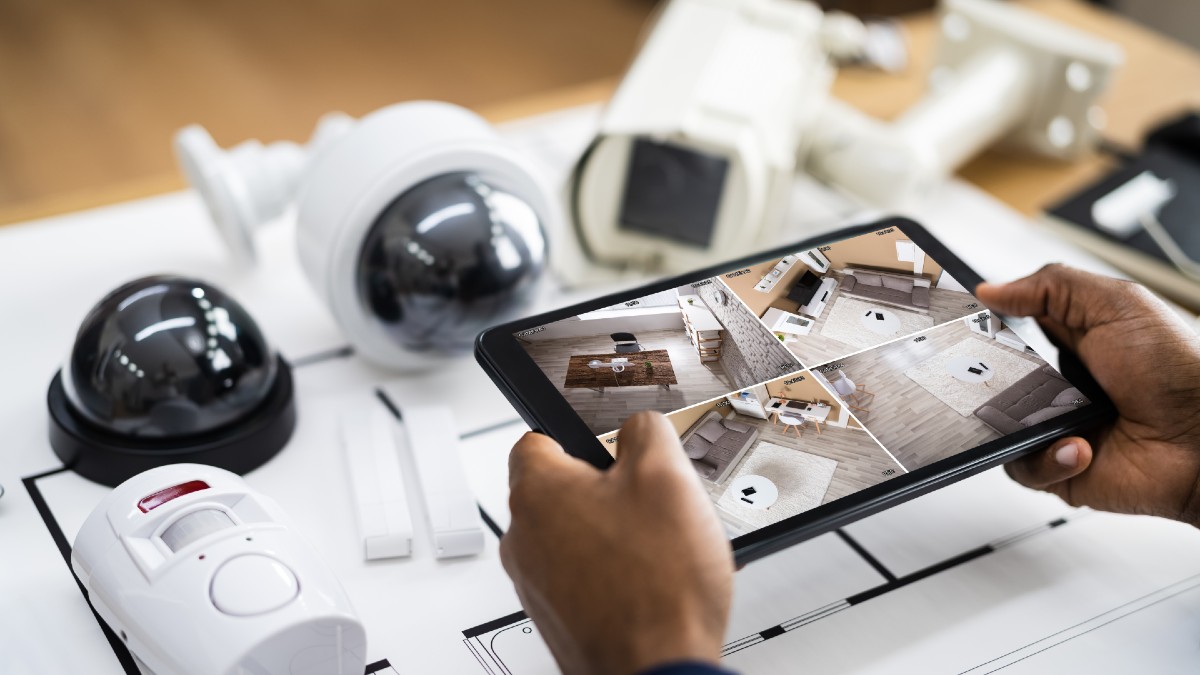
Security Camera Installation
Smart camera systems for visibility, alerts, recording, and remote monitoring.
4 minutes
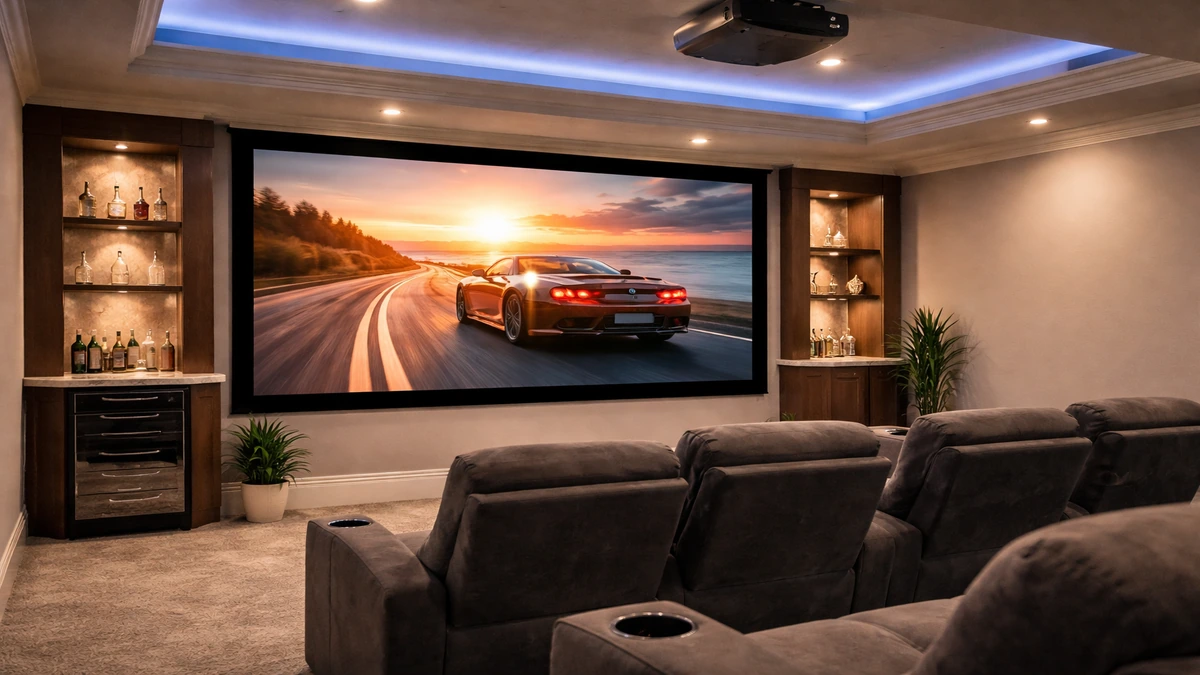
Projector Screen Installation
Projectors and screens configured for sharp viewing and balanced room performance.
4 minutes
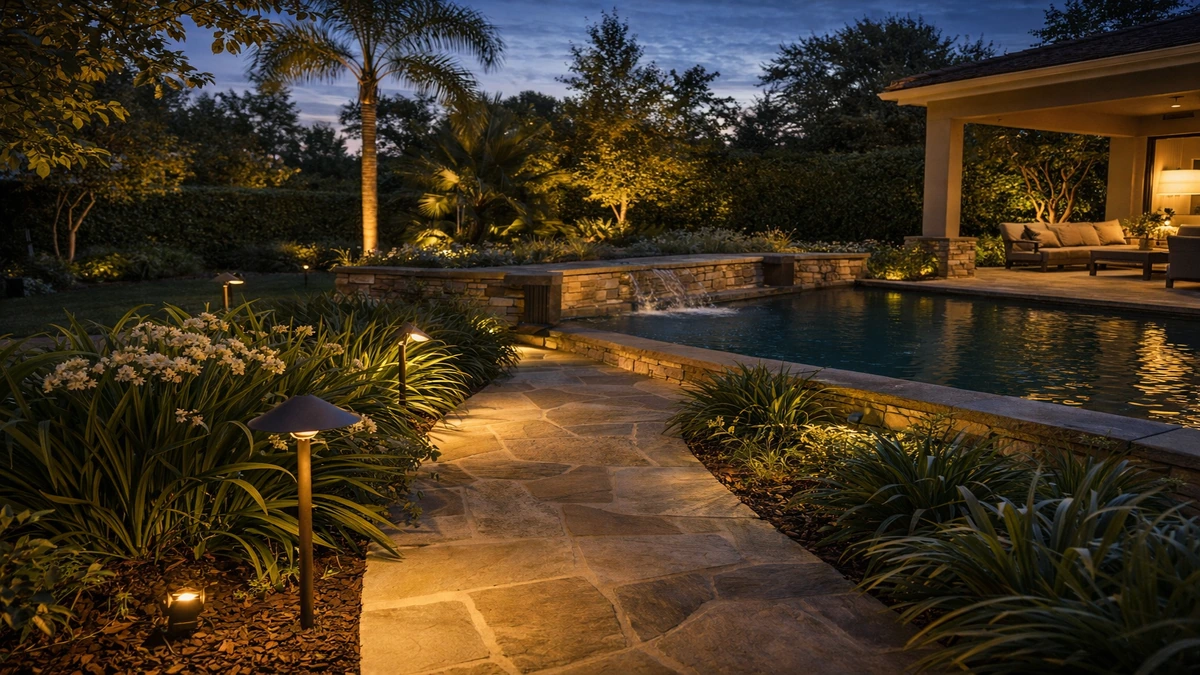
Outdoor Lighting Installation
Exterior lighting that improves curb appeal, ambiance, and nighttime usability.
4 minutes
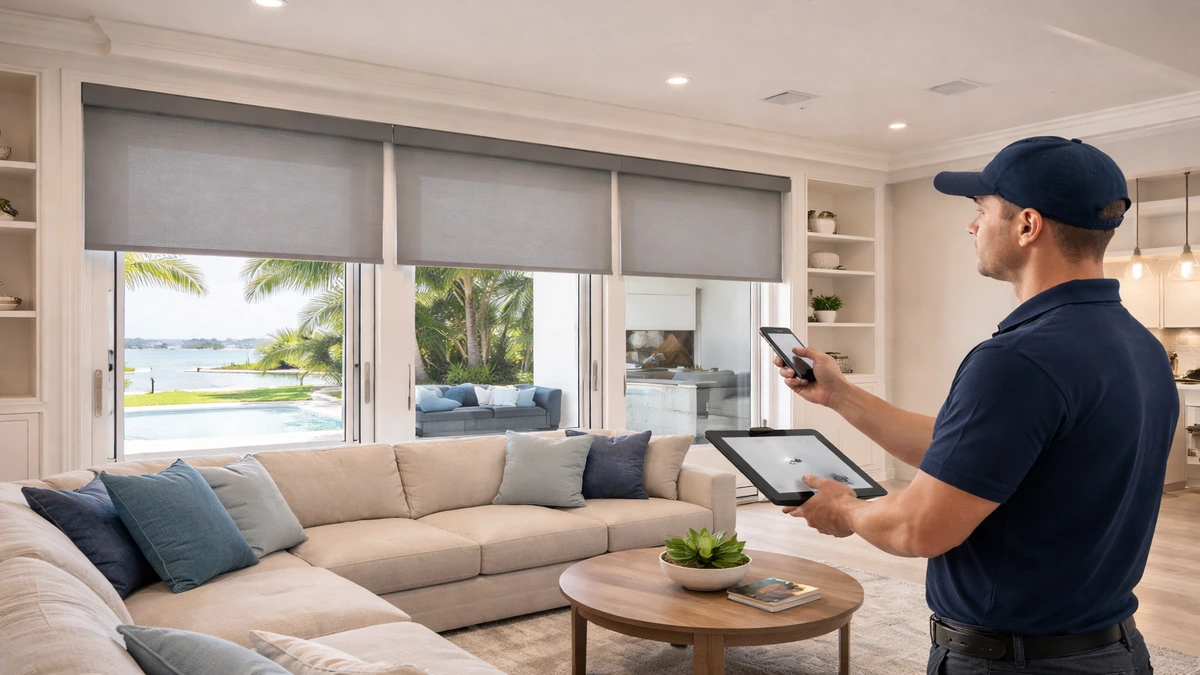
Motorized Blinds Installation
Automated shading for privacy, glare control, and everyday convenience.
4 minutes
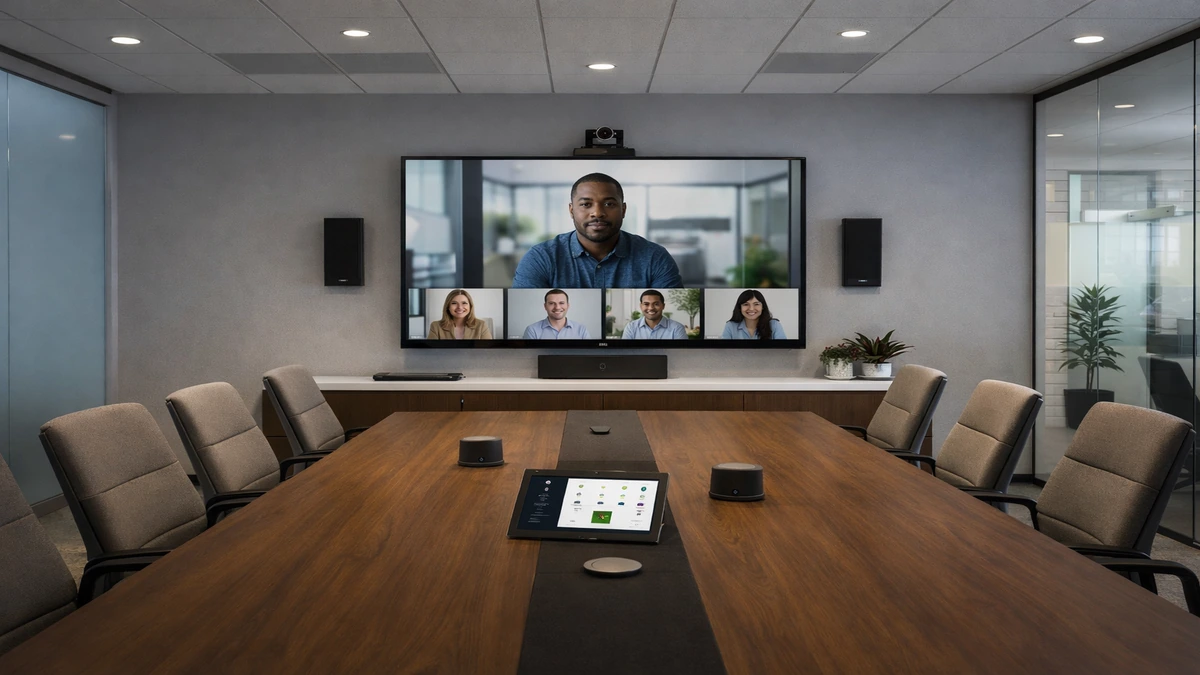
Conference Room AV Installation
Meeting room technology for clearer presentations, calls, and collaboration.
4 minutes
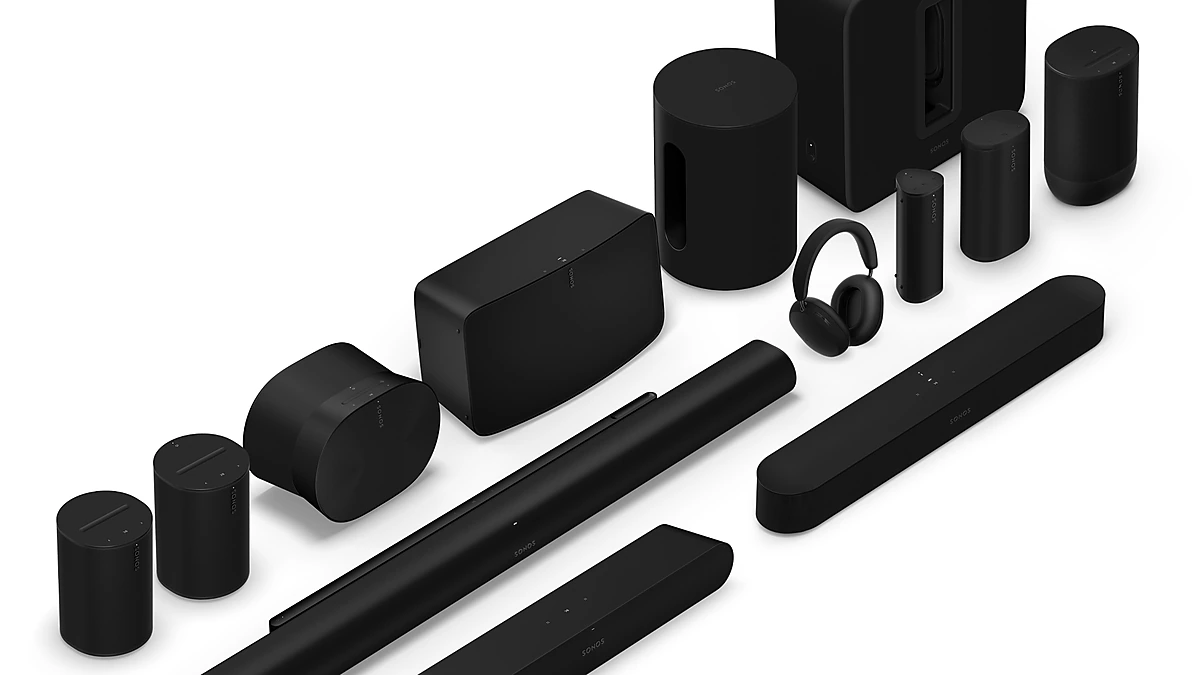
Sonos Installation
Sonos system design, setup, and tuning for simple multi-room audio.
4 minutes
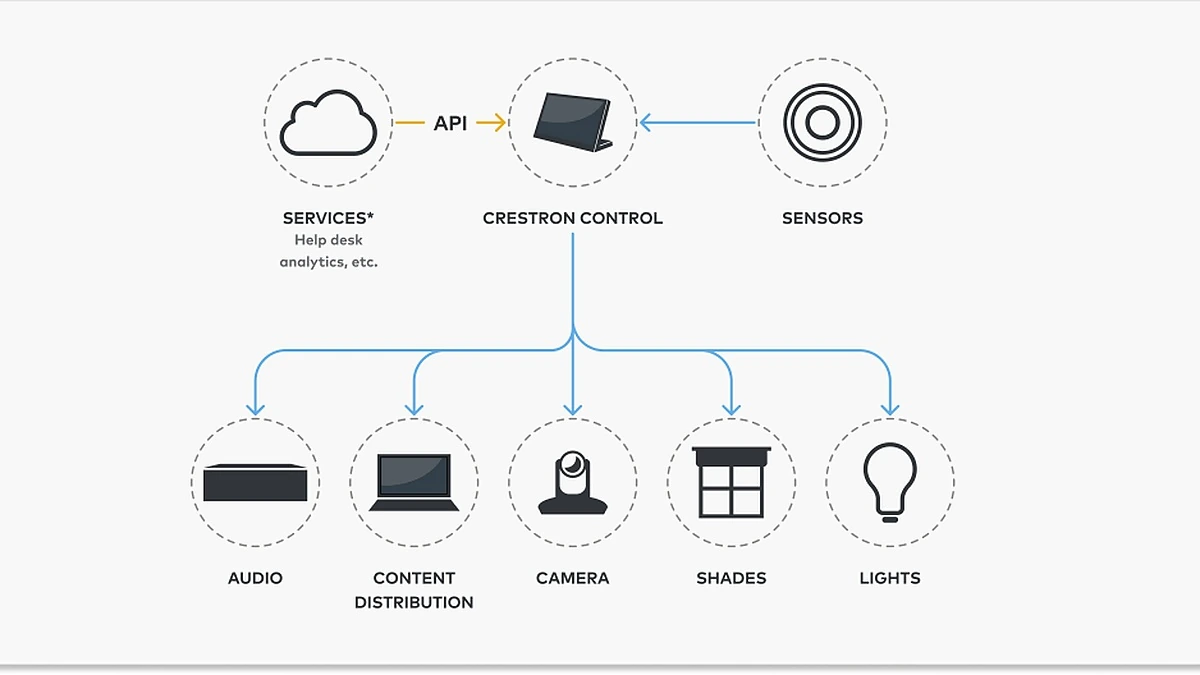
Crestron Installer
Advanced Crestron control integration for high-performance smart home environments.
4 minutes
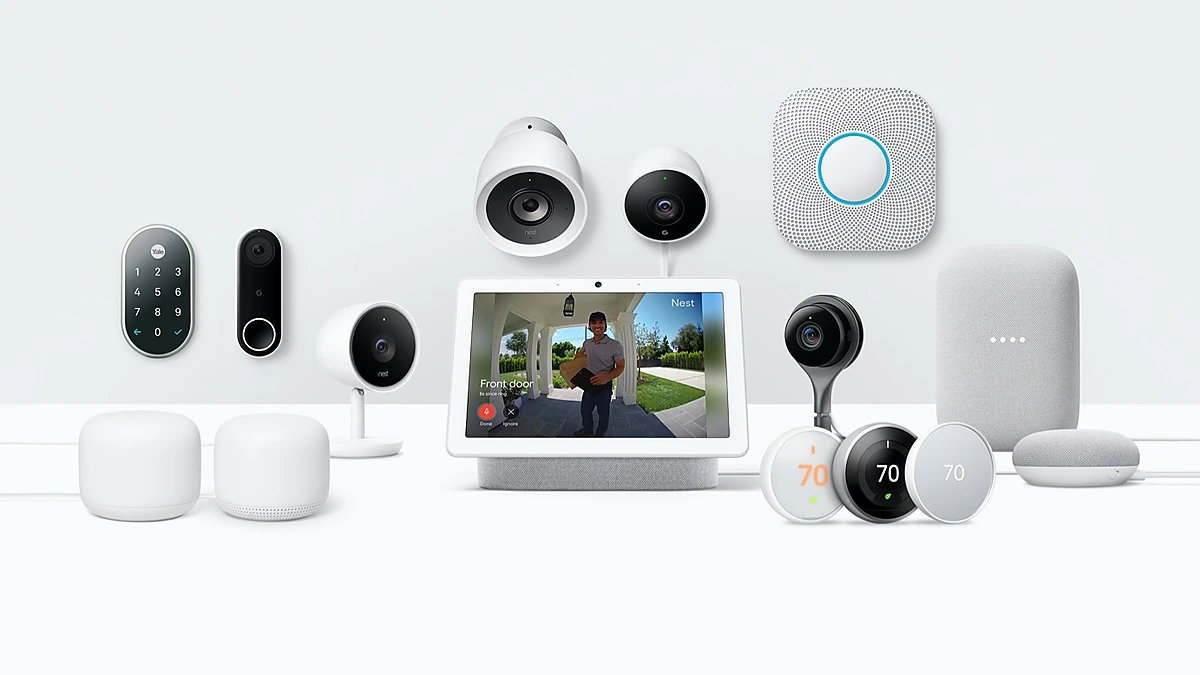
Nest Installer
Nest thermostat and smart home setup for comfort and remote control.
4 minutes
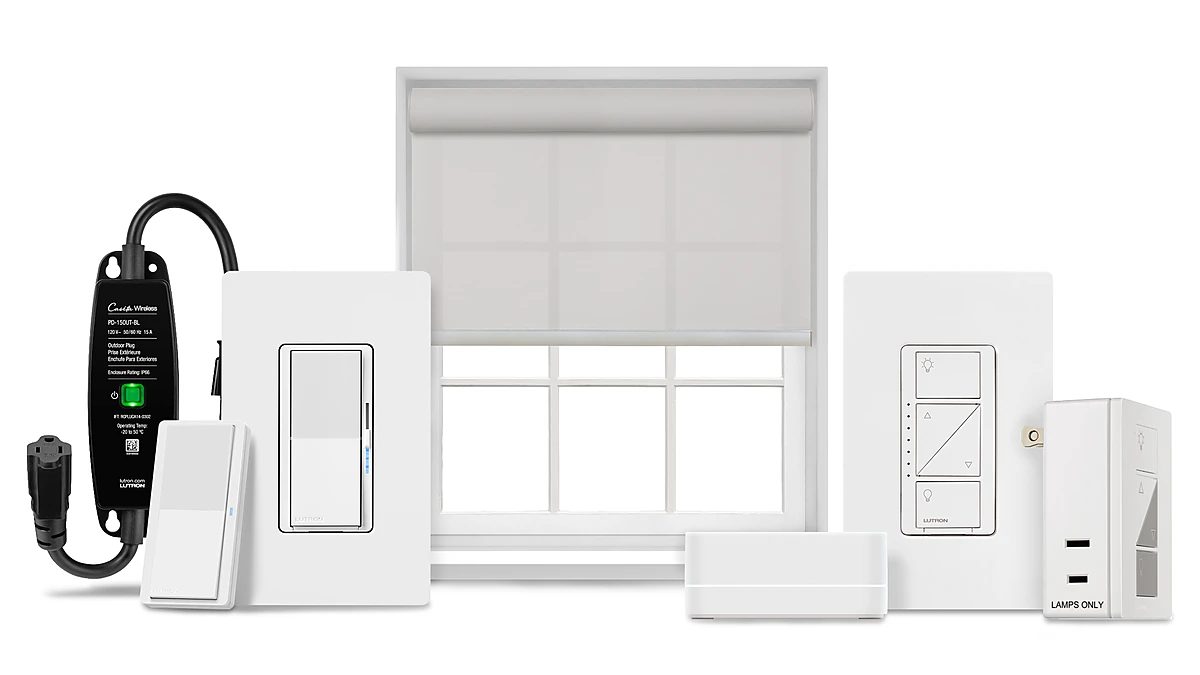
Lutron Installer
Lutron lighting and shading integration for smoother control and scene setting.
4 minutes
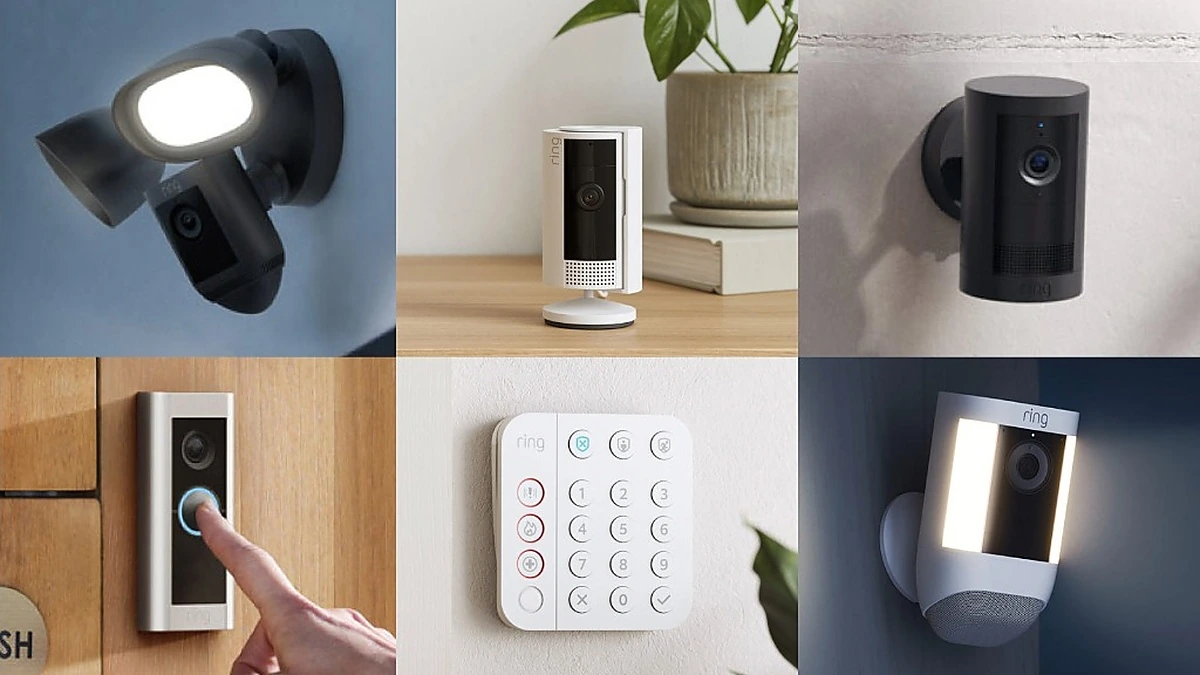
Ring Installation
Ring doorbells and cameras installed for better awareness and entry visibility.
5 minutes
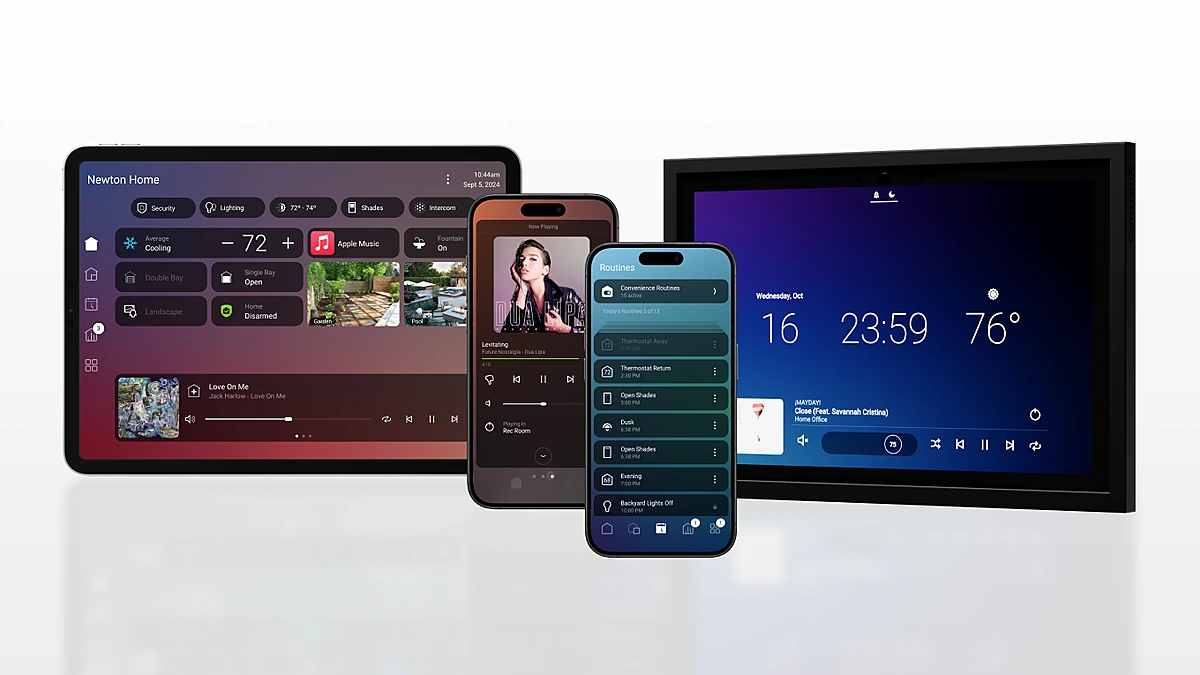
Control4 Installer
Control4 automation setup for unified entertainment, comfort, and home control.
4 minutes

Car & Truck Audio / Electronics Custom Upgrades
Custom mobile audio and electronics upgrades for better sound and functionality.
3 minutes
Owner-held apartments that stand empty for much of the year
North Palm Beach is a village of 8,435 homes, and the shape of that housing is the first thing worth knowing about a whole-home project here. Some 2,294 of them sit in buildings of fifty units or more, and another 1,573 in buildings of twenty to forty-nine. Fewer than four in ten are houses of any kind. For most addresses in the village, then, the question is not what you would like to run. It is what the building already lets you run, and where.
The ownership pattern cuts across that. Of the 6,431 occupied homes here, 4,980 are lived in by their owners, better than three in four. And 1,552 homes are held for seasonal, recreational or occasional use, which is more than three quarters of every vacant home in the village. These are not rentals turning over each year. They are owned properties that spend a large part of the year with nobody inside them, and that is a design input rather than a curiosity.
That combination settles more about the control layer than any product choice does. A system in a home like this has to be usable by whoever happens to be there — a guest, a cleaner, somebody letting in a contractor — without being taught. So it wants scenes on a keypad rather than a remembered sequence, remote control that works with nobody on site, and monitoring that says a device has dropped rather than waiting for the owner to find it on their first evening back.
It also raises the stakes on the network, because everything remote leans on it. If control, cameras and entry hardware all reach an absent owner through one connection, that connection is the system as far as they are concerned. It is worth giving it a wired path, somewhere to sit with clean power, and a way to be brought back after an outage that does not depend on somebody being in the building. None of that is expensive at the design stage. All of it is awkward afterwards.
The cable path is the part you cannot buy your way out of
Age is half the reason. The largest single group of homes here went up between 1960 and 1969, and the median residence dates from the seventies. Buildings finished in those decades were not designed around low-voltage distribution, so a new run almost always follows a path that already exists — a chase, a closet stack, a soffit built for something else entirely. Which of those are available, and which the building will allow you to open, sets the ceiling on the design.
Retrofit into a finished building is a solvable problem, but the solution is found in the fabric rather than in a catalogue. Existing conduit, a redundant riser, the void behind a fitted wardrobe, a line somebody opened years ago and closed again — those decide whether a run disappears into the wall or ends up in trunking along a skirting. Nobody wants the second outcome, and the way to avoid it is to look while the design is still soft.
Two early decisions then carry most of the cost. The first is what has to be concealed and what may be surface-run, because concealed cabling in finished walls is one of the reliable ways a budget moves, and it is a choice rather than a given. The second is where the equipment lives. A rack needs power, ventilation and enough clearance to be worked on, and in an apartment that space is far easier to claim while the layout is on paper than to invent later.
The village is not all towers, either. Some 1,573 homes sit in buildings of twenty to forty-nine units and another 758 in buildings of ten to nineteen. Whatever the height, it is the floor plate that decides network coverage: one access point in a masonry building reads as fine on a speed test taken beside it and fails in the far bedroom. Where a wired backbone can reach both ends of a plan it should, and wireless should cover only what the structure genuinely closes off.
A third of the village is houses, and the route is different there
Alongside all that, 2,718 homes here are detached and 429 attached, a little over a third of the village. Those addresses have what the apartments do not: an attic, an exterior wall and a garage that are inside the property line, so in-ceiling placement and a rack in a serviceable spot are decisions instead of requests. What they generally do not have is structured pre-wire, because very little built in those decades did, and the attic survey is what tells you which ceilings will take a speaker.
The village runs its own building division
One local detail is worth settling before anything is scheduled. North Palm Beach is an incorporated village and runs its own building division inside its Community Development Department, while Palm Beach County permits only its unincorporated area, so the authority for an address here is the village rather than the county. Most of a system needs no permit at all. The exceptions are few and predictable, and they are also the items with the longest lead time, which is why the question is worth asking first rather than third.
In a village where almost half the homes sit inside somebody else's structure, and where the owner is often somewhere else, sequence is what protects the result. Establish the routes and the approvals, agree what has to disappear and what may be surface-run, size the network and the cabling for what the home will be asked to carry in five years, and choose the visible equipment last. Done in that order, the system is still working when its owners come back to it.