
Two Build Waves, Decades Apart Audio Video | Home Theater Installations Serving Royal Palm Beach, FL
Royal Palm Beach is used every day rather than seasonally — 13,742 of its homes are occupied and only 323 are held for a season. Systems here get built for daily use and for growth.
Seamless Solutions for Enhanced Audio, Visuals, and Security
Elevate your spaces with immersive experiences and advanced control systems.
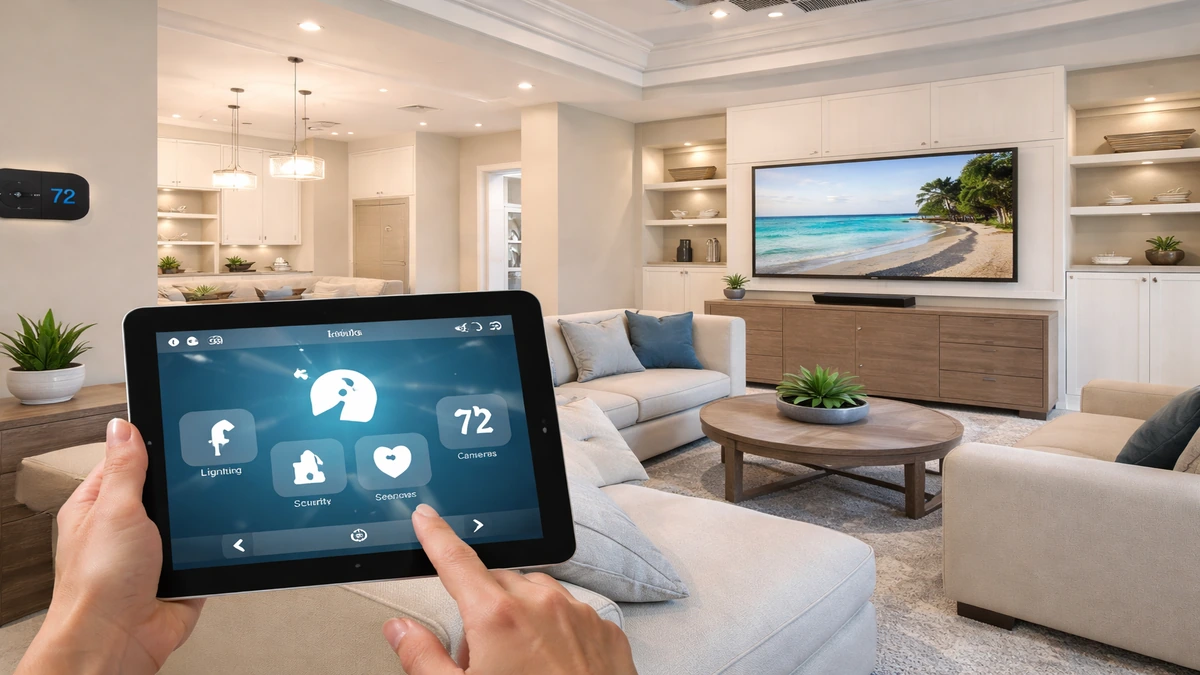
Smart Home Automation Installation
Integrated control for lighting, climate, security, and entertainment.
4 minutes
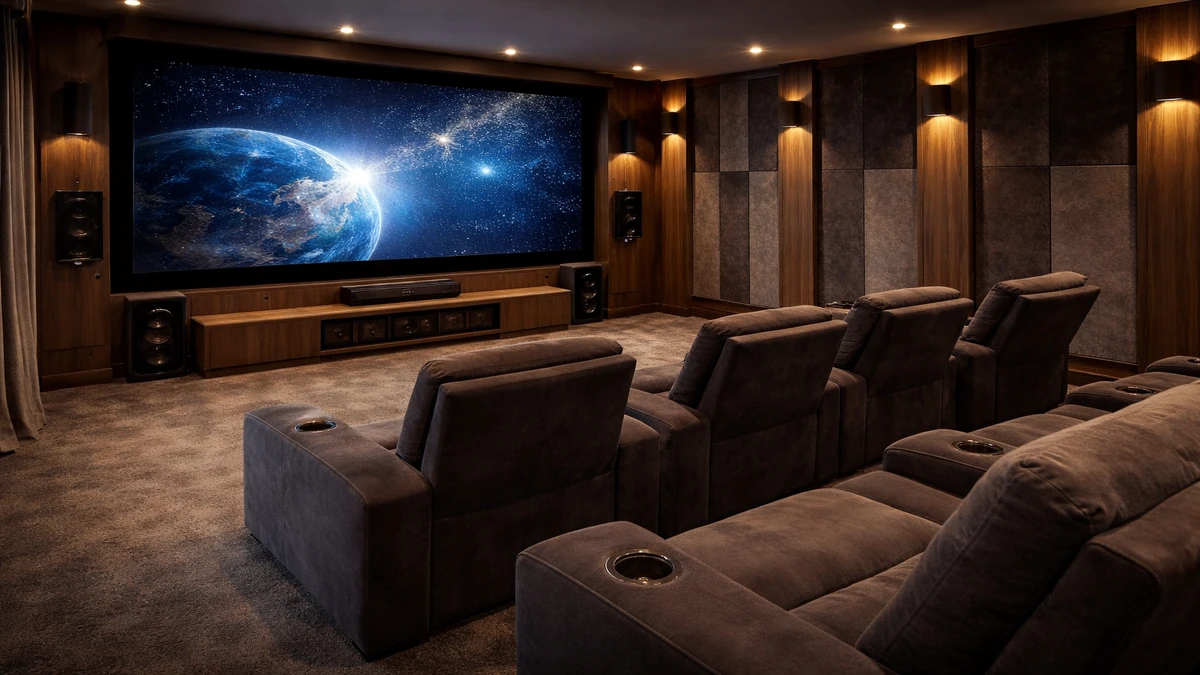
Home Theater Installation
Custom theater rooms designed for immersive picture, sound, and comfort.
4 minutes
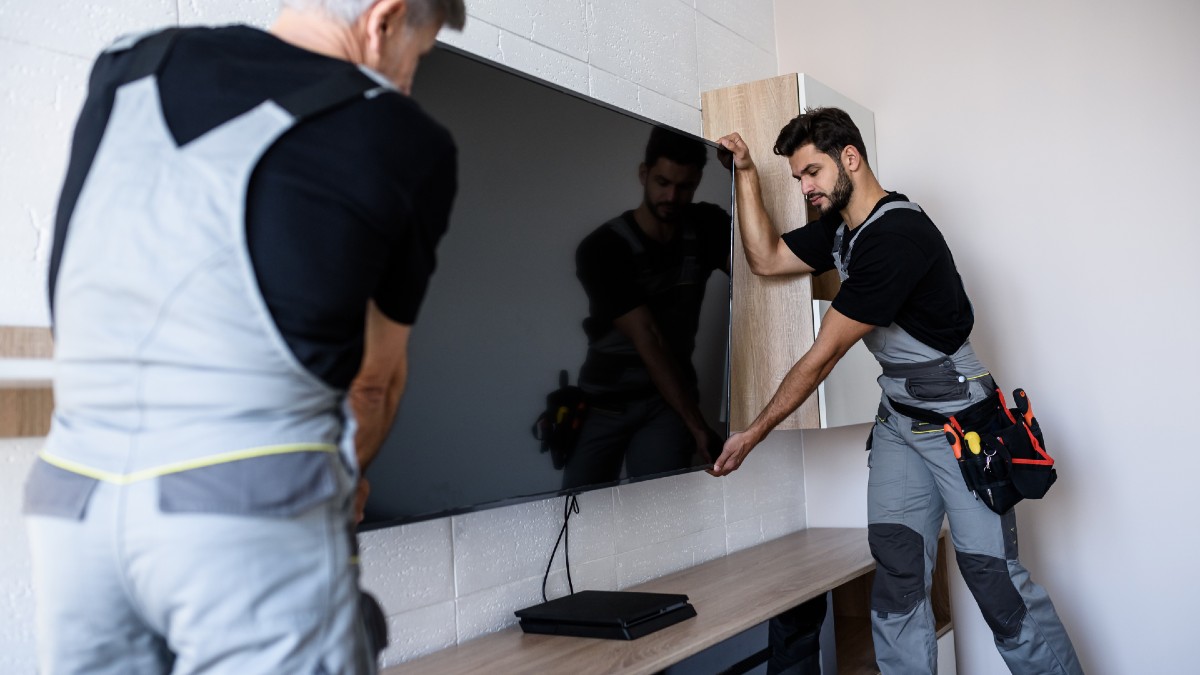
TV Wall Mounting
Professional TV mounting for cleaner layouts and better viewing angles.
5 minutes
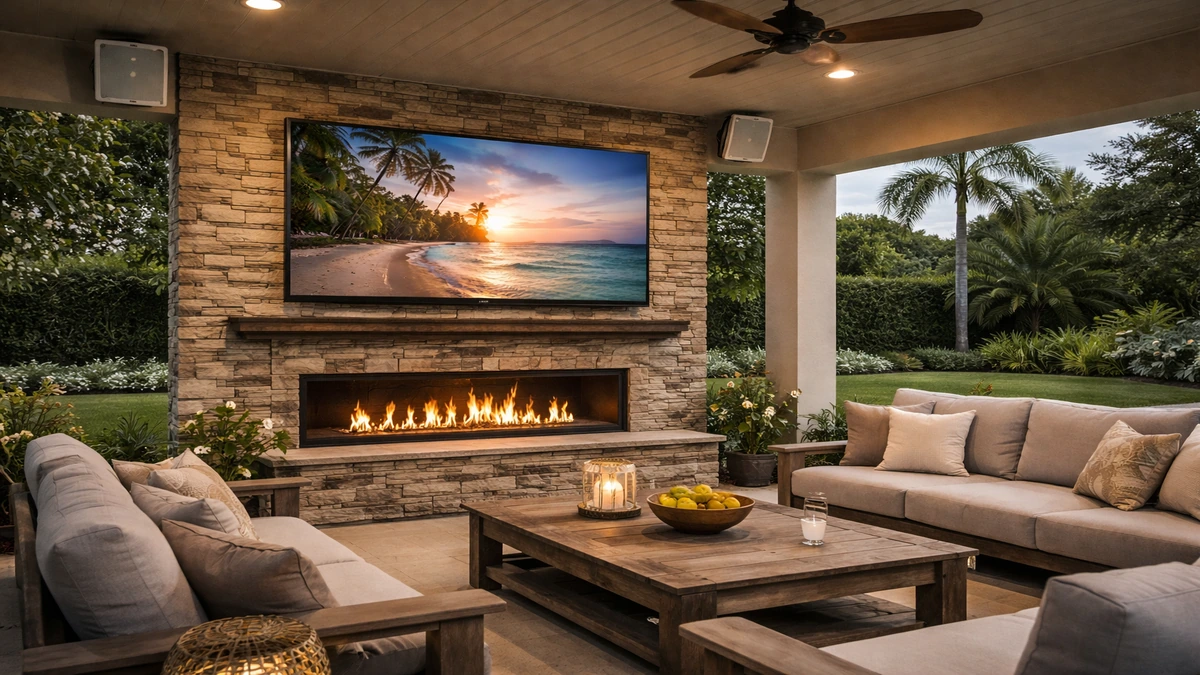
Outdoor TV Installation
Weather-aware outdoor TV setups built for patios, lanais, and pool areas.
5 minutes
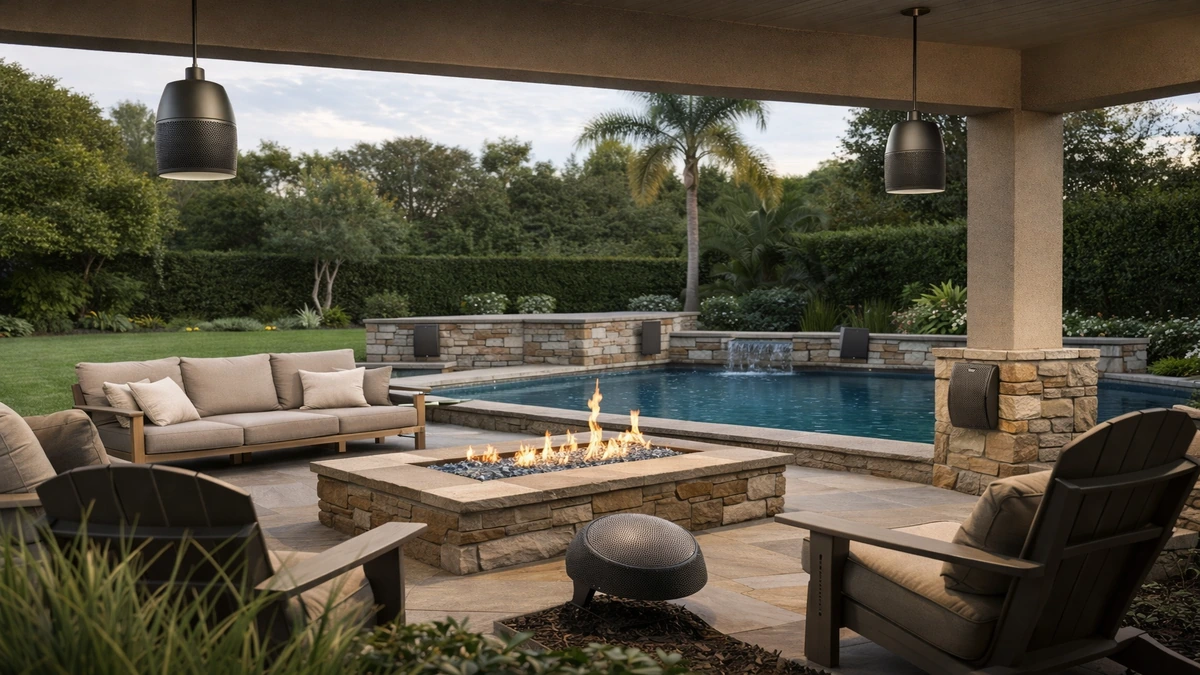
Outdoor Audio Installation
Outdoor speaker systems planned for clear sound and reliable coverage.
4 minutes
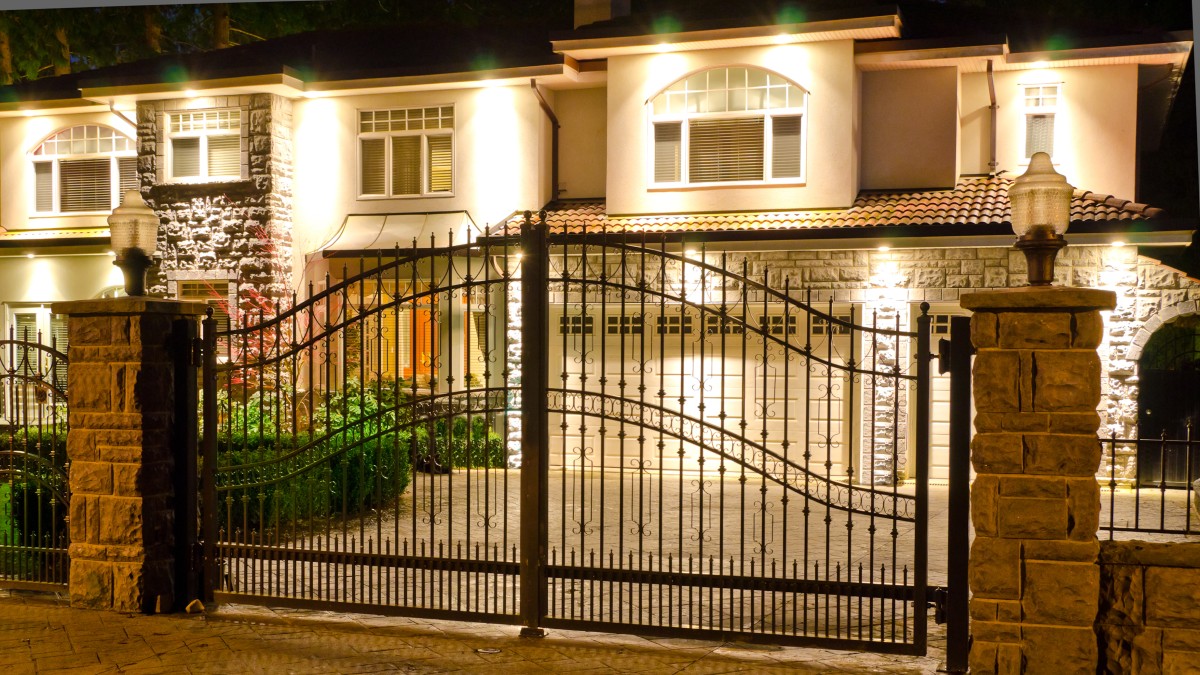
Automatic Gates
Secure, convenient gate automation with access control and entry integration.
4 minutes
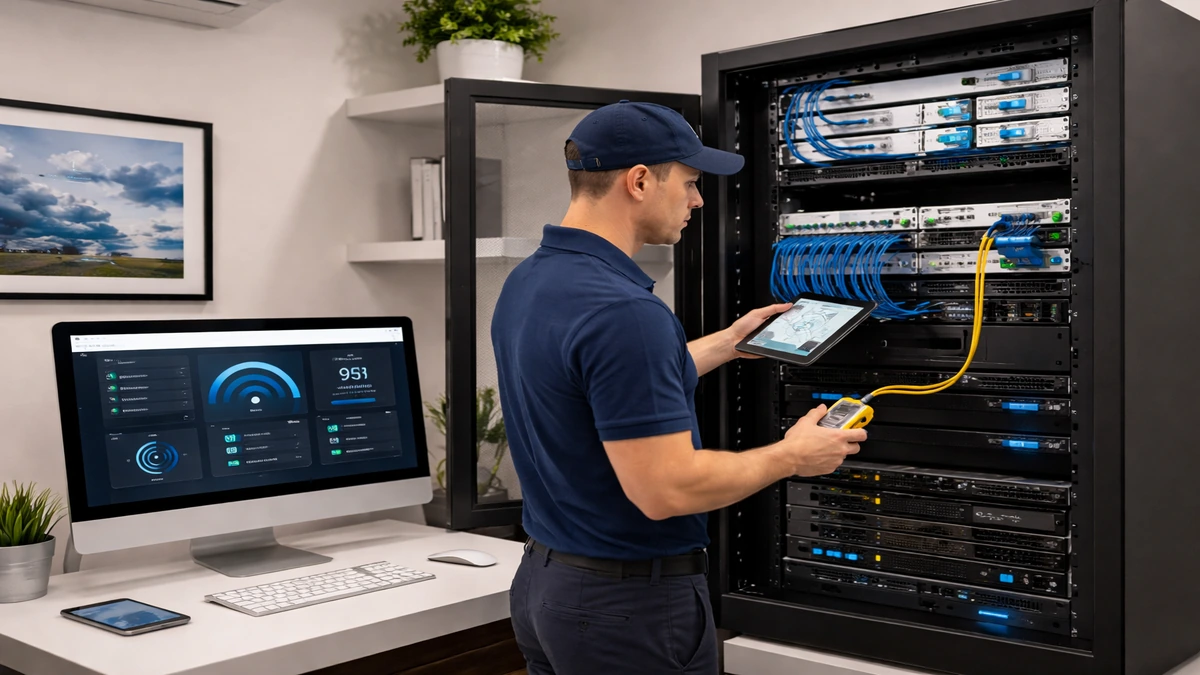
Home Network Installation
Stronger Wi-Fi, better coverage, and dependable connectivity throughout the property.
4 minutes
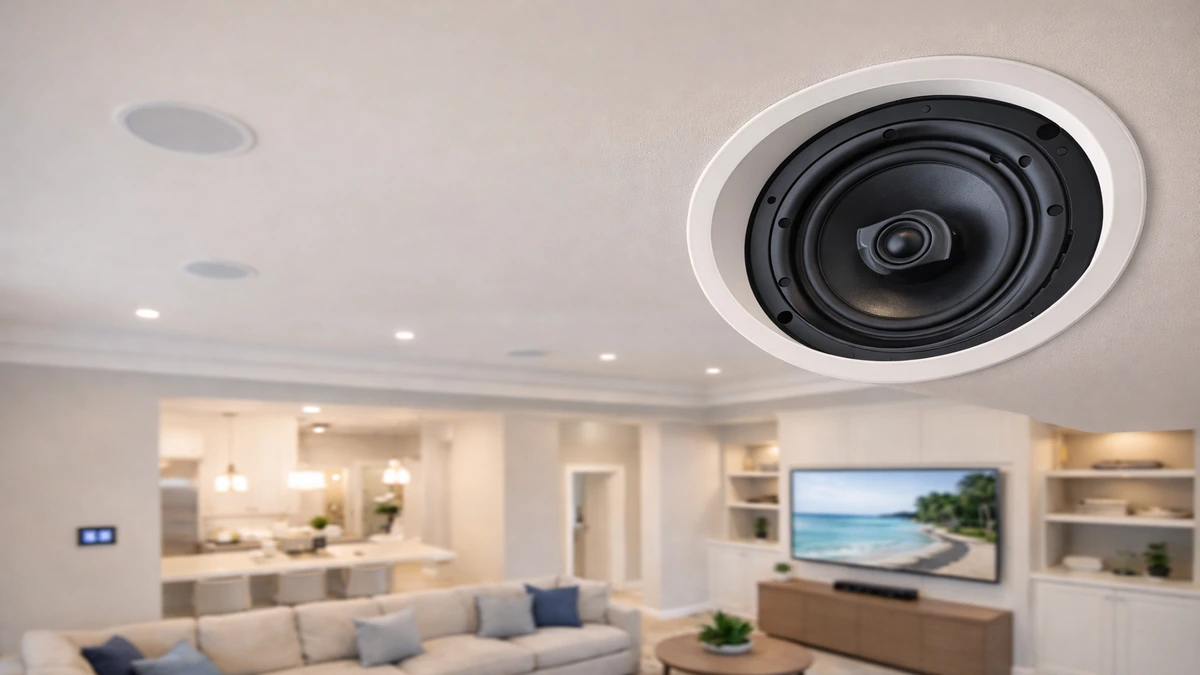
Ceiling Speaker Installation
Clean in-ceiling audio solutions for music, TV, and multi-room sound.
4 minutes
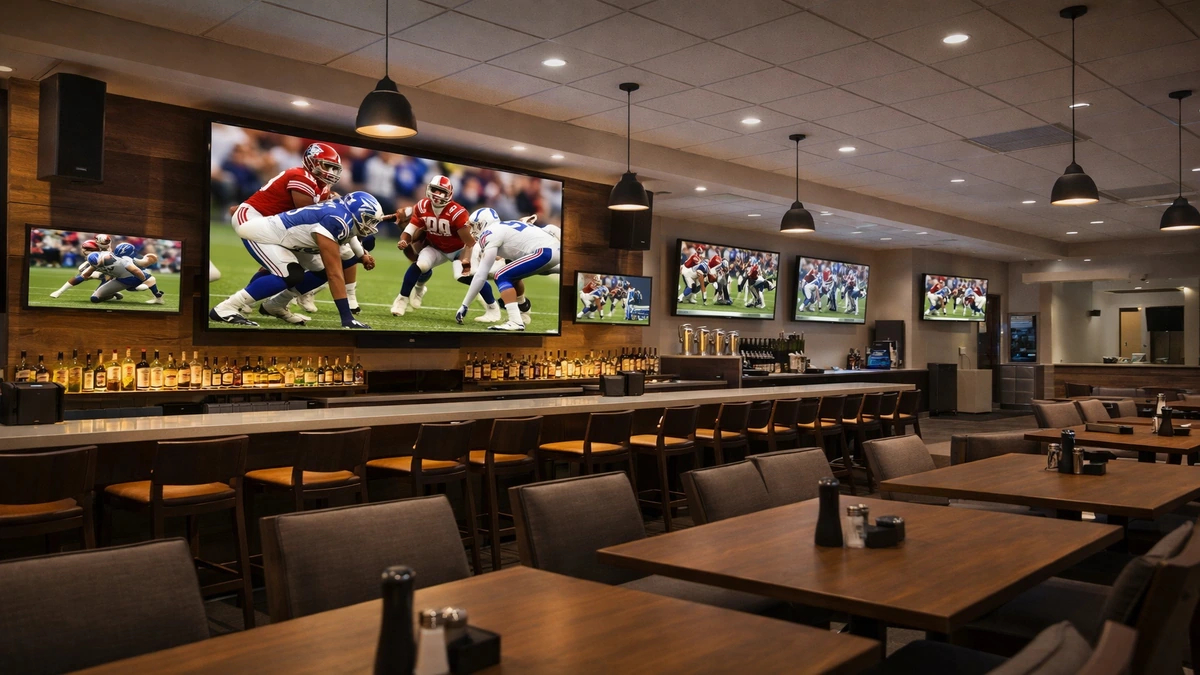
Commercial AV Installation
Professional audio, video, and control systems for business environments.
4 minutes
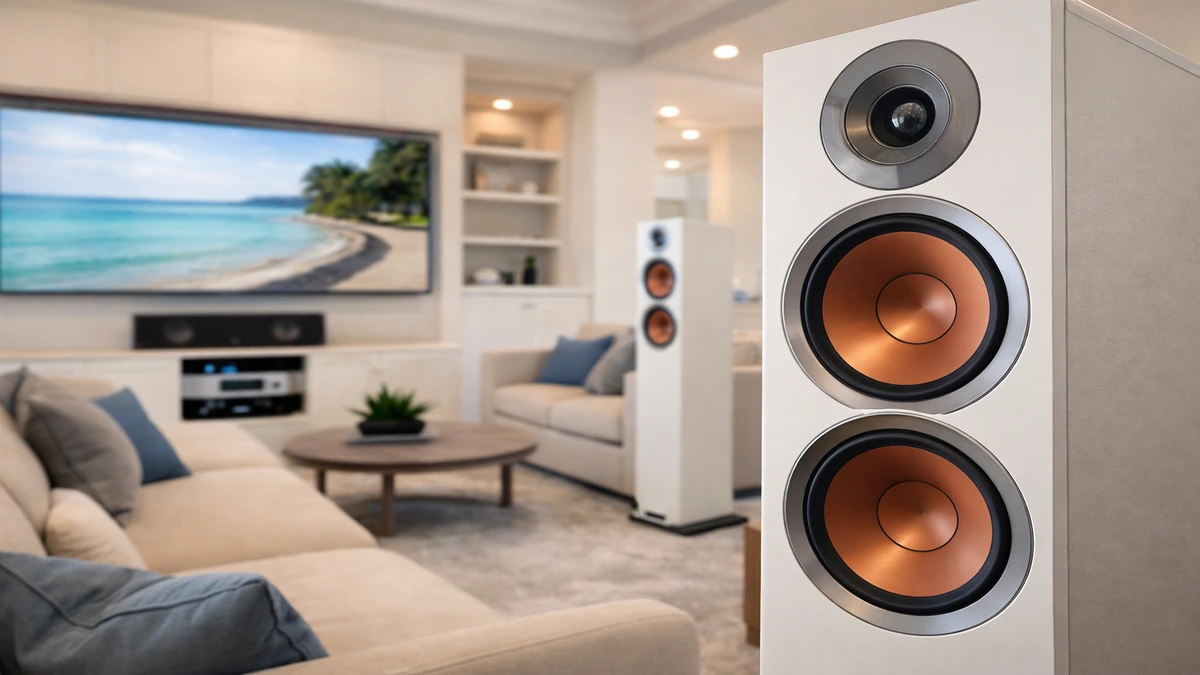
Home Audio Installation
Whole-home and room-based audio systems tailored to how you listen.
4 minutes

Marine Audio & Electronics Installation
Boat audio, displays, and electronics installed for performance on the water.
4 minutes
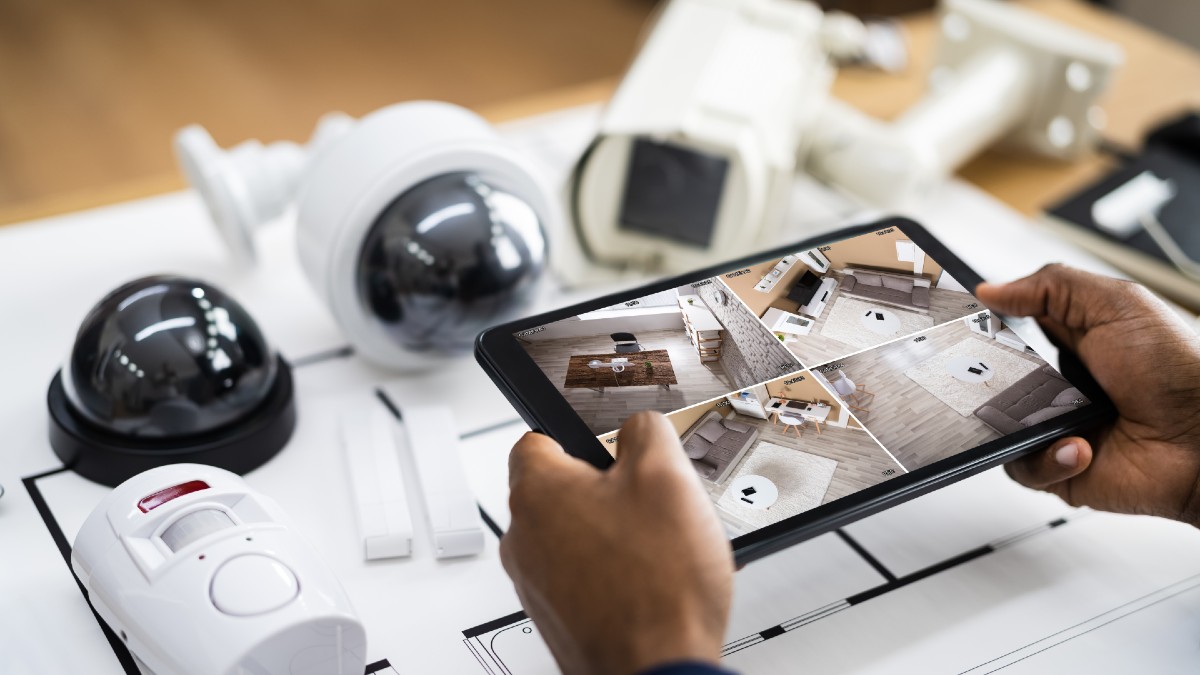
Security Camera Installation
Smart camera systems for visibility, alerts, recording, and remote monitoring.
4 minutes
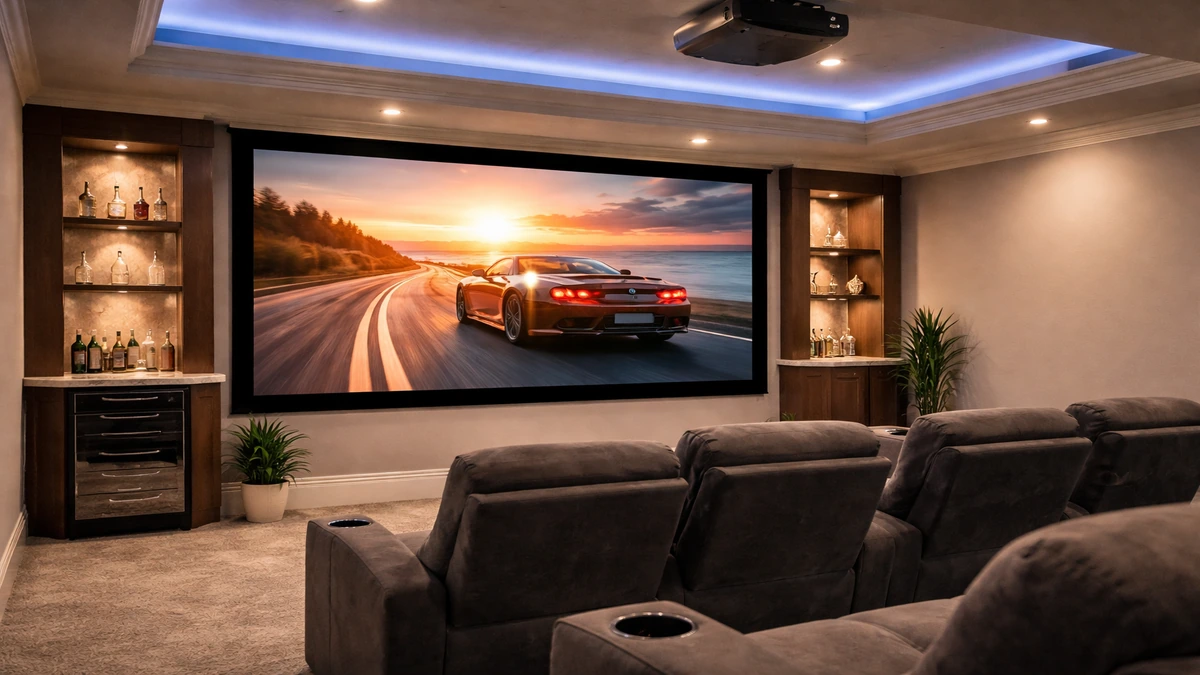
Projector Screen Installation
Projectors and screens configured for sharp viewing and balanced room performance.
4 minutes
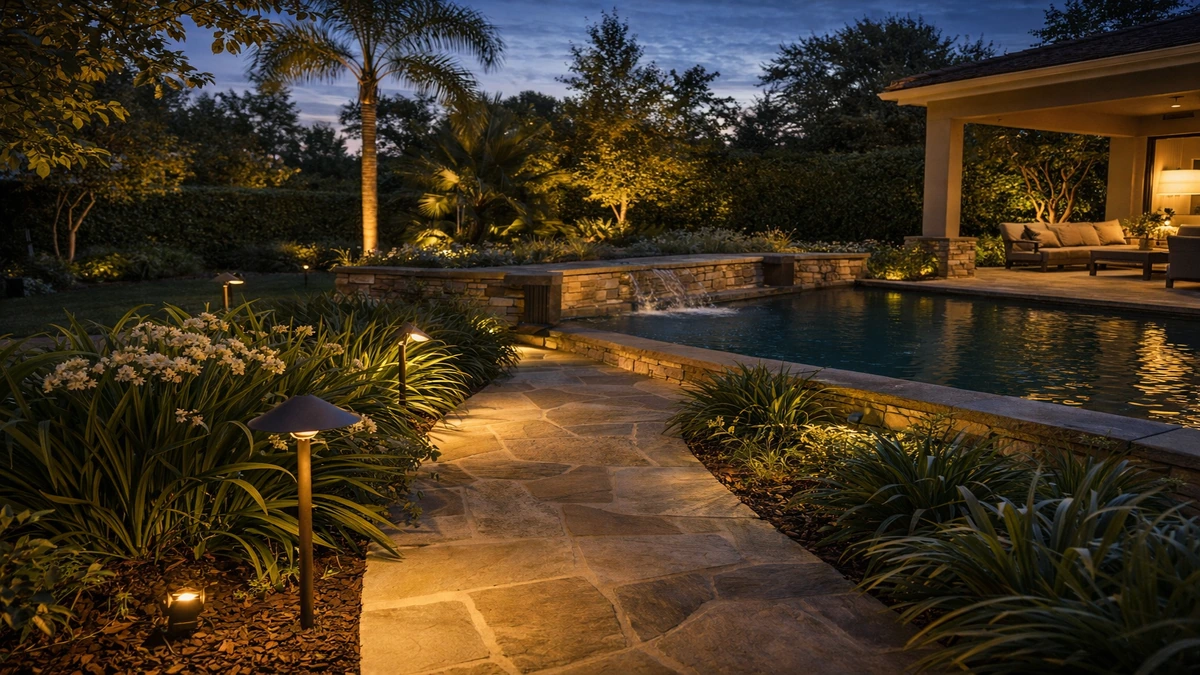
Outdoor Lighting Installation
Exterior lighting that improves curb appeal, ambiance, and nighttime usability.
4 minutes
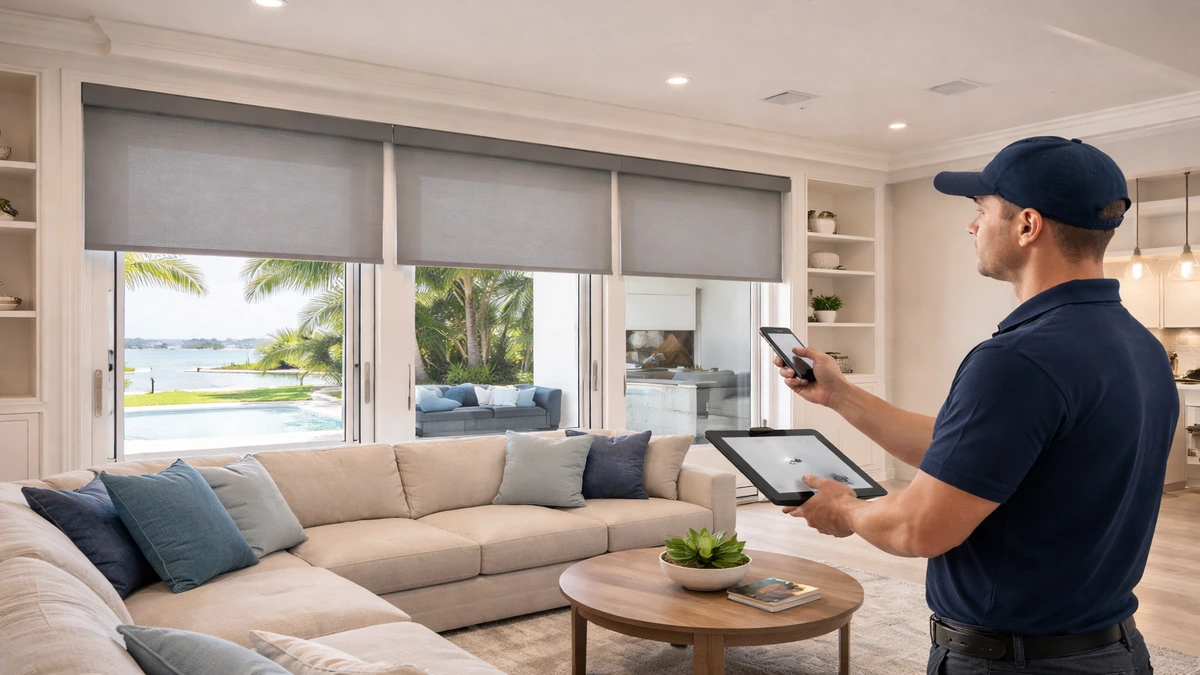
Motorized Blinds Installation
Automated shading for privacy, glare control, and everyday convenience.
4 minutes
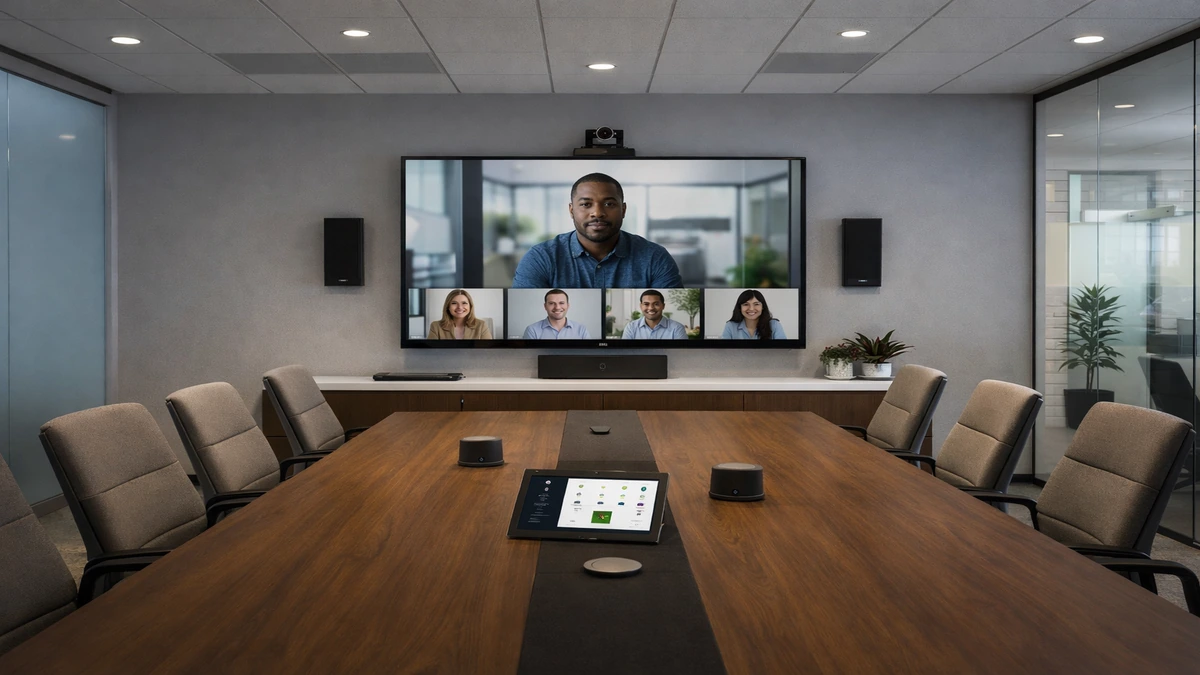
Conference Room AV Installation
Meeting room technology for clearer presentations, calls, and collaboration.
4 minutes
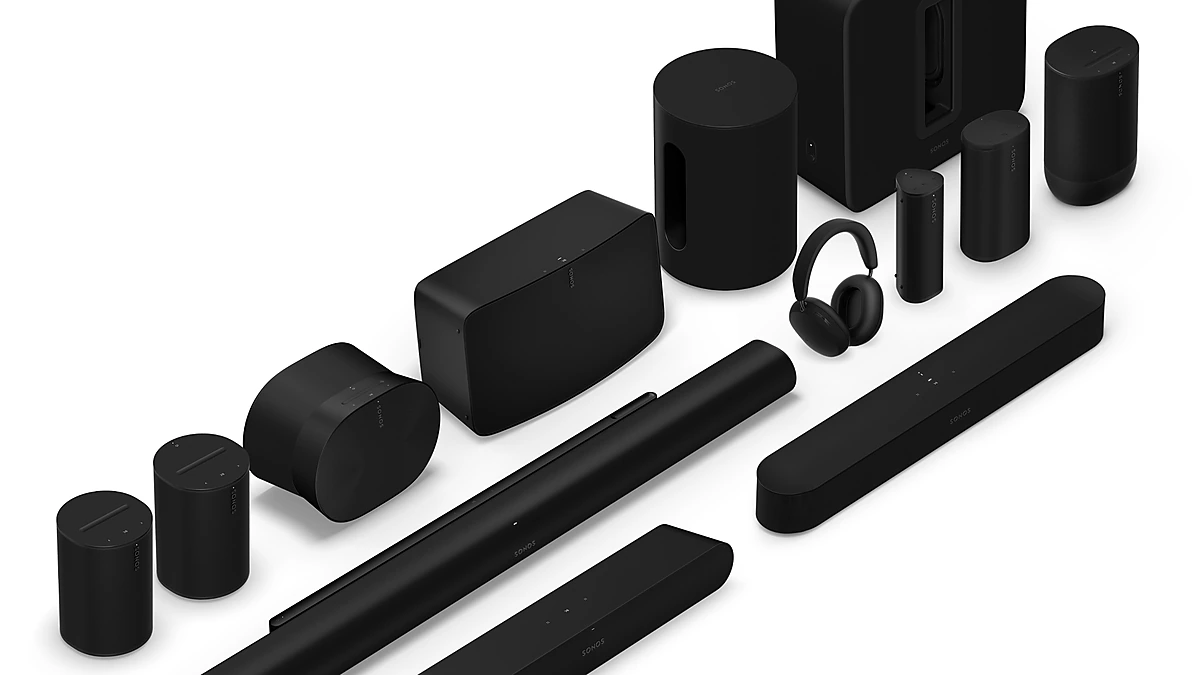
Sonos Installation
Sonos system design, setup, and tuning for simple multi-room audio.
4 minutes
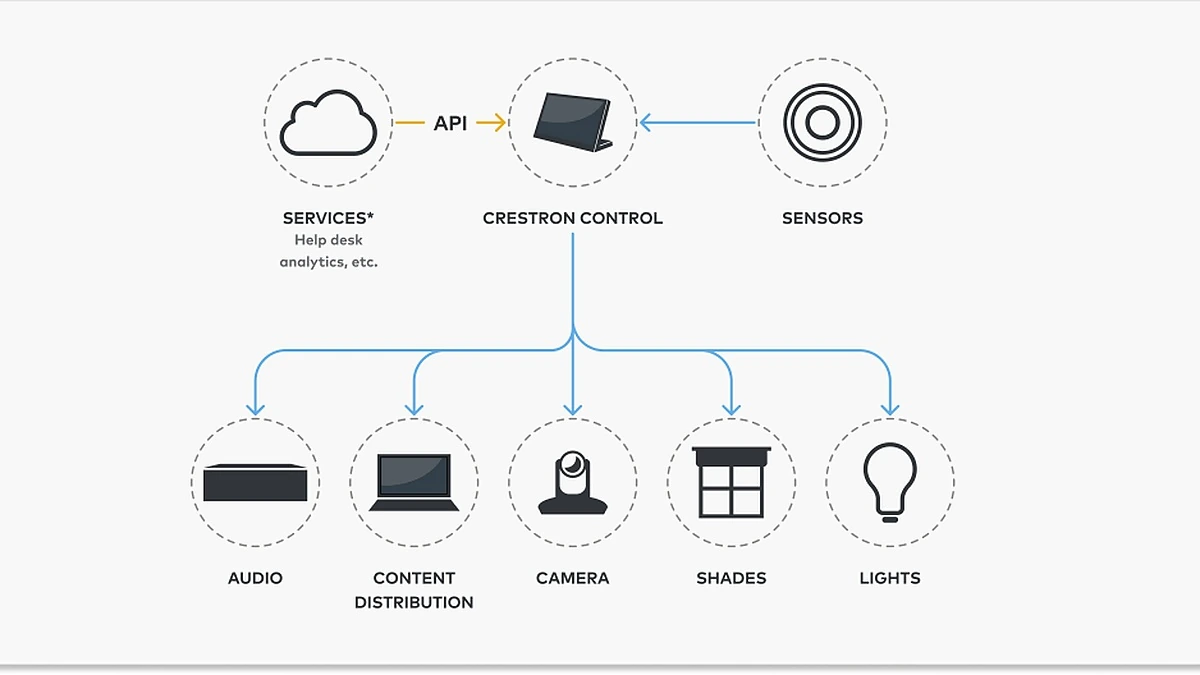
Crestron Installer
Advanced Crestron control integration for high-performance smart home environments.
4 minutes
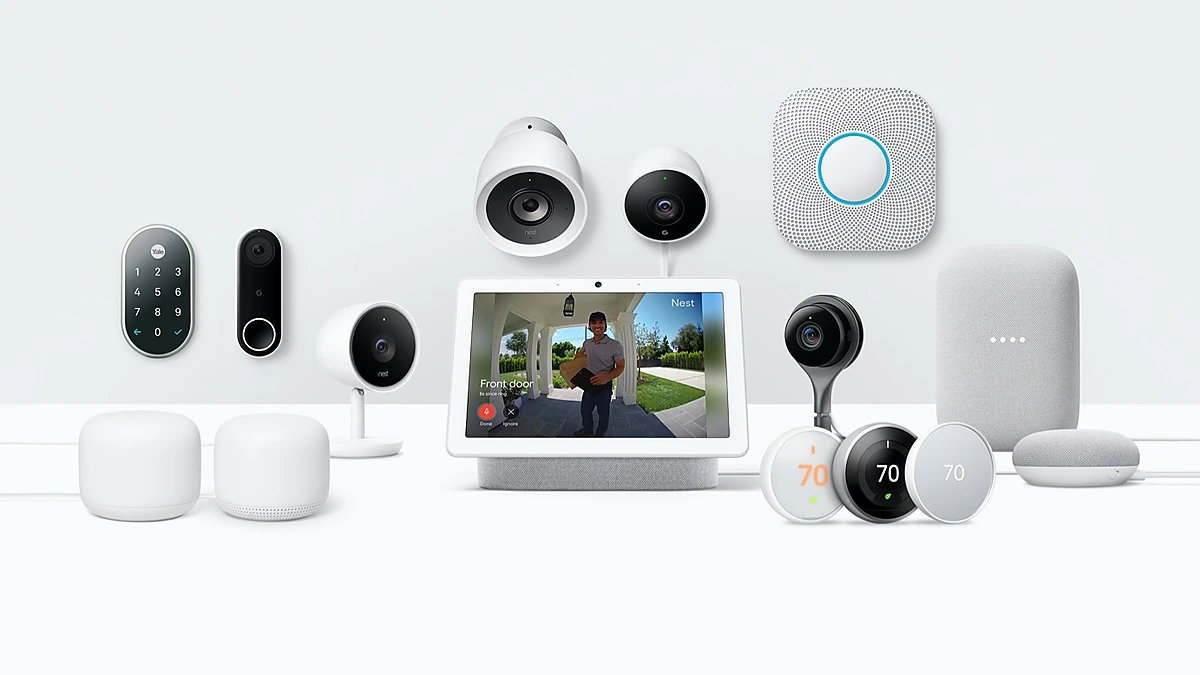
Nest Installer
Nest thermostat and smart home setup for comfort and remote control.
4 minutes
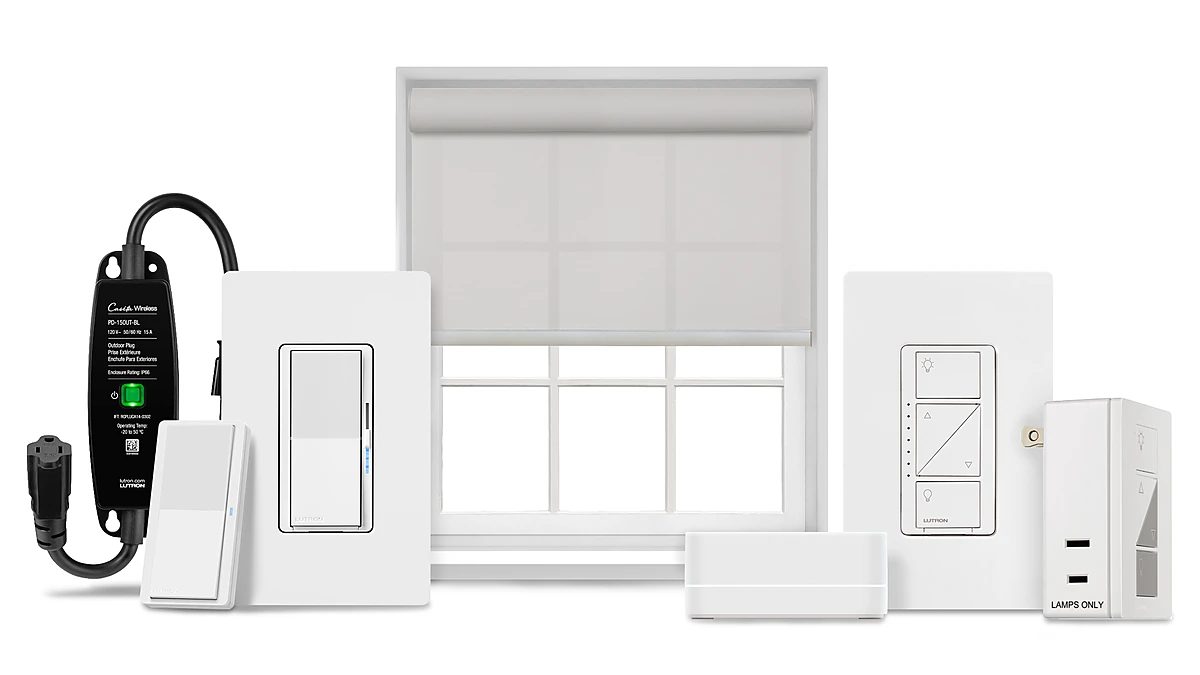
Lutron Installer
Lutron lighting and shading integration for smoother control and scene setting.
4 minutes
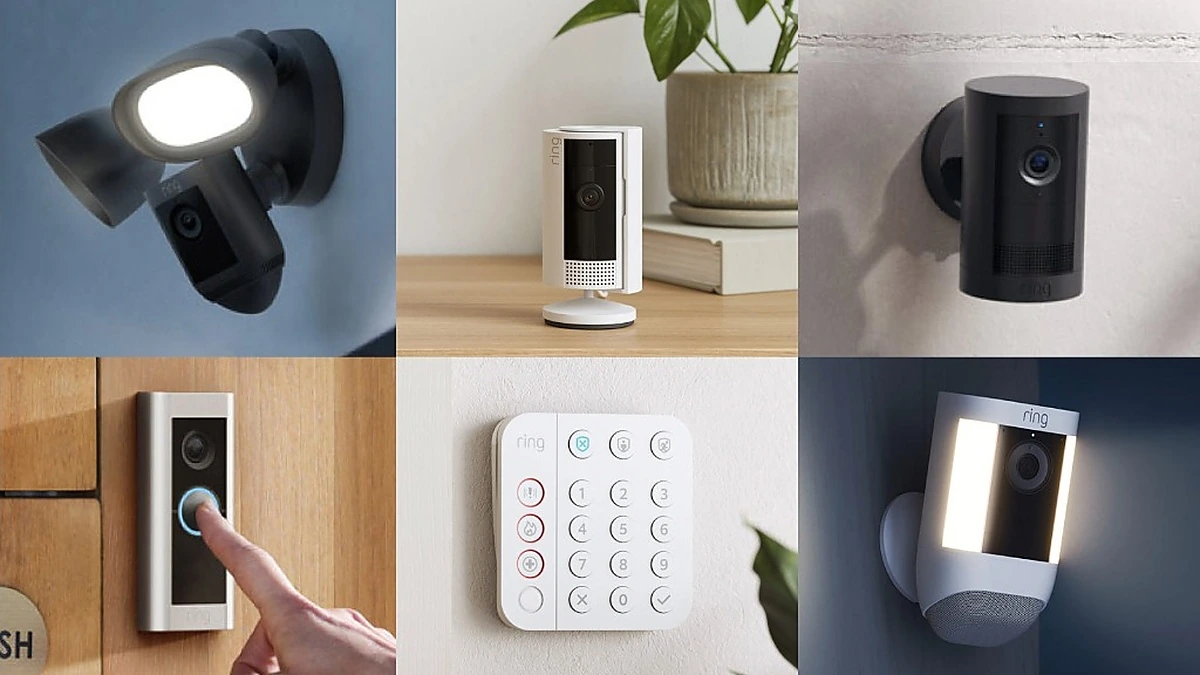
Ring Installation
Ring doorbells and cameras installed for better awareness and entry visibility.
5 minutes
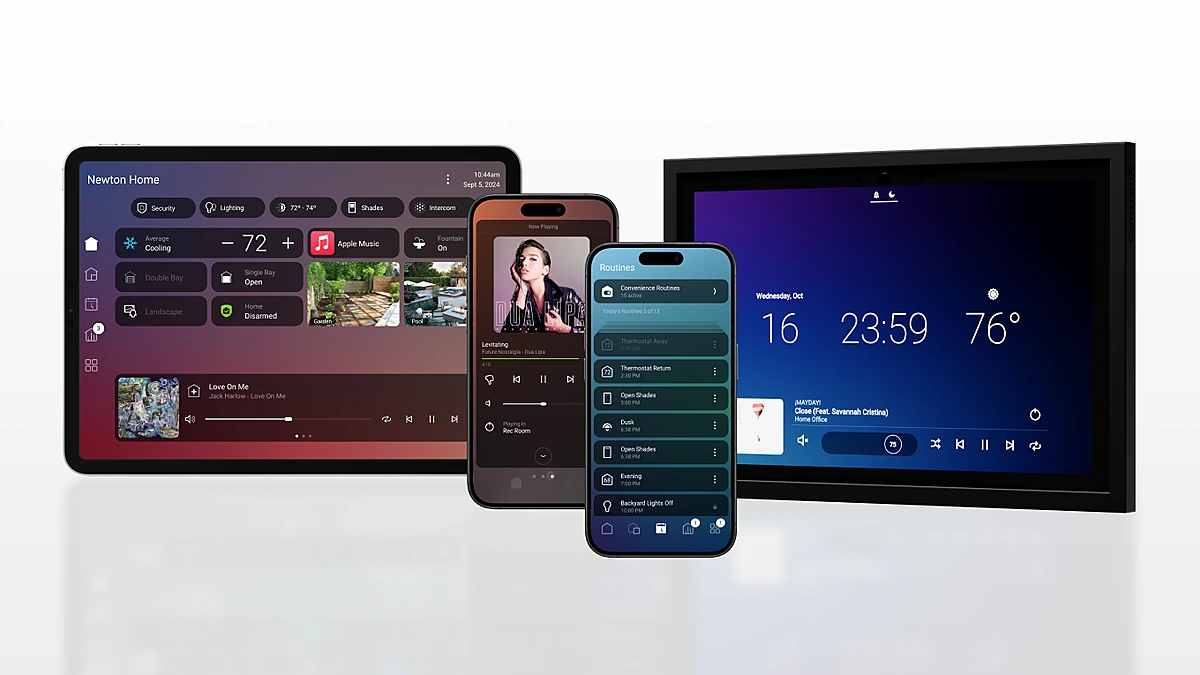
Control4 Installer
Control4 automation setup for unified entertainment, comfort, and home control.
4 minutes

Car & Truck Audio / Electronics Custom Upgrades
Custom mobile audio and electronics upgrades for better sound and functionality.
3 minutes
Royal Palm Beach was built in two waves, and the walls tell you which one you are in
Royal Palm Beach has 14,493 homes and they did not arrive together. 4,973 date from the 1980s and a further 4,212 from the 2000s, which leaves the median home in the 1990s. Two decades of building practice separate those groups, and for a whole-home system that gap matters more than the architecture does. It decides whether there is any low-voltage distribution in the house to build on, whether anything was ever run past the rooms you now want to use, and how much of the project is a retrofit rather than an extension of something already there.
So a survey here does not generalise the way it does in a town built all at once. Some of what you learn travels — how the roofs are framed in a given development, where a distribution point tends to end up, which walls can be reached from above. Some of it does not, and assuming otherwise is how a design turns up on site depending on a route that was never there. The first question worth asking is not what the house should do. It is what has already been done to it.
One home in six here shares a wall
Alongside the 9,211 detached houses there are 2,443 attached ones, and an attached house is a different routing problem before it is anything else. One of its faces is shared, so that wall is not available as a chase and not available as a way to bring a cable in from outside. Whether the roof void carries on past the party line is a survey question rather than a safe assumption, and the answer decides whether in-ceiling placement is straightforward across the whole plan or only over part of it. Where it stops, the design has to find another way through rather than pretend the constraint is not there.
This is a village that is lived in all year
13,742 of the town's homes are occupied and only 323 stand seasonal, recreational or occasional — 43.0% of what is vacant, and a fraction of the town. Systems here are not woken up in November and shut down in April. They are used every day by everyone in the household, and that raises the bar on control rather than on equipment. Anything that has to be remembered will be forgotten and anything that has to be explained will be avoided. Named scenes on a wall keypad, doing the obvious thing at the obvious time, get used. A clever sequence does not.
It is also the argument for treating lighting, shades, climate and entertainment as one system rather than four that happen to share a house. In a home occupied continuously, the friction of four apps and three remotes is paid every single day, and it is the reason capable equipment ends up unused while somebody reaches for the switch on the wall instead. One control layer, planned at the start, is far easier to arrange than four retrofitted into agreement later. It is also cheaper: the keypads, the wiring behind them and the decision about what each one does are trivial while a wall is open and awkward once it is closed.
Where the equipment lives is a decision, not a leftover
Every system of any size ends up with a rack, and in a single-family house it is usually the last thing placed — whatever cupboard is still free once everything else has a home. It deserves better than that. A rack needs power, it needs air, and it needs to be reachable from the front and the back by whoever services it. Sealed into a warm closet behind a solid door, equipment runs hot and gives up early. Put somewhere ventilated and serviceable, it stays boring for years. Settling that location early also settles cable lengths and pathways, which is why it belongs in the first conversation rather than the last.
11,009 of the 13,742 occupied homes here are owned by the people living in them, which usually means a long view is worth taking. Two waves of building, a meaningful share of shared walls and a household that will use the system every day for years all point the same way: establish what the house actually is before deciding what it should have. The decade it was finished in, whether it shares a wall, and where the equipment can honestly live will shape the answer more than any product comparison.