

A City Of Houses, Its Own Permits Audio Video | Home Theater Installations Serving Port St. Lucie, FL
Port St. Lucie is a city of houses at a scale that changes the arithmetic, where 89.8% of homes are single-family, 83.2% are owner-occupied, and the city issues its own permits.
Transform Your Space with Advanced Audio, Video, and Security Solutions
Explore a comprehensive range of services including high-quality car, home, and boat audio systems, one-touch remotes, CCTV security, and more, designed to enhance your lifestyle and security.
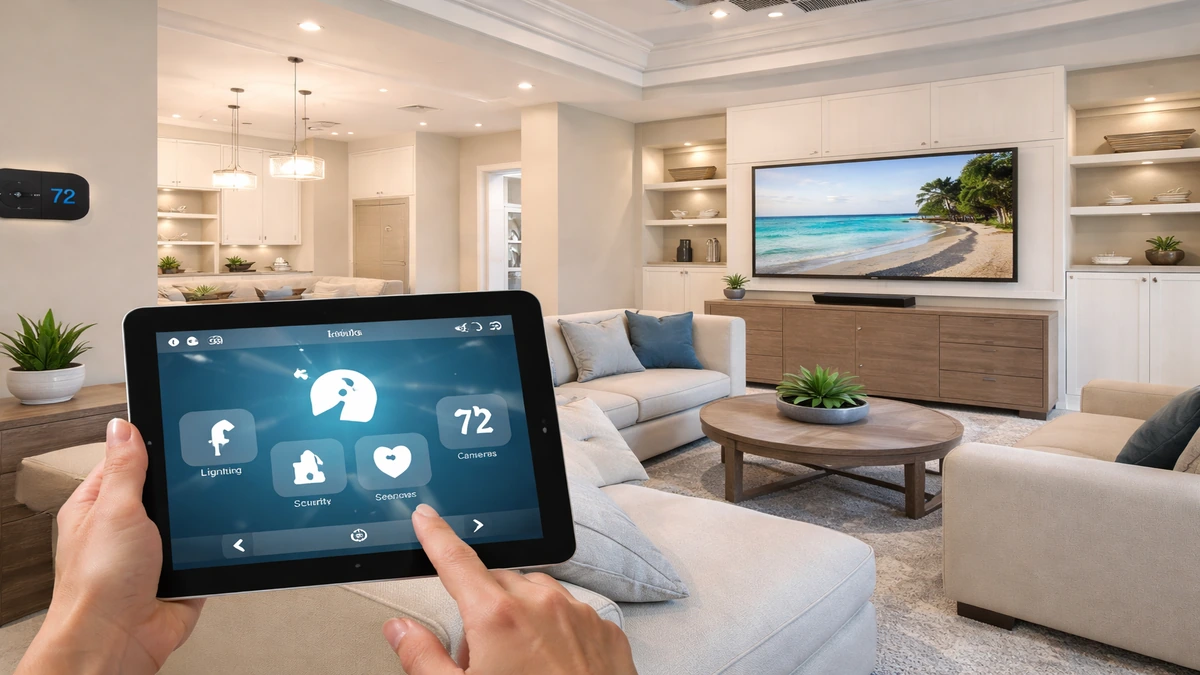
Smart Home Automation Installation
Integrated control for lighting, climate, security, and entertainment.
4 minutes
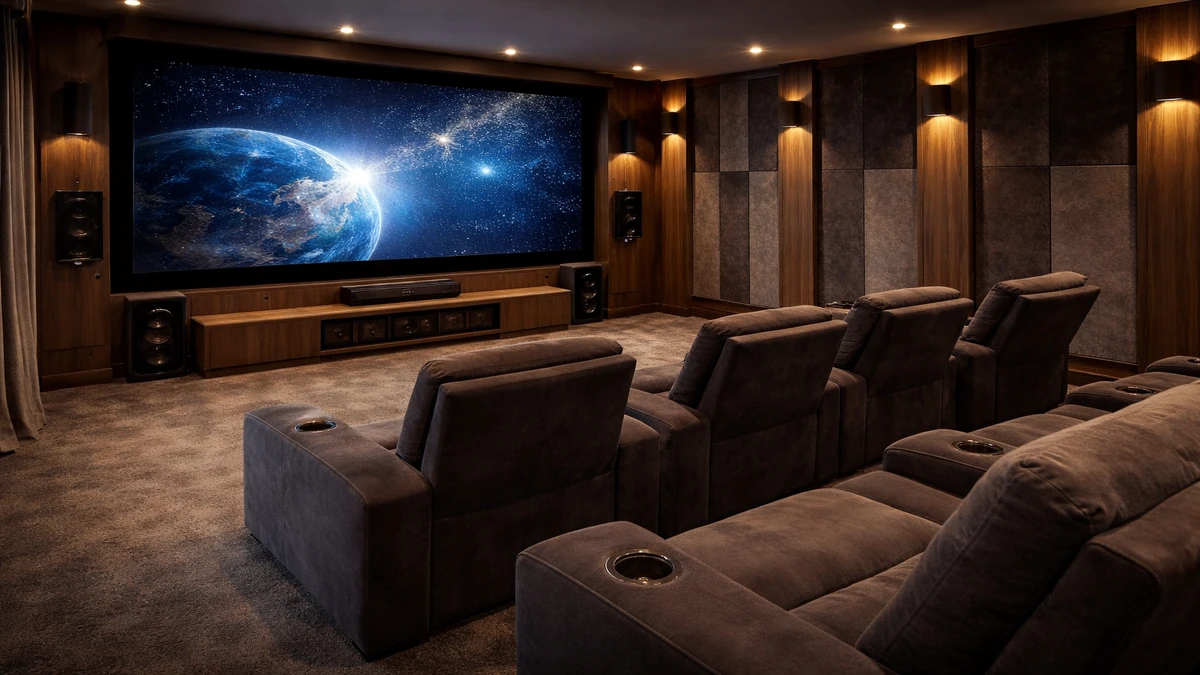
Home Theater Installation
Custom theater rooms designed for immersive picture, sound, and comfort.
4 minutes
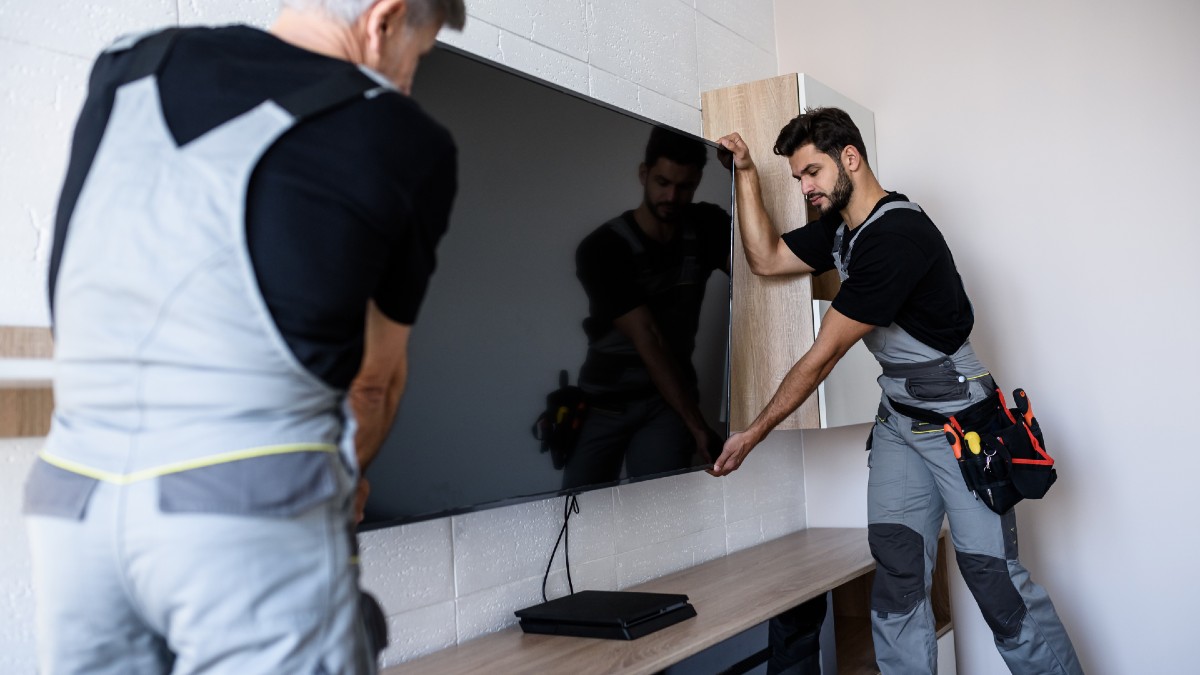
TV Wall Mounting
Professional TV mounting for cleaner layouts and better viewing angles.
5 minutes
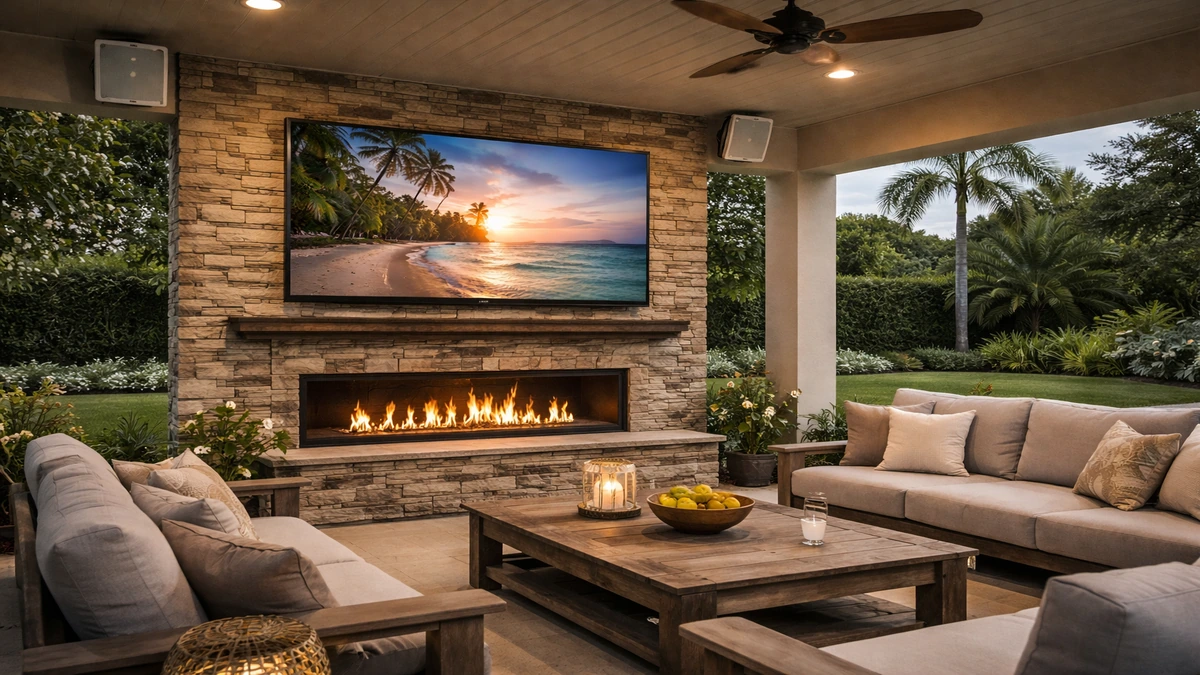
Outdoor TV Installation
Weather-aware outdoor TV setups built for patios, lanais, and pool areas.
5 minutes
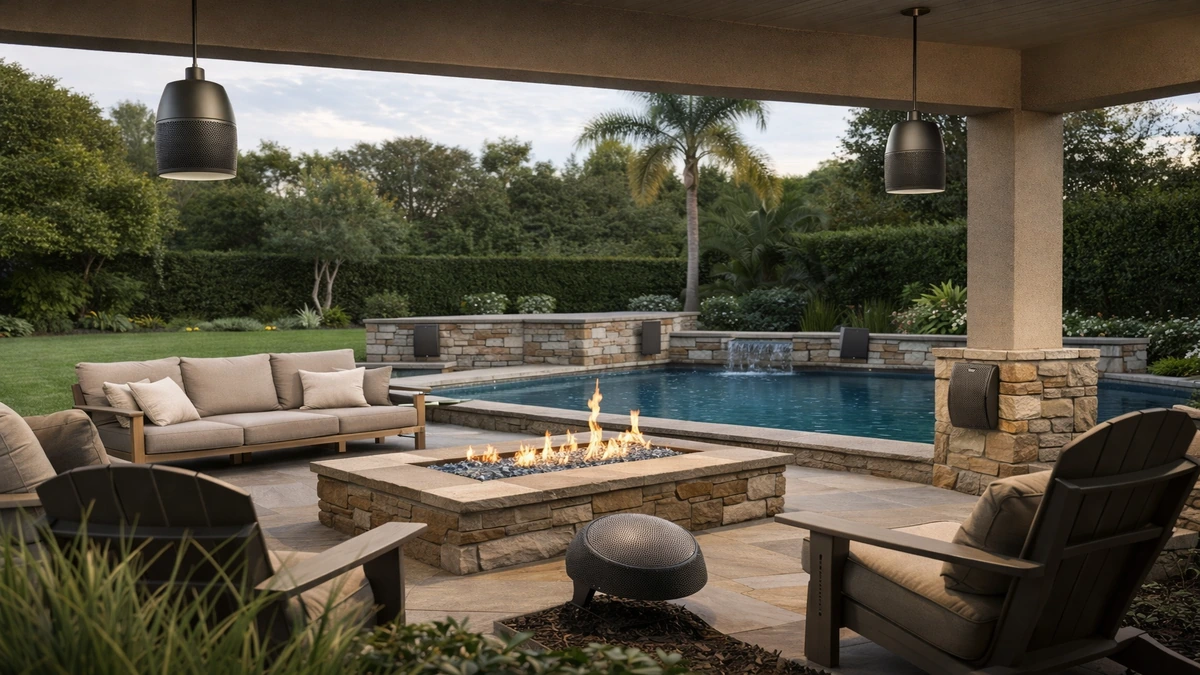
Outdoor Audio Installation
Outdoor speaker systems planned for clear sound and reliable coverage.
4 minutes
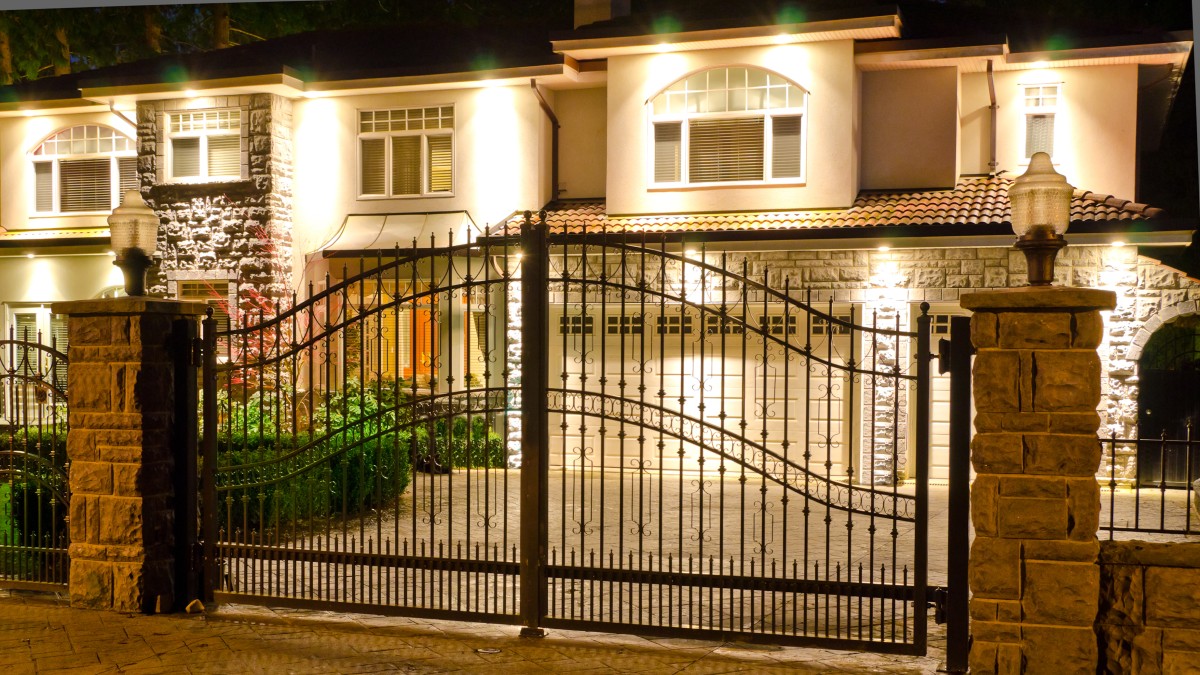
Automatic Gates
Secure, convenient gate automation with access control and entry integration.
4 minutes
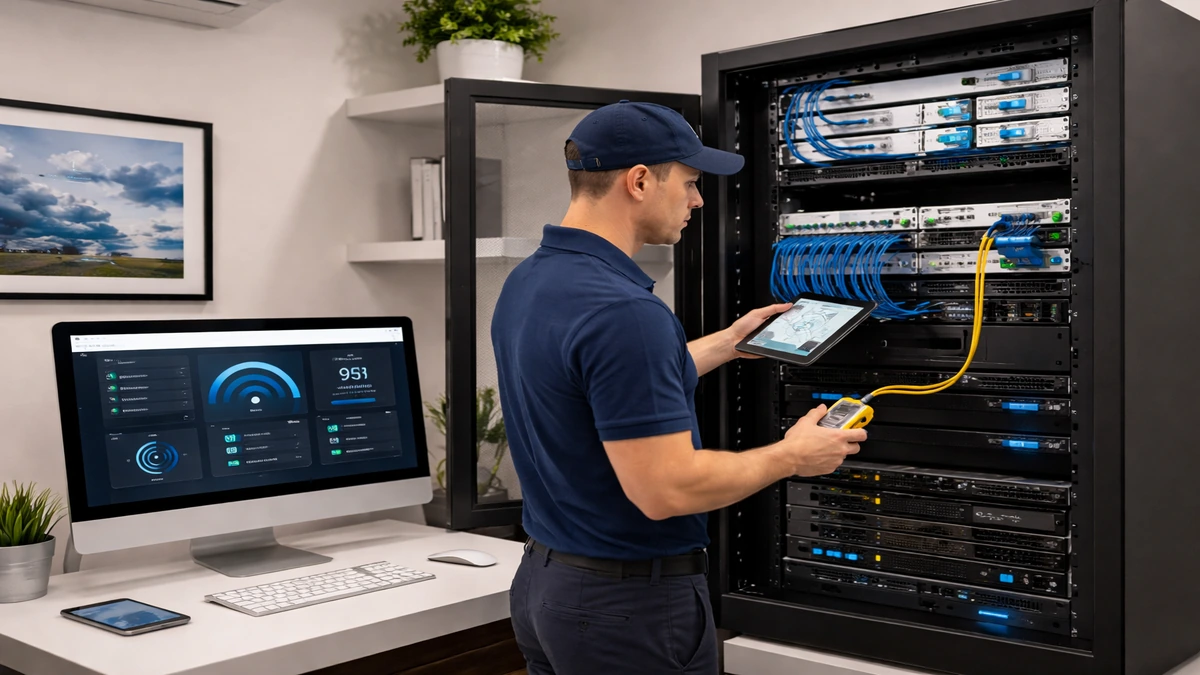
Home Network Installation
Stronger Wi-Fi, better coverage, and dependable connectivity throughout the property.
4 minutes
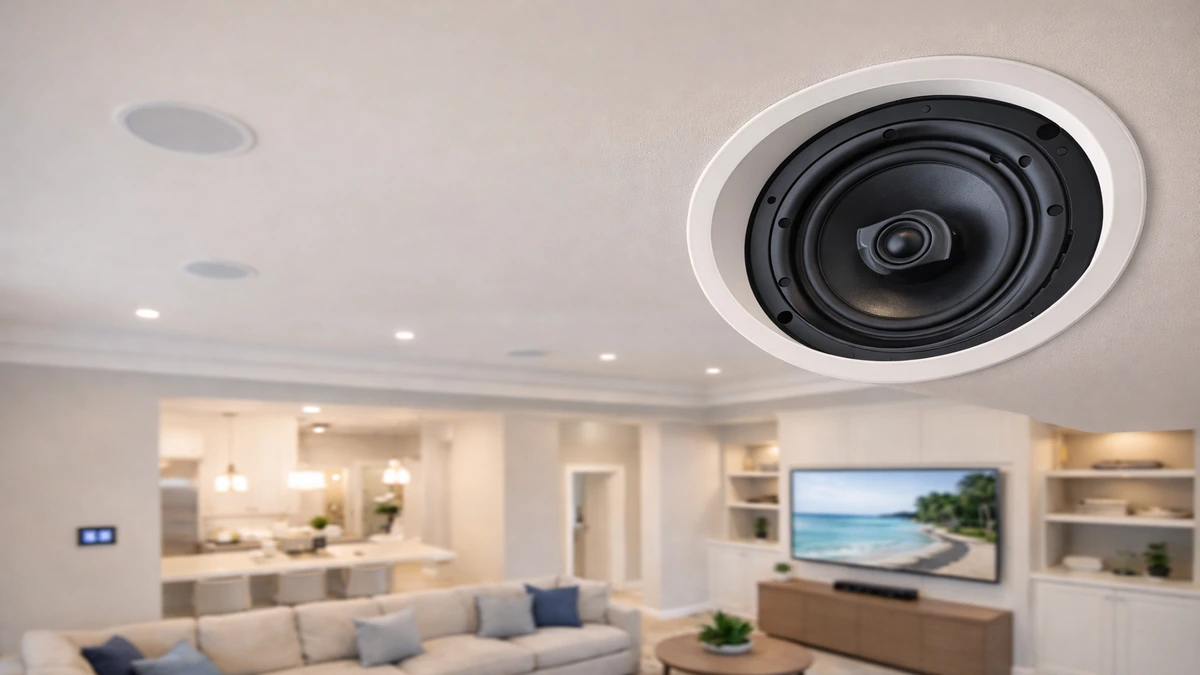
Ceiling Speaker Installation
Clean in-ceiling audio solutions for music, TV, and multi-room sound.
4 minutes
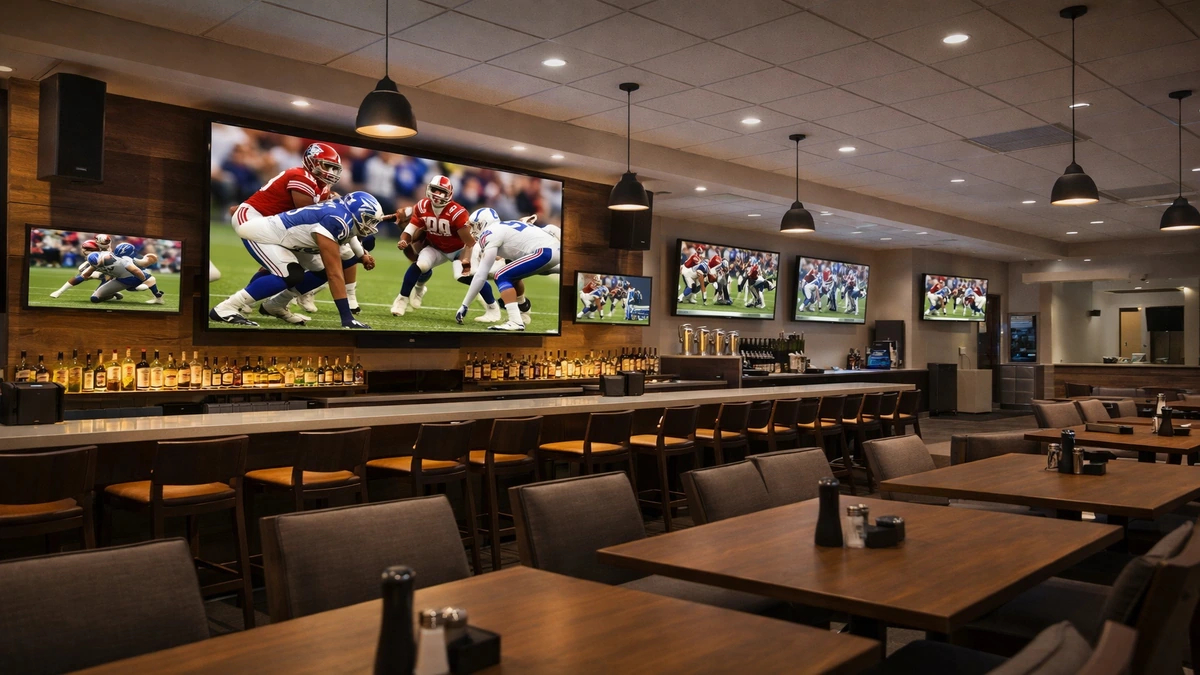
Commercial AV Installation
Professional audio, video, and control systems for business environments.
4 minutes
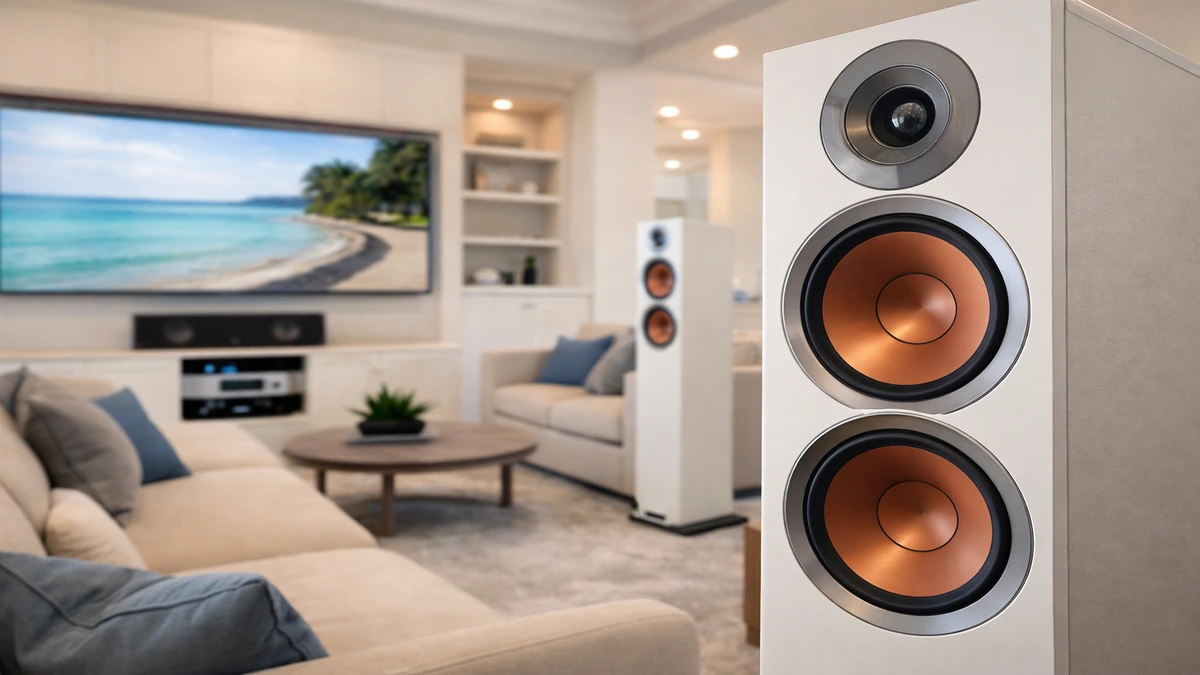
Home Audio Installation
Whole-home and room-based audio systems tailored to how you listen.
4 minutes
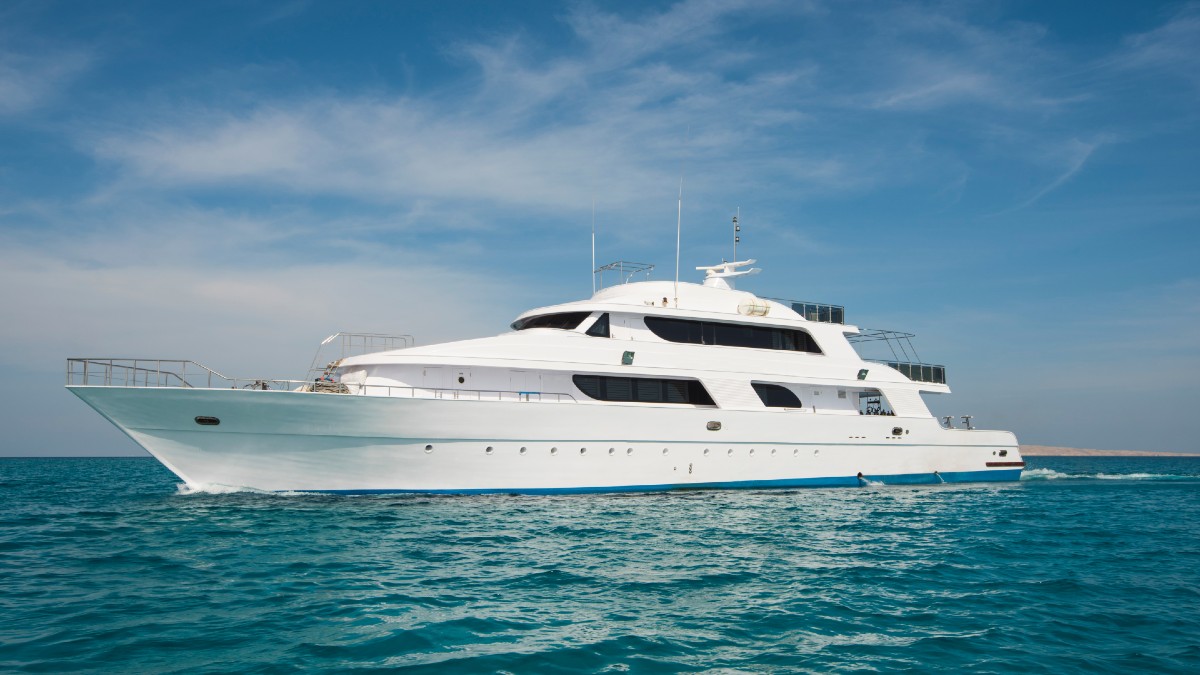
Marine Audio & Electronics Installation
Boat audio, displays, and electronics installed for performance on the water.
4 minutes
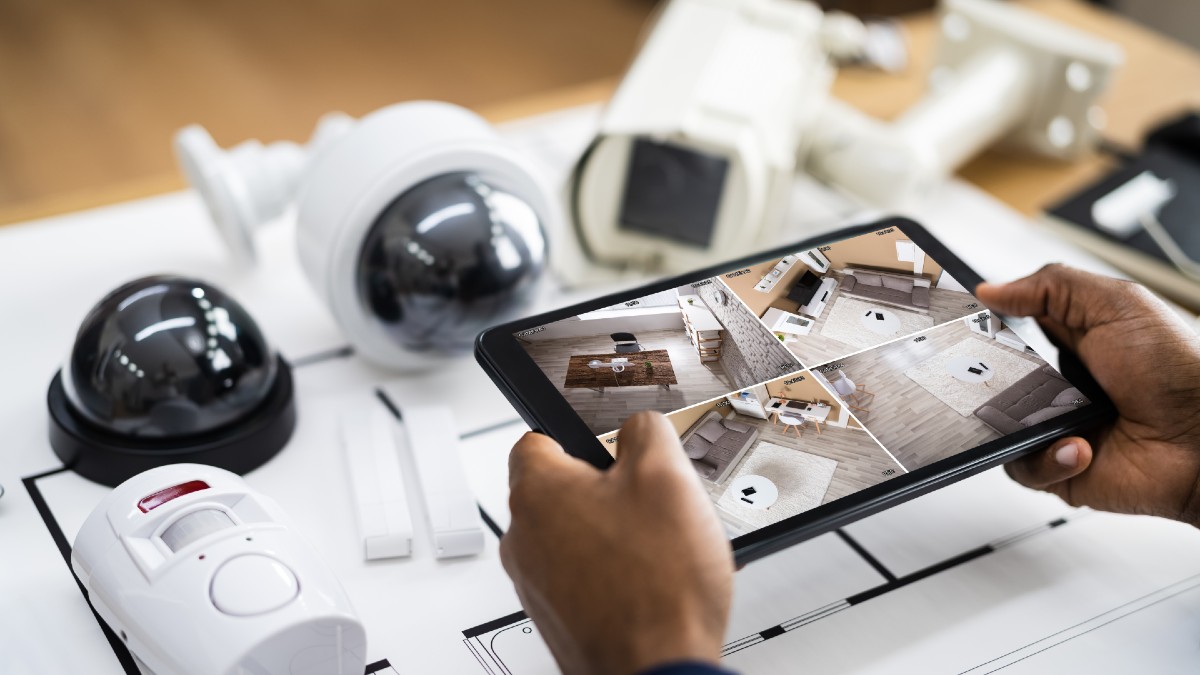
Security Camera Installation
Smart camera systems for visibility, alerts, recording, and remote monitoring.
4 minutes
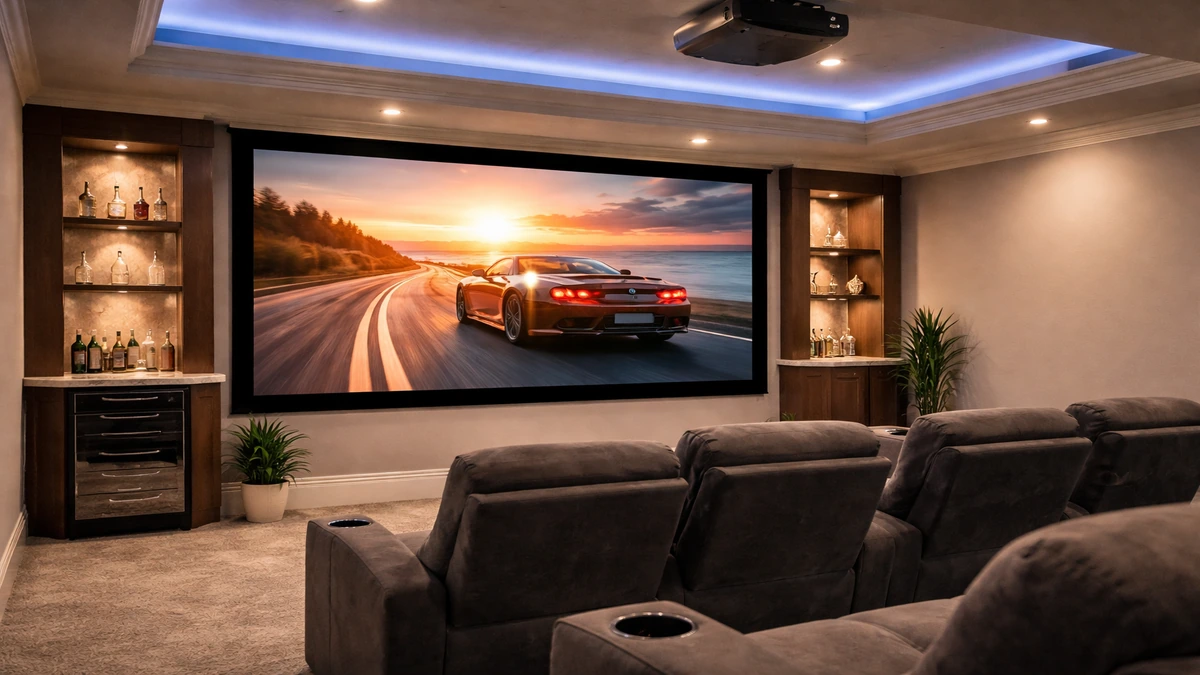
Projector Screen Installation
Projectors and screens configured for sharp viewing and balanced room performance.
4 minutes
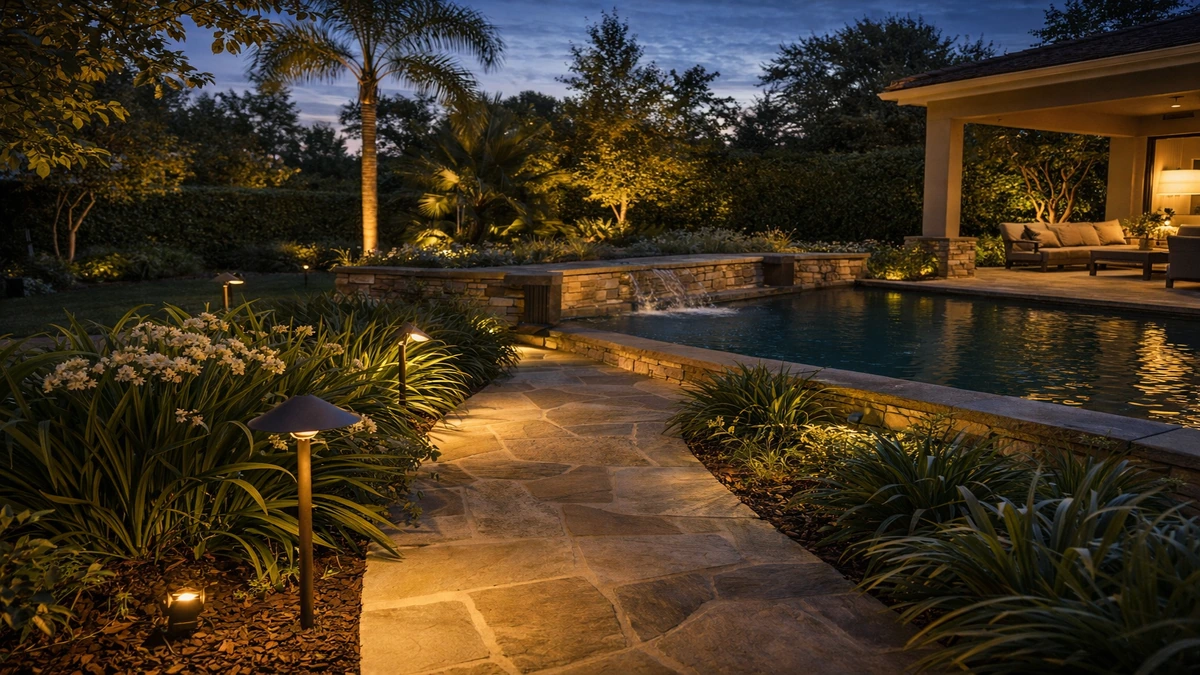
Outdoor Lighting Installation
Exterior lighting that improves curb appeal, ambiance, and nighttime usability.
4 minutes
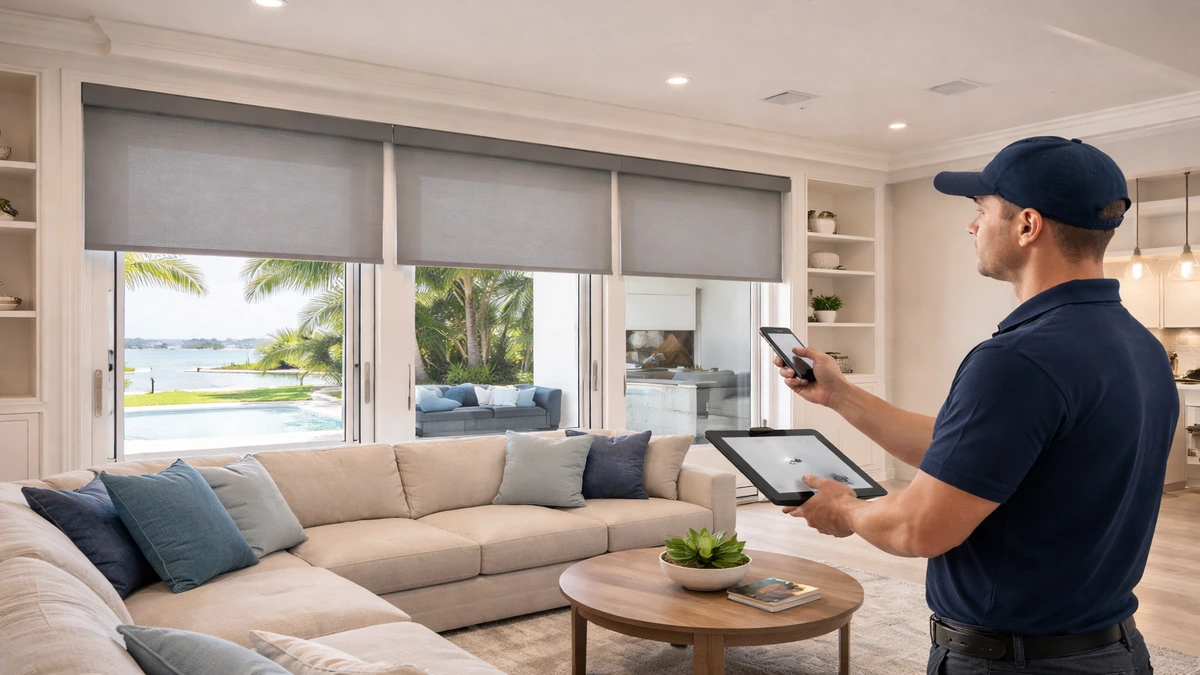
Motorized Blinds Installation
Automated shading for privacy, glare control, and everyday convenience.
4 minutes
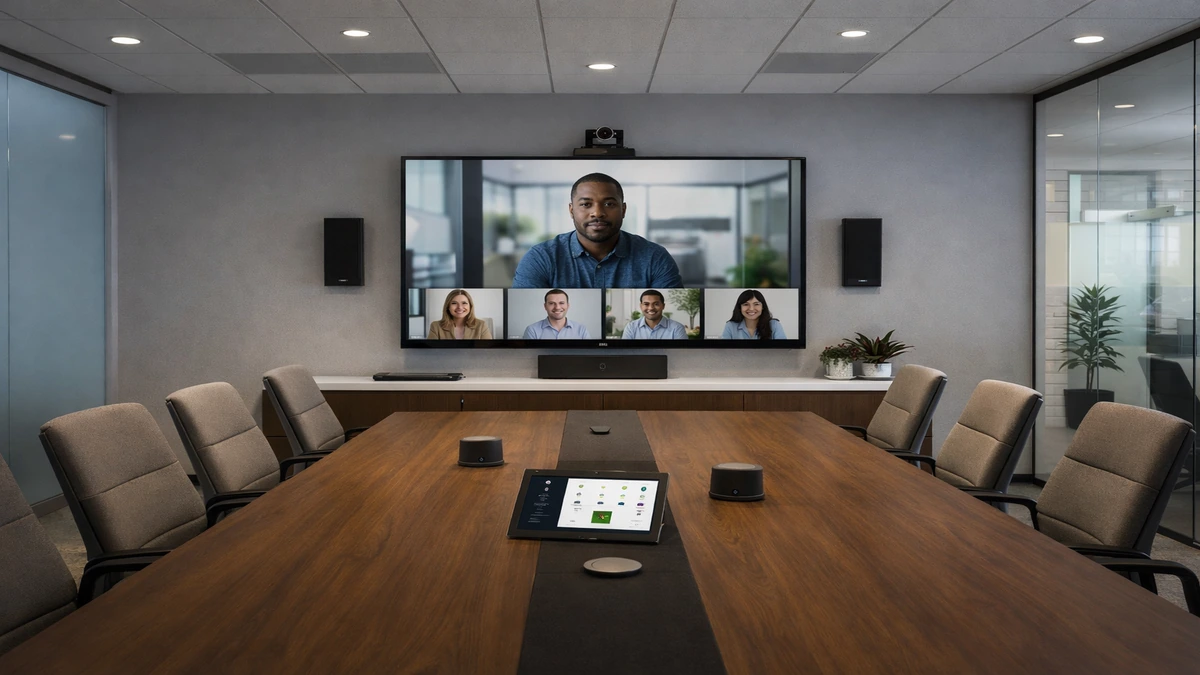
Conference Room AV Installation
Meeting room technology for clearer presentations, calls, and collaboration.
4 minutes
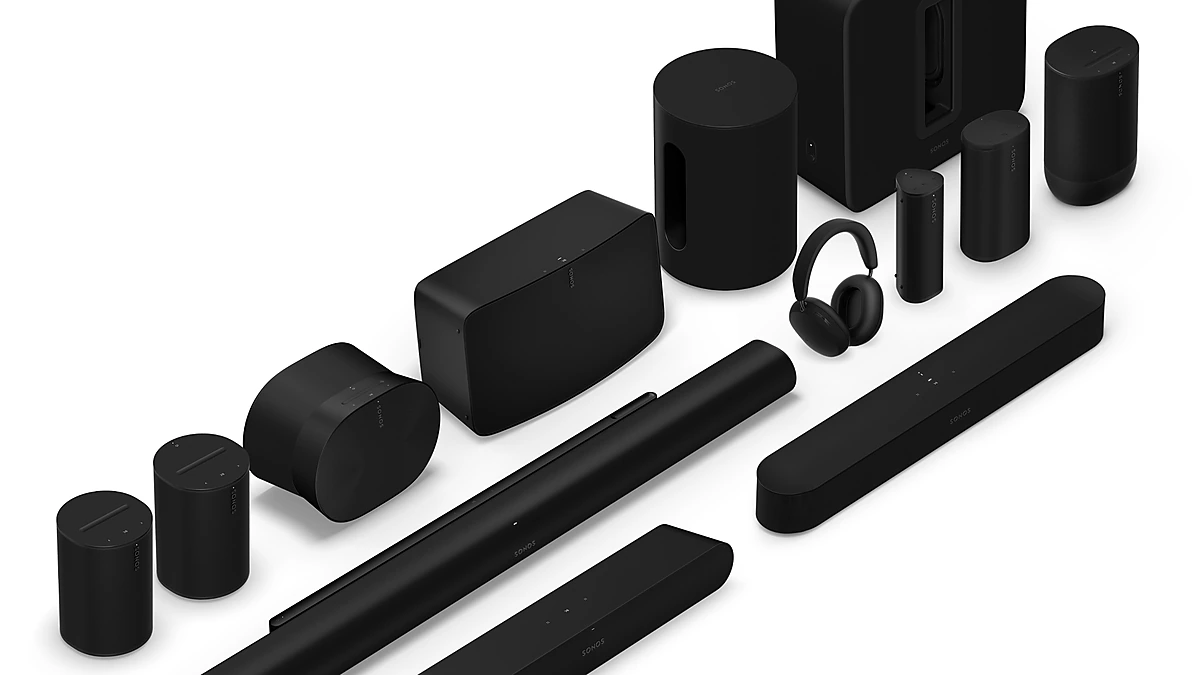
Sonos Installation
Sonos system design, setup, and tuning for simple multi-room audio.
4 minutes
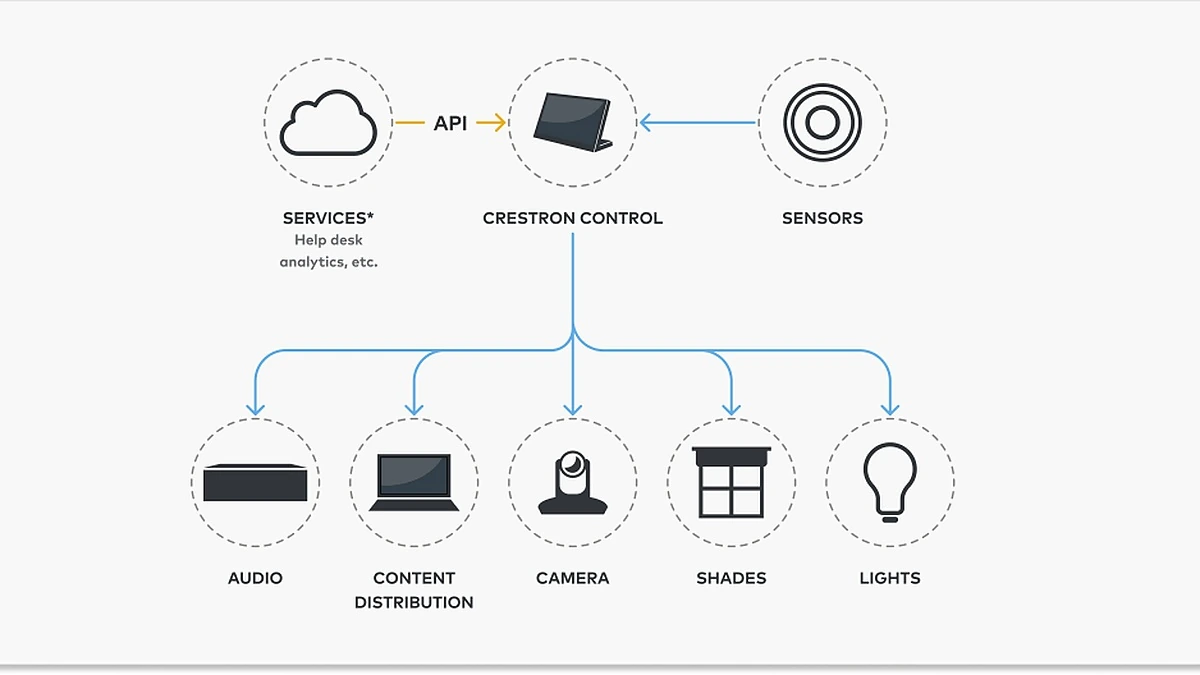
Crestron Installer
Advanced Crestron control integration for high-performance smart home environments.
4 minutes
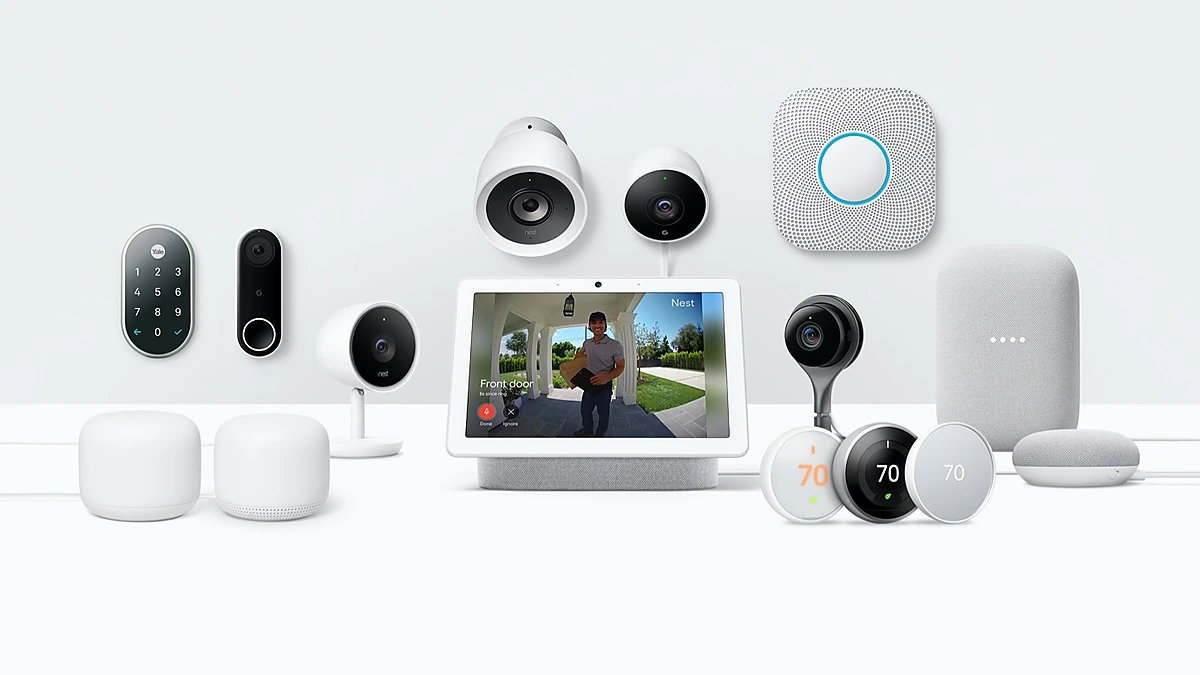
Nest Installer
Nest thermostat and smart home setup for comfort and remote control.
4 minutes
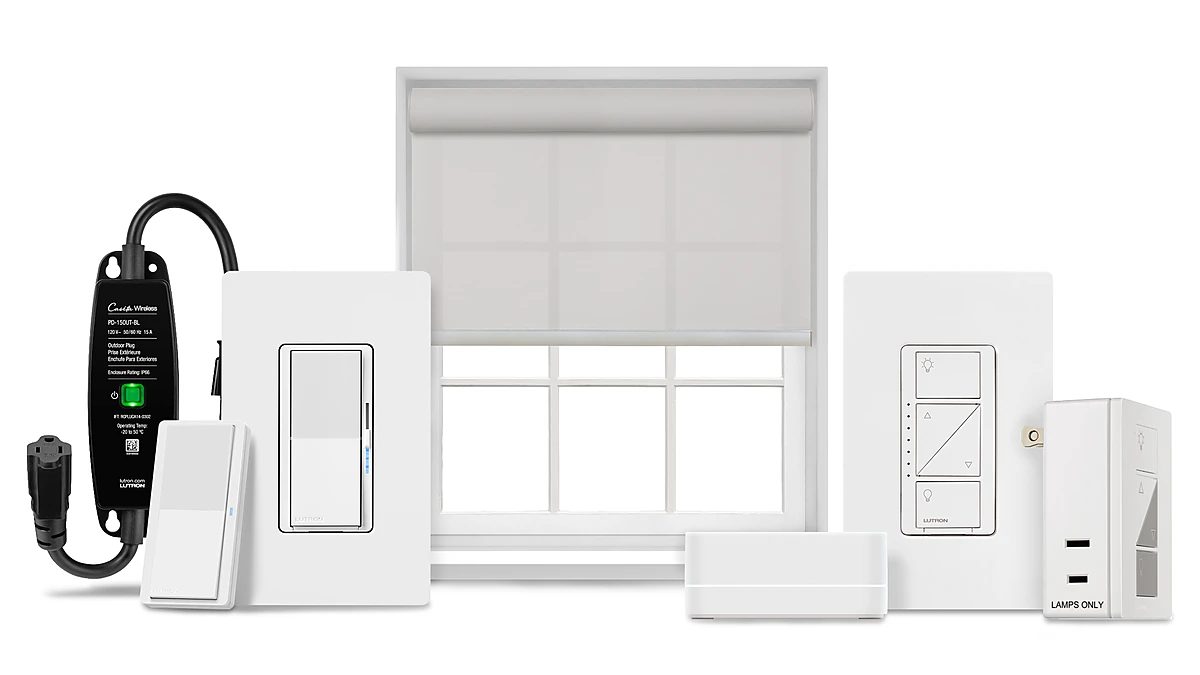
Lutron Installer
Lutron lighting and shading integration for smoother control and scene setting.
4 minutes
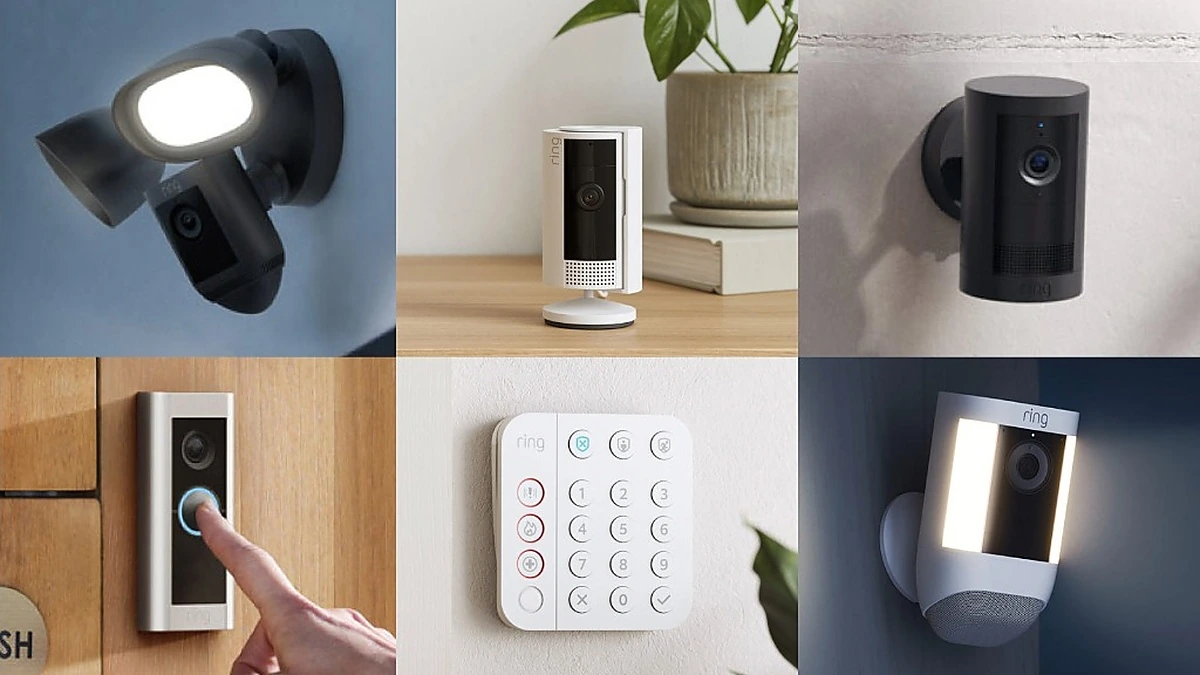
Ring Installation
Ring doorbells and cameras installed for better awareness and entry visibility.
5 minutes
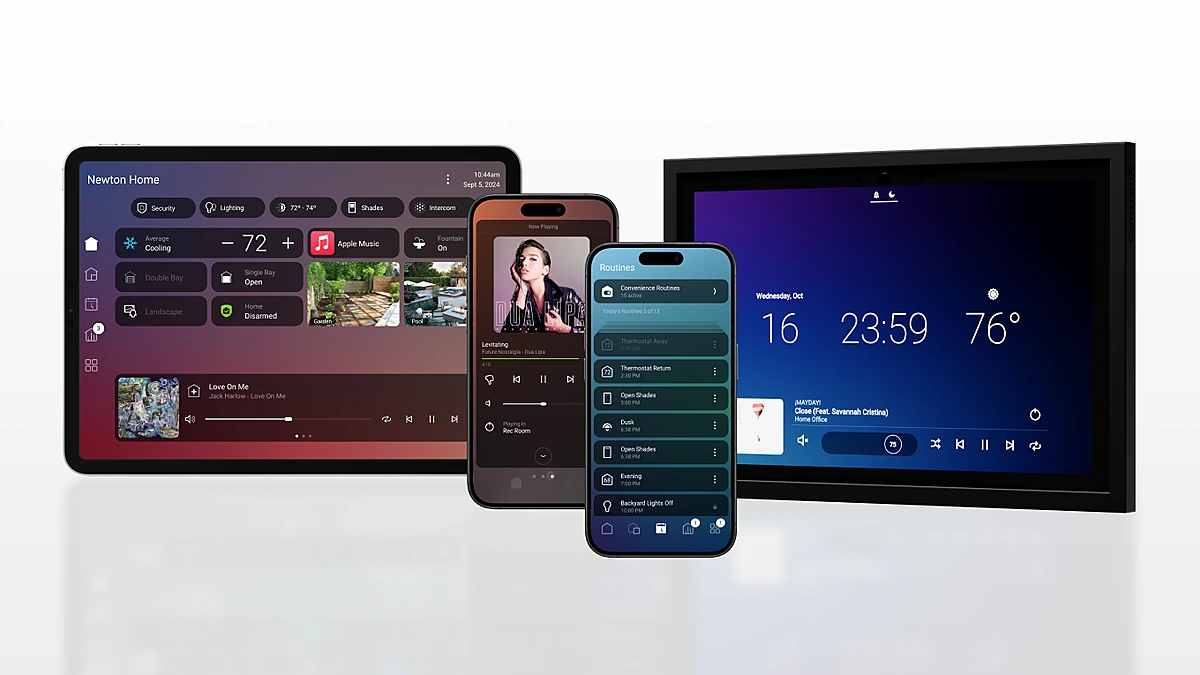
Control4 Installer
Control4 automation setup for unified entertainment, comfort, and home control.
4 minutes
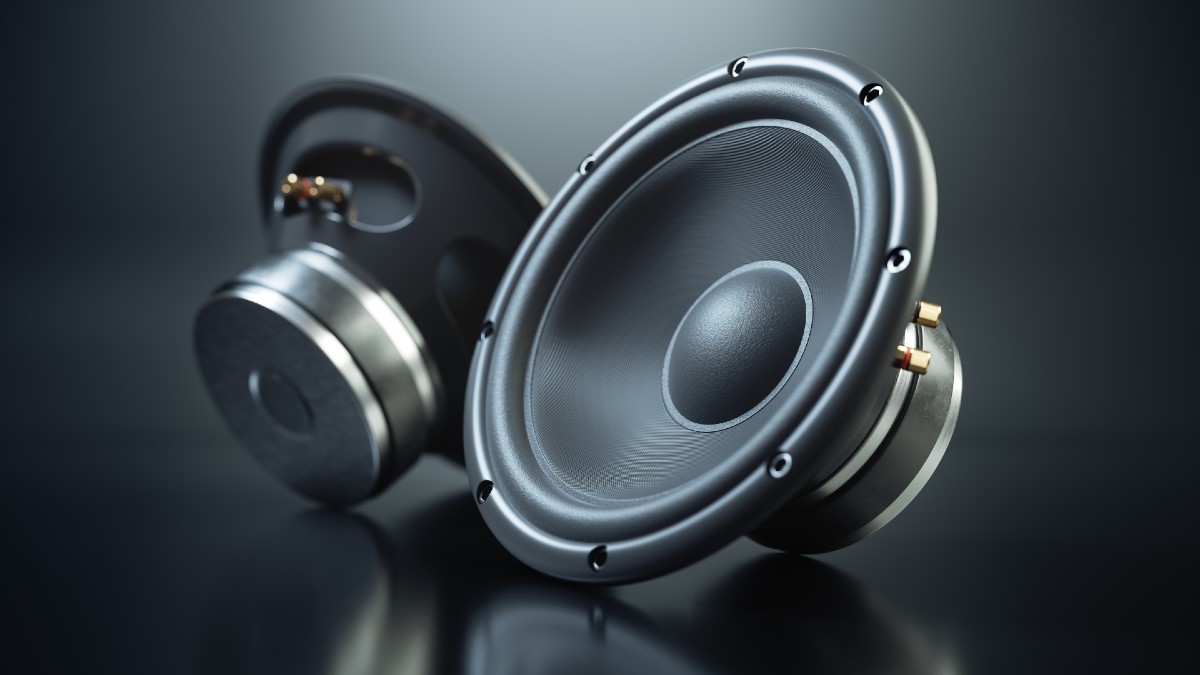
Car & Truck Audio / Electronics Custom Upgrades
Custom mobile audio and electronics upgrades for better sound and functionality.
3 minutes
Port St. Lucie is a city of houses, at a scale that changes the arithmetic
Port St. Lucie is a large city built almost entirely out of single houses. Of 86,398 homes, 74,958 are detached and another 2,585 are attached. Fewer than two homes in a hundred sit in a building of twenty units or more. For a whole-home system that is the most useful fact on this page, because the constraints that slow this work down elsewhere — a route somebody else administers, a shaft you need permission to open, a shared wall you are not allowed to cross — mostly do not arise. What is left is your own house, and the labour to work in it.
The stock is recent. The largest group of homes went up between 2000 and 2009, the median home dates from that decade, and a further 18,063 date from the 1980s. What that changes is where the work happens: through the roof space and down inside a wall rather than through anybody's riser. One honest trip into the attic settles most of a design — in-ceiling speaker positions, a screen position, a camera at the eave, and the cable that has to feed all three.
That same survey should settle where the equipment is going to live, which is the decision people leave last and regret first. A rack needs power, air, and clearance enough to be worked on without taking a room apart. A garage wall, a purpose-built closet and a laundry alcove are not interchangeable once the system has grown into a theater, distributed audio and the network underneath both. Claiming the space at the start costs a line on a drawing. Finding it later costs a room.
This is a city people live in year round
Of 79,185 occupied homes in Port St. Lucie, 65,878 are lived in by their owners, and better than nine in ten of the city's homes are occupied at all. Those figures describe a system in daily use by the household that commissioned it, which is a different brief from a house standing closed for months. It has to be fast for the people who live there rather than merely legible to a visitor, quiet enough to sit beside every evening, and able to take a fourth zone in the fifth year without an argument with a finished ceiling.
Designing for daily use and designing for later extension turn out to be one decision, taken early: leave capacity. A spare conduit between the rack and the roof space. A second cable to a wall plate that only needs one today. A keypad position roughed in for a room nobody has finished yet. Each of those is close to free while a ceiling is open and a small construction project once it is closed. The cheapest zone you will ever add is the one the house was already prepared for.
A system on a property like this rarely arrives all at once anyway. A theater one year, audio through the rest of the house the next, control and cameras after that. Whether the result reads as one system or as three separate ones depends almost entirely on whether the first project was planned as the opening part of something larger, or simply as itself.
The city issues its own permits, not the county
This one is worth getting right because the obvious assumption is the wrong one. St. Lucie County's permitting page sends anyone with a property inside the City of Port St. Lucie to the city, stating that permitting information for properties located within the City of Port St. Lucie can be found at cityofpsl.com or by calling the city directly. Port St. Lucie is an incorporated municipality and issues permits to its own residents. If any part of your project needs one, that is where it is coming from, and establishing it is a short check rather than a week's delay.
None of that is a reason to slow a project down; it is a reason to spend the first week on the house rather than on a shortlist. In a city where nearly every property is a detached home under your own control, everything that decides whether a large system lands well is decidable before anything is bought — where cable can go, where the equipment will sit, what has to vanish into a wall and what may be surface-run, and who signs off the small share of the work that needs signing off.